Abstract
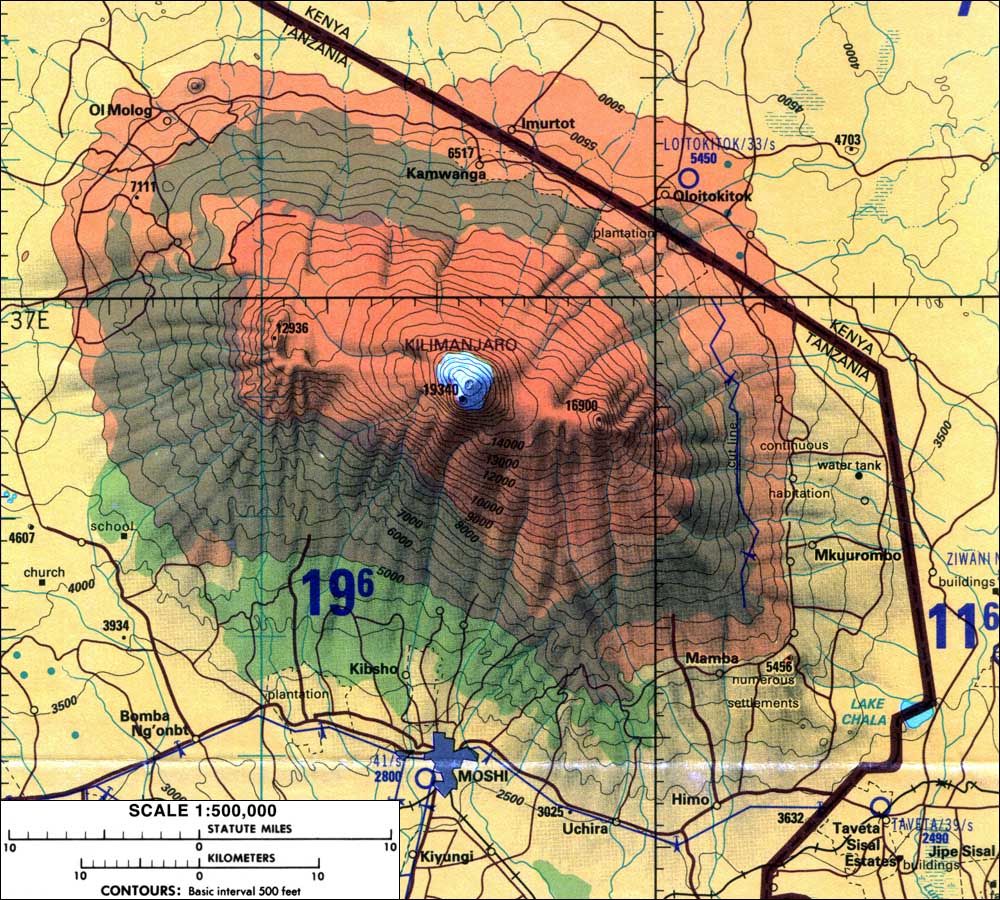
Livelihoods in Tanzania are constructed through a diverse range of practices. This paper draws on the Livelihoods Approach alongside the ‘double exposure’ framework in order to explore how households on Mount Kilimanjaro construct their livelihoods, and are constrained by the local and wider political economy. Specifically, it uses these frameworks in order to explore how people may in future adapt to an increasingly changing climate. Most households in the case study region are found to be highly reliant on the natural base of the area, and are liable to be highly vulnerable to future climate change. Means by which households can reduce vulnerability are explored, and the most feasible are found to be those that involve a reduction in reliance on direct production from nature. The paper concludes with a discussion of the appropriateness of the research framework, and argues that a dialectical approach may enable more appropriate questions to be posed and engaged with.
Get full access to this article
View all access options for this article.