



Abstract
Objective
Datura stramonium is a traditional medicinal plant recognized for treating skin ailments, and interest has been garnered in its potential bioactive compounds. The current study aimed to investigate the phytochemical profile and in vitro antimicrobial properties of D. stramonium for anti-dandruff shampoo preparation.
Methods
In this study, maceration of 830 g of powdered leaves with 2.5 L of methanol yielded 290.6 g of crude extract. Phytochemical screening identified the presence of flavonoids, alkaloids, amino acids, steroids, saponins, glycosides, terpenoids, phenolic flavonoids, and phenols. In vitro, the antimicrobial activity of this extract against [Staphylococcus aureus, Escherichia coli, Pseudomonas aeruginosa, and Malassezia furfur] was assessed using disc-diffusion methods.
Results
This Plant extract exhibited strong anti-microbial activity against P. aeruginosa, S. aureus, E. coli, and Malassezia fungi, with a minimum inhibitory concentration of 62.5 mg/ml. This extract was used to formulate an anti-microbial D. stramonium herbal shampoo. The resulting shampoo (brown color, good odor, pH 6.0) showed superior inhibition of the test microorganisms compared to ketoconazole anti-Malassezia shampoo and gentamicin anti-bacterial drugs. It also exhibited 25.5% solid content, good foaming ability and stability, and no dirt dispersion.
Conclusion
These results suggest that the D. stramonium-based herbal shampoo is an effective and safe topical antimicrobial product.
Introduction
Scalp and hair disorders, particularly dandruff, pose a significant challenge worldwide, affecting individual’ hygiene and self-esteem. While synthetic shampoos are commonly used for treatment, concerns about their side effects have increased interest in herbal formulations. 1 Medicinal plants are known for their bioactive compounds, offer promising alternatives due to their antimicrobial and therapeutic properties. 2
In many African nations, particularly Ethiopia, access to modern healthcare remains challenging due to the high cost of medications and limited availability of public and private healthcare services. As a result, a major part of the population relies on traditional medicine and herbal therapies. 3
Datura stramonium is a well-known medicinal herb that has traditionally been used to treat skin disorders. It rich in alkaloids, flavonoids, and phenolic compounds, it exhibits antimicrobial activities against a number of pathogens including infections caused by S. aureus, E. coli, P. aeruginosa, and dandruff-related Malassezia fungi.1,4,5 D. stramonium has been used to manage skin and hair conditions in Ethiopia, particularly in the South Wollo Kutaber Woreda in Amara region.
Developing effective herbal formulations is crucial for addressing bacterial and fungal infections affecting the skin and hair. While many studies have focused on formulating and evaluating herbal shampoos using extracts from plants such as Acacia concinna, Sapindus mukorossi, Phyllanthus emblica, and others, the potential of D. stramonium in shampoo formulations remains largely unexplored.2,6,7
D. stramonium contains various alkaloids; atropine is the most commonly utilized in pharmacological preparations due to its stability and lack of racemization in solution. Nevertheless, an overdose of tropane alkaloids may result in heightened anti-muscarinic side effects, characteristic of its poisoning. The clinical manifestations of poisoning due to D. stramonium commence within 30 to 60 min following ingestion. Treatment for its intoxication encompasses gastrointestinal management, hydration through intravenous fluids, sedation with diazepam, oxygen supplementation, and the administration of physostigmine as an antidote in severe instances where the patient exhibits resistant delirium or agitation.8,9
The current study addressed this gap by formulating and evaluating an anti-dandruff herbal shampoo incorporating D. stramonium leave extract to assess its effectiveness compared to conventional treatments. By harnessing the antimicrobial properties of this plant, the study contributed to developing an effective, natural alternative for scalp and hair care because of D. stramonium is a traditional medicinal plant that recognized for treating skin ailments and interest has been garnered in its potential bioactive compound. 10 To our knowledge, there are no peer-reviewed reports describing the formulation of an herbal shampoo prepared from Datura stramonium leaf extract and an integrated evaluation combining in-vitro antimicrobial testing including Malassezia spp. with standard physicochemical shampoo quality assessments. Thus, the current study aimed to investigate the phytochemical components, determine the anti-microbial activity of the crude extract and in vitro antimicrobial properties of D. stramonium anti-dandruff shampoo preparation.
Materials and Methods
Collection and Preparation of Plant Material
Healthy aerial parts of D. stramonium were collected in December 2023 from Ruga Keble, Kutaber Woreda. Datura stramonium was identified by Mr Fasil Asafaw, a botanist at Wollo University. A voucher specimen (Specimen ID: Sol-004/2024) was prepared and deposited in Wollo University herbarium. D. stramonium leaves were thoroughly washed with tap water to remove any surface contaminants. Then washed leaves were air-dried under shade at room temperature and once sufficiently dried, the leaves were mechanically ground into a uniform powder, weighed, and stored in a sealed bag until extraction. (Figure 1 in the Supplemental Material).
Collection and Preparation of Plant Material
During extraction methanol's were used due to its high polarity, solubility and volatility. Therefore, 830 g of powdered D. stramonium leaves were macerated in 2.5 L of 99.5% methanol for seven days with intermittent agitation. The resulting crude extract was filtered through sterile Whatman No. 1 filter paper. A rotary evaporator with a water bath at 64.5 °C was used to concentrate the filtrate to dryness as depicted in Figure 2 of the Supplemental Material. The dried crude extract weighed 290.6 g, representing a yield of 35.01%. Finally, the extract was stored at −4 °C for subsequent analyses. 11
The extraction yield of the D. Stramonium leaf extracts was done by the formula of extraction yield percentage as shown below:
Phytochemical Screening
The crude extract was subjected to qualitative preliminary phytochemical testing utilizing standard procedures to detect the presence of several chemical groups of compounds such as reducing sugar, flavonoid, alkaloids, amino acids, terpenoids, tannins, steroids, saponins, Anthraquinones, glycosides, phlobatannins, phenolics, phenolic flavonoids and carbohydrates as described in the Supplemental material.12,13
Antimicrobial Assay of the Extract
Antibacterial Activity Assessment
The antibacterial activity of the extract was evaluated against 3 pathogenic bacteria: one Gram-positive (Staphylococcus aureus) and two Gram-negative (Pseudomonas aeruginosa and Escherichia coli). The agar disc diffusion method was employed to assess its efficacy.
6.13 g of nutrient agar was dissolved in 175 mL of distilled water to prepare the culture medium. The mixture was heated on a hot plate at 80 °C for 20 min, then autoclaved and cooled for 15 min. The sterilized medium was poured into Petri dishes and left to solidify. Then, bacterial strains were evenly spread onto the agar surface. The D. stramonium extract and gentamicin as positive control were then applied to the prepared agar plates containing the bacterial cultures. The plates were incubated at 37 °C for 24 h, after which the inhibition zones were measured and compared with the standard antimicrobial drug.11,14
Antifungal Activity Assessment
The antifungal activity of the extract was tested in triplicate using the agar cup well diffusion method. Initially, 1.57 g of potato dextrose agar (PDA) was dissolved in 75 mL of distilled water, mixed thoroughly, and heated at 50 °C for 20 min. The medium was then autoclaved at 121 °C for 15 min. After that, Malassezia fungal strains were introduced into the PDA and incubated for 3 days. To prepare the testing medium, 10 g of Mueller-Hinton agar, 5 g of yeast, and 5 g of glucose were dissolved in 285.5 mL of distilled water, mixed thoroughly, and heated at 50 °C for 20 min. The medium was then autoclaved at 121 °C for 15 min and subsequently poured into sterilized Petri dishes, allowing it to solidify. After cooling, by using micropipette take 100 μl of freshly cultured Malassezia fungi was spread uniformly on the surface of sterilized petri-dish using sterile swab sticks. A heated hole borer was used to create wells in the agar. Then 200μl of D. stramonium extract was added in one well, while the positive control 200μl of ketoconazole was placed in another. The plates were allowed to dry briefly before incubated at 32 °C for 24 h. After incubation, the antifungal activity of both D. stramonium and ketoconazole were determined by measuring the diameter of the inhibition zones. The lipid–added selective medium for Malassezia and MIC measurement will be conducted for the future and we take as a recommendation and included for further works.4,15,16
Minimum Inhibitory Concentration (MIC) Assay
In microbiology, the minimum inhibitory concentration is the lowest concentration of a chemical or a drug which prevents visible in vitro growth of bacteria or fungi. MIC of the extract was determined using the disc diffusion assay. 10 µg/disc gentamicin was used as the positive control, while methanol as the negative control. To prepare the test solutions, different amounts of the extract (2500, 1250, 625, and 312.5) mg were dissolved in the constant volume of 5 ml methanol to obtain final concentrations of (500, 250, 125, and 62.5) mg/mL, respectively. Then the tested strain containing media was punctured in to five well by using well borer. Then take 150 µl sample from 500 mg/ml, 250 mg/ml, 125 mg/ml and 62.5 mg/ml of each concentration added in the four well and methanol as a negative control as the last well. Then the plates are incubated at the standard conditions and finally, the inhibition zone of each antibiotic was measured to determine the MIC, as shown in Figure 3 of the Supplemental material. The MIC was identified as the lowest extract concentration that inhibited bacterial growth on the agar plate. These tests were conducted in triplicate.17–19
Statistical Analysis of Anti-Microbial and MIC of the Crude Extract
The antimicrobial activities were evaluated in triplicates and results were expressed as mean ± standard deviation.

The statistical analysis of antimicrobial activities and its MIC of the D. Stramonium leaf extract was performed.
Formulation of a Novel Anti-Dandruff Herbal Shampoo
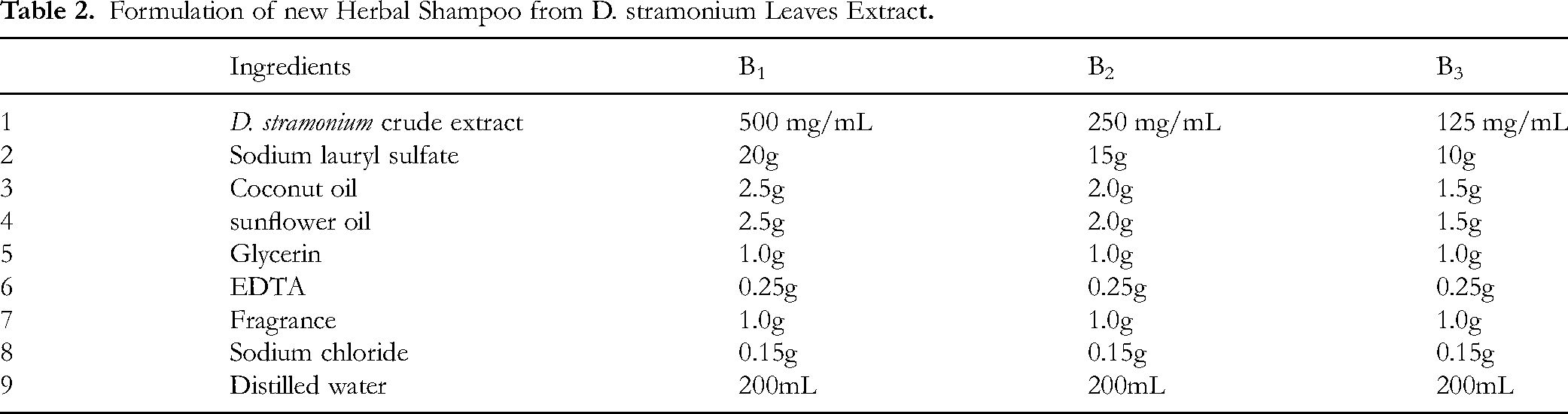
The shampoo was formulated by a straightforward mixing process using the ingredients outlined in Table 1. Using these components an effective antimicrobial shampoo was formulated, as illustrated in Figure 4 of the Supplemental material. 20
Ingredients Used for the Preparation of New Shampoo and their Functions.

During the formulation of this herbal shampoo, three beakers, each containing 100 mL of distilled water, were prepared to identify the most effective herbal shampoo. All the ingredients listed in Table 2, essential for creating an antimicrobial herbal shampoo, were then used. Ultimately, the shampoo that demonstrated the best results based on the evaluation parameters was selected.
Formulation of new Herbal Shampoo from D. stramonium Leaves Extrac
Evaluation of the Formulated Anti-Dandruff Shampoo from D. stramonium Leaves
Anti-Bacterial Activity of the Formulated Shampoo
The anti-microbial activity of the formulated shampoo and standard shampoo were done by using agar well diffusion methods. 4 Then 0.4 g portion of nutrient broth was dissolved in 30 mL of distilled water, shaken well, and heated on a warm plate at 80 °C for 20 min. The test tube and the prepared nutrient broth were autoclaved at 121 °C for 15 min. The sterilized media was poured into three test tubes, and microorganisms such as E. coli, S. aureus, and P. aeruginosa were inoculated into the respective test tubes. The test tubes were incubated for 24 h at 37 °C. Next, 5.8 g of nutrient agar was dissolved in 150 mL of distilled water, mixed well, and heated at 80 °C for 20 min. The mixture was autoclaved at 121 °C for 15 min, and then poured into Petri dishes. The prepared microbial strains were dispensed and spread evenly over the agar by using sterilized swap sticks. The antimicrobial activity was assessed using the disc diffusion method. Then sterile disc paper was soaked with 150 µl of the tested samples of D. stramonium, local aloe Vera and imported aloe Vera shampoo for 15 min and then placed on the agar plates containing the microorganisms. Gentamicin 10 µg/disc was used as the positive control for each prepared Petri dish. These Petri dishes were incubated for 24 h at 37 °C. After incubation, the inhibition zones of D. stramonium, local oleo Vera, imported aloe Vera shampoo and standard drug gentamicin were measured as shown in Figure 5 in the Supplemental material. 22
Anti-Fungal Activity of Formulated Shampoo
The antifungal activity of the formulated shampoo was evaluated using the hole diffusion method. First, 1.57 g of PDA was dissolved in 75 mL of distilled water, shaken thoroughly, and heated at 50 °C for 20 min. The mixture was then autoclaved at 121 °C for 15 min. Malassezia fungal strains were added to the prepared PDA and incubated for 3 days to refresh the culture. Next, 5 g of Muller-Hinton agar, 2 g of yeast, and 2 g of glucose were added to 142.5 mL of distilled water, mixed well, and heated at 80 °C for 15 min. The mixture was autoclaved at 121 °C for 15 min, cooled briefly, and poured onto a sterilized petri dish. The medium was spread uniformly using a sterile swab stick. Subsequently, 100 µL of fresh Malassezia fungi were dispensed onto the petri dish and spread evenly. 23 The petri dish was then punctured using a heated hole borer to create two wells. By using micropipettes take 200 µL of the D. stramonium shampoo and added to one well, and then 200 µL of the positive control ketoconazole was placed in the other well. Then the petri dish was incubated at 32 °C for 24 h. After the incubation period, the antifungal activity of the D. stramonium shampoo was determined by measuring the diameter of the inhibition zone in comparison with ketoconazole. 24
Physical Appearance and Consistency
The color and odor of the newly formulated shampoo were assessed through visual inspection. The consistency of the formulated shampoo was evaluated manually by taking a small amount and rubbing it between the fingers to determine its texture and uniformity. 25
pH Determination
The shampoo solution pH was measured using a digital pH meter at room temperature. The obtained pH value was then compared with that of a standard shampoo and the natural pH of human skin, which plays a role in antimicrobial activity.25,26
Determines the Percentage of Solid Content
A 4 g shampoo was placed to a clean, dry evaporating dish, and the combined weight of the dish and shampoo was measured. The dish was then cooked on a warm-plate until the liquid components had fully evaporated. After drying, the residual solid residue was weighed, and the percentage of solid material was determined.25,27
Dirt Dispersion
2 drops of shampoo were put to a big test tube filled with 10 mL of distilled water. Then one drop of Indian ink was added to the test tube, which was stopped and shaken ten times. The quantity of ink in the foam was assessed as None, Light, Moderate, or Heavy. 25
Foaming Index
The index of the foam was calculated by the use of cylinder shake method. After adding 5 ml of shampoo to a measuring cylinder, the volume was increased to 25 mL and thoroughly shaken ten times. Then five test tubes were taken and put in the test tube holder and labeled as T1, T2, T3, T4, and T5. Then a prepared shampoo of 1 mL, 2 mL, 3 mL, 4 mL, and 5 mL respectively, and each test tube was adjusted for volume up to 10 mL by adding water. Then, each test tube's foam was measured in cm and the foaming index was calculated.
25

Where “
Foam Ability and Foam Stability
The foaming ability was evaluated using the cylinder shaking technique. A 250 ml graduated cylinder was filled with 50 mL of the 1% shampoo solution, and then covered with the hand and shook 10 times. After one minute of shaking, the total foam volume was measured and calculated. After shaking the foam, the volume is measured every minute for four minutes. 25
Skin Sensitization Test
The newly formulated shampoo was applied to the skin and kept for five minutes and observe the redness and irritation of the skin. 25
Results
Extraction Yield
Extraction of D. stramonium leaves yielded 290.6 g of crude extract from an initial 830 g of powdered leaves, resulting in an extraction efficiency of 35.01%.
Investigation of Phytochemicals Found in the Leave Extract of D. Stramonium
The qualitative phytochemical analysis results of the Datura stramonium leave extract are presented in Table 3 and illustrated in Figure 6 of the Supplemental material.
Qualitative Analysis of Various Phytochemical Constituents on the Methanolic Crude Leave Extract of D. Stramonium.

Anti-Fungal and Anti-Bacterial Activity of the Crude Extract
Antimicrobial activity of methanol crude extract from D. stramonium leaves is presented in Table 4 and Figure 1. The results confirmed that this extract exhibits significant antimicrobial effects against the tested pathogens.

Inhibition zones exhibited by D. stramonium extract, methanol (negative control), and Gentamicin (positive control) against Staphylococcus aureus, Escherichia coli and Pseudomonas aeruginosa.
Anti-Bacterial Activity of D. stramonium Leave Extracts in Comparison with Gentamicin.

The results validate the traditional practice of indigenous herbalists using D. stramonium leaves to treat bacterial skin infections. The crude extract exhibited a notable inhibition zone comparable to the standard antibiotic, Gentamicin. The extract showed weak antimicrobial activity at concentrations below125 mg/ml. Generally, this study confirmed that the concentration of the crude extract increased the inhibition zone also increased. This indicated that the enhanced effectiveness in treating skin infections.
The results of anti-Malassezia activities of methanol crude extract of D. stramonium leaves were presented at Table 5 and Figure 2. The result, confirmed that D. stramonium leave extract is effective for preventing and treating dandruff.
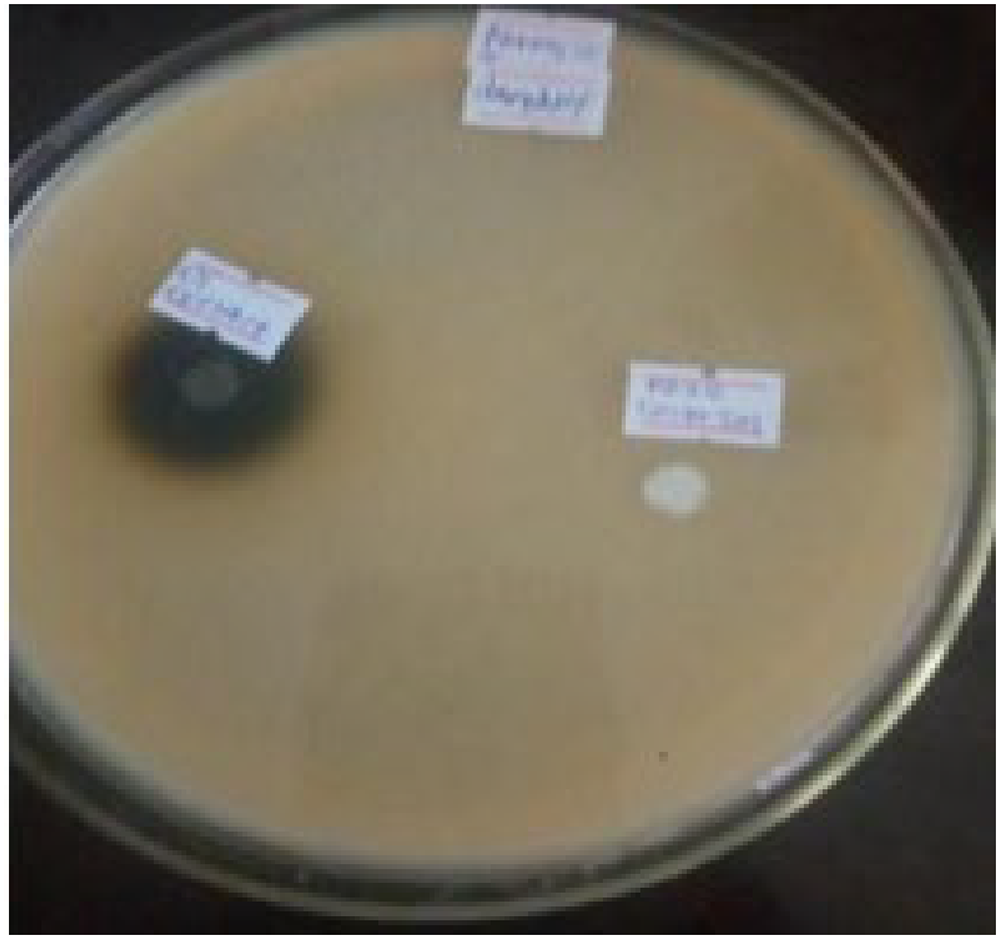
Inhibition zone of D. stramonium extract against Malassezia fungi.
The Inhibition Zone of the Extract Against Malassezia Fungi.

Formulation and Evaluation of new Anti-Microbial Herbal Shampoo
Three herbal shampoo formulations were prepared and evaluated based on various parameters to identify the most effective one, as presented in Figure 4 in the supplementary document and Table 6.
Comparative Result of Formulated Shampoo.

Based on the physiochemical evaluation Para meters of shampoo,
Evaluation Result of Newly Formulated Shampoo
Anti-Bacterial Activity of D. stramonium Shampoo
Antibacterial activity result of D. stramonium herbal shampoo compared with the standard drug gentamicin and standard shampoo were shown in Figure 3 and Table 7.

Inhibition zone of formulated shampoo, standard imported, local shampoo, and Gentamicin (positive control) against E. coli, P. aeruginosa, and S. aureus.
Formulated Shampoo, Standard Shampoo, and Antibiotic Drugs Inhibition Zone.

Anti-Malassezia Activity of D. stramonium Shampoo
Anti-Malassezia activities of D. stramonium herbal shampoo was shown in Figure 4 and Table 8 below;

Inhibition zone of D. Stramonium shampoo against Malassezia fungi.
Inhibition Zone of D. Stramonium Shampoo Against Malassezia Fungi.

Physical Appearance and Consistency
The color of newly formulated D. stramonium herbal shampoo was brown as shown in Figure 5.

Brown physical appearance of newly formulated shampoo.
pH Value of the D. Stramonium Shampoo
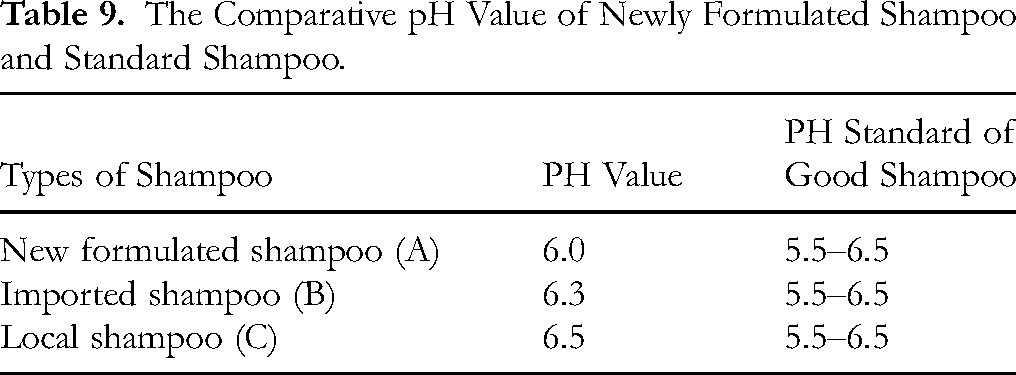
The pH value of D. stramonium shampoo was 6.0 as shown in Figure 6 and Table 9.

pH value of D.stramonium herbal shampoo.
The Comparative pH Value of Newly Formulated Shampoo and Standard Shampoo.
Percent of Solids Contents
The solid content of newly formulated herbal shampoo was calculated as follows. The result indicated that 25.5% as shown in Figure 7.

Determination of solid content of new formulated shampoo.
Dirt Dispersion
The dirt dispersion test of D. stramonium herbal shampoo was very good, with no dirt or ink found in the foam, as shown in Figure 8 below.
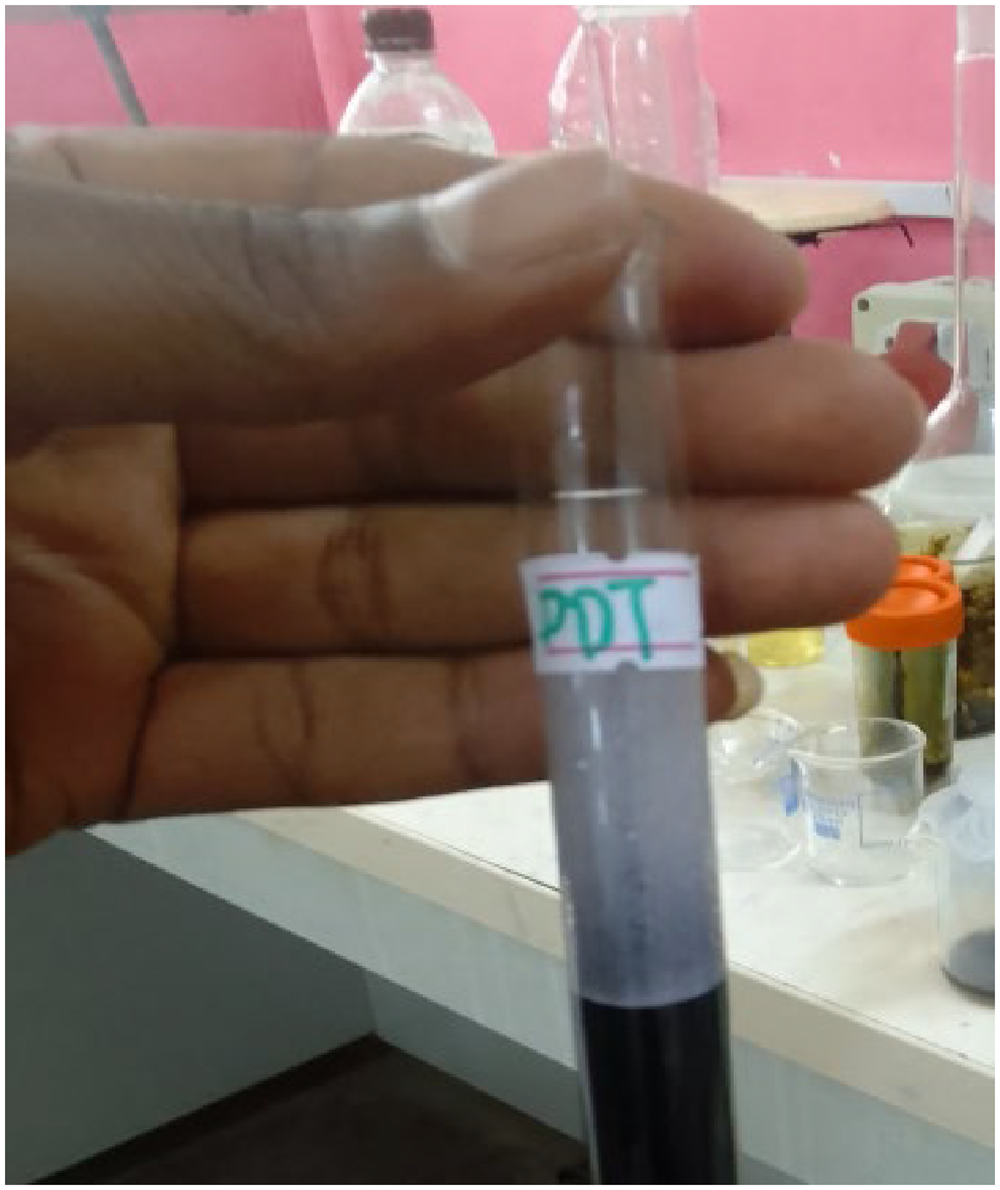
Dirt dispersion test of new formulated shampoo.
Foaming index
The foaming index of the D. stramonium shampoo shows that 333.3, as shown in Table 10 and Figure 9 below.

Foaming index of new formulated shampoo.
Foaming index of new Formulated Shampoo.

Foaming Ability and Foam Stability
D. stramonium herbal shampoo foaming stability was shown in Figure 10 and Table 11 below.
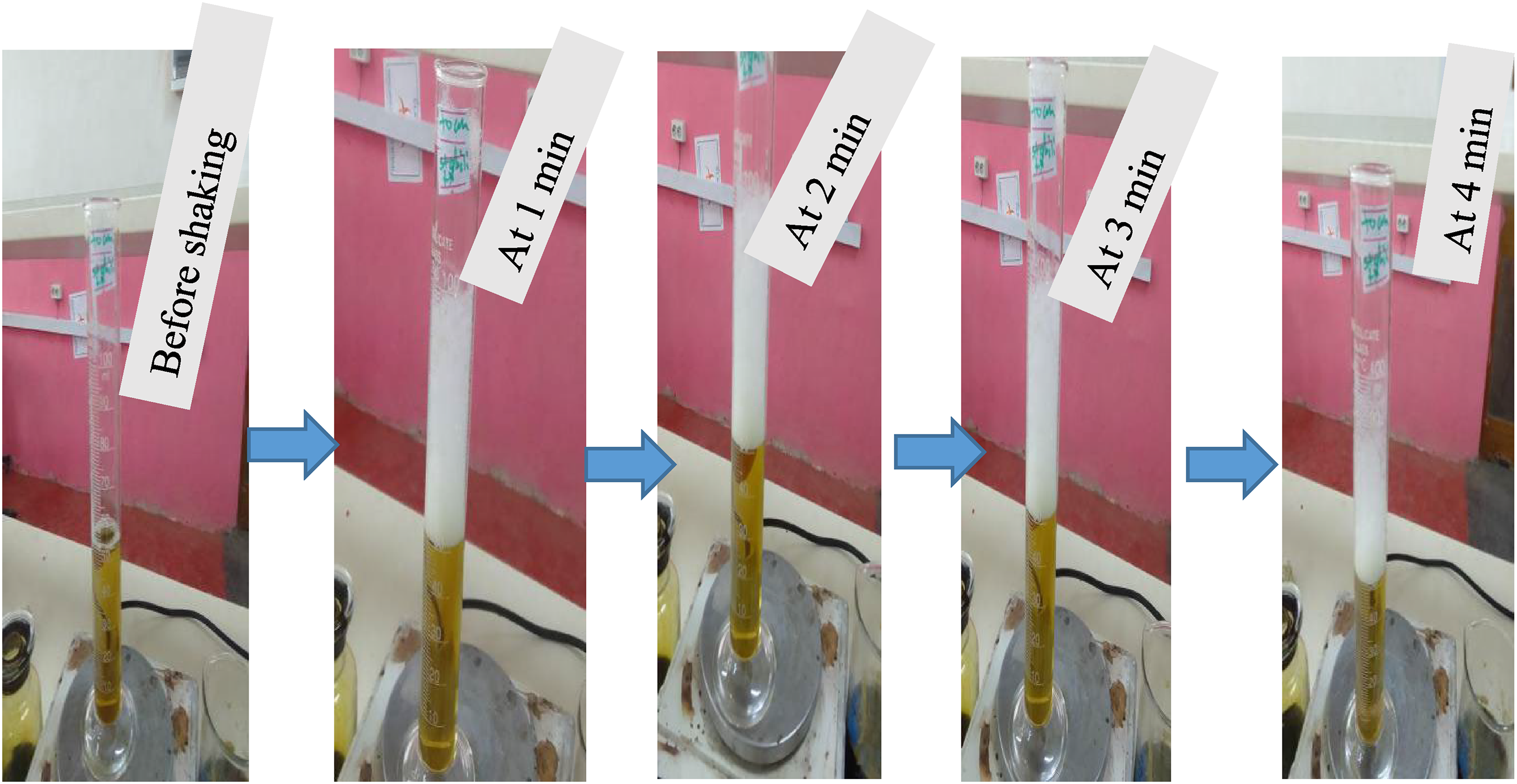
Foaming ability and stability of new formulated shampoo.
The Foaming Capacity of Newly Formulated Shampoo.

The summarized evaluation result of a new effective anti-microbial D. stramonium herbal shampoo compared to standard shampoo as shown in Table 12.
The General Evaluation Result of Newly Formulated Shampoo.

Discussion
Extraction
The extractions of D. stramonium leaves were conducted by maceration methods
Investigation of Phytochemicals Found in the Leave Extract of D. stramonium
As presented in Table 3, this investigation confirmed the presence of flavonoid, alkaloid, amino acid, steroids, saponins, glycoside, terpenoid, phenolic flavonoids, and phenols in D. stramonium leaves, while reducing sugars, tannins, anthraquinones, phlobatannins, and carbohydrates were not detected.
Based on the above results the presence of flavonoids indicates that highly antibacterial and anti-fungal effects by the mechanism of membrane disruption and enzyme inhibition. The presence of alkaloids indicates that the extracts have antibacterial and antifungal effect by the mechanism of DNA and proteins synthesis interferences. The presence of steroids indicates highly anti-bacterial and anti-fungal effects by the mechanism of membrane effect and ergosterol interference. 30 The presence of saponins indicates very high anti-fungal and antibacterial properties due to the mechanism of respiratory inhibitions. The presence of glycosides indicates an antibacterial and anti-fungal property due to the mechanism of respiratory inhibitions. The presence of terpenoid indicates that very good antibacterial and antifungal effects by the mechanism of membrane disruption and anti-biofilm. The presence of phenols indicates that very high antibacterial effects and moderate antifungal effects by the mechanism of oxidative damage, enzyme inhibition. 31
Anti-Fungal and Anti-Bacterial Activity of the Crude Extract
By using micropipettes take 150 µl from 500 mg/ml, 250 mg/ml, 125 mg/ml and 62.5 mg/ml and applied in each well. At the concentration of 500 mg/ml showed that the crude extract has strong antimicrobial activities against S. aureus (which causes skin infections), P. aeruginosa (associated with burn wound infections), and E. coli (responsible for skin and soft tissue infections). The inhibition zones at this concentration were 12.67 ± 0.47 mm for P. aeruginosa, 11.5 ± 0.41 mm for S. aureus, and 13.83 ± 0.24 mm for E. coli.
At 250 mg/ml, the inhibition zones were 9.67 ± 0.62 mm, 9.17 ± 0.24 mm, and 10.67 ± 0.47 mm for P. aeruginosa, S. aureus, and E. coli, respectively. In addition, at the concentration of 125 mg/ml results the inhibition zones of 7.83 ± 0.24 mm, 7.67 ± 0.47 mm, and 8.5 ± 0.41 mm for P. Aeruginosa, S. aureus and E. coli respectively. At the lowest tested concentration (62.5 mg/mL), the inhibition zones decreased significantly to 0.67 ± 0.24 mm for P. aeruginosa, 2.33 ± 0.24 mm for S. aureus, and 3.5 ± 0.41 mm for E. coli.
Methanol crude extract of the leaves showed that a significant anti-Malassezia activities. When 200 µL of the extract at a concentration of 500 mg/mL was applied, it produced an inhibition zone of 16.5 ± 0.41 mm against Malassezia spp., the fungus responsible for dandruff.
In comparison, when applied the positive control of 200 µl of ketoconazole, it showed the inhibition zones of 8.33 ± 0.24 mm. As shown in Figure 2 and Table 5 the D. stramonium extract had a larger inhibition zone than ketoconazole.
Formulation and Evaluation of New Anti-Microbial Herbal Shampoo
The shampoo was formulated by a straightforward mixing process using the ingredients. The qualities of the formulated shampoo were determined by evaluation parameters of shampoo such as color, odor, dirt-dispersion, foaming ability, solid content, skin sensitization test, pH and foaming index. Based on these evaluation parameters among the three formulated shampoo B1 shampoo was the most effective and used for further studies as shown in Table 6.
Evaluation Result of Newly Formulated Shampoo
Anti-Bacterial Activity of D. stramonium Shampoo
The results confirmed that the D. stramonium-containing shampoo exhibited a good inhibition zone against most tested microorganisms, including P. aeruginosa, E. coli, and S. aureus. Compared to the local aloe Vera shampoo, shampoo formulated from this plant leaves showed higher inhibition zones against P. aeruginosa and S. aureus (13.83 ± 0.24 mm and 13.67 ± 0.24 mm, respectively). However, the local aloe Vera shampoo had a higher inhibition zone against E. coli (14.5 ± 0.41 mm) than the D. stramonium shampoo. In comparison with the imported aloe Vera shampoo, the D. stramonium shampoo demonstrated higher inhibition zones against E. coli and S. aureus (14.17 ± 0.24 mm and 13.67 ± 0.24 mm, respectively), while the imported aloe Vera shampoo had a higher inhibition zone against P. aeruginosa (15.0 ± 0.41 mm), as shown in Table 7 and Figure 3.
Anti-Malassezia Activity of D. stramonium Shampoo
When applied 200 µl of D. stramonium shampoo from500 mg/mL concentration shows higher zone of inhibition (17.5 ± 0.41 mm) against Malassezia fungi compared to 200 µl of the standard ketoconazole shampoo, which has a lower inhibition zone (9.17 ± 0.24 mm) against Malassezia fungi, as shown in Table 8 and Figure 4.
Physical Appearance and Consistency
The color of the newly formulated shampoo was brown and had good odors, as shown in Figure 5. The consistency of the leaves of D. stramonium shampoo was good when rubbed in the hand.
pH Value of the D. Stramonium Shampoo
The pH value of the D. stramonium shampoo was 6.0, indicating that it is suitable for human skin. The comparable results of the pH value of newly formulated herbal shampoo, imported aloe Vera and local aloe Vera shampoo were shown in Figure 6 and Table 9. This study confirmed that the pH value of new formulated shampoo was suitable for human skin.
Percent of Solids Contents
The solid content of any shampoo falls within 20% to 30%, indicating that the shampoo meets the expected quality standards. Newly formulated herbal shampoo evaluated by the standard procedures. Based on these standard procedures the values of the percent of solid contents were 25.5%. This result confirmed that the new formulated shampoo achieves the shampoo standard properties.32,33
Dirt Dispersion
The dirt dispersion test for the prepared D. stramonium herbal shampoo was conducted at midday. It indicates that the cleaning action of the new shampoo was very good, with no dirt or ink found in the foam.
Foaming Ability and Foam Stability
The foaming stability of the newly formulated herbal shampoo was recorded; its volume was measured in the 1-min interval for 5 min, and foaming ability was calculated by recording the initial volume of shampoo and the final volume of shampoo at 5 min as shown in Table 11 and Figure 10. The foaming ability of this shampoo shows 49 ml this result confirmed that it achieved the standard criteria of shampoo.
Limitation of the Study
The primary limitation of this study was lack of access to advanced analytical instrumentation, which prevented quantitative chemical characterization of the Datura stramonium leaf extract. In addition, human hair samples were not included, limiting evaluation of the shampoo's performance under real-use conditions. Stability and shelf-life assessments were limited by short observation periods and therefore require longer-term study. Finally, natural variation in leaf chemistry arising from differences in climate, soil and seasonal factors may affect batch-to-batch consistency and the quality of the final product.
Quantitative phytochemical profiling (total phenolics/flavonoids and quantification of major constituents) was not performed; in-vitro dermal cytotoxicity assays and human patch testing were not undertaken, so dermal safety has not been established; and sensory/human-hair performance tests were omitted.
Conclusion
Skin disorders are prevalent globally, with treatments commonly involving either synthetic pharmaceuticals or traditional medicinal plants. Datura stramonium has shown potential for treating various skin conditions. The findings revealed that the plant leaves contain several bioactive compounds.
The antimicrobial activities demonstrated that the crude extract exhibited significant inhibition zones against S. aureus, P. aeruginosa, and E. coli, comparable to the effects of the standard antibiotic gentamicin. The MIC values for S. aureus, P. aeruginosa, E. coli, and Malassezia fungi were 62.5 mg/ml. Furthermore, the antifungal activity of the plant extract and its formulated shampoo exhibited high inhibition zone against Malassezia fungi, which cause dandruff, with performance exceeding that of ketoconazole-based shampoos.
This study confirmed that D. stramonium leaf extract is a remarkable natural ingredient for addressing various skin disorders, including bacterial infections and dandruff. This extract in shampoo formulations offers a viable, effective alternative to synthetic treatments, providing benefits for skin health and personal hygiene.
Recommendation
Given its antimicrobial properties, D. stramonium should be explored further in various cosmetic products, such as shampoos, soaps, creams, and lotions.
Studies on the synergistic effects of D. stramonium with other medicinal plants could improve product effectiveness.
Business owners in the cosmetic industry should adopt the procedure for formulating products with D. stramonium leaves, offering antimicrobial and antifungal benefits. This aligns with the demand for natural, plant-based products.
Supplemental Material
sj-docx-1-npx-10.1177_1934578X261430634 - Supplemental material for Evaluation of Anti-Microbial Activities and Formulation of Anti-Dandruff Herbal Shampoo from Datura stramonium Leaf Extract
Supplemental material, sj-docx-1-npx-10.1177_1934578X261430634 for Evaluation of Anti-Microbial Activities and Formulation of Anti-Dandruff Herbal Shampoo from Datura stramonium Leaf Extract by Yimer Seid Ahmed, Solomon Getachew Abate, Lukas Gelibo Argefa and Getahun Demeke Worku in Natural Product Communications
Footnotes
Acknowledgment
We sincerely appreciate the support of the Kombolcha Institute of Technology Research, Technology Transfer, and Community Engagement Director Office and coordinators. We also thank Wollo University's Department of Biotechnology and Chemistry. Finally, we extend our gratitude to Professor Mesfine (Addis Ababa University, Department of Chemistry) and the professionals at Alert Hospital, especially Yemisrach Getu and Namuna Ali, for their invaluable assistance.

Ethical Approval
No human or animal subjects were used in this study.
Consent to Participate
Not applicable.
Author Contributions
Funding
The authors received no financial support for the research, authorship, and/or publication of this article.
Declaration of Conflicting Interests
The authors declared no potential conflicts of interest with respect to the research, authorship, and/or publication of this article.
Data Availability
All data produced and examined in this study are fully presented within the manuscript and its Supplemental material.
Supplemental Material
Supplemental material for this article is available online.
References
Supplementary Material
Please find the following supplemental material available below.
For Open Access articles published under a Creative Commons License, all supplemental material carries the same license as the article it is associated with.
For non-Open Access articles published, all supplemental material carries a non-exclusive license, and permission requests for re-use of supplemental material or any part of supplemental material shall be sent directly to the copyright owner as specified in the copyright notice associated with the article.
