



Abstract
Background
Psoriasis is a complex autoimmune skin condition that causes skin lesions and persistent inflammation due to abnormal cytokine signaling. The pathophysiology of psoriasis is mostly dependent on the dysregulation of inflammatory cytokine pathways. Psoriasis management has transformed because of focusing on these cytokine pathways, which have shown remarkable efficacy and enhanced patient quality of life.
Objectives
This study focuses insight into the therapeutic approaches used to control the main inflammatory cytokine pathways in the treatment of psoriasis. Targeting the inflammatory pathways, may examines the functions of small compounds, phytoconstituents obtained from natural sources, and biologics.
Methods
A systematic review has been conducted in several databases including Scopus, Medline, PubMed and Embase and the plants were selected based on their anti-psoriatic activity. Totally 129 articles were obtained from these search engines. Only phytoconstituents used for the management of psoriasis were included. The phytoconstituents for other diseases were excluded. Both review and research articles were included in the manuscript. Totally 89 articles were included in this manuscript.
Results
When it comes to addressing the inflammatory cytokine pathways in psoriasis, phytoconstituents such as Azadirachtin, Boswellic acid, Curcumin, Ellagic acid, Hesperidin, Kaempferol, Luteolin, Quercetin, and Thymol provide a natural substitute. These substances have immunomodulatory and anti-inflammatory effects, which prevent the formation of cytokines and subsequent signaling pathways. However, obstacles including low bioavailability and minimal clinical data prevent them from being used widely. Because they selectively target important cytokine pathways, biologics such as inflammatory inhibitors have completely changed the way that psoriasis is treated. These biologics greatly enhance patients’ satisfaction and illness outcomes by having good efficacy and favorable safety profiles.
Conclusion
With an emphasis on main inflammatory cytokine pathways, this review addresses the state of small molecule, phytoconstituent, and biologic integration in psoriasis care today and in the future.
Keywords
Introduction
Psoriasis is a persistent, autoimmune illness that has been around since ancient times. It is the most prevalent genetic skin condition, defined by pustules and patches that gradually enlarge and peel off psoriatic plates. 1 psoriasis is an inflammatory, unattractive skin disease that affects over 125 million individuals globally. It is an autoimmune disease that affects the tips of the toes, scalp, fingers, palms, elbows, umbilicus, shins, knees, glutes, beneath the breasts, soles, and other areas. Patients with psoriasis are more likely to develop non-communicable and cardiovascular disorders. Over the past two decades (2004-2023), research on psoriasis treatment with biologic agents has focused on understanding pathology and developing new drugs to establish a comprehensive scientific basis for effective therapy. 2 There is a genetic component to psoriasis susceptibility, including the HLA-Cw6 gene. Immune system is essential to the emergence of psoriasis. T cells, a subset of white bleed cells, activate and go the skin as part of an aberrant immune response in psoriasis. T cells are associated with psoriasis-related inflammation and skin cell proliferation. In psoriasis, keratinocytes the skin cells that make up the skin's outer layer and grow abnormally. 3 The epidermis thickens because of the overproduction of these cells, which also causes the distinctive plaques to appear. Environmental triggers although the precise environmental causes that cause psoriasis are not fully understood, conditions loke infections, stress, smoking, and some drugs can aggravate or even start psoriasis in people with a genetic predisposition. 4
Psoriasis mode of action involves intricate interactions between several immune cells, cytokines, and skin cells. To reduce symptoms and control the condition, several psoriasis therapies target parts of this system. Topical corticosteroids these medications successfully manage the hyperactive immune response in psoriasis by reducing inflammation and suppressing the immunological response in the skin. Tacrolimus and Pimecrolimus are topical calcineurin inhibitors. 5 The activity of calcineurin is inhibited by these substances, which lowers the skin's production of inflammatory cytokines. UVB and PUVA phototherapy inhibits the immune system and slows down the formation of skin cells. Methotrexate decreases the synthesis of proinflammatory cytokines, which limits cell division and lowers the immunological response. 6
When exposed to endogenous and exogenous triggers, abrupt changes in intracellular signaling and extracellular cytokines occur, causing an inflammatory signaling cascade. It also initiates both first-line defense mechanisms and cell-mediated adaptive immunity, followed by the release of autonucleotides and cathelicidin antimicrobial peptides (CAMP) from damaged cells. Then, antigen-presenting cells, such as Toll-like receptors, activate pDCs, and mDCs, further activating clonal expansion. Inflammatory cytokines are released via activation of T cells in nearby lymph nodes and migration of CD8+ T cells to the major histocompatibility complex (MHC) class 1 on keratinocytes and melanocytes, thereby stimulating keratinocyte proliferation. Pro-inflammatory and inflammatory mediators including interferon α (IFNα), interferon β (IFNβ), tumor necrosis factor (TNF), Interleukin (IL)-12, and IL-23, further promote the activation of helper T cells such as TH1, TH17, and TH22 cells that stimulate IL-1, IL-17, and IL-22, as well as additional cytokines (IL-1, IL-8, IL-12, IL-18, IL-20, IL-24, IL-15, IL-17, IL-19, IL-23, TNF-α, and IFN-γ) and chemokines (CXCL 9, CXCL 10, and CXCL 11) and prefer IL-1 module TH17 to release IL-23. Intracellular transcription pathways such as NFκB and JAK/STAT are upregulated. Clinical presentations, including acanthosis, hyperplasia, and parakeratosis, are initiated. These changes are incidental with psoriatic skin lesions, the development of Auspitz's sign, Rete's ridges, and Munro's microabscess.
Biologic therapies IL-17, IL −23 inhibitors, and TNF- α inhibitors these medications target cytokines involved in the immunological response of psoriasis, lowering inflammation, and stopping the aberrant proliferation of skin cells. As phosphodiesterase 4 is inhibited by apremilast, less proinflammatory cytokines and immune cell activation result. Targeting the cytokines IL-12and IL-23, which are implicated in the inflammatory pathways in psoriasis, IL-12/IL-23 inhibitors (Ustekinumab) reduces inflammation. 7
The most used complementary and alternative therapy for psoriasis is Ayurvedic medicine, or herbal extracts. The practise of Ayurveda has a long history of using medicinal plants, herbal extracts, spices, and herbal medicines. 8
Ayurveda, an ancient Indian medical system, prioritises a holistic perspective on health and well-being. For thousands of years, it has been used to cure a variety of disorders, such as psoriasis and other skin conditions. Ayurvedic remedies for psoriasis focus on restoring bodily balance and addressing the underlying causes of the condition rather than just treating its symptoms. Since every individual is unique, ayurveda treatment regimens are customized to address specific symptoms, imbalances, and individual constitutions (prakriti and vikriti). Treatment plans might be more focused and successful with this individualized approach. Ayurvedic herbs are used extensively in the treatment of psoriasis. Ayurveda emphasizes the importance of diet and lifestyle factors in maintaining health and preventing disease. Ayurveda utilizes various purification and detoxification therapies, known as panchakarma, to remove toxins from the body and restore balance. Practices like yoga and meditation are integral parts of ayurveda and can be beneficial for individuals with psoriasis.
A review was conducted in several databases including Scopus, Medline, PubMed and Embase and the plants selected based on their anti-psoriatic activity. Totally 129 articles were obtained from these search engines. Only phytoconstituents used for the management of psoriasis were included in keywords. Both review and research articles were included in the manuscript. Totally 89 articles were included in this manuscript (Figure 1).
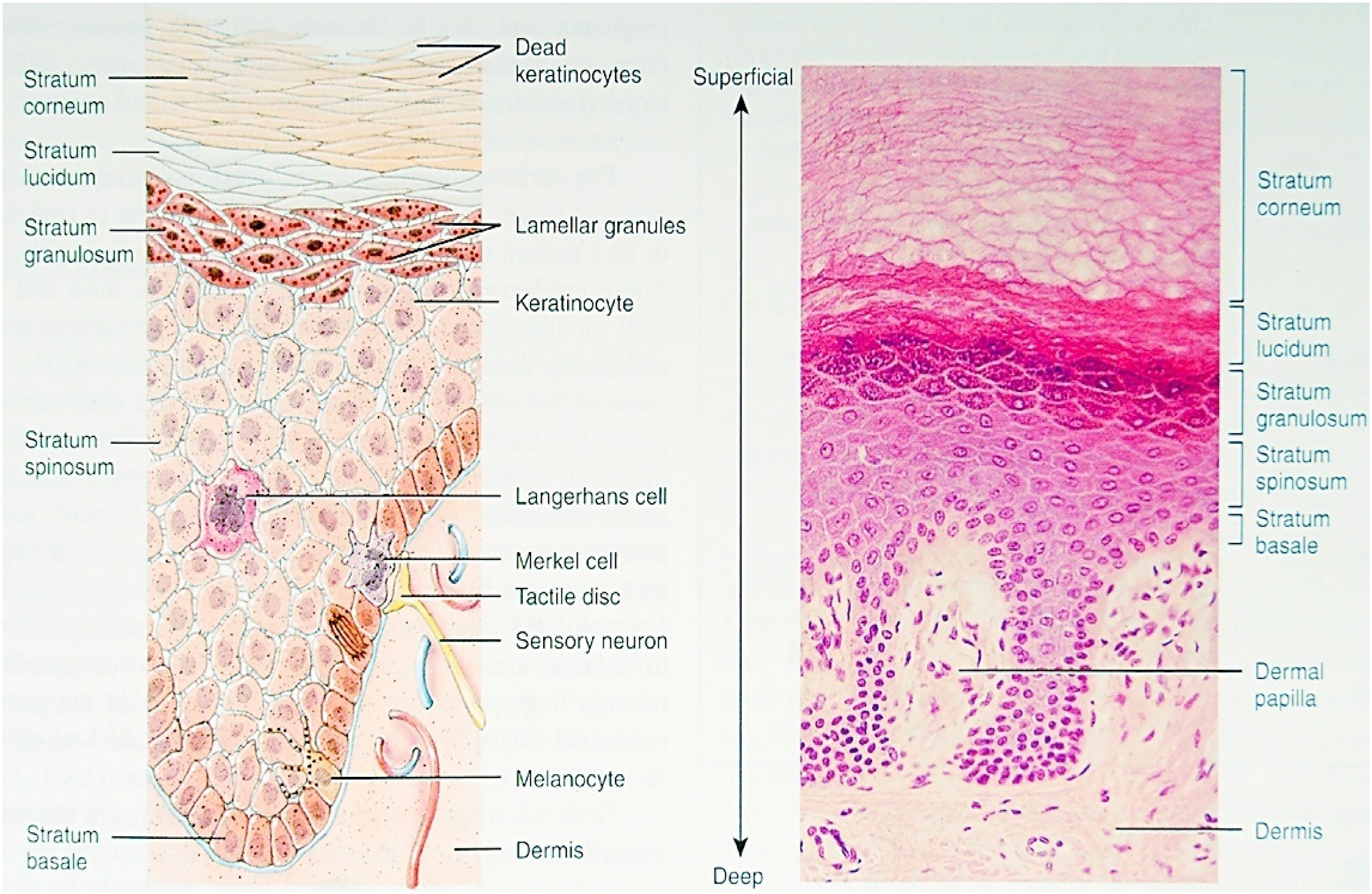
Normal Skin and Psoriasis Skin.
Ajoene
Ajoene is a compound found in garlic (Allium sativum L.), belongs to the family Amaryllidaceae. 9 Its constituents have demonstrated encouraging results in treating psoriasis symptoms, despite the paucity of studies on ajoene especially in this condition. 10 The anti-inflammatory, antioxidant, antifungal, antiseptic, antiviral, and antibacterial, immunomodulatory qualities of ajoene may be advantageous to those who suffer from psoriasis.11,12
Apigenin
Apigenin is a natural flavonoid. It is a compound found in Chamomile (Matricaria chamomilla L.), belongs to the family Apiaceae. 13 It can be found in many different food products, including as tea, celery, onions, parsley, thyme, and sweet pepper. This flavonoid exhibits antioxidant, anti-inflammatory, and regulation of keratinocyte proliferation and differentiation, angiogenesis inhibition and antibacterial characteristics. In-vivo research utilizing 5 µmol of apigenin, a non-mutagenic plant flavone that strongly inhibits Nuclear Factor kappa-light-chain-enhancer of activated B cells (NF-kB), demonstrated a decrease in IL-6 and IL-12 levels in mice following apigenin stimulation. These cytokines are present in high concentrations in psoriasis.14,15
Arctigenin
A bioactive substance called arctigenin is present in some plants, especially in the seeds of plants like Burdock (Arctium lappa L.), belongs to the family Asteraceae. It has been shown to possess anti-tumor, anti-inflammatory, anti-diabetic, and neuroprotective effects, inhibition of keratinocyte proliferation, antioxidant properties. 16 An essential part of the pathophysiology of psoriasis is played by keratin 17 (K17), an ectopically expressed keratin in psoriatic lesions. In the current investigation, the skin-penetrating gel form of arctigenin was refined and administered to mice's ear skin that resembled psoriasis due to imiquimod (IMQ), following arctigenin therapy, the IMQ-induced skin inflammation was successfully suppressed, and the spleen's weight decreased. 17 Experiments conducted in-vitro provided more evidence that arctigenin caused cell death and postponed keratinocyte growth, stopping it at the G2/M cell cycle phase. Consequently, arctigenin shows promise as a medication for the treatment of psoriasis.18,19
Azadirachtin
Neem (Azadirachta indica L.), a plant belonging to the Meliaceae family, is said to have a health -promoting impact because it is a rich source of antioxidants.
20
It has been extensively utilized in Ayurvedic and Unani medicine all over the world, particularly in the Indian Subcontinent, to cure and prevent a wide range of illnesses. A wide range of plant parts, including the bark, leaves, flowers, and seeds, have been used to treat both acute and chronic human illnesses as insecticides, antidiabetic activity, antiviral activity, anti-inflammatory effect, antibacterial activity, antifungal activity, antioxidant activity, anticancer activity, antimalarial activity, anti-nephrotoxicity activity, neuroprotective activity, hepatoprotective activity, wound healing effect, immunomodulatory effect.
21
Neem oil has been used to treat ringworm, eczema, and psoriasis, among other chronic skin problems. It has been demonstrated that neem inhibits inflammatory pathways related to the aetiology of psoriasis. These substances reduce the inflammatory response in the skin by inhibiting the synthesis of pro-inflammatory cytokines such IL-6, IL-17, and Tumour Necrosis Factor (TNF-α)
Neem shown to promote keratinocyte differentiation while inhibiting its proliferation. It alters several signaling pathways linked to cell division and death, such as the Phosphoinositide 3-Kinase (PI3 K)/Akt route and the Mitogen-Activated Protein Kinase (MAPK) pathway, Nuclear Factor- kappa B (NF-kB) pathway. Neem reduces the amount of plaque in psoriatic skin by reducing aberrant keratinocyte growth and promoting normal epidermal cell turnover through these altered pathways. 23
Betulinic Acid
Betulinic acid is a triterpenoid present in Uttareni (Achyranthes aspera L.), belongs to the family Amaranthaceae. 24 Betulinic acid is mostly found in the bark of many tree species, especially white birch (Betula spp.), while it can also be derived from other plants such as Syzygium spp., Ziziphus mauritiana, and Diospyros spp. Betulinic acid a naturally occurring pentacyclic triterpenoid, has generated interest in healthcare professionals due to its diverse biological properties, including antiviral, antioxidant, and anticancer, anti-inflammatory. Considering that psoriasis's pathogenesis, heavily relies on inflammation, betulinic acid's anti-inflammatory qualities might be particularly relevant to this chronically inflammatory skin disorder. 25 By controlling inflammatory pathways and cytokine production, betulinic acid may help reduce psoriasis symptoms such as erythema, scaling, and plaque formation. Through the inhibition of pro-inflammatory mediators and signaling pathways, betulinic acid demonstrates anti-inflammatory effects. 26
Beta-Sitosterol
Portia tree (Thespesia populnea L.), It is a member of the Malvaceae family. It contains various sterols, such as beta-sitosterol. These sterols are known to have immunomodulatory and anti-inflammatory effects, which may help to reduce inflammation and prevent infection in psoriatic wounds.27,28 Beta-sitosterol has demonstrated anti-inflammatory properties by inhibiting the production of pro-inflammatory cytokines such as IL-6, IL-1 beta (IL-β), and TNF-α. In psoriasis, inflammation is a key driver of disease pathology, leading to the characteristic skin lesions and other symptoms. By dampening the inflammatory response, beta-sitosterol may help reduce the severity of psoriasis symptoms.29,30
Charantin
Charantin is a chemical compound found in bitter melon (Momordica charantia L.). It is a member of the Cucurbitaceae family, and is one of the bioactive constituents responsible for its medicinal properties. 31 The pharmacological profile of M charantia demonstrates its potential as an immunomodulator, antipsoriatic, cardioprotective, analgesic, anti-inflammatory, antioxidant, anthelmintic, and antimalarial agent, hypotensive, antibacterial, antiviral, anticancer, antifertility, antiulcer, and antimalarial agent. In addition, several studies have indicated that it may be useful in treating many conditions, including gout, eczema, jaundice, kidney stones, pneumonia, rheumatism, scabies, psoriasis, and constipation. 32 Prolonged inflammation is essential to the pathophysiology of psoriasis because it promotes the development of psoriatic plaques and increases symptoms. Charantin can reduce skin inflammation and minimize the activity of pro-inflammatory mediators such as enzymes and cytokines or the severity of psoriasis lesions by inhibiting the synthesis.33,34
Curcumin
Curcumin (CUR) is a bioactive compound that can be found in the rhizomes of the plant (Curcuma longa L.), belongs to the family Zingiberaceae. 35 Commonly known as turmeric, a plant known for its wide spectrum of pharmacological action and medicinal advantages. 36 The pharmacological properties of CUR, including its antioxidant, anti-inflammatory, and anti-vascular remodeling effects, have been extensively studied. Based on available data, CUR has the potential to be employed as a therapy for various human aliments. A strong foundation for assessing the bioavailability and safety of CUR in clinical trials has been established by preclinical research. As an adjuvant therapy for psoriasis, CUR has been shown in numerous clinical trials to be both safe and efficacious. Its low toxicity and poor absorption may be beneficial to psoriasis patients.37,38
Ellagic Acid
Blackberries (Rubus fruticosus L.), belongs to the family Rosaceae. Polyphenolic substance called ellagic acid can be found in a variety of fruits and nuts. 39 Its potential therapeutic effects in treating a variety of illnesses, including psoriasis, have been researched. A lot of pharmaceutical products have included it as an active component because of its analgesic, anti-inflammatory, anti-pain, and wound healing qualities. It has been shown to regulate numerous signaling molecules and pathways connected to a range of biological activities, including autophagy, metabolism, apoptosis, cell cycle, regulation, and cell survival and proliferation. 40 By suppressing pro-inflammatory cytokines and enzymes, ellagic acid demonstrates anti-inflammatory effects. Inflammation is a key factor in the pathophysiology of psoriasis. By inhibiting the synthesis of inflammatory mediators such as IL-6, IL-1β, and TNF-α ellagic acid may help reduce inflammation. 41
Glycyrrhetinic Acid
Glycyrrhetinic acid (GA), one of the main ingredients of liquorice (Glycyrrhiza glabra L.), belongs to the family Fabaceae. 42 It shows to have several pharmacological activities, including, anti-inflammatory activities, anticancer, and antioxidative. GA prevents immune cells like macrophages and dendritic cells from producing and releasing pro-inflammatory cytokines like TNF- α, IL-1, and IL-6.43,44
Guggulsterone
Guggulsterone, a bioactive compound, is extracted from the resin of Guggul (Commiphora wightii L.), belongs to the family Burseraceae. 45 It is commonly referred to as the guggul tree. Its potential therapeutic benefits in treating various conditions, such as psoriasis, have been investigated. 46 Guggulsterone's exact mode of action in treating psoriasis is unknown, although several studies have suggested that it possesses anti-inflammatory, antiproliferative, and immunomodulatory properties, which could account for some of the drug's therapeutic efficacy. Guggulsterone demonstrated that inhibits the synthesis of pro-inflammatory cytokines in a variety of cell types, including keratinocytes and immune cells. 47
Hesperidin
Hesperidin, a bioflavonoid is primarily found in the peel and membranes of citrus fruits, particularly in oranges (Citrus sinensis L.), lemons, grapefruits, and tangerines. 48 It belongs to the family Rutaceae. In addition to its well-known benefits for heart health, and anti-inflammatory activities, recent studies have highlighted hesperidin's benefits for cutaneous functions like wound healing, UV protection, anti-inflammatory, anti-skin cancer, and antimicrobial. Hesperidin has been found to have anti-inflammatory qualities in numerous studies. IL-1β, TNF-α and other pro-inflammatory cytokines that are connected to the pathophysiology of psoriasis can all be suppressed by it.49,50
Kaempferol
Kaempferol is a flavonoid present in jasmine flower paste (Jasminum officinale L.), belongs to the family Oleaceae. 51 It is also present in various plants, including fruits, medicinal herbs, and vegetables. Its potential therapeutic effects, including antioxidant, anti-inflammatory properties. It has been demonstrated that kaempferol prevents immune cells and keratinocytes from producing and releasing pro-inflammatory cytokines that are involved in the pathophysiology of psoriasis, such as IL-6, IL-1β, and TNF-α.52,53
Linalool
Linalool is a naturally occurring terpene alcohol found in many essential oils, such as lavender (Lavandula angustifolia L.), belongs to the family Lamiaceae. 54 Because of its anti-inflammatory and wound-healing properties, lavender oil an aromatic/essential oil produced from L angustifolia, has long been used as an aromatherapy massage oil. 55 It also helps relieve other skin problems like psoriasis, dermatitis, and eczema. Psoriasis is largely influenced by inflammation in its early stages and advancement. Through its inhibition of inflammatory mediators including prostaglandins, leukotrienes, and cytokines like IL-6, TNF-α, and others, linalool has demonstrated anti-inflammatory capabilities. 56
Liquiritin
Liquiritin a flavonoid component included in liquorice (G glabra L.), belongs to the family Fabaceae. 57 Root extract, has been investigated for its possible therapeutic applications in treating a range of skin disorders, including psoriasis. The pharmacological properties of Liquiritin, including its antioxidant, anti-inflammatory, antidiabetic, anti-cancer, antiallergy, anti-ulcer, and antiviral properties. The anti-inflammatory characteristics of Liquiritin have been demonstrated through its inhibition of the production of inflammatory cytokines, including IL-6, IL-1β, and TNF-α.58,59
Luteolin
Luteolin derived from the medicinal plants (Andrographis paniculata L.), belongs to the family Acanthaceae, (Costus speciosus L.), belongs to the family Costaceae, (Justicia adhatoda L.), belongs to the family Acanthaceae, (Plectranthus amboinicus L.), belongs to the family Lamiaceae, and (Tinospora cordifolia L.), belongs to the family Menispermaceae. 60 These compounds are utilized in standard medicinal methods. There has been speculation that luteolin, a naturally occurring anti-inflammatory flavonoid, may have therapeutic benefits for psoriasis due to its well-established inhibitory effect on keratinocyte growth. Luteolin is a flavonoid that can be found in herbs, flowers, vegetables, and spices. 61 By partially absorbing UVA and UVB light, it serves a significant function in protecting plants from UV radiation. Thus, by serving as a first line of defence, luteolin can help lessen harmful photobiological effects in the skin. Additionally, luteolin has been shown to have anti-inflammatory and anti-oxidative properties on fibroblasts, keratinocytes, and a variety of immune cells, including neutrophils, mast cells, dendritic cells, and T cells. Proinflammatory mediators such as IL-1β, IL-6, IL-8, IL-17, IL-22, TNF-α, and COX-2 can be suppressed by luteolin, which can also control other signaling pathways such as the TLR signaling pathways, JAK-STAT, and NF-kB. Luteolin has been proposed as a possible chemical target for future treatment studies of inflammatory skin conditions such as psoriasis. 62
Matricin
Chamomile plants (Matricaria chamomilla L.), belongs to the family Asteraceae, is related to most plants that contain matricin. 63 These extracts can be derived from the flowers, leaves, and stems of the plant and used topically as lotions, ointments, or creams to affected parts of the skin. Psoriasis sufferers may benefit from these herbs’ traditional medical uses because of their antioxidant, anti-inflammatory, immunomodulatory, and wound-healing properties. Studies have shown that chamomile extracts inhibit pro-inflammatory mediators such as IL-1, IL-6, and TNF-α, which are significant in the inflammation related to psoriasis.64,65
Nicotine
Tobacco (Nicotiana tabacum L.), belongs to the family Solanaceae, in tobacco alkaloid that moderates the addictive properties of tobacco products is nicotine. 66 More than 7000 different chemicals are found in tobacco, and smoking is the leading preventable cause of death globally. It is known to increase the risk of developing several diseases in people, such as lung and cardiovascular conditions, as well as various malignancies. Psoriasis is one of the inflammatory immune-related diseases that has been linked to smoking. Psoriasis onset is influenced by smoking. 67 Nicotine, which is mostly present in tobacco products, has been linked to immune response and inflammatory modulation, two important processes in the onset and aggravation of psoriasis. By regulating the release of cytokines and chemokines involved in the inflammatory response, nicotine has been demonstrated to have anti-inflammatory effects. It inhibits pro-inflammatory cytokines including IL-6, TNF-α, and IL-1β via acting on nicotinic acetylcholine receptors (nAChRs) on immune cells like macrophages and T cells. 68
Quercetin
Quercetin (QC) is a common dietary flavonoid present in a wide variety of natural plants. Its many biological properties, including cardio-protective, antioxidant, liver-protective, anti-inflammatory, and anti-cancer activities, vasodilatory, have been shown by numerous studies. 69 Quercetin strong anti-inflammatory properties are evidenced by its inhibition of pro-inflammatory cytokines, such as TNF-α, IL-1β, and IL-6. These cytokines are crucial to understanding the pathophysiology of psoriasis because they promote keratinocyte proliferation and inflammation.70,71
Rosmarinic Acid
Rosmarinic acid (RA) is a phenolic acid that is found in many herbs, including oregano (Origanum vulgare L.), Oregano oil is derived from the leaves and flowers of the oregano plant, which belongs to the mint family (Lamiaceae). 72 Common skin pathology psoriasis is characterized by persistent inflammation and deregulation of epidermal keratinocyte function, indicating that molecules with anti-inflammatory potential may be useful in managing the condition. One naturally occurring bioactive compound with anti-inflammatory properties is rosmarinic acid (RA). Natural polyphenolic chemical rosmarinic acid is present in many plants, such as some mints, rosemary, and lemon balm. Its possible medicinal benefits, and anti-inflammatory, antioxidant, and immunomodulatory characteristics, have drawn interest. 73 RA content as a therapeutic agent for inflammation linked to psoriasis in human keratinocytes. When Interferon-gamma (IFN-γ), IL-17, and IL-22 were combined, regulatory genes from the NF-kB and Janus kinase / signal transducer and activator of transcription (JAK/STAT) signaling pathways were activated. 74
Solanine
Solanine is a glycoalkaloid found in a wide variety of plants, including black nightshade (Solanum nigrum L.), belongs to the family Solanaceae. 75 It is family members like potatoes, tomatoes, and eggplants. It has historically been used to treat a variety of cancers as well as dermatitis, eczema, acute nephritis, urethritis, leucorrhoea, sore throat, psoriasis, toothache, carbuncles, and furuncles. It is unclear if solanine truly treats psoriasis, despite research on solanine's immunomodulatory and anti-inflammatory effects. Studies have demonstrated that solanine reduces inflammation by blocking inflammatory mediators. Furthermore, through affecting T-cell activity and cytokine production, solanine has been demonstrated to modify immune responses.76,77
Silymarin
Silymarin is a flavonoid obtained from plants that is taken from the fruits and seeds of the Asteraceae family plant known as milk thistle (Silybum marianum L.). 78 Silymarin comes in topical and oral forms, and it has been used to treat a variety of dermatological disorders, including wound healing, cosmeceuticals, melanoma and nonmelanoma skin malignancies, melasma, rosacea, psoriasis, atopic dermatitis, acne, and wound healing. 79 Through the inhibition of several inflammatory mediators and pathways linked to psoriasis, silymarin has anti-inflammatory effects. It can inhibit the synthesis of pro-inflammatory cytokines that are important in the pathophysiology of psoriasis, TNF-α, IL-1β and IL-6). 80
Thymol
Thymol (Thymus vulgaris L.), belongs to the family Lamiaceae. The antifungal activity of essential oil is the main source of thymol, a naturally occurring substance that may have therapeutic benefits for psoriasis. 81 Utilizing steam distillation or alternative extraction techniques. It is a potential substance in the treatment of inflammation and wound healing because of its antibacterial, antioxidant, and antiseptic effects. Thymol has anti-inflammatory qualities that may help reduce the symptoms of psoriasis.82,83
Wrightial
Wrightial is the principal active ingredient extracted from (Wrightia tinctoria L.), belonging to the family Apocynaceae. W tinctoria, also referred to as Dyer's Oleander or Sweet Indrajao, has long been utilized in Ayurvedic medicine to treat a variety of skin issues. 84 Including gynaecological issues, wounds, leukaemia, dandruff, diarrhea, psoriasis, eczema, and scabies, have long been treated with this plant. Multiple pharmacological actions were demonstrated by W tinctoria, including anti-microbial, anti-helminthic, anti-oxidant, anti-cancer, anti-psoriatic, anti-inflammatory, anti-diabetic, diuretic, hepatoprotective, and anti-ulcer properties. 85 Studies on phytochemicals have identified triterpenoids, alkaloids, steroids, lipids, and carbohydrates. These medications may lessen inflammation and improve psoriatic symptoms by inhibiting cytokines and enzymes that cause inflammation. 86
Zeaxanthin
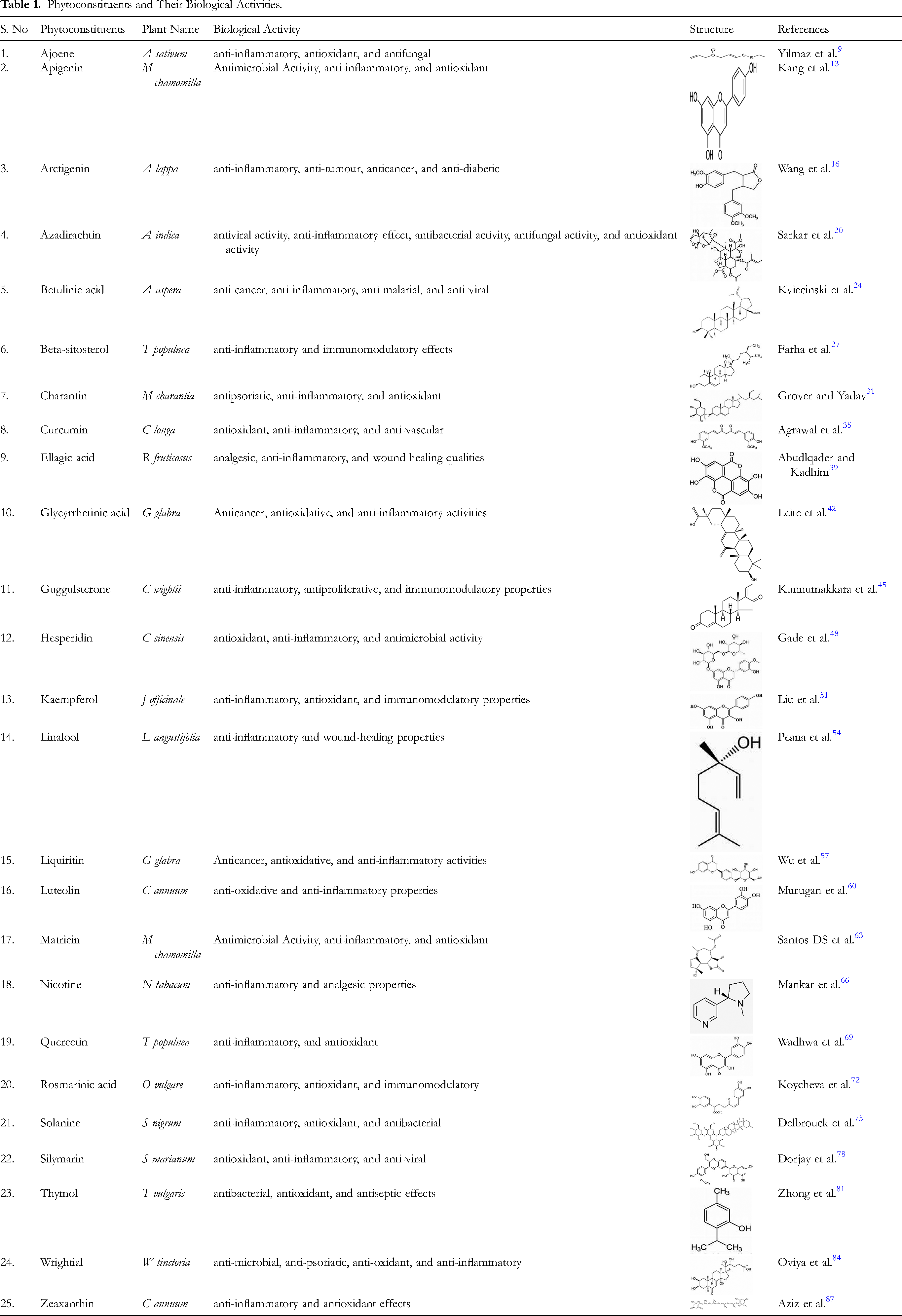
Capsicum (Capsicum annuum L.), belongs to the family Solanaceae. In this rich in carotenoids, including Zeaxanthin. Zeaxanthin is an organic pigment that is produced by plants, algae, and some microbes. It is a member of the carotenoid family. 87 It is especially prevalent in a variety of vegetables, fruits, and other foods made from plants. The main benefits of zeaxanthin are that it has anti-inflammatory and antioxidant effects. Zeaxanthin has anti-inflammatory effects that might help those with psoriasis. Zeaxanthin could reduce the intensity of psoriatic inflammation and improve related symptoms by regulating the inflammatory response (Table 1).88,89
Phytoconstituents and Their Biological Activities.
Conclusion
Despite advances in treatment options for psoriasis, many patients seek alternative or complementary therapies due to the limitations and side effects of conventional treatments. Plants-derive phytoconstituents have attracted attention for their potential in the treatment of psoriasis due to their diverse pharmacological properties and relatively fewer side effects. This systematic review aimed to critically evaluate the existing literature on phytoconstituents for the treatment of psoriasis. The reviewed studies demonstrated a broad spectrum of phytoconstituents with promising antipsoriatic effects. Phytoconstituents such as azadirachtin, boswellic acid, curcumin, ellagic acid, hesperidin, kaempferol, luteolin, quercetin, and thymol. These phytoconstituents exerted their effects through several mechanisms, including anti-inflammatory, immunomodulatory, antioxidant, and antiproliferative activities, which are key pathways involved in the pathogenesis of psoriasis. Biological therapies (IL-17 inhibitors, IL-23 inhibitors, and TNF- α inhibitors), these drugs target cytokines involved in the immunological response of psoriasis, reducing inflammation, and stopping aberrant proliferation of psoriasis. In conclusion phytoconstituents represent a promising avenue for the treatment of psoriasis, offering potential benefits in terms of efficacy, safety, and tolerability. Considering the identified limitations and challenges, future research should focus on these gaps to realize the full therapeutic potential of phytoconstituents in the treatment of psoriasis. Collaboration between researchers, clinicians and industry stakeholders is essential to advance our understanding and application of phytoconstituent-based therapies in clinical practice, thereby improving outcomes and quality of life for affected patients.
Footnotes
Acknowledgements
The author expresses her gratitude to JSS Academy of Higher Education & Research, Mysuru for offering Junior Research Fellowship.

Funding
The authors received no financial support for the research, authorship, and/or publication of this article.
Declaration of Conflicting Interests
The authors declared no potential conflicts of interest with respect to the research, authorship, and/or publication of this article.