



Abstract
This systematic review delves into the potential of herbal remedies as anti-urticaria agents, examining recent advancements, current clinical status, and prospects. Despite advancements in conventional treatments, managing urticaria remains challenging. There is a growing interest in herbal remedies as potential anti-urticaria drugs. A comprehensive literature search assessed studies on the safety and efficacy of various herbs in urticaria treatment. This review synthesizes key findings from clinical trials, observational studies, and experimental research, focusing on evaluating herbs used in Indian Ayurveda and Traditional Chinese Medicine. The review discusses herbal treatment mechanisms, potential synergies with conventional therapies, and challenges like chronic and unpredictable nature, Identifying triggers, Variable response to treatment, side effects of long-term treatment, quality of life impact etc, in standardization and regulation. It emphasizes the importance of ongoing research into herbal therapies for urticaria, offering insights into their role as adjunctive or alternative treatments.
Introduction
Urticaria has emerged as one of the most prevalent dermatological conditions, characterized by clinical signs such as recurrent wheals and intense itching with central pallor. 1 Imposing a significant burden on healthcare systems and patients’ lives, it has a prevalence rate of as high as 20% among general populations. 2 Urticaria, a common skin condition, significantly impacts patients’ quality of life, and conventional treatments like antihistamines and corticosteroids often have limitations such as side effects and symptom recurrence. Herbal remedies, widely used in traditional medicine systems like Ayurveda and Traditional Chinese Medicine (TCM), offer a natural alternative due to their anti-inflammatory and immune-modulatory properties. However, these traditional practices lack comprehensive scientific validation and standardization. This review aims to bridge the gap between traditional knowledge and modern evidence by exploring the global use, efficacy, and mechanisms of herbal remedies for urticaria. It also addresses safety, regulatory approval, and standardization challenges while identifying future research opportunities, including advanced formulations and integration into evidence-based dermatological care.
The pathophysiology of this disease is complex, often demanding long-term medications to manage refractory symptoms. Urticaria affects 0.1% to 3% of the global population, with women twice as likely to be affected. 3 Approximately one out of every five individuals will encounter urticaria at least once in their lifetime, spanning all age demographics. Chronic urticaria (CU) (Figure 1) impacts 1% of the population over a certain period, typically 1 to 5 years, but can be longer in severe cases. Overall, 15% to 25% of the population will experience urticaria, with preschool children having a prevalence of 6% to 7%. 4 Currently, the aetiology of urticaria remains incompletely understood, and as a result, various medications have been employed individually or in conjunction to alleviate symptoms.

The body distribution of Hives (Urticaria) 5 .
Urticaria is a complex disease with various underlying mechanisms. Research suggests multiple factors contribute to its development, such as autoimmune activation and mast cell degranulation, which further causes histamine release. Additionally, chronic inflammation and the production of immunoglobulin E (IgE) and anti-thyroid peroxidase antibodies have all been implicated. 6 Furthermore, studies have shown up-regulation of adhesion molecules on immune cells, heightened responsiveness of basophils (similar to mast cells) to IgE cross-linking, and even increased coagulation activity and oxidative stress as potential mechanisms.
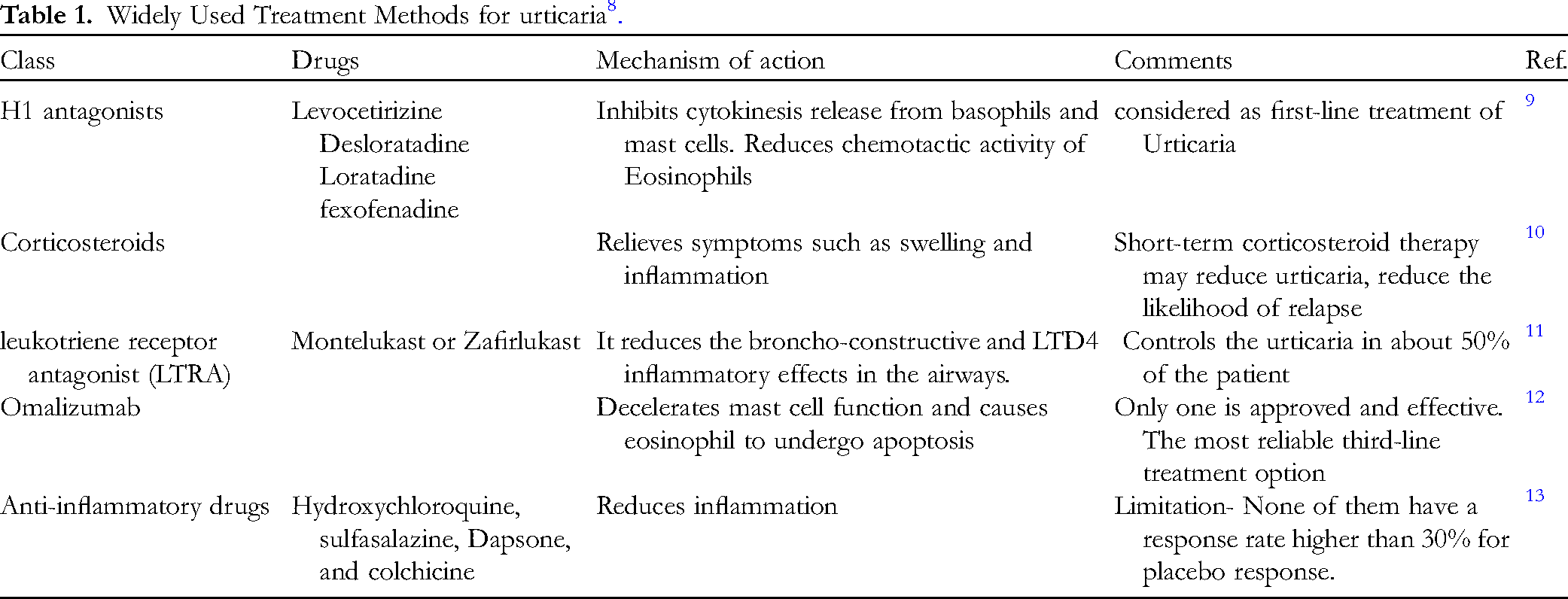
Due to the multifaceted nature of these mechanisms, treatment for urticaria typically requires a combination approach, with a duration ranging from 30 to 190 days, depending on the severity and underlying cause. Commonly used medications include antihistamines to counteract histamine activity, corticosteroids to suppress inflammation, and leukotriene antagonists to target another inflammatory pathway. 7 This combination therapy reflects the need to address the various mechanisms contributing to urticaria (Table 1). 8
Widely Used Treatment Methods for urticaria 8 .
While these present a promising option for Urticaria management, their high cost and potential symptom recurrence post-discontinuation pose limitations 14 (Figure 2). Moreover, concerns about systemic immunosuppression, endocrine disorders, and medication dependence further hinder its widespread adoption. 15 Despite various Western medicine treatments, an unmet need for effective Urticaria symptom control persists, driving exploration into alternatives. Complementary and alternative medicine (CAM) offers promising support alongside conventional Western therapies for urticaria. Various herbs contain bioactive compounds, such as Shikonin, mangiferin, okicamelliaside, tussilagone, petasin, warifteine, methyl warifteine, and luteolin-7-O-rutinoside, which contribute to their widespread use in treating this condition.
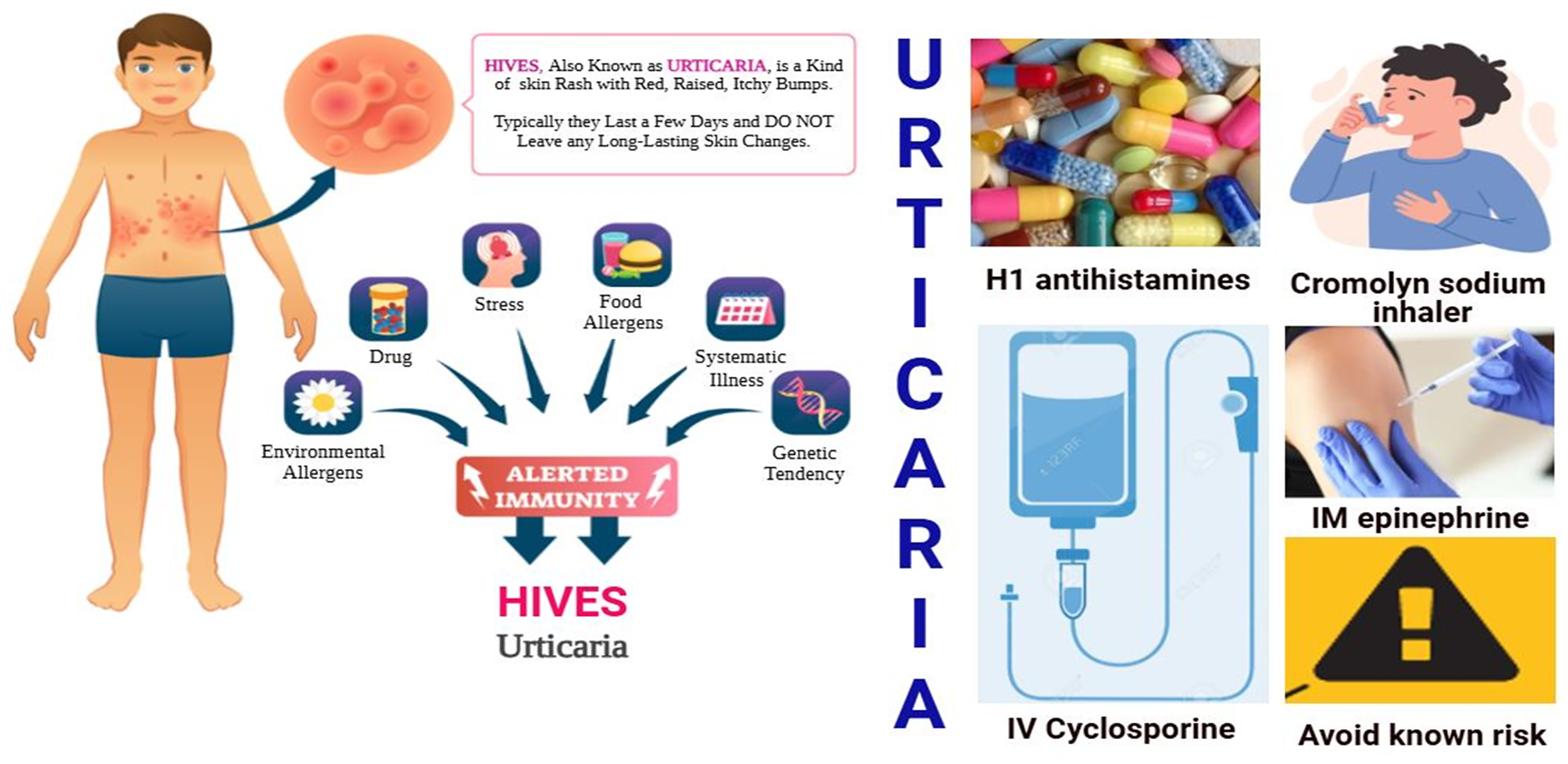
Aetiologies and mechanism-based treatment alternatives urticaria.
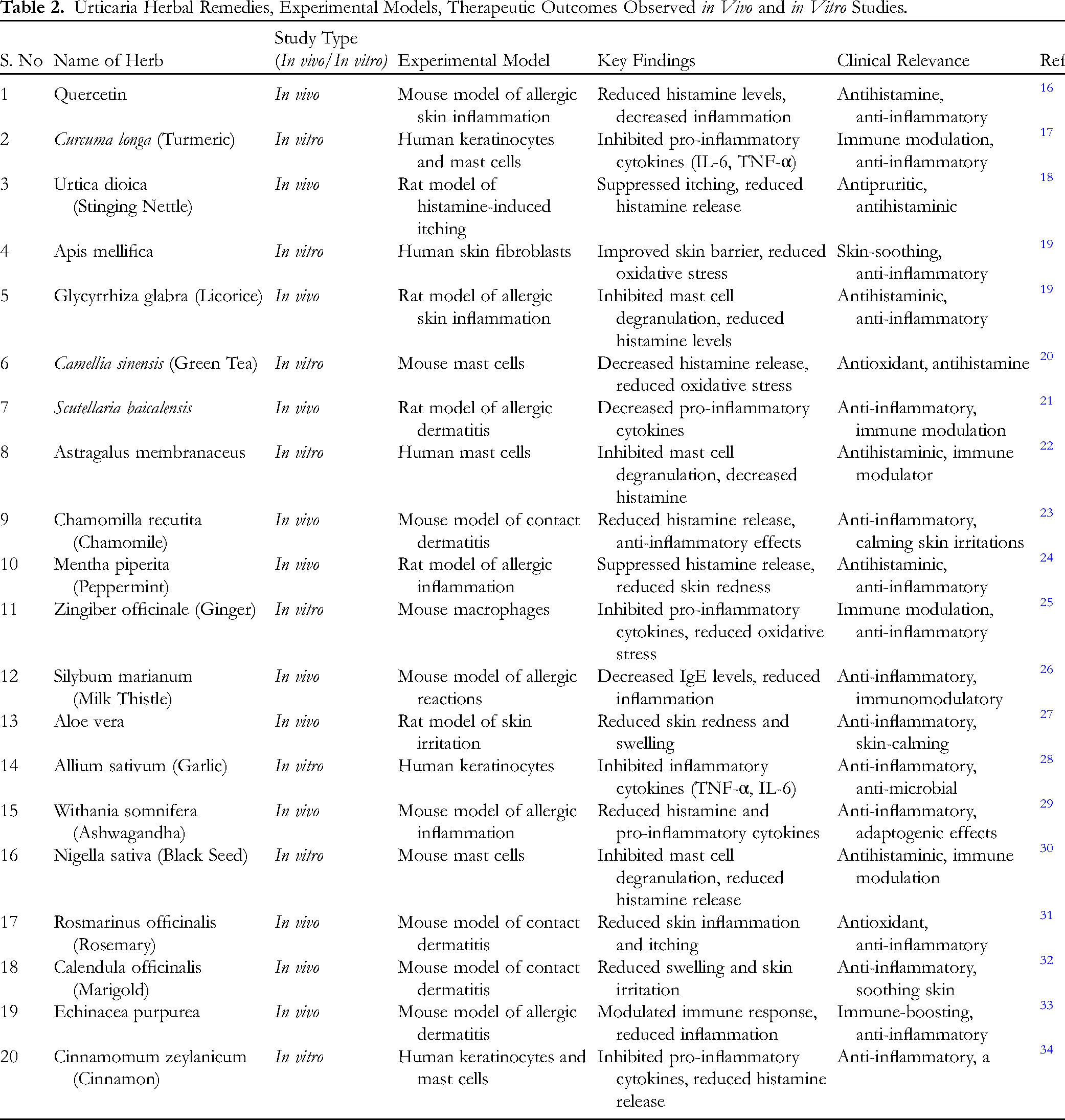
Based on the reported literature review, the overview of preclinical research on herbal treatments for urticaria presents a detailed analysis of studies exploring herbal remedies’ efficacy in treating urticaria. It encompasses findings from both In vivo (animal-based) and In vitro (lab-based cell culture) studies Table 2. The table outlines essential details of the experiments, including the herbal substances tested, dosages, and treatment durations. It summarizes therapeutic outcomes, like reduced inflammation, histamine inhibition, and other positive effects, offering insights into the potential of these remedies for further clinical development. This overview allows readers to assess the preclinical effectiveness of various herbal treatments, offering a foundation for future research in managing urticaria.
Urticaria Herbal Remedies, Experimental Models, Therapeutic Outcomes Observed in Vivo and in Vitro Studies.
Although a review is to identify the most common herbs used to treat chronic urticaria, characterized by their efficacy, mechanisms of action, and risk/benefit ratio in comparison to Western treatment, and also find less often used formulations and assess their therapeutic efficacy, safety profile, and potential for broader use.
Role of Herbal Remedies in Traditional and Modern Medicine
In recent years, interest in herbal remedies as alternatives to conventional treatments,35,36 like antihistamines and corticosteroids, for managing urticaria has increased. Although conventional therapies control symptoms effectively, they often cause side effects like drowsiness, dry mouth, and, with long-term corticosteroid use, risks such as immunosuppression or skin thinning. This has driven demand for natural therapies that relieve symptoms while targeting the root causes of immune dysregulation and inflammation37–39.
Herbal medicine, mainly from traditional systems, offers promising alternatives with fewer side effects and a more holistic approach to healing. These remedies focus on restoring the body's balance, modulating immune responses, and reducing inflammation, making them appealing to individuals seeking safer, long-term solutions for Urticaria management. Furthermore, recent scientific research has begun to validate the efficacy of these herbal treatments, encouraging further interest in their integration into modern therapeutic regimens. This review aims to explore such herbal remedies, providing insights into recent advances, clinical status, and potential future directions for their use in treating urticaria. 40
Role of Medicinal Formulations
Pitkirya: Constitutes a poly-herbal Unani formulation comprising six herbs, namely Lavandula stoechas, Acrous calamus, Rauwolfia serpentina, Nardostachys jatamansi, Fumaria officinalis, and Achillea millefolium. 41 This formulation involves the combination of these herbs in equal amounts of 500 mg each, encapsulated for administration, and is favoured for treating Urticarial. 42 Another Unani formulation comprises a decoction formulation that integrates four herbs, namely Cassia fistula, Iris ensata, Eugenia caryophyllata, and Zingiber officinalis, in varying proportions for therapeutic use. 43
Role of Ayurvedic Medicines
The ancient medicine system of India- Ayurveda, offers a meticulous approach to treating skin rashes, addressing the underlying causes and the symptoms. Various Ayurvedic texts, including Udarda Prashamana Mahakashaya and Eladi Gana, provide detailed guidance on the use of herbs and formulations for managing skin conditions as described below 44 :
Udarda Prashamana Mahakashaya, a group of ten herbs mentioned by Charaka, specifically targets skin rashes. These herbs are believed to work by balancing the vitiated doshas (vata, pitta, and kapha), Ayurveda's fundamental principles governing health and disease. 45
Eladi Gana, a group of 29 herbs described by Sushruta, falls under the category of Shamana (palliative) drugs for Kotha (skin rashes). These herbs play a significant role as anti-inflammatory, blood-purifying, and antipruritic (itch-relieving) agents. 46
Several Ayurvedic formulations are recommended for treating chronic urticaria, including 47 :
Haridra Khanda: A preparation made from turmeric (Curcuma longa L.), a potent anti-inflammatory and antioxidant herb. 48
Adraka Khanda: A formulation containing ginger (Zingiber officinale Rosc.), utilized for its anti-inflammatory and antibacterial activities. 49
Shitapittabhanjana Rasa: A herbal compound that helps balance pitta dosha, often associated with Urticaria. 47
Shleshmpittantaka Rasa: A formulation that addresses kapha and pitta doshas, which can contribute to skin conditions. 47
Brihat, Yashtyadi Kwatha: A decoction prepared from various herbs, including Indian licorice (Glycyrrhiza glabra L.) and shatavari (Asparagus racemosus Willd.), known for their anti-inflammatory and blood-purifying properties. 50
Amritadi Kwatha: A decoction containing herbs like guduchi (Tinospora cordifolia) and neem (Azadirachta indica A.Juss.), known for their immune-boosting and blood-purifying properties. 35
Vireshvaro Rasa: A herbal compound that promotes detoxification and elimination of toxins from the body.
Vardhamana Lashuna Prayoga is a garlic-based preparation that utilizes anti-inflammatory and anti-microbial properties.
Kushtadi yoga: A formulation containing barnyard grass (Echinochloa crus-galli (L.) Beauv.) and other herbs known for their blood-purifying and antipruritic properties. 51
Matiktaka ghrita: A ghee-based preparation containing Indian pennywort (Centella asiatica), known for its wound-healing and anti-inflammatory properties.
Dhatrikhanda: A formulation containing Triphala (a combination of three fruits: Terminalia bellirica (Gaertn.) Roxb., Emblica officinalis Gaertn., and Terminalia chebula Retz.), known for its blood-purifying and anti-inflammatory properties.
Visarpokta Amritadi Kwatha: A decoction prepared from herbs like guduchi and neem, specifically designed to treat urticaria.
Navakarshika Guggulu: A herbal compound containing guggulu (Commiphora mukul Hook. ex-Stocks), known for its blood-purifying and anti-inflammatory properties.
Applying ghee or oil infused with herbs like Turmeric, Neem, or sandalwood can provide soothing relief for skin rashes. A balanced Ayurvedic diet rich in fruits, vegetables, and whole grains is recommended while avoiding processed foods, excessive sugar, and spicy or oily foods. In some cases, Ayurvedic practitioners may recommend purgation therapy to eliminate toxins from the body and alleviate urticaria. The patient's diet should include nourishing soups from dried radish or Kullatha (Dolichos biflorus Linn.).
Role of Chinese Herbal Medicine
Core herbal formulae, as given in the table, are recognized for their anti-allergy, anti-oxidative, and anti-inflammatory properties. They show efficacy in reducing symptoms of chronic urticaria by improving the total effective rate, reducing adverse reactions recurrence as shown in the meta-analysis. 52
Chinese herbal medicine has been extensively used for managing urticaria, focusing on restoring balance within the body and addressing underlying causes like heat, wind, and toxin accumulation. Traditional Chinese medicine (TCM) practitioners often use herbal formulas tailored to individual patterns of disharmony, with common herbs including Huang Qin (Scutellaria baicalensis) and Fang Feng (Saposhnikovia divaricata), known for their anti-inflammatory and immune-modulating properties. These herbs help alleviate symptoms like redness, itching, and swelling by clearing heat and dispelling wind pathogens. 20
Recent studies have explored the effectiveness of Xiao Feng San, a traditional herbal formula, in treating chronic urticaria. Clinical trials have demonstrated significant reductions in itch severity and lesion appearance, pointing to the formula's antihistamine-like properties. Chinese herbal therapies are increasingly being integrated into modern clinical settings, often in combination with acupuncture or standard antihistamines, offering a holistic approach to managing urticaria. However, further research is needed to standardize formulations, determine optimal dosages, and establish precise mechanisms of action to validate these treatments fully.53,54 Evaluating symptom improvement and serum markers is key to understanding the effects of fixed herbal combination in Urticaria treatment. 55
In India, Ayurveda offers a range of herbal remedies for urticaria, emphasizing detoxification and balancing the body's doshas, particularly Pitta and Vata, which are often considered imbalanced in skin conditions like urticaria. Herbal remedies such as Neem (Azadirachta Indica), Haridra (Curcuma longa), and Guduchi (Tinospora cordifolia) are widely used for their anti-inflammatory, antihistamine and immunomodulatory effects.56,57
Ayurvedic formulations like Haridra Khanda, which combine turmeric with other herbs, are commonly prescribed for managing chronic urticaria. Recent studies have supported the role of Haridra in reducing skin inflammation and improving symptoms.45,58
Additionally, Guduchi has been shown to enhance immune responses, which can help reduce the recurrence of Urticaria episodes. Although Ayurvedic treatments are widely used in India, clinical research is still needed to confirm their long-term efficacy and safety in managing urticaria in broader populations. 59
Chinese and Indian herbal systems offer promising, natural approaches for urticaria treatment, yet more rigorous clinical trials are essential to integrate these traditional remedies into mainstream medicine. Some of them are listed below in Table 3.
Traditional Herbs with the Part Being Used and Their application 60 .

Current Clinical Status of Herbal Remedies for Urticaria
A study was conducted in Germany as part of the global AWARE initiative, focusing on patients with chronic spontaneous Urticaria (CSU) whose symptoms persisted for at least two months despite treatment with H1-antihistamines. Sponsored by the manufacturer of Omalizumab, a treatment for CSU, the study revealed that over 42% of German participants continued to experience uncontrolled CSU symptoms after one year. 61
This showed the significant impact of CSU on patients, as reflected by lower scores on quality-of-life measures like the Dermatology Life Quality Index (DLQI) and CU-QoL questionnaire. The study also revealed a gap between international treatment guidelines and actual practice in Germany, with most patients not receiving recommended treatments. 62
While Omalizumab was an option, only a small number of patients started this therapy. These results highlight the need for better management of H1-antihistamine-refractory CSU, including improved adherence to guidelines and considering more options, like Omalizumab, to improve patient outcomes. 63
In related research, clinical trials are ongoing to study the variables that govern mast cell growth, aiming to understand the molecular mechanisms behind mastocytosis and improve treatment strategies.
This protocol investigated factors influencing mast cell growth in mastocytosis patients aged from infancy to 80 years, diagnosed via abnormal bone marrow or skin biopsy, urticaria pigmentosa, elevated blood tryptase (>20 ng/ml), and atypical mast cell markers CD2 and CD25. Unaffected relatives up to 80 years old were also eligible. Standard exams, medical histories, and blood samples were collected, with optional participation in additional research, including buccal swabs, dietary and stool analysis, microbiome studies, exercise tests, and activity monitoring.
A current government clinical trial, though not actively recruiting, is studying the pharmacokinetics and safety of CDX-0159 (Barzolvolimab) in people with chronic inducible urticaria. The trial focuses on patients with symptomatic dermo graphism (SD) or cold Urticaria (Cold U) who haven't responded to H1-antihistamine therapy. The study includes a four-week screening period and a 20-week treatment phase, where participants receive either 150 mg or 300 mg of Barzolvolimab or a placebo. After treatment, all participants will be monitored for another 20 weeks.
In summary, managing chronic urticaria remains challenging, particularly in H1-antihistamine-resistant cases. A study highlighted significant gaps in treatment practices in Germany, with underuse of Omalizumab despite its efficacy. Advances in mast cell regulation and emerging therapies like Barzolvolimab offer hope for improved treatments for chronic urticaria and mastocytosis. Addressing treatment gaps and understanding molecular mechanisms are crucial for better patient outcomes.
Recent Developments in Urticaria
Advances in Understanding the Pathophysiology
Recent research has shed light on the complex immunological pathways underlying Urticaria, particularly chronic spontaneous Urticaria (CSU). It is now understood that mast cells and basophils play a central role in releasing histamine and other pro-inflammatory mediators, which lead to the characteristic symptoms of urticaria—itching, swelling, and redness. 64
There is growing evidence that autoimmunity may play a significant role in CSU. Approximately 30–50% of CSU patients have autoantibodies that target IgE or its receptor, leading to mast cell activation. This discovery has driven research into therapies that target the immune system more effectively. 65
Biologic Therapies
Omalizumab: The monoclonal antibody Omalizumab, which targets IgE, has revolutionized the treatment of CSU. Approved for patients who do not respond to antihistamines, Omalizumab has shown high efficacy in reducing symptoms and improving quality of life in clinical trials. It is now considered the gold-standard treatment for refractory chronic Urticaria. 66
Dupilumab: Originally approved for atopic dermatitis, dupilumab (an IL-4 and IL-13 receptor antagonist) is being investigated for use in CSU and other forms of urticaria. Early clinical trials suggest that it can reduce inflammation and itchiness in patients with urticaria by modulating key cytokine pathways. 67
Other Biologics in Development: Researchers are also exploring the role of other biologics, including Ligelizumab (an anti-IgE monoclonal antibody) and BTK (Bruton's tyrosine kinase) inhibitors. These biologics target different components of the immune system involved in the activation of mast cells and basophils.
Personalized Medicine Approaches
With the increasing understanding of urticaria's underlying mechanisms, the shift towards personalized medicine is becoming more prominent. Biomarkers, such as D-dimer, C-reactive protein (CRP), and specific IgE levels, are being investigated to predict treatment response and disease severity. This could help clinicians tailor treatments based on individual patient profiles, improving outcomes and reducing trial-and-error in drug selection.68,69
New Diagnostic Tools
The development of improved diagnostic tools for distinguishing between different types of urticaria, such as chronic spontaneous urticaria, inducible Urticaria (triggered by factors like cold, heat, or pressure), and autoimmune Urticaria, is advancing. Skin testing and basophil activation tests are being refined to provide more accurate diagnostics, which in turn guide better treatment decisions. 70
Innovative Treatment Strategies
Combinational Therapies: Researchers are exploring combinations of antihistamines with biologics to manage more severe cases of urticaria. For example, increasing the dosage of H1-antihistamines beyond the standard dose is a common strategy for patients with persistent symptoms. 71
Antihistamine Alternatives: New-generation antihistamines, such as Bilastine, have shown improved safety profiles with fewer sedative effects, making them a preferred option for long-term treatment. 72
Dietary and Lifestyle Modifications: Recent studies have also highlighted the impact of diet, stress, and lifestyle on Urticaria symptoms. Low-histamine diets and avoiding triggers (eg, alcohol, certain foods) have been shown to reduce symptom severity in some patients. 73
New Insights in Chronic and Acute Urticaria
Chronic Spontaneous Urticaria (CSU): The distinction between acute urticaria (lasting less than 6 weeks) and chronic urticaria (lasting longer than 6 weeks) has led to more focused research on managing CSU, which is more challenging to treat. Long-term studies have found that up to 50% of CSU cases can resolve within 1–5 years, though it remains unpredictable. 74
Acute Urticaria: While often easier to treat, acute urticaria can still be challenging in severe cases. Emerging therapies, including short-term corticosteroids and new anti-histamine formulations, are being investigated to provide rapid relief while minimizing side effects. 75
Psychosocial Impact and Quality of Life
Increasing attention is being paid to the psychosocial burden of urticaria, particularly chronic forms. Recent studies emphasize the significant impact on mental health, sleep, and quality of life for patients suffering from recurring symptoms. Psychological interventions, stress management techniques, and cognitive-behavioural therapy are now being integrated into comprehensive treatment plans to address these issues. 76
Environmental and Trigger-Based Urticaria
Research also identifies environmental triggers, including allergens, pollutants, and infections that can precipitate or worsen urticaria. This is leading to better prevention strategies and trigger-avoidance education for patients. 77
Recent studies have also reported that COVID-19 or its vaccines induce urticaria. These cases are typically short-lived, but further research is needed to understand the immune responses involved and the appropriate management strategies. 78
Finally, the recent developments in Urticaria management reflect a better understanding of its underlying mechanisms and the advent of new therapies, particularly biologics, that offer improved control of chronic Urticaria symptoms. Diagnostic tools and personalized treatment approaches further advance the field, providing hope for more effective and tailored management of this complex condition. 79
Modern Formulations of Herbal Remedies for Urticaria
Recent advancements in pharmaceutical technology have significantly improved the delivery and efficacy of herbal remedies for urticaria. These modern formulations aim to enhance herbal compounds’ bioavailability, stability, and consistency, which can otherwise vary in traditional preparations. Here are some notable modern formulations80,81:
Nano Formulations
Nano emulsions: Nano emulsions are fine oil-in-water or water-in-oil dispersions that help increase the solubility and bioavailability of poorly water-soluble herbal extracts. For instance, Nano emulsions of Curcuma longa (turmeric) have been developed to enhance curcumin's absorption and improve its anti-inflammatory and antihistamine effects in Urticaria patients. The small particle size ensures the active compounds are absorbed more effectively by the body. 82
Nanoparticles: Encapsulating herbal extracts into nanoparticles is another cutting-edge approach that protects the active ingredients from degradation and facilitates sustained release. Tinospora cordifolia (Guduchi), known for its immune-modulatory effects, has been incorporated into nanoparticle formulations, showing potential in managing chronic urticaria by providing long-lasting symptom relief. 83
Liposomes
Liposomes are spherical vesicles that encapsulate active compounds, enhancing their stability and controlled release. 84 Herbal compounds like Scutellaria baicalensis (Huang Qin) and Glycyrrhiza glabra (liquorice) have been incorporated into liposomal formulations to enhance their anti-inflammatory effects. These liposome-based formulations allow for targeted delivery to inflamed skin areas, reducing the risk of systemic side effects. 85 For urticaria, liposomal creams and gels containing these extracts can offer localized relief with better penetration into the skin layers, addressing itching and redness more effectively than traditional topical formulations. 86
Phytosomal Formulations
Phytosomes are herbal formulations where the active phytochemicals are bound to phospholipids, improving their absorption and bioavailability. Phytosomal complexes of Silybum marianum (milk thistle) have been used to enhance silymarin's antioxidant and anti-inflammatory properties, which are beneficial in skin conditions like urticaria. 87 The phytosome technology ensures that the active ingredients remain stable and are better absorbed by the gastrointestinal tract, offering potential in oral formulations for chronic Urticaria management. 88
Hydrogels
Hydrogels are gel-like formulations that retain moisture and provide a soothing effect on the skin. Herbal-based hydrogels containing extracts such as Aloe vera, Calendula officinalis (marigold), and Centella asiatica (gotu kola) are being developed for topical application to manage urticaria symptoms. These hydrogels are non-greasy, rapidly absorbed, and deliver sustained hydration, helping to relieve itching, swelling, and irritation associated with Urticaria. 89
Hydrogels can also be enriched with nano capsules of herbal compounds to further boost the bioavailability and efficacy of the active ingredients.
Herbal Patches and Transdermal Systems
Transdermal patches are gaining popularity as a novel delivery system for herbal remedies. Patches infused with anti-inflammatory and anti-histamine herbal extracts, such as Mentha piperita (peppermint) and Camellia sinensis (green tea), are being developed for long-term management of Urticaria symptoms. These patches allow for controlled release of the active compounds over an extended period, providing consistent relief without frequent reapplication or oral dosing. 90 The transdermal system ensures that the active ingredients bypass the gastrointestinal system, reducing the risk of potential interactions or degradation, making it ideal for patients with chronic urticaria.
Herbal Lozenges and Sublingual Formulations
For systemic relief of urticaria, sublingual herbal formulations and lozenges containing extracts like Glycyrrhiza glabra (liquorice) and Camellia sinensis (green tea) are being developed. These formulations dissolve under the tongue or in the mouth, allowing the active ingredients to enter the bloodstream directly, providing faster relief than traditional oral formulations. 91 Sublingual herbal formulations are beneficial for patients with chronic urticaria, as they offer quick symptom relief without the need for topical application or higher doses of oral medications.
Solid Lipid Nanoparticles (SLNs)
SLNs are lipid-based nanoparticles that provide controlled release and improved bioavailability for herbal compounds. Herbal extracts like Quercetin and Apigenin, known for their anti-inflammatory and anti-histamine properties, have been incorporated into SLNs for enhanced delivery. These nanoparticles can be used in oral and topical formulations, stabilizing the active ingredients while ensuring gradual release for prolonged effects. 92
Herbal Tablets and Capsules with Enhanced Bioavailability
Traditional herbal tablets and capsules are being reformulated with bio-enhancers like piperine (from black pepper) to increase the absorption of active compounds like curcumin. By combining these herbal ingredients with bio-enhancers, modern tablets and capsules ensure that patients receive higher therapeutic benefits even at lower doses. 93
Moreover, these modern formulations of herbal remedies offer significant improvements in treating urticaria. By enhancing the bioavailability, stability, and controlled release of herbal compounds, these advanced technologies are making herbal therapies more effective and reliable. These innovations are significant for chronic Urticaria patients seeking alternatives or complements to conventional therapies like antihistamines and corticosteroids (Table 4). 94 The listed data comprehensively summarises various commercially available herbal remedies for managing urticaria (hives). It lists the key bioactive compounds in these herbal treatments, such as curcumin from turmeric and glycyrrhizin from liquorice, which contribute to their therapeutic effects. Each entry details the clinical benefits of these compounds, focusing on their ability to reduce inflammation, inhibit histamine release, soothe irritated skin, and accelerate healing. The table informs readers about the natural alternatives for urticaria treatment, highlighting the scientific foundation behind these remedies. Readers will understand how these bioactive compounds help alleviate common symptoms like itching, swelling, and redness, providing a valuable resource for those exploring herbal options for managing urticaria.
Summary of Commercially Marketed Herbal Remedies for urticaria Treatment, Listing Bioactive Compounds and Their Clinical Benefits.

Cutting-Edge Research and Mechanistic Studies on Herbal Remedies for Urticaria
Recent scientific advancements have paved the way for a deeper understanding of how herbal remedies work at the molecular and cellular levels in treating urticaria. Modern research explores the precise mechanisms by which herbal compounds modulate immune responses, reduce inflammation, and alleviate symptoms such as itching, swelling, and redness. Below are key developments in cutting-edge research and mechanistic studies involving herbal remedies for Urticaria 125 :
Immune Modulation and Mast Cell Stabilization
Mast Cell Modulation: Urticaria is largely driven by the activation of mast cells, which release histamine and other pro-inflammatory mediators. Cutting-edge research has focused on herbs like Scutellaria baicalensis (Baikal skullcap) and Glycyrrhiza glabra (liquorice), which have been shown to stabilize mast cells and reduce histamine release. Baicalin, a flavonoid from Scutellaria, has demonstrated mast cell inhibitory effects in vitro, reducing the degranulation process that leads to the characteristic hives and itching. 126
Immuno-regulatory Effects: Herbs such as Curcuma longa (turmeric) have been found to exert immunomodulatory effects by regulating cytokine production, specifically targeting pathways like nuclear factor-kappa B (NF-κB) and tumour necrosis factor-alpha (TNF-α). These pathways are key to inflammatory processes, and modulating those helps reduce chronic inflammation associated with chronic spontaneous Urticaria (CSU). 127
Antioxidant Activity and Inflammatory Pathways
Antioxidant Mechanisms: Oxidative stress exacerbates inflammatory conditions,128,129 including urticaria. Herbal compounds with potent antioxidant properties, such as quercetin (from various plants) and resveratrol (from Vitis vinifera or grapevine), are being studied for their ability to scavenge free radicals and reduce oxidative stress. These compounds are being tested for their effectiveness in reducing inflammation and stabilizing endothelial cells, which play a role in developing urticarial lesions. 130
Inflammation Suppression: Many herbs, including Zingiber officinale (ginger) and Nigella sativa (black cumin), have shown anti-inflammatory effects by inhibiting pro-inflammatory enzymes like cyclooxygenase (COX) and lipoxygenase (LOX). Research indicates that the active constituents in these herbs can downregulate the production of prostaglandins and leukotrienes, key mediators in the inflammatory response seen in urticaria. 131
Regulation of Histamine Pathways
Histamine Receptor Inhibition: Recent studies are investigating the potential of herbal compounds to act as natural antihistamines by blocking histamine receptors (H1 receptors). For example, Camellia sinensis (green tea) polyphenols have shown promise in inhibiting H1 receptor activity, which could reduce histamine-induced symptoms like itching and swelling. These studies aim to identify plant-based alternatives to synthetic antihistamines commonly used in Urticaria management. 132
Histamine Degradation: Certain herbs, such as Petasites hybridus (butterbur), have been shown to increase the activity of diamine oxidase (DAO), an enzyme responsible for breaking down histamine. Enhancing histamine degradation may provide a novel mechanism to control the excessive histamine response in Urticaria. 133
Herbal Synergy and Combinational Effects
Synergistic Interactions: Studies are exploring the combinational effects of various herbal extracts to enhance their overall efficacy in treating urticaria. For instance, combining Curcuma longa (turmeric) with Piper nigrum (black pepper) enhances the bioavailability of curcumin, the active component in turmeric. This combination has shown improved anti-inflammatory and anti-histamine effects in preclinical studies. Similarly, combinations of Scutellaria baicalensis and Glycyrrhiza glabra have synergistic effects in reducing histamine release and stabilizing mast cells. 134
Polyherbal Formulations: Research focuses on polyherbal formulations that combine multiple herbs with complementary mechanisms of action. This approach is being used to target multiple pathways involved in urticaria, such as histamine regulation, mast cell stabilization, and immune modulation. Integrating polyherbal approaches could lead to more holistic and effective treatments for acute and chronic Urticaria. 135
Epigenetic and Genetic Research
Epigenetic Modulation: Emerging research is investigating the epigenetic impact of herbal remedies, particularly how they might influence gene expression related to inflammation and immune responses. Herbs like Withania somnifera (Ashwagandha) have been found to modulate the expression of genes involved in stress and inflammation, potentially affecting the severity and frequency of Urticaria flare-ups. 136
Herbal Effects on Genetic Pathways: Investigations are being conducted into the genetic pathways influenced by herbs used for urticaria. For example, Nigella sativa has been shown to regulate gene expression in the inflammatory response. These findings suggest that herbal remedies may potentially alter genetic susceptibility to chronic Urticaria. 137
Clinical Trials and Evidence-Based Studies
Randomized Clinical Trials (RCTs): In recent years, clinical trials have increasingly focused on validating the efficacy of herbal remedies for urticaria. For example, a double-blind, placebo-controlled study of Urtica dioica (stinging nettle) demonstrated significant reductions in symptom severity for patients with acute urticaria. Similarly, clinical trials involving Camellia sinensis (green tea) and Curcuma longa (turmeric) have shown promising results in reducing chronic Urticaria symptoms, leading to ongoing research to establish standardized dosing and formulations. 37
Evidence-based Research: Systematic reviews and meta-analyses of herbal treatments for urticaria are being conducted to evaluate their efficacy compared to conventional treatments like antihistamines and corticosteroids. 138
These studies are critical in bridging the gap between traditional herbal practices and modern scientific validation (Table 2).
Finally, cutting-edge research on herbal remedies for urticaria expands our understanding of their mechanisms and therapeutic potential. From immune modulation and antioxidant activity to personalized medicine and synergistic formulations, these advances bring herbal medicine into evidence-based practice. Ongoing mechanistic studies and clinical trials continue to pave the way for more effective and scientifically validated herbal treatments for acute and chronic urticaria. 139
Efficacy of Herbal Remedies for Urticaria
Herbal remedies have been used across cultures for centuries to alleviate symptoms of urticaria, also known as hives. This section evaluates the efficacy of various herbal treatments based on traditional practices, clinical evidence, and potential future directions in research and application. 140
Traditional Practices and Efficacy
In traditional medicine systems, such as Ayurveda and Traditional Chinese Medicine (TCM), specific herbs are believed to possess properties that can alleviate allergic reactions and reduce skin inflammation associated with Urticaria. 141
Neem (Azadirachta indica)
Renowned for its anti-inflammatory and anti-microbial properties, neem is often used in Ayurvedic practices to treat skin conditions, including urticaria. Studies have shown that neem extracts can inhibit histamine release, thereby reducing itching and swelling. 142
Turmeric (Curcuma longa)
Known for its active compound curcumin, turmeric exhibits strong anti-inflammatory and antioxidant effects. It has been traditionally used to manage allergic reactions and is gaining attention in clinical studies for its role in modulating immune responses. 143
Butterbur (Petasites hybridus)
Used in TCM, butterbur has been found to have antihistamine properties. Clinical trials have demonstrated its effectiveness in reducing Urticaria symptoms, making it a promising alternative to conventional antihistamines. 144
Clinical Evidence
Recent studies have provided scientific validation for the traditional use of these herbs. A comprehensive literature review identified several clinical trials and observational studies that assessed the safety and efficacy of herbal remedies in treating urticaria:
Efficacy in Symptom Relief
Many herbs, including chamomile and green tea, effectively reduce symptoms such as itching, redness, and swelling in patients with chronic urticaria. Meta-analyses revealed that patients using herbal supplements reported more remarkable improvement than those receiving placebo. 145
Mechanisms of Action
Research has highlighted the potential mechanisms through which these herbal remedies exert their effects, including inhibition of mast cell degranulation, modulation of cytokine production, and antioxidant activity. This biochemical understanding supports their use in clinical practice.
Finally, herbal remedies hold promise as complementary treatments for urticaria, with several traditional herbs demonstrating efficacy in managing symptoms. Continued research is essential to validate these practices scientifically, enhance their safety profiles, and integrate them into modern therapeutic strategies for effective management of Urticaria. 52
Future Directions in Herbal Remedies for Urticaria
The field of herbal medicine is evolving rapidly, and there are several promising future directions for improving the treatment of urticaria. These directions focus on enhancing the formulations, increasing our understanding of how herbal remedies work, and incorporating modern technologies. Below are key areas that represent the future of herbal treatments for both acute and chronic Urticaria:
Advanced Herbal Formulations
Nanotechnology: Using nanotechnology to improve the bioavailability and effectiveness of herbal extracts is an exciting area of future research. Nanoparticles, such as Nano emulsions and nanocapsules, can enhance herbal compounds’ absorption and target delivery. This could be particularly useful for herbs like Curcuma longa (Turmeric) and Glycyrrhiza glabra (liquorice), making them more potent for treating urticaria. Liposomes and noisomes are small vesicles used to encapsulate herbal extracts, which help in controlled release and better skin penetration. These advanced technologies could be applied to topical treatments for urticaria to deliver anti-inflammatory herbs directly to the affected area. Polyhedral combinations, like combining multiple herbs for a synergistic effect, are gaining attention. Future studies could optimize these herbal combinations to target different mechanisms involved in urticaria, allowing for more comprehensive treatment. 71
Personalized Herbal Medicine
Genomic and Epigenetic Approaches: As research continues into the genetic factors of urticaria, herbal remedies may one day be tailored to an individual's genetic makeup. For example, herbs like Withania somnifera (Ashwagandha) or Nigella sativa (black cumin) could be used based on a person's unique genetic profile to reduce inflammation more effectively. 136
Standardizing Herbal Extracts: There is a need for consistent and reliable levels of active ingredients in herbal products. Future research will ensure that each herbal formulation is standardized to deliver the right amount of active compounds, improving consistency and effectiveness. 146
Clinical Validation and Evidence-Based Research
Larger Clinical Trials: While some herbs have shown potential in small-scale studies, large-scale, well-controlled clinical trials are needed to confirm their effectiveness for urticaria. Future research should include multicentre trials with consistent methods to provide stronger clinical evidence. 147
Systematic Reviews and Meta-Analyses: By compiling data from existing studies, systematic reviews and meta-analyses can offer a clearer picture of how well herbal remedies work for urticaria. This would help compare them with conventional treatments like anti-histamines and corticosteroids.
Mechanistic Studies
Understanding Molecular Mechanisms: Although some herbs are known for their anti-inflammatory and anti-histamine properties, there is still much to learn about how they work at the molecular level. Future research will explore how herbal compounds affect signalling pathways involved in urticaria, such as the NF-κB or PI3 K/Akt pathways.
Gut-Skin Axis and Microbiome: Recent research suggests that the gut microbiome may influence skin conditions like urticaria. Future studies could explore how certain herbs, such as Berberis vulgaris (barberry) and Curcuma longa (turmeric), interact with the microbiome and influence immune responses. 148
Integration with Conventional Medicine
Herb-Drug Interactions: Research into possible interactions between these treatments is essential as more people combine herbal remedies with conventional treatments like antihistamines. Understanding these interactions will help create safer, more effective combination therapies. 149
Complementary and Alternative Medicine (CAM): Herbal medicine could be integrated into broader treatment strategies that include other CAM practices, such as acupuncture or dietary changes. Research into combining these approaches could improve overall treatment outcomes for urticaria.
Sustainable and Ethical Practices
Sustainable Sourcing: As the demand for herbal medicines grows, ensuring that medicinal plants are sourced sustainably is crucial. Future research should focus on cultivating these plants without harming the environment and on using synthetic biology to produce herbal compounds in labouratories. 150
Protecting Traditional Knowledge: It's essential to respect indigenous knowledge about herbal remedies and collaborate with local communities to develop herbal treatments ethically.
Regulation and Commercialization
Regulatory Approvals: As herbal treatments become more accepted, future research will focus on creating regulatory frameworks that ensure herbal products are safe, effective, and of high quality. International guidelines could help expand the market for herbal remedies and make them more accessible to patients worldwide. 151
Market Expansion: The herbal remedy market will likely expand with growing interest in natural treatments. Future efforts may involve developing herbal treatments in various forms, such as oral, topical, or inhaled, to provide more options for patients. 152
Conclusion
This review provides valuable insights into the evolving landscape of herbal therapies for urticaria, laying the groundwork for future investigations. Despite promising results reported for specific herbal remedies, further well-designed clinical trials are imperative to validate their efficacy and determine optimal treatment regimens. These trials should also consider herb-drug interactions, safety profiles, and patient preferences, which are crucial factors for integrating herbal interventions into mainstream Urticaria management strategies. Furthermore, there is a pressing need for more targeted therapeutic strategies to address chronic spontaneous Urticaria (CSU) beyond the traditional IgE-mediated pathway. Understanding the complex interplay of ligands and receptors involved in CSU pathogenesis has led to the development of promising targeted therapies. Despite these challenges, herbal medicines offer promising avenues for complementary and alternative approaches to Urticaria treatment. To fully harness their potential, future research should focus on developing standardized protocols, conducting long-term safety assessments, and elucidating underlying mechanisms to optimize their clinical utility. Moreover, biomarker integration holds the potential to predict treatment outcomes and guide personalized therapy in Urticaria management. By emphasizing emerging treatment modalities and the role of biomarkers, this paper aims to empower specialists and CSU treating physicians to deliver optimal patient care based on the latest evidence and concepts, ultimately enhancing treatment effectiveness and safety in Urticaria management.
Footnotes
Abbreviations
Acknowledgements
The authors are thankful to the Kampala International University and MB School of Pharmaceutical Sciences (Mohan Babu University) for providing necessary facilities to carry out the research work.
Author Contributions
LKD, SPNB, MP, TMY and NL conducted the literature search, processed the findings and wrote the manuscript. CS, AE, BM, AAS and HO all contributed to the study design, supervised the interpretation of the findings and writing of this manuscript. All the authors read and approved the final manuscript.
Availability of Data and Materials
Not Applicable.
Consent to Participate
Not Applicable.
Consent to Publication
All the authors have read and agreed to the final copy of the finding as contained in the manuscript.
Declarations
I affirm that this submission is wholly my own work, articulated in my own language, with all sources utilised in its study duly acknowledged and all quotations accurately cited.
Declaration of Conflicting Interests
The authors declared no potential conflicts of interest with respect to the research, authorship, and/or publication of this article.
Ethical Approval
Ethical Approval is not applicable for this article.
Funding
The authors received no financial support for the research, authorship, and/or publication of this article.

Statement of Human and Animal Rights
This article does not contain any studies with human or animal subjects.
Statement of Informed Consent
There are no human subjects in this article and informed consent is not applicable.