



Abstract
Medicinal plants are a source of nutraceuticals and pharmaceuticals, which prevent and treat various ailments in humans and animals. One of the medicinal plants cultivated for commercial purposes across the globe, Coriandrum sativum L. (family: Apiaceae), is distributed in the Mediterranean, subcontinent, and other South Asian countries and is the choice of folk healers to treat diabetes, headache, ulcer, fever, constipation, rheumatism, and disorders of the stomach, lungs, stomach, skin, and kidneys. Pharmacological attributes such as antimicrobial, anti-inflammatory, hepatoprotective, nematicidal, cardioprotective, antiulcer, antidiabetic, antioxidant, neuroprotective, anti-leishmaniasis, and anti-infertility are ascribed to different plant parts. The plant consisted of secondary metabolites such as flavonoids, steroids, terpenoids, alkaloids, and fatty acids for developing pharmaceuticals, nutraceuticals, and functional foods. The present review focused on the phytochemistry, traditional uses, commercial production, biological attributes, and preclinical and clinical trials of this multipurpose plant to explore its pharmaceutical and nutraceutical potential.
Introduction
Medicinal plants have been used to treat various diseases for decades, based on folk remedies and experiences.1,2 Herbal treatments are gaining popularity and are widely practiced for chronic and mild disease treatment. 3 The plant kingdom entails a rich source of remedies 4 and bioactive constituents for diverse humanoid ailments. 5 The reliability of phytomedicines for treating various disorders 5 is higher in the present era than before. In traditional medicinal systems, the prescription of thousands of plant-based drugs is documented. 6 The researchers are thus interested in screening plants for medical interests 7 to study their biological activities.8–10 According to WHO, 80% of the population in developing countries consume herbal medications for health necessities. 11 Still, the prevailing traditional and folk schemes of therapies like Greco-Arab, Ayurveda, and the Chinese medication system are due to phytomedicines, which are economical, eco-friendly5,12 and have fewer side effects. 13 The herbs of the genus Coriandrum are usually acclaimed as medicinally crucial due to their high nutraceutical and therapeutic potential.14–16
C. sativum is a culinary and cultivated plant of the family Apiaceae found abundantly in the Mediterranean region, subcontinent, and other South Asian countries.17–19 The seeds and leaves are used widely in confectionary products and food as a spice, condiment, and flavor. 20 Greek physicians and Hippocrates have used almost all parts of the plant as phytomedicines for over 3000 years (1550 BC).21,22 Folk healers treated various respiratory, gastrointestinal, rheumatism, inflammation, urinary and anxiety disorders using different parts of the coriander.23–26
C. sativum is a rich source of valuable secondary metabolites such as linalool, vanillic acid, 27 alkaloids, quercetin, tannins, limonene, saponins, dodecanal, zeaxanthin, condrin, glycosylated apigenin, oxygenated monoterpenes, γ-terpinene, and anethole.28,29 The plant's healing potential can be recognized due to diverse natural active phytochemicals such as limonoides, 30 flavonoids, terpenes, and alkaloids31,32 which arbitrated their role through numerous biological processes. Several pharmacological attributes such as antibacterial, antiviral, antifungal, antifeedant, antioxidant, anti-inflammatory, antiallergenic, antidiabetic, analgesic, and nematicidal are credited to different plant parts.33,34 Leaf extracts of the plant were observed to hold remarkable hepatoprotective, hypoglycemic, anthelmintic, 35 neuroprotective, anti-infertility, and anti-migraine activities.36,37 The oils from seeds and fruits treat depression, epilepsy and nephron-related problems. 38
The literature revealed many review articles that were compiled to cover various aspects of C. sativum.39–42 However, no review article has been reported that covers the herb's medicinal applications, phytochemical profiling, pharmacological attributes and clinical trials. The present review covers the therapeutic application and bridges the gap regarding the bioactive potential and phytochemistry of C. sativum among various industries, researchers, and future investigations.
Global Production, Export, and Consumption
C. sativum originated in Italy; however, it is cultivated worldwide and produces a market size estimated to reach $4.1 billion in 2027. Additionally, it is expected to grow at a CAGR of 10.1% over the forecast period of 2022–2027. Commercially, it is produced by India, Pakistan, Morocco, China, Romania, Guatemala, the Czech Republic, Mexico, and the Soviet Union through Turkey, Iran, and Egypt, while Thailand and Burma produce a minor yield of coriander seeds. India is the largest coriander producer and annually produces 1.4 million metric tons. Pakistan and Thailand produce about 31,000 and 12,197 tons of coriander, respectively. 43 Other Asian countries producing coriander are Bangladesh and Indonesia, but no production statistics are available. Approximately 80% of the world's total coriander fruit is produced in India. The coriander production in Eastern Europe is also known to be substantial, but very little information is available. The top exporter of C. sativum is India (47,979,400 kg, $56,254.76 K), Russian (29,518,000 kg, $18,646.94 K), European Union (36,654,400 kg, $38,386.82 K), Bulgaria (20,253,900 kg, $16,161.99 K and Italy (15,143,100 kg, $19,518.64 K). 44 The growth, import, and consumption are anticipated to be focused on healthy eating trends. The higher use of C. sativum ingredient in the food products and oil industry enhanced interest in healthy cuisines. From 2015 to 2018, the import of coriander seeds increased to 24,000 tonnes worth €26 million. 45
Taxonomy, Distribution, and Plant Growth
The C. sativum is an annual herb of the genus Coriandrum of the family Apiaceae, cultivated in both winter and summer.46,47 Coriander is cultivated and dispersed around the globe.48–53 The plant can germinate and grow in loamy to soberly heavy soils under moderately dry and low temperatures (20-25 °C) 54 and attain a maximum height of 60–120 cm depending upon agro-climate conditions. 21 The herb has a taproot and the germination is epigeal. The stem is erect sympodial, hollow, and hairless. The branches are located at the basal node end with the umbel compound inflorescence end. The stem color is green at the first stage and changes into reddish or violet during the flowering period. The leaves are slightly lobed, oval, and segmented into serrate and bi-pinnatisect with length and diameter of 12–24 and 6–12 cm, respectively. The upper leaves (dark green) are splinted and thin, and the lower ones (greyish-green to paler green) are broad.55,56 The protandrous whitish or pinkish flowers contain five-incurved stamen and five petals borne on pedicels. Ovate or globular fruits with two pericarps of 1.5 to 6.0 mm in diameter become green to brownish or yellowish when fully ripened. The seeds are hairless and glabrous with a 2–4 mm thickness. Each fruit contains two seeds.57,58
Phytochemistry
The plant is rich in phytochemicals such as phenolics, glycosides, flavonoids, reducing sugars, proteins, alkaloids, and volatile compounds.59,60 The plant seeds comprise linalool, α-pinene, limonene, camphene, camphor, D-limonene, and dodecanal-geranyl acetate. The leaves consisted of E-2-decenal, E-2-undecenal, 2-decen-1-ol, α-pinene, β-sitosterol, pentadecenal, nerol, and neral as major volatile components.61,62 GC-MS revealed alcohols (1-decanol, 1-dodecanol, 1-undecanol, and cyclododecanol) and aldehydes (tetra-decanal, 13-tetradecenal, dodecanal, and decanal) in the essential oil of leaves.63,64 Another study investigated β-linalool (66.07%), camphor (8.34%), geranyl acetate (6.91%), and cymene (6.35%) in the essential oil. 65 Leaves entailed bioactives such as 2-decen-1-ol (17.01%), 1-decanol (8.21%), dotriacontane (4.40%), and tetrapentacosan (3.68%). 66 The fatty acid profiling revealed linoleic acid as a major contributor (58.2%). 64 GC-MS identified seven compounds such as tetradecenal (22.9%), 2-dodecanal (21.6%), palmitic acid (10.7%), decanal (6.7%), 2-decenal (6.8%), 7-hexadecenal (22.9%) and camphor (8.4%) in leaves essential oil.67,68 Oxygenated monoterpene (80.83%), monoterpene (8%), and sesquiterpene (0.47%) hydrocarbons are explored from the seed's essential oil. 28 The essential oil of seeds (100 g) extracted via the Soxhlet method contained linalool (785.05 mg), camphor (26.73 mg), and geraniol (21.96 mg). Supercritical fluid extraction discovered (–)-terpinene (31.08 mg/g) and (+)-limonene (31.08 mg/100 g) in the seed's essential oil.48,69 Diverse essential oil components were identified from aerial parts cultivated in Ethiopia with decanal (15.0-29.1%) and (E)-2-decenal (24.8-42.9%). The data obtained in this study prove the influence of regional cultivation conditions on the profile of essential oils. 70 The chemical composition of the plant is summarized in Table 1.
Summary of Phytochemicals Isolated Using Different Solvents From Different Parts.

The aqueous extract analysis of leaves and seeds indicated 44 compounds, including acids, alcohols, and sugars.16,79,80 The methanolic flower extract was discovered to have 30 bioactive mainly benzofuran (14.4%), methyl ester (10%), hexahydro-2,5,5,8a-tetramethyl-2H-1-benzofuran (9.35%), tetrafluroanisole (8.62%), 2-methyoxy-4-vinylphenol (8.8%), amino benzoquinone (6.81%), and dodecanoic acid (5%). 74 The fruit essential oil of the Romanian variety encompassed 60 compounds, mainly monoterpenes 81 and the vegetative parts of fruit revealed quercetin derivatives (caffeoyl N-tryptophanhexoside) and anthocyanin (peonidin-3-O-feruloylglucoside-5-O-glucoside). 73 The leaves and flowers (aerial part) were analyzed through HPLC and discovered antioxidants, acids and minerals. 72 The anti-nutritive constituents (glucosinolates (27.5 μmol/g), sinapine (4 mg/g) and inositol-phosphates (17.4 mg/g) were recognized from the seeds. 82 The herb's nutritional value is generally due to the dried fruits and green leaves. It is a source of vitamins (310 µg), protein (12.37 g), carbohydrates (54.9 g), lipids (17.77 g), fiber (41.9 µg), minerals (iron, zinc, phosphorus, magnesium), niacin (1.1 mg), thiamin (0.06 mg) and riboflavin (0.160 mg).83,84 The water-soluble constituents from seeds include glycosides, aromatic compounds (norcarotenoid) and monoterpenoid glucoside.23,85 Essential oil from roots possesses aldehydes (49.22%) while inflorescence essential oil contains citronellol and linalool. 86 The stem of C. sativum contains various bioactive compounds, mainly (E)-2-tetradecenal, decanal, (E)-2-decenal, 2-dodecenal, and (E)-2-undecenal and 2-dodecenal. 87 Ferulic and benzoic acids are present in the coriander's roots. The phenolic acids are reported to have antioxidant and metabolic properties whereby ferulic acid has a positive and strong linear relationship with ABTS radical scavenging activities, which augments therapeutically beneficial coriander properties. 88
The pericarp contributes 72.03% fatty acids 89 and 35.2 mg/100 g anthocyanin. 90 The analysis of shoot's methanolic extract discovered β-cryptoxanthin, lutein-5,6-epoxide, β-carotene, neoxanthin, violaxanthin, γ-cadinene, neryl acetate, zeaxanthin, and eugenol.91,92 Seven bioactives from leaves are 9,10-secocholesta-5,7,10(19)-triene-3,24,25-triol, ascorbic acid 2,6-dihexadecanoate, 1,6-octadien-3-ol,3,7-dimethyl, 2-aminobenzoate, geranylvinyl-ether, 9,10-secocholesta-5,7,10(19)-triene-3,24,25-triol, and 2,6-dihexadecanoate. 93 The essential oils from seeds and fruits contained 78 compounds with camphor (15.5%), sabinene (17.63%), α-pinene (4.69%), cis-β-ocimene (10.11%), and norbormide (4.09%), as chief constituents. 94 The fruit oil consisted of monoterpenes abundantly with ketones and camphor, while the monoterpenes ester and hydrocarbons are considered a minor class. Saline treatment significantly enhanced the monoterpene-alcohol by 60–75%. 95 The volatile constituents in the vegetative part of fruits are mainly sesquiterpene, cyclodecane, decanal, 2-decen-1-ol, and trans-2-decenal.96,97 The bioactives identified from the seed extract include saponin, lipids (terpenoids and steroids), flavonoids, and alkaloids. The compounds are most likely to be agents that cause the observed antibacterial outcomes since they interfere with the bacterial cell membrane and inhibit their growth. 98 The structures of some phytochemicals are shown in Figure 1.
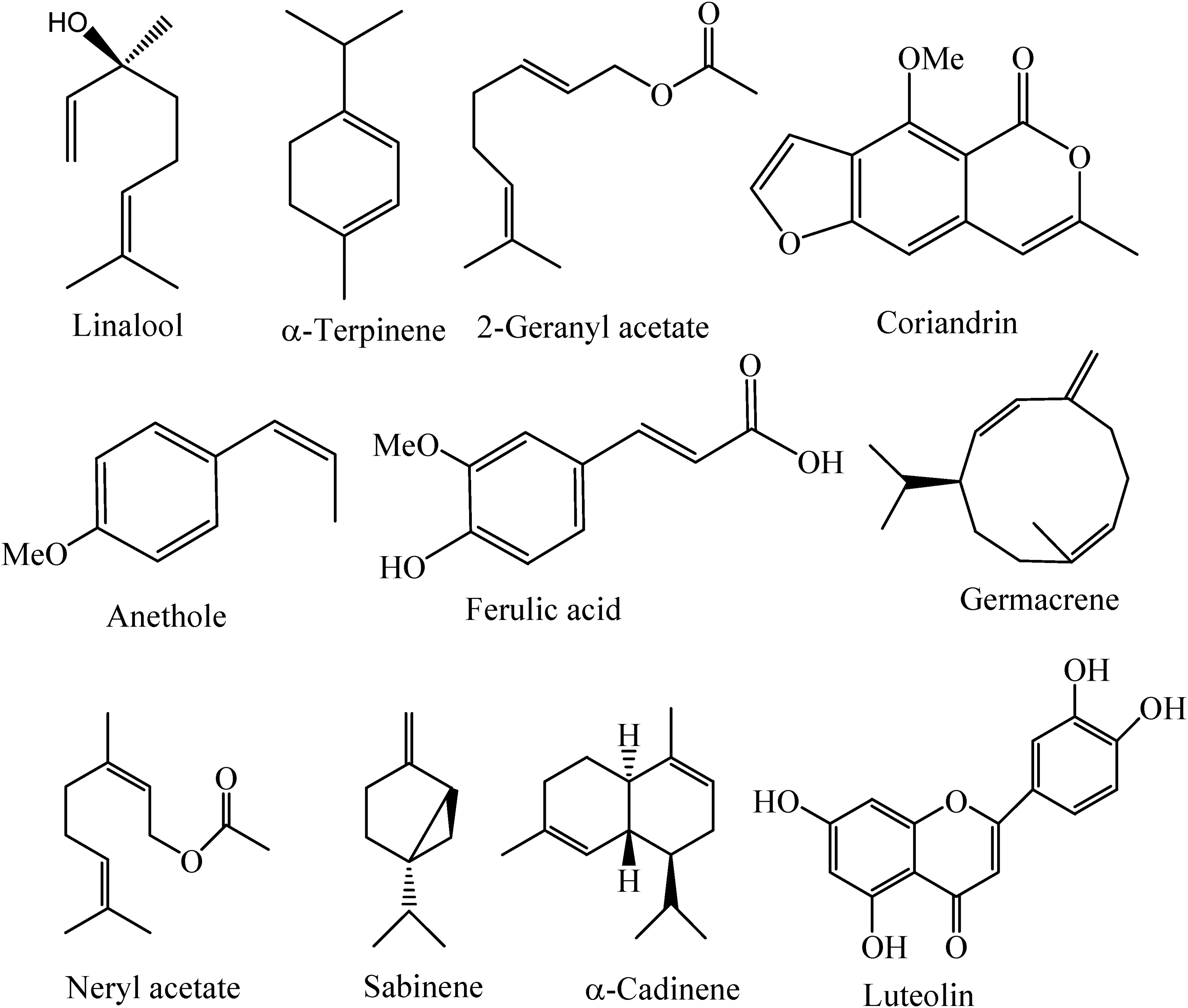
Structures of some phytochemicals isolated from the plant.
Folk Medicinal Uses
The plant is the oldest (1550 BC) spice crop with flavor and aromatic qualities. The plant is generally used as a spice, condiment, flavor, vegetable, and folk therapy containing medicinal and nutritional characteristics (Table 2). 99 Bioactives, especially in leaves, seeds, and oil, are responsible for biological activities and treating various ailments.100,101 The coriander species are used for culinary purposes and spices in daily life. The plant is a carminative and diuretic. Different parts of the plant are used to cure gastrointestinal and respiratory problems. The plant is also used to treat seasonal fever. 102 According to World Health Organization (WHO 2002), herbal medications are trusted by more than 80% people worldwide.
Folk Medicinal Uses of Different Parts of the Plant.
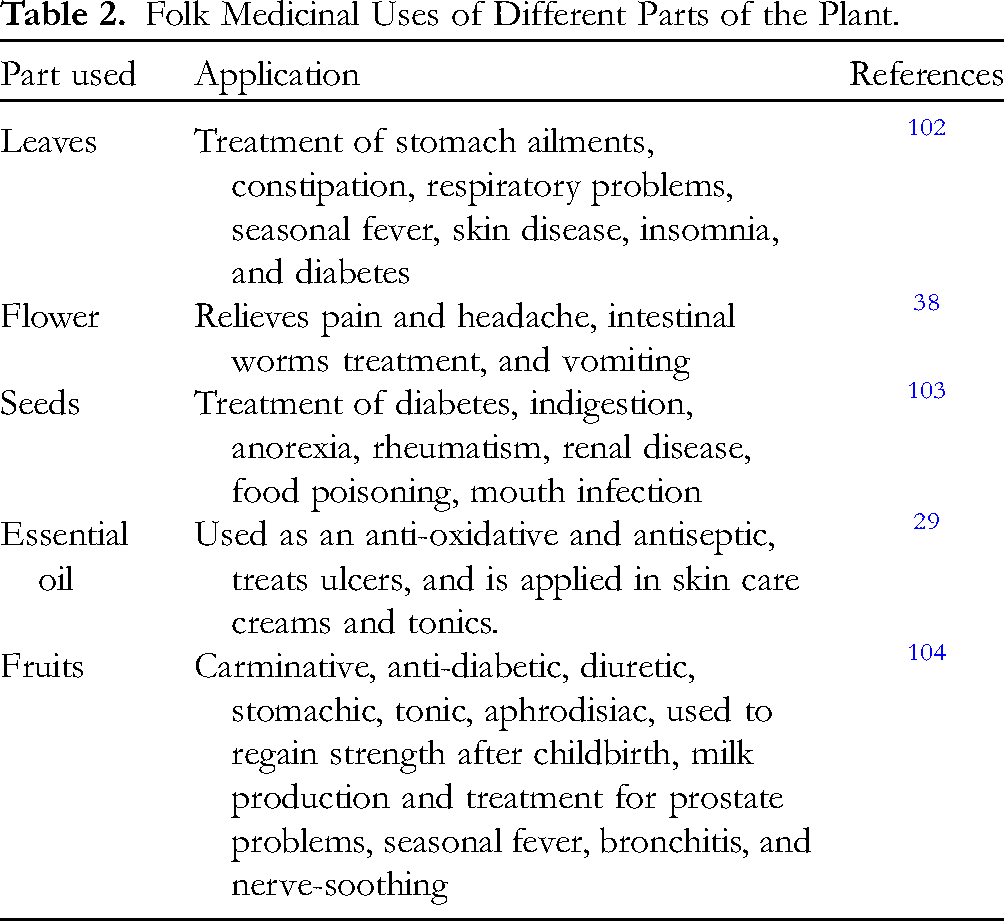
The oil from seeds is used in skin care creams and cosmetics. The oil is anti-oxidative and antiseptic and is used as a tonic.105,106 The leaves and seeds treat diabetes, indigestion, anorexia, rheumatism, and renal diseases. Flowers can cure headaches, 38 joint pain, intestinal worms, and vomiting. 97 The fruits treat seasonal fever, bronchitis, and nerve soothing. The coriander roots contained an intense, deeper flavor mainly used in cuisines, especially in northern Pakistan. The coriander roots and leaves cure diarrhoea, stomach pain, cough, and urinary tract problems, and the paste of roots treats a burning sensation. 107 The seeds and roots have been used in inflammatory and arthritis treatment. In Palestine, the fruits are used to regain strength, produce milk, treat prostate problems, and increase appetite after childbirth. 108
Pharmacological Activities
The biological applications of coriander highlight its therapeutic potential, which is attributed to bioactive compounds, including primary metabolites such as proteins, lipids, and carbohydrates and secondary metabolites like linalool, flavonoids, geranyl acetate, terpenoids, and pinene. The bioactive constituents contribute significantly to the plant's efficacy in various treatments. The extracts from different parts and essential oil from coriander exhibited notable free radical scavenging activity and strong antibacterial, antifungal, and anti-biofilm effects.54,109
Anti-Bacterial
Phytomedicines inhibit the growth of pathogenic microorganisms, thus proving their therapeutic capabilities. 110 The seeds show antimicrobial activities against Staphylococcus aureus and Penicillium species. 111 The antimicrobial action of methanolic and chloroform extracts of seeds against pathogenic bacteria (Klebsiella pneumonia, E. coli, and Streptococcus pneumonia) disclosed inhibition zone in a range of 19.64 to 25.68 mm. 112 The ethanolic and aqueous extracts of stem, seeds and leaves were evaluated for antibacterial activity against Salmonella typhi, Burkhella capacia, S. pneumonia, E. coli, Proteus mirabilis, and α-Haemolytic streptococci Enterobacter cloacae isolated from the blood, urine, cerebrospinal fluid and stool of different patients. The result showed that the ethanolic extract showed the highest antibacterial activity against Proteus mirabilis and K. pneumoniae compared to the aqueous extract. 113 Figure 2 summarizes the antibacterial activity of different parts of the plant.

Antibacterial activity of different parts of C. sativum against various bacterial strains.
The antibacterial potential of leaf aqueous extract against pathogenic bacteria isolated from the rabbit digestive system was investigated. A lack of antibacterial activity was observed in the tested sample. However, a reduction in gas production and an improvement in the fermentation process of rabbits were noted.112,114 The essential leaf oil inhibited the growth of Gram-positive bacteria more than the Gram-negative strain. The more susceptible bacterial strain was S. aureus, with a higher inhibition zone of 33 and 40 mm at a concentration of 25 and 100%. 115 The whole plant essential oil can resist the growth of a uropathogenic bacterium, E. coli. The oil concentration did not affect the abiotic surface and adhesion efficiency and indicated potential cytotoxic activities toward the tumor-cell line (HEp2). Thus, the plant has the potential to control uropathogenic bacteria. 116 Microbes cause spontaneous preterm delivery, abortions, miscarriage, and vaginal infections. 117 The treatment through antibiotics for vaginal infection during pregnancy cure infection; however, the damage caused by preterm delivery and miscarriage is not wholly reversed. 118 The seed's essential oil from the plant was investigated against vaginal infection by yeast and bacterial strains through micro-dilution and macro-diffusion methods. Noteworthy MBC (08-45.4 μL/mL) and MIC (04-45.4 μL/mL) values showed oil's effectiveness against vaginal infection. Thus, the oil can cure microbial vaginal infections and substitute available gynaecological treatments. 119 Moreover, the anti-biofilm activity of essential oil against E. coli and S. aureus strains was also prominent (42%). Brine shrimp's lethal bioassay using microcystin as a standard exhibited coriander toxicity with an LC50 value of 225 mg/mL. Thus, the oil can cure microbial vaginal infections and substitute available gynaecological treatments. 120 The human need for essential protein mainly depends on aqua-cultural industries; however, fish farming intensification causes several diseases and economic losses. Consequently, the fish farmers misuse antimicrobials, harming human health. Using medicinal herbs and plants is eco-friendly and sustainable to improve immunity, growth rate, and fish disease resistance. Coriander is a medicinal herb that can substitute antibiotics and increase aquaculture development. 121 The essential oil upsurges the permeability of bacterial cells, damages the cell membrane, and inhibits bacterial metabolic functions. 122 The seed's essential oil consisted of phytochemicals (linalool, geranyl acetate, and flavonoids) responsible for higher antioxidant, microbicidal, and anti-inflammatory potential. The inclusion of oil in the feed increased tilapia health and bacterial resistance. Five iso-lipid and iso-nitrogenous feeds prepared with coriander oil (2, 1.5, 1, and 0.5% concentration) were administered to the fish diet for 60 days. The oil administration significantly increased haemoglobin, mean-cell haemoglobin, thrombocyte level, and superoxide dismutase activity. The myeloperoxidase, antiprotease, lysozyme, and respiratory burst activities were improved considerably in the treated group (2 and 1.5% coriander oil). Thus, coriander oil can improve tilapia health and resist bacterial infection. 123 The extract of coriander seeds has low to moderate antimicrobial efficacy against S. mutans, and, therefore, may be effectively used in the production of dental care products as organic compounds replacing chemical antimicrobial agents for oral health. 98
The immunostimulant activity of C. sativum in fish (Catla catla) was evaluated by dividing fish into two groups. One group was administered a controlled diet, while the other received a combined diet of seed powder for fourteen days. The seed powder significantly enhanced the total erythrocyte-count ((P < 0.01) and total leucocyte count (P < 0.01). The immunostimulant diet also increased haemoglobin contents from 6.9 to 7.39%, and serum protein levels increased from 0.56–0.58%. Immunostimulant ability has prompted disease resistance in fish (C. catla) infected through Aeromonas hydrophila. 124 Various diseases are caused by Vibrio species, which are primarily water-born. Among ethanolic, methanolic, and acetone extracts, the antibacterial activity of the ethanolic extract was the most significant against Vibrio species. 59
Coriander fruit essential oil was tested on different bacterial species (clinically isolated) that may cause skin infections. The Macrodilution method displayed higher antibacterial potential against S. aureus and S. pyogenes with MIC values of 0.25 and 0.04% v/v, respectively. Skin tolerance of lotion and cream containing a concentration of 1.0 and 0.5% fruit essential oil was assessed on forty healthy subjects. Occlusive patch test and sensitive photometric valuation revealed no skin irritation in any volunteer. Therefore, skin infections might be treated with a phototherapeutic agent such as coriander fruit essential oil to replace commercial antibiotics and antiseptics. 106 The seed oil inhibited C. jejuni (Gram-negative bacteria) growth with MIC value of 0.03 to 0.06%. 125 The aqueous extract of the whole plant demonstrated significant antimicrobial activity against K. pneumonia. 126 The chemical analysis of the seed's essential oil was evaluated, and their antimicrobial activity was determined by comparing with gentamicin as a standard. The seed oil constitutes majorly monoterpenes (linalool and α-pinene) and showed higher antimicrobial activity with a ZOI value of 21.66 ± 1.15 mm. 127 The antibacterial activity of different extracts of the plant is given in Table 3.
Antibacterial Activity of Different Extracts of C. sativum.

Antiviral and Antifungal
SARS-COV-2 is a massive pandemic affecting global morbidity and mortality ratios. 128 The medicinal plants captivated the researchers due to their antiviral and anti-inflammatory activities. 129 Among the medicinal plants, coriander is also effective against viral infections. Molecular-docking analyses were applied to determine the inhibitory capabilities of natural compounds 130 in coriander against inflammatory proteins. The gallic acid had the strongest binding affinity to NSP13 and Mpro (−7.0, −5.8 kcal/mol), forming three and five hydrogen bonds, respectively. Caffeic acid presented binding affinity with RdRp and PLpro (−6.7, −7.4 kcal/mol) with three and four hydrogen bonds, respectively. The caffeic and gallic acids from coriander do not disrupt Lipinski's rules, proposing the composites as new antiviral agents against SARS-CoV-2. 131 The seed's essential oil and standard amphotericin showed high antifungal properties against C. albicans strains. 132 Moderate antifungal activity of coriander fruit aqueous extract was observed against Candida spp and M. canis. 133
Coriander's antifungal activity against T. mentagrophytes and C. albicans was due to phenolic compounds such as luteolin, chlorogenic acid, apigenin pentoxide, and caffeoylquinic acid. The methanolic extracts of coriander exhibited higher antifungal activity against C. albicans with MIC values of 1.25 to 5 mg/mL. 134 The coriander leaf oil also inhibited the growth of Candida species. The oil exhibited higher anti-adherent potential at a lower concentration (31.2-62.5 µg/mL) against tested strains.135 The active fraction of oil had lower cytotoxicity and higher antifungal activity. The potential of plant extracts against various fungi is summarized in Table 4.
Antifungal Potential of Various Parts of the Plant.

Insecticidal, Pesticide, Larvicidal, Nematicidal and Antifeedant
Herbal insecticides are beneficial to accomplish the agricultural demand and harmful chemical-free yields and products. 99 The coriander demonstrated insecticidal potency against adult Musca domestica. The probit evaluation of mortality after flies contact with sample extract and positive control (permethrin) exhibited LD50 of 2450 and 2.3 ppm, respectively, while the LC90 was 0.922% which showed higher action with permethrin. The seed extract is helpful as an herbal insecticide. 75 Plant-derived alkaloids, terpenoids, and phenolic compounds disrupt nematode function through neurotoxic, metabolic, or structural means, while bacterial toxins and fungal metabolites, such as avermectins, also exhibit potent activity.
Seed essential oil (57.57% linalool, 15.09% geranyl acetate) extracted via hydrodistillation presented reasonable activity against C. maculatus and T. confusum. The fumigant toxicity was gauged in dark conditions. Oil enhanced mortality of insects (1-7 days old) with 43–357 μL/L air and 3–24 h exposure time. It was explored by Probit analysis that C. maculatus (LC50 1.34 μL/L air) is more susceptible to oil than T. confusum (LC50 318.02 μL/L air). Thus, coriander can play a significant role in grain protection and reduce the risk related to synthetic insecticides. 136 The seed's essential oil extracted via solvent extraction, steam-distillation, and supercritical fluid demonstrated the insecticidal and acaricidal activity against Tyrophagus putrescentiae, Plodia interpunctella, and Sitotroga cerealella. The oil extracted by steam distillation is more potent, showing LD50 values of 4.19, 9.38, and 18.76 µg/cm3 of T. putrescentiae, P. interpunctella, and S. cerealella, respectively. 137 The Galleria mellonella (wax moth) is distributed worldwide, causing severe issues such as wax destruction and pathogen transmission in bee keeping. The larvae treated with seed extract polyphenols (30 µL/mL doses) rendered a higher mortality rate than the tannins. Thus, polyphenols are responsible for the antifeedant activity against G. mellonella. 138 The leaves aqueous extract heightened the mortality rate of T. castaneum, L. serricorne, and Sitophilus oryzae with LC50 values of 276.99, 5.25, and 145.49 µL/L, respectively, after 24 h exposure time. 139 Spodoptera littoralis is a polyphagous pest that damages vegetables, crops, and ornamental plants. The insecticidal bioassay exhibited that coriander oil caused higher mortality with LD50 of 125.87 µL/L. 140 The seed oil boosted fumigant activity against the larva of S. littoralis on 24 h exposure time with an LC50 value of 23.050 µL/L. 140
Seed oil's phytochemicals (linalool and camphor) are responsible for insecticidal activities against S. zeamais and S. oryzae. 141 The agricultural pests (Plutella xylostella, Myzus persicae, and Teyranychus urticae) are the primary pests that affect human beings. The coriander oil is the best natural insecticide to control the pests above, with an LD50 value of 30.59 µg/cm2. 142 Similarly, fruit essential oil depicted potent antifeedant activity against H. virescens larvae. 143 Figure 3 illustrates the pesticidal activity of different plant parts.

Summary of pesticidal activity of C. sativum.
The larvicidal activity of seed extract evaluated against Culex quinquefasciatus (mosquito larvae) revealed higher mortality with LD50 and LD90 values of 14.99 and 66.97%, respectively. 144 The larvicidal activity of the herb against Anopheles stephensi (larvae) was effective with significant LC50 (20.10 ppm) and LC90 (44.51 ppm) values, thus acting as a potential natural larvicidal. 145 The fruit's essential oil proved active in killing Aedes albopictus Skuse (mosquito) larvae (LC50 421 and LC90 531.7 ppm). The oil also offered good repellency against A. albopictus. The coriander oil might be significant for safe and new drug development against mosquitoes. 146 The coriander oil is very toxic to rice pests such as C. pusillus and R. dominica. 147
Coriander oil bioactives such as nonanal, benzaldehyde, decanal, trans-cinnamyl, and trans-2-decen-1-ol are responsible for nematicidal activity against B. xylophilus, a pinewood nematode. 148 The faecal egg count reduction test revealed that methanolic extract at a concentration of 60.69% was effective against nematodes. Thus, coriander would be an excellent substitute for anti-nematodal drugs. 111 The anti-parasitic activity of leaf aqueous extract (250 mg/kg b.w) was determined against Toxoplasma gondii cyst in the experimental rats. Histological inspection of kidney slides revealed thickening of blood vessels, fibrosis, and bleeding in the kidneys of rats injected by T. gondii. Following therapy by leaf extract, the kidney reverted to a normal state. Thus, aqueous leaf extract exhibited higher anti-parasitic activities. 149
Antileishmaniasis and Anthelmintic
Antileishmaniasis is the treatment or prevention of leishmaniasis, a parasitic disease caused by protozoan parasites from the Leishmania genus. Alcoholic leaf extract of the plant showed anti-leishmaniasis activity against L. tropica in vitro. 150 The extract had a sizable inhibitory impact on the growth of Leishmania species. Thus, coriander could be a natural alternative to traditional medicines for treating parasitic infections. 151 Ethanolic and carbon tetrachloride extracts of the whole plant were tested at 50, 100, and 150 mg/mL concentrations against Pheretima posthuma. The death time of parasites was compared with piperazine citrate (15 mg/mL) as standard. The shortest time of paralysis was observed at the highest concentration (150 mg/mL) for both extracts. The ethanolic extract caused paralysis in 28 min while the carbon tetrachloride extract in 45 min. The results were comparable to the standard anthelmintic agent, piperazine citrate. 152
Antioxidant, Antiaging and Hepatoprotective
The excess production of oxidants and free radicals alters the structure of DNA, lipids, and proteins, leading to many diseases, such as cancer and neurological and oxidative stress. 153 The spices and herbs possess antioxidant action due to important bioactive such as flavonoids, caffeic acid, and terpenoids. 71 DPPH assay revealed the prominent free radical scavenging potential of different seeds and leaf extracts due to phenolic quantified by the Folin–Ciocalteu method. 154 Moreover, the extract of coriander leaves possessed higher antioxidant activity than seeds. Thus, blending coriander parts in various foodstuffs can amplify the antioxidant potential and hamper unwanted oxidation. 155 Phosphomolybdenum reduction assay established the reasonable antioxidant potential of methanolic and aqueous extract of leaves. The antioxidant activity is due to the leaf extract's phenolics, glycosides, flavonoids, reducing sugars, proteins, and alkaloids. 156 Ethanolic extract displayed higher antioxidant potential due to high flavonoid and phenolic contents. 88
The effect of the aqueous coriander extract on motor, behavioral, and oxidative damage was explored in progeny mice exposed to methylmercury. The extract-treated group performed better locomotor activity, motor coordination, balance, and palmar-grip strength than other groups. Polyphenols, anthocyanins, flavonoids, and various minerals in the extract might improve locomotor and antioxidant activity. 157 Coriander seed oil was analyzed via GC-MS and investigated to encompass 28 volatile compounds, mainly linalool (76.41%), α-terpenes (5.35%), and α-pinene (4.44%). Different assays such as ferric ion reducing power (IC50 1.53 mg/mL), chelating power (IC50 31.33 mg/mL), DPPH (IC50 19.00 mg/mL), superoxide (IC50 10.33 mg/mL) and β-carotene (IC50 11.16 mg/mL) supported the antioxidant potential of oil. 61 The antioxidant potential (30.74 to 72.05%) of the seed oil was due to phytochemicals such as fatty acids (petroselinic acid 76%). 158 East and West Dembia coriander seed extracts revealed considerable antioxidant activity, suggesting it as a natural antioxidant for food conservation purposes. 159
Coriander seeds methanolic extract represented significant hydroxyl radical scavenging activity (EC50 383.10 μg/mL), Fronton reaction (EC50 18.33 μg/mL), superoxide radicals (EC50 553.50 μg/mL), and nitric oxide assay (EC50 569.02 μg/mL) in concentration-dependent mode. 160 The current study revealed that the methanol extract obtained from the aerial parts of coriander possessed appreciable DPPH radical scavenging activity, with extracts from the Wolaita Sodo region demonstrating the highest inhibition at 500 µg/mL (92.3%). 70 The seeds also exhibited hepatoprotective and antioxidant activities by decreasing the lipid peroxidation analyzed by MDA and DPPH assays. 161 The C. sativum showed effective antioxidant capability due to its high phenolic content. The juice of fresh leaves showed higher antioxidant potential due to its reducing power and scavenging ability of superoxide and hydroxyl radicals against oxidative damage by increasing the glutathione level. 162 The essential oil of the plant had impressive antioxidant activity. The free radical quenching ability was superior in ABTS assay to conventional antioxidants. 163
C. sativum has antioxidative agents, which increase anti-hepatotoxic activity.164,165 Phytochemicals in the aqueous extract (β-carotene/linoleic acid assay) showed strong antioxidant potential (84.6%). 166 The seed powder reduced the hydrogen peroxide, conjugated dienes, and malondialdehyde. 167 The antioxidant activity of seeds methanolic extract was determined in thioacetamide-induced hepatotoxicity in albino male rats. A total of 48 rats were divided into different groups (control, thioacetamide-injected, and extract-injected group) to evaluate antioxidant activity. The concentration of aspartate aminotransferase, alanine aminotransferase, and alkaline phosphatase was significantly higher in the seed-feeding group compared to normal. It is concluded that C. sativum decreased hapatoxicity and improved antioxidant activity. 168
The antioxidant activity was determined in vivo and in vitro by measuring its reducing capability, scavenging activity, and peroxidation-inhibition effect. In-vivo results confirmed high antioxidant activity, proportional to hydrophilic compound level, while the in-vitro showed higher activity than the lipophilic content. 169 The plant leaves hydro-alcoholic extract (1.0 mg/mL) showed higher antioxidant efficacy. The leaf extract showed chelating power (IC50 368.12 μg/mL), acid scavenging (IC50 222 μg/mL), and NO scavenging action (815.6 μg/mL). The leaf extract also showed DNA protection and prevented lipid peroxidation (IC50 589.6 μg/mL) in in-vitro studies. 167 The antioxidant activity of seed essential oil extracted under optimized conditions was 30.74 to 72.05%. 158 Antiaging herbal facial cream prepared from the seed's aqueous extract (Soxhlet method) by different concentrations of paraffin, glycerin, perfumes, and methylparaben showed significant antioxidant activity (IC50 value of 34.25 μg/mL). 105
The hepatoprotective and antioxidant activity of coriander leaf and seed aqueous extracts evaluated against lambda-cyhalothrin-induced oxidative injury in mice. The experimental animal was arbitrarily distributed into control groups, such as Lambda-cyhalothrin, coriander aerial parts, and seed groups. The total phenolic in the coriander extract was estimated at 14.64 (seed) and 9.29 mg (leaf) GAE/mg. The extracts decreased the occurrence of liver lacerations and reduced oxidative damage. The plant could be suggested to shield the liver against lambda-cyhalothrin-induced oxidative injury in mice. 170 The polysaccharide from seeds revealed higher radical scavenging capability on FRAP and DPPH radicals, resisted oxidative stress, and lessened the cadmium-induced stress in the liver tissue of animals. 80 The aqueous coriander extract (200 mg/kg) caused a marked decrease in serum glucose, total lipids, cholesterol, and triglyceride concentrations in streptozotocin-induced diabetic rats. Further, there was a decrease in the enzyme activities associated with the liver including aspartate aminotransferase, alanine transaminase, and γ-glutamyl transferase which means better hepatoprotection. There was a significant increase in the glycogen content in the liver which implied better and stabilizing glucose levels. 163
Anti-Inflammatory, Analgesic and Antinociceptive
The anti-inflammatory effect of aqueous fruit extract was determined through western blotting, flow cytometry, and Griess assay methods using macrophage cells (RAW264.7). Among the extract's four bioactives (propylnonolactone, butanoate, caprolactone, and coumarin), caprolactone unveiled the highest anti-inflammatory activity (IC50 6.25 μM). The fruit extract decreased the reactive oxygen species simulation and inflammatory cytokines and suppressed inflammatory expression. 171 A significant anti-inflammatory effect of fruit ethanolic extract similar to diclofenac sodium was observed in rats. 172 Hydroalcoholic extract of the plant seeds (32 mg/kg) represented higher anti-granuloma and anti-inflammatory effects in experimental animals evaluated through carrageenan-induced paw oedema. 173
The fruit extract (100, 200, and 300 mg/kg) inhibited tumor necrosis, interleukin-6, cyclooxygenase, and NO synthase activities. The in-vivo observations of cognitive, locomotory, and behavioral changes were evaluated through passive avoidance, open field test, and rotarod. Treatments significantly (p < 0.001) restored the brain's oxidative enzymes. The HPLC analysis of the extract showed kaempferol-3-O-glucoside and quercetin in the extract. The fruit extract decreased neuroinflammation in vitro and behavioral deficits (MPTP-induced) in vivo, proving a potential therapy against neuroinflammation and neurodegeneration. 174 Another investigation explored the coriander extract as a better pain relief agent than aspirin. 51
Evaluation of the anti-inflammatory and analgesic activity of seed's ethanolic and aqueous extract (250 and 500 mg/kg) in Swiss mice and Wistar rats through acetic acid and carrageenan-induced writhing and paw oedema methods showed significant anti-inflammatory and analgesic activities. 175 The aqueous extract (50, 100, and 200 mg/kg) depicted potential analgesic activity compared to morphine as a standard control group. 176
The aerial parts of the plant extracted with ethanolic (500 mg/kg), aqueous (100 mg/kg), and chloroform (20 mg/kg) were used in pretreated (naloxone) experimental animals to evaluate the analgesic activity. The hot plate test was accomplished 10 min before the drug injection and repeated consequently after every 10 min. The extracts showed potential analgesic capability due to the opioid system and effective bioactive compounds. 177 The ethanolic and aqueous extract of seeds exhibited dose-dependent significant analgesic activity in albino rats. 175 The dichloromethane extract was prepared from stem and leaves demonstrated antinociceptive activity in mice. The extract also decreased formalin-induced pain. 178 The studies revealed the plant's antinociceptive, anti-inflammatory, and analgesic potential (Figure 4). The plant might be a phytotherapeutic candidate for different inflammations in the future.

Summary of anti-inflammatory, analgesic, and antinociceptive activities of the plant.
Antidiabetic
Diabetes is caused due to increased sugar levels, impaired metabolic activity, and disturbed insulin activity. 179 The leaf extract was assessed for antidiabetic activity in streptozotocin-induced-diabetic mice. The ethanolic extract (25, 50, and 100 mg/kg body weight) administered through the gastric tube for 14 to 28 days exhibited a higher insulin level, decreased glucose level, and weight gain with reduced inflammation. Thus, the coriander extract could substitute available drugs to reduce hyperglycemia by increasing insulin levels and modulating cellular immunity. 180 Antidiabetic activity of the stem and leaf extracts (ethyl acetate) in diabetic-induced (alloxan) Wistar rats was studied, and results were compared with an antidiabetic drug, glibenclamide. Both extracts significantly decreased the blood glucose level, cholesterol, and low-density lipoprotein while increasing the high-density lipoproteins and protecting the liver function in Diabetic mellitus. 181 The α-glucosidase activity of ethanol extract of coriander roots is 37.94% which enhances its efficacy in controlling postprandial hyperglycemia. 88 Sub-chronic administration of the plant extract in Meriones-shawl rats regularized glycemia and reduced insulin levels, LDL-cholesterol, and triglycerides. Subsequently, the extract decreased numerous components of metabolic syndrome and diminished atherosclerotic, increasing cardioprotective indices. 182 Table 5 depicts the preclinical trials of the different plant extracts.
Preclinical Trials were Carried Out Using Different Parts of the Plant.

Diabetic-peripheral-neuropathy is the devastating complication of diabetes, characterized by pain, sensory loss, and paraesthesia. Neuropathy symptoms include the patient's tingling, stabbing, and burning. 198 The coriander hydro-alcoholic seed extract can treat diabetic peripheral-neuropathy pain in streptozotocin-induced diabetic Wister rats. The administration of the extract (100, 200, and 400 mg/kg) for 30 days reduced hyperglycemia and pain threshold and modulated oxidative stress. The antidiabetic potential might be due to the extract's terpenoids, flavonoids, and phenolic compounds. 183 The coriander displayed antidiabetic activity (IC50 6.24 ± 0.86 mg/mL) better than acarbose, the standard drug. Thus, coriander seed volatiles can improve microbial resistance and promote potential antidiabetic and antioxidant activities. The seed oil was reviewed for antidiabetic activity by anti-amylase and anti-lipase assays in vitro. The oil revealed strong anti-amylase (IC50 79.43 µg/mL) and anti-elastase (IC50 25.08 mg/mL) activities. Thus, coriander seeds effectively treat diabetes and related disorders. 185 The aqueous coriander extract showed a slightly improved alloxan-induced effect in rats (Figure 5). 186
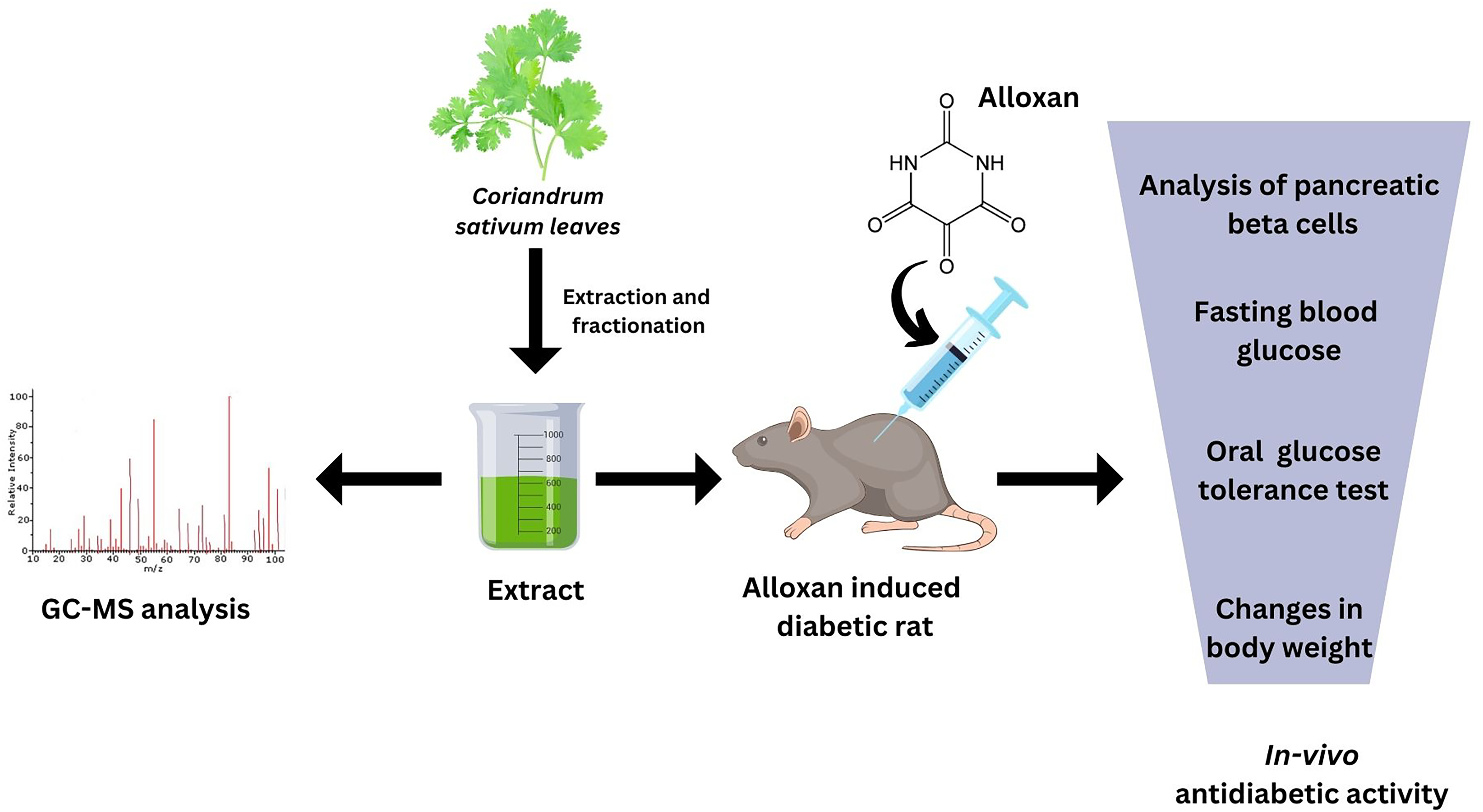
Illustration of antidiabetic activity of C. sativum in rats.
Diabetes is linked with damage to ovarian and testicular structure, arrangement, and function. The modulatory role of coriander fruits against impairments of gonadal conditions associated with diabetes in rats (female) and their brats. The pregnant rats (24) were categorized into four groups and the experiment stayed accompanied from 4 days of gestation until the weaning. The blood sample collects and estimates the hormone level in streptozotocin-induced mother and their offspring. The insulin level, luteinizing hormone and follicle-stimulating hormone significantly decreased compared to the control, although the nitric oxide and malondialdehyde were elevated. 199
Anticancer and CNS Impairment
Cancer is becoming a major worldwide health concern. 200 It is estimated that 9.6 million people died and about 18.1 million were freshly diagnosed with cancer.201,202 Traditionally the herbal medication is used for cancer prevention. 203 The coriander leaves and seeds contain hydrophilic compounds and polyphenols which are responsible for various biological applications. 156
The coriander seed ethanolic extract was assessed against the invasion of LNCaP and PC-3 prostate cancerous cells. The extract depicted a significant decrease in expressing Bcl-2 and Akt in PC-3 (IC50 2 mg/mL), while in LNCaP (IC50 5 mg/mL), there was a decrease in Akt and an increase in the gene expression of caspase-10, 9, DR5, PUMA and p53. Thus, the coriander extract can act as an anticancer agent via apoptosis. 46 The Purified polysaccharides (1.30 × 10⁶ Da) obtained from the coriander suppressed the tumor growth (H22) in mice. The anticancer capability of various coriander seed extracts was determined, which exhibited higher reducing power. 56 Anticancerous activity explaining apoptosis is shown in Figure 6.
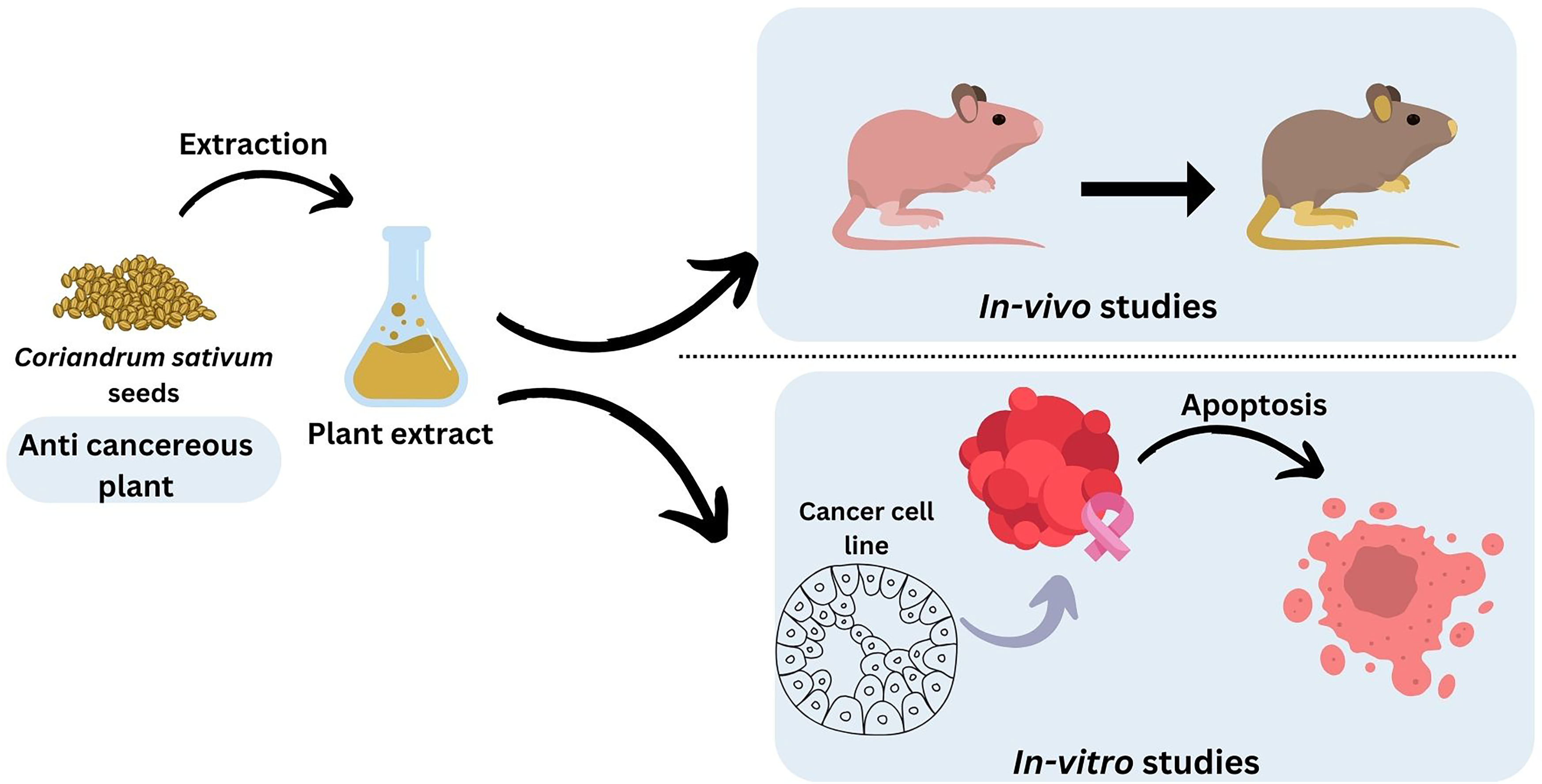
Image explaining in vivo and in vitro anticancer activity of C. sativum.
Epilepsy is a chronic central nervous system disorder causing seizures and unusual brain behavior. All antiepileptic medications and drugs are synthetic and cause many side effects, such as hepatotoxicity, depression, anxiety, and sedation. The kindling epilepsy model (pentylenetetrazol) was applied to assess the antiepileptic impact of seed extracts (500 and 250 mg/kg b.w) in Albino mice. The results were compared with a standard drug, sodium valproate. The treated group's hippocampal and cortical tissues have higher malondialdehyde than the control group. 160 The oral administration of coriander seed extract (200 mg/kg/day) for 3 months could cause impeccable aging-induced memory decline in male mice. 197 Depression is more devastating to health than any other prolonged physical illness. 204
Diagnosing depression is difficult in many cases, making physicians incapable of designing any therapeutic prescription. 205 Coriander leaf and seed extracts have been explored for many disorders, including depression. 206 The depression was induced in mice through a forced swimming test to rule out the stimulatory effect of the central nervous system. Forty mice divided into different groups were fed with normal saline, fluoxetine (0.5 mg/kg), and seed extracts (1.6, 3.2, and 6.4 mg/kg). Diethyl-ether extract (3.2 mg/kg) indicated high antidepressant activity similar to the prescribed drug. 195 Aqueous plant extract showed an inhibitory effect on the angiotensin-converting and inhibitory enzyme, with an IC50 value of 0.7 mg/mL when determined via the Lineweaver-Burk graph. Thus, the plant may be a functional food for angiotensin-converting enzyme inhibition to balance blood pressure efficiently. 207
The mice were administered coriander leaf and seed extracts before pentobarbital anesthesia. The brains of mice were isolated from the three groups (control and extracts) for reverse transcriptase-polymerase chain reaction (RT-PCR) to compare pentobarbital duration time. The significant decrease in the gamma-aminobutyric acid gene expression with leaf extract (600 mg/kg) proved the sedative effect due to the hyperactivity of neurons (inhibitory) in the brain. 193 Autophagy is a cell's adaptation to an adversarial situation such as starvation, food restriction, and hypoxia. The induction of excessive autophagy causes uncontrolled breakdown and cell death. The autosis initiated cardiomyocyte death and cardiac damage. FYCO1 gene regulated the cardiac stress; however, upregulation caused overexpression and led to autophagy. In-vitro investigation proved the coriander (50 μg/mL) as cryoprotective towards HL-1cardiac muscle cell line. A significant decline in FYCO1 gene expression was also observed due to coriander extract. The duration of migraine during coriander treatment was considerably reduced. 38
Alzheimer's disease is a neurodegenerative disorder causing cognitive decline and memory impairment. 208 The lavender and linalool from coriander were evaluated for neuroprotective effect against oligomers Aβ1-42 neurotoxicity, the main neurodegeneration molecular factor in Alzheimer's disease. Linalool (10 μg/mL) improved the viability, and abnormalities in nuclear morphology enhanced the production of reactive oxygen and activated the pro-apoptotic (caspase 3) enzyme. Thus, coriander might be the natural therapy against induced Aβ1-42 neurotoxicity. 189 The effect of fresh coriander leaves (5, 10, and 50% w/w) was probed on brain cholinesterase, serum cholesterol level, and cognitive functions in mice for 45 days. The treated mice showed dose-dependent improvement in memory scores in mice where the deficit was induced by scopolamine and diazepam. Thus, coriander could be a beneficial curing agent in treating Alzheimer's disorder. 190 The possible mechanism of action is summarized in Figure 7.
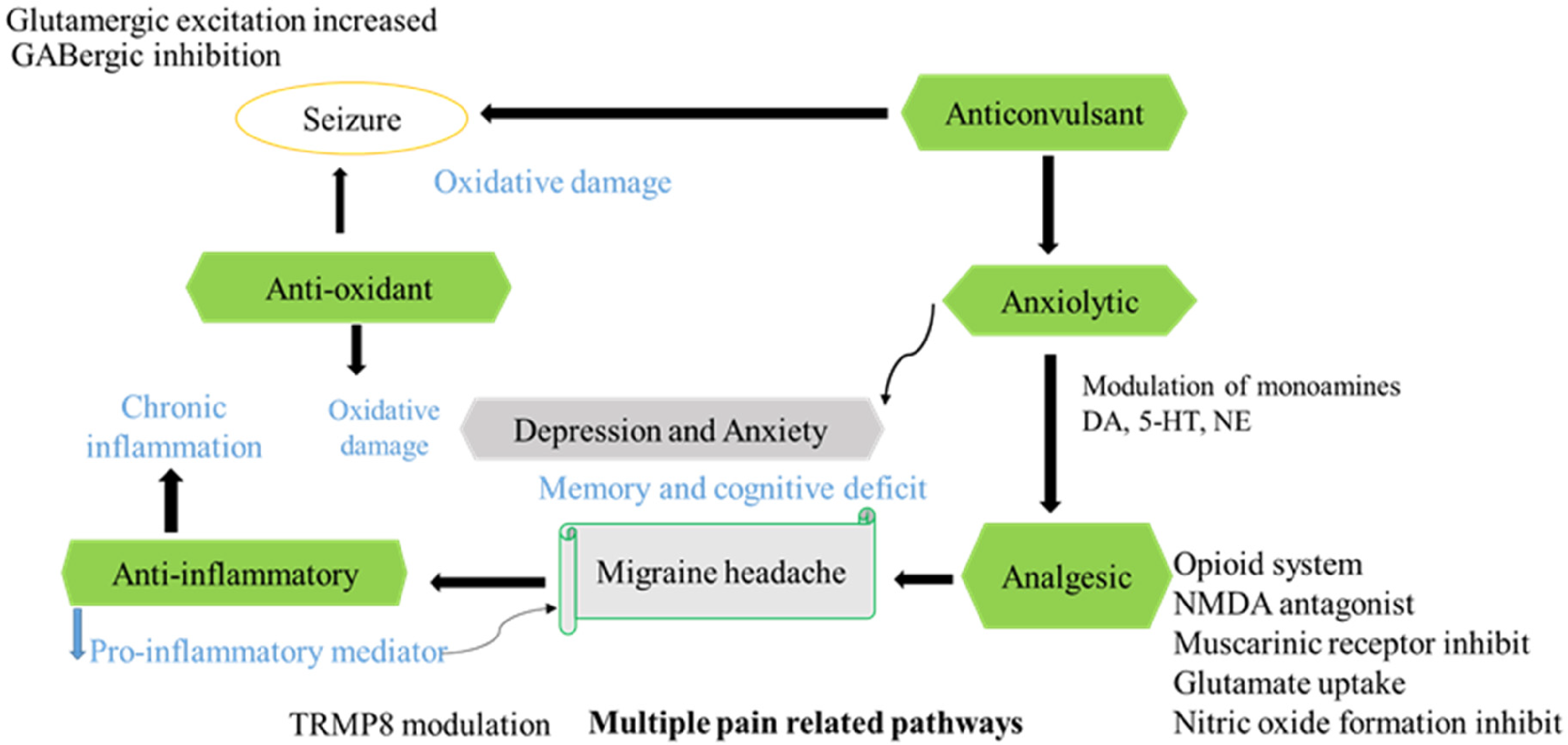
Mechanism of CNS-related effects.
Nephroprotective and Cardiovascular
The coriander can treat different disorders, including renal diseases worldwide. 209 Coriander depicted nephroprotective activity against gentamicin renal-induced toxicity. Renal toxicity is produced through lysosomal phospholipidosis and tubular necrosis. 210 Metformin drugs protect tubular injuries by regulating oxidative stress but showed side effects in some cases. Nephrotoxicity induced by injecting gentamicin (100 mg/kg) was significantly protected by ethanolic leaf extract (200 mg/kg/day) in four weeks compared to the metformin drugs. 211 Approximately 47 million people in Pakistan live in an area exposed to arsenic higher than the allowable limit. 212 Arsenic is associated with human health and causes respiratory, cardiovascular, neurotoxicity, and cancer ailments. 213 Anti-hypertension induced by arsenic (100 ppm) in mice was studied via nitric oxide and oxidative stress pathways. In anesthetized (sodium thiopental) rats, leaf (10 mg) and seeds (50 mg) confirmed a noticeable reduction in blood pressure levels at 35% and 51%, respectively. Thus, leaves and seeds could be potential aspirants against hypertension and cardiovascular complications. 192 Hematopoietic damage is a significant reason for mortality in radiotherapy patients and radiation accidents. Progenitor cells and hematopoietic stems are mostly injured due to induced myelosuppression by ionization radiation. The mice treated with coriander ethanolic extract improved survival, myelosuppression, organ ameliorated injuries, and enhanced frequency, proliferation, and differentiation in radiation-induced progenitor cell and hematopoietic stem injury. 214
Hyperlipidemia is a significant problem of coronary heart disorder and atherosclerosis. 215 Synthetic drugs are used to treat dyslipidemia with numerous side effects. Herbal medications are frequently used to reduce strokes and coronary disorders. The lipid-lowering activity of coriander leaves (ethanolic extract) was investigated in rats fed a high-fat diet. The extract (100, 200, and 400 mg/kg b.w.) reduced triglycerides, low-density lipoprotein, and total cholesterol and increased high-density lipoprotein in the blood. 194 The secondary metabolites of coriander (flavonoids, tannins, alkaloids, and steroids) are responsible for hypertension treatments and angiotensin-converting-enzyme inhibition capability. Thus, coriander is an excellent functional food possessing numerous therapeutic flavonoids for potential ACE inhibition and blood pressure management. 109 The crude seed extract (30 mg/mL) decreased arterial blood pressure and caused vasodilation in potassium ion and phenylephrine-induced cardio-depressant in rabbits and diuresis in rats. 216 The aqueous seed extract showed hypotensive effects in rats.217,218
Anti-Infertility
The effect of leaf methanolic extract was explored on reproductive activity in albino mice (male, 25-30 g body weight and age, 80 to 100 days) at an oral dose of 125 and 250 mg/kg for thirty days. The extract decreased testosterone levels, sperm viability, and mortality. The histological study presented degeneration in the germ cell population with interstitial tissue degeneration of Leydig cells. 219 The aqueous extract (250-500 mg/kg) produced an anti-implantation effect; however, it was unable to produce infertility. The extract did not produce abortifacient activity, and no abnormality appeared in the offspring organ. 196
Hepatoprotective
The coriander oil, a rich source of linalool and α-pinene, showed hepatoprotective effects in dexamethasone-induced liver injury. The essential oil (0.5 and 1 mL/kg) and standard metformin (50 mg/kg) were orally administered to the rats four days before dexamethasone injection. Liver injury was enhanced in the dexamethasone-inject experimental rats, as demonstrated through hepatocyte degeneration, monocyte infiltration, and collagen deposition by up-surging aspartate transaminase and alanine aminotransferase levels and downregulating antiapoptotic protein and Bcl2 expressions. The coriander could amend dexamethasone-induced liver damage through Nrf2/HO-1 and antiapoptotic signaling pathways. 36
Clinical Trials
Currently, fewer clinical studies are conducted on C. sativum. However, the folk use of coriander and some findings from animal studies provide evidence of its pharmacological properties. 220
Antimigraine
Migraine is the most common headache problem. 221 In traditional medicine, various herbs, including coriander are used to treat migraine. The effectiveness of coriander fruit on duration, severity, and migraine frequency was determined clinically. The 88 migraine patients were divided randomly into the 44-placebo and 44-intervention groups. The intervention group was administered a combination of Viola odorata L. flowers, Rosa damascena L. flowers, and coriander fruits in capsules (500 mg) thrice a day and propranolol (20 mg) tablet twice a day. The control group received placebo capsules (500 mg) thrice daily and propranolol 20 mg tablet twice daily for four weeks. By the end of the treatment, the patients were monitored for clinical efficacy. The frequency, severity, and duration of headaches in the herbal medicine treatment group changed over time, and the herbal formulation was considered effective in improving headaches in patients with migraine. 222 Coriander is recommended in treating headaches in traditional medicine. The coriander seeds essential oil containing linalool (82%), geraniol (6%), α- (5%), and β-pinene (3%) was appraised in 68 patients into two control groups. Each group received sodium valproate (500 mg) with coriander syrup (15 mL) thrice daily for four weeks. The duration of migraine in coriander-treated samples was considerably reduced, supporting coriander as a short-term effect in reducing migraine attacks without chemical drug side effects. 38
Irritable-Bowl Syndrome
Irritable bowel syndrome is a combination of symptoms that occurs together, with repeated and severe pain in the abdomen and bowel movement changes with constipation and diarrhea or both that cause digestive tract malfunctioning. 223 Herbal medication is a significant part of healthcare schemes in numerous developing countries, and the herbal extract effectively treats bowl syndrome. 224 The Carmint containing Melissa officinalis, Mentha spicata, and coriander extracts showed carminative, sedative, and antispasmodic effects. The Carmint relieved abdominal pain and bloating in bowel syndrome patients. Among 32 patients (aged 18-65 years), Carmint was administered to 14 patients, while the control group (18) received a placebo thrice a day after a meal for eight weeks. The t-test analysis revealed that the frequency and severity of abdominal pain were significantly lower in the coriander-containing Carmint group than control. Thus, Carmint might be effective in irritable bowel syndrome. 225
Anti-Dyspepsia
Functional dyspepsia is a chronic disorder affecting 30% of the global population and damaging the quality of life. The effects of coriander and Bunium persicum were evaluated on frequency and severity in functional dyspepsia patients. Ninety patients were included in this study without drug allergies and pregnancy history. The patients received the herbal capsule (500 mg), and the control group received a placebo twice daily for four weeks. The significant improvement in C. sativum extract compared to a control group without any harmful side effects was explored. 226 Clinical trials of the plant are shown in Table 6.
Clinical Trials of C. sativum Various Parts.

Conclusions and Future Recommendations
Among other herbs of the family Apiaceae, the researchers mostly enchanted C. sativum owing to its various challenging therapeutic applications and broad pharmacological attribution. Folk healers treat diabetes, gastrointestinal infections, headaches, ulcers, skin complications, renal diseases, anorexia, rheumatism, wound healing, and seasonal fever. The plant depicted several pharmacological attributes such as antibacterial, antifungal, analgesic, anti-inflammatory, nematicidal, anti-cancerous, and antidiabetic; however, there is a need to isolate phytochemicals responsible for the activities so that said phytochemicals could be synthesized in commercial scale. Different plant extracts decrease the cholesterol level by improving the lipid profile and protecting the essential organs. Clinical trials are demanding to investigate the effect of coriander on bad cholesterol. The extract of C. sativum, especially leaves and seeds treats diabetes and thus can lower the number of cases and prevalence of diabetes. However, isolating and synthesizing antidiabetic secondary metabolites from the plant would be miraculous in preventing diabetes and decreasing the death toll. The different parts of the plant kill/inhibit the growth of resistant microorganisms. Therefore, plant extracts are required to purify the compounds to develop antibiotics against resistant pathogens. There is a dire need for clinical trials to develop drugs for treating migraine and epilepsy. Finally, more efforts and research should be carried out to validate and standardize the therapeutic application of the plant as a valuable bioactive source for nutraceutical and functional foods. The plant showed wide medicinal applications in gastrointestinal disorders, yet few studies have been carried out to validate gut disorders. Coriander has adequate potential to treat many diseases by developing suitable herbal formulations, henceforth areas of great commercial significance. There is an excellent opportunity for scientists and researchers to develop a mechanism of action of plant extracts against various ailments.
The synergistic and anticancer effects of coriander seeds and their essential oil, especially when combined with other essential oils and their specific phytocompounds demanded further explorations for clinical trials. Extensive validation of the safety and efficacy of plant-derived products, as well as their individual phytocompounds, is essential through well-designed clinical trials. Additionally, the pharmacological potential of coriander, which is susceptible to oxidation, could be better preserved through nanotechnological approaches. Research on the nanoencapsulation of coriander seeds and fruits in drug delivery systems should be prioritized to enhance the stability, solubility, and overall efficacy of coriander-based formulations.
Footnotes
Declaration of Conflicting Interests
The authors declared no potential conflicts of interest with respect to the research, authorship, and/or publication of this article.
Funding
The authors received no financial support for the research, authorship, and/or publication of this article.
