



Abstract
Carapa procera DC (C. procera), Trichilia monadelpha (Thonn.) J.J.de Wilde (T. monadelpha), Spathodea campanulata P.Beauv (S. campanulata) and Gymnosporia senegalensis Loes (G. senegalensis) are medicinal plants which are used folklorically in Ghana, West Africa, for the treatment and management of diseases. However, there is little scientific evidence and documentation regarding their ethnobotanical uses, phytochemical constituents and pharmacology activities. The objective of this study was to provide a comprehensive literature synthesis of the ethnobotanical uses, phytochemical composition and pharmacological significance of C. procera, G. senegalensis, T. monadelpha and S. campanulata for future research and health benefits. Databases utilized in the literature search included PubMed, Web of Science, Scopus, Google Scholar, PubChem and DrugBank. All plant names were checked with “World Flora Online” (www.worldfloraonline.org). Pharmacological studies conducted in majority of cases indicated anti-inflammatory, anti-oxidant or antimicrobial activities of C. procera, T. monadelpha, S. campanulata and G. senegalensis. Phytochemical analysis also revealed botanical constituents that may potentially be involved in the observed pharmacological properties. This review will go a long way to promote the efficacious use of these plants. However, much remains to be done with respect to preclinical and clinical investigations in order to harness their full potential.
Keywords
Introduction
While some traditional medicinal systems are backed by extensive literature and documented theoretical concepts, others are preserved through oral traditions passed down through generations. Even today, in some regions, a significant portion of the population relies on their traditional medicine for primary health care. The most widely practiced traditional medicinal systems today include those from China, India, and Africa. 1
The African healthcare system essentially consists of a traditional, complementary and alternative medicine aside the mainstream healthcare system. Traditional medicine has thrived on folklore and then ethnopharmacology to fundamentally deliver comparable healthcare to many people around the world. Herbal medicine is the backbone of traditional medicine in Ghana and other sub-Saharan African countries. The beliefs built around it over the decades form the framework that guides the usage of several other medicinal plants in contemporary African primary healthcare settings. Since the past 250 decades, medicinal plants continue to provide a strong basis for traditional medicine with their therapeutic significance, as evident in Chinese and Ayurvedic medicine and other related medicinal practices on the eastern continent. 2
In recent times, it can be argued that traditional medicine is fast growing because more than 80% of the people living in developing countries resort to medicinal plants for their primary healthcare, 2 even though there are inadequate scientific documentations on some of these plants. Patients in Africa frequently use both traditional and modern healthcare, either simultaneously or alternatively, based on their health needs, beliefs, and access to care. This reflects the need for collaboration between healers and healthcare professionals to address diverse health needs. 3
Studies show that medicinal plants contain varied phytochemicals which are responsible for their activities and hence serve as a repertoire of bioactive molecules which also serve as precursors for the development of new drug candidates or possible templates of synthetic pharmaceutical products. 4 For instance, morphine, artemisinin, paclitaxel, and calanolide A are key examples of several plant-derived compounds that have served as drug precursors, used to treat conditions ranging from pain and malaria to cancer and HIV. 5
Primary and secondary metabolites of plants are largely responsible for their medicinal properties, with the latter largely involved in critical pharmacological roles. These pharmacological properties of plants include antidiabetic, antibacterial, anti-inflammatory, antiparasitic, antiviral, antitumor, antihelmitic and antinociceptive effects. Though secondary metabolites from plants are structurally and functionally diverse, most of them also serve as protective barriers against pathogens, attractants for pollinators and seed-dispersing animals, UV protectants and allelopathic agents.6,7 They are also employed for the production of dyes, waxes, flowering agents, drugs and perfumes.6,7
Carapa procera DC (C. procera), Trichilia monadelpha (Thonn.) J.J.de Wilde (T. monadelpha), Spathodea campanulata P. Beauv (S. campanulata) and Gymnosporia senegalensis Loes (G. senegalensis) are some medicinal plants that are used in treatment of various ailments. These plants have been combined and formulated into a product (Dyspepsia) as a remedy for heartburns and nausea in the West African country of Ghana. 8 The product is generally used in combination with other herbal products for the treatment of peptic ulcer. However, little is known about the bioactive components responsible for their medicinal values. Moreover, the scanty pharmacological reports of their bioactive compounds tend to inhibit their potential applications in drug discovery and development.
The aim of the present literature synthesis was to provide a thorough and scientific documentation of the ethnobotanical uses, phytochemical characteristics and pharmacological significance of these C. procera, T. monadelpha, S. campanulata and G. senegalensis, for future research and health benefits. Overall, ethnobotanical and pharmacological investigations suggested their significant medicinal properties while phytochemical analysis revealed botanical constituents that may potentially be involved in the observed pharmacological properties.
Methodology
This review was based on a thorough literature synthesis of the phytochemical, pharmacological and medicinal properties of C. procera, G. senegalensis, T. monadelpha and S. campanulata. The literature review was conducted using comprehensive databases such as Web of Science, PubMed, PubChem, DrugBank, Scopus and Google Scholar. A total of 123 articles spanning 1961-2024 that provide scientific information on the ethnobotany, phytochemistry and pharmacology of the plant species were considered in the search. Data analysis was qualitative and descriptive. All plant names were checked with “World Flora Online” (www.worldfloraonline.org).
C. procera
General Description
C. procera is a large tropical species that belongs to the Meliaceae family (Figure 1). It is widely distributed across the Central and Southern portions of America and predominantly found in various parts of Africa. It is an oleaginous plant and so reproduces mainly through seeds and grows to a height of 30 m.9,10 The stem bark is pale brown or gray and smooth with vertical fissures which can peel off in flakes. It has wide-spreading and elliptic to elongate-oblong branches, rounded or wedge-shaped leaves which are mostly clustered at the end of the twigs. 11 The leaves are pinnated, averagely ranges from 7 to 17 leaflets in a cluster and measures up to 50 cm long. C. procera produces small whitish to pinkish flowers and the followed by a large, round, woody fruits with a diameter of about 10 cm containing 16 seeds. The evergreen tree is usually found around low-lying areas with swampy conditions and around water bodies, which aids in dispersal of the seeds as a means of propagation. 12 The African mahogany is a native to the tropical Africa and so are known by different names in different countries in Africa. In West Africa, it is referred to as “Akyekyede3” in the Twi language, “Tubaa” in the Dagbani language, and “Kunkum” in the Ewe language in Ghana. 13 Nigerians call it “Madun-gulu” in the Hausa language, “Akawo” in the Yoruba language, and “Omo” in the Igbo language. 14 In Cote d'Ivoire, C. procera is called “Niam” in the Dioula language and “Nam” in the Bete language. 15 Carapa is also found in Surinam, where it is locally known as “karaba” or “krapa”; in French Guiana, it is referred to as “carapa”; and in the northern Brazilian Amazon, it is called “andiroba”. In these regions, C. procera is often mistaken for C. guianensis. 16
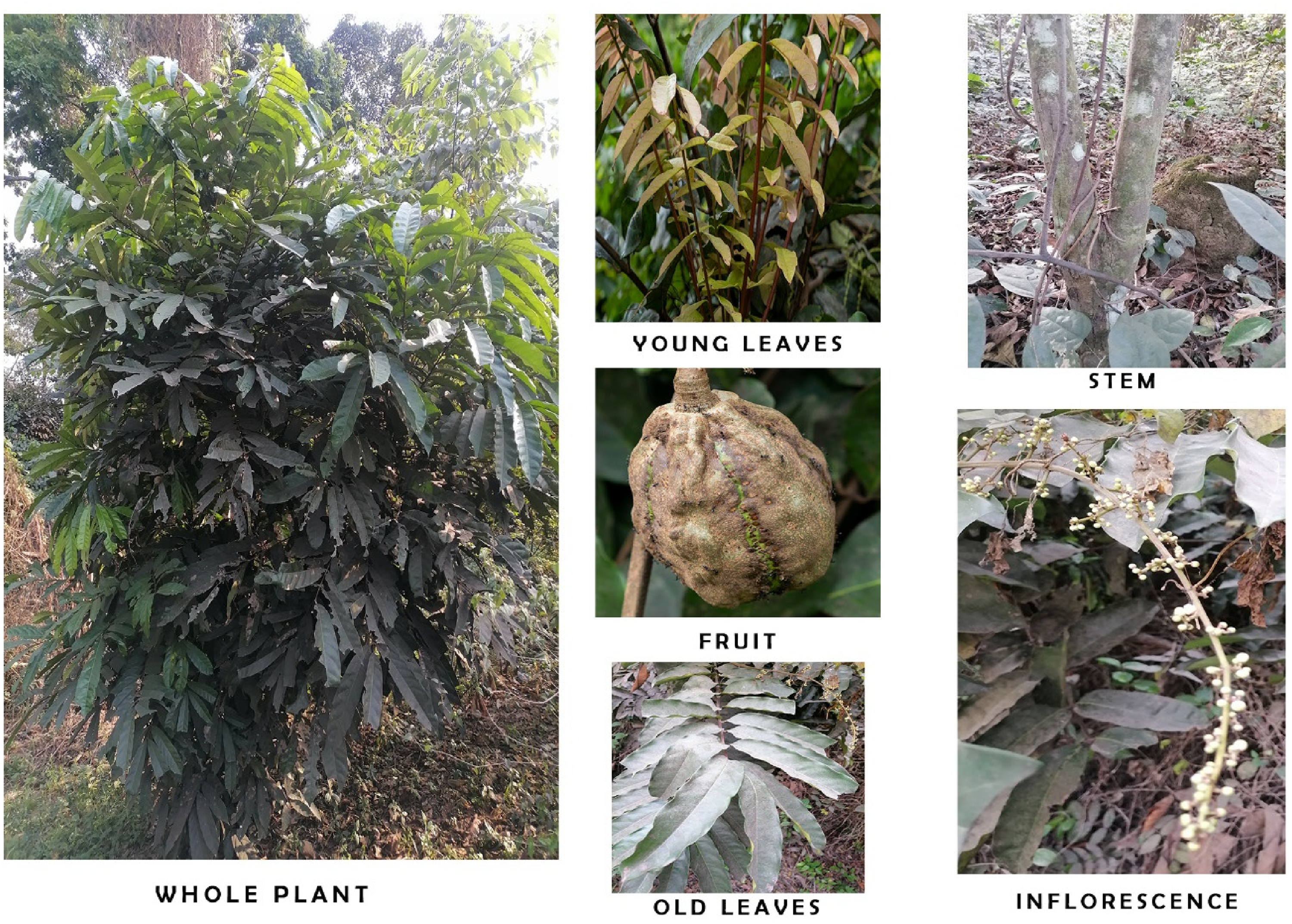
Pictures of C. procera depicting young leaves, old leaves, stem, fruit, inflorescence and the whole plant.
Traditional Uses
The plant has a long history of use in Africa. The various parts are used for different purposes. The bark is commonly used for the treatment of body pains, chest pains, sore eyes, iritis, conjunctivitis and other diseases in traditional medicine in Africa. 17 It is also used to treat skin conditions and serve as a general tonic. 15 C. procera seed oil is utilized in a variety of products within the cosmetic and pharmaceutical industries and is also employed in biological agriculture for pest control. 18 In Ghana, the dried leaves are used in the treatment of hypertension, while the stem and bark are effective remedy against tuberculosis, anemia, syphilis and trachoma. 19
The oil from the seeds is topically used as an effective remedy against skin conditions such as eczema and psoriasis. 13 The leaves are used as poultice for the treatment of wounds, to relieve fever and as a general tonic. Economically the plant is used for making soap, candles and insecticides. The wood of C. procera is durable and so it is used in making furniture and musical instruments and also used in the construction industry. 14
The fruit is edible, with seeds producing oil and is regarded as a multipurpose crop (oilwood). 20 Fats and oils extracted from the plant is used for the maintenance of healthy skin and hair, as a remedy for sores, burns, rheumatic pains, insect bites, jiggers, eruptions, ringworm, and yaws. 11 The Nigerians bath with a decoction from the stem bark of C. procera as an anti-aging regimen. 21
Phytochemistry
Phytochemical screening of the hydro-methanolic extract showed the presence of steroidal glycosides, triterpene, flavonoids, tannins, leucoanthocyanins and alkaloids while a dichloromethane extract contained triterpene esters and steroid, carotenoids and fatty acid.
22
Ethanolic stem bark extract of C. procera contains polyphenols and flavonoids.
23
The oil extracted from C. procera is shown to contain terpenoids, sterols, flavonoids and alkaloids.
24
C. procera has been reported to contain a vast array of lipids such as palmitic and oleic acids.
20
A methylene chloride/methanol stem bark extract yielded β-sitosterol (
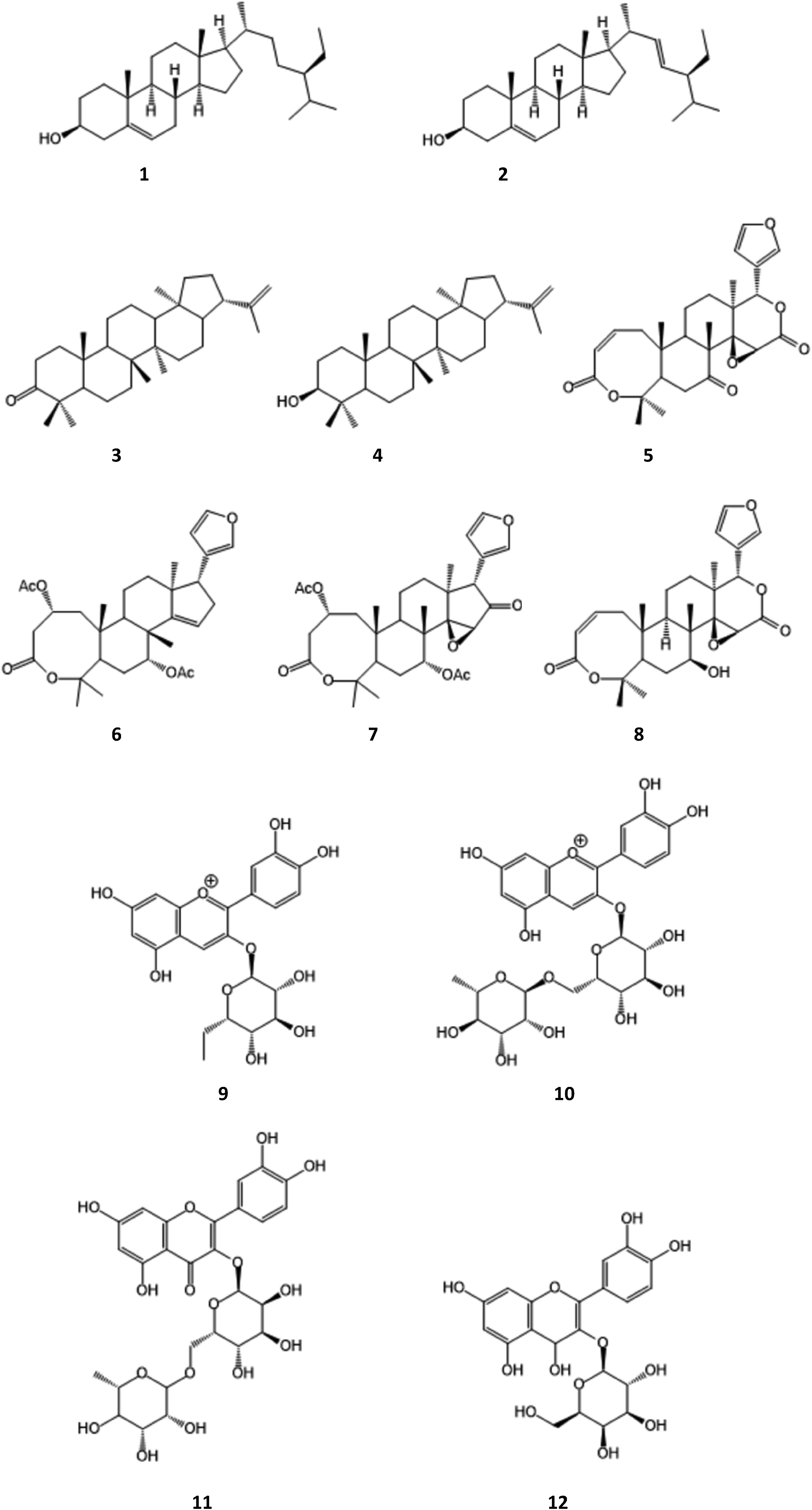
Chemical structures of some compounds isolated from C. procera.
Pharmacological Properties
Anthocyanins and organic acids extracted from the stem bark of C. procera exhibited in vitro anti-sickling and antioxidant activities as reported by Ngbolua et al. 26 Extracts from the seeds exhibited in vivo cytotoxicity and in vitro estrogenic and anti-androgenic properties in a study by Bayala et al. 22 The in vitro antioxidant activity and antifungal activities have also been reported. 24 Ethanolic stem bark extract exhibited in vivo antimalarial and antioxidant activities. 23 Additionally, the in vitro antioxidant activity of the stem bark of C. procera has also been reported. 26 The antioxidant property is attributed to the higher levels of polyphenols and flavonoids present in the ethanolic extract of the stem bark. 23 In another study, C. procera leaves was shown to have remarkable wound healing property and antibacterial activity against E. coli and S. aureus. 30 Titanji et al 31 reported that a combo of carapolide A and mexicanolide-methylangolensate derived from C. procera are anti-microfilaricidal with stronger bioactivity after 24 h of incubation.
G. senegalensis
General Description
G. senegalensis is commonly referred to as the Senegal thorn or Senegal prickly leaf which belongs to the family Celastraceae (Figure 3). It is a shrub or tree commonly found across most African nations, as well as in regions of Arabia, Afghanistan, and India.32,33 It grows up to a height of 5-8 meters with a display of a dense and thorny crown. The leaves are oblong, alternate, and glossy green on the surface with a pale underside and occur in groups as an impenetrable bush. 34 Flowers are sweetly scented, occurring in dense axillary and terminal clusters. The fruit is a two-lobed capsule, turning pinkish to reddish-brown upon ripening. 35

Pictures of G. senegalensis detailing the leaf shape and color.
Traditional Use
G. senegalensis has reportedly been used in traditional medicine for the treatment of various ailments in both humans and animals. West Africans administer a decoction of the leaves to their livestock for treatment of helminth infestation.36,37 In Mali, it is used for the treatment of dysmenorrhea 38 while in Tanzania 39 and Cameroon 40 extracts of it are used for the treatment of malaria. It is also used as an astringent to treat toothache, stomach-ache and typhoid 40 and as a treatment for opportunistic infections among people living with HIV/AIDS. 41
Phytochemistry
Isolation of compounds from the leaves revealed the presence of mayselignoside
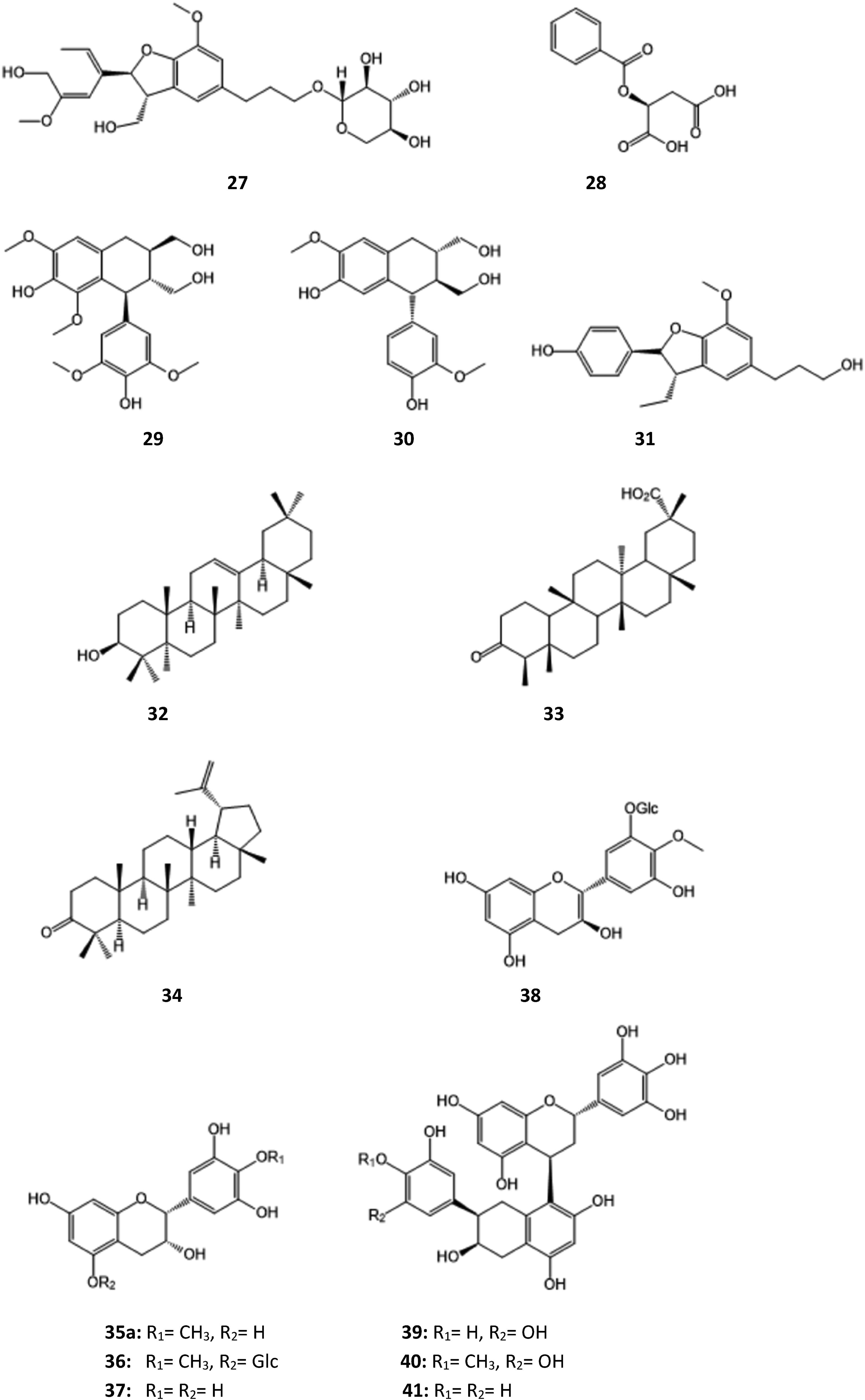
Chemical structures of some compounds isolated from G. senegalensis.
A methanolic leaf extract yielded the following 18 compounds: two novel compounds (2S)-1-O-(4′Z,7′Z,10′Z-octadecatrienoyl) glycerol (
Pharmacological Properties
Extracts of G. senegalensis have been demonstrated to exhibit anti-plasmodial activity both in vitro48,49 and in vivo.39,50 The phenolic content of the methanolic and aqueous stem bark extracts were shown to inhibit HIV-1 protease. 46 Apart from that, maytenoic acid found in G. senegalensis has been shown to be a suppressor of inflammation, 43 a potential mechanism of action against ulcer. Haule et al 51 demonstrated the anti-ulcerogenic activity of a polyherbal mixture containing G. senegalensis in ethanol-HCl induced ulcer in Sprague Dawley rats and further showed its antibacterial activity. This finding about the broad spectrum anti-microbial activity of G. senegalensis could be attributed to the presence of maytenoic acid.52,53 Apart from that, in vitro inhibition of Mycobacterium tuberculosis, nitric oxide production and tumor necrosis factor-α in a mouse macrophage cell line as well as enhanced radical scavenging potential has been demonstrated. 54
T. monadelpha
General Description
T. monadelpha (Meliaceae) is an evergreen, semi-deciduous tree of lowland high-forest, usually found on river-banks (Figure 5). 55 It is erect and cylindrical, with an open, huge spreading evergreen crown. It grows to a height of 12 to 20 m and up to 0.4 m in girth 56 with a brown bark, green leaves with 4-10 pairs of leaflets and greenish yellow flowers with obovate fruits. 57 The tree is usually found in humid, tropical conditions. It is indigenous to the West African countries of Sierra Leonne, Ghana, Congo, Benin and Nigeria. 58

Pictures of whole plant of T. monadelpha, a close view of the old leaves, stem and young leaves.
Traditional Use
Various parts have been used in traditional for ameliorating different debilitating conditions. For instance, the Nigerians, reportedly soak the bark in water and drink it for the treatment of malaria. 59 In Brong Ahafo region of Ghana, the stem bark is made into an enema for waist pains or ground and inserted into the vagina for the treatment of candidiasis. 60 It is also used in Cameroonian folk medicine for the treatment of various diseases such as abdominal pain, dermatitis, hemorrhoids, jaundice, gonorrhea, syphilis and skin inflammation.
Phytochemistry
Phytochemical screening of the hydroethanolic extract of the stem bark revealed the presence of alkaloids, flavonoids, sterols, tannins, and terpenoids (Figure 6). The ethyl acetate extract contains alkaloids, glycosides, tannins, sterols, and terpenoids while petroleum ether extract also contain alkaloids, sterols, and terpenoids.
61
Phytochemical screening of extracts of petroleum ether, ethanol and ethyl acetate of T. monadelpha revealed the presence of alkaloids, terpenoids, phytosterols, reducing sugars, coumarins, tannins, flavonoids, cardiac glycosides, anthraquinones, and saponins.
62
In another study, Nangmo et al
63
isolated from the leaves and root bark of T. monadelpha novel compounds monadelphin A (
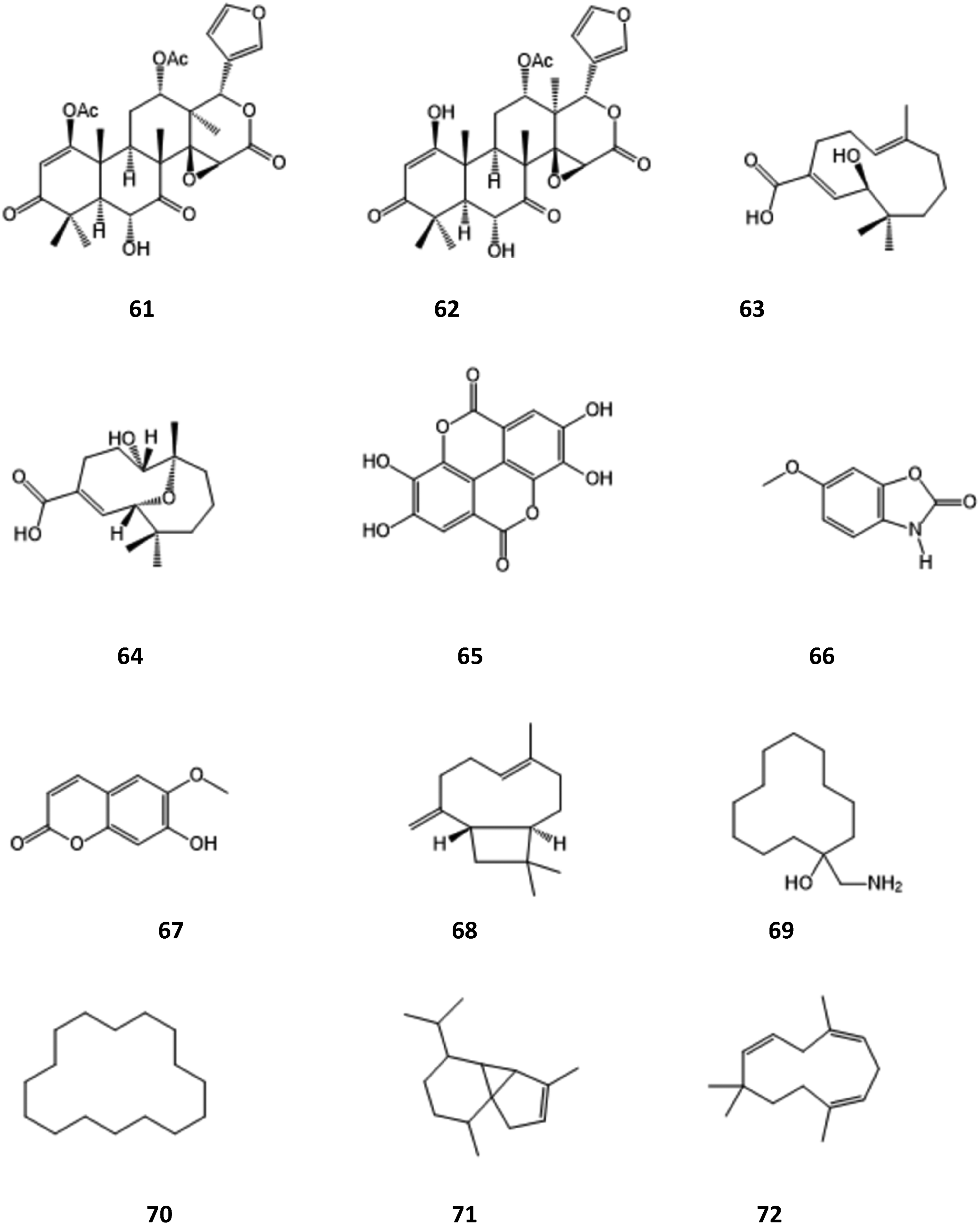
Chemical structures of some compounds isolated from T. monadelpha.
Pharmacological Properties
The petroleum ether, ethyl acetate, and hydroethanolic extracts demonstrated anti-depressant effect in murine models. 61 Ben et al 62 demonstrated the in vitro antioxidant properties. Methanolic extract of the stem bark of T. monadelpha is known to ameliorate oxidative stress and inflammation in colitic rats. 65 Petroleum ether, ethyl acetate and ethanol extracts of the stem bark of T. monadelpha was showed to be ameliorative in arthritic Sprague-Dawley rats. 66 The anti-anaphylactic and anti-inflammatory property on rodent models was also demonstrated. 67 Monadelphin A isolated by Nangmo et al 63 was shown to have cytotoxic activity on mouse lymphoma L5178Y cell line with an IC50 value of 0.62 μg/mL.
Anti-inflammatory activity of aqueous, alcoholic and petroleum ether extract of T. monadelpha has been demonstrated in using the 7-day old chicks. 68 Apart from that, the anti-inflammatory properties of petroleum ether, ethyl acetate and ethanol extracts of the stem bark of T. monadelpha was also shown in Sprague-Dawley rats. 66 Abiodun et al 65 also provided evidence that aqueous-methanol extract of stem bark of T. monadelpha have anti-inflammatory activity in trinitrobenzene sulfonic acid-induced colitis. Apart from that, Abiodun et al 65 showed that T. monadelpha has anti-oxidant property in colitic rats, which explains its use as a remedy for oxygen stress induced inflammatory conditions such as colitis. In another study, the crude aqueous bark extract had shown to be effective in suppressing Plasmodium berghei in mice. 69
S. campanulata
General Description
S. campanulata (Bignoniaceae) of the Bignoniaceae family also called African tulip occurs as a medium-sized tree in various African counties such as Ghana, Nigeria, Gabon, Cameroon and Senegal (Figure 7). 70 It has thick branches, large oppositely arranged leaves of up to 50 cm long and reddish-orange-colored flowers. 71

Pictures of S. campanulata detailing whole plant, flower, old and young leaves.
Ethnobotanical Uses
In traditional medicine, the Ashanti people of Ghana use the stem bark for the treatment of wounds. 70 It has also been reported to be used for convulsion and epilepsy which was confirmed using ethanolic leaf extracts with electroshock-induced convulsion models in mice. 72 In some parts of Southwestern Nigeria, the root and stem bark are used traditionally for ameliorating gastric ulcer. 73 In the West African states of Ghana, Ivory Coast and Benin, the leaves, root and stem bark of S.campanulata is reportedly used in traditional medicine for the treatment of buruli ulcer, relief for skin conditions, swollen cheeks and body rashes. 74 S. campanulata has also been used traditionally for the treatment of kidney and urinary system disorders, skin and the gastrointestinal tract related infections. 75 Apart from medicinal purposes, the bark of Spathodea also provided dye which is used for various traditional purposes. 76
Phytochemistry
Phytochemical screening of ethanolic leaf extract of S. campanulata showed the presence of tannins, saponins, anthraquinone glycosides, and flavonoids (Figure 8).
77
An anticonvulsant glycoside, urs-12-en-27α,30-dioic acid 3-O-α-L-rhamnopyranosyl (1→2)-α-L-arabinopyranoside

Chemical compounds isolated from S. campanulata.
Pharmacology
Methanol leaf extracts of S. campanulata exhibited anti-inflammatory activity against carrageenan-induced paw edema with corresponding acute toxicity studies confirming safety. 81 Wound healing effect due to activity against B. subtilis, E. coli, P. aeruginosa and S. aureus of aqueous, ethanol, methanol and petroleum ether Soxhlet extract of the stem bark of Spathodea was evaluated. 70 Triterpenoids and flavonol kaempferol from the stem bark of Spathodea was shown to inhibit H.pylori. 75 Extracts from Spathodea was also active in stabilizing red blood cell (RBC) membrane and also showed good binding affinity towards cyclooxygenase-2 in silico. 82 S. campanulata has both analgesic and anti-inflammatory properties exhibited in a study using cold, thermal and chemical-induced pain models, and carrageenan-induced acute inflammation in rats. 77 Ethanolic extract of S. campanulata leaves exhibited anti-ulcer activity in aspirin-induced ulcer in rats. 78 The cerebroside spathoside and nine phytochemicals were identified from the stem bark extract of S. campanulata with the former showing significant antibacterial activity. 83 The stem bark of S. campanulata was shown to have activity against Plasmodium berghei in mice. 84 Amusan et al 85 attributed the antimalarial activity to three triterpenoids isolated from the stem bark of S. campanulata which they identified as ursolic acid and two of its derivatives tomentosolic acid and 20β- hydroxyursolic acid.
Conclusion and Future Directions
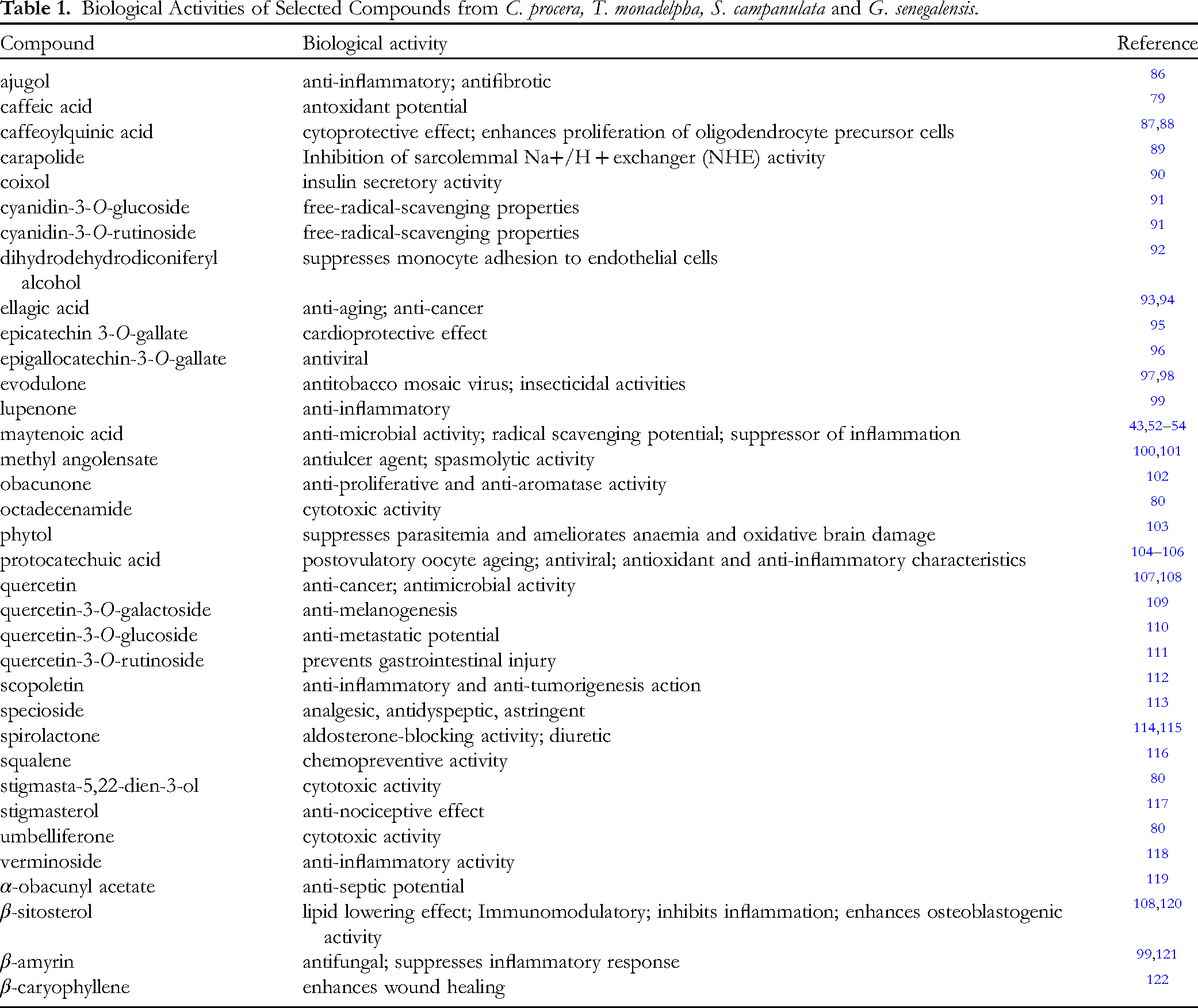
Ethnobotanical investigations have demonstrated the traditional use of C. procera, T. monadelpha, S. campanulata and G. senegalensis in the treatment of several disorders such as hemorrhoids, gonorrhea, syphilis, skin inflammation, buruli ulcer, dysmenorrhea, malaria, typhoid, tuberculosis. Pharmacological studies conducted in majority of cases have shown anti-inflammatory, anti-oxidant and antimicrobial activities (Table 1). Phytochemical analysis has also revealed the botanical constituents that may potentially be involved in the observed pharmacological properties (Table 1). These constituents include alkaloids, flavonoids, saponins, glycosides, saponins, sterols, tannins, polyphenols, terpenoids and several structural variations (Table 1).
Biological Activities of Selected Compounds from C. procera, T. monadelpha, S. campanulata and G. senegalensis.
Even though several investigations have highlighted the medicinal effects of these plants, the exact biochemical pathways and molecular targets of their active compounds remain largely unknown. This gap in understanding makes it hard to grasp the potential of these plants in disease prevention and treatment, or in developing improved therapies.
Moreover, there hasn't been an in-depth study of the toxicological profiles of these plants. Limited information is available regarding the safety of these plants in traditional medicine and potential pharmaceutical uses. The long-term safety of these plants is uncertain without thorough toxicity studies, especially with increased doses or prolonged use, which hinders their broader acceptance in modern healthcare.
Moreover, much remains to be done with respect to preclinical and clinical investigations. These investigations are carried out to evaluate the efficiency and safety of novel medications or therapies. Although traditional medicine often uses these plants, there is a clear lack of comprehensive clinical studies to assess their effectiveness and safety in humans. The absence of proof hinders the transformation of these traditional remedies into proven clinical treatments.
It is essential to conduct targeted research to fully exploit the potential of these plants. Future studies need to work towards understanding their mechanism of action, conducting comprehensive assessments of their toxicity and safety, and completing carefully planned clinical trials to support the medicinal benefits linked to these species.
Footnotes
Author Contribution
ZR: Writing-original draft; PAJ: Writing-original draft; EE: Writing-original draft; AKD: Writing-original draft, Review & Editing; FA: Study-conceived and designed, Writing-original draft, Review & Editing.
Data Availability Statement
All data used or generated from this study are found in the manuscript.
Declaration of Conflicting Interests
The authors declared no potential conflicts of interest with respect to the research, authorship, and/or publication of this article.
Funding
The authors received no financial support for the research, authorship, and/or publication of this article.
