



Abstract
This is a visual representation of the abstract.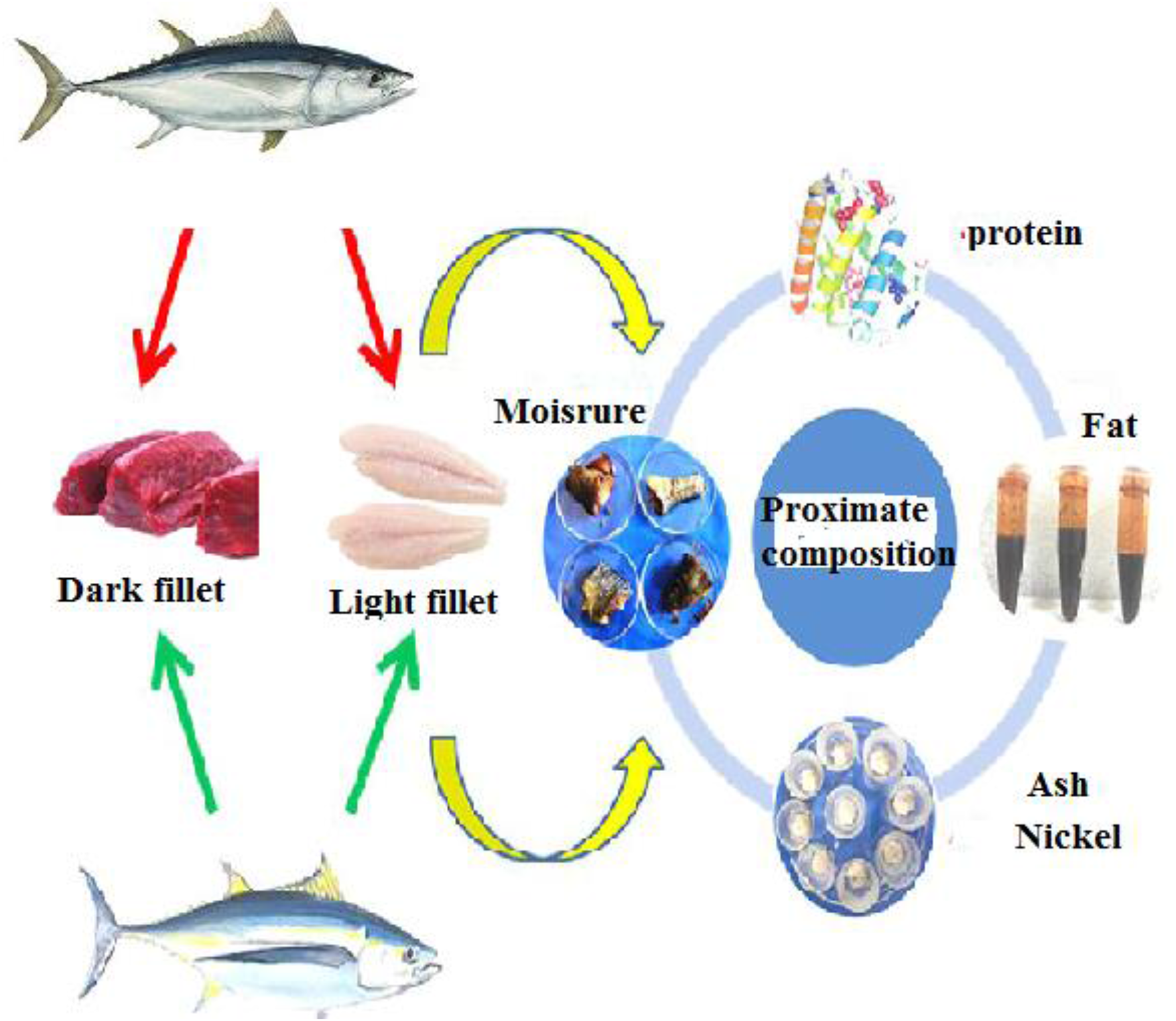
Introduction
Tuna is a type of saltwater fish that is not only one of the most consumed fishes in the world but also is highly valuable in terms of trade. Tuna is sold as frozen, tinned and dead fresh fish forms in more than 70 nations . The tuna is a fish that lives in warm waters and is often caught for food on a commercial scale. Tuna has a meaty flavor and is also very nourishing.
Since the popularity of canned tuna took off in the 1970s, tuna harvests have been rising quickly. The amount of tuna caught worldwide has been rising quickly and steadily. According to data from National Fisheries Institute, about 1 billion pounds of canned and packed tuna are consumed annually alone in the United States. Consumption of dead fresh fish and frozen tuna has grown over time, particularly in rising markets like the United States, Canada, Asia Pacific, and Western European countries. One of the main factors presently driving the tuna industry is the increase in demand for canned tuna due to its low cost, versatility and ease of preparation. According to data from National Fisheries Institute, the three regions with the highest consumption rates of canned tuna is the European Union with 51 per cent, the United States and Japan with 31 per cent and 6 per cent respectively. The same source also says that canned tuna is the second most popular seafood item in the United States.1,2 Canned fish is exported from countries all into the consumer markets. The existence of toxic mineral elements is harmful to fish and to people. Knowing the proximate composition in different species of fish is very essential, if it be selected for consumption. The disease risk due to consuming fish contains toxic metals is more than its nutritional values. 1
The rapid release of toxic metals from very large gill surfaces is high. 2 In addition, seasonal changes and environmental factors affect the biochemical composition of fish. 3 Mineral contents to vary among fish depending on their different feeding levels, 4 sampling locations.5,6 The different effects of external and internal factors can lead to changes in metal accumulation and correlation between metals in the fish body and between species. 2 Several studies have shown that the consumption of some fish in humans can increase the risk of exposure to chemical pollutants. In fact, some fish are directly exposed to water pollution so that they accumulate heavy metals in their muscles. 7 For this reason, the study of trace elements and essential compounds of dead fresh fish and canned fish has increased in the last 10 years. High levels of heavy metals in fish and fish products have been widely reported. 8 Low levels of nickel (Ni) act as activators for some enzymes, but their toxicity is dangerous at higher levels and accumulates in the lungs, which often causes damage to the bronchi. In addition to environmental pollution, nickel can enter food through processing activities such as canning and cooking. Based on the Environmental Protection Agency, with an oral reference dose of 20 μg/kg/day, a temporary tolerable maximum daily intake of 1.2 mg of nickel per person per day can be estimated. 9
The number of studies has been conducted on toxic heavy metals in different edible fish species. As canned fish occupies a special place in the diet and in some societies consumed frequently, there is a need to determine the level of heavy metals in canned fishes, and assess the concomitant risk associated with their dietary intake. 10
Although seafood is considered to be the primary source of high biological protein, polyunsaturated oil, and minerals such as calcium, potassium, and zinc, since they are at the top of the food pyramid, fish can potentially make for trace metals bio-magnification and act as a potential means of transmission to humans. 11
The aim of present study was to investigate the effect of processing on the macronutrient compounds and nickel content in canned tuna fish and comparison of it with dead fresh tuna and determination of the relationship between changes in concentrations of nickel, protein, fat and moisture in canned tuna as a result of processing.
Materials and Methods
Before Processing
This work was performed at 2018–2019 in Behbahan Khatam Alanbia University of Technology, Iran. Twenty cans of tuna were purchased from Behbahan fish market, Iran. Fresh dead fishes also in the ice box were transferred to the fisheries laboratory, and then stored at −18 ° C until the analysis. The each tuna fresh dead fish was weighed. Edible fillets was collected and divided into four sections. Each part was treated separately for nickel, proximate analysis and processing. The dead fresh tuna fish was only used as the control. After transferring the samples to the fisheries laboratory, all samples were washed thoroughly with distilled water to remove viscous substances and adsorbent particles from the fish's body surface. First, the head, tail, and internal organs of the fish were removed with a knife, and then the muscle fillets were separated and transferred to pre-cleaned containers. The proximate composition (fat, protein, moisture, ash contents, and energy values), pH, and nickel were measured. All used materials in the present study had certified references. 12
After Processing
The weight of each sample was recorded after process and then fillet was homogenized. The each tuna fillets drained and homogenized and then were stored separately at −18 °C for later determination of total nickel and proximate composition.
Sample Preparations and Analyses
10 g of the dried samples were digested with 40 ml of a mixture of concentrated HNO3, per chloric acid and concentrated H2SO4 in a flask in a steam cupboard AOAC. 12 The digestion was then cooled and made up to 500 ml with distilled water. The amount of diluted solution for nickel was analyzed using an atomic absorption spectrophotometer. All analyzes were performed in triplicate.
Proximate Composition Analysis
Proximate composition was determined in the pre-and post-canned samples. The each sample in the dead fresh fish was subjected to proximate analysis in triplicate according to AOAC. 12 The energy value was determined indirectly using Rubner's coefficients for aquatic organisms: The caloric values of the samples were obtained by multiplying the value of the crude protein, lipids and carbohydrates by 5.5, 9.5 and 4.1 kcal respectively. 13
Determination of Moisture
To measure the percentage of moisture in the dead fresh fish and canned fish fillets, 10 g the sample was weighed, and then, it was placed in a container. The prepared samples were placed in an oven at 103 °C until reaching a constant weight. After leaving the oven, the container was placed in a desiccator for 30 min to cool and then weighed AOAC. 12 Moisture percentage was determined using the following equation:
Moisture contents of samples were determined by following formulae:

Determination of ash
An electric furnace was used to determine the percentage of ash in the samples. 10 g the samples already dried in the oven was placed in a container and then placed in an electric oven at 500 °C for 12 h. The container was placed in a desiccator for 30 min to cool the samples (AOAC
12
). The amount of gray sample remaining in the container was the amount of sample ash, which is obtained based on the following equation:

Determination of Crude Protein
The protein percentage of the samples was determined using the Kjeldahl method. 1 g each sample was placed in a digestion flask and then 150 ml of concentrated sulfuric acid was added to each flask along with the catalyst. The balloons in the desired device were placed to boil at a low temperature for 30 min until the foam comes out. After that, the temperature was increased to digest the sample, which took time about 4 h. After cooling the samples, distilled water was added to each balloon and placed in the titration section of the device. The samples were titrated with 1% normal sulfuric acid. The percentage of crude protein was obtained by determining the amount of total nitrogen using the formula 25.6 × % N (AOAC,
12
). The percentage of nitrogen was also determined using the following equation:

Determination of Crude Fat
To measure the percentage of crude fat in the samples, 5 g dead fresh fish and canned samples was wrapped in filter paper and placed in the extractor of the Soxhlet apparatus. Then, 100 ml of ether was placed into a balloon and connected to the refrigerant. Extraction was performed in a heater at a temperature of 60 °C for 8 h. Distillation of the solution continued until the solution was free of solvent (AOAC,
12
). The prepared samples were then dried under the hood. The fat percentage of the samples was calculated using the following formula:

Measurement of Energy Values
The fillet energy value using the method of (AOAC,
12
) was calculated. In this method, the total energy obtained from the protein and fat contents of the sample based on the following relationship:

Measurement of Nickel
In order to chemically digest and measurement of concentration of nickel after transferring the samples to the laboratory, all samples were placed in an oven at 65 °C for 150 min until they reached a constant weight. The dry method was used to digest the samples. Then, 0.5 g the weighed sample was placed in a 250 ml flask, and 25 ml of concentrated sulfuric acid, 20 ml of 7 M nitric acid, and 1 ml of 2% sodium molybdate solution were added. For uniform boiling of the solution, several welding stones were placed in a balloon. After cooling, 20 ml of a mixture of concentrated nitric acid and concentrated perchloric acid in a ratio of 1:1 was added to the sample from the top of the refrigerant. The mixture is heated until the white vapors of the acid have completely disappeared. Slowly 10 ml of distilled water was added to the cooled mixture while the balloon is rotating. A completely clear solution is obtained by heating. After cooling, this solution was transferred to a 100 ml balloon and until it reached volume. Nickel was measured by atomic absorption using Perkin Elmer 4100. To measure heavy metals, first 10 ml of the digested solution and 5 mL of 5% ammonium pyrrolidine carbamate solution were added and then the sample was shaken by a shaker for 20 min until the elements were complexed in metallic organic form in the solution. Then 2 ml of methyl isobutyl ketone was added to the solution and mixed for 30 min. After 10 min, the samples were centrifuged at 2500 rpm and the elements were transferred to the organic phase. After adjusting the furnace and EDL system (source of cathode ray production) of the device and optimizing the atomic absorption device, the calibration curve of these elements was plotted by Win Lab 32 software with the help of their standards and the modifiers of palladium and then the concentration of heavy nickel in ready solutions measured. 10
Statistical Analyses
The data were subjected to statistical analysis using the SPSS software version 18. One-Way Analysis of variance (ANOVA) along with Duncan's post hoc method was carried out to examine mean differences among the fishmeal samples at 95% confidence level (p < 0.05).
Result and Discussion
Results obtained in present study shown in Tables 1 and 2.
The Nickel and Proximate Composition Contents before and After Processing.

The percent change shown as differences between the dead fresh fish and canned fish [(Canned -fresh) / fresh) × 100]. The negative number showed a decrease.
Significant difference in pre and post canned (p < 0.05).
Non similar letters in each row indicate significant difference (p < 0.05).
Comparison of the Nickel Content in the Analyzed tuna in the Present Study with Those in Canned Samples from Other Studies.

The total nickel (Ni) levels in canned samples as reported in the referenced articles.
Changes in Nickel and Proximate Composition
Table 1 shown that the amount of nickel in 20 samples of tuna fish significantly increased (p < 0.05) from the average of 1.64 ppb in the dead fresh fish to 4.20 ppb in canned samples (256.01% increase).
The content of fat in canned samples increased after processing, while the difference was found significant (p < 0.05) (Figure 1).

Protein, fat and ash contents of dead fresh fish and post canned tuna fish.
The content of moisture in canned samples decreased from 60.2% to 54.90% after the processing (p < 0.05) (Figure 2).

Moisture and carbohydrates contents of dead fresh and post canned tuna fish.
However, the protein content in tuna samples increased significantly (p < 0.05) from 20.5% in the dead fresh fish to 23.20% in canned (Figure 1). Canned fish samples had the lowest moisture content (p < 0.05), which was due to the water in the fish aqueous/oil mixture during processing, which removed before processing because the boiling point of the oil was much higher than water which led to reduce the moisture content. The moisture content in the dead fresh fish was high (p < 0.05) (Figure 2). Water/oil reactions in food, especially at high temperatures, was affected on some of the nutrients in food, as well as during processing, and also to change the structure of the oil and causes abnormal nutrients. Hence the significant difference was recorded in the moisture content after processing method. 14
Changes in nickel concentration are not directly related to changes in protein, moisture, and fat individually. Nickel concentration is expected to be associated with fluctuation in protein, fat, and moisture contents due to the biochemical properties of organic nickel. Since organic nickel is soluble in fat, it is expected to change with fat content. Nickel, on the other hand, also binds strongly to sulfhydryl groups, which are abundant in the protein-rich amino acid cysteine. This is correlation of the nickel and protein content. Also, the concentration of nickel may vary with moisture, as the loss of moisture during cooking may cause higher concentrations of nickel in the sample. The changes in nickel content was due to heat processing. 15 Because total nickel content is not directly related to proximate composition, may be nickel in tuna samples is related with more than one type of biomolecule.
Table 2 shown that the canned tuna fillet had an average concentration of nickel (4.20 ppb) lower than processed tuna from other published studies (p < 0.05).
Because this organic nickel is stored in the water and food chain, the size of the fish caught is likely to lead to increase nickel content in the processed fish. 16 The effects of processing in present study with other published reports was compared, while there is no other published study that has followed the dead fresh fish through the heat process. As shown in Table 2, sardines, Brands of tuna and M. mustelus dead fresh fish had nickel concentrations of 9.6 ppb, 4.3 ppb, and 2.29 ppb, respectively. The amount of pollutants in fish is affected by the duration of exposure of fish to pollutants in water, feeding habits of fish, concentration of pollutants in water, water chemistry, contamination of fish during processing and processing, quality of canned fish and shelf life of fish. According to study of Tahan et al, 17 the pH of the canned product, the quality of the varnish coating of the canned product, the oxygen concentration in the headspace, the quality of the coating and the storage location may affected the metal on the surface of canned fish. Although from the diet, 10% of nickel is absorbed by the human body, but large amounts of nickel reduce the levels of other elements in the body, such as magnesium, manganese and zinc. According to the literature, the level of nickel in canned fish was as follows: In canned tuna from the Kingdom of Saudi Arabia, 0.09–0.48 mg / kg. in the muscles of fish from Turkey, 0.03–0.63 mg·kg−1 18 ; in canned fish from Iraq, 0.0001 to 0.0003 mg·kg−1 19 ; in muscles from Iraq, 0.11–0.31 mg·kg−1 dry weight, in dead fresh fish 0.37–2.30 mg·kg−1 dry weight, in the muscles of frozen fish species and in canned fish 0.33–1.96 mg·kg−1 dry weight 20 ; in canned tuna from the Kingdom of Saudi Arabia, 0.0018 mg·kg−1 for Ni. 21 ; in the canned fish samples, 0.58–1.04 mg·kg−1. 22 In literature Ni levels ranged from 0.66 to 1.59 µg/g for muscles of fish from Iskenderun. 23
The canning process can change the concentration of heavy metals in the product. Atta et al 24 reported that the concentration of some heavy metals decreased during the cooking and frying process. A study by Ezzatpanah et al 25 showed that canning steps, including defrosting, baking, and sterilization, significantly reduced the concentration of heavy metals such as nickel. In a recent study, the nickel content in canned tuna was significantly reduced in comparing to the dead fresh fish (p < .05), which was due to the decrease in moisture after thermal processing. 10
El-Lahamy and Mohamed 26 reported that canning process decreased the protein content for Orcynopsis unicolor, but increased the protein content for Euthynnus affinis. El-Dengawy et al 27 reported the chemical composition of 16 samples of canned fish (canned tuna, canned sardine, canned Mackerel), which was due to the decrease in moisture after thermal processing which was in agreement with the present study.
It has been reported that moisture, protein, fat, and ash contents in canned fish fillets after the sterilization process were found 52.5%, 23.8%, 20.9%, and 2.3%, respectively, which were agreement with the results in the present study. The reaction of a mixture of water and oil with nutrients, especially at high temperatures during the canning process, led to change the structure of the oil and the nature of nutrients, such as proteins, which led to the significant difference in the moisture content in different samples. In addition, the place and season of fishing, fish size, sexual maturity, and spawning period, affect the amounts of fat, moisture, and protein of the fish. 10
Conclusions
The total nickel content in dead fresh fish and subsequently canned fish samples of Iran tuna were well below standard limit (80 ppm). There was a significant increase (p < 0.05) in total nickel concentration as a result of processing, going from 1.64 ppb in dead fresh fish to 4.20 ppb in canned. Although protein and moisture contents significantly increased and decreased respectively after processing, none of the intrinsic parameters correlated with changes in nickel concentration. In comparison to published studies, the results of the present study showed total nickel concentration was lowest. The processing affected on increase in protein, ash, fat content and energy value in canned tuna compared to the dead fresh tuna fish. The fat and ash content increased which was due to longer contact led to a higher absorption of added oil and salt in end process. In general, practical significance of the results for the fish industry shown that the nutritional value of canned fish was maintained at an acceptable level that meets the human body's need for these nutrients.
Footnotes
Acknowledgements
The authors would like to thank the Behbahan Khatam Alanbia University of Technology. This research work was supported by the Behbahan Khatam Alanbia University of Technology.
Conflicts of Interest
The authors do not have any conflict of interest.
Data Availability
Research data is available after request.
Ethic Approval
Understanding the ethical approval is essential, I would like to mention that we as researchers at our institution do not work on alive animals eg alive fish. We always buy captured fish (Dead fish) from Behbahan fish market to analyze and process for our research. Therefore, the approval evidence from the ethics committee for our research is not applicable.
Funding
This work was supported by Behbahan Khatam Alanbia University of Technology, Behbahan, Iran.
Informed Consent/ Patient Consent
Not applicable.
