



Abstract
Corydalis yanhusuo W. T. Wang (Papaveraceae) is a traditional Chinese herbal medicine that has long been used to treat several conditions and is widely distributed in Asian countries. This review focuses on the traditional uses, botany, phytochemistry, pharmacology, pharmacokinetics, and toxicology of C. yanhusuo. The literature on C. yanhusuo was reviewed using several resources, including classic books on Chinese herbal medicine and scientific databases, namely, PubMed, Springer, Web of Science, Science Direct, and China National Knowledge Infrastructure. Based on information from these databases regarding the chemical components of C. yanhusuo, we evaluated the underlying interaction network between chemical components, biological targets, and associated diseases using Cytoscape software. To date, more than 160 compounds have been isolated and identified from C. yanhusuo, including alkaloids, organic acids, volatile oils, amino acids, nucleosides, alcohols, and sugars. The crude extracts and purified compounds of this plant have analgesic, antiarrhythmic, and antipeptic ulcer properties, along with hypnotic effects. However, studies on the pharmacokinetics of C. yanhusuo extracts remain limited. C. yanhusuo has therapeutic potential in diseases such as cancer and depression, probably due to glaucine and corydaline. Our network pharmacology analysis revealed interactions between 20 compounds, 54 corresponding targets, and 4 health conditions. We found that leonticine, tetrahydroberberine, and corydalmine may regulate the expression of PTGS2, PTGS1, KCNH2, SCN5A, RXRA, CAMKK2, NCOA2, and ESR1, representing a potential treatment strategy against pain, gastric ulcers, inflammation, and cardiac arrhythmias. Additionally, this article discusses the future directions of research on C. yanhusuo.

Corydalis yanhusuo, also known as Yanhusuo or Xuanhu, is a perennial herb widely distributed in China, Japan, Korea, Russia, and other Asian countries. 1,2 In China, C. yanhusuo is mainly distributed in the Zhejiang Province. Corydalis yanhusuo has been shown to improve blood circulation, alleviate pain caused by blood stasis, promote movement of Qi, and alleviate Qi stagnation-induced pain. 3
Details regarding the pharmacological efficacy of C. yanhusuo are reported in the Chinese Pharmacopoeia (2015 edition). To date, more than 160 compounds have been isolated and identified from C. yanhusuo, including alkaloids, organic acids, volatile oils, amino acids, nucleosides, alcohols, and sugars. 1 This herb is often used to treat symptoms such as the chest, abdominal, and menstrual pain 4 and has been demonstrated to have several pharmacological effects: antinociceptive, antitumor, antibacterial, anti-inflammatory, and antidepressant effects, among others. 5,6
Herein, we comprehensively reviewed available literature on C. yanhusuo, including its traditional uses and botany, as well as advances in phytochemistry, pharmacology, pharmacokinetics, and toxicology, from Chinese medicine books and scientific databases, namely, PubMed, Science Direct, Web of Science, Springer, Baidu Scholar, Elsevier, and China National Knowledge Infrastructure. Additionally, we present potential research pathways and new perspectives on C. yanhusuo.
Traditional Uses
Corydalis yanhusuo was first reported in Lei Gong Pao Zhi Lun (Northern and Southern Dynasties, 618‐907 AD) and has been used as an analgesic agent in traditional Chinese medicine for over 1100 years, 7 primarily for the treatment of chest pain. According to Hai Yao Ben Cao (Tang Dynasty, 907‐960 AD), C. yanhusuo was used to treat postpartum blood stasis, whereas Yi Xue Qi Yuan (Jin and Yuan Dynasties, 1115‐1368 AD) reported the use of this plant to treat spleen and stomach stasis and as an adjuvant to digestion. Ben Cao Gang Mu (Ming Dynasty, 1551‐1578 AD) also reported its use in improving blood circulation and Qi, relieving pain, and micturition. 8 In China, Japan, Korea, Russia, and other Asian countries, C. yanhusuo has been used to treat Qi stagnation, blood stasis, chest pain, abdominal pain, amenorrhea, dysmenorrhea, and postpartum stasis. 2,5 Moreover, C. yanhusuo is commercially available in the United States as a dietary supplement. 9
Corydalis yanhusuo has been reported to have various pharmacological effects; over 20 different prescriptions of this plant are listed in the Chinese Pharmacopeia, Han Fang Bao Dian, Dong Yi Shi Shou Bao Yuan, Dong Yi Bao Jian, and Zhongyao chengfang zhiji. The forms of these prescriptions include tablets, granules, and powders, among which tablets are the most commonly used form (Table 1). However, owing to the poor analgesic effect of raw C. yanhusuo, vinegar-processed products are widely used in the clinical setting. Alkaloids present in the herb are insoluble in water; therefore, they are processed with acetic acid to enhance their activity. Briefly, the rhizoma of C. yanhusuo is soaked in vinegar (20 L of vinegar per 100 kg of C. yanhusuo), first, sealed infiltration for 30 minutes then 150-160°C temperature and at a frequency of 40 times per minute turn, fried for 6 minutes and then cooled. Vinegar-processed C. yanhusuo effectively promotes blood circulation and Qi and relieves pain. 10
Traditional and Clinical Applications of Corydalis yanhusuo.

Botany
Corydalis yanhusuo belongs to the genus Corydalis of the Papaveraceae family. It is a glabrous perennial herb, approximately 10‐20 cm in height, with spherical or oblate spheroid-shaped tubers (0.5-2.5 cm in diameter) and a yellowish interior. Its leaves are either 2-lobed or 3-lobed, with lanceolate segments that are often 2-3 parted, and its racemes contain 5‐15 sparse flowers. The sepals are small and caducous with a symmetrical corolla. It has 4 petals, which are either purple or red; the upper part of the outer wheel is the largest, with a length of 1.5‐2 cm; its top is dimpled, and its tail extends cylindrically having a length of 1.1‐1.3 cm. Male flowers have 6 stamens bundled into 2 filaments, whereas female flowers have an oblate-columnar ovary, a subcircular stigma, and a linear capsule. Flowering occurs during April, while fruiting occurs from May to June(Figure 1). 16

Corydalis yanhusuo plant (A), C. yanhusuo rhizoma (B), vinegar-fried C. yanhusuo (C).
Corydalis yanhusuo is distributed in China, Japan, Korea, Russia, and other Asian countries, with a wide ecological niche. 2 In China, it is primarily distributed in Anhui, Jiangsu, Zhejiang, Hubei, Henan, and Shaanxi provinces. 17 The Zhejiang province is famous for its high production and quality of C. yanhusuo, as it has the largest areas for cultivation. 1
Phytochemistry
To date, more than 160 constituents of C. yanhusuo have been isolated and identified. 18 Alkaloids and terpenoids were identified as the characteristic components of this species. The following section details phytochemical studies conducted on C. yanhusuo. The compounds identified from this plant are listed in the relevant tables, and their structures are also presented.
Alkaloids
The earliest known study of Corydalis alkaloids was published in 1928. 18 Alkaloids are the primary constituents of C. yanhusuo and play an important role in pain relief. To date, 64 alkaloids have been isolated from the plant; they are primarily categorized as isoquinoline alkaloids based on their structure. Other alkaloids include berberine, aporphine, proto-opioid base, isoquinoline benzylimidazole, and benzophenanthridine. 19 Alkaloids are presented in Table 2, and their structures are shown in Figure 2.
Alkaloids Isolated From Corydalis yanhusuo.

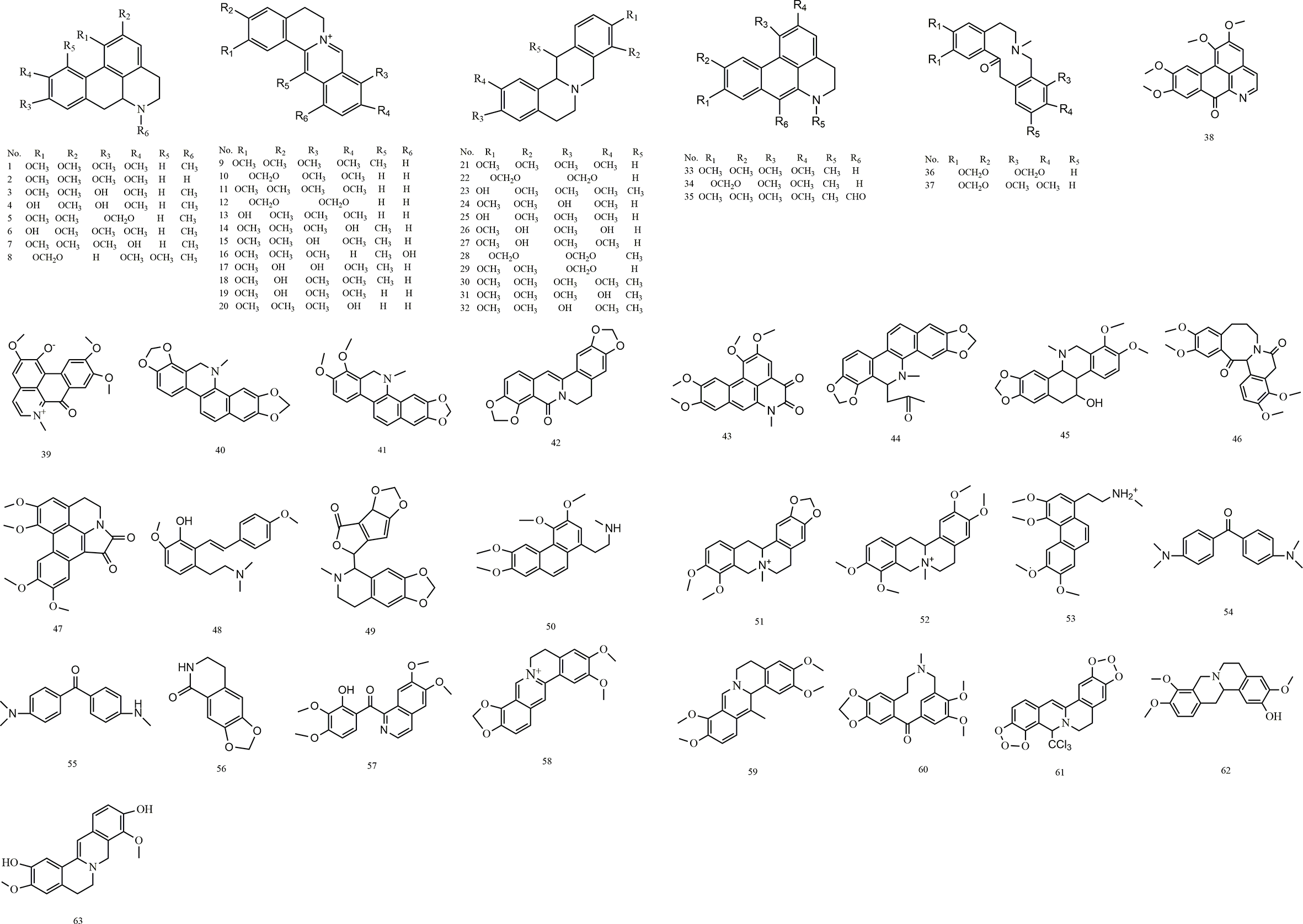
Chemical structures of alkaloids in Corydalis yanhusuo.
Water-Soluble Nonalkaloids
Water-soluble nonalkaloids present in C. yanhusuo have high polarity due to their hydroxyl, amino, and carboxyl groups. Water-soluble components, such as organic acids, amino acids, and carbohydrates are commonly separated by alumina adsorption, column chromatography, gel column chromatography, reverse-phase adsorption column chromatography, and gas chromatography-mass spectrometry. 38 -40 Analysis of 80% ethanol extract of C. yanhusuo isolated using a DA201 type macroporous adsorption resin revealed that the fraction eluted with pure water shows anti-ischemic effects. 39 Moreover, the polysaccharide YHP-1 extracted from C. yanhusuo exhibited antitumor activity. 41 Therefore, it is important to extract and isolate its water-soluble compounds. Organic acids, amino acids, and alcohols and sugars isolated from C. yanhusuo are presented in Tables 3 -5, respectively. The structures of these compounds are shown in Figures 3 -5, respectively.
Organic Acids Isolated From Corydalis yanhusuo.

Amino Acids Isolated From Corydalis yanhusuo.

Alcohols and Sugars Isolated From Corydalis yanhusuo.


Chemical structures of alcohols and sugars in Corydalis yanhusuo.
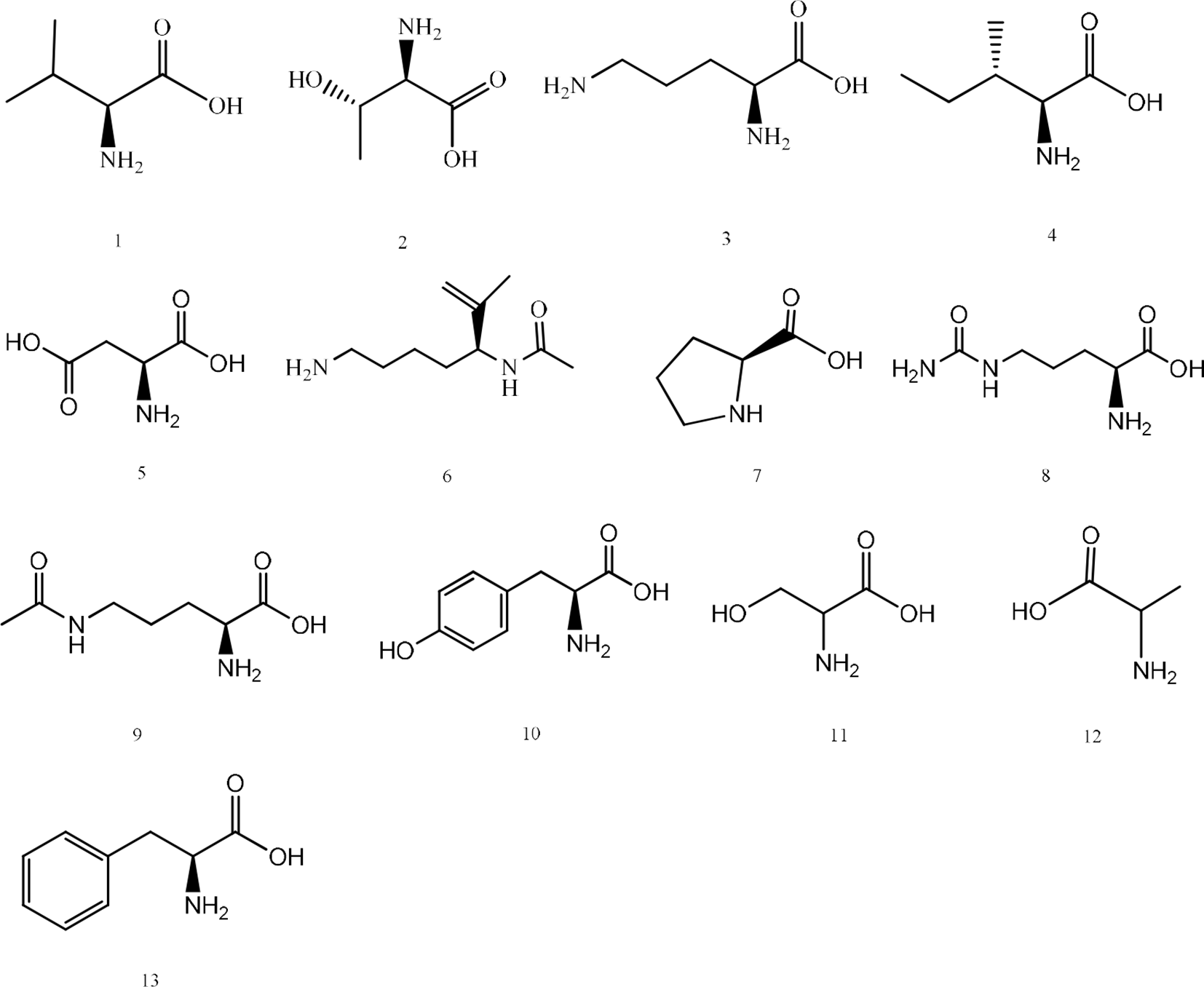
Chemical structures of amino acids in Corydalis yanhusuo.

Chemical structures of organic acids in Corydalis yanhusuo.
Volatile Oils
Most volatile oils obtained from plants have various medicinal and health-promoting effects. The most abundant volatile oil in C. yanhusuo is 2′-hydroxy-4′-methoxyacetophenone, which is known to show analgesic, antimicrobial, anti-inflammatory, and antitumor activities and can be used to treat cardiovascular diseases. 42 Moreover, another volatile oil in C. yanhusuo—α-bisabolol—has been demonstrated to have anti-inflammatory and spasmolytic properties and is widely used in some European countries. 43 Volatile oil from the rhizoma of C. yanhusuo is extracted using the heating reflux, rope extraction, and ultrasonic extraction methods. 44 The chemical constituents of volatile oils have been analyzed using Fourier-transform infrared spectroscopy and gas chromatography-mass spectrometry. 42 Volatile oils from C. yanhusuo are presented in Table 6, and their structures are shown in Figure 6.
Volatile Oils From Corydalis yanhusuo.

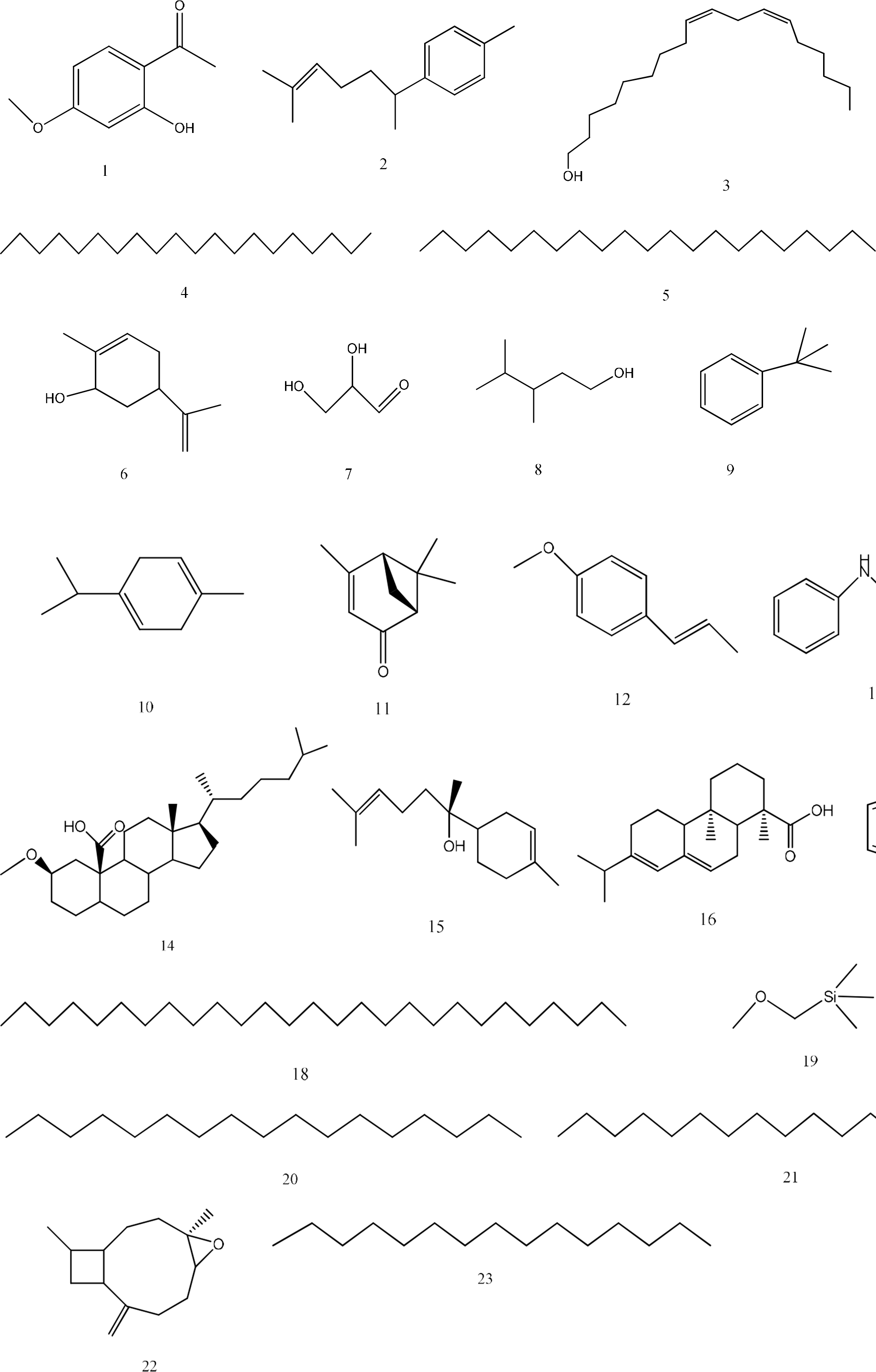
Chemical structures of volatile oils in Corydalis yanhusuo.
Nucleosides
Nucleosides have various biological functions and are crucial for living cells. They participate in deoxyribonucleic acid metabolic processes, show anticancer and antiviral activities, and can be used in gene therapy. For example, adenosine improves cardio-cerebral blood circulation, prevents arrhythmia, inhibits neurotransmitter release, and regulates adenylate cyclase activity. 46 Nucleosides isolated from C. yanhusuo are presented in Table 7, and their structures are shown in Figure 7.
Nucleosides Isolated From Corydalis yanhusuo.

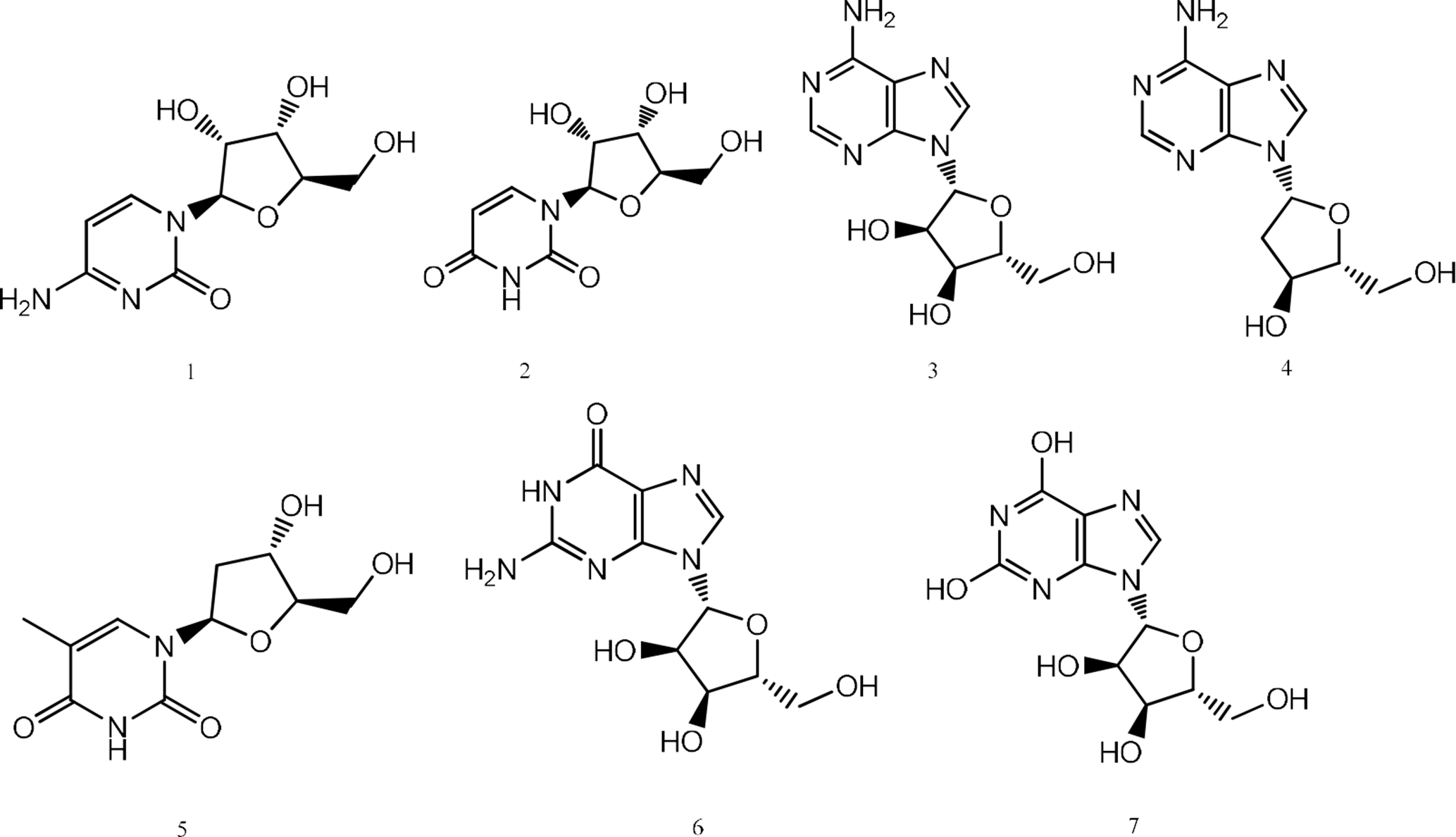
Chemical structures of nucleosides in Corydalis yanhusuo.
Other Compounds
In addition to the aforementioned components, anthraquinones (emodin and physcion), terpenoids (3β-hydroxy-olean-11,13(18)-dien-28-oic acid), steroids (stigmasterol, β-sitosterol, and daucosterol), 35 inorganic acids (phosphoric acid), 39 some trace elements (Pb, Cr, Cd, Cu, Mn, Fe, Zn, Al, Ba, B, Ca, Mg, P, Sr, Ti, and V), 47 -49 and some unsaturated fatty acids (trans-linoleic acid and hexadecanoic acid) have also been isolated from C. yanhusuo. 50
Pharmacology
Corydalis yanhusuo has various pharmacological effects on the digestive, nervous, and cardiovascular systems and has therapeutic benefits in treating complications associated with thrombosis and cancer. In the following section, the primary pharmacological activities of C. yanhusuo, including its active ingredients, minimum effective concentration, and relevant in vitro and in vivo research, are discussed (Table 8).
Pharmacological Effects of Corydalis yanhusuo.
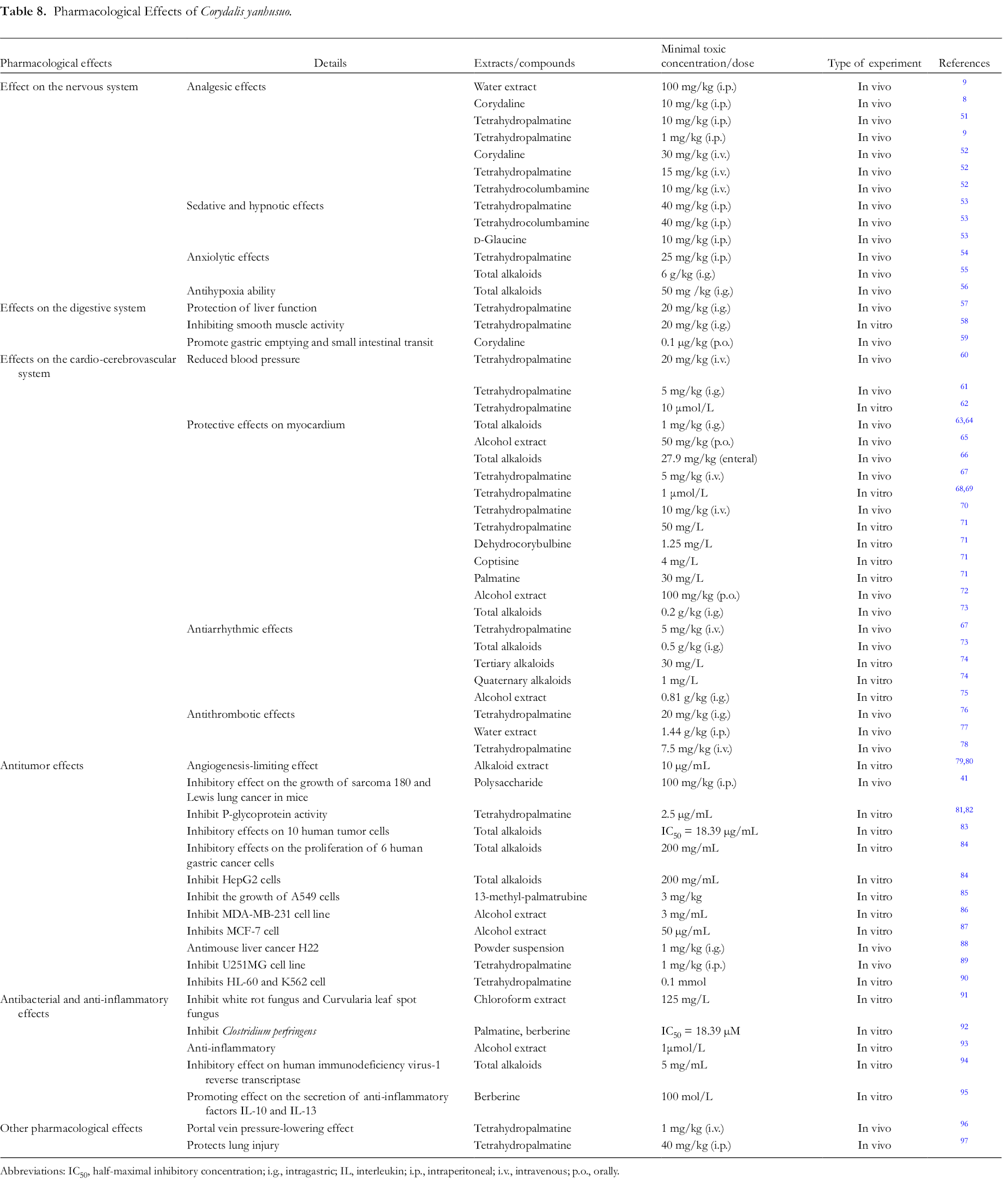
Abbreviations: IC50, half-maximal inhibitory concentration; i.g., intragastric; IL, interleukin; i.p., intraperitoneal; i.v., intravenous; p.o., orally.
Effects on the Central Nervous System
Corydalis yanhusuo primarily shows analgesic, sedative, and hypnotic effects on the central nervous system, with alkaloids mostly contributing to the analgesic effects. Vinegar-processing can enhance the effects of Rhizoma Corydalis to facilitate blood flow and relieve stasis, 98,99 while water extracts of C. yanhusuo effectively attenuate acute inflammatory and neuropathic pain in mice. 9 Tetrahydropalmatine extracted from C. yanhusuo is widely used to treat chronic dull pain and persistent pain. 29 Moreover, both tetrahydropalmatine and corydaline significantly increase mechanical and thermal pain threshold in rats, 51 with similar analgesic effects. 8
Tetrahydropalmatine from Corydalis L and Corydalis J show sedative and hypnotic activities in rabbits, mice, dogs, and monkeys, and significantly reduce spontaneous and passive activities. 52,53 Tetrahydropalmatine also has anxiolytic effects 54 and is effective against depression. 55 Lastly, the total alkaloid of C. yanhusuo showed antifatigue, antihypoxia, and antistress activity in mice. 56
Effects on the Digestive System
The pharmacological effects of C. yanhusuo on the digestive system include antigastric ulcer and hepatoprotective activities and effects on smooth muscle activation and contraction. The active components of C. yanhusuo with such properties are tetrahydropalmatine and protopine. In particular, tetrahydropalmatine protected rats from gastrointestinal injury, an effect that may be associated with its impact on gastric mucosal blood flow and regulation of dopamine transmitters. 100 Another study in mice demonstrated the hepatoprotective effect of tetrahydropalmatine. 57 Oral administration of tetrahydropalmatine (20, 40, 80, 160, and 320 mg/kg) reduced intestinal motive force in healthy mice; at 320 mg/kg it inhibited spontaneous contractions in isolated rabbit duodenum, thereby inhibiting intestinal smooth muscle activity. 58,101 Lastly, corydaline was shown to promote gastric emptying and small intestinal transit, as well as facilitate gastric accommodation. 59
Effects on the Cardio-Cerebrovascular System
Corydalis yanhusuo can promote coronary artery dilation, protect against arrhythmia and myocardial and cerebral ischemia-reperfusion injury, and alleviate myocardial infarction. 1,102 Tetrahydropalmatine can decrease norepinephrine and catecholamine in rat blood vessels and peripheral tissues, respectively, which may subsequently contribute to reduced heart rate and blood pressure. 60,61 This compound can also lower blood pressure by blocking voltage-dependent calcium channels. 62 In contrast, the total alkaloids from C. yanhusuo were found to exhibit protective effects in experimental models of acute myocardial ischemia, alleviate oxidative stress induced by isoproterenol, protect cardiac function, and reduce myocardial injury and apoptosis in rats with myocardial infarction. 63 -65 Kang et al described similar effects of total alkaloids in dogs. 66
Tetrahydropalmatine alleviates cerebral ischemia/reperfusion injury by antagonizing free radicals and calcium ions and by regulating Ca2+-ATPase activity. 65 It significantly reduces arrhythmias during ischemia/reperfusion injury and reduces lipid peroxides in the myocardium to prevent myocardial injury. 67 This compound significantly increased the activity of Na+-K+-ATPase and Ca2+-ATPase in the cell membrane, alleviated intracellular Ca2+ overload, and ultimately reduced cerebral ischemia-reperfusion injury in rats. 68,69 Moreover, it showed protective effects in focal cerebral ischemia-reperfusion injury in rats, which is related to lipid peroxidation. 70 However, another study showed that the antimyocardial ischemic effect of C. yanhusuo could be related to the direct protective effect of tetrahydropalmatine, dehydrocorydaline, berberine, and palmatine on myocardial cells, rather than its antioxidative mechanisms. 71 Corydalis yanhusuo rhizoma extract regulates the expression of Bcl-2 family proteins to inhibit cardiomyocyte apoptosis. 72
Corydalis yanhusuo alkaloids were shown to protect against coronary heart disease and arrhythmia. 73 High concentrations of tertiary amine base and quaternary ammonium hydroxide were also found to prolong the duration of action potentials in ventricular myocytes of guinea pigs. However, these 2 alkaloids can also have the opposite effect when administered at low concentrations. 74 Corydalis yanhusuo extract can protect against myocardial damage and provide resistance to arrhythmia. 75
Other studies have also revealed that C. yanhusuo extract can improve hemorheology in rats in a hypercoagulable state and inhibit the formation of venous, arterial, and arteriovenous bypass thromboses. 76,77 Tetrahydropalmatine inhibits platelet aggregation induced by adenosine diphosphate, arachidonic acid, and collagen, resulting in antithrombotic activity. 78
Antitumor Activity
Recently, in vitro studies have elucidated the antitumor effects of C. yanhusuo, which are primarily mediated by alkaloids and polysaccharides. Alkaloid extracts of C. yanhusuo and berberine markedly inhibit angiogenesis, 79,80 which could have a significant impact on tumor growth and metastasis. The polysaccharide YHPS-1 inhibited the growth of murine sarcoma and lung cancer cell lines. 41 Corydalis yanhusuo alkaloids can also inhibit P-glycoprotein activity in tumor cells and reverse multidrug resistance. 81,82 The total alkaloids from C. yanhusuo were found to significantly inhibit the proliferation of human liver cells as well as 10 human tumor cell lines derived from different tissues, 83 notably, treatment-resistant gastric cancer cell lines. 84 Liposoluble nonphenolic alkaloids and 13-methyl-palmatrubine from C. yanhusuo were also found to have cytotoxic effects against cancer cells and inhibit the growth of A549 and SMMC-7721 cancer cell lines. 85,103 Corydalis yanhusuo extract also inhibits the proliferation of MCF-7 and MDA-MB-231 breast cancer cells, 86,87 while it inhibits H22 hepatocellular carcinoma in mice. 88 Tetrahydropalmatine was also shown to inhibit the proliferation and promote apoptosis of U251MG malignant glioma cells in vitro and significantly prevent malignant glioma growth in vivo. 89 It also inhibits a human leukemia cell line. 90
Antibacterial and Anti-Inflammatory Effects
The chloroform extract of C. yanhusuo has high microbiostatic activity against Fusarium, Helminthosporium, and anthracnose-related fungus, as well as against some bacteria. 91 Palmatine and berberine also inhibit the growth of Clostridium perfringens. 92 The 95% ethanol extract of C. yanhusuo was shown to have significant anti-inflammatory effects, which were mostly attributed to the activities of coptisine, berberine, palmatine, dihydrosanguinarine, and dehydrocorydaline. 93 Corydalis yanhusuo alkaloids also inhibited the activity of human immunodeficiency virus type 1 reverse transcriptase. 94 Furthermore, berberine shows antibacterial and anti-inflammatory effects by inducing the expression of toll-like receptor 2, activating IκB and interferon signaling pathways, and promoting the secretion of tumor necrosis factor. 95
Other Pharmacological Effects
Besides the above-mentioned properties, tetrahydropalmatine can also prevent the formation of portal hypertension in cirrhosis and significantly reduce glucagon levels. 96 Moreover, it protects against acute radiation-induced lung injury in rats by inhibiting apoptosis and reducing oxidative damage. 97
Network Pharmacology
The pharmacological effects of traditional Chinese medicines are complex, with multicomponent and multitarget characteristics. Network pharmacology explains the therapeutic effect of herb pairs. 104 We cross-referenced the chemical compositions of C. yanhusuo with the pharmacological functions mentioned in the Chinese Medicine System Pharmacology Database. Using the systems pharmacology analysis platform TCMSP (http://bigd.big.ac.cn/databasecommons/database/id/4096), we designed a compound-target-disease network for C. yanhusuo (). The screening conditions were set to oral bioavailability ≥30% and drug-likeness ≥0.18. All TCMSP drug targets were imported into the Uniprot (https://www.uniprot.org/) database, and the target gene name was entered to define the species as Homo-sapiens. Overall, 20 chemical components were screened, corresponding to 55 related targets. Based on the information available in the GeneCards (http://www.genecards.org/) database, we identified 6017 pain-related targets, 4479 gastric ulcer-related targets, 3679 cardiac arrhythmia-related targets, and 9921 inflammation-related targets. After analysis of the potential intersections between these identified targets and the chemical components, we found 20 potentially active compounds and 54 corresponding targets (Figure 8). Based on the degree, the most active constituents were leonticine (degree = 31), tetrahydroberberine (degree = 28), and corydalmine (degree = 25), all of which showed properties for treating pain, gastric ulcers, inflammation, and cardiac arrhythmias through the regulation of PTGS2, PTGS1, KCNH2, SCN5A, RXRA, CAMKK2, NCOA2, and ESR1.

Compound-target-disease network associated with C. yanhusuo. The underlying network between C. yanhusuo components and their targets was designed using Cytoscape 3.7.2 (https://cytoscape.org/). Green circles – chemical compounds of C. yanhusuo; yellow circles – potential targets; and red circles – related diseases.
Pharmacokinetics
To date, few studies have investigated the pharmacokinetics of C. yanhusuo extracts and compounds. The pharmacokinetics of intramuscularly injected tetrahydropalmatine sulfate and polycystic liposomes of tetrahydropalmatine sulfate (both at 10 mg/kg) were evaluated in mice. The time taken for the plasma drug concentration to decline to half (t
1/2) was 3.09 ± 0.37 and 33.97 ± 4.78 hours, respectively, while the peak concentration (C
max) was 289.05 ± 30.37 and 68.34 ± 8.72 µg/L, respectively. The time taken to reach C
max (T
max) for intramuscularly injected tetrahydropalmatine sulfate and polycystic liposomes of tetrahydropalmatine sulfate was 0.93 ± 0.15 and 3.92 ± 0.43 hours, respectively. These data indicate significant differences in pharmacokinetics depending on the route of administration.
105
Tetrahydropalmatine orally administered to mice at 6.5 mg/kg had a t
1/2 of 3.13 ± 0.35 hours, C
max of 289.05 ± 30.37 µg/L, and T
max of 1.16 ± 0.28 hours.
106
These findings suggest that the bioavailability of tetrahydropalmatine can be improved using polycystic liposomes. Moreover, intragastric administration of total alkaloids of C. yanhusuo at doses of 125, 250, and 500 mg/kg in rats revealed that the blood concentration of tetrahydropalmatine was positively correlated with its C
max and T
max.
107
Additional studies on rabbits and rats also demonstrated that tetrahydropalmatine and corydaline plasma concentrations were positively correlated with their C
max and Tmax.
108,109
Furthermore, the plasma concentration of
Toxicology
The Chinese Pharmacopeia provides no information regarding C. yanhusuo’s toxicity. 4 However, there are some reports on this matter. One study evaluated the impact of intraperitoneal injection of 150 mg/kg of glaucine in mice. After only 5 minutes following the injection, the mice started to convulse and died quickly of paralysis. The median lethal dose (LD50) of glaucine was calculated to be 127 mg/kg. 52 Furthermore, the administration of fumarole extract at 40 g/kg resulted in reduced overall activity, slow breathing, changes in movement and posture, and increased heart and breathing rates in mice, In this study, the mortality rate on the following day was 10%. 114 The LD50 of the total alkaloids in C. yanhusuo acetic acid extract was 0.86 g/kg in mice, with most mice having died 3 hours following the gastric administration of the extract. This study demonstrated the toxicity and lethality of these alkaloids in mice. Moreover, microscopic examination of tissue samples revealed renal arteriole hemorrhage in some mice. 115 Administration of water extracts of Rhizoma Corydalis processed with industrial and edible acetic acid by oral gavage also was found to be toxic to mice, with all animals being reported dead after 72 hours. 116
To date, the number of studies investigating the toxicity of C. yanhusuo remains limited, and most studies have focused on extracts (Table 9). Certain populations should consume this plant cautiously, including pregnant women and women with postpartum blood deficiency and metrorrhagia. 117
Toxicologic Effects of Corydalis yanhusuo.

Abbreviations: i.g., intragastric; i.p., intraperitoneal; LD50, median lethal dose.
Future Perspectives and Conclusions
In summary, as traditional Chinese medicine, C. yanhusuo is used to treat Qi stagnation and blood stasis. Although various chemical components have been isolated and identified from the plant, alkaloids are its main active ingredients. Over the past decade, major breakthroughs have been made toward elucidating the active constituents and therapeutic efficacy of C. yanhusuo. However, the development of new drugs derived from this plant remains challenging. Thus, it warrants further studies.
Studies have primarily focused on the active components of tetrahydropalmatine, corydaline, berberine, palmatine, and coptisine, among others. For example, C. yanhusuo has been reported to contain high glaucine and corydaline content. 118 Glaucine can inhibit breast cancer cell migration and invasion. 119 Therefore, this plant could be a potential source for a novel antitumor drug. In contrast, few studies have evaluated the activity and impact of papaverine and corydaline. Hence, their pharmacodynamics and pharmacokinetics remain unclear. 79
Evaluation of the medicinal potential of C. yanhusuo has mostly focused on its tubers and on the chemical components and pharmacological activities of its stems, leaves, and fibrous roots. Presently, commercially available products labeled to contain C. yanhusuo have been found to contain similar Corydalis species like Corydalis turtschaninovii Bess, Corydalis repens Mandl et Kuhldorf, Corydalis ambigua Cham. Et Sch. and Corydalis decumbent (Thunb.) Pers. Because these species are highly toxic, it is important to identify the actual species in such products to ensure public safety. Researchers have designed a polymerase chain reaction method based on the ITS2 sequence to distinguish C. yanhusuo from its counterfeit products. 120 Authentic Corydalis generates a single band of approximately 200‐300 bp, whereas counterfeit products do not. 121,122 Therefore, future studies should aim to improve the quality of medicinal materials extracted from C. yanhusuo.
Traditional Chinese medicine has multicomponent and multitarget characteristics, and its pharmacological properties cannot be completely attributed to a single component. Quality markers (Q-markers) in Yuanhu Zhitong Dropping Pills include tetrahydropalmatine, corydaline, protopine, imperatorin, and isoimperatorin. Q-markers are the best choice for quality control indicators. It is especially crucial to establish appropriate and feasible Q-markers for Chinese herbal medicines. The Q-marker system can be established from the morphological, chemical, and biological aspects of C. yanhusuo. Lastly, the potential cellular targets of C. yanhusuo for the treatment of pain, gastric ulcers, arrhythmias, and inflammation were determined using network pharmacology. However, follow-up studies should aim to verify these targets using in vitro and in vivo experiments.
In conclusion, we provide a comprehensive review of the traditional uses, botany, phytochemistry, pharmacology, pharmacokinetics, and toxicology of C. yanhusuo. Altogether, growing evidence paves the way for the development of novel C. yanhusuo-based therapeutic agents with broad medicinal applications.
Footnotes
Declaration of Conflicting Interests
The author(s) declared no potential conflicts of interest with respect to the research, authorship, and/or publication of this article.
Funding
The author(s) disclosed receipt of the following financial support for the research, authorship, and/or publication of this article: This work was supported by the National Natural Science Foundation of China [grant number 81803732].
