



Abstract
Terpenoids, the most abundant compounds in natural products, are a set of important secondary metabolites in plants with diverse structures. Terpenoids play key roles in plant growth and development, response to the environment, and physiological processes. As raw materials, terpenoids were also widely used in pharmaceuticals, food, and cosmetics industries. Terpenoids possess antitumor, anti-inflammatory, antibacterial, antiviral, antimalarial effects, promote transdermal absorption, prevent and treat cardiovascular diseases, and have hypoglycemic activities. In addition, previous studies have also found that terpenoids have many potential applications, such as insect resistance, immunoregulation, antioxidation, antiaging, and neuroprotection. Terpenoids have a complex structure with diverse effects and different mechanisms of action. Activities and mechanisms of terpenoids were reviewed in this paper. The development and application prospect of terpenoid compounds were also prospected, which provides a useful reference for new drug discovery and drug design based on terpenoids.

Terpenoids constitute one of the largest and structurally diverse groups of naturally occurring compounds. Terpenoids are a class of natural products derived from mevalonic acid (MVA) which are composed of a plurality of isoprene (C5) structural units. Terpenoids are widely found in nature, with various structures and a wide variety. To date, more than 50 000 terpenoids have been found in nature, 1 and most of them are isolated from plants. Some terpenoids play an important role in plant growth and development, such as gibberellin, as plant hormones regulates plant development and carotenoids participates in photosynthesis; some terpenoids play a role in the interaction between plants and the environment, such as participating in plant defense systems in the form of phytoalexins and interspecies competition as interspecific sensing compounds. 2 Many volatile terpenoids such as menthol and perillyl alcohol are used as raw materials for spices, flavorings, and cosmetics. 3 There are also some terpenoids with important economic value. They are used as pesticides, industrial raw materials, etc., such as pyrethrin and limonoids, which are often used as insecticides. Sesquiterpenes, farnesene and bisabolene, and monoterpenes, pinene and limonene, are recognized as precursor compounds for fuels. 4
In the 1960s, the biological activity of terpenoids began to be noticed by humans, but only limited to certain terpenoids. By the 1970s, the pace of research on the biological activity of terpenoids was gradually accelerated, and the first small peak appeared. The research on artemisinin against malaria was completed at this stage. It was not until the late 1990s that the study on terpenoids attracted attention again, and the research focused on the separation and purification of active components, chemical composition analysis, and chemical structure research. Since then, the biological activity of terpenoids has increased year by year.
In recent years, with the deepening of research on terpenoids (especially terpenoids in medicinal plants), it has been found that such compounds play an increasingly prominent role in the field of medicine and have various biological activities such as antitumor, anti-inflammatory, antibacterial, antiviral, antimalarial, promoting the transdermal absorption, preventing and treating cardiovascular diseases, lowering blood sugar, and other effects. In addition, some terpenoids also have insecticidal, immunomodulatory, antioxidant, antiaging and neuroprotective effects; the terpenoids paclitaxel and artemisinin have been widely used in clinical practice. Therefore, the research on the biological activity of the terpenoids will contribute to the selection of drugs and the improvement of treatment methods and provide a theoretical basis for the development of new drugs, which are paid much attention by scholars.
Overview of Terpenoids
Terpenoids are a general term for a class of compounds consisting of several isoprene structural units. Based upon the number of isoprene units, these have mainly classified into monoterpene (C10), sesquiterpene (C15), diterpene (C20), triterpene (C30), tetraterpene (C40), and polyterpene (C > 40), etc. In addition to being in the form of terpene hydrocarbons, terpenoids are mostly present in the form of various oxygen-containing derivatives, including alcohols, aldehydes, carboxylic acids, ketones, esters, and glycosides. The synthetic pathways for terpenoids include the MVA pathway and the 1-deoxy-
Terpenoids are mostly present in the form of volatile oils in higher medicinal plants and mainly exists in the following medicinal plant groups: Compositae, Ranunculaceae, Araliaceae, Oleaceae, Magnoliaceae, Lauraceae, Aristolochiaceae, Rutaceae, Labiatae, Pinaceae, Umbelliferae, Celastraceae, Acanthaceae, Taxaceae, etc. Most of the terpenes with bioactivities have been isolated in medicinal plants. Monoterpenes and sesquiterpenes are mainly found in essential oils of the medicinal plant; larger molecular weight terpenes, such as triterpene, are mainly found in balsam and resin.
Pharmacological Activities of Terpenoids
Antitumor Activity
Tumors are the most serious diseases that threaten human health, and the incidence of cancer in China is increasing year by year. The research on new high-efficiency antitumor drugs is imminent. Terpenoids have attracted the interest of many medicinal chemists with their distinctive structural features and good antitumor activity and have the potential to be lead compounds to develop efficient and safe antitumor drugs. In the study of the antitumor effects of terpenoids (Figure 1), it was found that perillyl alcohol, geraniol, and paclitaxel are the terpenoids having antitumor activities (Table 1).
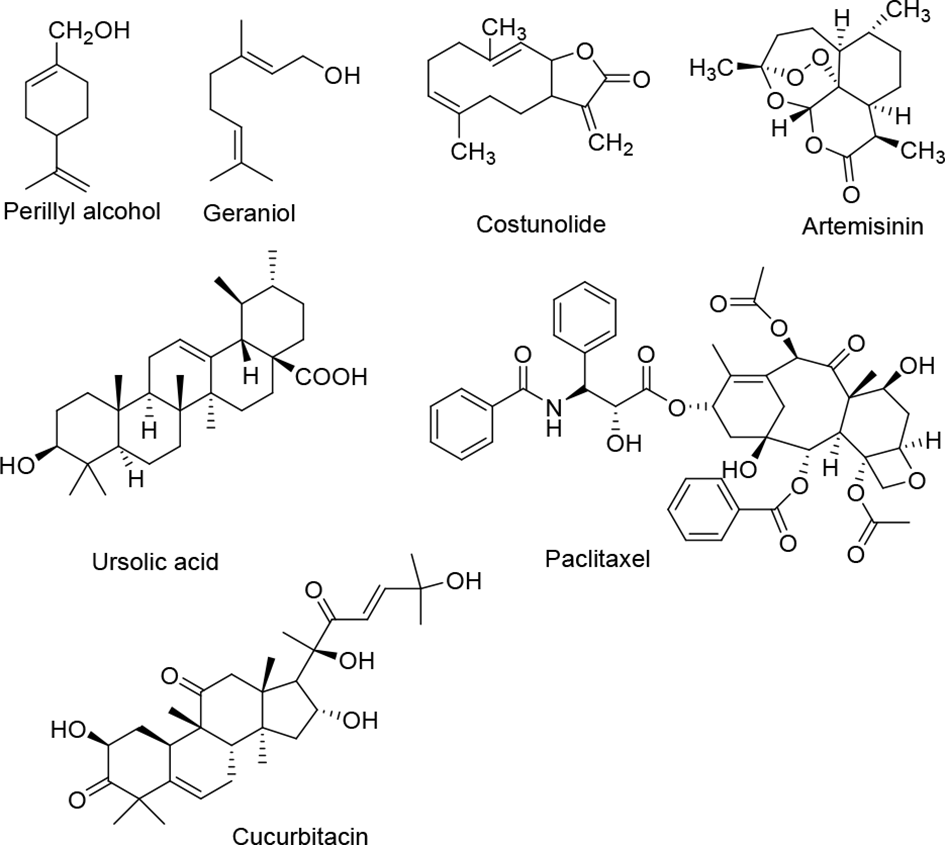
The structures of common terpenoids with antitumor activities.
The Antitumor Activity of Terpenoids.

Perillyl alcohol is a monocyclic monoterpene mainly present in the essential oils of medicinal plants has attracted significant interest due to its potent antitumor activity. It has broad-spectrum, high efficiency, low-toxic antitumor properties. The growth of tumor cells was significantly inhibited after perillyl alcohol was added in the culture of tumor cells in many kinds of animals. 6 And perillyl alcohol plays a preventive and therapeutic role in cancer. The results showed that the administration of perillyl alcohol at a dose of 1-2 g/kg in rats can significantly reduce the incidence and multiplicity of colonic invasive adenocarcinoma caused by the injection of carcinogen azomethane. 6 Intraperitoneal injection of perillyl alcohol at a dose of 75 mg/kg 3 times per week significantly inhibited lung tumor formation caused by the simultaneous injection of the carcinogen 4-(methyl-nitrosamino)-1-(3-pyridyl)-1-butanone. 6 It was found that perillyl alcohol also exhibited high cytotoxic activity against OVCAR-8, HCT-116, and SF-295 human tumor cell lines, using the MTT assay. The cell growth inhibition percentage values were 90.92%-95.82%. 32 Recent studies have revealed that the tumor growth inhibition rate of perillyl alcohol evaluated in mice was 35.3% and 45.4% at doses of 100 and 200 mg/kg/day, respectively. No toxicologically significant effect was found in liver and kidney parameters. 33 In in vitro anticancer studies, perillyl alcohol was found to exert cytotoxicity against HepG2 cell line with a half-maximal inhibitory concentration (IC50) value of 409.2 µg/mL. However, this effect was not found to be selective. 34
Geraniol is widely found in essential oils of aromatic medicinal plants. Current experimental evidence indicates that geraniol has therapeutic or prophylactic effects on different types of cancer (eg, lung cancer, 7 colon cancer, 8 prostate cancer, 9 pancreatic cancer, 10 and liver cancer). 11 It has been demonstrated that geraniol can regulate a variety of signaling molecules and participate in a variety of life processes, such as cell cycle, cell proliferation, apoptosis, autophagy, and metabolism. It can be used as a multitarget drug for the treatment of cancer; the effect is significant and is not affected by adaptive resistance. For example, geraniol inhibits tumor cell growth by blocking the G1 phase of the Michigan Cancer Foundation (MCF)-7 breast cancer cell cycle. The levels of cyclin D1, cyclin-dependent kinase 4, cyclin E, and cyclin A were decreased in geraniol-treated MCF-7 cells, while the level of cyclin p27Kip1 was increased. At the same time, geraniol had no effect on the growth of MCF-10 normal breast epithelial cells, which demonstrated that its activity is tumor specific. 12 Kim et al 13 found that in a structurally and functionally similar monoterpene, geraniol can effectively induce tumor cell apoptosis and autophagy. The expression level of HMG-CoA reductase is often upregulated in various human cancers. Studies have shown that geraniol inhibits the expression of the HMG-CoA reductase gene in most types of tumor cells, which may be the mechanism for the treatment of cancer by geraniol. Prostate cancer is a common cancer. Metastatic prostate cancer initially responds to androgen deprivation therapy, but eventually develops into castration-resistance prostate cancers, which is resistant to this treatment and obtained the ability to escape cell death in the absence of androgen. The study found that AKT can increase cell viability in prostate cancer cells in a variety of ways, including mammalian target of rapamycin (mTOR) activation, to enhance cell resistance to death in androgen-deficient conditions. Other studies have found that 5′ adenosine monophosphate-activated protein kinase (AMPK) can inhibit mTOR activity by phosphorylating TSC2 and/or Raptor to interfere with the AKT signaling pathway. Inhibition of AMPK can promote cell proliferation and promote the malignant behavior of cells. The results of the above studies indicate that the anticancer effect of AKT inhibition may be enhanced by AMPK activation. Geraniol can inhibit the AKT signaling pathway, activate the AMPK signaling pathway, inhibit the mTOR signaling pathway, and is more effective in the treatment of prostate cancer by the combination of inhibiting of AKT and activating the AMPK signaling pathway.
Hassan et al 14 studied the health-promoting properties of Thymus bovei Benth. essential oil (TB-EO) for its possible use in clinical practice with regard to its cytotoxic, antiherpes simplex virus type 2 (HSV-2), and antihypertensive properties. TB-EO showed very weak cytotoxicity on the healthy human fetal lung fibroblast cells with an IC50 value of 118.34 µg/mL compared with that of cisplatin (IC50 = 10.08 µg/mL). TB-EO and its main component geraniol have displayed anti-HSV-2 with the half-maximal effective concentration (EC50) values of 2.13 and 1.92 µg/mL, respectively. TB-EO and geraniol at a concentration of 15 µg/mL showed prominent inhibitory activities against angiotensin-converting enzyme with the percentage of inhibition 95.4% and 92.2%, respectively, compared with that of standard inhibitor captopril (99.8%; 15 µg/mL). The results may be a novel findings in the course of a search for new and active anticancer, anti-HSV-2, and antihypertensive agents.
Costunolide (CT) is a sesquiterpene lactone compound and is one of the main chemical constituents of the medicinal plant Aucklandia lappa Decne. Studies have shown that CT has effects of antibladder cancer, 15 ovarian cancer, 16 leukemia, 17 and prostate cancer, 18,19 mainly by inhibiting cancer cell proliferation, inducing apoptosis and differentiation of cancer cells, inhibiting metastasis and invasion of cancer cells, reversing multidrug resistance, and inhibiting angiogenesis.
Artemisinin and its derivatives, well-known as antimalarial drugs, in recent years have been reported to have specific inhibitory effects on tumors in vitro and in vivo, with small side effects, obvious effects, and low costs. 20,21 For example, artesunate is a semisynthetic derivative of artemisinin that exhibits anticancer activity against various types of tumors, such as leukemia, melanoma, colon cancer, nonsmall cell lung cancer, lung cancer, prostate cancer, breast cancer, and ovarian cancer. 22 The present studies have shown that semisynthetic artemisinin derivatives can exert anticancer effects by causing cell cycle G0/G1 arrest, inducing cell apoptosis, and participating in oxidative stress, which result in more efficient antitumor activity than monomeric compounds, but this mechanism of action has not been elucidated. 23
Paclitaxel is a kind of tetracyclic diterpenoid which is isolated from taxus plants and has a good therapeutic effect on cancers such as ovarian cancer and breast cancer. 24 Paclitaxel was cytotoxic against SKOV3 cells in vitro with a viability rate of 38.2 ± 1.3% for 1 µmol/L of paclitaxel and the apoptotic rate of SKOV3 cells was 15.7 ± 1.7 for paclitaxel. Sun et al 25 found that paclitaxel can activate the toll-like receptor 4-nuclear factor-kappa B (NF-κB) pathway and induce the expression of the ABCB1 gene, which is of great significance for studying the drug resistance of paclitaxel in the treatment of ovarian cancer.
Ursolic acid can induce tumor cell apoptosis and has obvious antitumor effects, but its proapoptotic mechanism has not yet been elucidated. Recently, the mechanism of action of ursolic acid in the treatment of various types of tumors has been studied in depth. 26 -29 The current investigation demonstrated that ursolic acid could protect hepatoma cells and reduce HBx-mediated autophagy through modulation of Ras homolog gene family member A (RhoA). 26 In the present study, it was found that ursolic acid at the low micromolar range may promote its anticancer action by targeting glycolysis in phenotypically distinct breast cancer cells. 27 Ursolic acid can also inhibit proliferation and induce apoptosis of human osteosarcoma 143B cells by inactivating Wnt/β-catenin signaling. 28 Research has shown that ursolic acid activates cell apoptosis in prostate cancer through rho-associated protein kinase/phosphatase and tensin homolog-mediated mitochondrial translocation of cofilin-1. 29 In addition, ursolic acid is made into nanoparticles which can improve anticancer efficacy and bioavailability. 30,31
Cucurbitacin is a class of tetracyclic triterpenoids that also have antitumor activity. 35
Anti-Inflammatory Activity
Inflammation is a common and very important pathological process, often manifests as “red, swollen, hot, painful”. It is a defensive response of living tissue with a vascular system to various damage factors, and it is closely related to various diseases such as asthma, rhinitis, arthritis, and arteriosclerosis. If inflammation is allowed to develop and is not controlled, it can cause serious illness. The structures of terpenoids with anti-inflammatory activities were shown in Figure 2.

The structures of common terpenoids with anti-inflammatory activities.
Paeoniflorin is a monoterpene glycoside compound isolated from the root of Paeonia lactiflora Pall. Bi et al 36 studied the anti-inflammatory activity and the mechanism of action of paeoniflorin, paeoniflorin derivatives, 4-O-methyl paeoniflorin, 4-O-methylbenzoyl paeoniflorin, and other monoterpenoids in peony. The results showed that most of the monoterpenes could inhibit the production of inflammatory factor nitric oxide (NO), interleukin-6 (IL-6) and tumor necrosis factor-alpha (TNF-α) induced by lipopolysaccharides (LPS). And it has a significant correlation with the dose.
Inula flower (Inula japonica Thunb.) is a traditional Chinese herbal medicine of the genus Asteraceae. Chen et al 37 found that the sesquiterpene lactone compound IVSE in the inula flower can inhibit the production of NO induced by LPS, thereby exhibiting the anti-inflammatory activity. Wang et al 38 isolated a novel sesquiterpene lactone compound JEUD-38 in the Inula flower; this compound significantly attenuated LPS-induced NO production and had the effect of preventing and treating inflammatory diseases. In this research, the results showed that under the stimulation of LPS, the amount of NO increased by about 11 times compared with the blank group. After the addition of JEUD-38 (the cells were treated with different concentrations of JEUD-38), the production of NO was significantly inhibited, and the inhibitory effect was significantly correlated with the dose.
The Chinese traditional medicine Tripterygium wilfordii Hook. f. has been used to treat immune system diseases and inflammatory diseases for hundreds of years. Triptolidenol is the main bioactive component of Tripterygium wilfordii. It is also one of the most effective natural products of inflammation and immune regulation that has been found to treat various autoimmune and inflammation-related disorders. 39 Its main mechanism is to inhibit the production of inflammatory cytokines. 40 Researches also have shown that triptolide, tripterine, and triptonide all have obvious anti-inflammatory effects. 41 -43 In one study, it was found that both triptolide and triptonide significantly relieved the symptoms of acute lung injury (ALI) in mice. Triptolide can improve the pathological state of lung tissue in ALI mice. Triptonide can significantly reduce the expression of chemokines MIP-1α, MIP-1β, RANTES, MCP-1, and IP-10 induced by LPS.
Ginseng is a traditional Chinese medicine; its main component is ginsenoside. With the deepening of research, it has been found that ginsenoside-Rb1 (G-Rb1) is a potential anti-inflammatory agent. G-Rb1 can significantly inhibit the activation of NF-κB (NF-κB is a key factor in inflammation, and is also a regulatory factor of the production of TNF-α). In addition, it was found that ginsenoside-Rb2 (G-Rb2) and ginsenoside-Rd (G-Rd) exhibited neuroprotective effects. 44
Antibacterial Activity
Terpenoids (Figure 3) also have strong antibacterial effects 45 -49 (Table 2). The monoterpenoids in terpenoids are mainly found in the genus Mentha, and previous studies have found that most of the compounds extracted from plants of the genus mentha have strong antimicrobial activity. 50 Menthol is a cyclic monoterpene which has been shown to have antibacterial activity. 51 -54 Raut et al 55 found that menthol showed significant inhibitory activity of biofilm when studying the effects of plant-derived terpenoids on Candida albicans.
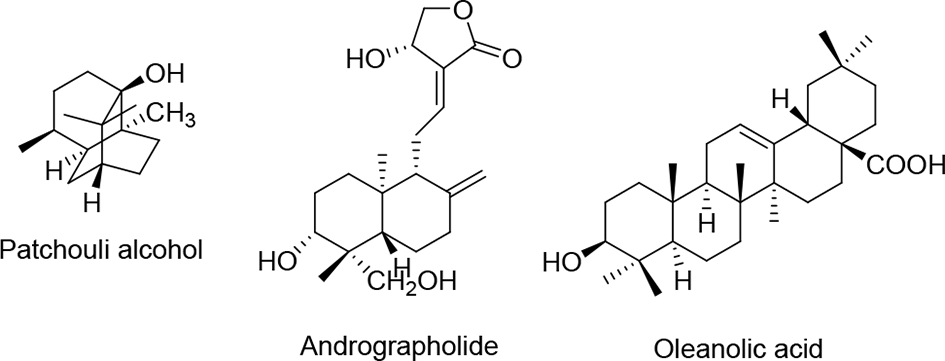
The structures of common terpenoids with antibacterial activities.
The Antibacterial Activity of Terpenoids.

Patchouli alcohol (PA) is a tricyclic sesquiterpenoid compound found in Pogostemon cablin (Blanco) Benth. Xu et al 58 found that it had anti-Helicobacter pylori activity in vitro and in vivo. The experimental data show that the bactericidal effect of PA is dependent on time and dose under different pH conditions, and the minimal bactericidal concentrations (MBCs) of PA were 25-75 µg/mL. In addition, PA has a significant inhibitory effect on the movement of H. pylori and the formation of flagella.
Studies have found that artemisinin drugs have different antibacterial activities against anaerobic bacteria, facultative anaerobic bacteria, microaerophilic bacteria, and aerobic bacteria. This antibacterial activity has specificity and concentration dependence, which is reflected in different bacteria with different antibacterial activities. 59 -61
Pseudomonas aeruginosa is a clinically important conditional pathogen with strong pathogenicity and high mortality. Due to the widespread use of antibiotics, its sensitivity to most antibiotics is reduced. It is a common pathogen. Andrographolide is a diterpene lactone compound in the Chinese medicine Andrographis paniculata Nees. Cheng et al 62 found that andrographolide had a significant inhibitory effect on the biofilm of P. aeruginosa and synergistic antibacterial effect with azithromycin. Banerjee et al 63 found that andrographolide exhibited potential antibacterial activity against most of the tested Gram-positive bacteria, among which it was most sensitive to Staphylococcus aureus with a minimal inhibitory concentration (MIC) value of 100 µg/mL and was found to have an inhibitory effect on the formation of the biofilm of S. aureus.
Oleanolic acid is a pentacyclic triterpenoid compound isolated from plants. The results of one study showed oleanolic acid has a certain inhibitory effect on S. aureus, methicillin-resistant S. aureus, and Streptococcus mutans. 64 Kim also found 65,66 that oleanolic acid can kill Listeria monocytogenes, Enterococcus faecium, and Enterococcus faecalis by destroying cell membranes of the bacteria, and the MICs were 16-32 μg/mL for L. monocytogenes and 32-64 μg/mL for E. faecium and E. faecalis, and bacterial cell viability decreased after exposure to 2× MIC of oleanolic acid.
Antiviral Effect
Terpenes are among the very promising source of new antimicrobials agents that have shown to have activity against viruses, bacteria, fungi, and protozoa. 67 The structures of terpenoids with antiviral effects are shown in Figure 4. Monoterpenoids, isoborneol and borneol, have strong activities against herpes simplex virus-1 (HSV-1). Isoborneol is a monoterpene found in a wide range of plant essential oils. This compound showed total inhibition of HSV-1 replication at a concentration of 0.06%. 68 Other monoterpene compounds such as thymol, α-terpinene, γ-terpinene, 1,8-cineole, α-terpineol, and citral isolated from tea tree, thyme, and eucalyptus demonstrated in vitro antiviral activity against HSV-1 by inhibition of virus greater than 80%. 69
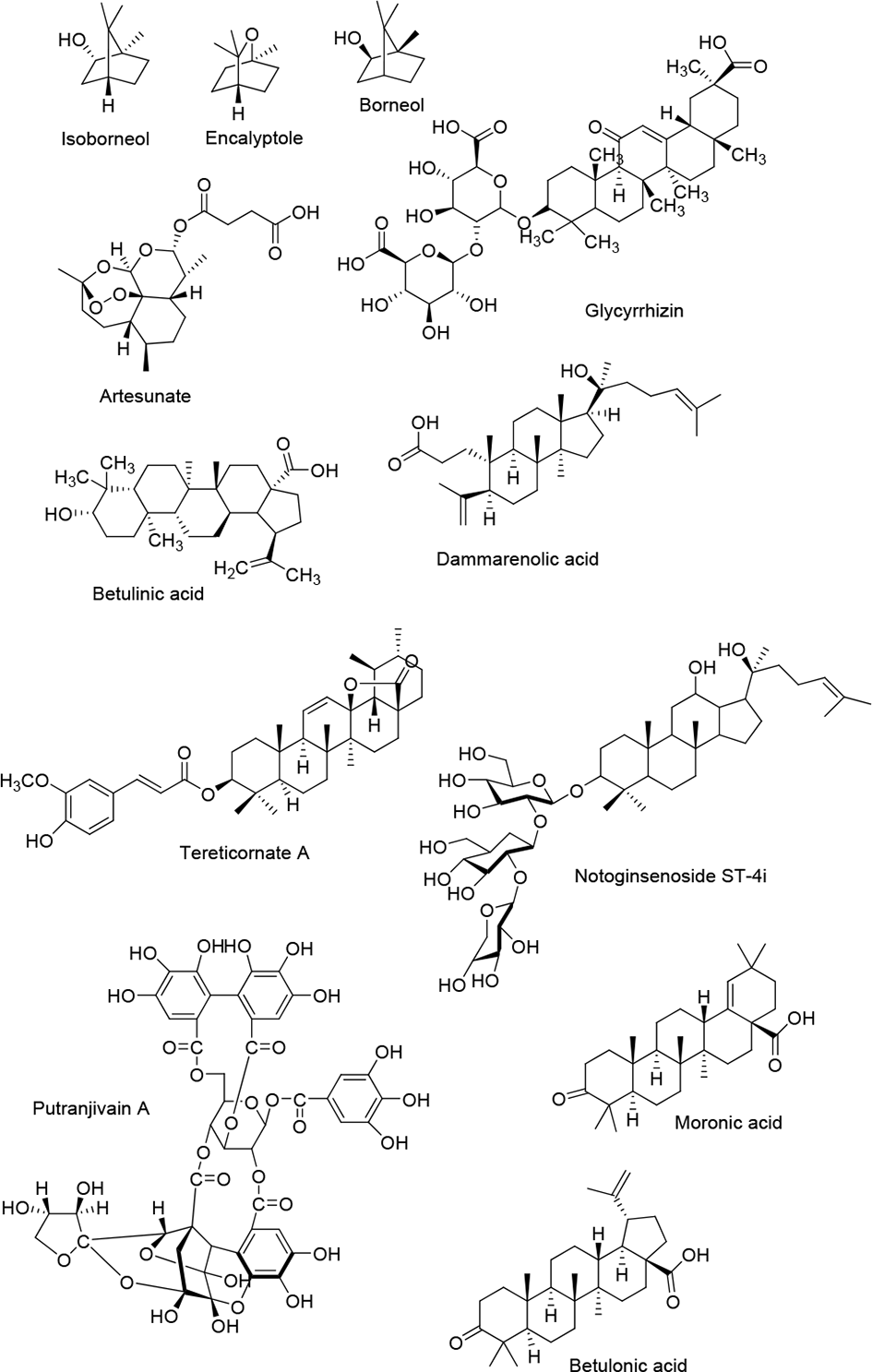
The structures of common terpenoids with antiviral effects.
Hassan et al 70 isolated 12 pure compounds from the leaves and twigs of Eucalyptus globulus and all of them were tested for antiherpetic activity against the replication of antigen types HSV-1 and HSV-2. The results demonstrated that the compound tereticornate A (IC50: 0.96 µg/mL; selectivity index CC50/IC50: 218.8) showed the strongest activity in the anti-HSV-1 assay, even greater than acyclovir (IC50: 1.92 µg /mL; selectivity index CC50/IC50: 109.4), a standard antiviral drug. And the compound also displayed moderate antibacterial effects and anti-inflammatory activity.
Putranjivain A, a diterpene isolated from Euphorbia jolkini, demonstrated antiviral effect against HSV-2 in Vero cells with an IC50 value of 6.3 µM. 71 The two triterpenes compounds, moronic acid and betulonic acid, extracted from the plant Rhus javanica showed in vitro potent inhibitory effect on HSV-1 with EC50 values of 3.9 and 2.6 µg/mL, respectively. 72 Notoginsenoside ST-4i, isolated from the Chinese herb Panax notoginseng, demonstrated in vitro remarkable inhibitory activities against HSV-1 and HSV-2 with EC50 values of 16.4 and 19.44 µM, respectively. 73 The results of inhibitory activity against HSV-1 of glycyrrhizin (GR) indicated that GR eliminated the increased susceptibility of thermally injured mice to HSV infectivity during the induction of CD4+ contrasuppressor T cells. 74
Artemisinin and its derivatives showed significant inhibitory activity on the hepatitis B virus (HBV) and hepatitis C virus (HCV). 75 Artesunate is the semisynthetic derivative of artemisinin, which has a more pronounced inhibitory effect on hepatitis B surface antigen (HBsAg). A synergistic effect was observed by combining artesunate with lamivudine (a drug for treating HBV).
Recent studies have found that andrographolide has a significant inhibitory effect on the replication process of the chikungunya virus (CHIKV) (a mosquito-borne alphavirus). 76 Andrographolide showed good inhibition of CHIKV infection and reduced virus production by approximately 3log10 with a 50% EC50 of 77 µM without cytotoxicity. Time-of-addition and RNA transfection studies showed that andrographolide affected CHIKV replication and the activity of andrographolide was shown to be cell type independent. Dengue fever is the most common viral disease transmitted by arthropods in humans, but there are currently no drugs against the dengue virus (DENV). Panraksa showed that andrographolide exhibited significant anti-DENV activity in both cell lines (HepG2 and HeLa), significantly reducing both the levels of cellular infection and virus output, with 50% EC50 for DENV of 21.304 µM and 22.739 µM for HepG2 and HeLa, respectively. 77
Harada et al 78 found that GR (a triterpenoid saponin) can inhibit the replication of severe acute respiratory syndrome-associated virus and regulate the mobility of the envelope of the human immunodeficiency virus (HIV).
Betulinic acid is a pentacyclic triterpenoid compound isolated from Syzigium claviforum. Betulinic acid and its derivatives have anti-HIV activity, and it is considered to be the earliest discovered pentacyclic triterpenoid compound with anti-HIV activity, which can affect the fusion between virus and cells, and also inhibit the activity of the reverse transcriptase and assembly of the virus. 79,80 Oleanolic acid, dammarenolic acid, and ursolic acid also have anti-HIV activity. 81 -83
Antimalarial Effect
Artemisinin is a sesquiterpene lactone compound isolated from Artemisia annua Linn in the 1970s. It is the most effective antimalarial drug after pyrimethamine, chloroquine, and primaquine and has the characteristics of low toxicity and high efficiency. Later, antimalarial drugs such as artesunate, arteether, and artemether have been synthesized by modifying the chemical structure of artemisinin (Figure 5). These drugs have small adverse reactions and can effectively kill the plasmodium in the red blood cell phase. Current research shows that when red blood cells are phagocytosed by plasmodium, heme molecules in high concentrations are released. Artemisinin is activated by heme in the place where the plasmodium metabolized vigorously and binds to the parasite proteins in the plasmodium body to make the proteins inactivated, achieving the purpose of killing plasmodium. 84 In addition, sarcoplasmic endoplasmic reticulum calcium ATPase (PfATP6), 85 translational controlled tumor protein, 86 and glutathione S transferase 87 have also been identified as nonheme protein substances that interact with artemisinin in the plasmodium. The antimalarial mechanism of artemisinin still needs further study.

The structures of common terpenoids with antimalarial effects.
Prevention and Treatment of Cardiovascular Diseases
In recent years, the incidence of cardiovascular diseases in humans has increased year by year. Finding effective drugs for treating cardiovascular diseases is an urgent task for researchers. Tanshinone IIA (TS) (Figure 6) is an active ingredient isolated from the rhizome of Chinese herbal medicine Salvia miltiorrhiza Bunge. The latest findings suggest that TS can prevent the formation of atherosclerosis and the damage and hypertrophy of the heart. In atherosclerosis, TS can inhibit the oxidation of low-density lipoprotein and the expression of proinflammatory factors, and TS also has certain activity and potential to stabilize atherosclerotic plaque. 88 In addition, TS has significant therapeutic effects on a variety of cardiovascular diseases, such as antimyocardial infarction, dilation of blood vessels, improvement of microcirculation, antiangina, etc. 89 -91

The structures of terpenoids with prevention and treatment of cardiovascular diseases.
Ginsenosides (Figure 6), in addition to its anti-inflammatory effects, also have significant therapeutic effects on various cardiovascular diseases, such as regulating vascular function, inhibiting cardiomyocyte hypertrophy, and inhibiting thrombosis. 92
Hypoglycemic Effect
Diabetes is a metabolic disease characterized by high blood sugar. The long-standing high blood sugar in diabetics can cause chronic damage and dysfunction in various tissues. Diterpenoid stevioside (SVS) (Figure 7) is an active ingredient isolated from plant stevia (Stevia rebaudiana (Bertoni) Hemsl.). In the study by Jeppesen et al, 93 it was found that SVS can significantly improve the hyperglycemia of rats. Its antihyperglycemic effect may be related to the expression of glycolytic-related genes, phosphorylation of liver mitochondrial ATP, and inhibition of nicotinamide adenine dinucleotide-oxidase activity, thereby achieving the effect of lowering blood sugar.

The structure of terpenoids with hypoglycemic effect.
In recent years, artemisinin has been found to be a potential drug to improve type 1 diabetes. Ginsenosides have also made great progress in the research of the prevention of diabetes and hypoglycemic activity.
Promote Transdermal Absorption
The presence of the stratum corneum of the skin is a major obstacle in the percutaneous administration process.
94
In order to enhance the permeability of drugs through the skin, researchers have done a lot of research. The most popular method currently is the application of penetration enhancers, including natural terpenes; the most commonly used terpenes being menthol, menthone, 1,8-cineole, cinene, and nerolidol (Figure 8).
95
Natural terpene has high activity, little skin irritation, and low toxicity and can safely and effectively promote transdermal absorption of drugs. In addition, several terpenes (such as 1,8-cineole, menthol, and menthone) have been included in the list of “Generally Recognized As Safe” issued by the US Food and Drug Administration. Hydrocarbon terpenes, such as
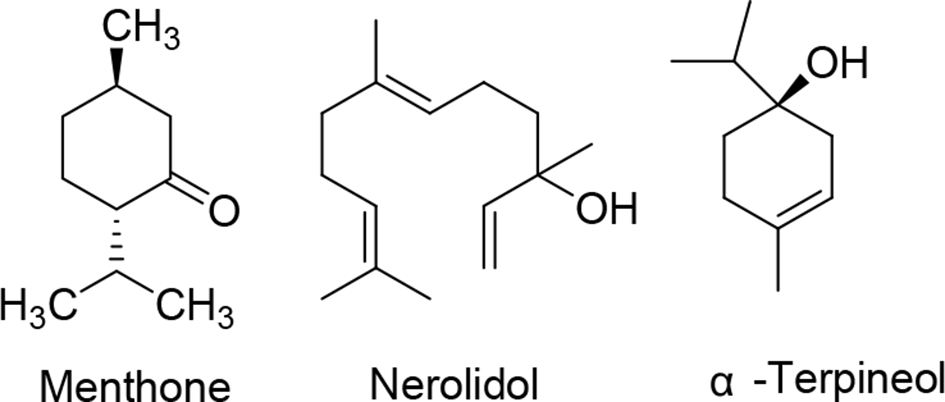
The structures of terpenoids with transdermal absorption.
Terpenes interfere with the lipid arrangement in the intercellular regions of the stratum corneum (SC), 101 which leads to increased permeability of the skin and thus aids in drug absorption.
The molecular mechanism studies suggested that monocyclic monoterpenes, such as menthol and menthone, enhanced the skin permeability by disordering the ordered organization of SC lipids and extracted part of SC lipids. 102 Recently, Wang et al 103 studied the mechanism of transdermal absorption of menthol and menthone on ligustrazine hydrochloride (LH). The results suggest that the mechanism of action may involve hydrogen bonding and interference with the SC lipid arrangement. In addition, the polarity of terpenes is a key factor affecting drug absorption. Terpenes, such as limonene, have a strong promoting effect on the penetration of lipophilic drug molecules, 104 while terpenes with polar groups, such as menthol, have a better penetration enhancing effect on hydrophilic drug molecules. 105
Other Biological Activity
In addition to the above-mentioned antitumor activity, anti-inflammatory activity, antibacterial activity, antiviral activity, antimalarial activity, prevention and treatment of cardiovascular diseases, hypoglycemic activity, terpenoids also have other biological and pharmacological activities, such as insect resistance, immunoregulation, antioxidation, antiaging, and neuroprotection.
The results showed that the monoterpenoid thymol (Figure 9) and its derivatives, menthol derivatives, have certain insecticidal activity. 106,107 Through a series of screening and determination, it was found that 3,7-dimethyl-1-octanol (dihydrocitronellol) is the most effective terpene with antischistosomal activity (IC50 values of 13–52 µM) 108 ; confocal laser scanning microscopy revealed that the compound induced severe tegumental damage in adult schistosomes and a correlation between viability and tegumental changes was observed.
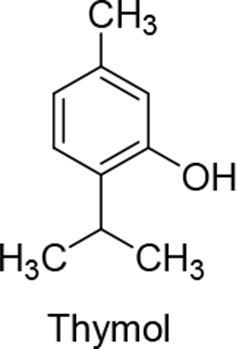
The structure of thymol.
Oleanolic acid, ursolic acid, triterpene acids of loquat (TAL) have good immunomodulatory effects. 109,110 They are potent immunomodulators of macrophages infected with virulent Mycobacterium tuberculosis and their immunomodulatory activity induced through activation of macrophages.
The ginsenoside Re isolated from American ginseng has an antioxidation effect and can protect cardiomyocytes from oxidative damage of internal and external oxidants. 111 Ginsenoside Rg1 regulates the expression of regulatory factors in the cell cycle and then exerts its antiaging effects. Currently, ginsenoside Rd is widely used for neuroprotection. In addition, Wan et al 112 found that ginsenoside Rd can alleviate cognitive dysfunction.
Conclusions and Outlooks
The structures of the most promising terpenoids that could be used as templates for further investigations were listed in Figure 10. The current research results show that various terpenoids have been shown to have significant disease prevention and treatment effects, and have antitumor, anti-inflammatory, antibacterial, antiviral, antimalarial effects and also show potential functions in immune regulation, neuroprotection, antiallergy. The activity exhibited by terpenoids has a considerable role in the development of new drugs and improvements in existing treatment options. At the same time, the biological activities of many terpenoids still require in-depth and meticulous research.
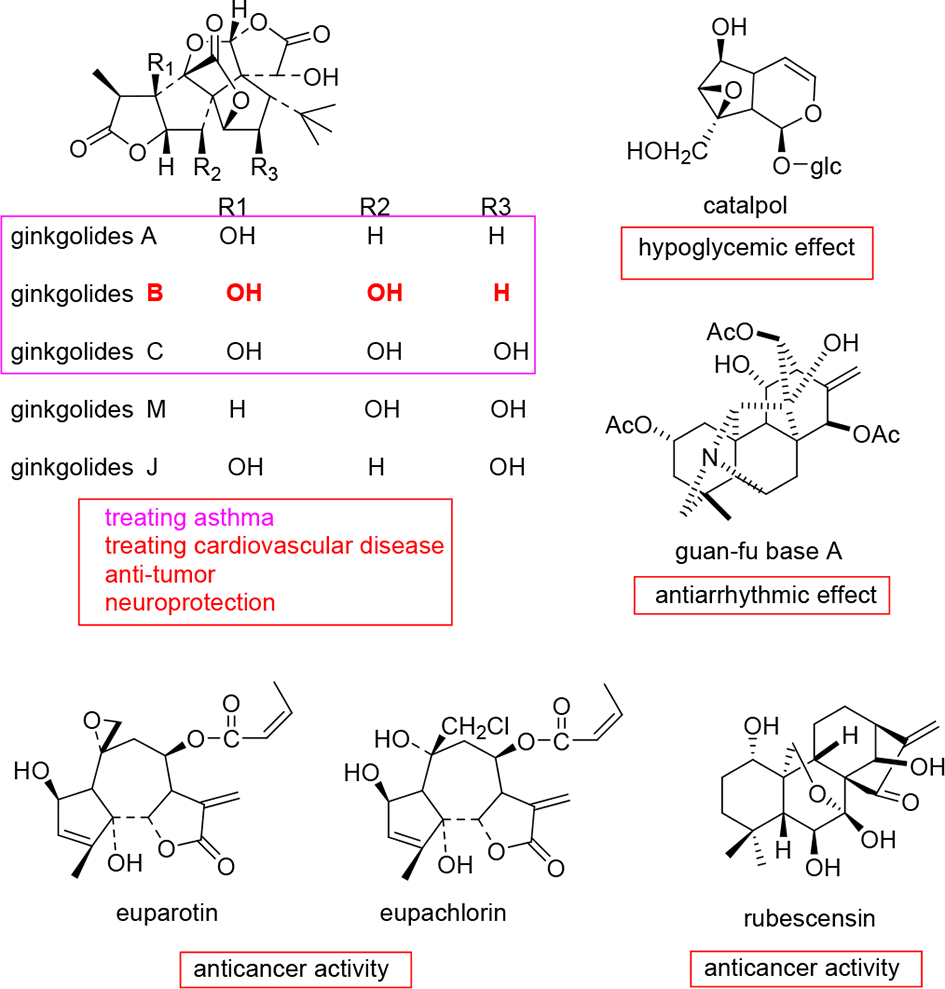
Structures of the most promising terpenoids.
The terpenoids are abundant in medicinal plants, and terpenoids are widely used, have enormous application potential, and broad development prospects. Terpenoids not only can be extracted and isolated from plants but also can be obtained based on metabolic engineering, synthetic biology, and biotransformation which are new sources of the synthesis of terpenoid and also solve the shortage of terpenoids. Structurally optimized terpenoids can be prepared in large quantities by synthetic biology to meet the needs of drug research and development.
At present, the mechanism of action of many terpenoids has not yet been elucidated. The combination of “omics” technology and molecular network pharmacology can be used to further study the mechanism and structure–activity relationship of terpenoids. Screening the activity of terpenoids is still a key step in the development of new drugs, the compounds with higher activity can be directly developed into new drugs, or structurally modified as lead compounds, and then screening new compounds with significant activity. It is an important means for the research and development of the drug, and it is also a hot spot in the field of natural product research. The new dosage form of terpenoids can be developed in combination with the new progress of pharmaceutics to maximize its pharmacological activity. Or terpenoids can be added as additives to health care products and cosmetics, which has broad market prospects and economic benefits.
Footnotes
Acknowledgments
This work was supported by The National Natural Science Foundation of China (21602095), A Project of Shandong Province Higher Educational Science and Technology Program (J18KA156), Doctoral Scientific Research Foundation of Linyi University (LYDX2016BS097), Students’ Platform for Innovation and Entrepreneurship Training Program (201910452044, 201810452010, 201710452179), The Key Research and Development Plan Program of Shandong Province (2017YYSP027).
Declaration of Conflicting Interests
The author(s) declared no potential conflicts of interest with respect to the research, authorship, and/or publication of this article.
Funding
The author(s) disclosed receipt of the following financial support for the research, authorship, and/or publication of this article: This work was supported by The National Natural Science Foundation of China (21602095), A Project of Shandong Province Higher Educational Science and Technology Program (J18KA156), Doctoral Scientific Research Foundation of Linyi University (LYDX2016BS097), Students’ Platform for Innovation and Entrepreneurship Training Program (201910452044, 201810452010, 201710452179), The Key Research and Development Plan Program of Shandong Province (2017YYSP027).
