



Abstract
Tribulus terrestris L. (TT) (puncturevine) is a common weed that grows in many countries worldwide and in some places is considered as a noxious weed. The plant has been used in traditional Chinese and Indian medicines and is now considered as one of the most popular aphrodisiacs. It is known for its healing properties for sexual difficulties, impotence, and human and animal hormonal imbalance. It is also used as a sexual booster. Because of the plant’s active substances that can be used for curing sexual and other disorders, interest in it is increasing, and it is currently one of the most studied medicinal plants. The products and preparations manufactured from the aboveground plant parts are especially popular among athletes and people with health issues and diseases such as hormonal imbalance, sexual problems, heart problems, and various kidney and skin diseases. The aim of this review is a comprehensive and critical assessment of the scientific publications involving TT, with special reference to its chemical constituents and biological properties that may facilitate current understanding and future studies of this fascinating plant species. The objectives of this review were (1) to find knowledge gaps, (2) to discuss critically relevant publications and issues with materials and methods that may be prerequisites for contradictory results, and (3) to identify research and development areas. It was found that some of the studies on TT extracts as aphrodisiacs are controversial. A significant number of research publications claim that TT extracts and nutritional supplements containing TT improve muscle tone, have a common biostimulating effect, and improve spermogenesis. However, there are a growing number of publications that dispute these claims, as there are no empirical data on commonly accepted mechanisms of action. The main biologically active substances in TT are steroidal saponins, flavonoids, alkaloids, and lignan amides, the most studied being the steroidal saponins. Multiyear data on the metabolic profile of the species are generally lacking. There are a variety of methods used for extracting plant material, differences in methodologies and saponin analyses, and scientific instruments that were used. Lack of common standards could be a reason for differences in the pharmacological activity and composition of the TT preparations. Development of standard procedures and methods for collection of plant material and analyses are recommended. Selection and breeding efforts and agronomic studies of promising clones of TT would need to be conducted in order to develop TT as a new crop. This will provide consistency of supply and quality of the feedstock for the pharmaceutical industry and could provide a new cash crop for growers.
Throughout history there has been interest in medicinal plants (MPs) and plant natural products (NP). Industrial and technological developments have helped to accumulate new information on plant NP. Folklore medicine worldwide uses around 70 000 MP species. 1,2 Over the past decades the use of NP and NP-based medicines (drugs) has increased significantly, 3 but there is still a significant lack of research data in this field.
Tribulus terrestris L. (puncture vine, puncturevine) (TT) is an annual ruderal plant of the Zygophyllaceae R. Br. family and is a common weed that grows in many countries across the globe. It is known for its healing property in sexual difficulties, impotence, and human and animal hormonal imbalance. It is also used as a sexual booster. However, in the last 30 years there has been a significant interest in this plant due to the discovery of its active substances that can be used for curing sexual and other disorders. It is currently one of the most studied MP. Figure 1 shows the number of publications on TT in CAB abstracts and Figure 2 shows the number of publications in SciFinder (ChemAbstracts). For example, during 2016 to 2017, the number of records (981) on TT in SciFinder was higher than the number of records in this database on blacksamson echinacea (Echinacea angustifolia, 44 records), purple coneflower (E. purpurea, 247 records), common basil (Ocimum basilicum, 700 records), oregano (Origanum vulgare, 541 records), garden sage (Salvia officinalis, 401 records), English lavender (Lavandula angustifolia, 819 records), and a little less than tea tree (Melaleuca alternifolia, 1121 records). Traditional medicines of India and China have used TT for centuries. 4 The plant has been used as an aphrodisiac and hormone booster in men and women, for treatment of impotence, infertility, urinary disorders, itchy skin, and blood purification. TT fruits have been used as an antiaging source and for the treatment of renal, liver, and cardiovascular diseases, and for oxidative stress. 5
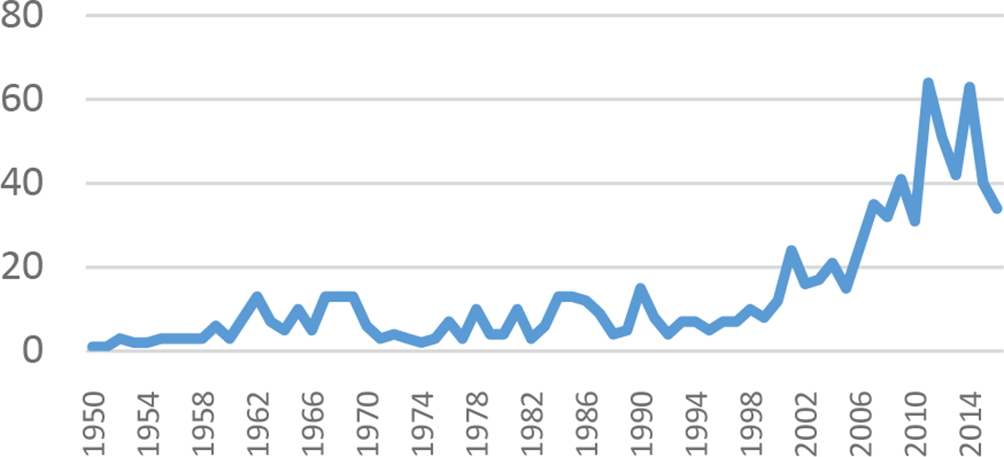
Number of records on Tribulus terrestris in CAB abstracts since 1950s.
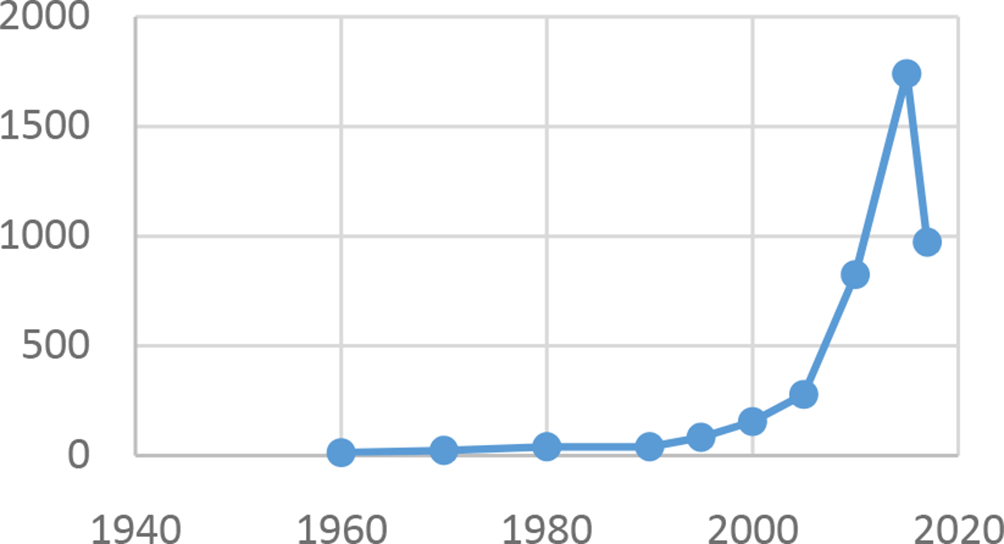
Number of records on Tribulus terrestris in SciFinder database (produced by Chemical Abstracts Service).
Research on the chemical composition of puncturevine began in the late 1960s. Tomova and Panova 6 and Panova and Tomova 7 analyzed the phytochemical composition of Bulgarian populations of TT. Тоmova et al 8 and Тomova аnd Gyulimetova 9 created a drug for veterinary medicine that increased the sperm level and quality in rabbits. As a result, Tomova et al 10 developed a drug called Tribestan and it was later standardized in a clinical study. 11 Clinical trials 12 -14 proved that TT extracts can be successfully used for treatment of infertility and women’s menopause syndrome. Viktorov et al 12 and Protich et al 13 conducted laboratory studies and found the drug to be safe. In clinical trials (http://www.tribestan.com/clinic1.htm, www.herbpharmusa.com), TT extracts successfully treated infertility and women’s menopause syndrome in 49 out of 50 (98%) of the treated patients. 14
As a result of the pharmacological activity of the products, the use of TT extracts and the demand for TT products and nutritional supplements increased. 15 After Tribestan, several new and similar drugs were developed. 16
Many athletes started using TT plant extracts for increasing testosterone levels. 17 Kostova аnd Dinchev 18 and Moradi Kor et al 19 reported that TT extracts and nutritional supplements improved both muscle tonus and spermatogenesis, had a common biostimulating effect, and had a positive effect on male and female libido disorders, impotence, infertility, and sperm mobility. Some studies have proved that these extracts also have cardiovascular, cytotoxic, and antimicrobial activities. The world market offers pharmaceutical preparations and food supplements based on the saponin fraction of this plant; these are becoming popular among sports communities. More and more sportsmen prefer taking nutritional supplements with an androgenic effect instead of conventional steroids. 20 All these make the plant and plant-based products extremely popular. Although there has been a significant increase in the number of studies related to the plant’s chemical composition and its pharmacological activity, there are no studies with multiyear data for TT metabolite profile. There is no report that could fully summarize the plant’s chemical metabolism and its expanded pharmacological application in folk medicine. This was our justification for initiating a review article on studies of the phytochemical composition and biological activity of TT from 1965 to 2017.
Botanical Description
The plant emerges with 2 cotyledons (Figure 3(a)) and then forms a pair of typical leaves (Figure 3(b)). The stem is branched out polysympodially, with flowers placed on the top. 21,22 The length of the stem varies from 15 to 20 cm to more than 200 cm depending on the environmental conditions 23,24 (Figure 3(c) and (d)). The compound leaves are placed binately or consecutively on the stem accompanied by flowers. 24,25 Tribulus has a polymorphic fruit with medium forms and different epithets. 24,26 This variation in TT is most probably due to materials collected in places of extreme climatic conditions (high temperatures and drought) or due to hybridization of close species. 26 The fruit is an angle schizocarp capsule divided into 5 thorny (5 cocci or burrs) thick and closed fruit parts (nuts) with 2 to 5 seeds in them. 27 Seeds are flat, triangle-oval, with a long-sharp top and a flat base 28 (Figure 4(e)), with well-developed round embryo. 29

Tribulus terre stris at cotyledon stages (a). Its first pair of true leaves (b). (c) T. terrestris plants may reach up to 3 m in length. (d) T. terrestris plants may form a dense canopy and suppress other plants. Photos (a) to (d) taken by Dr Ivanka Semerdjieva. (e) Field trials on cultivation of T. terrestri s at Maritsa Vegetable Crops Research Institute in Plovdiv, Bulgaria, using drip tape irrigation. (f) Leucanithis stolida feeding on T. terrestris. Photos (e) and (f) provided by Dr H. Boteva.

(a) SEM micrograph of Tribulus terrestris fruit. (b) SEM micrograph of T. terrestris seeds. All photos taken by Dr Ivanka Semerdjieva.
Phytochemical Characterization
The whole aboveground plant (herb) of TT is used for medicinal purposes including whole or cut stems, leaves, flowers, and fruits. It has no specific smell or taste. 30 However, according to the monograph of the World Health Organization, 2 the fruits are the basic material for use.
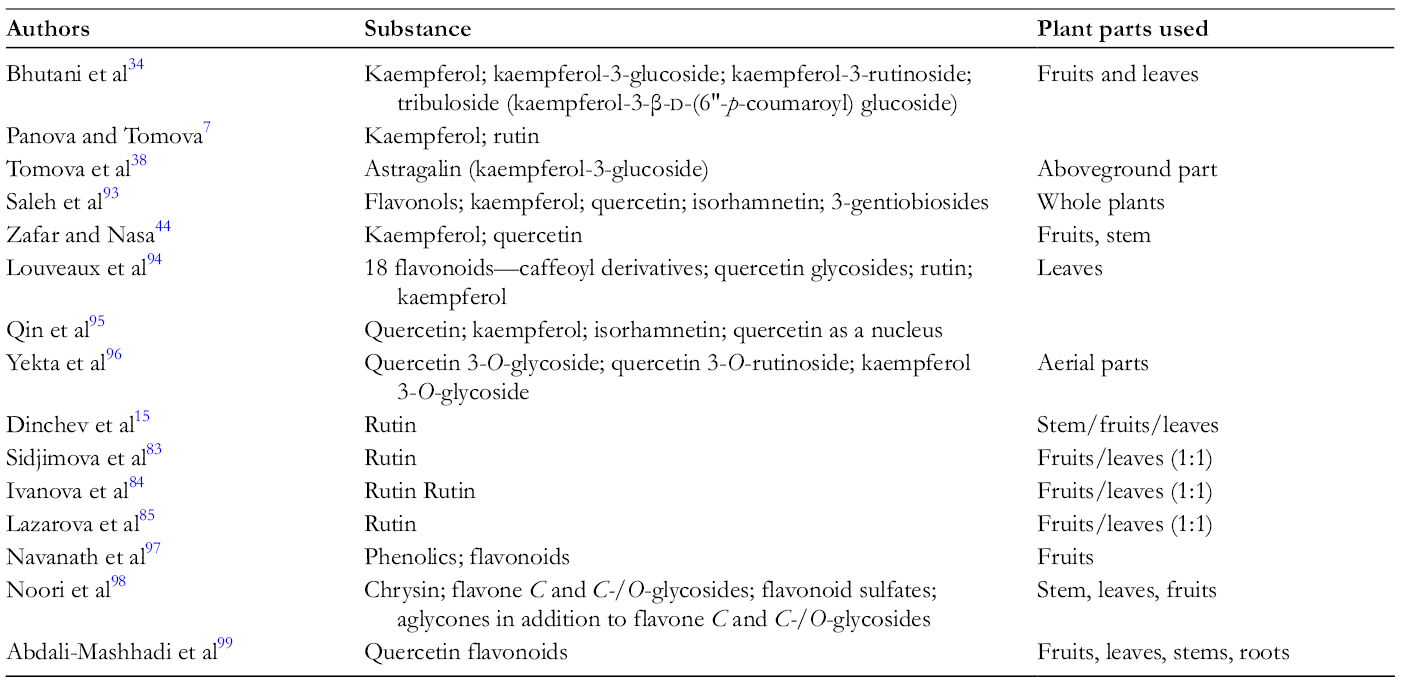
Overall, the fruit chemical composition has been examined most often, the shoots less often, and the separate different vegetative parts rarely. Several groups of NP in TT were established: steroids, saponins, flavonoids, sterols, Harman alkaloids, minerals, lignan amides, and cinnamic acid amides 18,31 (Tables 1 and 2). The basic plant medicinal properties are defined by the presence of steroidal saponins having a furostanol or spirostanol nucleus, glycosylated in 3 and/or 26 positions with linear and branched glycosidic units. 31 They are specific for the species’ chemical composition. 18 Therefore, numerous studies focused on the steroidal saponins.
Chemical Composition of Tribulus terrestris Depending on the Country, Used Plant Part, Extraction Method, and Analytical Instrumentation.

Flavonoids in Different Parts of Tribulus terrestris.
Steroidal Saponins
Common information and issues with comparing results
Saponins are a group of substances with various structures that consist of a hydrophobic aglycone and hydrophilic sugar residues (glycone), 100 and they are usually divided into triterpenoid and steroid glycosides, or into triterpenoid, spirostanol, and furostanol saponins. 101 There is a significant amount of research data about the species’ chemical composition, more specifically about the furostanol and spirostanol saponins that can be found mainly in plants from China, Bulgaria, and India; these will be discussed further in this review.
Generally, there are some difficulties in comparing the results from various studies because
Authors use different methods for saponin extraction; there are also differences in the percent of ethyl alcohol content, extraction time, hydrolysis, and temperature.
Different chromatographic techniques are applied for dividing and identifying the saponin mixtures. Because the compounds are unstable, separation of the saponin mixture into individual fractions is difficult. 18
Different studies analyze different plant parts: fruits, leaves, stem, or whole aboveground plant parts. Fruits are the most examined and reported, which lead to differences in the reported content of saponins.
The samples have been collected in different geographical, climatic, and ecological conditions of growth that all influence the saponin structure. Szakiel et al 102 noticed that the quantitative and qualitative saponin structure depends on several factors: climate, light, water, soil, and local regional characteristics.
Most studies do not report the growth stage of the plants or when the plants were collected. It is common knowledge that the saponin levels increase before and during the flowering stage, and they decrease during the mass fruit formation.
To clarify the saponin structure, conventional analyses are conducted following various pretreatments and methods: hydrolysis, methanolysis, 1D and 2D NMR and IR spectroscopic and MS methods. The saponin structure is divided into aglycone and monosaccharides, and after that each part is analyzed separately. 18 Based on this principle, earlier analyses of saponin qualitative structure were elucidated. 6,7,10,11,32,33,35,36,37,38,39,41,45,103,104
The first phytochemical studies in Bulgaria were conducted by Tomova et al. 9,11,38,39,104 They isolated 2.8% of a saponin mixture containing 10 steroid substances (from A to K). With repeated column and thin-layer chromatography the saponins C, F, and G were isolated. Saponin F was established as tigogenin-3-diglucorhamnoside, called terrestroside F.
Further development in methods and research instrumentation has helped to expand knowledge about the plant phytochemical composition. Mulinacci et al 31 noticed that many researchers focused on extraction, purification, and determination of the saponin structure. The same authors established more than 30 different saponin glycosides in the plant 31,41,44,50,54 (Table 1).
Presence of chemoraces according to geographical origin
Studies demonstrated that the geographical origin influences the saponin variety in TT. 15,18,24,61,71,105 The differences include the variety of sapogenin and the number and type of glycone sugar units. Differences in quality have been reported in samples from China, India, and Bulgaria. 18,61 The authors reported that the products from India had a different saponin profile; there were different quantities of dioscin and protodioscin (PD). The latter authors assumed the presence of different chemo-types in China, India, and Bulgaria. Mulinacci et al 31 conducted a similar study of 5 products originating from Italy and the United States.
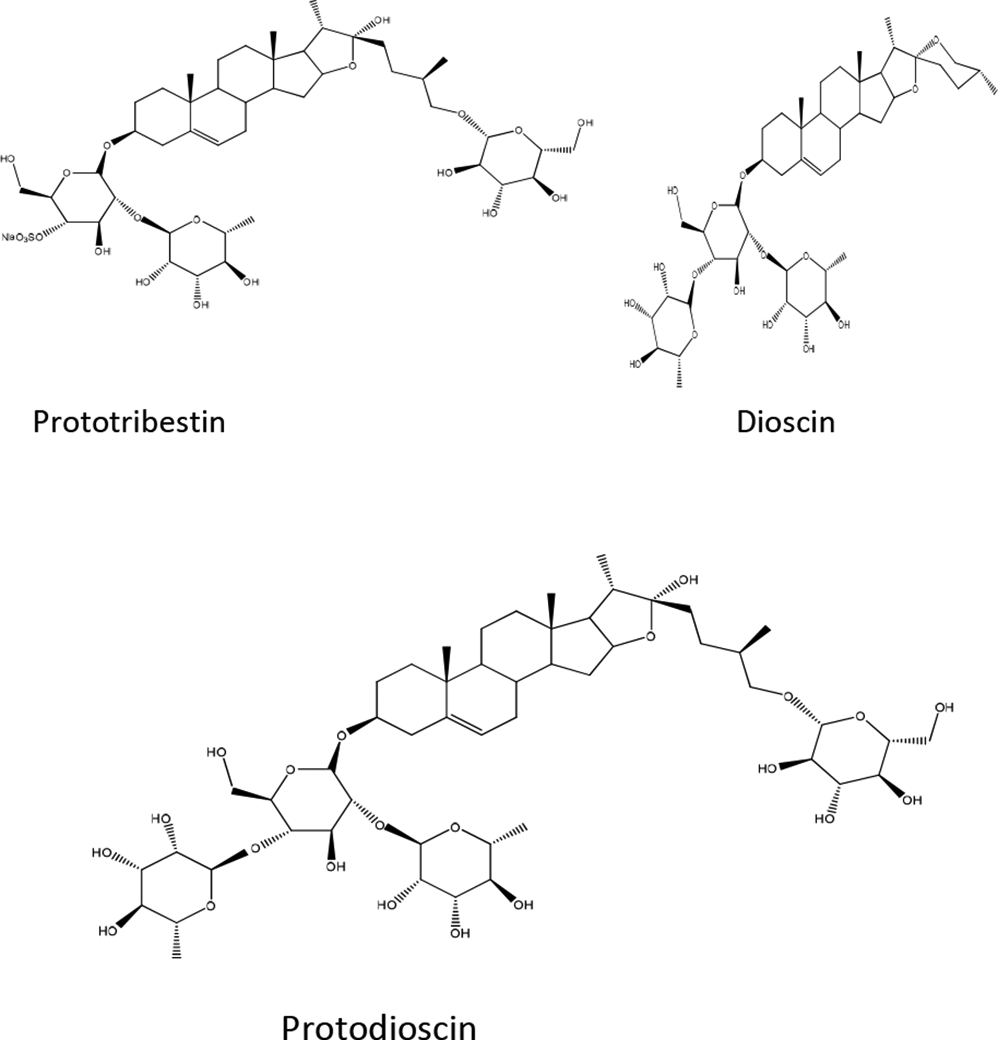
Кostova et al, 63 Kostova and Dinchev, 18 and Dinchev et al. 15 conducted extensive research on TT phytochemistry. They isolated various derivatives of tigogenin, neotigogenin, gitogenin, neogitogenin, hecogenin, neohecogenin, diosgenin, ruscogenin, chlorogenin, and sarsasapogenin. They also reported 4 sulfated saponins. Tigogenin, gitogenin, and hecogenin saponin types, structured with A/B rings, are typical for the Chinese samples. 18 Dioscin was found only in samples from India. The samples from Bulgaria, Turkey, Greece, Serbia, Macedonia, Georgia, and Iran exhibited similar chemical profile with PD and prototribestin (PT) as main components 15 (Figure 5). The authors concluded that there were different chemical types of TT depending on geographical origin. The same authors also proposed the existence of one chemotype typical for the regions of southeastern Europe and western Asia. PT and tribestin could be used as chemotaxonomic markers of this chemotype, as they are present in all samples of this group and totally absent in Indian and Vietnamese samples. 18
Chemical formulas of the steroidal saponins prototribestin, dioscin, and protodioscin. 63
Studies on Bulgarian flora have been conducted on the resources, biology, and phytochemical characteristics of TT across the country. 24,105 Significant work has been conducted on samples from at least 120 locations in Bulgaria with respect to accumulation of saponins, gene expression, and regulation of plant metabolism. 24,105
Influence of phenological stage on saponin composition
The saponin qualitative composition depends on the phenological stage and the examined vegetative parts of TT (the rooting and shooting systems). 15 From preflowering to flowering stage, the saponin content increased, and during the mass fruit formation it decreased. 15 Leaves had the highest steroid saponin content, followed by fruits and stems. 15 For the Bulgarian samples, the saponin accumulation was highest in the flowering stage, and for the Iranian sample it was highest in the preflowering stage. The maximum accumulation of tribulosin for the Bulgarian sample was in the preflowering stage and the minimum was in the flowering-seeding stage. 15,24 Tribulus terrestris fruits in China were intensively examined between 2008 and 2010 71,72,73,74,75,76,77,78,79,106 (Table 1). These researchers established new steroidal saponins for the species: triboloside D and E, terrestroside A, tribufurosides D and E, chloromaloside E, and others (Table 1).
Quantitative determination of saponins
There are relatively few reports about the saponin quantitative composition in TT conducted in different floristic regions in Bulgaria. Some studies examined the quantitative variability in the plant’s basic saponins: PD, PT, dioscin, and the flavonoid glucoside rutin. 83,84,85,105 These active components are specific for the saponin profile of the Bulgarian populations of TT. 83 It was established that the quantity of PD, PT, dioscin, and rutin increases in TT populations of southern Bulgaria, contrary to the populations of northern Bulgaria. Lazarova et al. 85 noticed that this is related to the fact that TT forms panmictic populations, and it is an insect-pollinated plant. As a result, there are high similarities between some fragmented populations. Samples taken only along the Black Sea coast in Bulgaria (north to south) showed less similarities at the population level, suggesting that TT exhibits chemical/geographical variation from north to south.
Flavonoids
There are some basic flavonoids in TT: kaempferol, astragalin, kaempferol-3-rhamnoglycoside, tribuluside, and rutin. Bhutani et al 34 and Panova and Tomova 7 are some of the first researchers who reported the presence of flavonoids such as kaempferol, kaempferol-3-glucoside, kaempferol-3-rutinoside, tribuloside, and rutin in TT leaves and fruits. Saleh et al, 93 Zafar and Nasa, 44 Louveaux et al, 94 and Qin et al. 95 also isolated quercetin, kaempferol, and isorhamnetin. Alavia et al 98 isolated 3 flavonoid types from the shoots of an Iranian collection: quercetin 3-O-glycoside, quercetin 3-O-rutinoside, and kaempferol 3-O-glycoside.
Dinchev et al 15 examined the steroid saponin composition parallel with the rutin dynamics and quantity in the plant. They conducted several studies at the same time (1) to observe the impact of plant geographical origin on flavonoid synthesis (Bulgaria, Turkey, Greece, Serbia, Macedonia, Georgia, Iran, Vietnam); (2) to determine the flavonoid quantity in separate vegetative and generative plant parts; and (3) to determine the impact of the phenological stage on the rutin dynamics. They established that rutin was present in all of the samples, but it had a different profile. The lowest rutin content was found in the Vietnamese samples. The same researchers established rutin level increased before the mass flowering and decreased during the mass fruit formation. The rutin quantity varied and depended on the plant growth stage and the particular plant part that was sampled (leaves, fruits, stem) (Table 2). Flavonoid distribution in the samples is likely to provide important information about the chemotaxonomy of TT and will be a subject of our future studies.
Researchers from Bulgaria also examined the rutin quantity in TT. Samples have been collected from different floral regions in Bulgaria in different climatic conditions. 83 –85 Populations located in the southern part of the country may have been influenced by higher temperatures and had higher rutin concentrations. 84 PD, PT, and rutin dominated mainly in plant populations found in the micro region of Haskovo Plain (the towns of Simeonovgrad, Balgarin, Lyubimets, G. Dobrevo, and Raykova Mogila), as well as the region of Pazardzhik-Plovdiv Plain (the towns of Asenovgrad and Pazardzhik). Apparently, all samples contained high concentrations of steroidal saponins and also had a high rutin concentration, which ranged from 1.96 to 3.69 mg/g. Noori et al 107 studied the flavonoid content in separate vegetative and reproductive plant parts. They established that TT had the highest content of quercetin and kaempferol flavonoids in the 3 examined plant parts: roots, leaves, and fruits. Isorhamnetin and rutin were present only in the leaves. Chrysin was found in the fruits. 107
To establish the dynamics of quercetin in fruits, leaves, and stems of TT, Abdali-Mashhadi еt al 99 examined samples from different regions in Iran. It was found that quercetin levels varied depending on the region and the examined plant part. There was a high level of quercetin in leaves and fruits.
Alkaloids
Studies on the content of alkaloids in TT have been conducted in relation to animal poisonings (mostly in sheep). 108,109 Using thin-layer chromatography, Lutomski et al 110 found harmane in TT. Wu et al 56 reported alkaloids in the fruits of Chinese samples of TT, whereas Bourke et al 111 reported harmane and norharmane alkaloids in samples from Australia. In Australia, Bremner et al 112 noticed that symptoms from alkaloid poisonings were the same as those for Parkinson disease in humans. The basic toxicity was due to the presence of the β-carboline alkaloid, tribulusterine.
Lignan Amides and Cinnamic Acid Amides
Li et al 113 isolated tribulusamides A and B, lignan amides, in TT fruits. These compounds protect cells in the presence of tumors, induced by D-galactosamine (D-GalN)/tumor necrosis factor α (TNF-α). Ren et al 114 and Jain and Gupta 115 identified new derivatives of the cinnamic acid amides in fruits: terrestriamide (I) and 7-methylhydroindanone-1 (II).
Li et al 116 and Zhang et al 117 isolated a new lignan amide from TT fruits, feruloyl amide derivative, called tribulusamide C. It consists of pyrrolidine-2,5-dione, which distinguishes it from other lignan amides in TT fruits. Song et al 118 isolated metabolites from TT in order to determine their inhibition of α-glucosidase. Three derivatives of the cinnamic acid amide have been reported due to TT extract fractioning.
Sterols
Sterols in MP are presented by sitosterol, stigmasterol, and campesterol. Petkov 119 examined Bulgarian samples of TT and reported a group of sterols that are typical for plants. The author also reported a relatively high percentage of cholesterol (C27Δ5).
Pharmacological Activity of Herba T. terrestris
Sexual Problems, Impotence, and Hormonal Disbalance
Tribulus terrestris is widely used for treatment of decreased libido, for soothing the menopause symptoms, for sterility, and for other sexual problems. The commercial preparations based on TT extracts are recommended for muscle formation, erection improvement, libido increase, softening the period of pathological climacteric in women, and metabolism disorders. 120 –123
Analytical experiments related to spermatogenesis increase and sexuality improvement can be divided into 2 main groups:
The first group includes experiments with animals, mostly mice, rabbits, birds, and poultry. This group is a significant part of all the studies directed to the pharmacological activity of TT. 124 –137
Fewer experiments have been conducted with humans, most often using commercial products (eg, Tribestan, Vemoherb, Libilov). 11,14,123,138,139,140,141,142,143,144,145,146,147,148,149,150
Experiments with humans
Research revealed that the basic TT activity was due to PD. 138 This helps with muscle strength and the treatment of male sterility. 31,61,75 Some authors 68,138,141,142,143 consider that PD increases the level of dehydroepiandrosterone (DHEA) in infertile men. It can be concluded that this hormone is a predecessor of DHEA in patients with low hormone levels. This hormone is believed to play a role in improving cell functions (including the cell membrane), and correspondingly in improving health in general. PD leads to sexual libido improvement. Further research on DHEA activity mechanisms is needed due to a very limited number of studies.
Milanov et al 140 and Arsyad 142 proposed another explanation for PD activity. They suggested that PD increases the testosterone level and turns it into a powerful dehydrosterone. As a result, there is an increase in red blood cells, which consequently leads to better blood circulation and better oxygen supply in the organism. 139,142
Experiments conducted with volunteers show that PD, the major constituent of Tribestan, influences the hormone serum level of the hypothalamic-pituitary-gonadal axis without changing the concentration of adrenal hormones and adrenocorticotropic hormone. 123 The author emphasized that Tribestan is a safe preparation, with no side effects. Tribestan is recommended for treatment of some infertility cases in men and women, for male impotence, for the relief of neurovegetative and neuropsychic symptoms in women with climacteric and post-castration syndrome, and for improving lipid metabolism. 123
For a period of 12 weeks, Kamenov et al 120 tested men with erectile dysfunction and hypoactive sexuality and reported similar results. Tribestan improved sexual function, and the treatment was easy and safe for patients. 120 Tabakova et al 14 established that TT’s PD improved the spermatogenesis in stressed men, as well as menopause libido disorders in women. De Souza et al 149 reported that TT extracts can be used as an alternative treatment for hypoactive libido in women during postmenopause. The authors emphasize that TT is an effective source for reducing menopause symptoms and side effects. Its activity is based on the increase of serum levels of free and bioavailable testosterone. 149 Akhtari et al 148 reported that TT extracts are safe and effective for increasing women’s libido, but suggested that further examination of TT in women is required.
Khaleghi et al 139 and Shaiful et al 151 examined human semen incubated with 40 and 50 µg/mL of TT extract. They reported an increase in the total spermatozoa mobility and improvement of sperm concentration and spermatozoa morphology in men and concluded that TT extracts improve male fertility. Based on this research, Asadmobini et al 152 established that sperm mobility and vitality were improved due to antioxidant properties of TT extracts, and they concluded that TT could be used as a safe alternative for treatment of sexual disorders. Sansalone et al 153 examined TT and Ecklonia bicyclis extract activity (preparations such as Tradamix TXx1000) on erectile dysfunction in men. Results showed improvement in erection and ejaculation, and in quality of life, especially in men with moderate arterial dysfunction.
Neychev and Mitev, 154 Santos et al, 148 and Roaiah et al 155 reported contradictory results. Neychev and Mitev 154 tested TT extract activity on 21 healthy men divided into 3 groups. They monitored the levels of testosterone, androsterone, and luteinizing hormone. They found considerable differences in the levels of the tested hormones and concluded that TT had no steroidal effect. They suggested a future study to clarify the activity of TT steroidal saponins on serum testosterone. Roaiah et al 155 examined the effect of TT extracts in men with unclear sterility and found that there were no statistically significant differences before and after the examination in the level of common testosterone and luteinizing hormone. There was no significant correlation between the levels of testosterone and luteinizing hormone and sperm parameters. They concluded that TT extract is ineffective for the treatment of idiopathic sterility. 155 In patients with erectile dysfunction treated with TT extract, Santos et al 147 established an insignificant effect, which they considered to be a placebo effect.
Experiments with animals
As was mentioned above, many of the studies conducted to establish the application of TT extracts have been conducted on animals. Studies related to the pharmacological use of TT were reported for the first time with the product ТВ-68. 8,9 During the trial period, this preparation showed significant stimulating activity of sexual function, spermatogenesis, and libido. 8,9
According to Neychev and Mitev, 156 studies on animals to determine the stimulating effect of TT extracts can be classified in 3 ways: (1) studies of pituitary-gonadal axis hormones; (2) studies of sexual behavior; (3) studies of biophysical and biochemical aspects of the erectile function effect. Studies conducted on albino rats 157 –159 overall have shown an increase in ovulation, an improvement of spermatogenesis, and an increase in the number of spermatozoa, spermatogonia, and spermatocytes. There are many publications on TT from India, Singapore, and Iran. Martino-Andrade et al 128 tested TT on castrated rabbits to establish the change of testosterone serum levels and the effects in female rabbits. They concluded that there was no androgenic and estrogenic activity in castrated rabbits. Tribulus terrestris did not stimulate the endocrine system and prostate; there was no activity on albino rats on the seminal vesicle, uterus, or vagina. 128
Gauthaman et al 124,159,160,161 and Gauthaman and Ganesan 125 tested the hormonal effects of TT extracts in primates, rabbits, and rats. They reported an increase in androgenic hormone levels and erectile dysfunction improvement. They all concluded that TT had aphrodisiac activity, probably due to its androgen increasing property. Аbadjieva and Kistanova 137 conducted an experiment on rabbits, adding dry TT extract to their diet for 45 days before insemination. The authors described the changes in growth factors BMP15 and GDF9 at the mRNA and protein levels in the follicular structures of female rabbits in 2 generations: mothers and F1 female offspring. Results showed that BMP15 and GDF9 were sensitive to TT bioactive compounds. There was an increase of GDF9 at the mRNA and protein levels of rabbit oocytes and cumulus cells. 137
A number of experiments with rabbits suffering from diabetes and ovarian polycystic syndrome have found a medicinal effect of TT. Doses of 5 to 10 mg/kg of Withania somnifera and TT extracts improved ovary function. 136 Ramin et al 132 tested TT extracts on rabbits with sexual dysfunction, and their results demonstrated the extract’s effectiveness and its safe therapeutic use.
There are numerous studies on the effects of TT extracts on mice and rats. The studies describe the sexual behavior and reactions of the tested animals (eg, erection, spermatogenesis, and ejaculation), and the luteinizing hormone and steroid levels in blood. 129,133,135,162,163 According to Keshtmand et al, 134 TT extracts can be successfully used in postchemotherapy rats for improvement of sperm parameters; the protective effect was due to the presence of antioxidants having central and peripheral activity mechanisms. Ghanbari et al 163 reported that TT extracts reduced the unfavorable effects of diabetes on male rat reproduction. Extracts improved spermatogenesis parameters and increased the serum testosterone level. Kumari and Singh 135 examined mice suffering from oxidative stress. They established that TT extracts improved metronidazole-induced spermatogenesis in testes, but only high doses of TT fruit extract (200 mg/kg) restored the spermatogenesis. The authors suggested that this effect was due to the presence of antioxidant flavonoids, rather than steroidal saponins. A drug based on TT extracts can be prescribed safely, without affecting the fertility potential in males. 135 Hemalatha and Rajeswari 162 and Yin et al 164 reported an increase in body mass, reproductive organs mass, and physical strength due to the application of butanol extracts of TT fruit. The authors also reported increased spermatozoa mobility and increased testosterone levels and concluded that such a preparation can be used for infertility treatment. Qu and An 165 obtained similar results and reported that the increase of rat strength led to an increased immunity due to higher hemoglobin levels.
Cardiovascular Diseases
Most of the clinical studies for establishing TT extract activity on the cardiovascular system have been conducted with animals. Yan еt al 50 examined 406 clinical cases and reported that TT saponins had a widening effect on coronary vessels and improved the blood stream. Cai et al 57,62 and Xu et al 59 found that TT had a favorable effect on coronary heart disease, myocardial infarction, brain atherosclerosis, and brain thromboses. Arsyad 141,142 assessed TT extracts to establish that PD played an important role in dehydrosterone formation, which improves spermatogenesis and helps red blood cell production (erythropoiesis); it also improved blood circulation, muscle development, and oxygen supply throughout the body. Tuncer et al 166 examined New Zealand rabbits treated with a cholesterol-rich diet and TT. They found that the dietary use of TT helps decrease the serum levels and serum lipid profiles. They suggested that the extract usage reduced the endothelial cell damage in cases of hypoglycemia, and TT may also help the partial recovery of endothelial dysfunction. 166
A number of authors 166 –172 established the TT saponin cardiotonic effect on myocardial infarction, ischemic disease, hypertonia, and coronary disease. For example, Yan Guo et al 168 tested TT extracts on rats with myocardial infarction and the results showed a decrease in serum lipidemia, relief in the left ventricular remodeling, and improvement in cardiac function, in an early stage after myocardial infarction. Sun et al 169 obtained similar results in establishing the role of hecogenin-3-O-β-d-glucopyranosyl (1→4)-β-d-galactopyranoside. During a chemical hypoxia-ischemia they found a significant increase in the expression of antiapoptotic protein through NaCN. Bcl-2 content increased in the cardiocyte membrane fraction in response to NaCN. Triterpene saponins control the cholesterol level and protect the cellular membranes from oxidation.
Reshma et al 172 examined the cardioprotective effect of TT methanol extract on a cell line model damaged by ischemia. They found that the extract content (its antioxidant potential, mediated through various bioactives) protected cellular mitochondria, which led to an increase in oxygen quantity. There was also increased membrane permeability. They noted the presence of ferulic acid, phloridzin, and diosgenin in TT fruit methanol extract. Pretreatment with TT methanol extract reduced the alterations caused by ischemia. The overall results of the study partially revealed the scientific basis of TT use in the traditional medicine system for heart diseases.
Ojha et al 173 reported that the use of TT normalized blood pressure and improved heart rhythm. Similar findings were reported by Phillips et al, 174 who studied TT methanolic and aqueous extracts on rat blood pressure. Overall, both extracts of TT demonstrated significant antihypertensive activity in naturally hypertensive rats. The antihypertensive effects seemed to stem from a relaxation of the arterial smooth muscle, which might be due to nitric oxide release and membrane hyperpolarization.
In experiments with rabbits, Liu et al 175 reported that the saponins of TT had a positive influence on the effects of hypoxia in the brainstem. Zhang et al 106 utilized tribulosin from TT against cardiac ischemia in rats and found that overall, tribulosin protected the myocardium against ischemia; it significantly reduced malondialdehyde, aspartate transaminases, creatine kinase, lactate dehydrogenase activity, and myocardial apoptosis. Similar results were also reported by Jiang et al. 176
Jiang et al 176 tested TT extracts on hypertensive rats (induced by a high-fat diet) and reported that TT decreased systolic and mean arterial pressure and heart rate, and also had a positive effect against weight gain and subsequently, antihypertension and endothelial protective effects. 176 Fotoohi et al 177 studied the interaction effect of TT aqueous extracts and resistant training on blood lipid profile in male rats and observed improved concentration of triglycerides, cholesterol, HDL, and LDL in rats that received the TT extract. Also, Kang et al 90 reported that 3 of the TT saponins had strong effects on the induction of platelet aggregation in albino rats.
Data on the reduction of cholesterol and triglycerides have been reported by Grigorova et al, 178 Christev et al, 179 and Fotoohi et al. 177 Overall, their results showed that TT significantly reduced levels of total triglycerides, total cholesterol, glucose, protein, and calcium in blood serum. The addition of Vemoherb-T significantly increased the hemoglobin level and the number of erythrocytes and leucocytes, and reduced the number of eosinophils in birds. 179
Antimicrobial and Anti-Infection Activity
Antibacterial activity of TT extracts varies in accordance with the plant’s origin and its saponin content. In a study of TT from Spain, Recio et al 180 established a weak activity of the chloroform extract. Ali et al 181 reported that the ethanol extract of TT from Yemen did not show antimicrobial activity, but did exhibit significant cytotoxic activity. In TT from Iran, it was reported that the methanol extract produced from different plant parts (stems, leaves, fruits) showed significant antimicrobial activity against Escherichia coli, Pseudomonas aeruginosa, and Enterococcus faecalis in concentrations of 2 to 4 mg/mL. 182 Kianbakht and Jahaniani 182 and Dastagir et al 183 reported similar results from a study of TT from Turkey.
Seven saponins isolated from TT from India demonstrated remarkable antifungal activity against Candida аlbicans and C. neoformans. 58,65 Zhang et al, 184 Al-Bayati and Al-Mola, 185 and Verma et al 186 also reported antimicrobial activity of TT in their studies. Hakemi-Vala et al 187 tested TT antibacterial effects against E. coli, P. aeruginosa, and Bacillus subtilis and reported that the total saponin content of TT had an antibacterial effect on Gram-negative and -positive bacteria, while the saponin fraction containing a benzoxazine derivative did not show such activity. They concluded that the antibacterial effect of the common extract was due to other active components or due to a synthesis of different extract components. Mohammed et al 188 tested the anti-infectional activity of different fractions of TT phytochemicals. GC-MS analysis established the presence of 25 components with different activity. The major peaks of the fractions revealed compounds with either known anti-inflammatory activity or others with activities related to the inflammation process. Soleimanpour еt al 189 tested mixed extracts of TT, Capsella bursa-pastoris, and Glycyrrhiza glabra for their antimicrobial activity against 6 pathogens (Streptococcus mutans, S. sanguis, Actinomyces viscosus, En. faecalis, Staphylococcus aureus, and E. coli); TT extract had high activity against all the pathogens. However, the antibacterial activity of the mixed extracts was more potent against all bacteria than any of the individual ones, suggesting synergistic effects between these 3 extracts.
Faramarz et al 190 used TT extracts as an antibiotic in poultry breeding, which had a positive effect on poultry growth and immunity. They concluded that TT powder had the potential to stimulate growth performance and immune responses of broiler chicks, and therefore it could be considered as a natural growth promoter.
Yilmaz et al 191 found that TT extract had a potential for symptom relief in Mozambique tilapia fish (Oreochromis mossambicus) suffering from liver disorder after S. iniae infection. They suggested that TT extracts improved nutrition and could be used as an alternative instead of antibiotics for streptococcus infections in tilapia fish.
Pandey 5 tested water and methanol extracts of TT fruit against Gram-positive strains (B. subtilis, St. aureus, St. epidermidis) and Gram-negative strains (E. coli, Shigella flexneri, P. aeruginosa). The results demonstrated that both TT extracts had antibacterial activity, but the methanolic extracts had greater activity than the aqueous ones. Batoel et al 192 tested the antibacterial activity of TT methanol extracts (with 54% saponin content) against clinically isolated E. coli and suggested that TT methanol extract could be used as an alternative treatment in cases of urinary infections.
Cytotoxic and Anticancer Activity
Anticancer activity
Cytotoxic activity in TT is due to the presence of saponin mixtures in the herb, specifically spirostane-type compounds. 18 There are many publications about the anticancer activity of TT saponins. 58,65,74,75,193,194,195,196,197,198,199,200,201,202 One of the first studies in this area was conducted with samples from China. 193,194 The authors established that in in vitro cultures dioscin and prosapogenin-A from dioscin showed cytotoxic activity against cancer cells of the К-562 cell line. Shao et al, 203 Hu and Yao, 195 and Su et al 74,75 reported that methylprotodioscin and PD prevented cell growth in cases of leukemia HL-60 and stopped cell development from lines of leukemia, large intestine cancer, and liver cancer. Sun еt al 204 found an inhibitory effect of TT extracts on Bcap37 lines of breast cancer. Wei еt al 201 reported that terrestrosin D suppressed prostatic gland growth in the presence of cancer. They believed that the antitumor and antiangiogenic activity was due to cell cycle detention and apoptosis induction in cancer and endothelial cells.
Sisto et al 205 assessed the effectiveness of TT saponins against UV-induced carcinogenesis in human keratinocytes. They reported that saponins attenuate the UVB-induced programmed cell death through inhibition of the habitual apoptosis pathways. They also suggested that the saponin photoprotective effect was related to the increased expression of NER genes and UVB block leading to activation of NF-jB. The expansion of molecular knowledge about the mechanisms of TT saponins to regulate cell death could potentially create new medicine for cancer patients. 206
Ivanova et al 197 had similar conclusions about the TT saponins and their potential as ingredients for new medicinal purposes. They assessed the influence of methylprotodioscin, pseudoprotodioscin, dioscin, a mixture of 3 saponin isomers, and trans-resveratrol on cancer cells. Saponin activity correlated to the sulfur-containing substituents, which were connected to the formation of charge transfer complex. The analysis showed the presence of sulfate and acetyl groups related to the sugar components of compounds 2 and 5 to 7. Data from the in vitro experiment showed that new P-gp inhibitors can be designed having a new activity mechanism. 194 Divya et al 200 conducted an in vitro study of the methanol extract of TT fruits on lymphoma (DLA) and tumor cells. They found a 50% inhibitory effect at a concentration of (IC50) 380 to 420 µg/mL. They established that the life span of sick animals was extended by 31 to 45% with the addition of TT. 200
Goranova et al 202 suggested that antitumor activity of TT saponin extract was due to its influence on the processes of apoptosis and metastasis of cancer cells. After application of the TT extract, they observed changes in the levels of mRNA in 3 genes: CXCR4, CCR7, and BCL2. They found a cell specificity of saponin activity, because while the CXCR4 expression was reduced in both cell lines, CCR7 and BCL2 levels were reduced only in tumorigenic MCF7 cells. Further in vivo studies should be conducted to demonstrate the application of TT saponin extracts as anticancer therapeutic agents.
Other uses of cell cytotoxicity
Kavitha and Jagadeesan 207 treated mice with a sublethal dose of mercury chloride and found that TT extract had a protective activity on the stomach and intestines. Ruchi et al 208 conducted experiments with samples of Indian TT and concluded that extracts of it protect cells from oxidative stress. Heidari et al 209 studied samples of Iranian TT and reported an analgesic effect.
Anthelmintic Activity
Only one publication in the accessible literature has reported data for the anthelminthic activity of tribulusin and sitosterin. 64
Antidiabetic Activity
Experiments with animals have shown that TT fruit extracts had a hypoglycemic effect. Bedir and Khan 58 in their studies with hyperglycemic animals found that blood sugar was reduced to its normal level when using TT fruit extracts. Li et al 210 reported a hypoglycemic effect of saponins, which reduced the serum glucose level. Amin et al 211 also found evidence of the protective effect of the TT herb extract (in the Arab Emirates) in animals and a decrease in the creatinine level in liver and blood. El-Tantawy and Hassanin 212 and Bonakdaram et al 213 successfully used TT plant parts for treatment of different diabetes forms, where the blood sugar went down to its normal level. El-Shaibany еt al 214 reported that TT methanol extract had a hyperglycemic effect in rabbits.
Only one study has been published with respect to diabetes in humans, conducted on women suffering from diabetes. 215 They reported a decrease in blood sugar and cholesterol levels in the treated group of patients, compared with the placebo (control) group. No significant effect was observed in the triglyceride and high-density lipoprotein levels. Song et al 118 reported that TT cinnamic acid amides show α-glucosidase inhibition.
Erkan and Nehir 216 assessed TT extracts and reported that saponins had an inhibitory effect on α-glucosidase (IC50 6967 ± 343 and 2885 ± 85.4 µg/mL, respectively) and α-amylase (IC50 343 ± 26.2 and 167 ± 6.12 µg/mL, respectively). The inhibitory activities of TT against lipase were 15.3 ± 2.03 and 9.74 ± 1.09 µg/mL, respectively. Food products based on TT were powerful inhibitors of the main enzymes when establishing carbohydrates and lipids in vitro. 216
Renal Diseases
TT successfully treated renal infections. In India it is used as a herbal tonic for urethra infections and as a diuretic for renal disorders. 217 In Ayurveda, TT is popular as a herb for treatment of kidney problems and as an aphrodisiac. 217 Park et al 218 also reported the plant’s diuretic activity and its use for urethra disinfection and as a carminative. In Bulgaria, plant extracts are recommended for urethra, prostate gland problems, and kidney stones and sand (urolithiasis). 30
Sharma et al fractioned TT extract and found that the n-butanol fraction had significant in vitro and ex vivo antiurolithiatic potential. HPLC analysis showed significantly higher contents of quercetin (1.95% ± 0.41%, w/w), diosgenin (12.75% ± 0.18%, w/w), and tannic acid (9.81% ± 0.47%, w/w) in the n-butanol fraction, compared with other fractions. 219 Najafi et al 220 established that the peroral use of TT extract for 2 weeks reduces functional renal disorder, oxidative stress, and cell damage in reperfusion injury in rats. Sахena and Argal 221 assessed alcoholic extracts of TT, Boerhavia diffusa, and Azadirachta indica on male albino rats and found that the polyherbal suspension TAB reduced urinary calcium, oxalate, phosphate, creatine, uric acid, and urea, resulting in an antiurolithiatic effect (Tables 1 and 2). The suspension prevented supersaturation and formation of stones, and the authors therefore concluded that the prepared polyherbal suspension could be used as a safe and effective antiurolithiatic source. 221
Other Pharmacological Uses of T. terrestris
From our review of the scientific literature it became clear that TT aerial parts and fruits are used for treatment of other diseases and disorders in addition to those already mentioned. In the Chinese Pharmacopoeia, TT is described as a medicinal plant, used from antiquity. It is recommended for liver recuperation, breast weight treatment, mastitis, acute conjunctivitis, headache, and vitiligo. 18,56 Lin et al 222 and Anand et al 223 also reported that TT fruits could be used for treatment of vitiligo. Also, in the traditional Chinese medicine, fruits are used for eye problems, edema, belly swelling, and sexual dysfunction. 56,59,62,135 In South Africa TT is used as a roborant and for treatment of diarrhea, throat, and eye problems. 224
Arcasoy et al 225 reported that TT saponin mixture can be effective for smooth muscles; it is recommended against spasms and colics. Chu et al 226 proved the protective and therapeutic effect of TT saponins; their use reduced the ТC and LDL levels in liver and increased superoxide dismutase. El-Tantawy and Hassanin 212 found that TT saponins revitalized β-cells of pancreatic islets. Nam et al 227 reported the modulatory effect of TT fruits on atopic dermatitis through modulating the activities of calcium ion channels, Orai1 and TRPV3. TT extracts have therapeutical potential for the recovery of normal skin barriers. 227
Ghareeb et al 228 examined extracts of Calluna vulgaris, Ferula hermonis, and TT and found that the activity depended on the concentration of antiacetylcholinesterase. The 3 extracts showed antioxidant function as they inhibited 1,1-diphenyl-2-picryl hydrazyl oxidation and production of thiobarbituric acid reactive substances. They also had an inhibitory effect on α-glucosidase. Ghareeb et al 228 concluded that the extracts could be used for the treatment of diabetes, Alzheimer’s disease, infections, and oxidative stress because they are rich in phenols and flavonoids. Prabhu et al 229 tested rats with a water extract of TT fruits and reported mental activity improvement.
Agricultural Application
Very often, TT has high projective ground coverage. It could be used as food for farm animals, especially in dry locations, but this could lead to poisonings of some animals. 23,230 Aslani et al 231 reported clinical symptoms of toxicity in some goats, namely reduced cellular metabolism, necroses, liver lesions, kidney fibrosis, and necroses of cardial muscles.
In many regions, mosquitos cause diseases, infections, and contamination in animals and humans. Insect pest control using NP has been the focus of a number of recent studies. El-Sheikh et al 232 tested TT extracts in 3 solvents (ethanol, acetone, and light petroleum). Both acetone and light petroleum extracts had a toxic effect on mosquito chrysalises. The light petroleum and acetone extracts reduced adult emergence. The repellent activity of the examined plant extracts varied with the solvent used, extraction, and the extraction dose. The most effective extract that caused 100% repellence or bite prevention was the light petroleum extract at a dose of 1.5 mg/cm2, an alternative to the existing synthetic pesticides for the control of Aedes aegypti, yellow fever mosquito. 228
Propagation and Potential for Cultivation
TT seeds do not germinate and emerge at the same time. 233,234 Several germination events during a single cropping season make it difficult to control it as a weed except in perennial crops. 50,229 A number of herbicides have been identified for TT control as a weed. 23 If TT is to be developed into a crop, the unequal germination and emergence of the seeds would need to be addressed. Anatomical studies and analyses of the TT fruits did not identify mechanical features that might be considered a prerequisite for their unequal germination and for the 6 to12 months long postharvest dormancy. 234,235
As indicated previously, TT samples from at least 120 locations in Bulgaria have been collected to characterize the accumulation of saponins, gene expression, and regulation of plant metabolism. 24,105 It was found that TT in natural habitats and in the established experimental plantations is often infested with diseases (such as mildew [Phytophthora spp.]) and several pests including cotton aphid (Aphis gossypii Glov.), caterpillars of the cotton bollworm (Helicoverpa armigera Hb. and Leucanithis stolida F.) (Figure 3(f), as well as spider mite (Tetranychus urticae Koch.). 24,236 It was found that the mildew-infested plants accumulated a greater amount of steroidal saponins. 24 Therefore, methods for control of pests and diseases would also need to be developed if TT is to be developed as an agricultural crop.
TT resources have been evaluated as feedstock for the pharmaceutical industry and also for their potential to stimulate the local economy. It was demonstrated that the accumulation of steroidal saponins, PT, PD, D, and rutin are influenced by the annual climatic characteristics. 24 In years with higher average temperatures and low quantity of precipitation, there was a high level of these substances. Boteva et al 237 conducted field trials with TT to evaluate between- and in-row spacing and irrigation on TT biomass yields. It was found that TT grown on raised beds with drip tape irrigation at 310 m3/ha provided the highest biomass yields 237 (Figure 3(e). Overall, agronomic studies on TT have been lacking.
Discussion and Conclusions
Analysis of the literature revealed several information gaps and also deficiencies with the published studies of the phytochemical composition and pharmacological use of TT.
Research has shown genetic variations within the species and possible collection of raw material from closely related taxa, for example, haploids. Research by Semerdjieva 24 identified TT resources with economic importance within several different populations in Bulgaria. Significant polymorphism and phenotypic variability was found within single TT populations and also between populations. Diploid, tetraploid, and hexaploid forms were observed. Also, variability of the TT fruits was observed, and fruit traits are often used for the identification of TT taxa. We may assume frequent misidentification of TT based on the phenotypic traits. These assumptions, along with the presence of polyploid forms, could most probably/frequently be the cause for the reported significant differences in the phytochemical composition of the species.
Secondly, in many studies, researchers used commercial products with an unknown saponin content, the raw material for their production was of unclear origin, and the collection time and phenological phase were not reported. Differential composition of saponins and other biologically active substances is a prerequisite for showing different effects on people and animals. Research has shown TT from India and other parts of Asia had a different profile of saponins compared with the TT from Bulgaria. 15,18 Research conducted by Semerdjieva 24 demonstrated significant differences in saponin concentrations and the ratio between different saponins among TT populations in Bulgaria. These were also changing as a function of the environmental conditions and collection years (Table 3). It is difficult to standardize TT products because of the observed quantitative and qualitative dynamics in TT saponins. Cultivation of TT would overcome a number of issues related to the concentration of biologically active substances and will ensure production of feedstock with consistent quality. There is little in the scientific literature on the standardization of TT preparations and products. The lack of clear standards that may be used in the production of PT, PD, and dioscin and in the preparation of extracts may probably be the cause for the observed differences in pharmacological activity.
Various extraction techniques and solvents have been used in the published research, and the absence of unified common extraction method and chemical analysis of saponins is yet another issue. Some researchers proposed quick, economic, and effective chemical analytical methods. 31,81 However, it seems that the various methods for plant material extraction and diverse analytical methods and analytical instrumentation make the results difficult to compare. For example, Li et al 238 reported that ultrasound extraction is a faster, easier, more reliable, and more effective method than the more common conventional heat reflux extraction method. These authors attempted to standardize a TT product for the Chinese shopping network. The same authors applied different extraction methods, such as different solvents and a different extraction time. They established that 40 minute extraction with methanol was the optimum extraction period for saponins and flavonoids in TT. 238
Concentrations of Protodioscin, Prototribestan, and Dioscin in Tribulus Terrestris Plants Collected at Different Locations in Bulgaria.

bdl, below detection limit.
Extracts obtained by different methods have different therapeutic properties. For example, Mohammed et al 188 established that the different solvents used for extraction of TT fruits have an influence upon the material’s anti-inflammatory activity. CHCl3 and MeOH extracts of the aboveground parts of TT had significant anti-inflammatory activities. The MeOH extract was fractionated with water, chloroform, ethyl acetate, and n-butanol. Only the aqueous and chloroform fractions registered good activity, and of these two, the chloroform fraction was best for reducing inflammation.
In other studies, mostly those with animals, researchers used TT fruit extracts obtained with different solvents (light petroleum, n-butanol, water, and dry extract). This is a prerequisite for different fractions extraction and consequently for various pharmacological activities.
Sometimes, testing of various TT preparations for pharmacological activity on animals and humans has been conducted on subjects that do not have a uniform health status and physiological parameters. Therefore, the results from such studies may be questionable. The testing period for TT products varied from 20 to 30 days to several months. It is common knowledge that herbal extracts may take longer to establish a particular effect compared with commercial synthetic drugs. Also, in most studies the fruits have been used although the highest saponin content is found in the leaves. 15 As previously mentioned, a number of factors influence the saponin profiles, including geographical region, plant growth stage at the time of collection, methods for postharvest handling and drying, and environmental factors such as temperature and annual precipitation.
The delineated issues with the collection of plant material and methodology are possible explanations for obtaining TT products with diverse phytochemical composition. Subsequently, these differences in the composition of saponins are probable causes for the observed varied pharmacological action. The outlined issues call for re-evaluation of the wild collection of TT to justify the development of the species as an agricultural crop. Consistency in saponins profile may resolve the issue with the observed variability in pharmacological action of TT extracts and products. Examples of this variation in the pharmacological action of TT were evident in the publications by Qureshi et al, 52 Neychev and Mitev, 156 Kovac et al, 53 and others. Qureshi et al 52 and Neychev and Mitev 156 reported that the herb’s ability to improve erectile dysfunctions in men is incorrect. Qureshi et al 52 concluded that the species extract applied in animals increased serum testosterone levels. In humans, there was such an effect only in combination with other supplements.
There is insufficient information about side effects and safety of TT products. The probable cause for lack of information is the fact that TT products are available as food supplements rather than as medications. It was reported that fruits may be hazardous for animals that may consume them. 56,110 The basic toxicity was due to the presence of the β-carboline alkaloid, tribulusterine. 110 The reported studies with humans were usually conducted for a short period up to 90 days. Therefore, side effects were usually mild and uncommon but included stomach pain, increased acidity of the stomach, and menstrual bleeding. 30
It is evident that TT could be developed as an agricultural crop, in addition to the development of standardized methodologies and preparations from TT. Selection and breeding efforts and agronomic studies of promising clones of TT would need to be conducted in order to develop TT as a new crop. This will guarantee consistency of supply and quality of the feedstock for the pharmaceutical industry, and would provide a new cash crop for growers.
Footnotes
Acknowledgments
We thank the Agricultural University in Plovdiv, Bulgaria, and Oregon State University, United States, for their great support. The authors thank Dr. Ljuba Evstatieva for her guidance and great support.
Declaration of Conflicting Interests
The author(s) declared no potential conflicts of interest with respect to the research, authorship, and/or publication of this article.
Funding
The author(s) disclosed receipt of the following financial support for the research, authorship, and/or publication of this article: The research was supported by the Natonal Science Fund of Bulgaria, Ministry of Education, Project DO 02-246.