




Abstract
This study examines the link between students’ sense of belonging (SSB) in higher education and their socioeconomic characteristics. Using data from the 2019 EUROSTUDENT VII survey, we analyze 5,266 bachelor’s degree students across 50 Georgian higher education institutions. Our findings indicate: (1) Nontraditional students report lower SSB compared to their traditional peers. (2) Underrepresented students from low-income or first-generation backgrounds experience heightened SSB, while those from ethnic minority groups exhibit decreased SSB. (3) SSB correlates positively with lecturer satisfaction and negatively with study program intensity. (4) Private university attendees demonstrate higher SSB than their public university.
Keywords
Highlights
1. Nontraditional students, including those who experienced a delayed transition into higher education or have parental responsibilities, often exhibit a higher SSB in comparison to their traditional student counterparts. 2. Underrepresented students from low-income or first-generation backgrounds are more likely to experience elevated levels of SSB. Conversely, those who are underrepresented based on ethnic minority status tend to report decreased levels of SSB; 3. SSB shows a positive correlation with students’ satisfaction towards their lecturers, and a negative correlation with the intensity of their study program. 4. Students at private universities have relatively higher SSB compared to their public university counterparts.
Introduction
In recent years, the global emphasis on sustainable development has significantly influenced the educational landscape. The United Nations’ Sustainable Development Goals (SDGs), as part of Agenda 2030, encompass 17 interconnected objectives aimed at addressing the world’s most pressing challenges. One key goal, SDG 4, strives to “ensure inclusive and equitable quality education and promote lifelong learning opportunities for all” (United Nations, 2015). This commitment to improving education resonates strongly with the Bologna Process, an ongoing effort to harmonize and reform higher education across the European Higher Education Area (EHEA). The Bologna Process has been instrumental in fostering cooperation and collaboration among EHEA member countries, promoting greater mobility, and enhancing the overall quality and competitiveness of European higher education (European Higher Education Area and Bologna Process, n.d.). As the world moves towards achieving the SDGs, the Bologna Process plays a crucial role in aligning its objectives with the global vision for sustainable development, particularly in the context of inclusive and equitable education.
To support the aforementioned goal, it’s important to ensure that all the students, irrespective of their geographic location, underrepresented backgrounds, or status as nontraditional students in higher education, have equitable access to high-caliber education. Hence, it is important to examine the conditions under which students pursue their studies and comprehend the factors that contribute to their success in the educational environment. Studies have demonstrated that, among numerous psychological and social aspects, students’ sense of belonging (SSB) to their institution is one of the critical factors influencing student-university interaction (Ahn & Davis, 2020a; Brooman & Darwent, 2014; Freeman et al., 2007; Pedler et al., 2022). Evidence suggests that, the SSB is related with student’s academic performance (van Herpen et al., 2020), academic and social engagement (Ahn & Davis, 2020b; Gillen-O’Neel, 2021; Neel & Fuligni, 2013), well-being (Kirby & Thomas, 2022), self-esteem motivation and academic self-confidence (Pedler et al., 2022), the expectancy of success (Goodenow & Grady, 1993), and their choice to discontinue their studies (Ahn & Davis, 2020b; Maunder, 2018; Pedler et al., 2022). Consequently, exploring students’ sense of belonging in higher education can have a far-reaching implication that educational policymakers, management of higher education institutions and educators should consider.
Sense of belonging in higher education
Belonging is one of the three fundamental psychological needs in self-determination theory and can be conceptualized as the requirement to experience connectedness with others, as articulated by Ryan and Deci (2020). Alternatively, Pardede et al. explain that the concept of SSB can also be understood as a compelling urge to seek out “the other” as a means of reflecting one’s self-image and experiencing a sense of connectedness and similarity by being part of the broader collective (2022, p. 8). Thereby, affective attachments foster the development of intrinsic motivation, and as a result, students are more motivated to pursue academic goals and have a more optimal level of functioning in the educational environment (Freeman et al., 2007; Gillen-O’Neel, 2021; Lawson & Lawson, 2013). Within the realm of educational psychology, the notion of SSB within higher education institutions is subject to diverse interpretations. Goodenow, for example, describes belonging is a feeling of being accepted, included by and connected to their institutions (1993). Tinto defines it as a generalized sense of membership that stems from students’ perception of their involvement in a variety of settings and the support they experience from those around them (2012) and for Ahn and Davis, belonging to their institution is students’ understanding of who they are, what they do, how much value they put on their experience, and how satisfied they are as students (2020a). The unifying element across these definitions is that a student’s sense of belonging to their institution is associated with feelings of acceptance, connection with the institution and its community, and their level of satisfaction with their educational experiences.
Current study
The literature review reveals a lack of research exploring the factors that influence the formation of a sense of belonging to higher education institutions. This deficiency is particularly interesting in the context of post-Soviet countries like Georgia. Georgia, a small country in the Caucasus region with a population of 3.7 million, serves as a bridge between Asia and Europe. Despite its geographical location, culturally, Georgia leans more towards Europe. After gaining independence from the Soviet Union in 1991, Georgia embarked on a journey from a centrally planned economy to a market economy. This transition included a transformation in the education sector, notably in higher education standards and requirements. Consequently, the total number of universities reduced from 171 in 2000 to 62 by 2020. Specifically, the number of public universities decreased from 26 to 19, while private universities saw a reduction from 145 to 43 during the same period. Despite this decrease in the number of private universities, their size increased, resulting in a rise in the proportion of students attending private institutions from 24% in the 2000 to 36% in 2020 (Labadze, 2023).
As a result, this research may be of interest to the broader academic community for several reasons: First, the post-Soviet historical legacy of Georgia provides a rich context for examining the multifaceted concept of students’ sense of belonging, while the conceptual framework from the EUROSTUDENT VII survey data assists in identifying relevant independent variables. This robust framework can be adapted for comparative analyses in other post-Soviet countries and Bologna Process signatories, as it offers valuable insights how socioeconomic and academic factors are correlated with students’ sense of belonging in higher education. Second, this study lays the groundwork for researchers to conduct cross-cultural comparisons, allowing for the exploration of similarities and differences in SSB across various academic and cultural contexts. These comparisons may contribute to the development of culturally sensitive educational policies and practices. Moreover, examining SSB in different socioeconomic settings can broaden and refine theoretical frameworks, leading to a more nuanced comprehension of the phenomena and the development of robust, generalizable theories. Third, the comprehensive understanding gained from this research can inform the development of tailored policies and practices that promote inclusivity and well-being for all students in diverse higher education environments. Analyzing the relationship between SSB and students’ socioeconomic factors in one country may offer insights to educational policymakers, management of higher education institutions and educators ensuring the effectiveness and relevance of implemented strategies. Lastly, it is important to note that most existing studies on SSB in higher education are not based on large-scale quantitative research and are often limited by relatively small sample sizes (Brooman & Darwent, 2014).
Therefore, conducting large-scale quantitative assessments in this area can be beneficial, as they offer greater generalizability, increased statistical power, and the opportunity to identify trends and patterns across diverse groups and contexts. Consequently, the primary objective of this research is to address the following question:
What are the relationships between students’ key socioeconomic and academic factors and their sense of belonging in higher education institutions?
In light of this objective, the current study endeavors to: (a) delineate the concept of SSB, (b) identify a range of antecedent factors that influence the formation of SSB, and (c) elucidate the relationship between socioeconomic and academic aspects in relation to belonging.
Methodology
Participants
In the present study, we are utilizing a secondary data analysis of the national dataset from the EUROSTUDENT VII survey, specifically focusing on the Georgian context, drawing upon a data collection approach that predominantly relies on self-assessment techniques. The target population encompasses all students enrolled in nationally recognized higher education study programs during the survey period, year 2019.
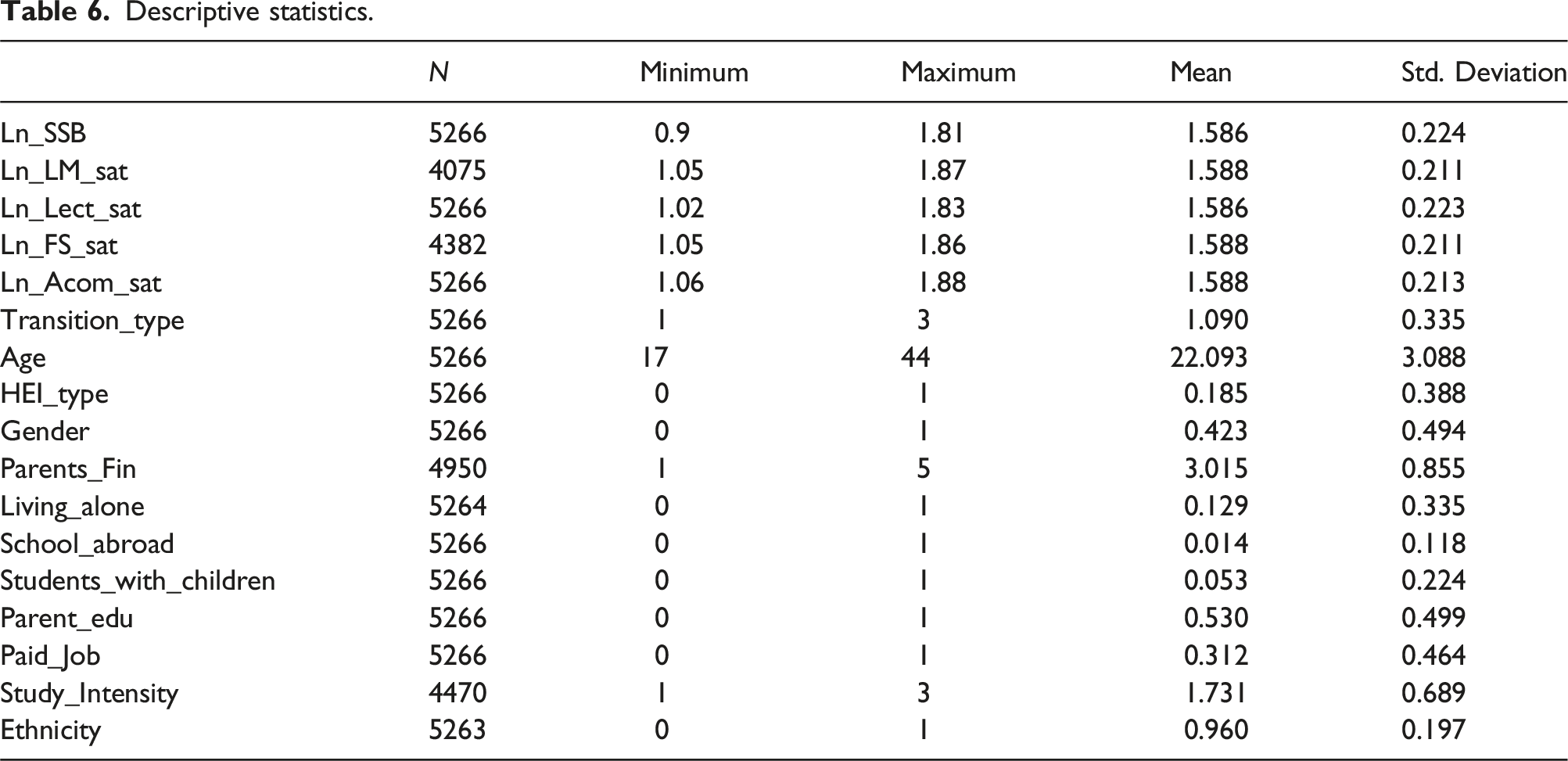
For the purposes of our analysis, we restrict our focus to undergraduate students pursuing bachelor’s degrees. The dataset includes 5,266 undergraduate students from 50 distinct institutions, of which 17 are public universities and the remaining are private establishments. Our sample female:male ratio is about 58%:42%, respectively, whose age ranges between 17 and 44 years (mean age = 22.1, st. dev. = 3.1). Most of these students are affiliated with state universities, with only 18% belonging to private HE institutions. Additionally, a significant proportion of these students reside with their family members, while only 13% is living independently. Notably, a small share of the students (5%) have children. In terms of parental education, slightly over half of the students (53%) have at least one parent with a higher education background.
Measures
The primary objective of this study is to investigate the factors that are associated with students’ sense of belonging in higher education. To this end, we employed multilinear regression analysis as a statistical tool to explore the relationship between various independent variables, described in Table 5, and the dependent variable, SSB. The study sought to provide insights into the underlying factors that contribute to students’ sense of belonging in academic settings.
Dependent variable
Students’ sense of belonging, SSB, statements (1 – strongly agree to 5 – do not agree at all).
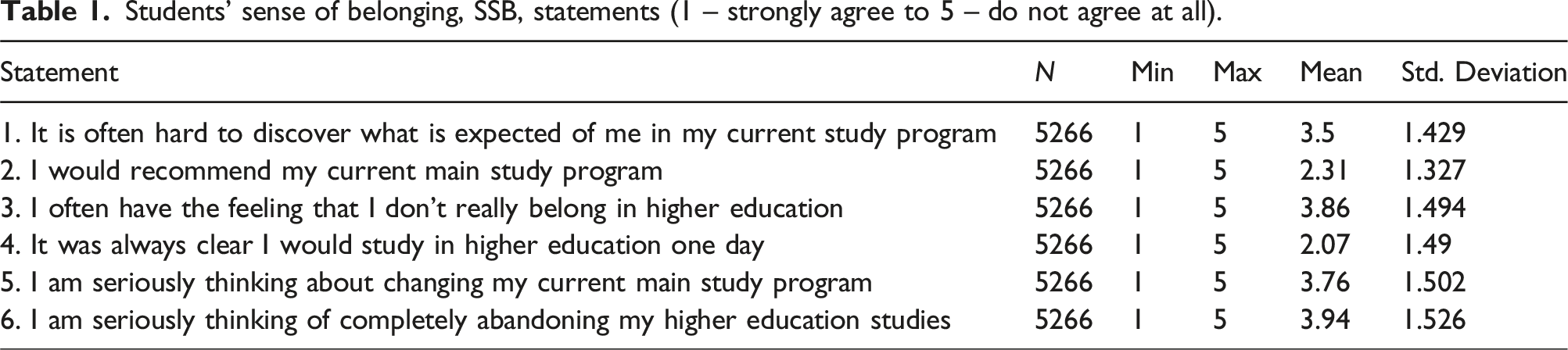
This conceptualization was based on the available items within the dataset that could serve as indicators of SSB concept. It is crucial to acknowledge that this variable acts as a proxy, given the constraints inherent in the available data. The research was not explicitly designed to evaluate the multifaceted construct of SSB comprehensively. Indicators of the proxy variable illuminate specific dimensions of belongingness; however, they might not encapsulate the entire complexity of the construct.
In order to ensure the reliability and validity of these measures, we first assessed the internal consistency reliability using Cronbach’s alpha (α = 0.833). Next, we conducted a series of tests to assess the suitability of factor analysis, including Bartlett’s Test of Sphericity (chi-square = 14041.9, p < .01) and the Kaiser–Meyer–Olkin measure (KMO = 0.795), which demonstrated that the dataset is appropriate for factor analysis.
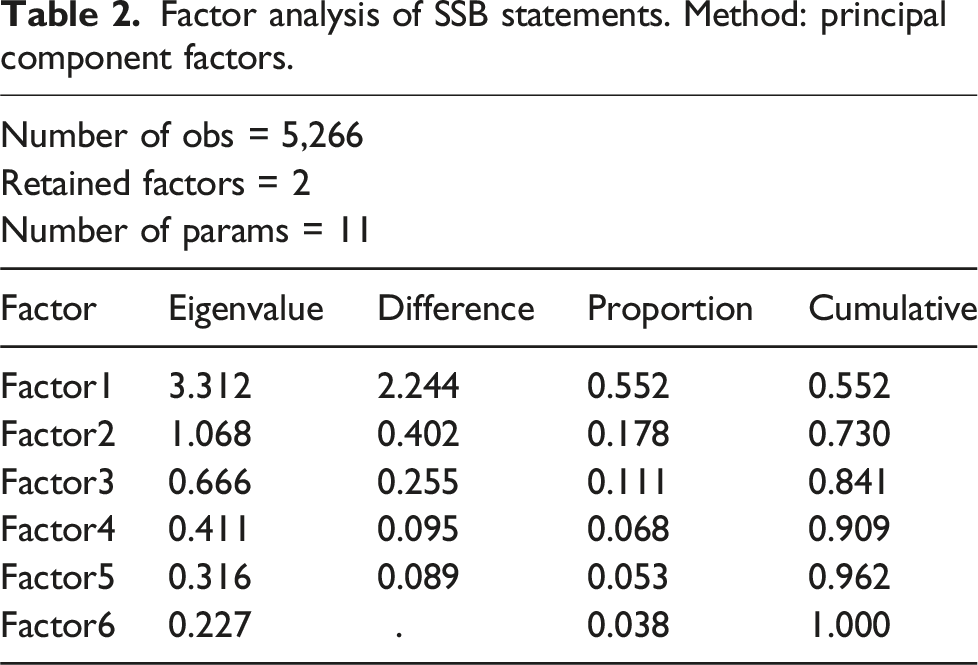
Factor analysis of SSB statements. Method: principal component factors.
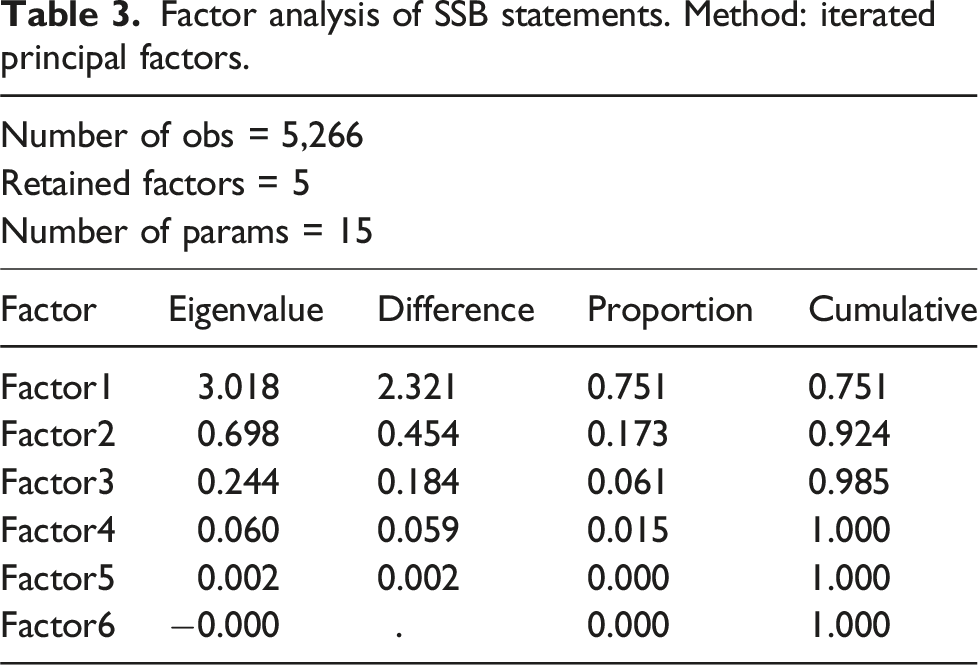
Factor analysis of SSB statements. Method: iterated principal factors.
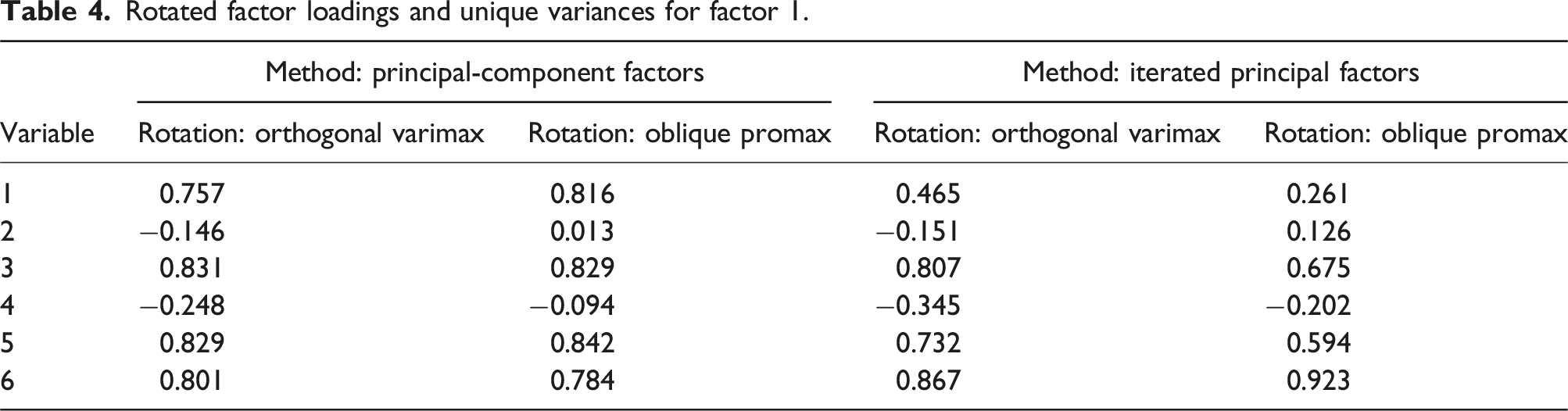
Rotated factor loadings and unique variances for factor 1.
Description of variables.
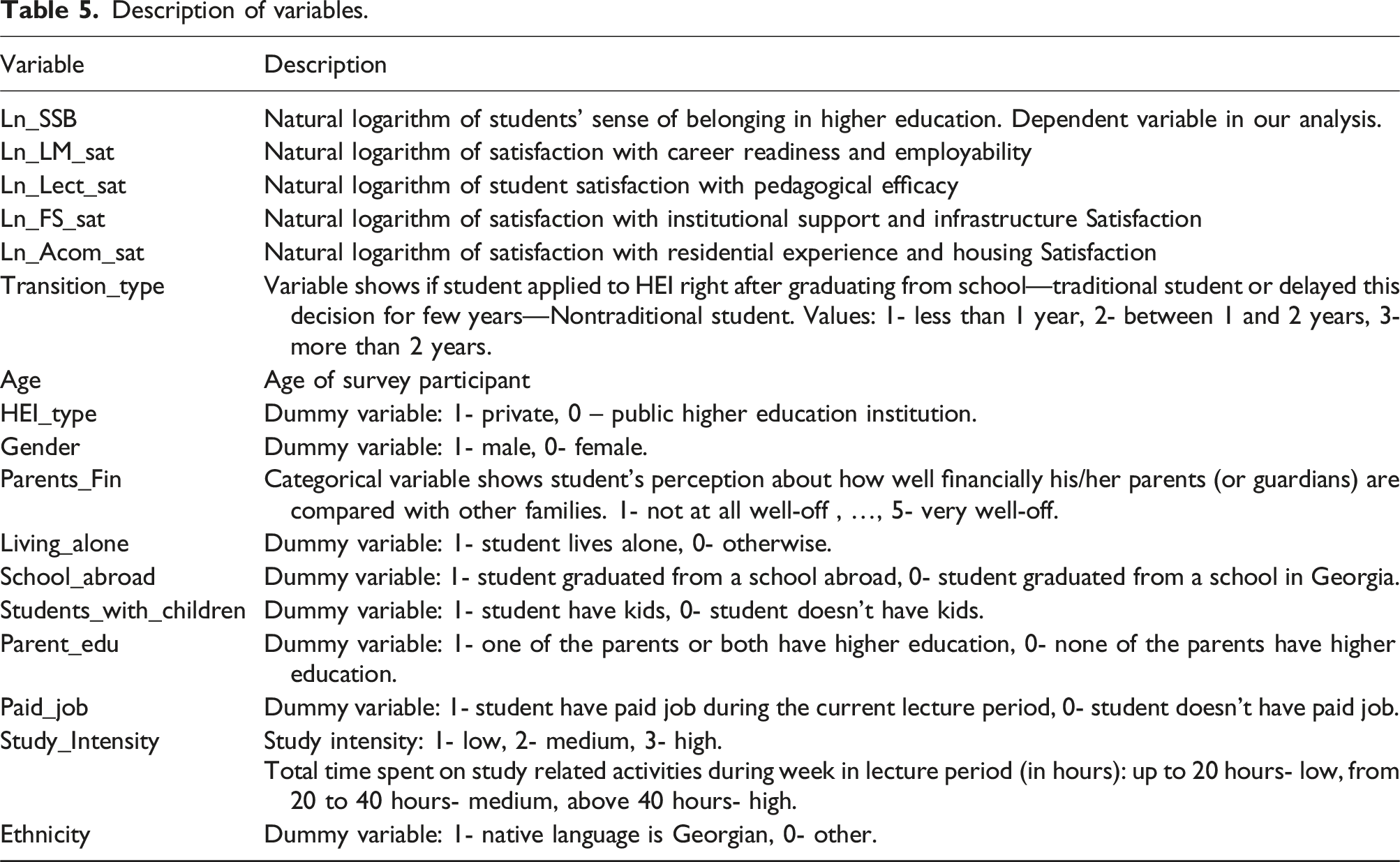
The term “Variable” in Table 4 refers to the statements presented in Table 1. As anticipated, the second and fourth variables exhibit a negative correlation with Factor 1 (Table 4), whereas the remaining variables exhibit a positive correlation, a pattern which is consistent for both methods (Tables 2 and 3). Specifically, students who struggle to ascertain the expectations of their current study program (Statement 1), experience a sense of detachment from higher education (Statement 3), contemplate changing their major (Statement 5), or even abandoning their studies altogether (Statement 6), demonstrate lower sense of belonging. Conversely, those students who recommend their current major (Statement 2) or who always envisioned themselves pursuing higher education (Statement 4) have higher sense of belonging in higher education.
Independent variables
Descriptive statistics.
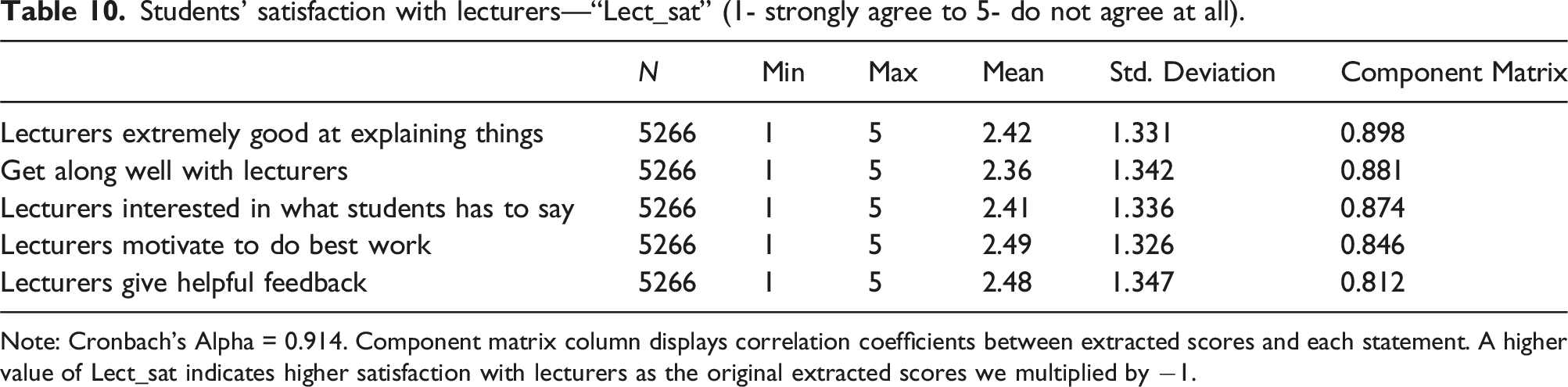
Student Satisfaction with Pedagogical Efficacy refers to the extent to which students perceive and appreciate the effectiveness of their instructors’ teaching methods, communication skills, and ability to create a positive learning environment (Böckelmann et al., 2022; De Hei et al., 2015; Griffioen et al., 2013; Rusticus et al., 2023; Umbach & Wawrzynski, 2005). A latent variable representing student satisfaction with lecturers was constructed using five statements (see Appendix Table 10). These statements emphasize the essential qualities and practices of effective lecturers, highlighting the crucial aspects of teaching that contribute to student satisfaction. These aspects encompass proficiency in explaining complex concepts, fostering positive relationships and approachability, valuing student input while promoting a sense of respect, motivating and challenging students to reach their full potential, and providing constructive feedback while encouraging continuous improvement.
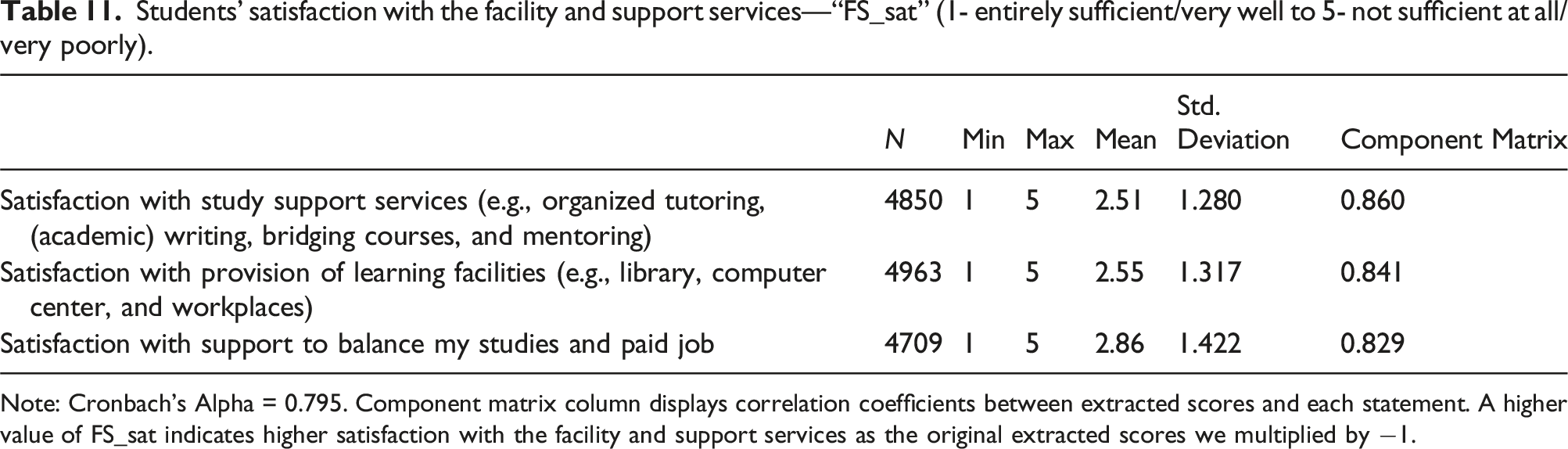
Institutional Support and Infrastructure Satisfaction refers to students’ level of satisfaction with the university’s facilities, support services, and resources provided to enhance their academic experience, personal development, and overall well-being (Hadjar et al., 2022; Stallman, 2010). A latent variable representing Institutional Support and Infrastructure Satisfaction was constructed using three statements (see Appendix Table 11). These statements emphasize satisfaction with study support services (e.g., organized tutoring, academic writing, bridging courses, and mentoring), infrastructure (e.g., library, computer center, and workplaces), and university support aimed at balancing students’ studies with their paid employment.
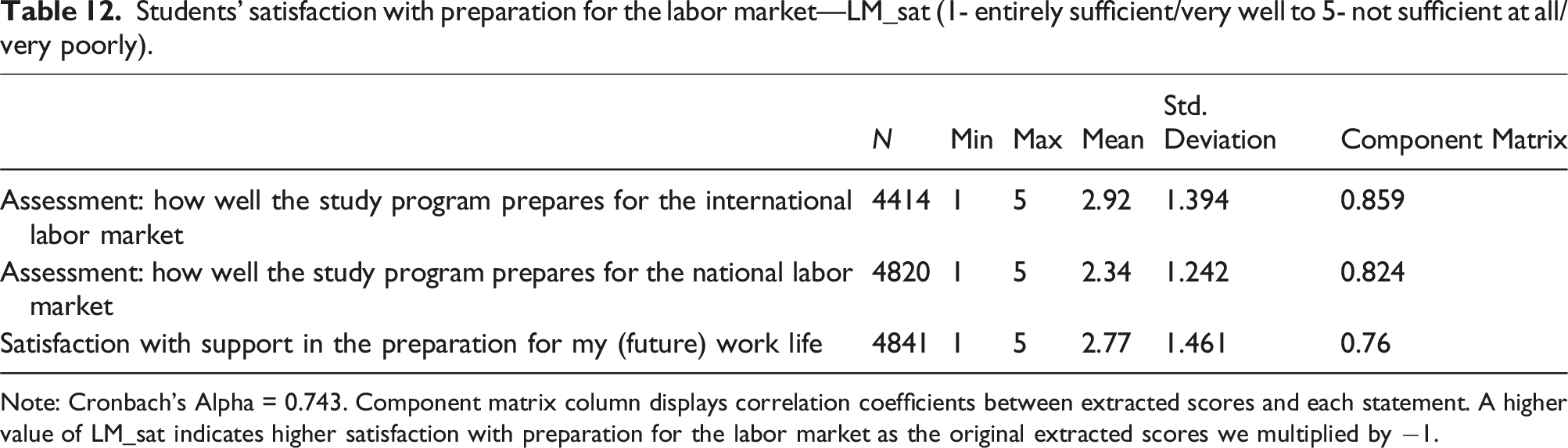
Career Readiness and Employability assesses the extent to which a university prepares its students for successful entry into the workforce by equipping them with the necessary skills, knowledge, and resources to meet industry demands and expectations (Clarke, 2018; Tomlinson, 2008; Tymon, 2013). A latent variable representing Career Readiness and Employability was constructed using three statements (see Appendix Table 12). These statements emphasize the effectiveness of the study program in preparing students for both international and national labor markets, as well as student satisfaction with the support provided in preparing them for their future careers.
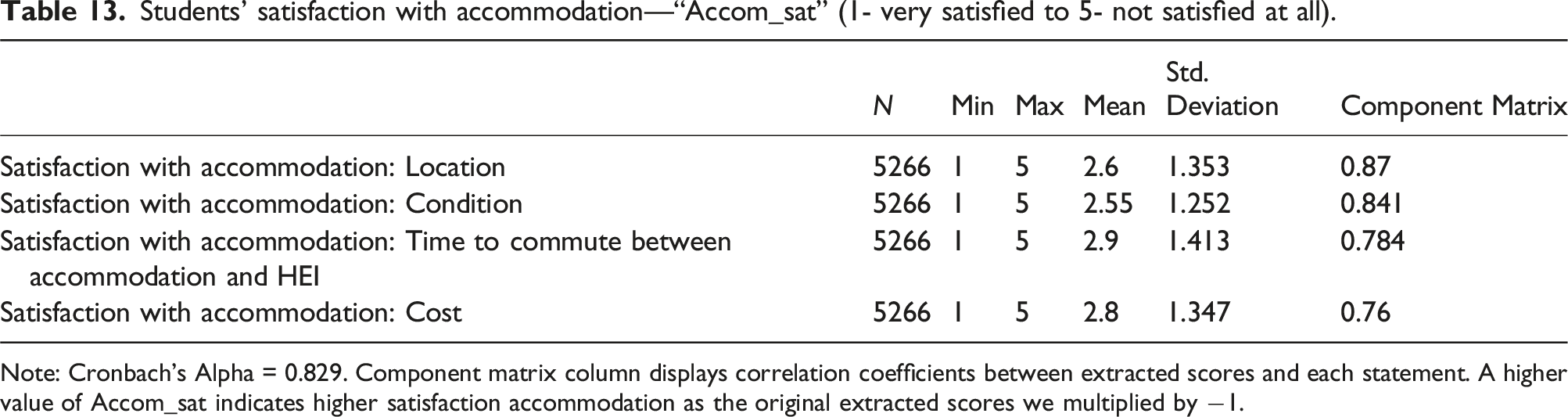
Residential Experience and Housing Satisfaction refers to students’ level of satisfaction with their living arrangements, including the quality of accommodations, access to amenities, safety, and the overall residential community environment (Franzoi et al., 2023; Kornbluh et al., 2022; Worsley et al., 2023). A latent variable representing Residential Experience and Housing Satisfaction was constructed using four statements (see Appendix Table 13). These statements emphasize criteria such as location, condition, cost, and time to commute between accommodation and the higher education institution.
Results
Correlations of constructs and number of observations.
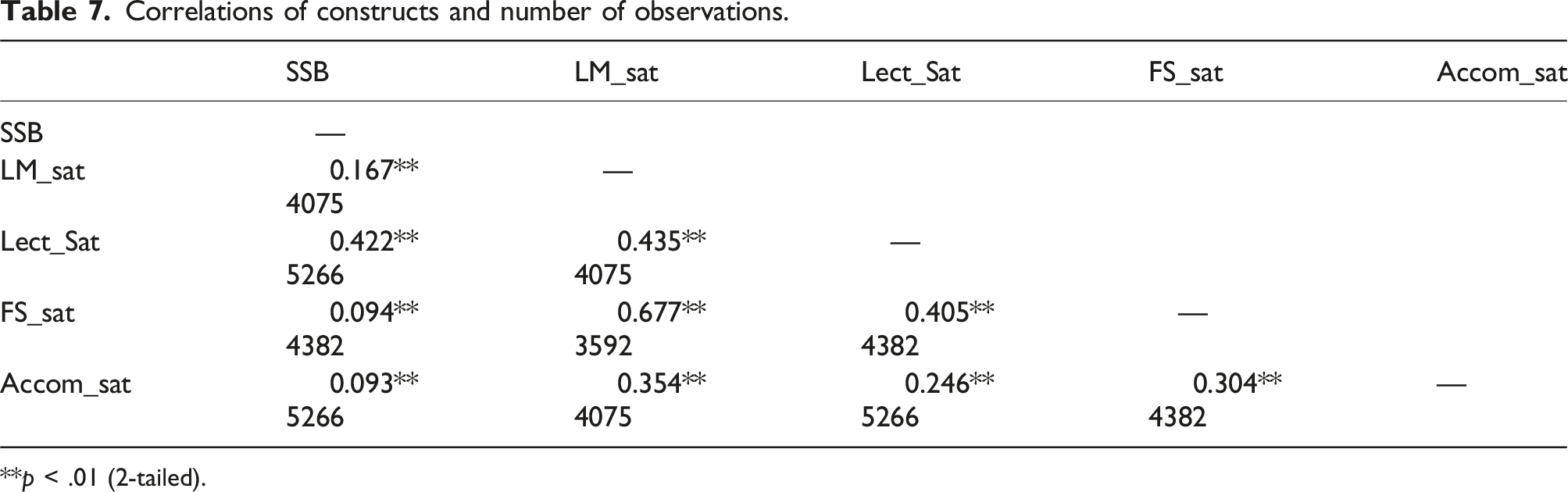
**p < .01 (2-tailed).
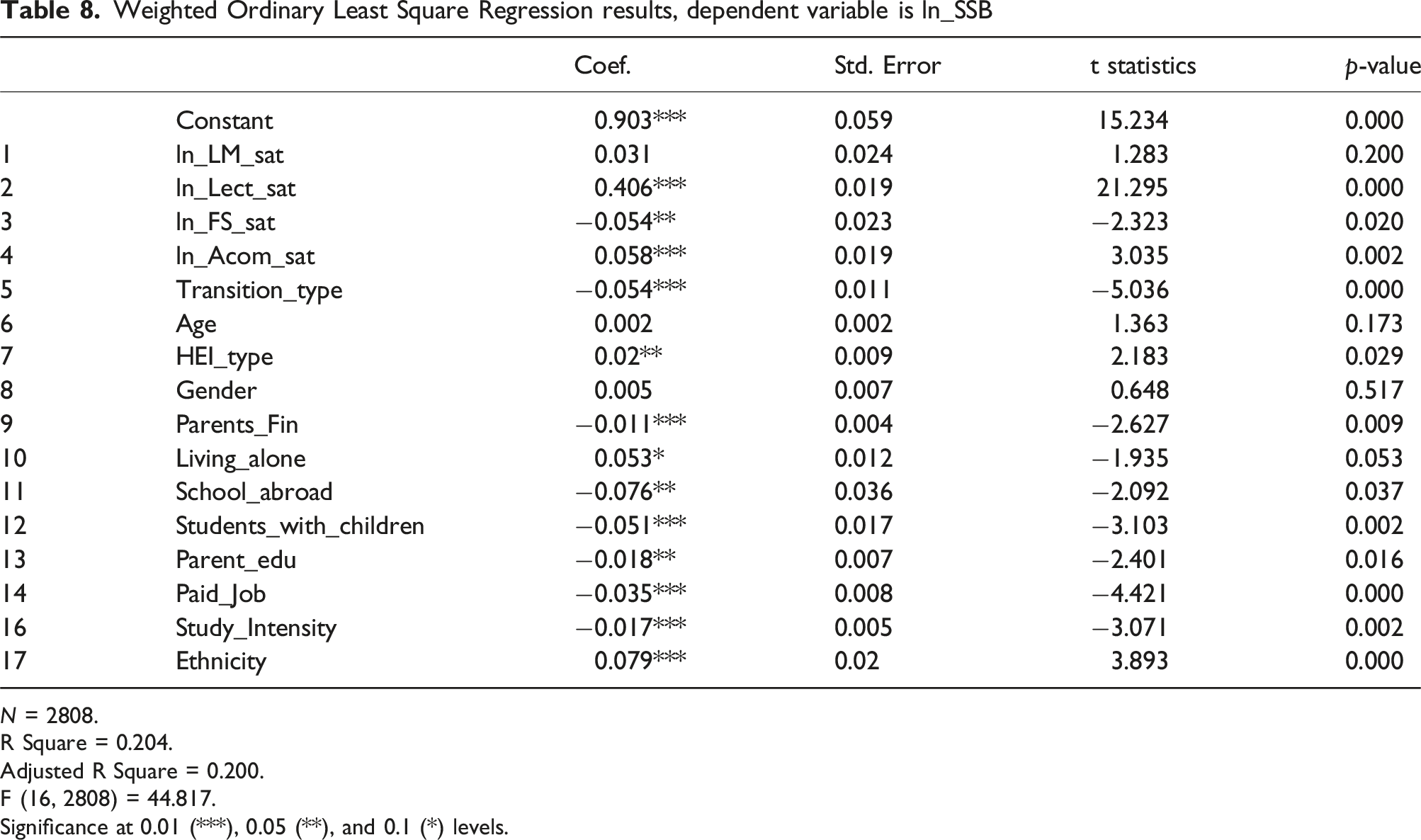
In order to estimate the connection between students’ socioeconomic and academic factors and sense of belonging in higher education, we run weighted OLS regression analysis with the dependent variable Ln_SSB (natural logarithmic transformation of students’ sense of belonging) and set of independent variables described in Table 5.
Weighted Ordinary Least Square Regression results, dependent variable is ln_SSB
N = 2808.
R Square = 0.204.
Adjusted R Square = 0.200.
F (16, 2808) = 44.817.
Significance at 0.01 (***), 0.05 (**), and 0.1 (*) levels.
Students’ socioeconomic background significantly shape their sense of belonging. First, accommodation plays an important role. 1% increase in residential experience and housing satisfaction is associated with to 0.06% increase in SSB. Nontraditional students, who delayed their decision to apply to university for a few years, have 5.4% lower SSB than their traditional peers. Similarly, students with children have lower SSB by about 5.1% compared to students without children. Conversely, students from poorer families (underrepresented students) have higher SSB, with the difference in SSB between students with the most well-off and the least well-off parents being around 4%. This difference is reflected in the corresponding categorical variable (Parents_Fin) that shows a student’s perception of their parents’ financial position compared to other families. The variable has five possible answers, and SSB declines by 1.1% on average if a student’s parents’ financial position improves by one unit. Being a native Georgian is associated with about an 8% higher sense of belonging than being a non-native student, meaning that ethnical minorities (underrepresented students) have lower SSB. Additionally, students whose parents don’t have high education have a 1.8% higher sense of belonging compared to students with at least one parent with high education. Students with a paid job have 3.5% lower SSB and a more intense study regime is also associated with lower SSB, with each level of intensity decreasing SSB by 1.7%. However, we find no significant differences in SSB by gender and age. Similarly, satisfaction with preparation for the labor market (LM_sat) does not appear to have a significant effect on SSB.
Discussion
SSB among nontraditional students in higher education
Higher education serves a diverse population of students worldwide, including nontraditional students and underrepresented groups who often face unique challenges when it comes to accessing and succeeding in higher education (Mocca et al., 2019). As such, comprehending the unique needs and challenges encountered by these specific groups of students is an essential element for ensuring the efficacy of the Bologna process and, in the long term, for achieving sustainable development goals.
Nontraditional students are individuals who do not fit the traditional profile of a student, which typically includes enrolling at the university immediately after completing high school and attending the university full-time. Nontraditional students may be older, work while attending university, attend part-time, have dependents, or take a break between high school and university (Nontraditional Undergraduates/Definitions and Data, n.d.). As the research literature demonstrates, nontraditional students bring diverse life experiences and perspectives to the university environment. These experiences and perspectives can enrich the academic community by introducing new viewpoints and ideas, fostering diversity, and promoting a more inclusive and collaborative learning environment. However, they also face specific challenges such as balancing work, family responsibilities, and school (Carreira & Lopes, 2021; Munro, 2011; Raaper et al., 2022). In our study, we have defined nontraditional students as individuals who did not enroll in higher education immediately after completing high school, but rather delayed their application or students who are parents (i.e., students with children), as they often have additional family responsibilities that can make balancing their educational pursuits with other commitments more challenging (Brooks, 2012; Moreau & Kerner, 2015).
The profile of nontraditional students indicates that these factors contribute negatively to their perceived sense of belonging within the realm of higher education. As reported above, the current analysis demonstrates that “delayed transition” into higher education exhibit lower sense of belonging to higher education. As well as, students who are also parents show lower sense of belonging to higher education. These nontraditional students who delayed enrollment in higher education may find it challenging to engage socially with classmates who are younger and less experienced. This can be due to a perceived maturity and a more established identity, resulting in difficulties in forming social connections and, subsequently, a reduced sense of belonging. These findings are consistent with literature arguing that social engagement could be essential determining SSB for nontraditional students (Ahn & Davis, 2020a; Gillen-O’Neel, 2021; Neel & Fuligni, 2013).
Our research supports the existing findings which suggest that the age of a student is not a statistically significant factor in the development of a sense of belonging to higher education. This implies that the age of a student per se does not exert a direct influence on their sense of belonging, and that other factors such as individual experiences and attitudes may play a more significant role in shaping their perceptions of the academic environment.
As indicated above, the parental status as a second defining criteria of nontraditional students indicates that students with children have a lower sense of belonging to higher education. The observed decline in SSB could be attributed to a range of factors, including the added demands on time and energy that may impede their ability to fully engage in the academic environment and establish social connections with peers and faculty (Gerrard & Roberts, 2006; Mulrenan et al., 2023). Additionally, students with children may face distinctive challenges in managing their parental duties, financial responsibilities, and the balancing of multiple roles and responsibilities (Brooks, 2012; Moreau & Kerner, 2015). These circumstances may contribute to a sense of disconnection from the academic community, thereby diminishing their SSB.
SSB among underrepresented students in higher education
Underrepresented students are those who are members of groups that are historically underrepresented in higher education. This can include students who are from low-income backgrounds, first-generation students, and students who are members of racial or ethnic groups that are underrepresented in higher education (Mudge & Higgins, 2011). For the current study, underrepresented students in higher education are defined as those who are from low-income backgrounds (1) or first-generation students (2) or students who do not speak Georgian (3), which may indicate that they belong to an ethnic minority group in current society. As reported in previous section, the available data indicates that students from poorer families have higher level SSB. Also, students with Georgian as their mother tongue exhibit higher sense of belonging. This suggests that ethnic minorities who do not speak Georgian experience a diminished sense of belonging within the given context.
The relationship between economic conditions and a sense of belonging can be complex and multifaceted and is influenced by a mixture of individual and environmental factors. On the one hand, it may be assumed that financial stability and a secure source of income would positively contribute to a person’s social integration (Lowry, 2016; Rubin & Wright, 2017). However, our results indicate that the relationship between financial stability and sense of belonging appears to be negative, suggesting that lower financial conditions have a positive impact on the formation of a sense of belonging. There could be several reasons why students from poorer families may have a higher sense of belonging despite their financial difficulties. One factor could be the support and encouragement from family, the community, and peers who are facing similar challenges (Martinez & Ulanoff, 2013; Mishra, 2020; Vietze et al., 2022). This sense of camaraderie and shared experiences can create a sense of belonging that transcends socioeconomic status. Another possibility is that these students value their educational opportunities and see higher education as a means to overcome economic hardship and improve their future prospects (Mocca et al., 2019), and drive and determination to succeed can expand the perception of the university beyond its functional definition and transform it into a sense of home (Ahn & Davis, 2020a). The current findings are bolstered by results concerning first-generation students and the experiences of those involved in paid work. Our research indicates that students engaged in paid employment experience a 3.5% decrease (Table 8) in their sense of university belonging. This finding underscores the significance of higher education as a means for underrepresented students to mitigate financial hardship. The expected economic returns of pursuing higher education may be outweighed by the socioeconomic challenges, and when the financial benefits of entering the labor market immediately after completing secondary education are perceived to be greater than the expected benefits of obtaining a degree, students may opt to forego pursuing higher education (Mocca et al., 2019). As for first-gen students, whose parents don’t have high education, have 1.8% higher SSB. This result suggests the potential for first-generation students and those from lower socioeconomic backgrounds to view higher education as a way to overcome obstacles tied to their economic and social status. For these students, higher education may serve as a catalyst for social mobility, consequently nurturing a more robust sense of belonging within higher education institutions. It is true that the transition to higher education can be especially challenging for students whose backgrounds do not coincide with the dominant narrative of the university experience (Araújo et al., 2014), but they also recognize the increased benefits that come with pursuing higher education.
In contrast to the factors mentioned below, the results indicate that non-native language-speaking students, who are typically ethnic minorities in Georgian culture, experience lower levels of belonging. As the study by Meeuwisse et al. (2010) revealed, ethnic minority students appear to experience a sense of belonging in their educational programs when they have strong formal relationships with teachers and peers. Consequently, we can infer that challenges related to non-native student’s language proficiency may impact ethnic minority students’ interactions with teachers and peers. This, in turn, could influence development of their SSB within the academic environment. Therefore, it is essential to recognize that the transition to higher education can be more complex for these students, and specific initiatives and policies must be implemented to address their unique needs.
The study results reveal a contrasting relationship between the profiles of nontraditional and underrepresented students and their sense of belonging to higher education. While nontraditional students’ profiles contribute to a lower sense of belonging, underrepresented students' profiles seem to enhance their level of SSB within higher education. One possible reason is that nontraditional students may face unique challenges that can impede their ability to fully engage in the academic environment, such as balancing work, family, and other commitments with their studies. This may lead to feelings of isolation or disconnection from the academic community, which could, in turn, lower their sense of belonging. In contrast, underrepresented students may benefit from targeted support and resources that can help foster a sense of community and belongingness, such as mentorship programs, affinity groups, or diversity and inclusion initiatives. These resources may help underrepresented students feel more connected to their academic environment, ultimately enhancing their sense of belonging. Another possible explanation is that nontraditional students may have different expectations and priorities in relation to their education, which could influence their sense of belonging. For example, nontraditional students may view higher education as a means to an end (i.e., acquiring job skills or credentials) rather than as a community of learners. This utilitarian perspective may contribute to a lower sense of belonging, as they may not perceive themselves as part of a cohesive academic community. On the other hand, underrepresented students may view higher education as a space where their identities and perspectives are affirmed and valued. This perception could lead them to feel a stronger sense of belonging, as they may see themselves as integral members of the academic community, contributing to the diversity of thought and experiences that enrich the overall educational experience. These different perspectives may influence how students perceive their sense of belonging within the academic community, ultimately leading to the contrasting relationship observed between nontraditional and underrepresented students and their sense of belonging in higher education.
The connection between academic factors and SSB
Our research indicates that satisfaction with pedagogical efficacy is associated with a positive impact on SSB, while an intense study regime can lead to a reduction in SSB. Regression analysis shows that a 1% increase in satisfaction with pedagogical efficacy can cause a 0.41% increase in students’ sense of belonging to the university. In contrast, a more intense study regime can lower SSB by 1.7% on each of the three levels analyzed. In terms of satisfaction with lecturers, positive interactions with lecturers can help to create a sense of trust, support, and respect, which can promote students’ overall engagement with their studies and with the university community. Students who feel valued and appreciated by their lecturers are more likely to feel a sense of connection and belonging to the university. The current outcomes are consistent with previous studies and emphasize the impact of academic interaction and satisfaction with lecturers on students' sense of belonging to an institution (Carter et al., 2018; Freeman et al., 2007; Harris et al., 2022; Kirby & Thomas, 2022; Meehan & Howells, 2018; Slaten et al., 2018).
On the other hand, an intense study regime may reduce SSB due to several reasons. First, students who are heavily focused on their academic work may have less time to engage in social activities or build relationships with other students and faculty, which can limit their sense of connection and belonging to the university. Additionally, an intense study regime can lead to increased stress, anxiety, and burnout, which can negatively impact students’ overall well-being and sense of connection to the institution. The present findings are reinforced by the outcome that satisfaction with preparation for the career readiness and employability doesn’t affect sense of belonging significantly. As a result, it can be stated that satisfaction with preparation for the labor market, as well as study regimens, primarily focus on an individual’s readiness to join the workforce. In contrast, the sense of belonging in higher education revolves around an individual’s connection to the academic community, encompassing faculty, peers, and campus life. These objectives are not intrinsically connected.
The results of our study highlight a significant difference in the sense of belonging between students in private and non-private universities. Specifically, our findings reveal that, on average, students in private universities report a 3.1% higher sense of belonging compared to their counterparts in non-private universities. This difference suggests that factors related to the institutional environment, differences in service and administration, and organizational culture may play a role in shaping students’ sense of belonging. Private universities often rely on income from students, which may incentivize them to invest more resources in creating a sense of belonging and community among their student body. They may be able to offer more personalized services, such as smaller class sizes, better advising, and more support for extracurricular activities and clubs. Additionally, private universities, as small and closely-knit communities, are actively allocating resources towards enhancing student life and promoting activities that foster greater engagement. Moreover, the low social distances within private universities create an environment that is conducive to increased engagement, further contributing to the positive impact on SSB. This focus on engagement is believed to be a key driver of the level of SSB reported by students (Ahn & Davis, 2020a; Gillen-O’Neel, 2021; Neel & Fuligni, 2013).
Conclusion
In conclusion, this study sheds light on the intricate relationship between sense of belonging, socioeconomic and academic factors among university students, particularly focusing on nontraditional and underrepresented student populations.
The study reveals the differing relationships between nontraditional and underrepresented students and their sense of belonging within higher education institutions. For nontraditional students, factors such as delayed enrollment and parental responsibilities negatively affect their sense of belonging. Conversely, underrepresented students, including those from low-income backgrounds and first-generation students, experience a heightened sense of belonging within higher education, possibly due to viewing higher education as a path to social mobility. These findings emphasize the importance of fostering a sense of belonging among all university students, especially those from diverse backgrounds. Higher education institutions should aim to create inclusive and supportive environments that acknowledge and cater to the unique needs and experiences of all students. By understanding the factors that contribute to a sense of belonging and implementing suitable support mechanisms, universities can improve student retention, academic success, and the overall quality of the higher education experience for all students.
Our research highlights the crucial roles that pedagogical efficacy and the intensity of study regimens play in shaping students’ sense of belonging. Student satisfaction with pedagogical efficacy enhance sense of belonging, while intense study regimens can hinder it. Additionally, we discovered a significant difference in SSB between students attending private and non-private universities, with students in private institutions reporting higher levels of SSB on average. Factors such as the institutional environment, differences in service and administration, organizational culture, and the focus on engagement and student life in private universities may contribute to this difference.
Limitations and future research
While this research offers valuable perspectives on the sense of belonging in higher education, acknowledging its limitations remains crucial for a comprehensive understanding. Considering the utilization of secondary analysis of EUROSTUDENT data, it is crucial to acknowledge that the original dataset was not explicitly designed to address the particular research questions examined in the present study. As a result, the recreated construct of SSB might not fully capture the nuances and complexities associated with the concept. Second, since the study is grounded in a socioeconomic perspective, the generalizability of the study’s findings may be constrained by the context of Eastern European countries. Although the Bologna Process provides a unified educational framework, the execution and advancement of educational policies in each country are deeply shaped by their distinct social, economic, cultural, and historical circumstances. This emphasizes the necessity of accounting for these contextual elements when interpreting and applying the study’s results.
Considering the aforementioned limitations, multiple future research avenues can be suggested to further our comprehension of the sense of belonging in higher education: Mixed-methods approaches: To gain a more in-depth understanding of students’ sense of belonging, future research could employ mixed-methods approaches that combine quantitative and qualitative data collection and analysis techniques. By triangulating data from multiple sources, researchers can develop a richer and more nuanced understanding of the factors that contribute to students' sense of belonging in higher education. This approach can also help identify potential areas for intervention and uncover strategies that may be particularly effective in fostering a sense of belonging for various student populations. Expanding the context: Future research should examine the sense of belonging in higher education across a broader spectrum of geographical and cultural contexts, diverse types of institutions, and programs. Additionally, it should delve into a more comprehensive array of individual differences and personal characteristics, integrating these factors within a socioeconomic model to enrich the understanding of their contribution to students’ sense of belonging. Longitudinal research: To better comprehend the causal relationships and temporal dynamics underlying the association between SSB and various factors, future studies should employ longitudinal research designs. This will enable researchers to track changes in students’ sense of belonging over time and examine how these changes relate to academic factors, nontraditional student status, and underrepresented group membership.
Footnotes
Acknowledgments
During the preparation of this work the authors used chat GPT in order to improve readability and language. After using this tool, the authors reviewed and edited the content as needed and take full responsibility for the content of the publication.
Author contributions
Lasha Khojanashvili, Mzia Tsereteli, and Lasha Labadze contributed equally to this work. All authors read and approved the final manuscript.
Declaration of conflicting interests
The author(s) declared no potential conflicts of interest with respect to the research, authorship, and/or publication of this article.
Funding
The author(s) received no financial support for the research, authorship, and/or publication of this article.
Ethical statement

Data availability statement
Appendix
Eigenvalue plots.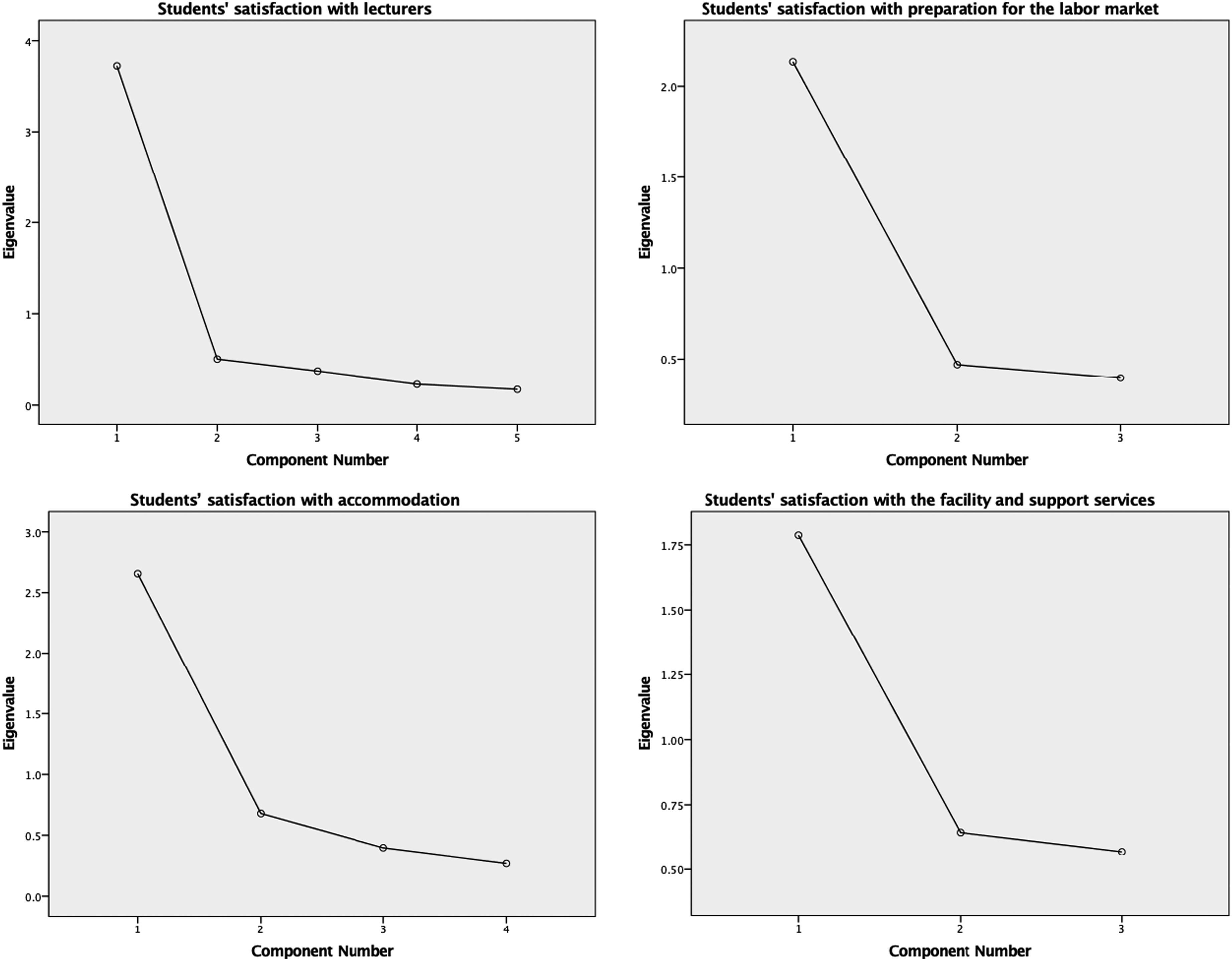
KMO and Bartlett’s tests. Students’ satisfaction with lecturers—“Lect_sat” (1- strongly agree to 5- do not agree at all). Note: Cronbach’s Alpha = 0.914. Component matrix column displays correlation coefficients between extracted scores and each statement. A higher value of Lect_sat indicates higher satisfaction with lecturers as the original extracted scores we multiplied by −1. Students’ satisfaction with the facility and support services—“FS_sat” (1- entirely sufficient/very well to 5- not sufficient at all/very poorly). Note: Cronbach’s Alpha = 0.795. Component matrix column displays correlation coefficients between extracted scores and each statement. A higher value of FS_sat indicates higher satisfaction with the facility and support services as the original extracted scores we multiplied by −1. Students’ satisfaction with preparation for the labor market—LM_sat (1- entirely sufficient/very well to 5- not sufficient at all/very poorly). Note: Cronbach’s Alpha = 0.743. Component matrix column displays correlation coefficients between extracted scores and each statement. A higher value of LM_sat indicates higher satisfaction with preparation for the labor market as the original extracted scores we multiplied by −1. Students’ satisfaction with accommodation—“Accom_sat” (1- very satisfied to 5- not satisfied at all). Note: Cronbach’s Alpha = 0.829. Component matrix column displays correlation coefficients between extracted scores and each statement. A higher value of Accom_sat indicates higher satisfaction accommodation as the original extracted scores we multiplied by −1.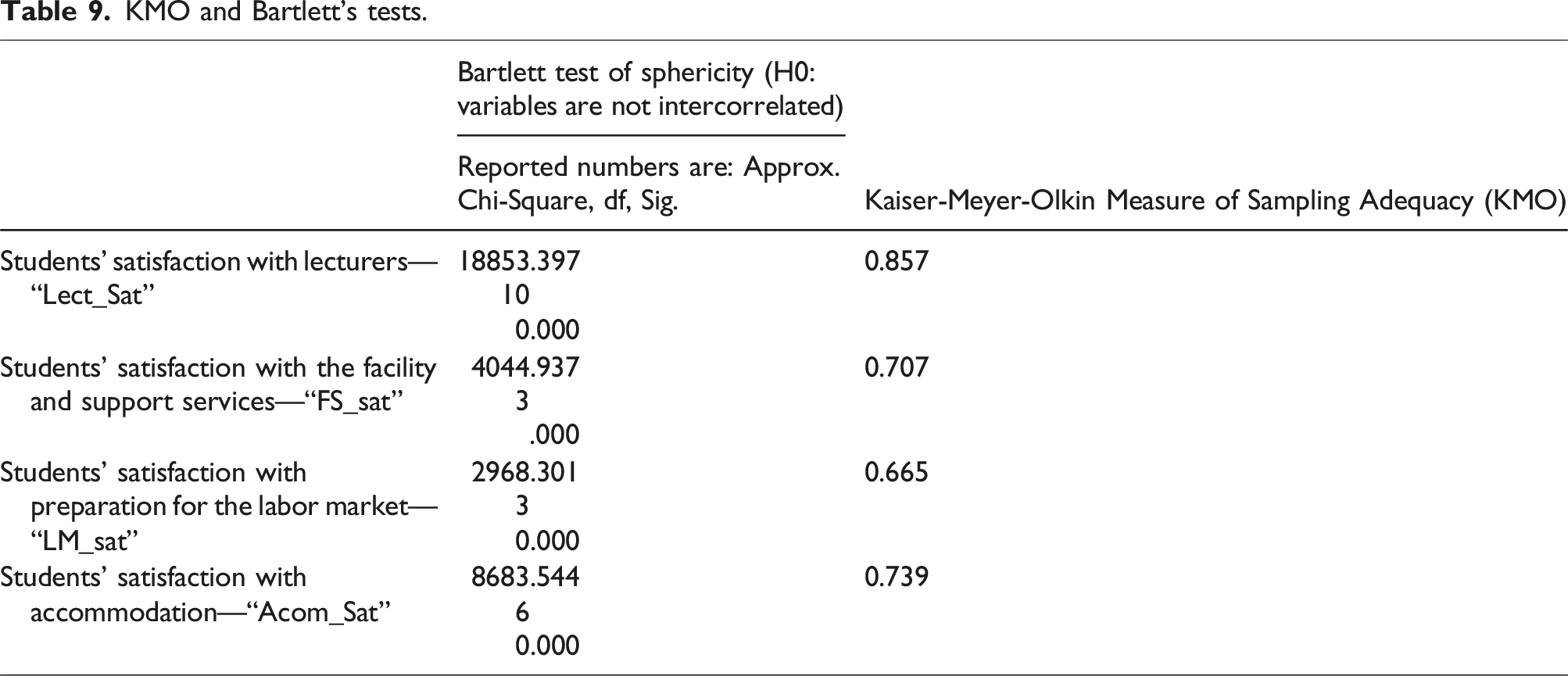
Bartlett test of sphericity (H0: variables are not intercorrelated)
Kaiser-Meyer-Olkin Measure of Sampling Adequacy (KMO)
Reported numbers are: Approx. Chi-Square, df, Sig.
Students’ satisfaction with lecturers—“Lect_Sat”
18853.397
0.857
10
0.000
Students’ satisfaction with the facility and support services—“FS_sat”
4044.937
0.707
3
.000
Students’ satisfaction with preparation for the labor market—“LM_sat”
2968.301
0.665
3
0.000
Students’ satisfaction with accommodation—“Acom_Sat”
8683.544
0.739
6
0.000
N
Min
Max
Mean
Std. Deviation
Component Matrix
Lecturers extremely good at explaining things
5266
1
5
2.42
1.331
0.898
Get along well with lecturers
5266
1
5
2.36
1.342
0.881
Lecturers interested in what students has to say
5266
1
5
2.41
1.336
0.874
Lecturers motivate to do best work
5266
1
5
2.49
1.326
0.846
Lecturers give helpful feedback
5266
1
5
2.48
1.347
0.812
N
Min
Max
Mean
Std. Deviation
Component Matrix
Satisfaction with study support services (e.g., organized tutoring, (academic) writing, bridging courses, and mentoring)
4850
1
5
2.51
1.280
0.860
Satisfaction with provision of learning facilities (e.g., library, computer center, and workplaces)
4963
1
5
2.55
1.317
0.841
Satisfaction with support to balance my studies and paid job
4709
1
5
2.86
1.422
0.829
N
Min
Max
Mean
Std. Deviation
Component Matrix
Assessment: how well the study program prepares for the international labor market
4414
1
5
2.92
1.394
0.859
Assessment: how well the study program prepares for the national labor market
4820
1
5
2.34
1.242
0.824
Satisfaction with support in the preparation for my (future) work life
4841
1
5
2.77
1.461
0.76
N
Min
Max
Mean
Std. Deviation
Component Matrix
Satisfaction with accommodation: Location
5266
1
5
2.6
1.353
0.87
Satisfaction with accommodation: Condition
5266
1
5
2.55
1.252
0.841
Satisfaction with accommodation: Time to commute between accommodation and HEI
5266
1
5
2.9
1.413
0.784
Satisfaction with accommodation: Cost
5266
1
5
2.8
1.347
0.76
Author biographies