



Abstract
Participation in democratic regimes has been a central issue in foreign policy (FP) studies. This article seeks to contribute to the empirical discussion about FP participation through the analysis of the public consultation process conducted by the Brazilian Ministry of Foreign Affairs with non-state actors in the context of the preparations for the Paris Climate Agreement (2015). We employed automated text analysis using Python and R qualifying open responses submitted to the questionnaire launched at the first round of the consultations process and comparing them to the official document presented by Brazil establishing its own carbon emission targets. We found that the Brazilian academia members had a relevant influence on the content of the final document presented by Brazil, strengthening the literature on the importance of the epistemic community to environmental politics and raising new questions on the paths of foreign policy influence.
Introduction
Participation in democratic regimes has been a central issue in foreign policy (FP) studies. Nevertheless, there are some dimensions still to be explored regarding different levels of influence by non-state groups. Therefore, our article seeks to contribute to the empirical discussion about FP participation. In particular, we analyse climate FP formation and social participation in the Brazilian case, before signing the Paris Agreement.
In 2014, for the first time, 1 the Brazilian Ministry of Foreign Affairs (BMFA) opened a direct public consultation process to build a national position within international negotiations on climate change. Consultations reflected government guidelines at the time to increase transparency and social participation in public policy formation under the new agreement related to the United Nations Framework Convention on Climate Change (UNFCCC), during the Conference of the Parties (COP21) in Paris, in 2015.
We examine the answers of non-state actors to the online questionnaire produced by the BMFA in 2014. The groups were categorised into four groups: (1) the public sector (including subnational entities); (2) the business sector; (3) the third sector (non-governmental organisations [NGOs], social movements, and unions); and (4) the scientific community. We employ automated text analysis using Python and R systematising word frequency in open questions by each group in the first round of the consultation process. Then, we compare them with the official document presented by Brazil at COP21 in search of similarities among those text excerpts and the government’s official position.
Three main factors motivate our work and choice of this specific case. First, from a theoretical perspective, there is a growing interest in the participation and influence of domestic actors on FP (de Faria, 2012; Lopes and Faria, 2016; Salomón and Pinheiro, 2013). Traditionally, Brazilian FP is known as centralised (insulated) and as the least democratic policy compared to other issues (Lopes, 2017), especially because of BMFA historical influence (Lopes and Faria, 2016: 44). Second, the climate has been historically regarded as a domestic issue in many countries. The fact that it has been under BMFA’s responsibility reveals the acknowledgement of the international nature of climate change. Third, the focus on domestic climate negotiations derives from the contrast between, on the one hand, the importance of this topic on the international agenda and, on the other hand, the signs that the Brazilian administration in office since 2019 will not take this issue over its term. 2 In summary, to what extent does domestic input matter if a new president assumes office and makes those contributions obsolete?
This article is divided into five sections, including this introduction. The following section presents a literature review on social actors’ participation and a theoretical perspective on domestic groups’ influence on environmental FP. The third section offers a historical background on the climate change agenda and the caveats of the Paris Agreement. Subsequently, we discuss the methodology and present our results. In the last section, we present our main conclusions and some future research agenda topics.
Foreign Policy Participation: A Brief Literature Review
A large body of literature on foreign policy analysis (FPA) illustrates the diversity of actors that may influence the policy process (Cason and Power, 2009; Ferreira, 2020; Hill, 2003; Hudson, 2006). Investigating social participation as interest groups towards institutional state agencies is key to understanding how civil society representation in FP can modify the monopoly of the state’s diplomatic bureaucracy in FP making (McMillan, 2008; Mesquita et al., 2018; Pomeroy, 2016).
Putnam (1988) provided a classical contribution to understanding this process. Following the logic of two-level games in international relations, he suggests that a chief of government should work in FP negotiating internally and externally as a two-level game, providing elements previously little problematised in the FPA, such as unsuccessful negotiations. Putnam (1988: 434) summarised:
At the national level, domestic groups pursue their interests by pressuring the government to adopt favorable policies, and politicians seek power by constructing coalitions among those groups. At the international level, national governments seek to maximize their own ability to satisfy domestic pressures, while minimizing the adverse consequences of foreign developments.
Here, we want to evidence the role of domestic actors in FP beyond international negotiation defection. How to understand the weight of each actor in this process? Risse-Kappen (1991) suggests considering domestic structures formed by different dimensions: political institutions; society structure – formed by organisations representing national and economic interests that guide public opinion; and political networks – which would be the links between state and society. Depending on different contexts and structures focused on political institutions or social demands, different actors may prevail in FP. For example, in the case of the USA, the dimension of the social structure stands out due to the strong influence of organised actors – including lobbies. According to Risse-Kappen (1991: 511), “the stronger the state institutions and the greater their control of the policy networks, the less access the public has to the policy-making process.”
With little variation among liberal democracies, the literature enlists the same non-state actors that can influence decision-making in FP: (1) subnational entities, such as bureaucracies from federal states or cities (McMillan, 2008); (2) the business sector (Grossman and Helpman, 1994; Rodrik, 1995; Yu, 2005); (3) the third sector (Pomeroy, 2016); and (4) epistemic communities (Ferreira, 2020; Haas, 2015). This reflects the plurality of actors with a voice in democracies, each of them pursuing its interests, whether it is better governance, more profit, defending a cause, or guiding evidence-based policies.
McMillan (2008) finds that subnational governors with greater institutional powers are more likely to influence FP. This will depend on the kind of appointment and budgetary control as well as personal powers derived from their electoral mandate, ambition, and public approval (Kincaid, 2003). Despite the importance of the subnational level, in the specific issue of environment and climate, due to its technical character and potential science-evidence policymaking, other actors gain relevance, such as epistemic communities, as discussed below (Haas, 2015).
Literature collects evidence of private groups influencing environmental FPs of small countries, assisting governments in formulating and drafting policy papers, technical reports, and legal texts (Vormedal, 2008). When comparing the degree of influence of different actors in the public policy process, private corporations may have a more significant role considering the advantages that leverage their performance such as access to material resources, expertise, and personal connections with government officials (Tienhaara, 2013).
Another relevant group consists of the third sector organisations, which includes social movements, NGOs, and unions. Park (2013) shows how their technical expertise has been able to influence some developing states’ climate policies. In the case of NGOs, while facing financial constraints (Faria, 2017), they may occupy positions of power and influence over strategic decisions of many governments through campaign promotion as well as research, advisory, and consulting services (Hochstetler and Keck, 2007; Stripple and Stephan, 2013; Uhr et al., 2012).
Lastly, regarding the role of academia, Downie (2014) argues that in the absence of empirical knowledge, appropriate theoretical analysis, and methodologies, policymaking becomes impracticable. Williams (2005) maintains that epistemic communities are responsible for providing accurate information through the scientific method. Therefore, the production of knowledge is decisive in the formulation of international environmental policies. In the context of technical issues and uncertainty, public demand for information increases, stimulating specialists to access the political system and influence crucial debates through the definition of agendas and formulation of alternative policies (Haas, 2015)
Investigating the role of these actors influencing Brazilian FP, several aspects must be considered. First, due to constitutional constraints, any pressure to shape FPs depends on the structure of traditional institutions ruling it: the executive and the BMFA. Throughout the 1990s, there was a progressive openness to social participation in FP (Farias and Ramanzini, 2015), especially human rights and environmental social organisations (Lopes and Faria, 2016: 15). Regarding environmental issues, dialogue with non-state actors emerged since Rio-92, with limited participation in certain events, such as the negotiations for the Kyoto Protocol. It was only after the creation of the Brazilian Forum on Climate Change (FBMC) in 2000, during President Fernando Henrique Cardoso’s final years in office, that the Brazilian civil society emerged as a strong civilian actor in environmental policy (Kiessling, 2018). This trend builds momentum during Luis Inacio Lula da Silva’s administration, in which the insulation and concentration of FP in BMFA were questioned by social actors (de Faria, 2012; see also Lopes and Faria, 2016).
Nevertheless, it is not clear yet how each group’s participation is effectively integrated into official positions. In addition, there is some evidence that civil society participation is decreasing along with President Jair Bolsonaro’s administration. In 2019, his first year in office, civil society representation in the National Environmental Council (CONAMA) was reduced and, a few months later, the President suggested, without presenting evidence, that environmental non-government organizations (ENGOs) were promoting criminal fires in the Amazon (Viola and Gonçalves, 2019).
After revising the main pillars of the Paris Agreement dealing with the functioning of NDCs, we present empirical data to shed light on the debate regarding non-state participation in environmental foreign policy.
From National to Polycentric Governance: Climate Change Negotiations under the Paris Agreement and Nationally Determined Contributions (NDCs)
Climate change formally became an international issue in 1992, when countries signed the UNFCCC, a first diplomatic step towards future negotiations concerning greenhouse gas (GHG) emissions. In 1997, the Kyoto Protocol defined principles and rules following the UNFCCC. 3 The Protocol represented an international co-operation effort, establishing goals on GHG emissions through instruments such as the Clean Development Mechanism (CDM), prevising international commercialisation of certified emission reduction credits. In 2005, the Kyoto Protocol proposed developed countries reduced GHGs by an average of 5.25 per cent between 2008 and 2012, in comparison to 1990s levels.
In 2009, negotiations held in Copenhagen tried to establish GHG emission targets to both developed and developing countries, resulting in an extremely contentious environment where “global north and global south set against each other” (Figueres, 2020: 470). Nevertheless, the Copenhagen Accord (2009) made it possible for all countries to propose reductions, regardless of development status. It was the first major step towards the flexibilisation of the Annex structure that divided the world into two spheres.
Within this context, the debate on the climate change regime institutional design started to flourish. Victor (2011) discussed the weaknesses of previous institutional designs, restricting main responsibilities to few and powerful national actors. There was a general recognition that globalisation made environmental governance more difficult to be achieved without the participation of non-state actors (Leite et al., 2020; Lorenzetti and Carrion, 2012).
Ostrom (2010) proposed considering actions at several levels of analysis, with the active participation of local, regional, and national groups. The approach recognises efforts to reduce individual emissions and small- to medium-scale governance units linked by information networks. Liu (2010) emphasises that this perspective looks promising since co-ordination has a potentially more resilient network in the fight against climate change. This approach reflects a trend in international politics that highlights the greater space for dialogue between domestic actors, along with the understanding that many global problems’ solutions, such as the environmental ones, go through the local sphere (Cole, 2015; Liu, 2010).
Under the Copenhagen Accord (2009), many developing countries started preparing and implementing Nationally Appropriate Mitigation Actions (NAMAs) as part of their national efforts to address climate change, which could be supported through financial resources, technology transfer, and capacity building from the international community. NAMAs were first introduced at the COP13 in Bali in 2007, and the Cancun Agreement (COP16) encouraged the parties to develop low emission development strategies (LEDSs) to identify sustainable pathways for decoupling sustainable economic growth from GHG emissions.
International negotiations led to the Paris Agreement in 2015, a new treaty under the UNFCCC, establishing new measures to reduce GHGs from 2020 until the end of the century through its main instrument: the Nationally Determined Contributions (NDCs). The NDCs, developed from the idea of NAMAs, represented the commitment strengthening of parties. Initially proposed as intended NDCs (iNDCs), they have become actual commitments (losing the “i” in the abbreviation) once the state party ratifies the Agreement and are expected to be examined every five years. The NDCs were formally communicated in COP21 Paris in December 2015.
Aiming to subsidise the elaboration of the iNDCs, the BMFA conducted an extensive process of public consultations, engaging with the civil society, the business sector, and researchers on environmental issues. As such, it was an unusual instrument of consultation of non-state actors to guide a FP decision in Brazil. The Brazilian final iNDCs comprises, in addition to actions to reduce GHG emissions, elements of adaptation to the adverse effects of climate change and means of implementation (financing, technology transfer, and training).
Methodology
The analysis of the consultations process is grounded on three main sources: (1) official reports; (2) the database from the first phase of consultations, obtained from the BMFA through Brazilian Electronic System of Information to citizen service (eSIC) 4 ; and (3) the final document of Brazil NDCs. The videos available at the BMFA YouTube channel regarding the second round of consultations, 5 with in-person participation of the actors, were used to complement the analysis.
The first phase of the official government consultation process was performed between 26 May and 22 July 2014, based on an online survey conducted by BMFA. This period intended to gather proposals and information from civil society to construct a preliminary report. This preliminary report was publicly presented on 25 August, during the opening of the second phase of the process held at the Itamaraty Palace, in Brasilia, through in-person meetings, to further detail the options presented. Those meetings were open to all interested parties, regarding prior registration by email, between 8 September and 12 September 2014. The programme covered the schedule presented in Table 1.
Programme of the Second Round of Consultations (September 2014).
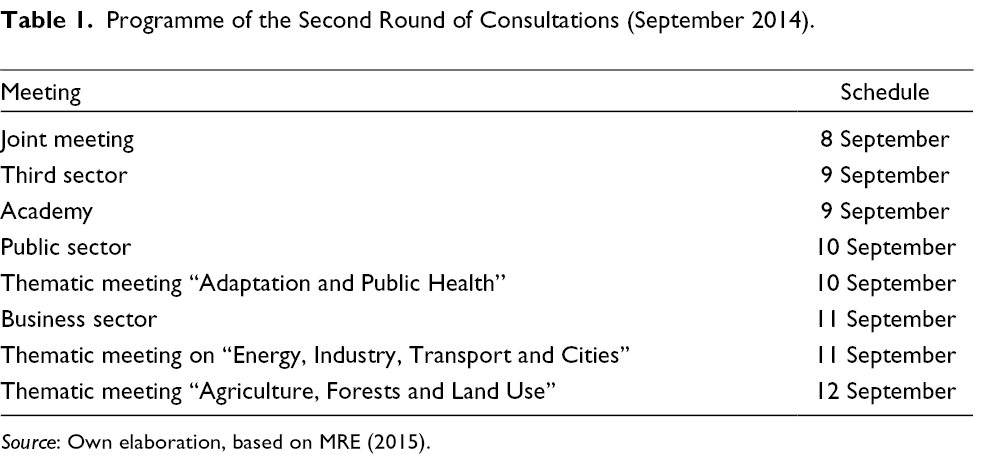
Source: Own elaboration, based on MRE (2015).
Around eighty participants attended at least one of the in-person meetings, including individuals (sixteen) and representatives of third sector entities, the business sector, and subnational entities (sixty-four). The meetings were broadcasted online through the BMFA YouTube channel. On 17 April 2015, the “Final Report – participation of the Civil Society in the process of preparation of the NDC to the new Agreement under the UNFCCC” (MRE, 2015) was released.
The literature points to specific ways to measure domestic interest groups’ influence in international politics. Corell and Betsill (2008) provide methodological approaches to define and measure influence, considering its power relationship. According to the authors, actors may use their specialised knowledge shaping interests to modify decision-makers’ actions through persuasion. They also highlight that evidence on participation – whether related to activities, access to negotiations, and/or resources – does not necessarily mean influence.
They state that any work on this topic must look for evidence to assess whether influence has occurred, comparing the result to the prime goal established by a given group. In our case, the evidence of influence is the final text of Brazil’s iNDC document, which was compared to the statements from different actors collected during the first round of consultations. If influence happens, it is logical to find congruence between ideas communicated by each group during the consultations and those embedded in the final document. Nevertheless, the authors also ponder that, sometimes, actors may promote extreme positions as a strategy for pushing decision-makers to directions, which may not necessarily correspond to their actual goal.
The questionnaire of the first round of consultations has the same three dimensions established under climate change negotiations: mitigation actions, adaptation measures, and means of implementation. There was a total of eight straight inquiries and three opportunities for general comments analysed in this work. After computing the objective answers by group and dimension (presented in the next section), we investigated how each of the groups may have influenced the final position. To do this, we employed automated text analysis (word frequency) and the Jaccard Index to compare the final official document formalising Brazilian iNDCs with the content of the subjective answers of each of the groups presented in the first round of consultations.
Niwattanakul (2013) highlights the method of comparing documents as a tool for searching for word similarity. On the one hand, its main strength is the simplicity of the technique alongside the explanatory power and easy computation that it provides. On the other hand, there are also potential shortcomings, such as the sensitivity to changes in the inflected forms of words that carry the same meaning (e.g. “economy,” “economies,” “economic”). Although other methods could be used (i.e. Cosine Similarity, see Rezvani and Hashemi, 2012), when we employ pre-processing techniques such as lemmatisation, the text data is normalised, and the Jaccard Index efficiently captures similarities of concepts (Skorkovská, 2012).
The quantitative measure of influence is given by the Jaccard Index, which is a technique that compares the similarity between sample sets and is defined in equation 1 as the size of the intersection between two groups, divided by the size of the union of the groups (Niwattanakul, 2013).
Equation 1: Jaccard Similarity Coefficient Formula
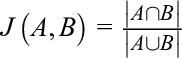
In this analysis, the sample sets are the textual content of statements combined for each sector and the iNDC document content. The text was extracted from the documents and statements and pre-processed to standardise the words to enhance the effectiveness of the analysis. The pre-processing techniques were employed using natural language processing procedures: remove stopwords (connectives); tokenisation, which separates each word from the text; and, most important, lemmatisation, which transforms each inflected form of the words to its lemma, so words like “changing” or “changes” are transformed into “change,” and therefore the Jaccard index can capture more clearly the concepts expressed in the words (Skorkovská, 2012).
The qualitative approach to be employed is based on content analysis (Bardin, 1997), which allows observing the universe of the subject under an approach that treats the object in-depth, analysing how the textual content is related to the categories of analysis, so the researcher can construct a more complete interpretation of the object of study. Qualitative content analysis is an “opportunity for the investigator to learn about how subjects or the authors of textual materials view their social worlds. From this perspective, content analysis is not a reductionist, positivistic approach” (Berg and Lune, 2004). It has also been used to analyse patterns of international relations published in research in South America (Medeiros et al., 2016) and the prevalence of certain concepts in the Brazilian foreign policymakers’ discourses (Rocha et al., 2018).
The analysis is centred on ideas and comments that summarise the sector’s perspective around (1) adaptation to climate change in general and the sectors’ greatest concerns on this topic; (2) mitigation actions to climate change in general and the sectors’ greatest concerns on this topic; and (3) implementation means in general and the sectors’ greatest concerns on this topic. In the next section, we present our results and analysis.
Results and Analysis
After employing data analysis while highlighting the preferences of different actors, we seek to shed light on their influence. Which actors could translate their preferences into a policy output? Which ones failed to do so? Which actors were able to shift the policy output towards their preferences?
The first round of consultations resulted in 200 responses from 138 individuals and sixty-two from institutions, segmented according to the area of action of the respondent: academia, business sector, public sector, and the third sector.
On the issue of participation, Figure 1 illustrates that the greater number of contributions came from the business sector (fifty-five), although all four groups of actors had computed more than forty-five contributions each. Most participation from academia and the public sector was individual, while participants in the business sector and the third sector contributed both individually and institutionally. In fact, only two contributors from academia identified themselves institutionally: the Centro de Ciências Biológicas (CCB – UFSC, Federal University of Santa Catarina) and the Coletivo Educador Ambiental (COEDUCA). Once self-identification was optional, all other contributions from scholars were not identified, representing a gap if we want to map the nature of those contributions, whether they were from natural sciences or social sciences analysts, for example.
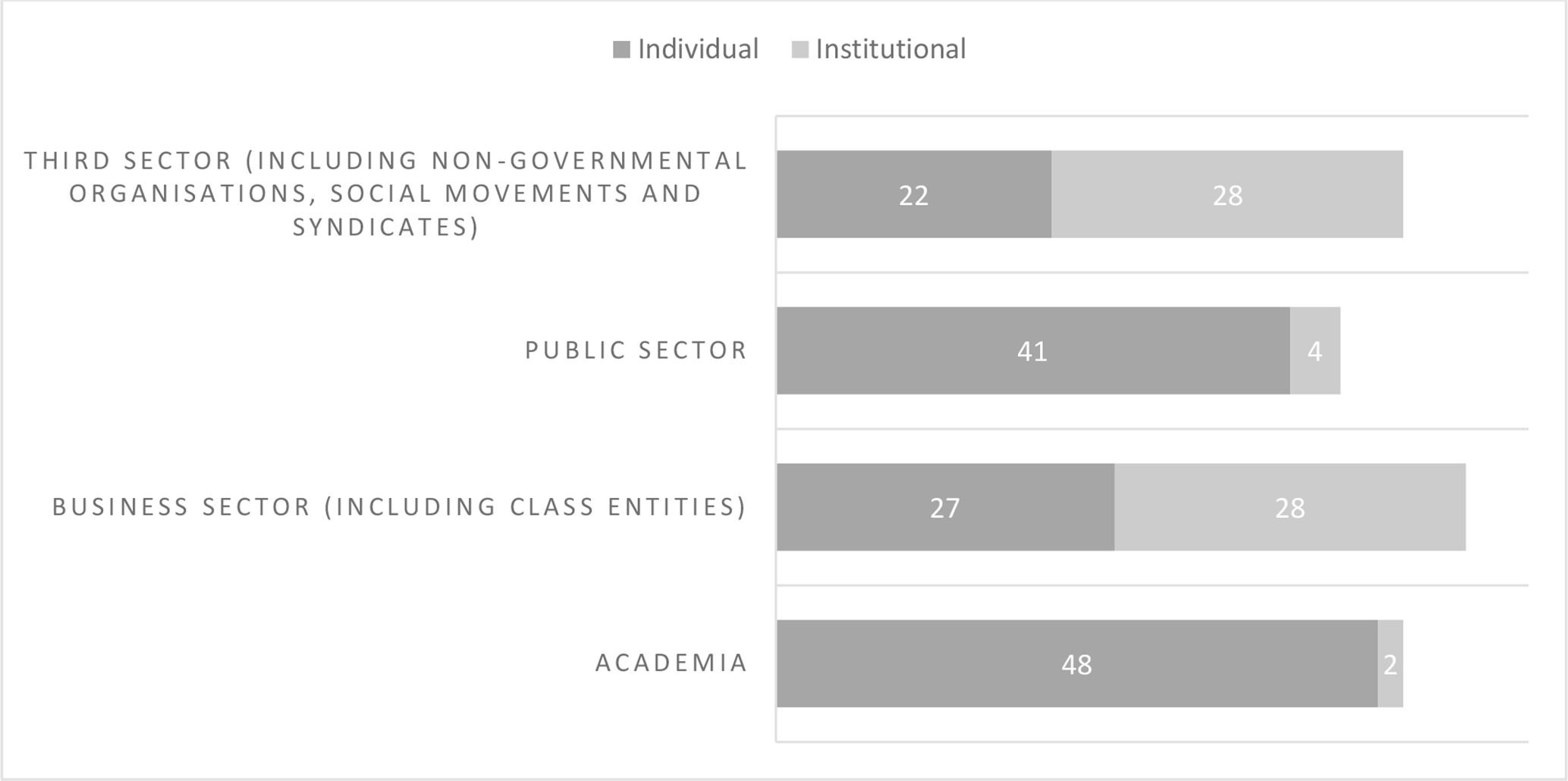
Participation on Online Consultations by Group.
Regarding the first objective question on mitigation, it sought to evaluate the degree of effort that Brazil should expend on mitigation targets, considering that Option 1 reflected the lowest effort and Option 5 the greatest effort to be employed. Figure 2 shows that most respondents from academia, the third sector, and the public sector preferred Options 4 and 5. Meanwhile, most of the respondents from the business sector signalled preference for Option 2, which conditioned Brazilian mitigation efforts to the ones by countries.
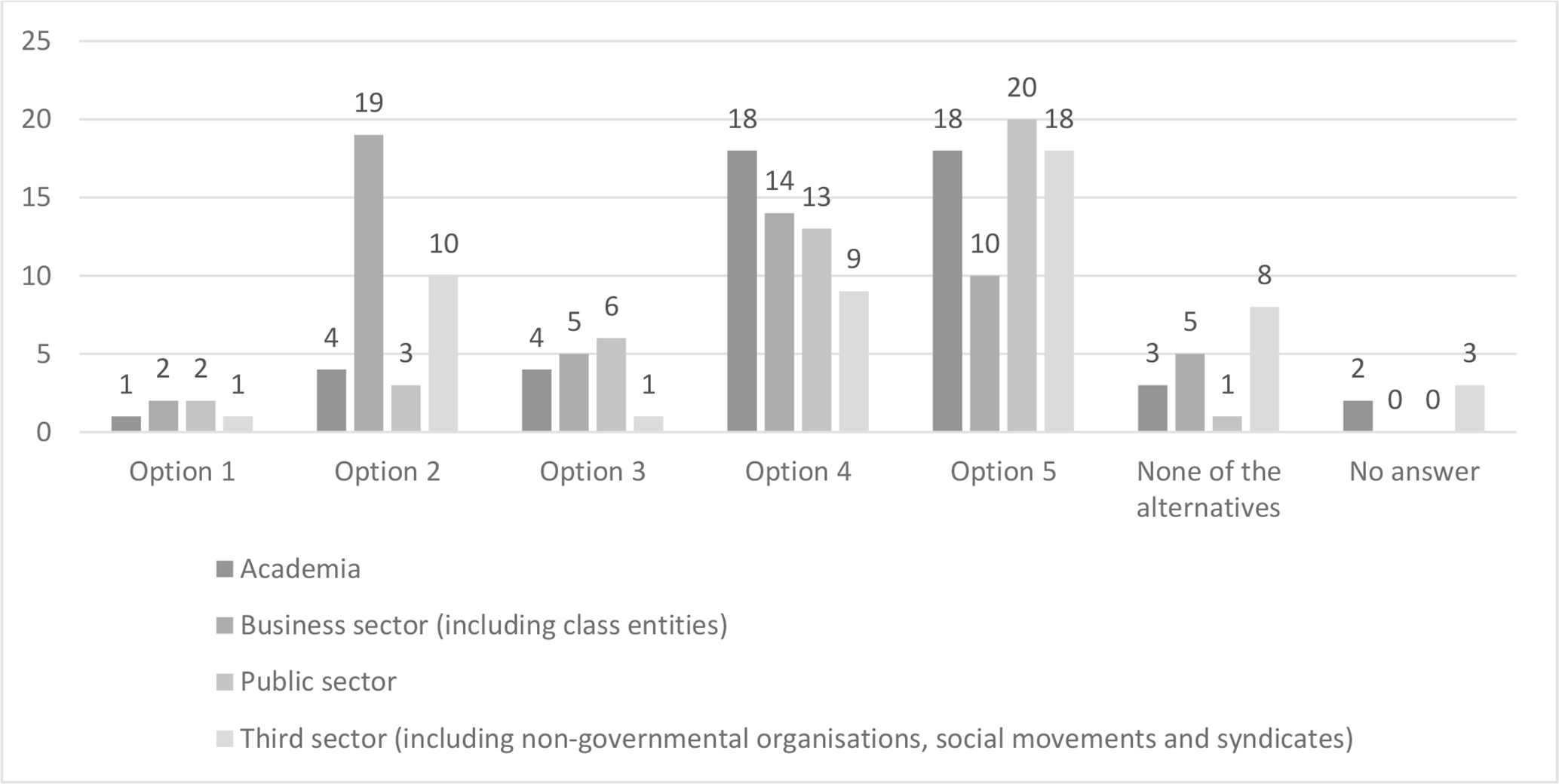
Degree of Effort that Brazil Should Establish on Mitigation Targets, by Group.
Respondents declared their perceived relationship between mitigation actions and economic activity from five alternatives from Option 1 (“not acceptable mitigation actions reducing economic activity”) to Option 5 (“potential environmental impacts outweigh possible economic losses”). Figure 3 indicates that while business groups were leaner to support the idea described in Option 3 (“promoting actions that reduce the risks of emissions growth without impeding economic and social development”), representatives from academia split between that one and Option 5. Third sector groups were more prone to support this last option.
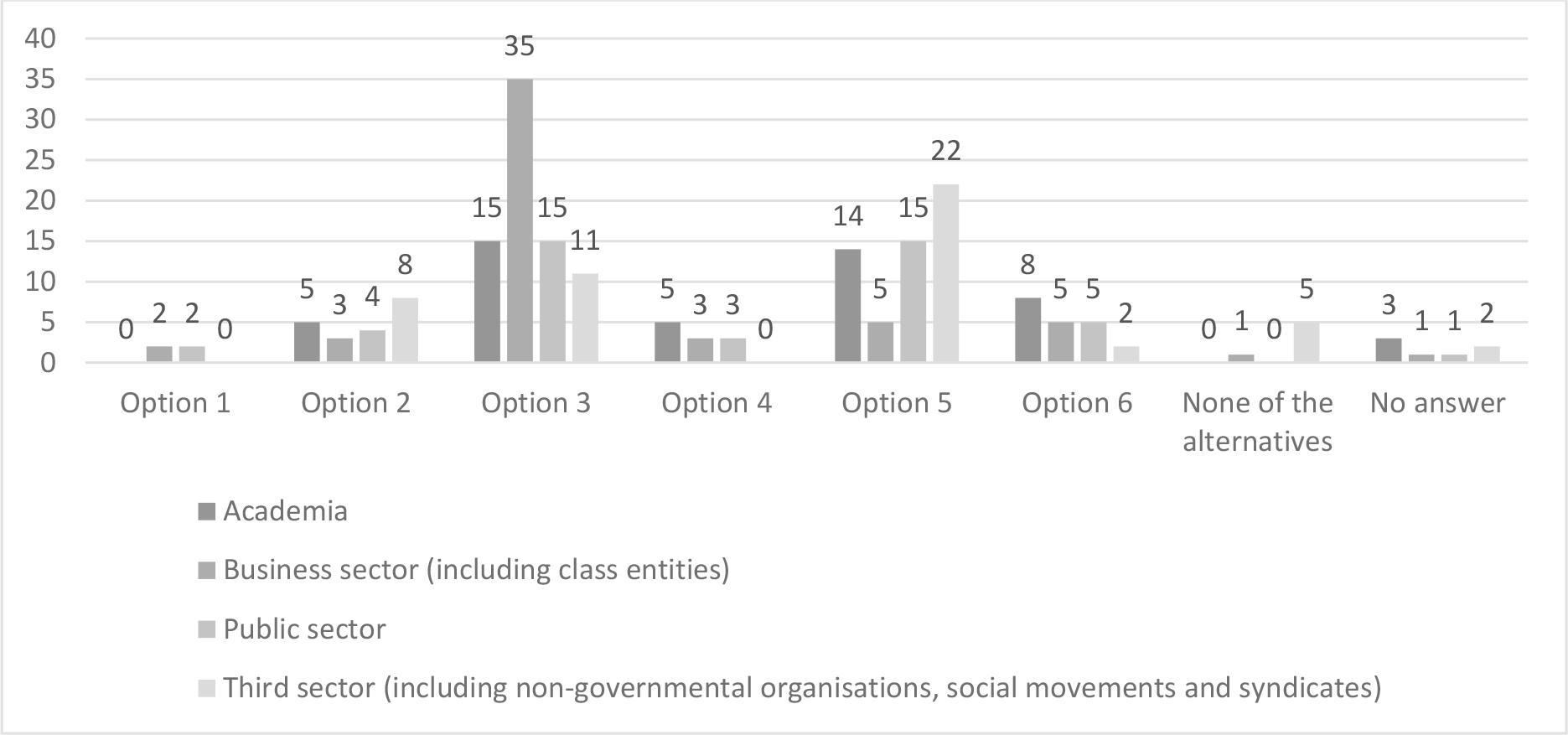
Relation between Mitigation Actions and Economic Activity, by Group.
On the modality of mitigation contribution, there was an intense diversity. Participants from the third sector preferred targets of reduction or limitation of emissions for the whole economy, concerning a reference year (Option 1), while business institutions preferred the definition of targets related to the carbon intensity of the gross domestic product (GDP) (Option 3). In the additional comments and during the second round of the consultations, some participants from the third sector stressed the need for larger collective and co-ordinated mitigation efforts among nations not to surpass the 1.5°C increase in temperature target. Regarding this, participants stressed that Option 1, from both a global and a national point of view, would be more in line with the mitigation scenarios developed by the Intergovernmental Panel on Climate Change (IPCC).
Other participants, in turn, have declared that many developing countries were facing critical challenges to ensure the well-being of their populations. According to them, mitigation should be guided by the progressive pursuit of lower carbon intensity in the economy and not at any cost (Option 3). Regarding sectorial actions, proposed in Option 5, some participants stressed the need for sectorial grounding for NDCs definitions. During the second round of the consultations, however, the possibility of presenting specific objectives for each sector at the international level was criticised by participants, mainly from the business sector.
Regarding adaptation measures, participants also had the opportunity to expose their perspectives. Most of the respondents supported the proposition of developing a national adaptation strategy (Option 2), signalling low divergence on this issue. On the issue of instruments to implementation, most respondents from academia, the business and public sectors indicated agreement with Option 3 (“actions of developing countries need international resources and technology transfer to be more effective. Actions to combat climate change must be reconciled with the priority of economic and social development and the eradication of poverty”). Meanwhile, most representatives from the third sector preferred Option 4 (“additional efforts depend on financial resources and technology transfer from developed countries, so as not to jeopardise development priority economic and social development and the eradication of poverty”).
The second question focused on financial sources for the implementation of Brazilian NDCs. While there was some convergence among academia, the business sector and third sector pointed towards Option 3 (“Brazil should implement mitigation actions that are of national interest with its resources, according to the country’s financial capacity. Additional mitigation actions may be undertaken if there is financial and technological support from developed countries”). Most of the public sector representatives supported Option 2 (“Brazil has achieved a considerable degree of development but will still need international resources to effectively implement its national contribution to the new agreement under the Convention”). This divergence highlights that while the public sector is counting on external finances, other sectors would rather choose domestic funds supporting investments of national interest.
Nevertheless, based on the in-person meetings in the second round, this would not mean ignoring international support. Resources from mechanisms under the Climate Convention such as payments for forest mitigation results (REDD+) and the CDM were mentioned as important international financial mechanisms.
Finally, the possibility of Brazil assuming an important role in South–South co-operation, offering technical expertise to other developing countries, was discussed. Figure 4 presents the main positions on this topic.
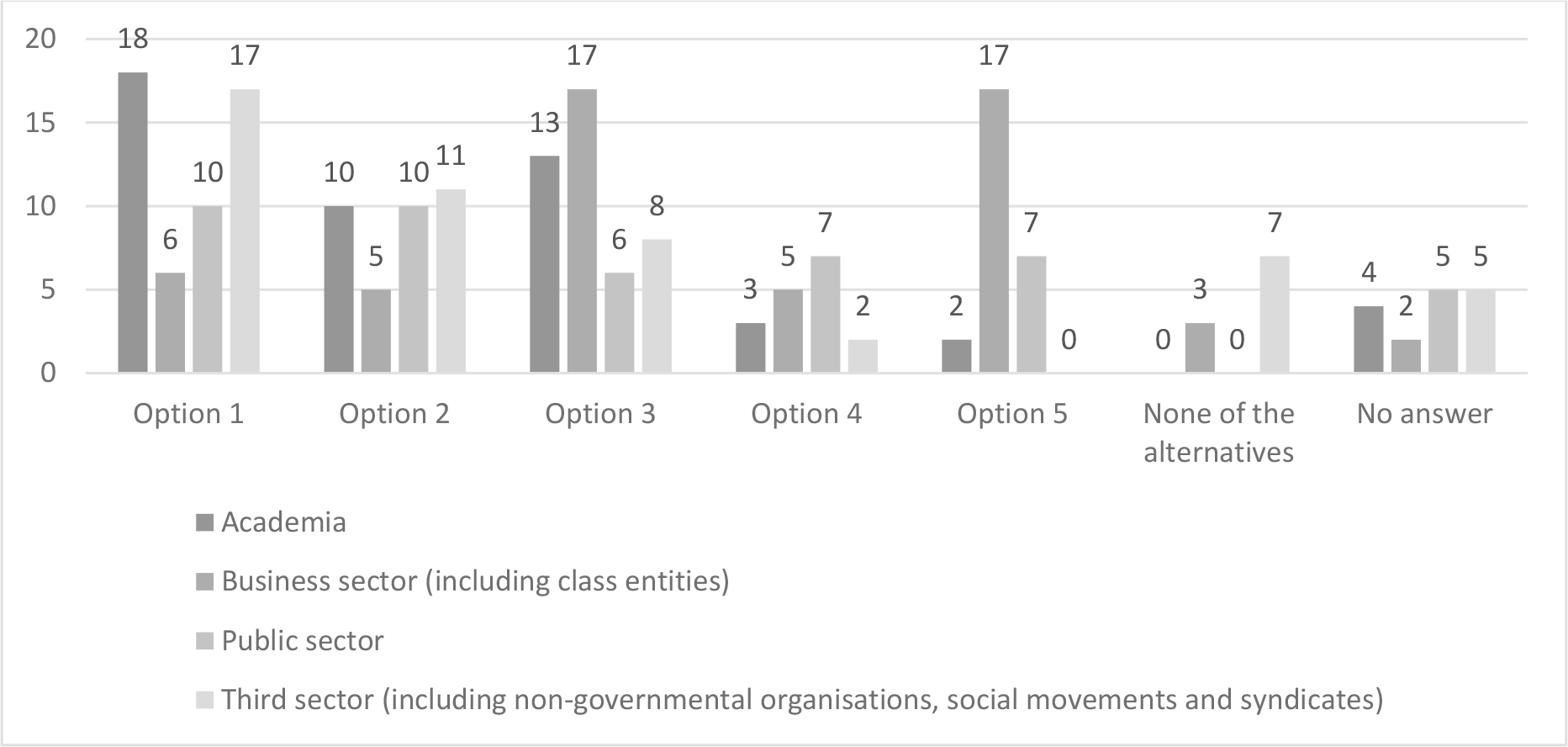
Should Brazil Support South–South Co-operation Initiatives?
Most of the respondents from academia and the third sector had chosen Option 1 (“Brazil should commit to supporting other developing countries in the implementation of their respective actions through South–South initiatives”). People from the business sector were divided between Option 3 (“if resources are available, Brazil may voluntarily support other developing countries in the implementation of their actions through South–South initiatives”) and Option 5 (“Brazil should focus its resources on the implementation of its national contribution, without assuming obligations to support other developing countries”).
In addition to those primary results, word frequency analysis indicates important divergences among the sectors represented. Figures 5 -8 show word clouds produced by the most frequent words on subjective responses during the first round of consultations, by group, and Figure 9 shows the top fifteen most frequent words, by group, in a comparative perspective.
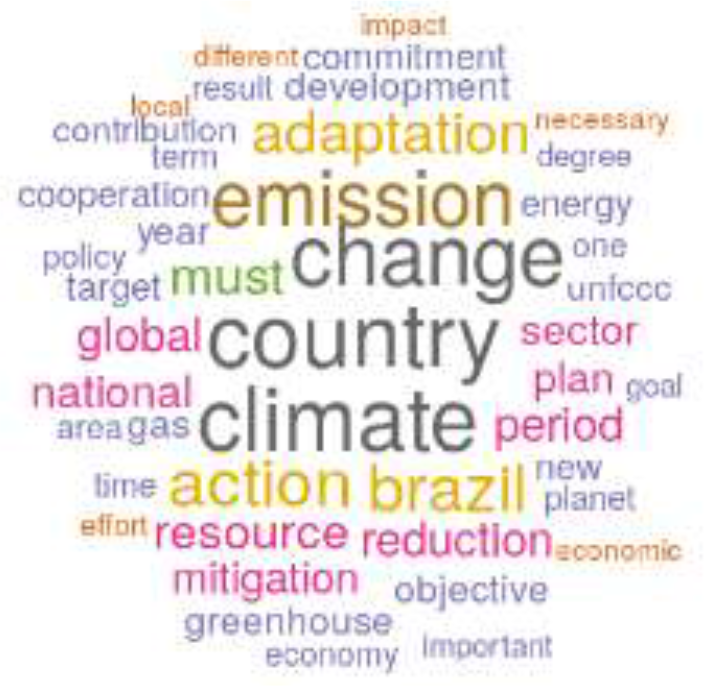
Word Cloud on Declarations from the Public Sector.
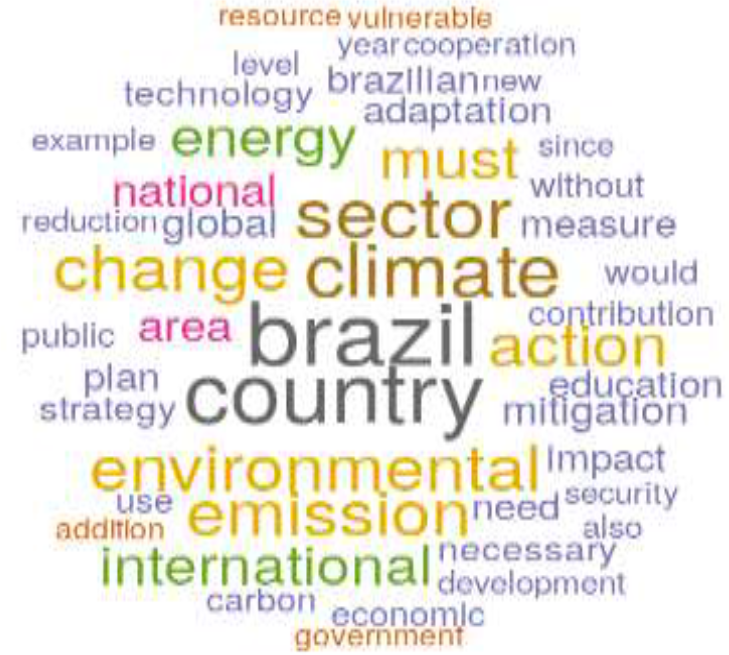
Word Cloud on Declarations from the Business Sector Respondents.
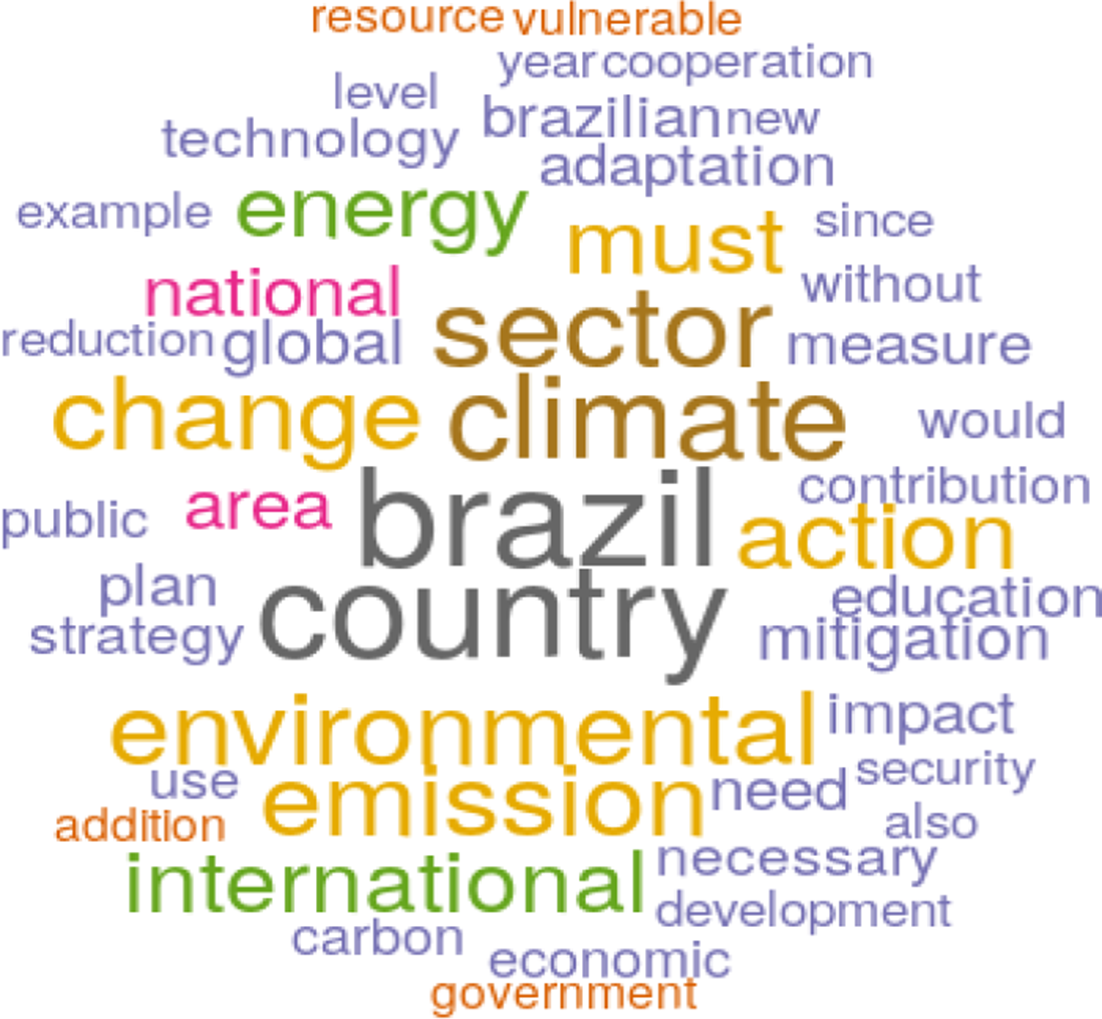
Word Cloud on Declarations from the Academ Respondents.
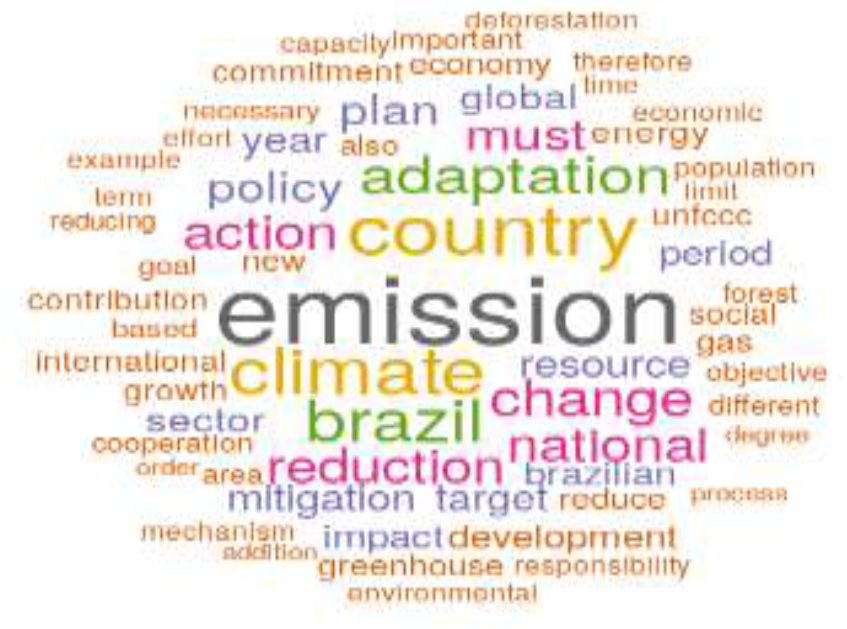
Word Cloud on Declarations from the Third Sector Respondents.
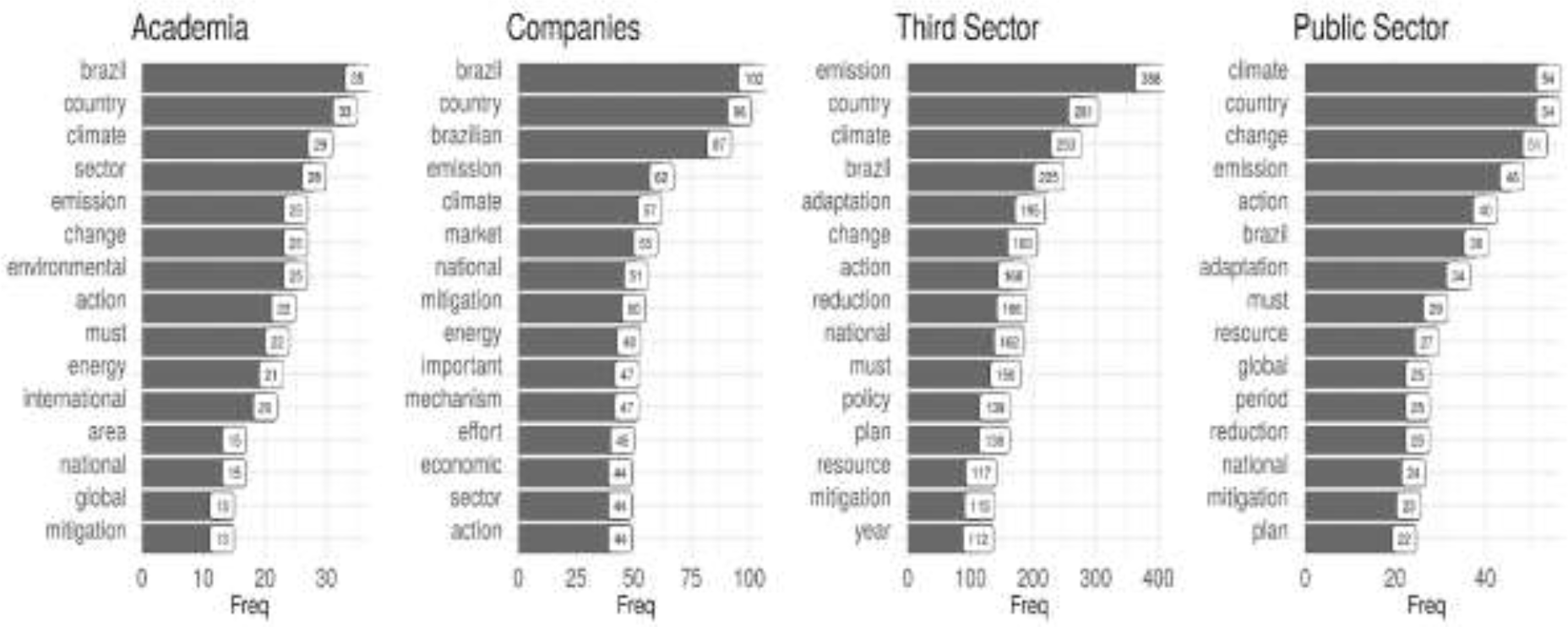
Comparing Frequency Words on Subjective Responses during First Phase of Consultations, by Group.
While some of the words appear among the most frequent of all groups (as Brazil, country, climate), some interesting caveats stand out. First, analysing Figure 5, Figure 6, Figure 7 and Figure 8, if we connect “Brazil” and “Brazilian” to national interests, proportionally, while academics and the business sector contributions are more worried about the “country” in the first place, the third and public sectors seem to be more concerned with “emissions” and “climate” issues. In addition, while the words “market” (6th) and “economic” (13th) appear among the business sector quotations, they do not appear among the most frequent of any other group. In addition, academics also mention “environmental” and “international” issues, while other groups do not employ those terms often. “Resource” and “plan” also appear only in the third and public sectors. Another interesting aspect is that while all other groups employ the term “must,” the business sector responses use “effort.”
The final document presented by Brazil in Paris (2015) reports positive results achieved by the country in reducing GHGs, establishing more ambitious commitments. Brazil adopted a target of reducing emissions by 37 per cent by 2025, compared to the levels observed in 2005, and suggested that emissions should be reduced up to 43 per cent by 2030. 6 The Brazilian contribution took into consideration the imperative of sustainable development and included adaptation actions, international co-operation opportunities, and references to means of implementation, in addition to mitigation commitments. Brazil was one of the few developing countries to accept absolute mitigation targets concerning a base year, showing that the third sector had an important influence regarding this issue.
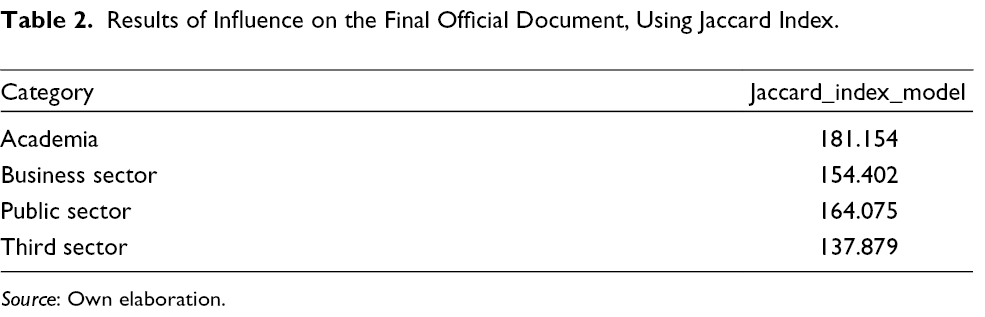
Besides those positions, we investigated the level of influence of each group of actors on the final document, employing the similarity model with the Jaccard Index Model presented previously. Table 2 presents the results.
Results of Influence on the Final Official Document, Using Jaccard Index.
Source: Own elaboration.
Based on the Jaccard index, which compares the similarity of terms employed in contributions during Phase 1 with the final document presented by Brazil, we can deduce that academics’ comments presented the greater similarity of terms than other groups. Subsequently, the public sector contributions presented the second greatest level of similarity with the official position, followed by the business and third sector’s contributions, respectively.
Reasonably, those results only suggest a greater influence of academia on Brazil’s position on the Paris Agreement. We understand that specific words in the final document text do not necessarily mean that those groups were responsible for them, as other actors involved in the negotiations were potentially promoting similar views (Corell and Betsill, 2008). Additionally, there is not enough evidence to identify in which of the spheres this influence was more prominent (mitigation, adaptation, or implementation means) or to measure the level of similarity with the speeches of the second round, as they were not transcribed.
Concluding Remarks
With the consolidation of democracies, there has been an increase in the general understanding of how different groups of society can and may influence foreign policies. The consultation process promoted by the BMFA towards a new Agreement under the UNFCCC was the first opportunity for Brazilian civil society actors to formally express their positions on foreign policy.
Through automated text analysis, we highlighted the participation of non-state actors influencing foreign policy. Although we could identify a greater influence of the epistemic community contributions to the official document, we were not able to trace the pathways of influence or the causal mechanisms that explain their success.
Finally, the last challenge proposed by Moreno (2015) apud Faria (2017) is that the growing participation of civil society in foreign policy is still issue-restricted, it is not institutionalised and, therefore, it depends on who is in power, which represents a challenge in face of less participative administrations. As discussed, significant changes have been made concerning environmental policy in Brazil since the beginning of President Bolsonaro’s term, reducing the ability of non-state actors to influence policies, domestic or foreign. The changing influence of ENGOs in environmental policy, depending on who is in power, is something else future research might address.
Footnotes
Acknowledgements
We thank the reviewers and the editorial board of Journal of Politics in Latin America for their valuable work during the publication process.
Declaration of Conflicting Interests
The author(s) declared no potential conflicts of interest with respect to the research, authorship, and/or publication of this article.
Funding
The author(s) received no financial support for the research, authorship, and/or publication of this article.
Notes
Author Biographies
Email:
Email:
Email:

Email: