



Abstract
The literature on play and learning attests many developmental benefits for children. The Australian curriculum endorses play-based learning (PBL) as an age-appropriate teaching pedagogy. However, what enables or prevents PBL in the classroom is not well documented. The present study examined the responses of 334 teachers currently employed in Queensland Primary schools (Prep-6) in order to investigate knowledge, practices, beliefs, confidence and perspectives on matters pertaining to PBL. Findings highlighted organisational issues (space, time, resources), lack of support from leadership and curriculum issues such as assessment and reporting as barriers to PBL. Qualifications and/or experience in Early Childhood Education (ECE) resulted in greater confidence in PBL and therefore enabled PBL. Overall teachers recognised the importance of PBL, that it benefited children right across the primary school grades (Prep-6) and that there should be more PBL than what there is currently. Recommendations based on these findings have been suggested.
Keywords
Introduction
Play-Based Learning (PBL) is recognised as a developmentally appropriate teaching practice positioning children as active participants in their own learning where knowledge is acquired by examining and exploring objects in culturally meaningful environments via interactions with significant others (Australian Government Department of Education and Training, 2009; Nolan & Kilderry, 2010; Weisberg et al., 2013). Play-Based Learning requires a teacher to enable play within the learning environment above and beyond regular play (e.g. free choice play and break time play); communicate the purpose of the play in meeting curriculum objectives to everyone involved in the play experience (children and adults); and participate actively in play experiences with children (generating, modelling, initiating and supporting children) before, during and after play (Queensland Government Department of Education and Training, n.d.). In other words, PBL is play guided by a teacher who provides varying levels of input or guidance in order to extend or embed learning opportunities within the play itself (Weisberg et al., 2013).
In Australia, the Australian Curriculum, Assessment and Reporting Authority (ACARA) is responsible for a national curriculum from Foundation to Year 12 in specified learning areas, a national assessment program aligned to the national curriculum that measures students’ progress, a national data collection and reporting program supporting analysis, evaluation, research, and resource allocation, accountability and reporting on schools, and broader national achievement (ACARA, 2010). A curriculum leader in school provides leadership and management in a specific academic area by coordinating the curriculum, staff, budget and resources to drive learning.
Currently in Australia, there has only been one major study looking into the impact of teacher perceptions on matters pertaining to play in a whole school context (Hestermann, 2019). Other studies contributing to extant information in this area have been comparatively small in sample size and scope both in Australia (Breathnach, et al., 2016; Hunkin, 2014; Jay & Knaus, 2018; Riek, 2019) and internationally (Buchanan, et al., 1998; Hyvonen, 2011; Parker & Neuharth-Pritchett, 2006; Wood, 1999). In Queensland, children begin school in the Preparatory Year (Prep) and can commence Prep from four and a half years of age.
Theoretical Framework Underpinning Play-Based Learning
The theoretical framework underpinning PBL can be evidenced in numerous developmental and socio-cultural learning theories. One primary example is Piaget’s seminal work on early developmental processes; specifically, his staged model of early childhood development which highlighted the relational significance of a child’s caregiver in promoting growth and learning (Wadsworth, 1995). Vygotsky (1978), influenced by Piaget’s work, further discussed the teacher’s role as a ‘facilitator’ of children’s learning by firstly observing a child’s development and then guiding further exploration to extend learning. In other words, helping the child to acquire new understandings that they might not be able to achieve without guidance. Vygotsky termed this window of learning as a child’s ‘zone of proximal development’.
Bronfenbrenner (1979) further emphasised the importance of the social context to learning by proposing that the child exists at the centre of a wider social and inter-relational network of systems. This model invites reflection on how a holistic approach to teaching and learning, with a focus on real life purposes, inviting learning contexts and a connection to others, can best serve the child. Commonly, these theoretical perspectives position learning in a social constructivist framework, which underpins the teaching approach of PBL.
The Relevance of Play-Based Learning to Neurological Development
Play supports the development of the prefrontal cortex; that is, brain regions responsible for assisting humans to solve problems, predict outcomes, self-monitor, regulate emotions and to co-ordinate motor skills (Bergen et al., 2017). Playful experiences have been recognised as critical to the development of the prefrontal cortex, particularly in a neurodiverse population (Sylwester, 1995).
Up until approximately 8 years of age, children are primarily developing empathy, creativity, imagination and intuition, which are predominately right brain functions (Schore, 2000). Later, after about 7 years of age, the left brain begins to develop higher order cognitive skills including reasoning and analytical ability (Siegel & Bryson, 2012). Educational practices therefore need to be developmentally aligned with the neurological architecture of a young child’s brain. Without this adjustment children may be at a greater risk of disengagement from their learning. To illustrate this point, teachers relying on instructional or explicit teaching methods to drive learning for young children may inadvertently teach skills in isolation of context. Educational practices that compartmentalise learning, such as in the teaching of discrete subjects, may inadvertently detach meaning from learning, jeopardising skill generalisation and contextual learning.
Play-based learning naturally aligns with a child’s neurodevelopmental processes. In other terms, it is a child-centred teaching practice that is naturally motivating, culturally relevant and developmentally appropriate (Walker, 2011). Children require time to experiment and explore with their hands, processing learning through the act of doing. Teaching practices therefore need to be aligned with this natural developmental process for children. Concrete exposure to play materials and time to explore will, in turn, lay the foundation for conceptual reasoning later on (Wadsworth, 1995) assisting children to thrive (Bergen et al., 2017; Moore, 2006).
Barriers and Enablers to Play-Based Learning
Pressure to Meet Curriculum Demands
In the past, criticisms of the Australian Curriculum included that it contained too much breadth and not enough depth, with an emphasis on content knowledge at the expense of developmentally appropriate learning contexts (Australian Government Department of Education, 2014). In these circumstances, teachers feeling pressured to meet standards may rely more heavily on didactic teaching practices using drill and practice, the use of worksheets and lack of student choice (Parker & Neuharth-Pritchett, 2006). Research into teacher perspectives of play and learning identified that an overloaded curriculum impeded opportunities to present learning via PBL approaches (Hesterman, 2019; Jay & Knaus, 2018; Wood, 1999).
Assessment and Reporting
Recently, teachers have voiced concerns regarding the increased value placed on academic skill development, formalised work and regular assessments (Hesterman, 2019). Teachers report that time spent on testing and assessment is time away from relationship building, learning through play and opportunities to practice self-regulatory skills (Australian Government Department of Education, 2014; Bodrova et al., 2013; Grant et al., 2016; Wood, 1999). Unfortunately, these changes ignore the value of play to developmental processes (Gopnik & Walker, 2013; Pellegrini, 2009; Wadsworth, 1995) and assume that the measurement of isolated skills over discrete intervals of time will accurately reflect the mechanisms of development (Bodrova, et al., 2013).
The Quality of the Learning Environment
Lack of physical space, insufficient resources and some aspects of the daily school timetable can have an impact on the quality of play experiences provided to children (Jay & Knaus, 2018; Wood, 1999). Large class sizes and lack of classroom assistant support can also affect the quality of learning opportunities for children (Wood, 1999). Learning skills or knowledge via subjects (e.g. number work in maths), generally a feature of most academic curriculum frameworks, potentially limits meaningful, holistic learning experiences. An absence of culturally relevant learning experiences affects the quality of learning outcomes because, without social contexts, children cannot make sense of their learning (Pellegrini, 2009; Gopnik & Walker, 2013; Wadsworth, 1995). Approaching academic learning via playful experiences could be one simple way to improve the quality of the learning environment, supporting academic outcomes whilst also fostering a joyful beginning to learning (Sharp et al., 2012; Van Oers & Duijkers, 2013; Wang & Hung, 2010).
Support and Guidance
Senior, experienced early childhood teachers play an important role in supporting teachers’ knowledge of PBL in an academic curriculum (Riek, 2019). Middle management, such as school leadership teams, as well as the principal’s approach, or the philosophy of the school, indirectly impact teacher choice of learning approaches at a classroom level (Riek, 2019). School administrators can alleviate the pressure placed on teachers by providing quality staff development in child-centred practices and age-appropriate pedagogies (Parker & Neuharth-Pritchett, 2006; Walker, 2011). Parents who actively participate in their child’s play-based classroom program tend to be more accepting of PBL approaches than those parents without this opportunity, highlighting the significance of collaborative parent–teacher partnerships when garnering support for PBL (Breathnach et al., 2016).
Teacher Knowledge
Beliefs and Practices
Teachers with knowledge in early childhood developmental processes and child-centred practices have an improved capacity to reimagine or creatively deliver a standardised curriculum in ways that support children’s development and academic learning (Hesterman, 2019; Hunkin, 2014; Riek, 2019; Wood, 1999). Teachers with qualifications in early childhood education and teachers practising child-centred learning perceive greater ownership and control over their classroom curriculum than teachers prioritising teacher-led learning (Parker & Neuharth-Pritchett, 2006). Teachers’ beliefs about how children learn can determine the developmental appropriateness of their teaching practices (Buchanan et al., 1998).
Confidence and Competence
Teachers who value play as a context for learning are more confident using play-based pedagogies in an academic curriculum (Hesterman, 2019; Riek, 2019; Wood, 1999). Teachers have identified Mathematics, a key learning area, as one of the most adaptable learning areas for incorporating PBL approaches (Elofsson et al., 2015; Riek, 2019; Wang & Hung, 2010). Finnish teachers’ perspectives of play and learning in the primary school context highlight that play is enjoyable and possible to integrate into school subjects with classroom games as the predominate form of play for motivating children to engage (Hyvonnen, 2011). Conversely, fear that children’s behaviour may become difficult to manage, concerns over maintaining teacher control, a lack of experience in implementing PBL, as well as a lack of training and knowledge in early childhood education are all factors identified as impacting on teacher confidence and competence in providing for PBL opportunities in the classroom (Buchanan et al., 1998; Hesterman, 2019; Jay & Knaus, 2018).
Summary
While evidence highlights the promise of play-based approaches to learning and the Australian Curriculum supports PBL, there have been comparatively few Australian studies investigating the factors shaping teacher beliefs and practices regarding play as a context for learning in Australian primary schools. The current study followed a similar research framework to a recent study initiated by the State School Teachers’ Union of Western Australia (SSTUWA) investigating the perceptions of teachers on matters related to the provision of PBL in West Australian schools (Hesterman, 2019).
Findings from the Western Australian study highlighted a lack of support from leadership for PBL, as well as reduced teacher autonomy in pedagogical decision-making processes and curriculum demands, such as assessment and reporting, as barriers to PBL in the West Australian context. In Queensland, the curriculum is directed by the national curriculum authority as set out nationally by ACARA, however, the West Australian curriculum is directed by an intermediary document (or syllabus) which repackages the Australian curriculum. Given these curricula differences, if teachers’ challenges related to play-based learning remain constant across states, a national reassessment of how play-based pedagogy is supported in the early years of school may be warranted.
In light of previous research findings, the current study sought to investigate two questions with regard to the provision of PBL in Queensland primary schools: 1) What are teachers’ current beliefs, practices, degrees of knowledge, confidence levels and perceptions on matters related to the provision of PBL? 2) What are the barriers and enablers to providing PBL?
Method
Participants
Invitations to participate in the research project were circulated through existing online teacher networks, that is, relevant Facebook Groups (with appropriate permission) and through teacher union e-newsletters (e.g. Independent Education Union (IEU); Independent Schools Queensland (ISQ)). The survey was completed by 334 Queensland teachers, virtually all female (99%) and predominately from the State education sector (86%). The majority of participants identified as primary classroom teachers (71%), followed by specialist subject teachers (12%), leadership teachers (principal/deputy/curriculum) (11%), and learning support teachers (6%). Almost half (44%) of all participants had an early childhood qualification and almost all participants (91%) had previous experience in early childhood education (ECE).
Figure 1 illustrates the percentage of teachers working at each year level. The majority of participants (57%) identified working in lower-primary and approximately 43% of participants identified working in upper-primary. A small percentage of the total number of participants (N = 334) were not currently assigned a class (n = 16). Many teachers worked across several year levels. Percentage of Teachers/Educators Working at Each Individual Year Group (N = 318).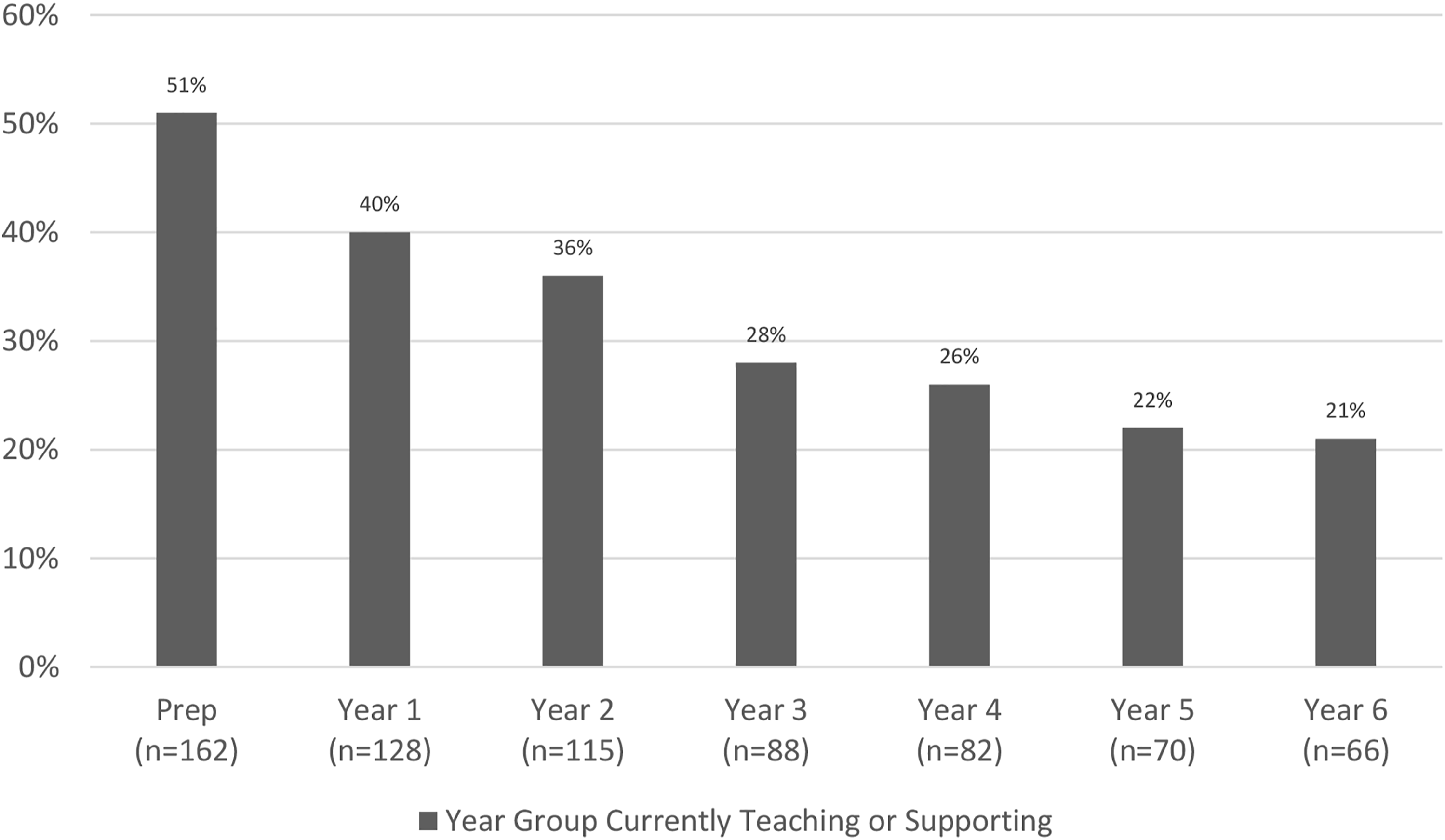
Procedures
Using the Qualtrics online survey tool, the study used a survey research approach to collect data anonymously, from a range of teachers (early childhood, primary, support staff, school principals and other school administration personnel) currently employed in Queensland primary schools. The survey took approximately 20–30 minutes to complete, and participation was anonymous and voluntary. A common definition of PBL was provided to participants in the participant survey information and consent to participate was assumed by the submission of the questionnaire. Participants had an opportunity to enter a prize draw to win one of three $100 Coles/Myer vouchers. The study received University Human Research Ethics approval [Approval Number 200,000HE14/137].
Measures
Participants were invited to answer questions via Likert scaled items and open-ended responses regarding their knowledge of and perspective on PBL (barriers, benefits, importance, confidence, supports and advantages/disadvantages). For example, ‘How confident do you feel about implementing play-based learning?’ (1 = not at all, 2 = slightly, 3 = moderately, 4 = fairly, 5 = extremely). ‘Without using the word ‘play’, please describe play-based learning’. Questions and response styles were informed by the West Australian study into PBL (Hestermann, 2019).
Analysis
Collected data were analysed using the Statistical Package for the Social Sciences, version 26. Quantitative analyses included the interpretation of descriptive data, frequencies and histograms. Data were split by qualifications (ECE/No ECE) and experience (ECE/No ECE) in order to make comparisons between group means on various dependent variables. Statistical analyses included independent sample t-tests to compare groups that met all assumptions of normality. When normality could not be assumed, such as when the distribution of data was not normally distributed, a non-parametric test (Mann–Whitney U test) was used to compare groups. Due to the large proportion of teachers/educators in the current sample with experience in ECE (91%), the use of inferential statistics to compare groups of teachers with and without experience was not deemed appropriate. In this instance, descriptive analysis only has been reported. Statistical power was calculated using Cohen’s d for parametric tests and
Results
Quantitative Findings
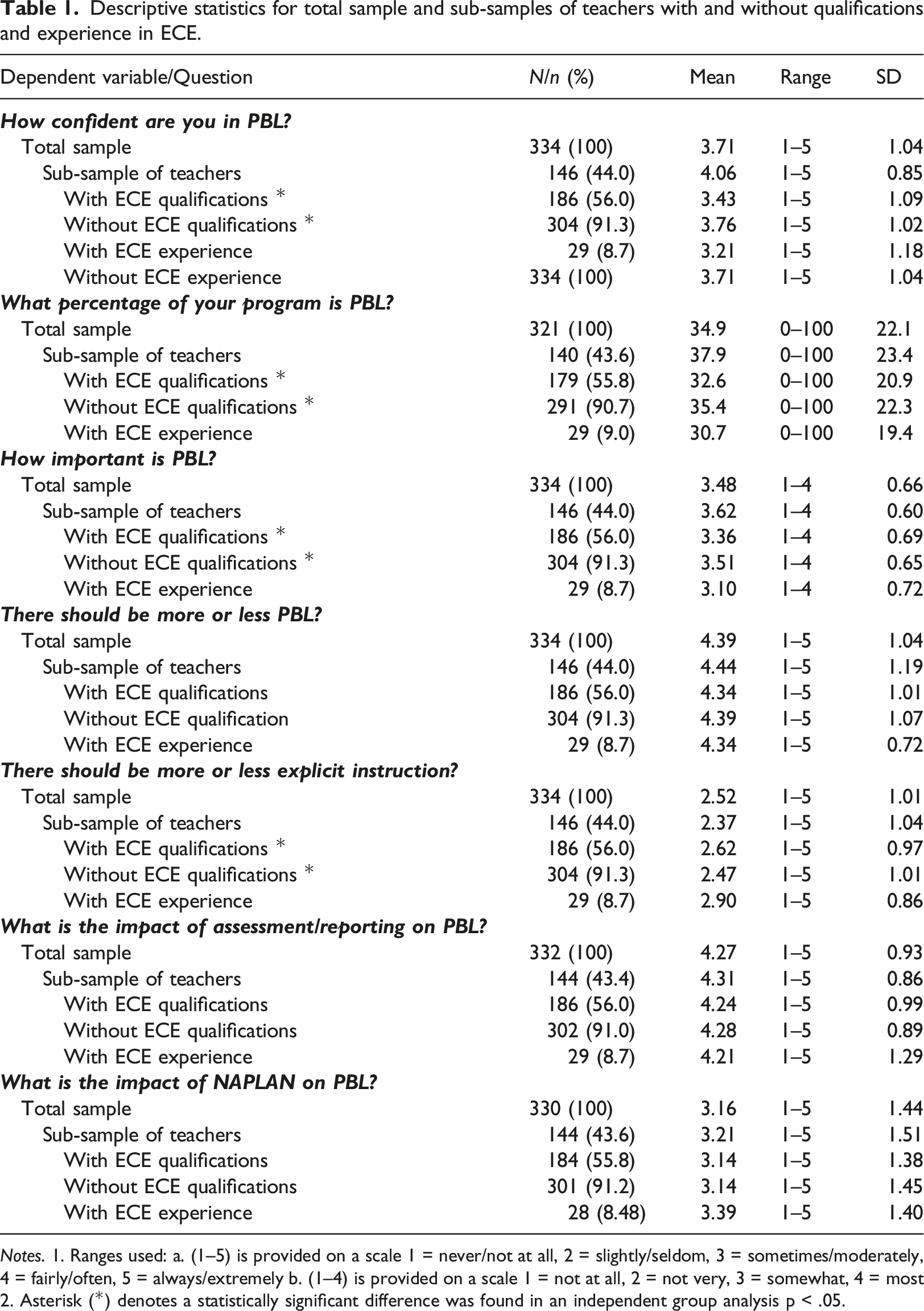
Descriptive statistics for total sample and sub-samples of teachers with and without qualifications and experience in ECE.
Notes. 1. Ranges used: a. (1–5) is provided on a scale 1 = never/not at all, 2 = slightly/seldom, 3 = sometimes/moderately, 4 = fairly/often, 5 = always/extremely b. (1–4) is provided on a scale 1 = not at all, 2 = not very, 3 = somewhat, 4 = most
2. Asterisk (*) denotes a statistically significant difference was found in an independent group analysis p < .05.
Confidence in Play-Based Learning
Participants were asked to rate their confidence in implementing PBL on a five-point Likert scale (1 = not at all confident to 5 = extremely confident). Overall ratings were moderately high (M = 3.71). With regard to the role of experience and qualifications, descriptive analyses indicated that teachers with ECE experience were more confident in PBL than their colleagues without this experience (M = 3.76 versus M = 3.21, respectively) and teachers with ECE qualifications were more confident in PBL than their colleagues without this qualification (M = 4.06 versus M = 3.43, respectively). An independent samples t-test conducted to compare those with and without ECE qualifications with respect to PBL confidence found that the former group were significantly more confident t (329.96) = 5.922, p < .001. This was a medium sized effect (d = 0.64).
Beliefs and Practices in Play-Based Learning
In response to Q2.3 (In which year group/s do you believe play-based learning would be beneficial?), almost all respondents (>95%) believed PBL to be the most beneficial in Pre-Prep, Prep and Year 1. Approximately 87% believed PBL to be beneficial in Year 2 and almost half of all respondents believed PBL to be beneficial in the final 3 years of primary school (9–11-year-olds).
In response to Q2.4 (How important is PBL to children in your classroom?), participants responded via a four-point Likert scale (1 = not at all important to 4 = most important). Overall teachers rated the importance of PBL highly (M = 3.48). Teachers with ECE experience rated the importance of PBL more highly, on average, than those without this experience (M = 3.51 versus M = 3.10, respectively). Similarly, teachers with ECE qualifications rated the importance of PBL more highly than those without this qualification (M = 3.62 versus M = 3.36, respectively). A Mann–Whitney U test confirmed a significant difference in importance ratings between teachers with ECE qualifications and those without ECE qualifications: U = 10,731.5, p < .001. This difference represented a small to medium sized effect (
In response to the survey question Q4.1 (What percentage of your classroom program is PBL?), PBL occupied, on average, 35% of the classroom program (M = 34.9), but there was considerable variation (SD = 22.1). Descriptive statistics highlighted teachers with ECE experience provided PBL on average more than those without this experience (M = 35.4 versus M = 30.7, respectively) and teachers with ECE qualifications provided PBL on average more than those without this qualification (M = 37.9 versus M = 32.6, respectively). An independent samples t-test comparing teachers with and without ECE qualifications confirmed that those with ECE qualifications reported using PBL statistically more often that those without ECE qualifications t (317) = 2.105, p = .046. The effect size of this difference was small, however (d = 0.3).
Participants were asked to reflect on PBL and explicit instruction in the classroom on a five-point Likert scale (1 = there should be a lot less than what there is currently to 5 = there should be a lot more than what there is currently). Results reflect a general trend towards wanting more PBL (M = 4.39) than there is currently, and less explicit instruction (M = 2.52) than there is currently. Statistically, teachers with ECE qualifications were significantly more likely than those without ECE qualifications to indicate that there should be less explicit instruction used in the classroom in comparison to teachers without this qualification t (330) = −2.296, p = .027. However, this difference represented a small-sized effect (d = 0.2). A Mann–Whitney U test found no significant difference between teachers with and without ECE qualifications with regards to a desire for more or less PBL (U = 12,271.0, p = .084) meaning that, irrespective of qualifications, teachers believe that there should be more PBL than what there is currently.
Support for Play-Based Learning
Reflecting on how well teachers felt supported at their school to provide PBL using a Likert scale (1 = least supported to 5 = most supported) participants responded that they received the most support from colleagues (n = 308; M = 3.29, SD = 1.23), then parents (n = 300; M = 2.96, SD = 1.09), and least of all school leaders (n = 282; M = 2.72, SD = 1.29).
When participants were asked to select all those who make pedagogical decisions at their school (teachers, school leaders, curriculum leaders and others), results were calculated for each decision maker as a percentage of the total number of participants (N = 334). Results indicated that school leaders made the most pedagogical decisions (83%), closely followed by curriculum leaders (64%) and then teachers (45%). Ten percent of participants identified others (regional expectations, departmental representatives, pedagogical coach) as also having pedagogical decision-making ability.
Curriculum Demands Impacting Play-Based Learning
Participants were asked to rate the impact of assessment/reporting and NAPLAN (The National Assessment Program – Literacy and Numeracy) on PBL using a Likert scale (1 = never to 5 = always). A Mann–Whitney U test applied to the rating outcomes for the impact of assessment/reporting on PBL found no significant differences between how teachers with or without qualifications in ECE responded to this question (U = 13,095.5, p = .705). Teachers, irrespective of ECE qualifications rated a high negative impact (M = 4.27) on PBL resulting from the demands of assessment/reporting.
A Mann–Whitney U test applied to the rating outcomes for the impact of NAPLAN on PBL found no significant differences between how teachers with or without qualifications in ECE responded to this question (U = 12,734.0, p = .537). Teachers, irrespective of ECE qualifications rated a moderately high negative impact (M = 3.16) on PBL resulting from the demands of NAPLAN.
Overall, results indicated that curriculum demands related to assessment/reporting and NAPLAN impacted negatively on the provision for PBL with assessment/reporting the most impactful.
Qualitative Findings
Teachers were asked open ended questions to elaborate and provide further understanding on matters pertaining to PBL. Qualitative findings were then analysed in order to identify common themes impacting on the provision of PBL.
What is Play-Based Learning?
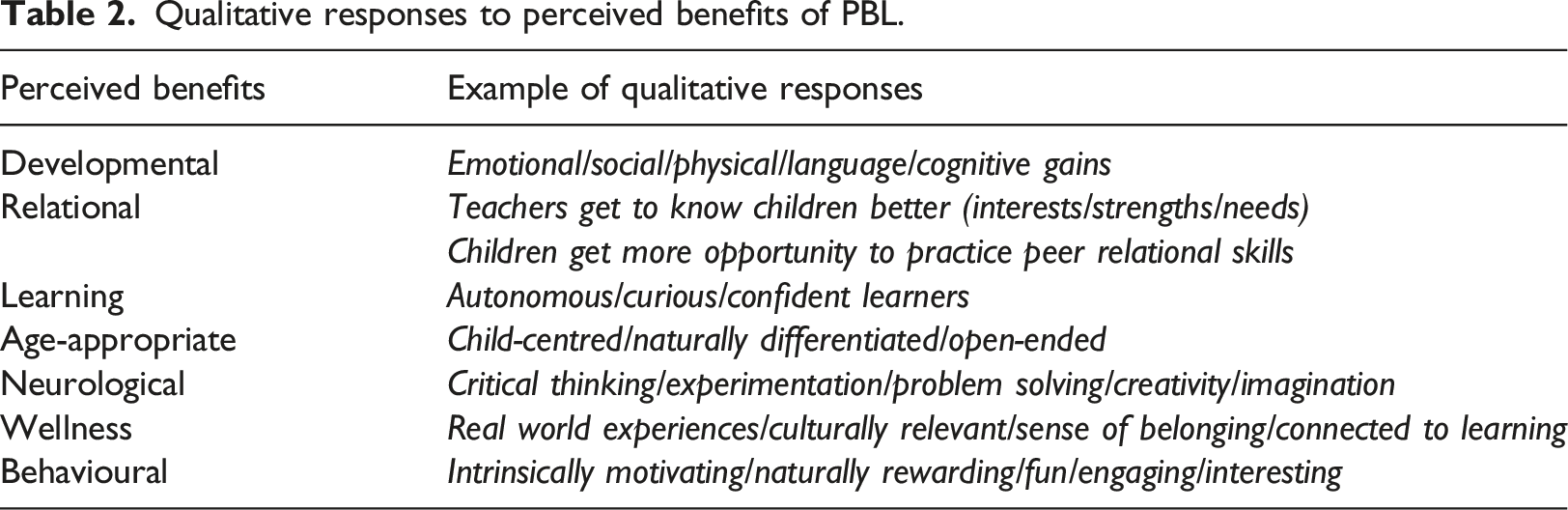
Respondents were asked to describe PBL without using the word play. Typically, learning was described in terms of ‘active engagement (hands on learning) that is child initiated, culturally relevant, and intrinsically rewarding’. Respondents also commented on the teacher’s role as one of ‘linking the curriculum to real world experiences, extending, and scaffolding children’s learning, and providing open-ended materials to explore and create with’. In other words, a ‘collaborator and/or facilitator’. Respondents commented on developmental processes specifically ‘language, social, motor, and communicative’ benefiting from PBL. Development in cognitive processes ‘problem solving, critical thinking, trial and error, and negotiation’ was a perceived benefit of PBL. Figure 2 illustrates the most commonly identified words in response to this open-ended survey question. Common Themes in Response to Q2.1- (Without using the Word ‘Play’ Please Describe Play-Based Learning).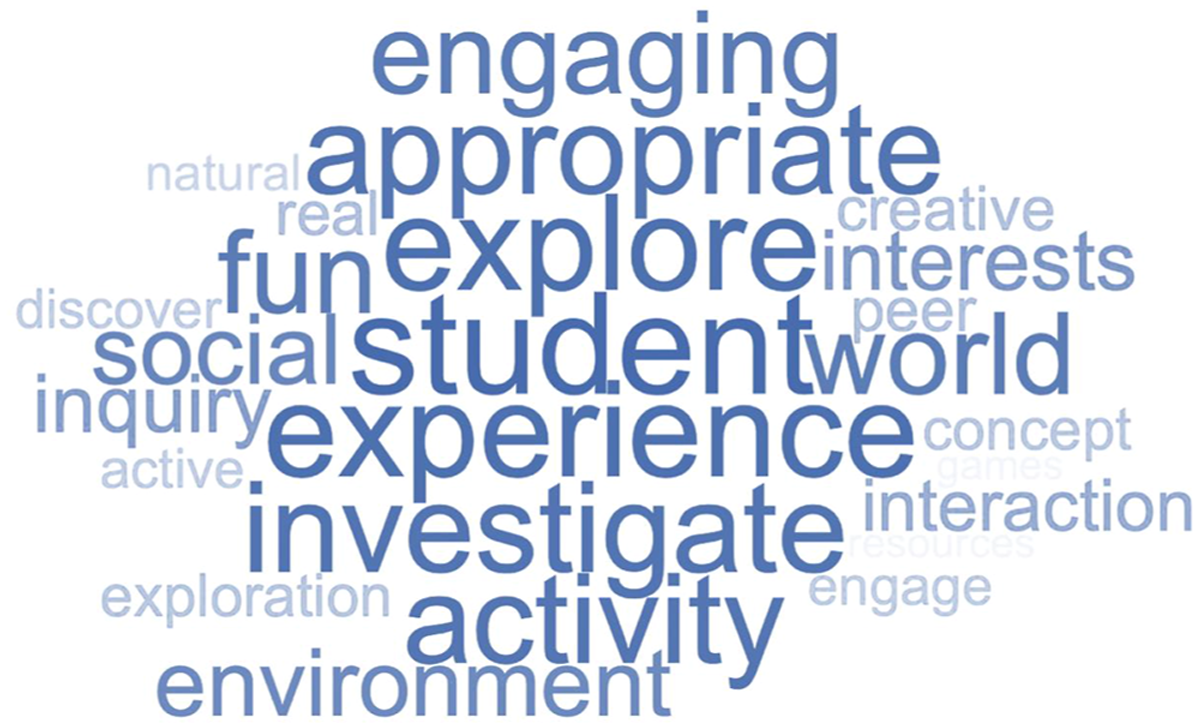
What Happens in the Absence of Play?
Respondents were asked to comment on what happens to children’s learning in the absence of play. Typically, responses highlighted an increase in children ‘disengaging’ from their learning experiencing ‘boredom’, experiencing mental health related problems such as ‘anxiety’, ‘stress’, ‘emotional problems’, ‘struggles’ and poorer outcomes as a result of ‘limited opportunities’. Figure 3 illustrates the most commonly identified words in response to this open-ended survey question. Common Themes in Response to Q3.3 Finish this Sentence-When Play-Based Learning is not Implemented in Prep to Year 2 Classrooms, the Results are.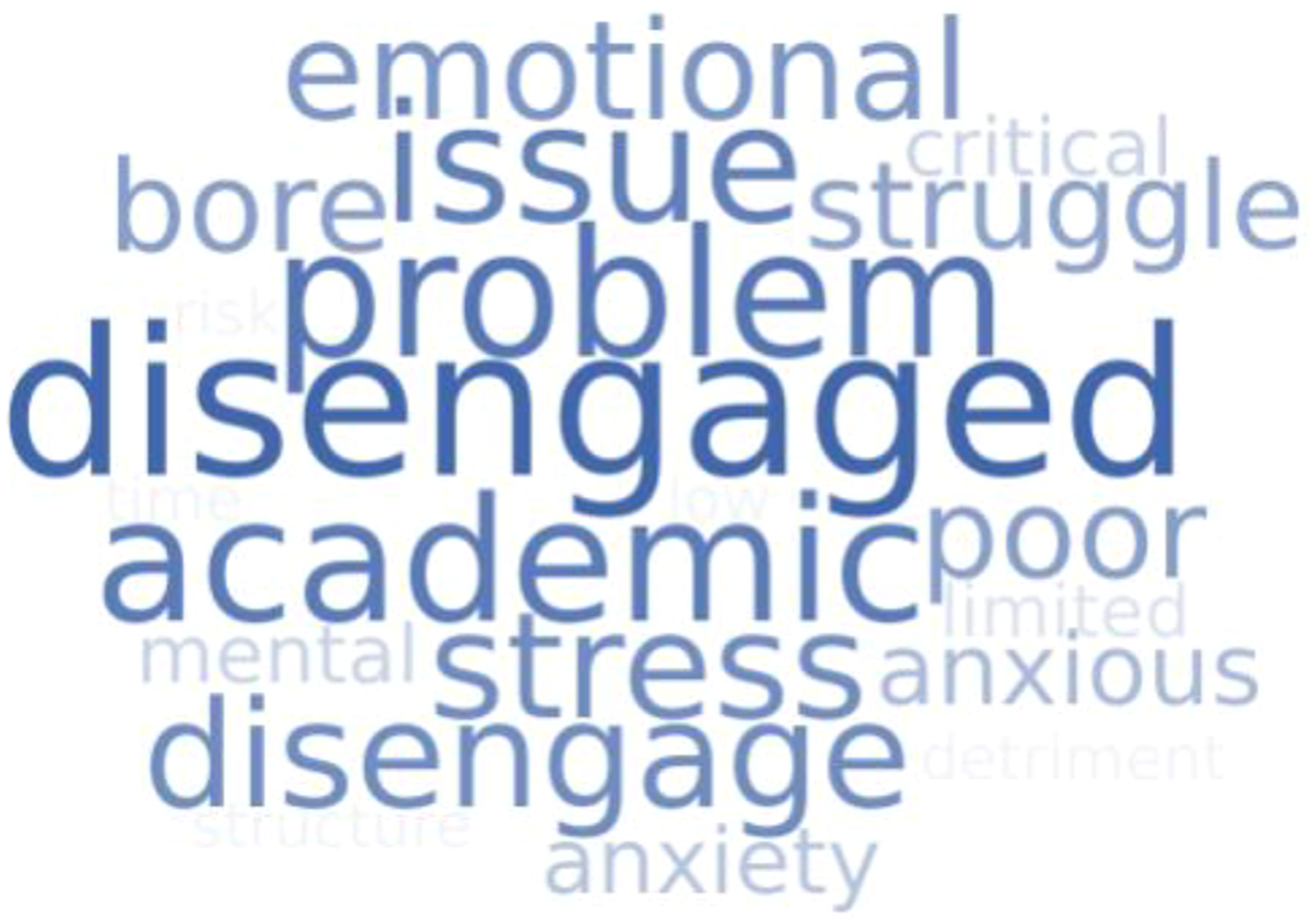
Benefits and Disadvantages of Play-Based Learning
Qualitative responses to perceived benefits of PBL.
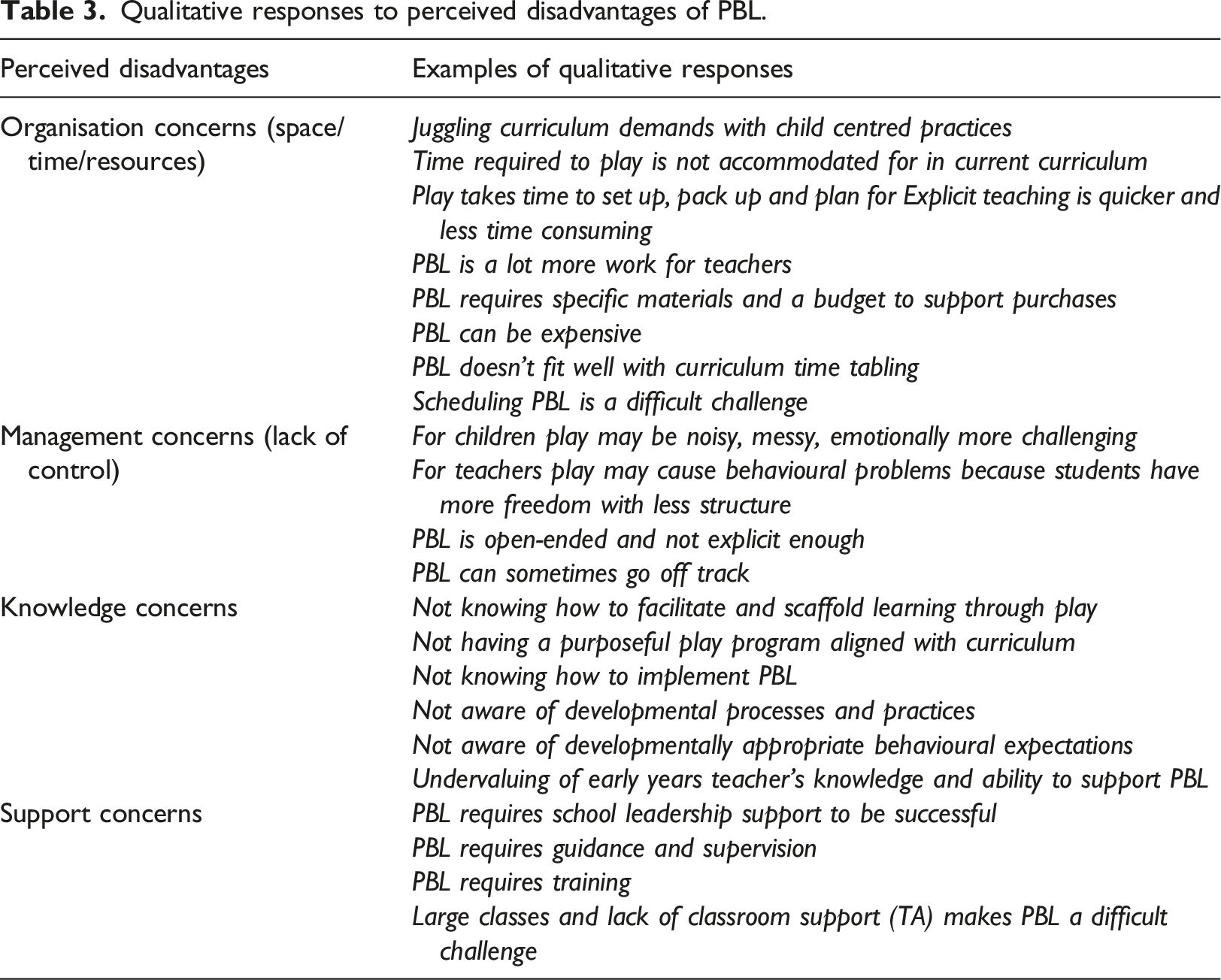
Qualitative responses to perceived disadvantages of PBL.
Assessment/Reporting and NAPLAN
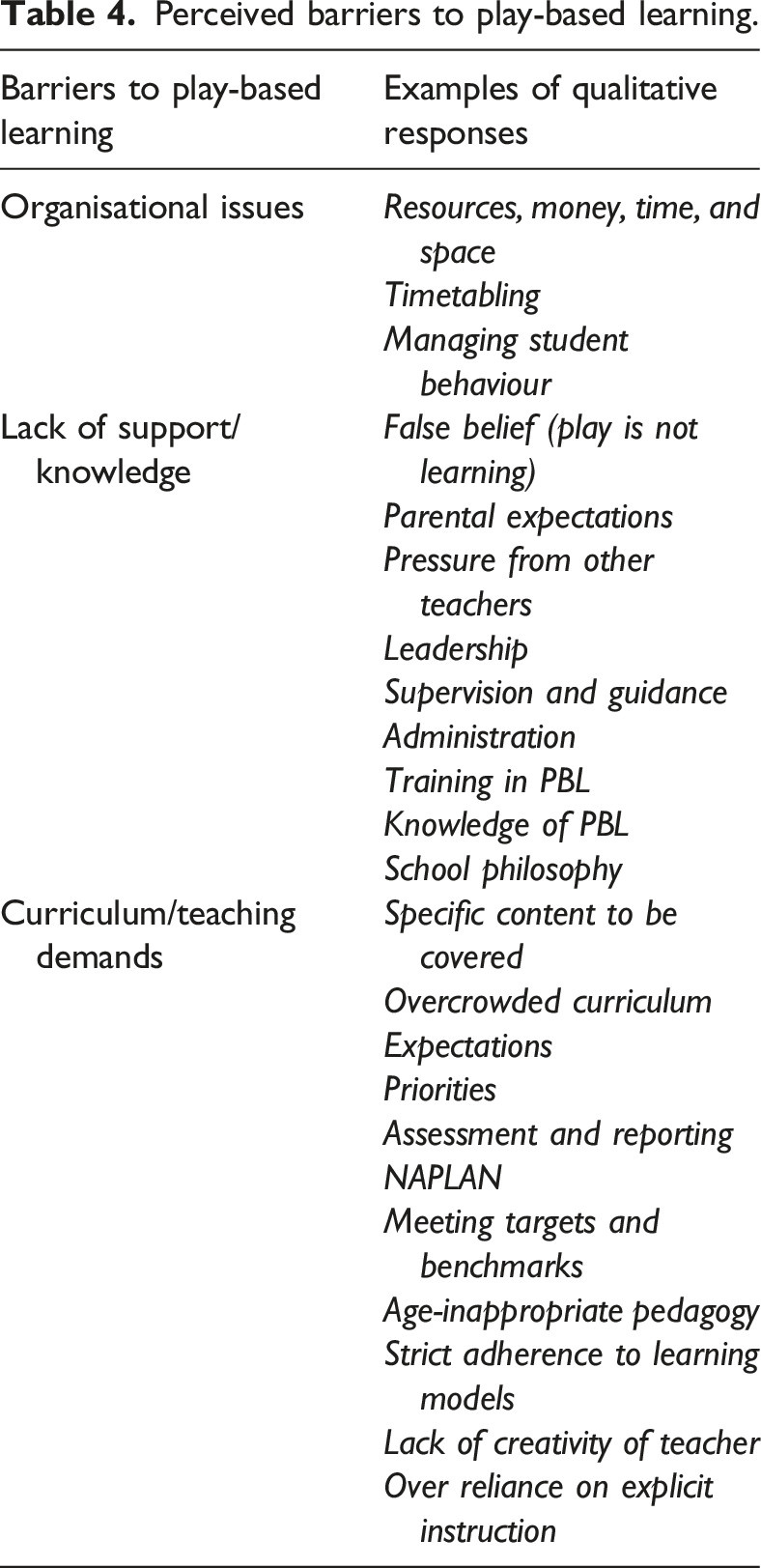
Perceived barriers to play-based learning.
Discussion
The present study gathered and analysed quantitative and qualitative data from teachers currently employed in Queensland primary schools in order to investigate knowledge, practices, beliefs, confidence and perspectives on matters pertaining to PBL.
Benefits of Play-Based Learning
One hundred percent of those surveyed for the current study described PBL as an active, child-centred way for children to explore their learning. It must be noted, however, that it is likely that survey respondents had a particular interest in and familiarity with PBL. Benefits were described in relation to developmental skill acquisition (language, social/emotional, physical and cognitive) and as a way to naturally engage children in their learning. A teacher’s role in PBL was often described as a facilitator and/or collaborator where learning was scaffolded to meet individual needs. These descriptions are consistent with the Queensland Department of Education and Training (n.d.) teacher guidelines on what constitutes PBL and echoes previous definitions of PBL in the literature (Nolan & Kilderry, 2010; Weisberg et al., 2013).
Confidence in Play-Based Learning
Results highlighted teachers with knowledge in ECE (qualifications and/or experience) were more confident in PBL, provided more PBL in their program, rated the importance of PBL more highly, and believed there should be fewer instructional teaching practices than teachers without this knowledge. A statistically significant difference (p < .05) between teachers with and without qualifications in ECE was found for all these variables. In other words, teachers were significantly more confident in PBL, provided more PBL, rated the importance of PBL more highly and believed there should be fewer instructional teaching practices if they also had qualifications in ECE. Qualifications and/or experience in ECE are therefore considered key teacher factors that enable PBL. This finding supports previous findings documented in the research literature (Hesterman, 2019; Hunkin, 2014; Jay & Knaus, 2018; Riek, 2019; Wood, 1999).
Practices in Play-Based Learning
Analyses identified a large variation in the amount of PBL currently available to children in classrooms. On average, teachers perceived PBL as occupying 35% of their class program; however, this varied by up to 22%, meaning that some teachers perceived PBL to occupy as little as 13% of their class program and others a little over half of their program (57%). In comparison, West Australian teachers perceived that PBL on average occupied 51% of their class program; however, by how much this varied has not been specifically stated (Hesterman, 2019). In summary, the amount of PBL children have access to is widely inconsistent. Queensland teachers believe that there should be more PBL in the classroom (88%), which matched almost identically with the belief of West Australian teachers (Hesterman, 2019).
Beliefs in Play-Based Learning
Almost all participants surveyed (93%) recognised the importance of play to children’s learning and development describing PBL as either ‘most important’ (56%) or ‘somewhat important’ (37%). This was similarly congruent with West Australian teachers’ beliefs regarding the importance of PBL to children’s learning (Hesterman, 2019). However, despite Queensland teachers’ belief in the importance of play-based learning, including its relevance to children’s development and learning right throughout the primary school years, their responses called to attention the current lack of belief (support and guidance) from school leadership for this pedagogy. Teachers identified feelings related to powerlessness and an undermining of professional knowledge related to developmental processes.
Barriers and Enablers to Play-Based Learning
The current study highlighted that knowledge (qualifications and/or experience in ECE), although likely to enable PBL, does not guarantee it. Factors outside of teachers’ control, such as organisational issues, levels of support and curriculum demands, were also found to influence pedagogical decisions over and above individual teacher preferences. Previous findings also confirm this (Hesterman, 2019; Jay & Knaus, 2018; Riek, 2019; Wood, 1999). Nearly all participants (94%) in the current survey identified barriers to PBL. External factors having an impact on provision of PBL emerged from participants’ responses: support, organisation and curriculum. Internal teacher factors included a lack of PBL knowledge and feelings of fear/uncertainty related to the management of children’s behaviours and expectations of a PBL approach.
Strengths and Limitations
The current study investigated PBL in Queensland primary schools, giving a voice to teachers/educators usually represented in the research literature (e.g. classroom teachers and leadership teachers) (Hesterman, 2019; Jay & Knaus, 2018; Riek, 2019) as well as teachers/educators not usually represented in the research literature (e.g. support and inclusive education teachers, teacher aides, guidance counsellors and specialist teachers). The current study also cast a wider recruitment net than previous research investigating teacher perspectives of PBL in Queensland schools (Riek, 2019), inviting teacher/educators state-wide, from all sectors of education (state, independent and other), and from all primary school grades. This provided an opportunity to represent all stakeholders in PBL in a primary school setting across Queensland. It is acknowledged, however, that survey respondents were likely to have a particular interest in PBL and were more likely to have ECE experience.
Summary
Findings from this study highlight that teachers perceive the need for more PBL than what is currently available in Queensland schools, and that the quantity of PBL currently available to Queensland children is variable. Teachers with ECE knowledge (qualifications/experience) rated the importance of PBL more highly, were more confident in PBL, believed there should be fewer instructional practices, and provided more PBL in their classroom programs than those teachers without ECE knowledge. Knowledge in ECE was therefore deemed an enabler of PBL. Teachers identified three main external barriers to PBL in Queensland schools, namely a lack of support from leadership; curriculum demands, particularly assessment and reporting; and organisational issues such as a lack of space, time, and resources. Internal barriers to PBL included a lack of knowledge in early childhood developmental processes. These findings highlight the prospective suitability of ECE teachers to support, mentor and or guide other teachers regarding PBL practices.
Research reminds us that teachers occupying leadership roles who are confident in PBL (qualifications and or experience in ECE) are potential enablers of PBL because they are more likely to support and or provide staff development in this area (Hesterman, 2019; Parker & Neuharth-Pritchett, 2006; Riek, 2019; Walker, 2011). This means ensuring teachers with ECE qualifications are represented in early years classrooms, that leadership roles are occupied by professionals with ECE qualifications, and that whole school approaches to teaching and learning do not alienate early childhood educators or disadvantage early years learners.
Conclusion
Play is how children learn. The benefits of play to a young child’s social, emotional, language, physical and cognitive development are universally recognised yet a pedagogy supporting play has not received equal acceptance. In Queensland, PBL is recognised as an age-appropriate pedagogy. However, the application of play to learning in the classroom appears less understood or supported by the systems teachers are held accountable to, including school leadership and standardised curricula. This means that, despite individual teacher knowledge of developmental learning theory and appropriate practices, PBL as a pedagogy may not have a secure place in Queensland schools.
This study has provided teachers a voice in matters pertaining to PBL in a Queensland school context. Responses suggest that improved resourcing of PBL, promotion of PBL as a developmentally appropriate practice, aligning assessment and reporting methods with PBL, promoting training in PBL, providing leadership in PBL, providing mentoring in PBL and establishing goals and expectations for PBL in a school context. These findings and those similar (Hestermann, 2019) highlight the need for collaborative and systemic address of PBL in an Australian school context.
The national context of the Australian curriculum for improving system standards for the support and acceptance of PBL in all Australian schools is paramount. Improving educational practices not only involves curriculum frameworks and teaching models, it relies on supportive practices; community connection, knowledge, experience and evidenced-based practices (Bronfenbrenner, 1979). This responsibility rests with The Australian Curriculum and Assessment Authority (ACARA), State Government Education Departments, teacher training programs, individual schools and teachers already qualified and/or experienced in ECE.
Footnotes
Declaration of conflicting interests
The author(s) declared no potential conflicts of interest with respect to the research, authorship, and/or publication of this article.
Funding
The author(s) received no financial support for the research, authorship, and/or publication of this article.
