



Abstract
Considering the implications of Netflix’s role as a content producer for cultural diversity in Europe, this methodological article investigates how to define and measure the locality of Netflix Originals. We employ a threefold methodological study based on industry data analysis, audience reception research, and content analysis. This replicable and scalable methodological design provides a solid analytical framework for future studies examining Netflix Originals from the normative perspective of cultural diversity. Demonstrating the steps of our exploratory study, we also find that Netflix’s locally-produced but globally-oriented content uses culture as window dressing, warranting further research.
Keywords
Introduction
In 2022, Netflix released a South Korean adaptation of the Spanish series Money Heist (2017–2021) with one of the stars from Squid Game (2021– ). The teaser showed a character looking at a wall of masks, including the original Dalí mask alongside Korean Hahoe masks, before grabbing one out of the shot (Netflix Asia, 2022). This stark visual exemplifies a localisation strategy of swapping cultural elements to replicate successful formats in different settings, yet analysis of Netflix Originals from the normative perspective of cultural diversity lacks a solid methodical framework. How can scholars define and measure locality in a global streaming context?
The locality of Netflix content has significant implications for the sustainability of cultural industries, both economically and in terms of the cultural diversity of content offered. However, the European Union’s (EU) existing regulatory tools, such as content quotas and prominence requirements, do not necessarily solve the cultural diversity issues at hand (Idiz et al., 2021). Netflix’s first European production hub was opened in Spain in 2018 (Edgerton, 2023), and in 2020, Netflix became the largest scripted content commissioner in Europe (Ampere Analysis, 2021). Since Netflix’s own productions count as local content under European policy measures, it is important to take a closer look at these series to understand their alignment with cultural diversity goals. Although content diversity is a core conceptual component of cultural diversity (Napoli, 1999: 18–24), content carried by global streaming services lacks systematic examination in this regard. Cultural diversity policy concerns connect to pre-existing fears of homogenisation and ‘Americanisation’ due to the dominance of Hollywood (Salsabila, 2021). However, the tension around global/local content is complicated by the arrival of multinational streaming services, which operate globally as data-driven producers and distributors.
In the field of cultural analysis, particularly cultural diversity, Netflix’s content and catalogue are important data sources. Researching Netflix’s nonlinear catalogue—which differs by region, exists in over 190 countries, and is not easily accessible (Lobato, 2018)—is not without challenges. Nevertheless, it is precisely because of this complexity that such research is essential. Ramon Lobato asks ‘How “local” is Netflix programming?’ (2018: 244) while Amanda Lotz suggests an analysis of ‘the textual characteristics of commissioned series’ (2021a: 10) and comparisons between Netflix series of different origins and domestic counterparts. Building on this research agenda, we focus on one specific area: Netflix’s locally-produced scripted series in Europe. How can researchers examine the locality of this content? Through a proposed threefold methodological approach, we demonstrate how different quantitative and qualitative research forms offer valuable and complementary insights. We investigate whether the increased production of local content is reflected in content popularity/promotion; whether a small sample of Netflix’s European content contains markers of locality; and how viewers receive such content. Demonstrating the steps of each of these methods, we also present exploratory findings which showcase the types of insights stemming from this novel methodological framework.
Researching cultural diversity in Netflix originals
Cultural diversity, a founding principle of the EU, has been challenged by today’s global digital media landscape (Idiz et al., 2021; Ranaivoson, 2019). In Philip Napoli (1999) analytical framework, cultural diversity includes source diversity, content diversity, and exposure diversity. Content diversity can be conceptualised as diversity as sent versus exposure as received (Napoli, 1999). Cultural diversity policy often regulates source and content under the assumption that this will result in exposure diversity. This assumption is, however, largely unfounded (Idiz et al., 2021; Napoli, 1999; Ranaivoson, 2019).
As one of the first to address streamers in its regulatory framework, EU policies have been transferred to other parts of the world (Eklund, 2023), warranting close attention. In 2018, the EU revised the Audiovisual Media Services Directive to include provisions for video on demand (VOD) services, including a content quota and investment obligation for ‘European works’ (European Parliament and Council, 2018: Article 13). Canada followed, requiring streaming services to produce and distribute ‘Canadian stories’ (Government of Canada, 2023). Australia will introduce local content quotas for streaming services by mid-2024 to protect ‘the voices of Australian storytellers’ (Frater, 2023). The EU has established various policy measures to promote local content production; however, whether European Netflix content meets the policy goal of cultural diversity—the production and consumption of cultural stories from diverse voices—is unknown (Idiz et al., 2021). Defining local works is a crucial challenge, as problematised by Screen Producers Australia: ‘There’s a world of cultural difference between “Pirates of the Caribbean” and “The Drover’s Wife,” both of which were supported by Australian taxpayers’ (Frater, 2023).
In researching the cultural diversity of Netflix series, we must review the literature on Netflix’s content strategy and content/catalogue research. Facing increased competition from other major streamers, exclusivity and premium content have become a key competitive advantage for Netflix, hence its significant investment in original programming. As Netflix has expanded globally, it has increased localisation through local-language content (Ampere Analysis, 2022a) and translation efforts. In tandem, fears of cultural imperialism surrounding the American service have grown (Arriaza Ibarra and Navarro, 2022: 483; Davis, 2023). Additionally, Netflix collects extensive data on its subscribers, which is used at various stages of production and distribution (Gomez-Uribe and Hunt, 2015; Smith and Telang, 2016: 3–15). The opaque role of algorithms has become a focus for policymakers and media scholars, some of whom have enquired, ‘what happens when engineers—or their algorithms—become important arbiters of culture?’ (Hallinan and Striphas, 2016: 131). One concern is that this will lead to a homogenising tendency that may adversely impact the cultural diversity of content (Wicks and Kääpä, 2022: 2).
The study of content diversity has a history in catalogue research, particularly the study of TV schedules (Lobato, 2018: 243). Napoli (1999: 18–24) breaks down content diversity into programme-type diversity (content types available), demographic diversity (people featured), and idea-viewpoint diversity (cultural perspectives). The latter is the most challenging to assess for reasons of subjectivity and bias (Napoli, 1999: 24), but also arguably the most relevant aspect to the policy goals of cultural diversity. Research into Netflix’s catalogues suggests that ‘there are clearly national biases in Netflix’s [content] strategy, but, notably, these biases are not simply described as uniformly “Western”’ (Lotz, 2021a: 10). Netflix has reported that ‘the libraries of most non-English-speaking countries are made up of roughly 90 per cent foreign language content’ (Skinner, 2020). A recent study discovered that over half of Netflix’s library content in 17 countries was not United States-produced (Lotz et al., 2022: 514). Although ‘Netflix libraries are not overwhelming[ly] composed of American titles, [it was found that] they are also not particularly local’ (Lotz et al., 2022). Conducting local content audits of Netflix’s Australian catalogue, Lobato and Alexa Scarlata (2017, 2018, 2019) found that Netflix had minimal percentages of Australian content but a higher proportion of Australian original productions than the local subscription VOD service. It is precisely because Netflix produces so much internationally that this article examines such content and its performance on Netflix’s catalogue to understand whether supply-side content diversity is reflected in Netflix’s promotion strategy and its subscribers’ viewing patterns. Examining the impact of online platforms on exposure diversity, Heritiana Ranaivoson (2019) highlights particularly the role of algorithmic recommendation systems. These, he argues, lead to biases such as presentation bias through the promotion of exclusive content and over-specialisation through recommending content similar to what users previously watched (Ranaivoson, 2019)–both of which apply to Netflix.
It has been claimed that locally produced Netflix content has fewer cultural references than local content made by domestic counterparts (The Economist, 2021) or is ‘culture-neutral’ (Arriaza Ibarra and Navarro, 2022: 497). Scarlata and colleagues (2021) warn against an overly reductive binary between the local (authentic) and the global (inauthentic). Mareike Jenner identifies how Netflix’s content features ‘a “grammar of transnationalism”, specific textual features that make texts viable in a reciprocal relationship across borders’ (2018: 220). This should be contextualised within European television traditions, characterised by a rise in transnational European co-productions since the 2000s, with public service broadcasters as the main commissioners (Bondebjerg et al., 2017: 79–97). Ib Bondebjerg and colleagues (2015: 12–13) describe a spectrum of European content ranging from ‘national’ European content (developed and produced by and for one nation) to ‘transnational’ European content (transnationally co-financed, co-produced, and widely distributed). The latter aims to appeal to a more global audience (Bondebjerg et al., 2015: 13), as exemplified by the Danish/Norwegian/Swedish/German co-production The Killing, ‘a series saturated with Danish cultural and social references, […] inserted in a relatively universal, generic framework’ (Bondebjerg et al., 2015: 227–228).
In the context of streaming, Vilde Schanke Sundet (2021: 51–76) describes three drama production strategies: ‘going big’ through high-budget co-productions targeting transnational audiences, ‘going small’ through small-budget cultural productions targeting niche local audiences, and ‘going again’ through remakes. ‘Going big’ productions simultaneously target national audiences with cultural proximity, the notion that audiences prefer culturally familiar content (Straubhaar, 2007), and international ones with the exoticness of a specific cultural context (Sundet, 2021: 57). Because of this dual-address, these series run the risk of becoming a ‘“Europudding”–that is, something designed to please everyone that turns out to please no one’ (Sundet, 2021: 55).
Finding nuanced language to evaluate local content is key. In this vein, Lotz and Anna Potter (2022) make the case that cultural policy should distinguish between placeless, placed, and place-based stories to allocate public funding better. Placeless series ‘could take place “anywhere” and are designed that way’ (Lotz and Potter, 2022: 688); placed series ‘are geographically located in the narrative’ (: 689), and place-based series ‘tell stories that could not be set anywhere else’ (: 689). Netflix, they argue, ‘is unlikely to prioritise place-based content’ (Lotz and Potter, 2022: 691).
It is equally important to consider how audiences receive cultural content. Michèle Lamont (2012: 205) describes how audience evaluation is both a social and cultural process, in its requirement of a set of agreed-upon referents/criteria and its establishment of relational value. In the case of audiovisual media, Valérie Beaudouin and Dominique Pasquier have demonstrated the value of studying ‘online cultural evaluation’ (2017: 1811) or amateur reviews for films/series on online review platforms.
Conceptualisation and methods
This study aims to demonstrate how employing different methods of reading industry data, content, and reception can improve our understanding of localism in the context of global streamers. Netflix Originals are especially revelatory of Netflix’s content strategy (Lotz et al., 2022: 7). Branded Netflix Originals include both full Netflix Originals (produced by Netflix from inception) and acquired Netflix Originals (produced externally but acquired by Netflix with exclusive distribution rights). We study scripted content as this is where Netflix invests most, and its localisation strategy is visible. We examine these series for ‘locality’, which we understand to be reflected in markers of local culture. We conceptualise these markers as including basic signifiers such as geographic setting and landmarks, cultural references (for instance, language, food, music, clothing, national/historic symbols), and more nuanced socio-cultural elements (for instance, economic disparities, class/racial dynamics, colonial legacy). We focus on the supply side, looking for these markers at key points where locality comes into play: the catalogue, the series, and audience reception.
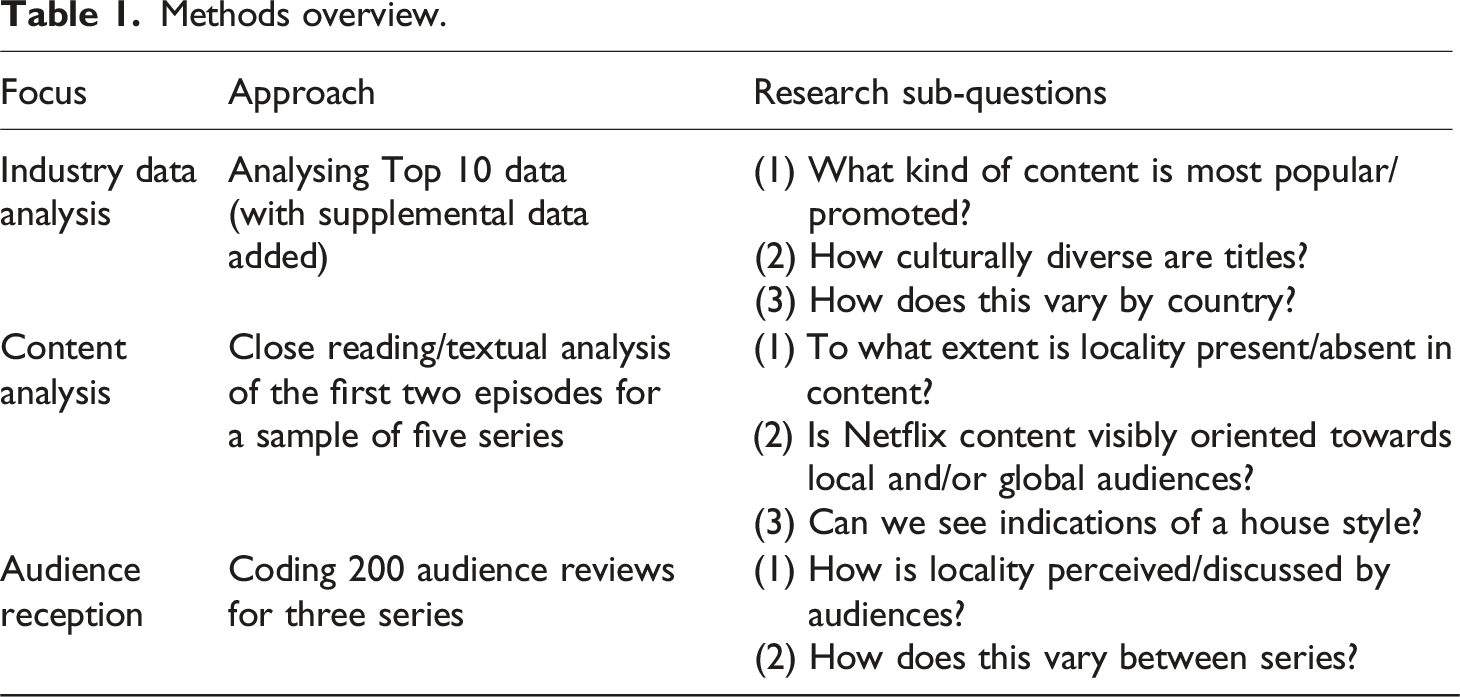
Methods overview.
Industry data analysis
Considering content and exposure diversity, our first and highest-level research objective is to understand which content is most popular (that is, what travels best) on Netflix’s catalogue, what genre/origin/type of content dominates, how diverse this content is, and whether there is an observable preference in different regions for local content. Although Netflix lacks transparency with its viewership data, the company has made its Top 10 lists, which rank content based on weekly hours viewed, publicly available (Netflix, 2022).
To compile the popularity dataset, we used Netflix’s three downloadable Top 10 lists: ‘Global’, ‘Country’, and ‘Most Popular’ (Netflix, 2022). Netflix split each of these lists into four categories: Film (English), TV (English), Film (Non-English), and TV (Non-English). Our study of these lists covers 35 weeks (from 28 June 2021 to 27 February 2022). During our research, journalists at Bloomberg published an analysis of the same dataset (Shaw and Saito, 2022), providing useful context. This period coincides with the release of Squid Game, Netflix’s most significant global hit to date, skewing the results towards South Korean content and increasing the average viewing time spent on Netflix (Shaw and Saito, 2022). In our findings, we refer to ‘ranking spots’ which are distinct from titles, as a single title can spend multiple weeks in a top ten spot. In the period examined, there are 700 total ranking spots (ten ‘English’ + ten ‘Non-English’ spots per week, for 35 weeks) consisting of 170 titles. We focus on ranking spots to represent popularity and factor in more accurately the duration each series spent in the Top 10.
The ‘Global’ list ranks the most viewed titles weekly around the world, while the ‘Country’ list ranks the most viewed titles in close to 100 countries (Netflix, 2022). Finally, the ‘Most Popular’ list shows the overall ten most popular Netflix branded films and TV series. Due to the scope of our research, these lists were filtered to focus on TV content (excluding films). Data relevant to our study was added to each list, including genre and subgenre per IMDb, country of origin, and type of production (Netflix Original-branded or not). Where IMDb listed multiple genres, we differentiated between major genres/content types and more specific sub-genres, identifying six overarching categories (animation, documentary, reality, drama, comedy, kids). Finally, of the near-100 countries in the ‘Country’ list, we limited our sample to Netflix’s ten biggest markets (Shaw and Saito, 2022): Japan, Mexico, Brazil, South Korea, United States, Australia, Canada, Germany, France, and United Kingdom. This allowed us to compare results. For each of these, we selected the five series which spent the most cumulative weeks in the Top 10, to examine how viewing/promotion differed in these countries.
Netflix’s Top 10 data has limitations. It was initially criticised for providing only an ordinal ranking (Lotz, 2021a: 891). However, the downloadable lists now include weekly hours viewed and cumulative weeks in Top 10. As the Top 10 metrics are designed and published by Netflix, scholars have argued that they serve a strategic purpose to demonstrate the popularity of its Originals and are influenced by what is most promoted (Afilipoaie et al., 2021; Scarlata, 2023; Wayne and Uribe Sandoval, 2021: 93), although this remains unproven. Scarlata (2023) has evidenced how, despite these limitations, a critical and systematic analysis of Netflix’s Top 10 can yield insights into viewing trends. We stress that these lists cover only the most viewed content; as such, they do not account for the overall diversity of Netflix’s catalogues or the cultural power of niche content (see Lotz, 2021b: 896). Furthermore, the popularity of most viewed series can be influenced by factors external to Netflix, including social groups, critical acclaim, and media repertoires. For these reasons, we acknowledge the limitations of Netflix’s Top 10 but nonetheless find it to be a valuable dataset when contextualised for the analysis of Netflix’s content strategy and viewership patterns.
Content analysis
Our second research objective is to understand how content produced by Netflix in different countries presents its cultural context and how to measure locality. To what extent are cultural markers present/absent in content? Does this vary between Netflix and non-Netflix content? Can we see indications of a house style across Netflix series? Answering these questions necessitates a closer examination of the content itself. We therefore conducted a textual analysis of episodes from different series.
Close reading series selection.
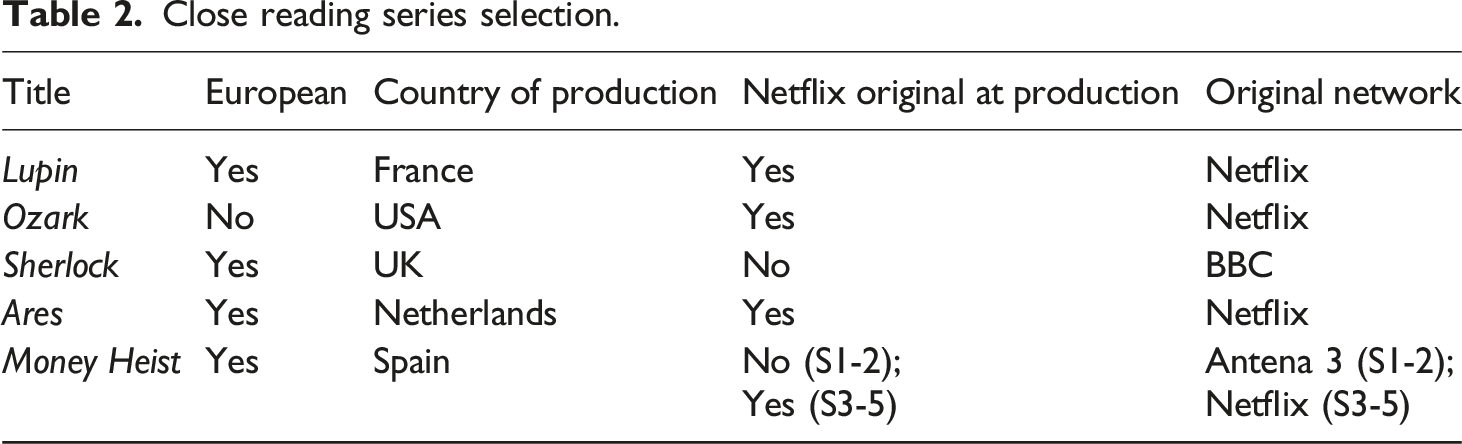
For each series, we conducted textual analysis of the first two episodes based on an inductively created template to analyse markers of locality at the content level (see Appendix 1). Within the framework of cultural diversity, European policymakers and audiovisual funds generally define local works based on language, country of origin, or the origin of the majority costs of production (European Audiovisual Observatory, 2019). Napoli’s (1999: 18–24) notion of content diversity goes beyond this, also considering the diversity of content types and the diversity of people and ideas/cultural perspectives featured in content. In line with Napoli’s breakdown of content diversity, certain audiovisual funds have more nuanced cultural criteria in their checklists. For instance, the Netherlands Film Fund allocates points for cast and crew from the Netherlands, diversity of cast and crew, and visibility of Dutch landmarks (Netherlands Film Fund, 2023).
In building our close reading template, we aimed to comprehensively assess locality as visible in content. Our markers were organised into four categories (geographic elements; cultural elements, including language; production elements; and distribution elements) and bolstered with literature analysing the selected series where available. We focused on the first two episodes based on our assumption that pilot episodes set the scene and thus would likely contain cultural references to establish the locale, while the second episodes may be more indicative of the overall series in terms of exposition. The close readings were subsequently compared across the series. While the small-scale sample does not allow for a comprehensive analysis of the cultural diversity of Netflix’s productions, it does allow us to demonstrate the value of this methodology and signal trends that provide avenues for further research.
Audience reception
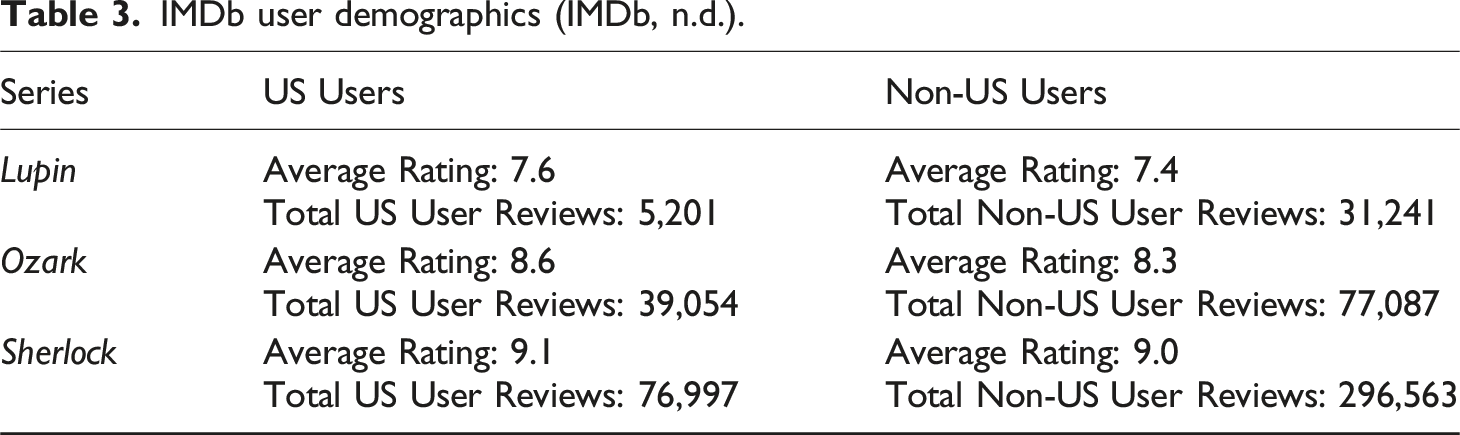
Our final research aim is to understand audience perceptions of local content. To this end, we examined whether/how the selected series are differently received and compared them by predetermined categories. We selected reviews for three series within our close reading sample: Lupin, Ozark, and Sherlock. To assess the reception of these series, we collected a total of 200 reviews per series. This included 100 user reviews from IMDb and 100 from Rotten Tomatoes. We used the different platforms’ sorting tools to broaden the range of reviews (rather than a time-bound selection, which would only show the most recent reviews).
These reviews were subsequently coded and comparatively analysed by two of the authors of this study. This codebook was inductively designed in tandem with the template for the close readings to cover the same markers of locality and assess to what extent these are discussed by viewers (see Appendix 2). We coded a range of characteristics, including the general evaluation, what elements of the series were evaluated, emotions present in the evaluation, and references to geographical location, landmarks, and culture. We compared the three series based on those features to see whether there were substantial differences. To test intercoder reliability, 20 Rotten Tomatoes reviews were coded by both coders, and the intercoder reliability test yielded satisfactory results for the variables reported below.
IMDb user demographics (IMDb, n.d.).
Exploratory findings: industry data analysis
When looking at type of production (Netflix Original-branded or not), 83 per cent of the ranking spots making up the most popular TV content globally on Netflix are branded Netflix Originals. This number stayed within one point when broken down into English and non-English content. A likely explanation is that Netflix titles are more heavily promoted, creating a circular effect whereby they are watched more and thus likely to appear in the Top 10 (further increasing their visibility). Without knowing the global composition of Netflix’s catalogue, it is difficult to expand on this finding. However, it is worth noting that as of 2022 in the United States, Netflix’s Original-branded titles surpassed the number of licensed titles, making up 50.7 per cent of the catalogue (Ampere Analysis, 2022b).
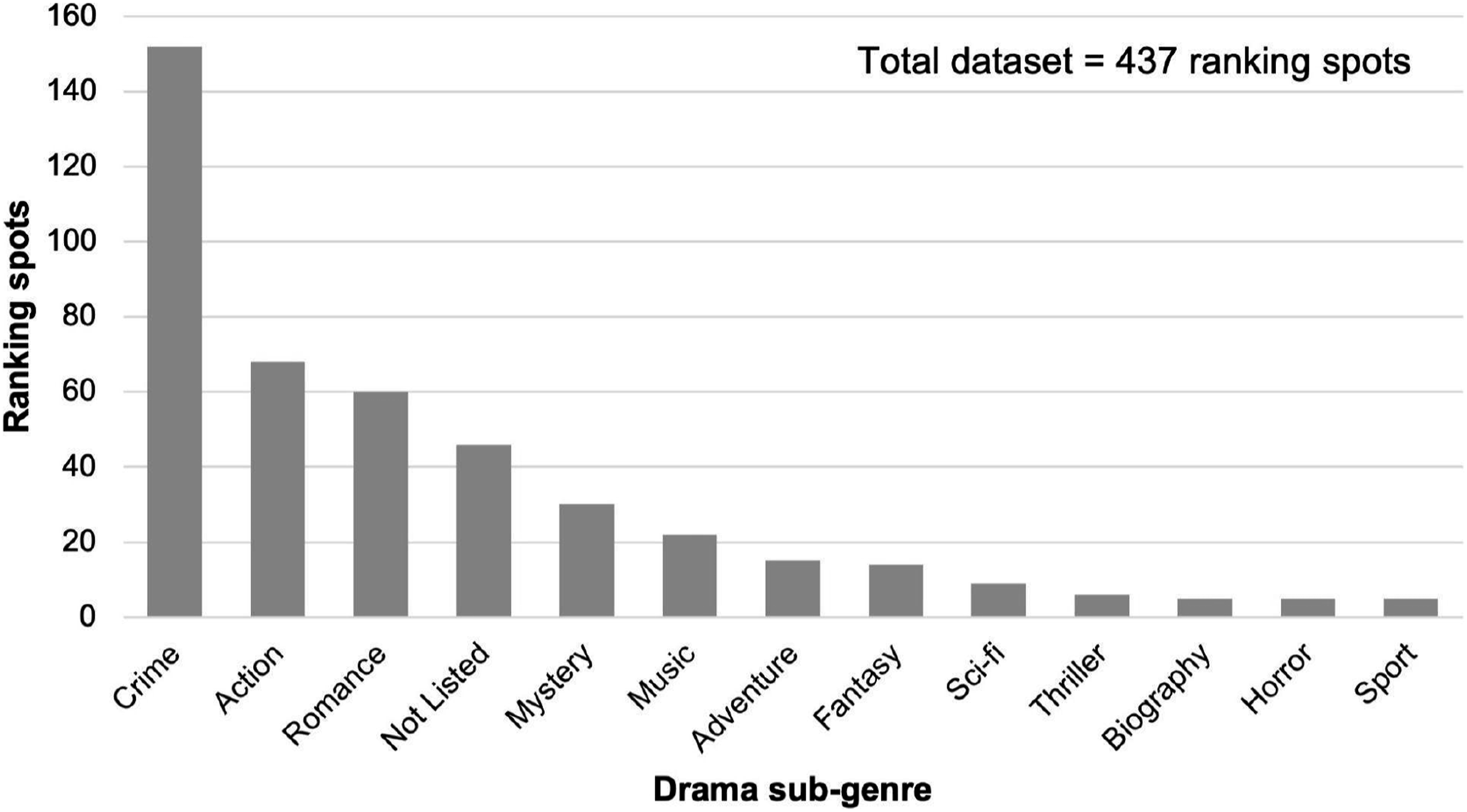
In terms of genre, TV dramas comprised the majority (62 per cent) of the global Top 10 ranking spots (see Figure 1). The most popular sub-genres within drama were crime, action, and romance (see Figure 2). Note that some titles did not have sub-genres listed on IMDb, hence the ‘Not Listed’ category. This aligns with research suggesting that Netflix prioritises genres with universally known conventions so that these stories can travel (Afilipoaie et al., 2021: 319; Wayne and Uribe Sandoval, 2021: 93). This is also corroborated by Catalina Iordache and colleagues who find that when it comes to producing full Originals in Europe, ‘considering the necessary cultural and linguistic negotiations, it is likely that Netflix mitigates risks by producing genres that have proven attractive to transnational audiences, such as high-concept series, particularly drama’ (2022: 248). Comedy is the second most popular genre (making up 18 per cent of the ranking spots), negating the theory that it travels less well (Raats et al., 2018: 197). Global Top 10 List – genre breakdown for TV series ranking spots. Global Top 10 List – drama sub-genre breakdown for TV series ranking spots.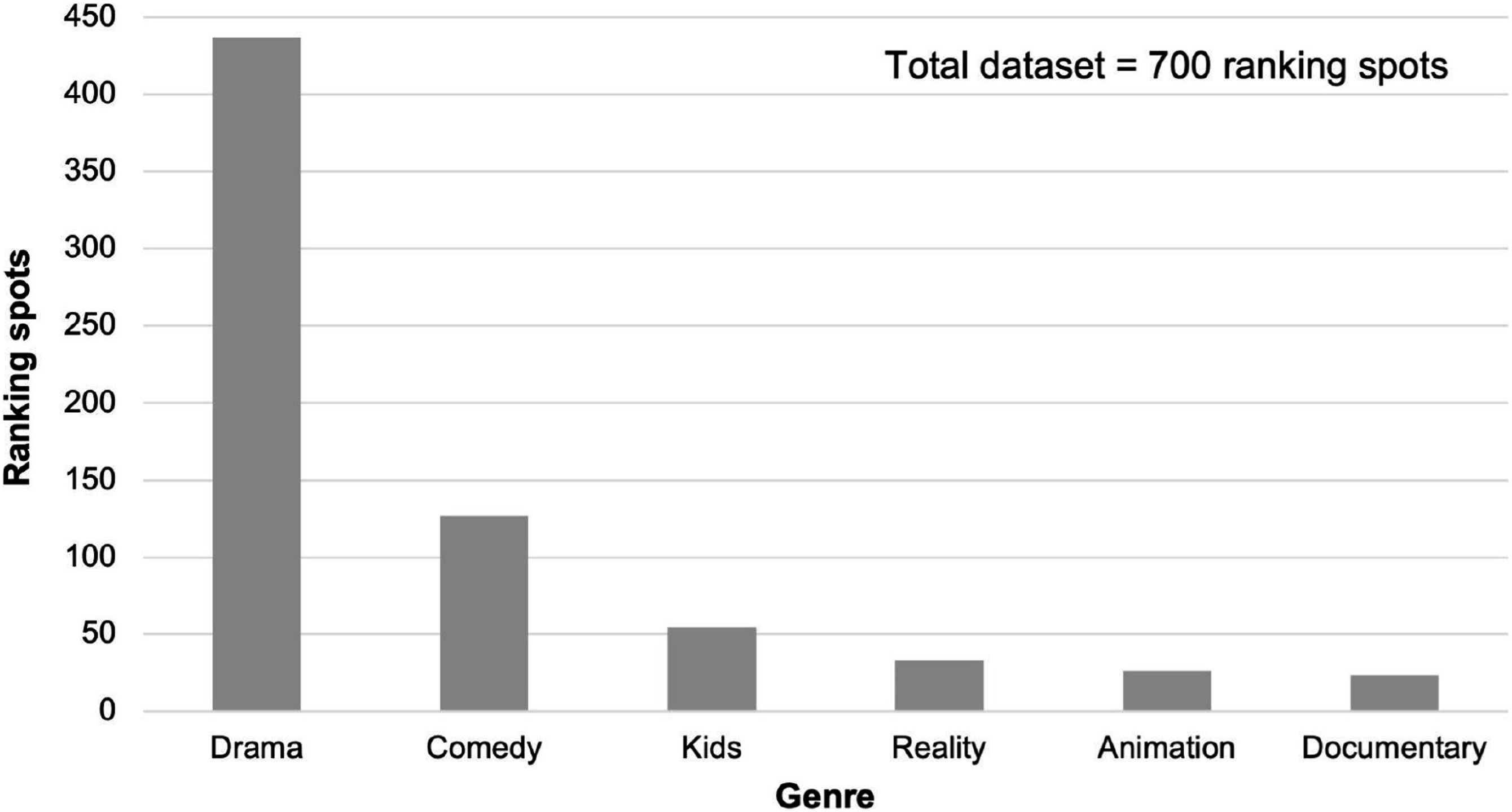
By origin, United States content held the highest global ranking spots (42 per cent), followed by South Korean, Colombian, and Spanish content (see Figure 3). Looking at the same data, external analysis notes that ‘shows in English are still more popular than shows in foreign languages [but] Foreign TV may eventually supplant English TV as the top programming category’ (Shaw and Saito, 2022). Global Top 10 List – country of origin for TV series ranking spots.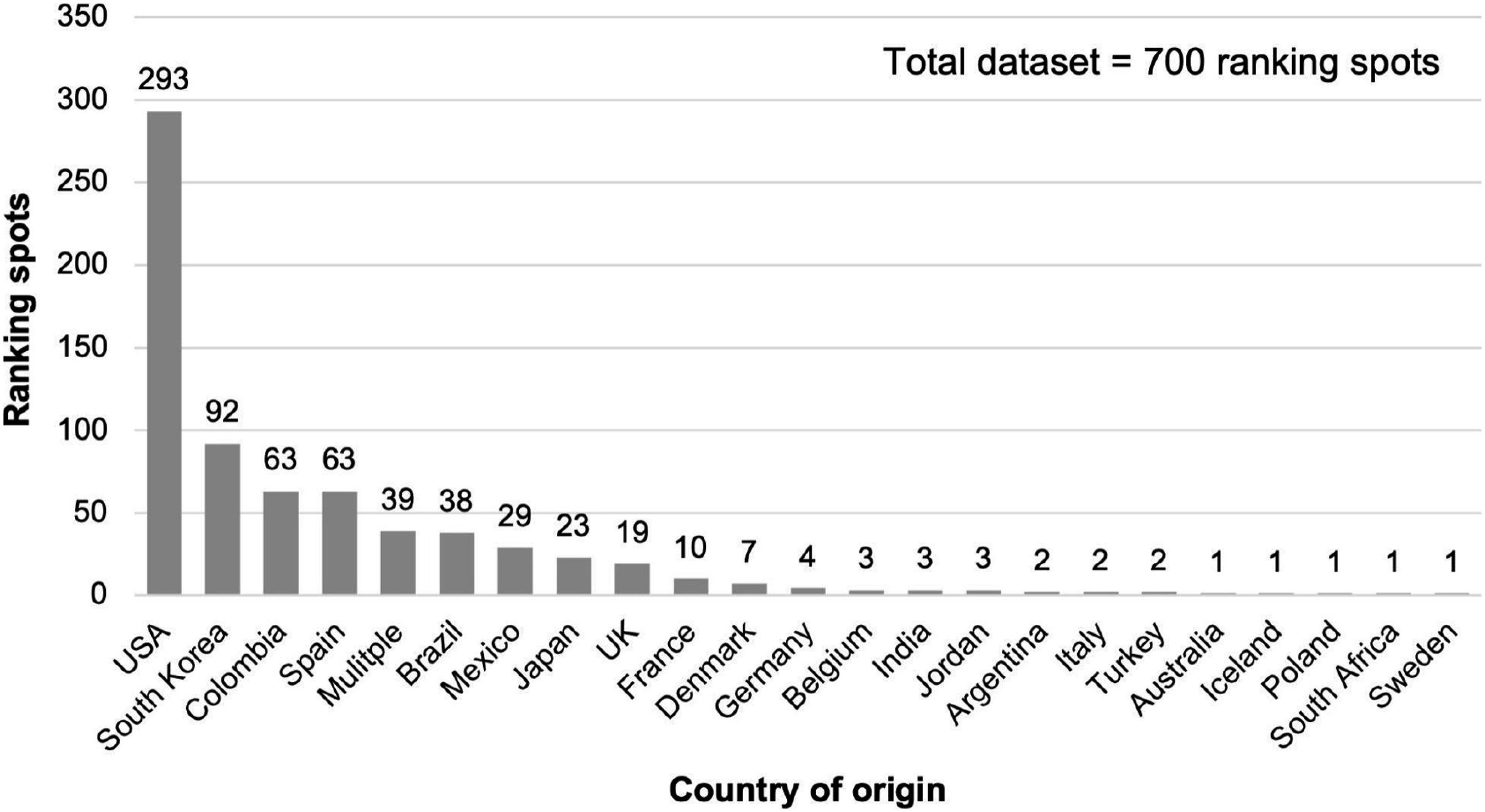
When examining Netflix’s biggest markets, preferences differed from country to country, with some identifiable viewership patterns. In the small sample studied, three categories emerged (see Table 4 for a full breakdown): 1. Countries where local or culturally/linguistically proximate content is most popular (Japan, South Korea, Mexico, Brazil) 2. Countries where United States content is most popular (United States, Canada, Australia, Germany, United Kingdom) 3. Country where mixed foreign-language content is most popular (France) Origin of five titles with the most cumulative weeks ranked in Top 10, per country.
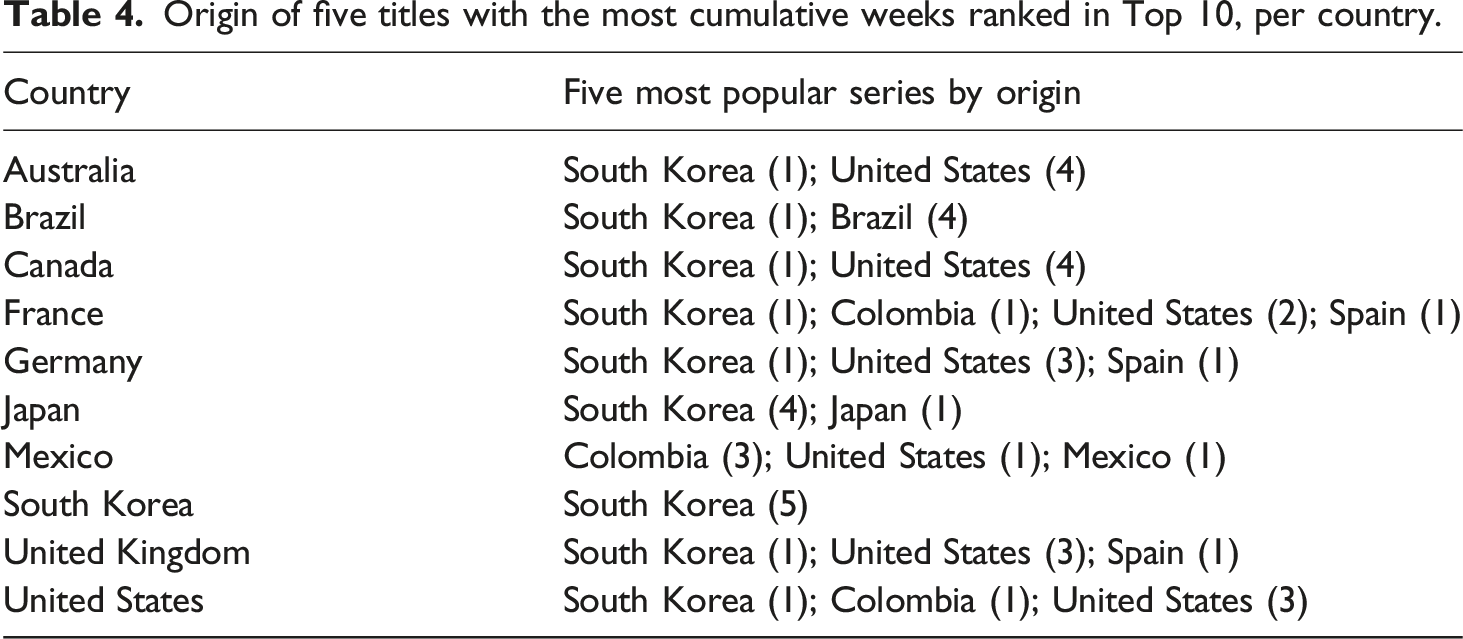
This suggests that Netflix must invest more in local content in some regions than others, to provide content that subscribers will watch. In particular, ‘[i]f it wants to succeed across Asia, it’s going to need to tailor its service in just about every market’ (Shaw and Saito, 2022).
The range of most viewed titles globally on Netflix reveals a dominance of certain types of content, particularly Netflix Original drama series from the United States. This was corroborated by Scarlata’s (2023) study on Netflix’s Top 10 in Australia. This is not to say that Netflix doesn’t offer diverse national catalogues, merely that the small sample of most watched titles remains primarily United States-produced. This discrepancy between the diversity of overall offering and the homogeneity of most viewed titles likely comes down to what is most promoted. While certain markets indicate a preference for local content, Netflix has a track record of replicating formats in different countries based on success. This is especially the case for reality TV but is now occurring with drama series, as with Money Heist: Korea - Joint Economic Area (2022). This raises concerns of a homogenising tendency in Netflix’s series, warranting a closer look at the content.
Exploratory findings: content analysis
Before describing the insights from our close reading, it is worth briefly expanding on how we built our sample. We selected series which would allow us to compare the content based on different variables—using genre (in this case crime drama/mystery) as the common thread. In addition to a French and Dutch Netflix series (Lupin and Ares), we selected three ‘benchmark’ series to exemplify these variables: a full Netflix Original from the United States (Ozark), a British public service (BBC) series (Sherlock), and an acquired series originally produced by Spanish broadcast channel Antena 3 and continued by Netflix (Money Heist).
Over-exposition and touristic settings
Rather than having fewer cultural references, as some research has suggested (The Economist, 2021), we found that the Netflix-produced series examined all have a strong touristic inclination in their exposition of local settings. Lupin shows iconic Parisian landmarks including the Louvre Museum and cafés on cobblestoned streets. Ares takes place in Amsterdam, characterised by canals, trams, and bicycles, with a scene at the Rijksmuseum. Although the pilot of Ozark takes place mainly in Chicago (bookended by scenes in the Ozarks), the Ozarks are first introduced through a tourism flyer. This can be equated to what Lotz and Potter describe as ‘placed series’, where they are set in a specific location, but this setting remains a backdrop that is not fundamental to the narrative (2022). In fact, Lotz and Potter directly reference Lupin as an example of a placed series, explaining: The series is very clearly placed in France. [...] But how much do we learn about French society or culture from watching Lupin? How well grounded is Assane’s (Omar Sy) life in being a Black man in Paris? We see France, but little of French culture. The intrigue at the centre of the story could just as well be placed in Moscow, Berlin, or Taipei with equivalent national signifiers easily exchanged (Lotz and Potter, 2022: 689).
In Sherlock, there are touristic elements in the portrayal of London, with Hackney Carriage cabs, double-decker buses, red phone booths, and shots of famous landmarks such as the Houses of Parliament, Big Ben, and the London Eye. By contrast, in the first two episodes of Money Heist, there are almost no markers of the local setting, few establishing shots, and no touristic aspect to the portrayal of Madrid (the later Netflix-produced seasons contain more touristic exposition). Instead, the opening scene shows dilapidated and unrecognisable parts of the city as Tokyo (Úrsula Corberó) leaves her run-down trailer and walks by garbage bags, graffiti-covered walls, and a chain link fence. While Lupin’s Assane Diop (Omar Sy) also moves through underprivileged parts of Paris, his banlieue is portrayed aesthetically.
We surmise that Netflix produced content, like BBC content, has some degree of international orientation and thus needs to advertise its setting to make it globally recognisable for non-local viewers. This contrasts with the first season of Money Heist, originally produced as a domestic series aimed at a Spanish audience.
Universality and topicality
The Netflix series we examined foregrounded broad social issues. Lupin and Ares deal with social dynamics related to immigration, colonialism, and racism. Economic disparities and the urban/rural divide are core themes in Ozark. In all three series, there is a contrast between richer and poorer strata of society. This aligns with what Jenner labels ‘the transnational value system’ (2018: 230), in other words, adding indicators of global progressive values through which Netflix gives its original productions transnational appeal. These themes are not just touched on, but central to the series, emphasised in the dialogue and narrative. Notably, Lupin’s creator and writer is, in fact, a British citizen who admitted that he was unaware of the source material before starting the project, but ‘recognized these characters from British literature’ and looked at French society ‘from the outside’ (Goggler, 2021).
In each series, wardrobes identify the characters’ social standing, often falling into clichés and stereotypes that would be recognisable to global viewers. For instance, Ozark divides its characters between the city-slickers from Chicago (middle-class white men in blue polos and dress shirts), the ruthless Mexican cartel (Latino men in dark suits), and the ‘white trash’ gang and Ozark locals living in poverty (greasy haired and in worn-out clothing). In Ares, the elite members of the Ares Society don elaborate ruffled blouses and ornate hairstyles and are placed in direct lineage with the nobility of the 17th century. This approach is distinct from Sherlock, where class dynamics are present, but more nuanced. The English class system may be apparent to British audiences through the characters’ accents and the upper-class eccentricities of the Holmes brothers; however, it is not overly explained for international viewers, nor does it play a central role in the storyline.
After compiling industry press related to Netflix Originals, Michael Wayne and Ana Uribe Sandoval (2021) found that universality and topicality were brought up repeatedly by the executives and talent behind these series to explain their global success. The former means their universal appeal to international audiences; the latter means how they connect to global interest topics and hold social relevance (Wayne and Uribe Sandoval, 2021). Axelle Asmar and colleagues have also demonstrated how Netflix uses a branding of diversity to cross cultures and ‘speak to everyone’ (2023: 36).
The moral ambiguity of characters is another way some of these series may aim to appeal to a broader audience. Not unique to Netflix, the narrative prominence of morally ambiguous characters and antiheroes is characteristic of complex TV spearheaded by HBO in the 2000s (1999–2007) (Mittell, 2015: 118–163). Jason Mittell theorised that creating morally ambiguous characters may ‘encourage viewers to stick around’ (2015: 149). For one of the writers of Money Heist, the focus on moral ambiguity came down to a strategic financial decision: ‘We can’t compete with the American industry’s resources, so we said: “Let’s focus on the characters”’ (Martinez Lobato in Wayne and Uribe Sandoval, 2021: 89). We found Netflix’s series were led by morally ambiguous characters, whereas Sherlock’s presentation of ‘good’ and ‘bad’ was more binary.
Netflix executives have claimed that the reason their series travel and have global appeal is due to their ‘high production values and local authenticity’ (Wayne and Uribe Sandoval, 2021: 93). It has been noted that Netflix Originals tend to have big budgets compared to their domestic counterparts (Arriaza Ibarra and Navarro, 2022: 495). Indeed, Ares, Lupin, and Ozark all share a look and feel that can be explained by their big budgets. This can be seen in their costuming, cinematography (drone shots, multi-camera setups), shooting locations, expensive sets, etc. The production value of Ares is particularly high for the Netherlands, which has a relatively small TV industry. Money Heist shares a similarly high production value with elaborately built sets. Even so, Netflix’s acquisition of Money Heist increased its production budget significantly allowing the series to be shot in locations all around the world and building over 50 sets for its third season (Cordovez, 2019).
Distribution for international viewers
In terms of distribution, Netflix series are localised to facilitate their global reach. Every series examined is offered subtitled and dubbed into multiple languages. In the English audio version of Ares, the characters speak Dunglish (English with Dutch accents)–perhaps to make the dubbing feel more ‘authentic’ to international viewers. There were, however, instances where meaning was lost in translation. For example, in episode two of Money Heist, there is a scene where the original dialogue (‘Mira, dame pista para la más artista’; roughly ‘Look, give the runway to the most artistic one’) is translated differently in subtitles (‘Clear the runway for the Spanish Beyoncé’). The default language settings are also worth noting. While it is difficult to generalise since Netflix user settings and interface differ based on their personalisation and geographic location, we found that content started playing automatically, either dubbed or subtitled, in the default language of the user (in the case of our authors, in Dutch or English).
Netflix has also made efforts to format its content for global viewing. For instance, when Netflix acquired Money Heist, it re-cut the first 15 episodes, which were originally 70 minutes long (the standard in Spain), into 22 shorter ones, around 50 minutes long (the international standard) (Castro and Cascajosa, 2020: 157). Additionally, Netflix’s efforts to brand its content as quality/premium TV (Wayne and Uribe Sandoval, 2021: 83) is reflected in the prominent red ‘N’ marking Originals on the platform, which may serve as a quality marker for viewers. Regardless of where the content comes from or whether the viewer is averse to foreign language content, there is a reliability or expectation standard set by the Netflix Originals brand making this content more accessible. Netflix intends for its content to be easily consumable through its recommender system, and binge-able, often releasing entire seasons at once (Arriaza Ibarra and Navarro, 2022: 495; Wayne and Uribe Sandoval, 2021: 83–84). By contrast, Sherlock and Money Heist (at the original release time) were distributed weekly through linear channels and not intended for binge-watching.
Indications of a Netflix ‘house style’
A range of economic, technological, institutional, and cultural factors appearing in the academic discourse around Netflix content (Arriaza Ibarra and Navarro, 2022; Wayne and Uribe Sandoval, 2021) were confirmed in our textual analysis. Through the close reading of a handful of series originating from and outside of Netflix, we identify core components of what we describe as Netflix’s house style. They include strong touristic exposition, universally relevant/topical themes, high production value, and a format that facilitates international consumption (through language/localisation efforts, branding, binge release, and algorithmic recommendation). The overarching style can be further explained by the technical requirements Netflix has for its production partners, which include detailed guidelines for imaging, sound, visual effects and deliverable specifications (Netflix Partner Help Center, n.d.). It has also been noted that Netflix series generally conform to genre and narrative conventions despite Netflix claiming it allows more innovation (Castro and Cascajosa, 2020: 159–160). These components can be seen in Netflix produced content and acquired Originals, suggesting that Netflix acquires content similar in style to its own produced content.
Netflix likely intends for its content to travel and appeal to transnational viewers, with cultural markers potentially serving as interchangeable window dressing. This connects to our findings on popularity, which suggest that the most viewed content on Netflix are TV dramas, particularly sub-genres such as crime and action, which have global appeal. It is no coincidence that crime dramas are considered the ‘most popular transnational genre of TV’ (Bondebjerg et al., 2017: 18). According to Bondebjerg and colleagues’ (2015: 12–13) conception of the spectrum of European content, Netflix’s European series appear to lean towards ‘transnational’ European content, perhaps even expanding the spectrum due to their potential global reach. Because the house style of Netflix series may have implications for cultural diversity, it is important also to examine how viewers receive these series.
Exploratory findings: audience reception
While the analysis of series demonstrates subtle, yet apparent differences, we do not find those in the way they are discussed in the reviews. Figure 4 provides an overview of the general evaluation on a one to ten scale (IMDb scores are re-coded as originally on a one to five scale). The series, unsurprisingly, differ in scores: Sherlock scores the overall highest evaluation, while Lupin scores the lowest. Coding Results – general evaluation.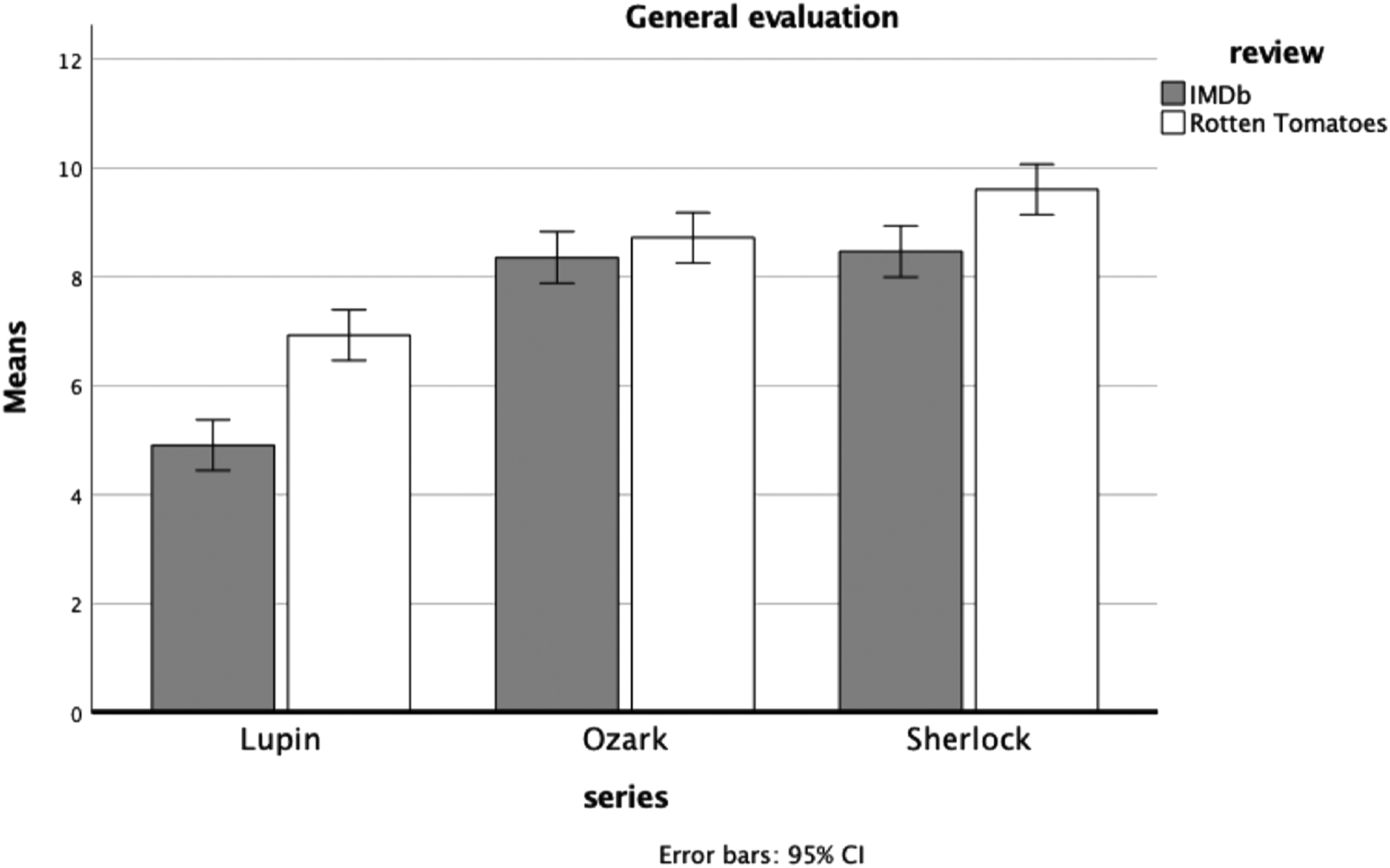
If we look at explicit references to the countries in which the series are made, the audience seems to be aware of the origins of the series and that this is worth mentioning. In the case of Sherlock, we find four per cent of the reviews mentioning its British origin. For Lupin, the percentage of reviews referring to France is 11.5 per cent. For the United States produced Ozark, this is only one per cent. These differences are statistically significant (Chi-squared = 22.5, df = 2, p < .001); however, in absolute terms, it is still a small minority of reviews that refer to the country of origin at all.
When it comes to the mentions of culture in the reviews, we find small differences. In reviews of Sherlock and Lupin, we find slightly, and significantly (Chi-squared = 7.71, df = 2, p < .05), more references to culture—for instance discussing British humour or Parisian life—but overall, these are rather rare. In terms of numbers, it is four per cent for Sherlock and 2.5 per cent for Lupin, while the Ozark reviews do not contain any cultural references. In sum, the reviews indicate that the series examined are differently appreciated (based on taste preferences) but evaluated on roughly the same criteria. This is also reflected by the more detailed evaluations and expressed emotions, where we find little systematic differences in the way series are discussed. From this, we conclude that either the discussion of local/global content is not a factor in audience evaluation of cultural content in general, or that Netflix’s local series are hardly being evaluated in such terms by audiences. Instead, reviewers used the same overarching evaluation criteria, consistently mentioning elements such as comparison to other series, acting, storyline, and characters.
Our findings are in line with Beaudouin and Pasquier’s description of the two major evaluation models used by amateur reviewers: ‘on the one hand, film-centered reviews (about the content and form of the film) and, on the other, reception-centered review (about the effect that the film had on the viewer)’ (2017: 1818–1819). Although knowing the nationality of reviewers would yield more nuanced insights into how users of the same or different nationalities than the content evaluate its locality, such information is, unfortunately, unavailable through the review sites selected.
Conclusions and discussion
In this article, we have shown how the complementary use of distinct methodologies can be applied to offer insights on content locality in the context of global streaming. We demonstrated our threefold methodological approach and the results it can yield, and we pointed to exploratory findings which provide avenues for future research.
Through our methodological framework, we demonstrated how researchers can examine the most popular content on Netflix, what Netflix’s local content looks like, and how it is received from the normative perspective of cultural diversity. Even though Netflix produces content worldwide, our exploratory analysis of the most viewed content shows that United States-produced drama series are dominant and, thus, cultural diversity is not apparent in the supply side from the consumption data provided by Netflix. Although the viewing preferences of some markets indicate a preference for local content, further research with a more extensive sample is needed to conclude this aspect. Our small close reading sample suggests that the Netflix content examined has locality markers; however, these appear touristic in nature. We also find indications of a house style, which employs a ‘grammar of transnationalism’ (Jenner, 2018: 220), amongst other identified characteristics. Finally, we observe that the reviews collected do not evaluate Netflix’s local content as such, focusing instead on more universal criteria such as characters and narrative.
While Netflix increases global content production, the resulting content may be less culturally diverse because it seeks international appeal. In the language of Lotz and Potter (2022), Netflix is unlikely to prioritise profoundly place-based (culturally specific) series. If culture is mere window dressing for Netflix’s global content, existing policy measures establishing quotas of local content will be inadequate to promote cultural diversity. One proposal is that cultural policy might consider placed-based stories and develop a more nuanced culture test (Lotz and Potter, 2022: 691–694). Our research underscores the need to re-evaluate measures targeting local content and crucially provides the methodological framework and language necessary to assess the locality of Netflix Originals critically.
This threefold methodological approach, and the variables used for each, is designed to suggest how locality and cultural diversity can be practically researched and measured by scholars. While each method can be adapted to specific research goals, we recommend an inductive approach to implementing these methods, in line with the following suggestions stemming from this study. In terms of researching industry data to assess catalogue consumption patterns, our analysis looked at Netflix Originals as labelled, thus including acquired content alongside full Netflix Originals. Future studies could disaggregate acquired content from full Netflix originals to yield more nuanced results. Studying a longer period and scaling the country-specific research would also provide valuable empirical data on global and national viewing preferences/promotional patterns.
Regarding close reading, we focused on genre as the link between series; however, future studies could, for instance, compare only series of the same nationality with different genres and production types to gain valuable insights into specific cultural contexts. Another avenue for future research would be time-related: comparing a sample of Netflix’s first European Originals versus more recently produced ones to see whether Netflix’s increased localisation is reflected in the content as well as how the type of content commissioned may have shifted over the years. Continuation deals like Money Heist are particularly valuable as they directly compare Netflix and European private or public broadcast productions. Future studies should carefully design their research sample around their core research questions, with series selected based on the variables mentioned above as appropriate. While time consuming, close reading of a larger sample would provide richer empirical results. Our focus on the pilot and second episode—based on the hypothesis that these contain pertinent cultural exposition—allows for more targeted textual analysis. Other studies could examine more episodes of the same series to see whether this hypothesis holds.
Our reception methodological approach is intended to be scaled to a higher number of series. An alternative approach using more localised review-aggregators (Beaudouin and Pasquier, 2017) is a promising avenue for future studies. Another would be considering reception through the lens of social media fandom (Twitter, Reddit, TikTok), analysing, for instance, posts that hashtag series titles/characters or fan wiki pages (for instance, fandom.com). Trade press analysis could be a supplemental approach, as critical reviews tend to be longer and more comprehensive than amateur reviews. However, these should be consulted with the awareness that they reflect expert opinion rather than audience responses.
A final challenge is that while exclusivity remains at the core of Netflix’s business model, it will be near impossible for independent producers to work with them while retaining creative control or rights related to their content, thus putting their long-term sustainability at risk. Because independent production is a cornerstone of cultural diversity and media pluralism (UNESCO, 2005: Article 6), there is a need to closely examine Netflix’s interventions in local cultural industries and understand the complex relationships between the streamer and local producers.
Footnotes
Declaration of conflicting interests
The author(s) declared no potential conflicts of interest with respect to the research, authorship, and/or publication of this article.
Funding
The author(s) received no financial support for the research, authorship, and/or publication of this article.

Appendices
Appendix 2: Codebook
Please copy from the review
Please copy-paste the link of the item (if available)
Please code the rating (for Rotten Tomatoes, multiply rating by 2 so it is out of 10 like IMDb)
Code ‘1’ if the review refers to the series’ geographical setting, ‘0’ if not
Code ‘1’ if the review refers to landmarks, ‘0’ if not.
(landmark_open) -> If ‘1’ please list the landmark (open question) – as literal as possible
Please code ‘1’ if the review makes cultural references (e.g., language, food, music, national symbols)
(culture_open) -> If ‘1’ please list the cultural references made (open question) – as literal as possible
Please code ‘1’ if the review makes references to social-cultural elements (e.g., economic disparities, social class, immigration)
(social-cultural_open) -> If ‘1’ please list the social-cultural references made (open question) – as literal as possible
Please indicate whether a reference to the series’ nationality/country of origin (‘1’) is made in the review
Please indicate for each of the following emotions whether they are expressed (‘1’) in the review - Surprise - Enthusiasm - Disappointment
Note they should be explicitly present (i.e., use of words like ‘unexpected’, ‘exciting’ etc.)
Please indicate for each of the following indicators whether it is mentioned (‘1’) in the review. If coded ‘1’, please provide the valence of the evaluation (-1 ’negative’; 0 ‘neutral/ambiguous’; 1 ‘positive’) - Scenario/plot (including references to screenwriting, storyline) - Acting (including references to cast) - Production (including references to direction, cinematography, polish, budget, musical score, sound, editing, special effects, etc.) - Characters - Realism
Does the review contain a comparison with another series? Please code ‘1’ if so.
(comparison_open) -> If ‘1’ please list what comparison is made (open question) – as literal as possible