



Abstract
The study aimed to explore the practices and perceptions of full-time, part-time, and volunteer scouts in English male professional football academies, examining current methods used to recognise talented players based on scouting roles, and offering recommendations to enhance the scouting processes. Academy scouts (n = 71) completed an online survey, including topics such as scouting processes, work quality, motivation, professional development, and suggestions for improving scouting processes. The survey was distributed via social media platforms and snowball sampling methods to relevant football scouts working in Category One, Two, and Three male academies in England. Four key findings emerged: (1) inconsistent terminology in practices, with full-time and part-time scouts more likely to use structured language; (2) recognition of bias in scouting decisions, particularly among full-time and part-time scouts; (3) varying access to training, with full-time scouts receiving more professional development although all role types desired feedback and education; and (4) a need for specialisation and future skill development, including age- and role-specific expertise. The study highlights the importance of structured communication, collaborative practices, and inclusive development opportunities. By valuing scouts’ input and integrating their knowledge into decision-making, clubs can foster a cohesive environment and improve player identification, contributing to long-term success and sustainability.
Keywords
Introduction
Scouting plays a pivotal role in English professional football academies, functioning as the cornerstone for identifying young talent who can be nurtured to compete at the highest levels of the sport. This process is not only essential for developing players capable of making first-team appearances, but also for providing financial benefits to clubs through the transfer of home-grown talent. 1 In an increasingly competitive environment, English clubs are investing more heavily in their scouting operations, with teams of full-time, part-time, and volunteer academy scouts working to identify the next generation of footballers.2,3 Scouting is no longer confined to simply watching matches and recommending players; it has evolved into a profession that blends performance analysis, sports science, and psychological assessment to offer a more comprehensive evaluation of potential talent.4,5
In light of growing competition for young players and league regulations requiring a minimum number of home-grown players, clubs are increasingly prioritising the development of domestic talent.6–8 For many, this represents a strategic investment, with the potential to yield significant returns through player progression and future transfer. This is illustrated by high-profile academy graduates such as Declan Rice, who progressed through West Ham United's academy and was sold to Arsenal for £105 m in 2023. 9 Producing successful home-grown talent, however, is far from guaranteed. Premier League figures from 2022 show that 97% of Category One academy players now aged 21–26 years failed to make a single professional appearance in the Premier League. 10 Despite these odds, clubs continue to invest in youth development as a long-term strategy for sustainability and performance. To support this, the Premier League introduced the Elite Player Performance Plan (EPPP) in the 2012/13 season, which categorises academies and incentivises early talent identification through a structured tariff system.10–13 As a result, many clubs now scout players as young as four years old, with formal recruitment beginning as early as the Under-9 level.5,14,15
The search for potential talent has undergone significant transformation over the past two decades, driven by the EPPP, advancements in technology, data analytics, and sports science 16 as the industry attempts to professionalise talent identification processes (i.e., the process of evaluating potential talent). 2 However, scouting roles remain marked by uncertainty and precarious working conditions. 17 Full-time academy scouts, who often occupy key managerial roles, such as Head of Academy Scouting, are integral to bridging the gap between coaching staff and recruitment strategies. They benefit from access to strategic insights, comprehensive datasets, formal training and established networks, enabling them to provide holistic assessments of players’ potential. 17 Their involvement extends beyond identifying talent to shaping the developmental pathways that players follow within the academy system. 18 In contrast, part-time and volunteer scouts, typically operating at match days or grassroots levels, face constraints of time, do not have access to data, nor access to formal development. Their learning tends to be informal, based on personal experience and intuition, which can limit their ability to assess long-term potential effectively. 19 Despite these limitations, these scouts are essentially the first “gatekeepers” of the talent pathway, reconfirming the importance of a robust, valid and reliable scouting process. Yet, disparities in role structure, training and support can lead to inconsistent scouting practices and reduced reliability in player evaluations. 20 To address some of these challenges, the growing use of video analysis offers a practical supplement to live observation, particularly for part-time and volunteer scouts, by reducing travel demands and enabling a more flexible engagement with player assessment. However, without consistent frameworks for interpreting video footage of players, the benefits of such tools may be limited, highlighting the need for structured observational protocols and shared terminology to ensure reliability and comparability in assessments.4,21
Recent research has highlighted the importance of using structured observation protocols and predefined criteria, rather than relying solely on subjective assessments, to guide scouting evaluations. These structured approaches have been shown to improve the reliability and predictive validity of talent evaluations by reducing subjectivity and increasing consistency. 4 Without standardised procedures, assessments may vary significantly between individuals, 22 undermining the validity of talent identification. This reinforces the need to examine scouting practices and procedures, particularly how terminology, observation frameworks and evaluation criteria are applied across different scouting roles. As Lüdin et al., 21 demonstrate, even experienced scouts frequently disagree in their assessments, often due to subjective interpretations and a lack of common language. These inconsistencies can lead to missed opportunities and inefficiencies in the talent pipeline. Calls for greater clarity in scouting language and terminology have also emerged, suggesting that ambiguity in communication may hinder alignment across departments. 23
Full-time scouts often benefit from access to formal education and development pathways, while part-time and volunteer scouts are frequently left to learn on the job, relying on personal intuition and experience. 24 This disparity can lead to biases and affect the quality of talent identification, with less formally trained scouts potentially making recurring mistakes and missed opportunities.2,5,17,24 For example, scouts focus on evidence that supports their initial impression (confirmation bias), where a standout trait leads to an overestimation of the player's overall ability (halo effect) or favouring players who resemble previously successful players (similarity bias). 19 These biases are particularly problematic in environments where decisions are made quickly and without structured tools. It has also been recognised that novice and skilled individuals think in different ways due to their personal preferences, beliefs and intuition.25,26 For example, skills scouts often draw on prior experience and pattern recognition to interpret subtle cues like off-the-ball movement, while novices may focus on more obvious traits such as speed or physicality, potentially overlooking indicators of tactical intelligence. These findings highlight the importance of continuous professional development (CPD) and training to develop, access and utilise knowledge to mitigate such effects. 19
Additionally, communication between scouts, coaches, and recruitment leads plays a critical role in the effectiveness of scouting. Johnston and Baker 19 argue that weak feedback loops between scouts and coaches can hinder decision-making and contribute to talent wastage. Scouts may only have a single opportunity to observe a player, whereas coaches typically have ongoing exposure to the player's longer developmental pathway.27,28 When communication structures are inconsistent or informal, valuable insights may be lost, misinterpreted or underutilised. 29 These dynamics can shape how information flows within scouting networks, particularly across different levels of employment, and may influence how effectively scouts’ observations are integrated into broader recruitment strategies. Lawlor and Palmer'sClick or tap here to enter text. 30 work further highlights how role identity, organisational culture, and recognition shape scouts’ engagement and satisfaction, factors that are likely to be influenced by these communication structures and employment conditions.
To address these challenges, the Football Association (FA) introduced a structured Talent Identification education pathway, ranging from Level 1 to Level 5. 31 Learners progress from understanding basic scouting responsibilities to developing practical skills, applying evidence-based decision-making, understanding how to lead a department and overseeing high-level talent identification as a technical director. Notably, it is now mandatory for Heads of Recruitment within academies to hold specific talent identification qualifications aligned with their club's academy category, with higher-category clubs requiring more advanced certification. 32 This move reflects an attempted shift toward professionalising scouting and ensuring greater consistency in talent identification standards across the English football academy system.
While previous studies have explored various aspects of talent identification in football,3,24,33 particularly focusing on the skills and attributes scouts look for, few have examined the actual process through which talent is identified. Furthermore, to our knowledge, no studies have empirically studied the differences in practices and perceptions between full-time, part-time, and volunteer academy scouts, representing a critical gap in the literature. While studies by Ford et al. 34 and Alder et al. 35 have explored talent identification from a club perspective, they do not specifically examine the viewpoint of scouts themselves. Therefore, this study aims to fill this gap by exploring how the different levels of scout employment approach their roles within English male professional football academies, focusing on key areas such as scouting processes, work quality, motivation, and professional development. By comparing the current approaches when identifying talented players based on scouting level, the study seeks to provide recommendations for enhancing the effectiveness of scouting, regardless of a scout's employment status, ultimately improving talent identification within English football academies.
Materials and methods
Participants
A total of 71 participants, comprising full-time (n = 22), part-time (n = 31), and voluntary (n = 18) scouts currently working in English male professional football academies, voluntarily completed an online survey. Participants were recruited using a poster shared across multiple platforms to avoid generalisation bias and reach as many potential participants as possible. These platforms included LinkedIn, X (formerly Twitter), the Professional Football Scouts Association (PFSA), the International Professional Scouts Organisation (IPSO), and direct emails to Premier League and Football League Heads of Recruitment from various clubs known to the authors. Participants were encouraged to share the survey, upon completion, within their networks, using a snowball sampling method. The survey was accessible for six weeks (24th May 2023 to 6th July 2023), with periodical reposts every two weeks to promote participation. It was strategically distributed at the end of the football season in England to maximise response rates, as scouts were more likely to have availability during this period. A priori power analysis using G*Power (v3.1.9.7, Heinrich Heine University Düsseldorf, Germany 36 ) indicated that a minimum of 66 participants was required to detect a large effect (f = 0.4) with 80% power (α = 0.05) via one-way ANOVA with three groups. The final sample of 71 scouts provided sufficient power to detect large, practically meaningful differences. While the study may be underpowered for smaller effects, this is acceptable given the applied, niche nature of professional football scouting, where the total population is limited and hard to reach.
Inclusion criteria required participants to be currently working as an association football scout in an English male professional football academy at the time of data collection. Scouts were affiliated with a single club, and the survey was not restricted to one individual per team or club. Participants were required to be over 18 years of age. The first page of the survey contained the participant information sheet, and by completing the informed consent section, participants provided consent to participate. No specific information regarding age, gender, or club was requested to ensure confidentiality. The procedure was ethically approved by the local ethics and research governance committee of the last author's university.
Survey design and distribution
The survey questions were developed by the first author based on their 6 + years of experience as a scout in Category One and Two academy environments and relevant literature. The initial set of questions was refined by the second author (Academy and First-Team Performance Analysis Experience: 8 years; Senior/First-Team Scouting Experience: 8 years) and the last author (Performance Analysis Experience: 15 years) to ensure content validity and reduce bias. JISC OnlineSurveys (version 2, jisc.ac.uk, Bristol, UK) was used to design and host the survey on its digital platform. The survey was pilot-tested by an experienced association football scout with over 10 years of experience working in a Category 2 academy. Minor adjustments to the wording of five questions and organisation of the survey were made following pilot testing to optimise the flow of the survey and the quality of the data produced for further analyses.
The survey took an average of eight minutes to complete. Responses remained anonymous, as no identifiable information was requested. Following the participant information and consent page, demographic questions, including age range, scouting experience, age groups covered, academy category, role type, and course(s) undertaken, were collected using pre-populated responses to ensure confidentiality. The main survey included 47 closed-ended questions and one open-ended question focusing on six key areas: (1) scouting practices and procedures, (2) continuous professional development and training, (3) communication and feedback, (4) scouting attributes and skills, (5) motivations and job satisfaction, and (6) improvements and changes in scouting processes. Questions featured Likert-scale responses on a 5-point scale relating to frequency, importance, or agreement, as well as multiple-choice responses. The single open-ended question allowed participants to provide additional context to their responses at the conclusion of the survey, as well as explore suggestions for improving current scouting processes.
Data reduction and analysis
Survey responses were exported from JISC OnlineSurveys to Microsoft Excel (Microsoft 365 suite, Redmond, WA) and analysed in RStudio (version 2024.04.2 + 754, RStudio, PBC, Boston, MA). Frequency analysis, including frequency counts and percentage distributions, was undertaken for multiple-choice and categorical questions to compare the responses of scouts based on role type (full-time, part-time, and voluntary). Full-time scouts were employed in paid, contracted positions working 37 h or more per week, part-time scouts were also paid but worked fewer hours, while voluntary scouts were unpaid. To examine if any statistically significant differences existed between these groups, chi-square (χ²) analyses and Cramér's V (φc) were used. Cramér's V was interpreted using the following thresholds, where values of 0.1, 0.3, and 0.5 represent small, medium and large effect sizes, respectively.
Likert scale responses were converted to integers and represented by the qualitative anchor associated with the mean response to facilitate interpretation.37,38 Differences between groups were analysed using the Kruskal-Wallis test (H), and Dunn's post hoc test was applied for pairwise comparisons to identify statistically significant differences between groups. To aid interpretation, any significant differences observed between the groups were highlighted by noting whether a meaningful change of 1 point on the Likert scale was observed. 39 Epsilon squared (ε²) was calculated to estimate the effect size for non-parametric tests, with values of 0.01, 0.08 and 0.26 interpreted as small, medium and large effects, respectively. The open-ended response data were manually analysed using inductive thematic analysis. Initial coding and theme development were conducted by the first author, who grouped responses into emergent themes. These were then cross-checked and refined in collaboration with the research team until data saturation and consensus were reached.40,41
Results
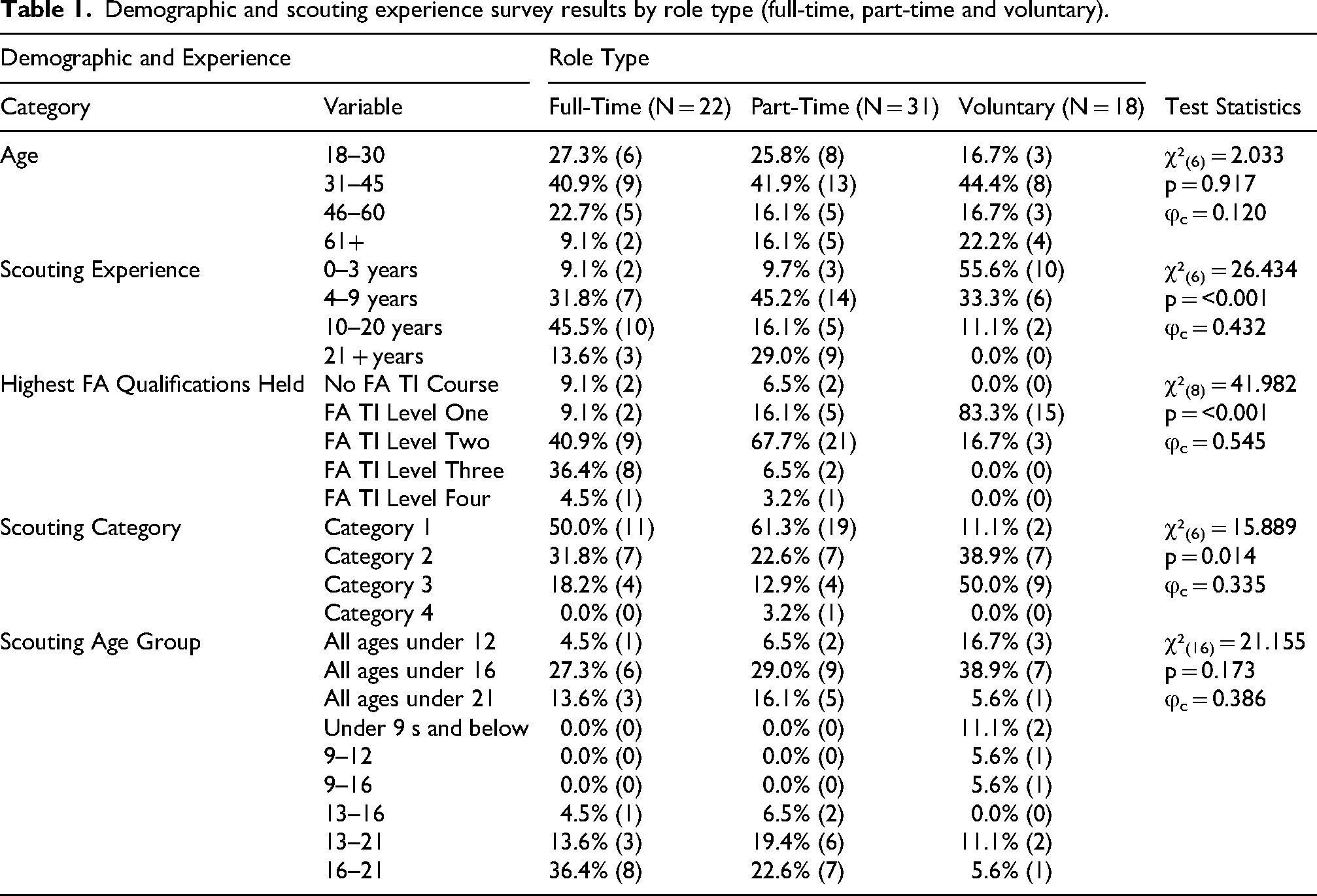
The results revealed key demographic, experience, and qualification trends among full-time, part-time, and voluntary academy scouting roles (see Table 1). While the age distribution of academy scouts showed a small difference between role types, most scouts were within the ages of 31 to 45 years (40.9% for full-time, 41.9% for part-time, and 44.4% for voluntary). In contrast, moderate to large differences emerged regarding academy scouting experience and qualifications. Full-time roles were predominantly held by more experienced scouts (10–20 years), while voluntary roles were dominated by those with 0–3 years of experience. Similar, yet unsurprising, trends were observed concerning FA Talent Identification qualification levels, where voluntary academy scouts tended to hold only a Level One qualification, while full-time academy scouts were more likely to have achieved Level Three or higher. The distribution of respondents in relation to the category they worked for showed notable differences, with voluntary scouts more likely to work in lower-category environments compared to their full-time counterparts. Additionally, in terms of the age groups scouted, full-time scouts more frequently scouted older players (aged 16 to 21 years), while volunteer scouts were more likely to focus on younger age groups (under-9 s and below to 16-year-olds).
Demographic and scouting experience survey results by role type (full-time, part-time and voluntary).
Scouting practices and procedures
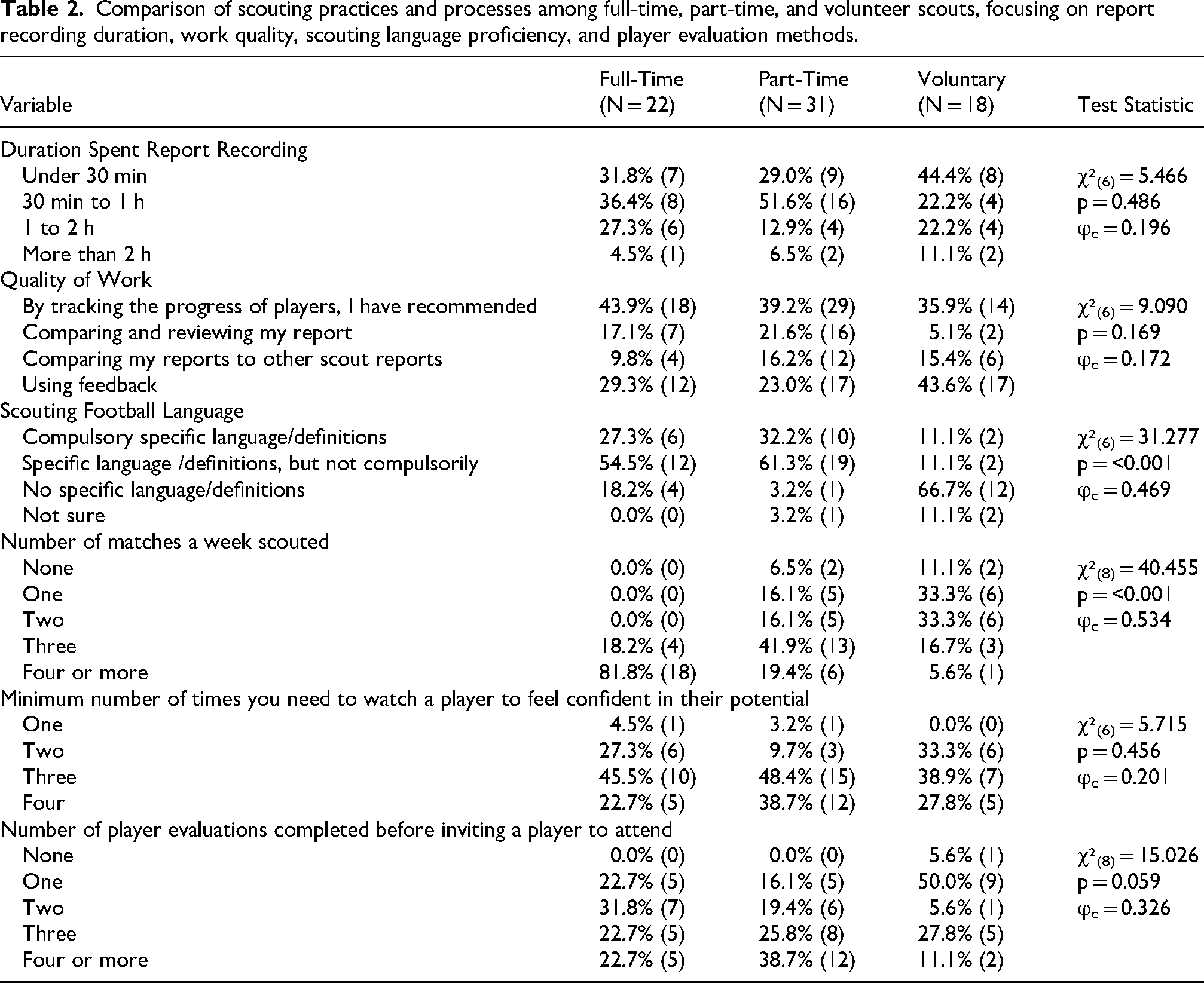
Several meaningful differences in scouting practices across role types were observed (see Table 2). While the time spent recording and producing reports showed only a small difference, full-time scouts tend to spend more time on report recording compared to their part-time and volunteer counterparts. Similarly, the methods used to assess the quality of work also varied slightly, with full-time scouts favouring tracking the process of the recommended players (43.9%). A medium effect size was observed in the use of specific scouting language, suggesting notable differences across different role types. Full-time and part-time scouts were found to be more likely to use some specific language or definitions, while a large proportion of volunteer scouts (66.7%) did not use specific language or definitions in their reports. The most pronounced difference was in the number of matches scouted per week, with 81.8% of full-time scouts observing four or more matches a week, compared to only 19.4% of part-time and 5.6% of volunteer scouts. Other areas, such as the minimum number of times scouts feel they need to watch a player and the number of evaluations completed before inviting a player, showed small to medium differences, with most scouts preferring to observe players multiple times before making decisions.
Comparison of scouting practices and processes among full-time, part-time, and volunteer scouts, focusing on report recording duration, work quality, scouting language proficiency, and player evaluation methods.
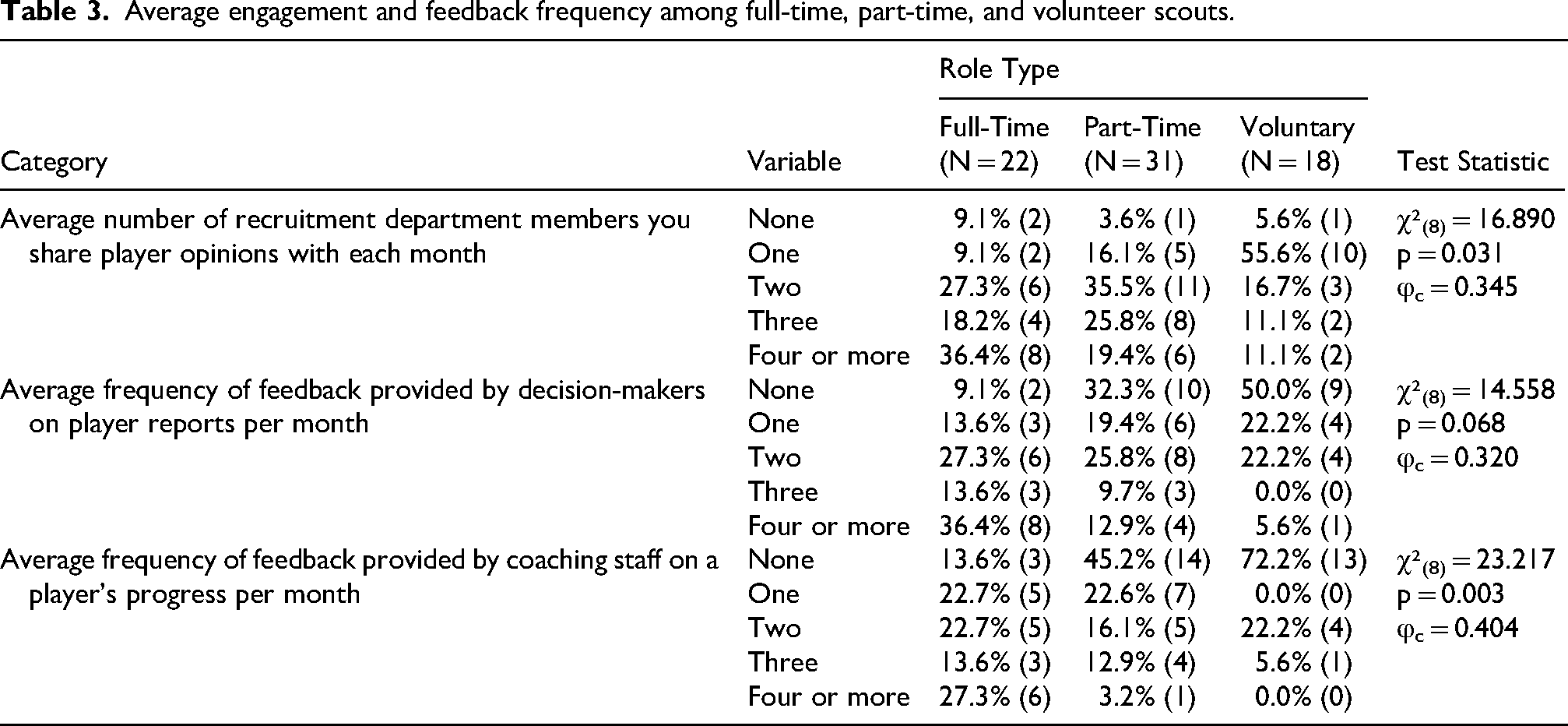
Moderate differences were found in how academy scouts communicate and receive feedback within their recruitment environments (see Table 3). Full-time scouts were more likely to share player opinions with a broader range of recruitment department members (36.4% engaged with four or more department members), while over half of volunteer scouts often relied on just one member (55.6%). Similarly, the feedback frequency from decision-makers showed a medium effect, with part-time (32.3%) and volunteer scouts (50.0%) more often reporting receiving no feedback compared to just 9.4% of full-time scouts. Feedback from coaching staff showed clear differences, with 72.2% of volunteer scouts receiving no feedback at all in contrast to only 13.6% of full-time scouts.
Average engagement and feedback frequency among full-time, part-time, and volunteer scouts.
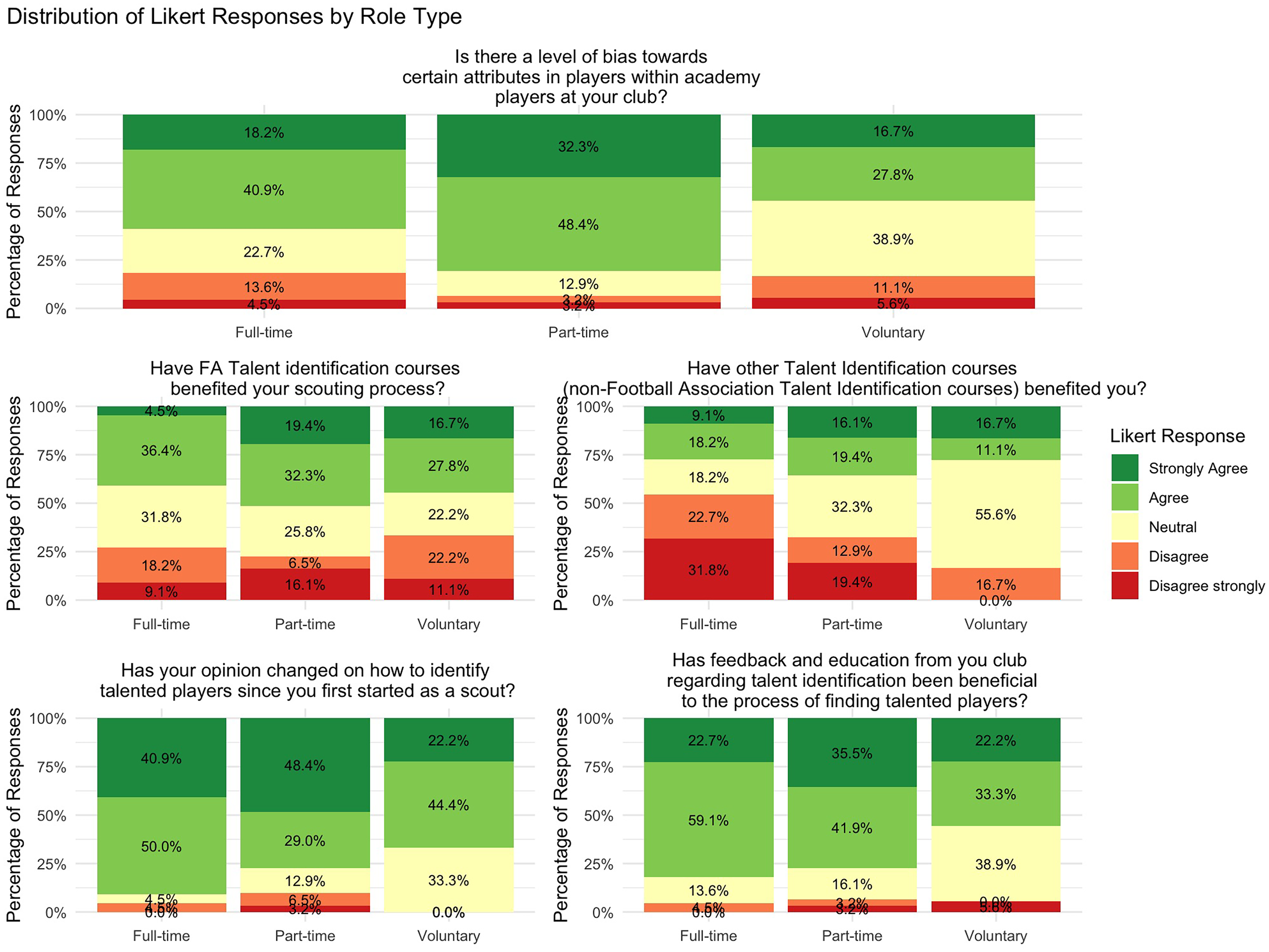
Small to moderate differences in how scouts perceive bias in the academy process were revealed (ε² = 0.083; see Figure 1). Full-time and part-time scouts generally agree that such bias does exist during the scouting process (59.1% and 70.7%, respectively), while volunteer scouts tended to remain neutral (38.9%; see Table 4). In contrast, perceptions regarding whether the players they scout and recommend tend to embody the club's values showed a negligible effect, with most scouts across all roles expressing neutrality or agreement (ε² = 0.018).
Scouts’ perceptions of key influences on their talent identification practices.
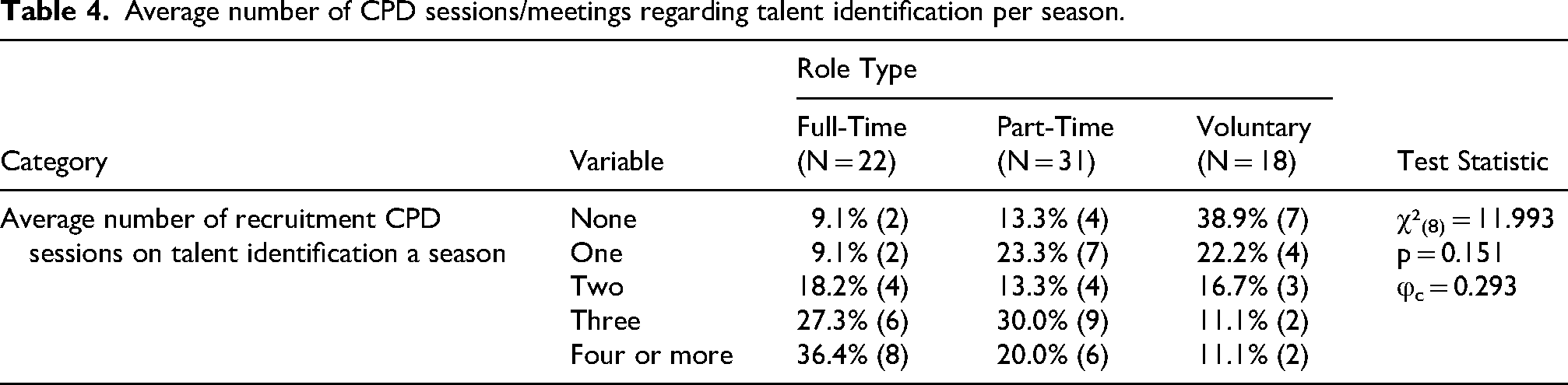
Average number of CPD sessions/meetings regarding talent identification per season.
Continuous professional development (CPD) and training
Full-time academy scouts are more likely to attend a greater number of CPD sessions on talent identification per season (see Table 4) compared to part-time and voluntary academy scouts, who are more evenly distributed across fewer sessions. Scouts’ perceptions of the benefits of FA Talent Identification courses showed only negligible differences across role types (ε² = 0.011; see Figure 1). While full-time and volunteer scouts tended to be neutral or moderately positive, part-time scouts were slightly more likely to agree with the benefits of these courses. In contrast, full-time staff were more sceptical of the benefits of the non-FA's Talent Identification courses, with over half (54.5%) disagreeing or strongly disagreeing with their value, whereas part-time and voluntary scouts remained neutral in their benefit (32.3% and 55.6%, respectively; ε² = 0.052). Regardless of their role, all academy scouts’ opinions have changed since starting their roles, with a majority of full-time (50.0%) and part-time (48.4%) scouts agreeing that their views and understanding had evolved (ε² = 0.043). Additionally, scouts recognise the benefits of club feedback and education in their processes of identifying talented individuals (ε² = 0.033). Most full-time (81.8%) and part-time (77.4%) scouts agreed or strongly agreed that such support was beneficial, while voluntary scouts were more mixed.
Communication and feedback
Scouts across all roles showed a strong preference for written reports as the dominant method of feedback, with negligible differences between groups (ε² = 0.020; see Figure 2). While part-time scouts show a strong preference for both verbal (80.7%) and written (83.8%) communication, full-time staff prefer written reports (77.2%) and were less inclined to use verbal communication (59.1%). Perceptions of the value of verbal and written presentations also showed negligible variation (ε² = 0.020 and 0.009, respectively), with all groups generally favouring written formats for sharing insights.
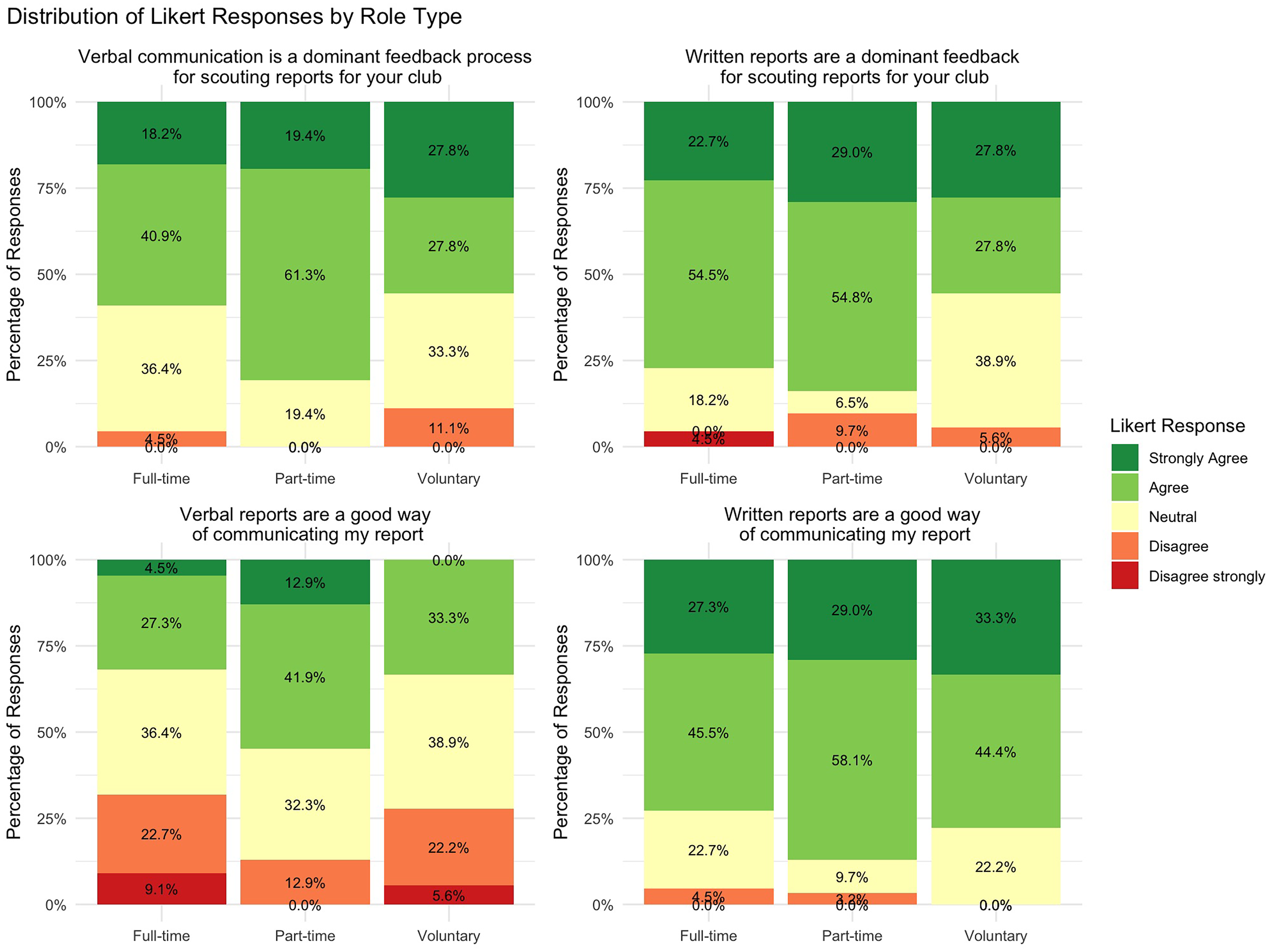
Scouts’ perceptions of dominant feedback methods used for scouting reports within their clubs.
The most notable differences emerged in how scouts discussed reports (see Figure 3). Performances for informal discussions, e.g., phone calls or pitch-side chats) showed a small to moderate effect (ε² = 0.093), with full-time (68.1%) and voluntary scouts (72.2%) favouring informal discussions, while part-time scouts were more evenly split. Similarly, preferences for formal discussions (e.g., meetings) also showed a small to moderate effect (ε² = 0.084), with voluntary scouts less likely to favour formal settings. For communicating reports, voluntary staff show the strongest preference (72.2%) for using numbered scales, followed by full-time staff (59.1%). Full-time scouts had a balanced view of working in a team (45.4%; ε² = 0.10) or lone work (45.4%; ε² = 0.021). In contrast, part-time scouts slightly preferred lone working (54.9%) over working in a team (35.4%), whereas voluntary scouts were inclined to work in a team (50.0%) compared to working alone (44.4%).
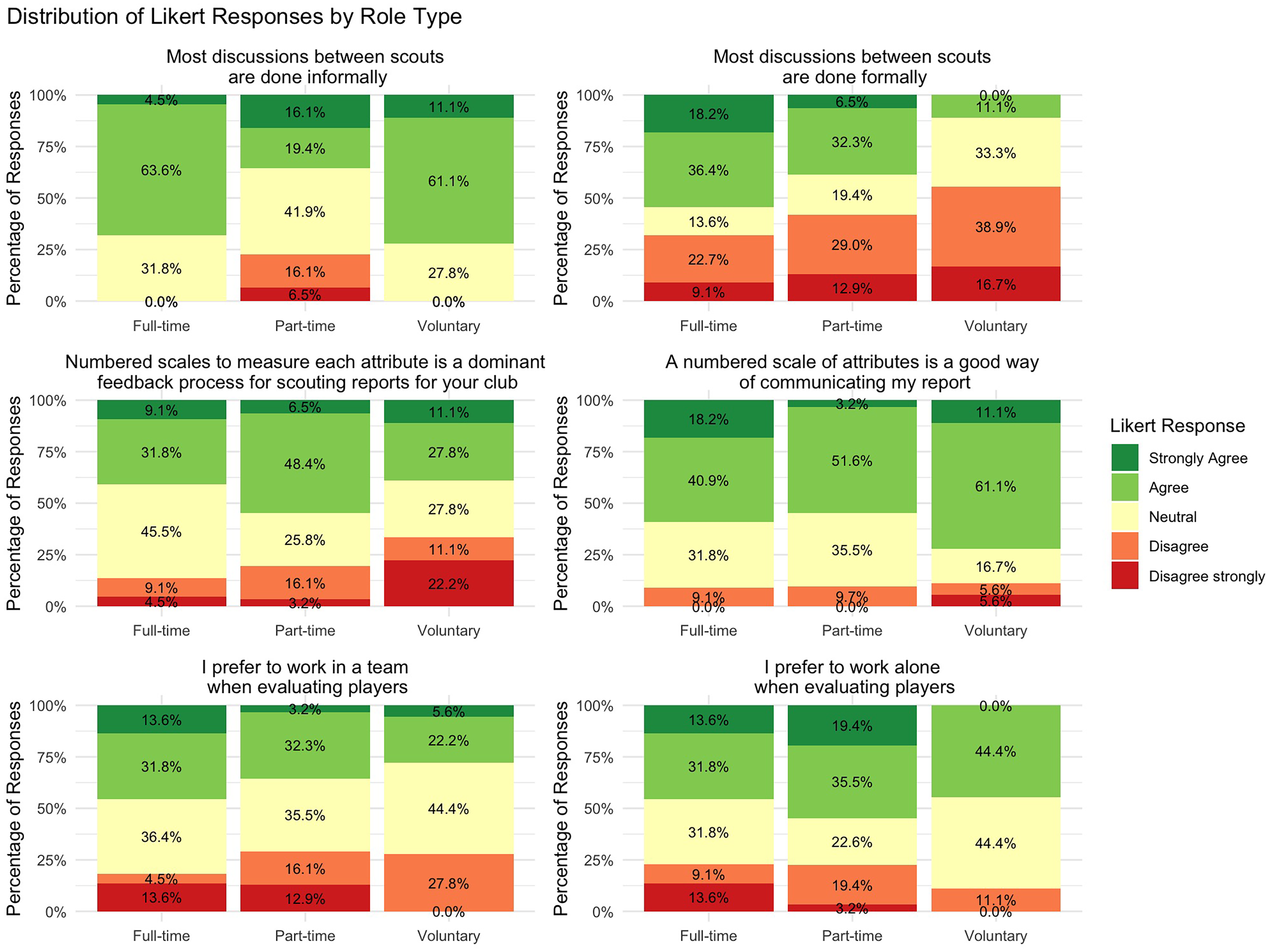
Scouts’ perceptions of communication formats, feedback mechanisms, and collaboration preferences in the scouting process.
Scout attributes and skills
The data presented in Figures 4 and 5 reveal large differences in how scouts perceive the importance of various attributes in their development. The level of trust by decision-makers in a scout's analysis emerged as the most strongly differentiated factor (ε² = 0.887), with full-time scouts overwhelmingly rating it as essential (81.8%), compared to more varied responses from part-time and volunteer scouts. Similarly, verbal communication skills (ε² = 0.804), experience (ε² = 0.773), and the ability to write descriptive reports (ε² = 0.748) were also rated with high importance by full-time and part-time scouts, while voluntary scouts showed more diverse views. The importance of ongoing training and education (ε² = 0.543) and having strong contacts (ε² = 0.725) was seen as more critical for full-time and part-time scouts than for voluntary scouts. For training, 72.7% of full-time and 61.3% of part-time scouts considered it essential or very important, compared to 44.5% of voluntary scouts. Similarly, 77.3% of full-time and 72.4% of part-time scouts valued contacts highly, versus 55.5% of voluntary scouts. In contrast, the use of numbered data to record subjective opinions was relatively consistent across all roles on this aspect of the report (ε² = 0.025).
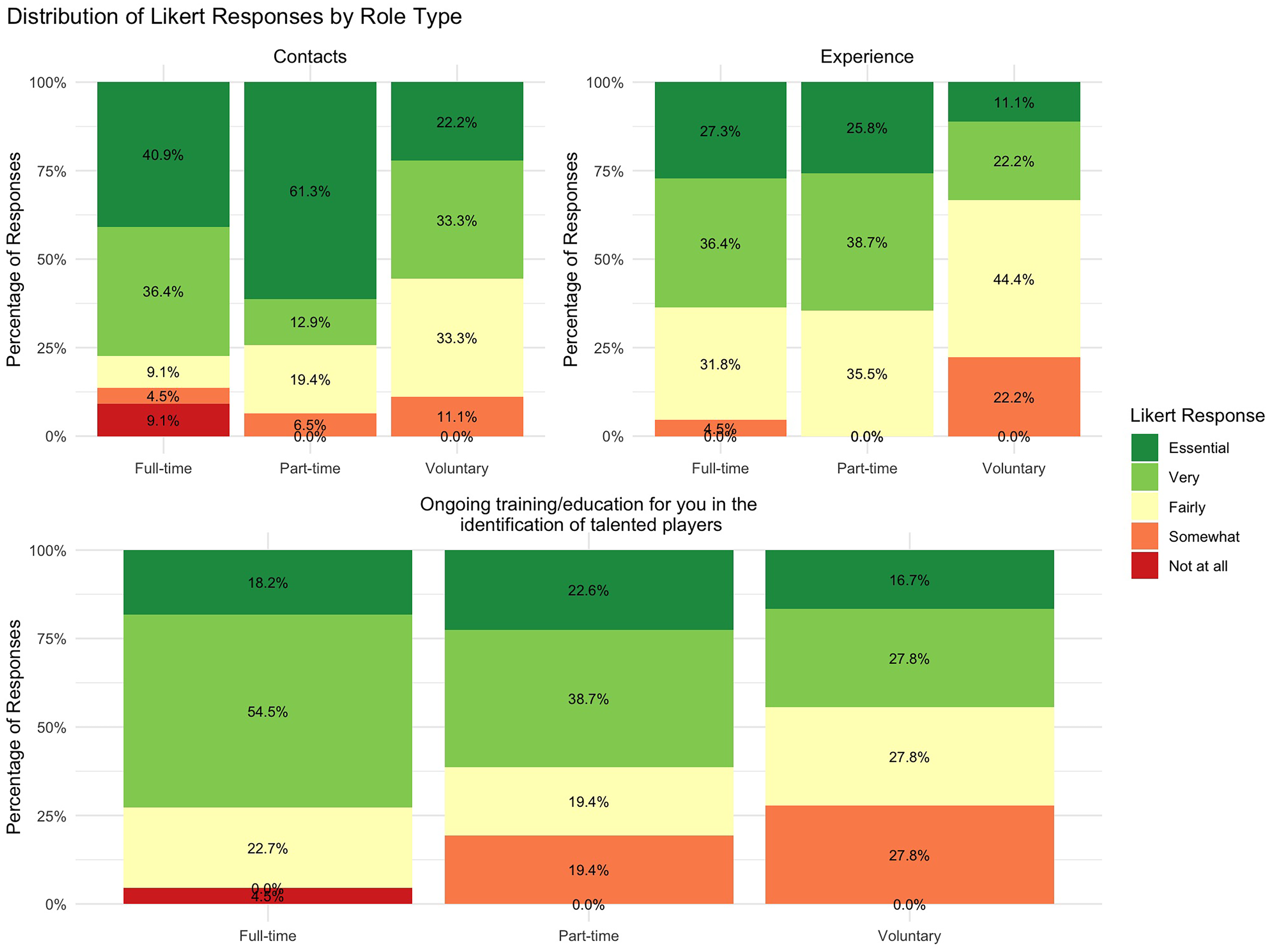
Scouts’ perceptions of the value of different developmental factors, contacts, experience, and ongoing training, in supporting their ability to identify future professional players.
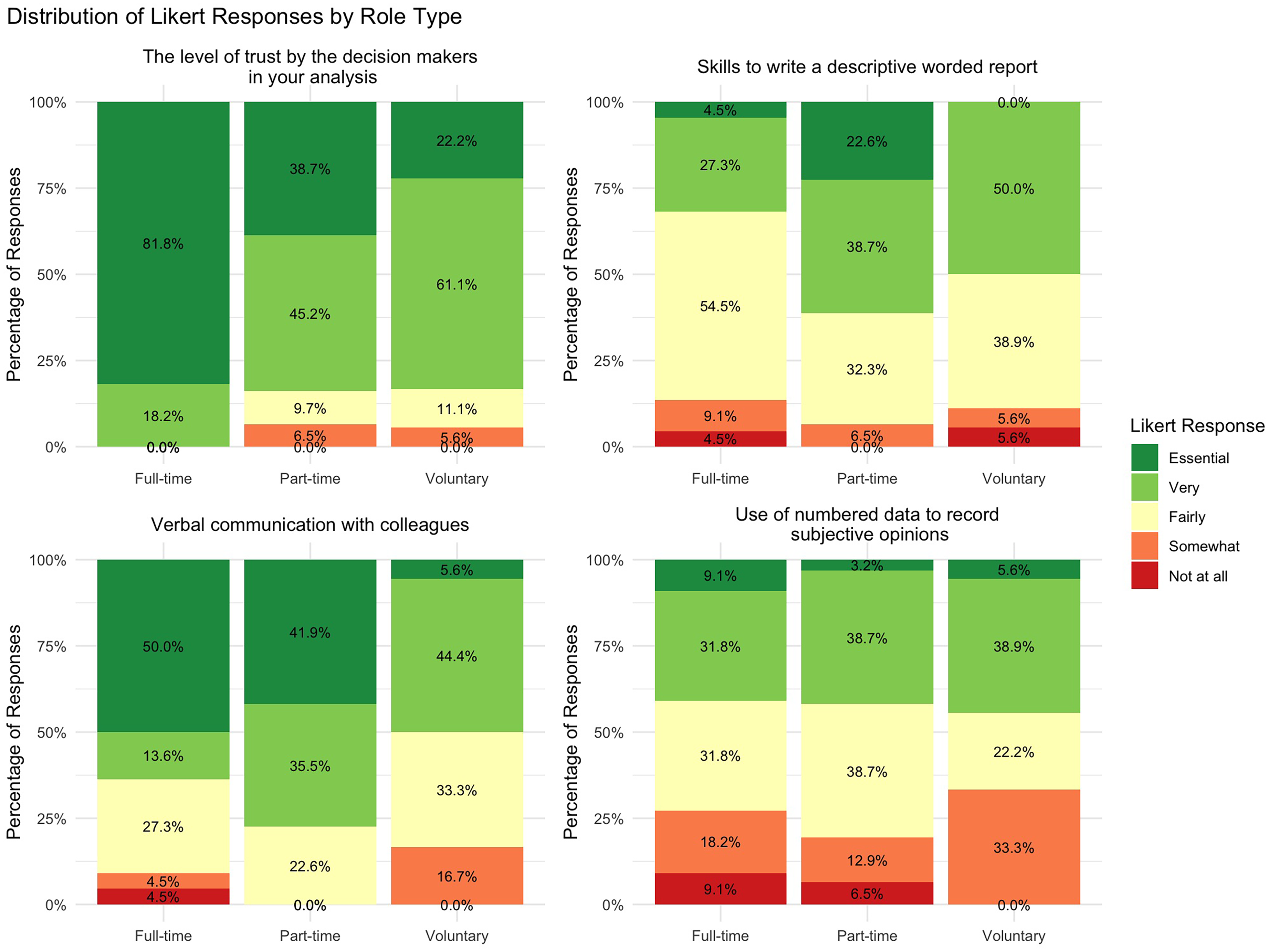
Scouts’ perceptions of the value of different developmental factors, trust, reporting, communication and use of data, in supporting their ability to effectively communicate and contribute to the talent identification process.
Motivations and job satisfaction
Moderate differences were found in how scouts value feedback from academy coaches and from decision makers (see Figure 6). Full-time scouts placed greater emphasis on job stability (ε² = 0.128), with 63.6% rating it as essential or very important, compared to just 22.3% of voluntary scouts. Similarly, feedback from decision-makers was rated highly by 68.2% of full-time scouts, while voluntary scouts leaned more toward very or fairly important (ε² = 0.074). Part-time scouts, meanwhile, rated feedback from academy coaches more highly (ε² = 0.117), with 48.4% considering it essential or very important.
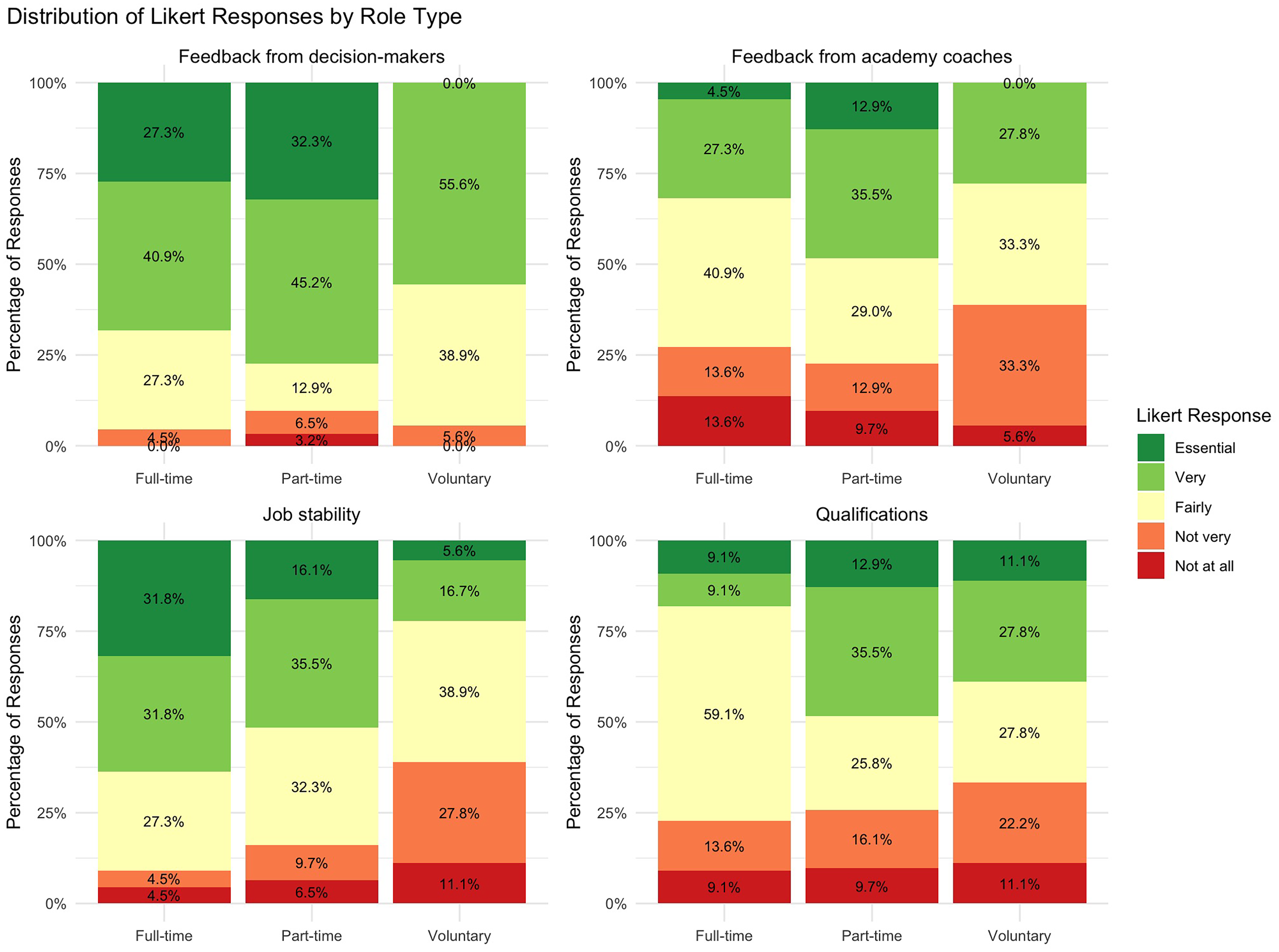
Motivational factors influencing scouts’ development, including feedback, job stability, and qualifications.
Figure 7 shows a notable difference in networking outside of work (ε² = 0.086), with 55.2% of part-time scouts rating it as essential or very important compared to just 22.3% of voluntary scouts. In contrast, recognition and appreciation from the club, coaches or players were the most important for voluntary scouts (83.3% essential or important; ε² = 0.031). Full-time scouts placed the highest value on team relationships, with 72.7% rating as essential or very important compared to 55.5% of voluntary scouts (ε² = 0.038), indicating a greater emphasis on internal collaboration. Conversely, the importance of developing agreed performance measures was held higher for voluntary scouts (72.3% essential or important) compared to full-time scouts (45.5%; ε² = 0.003).
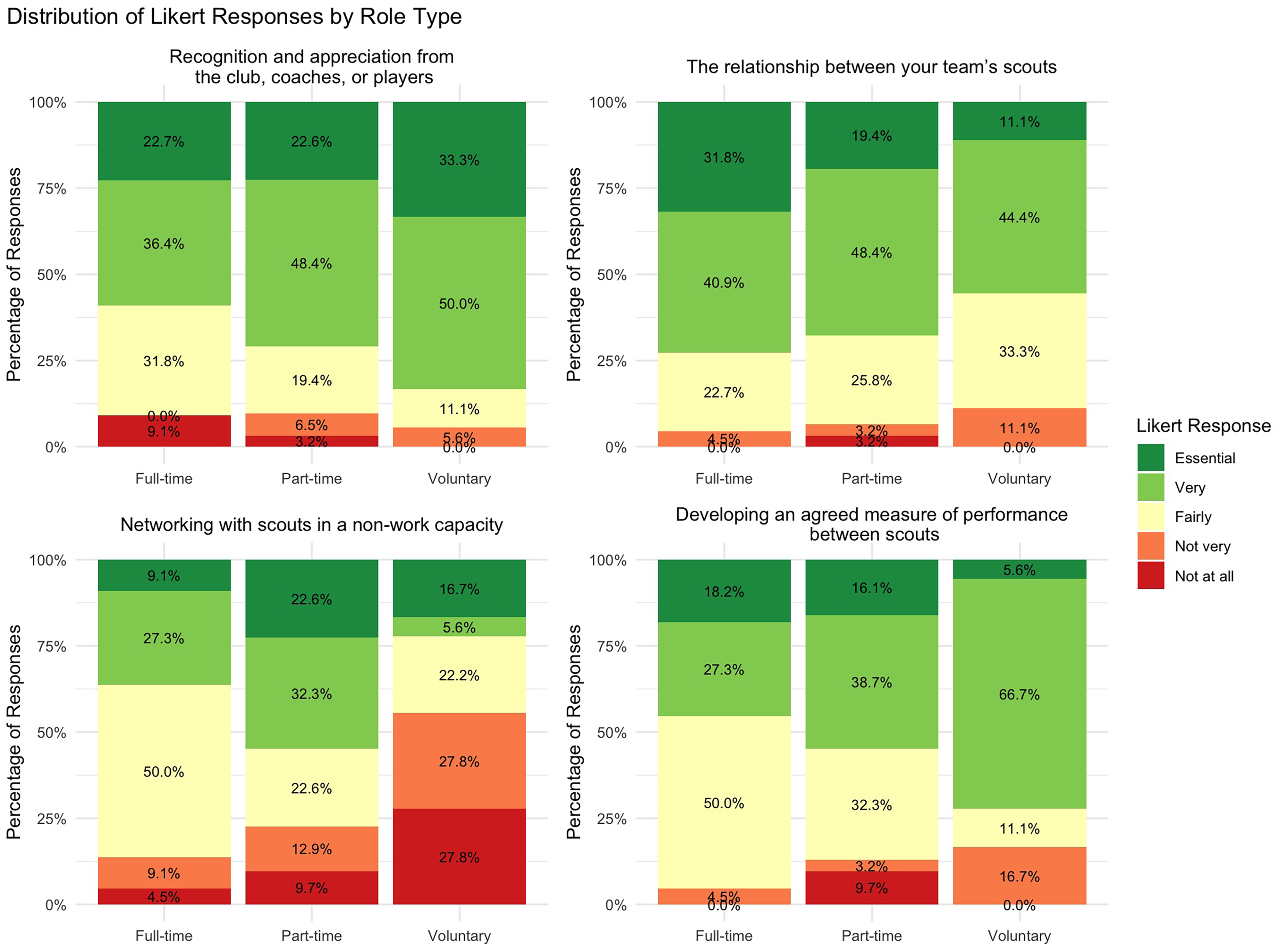
Relational and recognition-based motivators, including recognition, team dynamics, networking, and shared performance measures.
Consistent patterns for technical and developmental factors across all roles were found, with negligible or small effects. Most scouts rated items like transparency over reports (ε² = 0.010), report writing skills (ε² = 0.026), and use of number data (ε² = 0.002) as fairly or very important. However, voluntary scouts placed less importance on objective data (38.9%; ε² = 0.015) and video analysis (38.9%; ε² = 0.021) compared to full-time staff (59.1.% and 50.0%, respectively) and part-time scouts (54.2% and 54.8%).
Improvements and changes in the scouting process
When considering areas for improvement, 28 academy scouts (six full-time, 15 part-time, and seven volunteers) shared their insights, revealing three shared and two differing perspectives. Firstly, there was a strong emphasis on enhancing communication and collaboration across scouts, coaches and key decision-makers. For instance, a part-time scout with over 21 years of experience highlighted that “a bigger emphasis on communication and people skills and a lot more work in eliminating bias in regards players and staff” was required. Secondly, the scouts called for more transparency in scouting decisions and trust in each other's judgments. As an example, a full-time scout with less than 3 years of experience stressed, “We need everyone to be on the same page and want to identify high-potential players for our football club”. Thirdly, all roles acknowledged the importance of ongoing training and development to improve scouting processes. An experienced part-time scout (21 + years of experience) emphasised the need for “ongoing feedback, regular viewings to assess current standards, conversations with coaches regarding priorities, qualities, etcetera”.
Regarding differing perspectives, the improvements in job stability and recognition were voiced by all scouts. However, voluntary scouts were more focused on financial recognition, with one scout having less than 3 years of experience, stating “payment for our time”, while full-time and part-time scouts were focused on wider recognition of the work, with one full-time scout with 21 + years of experience suggesting “greater recognition for the work we do”. Additionally, bigger-picture thinking, regarding standardisation and system developments, was largely voiced by full-time and part-time scouts compared to voluntary scouts. For example, a part-time scout with 4 to 9 years of experience stated, “higher focus on average grades, too much discrepancy between scouts on what is good performance/potential/recruitment. Too easy to get away with saying everyone is okay and sitting on the fence”.
Discussion
The aim of this study was to explore the practices and perceptions of full-time, part-time, and volunteer scouts in English male professional football academies. Specifically, it sought to examine the current methods used to recognise talented players based on scouting roles and offer recommendations to enhance talent identification processes, with a focus on key areas such as scouting processes, work quality, training, and professional development. The study showed four main findings: (1) lack of clarity and consistency in terminology used to assess and monitor talented players within the talent identification and development pathway, (2) broad agreement that various forms of biases influence scouting decisions when observing and analysing players; (3) diverse views and suggestions regarding how scout development and ongoing training should be structured and delivered; and (4) need for scouts to develop future skills, including the potential to specialising in specific areas of talent identification and development. These findings highlighted a need for more coherent and connected thinking across key stakeholders, such as heads of academy, academy coaches, emerging talent coaches, and scouts. Improving communication and alignment, regardless of a scout's employment status, is essential to enhancing the overall effectiveness of scouting and improving talent identification and development practices within football academies (Figure 8).
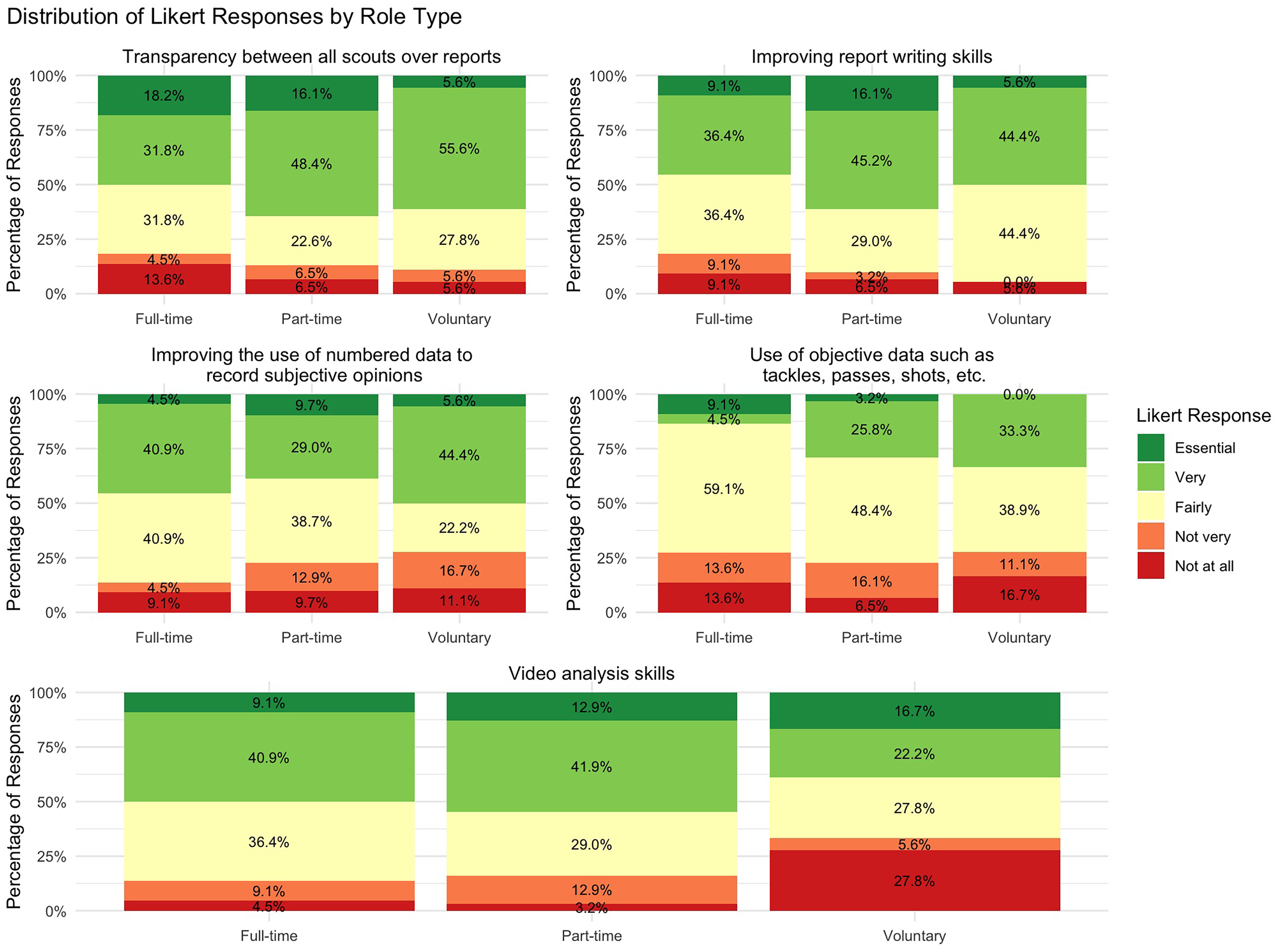
Motivational and technical factors, including transparency, use of subjective and objective data, and video analysis skills.
Inconsistent terminology in practices
The observation that specific scouting language is more frequently available and used by full-time (81.8%) and part-time (93.6%) scouts, whether compulsory or not, contrasts with most voluntary scouts (66.7%; Table 2) who do not use specific language or definitions. This aligns with previous research; for instance, Bergkamp et al.Click or tap here to enter text. 4 highlighted that scouts often rely on intuition rather than a structured approach, suggesting our findings regarding full-time and part-time scouts adopting a structured approach and drawing on common language are relatively high. This may be due to their greater experience and time embedded in academy environments, allowing for the development and reinforcement of shared terminology. It is also possible that these differences in the professionalisation or level of each academy that these scouts work in contribute to this disparity. For example, most voluntary scouts were affiliated with Category 3 environments, whereas full-time and part-time scouts were more commonly associated with Category 2 academies. This context may influence scouting practices, including the use of shared language and specific definitions, as higher category academies often have more formalised structures and expectations due to the EPPP requirements. Similarly, Lüdin et al., 21 noted that academy scouting practices often lack a structured approach to assessing players. This suggests that more experienced scouts, typically full-time, develop and utilise a specific scouting language due to their extensive experience and immersion in the field. Interestingly, voluntary scouts most frequently indicated that agreed-upon performance measures are essential for the scouting process, which may reflect a desire for more structured and shared terminology. While we cannot confirm this definitively from the current data, it highlights the potential value of developing a common language across all scouting roles.
However, scouts must also remain flexible in the language and approach, as players’ maturation, physical growth, psychological attributes, and situational contexts of games observed influence the rates at which young players develop.42,43 It is also important to acknowledge that participants’ understanding of these terms may differ, particularly among less experienced scouts, which could affect the accuracy of their responses. The use of an agreed common language that is flexible ensures that scouts can accurately assess and communicate about players, accommodating the dynamic nature of football scouting, and ensuring accurate assessment and inclusion. 44 One potential solution to enhance scouting practices involves creating a club and age-specific football language and allowing scouts to have appropriate time to familiarise themselves with this language. 22 Integrating this approach can help scouts maintain flexibility while adhering to structured methods, ultimately enhancing the overall effectiveness of talent identification and development.
Johnston and Baker 19 further support this need for clarity by highlighting that talent selection processes are often inconsistent, bias-driven, and lack a “gold standard” approach. They argue that variability in terminology and assessment methods contributes to “talent wastage,” where promising players may be wrongly excluded due to flawed and inconsistent evaluation criteria. This reinforces the importance of developing a shared, adaptable language that reduces ambiguity and supports more equitable decision-making.
Recognition of bias in scouting decisions
Understanding and addressing nuances in scouting language and approaches are essential, especially when considering the impact of bias in the scouting process. Bias in scouting was widely acknowledged by full-time (59.1%) and part-time scouts (70.7%), while fewer voluntary scouts (44.5%) recognise its presence. This supports previous research by Lawlor et al., 1 highlighting that scouts often engage in biases or invalid observations. While complete impartial objectivity, validity, and reliability in live observations may be unattainable, the subjective expertise and tactical knowledge of scouts remain invaluable in identifying future talented individuals.
Mitigating the effects of biases that influence human decision-making45,46 and prioritising the use of valid, objective methods for observing individuals over intuition is considered potentially beneficial. For example, some scouts may favour players who fit preconceived notions of talent, overlooking other individuals (confirmation bias 21 ), or might give undue weight to a recent performance rather than considering a player's performance over multiple performances (recency bias 47 ). Moreover, some scouts might make an overly positive performance based on one outstanding attribute or action while neglecting other important skills (halo bias 1 ). Additionally, language can become particularly blurry when examining the behaviours and attributes valued across different countries and sociocultural backgrounds (e.g., individualistic vs. collectivistic23,48). Together, these biases can significantly impact the accuracy of player assessment. 49 With targeted education and training, 50 however, scouts can recognise and mitigate these biases, improving their overall effectiveness in talent identification. This is supported by Höner et al., 28 who found that predictive validity in the talent identification process improves when subjective coach assessments are complemented by objective performance data. Their findings highlight the importance of educating scouts not only to be aware of cognitive biases but also to integrate structured observational frameworks and data-informed tools into their practice.
Varying access to training and professional development
While the importance and desire for training and development sessions were highlighted, it was unsurprising that full-time scouts had access to more regular CPD sessions throughout the season. Full-time scouts were more likely to attend regular CPD sessions, with 36.4% attending four or more per season, compared to 20.0% of part-time and just 11.1% of voluntary scouts. These disparities reflect broader structural challenges, as part-time and voluntary scouts often juggle external work and family commitments, limiting their availability for training. 47 Griffiths and Bloyce 17 suggest that for many voluntary scouts, their engagement could be viewed as a leisure pursuit, often leading to fantasy-laden behaviours and reduced engagement with formal development pathways. These time constraints and limited access to training and development opportunities represent a missed opportunity to bring all team members together to share ideas and experiences. Such opportunities are particularly valuable considering the often-isolated nature of the scout's role, where collaboration and idea exchange could significantly enhance performance. 50
Despite these differences, scouts across all roles expressed a desire for club feedback and education in the processes of identifying talent to aid their development. This highlights the need for inclusive and flexible professional development, which would be beneficial for all scouts, regardless of their contractual relationship with the club. While clubs may offer internal CPD opportunities, 51 the implementation of a formal talent identification education framework is primarily the responsibility of football associations, such as the FA. Indeed, elements of such frameworks are already embedded within existing FA Talent ID qualifications and courses. However, ensuring accessibility and relevance across all scouting roles, particularly for part-time and voluntary scouts, remains an important consideration. This should be underpinned by talent identification research to help guide individuals on how to better identify talent in real-world settings, 51 involving multidisciplinary sharing of knowledge, surrounding player maturation, psycho-sociocultural factors, utilisation of technology, and pedagogical approaches.21,50,52 These approaches could comprise more flexible and frequent development sessions that accommodate the varied schedules of all scouts.
Another alternative solution could involve a ‘buddy system’, whereby less experienced scouts or voluntary scouts are paired with more knowledgeable others,53,54 either more experienced scouts or even coaches, who can facilitate learning and support. This could open communication channels and foster a culture of continuous learning, extending beyond scouting practices. By bridging the gap between scouts, coaches, and other key stakeholders in talent identification and development settings, all individuals can feel valued and supported in their roles and their professional development. The talent identification education framework should be co-designed through the process of co-creation or co-production 55 by all stakeholders involved in the scouting process to help meet scouts’, other stakeholders’, and academy needs (e.g., common language; 23 shared mental model 56 ), ensuring an effective and efficient learning environment for everyone. 57
Specialisation and future skill development
Within senior football scouting, a significant shift is occurring towards positional specialisation.1,58 In contrast, within the academy structures, there is a compelling rationale for developing domain-specific expertise not only across developmental phases (e.g., foundation development phase; under-5 to under-11's) but also within discrete age groups (e.g., under-18's). This is particularly relevant given that players do not typically play 11-a-side football until later development stages, meaning that different phases require tailored scouting expertise. This targeted approach may enhance understanding of developmental milestones, enabling scouts to contextualise performance, manage maturation-related variability, and deliver more accurate talent identification.59,60
As player growth and biological maturation significantly influence perceived potential, early or late developers are often advantaged or disadvantaged depending on cohort norms and competitive demands.61,62 As such, to mitigate potential bias, education should incorporate aspects surrounding the assessment of biological age, maturity offset, and growth patterns to ensure equitable development opportunities.50,63 Assisting scouts in gaining this knowledge can lead to more inclusive and developmentally appropriate decisions.
This study also revealed full-time scouts felt more trusted by decision-makers, which empowered their contributions to the talent identification process. In contrast, part-time and volunteer scouts often felt less heard and were not privy to the bigger picture. Enhancing the knowledge and skills of part-time and volunteer scouts, particularly in understanding growth, maturation, and development, could foster a more collaborative environment. 43 This approach ensures their insights are valued and integrated more consistently into decision-making, reinforcing the importance of targeted development and education opportunities for all scouts.
Limitations and future research
Despite these insights surrounding the practices and perceptions of full-time, part-time, and volunteer academy scouts, there are some limitations. We acknowledge that the sample size may not fully represent the views of those who did not complete the survey, potentially creating a responder bias as only those interested in voicing their opinions participated. However, we have included perspectives from multiple role types and demographics to ensure a broad representation of scouts’ voices. By largely relying on Likert-scale survey responses, the study was unable to gather more detailed insights into scouts’ perceptions. Additionally, some scouts may have been forced into selecting an answer to questions that were not specifically relevant to their opinion, therefore potentially questioning the validity of the responses. Regarding our data collection processes, it is important to acknowledge the limitations of self-report measures. While scouts, particularly those in full-time positions, may claim to use structured approaches and share terminology, there is always uncertainty regarding the extent to which these practices are consistently applied in real-world settings. This discrepancy between reported and actual behaviour is a recognised challenge in self-reported data and should be considered when interpreting the findings.
Therefore, further studies that look to conduct in-depth interviews with scouts from a range of role types are warranted. Such qualitative approaches would provide richer, more nuanced data, allowing for a deeper understanding of the scouts’ experiences and perspectives. These results are also not generalisable for girls’ football due to the different talent identification and development systems and processes that are implemented in England; thus, further insights into girls’ football across similar contexts in England are also warranted.
Conclusion
This study highlights the practices and perceptions of full-time, part-time, and volunteer scouts in English male professional football academies, highlighting the importance of enhanced communication and collaboration, flexible development opportunities, and the creation of a club-specific scouting language that is both structured and adaptable to the dynamic nature of football scouting. While many scouts demonstrate deeper expertise and commitment, regardless of employment status, structural and communication barriers can hinder the full potential of their contributions.
The findings reinforce the need for greater consistency in terminology, recognition and mitigation of biases, and the provision of inclusive training opportunities that accommodate the diverse roles and time commitments of academy scouts. Central to these efforts is ensuring that scouts’ knowledge, experience, and input are actively valued and meaningfully integrated into decision-making processes. When scouts feel heard and respected by coaches, analysts, and club leadership, their motivation, engagement, and professional identity are significantly strengthened. Enhancing communication and feedback mechanisms between scouts, coaches, and decision-makers can foster a more cohesive and transparent environment.
Moving forward, clubs and football associations should aim to implement development structures that empower all scouts through shared learning, practical support systems, and integrated multidisciplinary knowledge. In doing so, the academy scouting system can become more effective, efficient, and equitable, aligning with long-term player development goals, with scouts recognised not just as contributors but as integral architects of talent pathways.
Footnotes
Acknowledgements
The authors wish to thank the scouts working in English male professional football academies who completed the survey, without whom this study would not have been possible.

Funding
The authors received no financial support for the research, authorship, and/or publication of this article.
Declaration of conflicting interests
The authors declared no potential conflicts of interest concerning the research, authorship, and/or publication of this article.