



Abstract
Menstrual function is an integral component of the overall health and well-being of cyclically menstruating athletes, impacted by and affecting their participation in sport and athletic training. This review used the coach–athlete relationship to examine the sport environment for factors that facilitate or hinder healthy sport participation for cyclically menstruating athletes with respect to their menstrual cycles. Four databases were searched until June 30, 2023, for studies that explored the experiences, perceptions and knowledge related to the menstrual cycle among athletes training under a coach and coaches of cyclically menstruating athletes. The search produced 2511 studies, which, following screening for relevance and eligibility, resulted in 34 studies of moderate-to-high quality. Thematic synthesis and integration of qualitative and quantitative data from 7558 athletes and coaches from elite to amateur level uncovered 4 main themes pertaining to the coach–athlete relationship and the menstrual cycle that constituted barriers (menstruation taboo, lack of knowledge and awareness, and lack of communication among stakeholders) and facilitators (presence of female coaches, positive experiences of communicating about the menstrual cycle, and trust) to healthy sport participation. A final theme summarised the needs of athletes and coaches related to the menstrual cycle. Greater education, representation of females in sporting roles, and improved collaboration among the various stakeholders emerged as the primary factors for driving a culture-shift in the sporting environment, in order to abolish the taboo against menstruation and promote healthy sport participation for cyclically menstruating athletes.
Introduction
Menstrual dysfunction is prevalent among athletic populations, consistently exceeding the rates observed in the general population. 1 Menstrual function is a critical indicator of reproductive health and general well-being, 2 but prevalence rates of up to 61% across different sports for conditions such as amenorrhea, i.e. absence of periods, and oligomenorrhea, i.e. irregular periods, suggest a cause for concern for cyclically menstruating athletes. 3 In particular, athletes training or competing in sports consisting of a high endurance component or the maintenance of a lean body image seem to be at greater risk of developing menstrual dysfunction.4,5 Further, the level of sport or competition also seems to moderate this relationship, with higher levels of competition showing greater prevalence of menstrual dysfunction and irregularity.6,7 Particularly in sport, amenorrhea and oligomenorrhea seem to be associated with chronic low energy availability (LEA), 8 and could be symptomatic of conditions such as Relative Energy Deficiency in Sport (RED-S), 9 eating disorders, and disordered eating, 10 which require prompt care and attention.
While the current sporting environment poses significant risks to athlete health and sustained sport participation, the menstrual cycle, and its accompanying physical (e.g. menstrual cramps, tiredness, bloating, etc.) and psychological symptoms (e.g. mood changes, low motivation, etc.) also present challenges for menstruating individuals participating in sport.11–13 Dysmenorrhea, or painful periods, and pre-menstrual syndrome (PMS), which represents a combination of physical and psychological symptoms preceding menstruation, are prevalent among athletes and negatively impact their ability and intention to train and compete. 14 Menorrhagia, or heavy menstrual bleeding (HMB), is another commonly occurring menstrual disorder, affecting the training routines and performance of athletes from recreational to elite levels of sport. 15 It is important, therefore, to analyse and understand the environment in which cyclically menstruating athletes train and compete, to ensure that, both, their health and performance are maintained in the pursuit of their sporting goals and ambitions.
The coach–athlete relationship is central to the sporting environment, with coaches playing an influential role in the professional and personal development of the athletes, and the achievement of intrapersonal, interpersonal and group objectives. 16 The coach–athlete relationship can be described through the interrelated dimensions of athletic success (successful vs. unsuccessful) and athlete care (effective vs. ineffective), where the ideal relationship, i.e. effective and successful, promotes athletic goals while ensuring the health and well-being of the athlete. 17 The integrated coach–athlete relationship model provides the most comprehensive means to observe and analyse this relationship, expanding on and combining preceding frameworks. 18 The model consists of three layers, with antecedent variables of athletes and coaches (i.e. individual factors, relationship characteristics, and social context) in layer 1 influencing the affective, cognitive and behavioural components of the coach–athlete relationship (layer 2), subsequently producing intrapersonal, interpersonal, and group outcomes (layer 3). Interpersonal communication is a vital component of the model, representing a bridge between the layers and, simultaneously, impacting and portraying the quality of the coach–athlete relationship.
While the coach–athlete relationship is known to be crucial in athlete development, there is limited research on how it specifically relates to cyclically menstruating athletes, and, to our knowledge, no review has used the coach–athlete relationship to explore the sporting environment with respect to the menstrual cycle. By investigating this relationship, the study seeks to gain valuable insights into how the current sporting environment can better support cyclically menstruating athletes, considering the physiological and psychological effects of the menstrual cycle on athletic performance and vice versa. Furthermore, understanding the roles of athletes and coaches in managing menstrual cycle-related factors and providing appropriate support can lead to more effective and tailored strategies for promoting gender equity and creating a supportive and inclusive sporting environment. The aim of this systematic review, therefore, was to employ the integrated coach–athlete relationship model 18 to explore the facilitators and barriers to healthy participation in sport with respect to the menstrual cycle for athletes training and competing under a coach.
Methods
This systematic review was reported in keeping with the Preferred Reporting Items for Systematic reviews and Meta-Analyses (PRISMA) statement guidelines. The study protocol was registered in PROSPERO (CRD42023396286).
Information sources
The first search for relevant literature was conducted on March 16, 2023, using four databases: MEDLINE (Ovid), SPORTDiscus (EBSCO), Scopus (Elsevier) and ERIC (EBSCO) databases. Titles and abstracts were searched using a comprehensive list of terms, keywords and phrases pertaining to three main concepts, namely the menstrual cycle, sport, and coaches (Supplementary Table 1). The resulting list of studies was restricted to English language articles only. Searches were re-run on June 30, 2023, to include studies published since the first search.
Eligibility criteria
The research question was characterised using the PICOS (population, intervention, comparator, outcomes, and study design) framework. Cyclically menstruating athletes, and coaches working with these individuals were identified as the relevant population. The athlete group comprised of healthy, cyclically menstruating individuals who were (a) at least 15 years of age; (b) premenopausal; (c) not suffering from any menstrual dysfunction (such as, amenorrhea); and (d) training, competing, or exercising under a coach or trainer. The coaches group comprised of all coaches, physical education (PE) teachers, trainers, sports scientists, and other support staff of all ages and genders who were working with cyclically menstruating athletes and individuals. There were no restrictions on sport type (i.e. individual, or team-based) or level (i.e. elite, sub-elite, amateur or recreational). No specific interventions or comparators were investigated. There were no restrictions on the study type (i.e. quantitative, qualitative, or mixed methods), and only journal articles published in English were included in the review. Given the dearth of research on this topic, there were no time limits imposed on the search for eligible studies.
Data screening
Following the database searches, studies were imported into Covidence 19 for screening. Duplicates were automatically detected and removed, and the resulting titles and abstracts were screened for relevance to the topic. References identified as book chapters, book reviews, magazine articles and conference proceedings were removed. Following this initial screen, full-text review of the resulting set of articles was performed to ensure that the eligibility criteria were met. The screening process was performed independently by authors SSG and CM, with resulting conflicts resolved through collaborative discussion between all authors.
Quality assessment
The studies were assessed for quality and risk-of-bias using the Mixed Methods Appraisal Tool (MMAT). 20 The MMAT consists of 5 separate questions for assessing qualitative, quantitative, and mixed-methods studies, pertaining to the relevance of using a specific study type, the sampling strategy, data collection methods, and analysis and interpretation of results. Studies were considered high quality if they scored 5, moderate quality for a score of 3–4, and low if they scored 2 or lower. Authors SSG and CM carried out the quality assessment, scoring each study independently. Following this step, matching scores were assigned as the final assessment for a study while conflicts were resolved through collaborative discussion between all authors. The complete results and scoring for the selected studies are provided in Supplementary Table 2. While no studies were excluded based on the quality and risk-of-bias assessment, it provided useful context in the interpretation of the results.
Data extraction
Pertinent data from all the selected studies including participant demographics, type of sport or physical activity, level of sport participation (i.e. amateur, elite, etc.), study location, study type, and measures used were extracted into a spreadsheet. Next, the relevant results and findings from each study pertaining to the knowledge and perceptions of the menstrual cycle, the mechanisms used by athletes to cope with menstrual symptoms, and the communication and support behaviours regarding the menstrual cycle were recorded. Finally, the needs of athletes and coaches in order to improve the knowledge and communication around the menstrual cycle were noted.
Data synthesis
This systematic review adopted a mixed methods approach to accommodate and appropriately synthesise data from qualitative, quantitative and mixed methods studies. 21 All studies with descriptive or qualitative analyses were imported into NVivo, 22 following which a three-step process was performed to analyse and synthesise pertinent themes. 23 First, the results from the studies were read and re-read line-by-line to identify inductive themes relating to the perceptions and experiences of the menstrual cycle among athletes and coaches as well as the level of communication and support. Next, these themes were aggregated into a set of descriptive sub-themes that captured the social, intrapersonal, and interpersonal dynamics of the coach–athlete relationship with regards to the menstrual cycle in sport. Finally, the integrated coach–athlete relationship model 18 was used to generate deductive, or higher-order, themes that encapsulated these sub-themes. Results from the quantitative studies were categorised based on the identified themes and added further context to the findings. Significant differences in the measures and reported statistics in these quantitative studies precluded a meta-analysis.
Results
Study selection
The literature search yielded 2511 potentially relevant studies. After the removal of duplicates, 1962 titles and abstracts were screened for topic relevance, following which full texts of 38 articles were assessed for eligibility. Finally, 34 articles were included in this review for analysis. The two-step screening process and corresponding results, along with reasons for exclusion, are outlined in the PRISMA chart depicted in Figure 1.
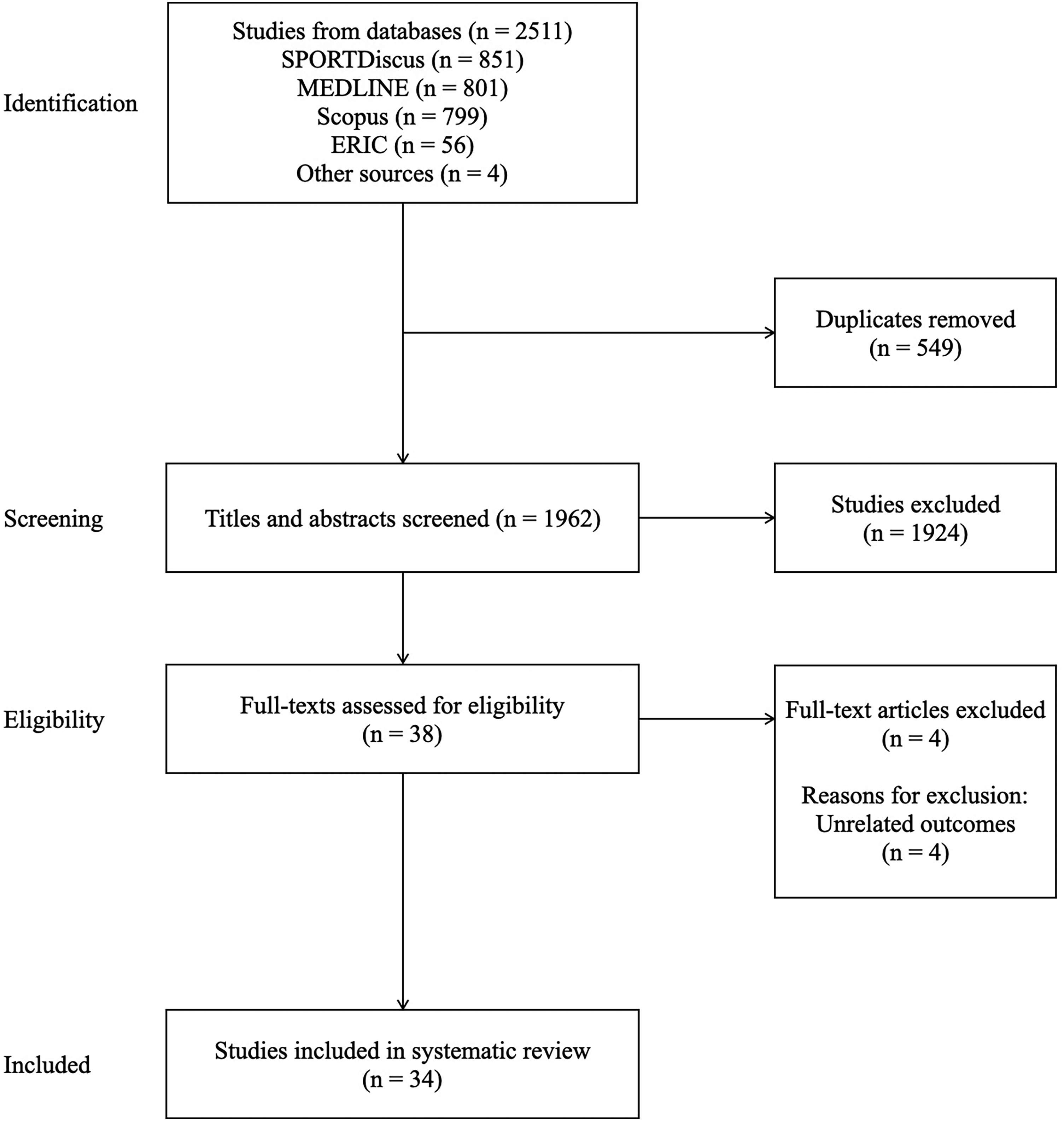
PRISMA (Preferred Reporting Items for Systematic reviews and Meta-Analyses) flowchart.
Study characteristics
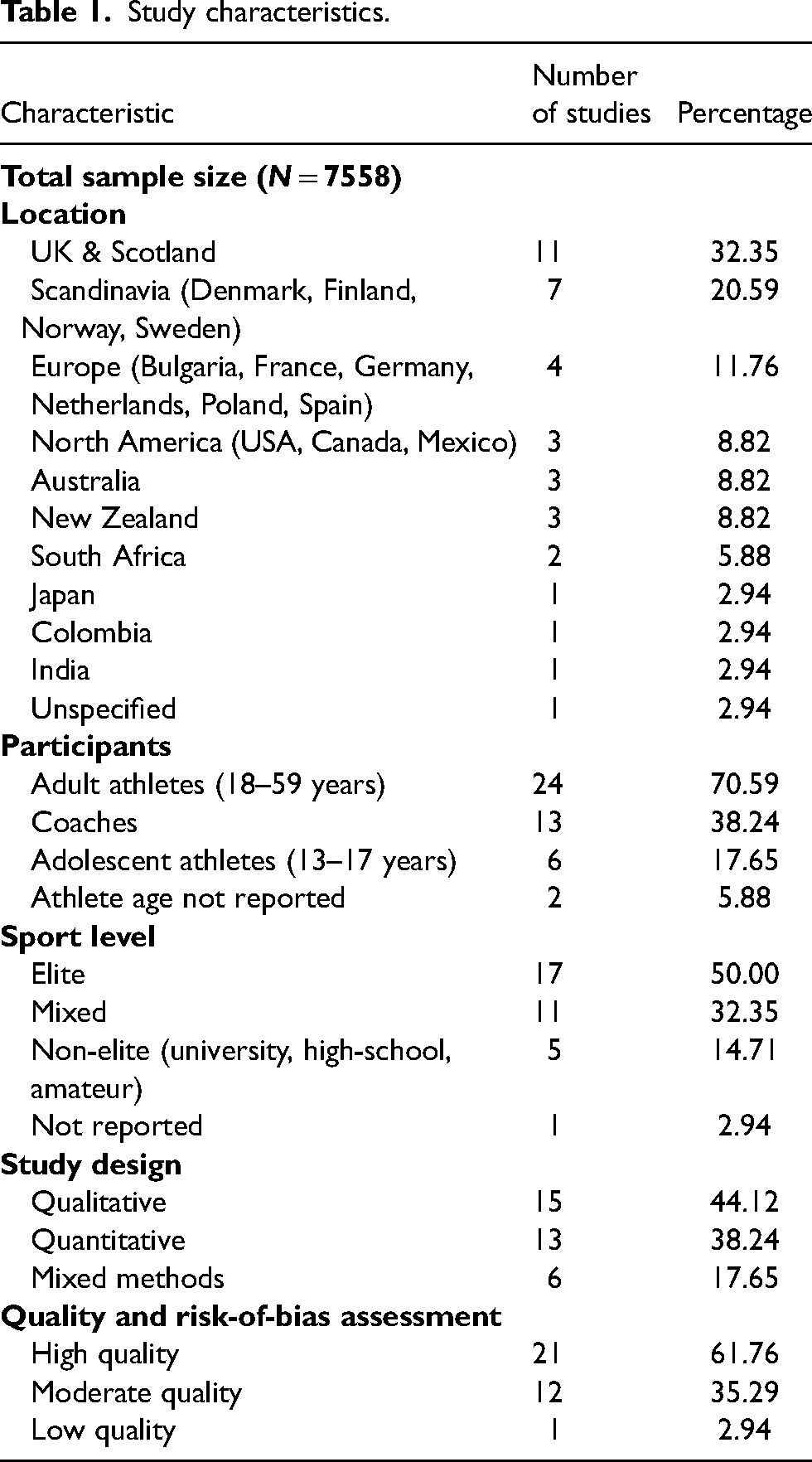
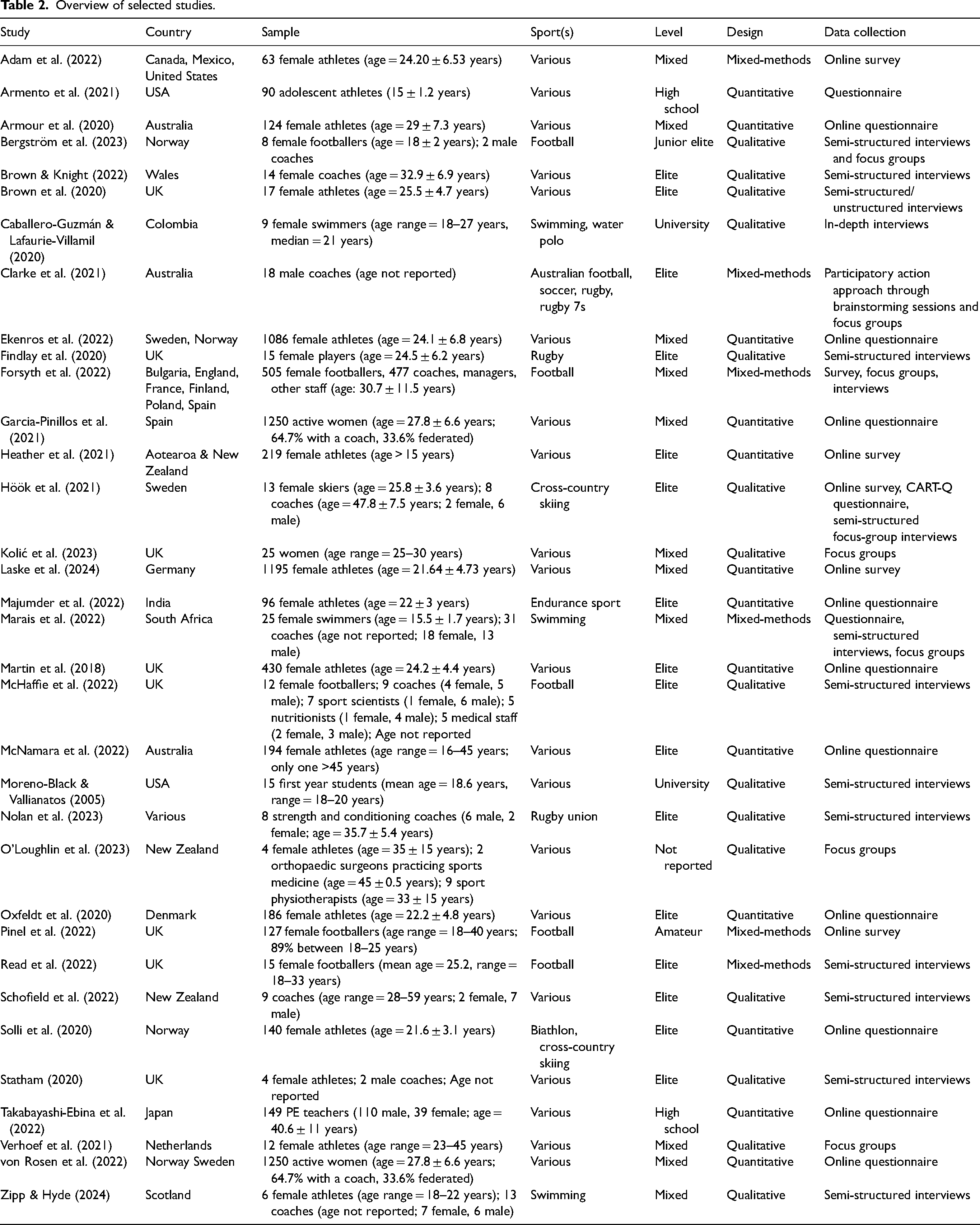
Table 1 provides an overview of the selected studies with respect to study location, participant age, sport level, study design, and study quality. Overall, this review represents 7558 participants (6871 athletes and 687 coaches) competing at various levels of sport, from elite to amateur. It is important to note that while the search criteria did not exclude athletes based on sex or gender identity, the relevant studies only reported female athletes or active women in their athletic populations. Likewise, coaches were reported as either male or female in the relevant studies. The selected studies comprised of 15 qualitative, 13 quantitative, and 6 mixed methods analyses. Overall, studies were found to be of moderate-to-high quality, with 21 studies scoring “high”, 12 studies scoring “moderate”, and 1 study scoring “low” as a result of the MMAT assessment. Table 2 constitutes a summary of the data extracted from the studies, consisting of specific information related to study location, participant demographics, sport and competition level, study type, and methods of data collection for each selected study.
Study characteristics.
Overview of selected studies.
Themes
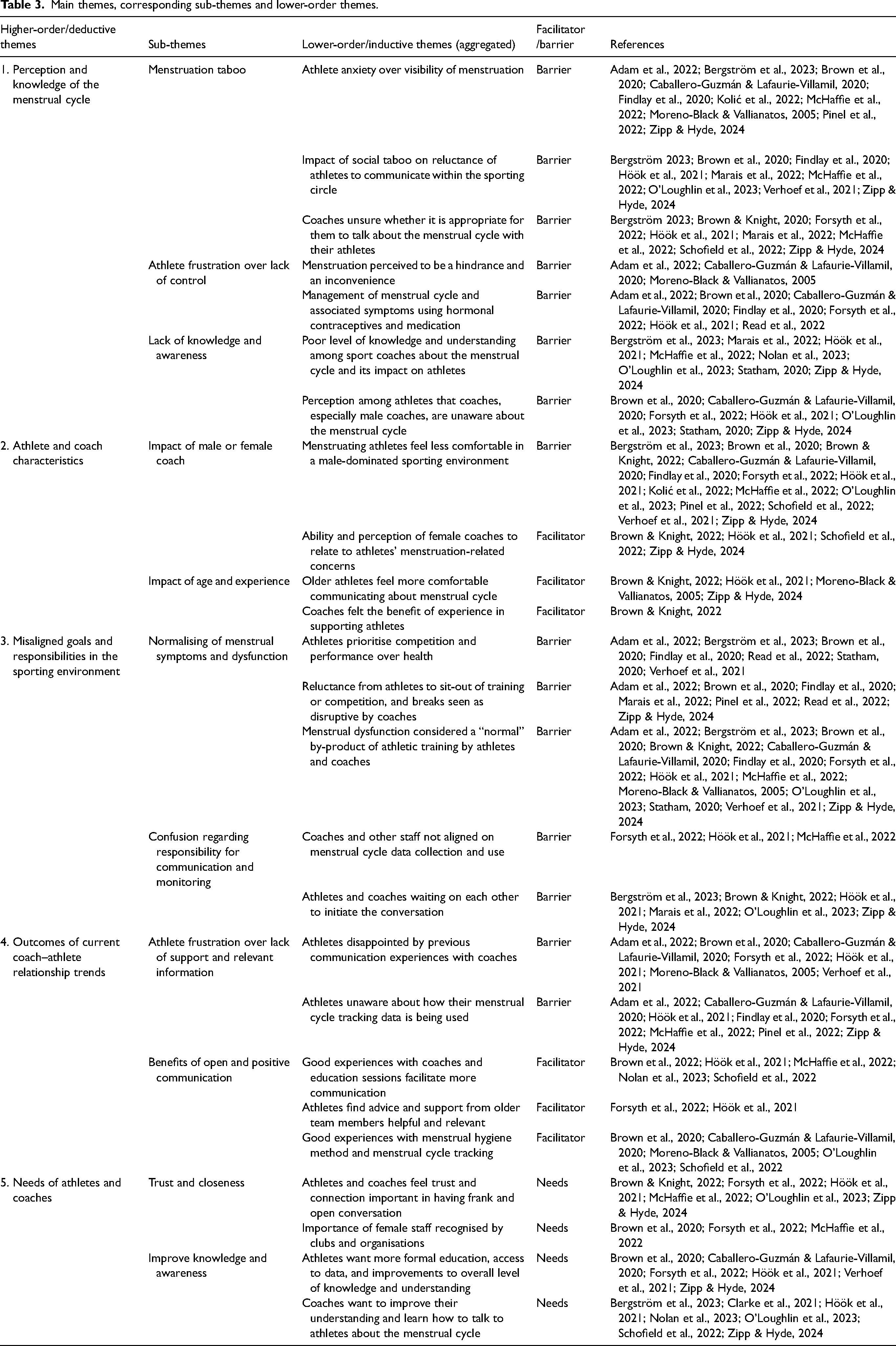
Four main, deductive themes pertaining to the coach–athlete relationship and the menstrual cycle encapsulated the inductive themes identified from the articles. Themes 1 and 2 captured the antecedent properties of the coaches and athletes and their prevalent social context. These characteristics exerted an influence on the thoughts, feelings and behaviours of coaches and athletes, i.e. factors relating to the quality of the coach–athlete relationship (Theme 3), resulting in positive and negative intrapersonal and interpersonal outcomes (Theme 4). Finally, an additional theme was included to encapsulate the needs of athletes and coaches for facilitating open communication and improving the support around the menstrual cycle in sport (Theme 5). Table 3 presents a summary of these themes along with the corresponding sub-themes, lower-order themes, and relevant studies.
Main themes, corresponding sub-themes and lower-order themes.
Theme 1: Perceptions and knowledge of the menstrual cycle
Menstruation taboo
The social perception of menstruation as taboo was prevalent among athletes and coaches, presenting several barriers for open communication of the menstrual cycle.24–30 Athletes were anxious and afraid of revealing any symptoms of menstruation, such as bleeding, odor, pain or discomfort.30–38 The fear and anxiety regarding visible signs of menstruation was also impacted by the perception of menstruation as a sign of weakness.32,35 This sentiment was echoed by female coaches, as well, who expressed a desire to hide their own signs and symptoms of menstruation. 39 White or light-coloured sporting uniforms and athletic apparel, which athletes were required to wear during matches and competitions, served to deepen their anxiety for visible signs of bleeding.24,33,34,36,38 A direct consequence of the taboo against menstruation was the reluctance of athletes and coaches to broach the topic with one another.24–26,28,30,36,40 Athletes were also hesitant to confide in their teammates and peers, 41 preferring instead to keep any topic with regards to the menstrual cycle private or outside of their sporting circles, and consulting with family or friends, if necessary.27,29,42,43 Coaches, male and female, suggested a lack of confidence in their ability to communicate about the menstrual cycle owing to the sensitive nature of the topic.24,25,39–41
Athlete frustration over lack of control
With menstrual symptoms causing unwanted and unpredictable breaks in their athletic pursuits, athletes were left frustrated with their perceived inability to control the menstrual cycle and their symptoms.31,33 This frustration produced potential barriers to healthy sport participation, specifically related to the athletes’ attitudes and behaviours pertaining to menstrual symptoms. While some athletes felt that competition and matches provided a necessary distraction from their menstrual symptoms, others felt more anxious or frustrated with having to deal with them during competitions.34,44 It was common for athletes to self-medicate with painkillers in order to continue participating and competing,31–34,42,44 with up to 65% of athletes not seeking a prescription before using them. 14 Hormonal contraceptive (HC) use was prevalent, with 50–70% of athletes at all levels using some form of HC.5,14,27,42,45,46 While most athletes used HCs primarily for birth control, it was also common for athletes to use HCs to manipulate the timing of menstruation and manage menstrual symptoms.31–34 However, considerable variation was found among different athlete groups, with studies reporting between 30–70% prevalence regarding the use of HCs to control the menstrual cycle.5,14,27,46 Conversely, 81.2% of elite athletes from India did not use medication for symptom relief and 87.5% did not use any form of HC, suggesting the influence of cultural and social barriers and preconceptions. 47 Similarly, only 28% of athletes from Spain used HCs for any reason. 48 Among athletes where HC use was prevalent, it was unlikely for athletes and coaches to discuss the topic with one another,5,25 but some athletes consulted with doctors before using them.32,42 As with general discussions around the menstrual cycle, HC use was kept private or discussed outside the sporting circle with friends and family. 5
Lack of knowledge and awareness
Athletes and coaches admitted to having poor knowledge of the menstrual cycle and lacked understanding of its relationship with athlete health and performance,24,26,28,30,31,41,49 which served as a significant barrier to athletes and coaches recognising the need for support and communication in relation to menstrual symptoms and conditions. While 44% of adolescent athletes from the USA reported that losing their period was a normal consequence of athletic training, 50 about a third of elite athletes from India held the same belief. 47 Across six European countries, 15% and 17% of footballers and coaching staff considered their understanding of this relationship to be negligible or very poor, respectively. 25 Athletes were also unaware of the connection between the menstrual cycle and training and performance, with only 8% of elite athletes from Norway, and 24% of individuals from the general population in Norway and Sweden perceiving their knowledge of the same to be sufficient or good.27,29 Overall, coaches, as well, considered their own knowledge of the menstrual cycle to be poor.39,51,52 They perceived the menstrual cycle to be a complicated topic and were unclear about the impact of training on the menstrual cycle and vice versa.24,30,41,52 Sports scientists, nutritionists and physiotherapists, however, were more aware of how their respective domains interacted with menstrual function.26,36 In addition to finding their own knowledge of the menstrual cycle to be poor, athletes and coaches perceived others’ knowledge to be insufficient as well.26,32,33
Theme 2: Athlete and coach characteristics
Impact of male or female coach
Athletes commonly reported that the quantity and quality of communication regarding the menstrual cycle was impacted by the presence of a male or female coach, expressing a lack of comfort and confidence in discussing the topic with male coaches.24–26,28,30,32,34,35,38,41,53,54 There was a perception among athletes that male coaches would be unable to understand their concerns with regards to menstruation and, therefore, unable to offer meaningful advice or support.24,29,35,41,42 As a result, athletes often preferred to hide their symptoms from male coaches, attributing their menstruation-based pain or discomfort to other reasons not related to menstruation.24,32 Male coaches also expressed hesitation in broaching the topic with their athletes,24,41,54 especially younger athletes. 30 Conversely, female coaches and PE teachers were more forthcoming with their communication and support regarding the menstrual cycle, finding their own experiences and awareness of menstrual symptoms to be beneficial in this regard.39,41,54,55 Athletes did not perceive that male or female coaches were more, or less, likely to communicate about the menstrual cycle with them, 43 but reported their own tendency and willingness to communicate about the menstrual cycle with female coaches and female members of staff to be greater.29,32,34,43
Impact of age and experience
Athlete age and experience facilitated the understanding and open discussion of menstrual symptoms and issues related to the menstrual cycle, while the influence of coach age and experience was mixed. Older and more experienced athletes perceived their knowledge and understanding of the menstrual cycle to be better as compared to younger athletes and those with relatively less experience.29,37 Older athletes were also more willing to communicate with their coaches regarding their menstrual symptoms,30,32,41,43 and experienced, international-level athletes were more likely to talk about HC use with their coach or team doctor. 45 Elite athletes were also significantly more likely to report barriers to communicating with their coaches about the menstrual cycle. 53 No impact of coach age was found on the athletes’ inclination to discuss the menstrual cycle. However, a significant but weak effect (p < 0.05, partial-ω2 = 0.005) was found among German athletes for coach age on their perceived willingness to talk about the menstrual cycle, with younger coaches (≤50 years of age) more likely to broach the topic. 43 Elite female coaches, as well, considered experience to be important in managing and supporting their athletes’ menstruation-related symptoms and concerns. 39
Theme 3: Misaligned goals and responsibilities
Normalising of menstrual symptoms and dysfunction
Athletes and coaches were reluctant to adjust training in response to menstrual symptoms, finding breaks from training to be disruptive and unnecessary,30,38,40,44 and often prioritising the pursuit of sporting objectives over athlete health and well-being. Athletes felt the need to “get on with it”, 34 and did not consider menstrual symptoms to be a valid reason to alter or miss training.28,31,37 Indeed, more than 70% of athletes across various studies chose not to alter their training methods or intensity in response to their menstrual symptoms.14,27,42,47,48 Elite athletes, especially, rarely missed training or competition, and avoided training only when experiencing severe symptoms.5,31,32,34,44,45 College athletes and elite athletes were also wary of letting their coaches and teammates down due to the disruptions caused by their menstrual symptoms and afraid of coming across as weak in front of their coaches.31,37,44,49 Overall, elite athletes gave primary importance to their performance, and discussed concerns regarding the menstrual cycle only if it was felt that their performance could be impacted.28,32 Non-elite and recreational athletes were more likely to avoid training, adjust their training routines, or even sit out of competition in response to pain or discomfort associated with menstruation.30,31,48 Coaches, as well, normalised menstrual dysfunction and symptoms and the impact that these had on athletes.28,41 Coaches considered making training adjustments only in cases where menstrual symptoms were severe, 40 often hesitating due to the potential loss of performance benefits from missed training sessions. 30 Female coaches, as well, expected their athletes to carry on training and competing despite any menstruation-related pain or discomfort, especially if they had done so in their own training past or experienced less severe menstrual symptoms as compared to their athletes. 39 Finally, while there was a common perception among athletes that their coaches were only concerned with their performance,24,28 coaches felt that the pressure of selection and performance hindered their athletes from communicating menstrual symptoms with them.36,54
Confusion regarding responsibility for communication and monitoring
The lack of open discussion of the menstrual cycle across different sport environments produced a common predicament where athletes, coaches and other staff were unclear on their roles and responsibilities for initiating communication and providing support.24,30,36,41 Athletes expressed a desire for more proactive behaviour from their coaches in communicating about the menstrual cycle and menstrual symptoms, and felt that there was a lack of initiative on the coaches’ part.26,30 Conversely, coaches were reluctant to discuss the topic with their athletes unless the athletes approached them first.24,30,40 Among female coaches, some felt that it was not their responsibility to ask after their athletes’ menstrual health and function, 39 while others reported feeling more responsible for communicating with them. 54 Among the coaching staff, there was a lack of coordination among the different sporting departments, 41 and coaches often passed on the task of collecting and using menstrual cycle tracking data to sports scientists, who were left unclear of the purpose of collecting and reporting this information. 36
Theme 4: Outcomes of current coach–athlete relationships
Athlete frustration over lack of support and relevant information
Athletes commonly reported frustration with the perceived lack of support from coaches with regards to their menstrual symptoms.33,41 Athletes were unlikely to communicate their concerns to coaches after poor experiences in the past, particularly in instances where coaches had disregarded menstrual symptoms as a valid reason to miss or adapt training.25,31,38 Furthermore, owing to a lack of follow-up communication from coaches and sport science staff, athletes were also unclear about why their menstrual cycle tracking information was being collected. 36 Elite athletes, in particular, wished to know how training modifications could help maintain their conditioning and performance while experiencing menstrual symptoms, but this information was not readily available to them. 41 With doctors, and people from outside their sporting circles, athletes often found that the suggestions and advice on dealing with menstrual symptoms were neither relevant nor tailored to the performance demands of their sport.28,32
Benefits of open and positive communication
Positive discussions between athletes and coaches regarding menstrual symptoms, and athlete experiences related to the same, encouraged athletes to continue expressing their needs and concerns, facilitating open communication and support. 32 Situations where coaches had modified or adapted training routines based on the athletes’ needs served to increase their willingness for more open communication.36,52 Athletes also reported that attending formal education sessions had helped them open up and seek support from their coaches. 41 Coaches noted that approaching athletes with menstrual tracking information and performance implications of their symptoms was conducive to more open communication regarding the menstrual cycle. 54 Finally, athletes were more open to approaching senior members of their team for support and advice, benefiting from their experience and expertise regarding menstrual hygiene products and management of symptoms.25,33
Theme 5: Needs of athletes and coaches
Trust and closeness
Athletes and coaches recognised the importance of having a good relationship with each other in order to communicate openly about the menstrual cycle, which was considered a sensitive topic. 30 They emphasised the need for trust, closeness, and comfort for them to feel confident to communicate about menstrual function and symptoms.25,36,39 These needs were considered particularly important in situations involving male coaches.26,41 Physiotherapists, as well, indicated that trust was an important factor, and dictated the openness of communication with their athletes regarding menstrual symptoms. 26 Overall, clubs and organisations felt that it was important to build a culture of trust and closeness between athletes, coaches, and other staff in order to enable better coordination and stimulate communication between different individuals and groups.25,39 Organisations also recognised the need to have a greater presence of females in coaching and support positions in order to drive the culture-shift towards more open communication of the menstrual cycle.25,36
Improve knowledge and awareness
Most athletes and coaches recognised the need to improve their own knowledge of menstrual function, menstrual symptoms, and their impact on athletic performance.24,28,30,32,33,41,52 Athletes expressed a desire to see more research and data, as well as multi-disciplinary collaboration between coaches and other staff, to improve the quality and quantity of communication around the topic. 28 Athletes indicated the need for early and more personal communication from their coaches as well.25,30,41 Male coaches, in particular, expressed a desire to learn how to approach and communicate with their athletes regarding menstrual symptoms and find out more about how the menstrual cycle impacts their athletes’ training and performance.24,26,51,54 In addition to improving their own knowledge, athletes also wished for their coaches, parents, doctors, and others involved in their lives and careers to improve their understanding of the menstrual cycle in order to abolish the stigma around the topic. 28 Among all groups of athletes and coaches, there was a recognition that their clubs, organisations, and sport associations must improve their support through formal education and knowledge-sharing opportunities and expert-led discussions.25,30,41,49,52
Discussion
This systematic review took a novel approach of using the coach–athlete relationship to examine the sporting environment for facilitators and barriers to healthy sport participation for cyclically menstruating athletes. A thematic analysis, guided by the integrated coach–athlete relationship model, 18 revealed four main themes pertaining to the understanding and perceptions of the menstrual cycle among athletes and coaches and their prevailing social context, their willingness and ability to communicate, the quality of their relationship, and the resulting outcomes. A final theme encapsulated the desire of athletes and coaches to improve their knowledge and understanding of the menstrual cycle, as well as the need for more education and support from sporting bodies and organisations.
An examination of the coach–athlete relationship revealed several barriers to the health and well-being of cyclically menstruating athletes within the sporting environment. First, there was a tendency among athletes and coaches to prioritise sport training and performance above their health and well-being, with athletes ignoring pain and discomfort due to menstrual symptoms unless they were found to impact performance.24,28,31,34,37,42,45,47 Given that complete rest and light-intensity physical activity are commonly-employed methods for coping with dysmenorrhea and other menstrual symptoms,56,57 it was worrying that coaches, as well, were hesitant to modify training sessions or allow athletes breaks from training in response to their menstrual symptoms.30,39,40 While non-elite and recreational athletes were more likely to miss or adapt training sessions,30,31,48 the tendency among elite athletes to continue training and competing, despite facing menstruation-relation pain and discomfort,28,32 pointed to the potential health risks imposed by the performance-oriented and results-driven nature of elite sporting environments. 58 Painkillers and HCs were commonly used to cope with menstrual symptoms and continue sport participation, but athletes rarely communicated or sought information about the same from coaches, medical experts, or sport scientists.5,25 While painkillers and HCs are known and supported treatment options for dysmenorrhea, 59 it is important to ensure that their side-effects and dosage recommendations are understood, and it was unclear if athletes possessed or, indeed, sought this information.
Second, the prevalence of the stigma around the menstrual cycle as well as the lack of knowledge around the topic among athletes and coaches prevented open and timely discussion of menstrual symptoms and menstrual dysfunction.24,26,28,30,34,40,41,54 Athletes considered the menstrual cycle to be an unnecessary burden, and the displaying of signs and symptoms of menstruation an indicator of weakness and not aligned with their image as fit and strong individuals.33,35 Further, the lack of recognition for menstrual dysfunction as a serious problem, among certain groups of athletes,31,47,50 suggests that athletes may be ill-equipped to recognise issues with their menstrual function and the associated health implications. As in general society, where the lack of knowledge and awareness of the menstrual cycle are known to impact the dissemination of knowledge and open discussion, 60 athletes and coaches were reluctant and embarrassed to broach the topic of menstrual function and menstrual health with one another.5,27,30,36,53 This was particularly true in situations involving male coaches,24,32 suggesting an ingrained bias and perception that the menstrual cycle is a female topic. 61 As a result of the hesitation to broach a sensitive topic, athletes and coaches waited on each other to initiate the conversation,24,26,30,40,41 with often neither doing so and, thereby, perpetuating the stigma and unease.
Finally, there was a lack of communication and collaboration among coaches and their staff regarding the conversation around the menstrual cycle, as well as a lack of clarity regarding the responsibility for collecting, managing, and disseminating menstrual cycle tracking information.24,26,30,40 With menstrual tracking data helping individuals understand their menstrual cycle, recognise patterns of symptoms, and identify ways in which to cope with them, 62 this information could be beneficial for tailoring training programs based on an athlete's symptoms and providing breaks when necessary. However, a lack of follow-up information from coaches regarding their tracking data often, and unsurprisingly, left athletes frustrated and unclear on if, and how, their menstrual cycle data was being used.36,41 Additionally, given the power dynamics between coaches and athletes in the sporting environment, particularly in elite sport with the increased pressure of performance and selection, it is imperative to ensure that menstrual tracking information is used in the right manner. 63 Therefore, it is vital that sporting organisations create formal structures and processes around menstrual cycle tracking and data usage, delineating the roles and responsibilities of the various stakeholders involved.
This review identified three main factors within the sporting environment that facilitated the healthy sport participation for athletes in relation to the menstrual cycle. First, the presence of a female coach was considered important for open communication regarding the menstrual cycle, owing to their relatability of experiences and challenges with menstrual symptoms.30,39,41 With sport traditionally lacking female representation in coaching, support, and administrative positions,64–66 this finding points to the need for creating more roles and opportunities in sport leadership for women. Second, experience and exposure were considered critical, with athletes learning to manage and communicate their menstrual symptoms over time,29,30,32,37,41,43 and coaches gaining a better understanding of the concerns and support needs of cyclically menstruating athletes. 39 With younger athletes benefiting from the advice of older and more experienced teammates regarding menstrual symptom management and menstrual hygiene products,25,41 it suggests the potential in creating more opportunities for senior members to share their experiences and learnings with respect to the menstrual cycle, and involving them in building a supportive environment for younger athletes. Finally, in addition to accumulating knowledge and awareness over the years, athletes and coaches also pointed to the importance of trust and comfort in their relationship for open communication regarding the menstrual cycle,25,26,30,39,41 which is in keeping with the various conceptual models describing the coach–athlete relationship. 18
The present analysis of the sporting environment around cyclically menstruating athletes suggests the need for greater knowledge, support, and accessibility of information regarding the menstrual cycle. Across all groups of athletes and coaches, education was considered the most important factor for improving the awareness of the menstrual cycle and promoting open communication.24–26,28,30,32,33,41,51,52,54 Recent intervention studies, as well, suggest the promise of menstrual health education, with a single education session among athletes and coaches, and an online knowledge-translation program with high-school students helping participants improve their understanding and correct their misconceptions of the menstrual cycle.67,68 The onus is on sporting organisations and governing bodies to provide more opportunities for learning and knowledge-sharing around the menstrual cycle. However, as the sociocultural taboo against menstruation continues to pervade and negatively influence the professional and personal spheres of cyclically menstruating individuals, 69 there is a need for a larger societal shift towards acknowledging the menstrual cycle as a normal physiological process. Overall, a concerted and coordinated effort is required from all stakeholders involved to change the perceptions of the menstrual cycle, create better conditions cyclically menstruating individuals in sport and other domains, and work towards abolishing the societal taboo against menstruation.
Limitations and future scope
This review did not include studies where the population consisted exclusively of athletes suffering from menstrual dysfunction. Studies where other medical and health conditions were present in the athletic population were also excluded. The lack of standardised quantitative instruments, measures, and data reporting within the quantitative studies precluded the possibility of conducting a meta-analysis, suggesting the need for more robust quantitative experiments using validated measures. Finally, as suggested by the reporting of only “female athletes” or “active women” in the eligible studies in this review, there is a need for greater scientific focus on other groups of cyclically menstruating athletes in order to form a comprehensive view of the sporting environment with regards to the menstrual cycle.
Conclusion
This systematic review used the coach–athlete relationship to examine the sporting environment for factors that facilitate or act as a barrier to healthy sport participation for cyclically menstruating athletes. The identified barriers were misconceptions and taboo regarding menstruation, lack of knowledge and awareness of menstrual function and its relationship with health and sport, and the lack of communication and collaboration among the various stakeholders. Conversely, the presence of female coaches or staff, athlete and coach experience, and trust between athletes and coaches served as facilitators to the promotion of health and well-being of cyclically menstruating athletes. The findings from this review highlight the need for greater education for all stakeholders within the sporting environment, increased representation of females in coaching and administrative roles, as well as improved collaboration among coaches and staff, in order to provide an inclusive and supportive sporting environment for cyclically menstruating athletes that is focused equally on their health and athletic performance. However, it is imperative that these changes are accompanied by greater shifts in the attitude and approach towards the menstrual cycle in general society, where the taboo against menstruation continues to impact the personal and professional lives of cyclically menstruating individuals.
Supplemental Material
sj-pdf-1-spo-10.1177_17479541241239925 - Supplemental material for Examining the coach–athlete relationship for facilitators and barriers to healthy sport participation for cyclically menstruating athletes: A systematic review
Supplemental material, sj-pdf-1-spo-10.1177_17479541241239925 for Examining the coach–athlete relationship for facilitators and barriers to healthy sport participation for cyclically menstruating athletes: A systematic review by Sharan Srinivasa Gopalan, Sam Liu, Caitlin Mann and E Jean Buckler in International Journal of Sports Science & Coaching
Supplemental Material
sj-pdf-2-spo-10.1177_17479541241239925 - Supplemental material for Examining the coach–athlete relationship for facilitators and barriers to healthy sport participation for cyclically menstruating athletes: A systematic review
Supplemental material, sj-pdf-2-spo-10.1177_17479541241239925 for Examining the coach–athlete relationship for facilitators and barriers to healthy sport participation for cyclically menstruating athletes: A systematic review by Sharan Srinivasa Gopalan, Sam Liu, Caitlin Mann and E Jean Buckler in International Journal of Sports Science & Coaching
Footnotes
Declaration of conflicting interests
The authors declared no potential conflicts of interest with respect to the research, authorship, and/or publication of this article.
Funding
The authors received no financial support for the research, authorship, and/or publication of this article.

Supplemental material
Supplemental material for this article is available online.
References
Supplementary Material
Please find the following supplemental material available below.
For Open Access articles published under a Creative Commons License, all supplemental material carries the same license as the article it is associated with.
For non-Open Access articles published, all supplemental material carries a non-exclusive license, and permission requests for re-use of supplemental material or any part of supplemental material shall be sent directly to the copyright owner as specified in the copyright notice associated with the article.
