



Abstract
The aim of this paper was to describe the interactive effects of contextual and tactical dimensions on the creation of goal-scoring opportunities (GSO) in youth elite Spanish soccer, according to the type of possession. A total of 1730 team possessions from 24 qualifying matches of the official Spanish LaLiga Promises U12 and U13 soccer-7 tournaments were analyzed. For the analysis, team possessions were grouped into recoveries and restarts, according to the type of possession start. The study evaluated ten contextual and tactical dimensions by observational methodology. For recoveries, the multilevel binary regression models revealed significant effects of dimensions such as match status, initial field zone, initial penetration, type of attack, number of dribbles and number of passes on the creation of GSO. However, for restarts, only dimensions such as initial penetration, number of dribbles and possession width presented significant effects on the creation of GSO. In conclusion, the effects of different contextual and tactical dimensions in youth soccer teams seem to depend on whether the start of the team possession is a transition or a restart, regardless of the age category. These findings are useful for soccer coaches and analysts, which can help them understand the key dimensions in the design of training sessions in youth soccer teams.
Introduction
Research on match tactical analysis in professional soccer has exponentially grown in the last decade. 1 This evolution is contributing to provide a theoretical understanding of collective and individual human behaviors as they emerge under varying constraints within competitive performance contexts. 2 Within this progress, the tactical evaluation of how teams achieve offensive performance has been an important field of study in the last years.3–5
In terms of attacking success in soccer, a very low percentage of team possessions in professional soccer led to score a goal. 6 Thus, the sole analysis of goals may not truly represent the underlying tactical strategies of a team, i.e., those that are concerned with the actual development of goal-scoring opportunities (GSO). 7 In this sense, the team possessions that achieve GSO represent successful attacks where the offensive team could penetrate over the defensive organization towards optimal field zones to shoot at goal. 8 For instance, recent studies in professional soccer have shown that playing tactics such as gaining the ball in advanced zones of the field, performing initial penetrative actions and progressing by counterattacks or fast attacks increased the odds of creating GSO in different competitions.9–11 These findings highlight the importance of performing quick and vertical collective sequences in ball transition moments to achieve higher effectiveness during the offensive phase.
However, despite the relevance of youth soccer for the learning and development of players, the research on match analysis in youth teams is very scarce, especially in prepubescent players. In this regard, existing studies have observed that very young players (U8, U10) display vertical, offensive and individualistic tactical behavior, 12 while U12 players are able to play a more combinative play, 13 as well as to cover with more efficiency the available field space. 14
Apart from the mentioned studies, there is very limited research on evaluating competitive tactics in key developmental categories such as U10, U12 or U14 players. 15 In this regard, existing literature in youth soccer has been mainly focused on evaluating modified versions of soccer such as small-sided games16,17 or analyzing the competitive physical demands.18,19 Thus, it seems very interesting to evaluate the playing tactics of youth soccer to provide a scientific understanding of the factors that contribute to offensive and defensive success, which can help coaches to design the most accurate training sessions in a crucial period for learning the key tactical principles in soccer. In this sense, one of the barriers that can limit the production of studies in youth soccer, in comparison with professional soccer, is the lack of data or technological systems integrated into the day-to-day activities of the teams. In this scenario, the design of specific observational tools may be a very useful technique to analyze technical–tactical actions. 20 In fact, systematic observation is a suitable methodology for analyzing tactical behaviors in sport, 21 because it permits the inclusion of categorical data from the qualitative evaluation of different dimensions of the match performance and may improve the ability to describe soccer match play actions. 22
Therefore, the first aim of this paper was to describe the collective playing tactics implemented by elite youth Spanish U12 and U13 soccer teams. The second aim of this study was to determine the interactive effects of contextual and tactical dimensions on the creation of GSO, according to the type of possession. It is hypothesized that tactical dimensions such as starting in advanced zones of the field, penetrating during the initial action and progressing by counterattacks have higher odds of achieving GSO during recoveries. For restarts, the hypothesis is that team sequences with a greater number of passes and more possession width present higher odds of achieving GSO.
Methods
Sample
A total of 24 knockout matches from the U12 (n = 12) and U13 (n = 12) soccer-7 tournament organized by the Spanish LaLiga in 2021 were evaluated (Table 1).
Matches, teams and scores of the U12 and U13 soccer-7 tournaments evaluated.
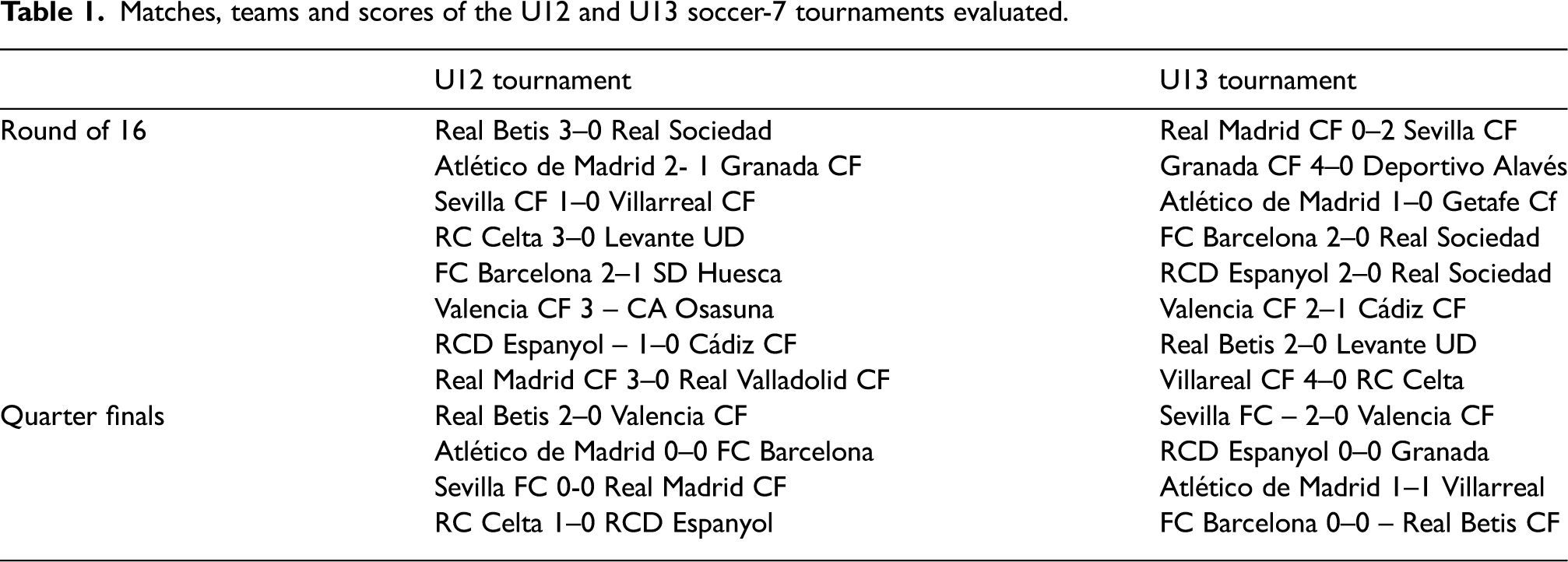
The duration of the matches was 24 min with 2 halves of 12 min each. The videotapes of the matches were obtained from the live TV broadcast. La Liga Promises is the most popular U12 and U13 soccer-7 tournament in Spain and one of the most popular in Europe. This competition has been held for 30 years and since its first editions, dozens of players that afterwards become top professional players participated when they were kids. The format of the tournament includes the 20 clubs that at the specific year take part in the national first division, so that this pool of players offers a representative selection of the elite U12 and U13 soccer players in Spain.
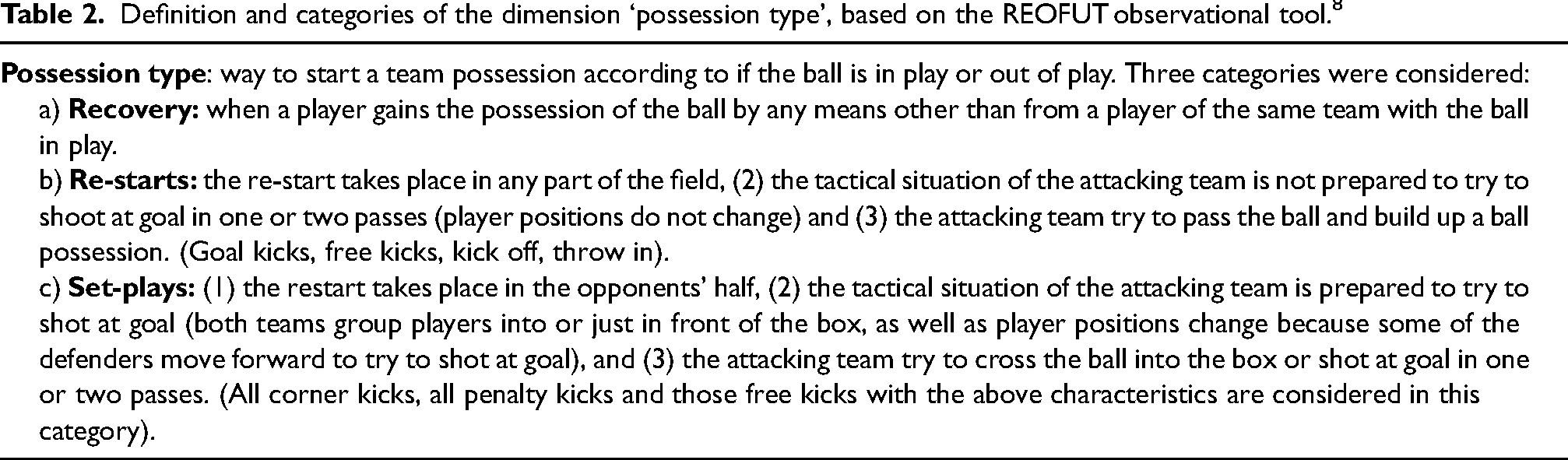
The unit of analysis was the ‘team possession’ according to the definition of Pollard and Reep. 23 The sample comprised 1730 team possessions that were grouped into recoveries (n = 841; 48.6%), restarts (n = 715; 41.3%) and set plays (n = 174; 10.1%) according to the type of possession start 8 (Table 2). The key inclusion criterion for the analysis was that team possession had to present a tactical build-up and development to create GSO by means of recovering the ball in open play or restarting the team possession (throw in, goal kick, etc.). In these two scenarios, the organization of both teams is not prepared to finish or to defend a possible shot or a cross to the box since the start of the team possession. According to this criterion, set plays (n = 174) were excluded from the study.
Definition and categories of the dimension ‘possession type’, based on the REOFUT observational tool. 8
Variables
The study used the REOFUT theoretical framework based on observational methodology and multidimensional analysis. 8 This tool describes how to analyze multiple tactical and technical dimensions related to the start, development and the end of teams’ possessions, as well as their association with achieving offensive performance. This tool combines a field format with systems of categories 24 and it has been used in multiple investigations in professional soccer.4,11,25 The design and protocol of this study was based on previous investigations that explored the effects of several tactical dimensions related to the start and development of team possessions on the offensive performance in professional soccer competitions.4,9,26,27
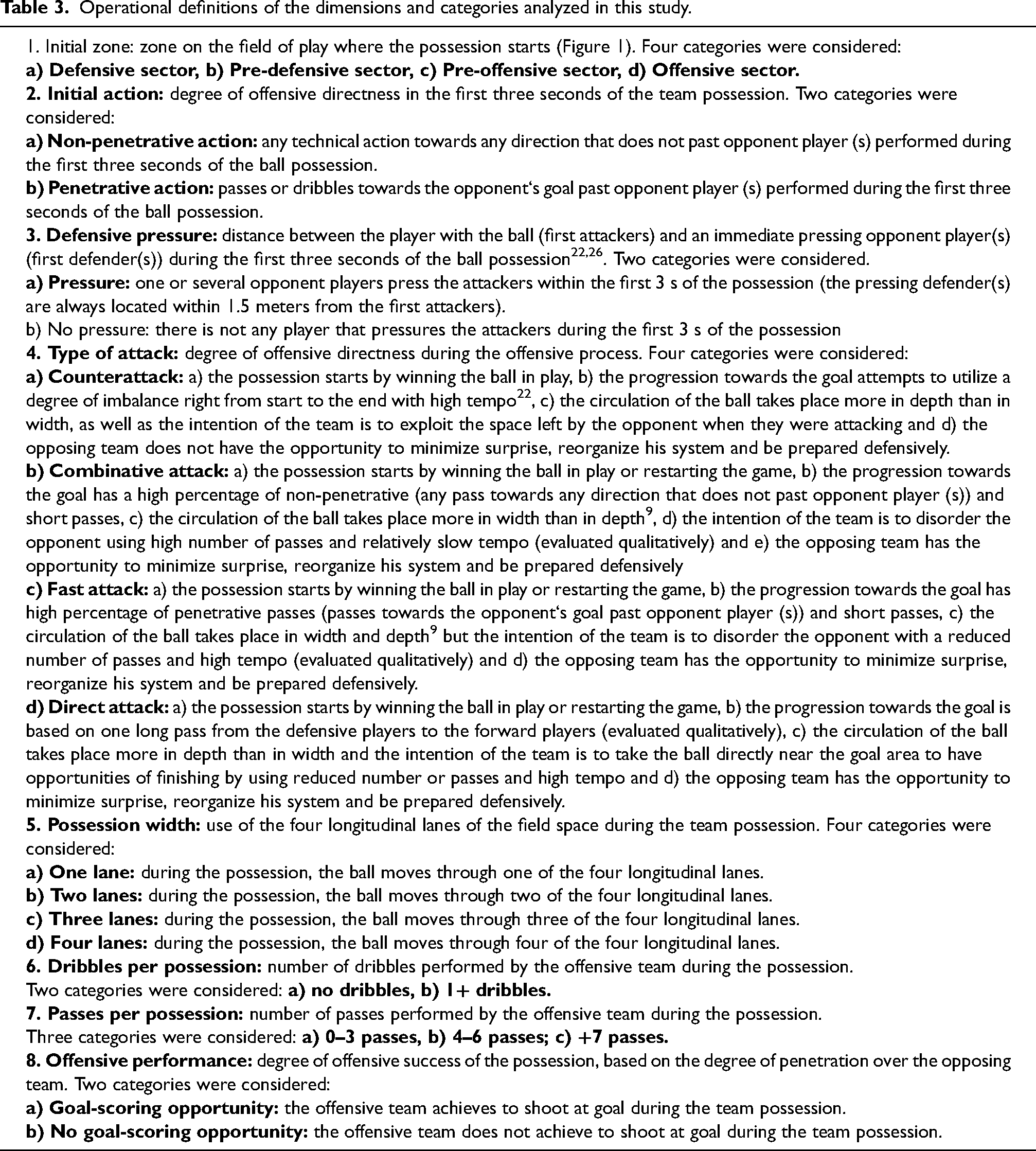
Particularly, this study focuses on analyzing the interactive effect of seven independent tactical dimensions (Table 3) related to the possession start (initial zone, initial action and initial defensive pressure) and development (type of attack, possession width, dribbles per possession and passes per possession) on the dependent dimension (offensive performance). This analysis also included the interactive effects of three independent contextual dimensions (age: U12 vs. U13; match status: losing vs. drawing vs. winning; and match half: first half vs. second half).
Operational definitions of the dimensions and categories analyzed in this study.
Match analysis
The study is based on the principles of observational methodology21,28 and its design is nomothetic (several games) and multidimensional (the dimensions correspond with the criteria of the REOFUT observation tool). For the analysis, the LINCE PLUS software was used to register, code and save the data. 29
Two observers evaluated the team possessions to maximize the analysis efficiency and inter-observer reliability in line with previous studies that analyzed team possessions in soccer.30,31 The two observers had playing and coaching experience in youth soccer and were trained in the use of the REOFUT tool for four weeks by the principal researcher of this study, who holds wide experience in performance analysis in soccer and is one of the lead authors of the used tool. This training included theoretical lessons and practical instruction, following the guidelines and suggestions of specialized studies about observational methodology.32,33 When the training was completed, each observer analyzed 12 matches separately. The analysis was made post-event, and each team possession was analyzed as many times as necessary for the observers.
To check the reliability of the data, the two observers in addition to the principal researcher (used as reference) analyzed 92 team possessions correspondent to a match for the analysis of inter-observer reliability. Subsequently, the principal researcher re-observed the game three weeks later for the intra-observer concordance. Kappa correlation coefficients (κ) were calculated for inter-observer and intra-observer reliability. In this sense, this analysis showed an appropriate level of reliability according to Altman criteria 34 (inter-observer kappa coefficient = 0.87–0.95; intra-observer kappa coefficient = 0.81–0.88).
Statistical analysis
All the analyses were performed using SPSS software (IBM SPSS, Version 27.0). An analysis of frequencies was carried out to describe the characteristics of the sample and the occurrence of each tactical dimension according to the offensive performance both for restarts and recoveries.
Due to the hierarchal structure of team possessions in soccer (each team has its specific tactical style and different ways to create GSOs), multilevel modeling 35 was carried out to cluster the team possessions (Level 2) within teams (Level 1) as previous studies performed 4 (Figure 1). A mixed model was created to analyze the effect of the contextual and tactical independent dimensions (fixed effects), on the creation of offensive performance, considering the team identity (random effects). Thus, the ‘team effects’ represent unobserved team characteristics that influence the team possession outcome.
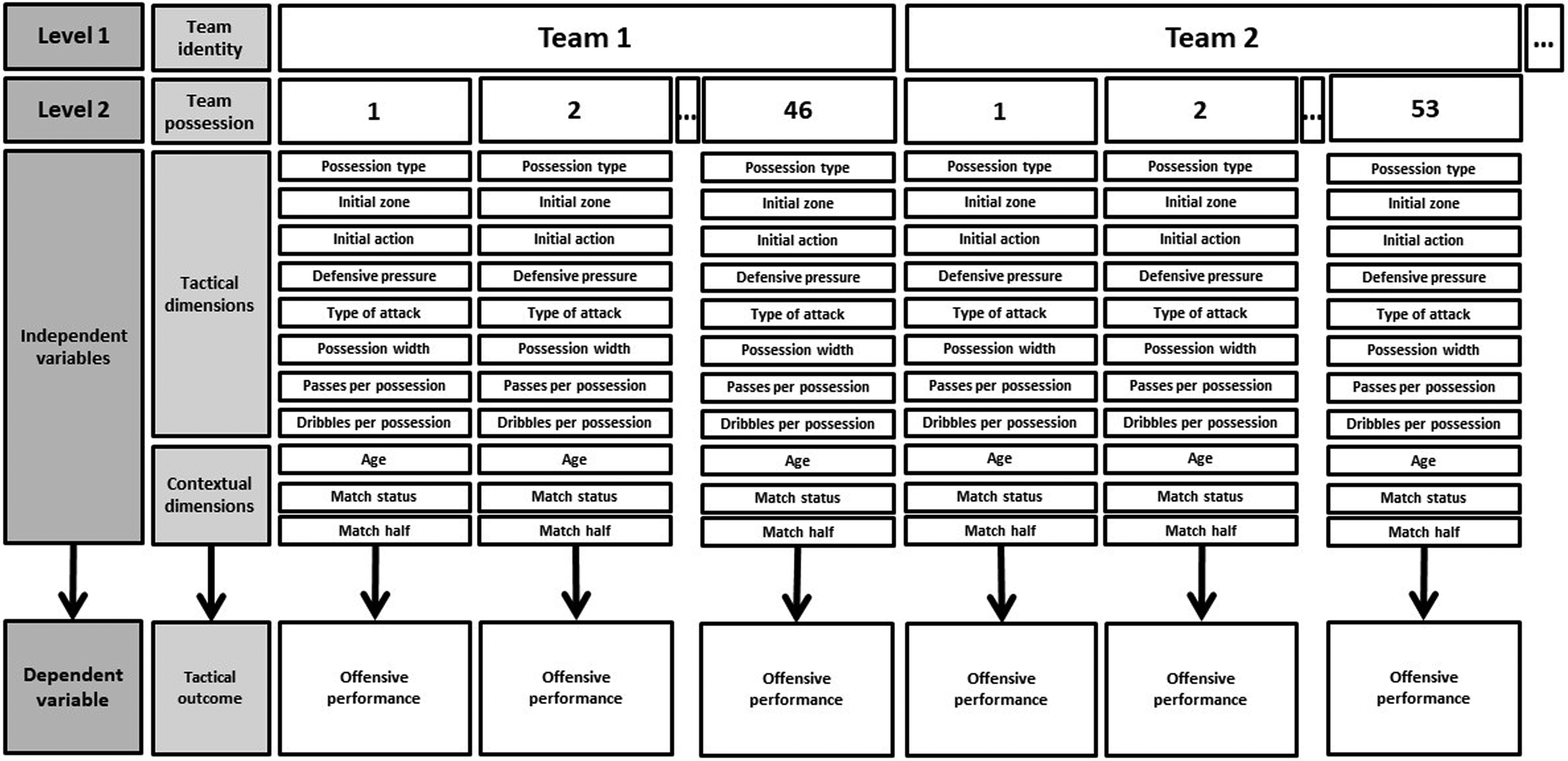
Study design with a hierarchical data structure, in which team possessions are nested in teams (Adapted from González-Rodenas et al. 4 ).
With this organization of the data, binary logistic regression models were constructed to predict the creation of shooting opportunities (0 = no shooting opportunity, 1 = shooting opportunity).
For the presentation of the results, unadjusted models (univariate analysis) were carried out to determine the association of each independent dimension with the dependent dimension. Secondly, adjusted logistic multilevel models (multivariate analysis) were constructed with all independent dimensions to check the interactive and interdependent effect of both contextual and tactical dimensions.
Finally, graphic charts with the predicted means were displayed for the variables that presented significant effects on the dependent variables. Pairwise comparisons of the estimated means (EMs) were performed through Fisher’s least significant difference test. The significance level was set to p < 0.050.
Results
Descriptive analysis
Table 4 shows the main characteristics of the sample. In general, recoveries produced a greater percentage of GSO than restarts (18.1% vs. 9.8%). As for contextual dimensions, the U12 teams had a greater percentage of GSO in recoveries than the U13 teams (22.3% vs. 14.4%), while winning teams had higher effectiveness to create GSO than drawing and losing teams.
Frequencies of the different contextual and tactical dimensions according to the creation of GSO for recoveries and restarts.
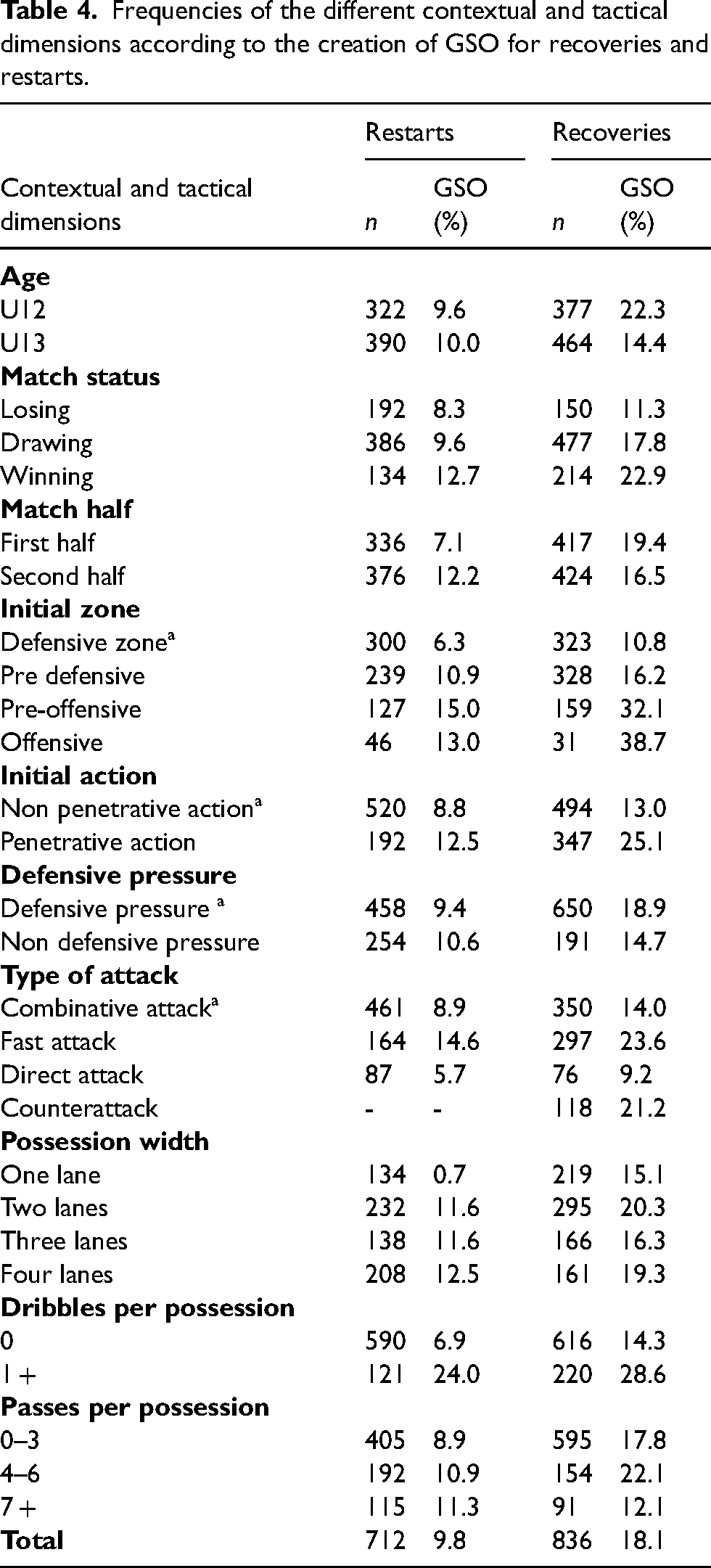
Regarding the type of attack, combinative attacks were the most frequent, followed by fast attacks, counterattacks and direct attacks, although the ones that achieved a greater percentage of GSO were the fast attack (14.6% in restarts and 23.6% in recoveries) and counterattacks (21.2% in recoveries).
Multilevel regression analysis
Regarding the random effects, Table 5 shows that the effect of ‘team identity’ did not present a significant variance for the creation of GSOs neither for recoveries nor restarts (p = 0.481 and 0.542, respectively).
Random effects of team identity on achieving goal-scoring opportunity vs. no scoring opportunity according to the possession type.
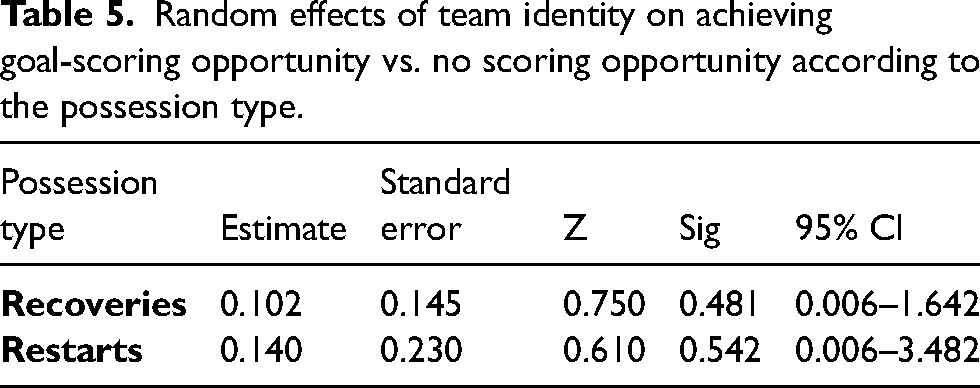
Table 6 shows the univariate and multivariate effects of contextual and tactical dimensions on the creation of GSO in recoveries. The multivariate model fits 83.3% of the data and shows that 6 out of 10 dimensions presented a significant effect in predicting the creation of GSO.
Multilevel mixed model to predict the creation of GSO vs. no GSO (reference category) in recoveries.
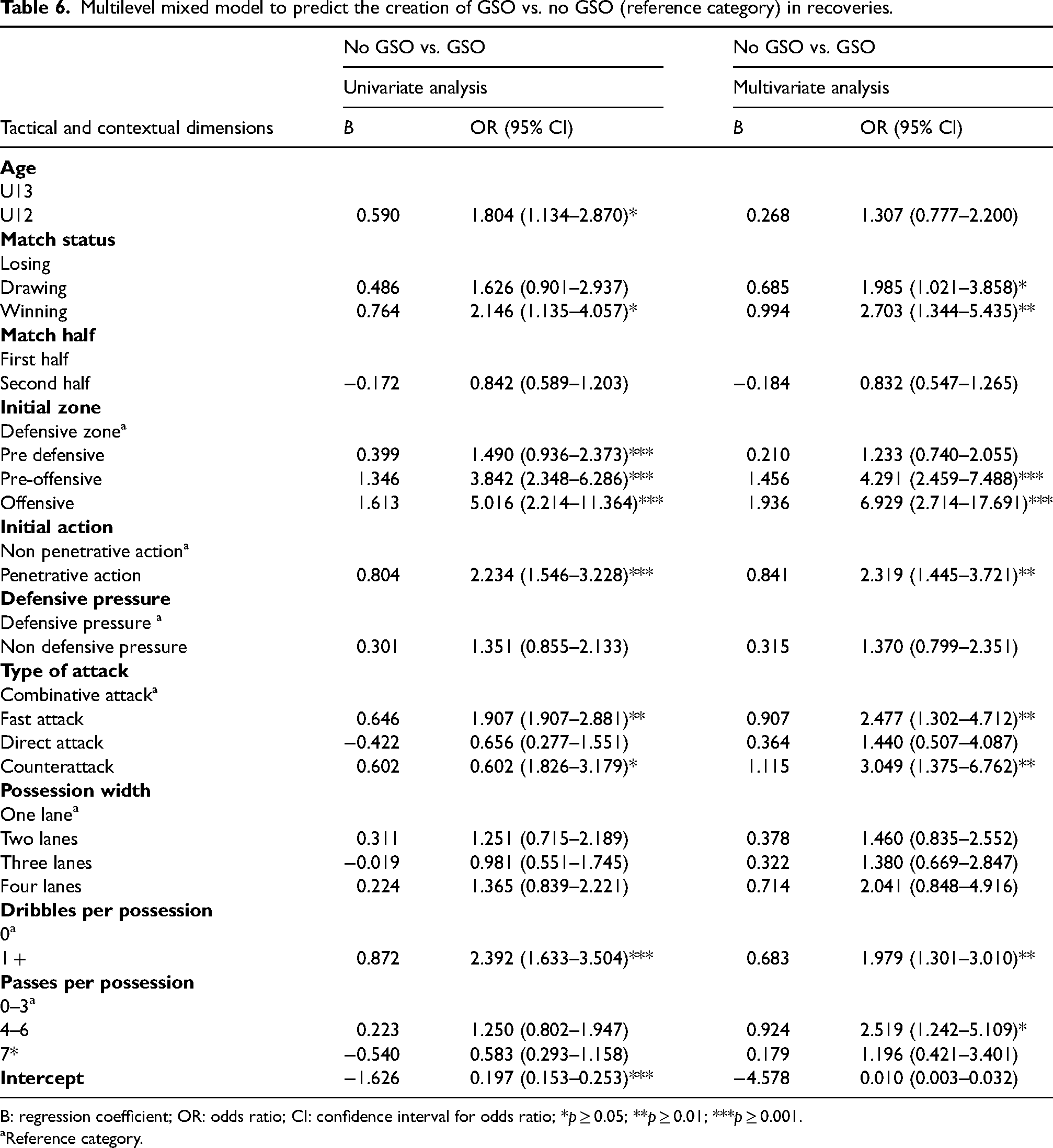
B: regression coefficient; OR: odds ratio; CI: confidence interval for odds ratio; *p ≥ 0.05; **p ≥ 0.01; ***p ≥ 0.001.
Reference category.
In this sense, contextual dimensions such as age or match status registered significant univariate effects on the creation of GSO, although only the match status effect was significant when the model was adjusted for the rest of the dimensions. Specifically, winning (OR = 2.703; p < 0.01) and drawing (OR = 1.985; p < 0.05) teams obtained higher probabilities of creating a GSO than losing teams.
For tactical dimensions, the initial zone, the initial action, the type of attack and the dribbles per possession showed univariate and multivariate effects on the creation of GSO. Particularly, the multivariate model showed that initiating in the pre-offensive (OR = 4.291; p < 0.001) and offensive (OR = 6.929; p < 0.001) sectors, performing a penetrative action (OR = 2.319; p < 0.01), progressing with a fast attack (OR = 2.477; p < 0.01) or counterattack (OR = 3.049; p < 0.01) and performing at least one dribble during the possession (OR = 1.979; p < 0.01) obtained higher probabilities to create a GSO than initiating in the defensive sector, performing a non-penetrative action, progressing with combinative attack and not performing any dribble during the team possession, respectively. Also, the number of passes per possession only had a significant effect in the multivariate analysis, showing that making between 4 and 6 passes had higher probabilities (OR = 2.519; p < 0.05) to develop GSO in comparison with making 0–3 passes, while no effect was observed for possessions that involved more than 7 passes.
Figure 2 shows the EMs with regards to the creation of GSO for each significant dimension in the multivariate analysis. It can be observed that tactical aspects such as initiating the team possession in pre-offensive and offensive zones, performing initial penetrative actions, dribbling, making between 4 and 6 passes, as well as progressing by counterattack or fast attack showed approximately 40% or higher odds of achieving a GSO. Specifically, winning teams (EM = 0.40; 95% CI: 0.26–0.55) and drawing teams (EM = 0.32; 95% CI: 0.22–0.46) presented significantly higher means than losing teams (p < 0.01 and p < 0.05, respectively). Regarding tactical dimensions, initiating in offensive (EM = 0.55; 95% CI: 0.31–0.76) and pre-offensive zones (EM = 0.43; 95% CI: 0.29–0.58) registered significantly higher EMs that initiating the team possession in pre-defensive and defensives zones (p < 0.01).
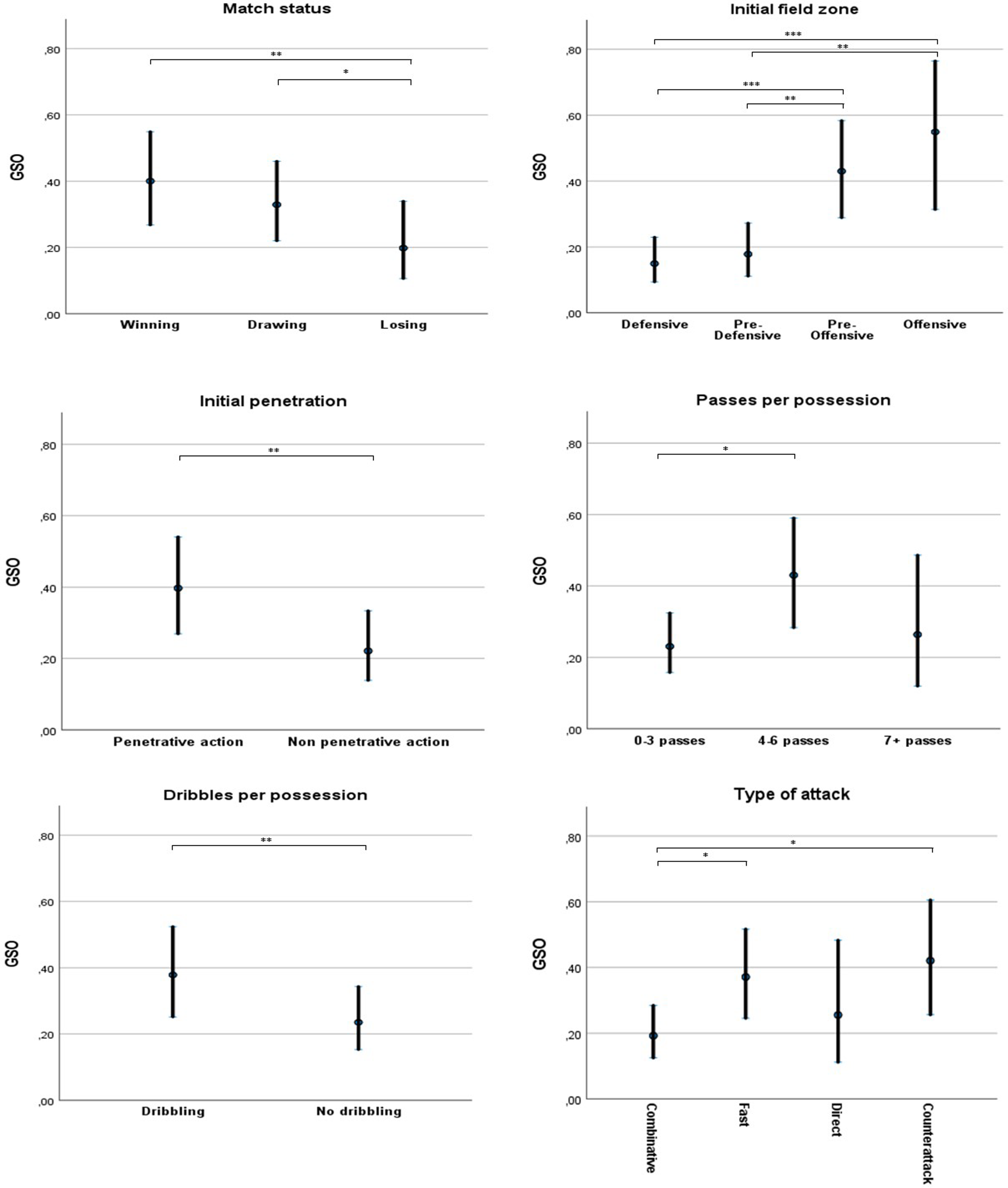
Predicted means and confidence intervals related to the creation of GSO in recoveries according to different contextual and tactical dimensions after adjusting for the dimensions included in the multivariate analysis. *≤0.05; **≤0.01; ***≤0.001.
As for passing, performing between 4 and 6 passes during team possession (EM = 0.43; 95% CI: 0.28–0.59) registered higher odds of creating GSO than performing between 0 and 3 passes (p < 0.05), although no statistical differences were found in comparison with performing 7 or more passes. Additionally, performing an initial penetrative action (EM = 0.40: 95% CI: 0.27–5.41) and dribbling during the possession (EM = 0.38; 95% CI: 0.25–0.52) registered significant differences in comparison with non-performing an initial penetrative action (EM = 0.22; 95% CI: 0.14–0.33; p < 0.01) or non-dribbling during the possession (EM = 0.23; 95% CI: 0.15–0.34; p < 0.01). Finally, progressing by counterattacks (EM = 0.42; 95% CI = 0.25–0.60) and fast attacks (EM = 0.37; 95% CI: 0.25–0.51) presented differences in comparison with progressing by combinative attacks (EM = 0.19; 95% CI: 0.12–0.284; p < 0.05).
Regarding restarts, the model was able to predict 90.4% of the data. Table 7 shows that the dimensions such as match half, initial zone, type of attack, possession width and dribbles per possession had a univariate effect on the creation of GSO. However, only three dimensions such as initial action, possession width and dribbles per possession registered a significant effect when the multivariate analysis was undertaken. Specifically, performing a penetrative action increased the odds of creating a GSO (OR = 2.126; p < 0.05). Also, the fact of occupying two (OR = 4.199; p < 0.01), three (OR = 5.648; p < 0.01) and four lanes of the field (OR = 6.620; p < 0.01) during the team possession gradually increased the odds of creating a GSO in comparison with occupying only one lane. Finally, dribbling during the possession increased the probability of achieving a GSO (OR = 3.067; p < 0.001).
Multilevel mixed model to predict the creation of GSO vs. no GSO (reference category) in restart.
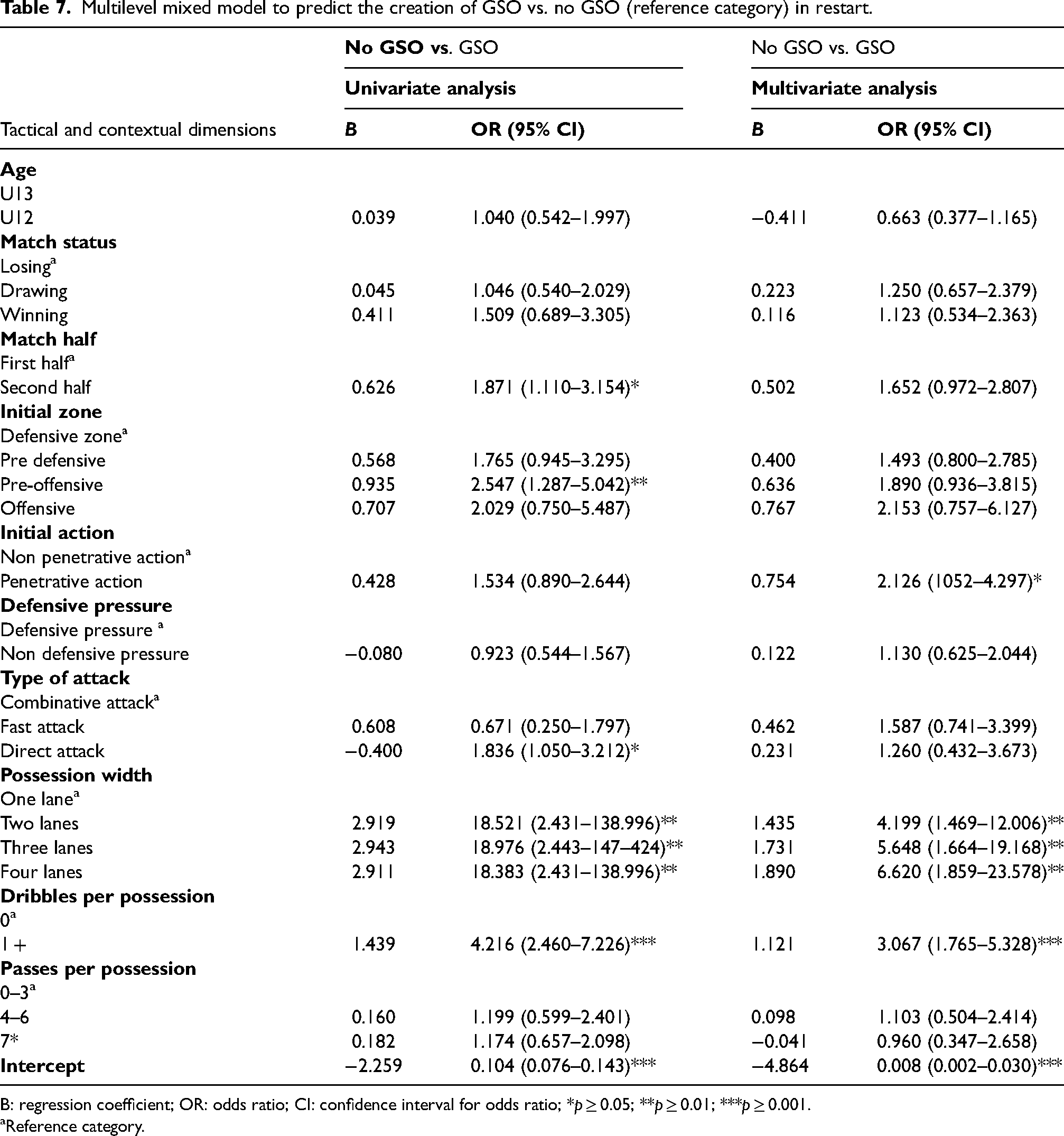
B: regression coefficient; OR: odds ratio; CI: confidence interval for odds ratio; *p ≥ 0.05; **p ≥ 0.01; ***p ≥ 0.001.
Reference category.
The EM and confidence intervals for the creation of GSO from the dimensions with significant effects are shown in Figure 3. It can be observed that tactical aspects such as performing an initial penetrative action (EM = 0.20; 95% CI: 0.12–0.33), dribbling (EM = 0.23; 95% CI: 0.14–0.37) during the possession registered statistical differences in comparison with non-performing an initial penetrative action (EM = 0.10; 95% CI = 0.6–0.19) (p < 0.05) and non-dribbling (EM = 0.9; 95% CI: 0.13–0.37) (p < 0.01) during the team possession. Finally, the fact of occupying two (EM = 0.17; 95% CI: 0.03–0.9) three (EM = 0.22; 95% CI = 0.12–0.370) or four lanes (EM = 0.25; 95% CI: 0.15–0.39) had higher odds of achieving a GSO than occupying one lane (EM = 0.04; 95% CI: 0.01–0.13) (p < 0.01).
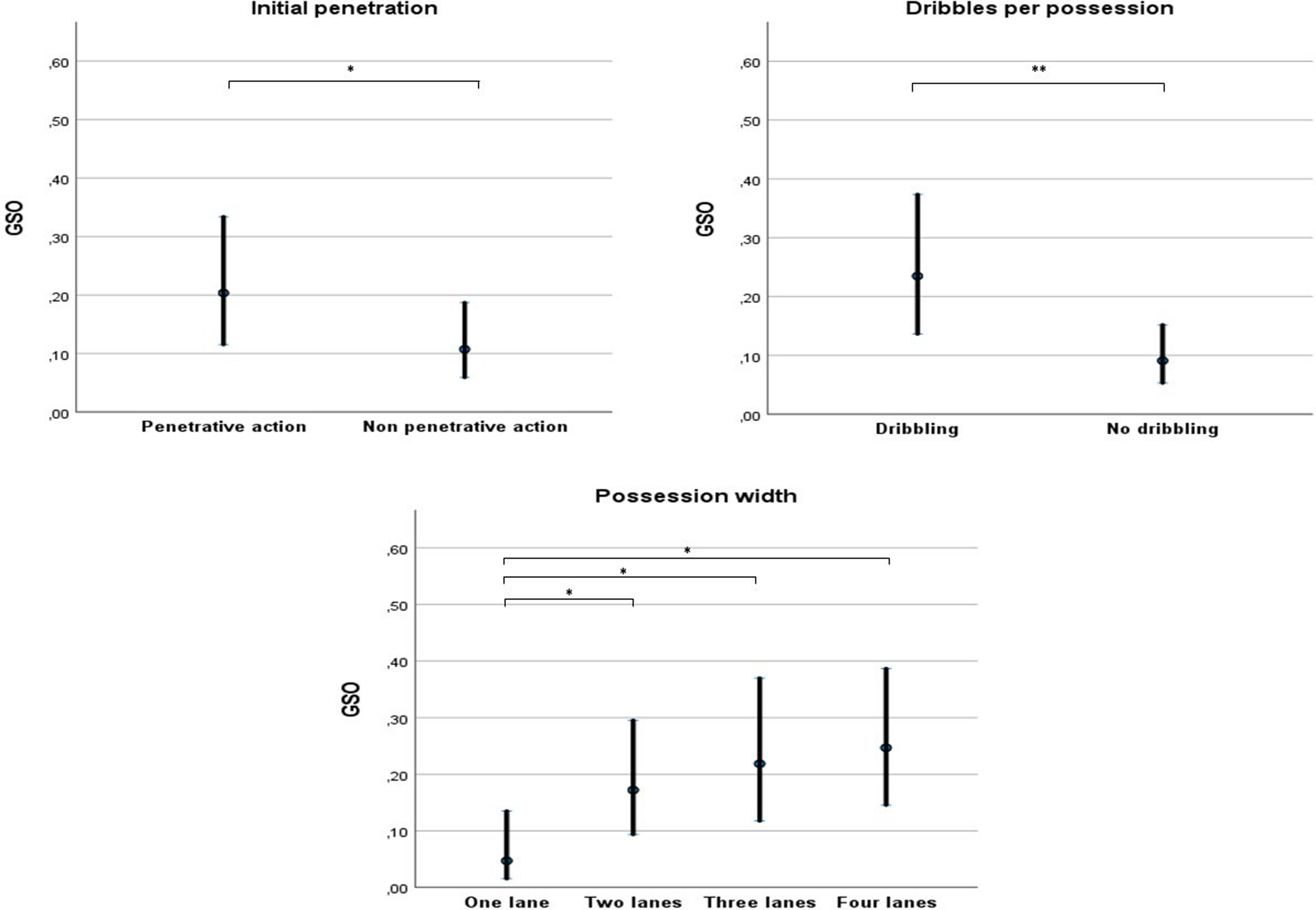
Predicted means and confidence intervals related to the creation of GSO in restarts according to different contextual and tactical dimensions after adjusting for the dimensions included in the multivariate analysis. *≤0.05; **≤0.01; ***≤0.001.
Discussion
The aim of this paper was to describe the interactive effects of contextual and tactical dimensions on the creation of GSO in youth elite Spanish soccer, according to the type of possession. Our study found significant interactive effects of contextual and tactical dimensions on the creation of GSO, what provides new insights about key performance indicators in youth soccer teams. Besides, our findings indicated that the effects of specific tactical dimensions were different depending on the type of possession (restart vs. recovery).
Regarding the start of team sequences, initiating the possession in offensive zones and performing initial penetration was more effective to create GSO in recoveries. Existing literature in professional soccer revealed that performing penetrative actions in the first seconds after gaining the ball increased the probability to produce GSO.11,36 In this sense, ball transition moments present the opportunity for the offensive team to exploit the space left by the opposing team while attacking, so offensive speed and outnumbering opponents are key objectives for success when recovering the ball. 37 Our study also found this positive effect in restarts, showing that the capacity of teams to break lines as early as possible during the possession may increase the production of GSO, even if there is not a ball transition.
As for the development of the team possessions, it is interesting to highlight that the type of attack as well as the number of passes registered a significant effect on the production of GSO for recoveries. In fact, counterattacks and fast attacks registered higher odds to create GSO than combinative attacks. These findings show the key importance of fast-attacking sequences to achieve offensive performance in youth teams during transition moments. Previous studies in professional soccer had observed the higher effectiveness of fast attacks and counterattacks.4,9,11 Also, it is interesting to highlight that those possessions that included four to six passes were more effective than the shorter (0–3) and longer ones (+7). This seems to be different from professional soccer, where it seems that longer passing sequences are more effective than shorter ones according to multiple studies.11,26,38,39 This result may be due to the different spatial constraints of soccer-7, where the goals are closer to each other and the relative space per player is smaller than in soccer-11. These characteristics could create a tactical context where youth players could get closer to the opposing goal after a few passes, while in soccer-11 the progression towards the goal may require more elaboration and connectivity between players.
For restarts, the key tactical dimension that showed a significant effect on the offensive performance was the possession width, so that the wider the team passing sequences were, the higher the odds of creating GSO. This finding can be expected considering that restarts, differently from recoveries, were initiated against an organized defensive team. In this scenario, it would be crucial for the offensive players to position themselves as wide as possible to increase their team´s effective playing space and move the ball from areas with more defensive density to others with more free space to progress towards the goal. 40
One of the key findings of our study was the relevance of the number of dribbles during the team possessions. For both recoveries and restarts, performing a higher number of dribbles increased the odds of creating a GSO, regardless of the influence of other tactical and contextual dimensions. It is worth mentioning that according to our descriptive data; only 17% of team sequences in restarts and 26% in recoveries included at least one dribble, which reflects the low frequency of this type of action despite its great offensive contribution. This data points out how dribbling is a disrupting action that can help teams penetrate and create GSO, so that may offer a strong tactical advantage. For example, a recent study 41 observed that goal-scoring success in youth soccer players was positively associated with their dribbling speed and technical dribbling. Thus, the improvement of dribbling should be a pivotal attribute in the development of young players.42,43
As for contextual dimensions, only the match status presented a multivariate significant effect on the creation of GSO in recoveries, showing that winning and drawing teams obtained higher odds of offensive success. In this regard, previous studies in professional soccer have observed that losing teams increase the offensive production44,45 to try to equalize the score, which could make them assume more defensive risks. The fact that the duration of the matches in this tournament was very short could have increased the urgency for losing teams to score and for winning teams to protect their goal. In this tactical situation, the recovery of the ball by the winning teams would create an ideal scenario to counterattack and create GSO, what would explain why this effect was only observed in recoveries and not in restarts.
This investigation presents interesting practical applications. In fact, this study is the first to analyze the interactive effects of playing tactics and contextual dimensions on offensive performance in U12 and U13 teams. Considering our findings, attacking in transition moments seems to require fast attacks and counterattacks to increase the odds of creating scoring chances, whereas attacking in restarts requires to move the ball from side to side to display wide passing sequences. This information is crucial for coaches and practitioners. On one hand, coaches of youth teams should create representative learning exercises for players to practice tactical situations both recovering and restarting the game. In these scenarios, youth players should make decisions about when to be penetrative and counterattack on recoveries, as well as when to be more patient and move the ball from side to side in restarts. On the other hand, dribbling seems to be a key action that contributes to increase the odds of achieving GSO in youth soccer, suggesting coaches to promote this type of actions during their training sessions and collective game model. Finally, the findings of our study can be used by youth soccer academy directors to design long-term technical and tactical periodization in youth U12 and U13 soccer players.
However, our study has several limitations. First, our methodology is based on systematic observation by coding and registering tactical behaviors during the matches. This method, despite having multiple advantages, may not capture entirely the complex and interactive nature of collective tactical actions during the game as some authors claimed.46–48 Secondly, our study was focused exclusively on the analysis of offensive process, so that no information of defensive dimensions was obtained. Additionally, the current study has been carried out with data from elite male youth players from Spain, and the results of the investigation should not be extrapolated to other competitions, categories or to women players. Regarding these limitations, future studies should complement our findings with other methodologies (network analysis, positional data, etc.) and include the analysis of defensive behaviors to offer a more complete evaluation of the tactical performance in youth soccer. Also, it would be interesting to analyze other competitions and contexts such as women youth soccer.
In conclusion, the effects of different contextual and tactical dimensions on the creation of GSO in youth soccer teams seem to depend on whether the start of the team possession is a ball recovery or a restart, regardless of the age category. For recoveries, our findings showed that penetrating in the initial actions, starting in the opposing half, progressing by counterattacks and fast attacks, performing four to six passes and dribbling during the team possessions increased the odds of achieving GSO. For restarts, tactical dimensions such as penetrating in the initial actions, performing width passing sequences and dribbling during the team possessions increased the odds of achieving GSO. These findings are useful for soccer coaches and analysts of youth teams, which can help them to understand the decisive dimensions that influence the offensive performance in U12 and U13 soccer teams.
Footnotes
Data availability statement
The data that support the findings of this study are available upon request to the authors.
Declaration of conflicting interests
The author(s) declared no potential conflicts of interest with respect to the research, authorship, and/or publication of this article.
Funding
The author(s) received no financial support for the research, authorship, and/or publication of this article.
