




Abstract
The research ethics committee (REC) is a key element of university administration and has gained increasing importance as a review mechanism for those institutions that wish to conduct responsible research, along with safeguarding research ethics standards, scientific merit and human rights of participants. Given the critical role of the university REC, it is argued that there is a need to assesses and understand the work of RECs to identify areas for improvement and thus focus on capacity building to respond to the escalating volume, type and complexity of research. This paper reports on the research ethics outcomes of a social science REC in a Business Faculty at a South African university during its seminal period of operation (2010–2015). Content methodology and a standardised questionnaire were used to assess the REC. The results show the increasing workload of the REC with favourable scores for submission/review processes and minute-taking. However, lower scores were seen for ethics education/training and tracking previously approved research. These shortcomings appear to be related to inadequate funding and resource support for research ethics education/training and administrative structures. Factors contributing to proposal rejections included weak research questions or hypotheses, poor questionnaires/interview schedule design and inadequate research ethics consideration in the proposal. It is argued that the complexity and escalation of research submissions to South African RECs necessitates that they are appropriately developed and capacitated to enhance their utility and thereby support the research mandate of universities.
Introduction
Protection of human subjects is an ethical mandate for all contemporary research involving human subjects (Tsan and Nguyen, 2019). In order to fulfil this mandate, universities and institutions responsible for conducting research have instituted research ethics committees. However, it is essential to recognise that while the dominant discourse and development of regulatory frameworks may have been driven by health and biomedical disciplines, it is equally important to acknowledge that, although research methodologies and analytical paradigms may differ, all research, including social science research and trans-disciplinary research ‘must be judged against the same ethical principles’ (Department of Health, South Africa, 2004, 2015: 73).
Research involving human subjects has seen a phenomenal increase in various regions in the lower middle-income countries (LMIC), especially in biomedical research (Hyder et al., 2004; Nuffield Council on Bioethics, 2014; Sleem et al., 2010), including an unprecedented increase in health research involving humans in Africa (Hyder et al., 2013; Nyika et al., 2009), as well as in the Middle East (Normile, 2008).
This trend has been driven to a large extent by the globalisation of research, especially clinical research as industry and government sponsors in wealthy countries move clinical trials to less wealthy countries, especially India and South America (Farkouh et al., 2008; Garnier, 2008; Glickman et al., 2009; Hochman et al., 2006; Lodha, 2016; Rehnquist, 2001; Rowland, 2004; Thiers et al., 2008). As Benatar and Vaughn (2008) point out, African countries are under pressure from overseas sponsors and their researchers to accommodate increasing numbers of clinical trials using research subjects from local populations.
Thus the rapid escalation of research in LMIC is driven not only by the increase in local research, but also by international (externally) funded projects, which can create tensions between the expectations of local and overseas RECs, the latter typically based in high-income countries (HIC). It is contended that these tensions may be compounded by an observation made by Gilman and Garcia (2004) that many members of RECs and/or Institutional Review Boards (IRBs) in HIC have little (if any) experience in the LMIC and do not understand local constraints.
The increase of research in Africa and other LMIC may have many benefits but concerns, which relate to the relatively weak ethical review capacity in Africa, have been raised (Nyika et al., 2009) and the additional worry that researchers in Africa do not always follow ethical research guidelines, particularly when they are being funded by Western countries, which in turn makes the African population vulnerable to exploitation (Ndebele et al., 2014). With respect to social science, research and the application of ethics Nortjé and Hoffmann (2019) have highlighted that integrity policies in Africa are underdeveloped and need to be addressed against a backdrop of well-known cases of misconduct. Similar concerns have been previously raised in the Eastern Mediterranean countries of the World Health Organisation (Abdur Rab et al., 2008) and more specifically in Sudan and Tanzania (Elsayed and Kass, 2007; Ikingura et al., 2007). Issues regarding the capacity to conduct ethical review of research have been also identified by Borovecˇki et al. (2005) in European countries in transition such as Croatia, as well as in India (Kadam and Karandikar, 2012) and in Sri Lanka (Sumathipala et al., 2008). Other studies make the point that while research activity has increased in developing countries, inadequate training and funding for ethics have accompanied it (Kass et al., 2011, 2007). Furthermore, many RECs in Africa are overwhelmed by an increase in the volume and complexity of research proposals due to a significant increase in the number of research initiatives and the limited resources available to ethics committees in Africa (Kasule et al., 2016; Milford et al., 2006). These same limitations and concerns were identified by Rodríguez and Lolas (2011) for scientific ethical review committees in Latin America.
Many commentators have voiced their trepidation that research ethics committees (RECs) in LMIC might not be able to promote high standards of human subject protection due to inadequate financial and material resources, lack of adequately trained REC members, insufficient diversity of membership, lack of REC independence and inability to monitor approved protocols (Hyder et al., 2004; Kass and Hyder, 2001; Kass et al., 2007, 2013; Sleem et al., 2010; Sumathipala et al., 2004).
These limitations and challenges have compelled some organisations who operate and conduct research in LMIC, such as Me’decins Sans Frontie’res (MSF) to establish their own ethics review processes in order to support their research activities (Brown et al., 2008; Delisle et al., 2005; Médecins Sans Frontières, 2013; Pecoul et al., 1999; Schopper et al., 2009; Trouiller et al., 2008).
With an ever-increasing expectation for increased research activity in South African universities and higher education institutions, there is an unfortunate paucity of research and literature regarding the status, function and effectiveness of RECs, along with the resource challenges that they face (Clark, 2014; Cleaton-Jones, 2010; Milford et al., 2006; Moodley and Meyer, 2007; Silaigwana and Wassenaar, 2015, 2019a; Tsoka-Gwegweni and Wassenaar, 2014).
Anderson and Slade (2016) make the point that reflection on the merits and limitations of administrative pressure in universities is important, and this is linked to the functional role of RECs. Such empirical research has been conducted by Silaigwana and Wassenaar (2015) who analysed the structure, function and outcomes of 23 African RECs. Their findings support previous observations, namely that RECs were characterised by a lack of membership diversity, scarcity of resources, insufficient training of members, inadequate capacity to review and monitor studies, and in some countries a lack of national ethics guidelines and accreditation.
It is perhaps unfortunate that there exists considerable disparity in ethics legislative development in Africa. Cleaton-Jones (2019) notes that the first REC in Africa and in the Southern Hemisphere was formed in October 1966 at the University of the Witwatersrand, South Africa. The same author continues by stating that local research ethics guidelines were produced by the South African Medical Research Council from 1979 to 2002 (South African Medical Research Council, 2002), which were replaced in 2004 by the national research ethics guidelines – currently in its second edition (Department of Health, South Africa, 2004, 2015). Silaigwana and Wassenaar (2015) indicate that all health research undertaken in South Africa must be reviewed and approved by an REC registered with the National Health Research Ethics Council (NHREC) (Department of Health, South Africa, 2004, 2015). Furthermore, the NHREC requires an annual report from each registered REC, which according to Cleaton-Jones (2019) presently stands at 46 RECs.
A similar legislation has been promulgated in a number of other African nations including Zimbabwe, Tanzania and Kenya (Ikingura et al., 2007; Mielke and Ndebele 2004). However, unlike South Africa, the extent to which legislation has been implemented for research oversight systems, including obligatory ethical review as well as national guidelines, has been inconsistent (Ndebele et al., 2014).
It is reasonable to argue that these statutory guidelines and regulations have been primarily drafted for RECs whose work is concerned with health and bio-medicine. However, it is worth drawing attention to the fact that the guidelines ‘Ethics in Health Research: Principles, Processes and Structures’ (Department of Health, South Africa, 2004, 2015) takes cognisance of the need for ethics review of research for qualitative research and/or social studies. The guidelines make explicit that while ‘research methodologies and analytics may differ, all research must be judged against the same ethical principles’ (Department of Health, South Africa, 2004, 2015: 73).
An important aspect of the legislative framework governing and guiding research ethics review in South Africa is that irrespective of the study discipline, whether it be biomedical or social science that the ‘general requirements for role player engagement, social value, scientific validity and integrity, informed consent, risk/benefit risk ratio, protection of privacy and confidentiality are the same for all research’ (Department of Health, South Africa, 2004, 2015: 75). These sentiments are to a large extent informed by the Tri-Council Policy Statement, Canada (2010) and by Wassenaar and Mamotte (2012). Even though various legislative enactments have sought to oversee and guide the important role of RECs, a number of concerns have been voiced about the lack of transparency regarding the work done and decisions taken by RECs. Lynch (2018) believes that this opacity makes it difficult to assess how well-reasoned (or not) REC board determinations may be. The same author believes that nothing in the regulations requires that Institutional Review Boards (IRBs) and/or RECs transparently provide such data, or conduct such analysis themselves, a situation that she considers to be undesirable.
Findings from several studies (Kirigia et al., 2005; Milford et al., 2006) indicate a need for increased and ongoing research ethics training for African REC members. The reported shortcomings in African research ethics education and training have been previously mentioned and attempts have been made to address this, especially in South Africa. Notable interventions include the Fogerty International Research Ethics Education and Curriculum Development Program that has provided grants for the development of training in international research ethics for professionals from LMIC since 2000, along with the Ethics and Society Program of the Welfare Trust, the Ethics and Regulatory Projects of the European and Developing Countries Clinical Trials Partnership and the Human Heredity and Health in Africa Ethical, Legal and Societal Issues Research Program (H3AfricaELSI). (Benatar, 2007; Millum et al., 2013; Ndebele et al., 2019).
Additional resources for online and free education and training have been provided by Training and Resources in Research Ethics Evaluation (TRREE), which has done this to build capacity in the ethics of health research involving humans so that research meets highest standards of ethics and promotes the welfare of participants (TRREE, 2019). These programmes have taken the lead in educating undergraduates and graduates, contributing to a cohort of future researchers with more background in research ethics. The programmes have developed curricula, trained researchers and REC members, conducted seminars and workshops, developed institutional and national research ethics guidelines, developed or contributed to online training modules (Ndebele et al., 2014; Wassenaar and Singh, 2015).
Policy revision in post-apartheid South Africa: implications for restructuring higher education institutions in South Africa
The present study is located at the Cape Peninsula University of Technology, which was formed in January 2005, following the enactment of the National Plan for Higher Education in which the state played a strongly directive role, which sought to recast the higher education landscape through extensive incorporations and mergers (Hall and Symes, 2005). The restructuring of higher education in South Africa was implemented to redress the previous iniquitous higher education landscape based on Apartheid policy. This involved ‘establishing a higher education system that is consistent with the vision, values and principles of non-racial, non-sexist and democratic society and which is responsive and contributes to the human resource and knowledge needs of South Africa’ (Department of Education, 1997: 1).
Within this directive two existing autonomous higher education institutions in the city of Cape Town, South Africa, namely the Peninsula Technikon and the Cape Technikon were merged to form the Cape Peninsula University of Technology, which is now the largest higher education institution in the region, boasting of more than 30,000 students, several campuses and service points and more than 70 academic programmes (CPUT, 2018a). The merger was underpinned by the institutional vision statement ‘to be at the heart of technology education and innovation in Africa’ (CPUT, 2018b). The revised strategic direction emphasised the transition from a vocational and technical educational paradigm to a University of Technology prioritising research. This also required that ‘all university research in which human and animal subjects are used must be approved by Faculty Ethics Committees’ (CPUT, 2018c). In 2010 an Institutional Ethics Review Board (IERB) was formally approved by the Vice Chancellor and a formalised ethical review structure was instituted at each of the faculties and all their decisions were overseen by the IERB. It should be noted that the individual faculties were able to determine their operational procedures that best responded to their needs at the time, but also to the administrative capacity and available facilities in the faculty. Benatar (2001) makes the point that not only is it important that research ethics committees are established, but also that they understand the social and economic circumstances in which they operate and seek to follow best practice.
Research ethics
The study and application of research ethics are not new to the scientific community (Lategan, 2012). This is evident in the evolvement and introduction of various ethics codes and statutes that seek to guide and regulate research. It is clear that bioethics and issues pertaining to health research have largely determined the paradigms, values and structures that characterise RECs and this has resulted in social scientists being governed by the same model used in medicine (Colnerud, 2015). It is evident, from the large number of ethical codes and best practices that exist around the world, that these very same codes continue to be developed, along with the Singapore Statement on Research Integrity (2010), which represents the first international effort to encourage the development of unified policies, guidelines and codes of conduct, with the long-range goal of fostering greater integrity in research worldwide. This need is largely driven by a recognition that research is increasingly underpinned by a human rights culture and attendant issues relating to economic and business prospects, which include knowledge transfer and innovation, patenting, commercialisation and human capacity development, all of which contribute to renewed attention being placed on research ethics to regulate the research process.
Lategan (2012) believes that finding specific gaps in the research ethics review process in Africa affords an opportunity to effectively implement capacity-building programmes tailor-made for the identified needs. The only way by which this can be achieved is to measure the quality and performance of IRBs and/or RECs (Grady, 2019). Lategan (2012) substantiates this view by stating that having such empirical data would go a long way towards ensuring that any interventions would complement efforts by others in this field. These interventions could include improved ongoing formal training in research ethics for researchers as this would lead to better protocols, applications and fewer research delays caused by common REC queries (Ndebele et al., 2014; Silaigwana and Wassenaar, 2019b). A further intervention is the need to strengthen research ethics review processes through various training programmes. This view is supported by Silaigwana and Wassenaar (2019a) who indicate that there is an ongoing need for concerted efforts from various stakeholders to support capacity development and enhancement of African RECs.
Significance of this paper
The author/researcher of this study was a recipient of education and training by the Fogerty-funded programme: the International Research Ethics Network for Southern Africa (IRENSA), which culminated in a post-graduate diploma qualification in International Research Ethics. The author was part of a team that established the ethics review structures at the newly formed university and believes that this study would provide interesting analysis that has relevance for ethics review of research in South Africa and perhaps other LMIC. It is acknowledged that RECs are expected to effect ethical review of research in various academic disciplines, and it is argued that there is a need to provide empirical data on the volume of submissions, the review outcomes and analysis of decision-making not only for biomedical RECs but also for social science RECs.
Furthermore, there appears to be no research in the literature that has reported on the establishment of a REC at a newly constituted university and tracks the work it conducts, along with the challenges faced during its seminal period of operation. It is contended that these issues are of significance and thus require investigation.
Objective
The objective of this study was to review and analyse outcomes of a social science REC at a South African university during its seminal period of operation.
Methodology
This study was premised on a content analysis approach, which entailed a detailed interrogation of recorded minutes and supporting documentation that formed part of the REC work. The use of a qualitative content analysis approach enabled a purposeful interpretation of the data, as well as the context in determining meaning, which, according to Schreir (2014), is a key objective of content analysis, namely to provide a good description of the material. The data analysed concerned the seminal period from 2010 to 2015 of a newly formed social science research ethics committee (REC) at the Business Faculty, which is also the faculty with the largest cohort of registered undergraduate and post-graduate students, numbering in excess of 12,000. It is recognised that content analysis is useful for examining trends and patterns in documents (Stemler and Bebell, 1998) and this process facilitated the categorisation of data into quantitative and qualitative themes, which also allowed the information to be analysed appropriately.
The data that was subjected to content analysis included the REC minutes, along with the supporting documentation required by the ethics committee for each submission. The documents included the following:
A full proposal including a comprehensive description of the research methodology, protocols, sampling methods, ethical considerations (relating to the study, not generic comments) as well as notification of informed consent procedures
REC5 Form Questions, which was a checklist that invited the researcher to answer yes or no to a number of questions about the ethical issues relating to the study (see Appendix 1 for a summary of questions included)
Informed consent documentation
Permission letters from any external organisation to be investigated
Research tools, e.g. questionnaires, interview schedules and/or detailed protocols etc.
Proof of registration (for post-graduate studies)
And any other documentation that may support the application (e.g. support from community groups, letter of recommendation from professional body etc.)
Silverman and Sleem assessment tool to evaluate operational characteristics of research ethics committees in lower middle-income countries
To facilitate the review and assessment of a social science research ethics committee, the present study employed an assessment tool developed by Silverman and Sleem (2014) whose purpose is to evaluate the operational characteristics of research ethics committees in LMIC. The same authors indicate that this assessment tool for RECs is based on international standards that incorporate metrics considered foundational for effectiveness of RECs.
This tool contains the following domains:
Organisational aspects
Policies and procedures of the REC
Membership composition and training
Submission processes and documents received
Recording of minutes, policies and procedures for review and criteria for ethical review
Criteria for informed consent
Elements of the decision letter: criteria for continuing review
REC resources.
Each question within the domains was assigned a point value: 1, 2, or 5 points; the maximum score is 200 points, which would be indicative of a perfectly run REC. However, lower scores are indicative of operational challenges facing the REC.
The present study adheres to the principles of the Helsinki Accord and was approved by the institutional ethical review committee (FOBREC 469).
Results
Meeting cycles and frequency
During the period 2010–2015, the REC was expected to meet at least once during each of the four quarterly terms per year. Figure 1 indicates that during this period the committee generally conformed to the expected meeting frequency, with some deviations.
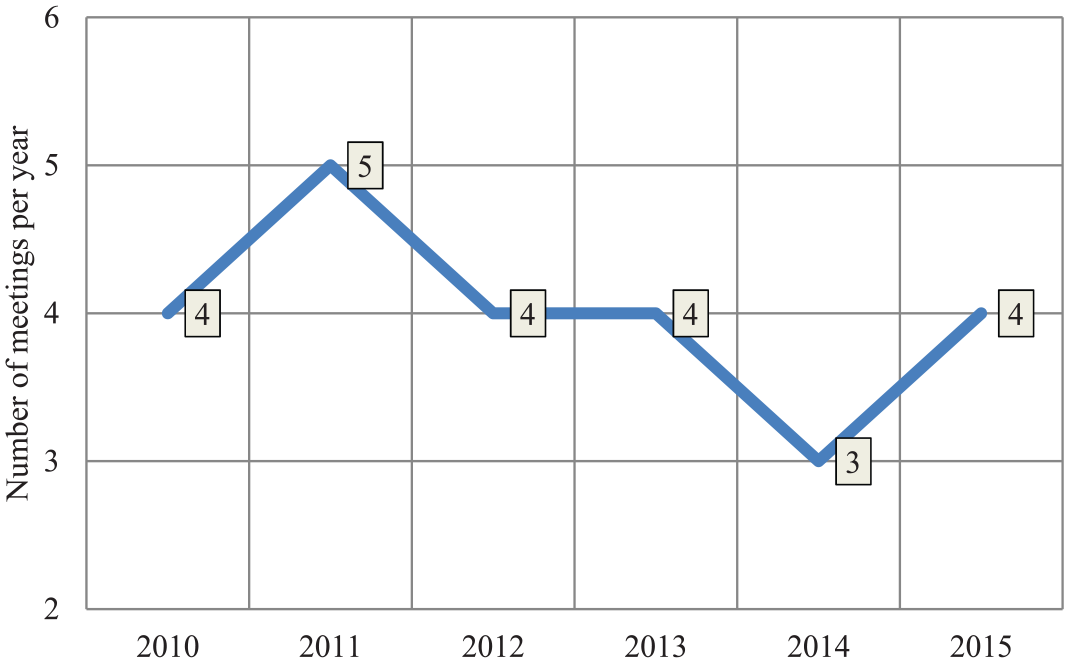
Research ethics review meetings for the period 2010–2015.
Proposal submissions made to the ethics committee
The overall number of proposal submissions, including research for non-qualification purposes, along with Masters and Doctoral studies to the research ethics committee increased substantially in the period 2010–2015. The trend line in Figure 2 evidences this and shows that the total number of research proposal submissions during the period 2010 to 2015 increased by 56%. One will note that there was a decline in the year 2013 and this was linked to no proposals being reviewed at one of the meetings, due to the fact that the appointed chairperson was unavailable and the person who took charge of the REC meeting lacked ethics education and training and was unable to oversee the review process, and deferred all ethics submissions to the next meeting. This outcome clearly shows the challenges faced by a committee when members, especially the designated chairperson, lack the education, training and experience in research ethics review and are unable to effectively manage the responsibilities of a REC.
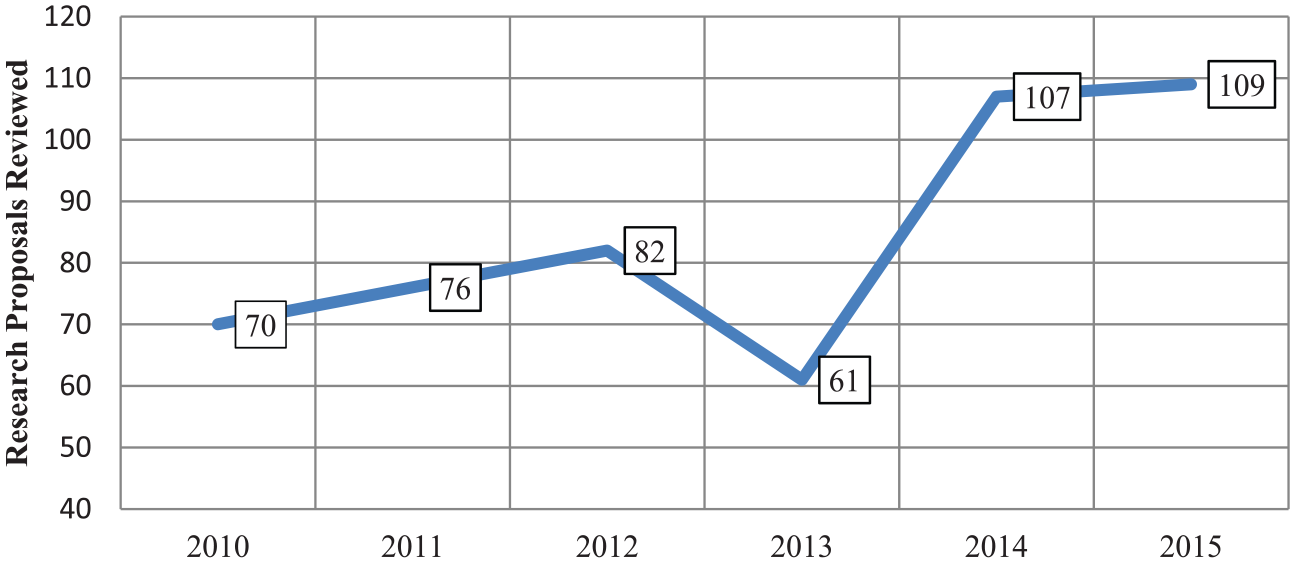
Total number of proposals reviews reviewed for the period 2010–2015.
Decisions and outcomes regarding research proposal submissions
Figure 3 provides a graphical portrayal of the decisions taken by the committee and the resultant trends. Apart from one quarterly meeting in 2013 when no research submissions were considered, the overall trends in the numbers of proposals reviewed are indicative of desired outcomes, in as much that during the period 2010–2015 the overall number of approved and provisionally approved submissions generally increased year on year, while the number of rejected proposals were fairly constant for the period assessed.
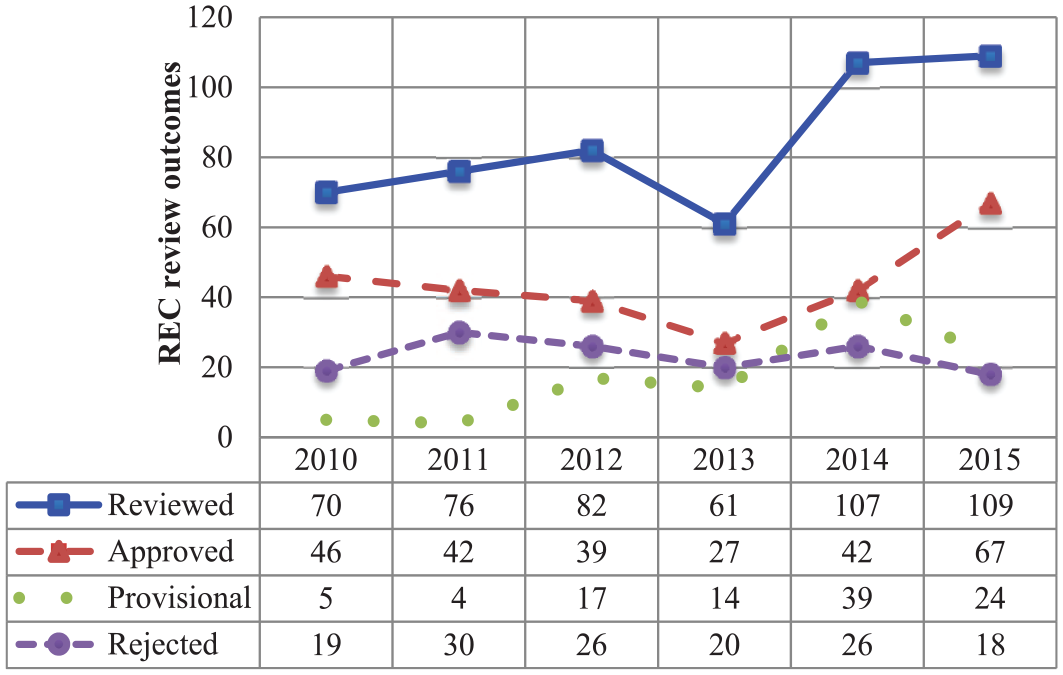
Ethics review outcomes for all submissions (Masters and Doctoral degrees along with research projects for non-qualification purposes) for the period 2010–2015.
Decisions and outcomes regarding Masters and Doctoral degree submissions
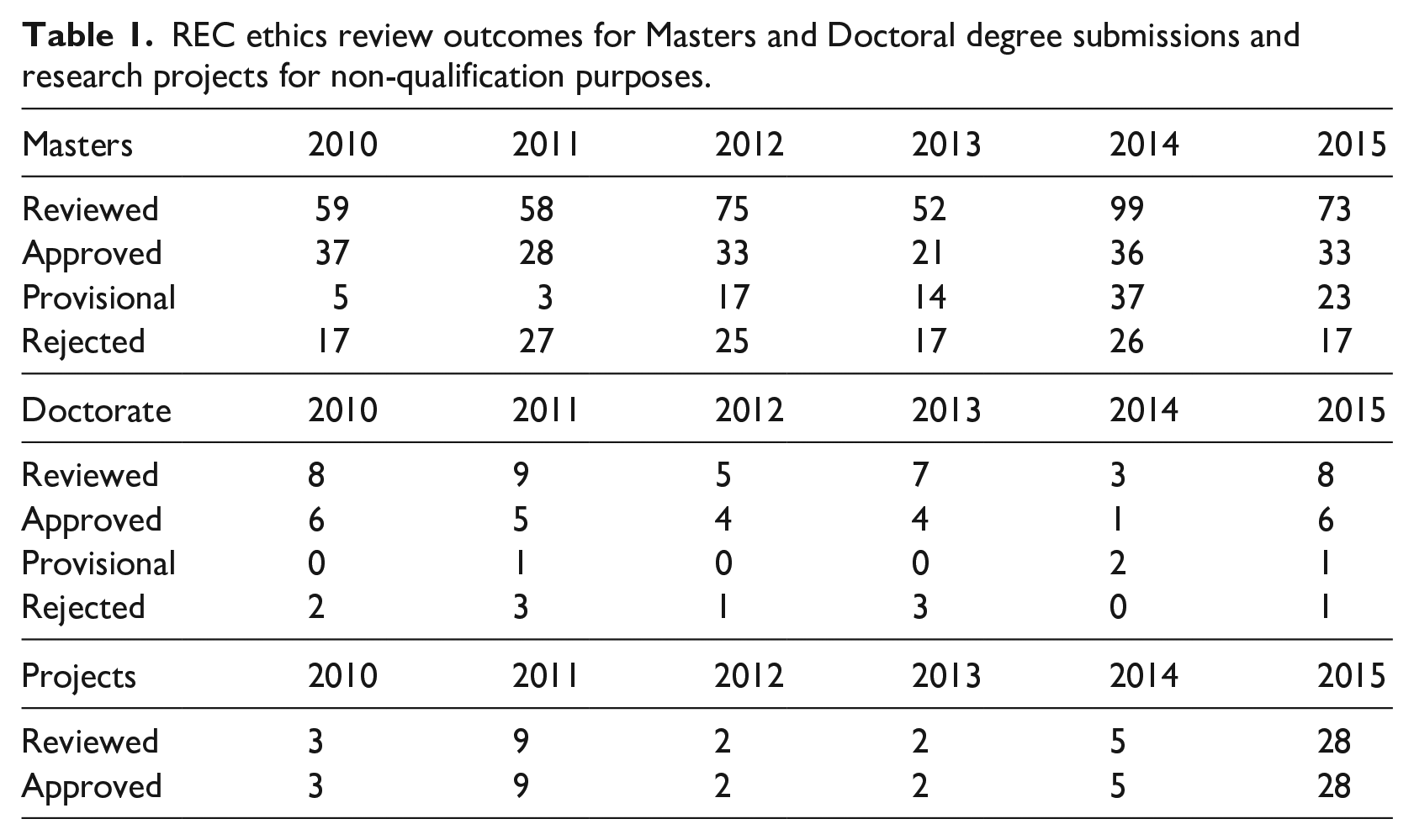
Table 1 and Figure 3 show the submission and approval trends of at Masters and Doctoral levels, as well as research projects for non-degree purposes. As one would expect the number of overall Masters level submissions were higher when compared to Doctoral level submissions. The excellent approval rate of research projects for non-qualification purposes can be explained by the fact that experienced researchers were better acquainted with the requirements for research ethics review.
REC ethics review outcomes for Masters and Doctoral degree submissions and research projects for non-qualification purposes.
Rejection factors and trends
Figure 4 provides data trends that show the rejection factors that were increasing during the period 2010–2015 while Figure 5 represents the rejection factors that declined during the period 2010–2015.
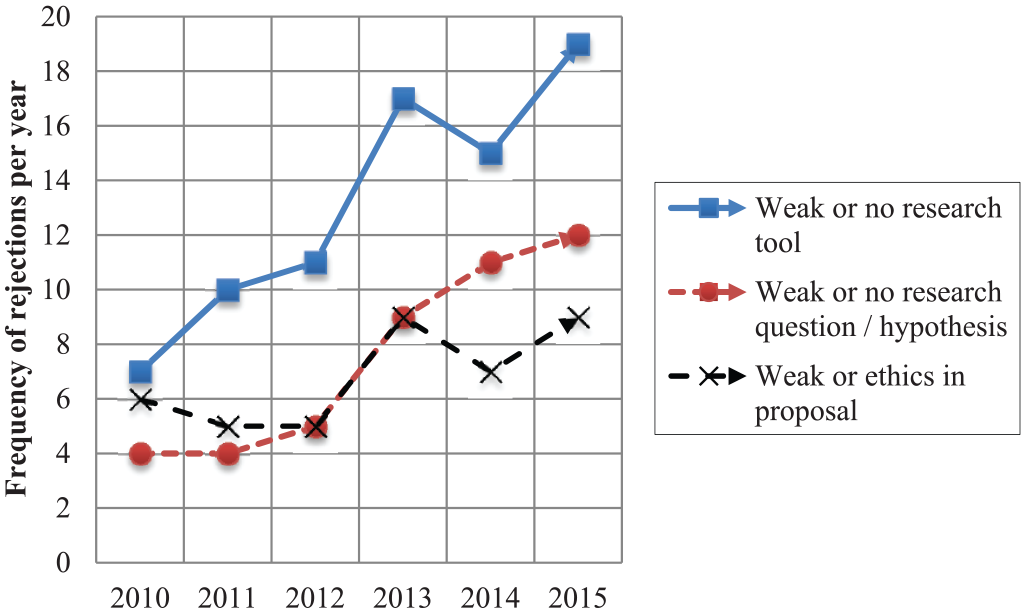
Rejection trends (escalating) for the period 2010–2015.
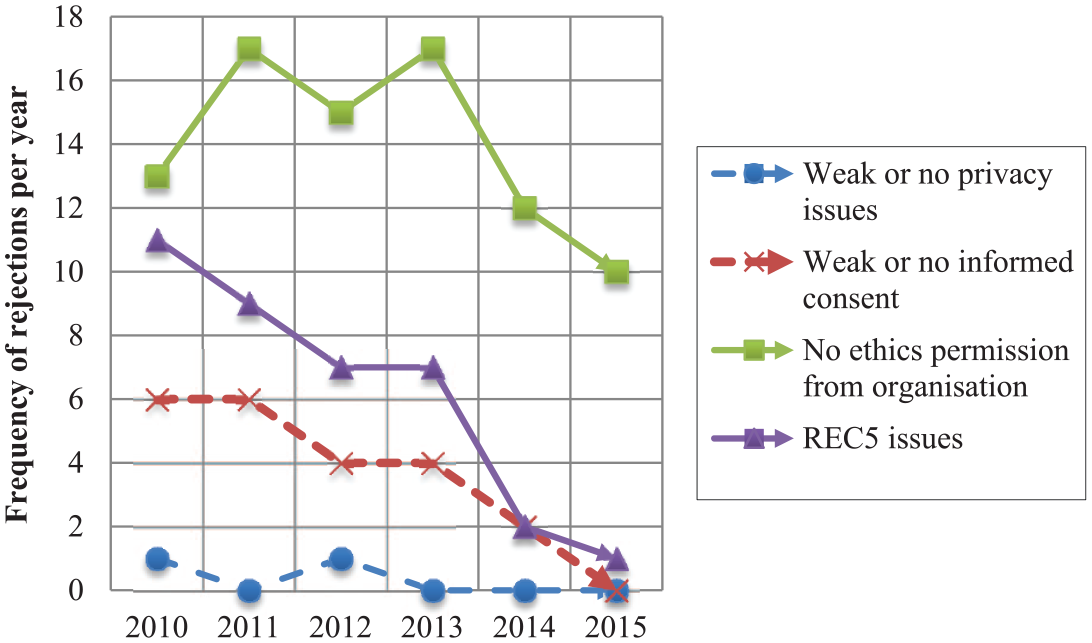
Rejection trends (declining) for the period 2010–2015.
Research outputs
Figure 6 provides an indication of research outputs by way of published articles in peer-reviewed journals and conference publications. It was mentioned earlier that the paradigm shift of the institution towards a stronger research focus resulted with increasing post-graduate intake and research (via Masters and Doctoral studies) and a corresponding increase in the number of research articles published in peer-reviewed journals and conference proceedings.
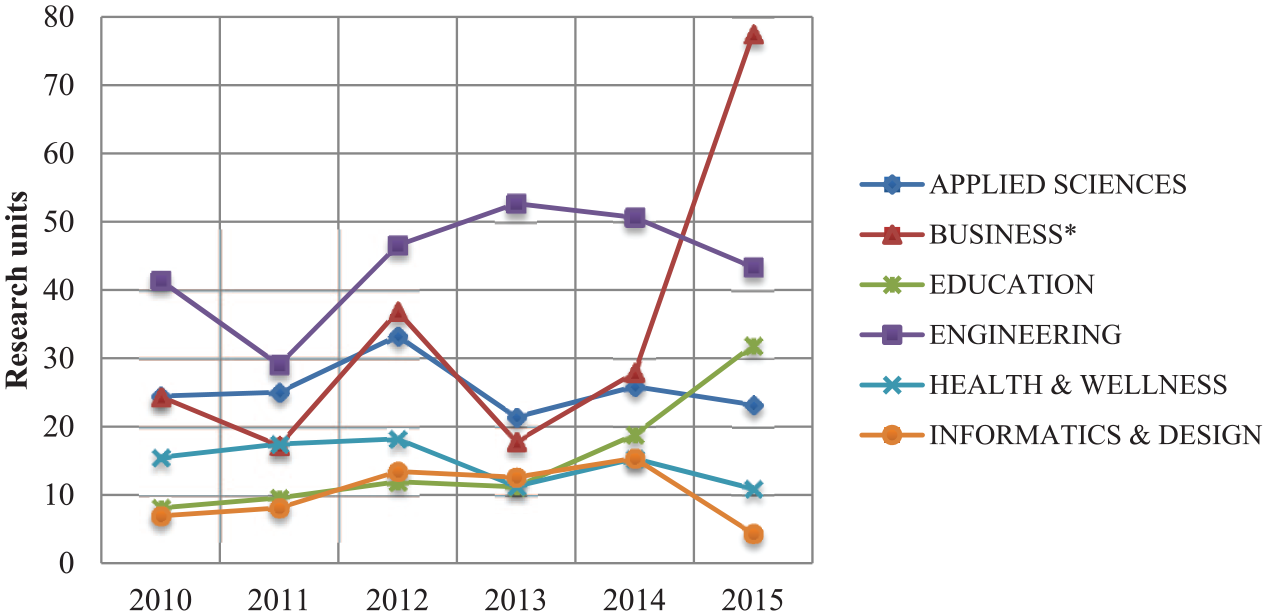
Faculty research outputs in units for the period 2010–2015.
Silverman and Sleem operational characteristics of the research ethics committees
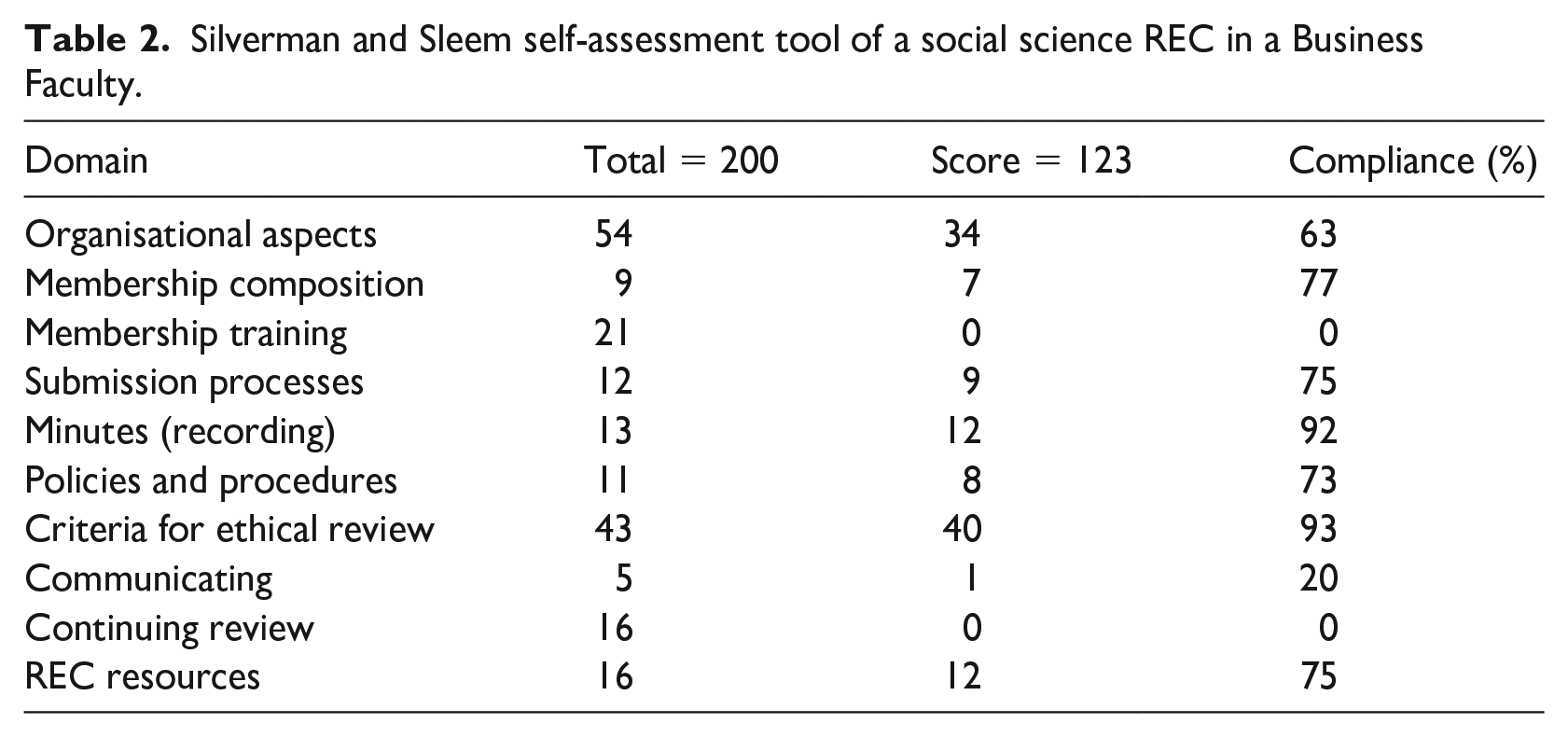
Figure 7 graphically illustrates the resultant compliance scores following the application of the Silverman and Sleem (2014) assessment tool. The areas/domains indicating low compliance included continuing review, membership training and communicating. A more detailed summary of the assessment responses is included in Table 2.
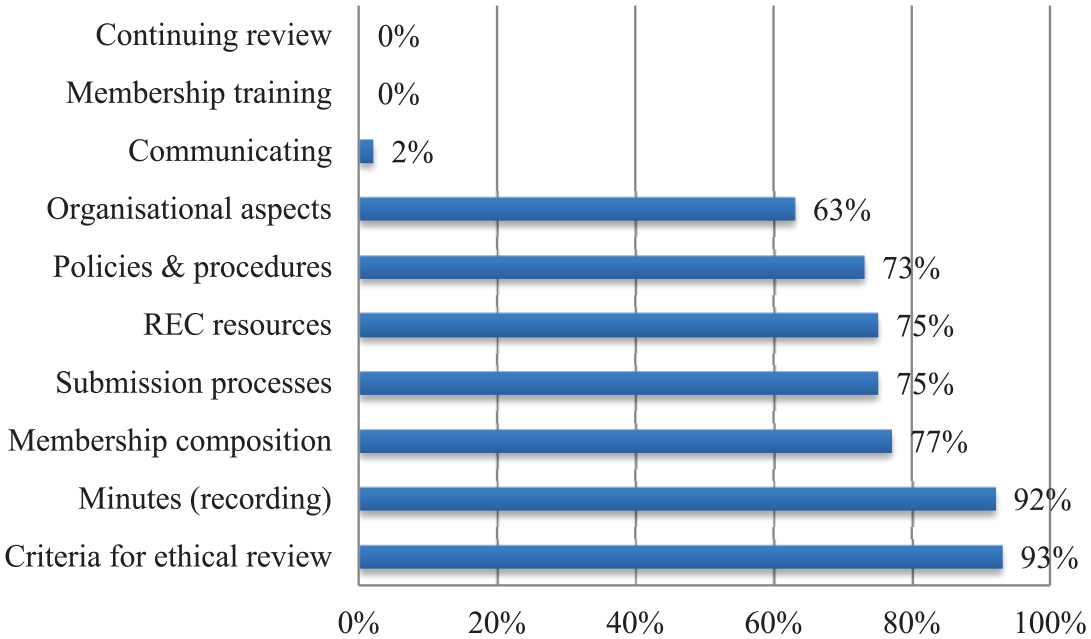
Silverman and Sleem compliance scores.
Silverman and Sleem self-assessment tool of a social science REC in a Business Faculty.
Discussion
Meeting frequency, submission and review decisions
It is clear that once the role of the social science REC was established in the Business Faculty, the requisite meeting schedule was largely fulfilled, namely four REC meetings per year, with the exception of one postponed meeting in 2013 due to the non-availability of the standing chairperson.
The present study provided data about research proposal submissions to the REC and the approval/rejection outcomes. The data gleaned from the REC minutes for the period 2010–2015 show that the number of research proposal reviews rapidly increased, largely as a result of shift towards the research prerogative of the institution. Submissions to the social science REC rose from 70 submission in 2010 rising to 109 submissions in 2015, which equals an 56% increase over 6 years (see Figure 2). The escalation in the number of research submissions made to RECs in the present study is commensurate with findings from other studies, including Cleaton-Jones (2012) who reported a 65% increase in submissions to a selected REC between 2002 and 2011; and Dhai (2005) reported a 58% increase in research study submissions to the REC in a five-year period. While more substantial increases in proposal submissions were identified by Cleaton-Jones (2016) who found that applications to the REC studied almost doubled between 2003 and 2015; and Cleaton-Jones and Grossman (2015) who reported a 23.4% increase in 1 year of REC submissions.
The review outcomes by the REC for the present study were categorised as follows, approved, provisionally approved or rejected. The provisional approval usually entailed a simple correction and/or amendment to the submission, which was generally a straightforward matter, i.e. a missing signature or date etc. on the documentation. With this in mind one can ascertain that practically all the provisional approvals would on receipt of the minor correction be approved. Thus in order to facilitate broader appreciation of the overall approval trend the ‘approved submissions’ and the ‘provisionally approved submissions’ have also been grouped together to show the trend for ‘total approvals’.
The following graph (Figure 8) shows the percentile trends for:
(a) approved submissions (first-time approval)
(b) provisional approvals (approval after effecting simple amendments to submission)
(c) rejections (requiring full resubmission)
(d) total approvals per year, when grouping first-time approvals with provisional approvals.
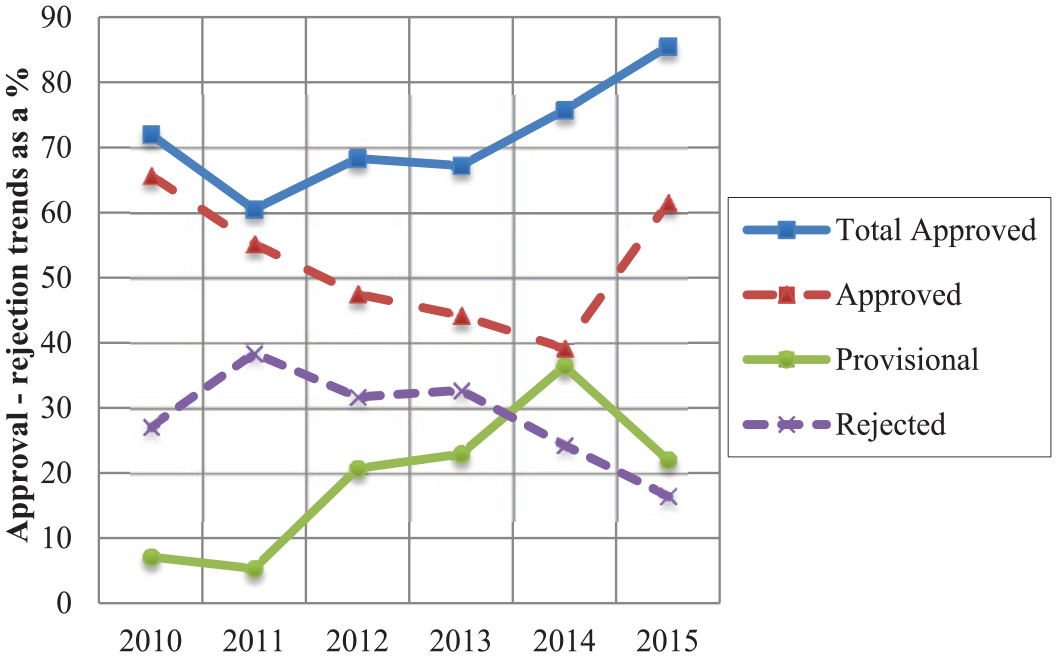
Review outcome trends for submissions to REC as a percentage (%).
The interrogation of research applications submitted to RECs, along with throughput rates, approval/rejection trends have been reported by a number of researchers in the South African context, notably for health and/or biomedical RECs (Cleaton-Jones, 2010, 2012, 2016; Cleaton-Jones and Grossman, 2015; Cleaton-Jones and Vorster, 2008; Silaigwana and Wassenaar, 2019b). It is interesting to see that the trends and underlying context show similarities to the present study, in as much that the volume of research proposal submissions to RECs has continued to rise over time, thus increasing the volume of work of the REC members. Figure 8 shows the review outcome trends for submissions for the present study, which focuses on a social science REC at a Business Faculty. In order to best summarise the findings it is worth noting that ‘total approval’ rate (that is first-time approval and provisional approvals) was around 60% to 70% from 2010 to 2013, thereafter this trend improved to 75% in 2014 and 85% in 2015, which was concomitantly linked to the decline in proposal rejections. The ‘total approval’ rate in the present study for the period 2014–2015 is similar to that reported by Cleaton-Jones and Grossman (2015) at 83% in their study. However, an analysis of process error rates by Cleaton-Jones (2016) in a separate study suggests that not all RECs are able to provide positive feedback and about only one-third of applications were approved at first evaluation. This lower rate of first evaluation approval appears to be linked with the pressure to increase research output and post-graduate degrees, in other words the overall volume has increased, but not necessarily the quality. This expectation to grow post-graduate research without suitable resources and support has affected students and staff alike; because a greater proportion of the REC applications received are more likely to come from inexperienced researchers and inexperienced supervisors (Angell and Dixon-Woods, 2009; Cleaton-Jones, 2019).
In terms of the present study, the lower throughput and/or first-time approval rates during the period 2010–2013 may be related to the fact that at the time of the merger the majority of the academic staff were from the existing ‘Technikons’ and this meant that there were few professors and experienced researchers. However, the institution has increasingly recruited appropriately qualified staff in line with its strategic intent to prioritise research and furthermore encouraged existing staff members to embark on further studies. These interventions appear to have impacted favourably on the volume and quality of research proposals submitted to the REC, and it may be reasonable to speculate that the increased capacitation of research professors and academics at the institution, along with workshops on research ethics issues and processes have aided the overall improvement in proposal approval rates for the social science REC in the Business Faculty.
The overall submission, approval, provisional approval and rejection trends are presented in Figure 3 and can be compared with findings on REC performance by various authors, including Cleaton-Jones (2019), Silaigwana and Wassenaar (2019b), Silaigwana and Wassenaar (2015), Clark (2014), IJsselmuiden et al. (2012) and Angell and Dixon-Woods (2009).
Research outputs: Masters, Doctorates and publications
The total number of Masters’ proposals submitted to the social science REC at 416 was significantly more (p < 0.01) than the number of Doctoral submissions at 40 (see Table 1) for the period 2010–2015. It is suggested that the ethical review process had two important benefits for researchers. First, the review ensured that fundamental ethical issues relevant to the study were suitably considered including beneficence, non-maleficence, autonomy and justice, as well interrogating matters of privacy and informed consent. It is argued that the role of the REC not only safeguarded ethical standards, but also importantly encouraged researchers and supervisors to ensure that the scientific validity and methodology of the study were appropriate.
Second, the work of the REC complied with requirements of most reputable journals for an ethics certificate. Thus the work of the REC impacted positively on a key metric to assess the research growth at the institution, which involves the number of articles published in peer-reviewed journals (see Figure 6). This is also linked to the number of post-graduate students and their success rates at both Masters and Doctoral levels. This is because a publication forms part of the expectation of gaining a Masters degree and is a prior requirement for Doctoral graduates. If one tracks the overall publication output trends for the university in Figure 6, one will note that the Business Faculty emerged in 2015 to be the most productive faculty at the institution in term of research article outputs, which it is argued may be partly linked with the work of the social science REC that sought to ensure improved compliance with recognised research ethics standards. It may also be reasonable to consider that the increasing number of research proposals that were approved by the social science REC also appears to be aligned with improved publication outputs, notably in the Business Faculty. If one submits the data to a simple linear Pearson correlation, a strong relationship appears to exist (R = 0.84) between the total proposals approved (first-time approval and provisional approval) by the social science REC in the Business Faculty (see Figure 8) and article publications in peer-reviewed journals (see Figure 6).
Rejection trends: process errors
For ease of reference the rejection rates observed during the review of the social science REC minutes have been separated into two separate graphs: Figure 4 shows the rejection variables that increased year on year during 2010–2015 and Figure 5 illustrates the rejection variables that decreased for the period 2010–2015.
The trends included in Figure 4 show the rejection factors that that escalated over the period 2010–2015. These variables included the absence of and/or inadequate research tool, which typically meant that the questionnaire and/or the interview schedule were either not included in the submission, or were poorly developed, or inappropriate for answering the research question. Finally submissions were rejected out of hand if no ethics considerations were included in the proposal, or a generalised ethics statement was included, that had little specific relevance to the study itself.
Research by Cleaton-Jones (2016) and Angell and Dixon-Woods (2009) point to process errors as a key factor for research proposals being returned for correction to researchers and/or supervisors, which in their study included (87%) applications that did not get a favourable opinion at first review. In the present study it was of some concern that during the period 2010–2015 that some process errors escalated, namely the submission of a weak research tool, i.e. questionnaire and/or interview schedule, or simply not including one in the submission; secondly a poorly constructed research question and/or research hypothesis; and thirdly either the absence, or poor articulation of ethical considerations that pertained to the study. In terms of those process errors that declined (see Figure 5), one can see that privacy issues (confidentiality and/or anonymity) were better dealt with; second, matters relating to informed consent were more likely to be correctly integrated into the study design; third, in those studies that involved an independent organisational entity (e.g. company, government department etc.), permission letters had been obtained and included in the submission; and finally the inclusion the REC5 form (research ethics checklist of questions – see Appendix 1) was in the main correctly completed. It appears that an increasing number of researchers and supervisors attended workshops that prioritised matters relating to informed consent and privacy and as result appear to have taken cognisance of their importance and thereafter integrated these aspects into the proposal. However, it was ironic that many submissions omitted the research tool, which was invariably a questionnaire and/or interviews schedule, and furthermore ignored the need for ethics issues relating to the study to be addressed. It is unclear why such obvious errors were made and may be linked to the observation intimated by Cleaton-Jones (2019) that the drive to increase research outputs at universities has led to greater proportion of the REC applications are received from inexperienced researchers and inexperienced supervisors, which are simply not up to standard. Angell and Dixon-Wood (2009) suggest that better administrative screening of applications before they reach the committee stage would help to reduce the number of errors seen by RECs. Although the same authors acknowledge that it could also be argued that better thoroughness and attention by researchers would also help to bring down the error rate.
Silverman and Sleem operational characteristics of the research ethics committees
The analysis of the Silverman and Sleem (2014) assessment tool elicits some interesting outcomes (see Figure 7 and Table 2). On the positive side, one can see that the most high-scoring compliance outcomes include developing the criteria for ethical review; minutes (recording); membership composition (in terms of diversity and profession); submission processes (quarterly cycles); REC resources and organisational aspects. However, areas of weak compliance scores can be attributed to the lack of formal research ethics membership training; and deficiencies for continuing review and communication.
Perhaps the greatest concern relates to the absence of formal training and education for REC members and/or prospective members. This is a serious shortcoming and is consistent with the observations made by a number of researchers investigating ethics review committees in LMIC (Hyder et al., 2004; Kass and Hyder, 2001; Kass et al., 2007; Nyika et al., 2009; Silaigwana and Wassenaar, 2015; Sleem et al., 2010; Sumathipala et al., 2004). The institution has however, convened workshops, and invited guest speakers to talk about research ethics, but there continues to be a lack of formalised education and training culminating in accreditation and/or qualification(s) for REC members and/or prospective REC members.
The challenge of continuing review, in other words following up and tracking previously approved research was compromised by a lack of capacity in the faculty as well as the large number of ongoing research projects. Dealing with this matter would almost certainly require the appointment of full-time staff dedicated to this purpose.
Consensus decision-making
One of the key elements that characterised the decision-making process was for the committee to achieve a position of consensus on each and every submission. Interestingly this modus operandi and practice corresponds with the observation made by Kithinji and Ikingurahis (2014) that in Africa decisions by RECs are usually arrived at by means of consensus and not by voting (which appears to be the preferred protocol for arriving at a decision by RECs in HIC). However, the same authors indicate that externally funded research by overseas organisations are often subjected to a nuanced etiquette imposition that a vote be recorded for each project approved, thus forcing a change in the regular conventions in Africa, typically characterised by a consensus approach.
Conclusion
The results from this study, along with the analysis and interpretation, provide a unique insight into the establishment of a social science research ethics committee located in a Business Faculty at a South African university. The key outcomes demonstrate the continuing escalation of research being subjected to ethics review, along with measurable trends in rejection factors. It is argued by Lategan (2012) that the identification of factors that contribute to research submissions being rejected by RECs allow universities to target remedial intervention(s) and implement capacity-building programmes tailor-made for the identified needs, which in turn ought to facilitate better approval rates and support of the research prerogative of the institution. In the case of this study areas of specific concern related to research proposal submissions to the REC that were characterised by weak research questions and/or hypotheses, which in effect made the study purpose redundant along with poor questionnaires and/or interview schedule designs, which contained ethically inappropriate content or were poorly aligned with the study objective. A further issue was the inadequate articulation of research ethics consideration in the proposal.
Perhaps the most pragmatic shortcoming identified was the insufficient budget and/or institutional recognition for formal research ethics education and training as well as the lack of dedicated administrators with research ethics experience. Furthermore there was insufficient capacity to follow up and track ongoing research projects. These findings are consistent with challenges encountered by RECs in a global context in which many are woefully under-resourced (Lynch, 2018), while studies in South Africa have demonstrated that institutions are characterised with little or no provision for resources or capacity development for research ethics, especially to support historically disadvantaged higher education institutions (Moodley and Meyer, 2007; Silaigwana and Wassenaar, 2015, 2019a, 2019b,).
Against this backdrop of inadequate resource allocation especially in LMIC, RECs are also being held more accountable and required to justify their decisions (Amerson and Strang, 2015; Cleaton-Jones, 2019; Savulescu et al., 1996). It is argued that more research is required to objectively consider these issues so that institutions and funders can target resources for capacity development in a continent where research is so critical to development, and local responsibility for research functions is critical for research (Benatar, 2007; Kass et al., 2007; Millum et al., 2013). If these matters are properly addressed, then South African research ethics committees and by inference RECs in the LMIC can support the research mandate of universities and make meaningful contributions to the knowledge economy.
Footnotes
Appendix 1
REC5 Form: Questions (answer options include Yes/No/Not applicable)
Funding
All articles in Research Ethics are published as open access. There are no submission charges and no Article Processing Charges as these are fully funded by institutions through Knowledge Unlatched, resulting in no direct charge to authors. For more information about Knowledge Unlatched please see here: 