




Abstract
This study questioned whether knowledge of the employment situation of a person with an intellectual disability affected stigmatising attitudes towards that individual among a sample of 507 people who did not have intellectual disabilities. A hypothetical individual with a mild intellectual disability was described as either (i) in paid employment, or (ii) living entirely on state social security benefits. Sample members, none of whom were themselves intellectually disabled, unemployed, or living on social security benefits, completed a questionnaire concerning their attitudes towards the person. Many participants who were informed that a person with an intellectual disability worked for a living exhibited more positive attitudes towards the individual than participants advised that the person relied on welfare. The results suggest the existence of a “welfare slur” among some sample members. The level of an observer’s self-reported social status impacted on the favorability of certain attitudes.
Introduction
The stigmatisation of people with intellectual disabilities by members of the non-intellectually disabled public is commonplace (Evans-Lacko et al., 2013; Fox et al., 2018; McCullock and Scrivano, 2023; Scior et al., 2022). Stigmatisation begets prejudice and discrimination, which can detrimentally affect a person’s quality of life (see Evans-Lacko et al., 2012; Kirkwood and Stamm, 2006; Lai et al., 2001; Vrbova et al., 2017) including the individual’s physical health (Scior et al., 2022; Yeh et al., 2017). Unsurprisingly, therefore, reducing the stigmatisation of intellectual disabilities by members of the public has been a stated objective of the governments of many countries for many years (see Evans-Lacko et al., 2013; Makris and Kapetanaki, 2022).
Particular difficulties confront people with intellectual disabilities when seeking employment. Past research has identified numerous barriers to employment faced by people with intellectual disabilities in this regard, including prevailing beliefs of incompetence, inadequacy and extensive needs in the workplace (see Gormley, 2015); employers’ negative attitudes leading to discrimination (Jacob et al., 2023) and beliefs that people with intellectual disabilities cannot learn new skills (Pelleboer-Gunnink et al., 2021); and general assumptions that people with intellectual disabilities are unemployable (Ditchman et al., 2013). Moreover, according to Ditchman et al. (2013) people with intellectual disabilities can experience “teasing and anxiety” when attempting to gain employment (p. 209). Lozova et al. (2022) observed how, in addition to negative stereotyping, there is much use of invective vocabulary among the general public when speaking about people with intellectual disabilities. Nevertheless, employment has many benefits for people with intellectual disabilities, enabling individuals to participate in society, develop social connections, expand work-related skills, be financially self-sufficient, and feel appreciated (Jacob et al., 2023).
Although prior research has examined many problematic issues relating to the employment of people with intellectual disabilities, the question of how members of the public who do not have an intellectual disability view the relevance of employment versus unemployment in relation to the worth of a person with an intellectual disability has not been addressed, and is therefore the subject of the present investigation. Specifically, the study examines certain attributes of those members of the public who are most likely to stigmatise individuals with intellectual disabilities where employment and unemployment are concerned. This is an important matter because government and charity anti-stigma information campaigns need to identify and target those segments of the public most likely to perpetuate stigma in order to transmit messages capable of influencing people within these segments (Makris and Kapetanaki, 2022).
The study contributes to current knowledge concerning employment-related matters affecting people with intellectual disabilities by identifying certain factors (social status, social dominance orientation and need for cognitive closure) that may affect public attitudes towards employed and unemployed people with intellectual disabilities. Additionally, the investigation provides a conceptual model of the mechanisms whereby these factors can influence attitudes. An under-researched issue, “welfare slur”, which might be attributed to unemployed people with intellectual disabilities is identified, together with the identification of a segment of the population that is more likely than others to stigmatise unemployed people with intellectual disabilities who live on welfare. Outcomes to the present study should help inform policy-makers, charities, and intellectual disability support and advocacy groups vis-à-vis the creation of anti-stigma messages suitable for addressing the prejudices of a particular segment of the population identified as most likely to stigmatise people with intellectual disabilities in employment situations (cf. Yeh et al., 2017).
Stigmatisation of people with intellectual disabilities
Expressions of stigma towards people with intellectual disabilities is an everyday reality for many of those affected and for their families (Bollard et al., 2018; Seewooruttun and Scior, 2014). According to Goffman (1963) stigma involves perceptions that an observed person possesses “an attribute that is deeply discrediting”, and which reduces the bearer “from a whole and usual person to a tainted, discounted one” (p. 3). Stigma is connected with negative (and often unfair) social attitudes towards an individual or group (see Corrigan and Watson, 2002) which shame the recipient(s) on account of an assumed deficiency or difference, often leading to discrimination (Werner et al., 2012).
Stereotyping of people with intellectual disabilities
Stigma can arise from stereotyping, i.e., the creation of simplified, and often inaccurate and offensive, generalized beliefs about or representations of specific groups (Biernat and Dovidio, 2000). Stereotypes enable an observer to make quick judgments about others based on a few defining characteristics which are then assumed to apply to everyone in the stereotyped group. Negative stereotypes of people with intellectual disabilities frequently involve misconceptions about both what it is like for an individual to have an intellectual disability and the capabilities of people with intellectual disabilities. Misconceptions can include beliefs regarding deviance, unreliability, helplessness, incompetence, and unpredictability (see Ali et al., 2008; Biernat and Dovidio, 2000; Werner et al., 2012; Yeh et al., 2017), and even suspicions of aggression and dangerous behaviour (Jansen-van Vuuren and Aldersey, 2020; Werner et al., 2012). Such views appear to be widespread and can contribute to discrimination and reduced opportunities for people with intellectual disabilities to participate in society (Ali et al., 2008; Pelleboer-Gunnink et al., 2021). Discrimination can extend to social segregation (see Pelleboer-Gunnink et al., 2021) and to limited work and housing opportunities (Ditchman et al., 2016; Jansen-van Vuuren and Aldersey, 2020; Werner et al., 2012).
Background
The current research explored stigmatising attitudes towards people with intellectual disabilities among a sample of individuals, none of whom themselves had an intellectual disability, who possessed varying levels of social status and preferences for social dominance and cognitive closure. Sample members’ attitudes were investigated with regard to whether a participant had been informed that a person with an intellectual disability was either (i) in paid employment and fully self-sufficient financially, or (ii) lived on state welfare payments (cf. Olson et al., 2021) (see end note 1 ). The individual described in the study was stated to exhibit attributes connected with mild intellectual disability, although no definition of intellectual disability (mild or otherwise) was conveyed to the sample members. Only the effects of mild intellectual disability were described.
Mild intellectual disability is a condition that exists in 85% of the one to two percent of the UK population who have an intellectual disability (ONS, 2023). This (predominant) kind of intellectual disability involves reduced ability to understand new or complex information; to acquire new skills; to cope independently within social situations; to reason, solve problems, plan ahead; and/or learn from experience (APA, 2022; Shree and Shukla, 2016). However, people with mild intellectual disability are able to function daily with minimal support, and can gain and succeed in many types of employment (Daily et al., 2000; Salvador-Carulla et al., 2011).
Employment and people with intellectual disabilities
Jahoda et al. (2008) noted how “work is an aspiration for many people with intellectual disabilities”, and how policy makers typically see the latter’s employment as a major policy goal (p.1). However, obtaining employment can be difficult for individuals with intellectual disabilities (see Bollard et al., 2018), although precise figures on the matter are not available. The UK government’s Labour Force Survey, for example, collects data only on self-reported “mental illness”, reporting in 2022 that 52% of working age adults with a mental disability in England were in paid employment (ONS, 2022). As regards intellectual disability specifically, Emerson et al. (2018) analysed a database of 426 UK individuals with intellectual disabilities born in 1970, finding that at age 42, forty percent were in full time and 19% in part time employment.
The question addressed by the present study is whether members of the public who do not have intellectual disabilities perceive unemployed people with intellectual disabilities who rely mainly on state welfare support (see end note 1 ) less favourably than those who work for a living? This possibility (cf. Henry et al., 2004; Petersen et al., 2012) arises from the possibility that some members of the public who do not have intellectual disabilities might subject welfare assistance-reliant people with intellectual disabilities to considerably greater critical scrutiny and negative stereotyping than they do when considering individuals with intellectual disabilities who are in paid employment. Welfare claimants might be regarded as somehow less worthy than people who work for a living. If so, anti-stigma campaigns need to address this issue within transmitted public information messages and activities.
In contrast, working in paid employment might be seen as evidence of virtuous effort, consequent perhaps from the historical emphasis on hard work found in many countries and cultures (see Olson et al., 2021) where effort and employment are regarded as beneficial both to the individual and to the wider society. McGlinchey et al. (2013) observed how members of the public often regard employment as benefitting self-esteem, independence, social inclusion, health, sense of identity, and quality of life, irrespective of whether a person has an intellectual disability. Conversely, not working for a living and relying on state welfare payments might be seen as a moral failing (cf. Henry et al., 2004), despite the problems that many people with intellectual difficulties experience when looking for work.
Literature concerning the formation of attitudes towards people with intellectual disabilities has identified three influences potentially relevant to the present research, i.e., the social status of the observer (see for example Akrami, Ekehammar, Claesson and Sonnander, 2006; Morin et al., 2013; Marcone et al., 2019; Dell'Armo and Tassé, 2021) in conjunction with social dominance orientation (see Marcone et al. ; Crowson et al., 2013; Servidio et al., 2024) and, in relation to stereotyping, a person’s need for cognitive closure (e.g., Albarracin and Shavitt, 2018; Roets et al., 2015). Reasons for including these variables in the study are outlined below.
Social status of an observer who does not have an intellectual disability
Chung et al. (2017) cited a number of investigations which suggested that prejudice can be lower among people of higher social status. This was due, Chung et al. (2017) continued, to higher status individuals frequently having received a more extensive education, having travelled more, having more extensive social experience, and consequently being better able to understand complex ideas and situations. Conversely, according to Chung et al. (2017), lower social status people are often less well-educated, less well-travelled, less likely to have wide-ranging social experiences, and less tolerant of ambiguity and uncertainty. On the other hand, research cited by Duckitt and Sibley (2010) found that higher social status people do sometimes exhibit prejudice because certain high-status individuals favour dominance over lower social status people to whom they feel superior. This possibility is examined in the next section.
Social dominance orientation
Duckitt and Sibley (2010) noted that some individuals exhibit high “social dominance orientation”, i.e., a general attitudinal orientation toward intergroup relations whereby individuals high in the trait favour values of power and superiority over others. High social dominance orientation implies an individual’s support for an existing social hierarchy that favours higher status people (Sidanius and Pratto, 1999). Moreover, high social dominance orientation has been found to relate negatively to empathy (Hodson et al., 2009) and positively to various forms of prejudice (Sibley and Duckitt, 2008). A study by Besta et al. (2019) concluded that individuals low on social dominance orientation often held more positive attitudes towards members of outgroups of whatever form or nature. Perhaps, therefore, individuals of higher social status who are also high in social domination orientation will be especially prejudiced against disadvantaged sections of the population, including people with intellectual disabilities.
Need for cognitive closure
Stigmatising attitudes have been found to be greater among individuals who possess high “need for cognitive closure”, i.e., the “desire for firm answers to questions and an aversion toward ambiguity” (Kruglanski and Webster, 1996, p. 264). Vyncke and Van Gorp (2020) argued that people with high need for cognitive closure prefer to reach a conclusion quickly and feel psychological discomfort when confronted with uncertainty. As stereotypes constitute useful means for addressing ambiguity, Vyncke and Van Gorp (2020) continued, individuals with high need for cognitive closure are more likely than others to use stereotypes to form their opinions, and stereotypes concerning intellectual disability are often negative. Moreover, according to Kruglanski and Webster (1996), people with high need for cognitive closure can be significantly harder to influence via anti-stigma public information campaigns than people with low need for cognitive closure, because they are unwilling to alter their prior opinions when faced with opposing facts or opinions.
Other possible factors affecting negative attitudes
Further considerations identified by previous literature which might affect the attitudes of individuals who have not been diagnosed with an intellectual impairment in relation to individuals with an intellectual disability include the former’s age, gender, familiarity with intellectual disability, and whether a person is religious (for details see, for example, Corrigan et al., 2003; Zheng et al., 2016; Chung et al., 2017; Yeh et al., 2017).
Methods and materials
Consequent to discussions with (i) a senior manager in a disability employment support organisation, (ii) the head of a local day centre catering for people with intellectual disabilities, and (iii) two academics specialising in nonprofit marketing at the authors’ home universities, a questionnaire was developed covering the above constructs. This was pre-tested via face-to-face administration to seven members of the public visiting the authors’ home universities on “open days” and who volunteered their services. The purpose of the pre-test was to find ambiguities in wordings and/or overlapping meanings of items. A draft of the questionnaire was presented to a class of 19 post graduate students who answered all its contents and commented on any items they found confusing. The final version was distributed via email to members of the consumer panel of a commercial market research company, the internal procedures of which ensured that the profile of panel members used in the study matched that of the general UK population. Informed consent was obtained from all participants, who were selected via a stratified sampling process whereby every Nth person in the panel was a candidate for inclusion. Filters were applied to confirm that all the participants were employed or retired, or were caring for family members full time, or were in full time education. None were disabled or living on welfare benefits, and none had themselves ever experienced a mental disorder. The budget for the questionnaire distribution was sufficient for a sample of 600 participants. After data cleansing and removal of implausible replies from certain participants a sample of 507 responses remained.
Measures
Effects of source of income
Three hypothetical individuals with mild intellectual disability were described in the questionnaire sent to the study participants. Firstly, a person who is in paid employment and has very little dependence on state welfare (in the UK all people registered as disabled via an authorised medical practitioner receive disability allowances of some sort); secondly, an individual who is totally dependent on state welfare, and thirdly a person who works part time and who also receives state benefits. Self-employed individuals were not considered, given that self-employment is rare among people with intellectual disabilities (Avellonea et al., 2023) due to, for example, limited access to finance, difficulties with managing workloads and finances in fluctuating business conditions, lack of self-confidence, and paucity of networks (Adams et al., 2019). Nor were unpaid volunteer activities in commercial organisations (internships for instance) considered because, although volunteering has been promoted as a stepping stone and an alternative to employment for work-age adults with disability, their incidence is very uncommon (Trembath et al., 2010).
Each participant in the study was randomly assigned to receive a questionnaire relating to one of these situations and was presented with one of the following statements and an associated question. (Details of the person’s intellectual disability situation are taken from APA [2022] and Public Health England [2023].)
1. John, aged 34, has an intellectual disability which causes him to be somewhat less able than others to quickly pick up new skills and/or to understand the meanings of some of the words in fresh information presented to him, especially if the information is a little complicated. Also, John sometimes finds it difficult to remember things, to plan ahead and/or to take decisions independently, and he sometimes has problems in communicating with others and can find it hard to cope with social situations. In general, John is less advanced in conceptual and daily living skills than the average person who does not have an intellectual disability, although John can live and function independently with very little support.
John’s disability was diagnosed in John’s early childhood, since when he has been officially registered as an intellectually disabled person.
John enjoys walking, jogging, and occasionally plays football for a team at a local disability support centre. He lives alone.
John is in full-time paid employment and receives an annual salary of £17,264 (for 35 hours a week at the 2023 national minimum wage). This is his only substantial income.
What words or phrases come into your mind when thinking about John? Please write at least 3 to 5 words or phrases.
2. Identical to statement 1 above, but
John does not have any paid employment and lives entirely on state welfare benefits. He receives £16, 967 per annum in direct welfare payments (the maximum available under the UK government’s 2023 benefits cap). This is John’s only source of income. (See end note 2 ).
3. Identical to 1 above but paragraph four read:
John receives £8,488 per annum in state social security benefits (half the maximum available under the UK government’s 2023 benefits cap) and has a part time paid job from which he receives £8,228 per annum (for 15 hours a week in employment at the 2023 national minimum wage). These are John’s only sources of income.
Social status
The participants were asked standard questions concerning their social status (see Adler et al., 2000), e.g., highest educational qualification and how well-off financially they regarded themselves to be. A further measure of “subjective” social status was applied using the MacArthur ladder (a scale developed by Adler et al. [2000]). Here, respondents were asked to place an “X” on the rung of the ladder that best represents where they think they stand. Subjective social status is likely to reflect not only current social circumstances but also incorporates a self-assessment of the individual’s socioeconomic, educational, and economic background along with future prospects (Singh-Manoux et al., 2003). The following was shown to the participants. “Think of this ladder as showing where people stand in society.
At the top of the ladder are people who are the best off – those who have the most money, the best education, and the most respected jobs. At the bottom of the ladder are the people who are the worst off – who have the least money, least education and the least respected job or no job. The higher up you are on the ladder, the closer you are to the people at the top; the lower you are, closer you are to the bottom. Where would you place yourself on the ladder in relation to other people in society? Please tick the box for the rung where you think you stand at this time in your life relative to other people.”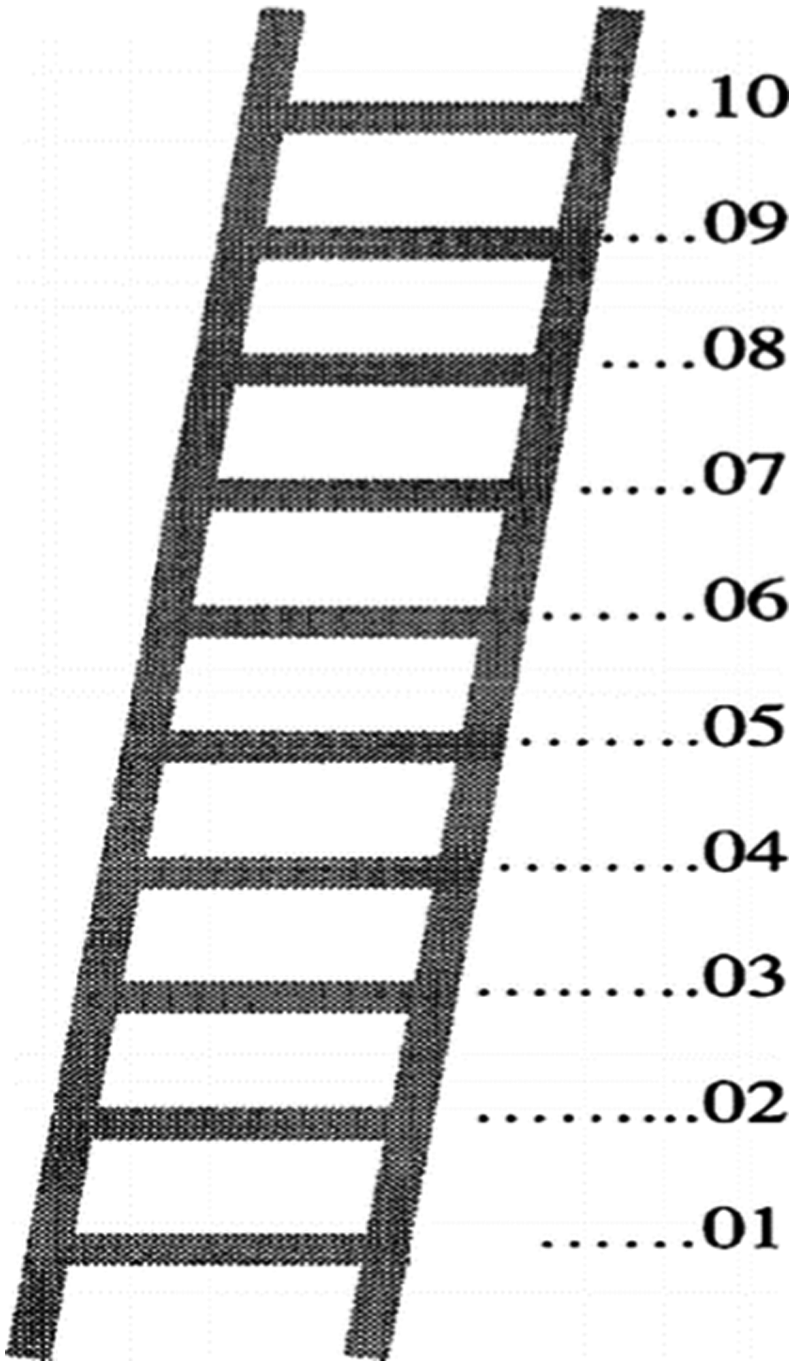
It emerged that the study participants’ responses to the MacArthur ladder scale correlated substantially and significantly with the other measures of social status (R >.71) so the MacArthur ladder scale was employed as the sole measure of social status.
Other measures
The questionnaire began with items for age category and gender. Measurement items for constructs were mainly adapted from pre-existing inventories in the intellectual disabilities research field which have been frequently validated within that literature. Stigmatising attitude was measured using three items adapted from Link, Cullen, Frank and Wozniak’s (1987) “Social Distance” Scale (Appendix section 4), which were highly correlated (multiple correlation coefficient = .84) and eight items from Taylor and Dear’s (1981) “Community Attitudes to Mental Illness” Scale (Appendix section 5). To validate the latter measure for the present study the eight items were factor analysed to ensure the items loaded onto to the same factor, the results confirming that this was the case (all loadings exceeded .78, the eigenvalue indicated that 81% of variation in the data was explained by the first factor). The Cronbach’s alpha value for the eight items, a measure of the reliability of the scale in terms of whether the items were all associated with the same construct) was .8, suggesting sound reliability. Social Dominance Orientation was assessed using eight items based on Sidanius and Pratto (1999). A factor analysis of these items found that all loaded on the same factor with values exceeding .78, and that the factor explained 80% of total variation in the data. The Cronbach’s alpha for the items, at .79, was satisfactory. Perceived negative attributes of people with intellectual disabilities were evaluated via six items suggested by Yeh et al. (2017) (all factor loadings exceeded .78, the factor explained 78% of total variation, Crobach’s alpha = .78). However, as the six items were imposed by the researchers, an additional measure was obtained by asking the participants to provide words and phrases coming to mind “when thinking about John” after they had read the statement concerning John’s income (see above). This measure was obtained from a sentiment analysis using Pennebaker, Boyd, Jordan and Blackburn’s (2015) Linguistic Inquiry and Word Count package, which records words as either positive or negative. Each substantive word is scored on a scale out of 100, high numbers indicating positivity. The average of these scores was employed as the sentiment measure. Need for cognitive closure was measured using nine items based on Roets and Van Hiel (2011) (all factor loading were greater than .77, the factor explained 75% of total variation, Cronbach’s alpha = .81). Familiarity with intellectual disability was assessed via two items adapted from Evans-Lacko et al. (2011). A single item measured the degree of a person’s religiosity.
The model
Figure 1 presents the model tested during the investigation, i.e., a moderated mediated configuration (Hayes, 2022 model 15) wherein social status is posited to have (i) a direct effect on each of four dependent variables relating to stigmatising attitudes concerning John, and (ii) an influence on the mediating variable “social dominance orientation”, which in turn affects the dependent variables (cf. Levin et al., 2012; Sibley and Duckitt, 2008). The strengths of the connections between social status and the dependent variables are assumed to be moderated by a participant’s level of need for cognitive closure (cf. Baldner et al., 2019; Todor, 2014). The model was estimated (using average values for each of the constructs) three times; once for each of the income source situations. Model of causal influences.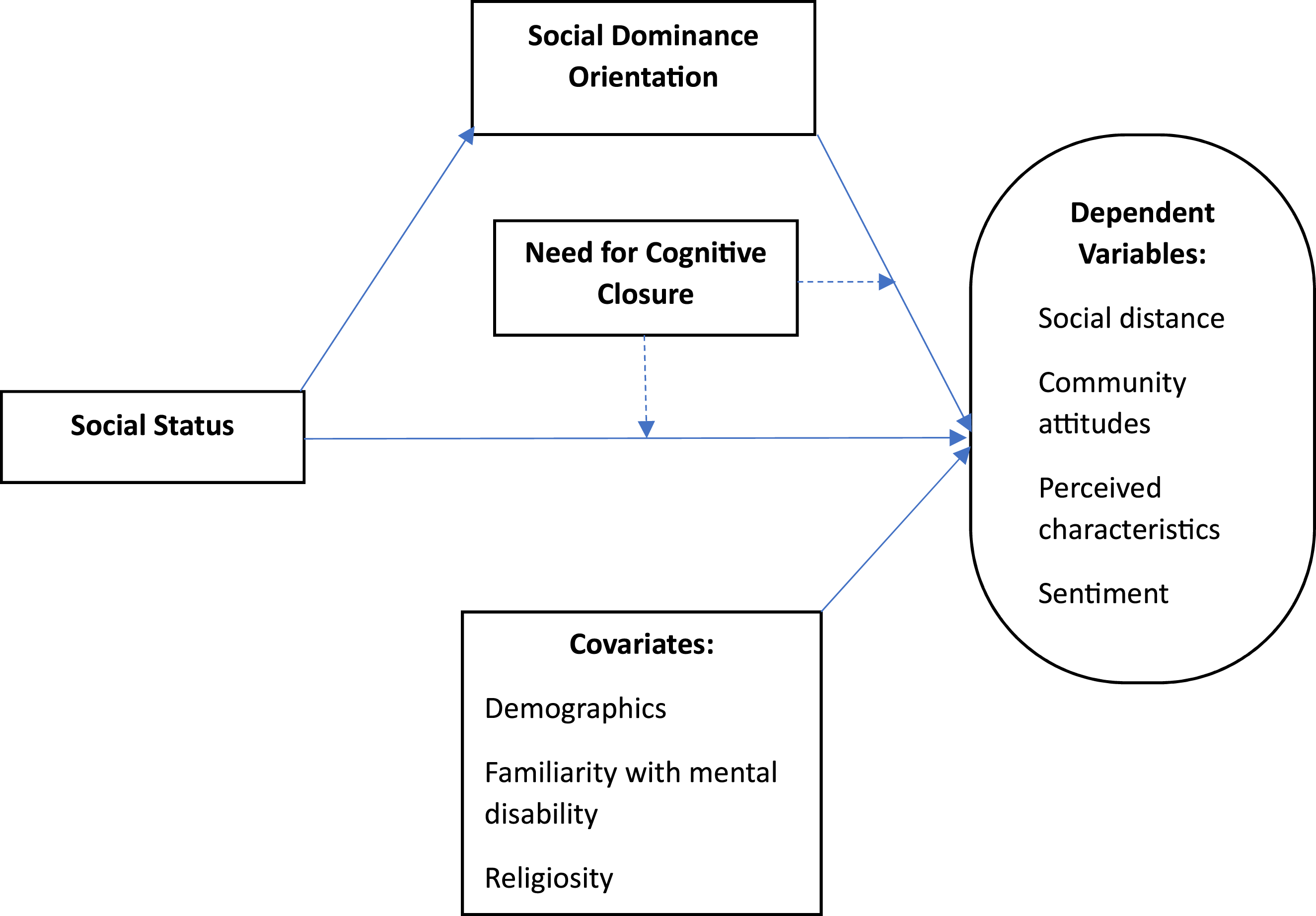
Results
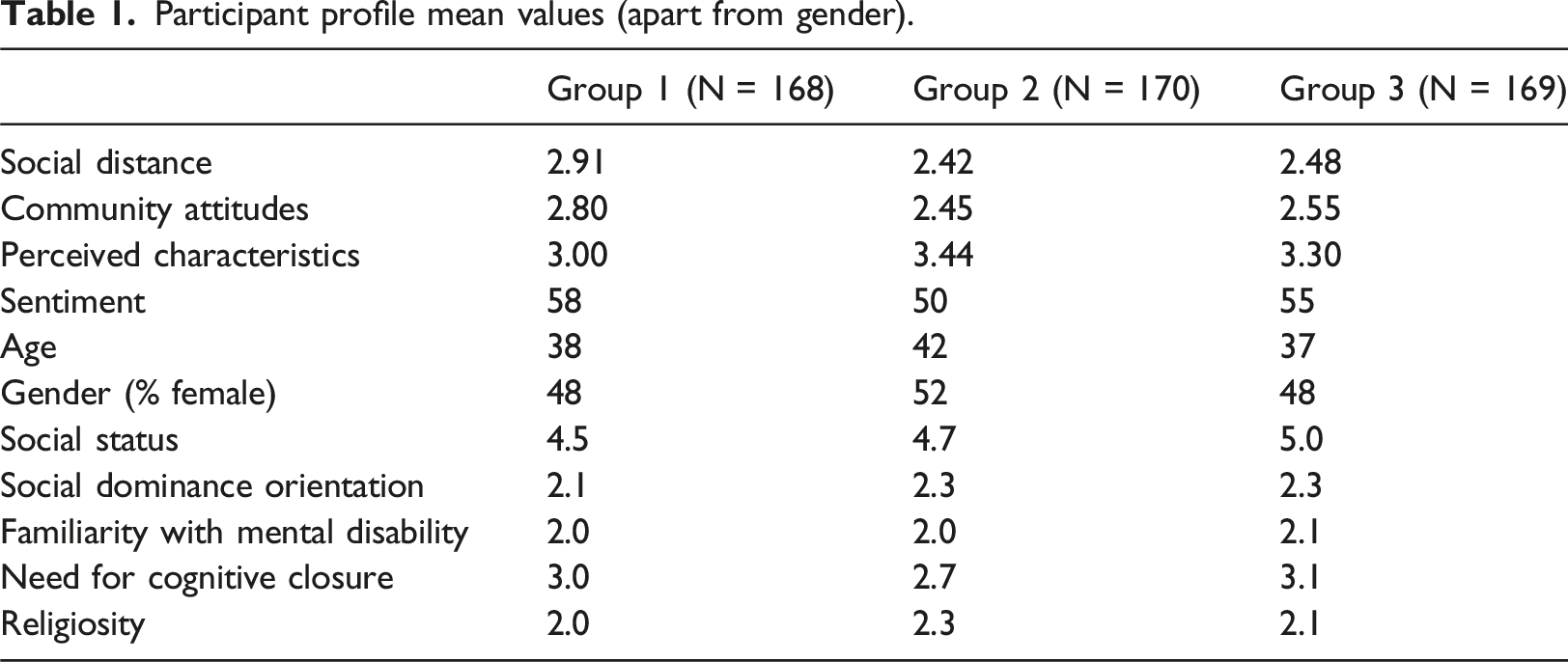
Participant profile mean values (apart from gender).
Significant differences.
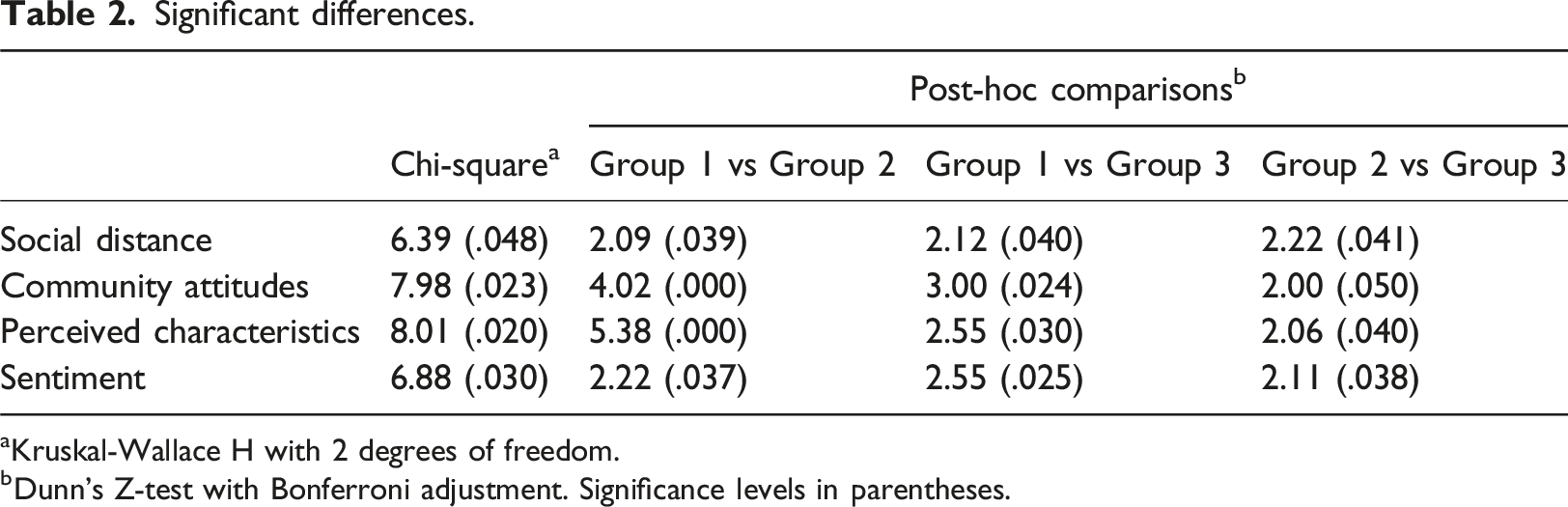
aKruskal-Wallace H with 2 degrees of freedom.
bDunn’s Z-test with Bonferroni adjustment. Significance levels in parentheses.
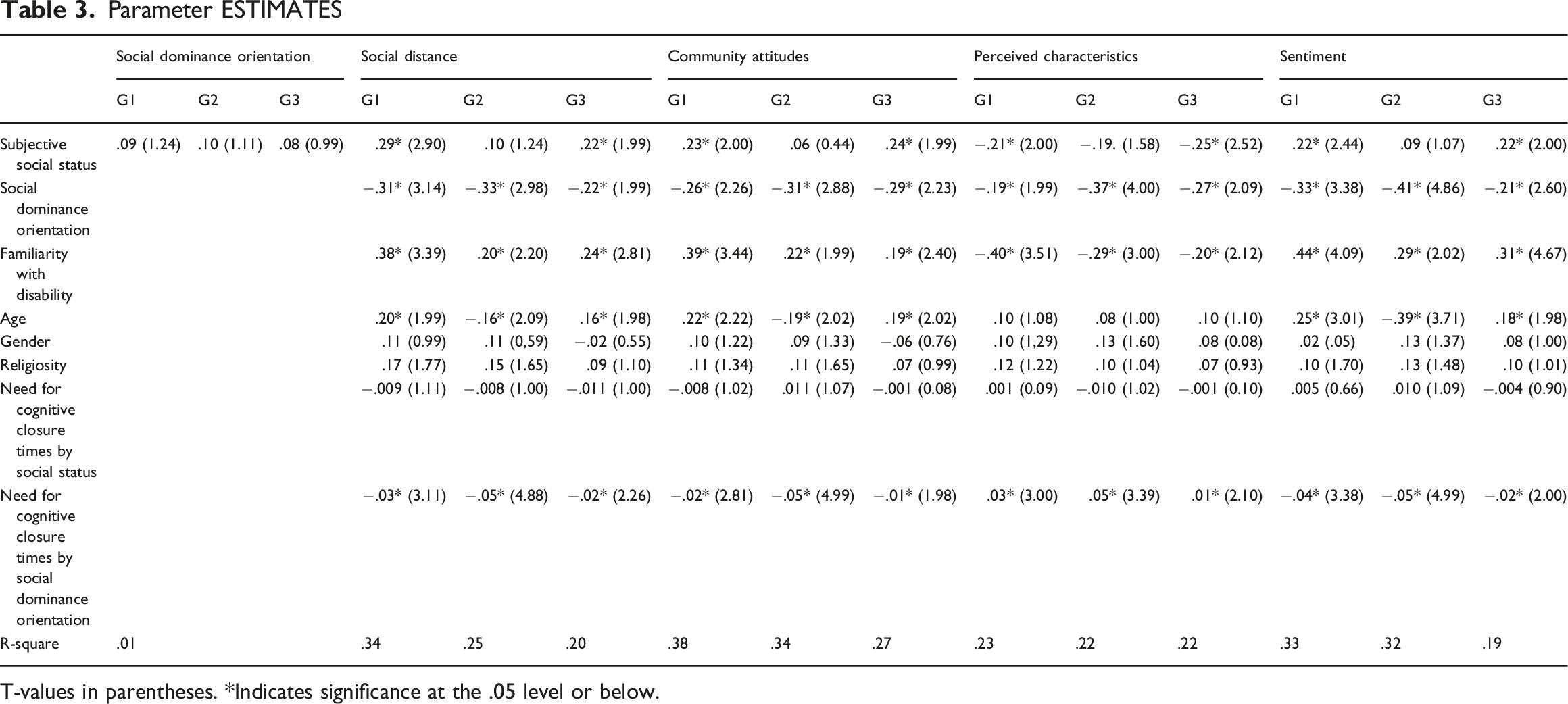
Parameter ESTIMATES
T-values in parentheses. *Indicates significance at the .05 level or below.
In the present study social status did not determine social dominance orientation significantly for any of the three groups, contradicting some previous literature in the field (e.g., Caricati and Owuamalam, 2020; Fischer et al., 2012). This could be simply due to the absence of any connection, or to social desirability bias in that some high social status participants may have been reluctant to admit their substantial possession of this particular trait. However, a pre-test of the questionnaire conducted by the researchers included some items from the Marlowe-Crown Social Desirability Scale (Crowne and Marlowe, 1960), but the items did not attain significance. Evidence from the pre-test indicated that the participants’ reluctance to answer the Marlowe-Crown items was due to the items being considered too personal, intrusive, and irrelevant to the study. Hence these items did not appear in the final version of the questionnaire. Nevertheless, the likelihood of social desirability bias arising within the responses was checked through an examination of the frequencies, means and standard deviations of the participants’ replies to items that, a priori, might be expected to give rise to bias. None of the average percentages in the highest response categories of these items exceeded 22%, indicating the absence of substantial social desirability bias in the outcomes. More research is needed into this matter.
Social dominance orientation, as predicted (cf. Mifune et al., 2019; Pratto et al., 1994) had a significantly negative effect on each of the dependent favourability measures in all three groups. Also as anticipated, familiarity with intellectual disability exerted positive and significant influences on the dependent favourability variables in all three scenarios. Age had a significantly positive effect on the dependent variables, other than the measure of perceived characteristics, among members of Groups 1 (informed that John lived on earned income from paid employment) and 3 (John lived on mixed income). However, age exerted significantly negative influences on the favourability variables for Group 2 (informed that John lived on welfare payments). Thus, on the average older people had more favourable attitudes towards a person with an intellectual disability who worked for a living (fully or partially) than was the case for younger participants. Neither gender nor religiosity affected any of the dependent variables significantly. Morin et al. (2013) noted the contradictory evidence that has arisen regarding possible differences in the attitudes of males and females vis-à-vis intellectual disability. Some studies have concluded that women possess more positive attitudes than men, while others found either the reverse or no sex differences whatsoever. The moderation effect of need for cognitive closure on the strength of the influence of social status on the dependent favourability of attitude variables was insignificant throughout. However, need for cognitive closure did intensify significantly the negative impact of social dominance orientation on the dependent variables.
Conclusion
These results are disturbing from the viewpoint of organisations campaigning to reduce stigmatising attitudes regarding people with intellectual disabilities. The study participants who were informed that John worked for a living expressed more favourable attitudes towards him, suggesting that positive connections were attached to people with intellectual disabilities who are in employment and hence are financially self-sufficient. Overall, the levels of favourability of the attitudes expressed by the sample members towards the three featured individuals were influenced by whether a person was employed or lived on state welfare benefits. (cf. Henry et al., 2004; Likki and Staerklé, 2015; Olson et al., 2021). This appeared to hold even if an affected person only worked half-time. It appears therefore that some form of work ethic was present among many of the study participants, possibly based on a belief that everyone, including people with intellectual disabilities, should always strive to work in paid employment and hence be financially independent. Living on welfare may have been seen to violate this presumption; implying a perspective among certain members of the sample that many unemployed people with intellectual disabilities could be unwilling to try to improve their situations (cf. Petersen et al., 2012). This of course ignores the difficulties encountered by many people with intellectual disabilities when seeking employment.
Within the present sample, higher social status was connected with greater levels of favourability of attitudes among sample members who were advised that John worked for a living but had little effect on attitudes where participants were informed that John lived on welfare. This result is partly compatible with the view of Chung et al. (2017) that prejudice can be lower among people of higher social status. However, the outcome only held if a participant was informed that the individual with an intellectual disability was in full or half-time employment. High social status did not significantly influence social dominance orientation; a finding that contradicts certain past research on the topic (see Sidonius, Levin, Liu and Pratto, 2000). Nevertheless, social dominance orientation did exert a significantly negative effect on the dependent variables, in line with the proposition that social dominance orientation can be associated with prejudice (see Besta et al., 2019). As predicted by past literature (cf. Mifune et al., 2019; Pratto et al., 1994), social dominance orientation significantly and negatively influenced all the dependent favourability measures in all three groups and clearly represented an important consideration among the members of this particular sample. High need for cognitive closure intensified the negative influence of social dominance orientation on the dependent favourability measures (cf. Kruglanski and Webster, 1996; Vyncke and Van Gorp, 2020). This underscores the importance of the negative effects of stereotyping vis-à-vis people with intellectual disabilities.
Implications for anti-stigma campaigns
It seems that many of the study participants attached a “welfare slur” to people with intellectual disabilities who live on benefits. This raises the question of whether members of the general public understand the barriers confronted by people with intellectual disabilities when seeking paid employment (see Stuart [2006] and Lu et al. [2022] for discussions of reasons underlying these obstacles). Public awareness of the obstacles involved could be increased via media campaigns which explain the numerous difficulties that people with intellectual disabilities experience when looking for a job, emphasising that many people with intellectual difficulties who live on welfare do so through no fault of their own.
These outcomes have implications for the design and execution of anti-stigma campaigns and activities by government agencies, charities, and intellectual disability support organisations. Thus, to the extent that low social status is connected with less favourable attitudes towards people with intellectual disabilities, the mass media and other information outlets seen and read by lower status communities might be targeted and could carry anti-stigma messages specially crafted to influence these audiences. Some campaigns could target potential employers, noting how aspects of the consequences of intellectual disability for people at work can be greatly reduced via the provision of limited amounts of support from an employing organisation. Employment opportunities for people with intellectual disabilities are very limited (Ikutegbe et al., 2023) so it is not surprising that, through no fault of their own, many people with intellectual disabilities live on welfare and in consequence may be stigmatised for this by members of the public. Policies for improving the employment prospects of people with intellectual disabilities require the breaking down of existing negative attitudinal barriers among employers (ILO, 2016), including their lack of knowledge and understanding of intellectual disability and, according to Akram et al. (2020), fear of the unknown. Bell (2020) recommended that government information campaigns aimed at employers should emphasise skills rather than stereotypes, give examples of people with intellectual disabilities who are good at their jobs, highlight the benefits for the corporate reputations of businesses that employ people with intellectual disabilities, and note the high levels of retention and engagement of intellectually disabled workers. Government itself could do more in relation to the provision of vocational training for people with intellectual disabilities, and ensure the absence of a social security benefits trap (i.e., the situation that occurs if people become financially worse off through entering employment).
Older people were found on the average to be more likely than younger people to have negative attitudes relating to a person with an intellectual disability who lives on welfare, so anti-stigma campaigns and activities by government agencies, charities, and intellectual disability support organisations relating to this matter might beneficially target older segments of the population. Although the personal traits of high social domination and need for cognitive closure may be firmly embedded within certain individuals, public anti-stigma information campaigns could at least try to mitigate their negative influences on attitudes towards people with intellectual disabilities by publicising within communications crafted to appeal to those individuals high in these tendencies the many positive contributions that people with intellectual disabilities can make to society, describing their competencies and explaining that people with intellectual disabilities need not be seen as “weird” or inferior (Ellison et al., 2013). Scior (2011) noted the paucity of public communication endeavours of this kind although, according to Seewooruttun and Scior (2014), when such public information campaigns have been attempted the outcomes often yielded positive outcomes.
Limitations and areas for further research
Limitations of the study include the facts that the investigation was completed in a single country using a modest sample size and a limited number of explanatory variables. Investigations into the situations pertaining in other countries and cultures would be worthwhile, together with the examination of a wider range of explanatory variables. The current research excluded observers who were themselves unemployed or living on welfare, and results from these groups might be different to those from the present study. Thus, investigations that include broader ranges of types of participants with regard to their personal backgrounds and characteristics would be useful. Additional research is also needed, within the specific context of intellectual disability, into the cognitive processes involved in the interpretations of people who do not have intellectual disabilities relating to the concept of the “work ethic” possibly presumed to be present among employed people with intellectual disabilities.
Further research is required into the precise causes and natures of negative attitudes regarding intellectual disability expressed during the present investigation by certain older individuals who were informed of a person’s employment status. More research is also needed into connections, within the intellectual disability sphere, between on the one hand social status (other than just financial income), social domination orientation and need for cognitive closure and, on the other hand altruistic tendencies more generally (cf. Olson et al., 2021). For instance, why, how, and how quickly do people with high need for cognitive closure apply stereotypes when considering the qualities of people with intellectual disabilities, either in employment or living on welfare?
Footnotes
Author contributions
The authors contributed equally to all parts of the research.
Declaration of conflicting interests
The author(s) declared no potential conflicts of interest with respect to the research, authorship, and/or publication of this article.
Funding
The author(s) received no financial support for the research, authorship, and/or publication of this article.
