



Abstract
There is growing evidence that the complex and demanding nature of school leadership subjects many professionals in leadership positions to work-related strain and risk of mental health problems. This study analyses 16,460 survey responses from Government School leaders in general education settings, completed between 2011–2020, from the Australian Principal Occupational Health, Safety and Wellbeing survey. Over the 10-year period, almost one-third of Australian school leaders frequently experienced symptoms of burnout, and almost one in eight frequently experienced stress. Logistic regression indicated that female school leaders are at higher risk of burnout, while males are more likely to experience higher levels of stress. It was also determined that elementary school leaders were more likely to experience frequent stress or burnout than secondary school leaders, and early career leaders were more likely to experience higher levels of stress and burnout than leaders with more than 5 years’ experience. The analysis demonstrates that a large proportion of Australian school leaders are at risk of suffering from mental health problems and that urgent action is required to provide adequate support, reduce work-related risks, and promote healthy, sustainable work roles.
Introduction
Recent events have highlighted the crucial role that school leaders play in maintaining the safety, stability and functioning of the school system. At the height of the Coronavirus disease 2019 (COVID-19) pandemic, Australian school leaders were required to respond to rapidly changing circumstances, adopt new roles, procedures and practices, and provide guidance and support to staff members and the school community during the crisis (Beauchamp et al., 2021). Students returned to school in 2022, and leaders have faced new challenges, including workforce shortages and a student mental health crisis Department of Education (2022). These issues have added to what was already a demanding, complex and varied role (Arnold et al., 2021).
Over the last two decades, policy reforms aimed at increasing school autonomy, student learning improvement and increased accountability have elevated the importance of the school leadership role in many countries. Leaders are required to meet both system requirements and the needs of the school community. To achieve this, many leaders navigate multiple roles and juggle competing responsibilities, including leading teaching and learning, budgeting and administration, school management, relationships with the school community, staff performance management, the collection and analysis of data and the management of relations with external bodies. The diverse operational, administrative and teaching responsibilities are reported as a considerable burden, and school leaders work long hours and manage heavy workloads to meet the demands of the role (Arnold et al., 2021; Heffernan, 2021; Oplatka, 2017).
The challenging and demanding nature of school leadership has led to concerns that it is a stressful profession in which mental health difficulties are common (Arnold et al., 2021). In Australia, Riley et al. (2021), have consistently shown that school leaders report higher levels of stress, burnout and depressive symptoms than a healthy working population. In the United States, Steiner et al. (2022) determined that the proportion of school leaders reporting frequent symptoms of stress was higher than both teachers and the general population. The proportion of school leaders reporting burnout and symptoms of depression was also greater than the proportions of working adults reporting these aspects of mental health.
Although the mental health of school leaders is a matter of public and policy interest, the majority of studies do not provide robust evidence about the extent of stress and burnout among school leaders. One possible reason for this is that several international studies of school leader health and wellbeing (such as the OECD's Talis) use simple, single-item measures that offer limited insight into the extent of school leader mental health outcomes. Another is that analyses tend to present mean scores for an entire population of school leaders on particular measures of mental health. Also, researchers have focused on the factors associated with stress and burnout rather than the prevalence of stress and burnout in principal populations. A notable exception is Persson et al. (2021) who investigated the prevalence of exhaustion symptoms among Swedish principals. They determined that almost a third of Swedish principals (29.0%) displayed symptoms of exhaustion and a quarter showed severe signs of stress.
Knowledge about the mental health of school leaders vital to the health, safety, and sustainability of the school system. To this end, the importance of longitudinal research that follows individual respondents across significant time periods to inform policy settings is vital. The present study investigates the occurrence of stress and burnout among Australia government school leaders over 10 years, between 2011 and 2020.
Stress and burnout among school leaders
Although they are related concepts, stress and burnout have different meanings, causes and consequences (Pines and Keinan, 2005). Stress is the psychological strain or distress resulting from exposure to unusual or demanding situations. Occupational stress, then, refers to a ‘physiological and psychological response to events or conditions in the workplace that is detrimental to health’. Individuals may experience stress when they are exposed to workplace stressors and/or feelings of strain, frustration, fear or anxiety when they fail to manage responsibilities or pressures at work. Since the 1980s, occupational stress has been identified as one of the top occupational health problems, and stress has since been directly linked to many of the leading causes of death in the world (see for example the Whitehall studies). Theoretical models of stress posit that experiences of stress are shaped by histories of stress exposure, stressful environments, individual factors, and interactions between the individual and the environment.
Burnout is both an important research concept in the field of occupational health and a term that is commonly used by employees to describe feelings of fatigue and exhaustion (Kristensen et al., 2005). Although definitions of burnout vary, fatigue and exhaustion are central features; according to Schaufeli and Greenglass (2001) burnout is ‘a state of physical, emotional and mental exhaustion that results from long-term involvement in work situations that are emotionally demanding’. The concept of burnout is particularly important to workers who do ‘people work’, such as teachers, school leaders and healthcare professionals. To effectively perform their roles, school leaders engage in ongoing and intense personal relationships with members of the school community and do their best to support them to have positive outcomes. Although this can be rewarding and is often part of the reason school leaders find meaning in their work, it is also concurrently stressful and demanding.
Different explanatory theories of burnout have emerged that postulate the experience burnout and its antecedents. Theories focused on the individual highlight the importance of challenges or crises in self-efficacy or self-concept (social cognitive theory) or a lack of reciprocity for their efforts (social exchange theory) in the development of burnout. Several theories focused on the work environment posit that burnout results from an imbalance within the psychosocial work environment (e.g., JD-R theory) or an imbalance between the individual and the psychosocial work environment (e.g., Organisational theory).
Individual, role-related and school factors increase the likelihood of teaching professionals experiencing stress and burnout. There is evidence that teaching professionals’ work environments and working conditions play an important role in the development of stress and burnout. For example, stressful working conditions such as work overload (Skaalvik and Skaalvik, 2017), relationships with colleagues (Stephenson and Bauer, 2010) and difficulties related to working with students (Corbin et al., 2019) are associated with stress and burnout among teaching professionals. Individual factors, such as age, gender and perceived self-efficacy also impact self-reported stress and burnout (Beausaert et al., 2016; Boström et al., 2020).
Among national populations of teaching professionals, several key factors are associated with differences in experiences of work and health and wellbeing. These include gender, level of schooling, and teaching experience. In Australia, Riley et al. (2021) have consistently shown that mean burnout scores are higher for elementary school leaders, female school leaders and leaders with less experience. However, these differences have not been examined in detail. Most peer-reviewed studies of the factors associated with stress and burnout among teaching professionals focus on teachers.
Gender
In a meta-analysis of 156 studies in 36 countries about teacher burnout, García-Arroyo et al. (2019) determined that female teachers were significantly more likely than males to experience one symptom of burnout (low personal accomplishment). Evidence from other studies has determined that female teachers report higher levels of emotional exhaustion- while male teachers experience higher levels of depersonalisation and inefficacy (Burke and Greenglass, 1993; Sari, 2004). In Australia, Carroll et al. (2022) determined that being a female teacher was significantly associated with higher levels of perceived stress.
School leader stress and burnout by years of experience
There is conflicting evidence about the relationship between years of experience as a teaching professional and stress and burnout. A number of studies demonstrate that early career teachers are at greater risk of experiencing stress and burnout than their more experienced colleagues (Goddard et al., 2006; Lau et al., 2005; Plunkett and Dyson, 2011). In a recent study of teacher stress and burnout in Australia, Carroll et al. (2022) determined that being new to the profession was significantly associated with greater reported stress. However, other studies have determined that there are no significant differences in burnout due to the level of teacher experience (Chang, 2013; Pressley, 2021).
School leader stress and burnout by school level
There is mixed evidence about the association between teaching professionals’ experiences of stress and burnout and school level. Some studies have reported that elementary school teaching professionals experience higher levels of stress and burnout than their colleagues in secondary schools (Chang, 2013; Riley et al., 2021), while international studies by the OECD indicate that there are no differences (OECD, 2020). In relation to burnout exclusively among school leaders, very few recent studies have examined differences according to school level. One exception is the recent study of Swedish school principals which determined that there were no differences in burnout according to school level (Persson et al., 2021).
The present study
School leaders who frequently experience stress and burnout may suffer from poor health. High levels of stress and burnout are associated with a variety of adverse outcomes for employees. Psychological outcomes include, depressive symptoms use of antidepressants, insomnia and other mental health difficulties (Salvagioni et al., 2017). Among teaching professionals, there is evidence that burnout predicts lower engagement, lower job satisfaction and higher levels of depression (Collie et al., 2012; Desrumaux et al., 2015; Leung and Lee, 2006). Teacher stress and burnout also have implications for the school system; there is evidence that teachers who experience mental health difficulties, such as stress and burnout, are more likely to leave the profession (Goddard et al., 2006; Heffernan et al., 2022).
This study aims to examine: (a) the extent of stress and burnout among Australian government school leaders; (b) changes in the proportion of Australian government school leaders experiencing stress and burnout over the last 10 years; and (c) whether experiences of higher levels of stress and burnout vary according to gender, school level and leadership experience.
Method
This study uses data from the Australian Principal Occupational Health, Safety and Wellbeing Survey (e.g., Riley, 2018; Riley et al., 2021). Since 2011, the APOHSW has monitored Australian school leaders working conditions, work environments, experiences of work and health and wellbeing on an annual basis. The survey combines validated questionnaires and scales (for example, Copenhagen Psychosocial Questionnaire (COPSOQ) and items that were created to capture data about school leaders’ work. The survey covers school leaders working in elementary, secondary, combined elementary/secondary in Australia. For the purposes of this analysis, we focus on the experiences of Australian leaders in general education government schools at the primary and secondary levels. Since our analysis focused on government general education settings, school leaders in government special schools were not included in the analysis. Participants were recruited via an email invitation that was confidentially sent by principal professional organisations to their membership in a blinded fashion so that the organisations did not know which of their members undertook the survey and the researchers did not know who had been invited but declined to take part.
Participants
We used a total of 16,460 observations collected from 4,127 unique participants working in 3,177 government schools who completed the survey between 2011 and 2020. For this analysis, we created a longitudinal dataset to review the trends overtime and a separate stacked dataset consisting of 10 years of data from the survey (2011–2020). By stacking the data, we aimed to accurately analyse the impact of different factors on school leader stress and burnout. The age of participants at the time of completing the survey was in range between 25 and 77 with a mean of 53.5 years old (SD = 7.6). Slightly more than 60% of participants were males, around 40% were females. In total, 75% were principals and 25% were assistant/deputy/associate principals (see Table 1).
Overall sample characteristics.
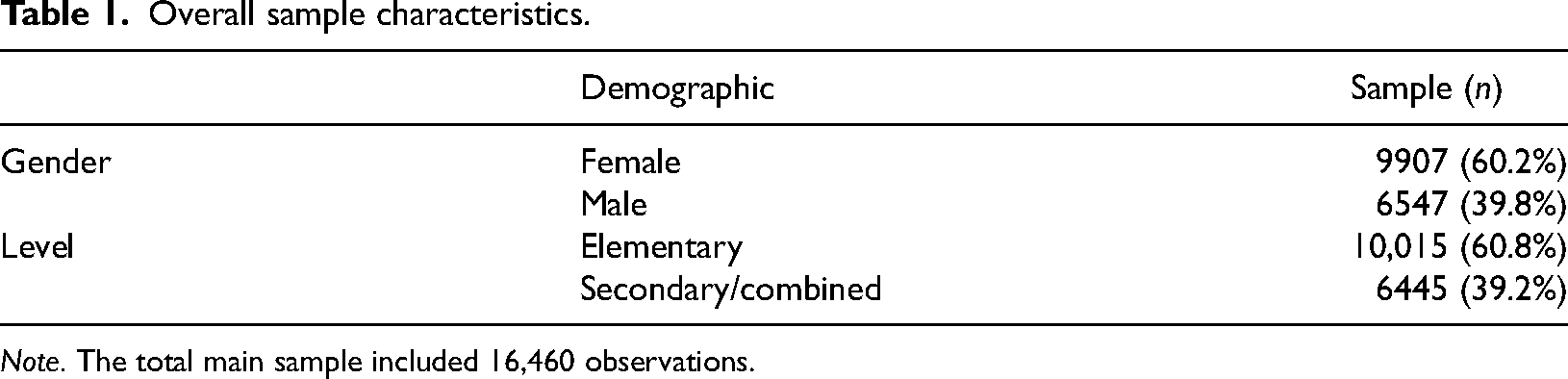
Note. The total main sample included 16,460 observations.
Measures
The Australian Principal Occupational Health, Safety and Wellbeing Survey collects data on school leaders age, gender, job role and personal/relationship status. School leadership experience was classified into two groups for the purposes of the analysis: Less than 5 years and greater than 5 years’ leadership experience. School level refers to elementary, secondary and combined. There is a slight confound here as almost all combined elementary-secondary schools are also located outside of capital cities and may represent their geolocation more than their combined status, but we had no way of determining this accurately.
Stress and burnout
Stress and burnout were measured using the COPSOQ-II (Dicke et al., 2018). COPSOQ is a widely used instrument that has been validated in many different countries. The COPSOQ scale ‘burnout’ is a modified version of the ‘personal burnout’ scale from the Copenhagen Burnout Inventory (CBI) (Kristensen et al., 2005). The CBI has been shown to accurately conceptualise burnout and have good validity and reliability (Winwood and Winefield, 2004). The COPSOQ burnout scale consists of four items related to personal burnout that are preceded by the statement ‘these questions are about how you have been during the last 4 weeks’. For example, ‘How often have you felt worn out?’.
The COPSOQ scale ‘stress’ measures stress as an intra-individual state characterised by high arousal and displeasure. All three items in the scale are negatively phrased. Items for the stress scale are preceded by the statement ‘these questions are about how you have been during the last 4 weeks’. For example, ‘How often have you been irritable?’.
Both the stress and burnout scales rely on a five-point Likert scale ranging from ‘100 (always), 75 (often), 50 (sometimes), 25 (seldom) and 0 (never/almost never). For the purposes of this analysis, scores of 50–74 are considered ‘moderate’ stress or burnout, 75–99 are high stress or burnout, and a score of 100 is considered ‘severe’ stress or burnout (Creedy et al., 2017).
Sources of stress
Sources of stress were measured annually using a 10-point Likert scale, where respondents rated the extent to which various work-related stressors impacted their well-being. The stressors included a diverse range of factors such as the sheer quantity of work, lack of time for teaching and learning, student-related issues, issues with parents, and staff-related issues. During the analysis, the stressors were ranked based on the mean scores given by participants for each one.
Statistical analysis
In this study, a combination of longitudinal, explanatory, and exploratory statistical methods was used for the analysis of the data. An explanatory longitudinal analysis of the data was performed to present the aggregated means (out of 100) of stress and burnout among participants over the years. This method was useful to compare the overall pattern for each one of the two main variables and show the change over time in a decade between 2011 and 2020. Longitudinal analysis was expanded to a further categorical breakdown of the data to indicate the proportion of Australian school leaders who experienced ‘low’, ‘moderate’, ‘high’ and ‘severe’ stress/burnout for each year of the survey.
To portray the prevalence of stress and burnout, an overall categorical analysis of stress and burnout was carried out on the pooled data. The overall prevalence of stress and burnout was calculated as the proportion of school leaders in government schools who had experienced various levels (low, moderate, high, and severe) of each one stress and burnout.
Logistic regression was employed to identify determinant risk factors of higher levels of stress and burnout among Australian government school leaders. Logistic regression is known as useful when the analysis Is applied to binomial, percent, and multinomial data types (Harrell, 2015; Hosmer et al., 2013). In this study, a logistic regression approach was a suitable option because of the binary type of the main variables. Using, this method the relationships between the socio-demographic factors of gender, school type and years of experience were compared with high levels of burnout and stress separately. With each model, the outcome variable was whether the participants had experienced high levels of burnout and stress within 12 months.
Results
Trends in stress and burnout among Australian government school leaders
Between 2011 and 2020, the mean personal burnout scores for Australian school leaders ranged between 55 and 57.8 and mean stress scores ranged between 42 and 46.7. In 2020, school leaders mean burnout scores were at their highest point since the survey began. Australian government school leaders average (mean) stress scores declined between 2011 and 2019 before increasing in 2020 (see Figure 1).
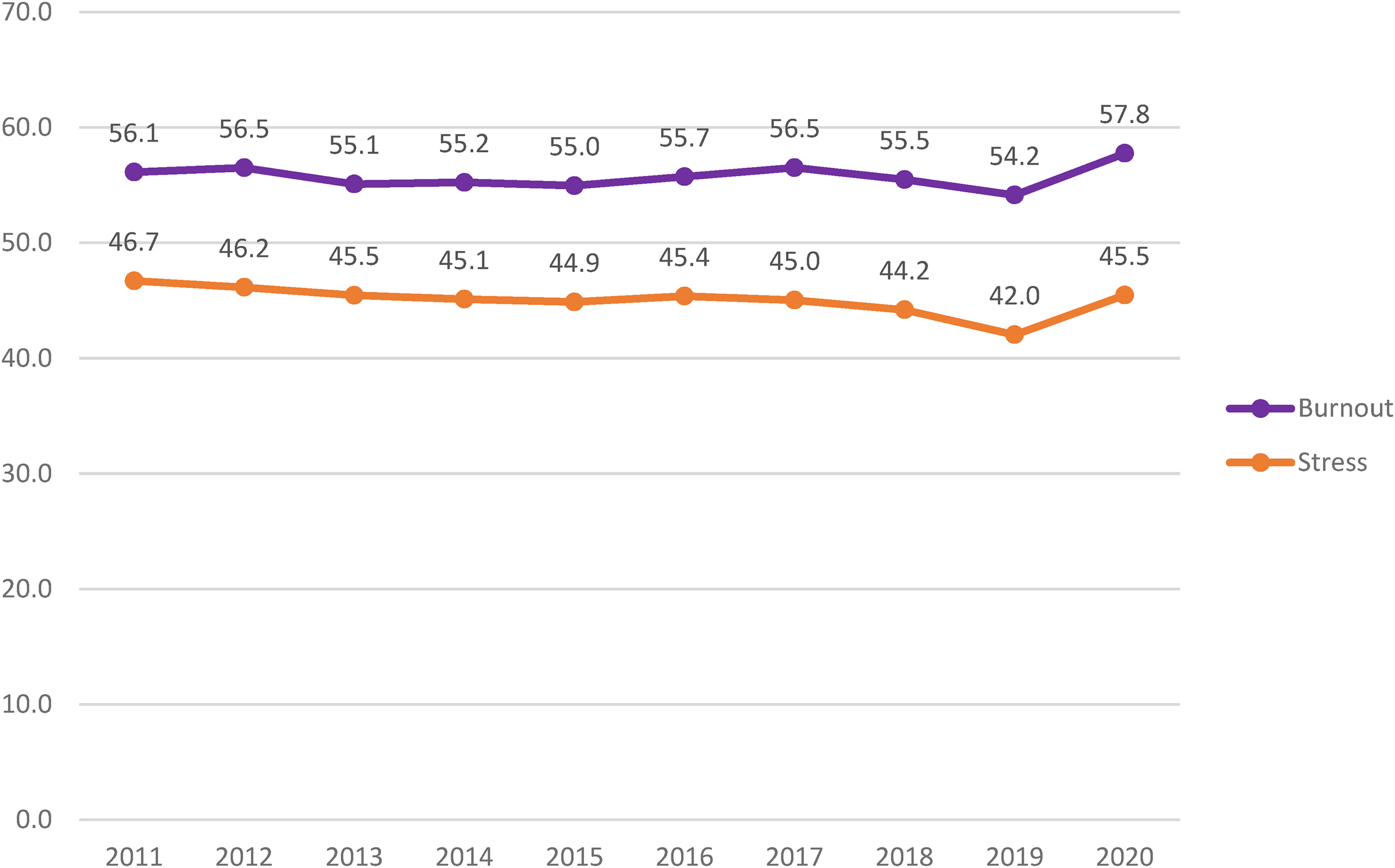
Longitudinal trends in stress and burnout among Australian government school leaders between 2011 and 2020.
Extent of burnout
Figure 2 demonstrates the proportion of Australian school leaders who experienced ‘low’, ‘moderate’, ‘high’ and ‘severe’ burnout for each year of the survey. The proportion of school leaders reporting severe symptoms of burnout has increased over the lifetime of the survey and in 2020 more than 1 in 20 (5.3%) leaders reported being severely burnt out. The proportion of school leaders in the ‘high’ burnout category has fluctuated over the lifetime of the survey. However, in 2020, 26.8% of government school leaders were in the ‘high’ burnout category-the highest proportion since the survey began in 2011. The proportion of school leaders in the ‘moderate’ category has remained stable over the last 4 years (2017–2020). The proportion of school leaders in the low burnout category decreased between 2019 and 2020 to the second lowest proportion since the survey began.
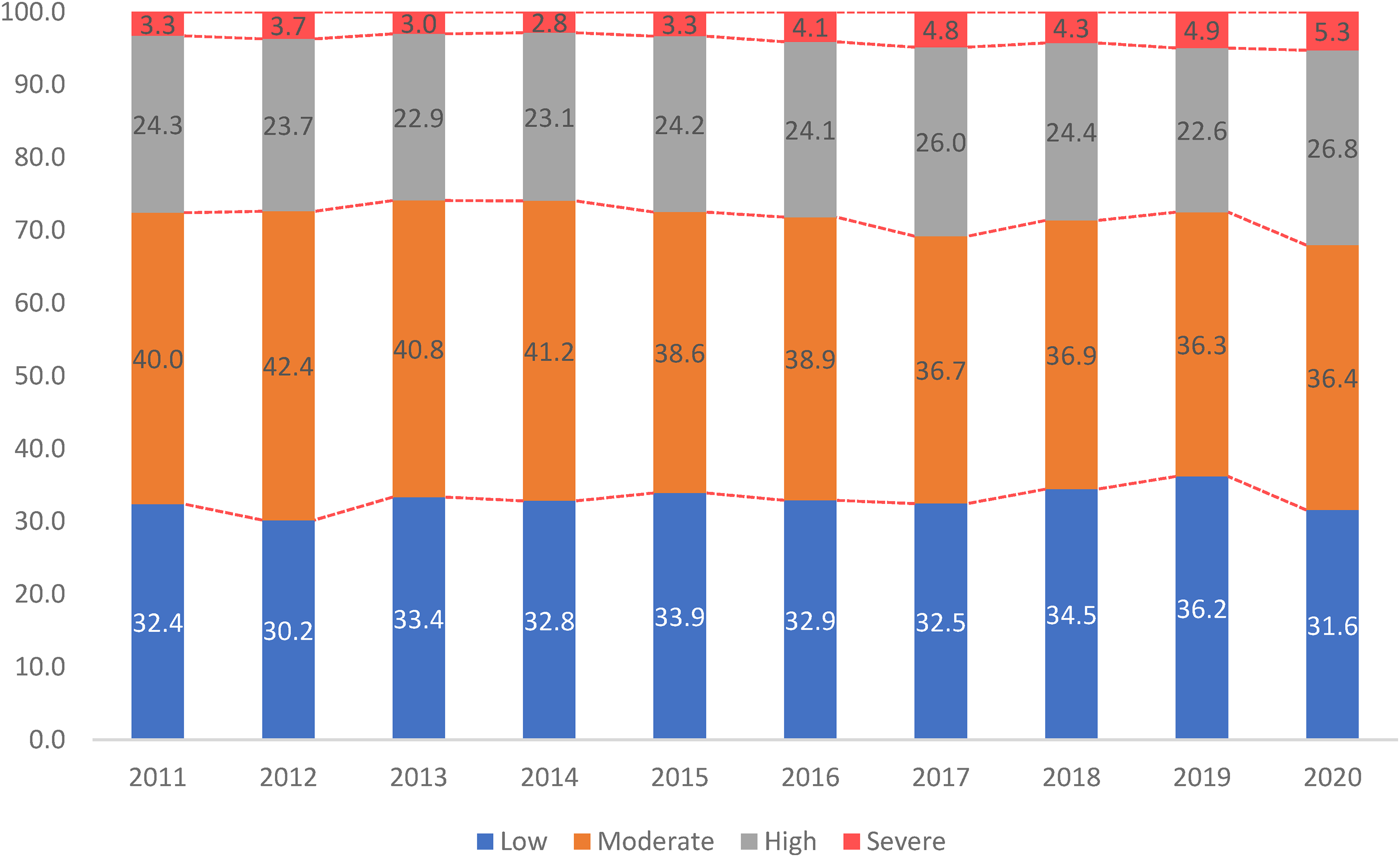
The proportion of Australian school leaders that reported low, moderate, high and severe burnout (2011–2020).
Extent of stress
Figure 3 demonstrates the proportion of Australian school leaders that experienced ‘low’, ‘moderate’, ‘high’ and ‘severe’ stress for each year of the survey (2011–2020). The proportion of school leaders reporting ‘severe’ stress ranged between 0.6% and 1% over the last 10 years. The proportion of school leaders in the ‘high’ stress category ranged between 9.4% and 11% for all years of the survey except for 2011 and 2020. Between 2019 and 2020 the proportion of school leaders in the ‘high’ stress category increased from 9.5% to 12.2%. The proportion of school leaders in the ‘moderate’ stress was lowest in 2019 (33.4%) but increased to 35.5% in 2020. The proportion of school leaders in the low burnout category decreased between 2019 and 2020 to the second lowest proportion since the survey began.
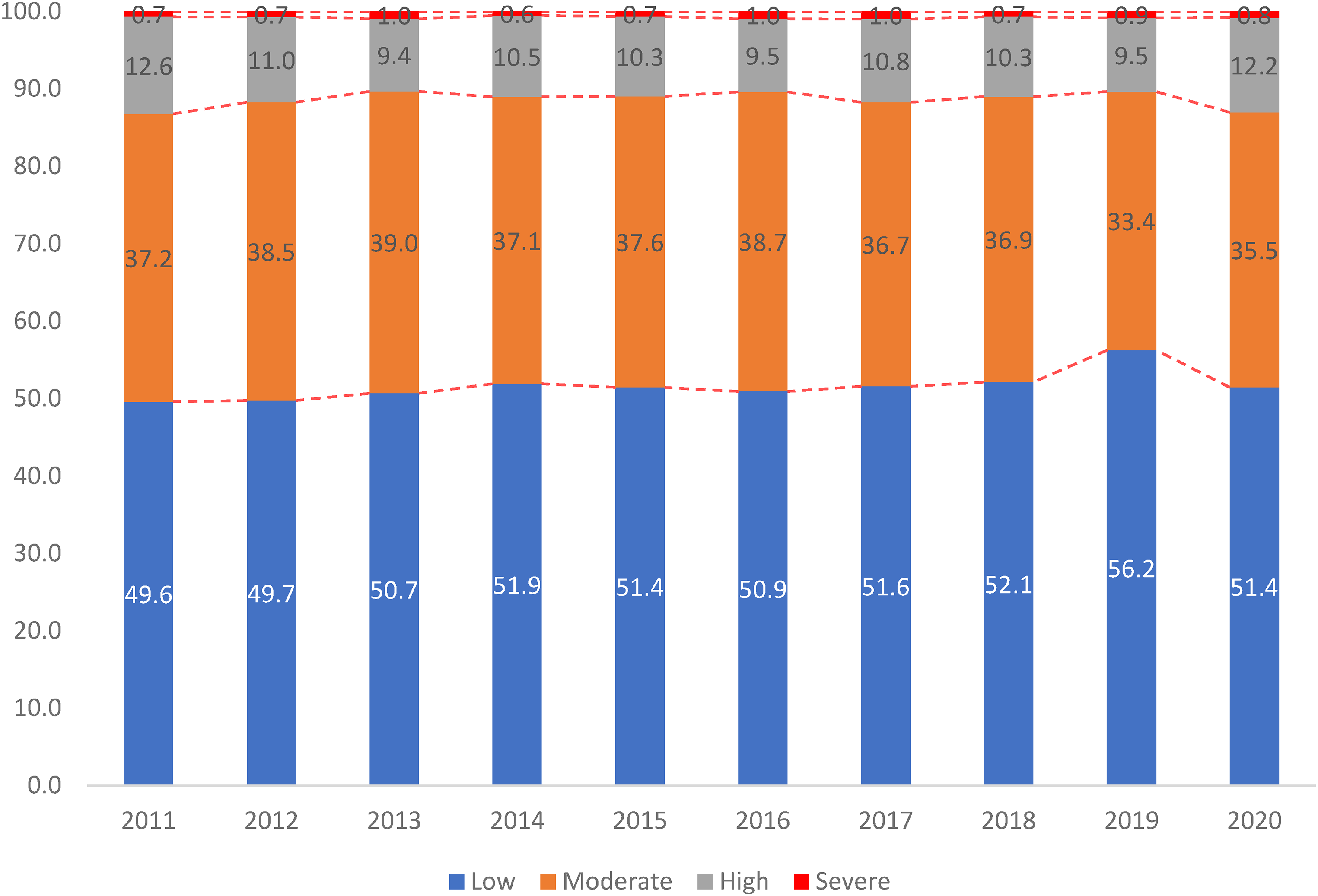
The proportion of Australian school leaders that reported low, moderate, high and severe stress (2011–2020).
Pooled prevalence of burnout among Australian school leaders
Analysis of the pooled data (n = 16,266; 2011–2020) determined that the pooled prevalence for the four categories of burnout were: 33% (n = 5380) ‘low’ burnout; 39% (n = 6320) ‘moderate’ burnout; 24% (n = 3930) ‘high’ burnout and 4% (n = 636) ‘severe’ burnout (see Figure 4).
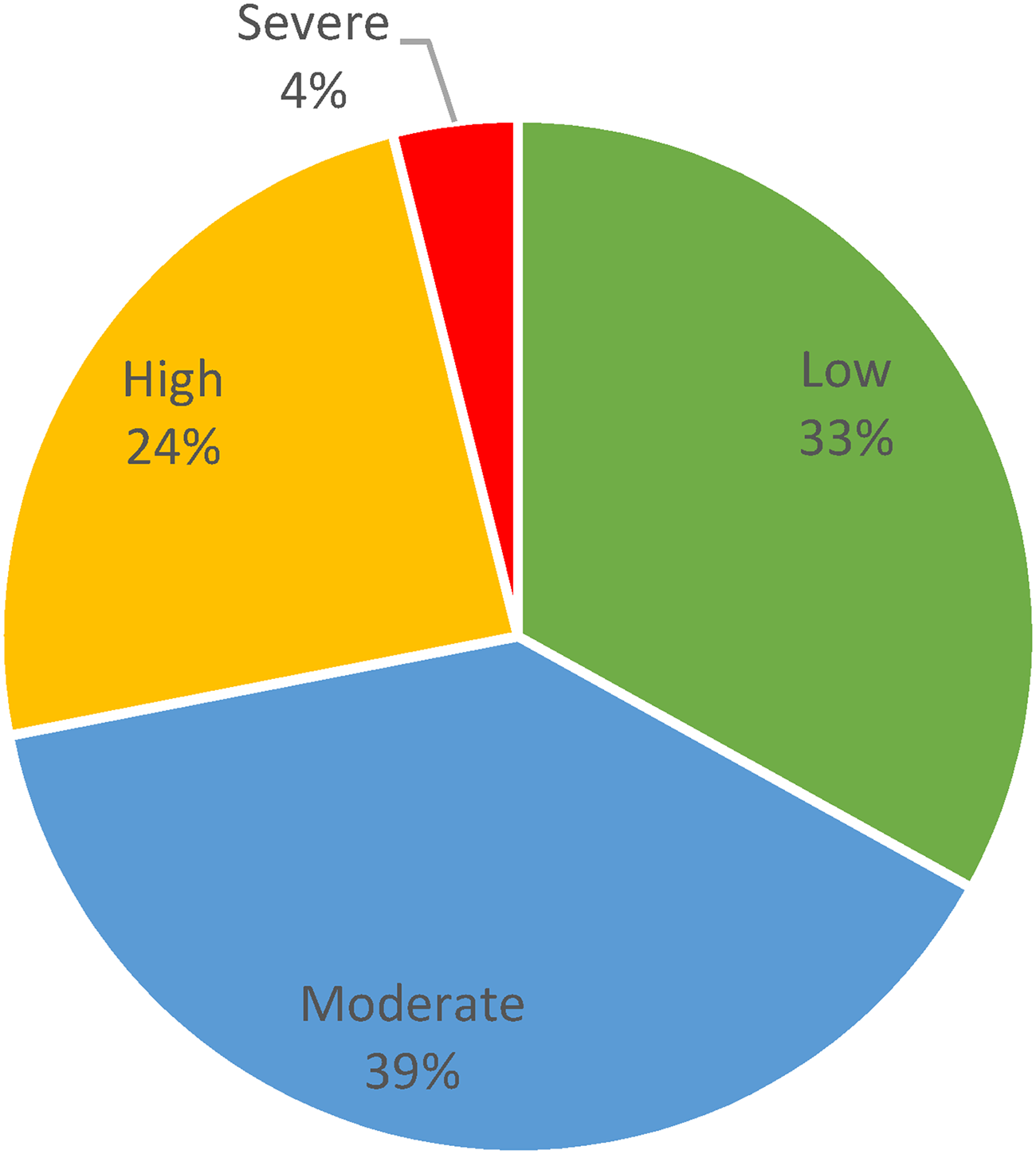
The pooled prevalence of burnout among Australian government school leaders.
Pooled prevalence of stress among Australian school leaders
Analysis of the pooled data (n = 16,260, 2011–2020) determined that the pooled prevalence for the four categories of stress were: 51% (n = 8378) ‘low’ stress; 37% (n = 6042) ‘moderate’ stress; 11% (n = 1710) ‘high’ stress and 1% (n = 130) ‘severe’ stress (see Figure 5).
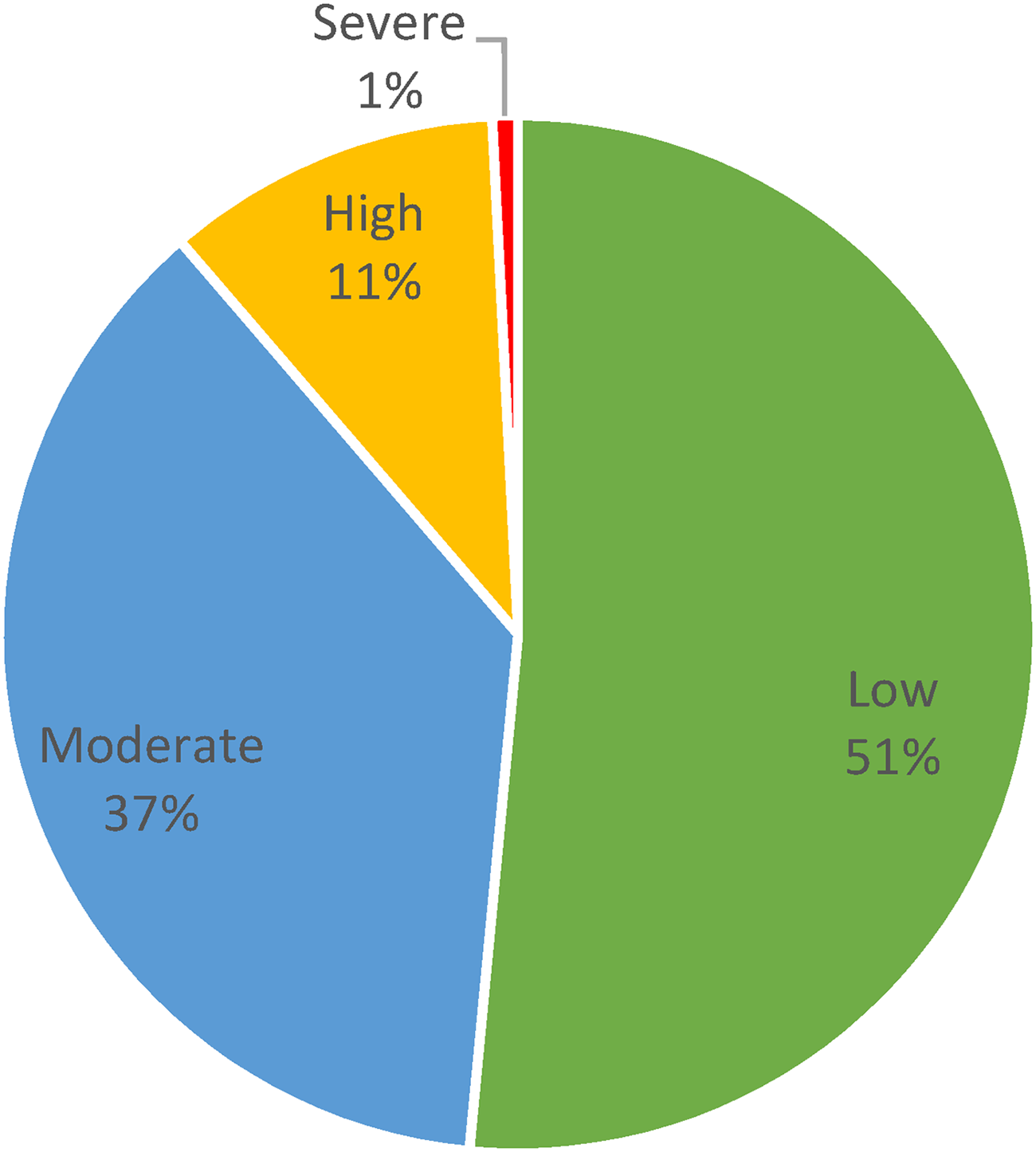
The pooled prevalence of stress among Australian government school leaders.
Burnout by gender, school level and experience
Analysis of the pooled data determined that the rates of burnout among school leaders varied according to gender, school level and leadership experience (see Table 2). In the high-severe burnout category, the proportion of female leaders (32.2%) was greater than the proportion of male leaders (26.8%); the proportion of elementary school leaders (31.4%) was higher than the proportion of secondary school leaders (27.9%), and the proportion of less experienced leaders (33.6%) was higher than the proportion of more experienced school leaders (29.4%). The significance of these factors to high levels of school leader burnout are further explored through logistic regression.
Rates of low-moderate and high-severe burnout among school leaders according to gender, level and leadership experience.
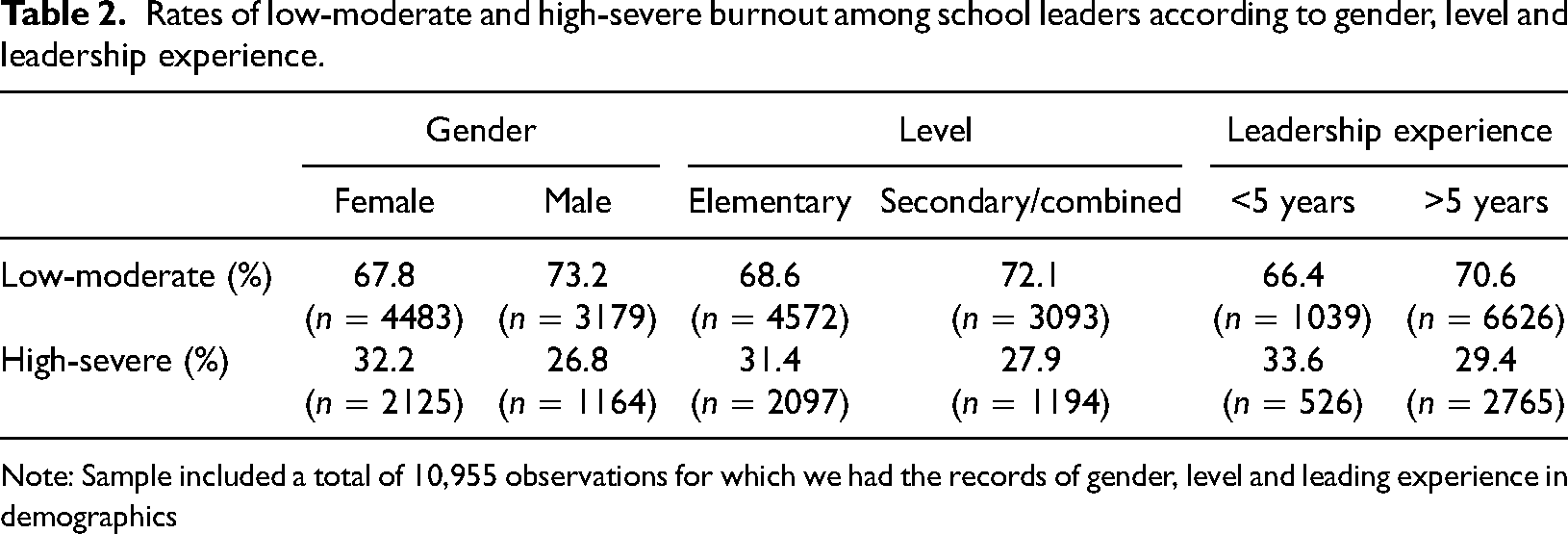
Note: Sample included a total of 10,955 observations for which we had the records of gender, level and leading experience in demographics
Female government school leaders were significantly more likely than male school leaders to report experiencing high levels of burnout. Compared to school leaders in government secondary schools, leaders working in government elementary schools were significantly more likely to report experiencing high levels of burnout. Finally, less experienced school leaders (<5 years’ experience) were significantly more likely to experience high levels of burnout than more experienced colleagues (>5 years’ experience) (see Table 3).
Logistic regression results of government school leaders’ demographics predicting the risk of experiencing high levels of burnout (categorised as ‘high’ or ‘severe’).
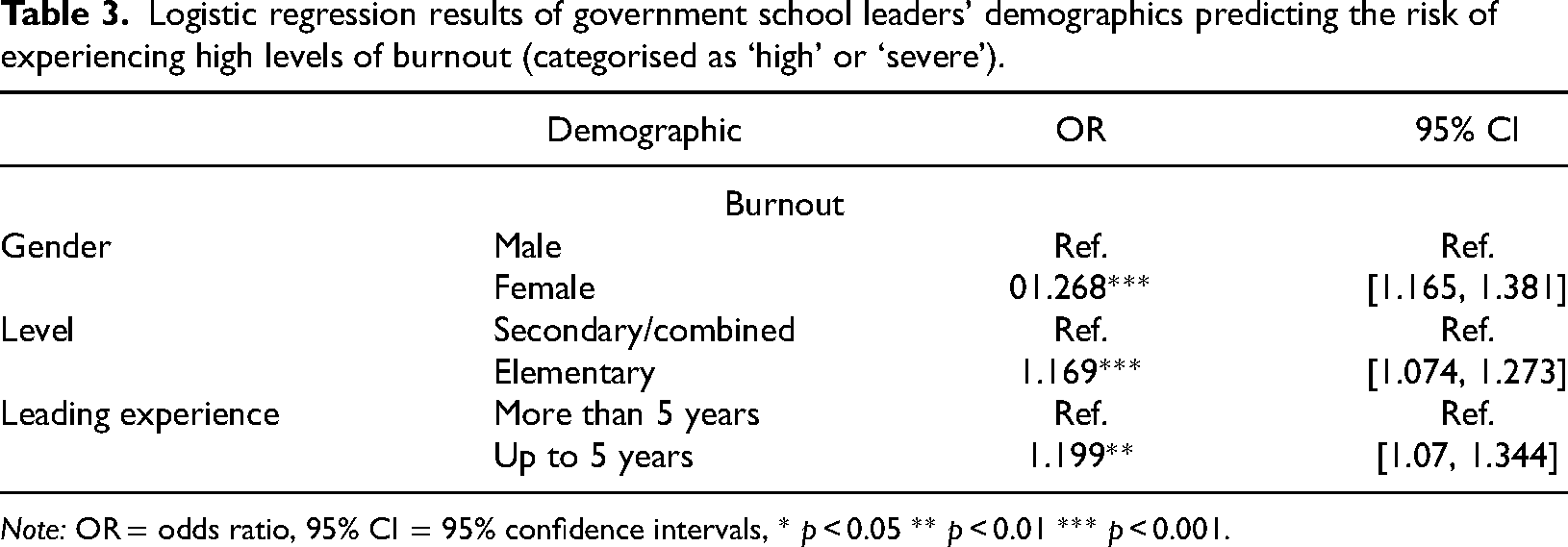
Note: OR = odds ratio, 95% CI = 95% confidence intervals, * p < 0.05 ** p < 0.01 *** p < 0.001.
Stress by gender, school level and experience
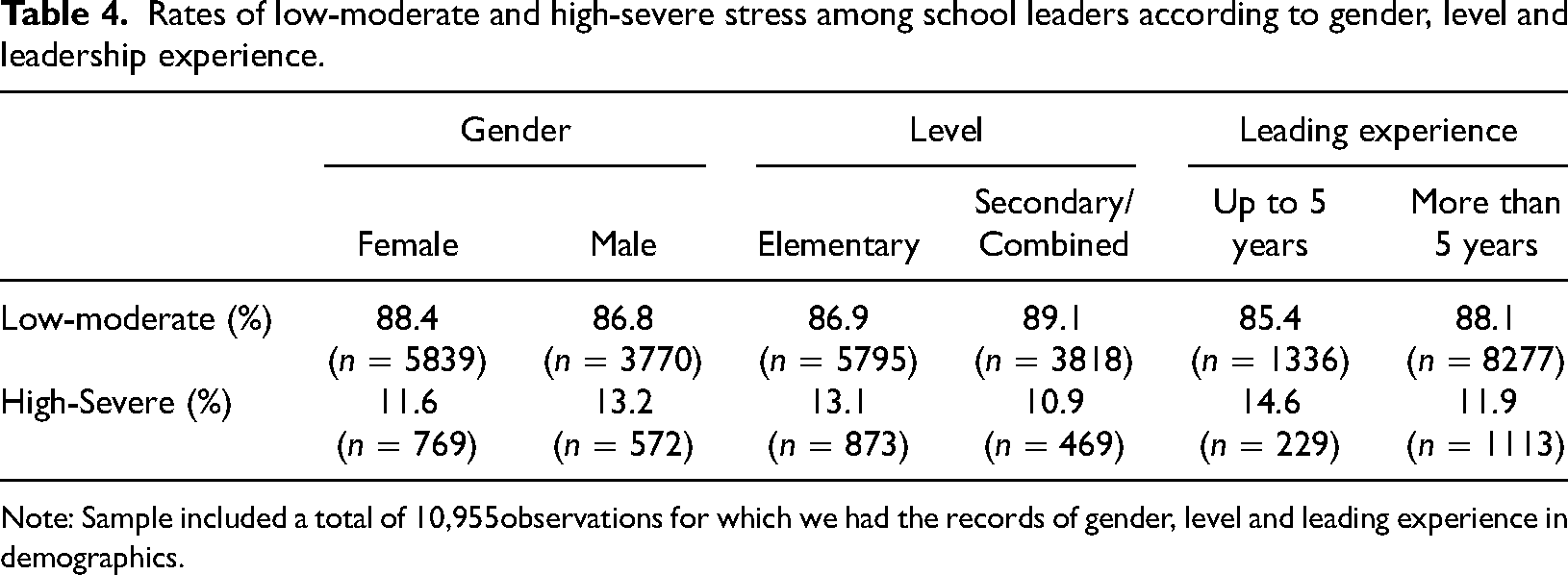
Rates of stress among government school leaders varied slightly according to gender, school level and leadership experience (see Table 4). In the high-severe stress category, the proportion of male leaders (13.2%) was higher than the proportion of female leaders (11.6%); the proportion of elementary school leaders (13.1%) was higher than the proportion of secondary school leaders (10.9%), and the proportion of less experienced leaders (14.6%) was higher than the proportion of more experienced school leaders (11.9%).
Rates of low-moderate and high-severe stress among school leaders according to gender, level and leadership experience.
Note: Sample included a total of 10,955observations for which we had the records of gender, level and leading experience in demographics.
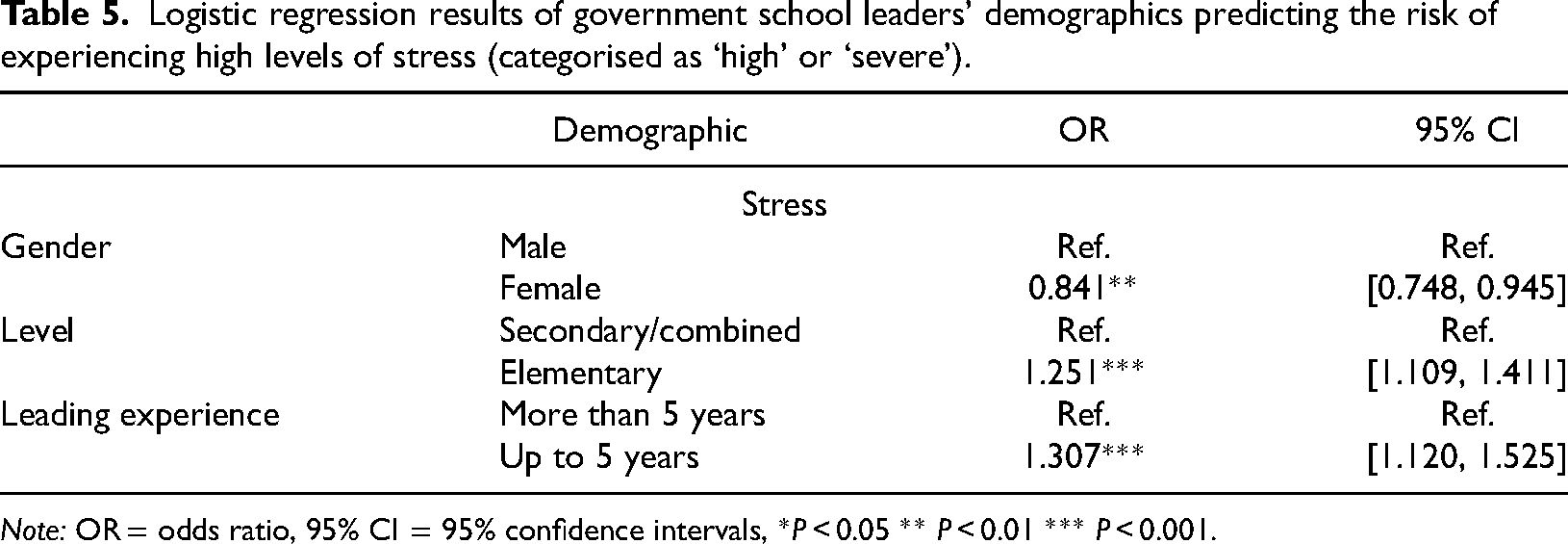
Male government school leaders were significantly more likely than female school leaders to report experiencing high levels of stress. Leaders working in government elementary schools were significantly more likely to report experiencing high levels of burnout than their counterparts in government secondary schools. Finally, less experienced school leaders (<5 years’ experience) were significantly more likely to experience high levels of burnout than more experienced colleagues (>5 years’ experience) (see Table 5).
Logistic regression results of government school leaders’ demographics predicting the risk of experiencing high levels of stress (categorised as ‘high’ or ‘severe’).
Note: OR = odds ratio, 95% CI = 95% confidence intervals, *P < 0.05 ** P < 0.01 *** P < 0.001.
Sources of stress and burnout for school leaders
The analysis of 10 years of data (2011–2020) demonstrates that Australian school leaders rated ‘sheer quantity of work’ and ‘a lack of time to focus on teaching and learning’ as the major sources of workplace stress (see Figure 6). Alongside workload and time pressures, the expectations of the employer, student mental health issues, government initiatives, student and parent-related issues, resourcing and staffing issues were other notable stressors for Australian school leaders between 2011 and 2020.
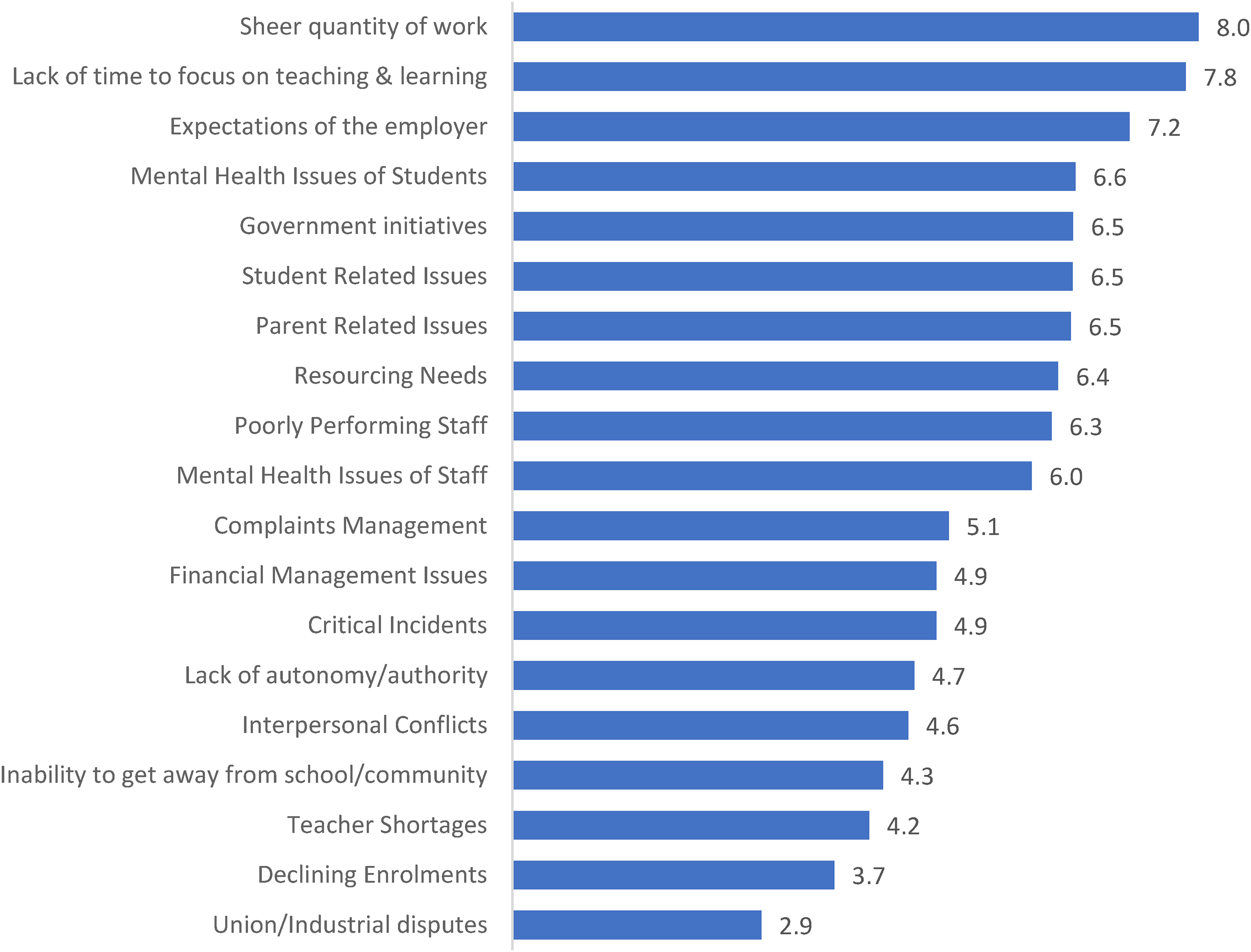
Key sources of stress (mean scores out of 10 – pooled data 2011–2020).
In each year, ‘sheer quantity of work’ was reported as the greatest source of stress at work (see Figure 7). On average, on a scale of 1–10 – (where 1 is the least amount of stress and 10 is the greatest amount of stress), school leaders’ ratings of ‘sheer quantity of work’ as source of stress ranged between 7.8 and 8.3. School leaders’ ratings of ‘lack of time to focus on teaching and learning’ ranged between 7.5 and 8.1. Between 2019 and 2020 both sources of stress decreased. However, over the last 2 years, there is evidence that these sources of stress have increased alongside increases in stressors related to teacher shortages and staff and student mental health (See et al., 2023).
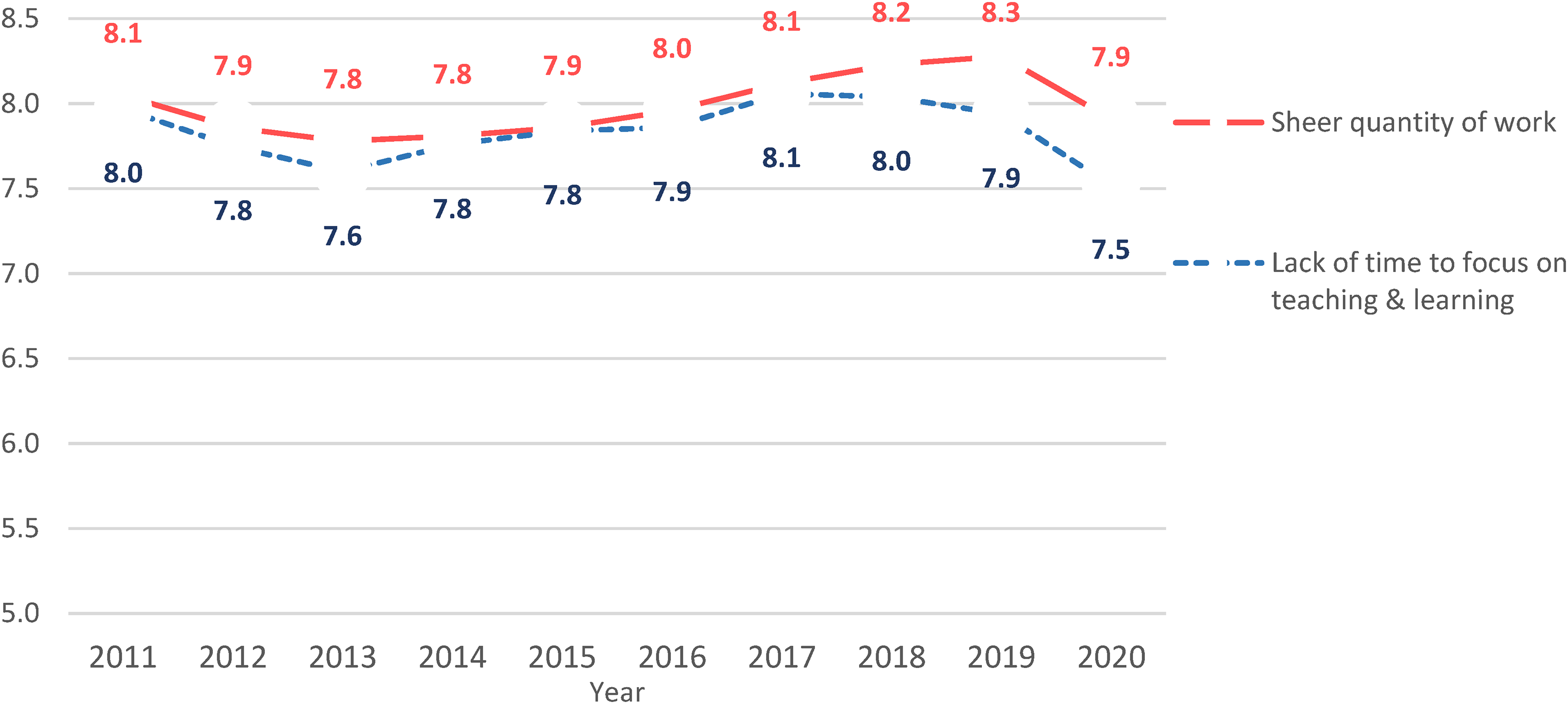
The two main sources of stress over 10 years (2011–2020).
Discussion
The present study aimed to examine the extent of self-reported stress and burnout among Australian school leaders. These measures are indicators of possible signs of exhaustion among school leaders. The results demonstrated that a significant proportion of Australian school leaders frequently suffer adverse mental health outcomes and the situation appears to have deteriorated in recent years. Analysis of the pooled prevalence for all years determined that 24% of school leaders were in the ‘high’ burnout category and 4% were in the ‘severe’ burnout category while 11% were in the ‘high’ stress category and 1% were in the ‘severe’ stress group. Furthermore, the rates of burnout have increased in recent years; in 2020, the proportion of school leaders in the ‘high’ and ‘severe’ categories of burnout was higher than all other years of the survey. The increase in 2020 took place in the context of the COVID-19 pandemic. This can be attributed to the overall deterioration of school leaders’ mental health, in particular, in relation to less predictability of work and higher levels of stress and depressive symptoms in 2020 (Arnold et al., 2021).
The results align with recent studies of school leader burnout in other contexts. Persson et al. (2021) determined that 29% of school leaders in Sweden met the criteria for burnout. Although the present study did not use a clinical measure of burnout, the results determined that 28% of school leaders were in the high or severe burnout categories, indicating that they very frequently experienced symptoms of burnout. A comparison of the results from the present study with those from studies of burnout among other professionals in Australia indicates that school leaders may be at elevated risk of suffering burnout. For example, using the same measures of burnout as the present study, Creedy et al. (2017) determined that 17.4% of midwives experienced high burnout and 1.4% suffered severe burn out. In a study of burnout among Australia psychologists, McCade et al. (2021) determined that 27.8% of participants were in the moderate to severe burnout range. This compares to the pooled prevalence of 67% of school leaders who were in the moderate to severe categories in the present study.
In terms of stress, the proportion of school leaders very frequently experiencing stress (high and severe categories) was 12%. Compared to other studies of teaching professionals in Australia (Carroll et al., 2022) and teachers and school leaders in the United States (Steiner et al., 2022), the proportion of school leaders who report frequently experiencing stress appears to be quite small. However, stress is a difficult concept to operationalise and research into stress among teaching professionals employs many different measures. Many studies rely on the use of single items to measure and assess teacher stress (OECD, 2020; Steiner et al., 2022). For example, Steiner et al. (2022) use the one-item measure ‘How Often Has Your Work Been Stressful?’ to determine the proportion of school leaders that experience ‘frequent job-related stress’. This demonstrates that comparisons between professions and populations are more problematic than within sample population comparisons due to contextual and methodological differences, such as the use of different measures of stress and burnout, variance in the sample population and different dates of data collection.
The analysis determined significant differences in school leaders’ experiences of stress and burnout according to gender, school level and level of teaching experience. Compared to their male counterparts, female school leaders were significantly more likely to be in the high-severe burnout category. This is consistent with research into school leader burnout in the United States (Steiner et al., 2022) and Sweden (Persson et al., 2021) which has determined that female school leaders report experiencing higher levels of burnout than their male counterparts. The findings also align with research into gendered burnout beyond the school leadership profession. For example, in a meta-analysis of the relationship between gender and burnout in working populations, Purvanova and Muros (2010) determined that women are more likely to report work-related emotional and physical exhaustion. There is evidence that the gendered norms, including the perceived or expected roles of women in their lives outside of work, such as the disproportionate burden of childcare and household responsibilities, may contribute to feelings of fatigue and exhaustion (Alsharawy et al., 2021).
In terms of stress, male school leaders were significantly more likely than female leaders to be in the high-severe stress category. This contrasts with research into gender and stress among Australian school teachers which has shown that female teachers reported higher levels of stress than males (Carroll et al., 2022). The findings also contrast with research into school leader stress in the United States which has determined that a greater proportion of female leaders regularly experience job-related stress (Nilsson et al., 2022). There is some evidence that masculine role norms influence work-related stress and mental health (Boettcher et al., 2019). Further research is needed to examine gendered norms and experiences of work and the consequences this has for leaders’ mental health.
School leaders working in elementary schools were more likely to be in the high and severe stress and burnout categories than leaders of secondary schools. Studies of stress and burnout among school leaders in Australia have shown that elementary school leaders average stress and burnout scores are slightly higher than leaders in secondary schools (Riley, 2018; Riley et al., 2021). This aligns with research into teacher stress in Australia where elementary school teachers report higher levels of stress than secondary school teachers (Carroll et al., 2022). The nature of work in elementary schools may increase stress for leaders in this setting (Carroll et al., 2022). For example, school leaders in elementary schools may have closer relationships with members of the school community and be more emotionally invested in their work (Beausaert et al., 2016). In elementary schools, leaders are also required to regularly administer high-stakes national tests, and engage more regularly with students and parents (Carroll et al., 2022).
Leadership experience was significantly associated with differences in stress and burnout. The analysis determined that less experienced school leaders (less than 5 years’ experience) were more likely to be in the high-severe categories for both stress and burnout than leaders with more experience (more than 5 years’ experience). This is consistent with previous research in Australia which has determined that less experienced school leaders (Riley et al., 2021) and early career teachers (Carroll et al., 2022; Plunkett and Dyson, 2011) are more likely to experience higher levels of stress and burnout than colleagues with more experience. However, the findings contrast with the results of a recent national study of stress and burnout in the United States where teaching professionals with 6–10 years of experience had significantly higher levels of both stress and burnout than teachers with either less than 6 years’ experience or more than 10 years’ experience (Carroll et al., 2022).
The two major sources of stress reported by school leaders, sheer quantity of work and lack of time for teaching and learning’ were related to workload and time pressures. This aligns with other research demonstrating that the concurrent operational, administrative and teaching responsibilities are very demanding on school leaders and lead them to work long hours (Heffernan et al., 2022; OECD, 2020; Oplatka, 2017). In Australian schools, leaders are often required to deftly navigate diverse roles and balance competing responsibilities, spanning teaching and learning leadership, budgeting and administration, school management, community relationships, staff performance management, data collection and analysis, and interactions with external entities (Riley, 2018; Riley et al., 2021). Amid these multifaceted roles, leaders also must cope with persistent yet sporadic interruptions (Sebastian et al., 2019).
The challenges of the role are compounded by the intensification of bureaucratic tasks in the education system (Skaalvik and Skaalvik, 2017). Increased bureaucratic tasks and accountability requirements, often deriving from new policies or initiatives, can contribute significantly to this stressor, detracting educators from their core mission: the leadership of teaching and learning. The stressors related to ‘expectations of the employer’ and ‘government initiatives’ further underscore the pressure exerted on school leaders by external mandates, potentially fostering an environment conducive to occupational stress (Johnson et al., 2005).
Moving towards a more equitable distribution of administrative tasks could markedly reduce the prevalent stressors faced by Australian educational professionals, fostering a more enduring and gratifying work atmosphere. However, implementing such changes would call for alterations that surpass the confines of an individual or a single school, necessitating broader modifications in educational policies and administrative procedures. The Australian Government has recently pledged to invest $25 million with interested states and territories, to pilot initiatives to reduce workload. For these initiatives to have a positive impact on school leaders' workloads, it is important to address the top-down pressures placed on school leaders working within bureaucratic school systems as well as the demands that leaders face from members of the community rather than viewing the issue as a school-level problem that can be resolved through leadership training and development. Most importantly, efforts to reform school leaders work should always be developed in participation with school leaders and with the authorisation of policymakers and systems administrators who are open to creating healthier and more supportive school systems. Externally facilitated, participatory programmes that involve policymakers, administrators, leaders and teachers are emerging (e.g., Sanetti et al., 2022).
The study has several strengths including the large sample size and multiple years of data collection; however, there are some limitations that should be taken into account. In this study, we classified responses to stress and burnout into low, moderate, high and severe categories. However, creating fixed benchmarks for scales can be problematic what is ‘normal’ varies between scales and populations. Furthermore, comparisons with school leaders from other countries and other professionals from Australia should be interpreted with caution due to differences in sample compositions, measures of stress and burnout and years of data collection.
Conclusion
Almost one-third of Australian school leaders frequently experienced symptoms of burnout and almost one in eight frequently experienced stress. This indicates that a large proportion of school leaders working in Australian schools could be at risk of mental injury and negative mental health outcomes. School leaders that were female, working in primary schools or had less than 5 years appear to be at higher risk of experiencing frequent symptoms of burnout. School leaders who are male, working in primary schools or less experienced appear to be at higher risk of experiencing frequent symptoms of stress. Over the 10 years, a large proportion of the leadership population consistently experience high levels of burnout indicating that efforts to reduce risk and promote mental health are required at both the systemic, organisational and individual level. Given that school leaders are at high risk of facing mental injury at work, policymakers have a duty to listen to leaders about the demanding nature of their roles, identify and assess psychosocial risks within the leadership workforce and develop federal, state and school level policies, interventions and support to reduce risk and promote a sustainable, healthy profession.
The stressors ‘sheer quantity of work’ and ‘lack of time to focus on teaching and learning,’ were identified each year as the top causes of stress over the 10 years. They demonstrate that urgent action is required to reduce principal workload and develop healthy, supportive systems that enable school leaders in different locations to do their work. Policymakers and school system administrators must consult with school leaders about the workload challenges that they face, and work with them to create healthier more sustainable leadership roles. School leader workload will only be reduced through a collective process that acknowledges that change must take place within both schools and school systems. Policymakers and systems administrators must consider how to design school systems that support school leaders and other education professionals to focus on the activities that matter to them – supporting student learning and wellbeing.
Footnotes
Declaration of conflicting interests
The author(s) declared no potential conflicts of interest with respect to the research, authorship, and/or publication of this article.
Funding
The author(s) disclosed receipt of the following financial support for the research, authorship, and/or publication of this article: This article was supported by a grant from the Australian Research Council to Professor Phil Riley and colleagues at the Australian Catholic University (LP160101056).
