




Abstract
The function of school leadership has been significantly changed by the multi-layered school context to meet the demands of stakeholders. Increasing autonomy and accountability pressures have made it difficult to maintain the balance of principals’ tasks, which gives rise to a variety of challenges. This study adopted a descriptive quantitative form of a systematic review to analyse 169 related studies about the challenges faced principals and research-informed coping solutions for such challenges published in the international journals indexed by the WoS, SCOPUS, and ERIC databases between 2001 and 2020. This analysis identified 734 contextual challenges, including challenges related to principals’ roles and actions (31.3%) influenced by institutional contexts (24%), socio-cultural contexts (11%), stakeholders (3.4%), and parents (5.2%). Additional contextual challenges were related to the leading staff (6%) and teachers (7.9%). Finally, 11.2% of the contextual challenges corresponded with concerns about student performance. This research highlights the need for modifying leadership preparation programs in a context sensitive manner, active participation of all stakeholders in setting school targets and methods for achieving them, and creating a supportive culture that encourages mutual progressive trust between governments, local communities, and school principals.
Keywords
Introduction
The growing emphasis on school autonomy and accountability policies has increased the intensity and complexity of school principals’ work (DeMatthews et al., 2020; Pont, 2020; Pont et al., 2008; Tan et al., 2020). Principals are now expected to be an ‘instructional leader, human resource manager, financial planner, strategic advisor, counselor, staff and parent mediator, mentor, [and] coach’ (Wicher, 2017 p. 24), and each of these roles must be sensitive to the context (Hallinger, 2018a). For instance, principals need to develop leaders’ understanding of stakeholders expectations in different contexts (Brauckmann et al., 2020; Clarke and O’Donoghue, 2016; Wieczorek and Manard, 2018) and ensure that the ever-growing and changing demands both within and outside of school are met (Earley, 2016; Gumus et al., 2018; Pan and Chen, 2011). The changing expectations around principals’ attitudes, values, norms, behaviours, and practices in different educational and cultural contexts has created challenges for maintaining the balance of principals’ tasks—challenges that could hinder school functioning and day-to-day operations (Huber, 2004; Oplatka, 2004).
With these increasing expectations following the growing complexity of the job of principal, scholars have developed an interest in understanding the challenges facing principals in a wide variety of roles. For instance, research has provided empirical evidence clarifying the challenges facing novice principals (e.g. Karakose et al., 2014; Pineda-Báez et al., 2019; Spillane and Lee, 2014; Tahir et al., 2021), public school principals (e.g. Hallinger et al., 2017a, 2017b; Mansor et al., 2020; Maxcy et al., 2010), and female principals (e.g. Altinkurt and Yilmaz, 2011; Cruz-González et al., 2020; Ndebele, 2018), as well as challenges that emerged due to their role as instructional leader in rural schools (Wieczorek and Manard, 2018) and varying demands and expectations from diverse stakeholders (Wong and Liu, 2018). In response to such a large body of literature, there has been an increasing enthusiasm among educational scholars to systematically review studies on the problems faced by school principals (Tintoré et al., 2020; Wise, 2015).
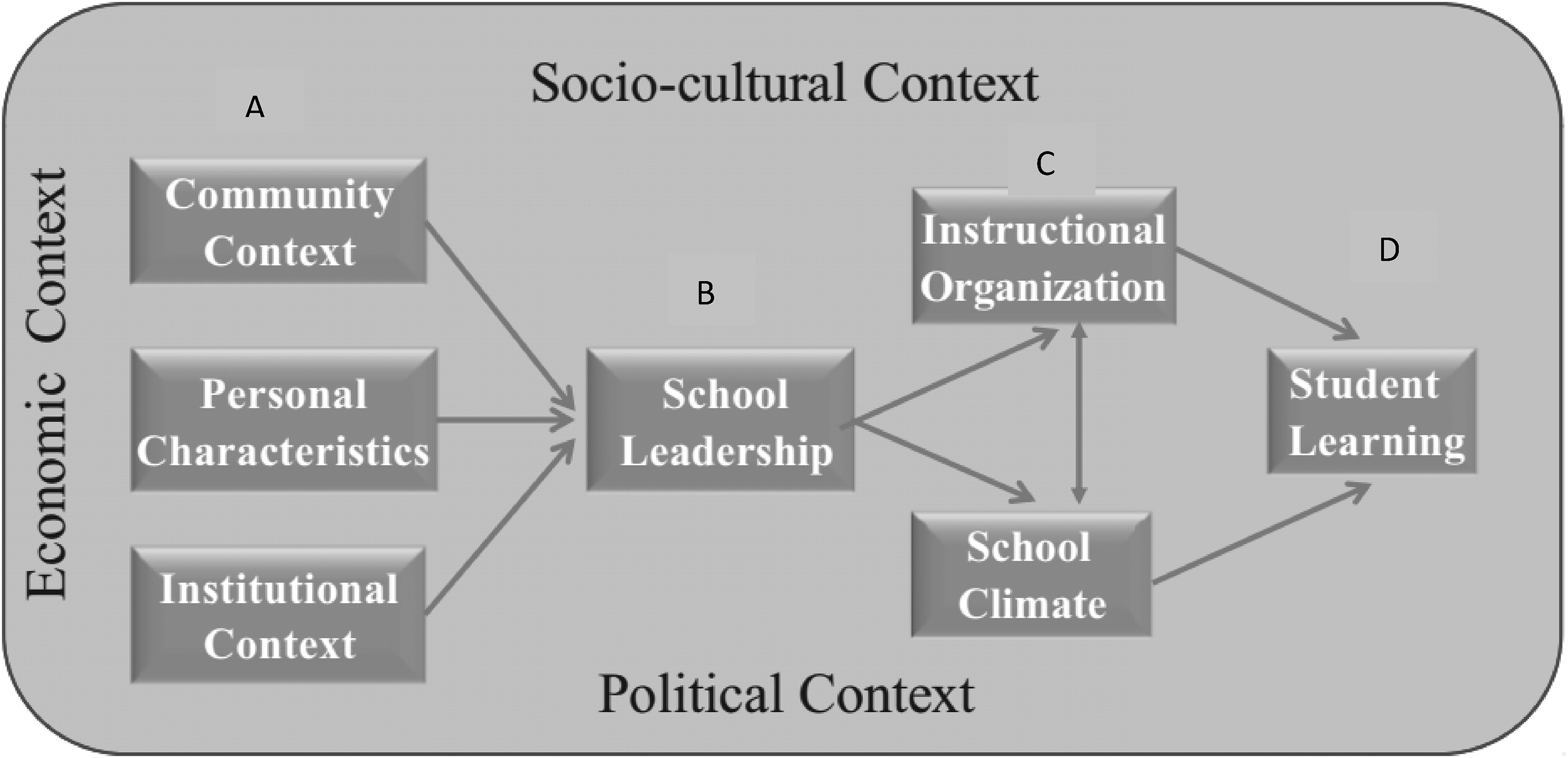
Conceptual framework (from Hallinger, 2018a).
However, the available meta-analytic literature on the challenges facing principals is lacking on two main fronts. First, while there is considerable evidence of the challenges situated in specific national contexts (often with relatively small samples), far less is known about the problems and challenges facing school leaders in different contexts (Tintoré et al., 2020). Second, despite the considerable endeavour among scholars to identify challenges, there is a substantial literature gap regarding responses to these challenges. That is, we are aware of various problems facing principals but we do not have much knowledge about what researchers offer as coping solutions to these problems. Thus, the key contribution of this review is to synthesise a range of contextual challenges alongside research-informed coping solutions. We believe this study could contribute to the work of school principals by enabling them to compare the challenges they face with other principals working in different contexts, as well as to benefit from solutions posed by researchers. It also bears potential to provide evidence for future researchers to focus on solutions tailored to the challenges of different, multi-layered school contexts, as well as to aid policymakers in enhancing the capacity of school leaders through preparation and training (Pont et al., 2008). The following research questions guided the review:
Conceptual framework
Consistent with scholars in the field of education, we use ‘challenge’ interchangeably with ‘problem’ (e.g. Brauckmann et al., 2020; Spillane and Lowenhaupt, 2019; Tintoré et al., 2020), however, these terms are not semantically the same. Spillane and Lowenhaupt (2019) argue that defining problems is a difficult job because problems are not tangible things that lurk under the floorboards of the schoolhouse, awaiting discovery by a new principal. Problems are social constructions built on the subjective interpretations of those who encounter them; thus, a problem emerges in the ‘gap between desired and actual state’, which leads to a challenging situation (Tintoré et al., 2020). In line with Spillane and Lowenhaupt (2019), we believe that many of the challenges that principals confront can be solved, while others should be managed. Therefore, in this study, we use the term ‘challenges’ mean problems that, when clearly identified, can be effectively addressed by policymakers and principals.
To provide a proper structure to categorize the identified challenges facing principals, this review adapted a conceptual framework (Figure 1) developed by Hallinger (2018a), originally based on the Far West Lab instructional management model (Bossert et al., 1982). This framework highlights context and personal antecedents (labelled A); leadership/management roles and actions (B); the features of school organization, teachers, curriculum, and instruction (C); and school outcomes and student learning (D). Based on this framework, the challenges facing principals can arise from numerous factors associated with the context, leadership background, leadership/administrative practices and behaviours, features of school organization, curriculum, and teachers, as well as students and the interplay among them.
Contextual factors here are the key to understanding challenges since they are strongly linked to the nature, quality, and effectiveness of school leadership practices, as well as their outcomes (e.g. school structure, processes, and student learning) (Hallinger, 2018a; Harris and Jones, 2018; Pashiardis et al., 2018). The literature highlights that the contextual elements in these different levels have tremendously altered the nature of school leadership practices and redefined the responsibilities of principals over time (Earley, 2016; Pont, 2020). This context manifests itself through the macro-social, political, institutional, economic, cultural (Hallinger, 2018a), and national and local levels (Brauckmann et al., 2020; Harris and Jones, 2018). Other contextual factors might include the ‘socio-economic, educational, and family context’ (Pashiardis et al., 2018, P. 6), as well as ‘situated, professional, material, and external conditions’ (Braun et al., 2011; Clarke and O’Donoghue, 2016). At the micro level, the differences between schools (e.g. primary/secondary, urban/rural, public/private, etc.) might indicate the school context factors (Hallinger, 2018a). This conceptual framework implies that these macro- and micro-dimensions of the context shape and challenge the practices of school leaders to influence school structures, resources, processes, and teachers and to improve teaching and learning (Hallinger, 2018a).
Methodology
In this study, we employed a descriptive quantitative form of a systematic review of research (Hallinger, 2013) to identify, analyse, and synthesise the results of previous studies on the challenges faced by school principals and the coping solutions they employed, based on global experiences. In this section, we describe the methods used to identify the sources in the databases used for this review, extract information from the individual documents, and analyse the findings drawn from the documents.
Identifying sources for the review
We conducted an extensive internet search to find relevant peer-reviewed studies published between 2001–2020 by searching the Scopus, Web of Science (WoS), and Education Resources Information Center (ERIC) databases, which have been recognized as the main respected sources that publish high-quality research and were used by in the majority of previous reviews in this area (e.g. Hallinger, 2019; Kılınç and Gümüş, 2021; Tintoré et al., 2020). We selected this period because concerns around successful school leadership and management were initially attributed to the International Successful School Principal Project in 2001, which remains ongoing (Gurr, 2015). The review selection process, adapted from Moher et al. (2009), is illustrated in the PRISMA flow chart in Figure 2. According to our analysis, the Scopus database covers 62% of the total articles (105 peer-reviewed articles), demonstrating the richness of this database for our study. To ensure that the current research covered all relevant studies, we extended our search to the Web of Science and ERIC databases as well. The Web of Science and ERIC databases each provided 19% (32 peer-reviewed articles) of the total papers. It is worthy to note that 31 of the studies (14%) in our sample were common across all three of the databases.
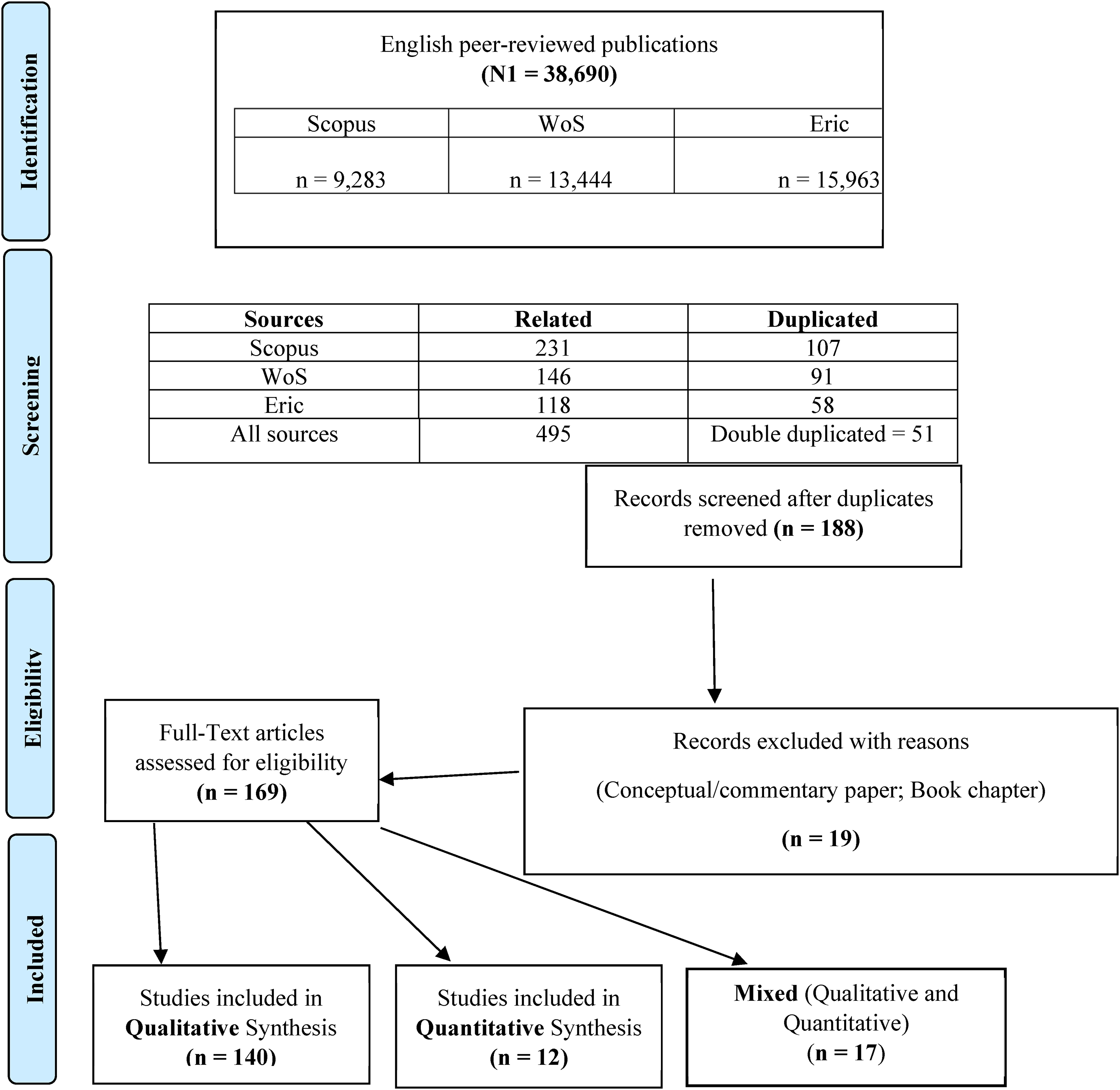
The review selection process is based on PRISMA flow chart.
A keyword search, which is the most preferred strategy for identifying relevant sources within a database, was conducted in the international English-language journals indexed in the three databases using the following terms: ‘problems or challenges of school principals’, ‘issues in educational management and leadership’, ‘challenges of principal leadership and school management/administration’, ‘challenges of school leadership and management and administration’, ‘issues in school leadership and management’, ‘educational leadership's issues and challenges’, ‘challenges of school leadership’, ‘issues and challenges of principalship’, ‘management and leadership issues for school’, ‘issues and challenges of school leaders’, ‘challenges of school principal management and leadership’, ‘current issues in school leadership and school principal’, ‘barriers and obstacles to school leadership and school principal’, and ‘international successful school principals project (ISSPP)’
Data extraction and analysis
After identifying the relevant articles, their data were extracted into an Excel spreadsheet. In addition to extracting demographic information (title of the article, the author(s), journal, study year, publication volume, country, and subject area), the theoretical and methodological details relating to each paper—including research foci, variables, research questions, conceptual model, research method (i.e. qualitative, quantitative, mixed-method), sample, data analysis methods, and findings—were extracted and coded immediately. Initial codes were used to describe the publication patterns over time and across different regions of the world. Additionally, a research approach employing descriptive statistics was used to code the tables and graphs.
In the second phase of analysing data, content analysis methods were applied to identify the challenges and solutions mentioned in the studies. In the first step, the researchers engaged in line by line coding of the study findings to classify the challenges they outlined. Then, the themes that emerged were categorized according to Hallinger's (2018a) framework into four domains: contextual antecedents, leadership roles and actions, features of school organization, and student outcomes. Finally, the themes based on the four domains of the conceptual model were coded and categorized according to the educational systems of the developing and developed countries, because principals operate under different role sets in highly centralised versus more decentralised systems. According to the conceptual framework of this study, the contextual antecedents included institutional, community, and political factors. Institutional context referred to the education system and the state, regional, or district units that comprise it. The community context that emerges out of features, such as the area's socio-economic status and whether schools are urban and rural, are linked to differences in the allocation of physical and financial resources. The political context shapes the beliefs, attitudes, and normative practices of school leaders. Moreover, a country or region's level of economic development shapes many of the conditions that impact a principal's work, including teacher quality, class size, per-pupil expenditures, parental education and involvement, school facilities, size and quality of libraries, and access to technology. Finally, leaders must adapt their leadership styles in ways that conform to the prevailing values and norms in their different socio-cultural contexts. The solutions were also coded based on the implications and suggestions proposed by the scholars in each paper.
Limitations
The current review was limited in several ways, and these limitations should be considered when interpreting the results. The first limitation can be attributed to the scope of the reviewed studies. Since we conducted our search based on peer-reviewed publications in international journals, we could have missed peer-reviewed non-English publications from national and/or regional databases. Second, because this review involved analysis of a large number of documents, we are only able to provide a general view of the challenges and associated coping solutions. Thus, we are unable to reflect a deeper understanding of the challenges of each individual study's context—a typical limitation of this type of systematic review of literature. A final limitation involves the variety of the keywords under investigation. Although we conducted an extensive search of three comprehensive databases in the field of education, there were still instances where we were unable to retrieve the full text of articles.
Results
This section details the results of our analyses by first describing the general characteristics of the publications in the study sample. Then, we present an analysis of the themes that emerged from the principals’ challenges and researched-informed coping solutions, considering the theoretical framework of the study. For each theme, we first list the most frequent challenges, before outlining the solutions proposed by the researchers.
General description of the studies
Here we provide a general description of the reviewed studies, including their volume, geographical distribution, and research methods employed.
The volume of publications
The analysis of the year of publication indicated a sharp and consistent uptick in the publication volume over the 20-year period from 2001 to 2020. Notably, the number of publications gradually increased after 2010. While only 32 articles were published between 2001–2010, after 2010 this number increased to 137 articles (81%). The number of articles in this area continued to rise to 106 published articles (63%) since 2014 onwards, demonstrating an overall increase among scholars in the challenges faced by school principals (see Figure 3).
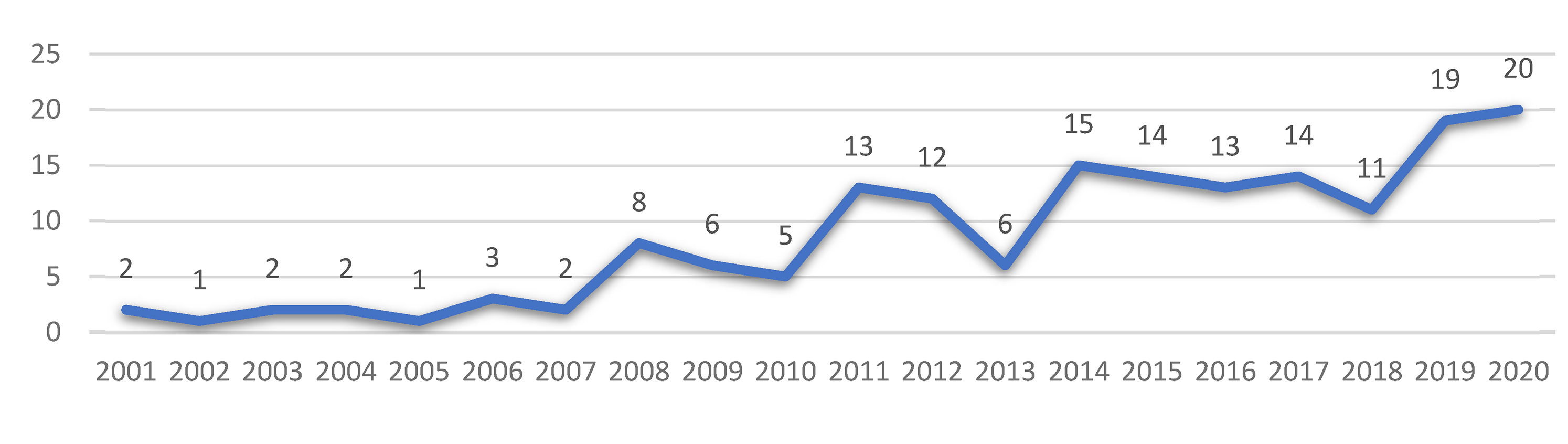
The publication volume over time, 2001–2020.
Geographical distribution
The results of the review indicated that more than 40 countries, from across all continents, had publications concerning this topic. Asian countries had the greatest number of publications, with 40 total (see Figure 4). The single country with the highest volume of publications in this field was the USA (n = 24). Notably, 23 articles in the sample involved multinational studies (13%). Further analyses revealed that 91% of the studies were conducted in urban school environments, while only 9% were situated in rural schools.
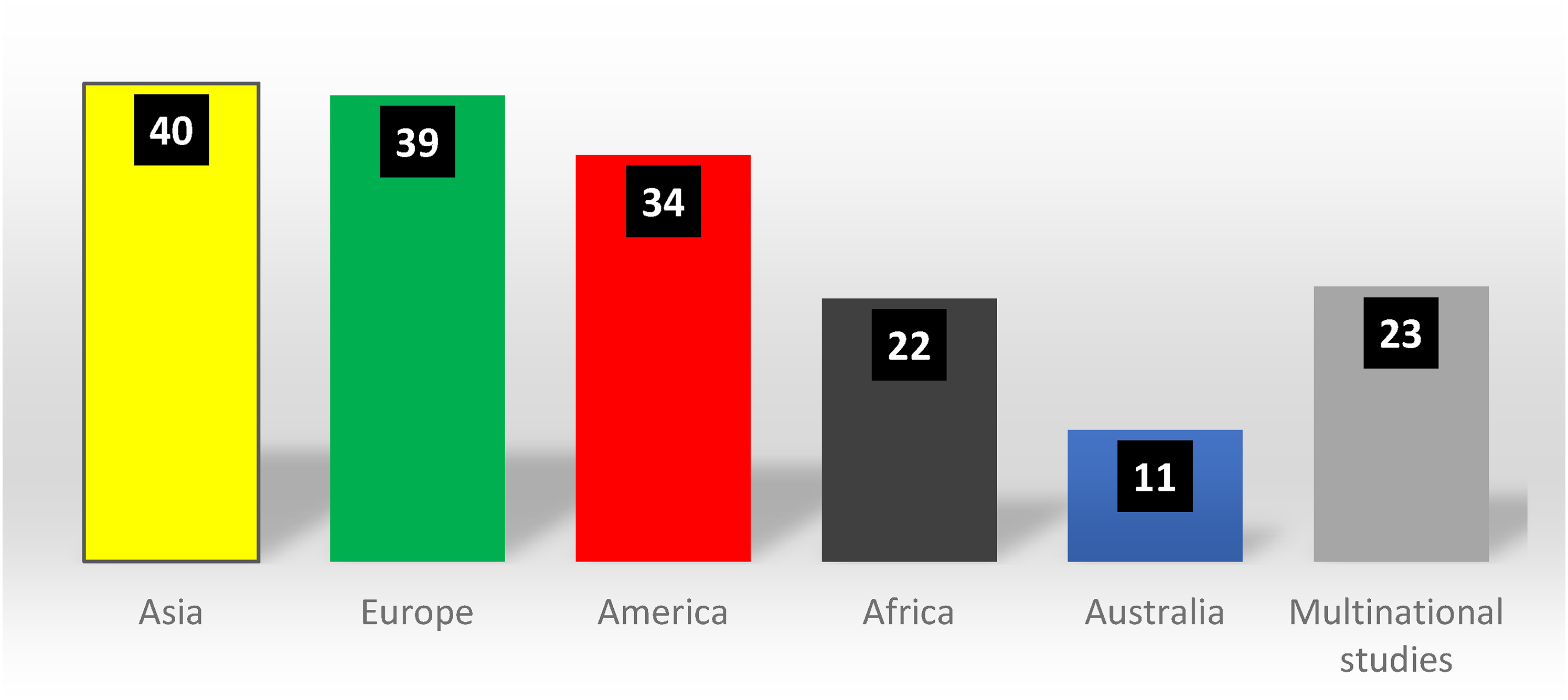
Number of articles by continent.
Research methods employed
Our analysis also sought to track the research methods employed by the scholars authoring empirical papers within this dataset. The results revealed that most of the studies (83%) involved qualitative research approaches. Mixed methods approaches comprised 10% of the reviewed articles, while only 7% of the articles were based on a quantitative research approach (see Figure 5)
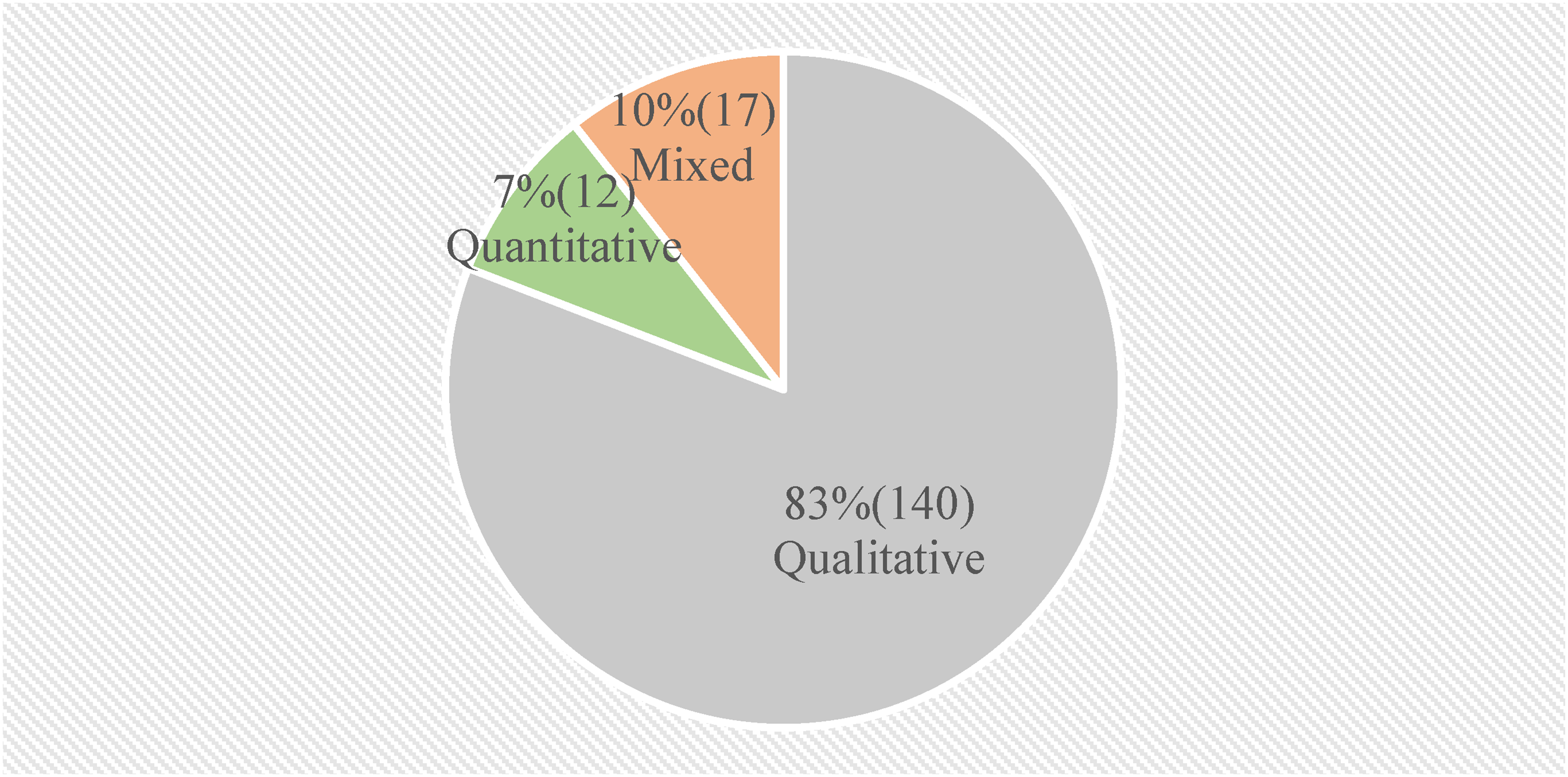
Distribution of studies by research approach.
Challenges and solutions
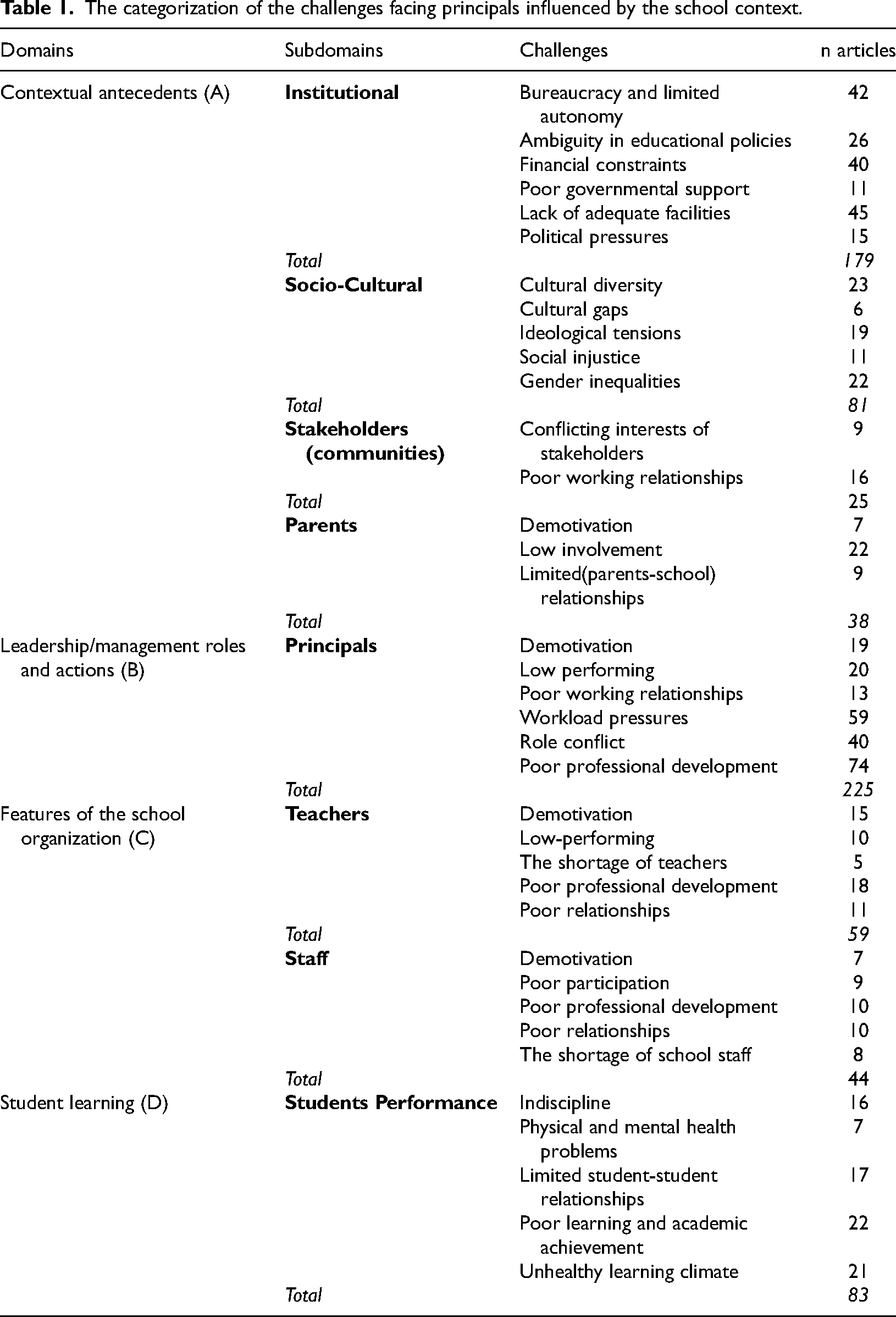
This section categorizes the challenges faced by principles, as well as their coping solutions, based on the conceptual framework of the study. The content analysis of the reviewed articles identified 734 challenges that were categorized into four main domains: contextual antecedents (institutional [24%], socio-cultural [11%], stakeholder [3.4%], and parent [5.2%] challenges), leadership/management roles and actions (31.3%), the school organization (teacher [7.9%] and staff [6%] challenges), and student performance challenges (11.2%) (Table 1). As indicated in Table 1, most of the challenges centred around principal roles and practices (31.3%) and institutional contexts (24%).
The categorization of the challenges facing principals influenced by the school context.
Contextual antecedents
Challenges and solutions in the institutional context
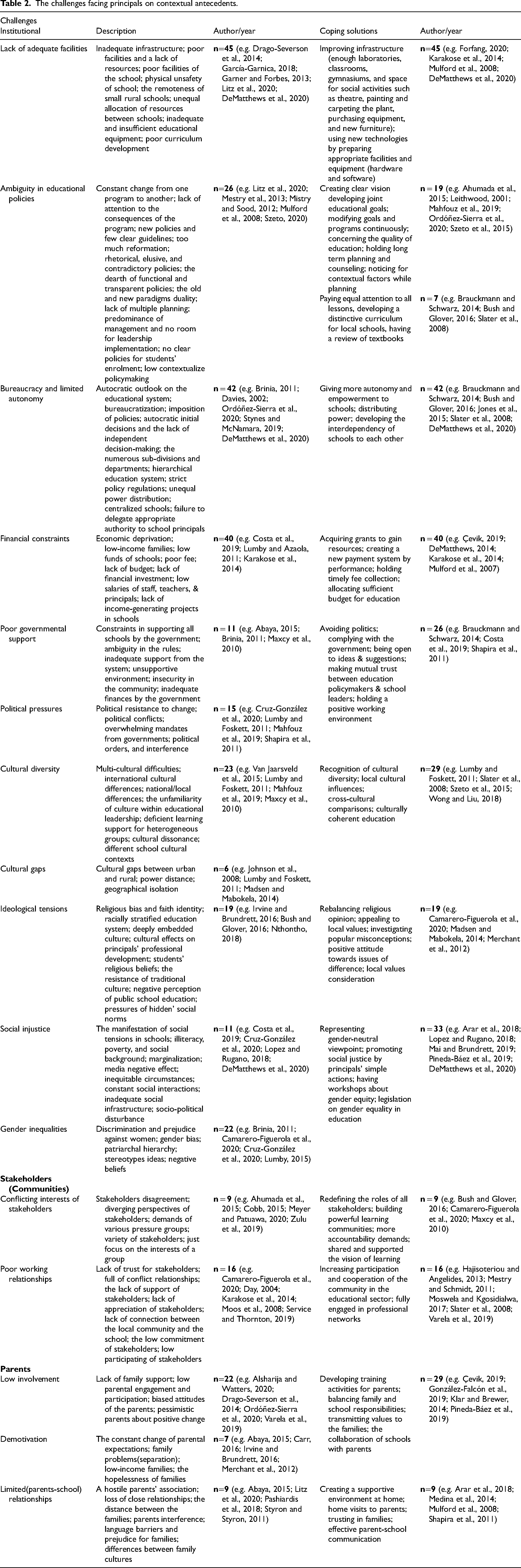
In this context, system centralisation or decentralisation represents the most dominant force shaping the task environment of principals. According to the results, an autocratic outlook on the educational system, bureaucratisation, and political orders functioned as the main challenges that principals faced in centralised systems (Akkary, 2014; Bailey and Gibson, 2019; DeMatthews et al., 2020). Our review revealed that constant change from one program to another and lack of attention to the consequences of the program made principals confused, especially in decentralised education systems (Davies, 2002; Garza et al., 2014). Moreover, inadequate and insufficient educational equipment resulting from low school funding, lack of financial investment, and even governmental budgeting were among the challenges that concerned principals in this area (Table 2) (Karakose et al., 2014; Sandoval-Estupiñán et al., 2020).
The challenges facing principals on contextual antecedents.
Whether operating in a centralised or decentralised educational system, it is essential that administrators and policymakers account for contextual factors while planning, in order to cope with institutional challenges (Gurr et al., 2006; Huong, 2020). Researchers have suggested that the relationships between educational policymakers and school leaders must be based on mutual trust and the power should be distributed, particularly in developing countries (Forfang, 2020; Poon-McBrayer, 2017). Such scholars contend that schools should enhance their collaboration by developing interdependency with each other, and that principals must persuade different stakeholders as well as the government to allocate grants for improving infrastructure (Brauckmann and Schwarz, 2014; Noman et al., 2016; Ozen, 2019).
Socio-cultural context
Our analysis revealed that some key challenges for principals may arise from socio-cultural norms (Table 2). The differences between national and local cultures, especially in multicultural countries (see Gillett et al., 2016 [Australia]; Lumby and Foskett, 2011 [South Africa]; Pisapia et al., 2013 [USA, China, and Hong Kong]); gender bias, particularly against women (Altinkurt and Yilmaz, 2011; Shah, 2009); and stereotypes and religious bias (Camarero-Figuerola et al., 2020; Nehring and Lohmeier, 2010; Romanowski et al., 2018) were reported as the common socio-cultural challenges within South American, Asian, and African countries in the reviewed studies.
The reviewed studies explained that principals can manage and resolve socio-cultural challenges by recognising cultural diversity, appealing to local values (Pisapia and Pang, 2013), rebalancing religious opinions (Arar et al., 2018), representing gender-neutral viewpoints (DiPaola and Walther-Thomas, 2003), and promoting social justice (Johnson et al., 2008).
Stakeholders and parents
Dealing with diverging perspectives and managing the demands of various groups are arduous tasks for the principals of developed countries like the USA, England, and Spain (Table 2). Meanwhile, in other contexts, principals face problems due to the low commitment and participation of stakeholders and local communities (Forfang, 2020; Karakose et al., 2014; Klar and Brewer, 2013). When talking about parents, this case is even more complicated. The results showed that low parental participation and differences between family cultures are important challenges for the principals of developing countries such as Turkey, the UAE, and Qatar (Litz et al., 2020; Romanowski et al., 2018).
To manage these challenges, it appears that the roles of all stakeholders, especially those within local communities, should be redefined to increase their participation and cooperation, and to build a powerful learning community in both developed and developing countries (Bailey and Gibson, 2019; Camarero-Figuerola et al., 2020; Nehring and Lohmeier, 2010; Webb et al., 2012). Some scholars suggest considering and being sensitive to parents’ cultural backgrounds and norms, which may differ from those of the school faculty and staff. Specifically, effective collaboration between schools and parents in the developing countries of Asia and Africa could be enhanced by balancing family and school responsibilities (Zulu et al., 2019), giving home visits to parents, and trusting in families (Ghazali et al., 2020; Pineda-Báez et al., 2019).
Leadership roles and actions
Principals, especially those who are novice school leaders, often find themselves confronted by responsibility shock. These administrators’ challenges arise in large part due to a glut of managerial responsibilities, such as balancing between everyday task management and handling unexpected contingencies (Chu and Cravens, 2012; Cruz-González et al., 2020; Hernández-Castilla et al., 2017) Furthermore, the lack of adequate context-based leadership preparation programmes leads to poor professional development for principals in both centralised and decentralised education systems (Cravens et al., 2012; Service and Thornton, 2019; Tian and Huber, 2019). Ineffective communication resulting from low support and trust, a duality between work and home tasks, low expectations, and lack of confidence due to a stressful climate pose additional challenges that concern principals (Table 3) (Davies, 2002; Tahir et al., 2019).
The challenges facing principals on leadership roles and actions.
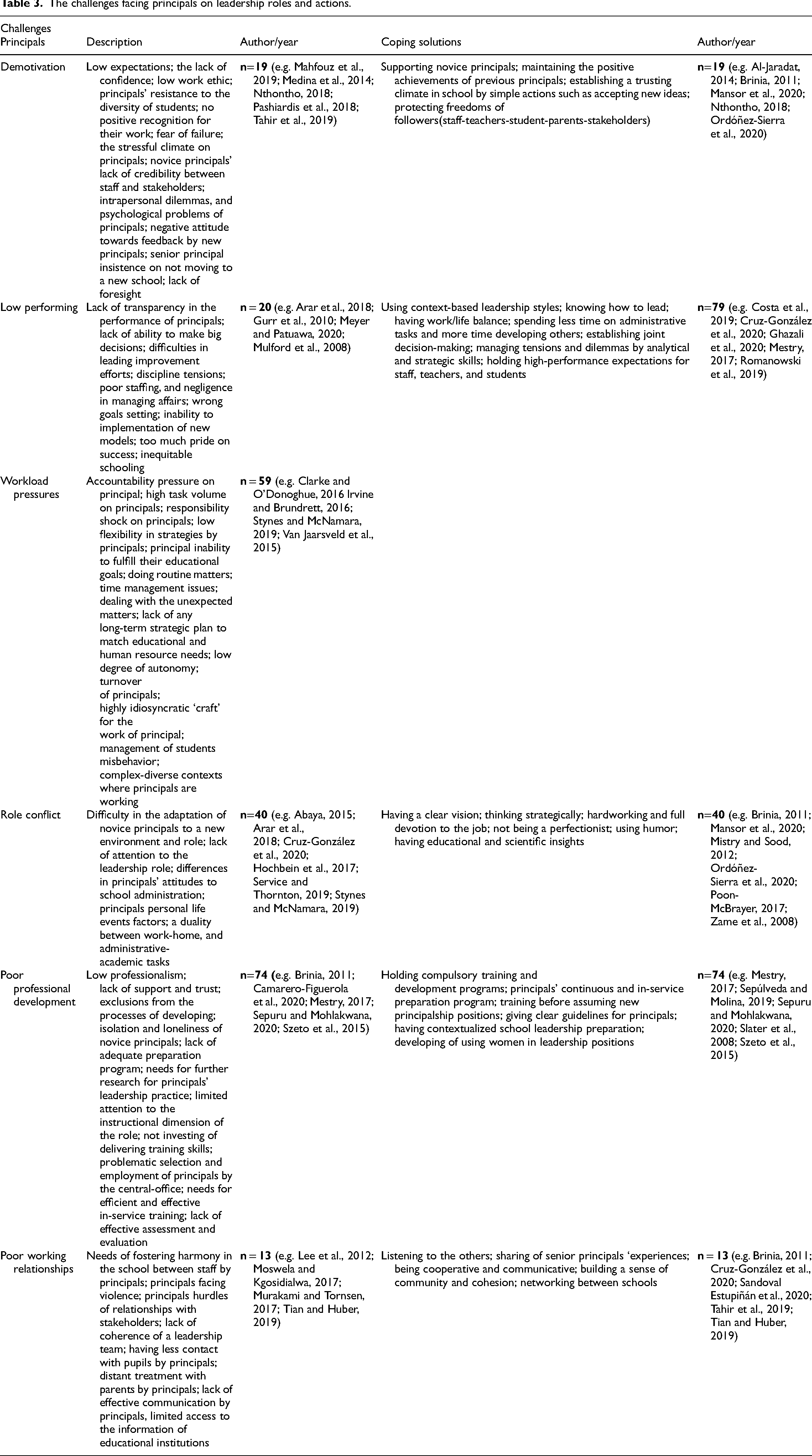
The top priority for solving principals’ leadership challenges, in both centralised and decentralised education systems, involves improving their professional development and preparation programs. Interventions in this area must be progressive and continuous, with professional development ideally taking place before an individual assumes a new principalship, so that they know how to lead and manage different responsibilities (Mestry and Schmidt, 2012; Sepuru and Mohlakwana, 2020). Principals must build a sense of community and cohesion and establish a trusting climate in schools through simple actions, such as accepting new ideas and listening to others (Ndebele, 2018; Spillane and Lee, 2014); likewise, they must handle their work/life balance and pay attention to the context in which they are working (Notman and Henry, 2011; Shah, 2009).
Teachers and staff
Our review revealed that principals sometimes could not achieve their goals due to shortages of certified teachers, principals’ reluctance to take on new functions, and their excess teaching workload, particularly in Asian and African countries (DeMatthews et al., 2020; Mai and Brundrett, 2019; Mansoor, 2015). Also, when investigating non-teaching school staff, the results showed that a lack of creative and innovative staff, resistance to change, unskilled staff, and conflicts of interest between school staff created different problems, mainly for principals working in developing countries (see Table 4) (Alsharija and Watters, 2020; Styron and Styron, 2011).
The challenges facing principals on teachers and staff.
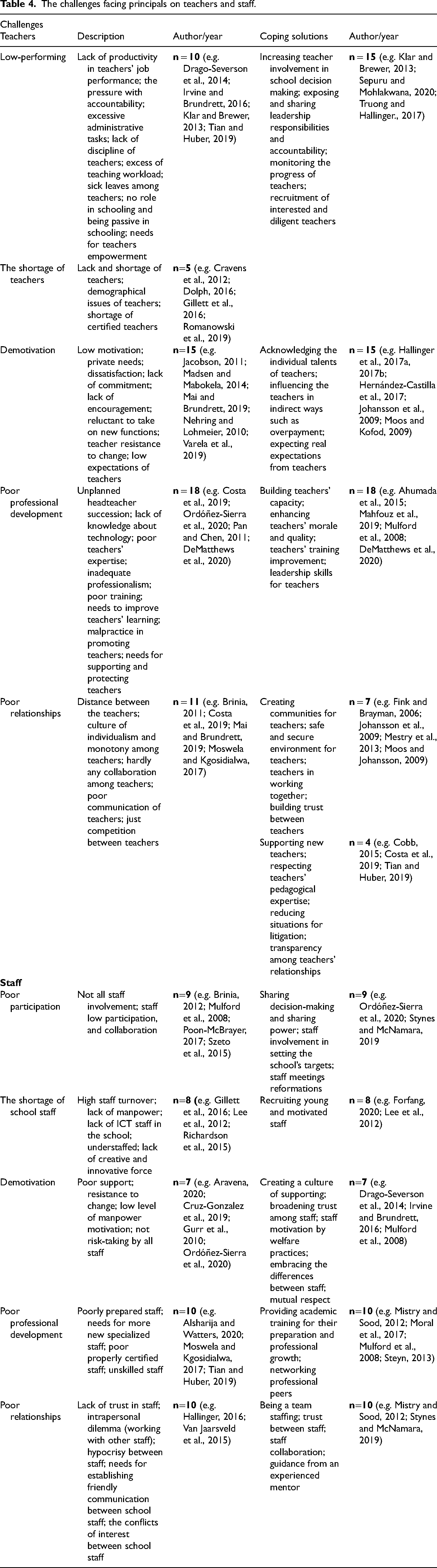
To cope with faculty and staff challenges, the studies in the literature suggested increasing teachers’ involvement in school decision-making and monitoring their progress regularly. Moreover, principals should hire interested and diligent teachers, enhance their knowledge and practice through continuous training, and support all teachers equally in both centralised and decentralised education systems (Cobb, 2015; Fink and Brayman, 2006; Hammad and Shah, 2018). Evidence has shown that when principals consider non-teaching staff by providing academic training for their preparation and professional growth and involving them in setting the school's objectives, they create a culture of support and mutual respect (DeMatthews, 2014; Gurr-Mark et al., 2010; Stynes and McNamara, 2019).
Student performance
Principals believe that student truancy and absences, disobedience regarding school and classroom rules, and violence against peers were shared challenges of centralised education systems (Table 5). Based on our analysis, additional problems related to students in both centralised and decentralised education systems included communication difficulties due to language barriers and cultural diversity, the weight of many expectations placed upon students, and low academic achievement (Bailey and Gibson, 2019; Drysdale and Gurr, 2011; González-Falcón et al., 2019; Szeto, 2020).
The challenges facing principals on student performance.
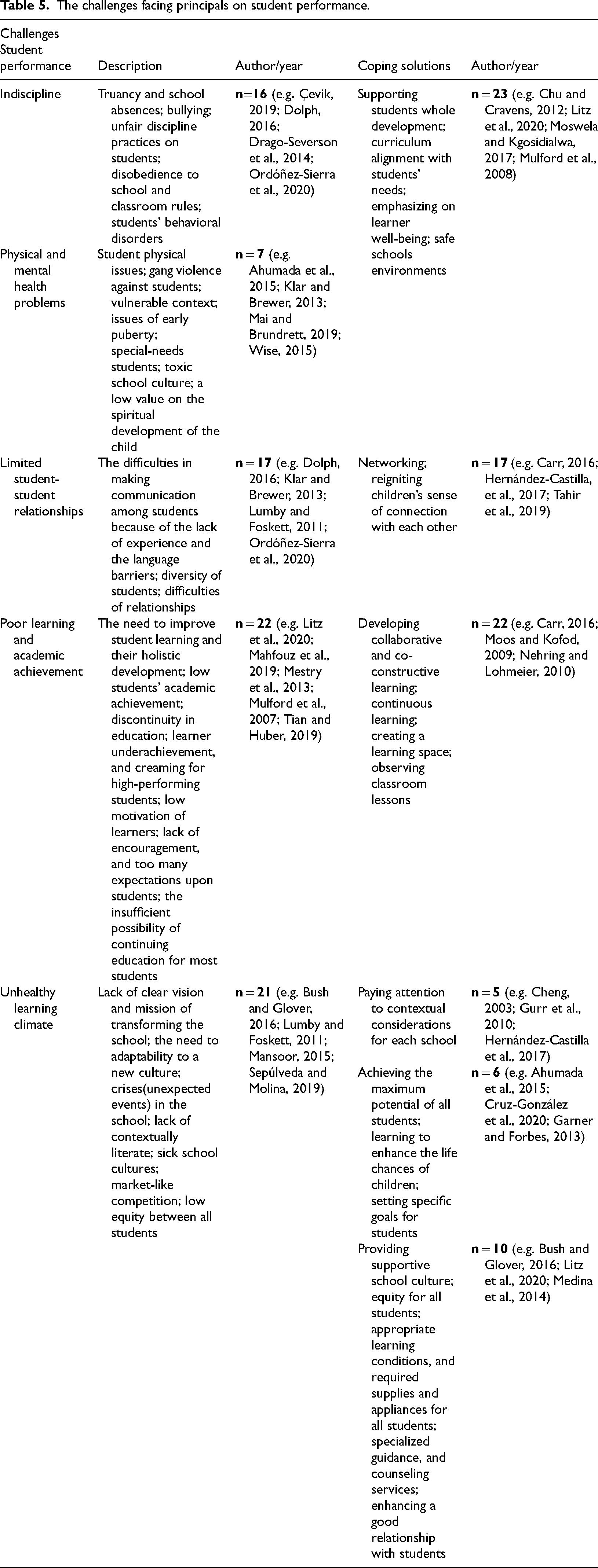
No matter how centralised or decentralised education systems manage the challenges related to student learning and performance, the analysis indicated that students need safe, supportive, and equitable school environments for continuous learning (Bush and Glover, 2016; Medina et al., 2014). Furthermore, such learning should be collaborative and co-constructive to support students’ holistic development (Chu and Cravens, 2012; Tahir et al., 2019).
Discussion
This review aimed to analyse and synthesise 169 peer-reviewed studies on principals’ challenges and coping solutions. The findings were structured based on the conceptual framework proposed by Hallinger (2018a), considering four domains of challenges: contextual antecedents, leadership/management roles and actions, features of school organization, and student learning. Research-informed coping solutions are provided in the following implications section.
The review showed that school principals inevitably confronted major challenges in both centralised and decentralised educational systems. Although the evidence highlights differing impacts of the various institutional contexts on principals’ role definition and behaviour in strictly centralised and decentralised systems, some similarities were also identified. Challenges such as the poor professional development of principals, teachers, and staff, alongside low performance and poor working relationships were traced in both centralised (e.g. USA, Belgium, Finland, England, and Spain) and decentralised (e.g. Mexico, Kazakhstan, Pakistan, and South Africa) educational systems. On the other hand, challenges such as the demotivation and low involvement of parents and stakeholders, bureaucracy, limited autonomy, ambiguity in educational policies, poor governmental support, and ideological tensions were more prevalent in the centralised systems (e.g. Chile, Qatar, Botswana, and Saudi Arabia) than decentralised systems (e.g. Sweden, Canada, Iceland, and Norway). For example, the principals in centralised systems were strictly controlled by central authorities and had little role in setting school targets. In contrast to the principals that felt the heavy burden of rules mingled with bureaucratisation (Raihani, 2008; Saiti, 2009), the principals in more decentralised systems often blamed their problems on the constant changing of their national educational systems (Earley, 2016; Hallinger, 2019; Irvine and Brundrett, 2016). This finding is consistent with the results of Tintoré et al. (2020), who explained that the more governments talk about autonomy, the more aspects of national systems are controlled, and the greater the necessity to achieve standards.
In both developed and developing countries, principals faced accountability pressures to balance both stakeholder and parent expectations when communicating with their local communities (González-Falcón et al., 2019; Service and Thornton, 2019). Consistent with Tintoré et al. (2020), a growing lack of respect for school leaders coincides with the increasing demands and expectations from families and society. This review also indicated that some principals in decentralised educational systems had no specific programs to involve parents or the local community in school matters (Dolph, 2016), while in centralised systems, principals’ disconnection with families led to decreased family participation (Noman et al., 2016). Specifically, further regional analyses revealed that the studies conducted in developed countries—namely Australia, the USA, and nations in western Europe—were mainly concerned with the challenges posed by the poor professional development of principals, teachers, and staff, as well as their workload pressures. On the other hand, the studies conducted in developing countries in Asia and South America were generally concerned with the ambiguity in educational policies and bureaucracy, as well as the poor professional development of principals, teachers, and staff. Furthermore, developing nations in Africa mainly focused on ideological tensions and gender inequalities, alongside the poor professional development of staff. By adding leadership functions to the managerial roles of principals in both developed and developing countries, the workload pressures of principals and staff have greatly increased (Camarero-Figuerola et al., 2020; Hammad and Shah, 2018; Sepuru and Mohlakwana, 2020). Principals must handle educational goals as well as their leadership roles and managerial responsibilities; however, their poor professional development often prevents them from balancing these duties (Abaya, 2015; Drysdale and Gurr, 2011).
The most important challenge reported by the scholars surrounding the socio-cultural problems stemming from school context involved the culmination of social tensions, norms, and the cultural values of the environments of both developed and developing countries (Klar and Brewer, 2013; Merchant et al., 2012). As the results indicate, traditional cultures often did not recognize diversity and held negative views about change and women's leadership roles (Brinia, 2012; Cruz-Gonzalez et al., 2019). In these developing countries, religious leaders and other influential members of local communities put intense pressure on school leaders (Akkary, 2014; Madsen and Mabokela, 2014). Government and local authorities can change the tide in both developing and developed countries by enacting more concrete rules on social justice and gender equality in education (Altinkurt and Yilmaz, 2011; Mai and Brundrett, 2019).
A school principal's main concern should be academic achievement and student learning, given the literature's strong emphasis on the key role that principals play in students’ academic achievement, albeit indirectly through their influence on teacher and staff motivations and abilities (Leithwood et al., 2020). This review identified that challenges surrounding poor student learning and academic achievement could be traced back to students’ lack of motivation to engage enthusiastically in the learning processes resulting from absenteeism and truancy, defiance of classroom rules, difficulties communicating due to language barriers, an unhealthy learning climate, and bullying (DeMatthews, 2014; Mestry et al., 2013; Moral et al., 2017).
Implications
Implications for research
This review points to the importance of contextually sensitive school leadership (Brauckmann et al., 2020; Earley, 2016; Hallinger, 2018a; Harris and Jones, 2018; Pashiardis et al., 2018; Pont, 2020). As argued by Neumerski (2013), searching for decontextualized leadership behaviours is a problematic endeavour. The broader leadership literature also endorses the contextually dependent view of successful leadership through its interest in cross-cultural leadership studies (Belchetz and Leithwood, 2007). Thus, researchers should develop an in-depth understanding of the challenges and problems faced by principals through analyses of multi-layered school contexts. Nevertheless, the wide context of a school can be categorised based on the level of society's development (developed vs. developing), the authority of decision-making in the education system (centralised vs. decentralised system), and regional categorisation (e.g. continental and geographic differences and divisions). The challenges arising from each of these contexts and its impact on principals’ behaviour can be explained more by future studies.
Implications for policy
The key implications from this review of research on coping solutions can inform the strategies developed by policymakers. When designing reform initiatives, policymakers in decentralised contexts should recognise the critical role that principals can play as change agents within their schools. Due to the wide challenges facing principals that arise from their various responsibilities, policymakers, especially in developed countries, should prepare leaders according to specific contextual features and develop their problem-solving and cognitive skills (Hallinger et al., 2017a, 2017b). Moreover, it would be helpful to design policies that are sensitive to the unique features of local values, recognize religious and cultural diversity in each society, and create a supportive and collaborative culture that encourages mutual progressive trust between governments, local communities, and school principals.
Furthermore, government authorities must take action and pass concrete legislation on social justice and gender equality in education (Altinkurt and Yilmaz, 2011; Mai and Brundrett, 2019). Since school leaders need to respond to the diverse interests and needs of various stakeholders both inside and outside of the school community (DiPaola and Walther-Thomas, 2003; Gurr et al., 2006; Gurr, 2010; Litz et al., 2020), they should be supported through policies, spaces, and attitudes that respect their skills and knowledge (Romanowski et al., 2019). Thus, it is vital to develop a continuous and ongoing professional development program to support principals, and indeed all school staff (DeMatthews, 2014). These changes call for innovative methods, such as the case method and problem-based learning (Hallinger, 2018b). Therefore, we suggest that training program designers become aware of the need for context-responsive leadership programs and use problem scenarios to highlight the productive responses of leaders to different contextual constraints and opportunities (Hallinger, 2018a; Klar and Brewer, 2013; Montecinos et al., 2018).
Implications for practice
In an increasingly complex and challenging environment, the core of the principal's knowledge should be more and more context-dependent. As such, principals are better able to handle context-related challenges as they seek to achieve the mission of schooling and exercise leadership in student affairs (e.g. curriculum, organization, management, school improvement, etc.). To reduce centralisation and simultaneously relieve principal administrative burdens, active participation and involvement should be distributed across all staff to encourage discussion about school targets and ways to achieve them (Maxcy et al., 2010; Saiti, 2009). Principals, especially those who are newly appointed, require training before they assume their positions, as well as clear formal and informal guidelines (Meyer and Patuawa, 2020; Sepuru and Mohlakwana, 2020; Slater et al., 2008). Creating a school culture that supports the learning and professional development of teachers and staff, as well as principals, can in turn enhance their willingness to go beyond the call of duty by building trust with educators, encouraging openness, and allowing them to take part in the decision-making process (Drago-Severson et al., 2014; Stynes and McNamara, 2019).
Footnotes
Declaration of Conflicting Interests
The author(s) declared no potential conflicts of interest with respect to the research, authorship, and/or publication of this article.
Funding
The author(s) received no financial support for the research, authorship and/or publication of this article.
