



Abstract
The purpose of this study was to investigate the prevalence, sources, and underlying causes of work-related stress among headteachers in Wales and to identify possible solutions. An online questionnaire was sent to all 1588 headteachers across Wales. The questionnaire included demographic questions, Cohen’s Perceived Stress Scale (PSS), the Health and Safety Executive (HSE) Management Standards Tool, a list of known stressors, and open questions exploring the underlying causes and possible solutions. A total of 359 (22.6%) headteachers completed the survey. Two-thirds of participants reported experiencing levels of stress that were rated as ‘high’. Pressures of managing greater demands and increasing workload with fewer financial resources and a lack of support from local authorities were the main sources of stress. Solutions focused on improved funding to enhance staffing and resources at a school level, reduced accountability, and improved support. The findings indicated that a multi-faceted, multi-level, intervention approach, extending beyond improving personal resilience and individual school improvements, into regional and national opportunities for change, is likely to be most effective in reducing work-related stress within the profession.
Keywords
Introduction & literature background
Work-related stress
Work-related stress accounts for just over half of all cases of work-related illness in the UK, with education being one of the top four most affected employment sectors (Health and Safety Executive, 2020). Headteachers potentially experience stress-related issues to a greater extent than their teaching and non-teaching colleagues (Education Support, 2020). In Wales, three-quarters of headteachers have suggested their levels of stress are on the increase (National Association of Head Teachers, 2015).
Role of headteachers
The role of the headteacher has become increasingly complex, being the lead educator and simply ensuring the delivery of effective learning and teaching is no longer the only requirement. Responding to day-to-day management challenges has created a contrasting set of demands that many headteachers find difficult to balance and control (Wang, 2020). At the same time as being instructional leaders, focused on improving the quality of learning and teaching, headteachers need to be capable of managing the unique emotional, contextual, and cultural pressures that the school community and its stakeholders place upon them (Harris and Jones, 2021; Maxwell and Riley, 2017). Creating a role that has become increasingly pressurised and intense, potentially putting headteachers and their colleagues at risk of suffering from increased levels of work-related stress, burn-out, and emotional exhaustion (Berkovich and Eyal, 2015).
Work-related stress among headteachers
Work-related stress among headteachers is not new (Chaplain, 2001; Cooper and Kelly, 1993). Headteachers have reported significantly higher levels of work-related stress than professionals in other groups and continue to report higher levels of stress than the general population (Elomaa et al., 2021; Phillips et al., 2007). Known stressors include the intensity of work, long working hours, increased volume of work, fragmented work, competing priorities, interruptions, role conflict, dealing with parents, managing staff, lack of support from the local authority, limited resources (Ruiz and Hernández-Amorós, 2020; Wang, 2020) constant change, bureaucracy (Mahfouz, 2020; Oplatka, 2017), high workloads and a lack of time to focus on learning and teaching (Elomaa et al., 2021; Oplatka, 2017). The size and location of the school, gender of the headteacher, level of experience and support, have all been identified as additional influencing factors (Collie, Granziera and Martin, 2020; Darmody and Smyth, 2016; García-Rodríguez et al., 2020; Service and Thornton, 2021). Work-related stress is known to negatively affect the physical and mental health of headteachers, potentially leading to ‘Burnout’ (Krüger, Eck and Vermeulen, 2005; Maxwell and Riley, 2017), heart disease (Eller et al., 2009), cardiovascular disease, and hypertension (Steptoe and Kivimäki, 2012). Methods to mitigate the effects of work-related stress among headteachers have included training and competency development (Ng and Szeto, 2016; Phillips and Sen, 2011; Tahir et al., 2016), experience of the role (Darmody and Smyth, 2016), peer to peer support (Tahir et al., 2016), critical friends (Swaffield, 2015), business support managers and management teams (Elomaa et al., 2021; Goldring et al., 2020), managerial support and occupational health provisions (Bubb and Earley, 2013).
Educational structure and policy in wales
At the time of the study reported here, Wales had 1598 schools spread across 22 local authorities catering for pupils in inner-city areas, towns, villages, and extensive rural communities. The figure included 9 nursery schools, 1243 primary schools, 19 middle schools, 188 secondary schools, 41 special schools, 74 independent schools (not run by the local authority), and 24 pupil referral units. A little under a third of schools, 403, were Welsh medium schools where topics were taught in Welsh, a further 43 had a significant Welsh medium emphasis and 807 were English medium schools with lessons taught predominantly in English. There were 1407 headteachers and 181 acting headteachers, including those in job share roles (Welsh Government, 2018).
Since the creation of the Welsh Assembly in 1999, the responsibility for setting educational policy and governance in Wales has fallen to the Welsh Government. In a divergent approach to England, educational policy in Wales focused on the promotion of education in Welsh, the collaboration between schools and local authorities, and teacher-led assessments (Welsh Government, 2002). Between 2006 and 2012, declining educational performance compared to the rest of the UK prompted further changes (The Organisation for Economic Co-operation and Development, 2006; Welsh Government, 2012b). The reform included the creation of four regional consortia (combined groups of local authorities) to facilitate school improvements and a re-emphasis on delivering effective learning and teaching, leadership, and partnerships (Welsh Government, 2008, 2012a). Despite developments, declining standards continued, prompting further review and the development of a new strategic framework for educational policy in Wales (Donaldson, 2015; Welsh Government, 2015). The large-scale reform included embedding new learner-focused outcomes, development of a new national curriculum and assessment framework, emphasis on building Welsh medium education, building capacity of practitioners and leaders, and establishing a robust accountability system (Welsh Government, 2015). Since the review, a number of significant changes and commitments have been made, including, the creation of the Academy for Education and Leadership - designed to help raise standards of school leadership, delivery of a transformational new curriculum – initially in 175 pioneer schools, a reduction in unnecessary workload, new professional standards for teaching and leadership and a continued commitment to upgrading school buildings (Welsh Government, 2017). However, despite positive moves to facilitate the delivery of ongoing educational reform, significant challenges continued to exist. A lack of coherence across initiatives, a lack of collaboration and clarity of the role between stakeholders, and a lack of communication about the extent of reform have previously been highlighted as potential barriers to the successful implementation of changes (OECD, 2017). The extent to which the ongoing reforms and challenges have potentially affected the headteachers’ levels of work-related stress is explored in this article.
Research scope
As discussed above, existing research provides a useful indication of the challenges headteachers in Wales may face. However, given the uniqueness of the Welsh education system and ongoing changes in policy and curriculum, an understanding of the headteachers of Wales’ own experiences and opinions of current sources and possible solutions to work-related stress is imperative to the development of sustainable, evidence-based, sector-specific interventions for reducing stress in the future.
Aim
The aim of this study was to explore headteachers’ own experiences of the prevalence, sources, and underlying causes of work-related stress and to identify possible solutions. This study is the first part of a larger project aimed at developing an intervention framework for reducing work-related stress among headteachers in Wales. The outcomes of this study provide evidence to inform the proposed framework and a contemporary point of reference for those currently exploring work-related stress more widely within the profession.
Methods
Procedure
Based upon the Intervention Design and Analysis Scorecard (IDEAS) tool developed by the Center for the Promotion of Health in the New England Workplace (2013), data collection was conducted using an online questionnaire. The questionnaire included 11 demographic questions identified as influencing factors from previous research, including age; experience; teaching status (teaching or non-teaching headteacher); gender; marital status; size (number of pupils); type (Primary, Secondary, Special, or Independent school); location of school (urban/suburban/rural); region (four regional education consortia); the medium of teaching (Welsh or English) and level of support within the school (none/deputy head/business manager). Perceived stress was measured using the 10 item - Cohen Perceived Stress Scale (PSS) (Cohen and Williamson, 1988). The 35 item - Health and Safety Executive (HSE) management standards tool explored the management of six factors that affect work-related stress: demands, control, support, relationships, role, and organisational change (Health and Safety Executive, 2011), and a 30 item list of stressors, derived from previous research, was used to identify sources of work-related stress specific to headteachers. Two open questions sought headteachers’ opinions of the underlying causes of stress and possible solutions (O’Cathain and Thomas, 2004). Ethical approval was obtained from Cardiff Metropolitan University Ethics Panel. A pilot questionnaire was reviewed by a deputy headteacher, four headteachers, and representatives of the National Association of Headteachers (NAHT) Cymru and Association of School and College Leaders (ASCL) Cymru. Where appropriate, the questionnaire was amended in light of the pilot test and the final version was created. To enable headteachers of English and Welsh medium schools to respond in their chosen language, the English version of the questionnaire was translated by the university translation unit into Welsh and a final bilingual version was created.
Sampling and participants
The questionnaire was sent to all 1407 full and part-time (job share) headteachers and 181 acting headteachers across Wales (n = 1588). The distribution of the questionnaire was facilitated by NAHT Cymru and ASCL Cymru who sent a link to their members and a direct email from the researcher. Names and email addresses of headteachers were obtained from the Welsh Government (2016), Welsh School Census 2018 (Welsh Government, 2018), and a search of the twenty-two Welsh local authority websites. The data collection period lasted five weeks.
Analysis
Responses were analysed using SPSS version 25 for Windows 10, the HSE Stress Management Standards Analysis Tool (Health and Safety Executive, no date), and NVIVO 11 thematic analysis software. Homogeneity of responses was assessed. The PSS and HSE stress management standards scores were analysed using the Levene’s test for homogeneity, One-way Analysis of Variance (ANOVA), or independent samples t- tests, and the Tukey Honestly Significant Difference (HSD) test. Where a value p < .05 indicated a significant difference between groups Eta squared outputs were compared to Cohen (1988) criterion to determine the effect size. To test the interaction between different headteacher characteristics, a two-way between-groups analysis of variance was used. The relationship between the PSS and HSE management standards was analysed using Pearson’s correlation and multiple regression analyses. Analysis of the 30 item list of stressors was completed using frequency distribution, Kruskal–Wallis test, Dunn’s pairwise comparisons (using Bonferroni correction to correct for possible errors), and Epsilon Squared and Spearman’s correlation to determine the potential effect size of any differences (Joshi et al., 2015; Sullivan and Artino, 2013; Tomczak and Tomczak, 2014). Responses to open questions were analysed using deductive thematic analysis and coded using the 30 item stressor list. Conversely, solutions were coded using inductive thematic analysis and themed according to comparative comments. Axial coding (Kendall, 1999) was used to determine the final themes and a reliability check was conducted to ensure the themes were an appropriate reflection of the headteachers’ responses (Thyer, 2010).
Results and analysis
Response rate
In total, 436 headteachers responded to the questionnaire, exceeding the target sample size of 310 responses identified by the power analysis. Seventy-seven partial responses were removed leaving a total of 359 complete responses which represented a 22.6% response rate.
Cohen’s perceived stress scale (PSS)
Headteachers reported how frequently they experienced ten positive or negative feelings associated with stress in the previous month. Summary analysis of the total PSS scores is reported in Table 1. The Cronbach’s alpha coefficient of .88 suggested good internal consistency, demonstrating the PSS 10 item scale to be a reliable measure of stress among this sample of headteachers (Lee, 2012; Pallant, 2016).
Overall PSS n scores.
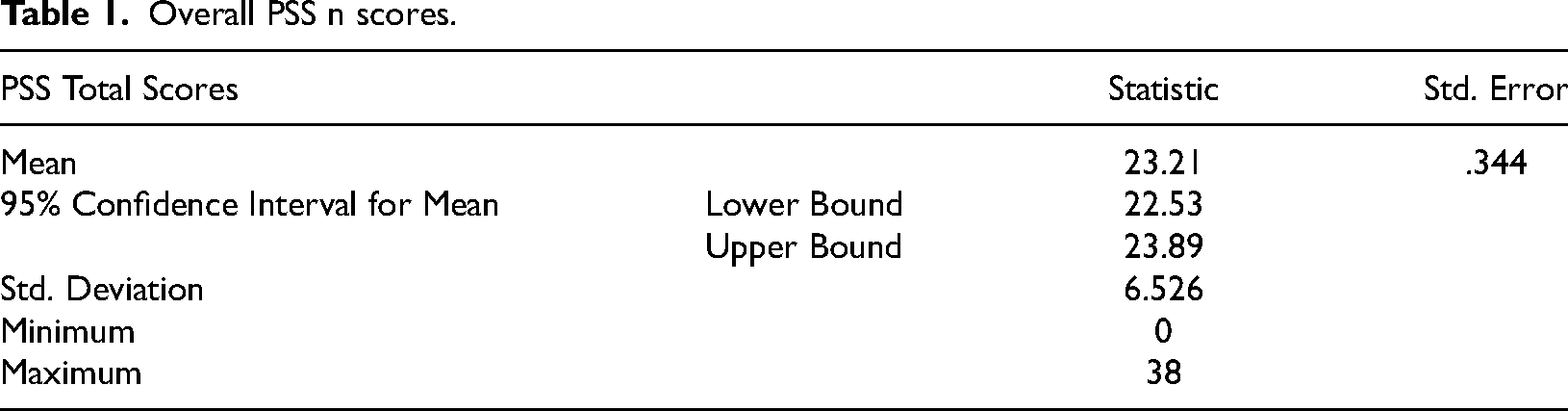
Higher scores indicate higher levels of stress. A mean score of 15 is indicative of average levels of stress experienced by the general population. (Cohen and Janicki-Deverts, 2012; González-Ramírez, Rodríguez-Ayán and Hernández, 2013). A positive Kurtosis value (.117) and negative skewness value (-.465) indicated a peaked cluster of scores at the mid to high end of the stress scale.
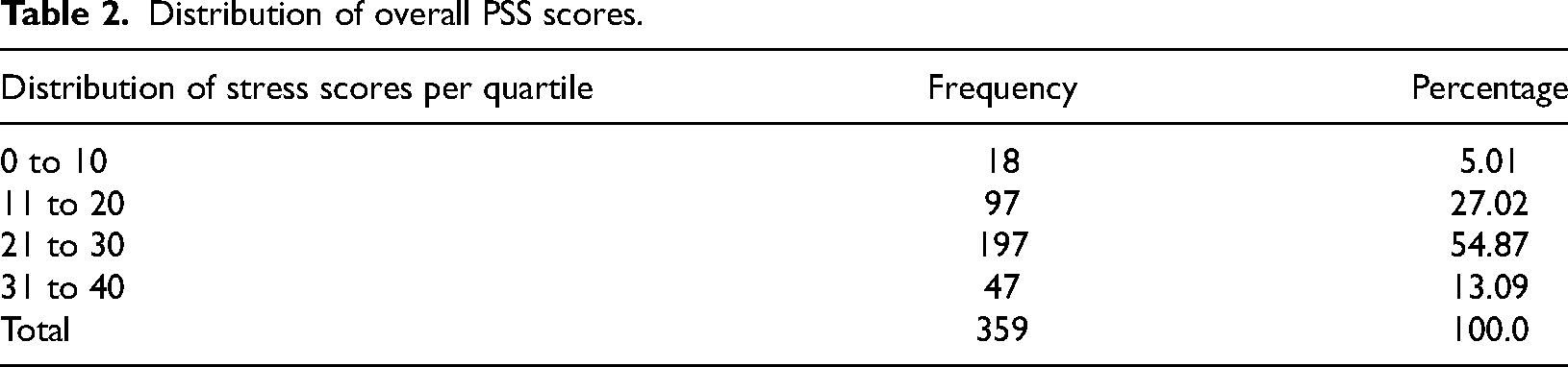
Table 2 shows the distribution of PSS scores across the sample. Two-thirds of the scores were in the mid to upper quartile range (68%) and a third (32%) in the mid to lower quartile ranges. Although the PSS is not a diagnostic tool capable of diagnosing psychological symptomatology, it does provide an indication of who may be at risk of developing stress-related health issues (Roberti, Harrington and Storch, 2006). González-Ramírez et al. (2013) suggested that scores of one or more standard deviations above a normative score of 15.81 may negatively impact health and should be explored further. Applying this approach to the results of this study, a score of 22 or over suggests 60% of the headteachers reported levels of stress potentially associated with a negative effect on health.
Distribution of overall PSS scores.
One-way between-groups analysis of variance and independent samples t-tests (Table 3) showed only experience, age, and marital status significantly differentiated between mean PSS scores. Younger and less experienced headteachers had lower mean stress scores than more experienced and older participants, as did married or single participants, compared to those who were separated. However, despite reaching statistical significance, the effect sizes were small, suggesting only minimal effects on perceived stress scores.
One-way between-groups analysis of variance & independent samples t-test.
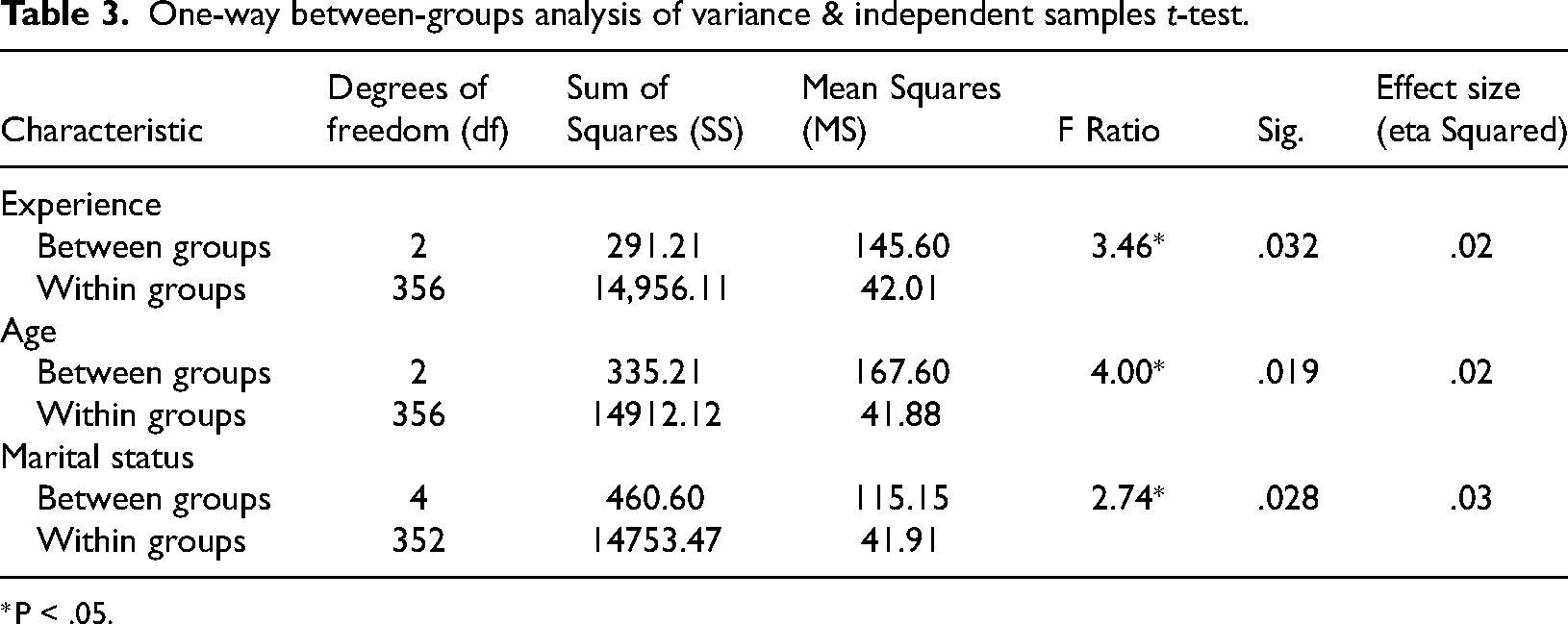
P < .05.
Two-way between-group analyses of the individual headteacher characteristics (age, experience, teaching or non-teaching headteacher, gender, marital status) and school characteristics (size, type, location, region, medium of teaching, and levels of support) indicated no statistically significant interaction effects on PSS scores.
Health and safety executive stress management standards
Table 4 shows the mean and standard deviation per stressor from this study compared to normative data (in italics) collected from 59,636 employees from UK public sector organisations (Edwards and Webster, 2012). Higher mean scores represent better management of the factor and less potential stress.
HSE stress management standards mean scores and comparative data.
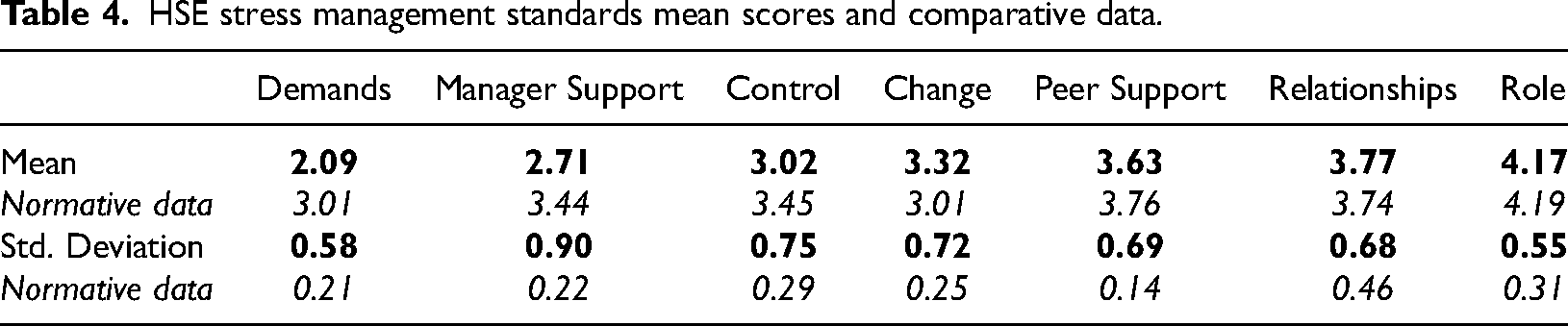
The results suggested that demands, management support, and control were less well managed, and hence, greater stressors for headteachers compared to the norm data suggesting more potential stress resulting from these factors. Analysis of the degree of variance of management standard scores across the different headteacher characteristics indicated multiple differences between groups at the P < .05 level. However, despite reaching statistical significance, the effect size in all but two instances was .03 or below indicating minimal impact on the management standard scores. Only two characteristics had greater than average influence. Support of a multiple management team (M = 3.7, SD = .63) compared to those with no support (M = 3.3, SD = .82) appeared to positively affect scores for ‘peer support’ (F (2, 355) = 5.37, P = .05, ETA Squared = .04). Being a headteacher of an English medium school (M = 3.13, SD = .74) compared to those in Welsh medium schools (M = 2.73, SD = .69) appeared to positively affect ‘control’ (F (2, 356) = 10.69, P = .001, ETA squared = .05).
Analysis of management standards and Cohen’s perceived stress scale
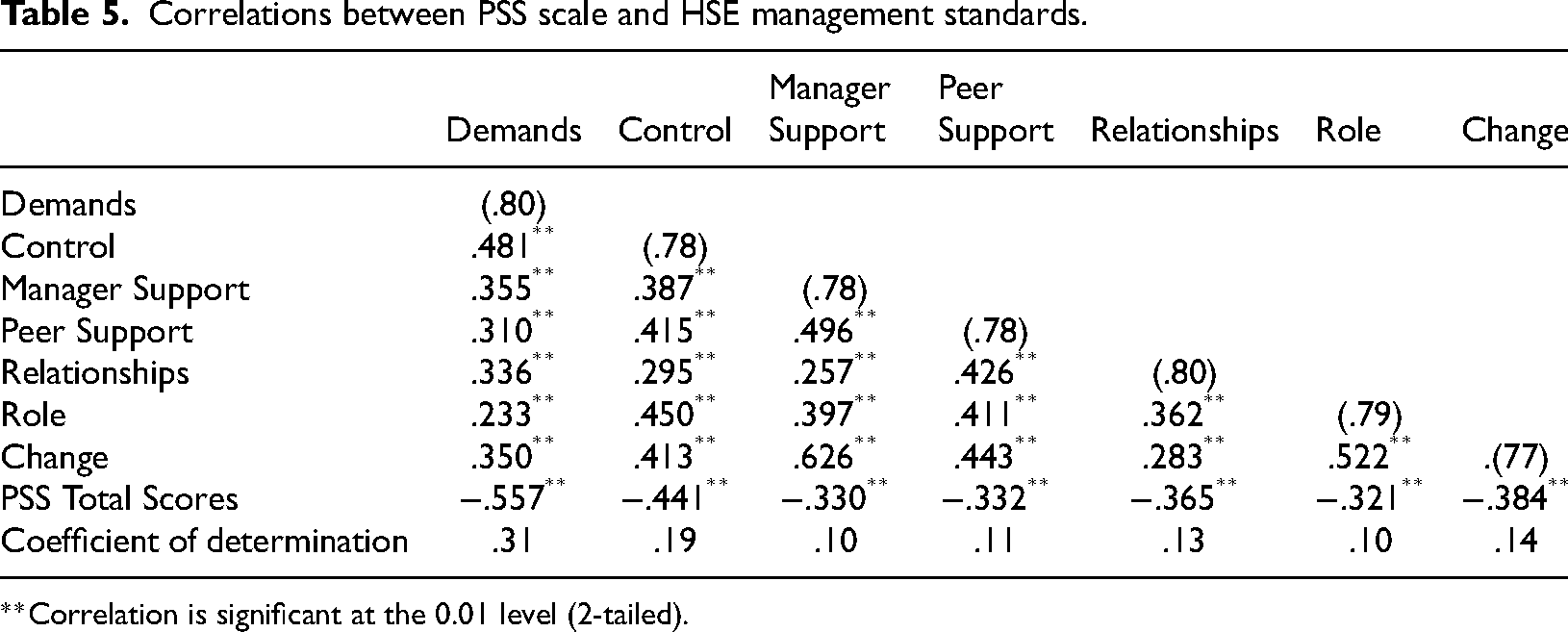
Table 5 summarises the outcomes of Pearson’s correlation analysis exploring the relationship between PSS and the HSE management standards. Alpha reliability coefficients for each of the stressors are given in parenthesis and the coefficient of determination (squared r-value) is provided in the bottom row.
Correlations between PSS scale and HSE management standards.
Correlation is significant at the 0.01 level (2-tailed).
Analysis of Management Standards and Perceived Stress Scale identified negative correlations between all seven HSE management standards and perceived stress, indicating that improved or better working conditions, as defined by higher management standard scores, predicted lower perceived stress.
Specific sources of stress affecting headteachers in Wales
While the HSE management standards provide an overview of general stressors, they do not provide the detail necessary to identify specific issues that are perhaps unique to the profession in Wales. Figure 1 shows the frequency distribution of responses per stressor, sorted in descending order by the number of respondents who selected “always” for each question.
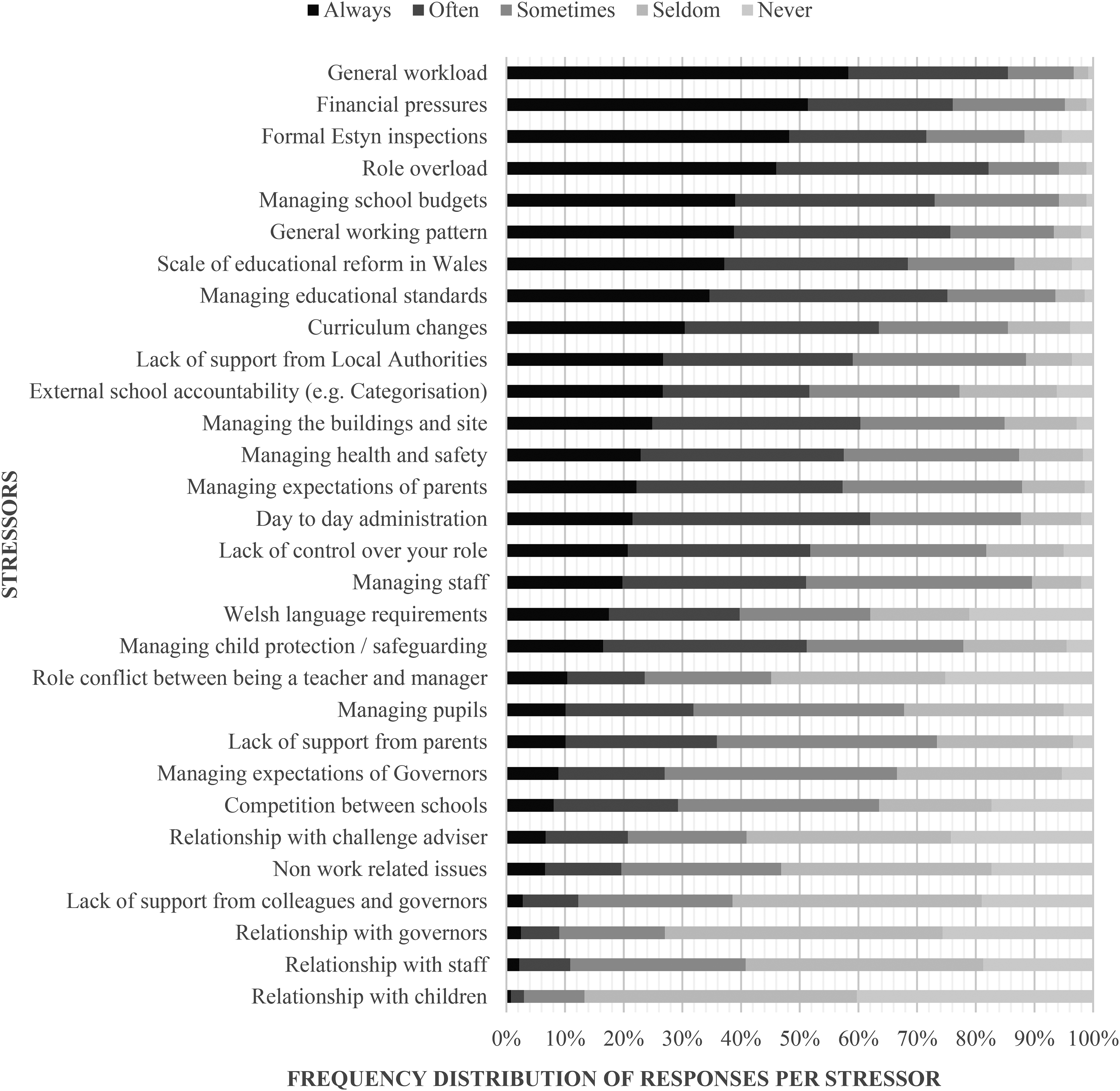
Frequency distribution of responses per stressor.
Between-group analysis of the difference in rank order of stressors between headteacher characteristics indicated a number of statistically significant differences. However, despite reaching statistical significance in all but seven instances the effect size was weak suggesting the majority of characteristics had a minimal effect on the order of stressors overall. The following characteristics were shown to have moderate effects upon the rank order of the stressors:
Headteachers in primary and special schools reported experiencing stress related to child protection and safeguarding more frequently than those in secondary schools; Headteachers in English medium schools reported experiencing stress related to teaching in the medium of Welsh more frequently than those in Welsh medium schools; Headteachers in rural schools, schools with no management team to support them, and those who continued to teach, reported experiencing role conflict between being a teacher and manager more frequently than headteachers in other schools; Headteachers with no management support also reported experiencing stress related to a lack of control over their role more frequently than those who had the support of a deputy or team; and Nonwork-related issues appeared to be greater stressors for headteachers who were separated compared to those who were married or in a partnership.
In addition to the predetermined stressors, headteachers were provided with free text boxes and asked to identify other stressors that were pertinent to them which had not already been included among the pre-existing stressors. A small percentage of headteachers provided comments (13%, n = 47) resulting in several new stressors being identified, namely, demands from consortia and/or local authorities (12), duplication of work (11), conflict with parents (6), demands specific to delivering additional educational needs/additional learning needs (4), threat of school closure (3), negative social media (3), and relationship with a union (3). The number of comments attributed to each stressor is indicated in the parentheses.
Underlying causes of stress affecting headteachers in Wales
To determine the underlying causes of the 30 stressors listed, headteachers were asked to provide their thoughts on what the underlying reasons were for the stressors to exist. An overview of the number of comments provided for each of the stressors and associated themes is provided in Table 6. The overarching themes (in bold) were sorted in ascending order by the number of comments coded to the stressors within them. The stressors within each theme were then sorted in ascending order by the number of individual comments per stressor.
Number of comments coded to each theme and stressor.
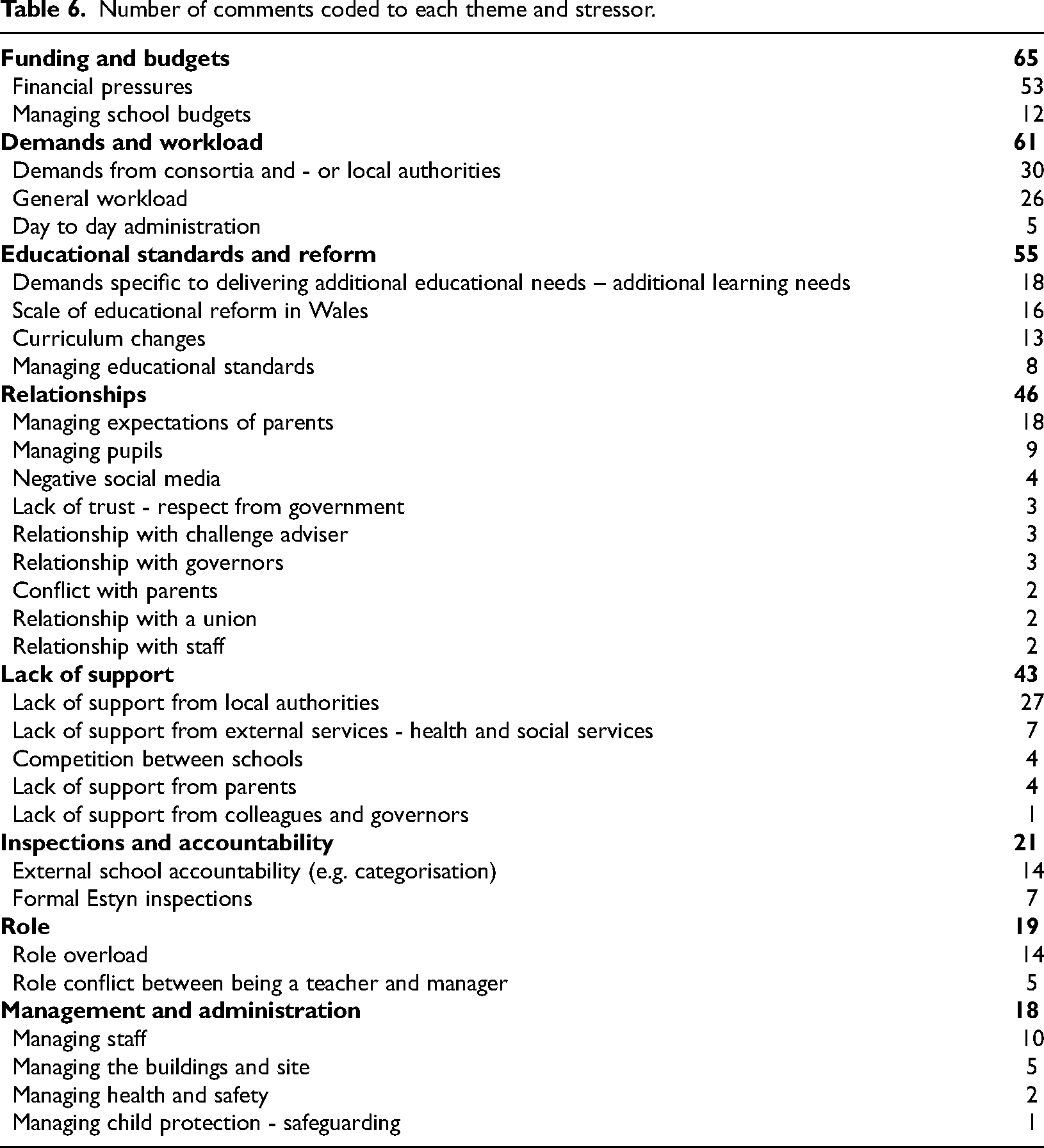
Of the 359 respondents, 293 (81%) headteachers provided comments about the underlying cause of the stressors they were experiencing. The proportion of those who commented appeared to be evenly spread across the eleven individual and school characteristics, minimising the potential for bias and inconsistent findings. Although a relatively crude measure of priority, assuming headteachers commented on the underlying causes of stress that were most pertinent to them, the number of comments per stressor gives a useful indication of the underlying factors the headteachers were most concerned with.
Financial pressures, managing greater demands from consortia and or local authorities, lack of support from local authorities, and general workload were found to be the primary underlying cause of stress. Headteachers frequently referred to “underfunding”, “decreasing budgets”, and “a lack of adequate funds”, exacerbated by having unrealistic targets and expectations placed upon them by the local authorities and consortia. This suggests that they have a “massive workload with very little support”, they are “accountable for everything”, feel “constantly judged”, have a “lack of adequate funds”, and have to “deliver a curriculum that is fit for purpose with inadequate resources”; a situation that appears to be impaired by poor working patterns, a lack of control over when to complete the work required, and a lack of support from local authorities. As one headteacher noted, “I constantly feel I am writing reports, evaluations, and assessments for someone else to check that I know what is going on in my school. I feel constantly judged. The consortia may use the word support but it never feels like that, we all know it is a judgement”. External school accountability (local authorities, consortia, and Estyn), inspections, and managing educational standards, appeared to be influenced by the frequent changes in curriculum and the scale of educational reform within Wales. Headteachers referred to “accountability for accountability’s sake”, uncertainty and inconsistencies in the approach creating a “disconnect between how you are measured by Estyn and consortia/categorisation”, a “Lack of funding for children with additional needs” and “Far too much change, new initiatives etc being thrust upon schools without clear and supportive guidance”. Managing sites, health and safety, and daily administration tasks also featured, specifically in regards to “Unnecessary bureaucracy relating to building issues and hoops to jump through to get works approved”. Relationships with staff, governors, parents, and especially pupils, appear to cause stress much less frequently than the other stressors, but are still a concern for some headteachers, “Parents are my biggest cause of stress with unrealistic expectations. They have no understanding of budget restraints etc. Parents are often aggressive and demand a lot of teacher time etc”.
Suggested interventions to reduce stress amongst headteachers in Wales
In addition to asking headteachers about the underlying causes of work-related stress, they were also asked to briefly outline the solutions needed to remove or reduce them. Three-quarters of the headteachers provided suggestions, n = 273 (76%). Table 7 provides an overview of the number of comments attributed to each of the intervention themes created in the thematic analysis. The themes in bold reflect the overarching themes. Where more detail was provided, comments were ascribed to further sub-themes, represented by the headings listed below each overarching theme. Not all comments could be attributed to a sub-theme; hence, the difference between the numbers of comments attributed to each overarching theme and the number per sub-theme.
Number of comments made with regards to the interventions for each stressor.
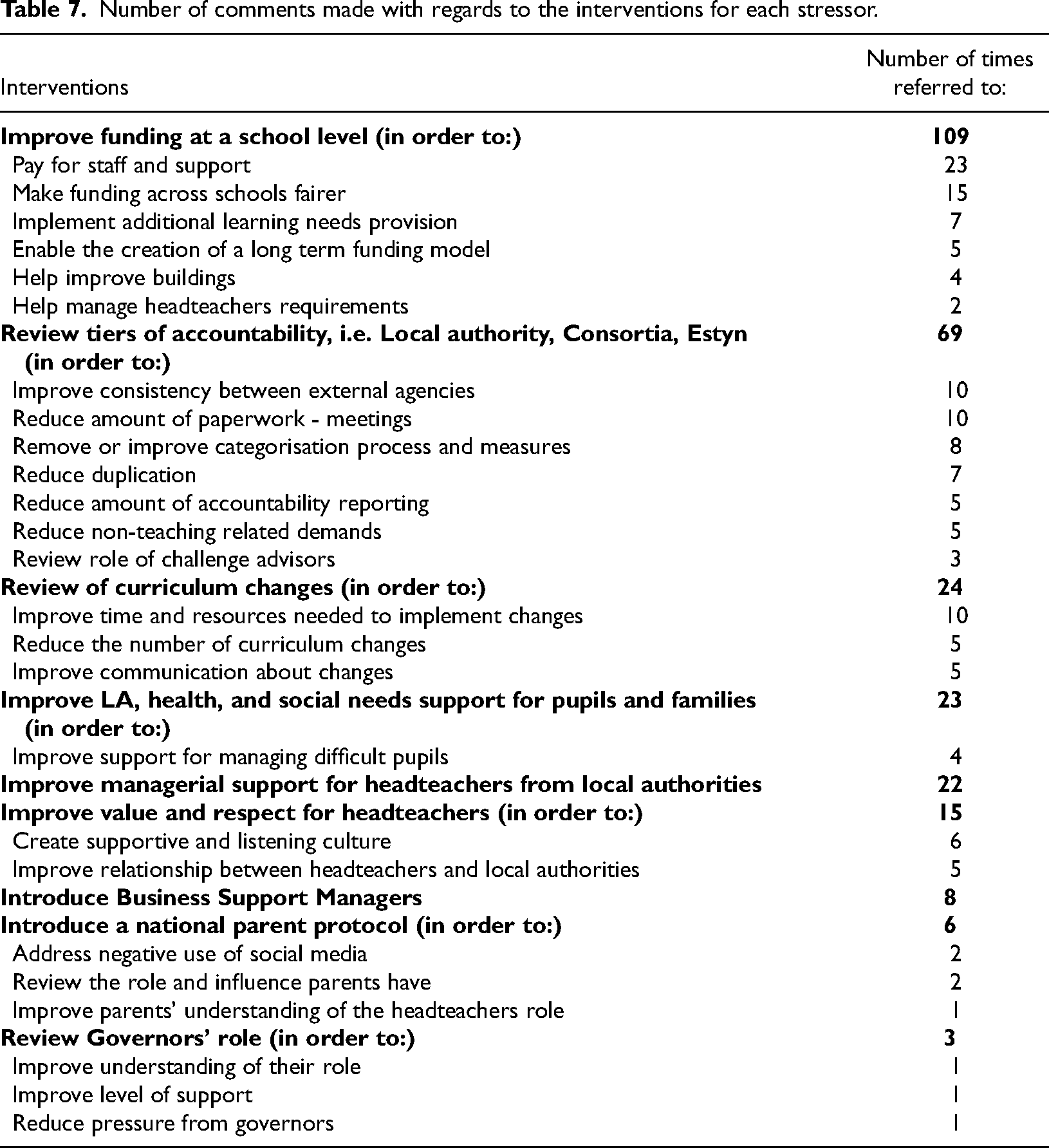
While the number of headteachers who suggested an intervention cannot be considered a true measure of the priority of possible interventions, it provides an indication of which interventions were the preferred options.
Referred to by almost half of the headteachers who commented, the most prominent theme of interventions referred to the need for improved funding, “more money into school budgets” and fairer funding at school level, “Something needs to give in the funding model. It needs to be simplified and more of it needs to find its way DIRECTLY to school budgets”. For many headteachers, the suggestion to improve funding related to improving staffing and resources, “Improved budgets to fund staff and equipment necessary for developing the curriculum and to run a school efficiently” and “Increase staffing to enable schools to manage Additional Learning Needs”. Tackling accountability prompted the next highest number of responses. Suggested solutions included “A significant reduction in the middle tier with a clear distinction in the roles of the Consortia, LAs and Estyn would allow some clarity and avoid duplication and the sense of completing tasks for no particular purpose”. Avoiding duplication, excessive emails, and meetings to “Allow headteachers to concentrate on teaching and learning” and to create a situation where there is “less pressure to be experts in all aspects of school management” were also suggested. The remaining themes prompted fewer responses but yielded further practical suggestions relating to the improved delivery of the educational curriculum, support for pupils and their families, and support and greater respect for the headteachers themselves. Comments referred to improving the time and resources needed to implement curriculum changes, “Slow down reforms; these are often found to be rushed through and then time is wasted trying to put things right again”; Improving local authority and health and social needs support for pupils and families “Stop adding tasks to schools which should rightly be managed by Local Authorities/Social Services/Police/EWS/Medics”, especially in regards to emotional welfare; “More support to maintain learners’ emotional welfare – waiting lists are so long with some reaching very dark depths before being offered any help” and those with additional learning needs “More coordinated approach for pupil support from health services / ALN services”; Improving managerial support for headteachers from local authorities “More support, less challenge. Support for poor results is there but not for the day to day issues that cause stress. Wellbeing of heads often ignored”; and finally, improved value and respect for headteachers to create supportive and listening culture “More respect for the profession from everybody – parents, LA officials, Consortia, and Estyn”.
Summary table of the stressors, underlying causes, and suggested corresponding interventions
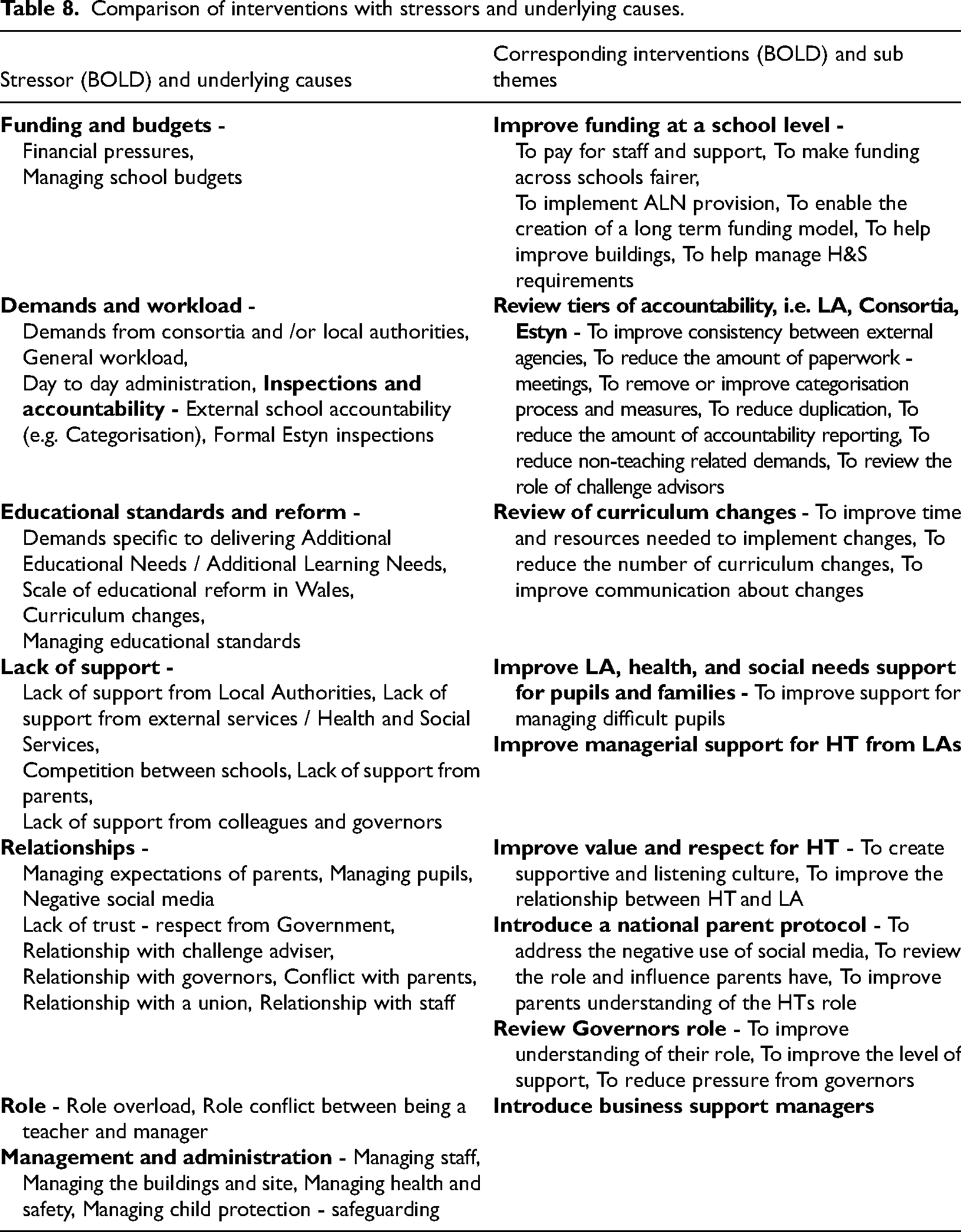
Tables 8 combines the results of the sources and underlying causes of stress with possible interventions suggested by the headteachers. The table is a reflection of the researchers’ own interpretations of the findings and provides a summary of the bespoke aspects of this study.
Comparison of interventions with stressors and underlying causes.
Discussion
The results indicated higher than average levels of perceived stress among a large proportion of the headteachers in Wales. Sources of work-related stress centred on the extent and intensity of work, a lack of control, and a lack of management support. Feelings of stress were further exacerbated by a lack of funding, negatively impacting on the staffing and resources available to meet the requirements of the role. Solutions focused on changes to funding, resourcing, and support at a national and regional level. Perceived stress and the sources of stress were found to be largely consistent across all individual headteachers and school characteristics. The following discussion provides a more detailed review of the results.
Perceived stress scale
Previous literature has identified increasing levels of work-related stress among headteachers in Wales (National Association of Head Teachers, 2015) and the findings of the current study appear to corroborate those of the 2015 survey with three-quarters of the respondents reporting levels of perceived stress, which were higher than that experienced by the general population (González-Ramírez, Rodríguez-Ayán and Hernández, 2013). Furthermore, for the two-thirds of respondents who reported moderate to high levels of stress, it was of a level purported to potentially negatively affect health (Cohen and Janicki-Deverts, 2012; González-Ramírez, Rodríguez-Ayán and Hernández, 2013). Beyond the personal health effects (Maxwell and Riley, 2017), high levels of stress are also known to impede work performance, the delivery of key school functions, and negatively affect headteacher recruitment and retention (Collie, Granziera and Martin, 2020; Connolly et al., 2018; Krüger, Eck and Vermeulen, 2005; Wang, 2020), all of which have the potential to adversely impact the implementation of the pending curriculum changes and future delivery of educational policy in Wales. Unlike the findings of Darmody and Smyth (2016), individual characteristics (age, experience, teaching or non-teaching headteacher, gender, marital status) and school characteristics (size, type, or location of school, region, medium of teaching, and levels of support) were not found to influence the levels of perceived stress. Reporting high levels of perceived stress was consistent across all groups and appeared to be symptomatic of a wider problem among the population of headteachers in Wales as a whole, rather than one specific group.
HSE management standards, stressors, and underlying causes
The second objective of the study was to determine the primary causes of work-related stress and the underlying factors that cause them. To this end, the HSE management standards served two basic but important functions. Firstly, to provide confirmation of the aspects of the role that headteachers felt were least well managed, and therefore, the primary source of stress. Secondly, when compared to the perceived stress scale, confirmation that tackling the least well managed aspects is likely to have a beneficial impact upon reducing perceived levels of stress.
Similar to those of the study by Wang (2020), the findings of the current study indicated that as demands, speed, and intensity of work increase, the effectiveness of managerial support and control over when and how headteachers work decreases. The primary stressors appeared relatively consistent across all groups of headteachers with only two notable caveats, i.e. the beneficial influence a school management team has on peer support and the influence medium of teaching, i.e. Welsh or English, has on control. The benefits of a school management team have previously been documented (Goldring et al., 2020) but the challenges of teaching in the medium of Welsh are unique to Wales. One possible explanation may be the difficulty finding confident Welsh speaking teachers and Welsh language teaching material which have both been identified as issues within Welsh medium schools (OECD, 2017), particularly the lack of resources. Despite the continued and extensive evolvement of the Welsh education system, change appeared to be relatively well managed. Whether this is a result of ongoing improvements in how policy changes are being communicated or simply desensitization among headteachers to the volume of change is unclear and worthy of further exploration (OECD, 2017). Relationships were mostly reported as positive among the headteachers, but a small number did include references to bullying and harassment. There was no indication that unkind words and behaviour were linked to any particular group, but it is a result that warrants further monitoring. Finally, despite the complexities and difficulties experienced, the headteachers appeared to be clear about both their role and purpose in the Welsh education system, suggesting challenges are of practical nature and not a lack of understanding of the role requirements.
Regarding correlations between the HSE management standards and Perceived Stress Scale, the results suggested that interventions focused on reducing demands, while simultaneously improving managerial support, and improving flexibility or control over the work undertaken should be effective in reducing perceived stress. In doing so, the results provide not only a unique focus for the development of future interventions, but also a benchmark against which to measure the effectiveness of future interventions.
While the HSE management standards provide direction for improvements, understanding the frequency at which known stressors are experienced and their underlying causes provides added focus which is required for the development of interventions specific to the needs of headteachers in Wales. The starting point involved compiling a list of known stressors from existing research, but understanding the frequency they are experienced by headteachers in Wales provided a unique and important insight into how the stressors compare in a Welsh context. In all but a small number of specific circumstances, individual and school characteristics had minimal impact on the order of stressors, indicating the sources of stress were largely similar for all headteachers. The results provided further evidence to suggest interventions could be targeted to address improvement needs across all headteachers, and for the most part, need not be specific to a particular group of headteachers. The results were compared with those from previous studies and suggested that future interventions in Wales should focus on the most frequently experienced stressors, i.e. workload, financial pressures, inspections, and role overload rather than those less frequently experienced, i.e. relationships with governors, staff, and children, which appeared to have less impact on the headteachers.
A further unique aspect of the current study was the identification of additional stressors by the headteachers themselves. Firstly, there were very few new stressors identified, suggesting the list of known stressors was comprehensive and a good starting point for this study and similar future research. Secondly, of the new stressors identified, several were very similar to those already on the list, and were therefore, not necessarily new; e.g. conflict with parents and negative social media which are more specific aspects of managing expectations of parents and lack of support from parents. Two reported stressors were very specific, e.g. relationship with unions and school closures, and were very particular to a certain set of circumstances that all headteachers are not exposed to. The remaining newly identified stressors, e.g. demands from consortia and/or local authorities, duplication of work, and delivering additional educational or learning needs may be unique to Wales. Although the roles of the consortia and local authorities were clarified in 2014 (OECD, 2017), the results suggest ongoing tension. This may also explain the reference to the duplication of work, highlighted here and in similar research (Connolly et al., 2018). Introduced in 2018, the Additional Learning Needs and Education Tribunal (Wales) Act 2018 replaced the non-statutory Special Educational Needs (SEN) framework in Wales. Although not fully implemented until September 2020, it is clear that the requirements are of concern and worthy of further exploration.
Underlying causes
Despite the Welsh Government committing significant additional funding to help improve educational standards in Wales (OECD, 2017), a lack of funding and decreasing budgets appeared to be the primary cause of concern for most headteachers, who referred to an imbalance between funding at national/regional level and the amount of funding received at an individual school level. For many, the main impact was on staffing and resources, both of which were referred to as being a challenge within the current funding model. Ongoing commitments to deliver a new curriculum and a recognised challenge in recruiting sufficient teachers in Wales are only likely to exacerbate the issue (Teacher Labour Market in Wales Annual Report, 2020). A similar interdependent relationship was noted in comments related to pressure from local authorities and consortia. An increase in workloads, bureaucracy, and duplication, from and between agencies appeared to be exacerbated by increased accountability and perceived lack of support. The perceived lack of trust in the headteachers’ abilities to lead their own schools appeared to be creating a challenging rather than a supportive culture. If unaddressed, the negative impact may not be limited to health, the recruitment and retention of headteachers, and subsequently, educational standards in schools may also be at risk (Connolly et al., 2018; NAHT Accountability Commission, 2018; Organisation for Economic Cooperation and Development, 2014). The challenges of being the lead educator and general manager of a school appeared similar to those reported in previous studies (Darmody and Smyth, 2016). However, notable tensions specific to headteachers in Wales centred on difficulties in supporting pupils with additional learning needs and managing frequent, often bureaucratic changes to the curriculum.
Many of the contemporary underlying causes of stress highlighted by the headteachers in Wales as part of this study were similar to those highlighted elsewhere. This is not to suggest headteachers in Wales should take solace in being in a similar position to others in the profession, but rather that the findings indicate universal shortcomings in managing stress within the profession as a whole. Perhaps unique to Wales are the specific challenges linked to the ongoing changes directed at improving educational standards in Wales. Unless external factors outside of the headteachers’ control, such as funding, demands, accountability, and duality of the role are addressed at a national and regional level, it is unlikely that the headteachers’ situation will improve in the future. This further emphasises the importance of creating interventions that target key stressors and their underlying causes.
Interventions
A unique aspect of this study was to ascertain the headteachers of Wales own opinions on the solutions needed to reduce work-related stress within their profession. Not surprisingly, suggested interventions primarily focused on tackling key stressors and the associated underlying causes. A summary of the key themes for the focus of future interventions included improved funding and increased budgets at a school level, a review of accountability measures, improved support to manage curriculum changes, a review of support from external agencies, improved support from local authorities, and improved trust in the headteachers abilities to manage their schools effectively. Within each theme, the detailed comments provided by the headteachers suggest that future interventions need to be multifaceted and focused on a key theme, but with sufficient scope to enable multiple intervention options to be explored. The findings also suggest cross over between interventions, where an intervention designed to address one issue is likely to have a beneficial effect in other areas too. Additional funding would be sufficient to reduce work-related stress associated with financial pressures. However, using the funding to employ more staff, and subsequently, improve the resources needed to support the headteachers, their staff, and pupils, is likely to have a wider impact. Additional benefits appeared to also include more time for the headteachers to focus on educational leadership, and increased capacity and resources to deliver the increasing demands placed on them and their schools. A similar point of multiple benefits can also be made for reviewing accountability measures. The complexity and variability of accountability measures in Wales are already recognised (Welsh Government, 2014), so an intervention to review measures of accountability would– as the headteachers comments suggested–not only help reduce duplication, bureaucracy, and the work-related stress associated with the administrative burden of the accountability process itself, but also provide a wider opportunity to improve clarity, collaboration, and consistency between the local authorities, consortia, and Estyn. Expanding the review to include external support from services beyond the educational department of the local authority would also help to address work-related stress associated with managing increasing health and social support needs of pupils and their families. The suggestion to introduce business managers, for many, would have a beneficial effect on reducing managerial burden, but introducing them is not without difficulties (Southworth, 2008; Woods, Armstrong and Pearson, 2012), especially in smaller or rural schools where the role may not be financially viable. Improving support for managing the day-to-day issues may also facilitate further interventions to help deal with educational leadership aspects of the role, specifically with regard to freeing up time and resources to focus on delivering future curriculum changes and educational initiatives. Finally, the idea of a national parent protocol appears to centre on defining an agreed set of principles that guide how parents interact with the school, especially with regard to social media. Although only a small percentage of comments were made, the principles may help improve trust and respect between parents and headteachers, and reinstall a feeling of value that, for some headteachers, appeared to be missing from the profession at this time.
In addition to providing the underpinning evidence needed to create a national intervention framework for reducing work-related stress among headteachers in Wales, the comments submitted by the headteachers provide a useful focal point for the discussion and development of work-related stress reduction interventions within the profession more broadly. Acting as a potential catalyst for further research, the findings indicated a multi-faceted, multi-level intervention approach, which extends beyond improving personal resilience and individual school improvements, into regional and national opportunities for change, is likely to be most effective in reducing work-related stress within the profession. Given the extent of the ongoing educational reforms and pending delivery of a new curriculum across Wales, the development and implementation of suggested interventions are timely (Welsh Parliament, 2021). In addition to reducing work-related stress among the headteachers of Wales, implementing the headteachers suggested interventions may also have the beneficial effect of freeing up headteachers time so they can focus on educational leadership and the delivery of the new curriculum, further facilitating the improved educational standards Welsh Government are aiming for.
Strengths and limitations of the study
Key strengths of this study included the all-Wales approach and the design of the questionnaire. The response rate of 22.6% was within the margins suggested for online surveys (Qualtrics, 2021), and sufficient to meet the required power calculation of 310 responses (Qualtrics, 2018). The overall sample is reflective of the population of headteachers in Wales and sufficiently large for comparison with other large groups of headteachers in similar populations. The design of the questionnaire, combining standardised question sets with open questions, provides multiple opportunities for comparison with future research. The PSS 10 item scale and the HSE Stress Management Standards Tool were both found to have good internal consistency for use with headteachers providing useful benchmarking opportunities for similar research. The list of sources of stress and in-depth responses to the open questions provide a catalyst for discussion and a focal point for further work-related stress intervention research within the profession.
In terms of limitations, the PSS 10 item scale was chosen because of its reliability and validity (Cohen and Williamson, 1988); however, because there was no UK normative data available, comparison with the general population is limited. The creation of UK normative data would be beneficial for those wishing to use the 10 item PSS in future research. Data collection predated the COVID pandemic from 2020 to 2021, and while the researchers accept that the headteachers’ situation has changed, existing stressors are only likely to have been exacerbated by the pandemic. Therefore, the findings remain relevant and offer a useful benchmark for those wishing to explore the topic further.
Conclusion
The primary purpose of this study was to collect the evidence needed to create a future intervention frame work to reduce work-related stress among the headteachers of Wales. To this end, the aims of the study have been met. Understanding the prevalence, sources, underlying causes, and potential solutions to work-related stress among headteachers in Wales has led to the creation of a unique set of guiding principles from which future interventions can be developed. Despite the high levels of work-related stress affecting a high proportion of headteachers in Wales, the results suggested that reducing demands, improving management support, increasing flexibility and control, will have a beneficial impact on reducing the levels of work-related stress in the future. Most importantly, the insight provided by the headteachers into the underlying causes of stress and the suggested interventions provides a unique insight into where and at what level interventions should be targeted in the future. Improving the wellbeing of headteachers not only benefits their health, but also helps them to implement the pending curriculum changes in 2022 and 2023. Whether the levels of perceived stress will remain constant beyond the introduction of the new curriculum for Wales in 2022/23 (Welsh Parliament, 2021) and the end of the challenges faced during the covid pandemic (Harris and Jones, 2020), are yet to be determined. However, the findings of this study offer a unique benchmark for pre- and post-comparisons to be made.
Footnotes
Declaration of conflicting interests
The author(s) declared no potential conflicts of interest with respect to the research, authorship, and/or publication of this article.
Funding
The author(s) received no financial support for the research, authorship, and/or publication of this article.

Supplemental material
Supplemental material for this article is available online.