



Abstract
The efficiency and functionality of heating, ventilation, and air conditioning (HVAC) systems are critical to maintaining indoor air quality, comfort, and energy sustainability in residential, commercial, and industrial settings. With HVAC systems accounting for a significant portion of global energy consumption, the design of key components, particularly the condenser, is fundamental to achieving operational and environmental efficiency. This review explores the various types of condensers—evaporative, air-cooled, and water-cooled, and their impact on overall system performance. The advantages, limitations, and suitability of each type for different environmental conditions, along with optimization techniques to enhance efficiency, durability, and thermal performance, have become increasingly important. This study examined how recent advancements in condenser materials, microchannel technologies, and innovative configurations like variable-speed fans and smart controls contribute to enhanced system effectiveness. In addition, the paper highlights the role of computational modeling in refining the condenser design for reduced energy consumption and better heat exchange. The review underscores the need for continuous research and innovation to address the evolving challenges of climate change and energy regulations, ensuring that HVAC systems remain both sustainable and efficient. By considering the design, material selection, and cooling techniques, this paper provides a comprehensive overview of modern condenser design methodologies and suggests pathways for future development in HVAC technologies.
Keywords
Introduction
Heating, ventilation, and air conditioning (HVAC) systems are integral to modern infrastructure, tasked with regulating indoor air quality, temperature, and humidity to ensure optimal comfort and safety. The deployment of HVAC systems spans residential, commercial, and industrial sectors, making their efficiency a critical concern on a global scale. According to the International Energy Agency (IEA), buildings account for ∼40% of global energy consumption and contribute significantly to greenhouse gas emissions, underscoring the urgency for advancements in HVAC technologies to enhance energy efficiency and mitigate environmental impact.1–3
Figure 1 illustrates the refrigerant’s cycle components, the compressor, condenser, evaporator, and expansion valve, as proposed by Banakar et al., underscoring the condenser’s crucial role in heat rejection. 4 The condenser, a key component in the refrigeration cycle of an HVAC system, is primarily responsible for transferring heat from the refrigerator to the surrounding environment. The design of the condenser profoundly influences not only the efficiency of the HVAC system but also its energy consumption and overall durability. As highlighted by authors like Wang et al., the performance of condensers is particularly crucial in climates characterized by high ambient temperatures, where heat transfer efficiency may diminish, leading to increased energy demands. 5
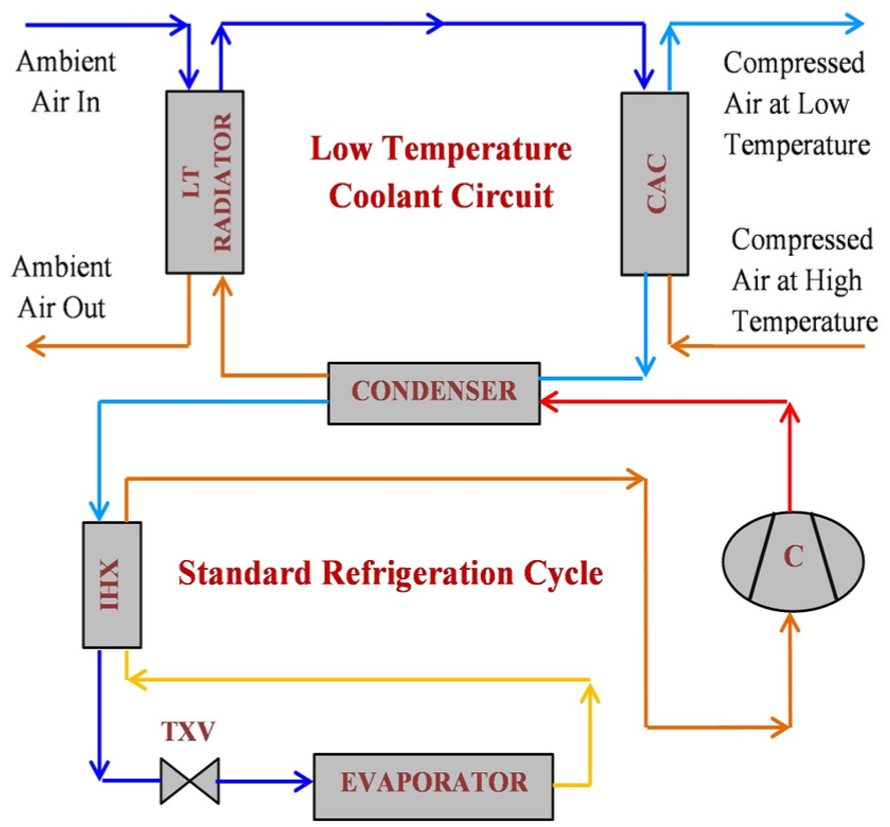
Diagram of the refrigeration cycle with a focus on the condenser. 4
Various types of condensers, including evaporative, air-cooled, and water-cooled, each possess unique design features that significantly impact their heat exchange efficacy. The optimal selection of condenser types, materials, and configurations is contingent upon numerous factors, including environmental conditions, building dimensions, and overarching energy efficiency objectives. For instance, water-cooled condensers, while exhibiting high heat rejection efficiency, necessitate substantial water resources, rendering them less viable in regions facing water scarcity challenges. Conversely, air-cooled condensers are prevalent in smaller systems but may exhibit diminished performance in extreme temperature environments.4,5
Moreover, energy efficiency within HVAC systems transcends mere cost reduction; it also involves compliance with increasingly rigorous environmental regulations. Governments worldwide are instituting policies aimed at curbing energy consumption and reducing carbon emissions, thereby accentuating the need for innovation in HVAC technologies. Advances in optimization techniques—such as the development of superior materials, innovative cooling methodologies, and the incorporation of integrated smart technologies—are essential to meet these demands. For instance, Babar et al. emphasize the potential of advanced alloys and nanomaterials to enhance thermal conductivity and durability, paving the way for more compact and efficient condenser designs. 6 Additionally, novel computational fluid dynamics (CFD) models enable engineers to optimize heat exchange patterns within condensers, thereby reducing energy loss and enhancing overall system performance. 5
Recently, Al-Sayyab identifies that HVAC research has increasingly integrated renewable energy technologies to enhance sustainability and reduce operational costs. For example, exergy optimization has been applied to cooling towers in hybrid geothermal source heat pump (HGSHP) systems for improved thermal management. 7 Other promising developments include solar-assisted variable refrigerant flow (VRF) systems with desiccant-based ventilation, and evaporation-wheel based hybrid systems for building cooling based on the authors Jouhara et al. 8 In absorption-based air conditioning setups, large-scale radiant cooling has been explored as an alternative to conventional compressors. Additionally, solar-aided compression systems have shown potential across variable climatic regions, improving performance while reducing dependence on non-renewable electricity sources.
This article will comprehensively investigate various methodologies for condenser design, focusing on material selection, design optimizations, and innovative cooling techniques. When reporting performance gains such as improvements in the coefficient of performance (COP) or heat transfer enhancement, the article specifies (i) operating conditions (ambient dry-bulb/wet-bulb, humidity), (ii) refrigerant type, (iii) airflow or waterflow rate and face velocity, (iv) the applied heat-load or capacity, and (v) test duration. For studies that report multiple experimental runs, mean values ± standard deviation is presented along with measurement uncertainty. These parameters and related data are provided whenever available in the referenced studies. Percent improvements are scoped to the reported range of test conditions and should not be generalized outside those bounds.
Objectives
The fundamental objective of this review research is to critically investigate and synthesize contemporaneous methodologies, design innovations, and optimization strategies related to the HVAC condenser systems. Specifically, the review research aiming for:
Identify key design, operational, and environmental parameters that influence condenser performance.
Review and compare the functional characteristics of air-cooled, water-cooled, and evaporative condensers across various applications.
Analyze advances in material selection, thermal enhancement techniques, and performance-driven design modifications.
Evaluate recent developments in optimization approaches, including thermodynamic modeling, smart control integration, and cost-performance trade-offs.
Highlight current research limitations and propose future directions for sustainable and intelligent HVAC system development.
HVAC system configuration
Heating, ventilation, and air conditioning (HVAC) systems are essential for maintaining indoor air quality and thermal comfort in residential, commercial, and industrial settings, according to Afram et al. 9 This section outlines the components, working principles, and impact factors that influence the efficiency and performance of HVAC systems.
HVAC system components
HVAC systems comprise various interrelated components that work together to regulate indoor climate. ASHRAE identifies the primary components of HVAC systems as follows 10 :
Heating equipment: This part is responsible for comforting the circumstances temperature such as raising the indoor air temperature. Boilers, furnaces, and heat pumps are common heating units. Al-Fuqaha et al. reported that the efficiency of heating equipment is critical to the overall energy consumption of HVAC systems, emphasizing the importance of using high-efficiency units to minimize energy costs. 11
Cooling equipment: Cooling systems, including air conditioners and chillers, remove heat from indoor spaces to maintain comfortable temperatures. Based on the findings of Zhang et al., the choice of cooling technology significantly affects energy efficiency and operational costs. The authors reported that variable refrigerant flow (VRF) systems have gained popularity due to their adaptability and efficiency in diverse applications. 12
Ventilation systems: Proper ventilation is crucial for maintaining indoor air quality. Schwenzer et al. classify ventilation systems as either natural or mechanical. The authors emphasized the importance of designing ventilation systems that minimize energy consumption while ensuring adequate air exchange rates. 13
Ductwork: Ducts transport conditioned air throughout the building. Research by Zhang et al. demonstrated that poorly designed duct systems can lead to significant energy losses. The authors recommended regular maintenance and sealing of ductwork to improve system efficiency. 12
Control systems: Modern HVAC systems utilize advanced control systems to optimize performance. According to Minoli et al., building management systems (BMS) enable real-time monitoring and control of HVAC components, improving energy efficiency and user comfort. 14
HVAC system working principle
HVAC systems operate based on thermodynamic principles that involve the transfer of heat and moisture. The researchers Çengel and Ghajar summarize the fundamental working principle as follows 15 :
Heat transfer: HVAC systems primarily rely on three modes of heat transfer: conduction, convection, and radiation. Heat pumps, for example, transfer heat from one location to another by reversing the refrigeration cycle. As reported by Ghahramani et al., understanding these principles is crucial for optimizing system performance and energy consumption. 16
Refrigeration cycle: The refrigeration cycle involves four key processes: evaporation, compression, condensation, and expansion. According to Çengel and Ghajar, this cycle is essential for cooling applications, and optimizing each stage can significantly enhance system efficiency. 15
Thermal comfort: The primary goal of HVAC systems is to maintain thermal comfort for occupants. Fanger’s thermal comfort model states that achieving comfort requires balancing factors like temperature, humidity, air velocity, and radiant temperature. 17 Recent studies indicate that personalized HVAC systems can enhance occupant satisfaction while reducing energy consumption.
HVAC system impact factors
Several factors can significantly affect the performance and efficiency of HVAC systems:
Building design: The architectural design of a building plays a vital role in determining HVAC efficiency. As noted by Akadiri et al., proper insulation, window placement, and shading can reduce cooling and heating loads, thereby enhancing system performance. They emphasized that integrating passive design strategies can lead to substantial energy savings. 18
Climate: The local climate greatly influences HVAC performance. Mehos et al. assert that designing systems to withstand extreme weather conditions is crucial for maintaining reliability and efficiency year-round. The authors highlighted the need for adaptive designs that consider seasonal variations in temperature and humidity. 19
Condenser design effects: As discussed in the previous Subsection (2.3.1), condenser design significantly impacts the efficiency of HVAC systems. According to Zhang and Hong, optimizing condenser configurations can lead to substantial energy savings and improved system performance. 20
Condenser design effects on the HVAC system
The design of the condenser is critical in determining the overall performance and efficiency of HVAC systems. As noted by Zhang and Hong, the condenser is responsible for rejecting heat absorbed by the refrigerant during the evaporation process, which directly affects the system’s efficiency. 20 This process is especially significant in regions with high ambient temperatures, where the heat exchange is less effective, placing a greater strain on the HVAC system and increasing energy consumption.5,19,20
Heat transfer efficiency: Li et al. suggest that optimizing design parameters like surface area and fin configuration can significantly enhance heat transfer efficiency in condensers. 21 Their findings suggest that increasing the surface area of the condenser facilitates better heat dissipation, thus improving the overall system’s performance. Fernandes further emphasized the role of advanced materials like aluminum and copper, which possess superior thermal conductivity, in increasing heat transfer rates. By employing such materials, condensers not only transfer heat more efficiently but also allow for more compact designs, reducing the physical footprint of the system. 22
Pressure drop considerations: Research by Hassan demonstrated that pressure drops within the condenser negatively affect system efficiency. This occurs because the refrigerant’s flow resistance increases, requiring additional energy from the compressor to maintain system functionality. 23 The authors discovered that incorporating enhanced fin geometries and reducing the tube length could reduce pressure drops by up to 20%, resulting in a significant improvement in energy efficiency. Their study also suggests that proper maintenance of condenser components is essential to minimize pressure losses and extend the operational life of the HVAC system. 23
Refrigerant selection: The choice of refrigerant is also a critical factor in condenser design and its effect on overall HVAC performance. Al-Sayyab talked about how more and more people are switching to low global warming potential (GWP) refrigerants like R32 and R1234yf. These refrigerants not only follow strict environmental rules but also make systems more efficient because they have better thermodynamic properties. Their research highlights that using these refrigerants can lead to a reduction in the required condenser size, optimizing both the spatial and cost parameters of HVAC installations. Additionally, low-GWP refrigerants contribute to the reduction of the overall environmental impact, aligning with global sustainability goals. 7
Environmental considerations: The design of the condenser significantly influences the environmental footprint of HVAC systems. As Jouhara et al. noted, utilizing eco-friendly refrigerants in tandem with efficient condenser designs can considerably reduce greenhouse gas emissions. Furthermore, advanced technologies such as variable-speed fans and microchannel condensers help reduce energy consumption by dynamically adjusting the system’s heat rejection capacity based on real-time demand. These innovations contribute to higher energy efficiency ratings, reducing operational costs and mitigating the environmental impact of HVAC systems in large commercial and industrial applications. 8
Heat rejection capacity: Chen et al. assert that the design of a condenser and the prevailing operational conditions significantly influence its heat rejection capacity. Their research shows that adaptive condenser designs, which account for varying ambient temperatures, enhance system performance across different climate conditions. For instance, incorporating variable-speed fans or evaporative cooling techniques into the condenser design allows the system to maintain high efficiency, even in extreme heat. Such designs improve resilience and ensure optimal performance throughout seasonal fluctuations. 24
The design of the condenser is a crucial factor influencing the efficiency, operational cost, and environmental impact of HVAC systems. Continuous advancements in condenser technology, including the use of advanced materials, low-GWP refrigerants, and innovative design features, are essential for improving overall system performance. As global energy efficiency standards become increasingly stringent, optimizing condenser design will play a pivotal role in reducing energy consumption and achieving sustainability objectives in the HVAC industry.20–24 The efficiency of a HVAC system depends on heat-rejection efficacy. The choice of a condenser configuration is closely related to climatic conditions and building scale. Control methods enhance overall system performance.
Condenser design
The design of condensers plays a fundamental role in the performance and efficiency of HVAC systems. Condensers are responsible for rejecting heat absorbed by the refrigerant in the evaporation process, and their design significantly affects the overall energy consumption, operational efficiency, and environmental impact of HVAC systems.25–29
Condenser types
The type of condenser used in an HVAC system depends on factors such as building size, location, and environmental regulations. There are three primary types of condensers commonly used in HVAC systems: evaporative condensers, air-cooled condensers, and water-cooled condensers. Each type has unique characteristics that influence system efficiency and operational costs.
Evaporative condenser
Evaporative condensers are vital components in HVAC systems, particularly in applications where maximizing energy efficiency and reducing water usage are critical. These condensers utilize the latent heat of the vaporization of water to cool the refrigerant effectively, thus enhancing the condensation process. The unique operational principle of evaporative condensers allows for significant reductions in the temperature of the refrigerant, leading to improved system performance.25–28 However, it increases make-up water requirements and fouling risk. Additionally, their performance advantage diminishes under humid ambient conditions.
Zaidan et al. demonstrated that spraying water directly onto the condenser coils can enhance the performance coefficient of evaporative condensers. This method increases the heat transfer surface area and enhances the evaporative cooling process, resulting in significant improvements in the overall efficiency of the condenser. Under optimal conditions, the study demonstrated a 30% increase in the performance coefficient, highlighting the potential of this approach in energy-sensitive applications. 25 Also, according to Tissot et al., practical design guidelines for enhancing heat transfer in evaporative condensers emphasize the importance of optimizing water distribution systems. 26 They argue that uniform water distribution across the coils minimizes the risk of localized overheating and maximizes heat exchange efficiency. The authors suggest the use of specially designed nozzles and flow control systems to achieve this, leading to more reliable operation under varying load conditions. 26
Siavash Amoli et al. 27 explored the integration of direct evaporator cooling with advanced condenser systems. Their findings suggest that combining these technologies can significantly optimize thermal management within HVAC systems, leading to lower energy consumption and improved overall system performance. This approach aligns well with contemporary energy efficiency goals and provides a pathway for the development of more sustainable HVAC solutions. 27 Furthermore, Zaidan et al. enhanced the cooling system performance experimentally and theoretically. The authors evaluated the performance of the compression refrigeration cycle under realistic operating conditions to improve the coefficient of performance (COP) and reduce energy consumption. Also, they added a water spray system as an auxiliary cooling unit for the condenser to minimize the inlet air temperature, which is particularly beneficial in desert climates, 25 and measured the air temperatures and water accumulation on the evaporator and condenser using thermocouples, as illustrated in Figure 2. When tested with R134a refrigerant at ambient temperatures of 35 °C–40 °C and relative humidity of 15%–25%, with fixed compressor speed under stead state conditions for more than 30 min, the system achieved up to 19% reduction in energy consumption and more than 18% increase in COP. Additionally, Figure 3 illustrates how the coefficient of performance (COP) varies with ambient air-dry bulb temperatures when using both normal and evaporative cooling methods. 25

Compression cooling cycle thermostat locations. 25

Effect of ambient temperature on COP (COP vs Tamb). 25
Furthermore, the trend observed in Figure 3 shows a sharp and continuous decrease in COP with rising ambient temperature for the normal condenser system. This is primarily due to the reduced temperature gradient between the refrigerant and the surrounding air, which lowers the condenser’s ability to reject heat. As ambient temperature rises, the compressor must work harder to achieve the same cooling effect, leading to increased energy consumption and reduced COP. In contrast, the evaporative condenser benefits from the cooling effect of water vaporization, which enhances heat transfer and mitigates the impact of high ambient temperature on performance.
The experimental studies demonstrate that spraying water over the condenser surface enhances evaporative heat rejection, thereby reducing condensing temperature and improving the coefficient of performance (COP). These findings provide practical justification for optimization strategies aimed at improving thermal performance through auxiliary cooling. The observed COP improvement validates the inclusion of evaporative enhancement as a design variable or boundary condition in optimization models, particularly in hot-climate HVAC applications.
Additionally, Zhang et al. conducted a study to enhance the performance of the evaporator cooler, with a focus on experimentally enhancing the cooling system efficiency. The study examined various parameters, including the water flow rate, spray water rate, and airflow. The results demonstrate that increasing the water and spray water flow rates significantly enhances cooling performance, improving both heat and mass transfer characteristics. 28
The study shows that the cooling efficiency can increase by more than 10% with optimal spray water rates, highlighting the effectiveness of the evaporative cooling process for high-temperature fluids, such as in refrigeration and industrial cooling applications. Figure 4 illustrates a schematic of the evaporative cooler experimental device. The authors arrange the cooling tubes in staggered rows and spray water onto them to enhance heat dissipation. The setup enables the study of heat transfer under various controlled conditions, providing insights into optimizing the evaporative cooling process. This configuration is critical in understanding how design factors influence overall performance in practical applications. 28

Evaporative cooler experimental device: (a) the schematic diagram and (b) the device diagram. 28
Some researchers improve the HVAC system by redesigning the system or its components, such as the condenser and evaporator. Yang et al. discussed the design and optimization of evaporative condensers, highlighting the role of geometry in improving thermal performance. They indicated that the shape and arrangement of the coils significantly influence airflow patterns, which can either enhance or hinder the evaporative cooling process. By employing computational fluid dynamics (CFD) simulations, the authors were able to identify optimal configurations that maximize heat transfer while minimizing pressure drops. 29 Also, Hughes and Garimella explored the experimental performance of flat heat pipes embedded with internally cooled condensers. Their findings revealed that integrating flat heat pipe technology into evaporative condensers can dramatically enhance heat transfer rates compared to traditional coil designs. This integration allows for a more compact system that efficiently manages thermal loads, making it suitable for applications requiring high cooling capacities within limited space. Moreover, they highlighted the potential for energy savings through the implementation of advanced evaporative cooling techniques, which could reduce operational costs and minimize environmental impact. 30
In contrast to conventional designs, Rakshith et al. created flat heat pipes (FHPs) with an internally cooled condenser to significantly improve heat transfer performance. Traditionally, heat pipes rely on external cooling through forced or natural convection, which often limits surface area and results in inefficient condensation, particularly under higher heat loads. In contrast, the proposed FHP design incorporates a tube-in-tube internal condenser assembly, allowing for the circulation of coolant directly within the condenser region. This design not only increases the rate of condensation but also significantly reduces the evaporator-wall temperature and operating pressure. 31 The FHP lowered the evaporator pressure by 48.1% and the temperature of the evaporator wall by 20.2% at high heat loads (315 W), as shown by experiments. The coolant flow rate was 25 LPH, and the angle of tilt was 90°. These conditions also recorded the lowest thermal resistance (0.0237 °C/W). The study also shows that raising the tilt angle from 0° to 90° increases the rate of condensation by 4.15%. This design works well for controlling the flow of vapor and the pressure inside the system. These findings emphasize the potential of the FHP with internally cooled condensers for applications requiring efficient heat dissipation, such as high-performance electronics cooling. Figure 5(a) to (c) is discussed sequentially in the next paragraphs, each sub-panel highlights a distinct aspect. Figure 5 illustrates both a schematic diagram of the flat heat pipe with an internal condenser (FHPIC) and the experimental setup used to evaluate its performance. The internal condenser block within the condenser region of the FHPIC is designed to enhance cooling through a forced convection mechanism using a circulating coolant. The diagram in Figure 5(a) illustrates the construction, including the positioning of the evaporator, adiabatic, and condenser regions, as well as the internal coolant circulation system.

(a) FHPIC schematic showing evaporator/adiabatic/condenser regions and flow paths; (b) experimental setup and instrumentation used for temperature logging and inclination tests; and (c) tested inclination angles (0°–90°). 31
The experimental setup Figure 5(b) showcases the integration of the FHPIC with heating elements and a chilling unit to maintain a consistent coolant temperature. The setup also includes a data acquisition system, thermocouples for temperature monitoring, and a rotameter for controlling the coolant flow rate. Lastly, Figure 5(c) highlights the different inclination angles tested during experimentation, demonstrating the system’s flexibility and capacity to operate in various orientations. This setup enabled a comprehensive analysis of the thermal performance under varying heat loads, coolant flow rates, and inclinations. 31
Other researchers enhanced the HVAC system by integrating and adding various components and applications to it. Fiorentino and Starace analyzed the performance of evaporative condensers in combined power plant applications. They noted that these systems could effectively maintain cooling performance even under high-load conditions, providing reliable operation where traditional cooling methods may falter. The authors emphasized that adopting evaporative condensers in such settings not only improves efficiency but also contributes to significant reductions in water consumption compared to conventional cooling towers. 32 However, in their review of methods of condenser design for vapor compression systems, Shah et al. emphasized the adaptability of evaporative condensers to various refrigerants. They found that the ability to operate efficiently with different refrigerants allows for flexibility in system design, facilitating the integration of new refrigerants that are more environmentally friendly. The authors suggest that ongoing advancements in refrigerant technology will further enhance the performance of evaporative condensers. 33 Also, Gupta et al. performed a comprehensive analysis of the performance of evaporative-cooled condensers in split air conditioning systems. Their research indicated that incorporating evaporative cooling principles can lead to energy efficiency improvements of up to 25%. They attributed this increase to enhanced heat transfer capabilities and the effective management of thermal loads during peak operation periods. 34
Evaporative condensers are crucial for enhancing the efficiency of HVAC systems, especially in arid environments. Continuous advancements in design, operational techniques, and the integration of novel technologies are paving the way for improved thermal performance and energy savings, aligning with the growing demand for sustainable cooling solutions.
Air-cooled condenser
Air-cooled condensers (ACCs) are pivotal components in heating, ventilation, and air conditioning (HVAC) systems. They operate by transferring heat from refrigerators to ambient air, thereby facilitating the phase change from vapor to liquid without relying on water. This characteristic not only makes them suitable for various environmental conditions but also reduces operational costs associated with water consumption.35–38
Operational principles and design
The efficiency of air-cooled condensers depends on several design factors, including heat transfer coefficients, surface area, and ambient conditions. As outlined by Cui et al., the combined effects of natural convection and radiative cooling can significantly enhance the heat removal capacity of air-cooled systems. The authors noted that optimizing coil geometry and fin arrangement can improve airflow and maximize heat exchange. 35 Yang et al. conducted a comprehensive review that discussed various configurations of air-cooled condensers, highlighting the significant impact of coil and fin arrangement on thermal performance. The review pointed out that innovations in coil design, such as the use of enhanced surfaces, can lead to substantial performance gains. 36 Furthermore, Darbandi et al. showed how using computational fluid dynamics (CFD) simulations can help improve air-cooled condenser designs, which can lead to more accurate predictions of heat transfer rates and fluid dynamics. 37 Furthermore, Tsoy et al. showed that incorporating advanced refrigerants in air-cooled systems enhances thermal performance and reduces environmental impact. In the winter, the researchers tested on a mini-channel (MC) condenser (Figure 6) that showed heat transfer coefficients between 10.0 ± 1.3 and 18.7 ± 2.5 W m °C, with a heat flux of at least 210 ± 7.2 W/m2. 38 The MC condenser outperformed finned-tube ACCs in harsh conditions like snow accumulation, as explained in Figure 7. Moreover, Table 1 compares the performance of the MC condenser and finned-tube ACC, highlighting the MC’s operational advantages. 38
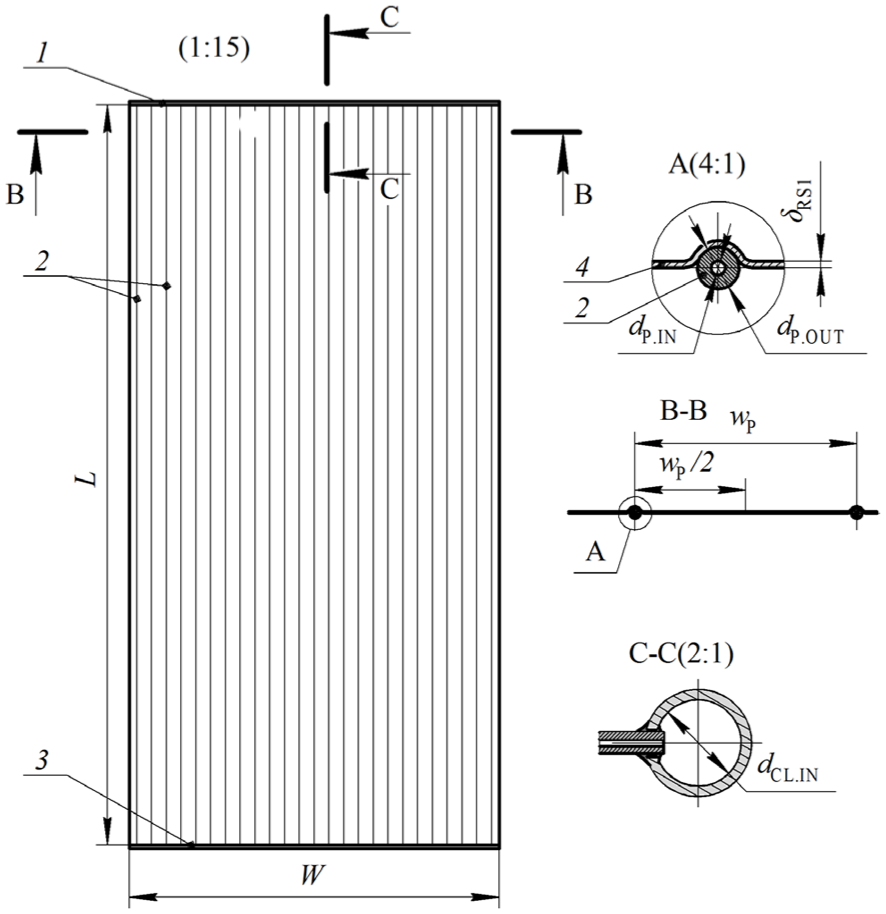
MC design: distribution manifold; capillary tubes; collecting collector; radiating plate. 38

Mini-channel condenser defrosts (time since the start of defrost in hh:mm format). 38
Comparison of MC and ACC with forced air circulation. 38

Other researchers employed a variety of techniques to improve the efficiency of air-cooled condensers. These techniques included modifying the design and shape of traditional air-cooled condensers as well as altering conventionally manufactured materials. For instance, Mil’man and Anan’ev changed the traditional air-cooled condenser and created a flat-finned tube technology. This had a big impact on the design of air-cooled condensers (ACCs), as seen in Figure 8. 39 Corrugated aluminum sleeves, welded to aluminum-clad steel tubes, form narrow 200-mm-long air channels that enhance heat transfer efficiency. Steam power plants classify the ACC designs based on air circulation, fan orientation, and fan placement, with the A-frame layout being the most widely used (Table 2).

Flat tubes with microchannels. 39
ACC’s structural schemes. 39


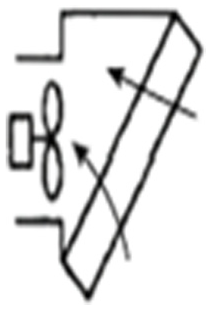

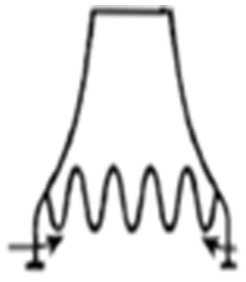
The new design configurations of ACCs, as illustrated in Figure 9(a) to (c) is discussed sequentially in the next paragraphs; each sub-panel highlights a distinct aspect. It introduces several significant improvements in the layout and structural designs. The most prominent configurations, such as the modular and skeleton layouts in Figure 9(a), allow for greater installation flexibility, enhancing the cooling efficiency and maintenance accessibility. The modular design (Figure 9(b)) enhances steam distribution by positioning steam headers beneath the heat-exchanging modules, thereby reducing erosion and boosting efficiency. Furthermore, the inclusion of designs just like Boxair and Hexacool (Figure 9(c) and (d)) makes these units suitable for smaller thermal power plants, ensuring that ACCs are more adaptable to various operational scales. These advancements reflect the industry’s shift toward optimizing heat transfer and reducing the spatial footprint of cooling systems, aligning with modern demands for energy efficiency and sustainability. For optimal ACC design, we prefer smaller diameter, and longer tubes for organic coolants are more preferred. 39

Structural and layout variants of air-cooled condensers (ACCs): (a) skeleton, (b) modular, (c) Boxair, and (d) hexacool. 39
Efficiency improvements
Efficiency improvements in air-cooled condensers are a focus of ongoing research. Mahvi et al. explored the use of auto-fluttering reeds, demonstrating that this technology can adaptively optimize airflow patterns and enhance heat transfer efficiency. Their experimental findings showed that these reeds can lead to a performance increase of up to 15%, making them a promising innovation in air-cooled condenser technology. 40 Ndukaife and Nnanna highlighted various strategies for enhancing the energy efficiency of air-cooled condensers in their review. The authors emphasized the importance of material selection, where advanced materials with high thermal conductivity can significantly enhance heat transfer efficiency. 41 For example, recent studies (Gupta et al.) have indicated that the application of aluminum fin material improves heat exchange by 25% compared to conventional materials. 34 Alsayah et al. conducted a comparative analysis of global water consumption in adiabatic and air-cooled condensers. Their findings reveal that air-cooled systems offer a sustainable alternative, particularly in arid regions, thereby reducing water resource depletion while maintaining effective cooling performance. 42 Park et al. focused on experimental modifications in air conditioning systems, demonstrating that integrating innovative condenser designs can lead to energy savings of up to 20%. Their study highlighted the significance of optimizing fan speed and adjusting the refrigerant flow rate to improve overall system efficiency. 43 Moreover, Lin et al. investigated the air-side heat transfer performance in power plant condensers. They reported that strategically adjusting fan configurations can significantly enhance the overall heat transfer coefficient, improving the efficiency of the condenser by 10%. 44
The Mil’man and Anan’ev enhanced the efficiency of the air-cooled condenser by using moderated air-cooled condensers (ACCs). 39 Most ACC manufacturers ensure optimal performance at wind velocities up to 3 m/s, as stronger winds reduce cooling airflow through the fans, decreasing system efficiency. Figure 10 presents data from the Nirma Institute of Technology showing how ACC efficiency changes with varying wind velocities. Both wind speed and direction influence efficiency, so it is crucial to consider the dominant wind direction when positioning ACCs. Orienting the minimal surface area of the ACC structure toward prevailing summer winds can improve overall system performance. 39
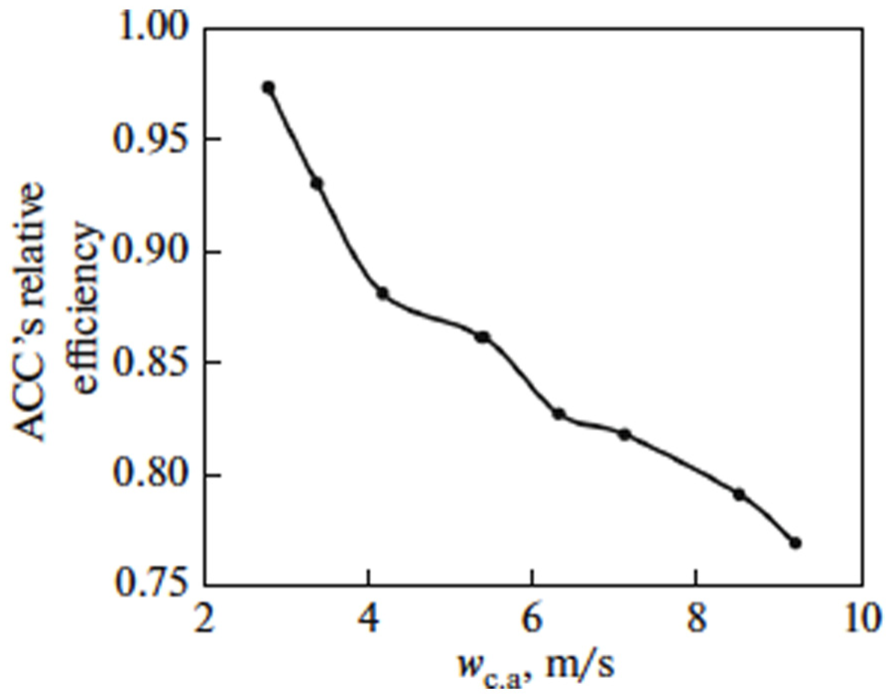
ACC efficiency versus wind velocity. 39
Lin et al. improved the HAVC system performance by adopting a new air-cooled technology. 44 One method to reduce water consumption in cooling towers for steam condensation is by using new advancements in condenser (ACC) systems, which rely on air as the heat rejection medium. While these systems are advantageous where water is scarce, they reflect the shift toward more efficient and flexible designs to meet the growing demands for energy efficiency and water conservation in power plants. This research looked at how an A-frame air-cooled condenser (ACC) with different air-side improvements could help dry-cooled plants work better, especially in the summer (30 °C, 25% humidity). Researchers looked at different types of fin geometries, including smooth, wavy, and louvered fins. They found that reducing the spacing between the fins in conventional smooth fins made them more efficient by 1.14% for Rankine cycles and 0.84% for combined cycles. Figure 11 depicts the comprehensive ACC system, emphasizing crucial elements like the A-frame layout and axial fans, designed to optimize airflow and heat exchange efficiency. 44 Figure 12 further highlights the various structural configurations of ACCs, such as modular and Boxair layouts, which offer enhanced scalability and reduced spatial footprints, thereby enabling better adaptation to site-specific requirements. In particular, the modular design optimizes steam distribution, reducing erosion and improving the heat transfer process. Lastly, Table 3 provides a detailed comparison of different fin configurations (plain, wavy, and louvered), revealing that optimized plain fins with reduced spacing lead to a substantial increase in overall system efficiency. Thus, the integration of these advancements significantly improves ACC performance, ensuring higher plant efficiency even in dry cooling environments. 44

Schematic of the (a) entire ACC system, (b) ACC cell, and (c) an individual steam tub. 44

ITD and air-side pressure drop comparison using different fin types. 44
Dimensions of the optimized plain, louvered, and wavy fins and predicted performance. 44

Mahvi et al. optimized the HVAC system efficiency and performance by reducing the water consumption in power plants through the theoretical and experimental integration of a new technique. 40 The researchers propose a novel technique to boost the efficiency of air-cooled condensers (ACCs) by using auto-fluttering reeds. ACCs are a key technology in reducing water consumption in power plants but tend to suffer from lower thermal efficiency compared to water-cooled systems, as shown in Figure 13. 40 Putting auto-fluttering reeds in the air channels of ACCs creates vortices, which improve heat transfer by breaking up the boundary layer without making the pressure drop much more. Numerical and experimental models showed that the average Nusselt number increased by ∼25% over the range of tested conditions with increased enhancement with higher Reynolds number due to the greater influence of reed flutter at higher channel velocities. Under ambient temperatures of 25 °C–30 °C, face velocity of 2–3 m/s, and single-stage compression at steady state conditions, the use of auto-fluttering reeds increased the heat transfer coefficient by up to 33.84%, leading to a 0.89% improvement in overall power plant efficiency. This technique offers potential benefits for both retrofitting existing plants and in the design of new dry-cooled power plants. 40
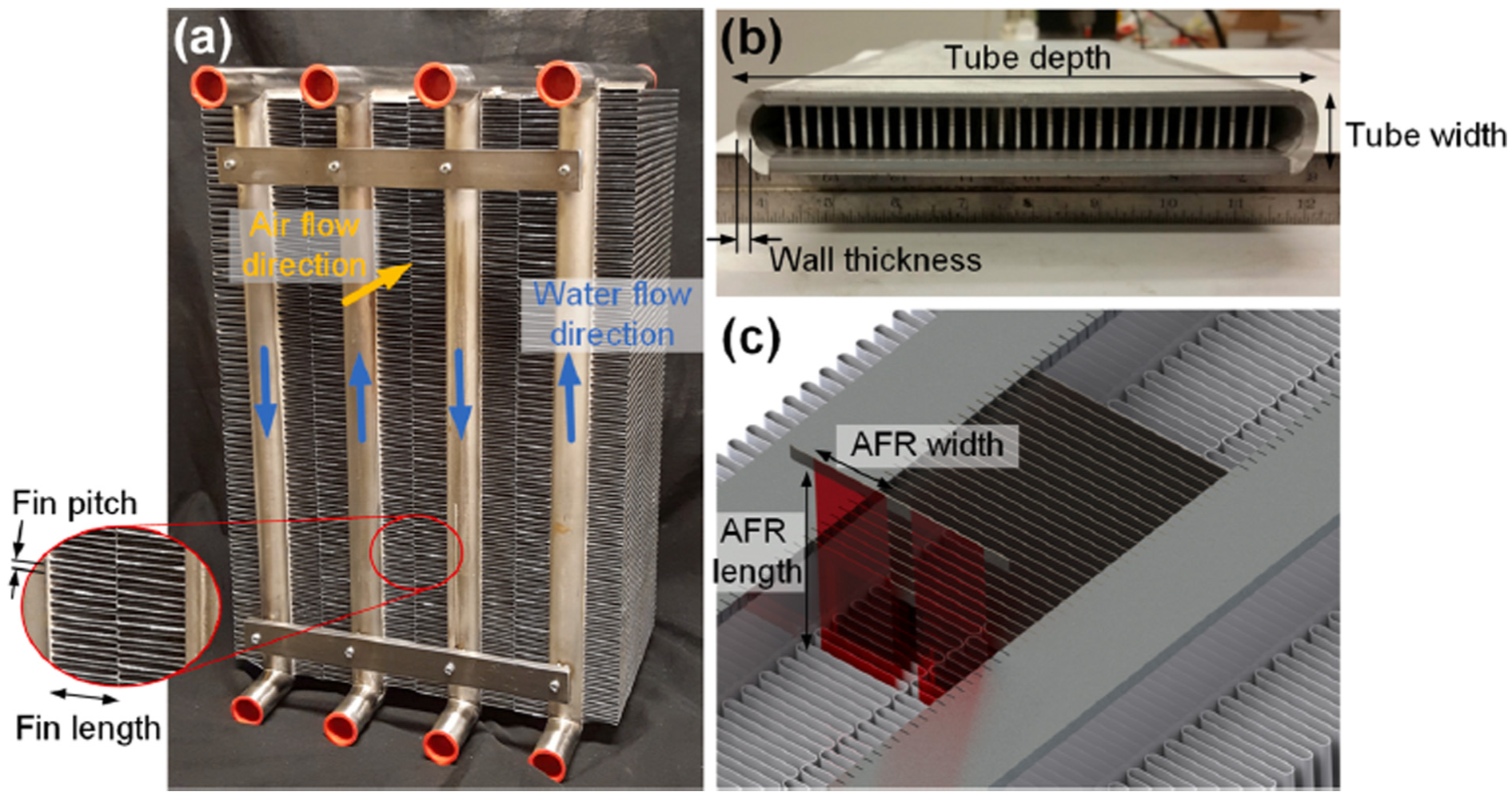
(a) Full microchannel test section used for AFR evaluation; (b) internal tube geometry (width, depth, wall thickness); and (c) schematic of AFR installation within the channels. 40
Figure 13(a) to (c) is discussed sequentially in the next paragraphs; each sub-panel highlights a distinct aspect. The figure presents the test section of the condenser with details on the internal structure of the condenser tubes and the placement of the fluttering reeds within the air channels. Additionally, it highlights the configuration of the reeds made of thin PET material, which are strategically positioned to enhance air-side heat transfer by generating vortical structures during fluttering. This setup was very important for testing how well the improved condenser worked in real-life situations. It showed that the reed-induced airflow disturbances were able to improve heat transfer while keeping the pressure drop levels manageable. Figure 14 shows how the efficiency of air-cooled condensers (ACCs) improves when plain fins and auto-fluttering reed-enhanced geometries are used. The results of the optimization study reveal that the maximum efficiency for plain-fin ACCs reached 33.93%, while the reed-enhanced ACCs (autonomously fluttering reeds (AFRs)) achieved a slightly lower efficiency of 33.84%. 40 Nevertheless, the auto-fluttering reeds (AFRs) reduced the required external surface area by ∼6.42%, potentially offering economic advantages in terms of reduced material and construction costs. This means that the reed-enhanced configuration slightly underperforms in terms of peak efficiency, but it makes up for it by making the condenser system smaller and cheaper, which is an important trade-off between efficiency and cost-effectiveness.
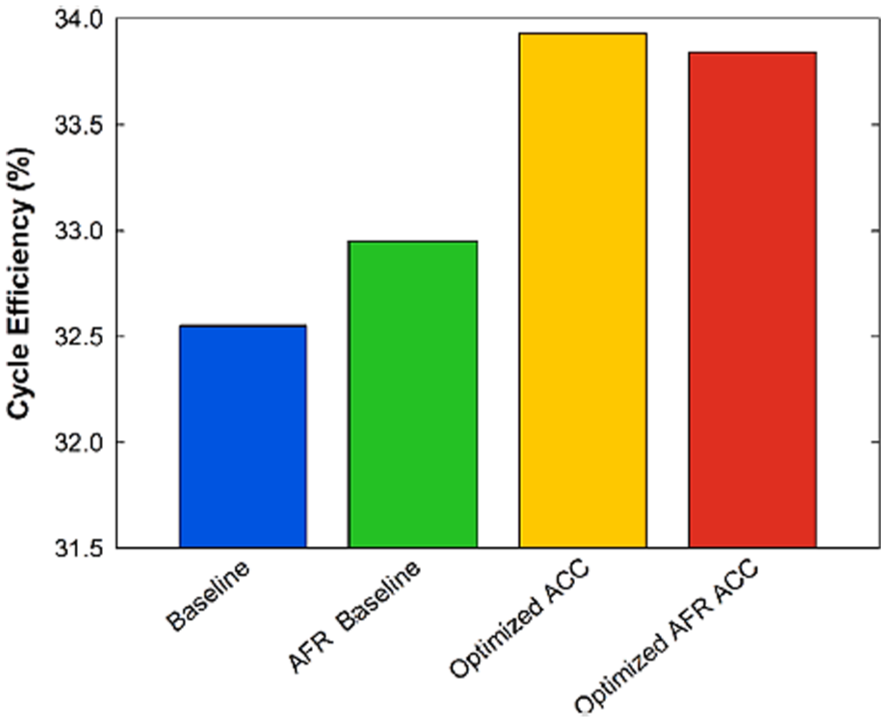
The efficiency of the plain fin and reed-enhanced ACCs with the baseline and optimized geometries. 40
Other researchers improve the HAVC system efficiency thermodynamically, such as Galieti et al., who explore how air-cooled condensers in Organic Rankine Cycle (ORC) systems can be optimized using zeotropic mixtures to improve effectiveness. 45 As the study shows, zeotropic mixtures, which show temperature glide during phase change, make it easier for temperatures to match in the condenser, which lowers thermodynamic irreversibilities. This leads to lower auxiliary power consumption for the air-cooling process. Specifically, the reduced mean temperature difference allows for improved heat rejection efficiency, which is crucial for low-temperature geothermal ORC applications. However, this improvement comes with a trade-off: a larger heat transfer area is required, potentially increasing the overall condenser size. Figure 15 shows a comparison of the second-law efficiency of ORC systems that use pure fluids and pseudo-mixtures. Figure 15(a) confirms the superior thermodynamic potential of pseudo-mixtures by demonstrating their higher performance for a given pinch-point temperature difference. 45
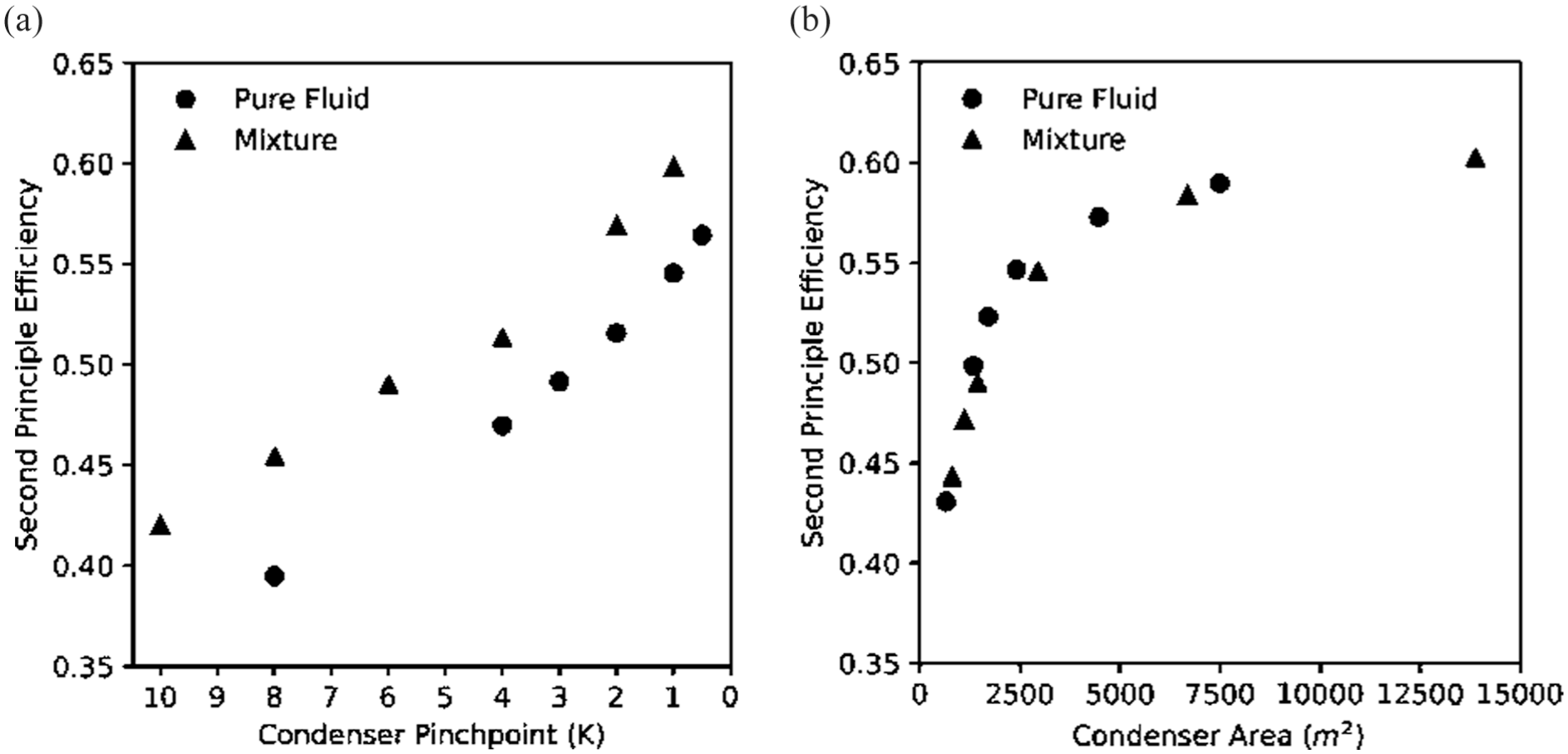
Comparison of the second law efficiency of the ORC systems (a) as a function of the pinch-point and (b) as a function of the condenser area. 45
Still, Figure 15(b) shows that when you look at the condenser heat transfer area, the second-law efficiencies of pure fluids and mixtures are about the same. Thus, the results show that while both mixtures and pure fluids have comparable efficiencies relative to heat transfer areas, combinations allow for higher pinch-point temperature differences, making them more practical for real-world applications where very low temperature differences are difficult to achieve. This makes zeotropic mixtures particularly attractive for geothermal applications, where exploration costs dominate and higher plant efficiency justifies the increased condenser size. 45
Air-cooled condensers are integral to modern HVAC systems, offering a practical solution for cooling applications while minimizing water consumption. Continuous advancements in design, material science, and operational techniques are crucial for improving their performance and aligning with sustainability goals. The ongoing research in this field promises further enhancements, contributing to more efficient and environmentally friendly HVAC solutions.
Water-cooled condenser
Water-cooled condensers (WCCs) play a crucial role in HVAC systems, particularly in applications where efficient heat rejection is essential. Unlike air-cooled condensers, which rely on ambient air for cooling, water-cooled condensers utilize water as the cooling medium, allowing for higher heat transfer rates and more compact designs. This section examines the operational principles, design considerations, and recent advancements in water-cooled condenser technology.
Operational principles and design
Water-cooled condensers operate by circulating water through a heat exchanger, absorbing heat from the refrigerant, which then condenses into a liquid state. This mechanism allows for more efficient heat transfer compared to air-cooled systems, especially in high capacity applications. Yang et al. reported that water flow rates and temperature differentials significantly influence the thermal efficiency of water-cooled condensers. The authors emphasized the importance of optimizing water circulation systems to minimize energy consumption while maximizing cooling efficiency. 46 Moreover, Kruzel et al.’s study on the design of telescoping water-cooled condensers emphasized the benefits of modular systems, which are easily adjustable to meet various cooling demands. This flexibility can enhance system efficiency by adapting to changing operational conditions, making these condensers suitable for both industrial and commercial applications. However, recent innovations have introduced water-cooled condensers with integrated storage solutions for low-temperature parallel units. 47 According to Wang et al., this design enables the system to maintain optimal operating temperatures during peak loads, thereby improving performance stability and energy efficiency. The study demonstrated that incorporating storage tanks can reduce the frequency of compressor cycling, resulting in lower wear and tear on system components. 5
Innovations in water-cooled condenser technology
Water-cooled condensers are continually evolving, with research focusing on enhancing performance through innovative designs and materials. For instance, the work of Khantisopon et al. explored the use of advanced materials in water-cooled condenser fabrication. The authors reported that using corrosion-resistant alloys and coatings can significantly extend the lifespan of condensers while maintaining high thermal performance. 48 Also, research by Xu et al. introduced a novel approach to optimizing water-cooling systems by integrating intelligent control strategies. The authors demonstrated that employing real-time monitoring and adaptive control techniques can enhance the performance of water-cooled condensers by up to 15%, leading to improved energy efficiency and reduced operational costs. 49
In a comprehensive review, Ahmed et al. assessed the effectiveness of water-cooled condensers in new energy vehicles. They noted that these systems can effectively dissipate heat generated by high-capacity batteries and electric motors, contributing to the overall energy efficiency of electric vehicles (EVs). The authors emphasized that the adoption of water-cooled systems in the automotive sector is essential for meeting stringent emissions regulations and improving vehicle performance. 50 Additionally, Kim et al. proposed a study focusing on the improvement of air-conditioning (AC) system efficiency in battery electric vehicles (BEVs) using a dual condensing system. This system combines a water-cooled condenser with a minimized air-cooled condenser. By reducing the high-side pressure of the refrigerant, the dual system improved the coefficient of performance (COP) by 2.7%–9.6%, especially in urban drive cycle surrogate with intermittent airflow. This COP improvement was averaged across three tests with model–experiment agreement within ±10%. It also reduced compressor power consumption by 13% and cooling fan power by 17%, compared to a traditional air-cooled condenser, thereby enhancing the overall driving range of BEVs by up to 7.9%. 51 Figure 16 illustrates a schematic comparison of the two HVAC systems—Figure 16(a) represents system 1 with a conventional air-cooled condenser, and Figure 16(b) describes system 2 with the dual condensing system. The water-cooled condenser in System 2 significantly lowers the refrigerant’s high-side pressure before the refrigerant reaches the air-cooled condenser, which reduces the condensing load and increases efficiency. These two configurations were selected based on their relevance to modern electric vehicle HVAC applications and recent studies validating the dual-condenser approach as an effective enhancement. In order to check the developed model’s accuracy, Figure 17 verifies the system models. It shows that the numerical simulations for pressure drops and heat transfer rates of heat exchangers are within ±10% of the experimental results. This validation validates the developed model’s accuracy in evaluating the system’s efficiency. 51

Air-conditioning system architectures for an EV: (a) System 1: conventional single air-cooled condenser and (b) System 2: dual-condenser configuration combining a water-cooled and air-cooled unit for enhanced pressure reduction and efficiency. 51
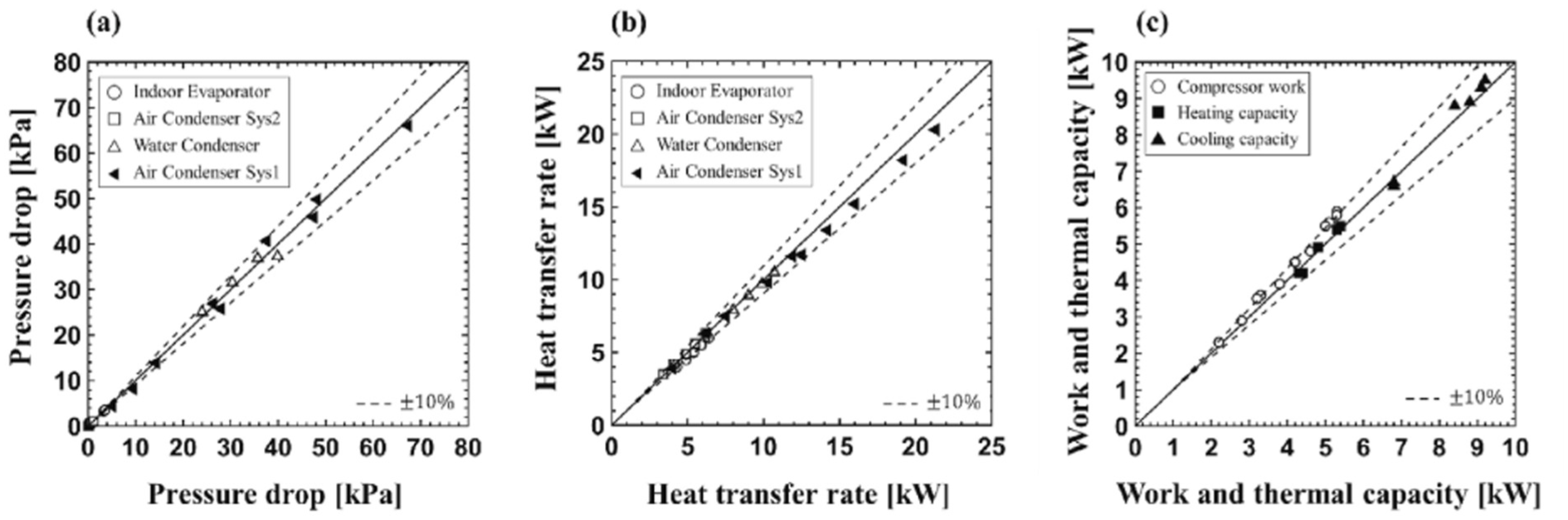
Validation of the developed model against experimental data for the studied system: (a) pressure drop across the heat exchangers, (b) heat transfer rate of the heat exchangers, and (c) compressor work and heating/cooling capacities.
Moreover, in water-cooled condenser designs such as those shown in Figure 17, pressure drop can be minimized through several approaches. These include increasing the internal diameter of the flow passages, reducing the total number of elbows and bends, and employing smooth-walled tubing materials to reduce frictional resistance. Additionally, the use of parallel flow paths or multi-pass shell-and-tube configurations can help distribute the flow more uniformly, lowering the effective resistance and improving the heat transfer-to-pressure drop ratio. 51
Karimi et al. looked into how to make air-cooled condensers more efficient in air conditioning systems by looking into different designs and methods, such as evaporative, water-cooled, and air-cooled condensers. 52 According to the study, water-cooled condensers tend to work better than air-cooled systems because water is a good thermal conductor, which speeds up the rate of heat transfer. This is shown by the fact that water-cooled systems have 14.4% more refrigeration capacity and 10.2% higher coefficients of performance (COP). However, water-cooled systems require higher installation and maintenance costs and can face issues like algae formation and corrosion. Regarding the dual condenser system, the study shows that combining water-cooling and air-cooling methods can yield better results. 52 Siricharoenpanich et al. optimized the cooling system by adding a cooling water loop, which significantly increased the thermal performance and COP of air conditioning systems. 53 Additionally, Xu et al. simulated and compared shell tubes and plate-fin heat exchangers, concluding that the shell tube performed better in terms of heat transfer power, especially under high input conditions. These findings support the notion that water-cooled systems, despite their complexity, offer substantial efficiency gains in large-scale applications. 54
Regarding the environmental impact, while water-cooled condensers offer high thermal efficiency, their use raises environmental concerns, particularly regarding water consumption and management. A study by Kolathur et al. conducted a lifecycle analysis of water-cooled systems, highlighting the importance of sustainable water sourcing and treatment to mitigate ecological impacts. The authors proposed implementing closed-loop water systems to minimize water waste and enhance the sustainability of water-cooled condensers. 55
Water-cooled condensers are integral to the efficient operation of HVAC systems, particularly in applications demanding high cooling capacity. Continuous advancements in design, material science, and control strategies enhance their performance and sustainability. As the demand for energy-efficient solutions grows, ongoing research and innovation in water-cooled condenser technology will play a vital role in meeting future HVAC challenges and improving overall system efficiency.51–55
Optimization techniques
The optimization of condensers in HVAC systems is critical for enhancing thermal efficiency, reducing energy consumption, and improving the longevity of the equipment. Condenser optimization requires a comprehensive approach that integrates thermodynamic modeling, material selection, design enhancements, and lifecycle economic analysis. This section provides an overview of these strategies, divided into four thematic areas that contribute to the overall performance of condensers.56–58 To ensure consistency across studies, results are normalized to common SI units per-area or per-capacity, ambient conditions are indicated, and performance effects are expressed as changes (
Analytical formulation and thermodynamic equations
The foundation of condenser optimization lies in understanding the thermodynamic relationships that govern heat transfer, energy efficiency, and pressure dynamics. The performance of a condenser in an HVAC system is commonly evaluated using thermodynamic metrics such as the Coefficient of Performance (COP), heat transfer rate (Q), and pressure drop (ΔP), which together inform the formulation of objective functions in optimization models. For instance, the improved COP observed in water-spray-assisted condenser experiments (Section 3.1.1) informs the objective functions developed for thermodynamic and control-based optimization models. These can be represented as28,30–33:


Where,
In the context of condenser optimization, the thermal resistance

Where,
The pressure drop across the condenser, which directly impacts compressor work and system efficiency, is expressed as:

Where:
In optimization studies, a common objective is to minimize energy consumption or maximize heat transfer efficiency, subject to system constraints. A typical objective function for condenser design can be expressed as28,30–33:

Where,
Multi-objective optimization techniques such as genetic algorithms, response surface methodology, or particle swarm optimization are often employed to solve this type of problem.
Material selection and thermal properties
Material selection plays a critical role in the efficiency, durability, cost-effectiveness of condenser systems, and overall system efficiency. Recent studies have underscored the importance of not only choosing materials with high thermal conductivity but also considering their compatibility with various refrigerants. Zhang and Li state that condensers frequently use high thermal conductivity materials like copper and aluminum due to their ability to facilitate efficient heat transfer. The authors also highlighted the importance of corrosion-resistant coatings to enhance the durability of these materials in various environmental conditions. 56
In 2024, Aldosari et al. studied how different materials handled heat in heat exchangers. They focused on the benefits of using advanced composite materials like carbon fiber reinforced polymers (CFRPs), which are strong for their weight and also very good at transferring heat. This innovation can lead to lighter and more efficient condenser designs, significantly improving overall system performance. 57 Moreover, Baltatu et al. conducted an extensive review on the optimization of heat exchanger materials, focusing on the balance between thermal conductivity, corrosion resistance, and cost. The authors indicated that titanium alloys, while more expensive, provide superior corrosion resistance in aggressive environments, potentially reducing long-term maintenance costs. 58
A review by Kolhe et al. emphasized the optimal selection of refrigerant and condenser materials. The authors discussed how specific refrigerants interact with different materials, impacting the overall efficiency of the condenser system. For example, using stainless steel instead of copper can lead to higher corrosion resistance but may also result in lower thermal conductivity. Therefore, understanding these trade-offs is crucial for designing efficient condenser systems. 59 The study by Adegbola et al. examined the heat transfer performance of air conditioning condensers with varying materials and refrigerants. The authors reported that using advanced alloys can improve the thermal performance of condensers while maintaining structural integrity. This research underscores the need for ongoing material innovation in the HVAC sector. 60 According to a study by Wang et al., the implementation of surface modifications on traditional materials can significantly enhance heat transfer performance. They introduced various nanostructured coatings that can increase the surface area and promote turbulence in the fluid, leading to improved heat transfer coefficients. 61
Another important aspect of material optimization is the application of advanced coatings. According to the work by Vourdas et al., the design criteria for coatings in next-generation condensing economizers focus on enhancing thermal performance while providing corrosion resistance. The authors noted that implementing nanotechnology in coating materials could significantly improve heat transfer efficiency and reduce fouling, leading to better overall performance. 62 Nemati et al.’s research in 2024 on thermal design approaches for shell and tube heat exchangers showed how important it is to choose the right material for certain uses, like pyrolysis-vapor condensations. The authors found that optimizing material properties could lead to significant improvements in thermal efficiency and operational stability. 63 In addition, Uddin and Saha highlighted the role of eco-friendly refrigerants in the choice of materials. Their findings indicated that certain materials, such as high-density polyethylene (HDPE), are more compatible with natural refrigerants, leading to enhanced system safety and efficiency. 64
In addition to thermal and mechanical properties, material and refrigerant selection must consider environmental consequences. Refrigerants such as R-22 and R-410A, which have high global warming potential (GWP) and ozone depletion potential (ODP), are being phased out globally under frameworks like the Kigali Amendment to the Montreal Protocol and the EU F-gas regulations. The HVAC industry is increasingly transitioning toward low-GWP alternatives such as R-290 (propane), R-1234yf, and CO2-based systems. On the material side, aluminum offers recyclability and lower embodied energy than copper but may require coatings to prevent corrosion. These environmental and regulatory considerations are now central to sustainable condenser design. 65 Recent studies on ultra-low-GWP working fluids such as Wang et al., show that refrigerants like R744 (CO2) and R290 (propane) can reduce system energy consumption by up to 37% compared with R134a, while maintaining compliance with Kigali Amendment and EU F-gas regulations. 65
Quantitative materials cost and life-cycle
To complement the macro discussion on conductivity and corrosion, Table 4 provides a quantitative overview of common condenser materials along with their reported thermal conductivity

Service-life ranges anchor to ASHRAE median coil life (≈20 years) and are adjusted for harsher coastal exposure based on corrosion literature; use site-specific maintenance/water treatment to refine.Bold value (1.00) indicates the reference baseline used for normalization (Al-3003 cost index = 1.00).
Thin organic coatings have negligible impact on bulk

In inland sites, coated aluminum often minimizes upfront cost and mass; in coastal/marine duty, corrosion-resistant alloys (Cu-Ni, Ti, 316) can achieve lower total cost over 15 years despite higher
Where,
Design innovations and performance enhancements
Intelligent condenser optimization can be organized as a succinct loop: Inputs (weather
Research by Ganthavee and Trzcinski highlighted the potential of using artificial intelligence (AI) and machine learning (ML) for optimizing condenser performance. The study showcased the potential of predictive analytics in forecasting cooling demand and making real-time adjustments to operational parameters, resulting in significant energy savings. A significant trend in this area is the integration of smart technologies and Internet of Things (IoT) capabilities. 70 In their study, Vaishnavi et al. introduced the concept of smart condensers equipped with IoT sensors. These sensors provide real-time data on operating conditions, allowing for predictive maintenance and reduced downtime. The findings suggest that such innovations can enhance system reliability and longevity. 71 According to Desnanjaya et al., implementing intelligent control systems in condensers allows for real-time monitoring and optimization of performance parameters. The authors found that these systems could reduce energy consumption by adapting to varying load conditions. 72 Furthermore, the integration of phase change materials (PCMs) is gaining traction, as explored by Elhamy and Mokhtar. Their research indicates that incorporating PCMs can help manage thermal loads more effectively, thus enhancing the overall efficiency of the condenser during peak operational periods. 73 The work of Ahmed et al. explored the use of phase change materials (PCMs) in conjunction with traditional condenser systems. The authors reported that integrating PCMs can provide thermal energy storage, allowing for better load management and enhanced overall efficiency during peak operational periods. 74
Yang et al. examined innovative designs, such as dual-function condensers that integrate both air and water cooling. This hybrid approach allows for greater flexibility in operation, enabling the system to adapt to varying environmental conditions while maintaining optimal performance. 75 Research by Kapilan et al. focused on the design of innovative cooling towers integrated with condenser systems. The authors highlighted the potential for hybrid systems that combine evaporative cooling with traditional water-cooled condensers, leading to enhanced performance and reduced water consumption. 76 Estrada et al. also discuss the innovative feature of implementing variable-speed compressors in condenser systems. This technology allows for precise control of refrigeration flow and cooling capacity, leading to significant energy savings. The authors noted that variable-speed systems can adapt to fluctuating cooling demands, resulting in a more efficient overall system operation. 77 Nandhini et al. further investigated the application of heat recovery systems in condensers. They found that by capturing waste heat from the condenser, it is possible to improve overall system efficiency and reduce energy consumption significantly. 78 Moreover, A recent comprehensive AI-integration review highlights the growing role of intelligent algorithms in HVAC optimization. Lu et al. found that supervised learning, reinforcement learning, and digital twins are being actively applied to control strategies, energy prediction, and predictive maintenance within HVAC systems. The review emphasizes that these AI approaches not only enable real-time performance tuning but also enhance fault detection, occupant comfort, and overall energy efficiency—demonstrating clear alignment with the performance enhancement goals of condenser optimization. 79 In their comprehensive review, Mil’man and Anan’ev discussed innovative features such as microchannel heat exchangers. These compact designs enhance heat transfer efficiency due to their larger surface area-to-volume ratio. The authors noted that microchannel technology could lead to significant reductions in refrigerant charges and improved system efficiency. 39
The continuous development of innovative features in condenser technology is essential for advancing HVAC systems’ efficiency and sustainability. Ongoing research and collaboration among industry professionals will play a crucial role in driving these innovations forward.
Operational cost considerations
In addition to thermal performance, operational cost significantly influences overall HVAC system efficiency. Comparative studies indicate that air-cooled condensers typically have lower installation costs but higher energy demands—Setiyo et al. reported a 4%–6% improvement in COP and a 4.2% higher cooling capacity for water-cooled systems compared to air-cooled ones in tropical conditions, highlighting energy-driven cost advantages. 80 In a European study by Merati, water-cooled chillers in 600–1200 kW systems consistently demonstrated lower annual energy use and CO2 emissions, leading to payback periods of just 1.4–1.7 years despite higher initial investment. 81 These findings emphasize that while water-cooled systems require investment in infrastructure (e.g. cooling towers and pumps), their superior energy performance and faster ROI often justify the extra cost—especially in large-scale or climate-controlled installations. These lifecycle and energy models reveal that, despite higher upfront costs, water-cooled systems often deliver lower total cost of ownership in medium to large installations.
Conclusion
The design of condensers is fundamental to the efficiency and overall effectiveness of HVAC systems, significantly impacting their energy performance and operational reliability. This review has examined the various types of condensers—including evaporative, air-cooled, and water-cooled—each characterized by unique advantages and limitations that are contingent upon specific applications and environmental conditions.
Optimizing condenser design through the application of advanced materials, innovative features, and refined configurations has the potential to yield substantial improvements in system performance and energy efficiency. Research indicates that the integration of cutting-edge technologies, such as microchannel designs, variable speed fans, and smart control systems, enables the development of HVAC solutions that not only meet but also exceed modern performance expectations. For instance, recent studies have demonstrated how advanced alloys and nanomaterials enhance thermal conductivity and longevity, leading to more compact and efficient condensers.
As HVAC systems evolve in response to the pressing challenges posed by climate change, increasing energy demands, and sustainability targets, ongoing research and development in condenser designs will be crucial. The findings from this review underscore the imperative for a holistic approach to HVAC design, which prioritizes the critical role of condenser technology in achieving efficient and effective indoor climate control.
Technological integration and future outlook
As the HVAC industry moves toward intelligent and sustainable systems, artificial intelligence and smart controls are expected to play a central role in next-generation condenser optimization. Artificial intelligence algorithms such as reinforcement learning, support vector machines, and neural networks facilitate real-time system optimization by adapting to occupancy patterns, environmental conditions, and dynamic load demands. Predictive maintenance powered by AI allows for early fault detection, reducing downtime and improving lifecycle reliability. Digital twins and IoT-enabled systems are further enhancing system transparency, providing dynamic performance insights and enabling cloud-based control. These technologies not only improve system performance but also align with global goals for energy efficiency, user comfort, and carbon reduction.
For climate extremes and system resilience, research is essential for further development of smart condenser design and control. For heat-wave resilience, adaptive fan and spray control with hybrid switching thresholds can adjust operating parameters based on derating curves for ACC, Evaporative, and WCC. In dusty or saline environments, developing and utilizing self-cleaning coatings, fouling sensors, and AI-assisted maintenance scheduling help preserve heat-transfer efficiency. For water-stress scenarios, evaporative-assist duty cycling, reclaimed-water integration, and dynamic water-energy trade-off controls can be used to balance cooling requirement with water availability. In cases of grid-stress, demand-response-aware control and thermal storage for peak shifting can avoid grid-stress. In addition, in response to refrigerant-transition risks, smart techniques that respond to drop-in low-GWP refrigerants and microchannel architectures to minimize charge requirements.
Limitations of the study
While this review has provided a comprehensive analysis of optimization techniques for HVAC condenser design, certain limitations exist. First, the study is based solely on published literature and does not include experimental or simulation-based validation. Additionally, due to the diversity of HVAC system configurations, refrigerants, and climatic conditions, the applicability of generalized conclusions may vary across real-world scenarios. Future studies are encouraged to integrate experimental benchmarks and location-specific analyses to validate and extend the reviewed findings.
This review also advocates for stronger collaboration between researchers and engineers to accelerate innovation in condenser technologies. Future research should focus on optimizing energy consumption, minimizing environmental impacts, and developing adaptive systems that respond dynamically to changing climate conditions. By prioritizing advancements in condenser design and embracing innovative cooling techniques, the HVAC industry can significantly contribute to a more sustainable future. After all, optimization includes thermodynamics, materials, geometry, and controls. Multi-objective methods are best suited to balance COP,
Footnotes
Handling Editor: Ahmed Al-Sammarraie

Funding
The authors received no financial support for the research, authorship, and/or publication of this article.
Declaration of conflicting interests
The authors declared no potential conflicts of interest with respect to the research, authorship, and/or publication of this article.