



Abstract
In this research, a parabolic trough solar water heater (PTSWH) having helically twisted copper tubes and dimple texturing with an aluminum (AlC) coat was experimentally examined to identify the solar collector’s efficiency, friction factor, convective heat transfer, Nusselt numbers variations, and uncertainty during the test. For this purpose, helical copper dimple tubes with Al coating were used to pass water through it at mass flow rates of 0.5–2.5 kg/min, with 0.5 kg/min increments. Experimental tests were conducted using specific datasets to investigate the efficacy of PTSWH. These experiments aimed to evaluate the efficiency and performance of solar collectors in harnessing solar energy for various applications, such as space heating, water heating, and industrial processes. The results of these experiments are recorded and analyzed to assess the practical viability of solar thermal systems. The results showed that solar collector effectiveness was improved by about 31.2% at flow rates of 1.5 kg/min, while the friction factor was raised by approximately 0.23%. The convective heat transfer coefficient was enhanced by about 7%, and the Nusselt numbers were enhanced to nearly 298. The overall uncertainty of ±2.3% was also observed, indicating that the findings were within the permissible range. Moreover, the PTSWH system recorded an elevated pressure drop of 2.32 kPa. This approach of dimple texturing with Al coating may be best suited for the PTSWHs used in moderate and low solar intensity regions.
Keywords
Introduction
These days, solar heat exchangers (SHE) are used in various sectors. 1 Solar Heat exchangers are used in various settings, from air conditioning and refrigeration to power plants and refineries, not to mention the food and pharmaceutical industries, which has prompted many studies to optimize their efficiency and effectiveness. 2 Therefore, to accomplish the primary objective, it is vital to use strategies that may raise the exchangers’ overall level of productivity. 3 The current state of solar energy is promising, with solar panels becoming more efficient and affordable. Countries around the globe are increasingly turning to solar power to meet their energy needs, both for electricity generation and heating purposes. In many regions, solar energy has become competitive with traditional fossil fuels in terms of cost, making it a viable alternative. Solar energy is expected to play a crucial role in the future energy landscape. As concerns about climate change and energy security grow, there is a growing consensus on transitioning from fossil fuels to cleaner alternatives like solar power. The continued development of solar technology, including advancements in energy storage and grid integration, will further enhance its viability and reliability. Numerous kinds of research have been conducted to improve the efficiency of thermal systems and decrease the size, consequently, energy consumption rates due to the enormous and ongoing development in demand and the resulting paucity of energy resources. 4 Heat transfer improvement increases the heat transfer rate and the system’s thermohydraulic performance in various ways. 5 The enhancement methods improve heat transfer without compromising the systems’ general design. 6 It discusses the various applications of heat exchangers in the chemical industry, including air conditioning, refrigeration, central heating systems, cooling automotive components, and many others. 7
Three primary categories for the many strategies that improve heat transfer are compound active and passive methods. 8 Passive methods don’t require external power, whereas active techniques do. 9 Additionally, combining two or more passive methods with one or more active techniques is known as a compound technique. 10 This kind of technique, which is utilized to provide a greater enhancement than the usage of a single passive technique or an active technique on its own, can be applied. 11 Experimental tests were conducted using specific datasets to investigate the efficacy of solar collectors as heat exchangers. These experiments aimed to evaluate the efficiency and performance of solar collectors in harnessing solar energy for various applications, such as space heating, water heating, and industrial processes. The results of these experiments are recorded and analyzed to assess the practical viability of solar thermal systems.
Review of helical twisted tape
A large number of researchers have conducted reviews on a variety of active and passive heat transfer augmentation strategies.12,13 This work evaluates new findings regarding the increased heat transfer using helical coiled twisted tape inserts, which have been utilized as a passive approach in copper tube flow. 14 These inserts are used in a variety of different applications. 15 In the copper tube flow, the helically twisted coil tape inserts amplify the disruption of the viscid sub-layer and efficiently stimulate the regeneration of the hydrodynamic boundary layers and thermal efficiency. 16 The heat transmission method also often uses twisted tape inserts. 17 Helically twisted tape inserts are often the most popular choice to induce a rise in the turbulence rate in the flow and swirl flow because of their straightforward design and installation. 6 In addition, they have been put to considerable use over epochs in various scientific studies and industrial applications.
Using twisted tape inserts is one of the most prevalent augmentation approaches for heat transfers. Twisted tape inserts increase the rate of fluid friction and convective heat transfer in the flow zone. 18 They are responsible for creating turbulence and contributing to the swirling flow. In addition, the geometric arrangements of the boundary layer may be disturbed by the twisted tape inserts, increasing the heat transfer rate. 19 Nevertheless, an increase in the frictional resistance of the fluid might have a detrimental impact on the overall thermal efficiency of a heat exchanger tube. 20 The pitch and twist ratios of twisted tape inserts significantly impact the overall efficacy of a heat exchanger. In recent studies, many scholars have engaged in trial and numerical research to ascertain the ideal design for the rates of pitch and twist.
This study uses copper dimples and helically twisted tubes to discuss a PTSWH. The performance parameters of PTSWH were analyzed using experimental investigations. Solar radiation and feed water flow rate are crucial. Test findings such as solar collector efficacy, friction factors, uncertainty analysis, Convective heat transfer coefficients, and Nusselt numbers were used to compute parabolic plate solar water heater parameters. A boundary’s Nusselt number indicates the relative importance of convective to conductive heat transfer. Slug flow and laminar flow both have Nusselt numbers between 1 and 10. In addition, turbulent flow often occurs between the 100 and 500 range for the Nusselt number, and this region is associated with active convection.21,22 The heat fluxes due to conduction and convection are orthogonal to the average fluid flow, parallel to one another, and the surface perpendicular to the boundary surface in the simplest situation. A mathematical examination of a Rabinowitsch suspension fluid through elastic walls with heat transfer was presented in this article. Empirical Rabinowitsch fluid model stress-strain, fluid motion, and heat transfer equations comprise the governing equations. There were many illustrations of physical actions. Biomedicine and physiology were two fields in which this study was highly relevant. 23
In an experiment, Al-Fahed et al. 24 examined the heat transfer and pressure drop in a plain tube, microfine tubes, and a tube equipped with a twist turbulator while the tube was subjected to a fluid flowing in a laminar pattern. Their research also looked at the effects of the twist tape rate (the pipe pitch ratio to the pipe diameter) and the width ratio to the twist turbulator rate. The findings indicate that reducing the twist tape ratio may get the maximum heat transfer rate. In addition, the clearance did not result in any major changes. Furthermore, the clearance does not adhere to a standard method and fluctuates depending on the twist ratio. Experiments were carried out by Kumar et al. 25 to study the impact of the pressure drop and rate of heat transfer in a circular channel by a perforated twisted tape tube with peripheral circumferences on single and double V-cut shapes. They demonstrated that using these twisted turbulators raises the thermal performance factor from 1.69 to 2. The thermal performance factor is a ratio of the change in the heat transfer rate to the change in the friction factor. It is usually used to quantify the enhanced effectiveness of a heat transfer. In an experiment, Abolarin et al. 26 examined how twisted taps with continuous U-shaped cutting and ring inserts affected heat transmission and pressure drop in a circular channel. They demonstrated that an increased cutting depth rate leads to a more rapid transition from a laminar to a transient flow state. Additionally, heat transfer rates in the transient phase rise proportionately to the increased cutting depth ratio. Friction and heat transport studies in turbulator-fitted perforated tubes were conducted by Thianpong et al. 27 They demonstrated that an enhancement in the twisting angle increases the Nusselt numbers and the coefficient of friction. A twist turbulator pitch in circular-cut pipes was investigated by Krishna et al. 28 The findings show a correlation between decreasing the pitch distance and increasing heat transfer coefficients. Increasing the twisting ratio improves the rate at which heat is transmitted. Experimental and CFD research on twisted environmental turbulators and jagged twisted turbulators have shown that raising the depth rate and reducing the insert width ratio increases heat transmission.
Murugesan et al. 29 investigated the impact of a V-cut twisted tape insert on heat transmission, friction factor, and thermal performance factor characteristics in a circular tube for three different twist ratios and three distinct depth and breadth ratio combinations. The authors tested the effect for nine twist ratios and depth and width combinations. They concluded that the Nusselt numbers and friction factors in the V-cut helical twisted tape tube increased when the helically twisted ratio decreased, the width rate increased, and the depth ratio increased. Recent works on this type of solar collector are summarized. 30 Fluid flow and heat transfer have been numerically studied in a solar parabolic trough collector with turbulence-inducing components on the collection wall. The pipe’s components feature helical profiles. A commercial CFD code was used to conduct the finite volume approach numerical simulations in three dimensions. Arun et al. 30 and Barik et al. 31 investigated the increase in heat transmission numerically in twin pipe heat exchangers equipped with twisted tape for swirl generators on both edges. A second-order upwind approach has produced the spatial-type discretization of the momentum, mass, turbulence dissipation rate, and equations of turbulence-type kinetic energy. In another work, Arun et al. 32 incorporated center-cleared twisted-tape inserts, tube corrugations, and nanofluids can improve a tubular heat exchanger’s capacity for heat transmission.
A comprehensive literature review on the topic’s applicability to the present endeavors revealed that numerous authors have employed various tactics to improve the performance of solar water heaters. These include evacuated tube solar collectors (ETSCs), twisted tape tubes with peripheral circumferences on single and double V-cut shapes, microfine tubes, and tubes fitted with a twist tabulator. Incorporating center-cleared twisted-tape inserts, twisted taps with continuous U-shaped cutting and ring inserts, twist tabulators pitch in circular-cut pipes, and V-cut twisted tape insert. It is very clear that none of the researchers have utilized copper dimple tubes with aluminum coating and helically twisted tubes for analysis of performance enhancement. In this research, a PTSWH having helically twisted copper tubes and dimple texturing with an aluminum (Al) coat was experimentally examined to identify the solar collector’s efficacy, friction factor, convective heat transfer, Nusselt numbers variations, and uncertainty during the test. For this purpose, helical copper dimple tubes with aluminum coating were used to pass water through them at a mass flow rate of 0.5–2.5 kg/min, with 0.5 kg/min increments. The main purpose was to determine how the dimple texturing and Al coating affected the solar water heater’s performance.
Materials and methods
Energy is linked to poverty alleviation, economic development, and national security. Bangladesh’s high electrical demand is met through coal, gas, and diesel. Natural gas, the major energy source, will run out shortly. The sole use of natural gas or nonrenewable sources for ménage isn’t healthy for the future. The previous century’s vast use of reactive energy created climate change via the greenhouse effect and large-scale environmental degradation. Huge energy demand and dependence on natural gas cause future extremes. This country’s best renewable energy source is solar. PTSWH and solar thermal energy have reached millions worldwide.
Solar energy systems are becoming more common due to cheaper materials and technology. Many markets and hospitals require constant hot water. Solar thermal applications may save energy and help the environment. Any solar system needs a solar collector. Parabolic Solar collectors (PSC) are heat exchangers that convert solar radiation into heat and transport it to a fluid (usually air, water, etc.). Figure 1 provides a schematic representation of the suggested system currently under research. The flow enters the tube with varying Reynolds numbers (Re) at a temperature of 300 K, and a continuous heat flux is delivered around the tube. The Reynolds number is a dimensionless number that describes the dynamics of fluid flow and is defined as the ratio of inertial forces to viscous forces. It increases with the flow speed and decreases with the viscosity.

Several insertions of semi-twisted tape.
Figure 1 shows several insertions of semi-twisted tape. Outer tubes and inner tubes of the counter-flow double-pipe system have twisted tapes. The diameter of the inner tube is 10 mm, while the diameter of the outer tube is 29 mm. The twisted tape has a thickness of 0.4 mm, and the corresponding pitch is 100 mm. There are two possible ways of encasing the overlapping twisted tapes: one has the outer tubes and inner helical twisted tapes swirling in the direction of the angular section (termed for co-swirling twisted tapes (Co-STT)), while the other has them swirling in opposing directions. A comparison is made between the twisted tape casings and the dimple tube heat exchanger (DTHE), which has also been researched. When four different Reynolds numbers are taken into consideration, the temperature of the water that enters the outer and inner tubes is 300 K. In Figure 2(a) Layout of PTSWH, and (b) Experimental setup for PTSWH, to acquire the maximum quantity of solar radiation intensity throughout experiments, the solar water heaters have been located at a predisposition angle of 45°.3,18 Table 1 lists the specifications and particulars of the solar water heaters.

Experimental setup: (a) PTSWH layout and (b) photograph of fabricated PTSWH.

This experimental investigation was conducted at Coimbatore, a city in the Republic of India, during the summer season. The local climate settings were considered during data collection, including an average air humidity of 72%, a daytime peak temperature of 3.00 pm (IST), and a 25 km/h wind speed. The experimental information was gathered from April 20th, 2022, to April 30th, 2022. Figure 3 illustrates a parabolic trough collector’s cross-section.5,13,33 The glass envelope, sun absorber, support structure, reflector surface, and positioning system are all essential parts of a PTSWH system, through which the heat exchanger can measure. The parabolic collector’s geometry dimensions are given in Table 2.

An illustration of a parabolic trough collector’s cross-section. 33
Parabolic collector’s geometry dimensions. 32

Local mirror radium (c): a = 225 mm, z = 42.19 mm, c c = 346.5 mm.
Here, in the design of a parabolic collector, as shown in Figure 4, the solar light is reflected onto a receiver using mirrors and other structural components with high specular reflectance. Mirrors are often fabricated using low-iron float glass with high solar transmittance, back-silvered, and coated with selective coatings to achieve the highest possible solar reflectance and longevity. The installation and mounting processes significantly influence the plant’s output. The solar absorber transforms the solar radiation into heat, which the absorber then transfers to the surrounding fluid. The heat collecting elements (HCE) or receiver is the primary part of a PTSWH system. It is often made of a steel-aluminum coated tube in a multi-layer cermet coating to deliver good optical components, high solar absorptivity, and low thermal emissivity. Typically, the distance between its braces is 4 m, although that might be increased to 150 m if necessary. It is common for the absorber tube’s outer and inner diameters to be 70 and 66 mm, while the glass envelopes are 115 and 120 mm. To minimize heat losses, it is possible to create a vacuum in the areas between the glass envelope and the absorber tube.

Design of the parabolic collector.
The incandescent lights control
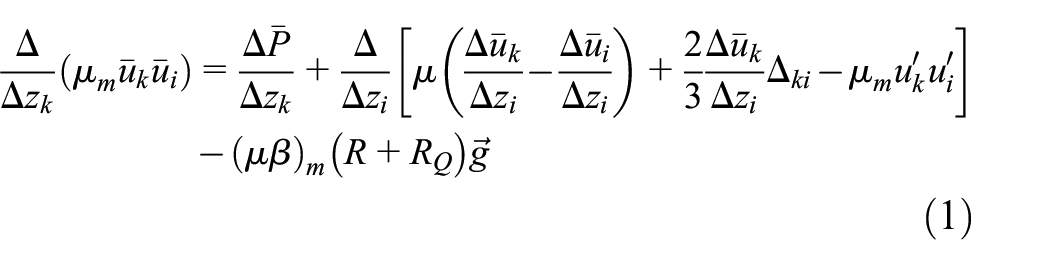

As discussed in equations (1) and (2), where
Infrared fluid
The heat transfer fluid (HTF) conveys the thermal energy produced by receivers to storage systems or, in the case of solar thermal power plants (STP), to the solar collector straight to the power block. Considering the installation’s unique operating circumstances and design is important when deciding on the best HTF. In a perfect world, HTFs would be inexpensive to produce, safe to use over the whole temperature range of interest, chemically compatible with tube wall materials, and ecologically beneficial. Low thermal expansion coefficient and viscosity are frequently used to decrease pumping power and thermal expansion problems. In contrast, a large heat transfer coefficient, great heat capacity, and great thermal conductivity are often desired to improve heat transfer efficacy. The primary purpose of this paper is to deliver a critical analysis of experimental studies that have investigated the optical and thermal performances of PTSWH systems. These studies should focus on those attempting to modify the working fluid, use nanofluids, or incorporate swirl generators into the absorber tubes to increase thermal efficiency, decrease pumping power requirements, and decrease thermal losses. Considering shape parameters, mirror structure, tracking systems, absorber materials, absorber ends, and envelope properties, an extensive discussion will be held about the impact of collector designs on optical and thermal performance. This study investigates potential methods for improving the thermal efficacy of PTSWH systems by examining several different technologies. It includes a critical review of strategies established to account for solar receivers’ nonuniform heat flux distribution. Thermo-physical property estimates for nanofluids useful in real-world applications are included in this paper. The knowledge provided by this work greatly improved the thermophysical properties of single and hybrid nanofluid throughout wide ranges of fluid input temperatures and particle size.
Figure 5 demonstrates the experimental configuration. The effectiveness of the parabolic trough collector (PTC) in conjunction is integrated into a storage facility while it is being charged. They took readings every 15 min using a pyrheliometer to determine the intensity of the sun irradiation and thermocouples coupled to a data gathering system to determine the HTF (water) temperatures at the intake and outflow. In addition, to estimate the collector efficiency, they assessed the errors associated with the basic data, which included the solar insolation temperature and mass flow rate. This was done by utilizing the root mean square method. It was brought to everyone’s attention that the immediate collector efficiency relies on two significant features: usable irradiation from the incoming beam, heat gain, and the experimental setup. To get a deeper comprehension of the PTSWH processes, two distinct modes were utilized: under the parameters of the Indian environment, tracking, and south-facing, both with and without a glass enclosure.

Experimental setup.
Results and discussion
To properly assess the findings of an experiment and draw the right conclusions, it is required to identify the primary parameters and the elements that are successful in producing those results. The key factors are solar radiation intensity and feed water flow rate. Parametric values of parabolic plate solar water heaters were calculated from test outcomes like solar collector effectiveness, uncertainty analysis, friction factor, convective heat transfer coefficients, and Nusselt numbers. First, the calculation of the total thermal performance and heat transfer coefficients will be explained. After that, friction coefficients and pressure drop will also be explored. The proposed method evaluated parameters like solar collector efficacy, friction factors, uncertainty analysis, Convective heat transfer coefficients, and Nusselt Numbers.
Effect of dimple texturing on the friction factor
Figure 6 signifies the analysis of the friction factor for plain and dimple tubes with twisted tape with a change in mass flow rate. Many empirical correlations exist for calculating the friction factor based on experimental data. The most well-known of these is the Colebrook equation, which is an implicit equation relating the friction factor to the Re and the relative roughness of the pipe. Other empirical correlations, such as the Haaland equation, are widely used. Furthermore, Researchers often conduct experiments in laboratory setups or field studies to directly measure the pressure drop across a pipe and the flow rate. From these measurements, the friction factor can be calculated using the Darcy-Weisbach equation or other relevant formulas. As the mass flow rates (MFR; 0.5–2.5 kg/min) increases, the working fluid and the tube wall will have a greater shear. Fluids can’t pass across the boundary shear. It’s crucial to note that the specific pressure drop values can only be determined through experimental measurements or detailed numerical simulations that consider the specific conditions of the system. The impact of augmentation on pressure drop must be carefully evaluated based on the intended application and the trade-offs between enhanced heat transfer and increased energy consumption. In summary, the pressure drop values with and without augmentation are highly dependent on the (Increased Pressure Drop, Flow Enhancement Devices, Optimization Considerations, Baseline Pressure Drop, Lower Viscosity, and Standard Correlations) specific characteristics of the system and the augmentation method used. In the case of dimpled tubes with a pitch-to-diameter (P/D) ratio, the friction decreases when the mass flow velocity is low. According to the current model, the friction factor for copper dimple tubes with aluminum covering and helically twisted tubes (for plain tube analysis) was determined to be 0.18%, 0.21%, 0.22%, and 0.24% correspondingly at mass flow rates of 0.5, 1.0, 1.5, 2.0, and 2.5 kg/min. Similarly, for dimple tube analysis, the friction factor for copper-dimpled aluminum-coated tubes with helically twisted tapes was determined to be 0.21%, 0.22%, 0.23%, 0.25%, and 0.26% at mass flow rates of 0.5, 1.0, 1.5, 2.0, and 2.5 kg/min, respectively. A similar trend indicating an increase in the friction factor was reported by References 7, 34, 35. These findings provide valuable insights into fluid flow dynamics within dimpled tubes and underscore the importance of optimizing mass flow rates for enhancing overall system performance.

Variation in friction factor for plain and dimple tubes with twisted tape.
Variation of uncertainty for plain and dimple tubes with twisted tape
Figure 7 shows the change in uncertainty for plain and dimple tubes with twisted tape. It aims to place a numerical value on the amount by which the input’s variability causes the output’s variability.

Variation of uncertainty for plain and dimple tubes with twisted tape.
Approximate numerical analysis involving parameters such as temperature, mass flow rate (MFR), and velocity forms the basis for quantification in most cases. These estimates rely on uncertainty propagation methods, with the friction factor often calculated by multiplying the pressure drop by the surface roughness of Twisted Helical Tapes with aluminum-coated surfaces. In the solar PTSWH system context, an average pressure reduction of 2.32 kPa is recorded. The current model demonstrates a divergence of approximately ±2.3% from the expected friction factor. It is anticipated that at higher Reynolds numbers, the friction factor might deviate by up to 8.25%. This work proposes an efficient method for quantifying uncertainties associated with transient simulation results using dynamic models of solar thermal energy systems with unknown characteristics. The recommended method employs the convolution process and impulse response theory to accurately approximate comparisons to time-varying external inputs and outputs. This strategy has the potential to significantly reduce the number of simulations required to propagate uncertainty across dynamic models. The uncertainty analysis for the copper dimple tube with aluminum coating and helically twisted tape is exemplified throughout the paper. A similar trend of increasing uncertainty analysis was reported by References 13, 33, 35, 36. This approach offers valuable insights into the robustness and reliability of the proposed dynamic modeling framework, aiding in the optimization and validation of solar thermal energy systems.
Analysis of collector efficiency for plain and dimple tubes with twisted tape
Figure 8 displays the analysis of solar collector efficiency for plain and dimple tube with the change in mass flow rate. Solar collectors absorb incident solar radiation and convert it into thermal energy, which is subsequently utilized for heating water or other fluids. The efficiency of these collectors determines their ability to harness solar energy for heating purposes effectively. At operational temperatures, the heat loss from the collector to the environment is influenced by both the amount of solar radiation received by the collector and the heat lost from the collector’s surface to the surroundings. Maximizing efficiency involves optimizing the balance between heat absorption and heat loss.33,37

Analysis of collector efficiency for plain and dimple tubes with the variation in mass flow rate.
This testing procedure provides a comprehensive set of performance characteristics for each solar collector, which can then be used to calculate heat production under specific climatic and operational conditions. Under the current model, the collector efficacy for copper dimple tubes with aluminum covering and helically twisted tubes (for plain tube analysis) was evaluated at various mass flow rates. 38 The results indicated the following efficiencies: 44%, 45%, 46%, 45%, and 44%, respectively, for mass flow rates of 0.5, 1.0, 1.5, 2.0, and 2.5 kg/min. Similarly, for dimple tube analysis, the collector efficacy was assessed for copper-dimpled aluminum-coated tubes with helically twisted tapes at the same range of mass flow rates. The obtained efficiencies were: 46%, 47%, 48%, 47%, and 48%, respectively, for mass flow rates of 0.5, 1.0, 1.5, 2.0, and 2.5 kg/min. Additionally, a similar trend indicating an increase in uncertainty analysis was observed across the evaluated parameters. These findings contribute to our understanding of the performance characteristics of solar hot water collectors under varying conditions, aiding in optimizing their design and operation for enhanced efficiency and reliability.33–35,39
Variation of Nusselt Number with the variation in flow rate and with plain and dimple tube texturing
Figure 9 illustrates the variation in the Nusselt number (Nu) for a plain tube with twisted tape and a dimple tube with twisted tape. Following an augmentation in the Nusselt number achieved by constricting the pitch to diameter (P/D) rate, the radiation intensity for dimpled tubes with water and high mass flow rates was computed, respectively. Calculating the temperature difference and thermal conductivity of the fluid’s surface enables determining the Nu. 40 By calculating the Nu, researchers can discern the influence of various factors on fluid convective heat transport.

Variation of Nusselt Number with mass flow rate for plain and dimple tube with twisted tape.
These values were calculated after the augmentation of the Nu. Additionally, implementing dimpled tubes reduces the hydraulic diameter, intensifying the swirling and turbulent motion of the fluid. This augmented swirling motion induces alterations in the energy levels of the fluid particles. Moreover, the fluid within the dimpled tube experiences enhanced heat transfer from the tube walls. The presence of dimples, in contrast to plain tubes, amplifies the thermal interaction between the wall and the liquid, facilitating unimpeded fluid flow. Given the modest mass flow rates associated with dimples, variations in mass flow rates frequently accentuate their impact on the Nusselt number. Notably, a similar trend of Nusselt number augmentation was documented by Noorbakhsh et al. 36 and Mousavi Ajarostaghi et al. 41
Change in convective heat transfer coefficient
Figure 10 portrays the change in the convective heat transfer coefficient for plain and dimple tubes with twisted tape. Natural convection predominates as the primary mode of heat transmission between the cover through the convective process and absorber plate.

Change in convective heat transfer coefficient for the test samples.
When the mass flow rate reaches 1 kg/min, it exceeds a critical threshold, causing the flow regime to transition from laminar to turbulent. This transition increased mixing and turbulence within the collector, leading to a notable deviation between the observed data points. Understanding this transition is essential for optimizing the performance of solar thermal systems, as it impacts factors such as heat transfer efficiency and pressure drop within the system. Therefore, they are inferred to be functions of either the Reynolds numbers or Grashoff numbers. One of the challenges in calculating heat losses from such collectors was that the convective and radiative heat losses are calculated at different outdoor temperatures. This presents a challenge because it makes comparing the two types of heat loss more difficult. At this investigation stage, all heat transfer coefficients are necessary to successfully establish how much heat is lost from the top of the solar collector.
Conclusions
This study examines current and significant research on improving parabolic solar water heaters using a copper dimple tube with aluminum coating and helically twisted tape. Most of the research that has been conducted on helically twisted tape has focused on enhanced heat transfer rates, increased pressure drop, and fluid friction. For experimental analysis, copper dimple tubes with aluminum covering and helically twisted tubes were utilized to pass the base fluid in it at changing mass flow rates of 0.5–2.5 kg/min at steps of 0.5 kg/min to examine the effect of copper dimple tube with aluminum coating with helically twisted tubes on the solar water heater performance. The key factors are solar radiation intensity and feed water flow rates. Parametric values of parabolic plate solar water heaters were calculated from experimental outcomes like solar collector effectiveness, friction factors, uncertainty analysis, convective heat transfer coefficients, and Nusselt numbers. It is briefed that:
At a flow rate of 1.5 kg/min, the solar collector efficacy was enhanced by about 31.25%,
The friction factor improved by 0.23%,
The convective heat transfer coefficients were enhanced by 7%, and
The values of Nusselt numbers were improved to 298.
The numerical outcomes were compared with the plain tube, which is in acceptable ranges with a total deviation of ±2.3%.
Moreover, the solar PTSWH system records an average pressure reduction of 2.32 kPa.
The model exhibits around ±2.3% divergence from the expected friction factor.
The anticipated friction factor with higher Reynolds numbers might vary by up to 8.25%.
The findings have practical uses in areas like industrial and household water heating that experience low solar radiation intensity all year round. The effectiveness in harnessing solar energy for various applications, such as space heating, water heating, and industrial processes.
In the future, the impact of different collector designs and materials on heat transfer efficiency and durability may be investigated. An in-depth comparative analysis may be carried out between different types of solar collectors (e.g. flat-plate collectors, evacuated tube collectors) to identify the most suitable option for specific, industrial and domestic applications with a focus on the environmental and weather conditions.
Footnotes
Appendix
Acknowledgements
The authors sincerely thank Karpagam Academy of Higher Education, Coimbatore, India for providing facilities to conduct the research.
Handling Editor: Sharmili Pandian
Declaration of conflicting interests
The author(s) declared no potential conflicts of interest with respect to the research, authorship, and/or publication of this article.
Funding
The author(s) received no financial support for the research, authorship, and/or publication of this article.
Availability of data and materials
The data is available within the manuscript.
