




Abstract
During the current coronavirus (COVID-19) pandemic, web conferencing became a staple in professional communication, with new and evolving applications amidst unique social distancing measures mandated across the globe. In this article, we describe Collaborative Zoom Coding (CZC) as an adaptive approach to qualitative data analysis that our research team developed in light of social distancing measures imposed due to the COVID-19 pandemic. CZC uses the web conferencing platform Zoom, to help analyze data. Our team used CZC to develop a code book for the community-based research (CBR) project, Sexual Health and Diasporic Experiences of Shadeism (SHADES). CZC enabled all team members to participate in data analysis by providing opportunities for group training and real-time collaborative data analysis, irrespective of team members’ location and level of experience with research. This article describes our specific processes for CZC and outlines its advantages as well as challenges. We conclude with a discussion of how researchers can conduct collaborative coding using Zoom and other conferencing technologies to further democratize the research process, particularly for community-based research endeavors.
Keywords
Introduction
During the coronavirus (COVID-19) pandemic, web conferencing platforms became a staple in professional communication, with new and evolving applications amidst social distancing safety measures mandated in societies across the globe (Karl et al., 2021). Though Zoom Technologies was recently demonstrated to be an effective tool for qualitative data collection (Archibald et al., 2019), our study is the first, to our knowledge, to apply a web conferencing platform to a collective qualitative data analysis process. In this article, we describe Collaborative Zoom Coding (CZC)—our application of web conferencing to qualitative data analysis—in the Sexual Health and Diasporic Experiences of Shadeism (SHADES) study. This community-based research (CBR) project, conducted in partnership with the Alliance for South Asian AIDS Prevention (ASAAP) in Toronto, examines the links between sexual health and shadeism in racialized women and non-binary people. Specifically, shadeism is discrimination faced by darker-skinned people.
As research that is driven by community members who are impacted by the study’s topics, SHADES’ research team includes five members, each with varying affiliations with academia, community, and experiences with research. In recognition of our team members’ diverse identities, knowledges, and research experiences, we initially sought to use in-person meetings to foster mutual learning, discussion, and debate throughout the research process. The first wave of the COVID-19 pandemic in Canada, which coincided with the beginnings of SHADES’ data analysis stage, brought about new research conditions through social distancing measures, which prevented in-person meetings. This disruption to what was intended as a highly collaborative process invited innovation in data analysis with our diverse team of researchers.
To this end, our research group used Zoom Technologies, a web conferencing platform, to engage in meetings and developed a team-based coding process that we have named as Collaborative Zoom Coding (CZC). We used this particular platform because it was deemed acceptable as a secure research tool for qualitative data collection and analysis, was freely accessible to all our members, and most widely used by our participants. CZC also enabled all team members to participate in data analysis by providing opportunities for group training and real-time collaborative data analysis, irrespective of team members’ location and experience with research. In this article, we describe collaborative coding and its value, our specific processes for CZC, and its advantages and challenges. We conclude with a discussion on how CZC can be used as a tool to democratize the research process and work toward digital equity.
Qualitative Data Analysis—the Value of Collaborative Coding
Qualitative research is a multi-disciplinary, cross sectoral research methodology used in a variety of fields, including social sciences, health sciences, and the humanities. Qualitative research methodologies are iterative in their processes of data collection, coding, and analysis (Aspers & Corte, 2019). Although qualitative research was historically undertaken by a single researcher immersed in the process of data collection and analysis, present-day approaches often involve multiple researchers at all stages of the research process (Jarzabkowski et al., 2015). Each researcher brings their unique social location and experiences to the reflexive coding process and, through collaboration, adds richness to data analysis. Collaborative approaches to coding can provide greater depth to the analysis as multiple coders working together can critically appraise, question, debate, and reach consensus in a real-time fashion. However, collaborative data analysis can be limited by physical barriers, differing accessibility needs, and time constraints. For example, prior to the use of coding software, qualitative data analysis was completed using a “pen and paper” method, whereby research teams highlighted, cut, re-grouped, and analyzed physical copies of transcripts in a collaborative fashion (Wong, 2008). As cloud technologies evolved, researchers have employed open-source software, like Google DocsTM, to engage in parallel collaborative coding without the use of real-time group coding (Hopper et al., 2021).
With the advent of qualitative data analysis software, such as NVivo and ATLAS.ti, along with evolving cloud technologies, a given transcript coded by multiple researchers could be merged and assessed for inter-coder reliability by calculating the percent agreement or kappa value—which is based on the congruence of codes that are independently generated by different analysts from the same dataset (Altmann, 2013). Moreover, there is an ongoing debate about the value and applicability of inter-coder reliability within qualitative research, often perceived as the imposition of positivist epistemological conception of research reliability onto qualitative research (Green & Thorogood, 2018). Stenbacka (2001) goes so far as to assert “if a qualitative study is discussed with reliability as a criterion, the consequence is rather that the study is no good” (p. 552). Finally, while inter-coder reliability via percent agreement and kappa value can provide a numeric estimation of “agreement,” these concepts do not account for any of the extensive discussions, debates, and consensus formed between researchers analyzing the same qualitative data—key components to collaboration in qualitative data analysis that are central to generating rich, data-driven theory (O’Connor & Joffe, 2020).
The Sexual Health and Diasporic Experiences of Shadeism Project
SHADES is a collaborative qualitative research project that examines how shadeism shapes sexual health and wellbeing for racialized people. The study participants include racialized people who identify as trans and cis women as well as non-binary people in the Greater Toronto Area with origins from the Caribbean, South Asian, Middle Eastern, and North African regions—communities served by ASAAP. Using arts-based focus groups and one-on-one interviews, SHADES seeks to deepen our understanding of racism as a social determinant of health. SHADES’ research team is comprised of racialized women and non-binary peoples with diverse identities, knowledges, and experiences as well as relationships with research and knowledge production. For instance, our group knowledge base includes graduate and postdoctoral level training in qualitative analysis, arts-based research, and community engagement, mobilization, and advocacy.
Though we were able to begin data collection for SHADES as planned, the COVID-19 pandemic significantly delayed our research efforts. As a result of the pandemic’s social distancing restrictions, we could not complete data collection in 2020 through in-person, arts-based focus groups. We continued individual interviews on a virtual platform, Zoom Technologies, which has been used by researchers for qualitative data collection prior to the pandemic (Archibald et al., 2019). Though other secure web platforms may be used to achieve the same results, Zoom was most used by our participants at the time.
Besides data collection, social distancing constraints also created barriers to in-person collaboration and group-based data analysis. Our in-person team discussions and debriefs promptly came to an end with newly imposed social distancing measures (World Health Organization, 2020). Faced with these challenges, our team developed a unique application of Zoom Technologies meetings to facilitate collaborative data analysis processes.
Collaborative Zoom Coding: The Process
As a five-member group of interprofessional researchers and community organizers, we each first reviewed all available transcripts for our qualitative pilot study. From this review, we selected a transcript that had the most value for group coding based upon richness of data, diversity of participants, and transcript length. Each team member reviewed the selected transcript prior to the meeting, which we scheduled using Zoom Technologies. To engage in CZC, one researcher with access to NVivo software on their computing device through university affiliation, employed Zoom Technologies’ “share my screen” function so that the transcript of interest was visible to all team members. Each researcher took turns reading the transcript aloud in paragraphs. The team suggested nodes (codes) based on the content of the text that was read by the group. The researcher employing the “share my screen” function then typed and assigned codes, as directed by the team, including daughter and parent codes. In-vivo, process, and descriptive codes were developed during initial coding.
Vignette of Team Coding Discussion.

Advantages of Collaborative Zoom Coding
Live Coding
CZC enabled live coding, a process in which all research team members coded the selected transcript in real-time. With live coding, there were opportunities for all research team members to challenge, debate, and contribute ideas to the process of generating a codebook. This allowed each researcher to contribute their knowledge informed by their positionality and make any disciplinary biases explicit as well as provide insights to the analysis process. In addition, through a group “storming” and “norming” process, whereby the research team experienced intragroup conflict eventually reaching a stage of greater cohesiveness, the team was able to come to a consensus on SHADES’ initial code book (Tuckman, 1965).
The live coding process made the storming and norming phases more apparent in ways that parallel independent coding may not. Intragroup conflict arose from differences in team members’ epistemological and ontological backgrounds, experience with qualitative coding, and social positionality or location. For instance, the use of terms such as intersectionality was shared across disciplines whereas knowledge of colonial or historical developments, which informed certain community oppressions, were less readily known and required knowledge sharing. As the team engaged in open exchange regarding relevant interpretations of the data, a sense of group cohesiveness and understanding formed. The team entered the norming phase of group development, which then led to rich discussion and effective group coding. The setting allowed for members who were less well versed in the use of NVivo to contribute without hindrance. Namely, in a single meeting, the team generated a code book with over 20 nodes in an efficient, meaningful, and equitable manner.
Training and Shared Learning
Each research team member came from different social locations, educational training levels, and disciplinary backgrounds, having different levels of exposure to qualitative research coding. As such, each researcher brought different perspectives to SHADES’ group coding process. Since we analyzed data live through Zoom Technologies, our research team was able to pause to define unfamiliar terms and clarify the intent as well as the content of the generated codes. By using Zoom Technologies, team members were able to demonstrate the various features of NVivo to those who were less familiar with this software, thereby increasing the group’s overall expertise.
As Zoom Technologies can be accessed from any location, we were able to acknowledge and dismantle the formality and hierarchies intrinsic to the classroom environment. Instead, Zoom Technologies enabled SHADES’ research team members to participate in the discussion from their own private spaces. This created a more safe and open learning environment. For members of the team who identify as trans, participating from their personal spaces eased the usual pressures to “pass” as their gender identity to safely navigate through public spaces, bringing a greater feeling of self to the discussion. For racialized people, who are more likely to face greater socioeconomic barriers, the classroom environment, particularly that of a university institution, may not be a welcoming space. Rather, the classroom is a space imbued with traumatic pasts of colonization, exploitation, and discrimination, which enabled historical exclusion and marginalization of individuals who are othered (Haynes, 2017). Digitizing the workspace perturbs the traditional classroom, shifting pedagogy and potentially working to dismantle oppressions experienced through traditional educational approaches, centering those at the margins. In turn, this allowed our team members to freely ask questions that clarified both the coding process and the usability of NVivo. Though virtual learning has proven to have significant challenges in large didactic classroom sessions (Cavinato et al., 2021), our experience demonstrates that Zoom Technologies can be used to generate an interactive and equity-focused training environment for shared learning among qualitative researchers.
Recording Capacity
Zoom Technologies’ feature of recording our analysis meetings also provided an opportunity to create a video guide as research team members coded the remaining transcripts individually or in pairs. These recorded sessions could also be used as reference tools for future training exercises for the SHADES project, which was an important aspect for community organizations who wish to acquire better knowledge of analytical tools for their future community program evaluations. The recordings further served as a reference point when assessing the evolution of the data analysis process and positionality of researchers within this context. As such, web conferencing’s recording feature further facilitated reflexivity, whereby researchers examine assumptions, biases, beliefs, and judgments that they bring to the research process—an integral activity for producing high quality qualitative data (Mauthner & Doucet, 2003).
Narrowing Gaps in Power Relations During Data Analysis
Although CBR can democratize research (Israel et al., 2005; Minkler & Wallerstein, 2003) and meaningfully engage with different racialized communities that have been victimized through colonial and extractive research practices (Anucha et al., 2020; Casale et al., 2011; Simpson, 2000), this methodology has also been criticized for excluding community members in knowledge production (Blumenthal, 2011). CBR engages community members in research design, ethics protocol, and data collection. Additionally, CBR intentionally engages community partners in the data analysis and manuscript production process (Bordeaux et al., 2007; Flicker & Nixon, 2018). However, in our research team’s experiences, community partner involvement during data analysis may be limited to member checking processes that confirm findings as opposed to actively engaging in the whole lifespan of a study and generating new knowledge. Specifically, limited access to and proficiency with data analysis software present as barriers to participating in qualitative data analysis for people who do not hold academic affiliations. However, through live CZC, SHADES’ team members without academic affiliations and/or formal training in qualitative data analysis were able to participate in the coding process and produce interpretations of the data in what was collaborative scaffolding and skill exchanges. As a result, our process was inclusive to the ideas and voices of all team members, with attention focused on community voices.
Challenges with Collaborative Zoom Coding
Access and Cost
CZC is limited by access to key resources tied to digital equity in urban cities. Namely, small, community-based organizations may have limited access to high quality internet, time allotted to research and evaluation, and research coding software (Evans & Shields, 2014). In turn, this limits their ability to participate in group coding activities via Zoom Technologies. The cost of qualitative analysis software, such as NVivo, is prohibitive to this process. In our research team, some team members with academic affiliations had access to NVivo software licenses whereas community partners’ participation was limited to the group coding sessions. To mitigate this limitation, we included the cost of an NVivo license for team members who are affiliated with community partners in our budget. This is an important consideration for any research team engaging in CBR to ensure all team members’ full participation, irrespective of institutional affiliation.
Privacy
There are important risks related to privacy given reports of “Zoom attacks” and “hacks.” To mitigate this risk, we de-identified and anonymized all study data shared via Zoom Technologies and adhered to data security protocols outlined through the ethics board. Further, we ensured that our Zoom meetings were password-protected to decrease the likelihood of external individuals joining this meeting. However, security and privacy are ongoing challenges with use of online technologies (O’Flaherty, 2020). This is a particularly important consideration as creating a safe and supportive digital environment was essential to facilitate equitable and enthusiastic participation in CZC from members of the research team.
Time Investment
Qualitative data analysis requires time investment as the process is iterative and the volume and richness of data are significant (Lester et al., 2020). This time-consuming process may become even more cumbersome and lengthy when done through CZC due to the possibility for technological glitches and challenges in connectivity, all of which increases the length of time it takes to analyze a given transcript. Despite these challenges, coupling web conferencing with a coding software program may increase the overall efficiency needed to produce high quality data analysis and create greater research team cohesion.
Scheduling
CZC also requires coordinating multiple schedules to truly get the benefit of coding as a team. Although it was critical to have the participation of all team members in the initial coding meeting, we completed subsequent transcript coding sessions individually or in pairs. Pairing team members allowed for easier scheduling and provided access to coding technology with additional support for team members that had less experience with qualitative analysis software. Pairing also allowed the team to navigate scheduling issues more easily. Additionally, using web conferencing allowed research team members to log on to meetings from any location, limiting travel time and potentially decreasing scheduling conflicts. This challenge of allotted time for research may need to be written into future funding applications to create a greater sense of equitable access to such opportunities. This may also have a positive impact on the representation of diverse voices in research, which are reflective of the people participating in studies and research from racialized communities.
Discussion
Web conferencing has become a staple of professional web communication during the COVID-19 pandemic. Although the use of web conferencing platforms has become widespread in for-profit and non-profit spheres, there are new and evolving applications beyond meetings, including research such as qualitative data collection (Archibald et al., 2019; Hanna, 2012; Janghorban et al., 2014). Notably, the literature demonstrates that digital technologies generate comparable volume and breadth of topics in qualitative interviews without compromising rapport between researchers and participants, though access to them in marginalized communities warrants greater discussion. (Krouwel et al., 2019; Newman et al., 2021).
Cost, barriers to digital access, and privacy are important considerations when deciding to use digital technologies for qualitative data collection (Iacono et al., 2016; Williams et al., 2015). In comparison to in-person interviews, digital interviews can be more cost-effective (Krouwel et al., 2019). However, challenges with connectivity and digital access can be major barriers to use of digital technologies in qualitative data collection (Tuttas, 2015). This mirrors our findings with respect to access and cost as potentially prohibitive barriers to collaborative data analysis. In addition, SHADES’ research process suggests that time investment may be a challenge to using digital technologies in data analysis, as robust qualitative coding requires multiple and extensive discussions among the research team members. In contrast, most studies examining digital technology use in qualitative data collection have cited time effectiveness as a benefit as participants could simply log on from any remote location with internet access to engage in the research interview (Archibald et al., 2019).
Of note, the literature has focused thus far on the use of web conferencing in the data collection process. To our knowledge, this paper is the first to describe the use of web conferencing platforms, and specifically, Zoom Technologies, for qualitative data analysis. This is an important innovation given that qualitative research and data analysis have shifted from centering the individual researcher to team-based research approaches (Bresler et al., 1996; Jarzabkowski et al., 2015). Within this context, collaborative analysis is critical for enriching the final output of the research effort.
With the shift towards collaborative qualitative analysis, inter-coder reliability has, as previously discussed, become an important but contentious metric of agreement between team members participating in collaborative analysis. As Sanders and Cuneo (2010) argue, social reliability—which examines explicit team knowledge, implicit team suppositions and assumptions, and explicit and implicit emotionality—is an important consideration in the process of co-constructing knowledge. CZC, as conceived in SHADES, allows us to go beyond the static concept of inter-coder reliability espoused by kappa values and percent agreement, to a dynamic measure of agreement that incorporates social interactions and relationships among the researchers. When extended across multiple virtual meetings throughout the coding process, CZC increases interactivity and relationship building among research teams, leading to increased shared understanding and knowledge production (Sanders & Cuneo, 2010). The epistemological implications of this process of shared knowledge production are that subjugated knowledges, such as collective and community knowledges, are placed beside academic or so-called “expert” knowledge, which are critically examined for biases. Within the SHADES project specifically, CZC also allowed the researchers, as racialized people, to examine what it means to be the subject and researcher concurrently, how community knowledge informs analysis, and how this process can work to dismantle the racialization and colonial roots of academic knowledge. Additionally, the members of the research team sit at various, and potentially, oppositional, social locations (Figure 1). The process of CZC brought these hierarchies to the forefront and pushed us to practice reflexivity from the outset. Research team members had various overlapping social locations and expertise. Among those with academic affiliations, a perceived professional hierarchy also informed the group dynamic and its impact on the collaborative coding process whereas proximity to community work exposed gaps in academic literature.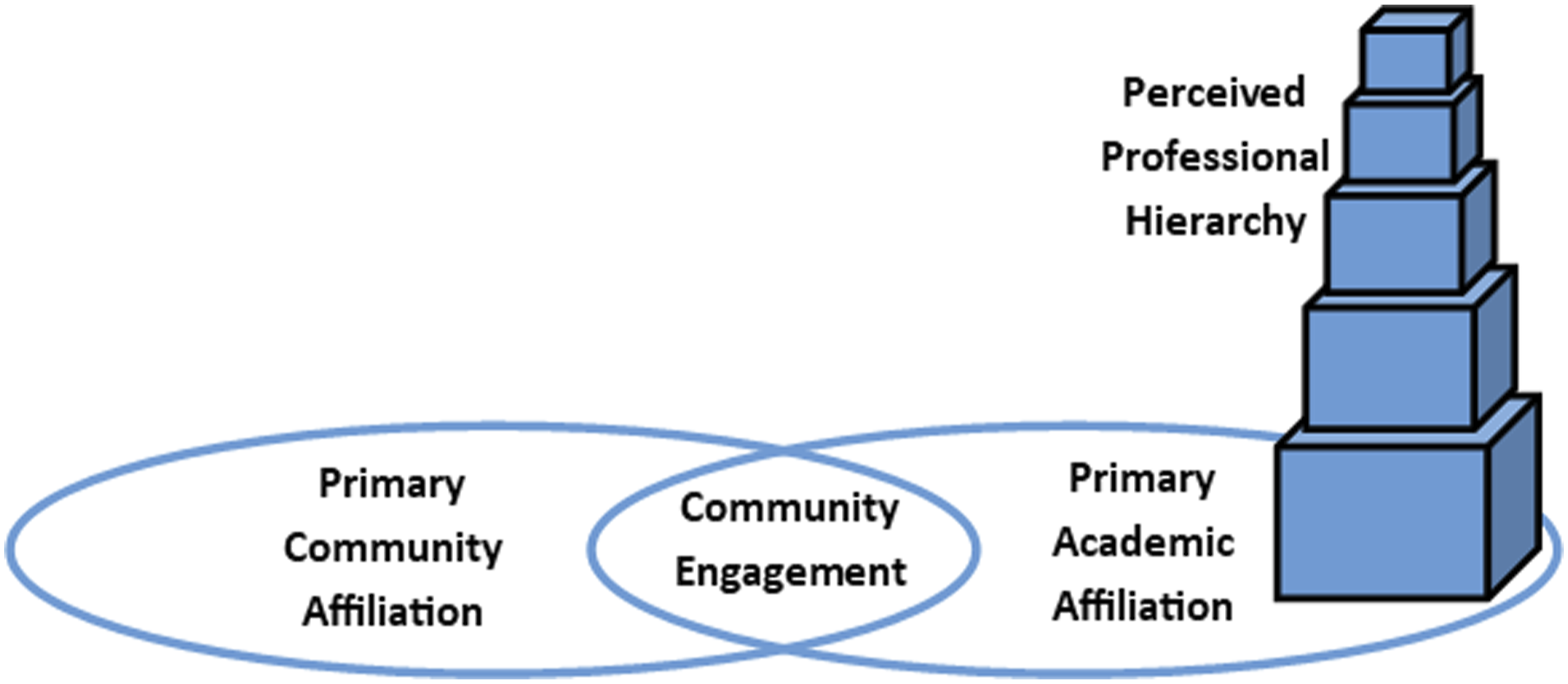
Finally, CZC has the potential to further democratize research endeavors through digital equity. As discussed previously, CBR strives to engage community partners as equal collaborators in the co-creation of knowledge. Digital equity demands that we close the digital divide by addressing the gaps in opportunity to use technologies in ways that empower people to participate more fully and equitably in society (Gorski, 2009; Mäkinen, 2006). Although CZC requires access to internet connectivity and sufficient comfort with Zoom Technologies, in our research process, CZC also reduced the digital divide between community and academic researchers in our team vis-à-vis access to coding technology and teaching. Furthermore, by joining the zoom coding discussion from their individual private spaces, a degree of informality and personal connection is almost immediately felt, equipping our diverse team members to participate with greater equity in the discussion. The CZC approach also centers and makes the availabilities of the community-based team members a priority. Frontline workers deeply entrenched in the community have tremendous time, resource, and location constraints. For example, if the physical space at a community agency is used to conduct group coding meetings, the resources required may include an appropriately sized meeting room, a computer, and projector, and safety assurances, among other tools. Though using a physical meeting space at the community agency may help increase the comfort level of the community agency team members, this in turn places an undue burden on the community agency and its resources. In these ways, being able to engage in group coding from personal spaces through the digital platform worked to further bridge the divide between academic and community-based team members. Therefore, CZC can be a tool to achieve greater research democracy through digital equity.
Conclusion
In this research note, we describe a novel approach to qualitative data analysis using Zoom Technologies: CZC. Although important drawbacks include privacy and time constraints, the advantages of coupling Zoom Technologies with qualitative data analysis software are multifactorial, including the ability to engage in group teaching as well as narrow the gaps in power relations between team members within and outside of academia. Importantly, CZC enables real-time collaborative data analysis among the entire research team, irrespective of location and level of experience with qualitative analysis. Additionally, as we strive towards an equitable recovery from the COVID-19 pandemic, innovations, such as CZC, may work towards further democratization within CBR. This innovation, in fact, extends beyond CBR and can be applied to any multi-team, multi-center qualitative research initiatives, including international projects and research conducted within remote and underserved communities such as First Nations. Although SHADES is a pilot study whereby social distancing measures imposed due to the pandemic prompted the team to develop an innovative methodology, we anticipate that more use of CZC in other studies will further refine this tool and work towards enhancing digital equity.
Footnotes
Declaration of Conflicting Interests
The author(s) declared no potential conflicts of interest with respect to the research, authorship, and/or publication of this article.
Funding
The author(s) disclosed receipt of the following financial support for the research, authorship, and/or publication of this article: This work is supported by Women’s College Hospital Women’s Xchange Grant.
