



Abstract
Introduction: High school athletes face unique challenges, including balancing academic and athletic demands, addressing mental health concerns, maintaining adequate nutrition and sleep, and mitigating risks such as substance use and maladaptive behaviors. Female athletes frequently encounter additional issues, including amenorrhea and irregular menses. Lifestyle Medicine, encompassing nutrition, sleep, stress management, physical activity, avoidance of risky substances, and social connection, offers a promising framework for addressing these challenges through targeted, evidence-based interventions. Methods: A review of peer-reviewed studies from the last 15 years was conducted using databases like PubMed, Scopus, and Embase. Studies focused on athletes aged 14-18 were included, with 1423 studies screened and 31 meeting inclusion criteria. Studies on nonathlete populations and adults were excluded. Results: Of the 31 included studies, 6 addressed nutrition, 3 physical activity, 5 sleep, 5 stress management, 7 avoidance of risky substances, and 5 social connection. Notably, 52.1% of female athletes were found to be at risk for low energy availability (LEA), and over 79% of athletes reported sleeping fewer than 8 h per night, below the recommended range of 8-10 h for adolescents. Stress management emerged as a critical gap, with 91% of athletes reporting sport-related stress, yet only 27% received professional support. High-contact sports were associated with increased risks of substance misuse, including lifetime opioid use rates as high as 46% in some cohorts. Conclusion: This review underscores the urgent need for targeted interventions such as nutrition education programs, sleep hygiene initiatives, and mindfulness-based stress management tailored to high school athletes. Addressing these gaps within the framework of Lifestyle Medicine can enhance both performance and long-term well-being. Future research should evaluate the effectiveness of these interventions and explore their clinical and developmental implications.
“Nutritional deficiencies can have more profound effects on adolescent athletes, potentially leading to stunted growth, decreased bone density, and impaired muscle development.”
Introduction
High school athletes face a unique set of challenges as they navigate the dual demands of academic and athletic excellence.
1
Unlike professional or college athletes, this group is still in their formative years, making them particularly vulnerable to the effects of poor lifestyle choices.
2
Many high school athletes train intensively and compete in high-stakes environments, often without the necessary support or knowledge to maintain their physical and mental well-being.
2
The pressures to perform at a high level, coupled with academic responsibilities, create a perfect storm for burnout, injury, and diminished performance.
3
It is in this context that Lifestyle Medicine, with its six pillars, nutrition, sleep, stress management, physical activity, avoidance of risky substances, and social connection, presents a powerful framework for optimizing health and performance in this demographic (Figure 1). Six pillars of lifestyle medicine.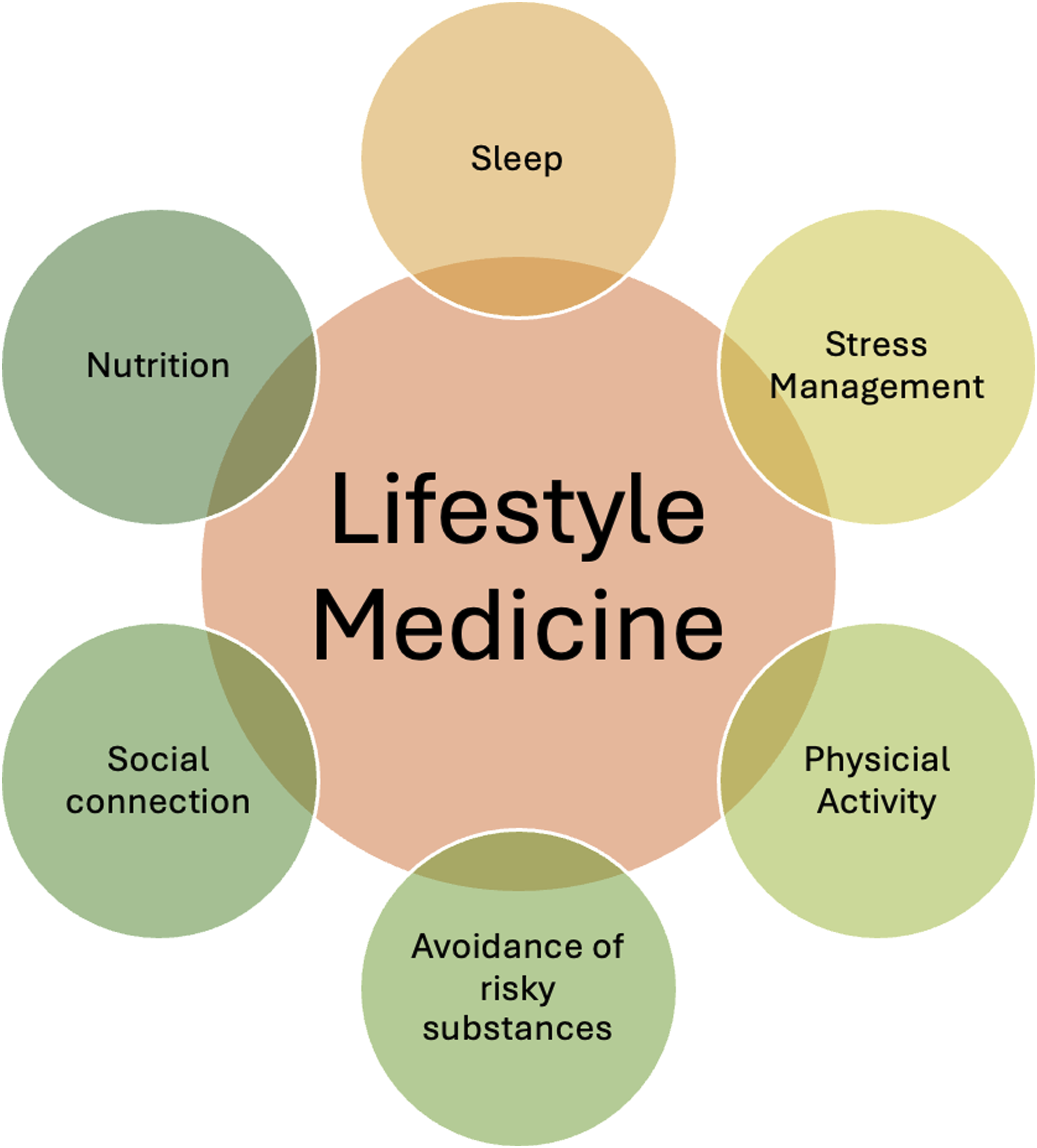
Adolescent athletes are not simply “smaller adults,” they undergo rapid physiological and neurodevelopmental changes that necessitate tailored health interventions. 4 Puberty-related hormonal fluctuations, incomplete musculoskeletal development, and evolving neurocognitive systems make adolescents more susceptible to the effects of sleep deprivation, nutritional deficiencies, and unmanaged stress.5,6 For example, inadequate calcium or protein intake during adolescence may impair bone mineralization and muscle development, leading to higher injury risk. 7 Similarly, the immature stress response systems of adolescents may amplify the psychological toll of competition, increasing their vulnerability to anxiety, depression, and burnout.8,9
Compounding these physiological vulnerabilities are systemic barriers that uniquely disadvantage high school athletes. Unlike collegiate or professional athletes who often have access to nutritionists, athletic trainers, and sports psychologists, high school athletes, especially those in under-resourced communities, may lack consistent access to these essential supports.10,11 Mental health services in school settings remain underfunded and understaffed, and lifestyle education is often not integrated into athletic programs. These limitations highlight the urgent need for accessible, developmentally appropriate interventions tailored to the high school athlete population. 10 These six pillars are not only crucial for maintaining overall health, but they can also directly enhance athletic performance. For instance, proper nutrition fuels better endurance and faster recovery, while adequate sleep supports cognitive function and physical recovery, both essential for success on the field.12,13 Stress management techniques, such as mindfulness, help athletes stay focused and reduce anxiety during competition.14,15
However, while these benefits are well-documented in adult athletes, particularly in professional or college sports, there is a significant gap in understanding how these lifestyle factors interact in high school athletes. This gap in the literature is particularly concerning given the rising participation rates in high school sports and the growing recognition of the long-term health implications of poor lifestyle choices during adolescence.16,17 High school athletes are at a critical juncture in their development, where interventions targeting nutrition, sleep, and mental health could yield significant, long-lasting benefits.18,19 Yet, the lack of comprehensive research on how these factors work together to impact both performance and well-being in this group hinders the development of targeted, holistic strategies. Addressing this gap is essential for creating evidence-based guidelines that can help young athletes excel not just in their sport, but in their overall health and development.
The aim of this review is to address this critical gap by (1) examining the existing research on how the six pillars of Lifestyle Medicine affect high school athlete performance, (2) highlighting the specific challenges and needs of adolescent athletes, and (3) proposing future research directions and practical interventions to support both athletic and holistic health outcomes in this vulnerable population. By doing so, we hope to contribute to the development of evidence-based strategies that can enhance the well-being and performance of high school athletes, ensuring they have the tools they need to thrive both on and off the field.
Methods
Data Source
This review synthesized data from peer-reviewed studies identified through academic databases, including PubMed, Scopus, and Embase. A combination of search terms was used, such as “high school athletes,” “Lifestyle Medicine,” “nutrition,” “sleep,” “stress management,” “physical activity,” “substance avoidance,” and “social connection.” To ensure a thorough and robust data collection process, only studies published within the last 15 years were considered. Studies were included if they investigated the six pillars of Lifestyle Medicine in relation to athletic performance, with an emphasis on high school athletes.
Screening and Quality Assessment
The screening process was conducted in 2 stages by 2 independent reviewers (J.L. and L.E.). Titles and abstracts were screened for relevance based on predefined inclusion and exclusion criteria. Discrepancies between reviewers were resolved through discussion, and if consensus could not be reached, a third reviewer (E.N.) was consulted for adjudication. No blinding was used during the review process. Full-text articles were then assessed for eligibility and methodological rigor. Although a formal scoring system such as the Newcastle-Ottawa Scale was not applied, studies were qualitatively assessed for clarity of research questions, appropriateness of study design, participant recruitment, outcome reporting, and overall transparency. Only studies demonstrating sufficient methodological rigor were included in the final analysis (Figure 2). PRIMSA Flow Diagram: Flow diagram illustrating the identification, screening, eligibility assessment, and inclusion of studies for the systematic review. A total of 1423 records were identified through database searches. After removal of 323 duplicates, 1100 titles were screened. Of these, 800 were excluded, and 300 abstracts were reviewed. Following abstract screening, 190 were excluded based on criteria such as scope, accessibility, language, and methodological rigor. Full-text review was conducted for 110 articles, with 79 excluded for not meeting inclusion criteria. Ultimately, 31 studies were included in the final systematic review.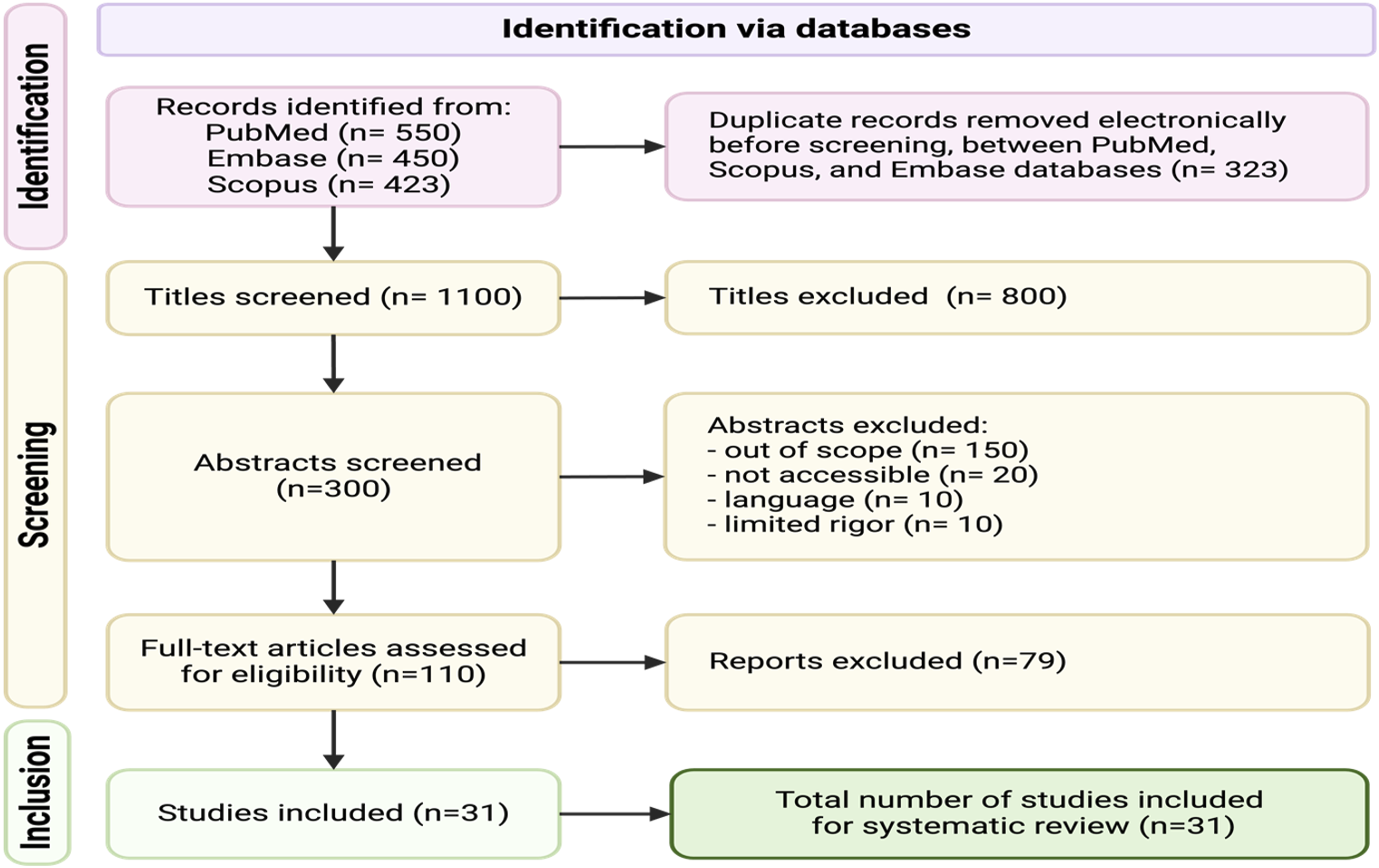
Inclusion/Exclusion Criteria
The inclusion criteria for this review involved studies focusing on adolescent athletes aged 14-18 who participate in various sports, including football, basketball, soccer, track and field, and swimming. Priority was given to studies that directly investigated high school athletes’ lifestyle behaviors, specifically examining their alignment with the six pillars of Lifestyle Medicine. Only studies employing robust methodological designs, such as randomized controlled trials (RCTs), cohort studies, and cross-sectional studies, were included. Studies were required to demonstrate sufficient methodological rigor, including clear participant recruitment methods, appropriate controls, and transparent reporting of data and outcomes.
Exclusion criteria were applied to studies that focused solely on nonathlete populations or adult athletes, unless the findings were broadly applicable to adolescent athletes. Research on professional or elite athletes was excluded to avoid extrapolating results from populations with distinct training regimens and physiological responses. Additionally, studies not published in English or lacking rigorous study designs—such as poorly controlled or non-comparative designs, insufficient data transparency, or inadequate outcome measures—were excluded. This approach ensured that only high-quality, relevant studies were included in the final analysis.
Variables
The key variables in this review are the six pillars of Lifestyle Medicine: nutrition, sleep, stress management, physical activity, avoidance of risky substances, and social connection. For each pillar, specific sub-variables were analyzed: • • • • • •
Outcomes
The outcomes measured in this review include a variety of factors related to athletic performance and well-being among high school athletes, specifically focusing on how each pillar of Lifestyle Medicine contributes to these outcomes. The review analyzed endurance, strength, agility, speed, and flexibility as key performance indicators, while cognitive outcomes such as reaction time, focus, and mental clarity were examined in relation to sleep and nutrition. Psychological well-being was assessed through stress levels, resilience, and burnout rates, with the added consideration of social support as a buffer against these stressors. Injury rates and recovery times from both acute and chronic injuries were also critical outcomes, highlighting the role of nutrition, stress management, and sleep in reducing injury risk and improving recovery. Additionally, the review explored long-term health outcomes, including the prevention of chronic conditions like substance use and social isolation, emphasizing their impact on an athlete’s long-term participation and overall well-being.
Results
Overview
Summary of Studies Included in Our Study.

Physical Activity
Physical activity plays a crucial role in the physical and cognitive development of high school athletes.33-35 Engaging in sports and organized physical activities not only helps students meet the recommended levels of moderate to vigorous physical activity (MVPA) but also contributes to their overall fitness and cognitive performance. 35 Research shows that high school athletes accrue substantial amounts of MVPA during practice, with variations across different sports based on practice context and structure. 34 Sports that prioritize game simulation, fitness, and skill development tend to promote higher levels of MVPA. However, while physical activity is associated with improved fitness and academic performance in non-elite athletes, elite athletes may face challenges in balancing their rigorous training schedules with academic demands, often resulting in lower academic performance compared to their non-athletic peers. However, participation in sports, particularly contact sports, heightens the risk of concussions, which can lead to both physical and mental health impairments, including increased risk of suicidality and hopelessness. 33 These findings underscore the need for comprehensive support systems that address both the physical and academic needs of high school athletes, ensuring that they can pursue excellence in sports while safeguarding their mental health and academic success.
Nutrition
Nutrition plays a fundamental role in the performance, development, and overall health of high school athletes.20-25 Adolescents engaged in high levels of physical activity require adequate and balanced nutritional intake to support not only their athletic performance but also their growth and maturation. 21 Studies show that many young athletes, particularly females, are at significant risk for low energy availability (LEA), with over 52% of female athletes found to be at risk. 24 This can have far-reaching consequences, including decreased performance, increased susceptibility to injuries, and delayed recovery. Moreover, inadequate intake of essential nutrients like carbohydrates and protein is particularly concerning for endurance athletes, who often experience deficits in calcium and iron, leading to issues such as stress fractures and impaired bone health.20,21 The link between nutritional deficiencies and injury risk underscores the critical need for focused nutritional interventions in this population. Additionally, research has found that adolescent athletes, particularly females and Latinos, often have limited sports nutrition knowledge, with females scoring 16% lower than males and Latinos scoring 33% lower than White athletes. 23 This knowledge gap, combined with disparities in dietary habits—such as lower breakfast consumption in females (50%) compared to males (60%)—further highlights the need for targeted nutrition education to optimize both short-term performance and long-term health. 23 Protein intake is another critical factor, particularly for male athletes. Studies have shown that the protein requirements for adolescent male athletes, such as 14-year-old soccer players, are significantly higher than the recommended daily allowance (RDA) for non-active adolescents. 22 Protein needs in these athletes are estimated to be 1.40 g/kg/day due to the demands of physical training. Without proper nutrition, these athletes face not only short-term performance detriments but also long-term health risks, reinforcing the importance of developing evidence-based nutritional strategies for young athletes.
Sex-Specific Findings in Female Athletes
Several studies in this review identified sex-specific vulnerabilities among female high school athletes, particularly related to nutrition and reproductive health. Magee et al reported a 52.1% prevalence of low energy availability (LEA) among female athletes, with over two-thirds (68.6%) of those at risk for disordered eating behaviors. 24 LEA was significantly associated with menstrual irregularities, including delayed menarche, oligomenorrhea, and secondary amenorrhea, reflecting disruptions in the hypothalamic-pituitary-gonadal axis due to inadequate caloric intake. These reproductive health issues not only pose risks to short-term athletic performance but also carry long-term consequences for bone health and metabolic function. Additionally, the psychological stress linked to body image concerns and performance pressures may compound these risks, as inadequate stress management strategies were noted across several studies. These findings emphasize the urgent need for sex-specific screening tools and interventions tailored to the physiological and psychosocial needs of adolescent female athletes.
Stress Management and Benefit of Social Support
Stress management is a critical aspect of maintaining the overall well-being and performance of high school athletes, particularly those participating in demanding sports such as football.1,3,31,32,48 A cross-sectional study of Black and African American adolescent football players in rural Alabama revealed that social support plays a significant role in buffering psychological stress and preserving mental health. 32 Emotional and familial support were found to be negatively correlated with psychological stress (r = −0.386 and r = −0.412, respectively) and mental health outcomes like depression (r = −0.367 for emotional support, r = −0.323 for family relationships). Additionally, research highlights that mindfulness-based interventions are effective in reducing perceived stress and the number of injury occurrences in athletes.31,48 For example, a review of 3 studies demonstrated that mindfulness strategies significantly increased mental awareness and mitigated negative thoughts, leading to improved quality of life. 48 Furthermore, approximately 91% of high school athletes surveyed across different sports reported experiencing stress due to athletic participation, with fear of failure and self-pressure as the most common stressors. 31 While a third of athletes believed stress positively affected their performance, nearly 27% sought but did not receive professional help for their stress. 31 The integration of both social support systems and mindfulness-based strategies may provide a comprehensive approach to stress management, helping athletes navigate the psychological challenges inherent in sports.
Social support plays a pivotal role in helping young athletes navigate the complex challenges of their athletic journey, especially in the early stages of their talent development.43-47 Research indicates that athletes facing their most difficult challenges can significantly benefit from a diverse support network, which not only aids in managing the immediate stress but also prepares them for future challenges. 47 Psychobehavioral skills and key social support from coaches, family, and peers are essential in fostering resilience and adaptability during these times.43,44,46 Moreover, parent-education programs have been shown to enhance positive parental involvement, thereby reducing stress for both parents and youth athletes.45,46 These programs, though still underexplored, have demonstrated improvements in parental knowledge and the parent-athlete relationship, which in turn provides a more supportive environment for the athlete. Additionally, the perceived availability of social support has been linked to reduced symptoms of burnout, especially when athletes strongly identify with their sport. 44 This underscores the importance of creating a strong sense of community and shared identity within teams, as it enhances the effectiveness of social support in mitigating burnout. High school athletes, particularly in the post-pandemic era, also face heightened psychosocial stressors related to academic pressures, sport specialization, and mental health concerns. These findings highlight the critical need for comprehensive social support systems to help athletes manage the increasing demands of both their sports and academic environments.
Sleep and Sleep Management
Sleep duration and quality are critical components in assessing the overall health and performance of high school athletes.26-30 Research consistently shows that high school athletes often fail to meet the recommended 8-10 h of sleep per night, which is considered essential for good quality sleep. In one study, 79% of athletes and 87% of nonathletes slept less than 8 h per night (P = .82), falling short of the National Sleep Foundation’s guidelines for adolescents. 26 Sleep quality, however, cannot be defined by duration alone. For instance, while both groups averaged approximately 7.3 h of sleep, the athletes had a slightly higher sleep efficiency (93.6% ± 2.3% vs 92.9% ± 2.3%, P = .20), indicating that quality does not solely depend on total sleep time but also on the body’s ability to sustain restful sleep throughout the night. 26
Studies also demonstrate the tangible effects of inadequate sleep on athletes’ mental and physical health.27,28 Athletes reporting poor sleep quality were found to be more likely to experience fatigue (β = 0.537; P < .001), more likely to have depressive symptoms (β = 0.456; P < .001), and significantly more prone to pain interference (β = 0.247; P < .001) and pain intensity (β = 0.103; P = .006). 27 Additionally, a dose–response effect has been observed where athletes sleeping fewer than 5 h exhibited poorer neurocognitive performance—significantly lower scores in verbal memory (F = 11.60; P = .001), visual memory (F = 6.57; P = .01), and reaction time (F = 5.21; P = .02)—compared to those getting optimal sleep (≥9 h). 28 These findings underscore that both the quantity and quality of sleep have profound impacts on athletic and cognitive performance, emphasizing the need for sleep interventions to enhance overall well-being and performance in high school athletes.
Avoidance of Risky Substances and Risky Behavior
Participation in high school sports offers significant physical and psychosocial benefits, but it also presents potential risks, particularly regarding substance use and risky behaviors.36-42 Studies suggest that while athletes tend to engage in fewer illicit drug activities than their nonathlete peers, there are concerning trends related to alcohol consumption and sexual activity.37,38 For instance, athletes in their senior year of high school were found to have lower rates of alcohol use (by 25.5%), cigarette smoking (by 57.5%), and marijuana use (by 57.7%) compared to nonathletes. 37 However, they were more likely to engage in binge drinking and had a higher number of sexual partners, with perceived risk mediating the association between sports participation and alcohol use as well as sexual activity.36,38 Among male athletes, 45.5% reported never having had sexual intercourse compared to 50% of nonathletes, with 81.9% of sexually active athletes initiating sexual intercourse between ages 13 and 15, compared to 67.8% of nonathletes. 37 Additionally, sports participation in 12th grade was associated with increased odds of prescription stimulant misuse over the following decade (adjusted OR = 1.57 for contact sports and OR = 1.40 for noncontact sports). 39
Similarly, findings from the COMPASS study revealed that while intramural sports participation was protective against cannabis and cigarette use, varsity sports were associated with higher odds of binge drinking and e-cigarette use. 41 Moreover, opioid use is another pressing concern in the athletic population, with high school athletes reporting lifetime opioid use rates between 28% and 46%, comparable to those of professional athletes. 42 Risk factors for opioid misuse include participation in contact sports such as football and wrestling. 42 These findings emphasize the need for targeted substance use prevention efforts, particularly for varsity and contact-sport athletes, to address the unique risks faced by high school athletes. Pre-participation exams and ongoing education should focus on avoiding risky substances and behaviors to foster long-term health and well-being.
Interrelationships Among Lifestyle Pillars
While each pillar of Lifestyle Medicine offers distinct benefits, the reviewed studies suggest that these domains are interrelated, often influencing one another in ways that amplify both risk and resilience in high school athletes. For example, multiple studies highlight how insufficient sleep contributes to heightened stress and impaired cognitive function. Sufrinko et al demonstrated that athletes receiving ≤5 h of sleep performed significantly worse on verbal memory (F = 11.60, P = .001), visual memory (F = 6.57, P = .01), and reaction time (F = 5.21, P = .02) compared to those receiving ≥9 h, indicating a dose–response effect on neurocognitive performance. 28 Similarly, inadequate nutrition was frequently linked to injury risk and delayed recovery. Magee et al reported that 52.1% of female high school athletes were at risk for low energy availability (LEA), which is associated with increased rates of stress fractures, menstrual irregularities, and impaired bone development, especially during periods of rapid growth and hormonal fluctuation. 24 This risk may be further compounded in athletes who also experience sleep deficits, as recovery and tissue repair are dependent on adequate energy intake and rest. There is also a strong connection between stress and social support. Delfin et al found that higher levels of emotional and familial support were negatively correlated with psychological stress (r = −0.386 and r = −0.412, respectively), suggesting that social connection can serve as a protective factor in high-stress sports environments. 32 Athletes with low perceived support may be more susceptible to the effects of poor sleep and nutritional deficits, further reinforcing the interconnectedness of these lifestyle pillars.
These findings underscore the importance of designing interventions that consider the interplay among lifestyle domains. Addressing only one pillar, such as adding a sleep hygiene program, without acknowledging co-occurring issues like poor dietary intake or lack of social support may limit the overall effectiveness of interventions aimed at optimizing adolescent athletic performance and well-being.
Discussion
The findings of this review highlight the significant impact that lifestyle factors have on the performance and well-being of high school athletes. While this population faces unique challenges due to their developmental stage, academic pressures, and athletic demands, Lifestyle Medicine’s six pillars, nutrition, sleep, stress management, physical activity, avoidance of risky substances, and social connection, offer a comprehensive framework for optimizing their health and performance. 49
While the primary focus of this review is on high school athletes, comparing these findings with studies on collegiate and professional athletes offers valuable insights. For example, research on collegiate and professional athletes has consistently demonstrated the importance of proper nutrition for endurance, strength, and recovery.12,50,51 Similar outcomes are seen in high school athletes, but the consequences are often more severe due to ongoing growth spurts and developmental needs. Nutritional deficiencies can have more profound effects on adolescent athletes, potentially leading to stunted growth, decreased bone density, and impaired muscle development. 52 Boisseau et al emphasize that adolescents require higher relative protein intake to support muscle development, while Petrie et al highlight the connection between inadequate calcium intake and long-term skeletal complications in youth athletes.21,22 These findings demonstrate the heightened urgency for early nutritional interventions in this population.
Policy Implications
The results of this review support the need for systemic changes in high school athletic programs. Given the 52.1% prevalence of low energy availability (LEA) in female athletes reported by Magee et al and its association with disordered eating and menstrual irregularities, there is a critical need for school-based nutrition education. 24 Policies should mandate the integration of comprehensive nutrition programs into athletic departments, with a focus on fueling for performance and menstrual health awareness. In addition, incorporating mental health screenings into routine pre-participation physicals could help detect early signs of stress, burnout, or disordered eating behaviors.53,54 Schools should also consider funding sleep hygiene workshops, given the known effects of poor sleep on academic and athletic performance. Such interventions could mirror those used in professional sports, where structured sleep regimens have improved recovery and cognitive function. These policy changes would address not only performance optimization but also long-term health equity.
Cultural and Socioeconomic Disparities
Several studies reviewed underscore disparities rooted in socioeconomic and cultural contexts, especially among Latino athletes. Manore et al found that lower nutrition knowledge and reduced access to healthy foods significantly impacted dietary behaviors in underserved youth. 23 Athletes from low-income communities often face limited availability of nutritious meals, lack of safe training environments, and fewer mental health resources, barriers that directly hinder the adoption of lifestyle interventions. Addressing these gaps requires community-based solutions, such as school gardens, culturally relevant dietary education, and subsidized training programs. These findings suggest that one-size-fits-all interventions are insufficient and must be tailored to the unique needs of different cultural groups and geographic regions. Lastly, cultural and regional variations were often overlooked. Social connection, for instance, may play varying roles in different cultural settings, where societal expectations and team dynamics around sports can differ widely. High school athletes from diverse socioeconomic and cultural backgrounds may encounter unique challenges that were not adequately captured in existing studies. Future research should aim to include more diverse populations and explore how cultural and regional factors may influence the impact of lifestyle interventions on athletic outcomes.
Practical Applications for Coaches, Athletic Trainers, and Healthcare Providers
Based on the findings from this review, several actionable interventions can be implemented in high school sports programs to enhance the well-being and performance of athletes. Coaches and athletic trainers should take a proactive approach by incorporating lifestyle education into their training regimens. For example, they can provide workshops on balanced nutrition and hydration strategies tailored to meet the needs of adolescent athletes. These workshops should emphasize the importance of macronutrient timing, such as carbohydrate loading before games and protein consumption post-training, to optimize energy levels and recovery.12,55
In terms of sleep, coaches and trainers can encourage athletes to establish consistent sleep routines and educate them on sleep hygiene practices, such as limiting screen time before bed and creating a sleep-conducive environment.56,57 This can be reinforced by implementing technology-free periods during team activities or providing resources like sleep tracking apps to help athletes monitor and improve their sleep habits. Stress management techniques, such as mindfulness exercises, should be incorporated into regular training sessions. Coaches could lead short breathing exercises or mindfulness meditations before practices or competitions, helping athletes develop the tools to manage stress in high-pressure situations. Additionally, creating a team culture that prioritizes mental health, encourages open communication, and provides access to counseling resources can help reduce the stigma associated with seeking help for stress and anxiety. Healthcare providers who work with adolescent athletes also play a crucial role in ensuring that lifestyle factors are assessed during routine checkups. Providers should ask about an athlete’s diet, sleep patterns, and stress levels, offering personalized advice on how to optimize these areas for better performance. They can also collaborate with schools and athletic departments to offer seminars on substance use prevention, nutrition, and mental health.
Limitations and Future Research
This review encountered several limitations that should be addressed in future research. One significant limitation is the limited availability of research focused specifically on high school athletes. Much of the existing literature examines collegiate and professional athletes, whose physiological, psychological, and social environments differ significantly from those of adolescents. Consequently, findings from studies on older athletes may not fully capture the unique needs and developmental considerations of the high school athlete population. Additionally, this review did not have a registered protocol (e.g., PROSPERO), which may limit the reproducibility and transparency of the review process. Future studies should consider protocol registration to enhance methodological rigor and minimize bias. Additionally, only English-language studies were included, raising the potential for language bias. These exclusions may affect the generalizability of findings across non-English speaking or global populations. The reliance on cross-sectional and self-reported data introduces risks of recall bias and restricts the ability to assess causality or long-term outcomes. Few studies used standardized outcome measures, limiting the comparability of findings. Moreover, potential publication bias may have led to an overrepresentation of studies with positive findings.
Additionally, many of the studies included in this review relied on cross-sectional designs, limiting the ability to assess long-term effects of lifestyle interventions on athletic performance. Future research would benefit from adopting longitudinal designs to better understand how sustained lifestyle interventions impact high school athletes’ performance, injury rates, and psychological well-being over time. Another limitation stems from the reliance on self-reported data, particularly for nutrition, sleep, and stress management practices. Self-report measures are vulnerable to recall bias, which may compromise the accuracy of findings. Future studies should consider incorporating objective measures, such as wearables for sleep tracking and dietary logs verified by nutritionists, to improve data accuracy. Furthermore, a lack of standardization in outcome measures, such as performance metrics, injury rates, and psychological well-being, poses challenges for drawing generalizable conclusions. Future studies should prioritize standardized measurement tools to enhance comparability across research in this area. This review is limited by the uneven distribution of studies across the six pillars of Lifestyle Medicine, with certain areas, such as physical activity, being underrepresented. Additionally, the lack of longitudinal data restricts the ability to evaluate the sustained effects of interventions on adolescent athletes over time. Future research should aim to address these gaps by incorporating more balanced investigations across all pillars and designing longitudinal studies that capture both short- and long-term outcomes.
Future research should aim to include more diverse populations and explore how cultural and regional factors may influence the impact of lifestyle interventions on athletic outcomes. Additionally, researchers should explore the differential impacts of the six lifestyle pillars across various sports, providing insights into which interventions are most beneficial for specific types of performance outcomes. To improve the adoption of healthier lifestyles among high school athletes, targeted policy changes are essential, especially in underserved regions where access to supportive resources may be limited. Equitable access to mental health support, nutritious food options, and safe physical activity spaces should be prioritized to address disparities that can influence an athlete’s ability to implement and sustain healthy lifestyle practices. Policies could include funding for mental health services within schools, partnerships with local food programs to provide access to nutritious meals, and initiatives to improve athletic facilities and physical education programs in underserved areas.
Conclusion
This review underscores the urgent need to address the lifestyle factors that critically influence the health and performance of high school athletes during a pivotal stage of physical and psychological development. The six pillars of Lifestyle Medicine, nutrition, sleep, stress management, physical activity, avoidance of risky substances, and social connection, are not only performance-enhancing strategies but essential components of adolescent health promotion. With alarming findings such as a 52.1% prevalence of low energy availability (LEA) among female athletes and widespread sleep deficiencies, there is a clear imperative for stakeholders, including schools, coaches, athletic trainers, and policymakers, to take immediate action. Implementing evidence-based interventions such as mandated nutrition education, mental health screenings during pre-participation exams, and structured sleep hygiene programs can create a supportive infrastructure that fosters both athletic success and long-term well-being. Future research must continue to explore and validate such interventions, but the evidence already compels us to act. The time to integrate holistic, developmentally informed practices into high school sports programs is now before preventable health consequences take root in our nation’s youth.
Footnotes
Declaration of Conflicting Interests
The authors declared no potential conflicts of interest with respect to the research, authorship, and/or publication of this article.
Funding
The authors received no financial support for the research, authorship, and/or publication of this article.
