




Abstract
Objectives: To determine the occurrence of the behavioral risk factors associated with non-communicable diseases among international undergraduate students. Methods: A cross-sectional study of 155 international undergraduate students originating from 13 different countries, was asked to complete a 26-question survey organized into 5 sections: demographics, physical activity, substance use, dietary habits, and health assessment. The online survey was distributed via social media platforms such as Viber, Telegram, WhatsApp, email, and Instagram. Results: The majority of surveyed students (86%) had good or excellent capacity for everyday activities, and 62.6% utilized their electronic gadgets for at least 8 h daily. 67.1% were regular consumers of junk food, and 53.5% did not get medical checkups. Students addicted to tobacco and/or cigarettes constituted 52.6% of the sample, 38.1% were regular alcohol consumers, and 97.4% reported being aware of the impact of substance use on their health. Conclusion: A significant number of students engage in unhealthy behaviors. Despite this, most students reported having good health, with only a small percentage engaging in regular physical activity. The prevalence of these unhealthy behaviors highlights the need for educational institutions to provide support and resources to promote healthy lifestyles, including health assessments, health coaching, and social activities.
“Having a large number of smoking family members and friends may contribute to the high percentage of student smokers.”
Introduction
Inadequate physical activity is a significant factor that contributes to the development of non-communicable diseases (NCDs). 1 According to the World Health Organization (WHO), a majority of adolescents and a significant number of adults do not engage in enough physical activity to maintain good health. 2 This, coupled with the consumption of ultra-processed foods, the lack of preventative health screenings, and the habitual use of substances like alcohol and tobacco, increases the risk of developing NCDs.1,3–5 These lifestyle factors place stress on healthcare resources and increase the risk of early mortality. 2 Ultimately, reducing sedentary behaviors can substantially decrease the risk of NCDs such as diabetes mellitus, cardiovascular disease, obesity, and cancer. 6
Due to several aetiologies, including obesity and poverty, sedentary behaviors are rising worldwide, especially in low- and middle-income countries (LMICs). Individuals and their respective families may possess limited financial resources, whereby opting to consume less healthy, affordable choices becomes instinctual due to reduced accessibility.1,7 These behaviors are linked to negative health outcomes in adolescents and present a significant challenge to human health in under-resourced nations.1,7 Correspondingly, it is worth noting that a significant portion of our study’s population originates from LMICs.
In Ukraine, efforts have been made to increase the physical activity of students and motivate them towards a healthy lifestyle, with programs such as “The State Targeted Social Program for the Development of Physical Culture and Sports for the period up to 2020” and “The National Strategy for the Improvement of Physical Activity in Ukraine for the period up to 2025” having yielded positive outcomes. 8 Despite these efforts, sedentary behaviors still persist among students, and physical activity has not seen much recent improvement or priority.
Given that many students will serve on future task forces for many businesses, it is crucial to recognize and manage health concerns among students in order to mitigate this impending issue. 9 Conducting regular health checkups may help identify and manage chronic illnesses. Creating a social environment that promotes health literacy and encourages healthy lifestyles is crucial to reducing the incidence of NCDs. 10 In summary, it is vital to prioritize students’ health and well-being in order to ensure a healthier future workforce.
Our study aims to be one of the first or very few on sedentary behaviors among foreign students in Eastern Europe, as studies such as these are currently limited in the existing literature.
Methods
Participants and Settings
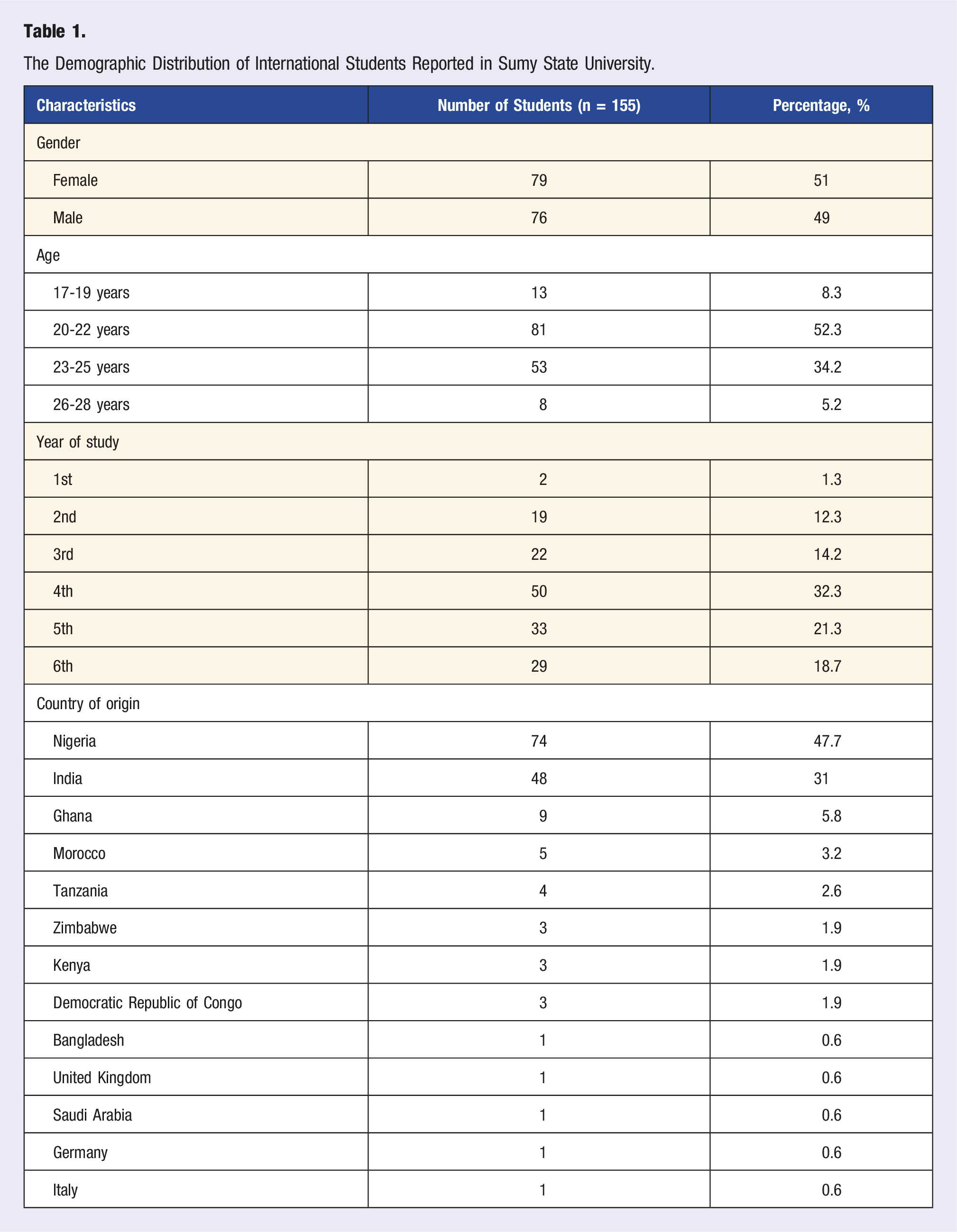
The Demographic Distribution of International Students Reported in Sumy State University.
Ethical approval for this study was waived by the Sumy State University Ethics Committee, as the research was deemed to pose minimal risk to participants. Informed consent was obtained from participants prior to the online survey. Participants were provided with a clear and detailed explanation of the study aims and methods, and were given the opportunity to ask questions. Participants provided consent to participate by clicking “I agree” after reading a statement that explained the study and their rights as participants, including the right to withdraw from the survey at any time without penalty.
Survey Instrument Development and Validation
The survey consisted of 26 questions organized into 5 sections: demographics, physical activity, substance use, dietary habits, and health assessment. In addition to the author’s tailored questions, the survey included the WHO’s Global School-Based Student Health Survey. 12
The survey instrument was developed after an extensive review of the relevant literature and research objectives. To confirm the questionnaire’s validity and reliability, it was pre-tested with a small group of participants who were not included in the final sample. The feedback from the initial validation phase was used to improve the questionnaire, ensuring clarity, relevance, and comprehensibility. Furthermore, the study followed the guidelines of the Strengthening the Reporting of Cohort, Cross-Sectional, and Case-Control Studies in Surgery’ (STROCSS). 13
Assessment Measures and Data Collection
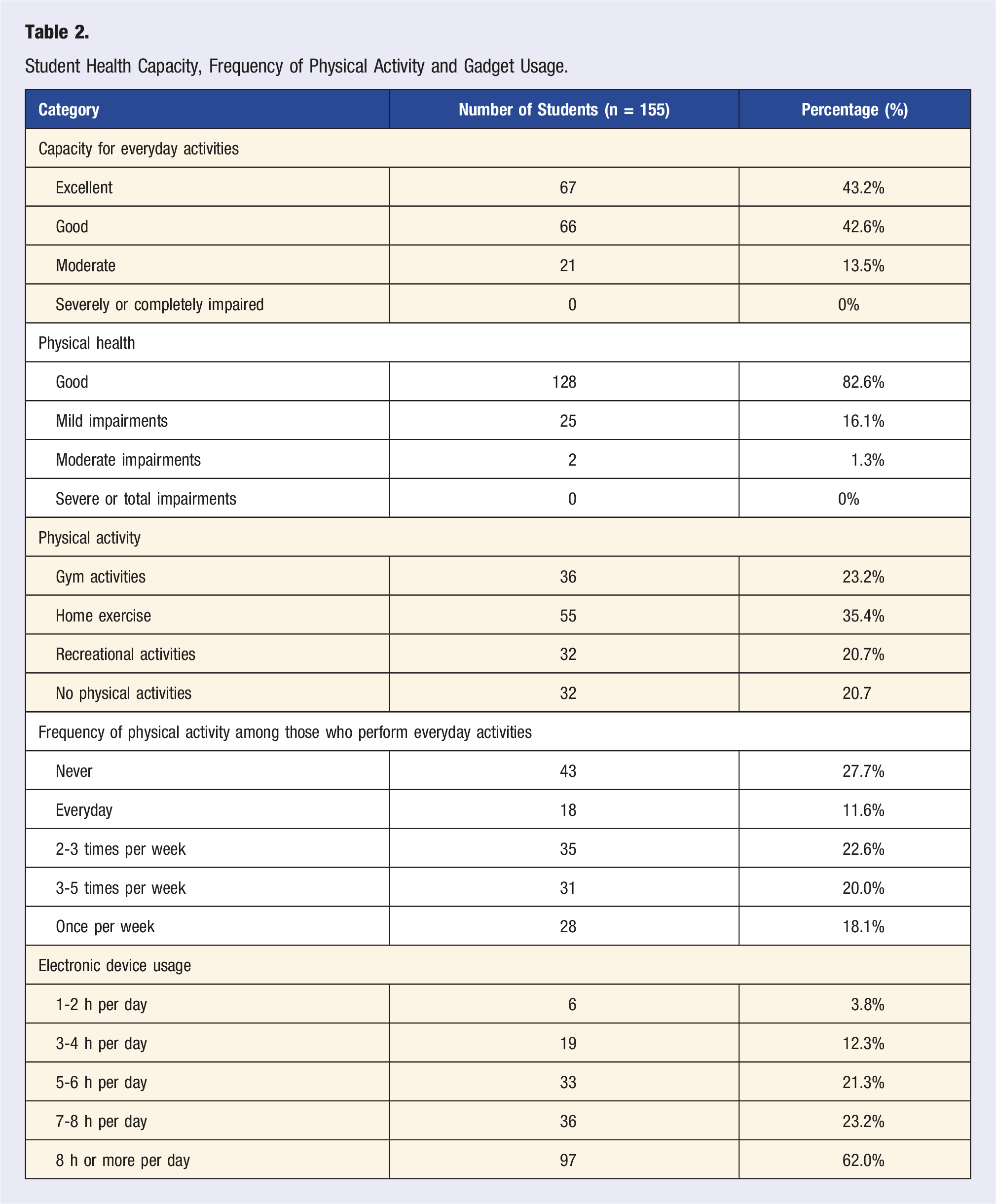
Student Health Capacity, Frequency of Physical Activity and Gadget Usage.
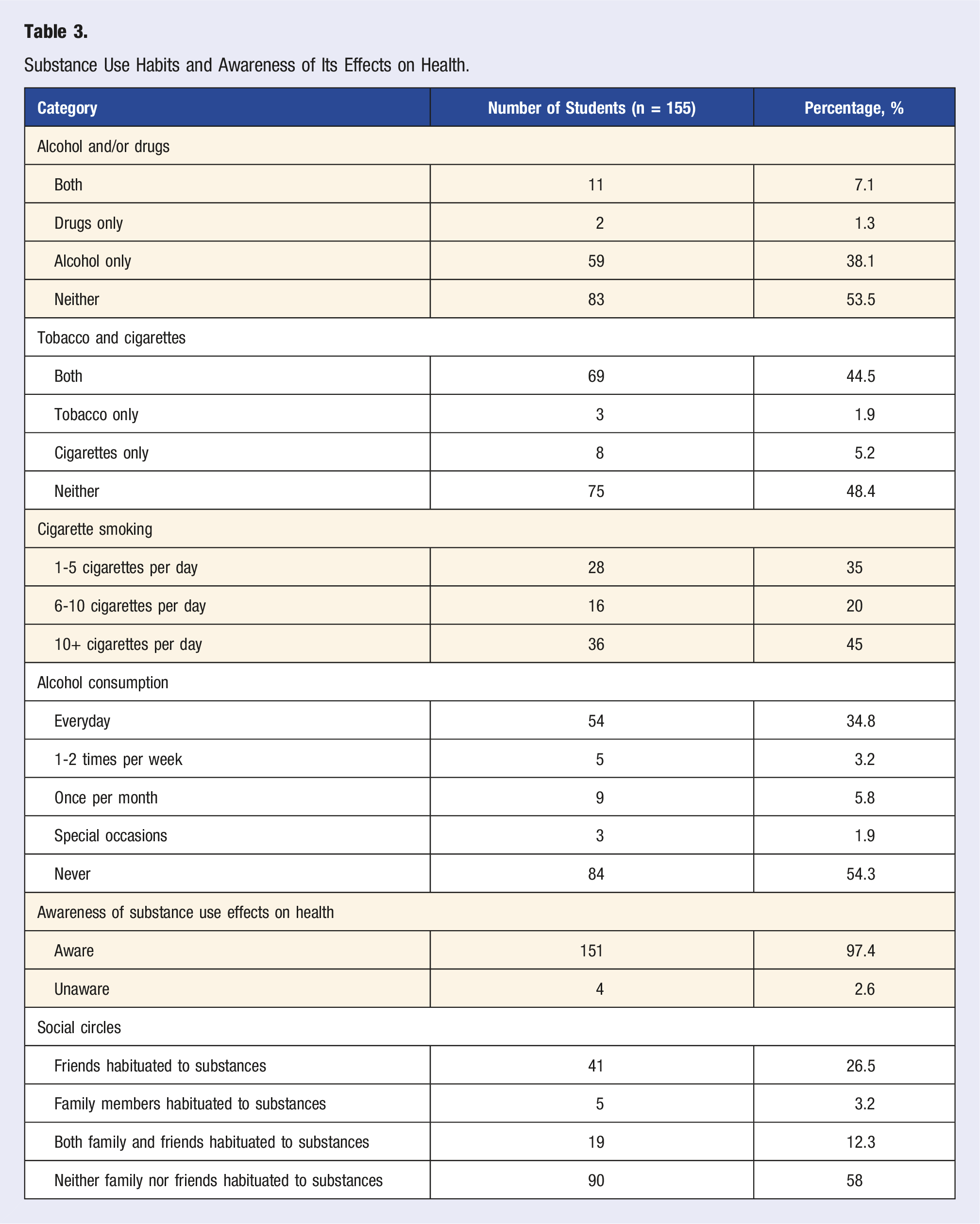
Substance Use Habits and Awareness of Its Effects on Health.
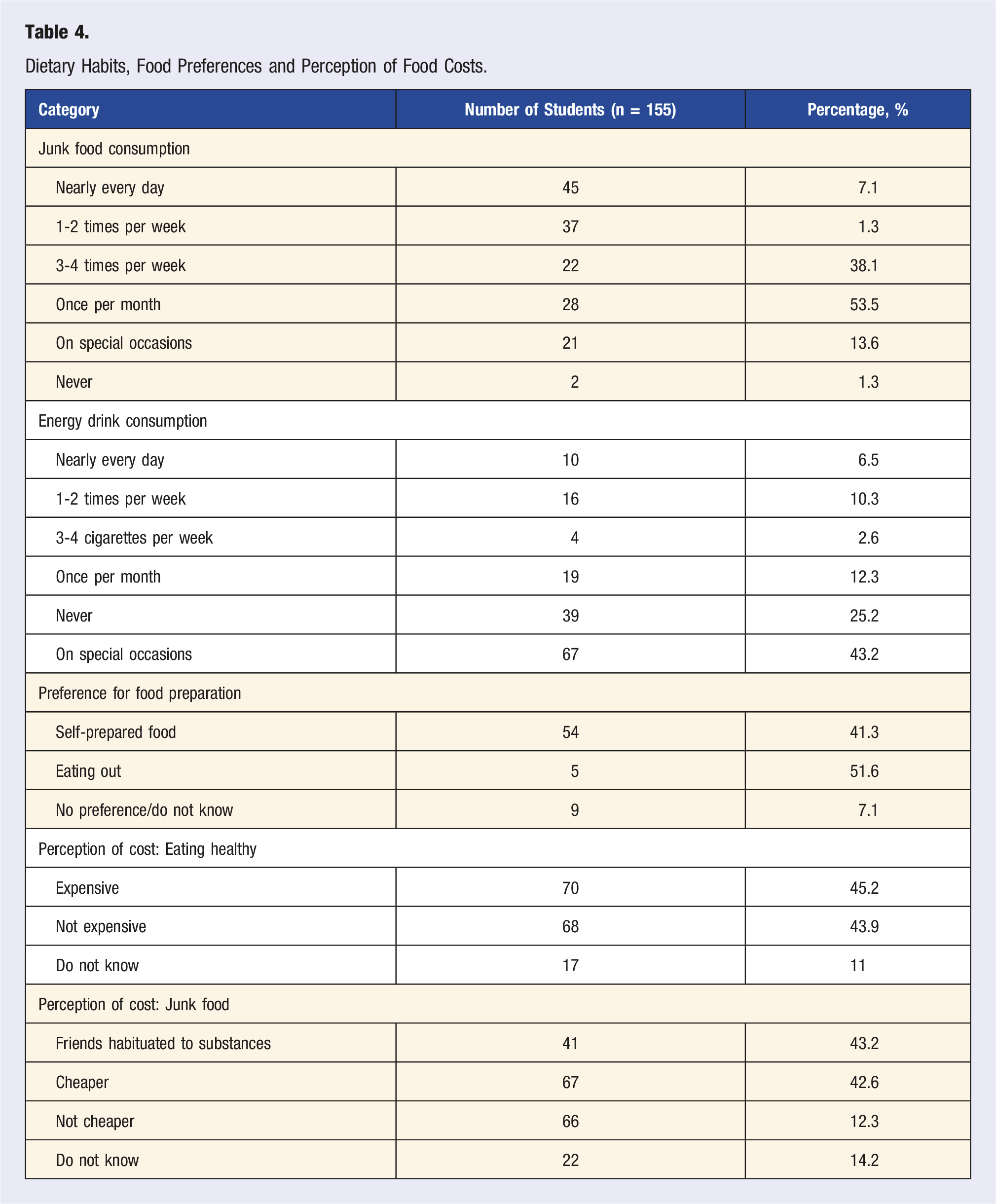
Dietary Habits, Food Preferences and Perception of Food Costs.
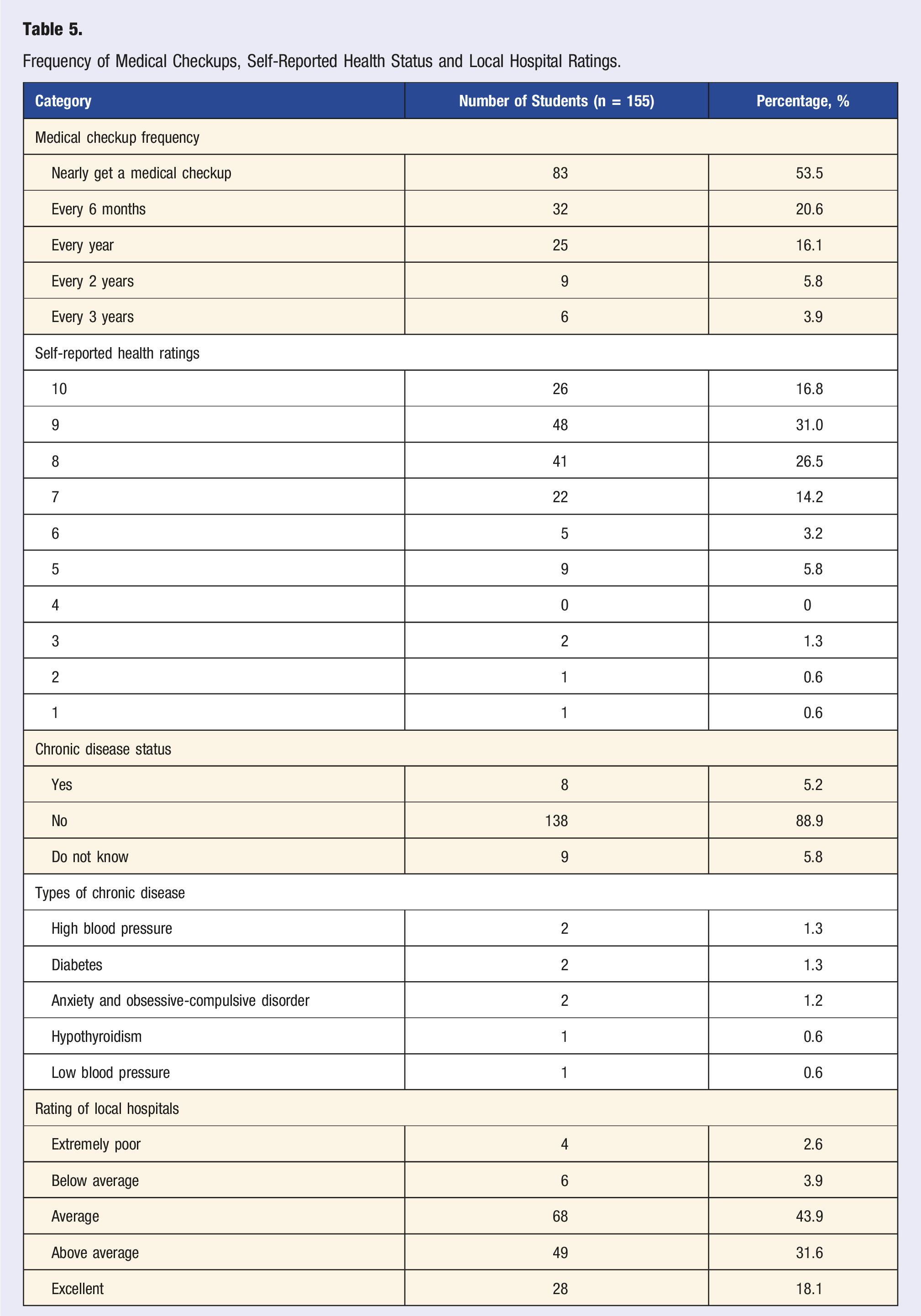
Frequency of Medical Checkups, Self-Reported Health Status and Local Hospital Ratings.
Data Analysis
Statistical processing and analysis of the obtained data were performed using Microsoft Excel programs using the methods of mathematical statistics and the software package Statistica 8.0. Tables were built using Microsoft Excel. The mathematical processing of indicators was performed using the methods of variation statistics for comparing inhaled sets by averages using the Student-t test. A descriptive analysis of variables was performed, and odds ratios (OR) and 95% confidence intervals (CI) were determined. The sample size is sufficient to provide results with a theoretical error of less than 3%.
Results
Demographic Characteristics
The majority of respondents were from Nigeria and India, with fewer participants from Ghana, Tanzania, and Morocco (Table 1). Of the 155 participants, 49% were male and 51% were female (Table 1). There were significantly fewer participants in the 26-28 year old age group (Table 1). In contrast, 20-22 years old was the largest age group. When considering their year of study, the smallest proportion of students were in year 1, with the largest number of students in year 4 (Table 1).
Physical Activity and Health Assessments
The data elucidated that the majority of surveyed students (86%) had good or excellent capacity for everyday activities, with 43.2% and 42.6% performing at excellent and good levels, respectively. In terms of physical health, most students (82.6%) reported being in good physical health, with only 16.1% and 1.3% reporting mild and moderate physical impairments, respectively. No students reported severe or total physical impairments (Table 2). The larger subset of students did not engage in any physical activity (20.7%), while the rest engaged in activities such as home exercise (35.4%), recreational (20.7%), or gym activities (23.2%). In addition, the greater number of students who engaged in everyday activities did not perform physical activity. However, 11.6% of students performed physical activity daily, and 20% performed physical activity 3-5 times per week. Further, the predominant portion of students reported using their electronic devices for 8 hours or more daily (62%; Table 2).
Substance Use Habits
Most of the students were not habituated to alcohol and drugs, while nearly half were habituated to tobacco and/or cigarettes. Among those habituated to tobacco and/or cigarettes, a significant proportion smoked 10 or more cigarettes daily. In terms of alcohol consumption, more than one-third of students reported drinking daily (Table 3). The vast majority of the students surveyed were aware that substance use may affect their health. Additionally, a significant portion of the students reported that their friends were habituated to drugs, alcohol, and cigarettes, while a smaller percentage reported that their family members were habituated (Table 3).
Dietary Habits
An estimated quarter of the students who responded to the study stated that they consumed junk food daily, and over 7% disclosed energy drink consumption to be almost daily. A majority of the students drank energy drinks on special occasions, and approximately 25% never drank them (Table 4). Approximately half of the surveyed students preferred eating outside, while the other half preferred self-prepared food. Almost half of the students thought that eating healthy was expensive, and a similar proportion believed that junk food was cheaper (Table 4).
General Medical Checkups
More than half of the students polled (53.5%) stated that they never receive medical checkups. Reasons included busy schedules, deprivation of funds, inaccessibility to healthcare, and lack of need or desire. Out of the students surveyed, a substantial majority (88.9%) reported no concurrent chronic disease (Table 5). Of those who did, the most common were hypertension, diabetes mellitus, and anxiety/obsessive-compulsive disorder. In terms of self-reported health ratings, a significant proportion of students rated their health as 9 or 10, with only a small proportion rating their health as 5 or lower. Furthermore, most students rated local hospitals as average or above average, with only a small percentage rating them as below average or extremely poor (Table 5).
Discussion
The health and well-being of university students is an important global issue, and this study aims to shed light on certain sedentary habits that can increase the risk of chronic diseases among international undergraduate students at Sumy State University, Ukraine. The results demonstrate that, potentially as a result of undiagnosed health issues, students’ assessments of their health may not align with their actual abilities. The report also reveals alarming rates of drug abuse, including a high incidence of alcohol intake and a tobacco and/or cigarette addiction among more than half of the students polled. Concerns regarding the general health of the student populace are also raised by their excessive intake of junk food and paucity of physical activity.
Physical Inactivity as a Risk Factor
The study demonstrated that although 82.6% of students claimed to have no health issues, only 43.2% felt they could perform daily tasks at an exceptional level (Table 2). This insinuates a potential discrepancy between the students’ perceptions of their health and actual abilities, possibly attributed to undiagnosed health conditions. 14 Additionally, the study observed that only 23.2% of students undertake regular exercise at a gym, while 27.7% reported no physical activity (Table 2). Due to the demanding academic workload and heavy reliance on technology, students may be more prone to developing sedentary lifestyles. 15 To promote better health among students, we recommend implementing wellness initiatives such as support centers, frequent health assessments, health coaching, and more social engagement opportunities. 16 Furthermore, a considerable proportion of the students (62.6%) utilize their electronic gadgets for over 8 hours daily (Table 2). This promotes a sedentary lifestyle and increases the risk of developing ailments associated with NCDs, such as arthralgia, migraines, and depression. 17
Alcohol and Smoking Habits: Implications for Health and Wellness
This study recorded 52.6% of students being addicted to tobacco and/or cigarettes, which is slightly higher than Bettina Piko’s study, which reported 50% of students commenting on their smoking-related views. 18 This suggests that smoking among students may be frequent, and smoking cessation and prevention programs are warranted to address the high incidence of tobacco use in this demographic. As a result, 42% of the study participants described knowing friends or family members who smoked. Having a large number of smoking family members and friends may contribute to the high percentage of student smokers. Previous research has even shown that 62.26% of Bangladeshi students began smoking owing to the influence of friends and the imitation of family members. 19 Smoking with friends and attributions may lead to peer pressure, which has been linked to the development of smoking addictions. 19 The long-term consequences are dire, as smoking is associated with an increased risk of developing chronic illnesses such as cardiovascular disease and non-cancer lung disease. 20
Furthermore, 38.1% of the students were regular consumers of alcohol, which is substantially higher than the 7.3% daily consumption rate reported by a study on Ukraine’s international students. 21 Subsequently, we propose that the alarming rate of substance use could be a coping mechanism for academic-induced stress. 22 Data gleaned from this study increases relevance when confronted with the Gignon et al. study, where 40% of students utilized alcohol and illegal substance usage as a stress reliever. 23 Despite the high prevalence of substance use, 97.4% were aware of the impact on their health. This aligns with research conducted among Bangladeshi students, where 95.83% of respondents were conscious of the link between drug use and chronic illnesses. 19 This is concerning as it demonstrates awareness of the risks among youth populations, yet such a populace continues to participate in dangerous behaviors without taking the potential repercussions into account. 19
The Impact of Socioeconomic Factors on Unhealthy Eating Habits
According to our study, 67.1% of students were regular consumers of junk food, lower than the 96.9% daily consumption rate among Ukrainian international students analyzed by Yurochko TP et al. 21 Additionally, our study found that 51.6% of respondents preferred to dine out instead of self-preparing meals as a result of their regular junk food intake. Furthermore, 45.2% of the students believed that eating nutritious food is expensive, while 43.2% believed that eating junk food is less expensive. NCDs are often linked to LMICs, 7 making it paramount to highlight the relationship between socioeconomic factors and health early. We hypothesize that the high consumption of convenience foods may be partially attributed to the busy academic schedules of students, which leave little time to prepare meals.21,24
Medical Checkups: Student Attitudes and Barriers
Despite the lack of medical checkups, the majority of students (88.5%) rated their health as 7-10 on a 1-10 Likert scale, which is surprisingly acceptable (Table 5). However, 53.5% did not receive medical checkups due to various factors such as high healthcare costs, busy schedules, financial insecurity, lack of access to adequate treatment, and health illiteracy. One student in the open questionnaire even mentioned the absence of a routine medical checkup as having no interest or need to have one. Also, 50.4% of students surveyed reported that the healthcare system in their town was in ordinary to poor condition, which might have a negative impact on students’ willingness to undergo health checks (Table 5).
To assist students who will constitute the future workforce, it is important to provide educational and occupational training on the latest health measures to mitigate resistance and barriers to behavior modification, facilitating ease of access. Resource assessment planning, behavioral interventions, and active student participation in NCD prevention programs should also be established and integrated into university curricula to enhance healthy living. This would help bridge the gap between students and a healthy lifestyle.
Limitations
The study has several limitations that may affect the generalizability and validity of its findings. Firstly, the study only includes international undergraduate students from one university in Ukraine, which may limit its generalizability to other populations or settings. Additionally, cultural and social differences between countries may affect the results. Secondly, the study relies on self-reported data, which may be subject to recall or social desirability bias. Participants may not accurately remember or report their behaviors, or they may provide answers that are more socially desirable than truthful.
Although the response rate was relatively high (74.9%), the sample size is still relatively small, which may limit the statistical power and precision of the findings. Furthermore, the study design is cross-sectional, which means that it only captures a snapshot of the participants' behaviors and attitudes at 1 point in time. It is not possible to determine causality or changes over time using this design. Additionally, there is no control group in this study, which makes it difficult to determine whether the observed associations are due to the exposure or other factors.
The study used basic statistical methods, which may not be adequate for complex analyses or data with multiple confounding variables. The lack of more advanced statistical techniques may limit the validity and reliability of the results. Overall, these limitations should be considered when interpreting the study’s findings.
Future Research and Interventions
While this study provides valuable insights into the health behaviors of international undergraduate students, there are several areas that warrant further investigation. Exploring the impact of cultural factors on sedentary behaviors among international students would provide a deeper understanding of the underlying influences and help tailor interventions to address these specific issues. Cultural norms, social support systems, and perceptions of physical activity may vary across different countries and cultures, and understanding these dynamics could guide the development of culturally sensitive interventions.
In addition, future research could investigate the effectiveness of various interventions aimed at promoting physical activity, reducing substance use, and improving dietary habits among international students. For example, the University of Nimes' interventional programs, which included educational programs, peer support networks, and campus policies that encourage healthy behaviors, should be emulated. 25 Evaluating the outcomes of such interventions in terms of behavior change, health outcomes, and overall well-being would provide evidence-based strategies for improving the health of international student populations. Furthermore, considering the potential barriers and challenges faced by international students, interventions should also address factors such as financial constraints, limited access to healthcare, and cultural adaptation difficulties. Providing resources and support systems that specifically target these challenges can help overcome barriers to adopting healthier lifestyles.
To improve understanding of sedentary behaviors among international students, future research should address the current study’s limitations. This can be achieved through longitudinal and qualitative studies that track behaviors over time and reveal the underlying reasons and motivations for sedentary behaviors. Additionally, comparative studies across universities or regions can identify variations in sedentary behaviors based on university characteristics or cultural backgrounds. Furthermore, targeted interventions should be developed and evaluated to address specific determinants of sedentary behaviors.
Conclusion
This study found that a high percentage of international students at Sumy State University are aware of the risks associated with substance use and chronic illnesses. However, a significant number of students still engage in behaviors that can increase their risk of developing chronic diseases, such as smoking and regular alcohol consumption. Many students also have poor diets, with a high consumption of junk food. Despite this, most students reported that they have good health, although only a small percentage engage in regular physical activity. The high prevalence of unhealthy behaviors among students highlights the need for educational institutions to provide support and resources to help students maintain healthy lifestyles. This could include student health assessments, health coaching, and access to social activities.
Footnotes
Author Contributions
All authors contributed to the concept and review of the manuscript. All authors approved the final version of the manuscript.
Declaration of Conflicting Interests
The author(s) declared no potential conflicts of interest with respect to the research, authorship, and/or publication of this article.
Funding
The author(s) received no financial support for the research, authorship, and/or publication of this article.
Ethical Approval
Ethical approval for this study was waived by the Sumy State University Ethics Committee, as the research was deemed to pose minimal risk to participants.
Informed Consent
Informed consent was obtained from participants prior to the online survey. Participants were provided with a clear and detailed explanation of the study aims and methods, and were given the opportunity to ask questions. Participants provided consent to participate by clicking “I agree” after reading a statement that explained the study and their rights as participants, including the right to withdraw from the survey at any time without penalty.
