




Abstract
Despite numerous advances in basic understanding of cardiovascular disease pathophysiology, pharmacology, therapeutic procedures, and systems improvement, there hasn’t been much decline in heart disease related mortality in the US since 2010. Hypertension and diet induced risk continue to be the leading causes of cardiovascular morbidity. Even with the excessive mortality associated with the COVID-19 pandemic, in 2020, heart disease remained the leading cause of death. Given the degree of disease burden, morbidity, and mortality, there is an urgent need to redirect medical professionals’ focus towards prevention through simple and cost effective lifestyle strategies. However, current practice paradigm and financial compensation systems are mainly centered disease management and not health promotion. For example, the financial value placed on 3–10 min smoking cessation counseling (.24RVUs) is 47-fold lower than an elective PCI (11.21 RVUs). The medical community seems to be enamored with the latest and greatest technology, new devices, and surgical procedures. What if the greatest technology of all was simply the way we live every day? Perhaps when this notion is known by enough, we will switch to this lifestyle medicine technology to prevent disease in the first place.
“With constructive and cooperative partnership between the general public, healthcare professionals, educational institutions, health insurance agencies, and policy makers, we must bring about this paradigm shift.”
Introduction
“Healthy living is the best revenge.”
1
Despite numerous advances in basic understanding of cardiovascular disease (CVD) pathophysiology, pharmacology, therapeutic procedures, and systems improvement, there hasn’t been much decline in heart disease related mortality in the US since 2010. 2 Hypertension and diet-induced risk continue to be the leading causes of cardiovascular morbidity. 3 Even with the excessive mortality associated with the COVID-19 pandemic, in 2020, heart disease remained the leading cause of death. 4 Given the degree of disease burden, morbidity, and mortality, there is an urgent need to redirect medical professionals’ focus towards prevention through simple and cost effective lifestyle strategies. 5 However, current practice paradigm and financial compensation systems are mainly centered around disease management and not health promotion. For example, the financial value placed on 3–10 min smoking cessation counseling (.24RVUs) is 47-fold lower than an elective Percutaneous Coronary Intervention (11.21 RVUs). 6 The medical community seems to be enamored with the latest and greatest technology, new devices, and surgical procedures. What if the greatest technology of all was simply the way we live every day? Perhaps when this notion is known by enough, we will switch to this lifestyle medicine technology to prevent disease in the first place.
Current Burden of Cardiovascular Risk Factors
As outlined in the 2021 Heart Disease and Stroke Statistics by the AHA, the prevalence of cardiovascular risk factors among American youth ages 12–19 continues to be high—(Smoking, Non-Ideal BMI, physical activity, cholesterol, blood pressure, and diabetes are at 4.3%, 36.7%, 74.6, 22.8%, 18.8%, diabetes 13.8%, and Healthy Diet Score are listed as .0%, respectively.) 7 Over the course of past century, heart disease has been the leading cause of death, except during the years of flu pandemic of 1918–1920. Since the early 1970s, there has been a marked (∼70–75%) decline in cardiovascular mortality. During the first decade of the 21st century, annual age adjusted decline in mortality rates for total CVD was around 5%. However, in recent years, starting around 2011, this trend in decline slowed down significantly, averaging around <1% per year. 8 Only 6.8% of the adult American population meets criteria for ideal cardiometabolic health. 9 Keep in mind, that this is also during the time when we have excellent medicines and procedures to slow, halt, or repair heart disease. During the same period, deaths attributable to heart failure (HF) increased by 20%.10,11 This concerning trend in failing cardiovascular health of a society is a “Population Level Code Blue.” 12
Given these trends, the American Heart Association (AHA) issued a Presidential Advisory on 2030 Impact Goals. 13 The objective of this advisory is to increase “Health Adjusted Life Years.” Central focus of this initiative is to increase health-span and wellbeing through primordial, primary, and secondary preventive strategies. Starting preventive and healthy lifestyle strategies early in life is the most effective and efficient way to accomplish the goals of expanding health-span, while further expanding lifespan. Children and young adults provide a window of opportunity to promote health and prevent disease.14-16 These risk factors, disease burden, morbidity, and mortality are preventable in the vast majority of individuals.
The authors of this manuscript often refer to the above summary as the American curse. In a land filled with promise, productivity, and wealth, most of us work hard our whole lives, and either before we retire or when we retire we look forward to a retirement filled with heart attacks, strokes, peripheral arterial disease, vascular dementia, diabetes, and other preventable diseases.
This review discusses the Pillars of Lifestyle Medicine, as they relate to cardiovascular health promotion and disease prevention.
Social Determinants of Cardiovascular Health
“A chain is no stronger than its weakest link”—Thomas Reid
The World Health Organization (WHO) defines Social Determinants of Health (SDoH) as “the circumstances in which people are born, grow, live, work, and age, and the systems put in place to deal with illness.” 17 In a recent review titled “Moral Determinants of Health,” SDoH are categorized as “conditions of birth and early childhood, education, work, the social circumstances of elders, a collection of elements of community resilience (such as transportation, housing, security, and a sense of community self-efficacy).” 18 Starting very early and throughout life, low socioeconomic position has been shown to negatively influence cardiovascular health.19,20 There continue to be significant disparities in cardiovascular outcomes based on race.21,22 When it comes to the role of race and ethnicity in cardiovascular health, “never has there been a better time to increase our efforts to actualize health equity.”23,24 Racial and ethnic disparities and other social determinants of health still play a significant role in the management of hypertension, 25 diabetes/obesity, 26 CAD/stroke, 27 valvular heart disease, 28 atrial fibrillation, 29 hypertrophic cardiomyopathy, 30 dilated cardiomyopathy, 31 and heart failure. 32 In addition, culture, language, affordable access to healthcare, social support, network, and residential environment play a key role in overall health and cardiovascular outcomes. In a recent 2020 Scientific Statement, the AHA outlines the current status and the cardiovascular risk imposed by SDoH. 33 Unless these are addressed and corrected, our healthcare systems will continue to be “repair shops, trying to correct the damage of causes collectively denoted social determinants of health.” 18 It is time to use the most effective and cheapest solution to reduce or eliminate disparities: lifestyle medicine…. And it is time for health care professionals to apply this uniformly at every visit and with every patient! There is an urgent need to drastically redesign the delivery of healthcare to ensure equity for all. 34
Pillars of Lifestyle Medicine and Cardiovascular Disease
Social Support
“Man is by nature a social animal; an individual who is unsocial naturally and not accidentally is either beneath our notice or more than human. Society is something that precedes the individual. Anyone who either cannot lead the common life or is so self-sufficient as not to need to, and therefore does not partake of society, is either a beast or a god.”—Aristotle
Social Support is best defined as “information leading the subject to believe that he is cared for and loved, esteemed, and a member of a network of mutual obligations.” 35 Social isolation is often defined as the lack of social connection and loneliness as the feeling of being alone, despite social connections. 36 The rates of social isolation and loneliness are increasing in the United States. As per the recent 2020 report by the National Academies of Sciences, Engineering, and Medicine, close to 30% of adults 45 and older are lonely and nearly 25% of adults over 65 are socially isolated. 37 In a prospective analysis of 32 624 male healthcare professionals over 4 years, it was noted that poor social support was associated with significantly increased risk of stroke and cardiovascular mortality. 38 It has been reported that among individuals with established Coronary Heart Disease (CHD), unmarried status and the absence of a close confidant significantly increased (HR, 3.34; 95% [CI], 1.84 to 6.20; P <.0001) the risk of mortality. 39 In a 2016 meta-analysis of 16 studies ranging from 3–12 years in follow up, it was noted that social isolation is associated with a 29% increase in the risk of coronary heart disease (CHD) (PRR: 1.29, 95% CI 1.04 to 1.59) and a 32% increase in risk of stroke (PRR: 1.32, 95% [CI] 1.04 to 1.68). 40 The risk of CHD and stroke, imposed by life’s events and social isolation is now well established. 41 In a recent 13-year follow up of 4139 participants free of prior CVD, it was shown that lack of financial support (adjusted HR = 1.30 95% [CI] 1.01 to 1.67) and social isolation (adjusted HR = 1.47 95% [CI] 1.09 to 1.97) increased the risk of CV events and all-cause mortality. 42
Similarly, our understanding of the pathophysiological mechanisms contributing to increased cardiovascular risk is rapidly evolving.41,43 The risk can be lowered by first identifying social isolation and loneliness as contributing factors followed by systematic focus on medical education, routine risk assessment during clinical evaluations, and population based interventions. 44 However, in a large randomized controlled trial (RCT) of patients with established CVD and myocardial infarction (MI), enhanced social support and cognitive behavioral therapy did not lower all-cause and cardiovascular mortality. 45 The 2015 Scientific Statement by the AHA is a useful resource for the primary care and cardiovascular health care professionals to increase their awareness and importance of social support and the role it plays in clinical outcomes. 33
Finally, Blue Zones are parts of the world where people live beyond the average life expectancy. One of the key components that makes up a Blue Zone is strong social networks and support. 46 When one cares for another and their neighbor, cardiovascular and other health related outcomes seem to improve. As communities age, it is important that the environments they live in are SAFE—“Smart Age-Friendly Ecosystems.” In 2007, the World Health Organization outlined a framework for the establishment of such communities. 47 Further, even in team sports when there is a strong connection between players, CVD outcomes are better. In this space, and likely for this as a key reason, badminton has been associated with a striking 47% reduction in CVD events. 48
Positive Psychology, Wellbeing, Stress, Depression, and Mindfulness
“I have decided to be happy, because it’s good for my health.”—Voltaire
Mental Health as per the WHO is “a state of well-being in which an individual realizes his or her own potential, can cope with the normal stresses of life, can work productively and fruitfully, and is able to make a contribution to her or his community.” 49 Components of positive psychology include positive emotions, sense of purpose/connection, gratitude, resilience, and happiness. Negative psychology on the other hand constitutes chronic stress, depression, anxiety, anger, hostility, negative emotion, and overall dissatisfaction. Much like health, wellbeing is not the mere absence of disease or infirmity, but the presence of physical, social, and emotional fulfilment.50,51 The cardiovascular benefits of positive psychology and wellbeing are due to the complex interplay between social, emotional, and biochemical mechanisms. 52
It is interesting to note that in every day parlance, medical clinicians speak of “dis-ease” or lack of ease. Perhaps the very thing we refer to can be improved by improving ease. Further, even words like “hyper-tension” or too much tension matter; as stress and blood pressures have a striking association. 53
These psychological factors play a significant role in the development of cardiovascular disease. In the INTERHEART study, it was noted that the population attributable risk of developing myocardial infarction was 35.7% (OR 2.87) and 32.5% (OR 2.67) for smoking and psychosocial factors, respectively. 54 Chronic psychological stress from various sources has been shown to increase the risk of CVD. 33 In meta-analysis of 118 696 participants from 6 studies, it was noted that perceived stress from various sources increased the risk of CHD and related mortality by 27% [(RR, 1.27 [95% CI, 1.12–1.45]). 55 Similarly, stress related to work has been shown to increase the risk of CVD by 40% ([RR, 1.4 [95% CI, 1.2–1.8]). 56 A recent 2018 analysis of 151, 144 participants from 9 studies has shown 61% ([HR], 1.61 [95% CI, 1.46–1.77]) increased risk of CHD with post-traumatic stress disorder. 57 Acute bouts of anger/hostility and chronic anger have been linked to increased risk of CHD.58,59 In a 2016 meta-analysis that included over 2 million participants, chronic anxiety was associated with increased CVD mortality, stroke and heart failure. 60 In a recent pooled analysis of two prospective cohorts that included 918 participants with CHD, it was noted that presence of ischemia with mental stress significantly [HR 2.5] increased the risk of cardiovascular death and nonfatal myocardial infarction. 61 Chronic psychological stress mediates its negative influence on the cardiovascular system by complex interactions involving the hypothalamic pituitary axis and the autonomic nervous systems resulting in behavioral changes and psychological changes. In addition, there is significant dysregulation of multiple neurohumoral and immune pathways resulting in inflammation. 62
It has been long established that depression is very common in individuals with various forms of cardiovascular disease. 63 Depression at baseline is associated with 60% increased risk of all-cause mortality and 70% increased risk of myocardial infarction (MI). 64 In a systematic review and meta-analysis, it was noted that depression increases the risk of MI by 60% (OR = 1.60, 95%CI 1.34–1.92). 65 Hence, it is important to screen for depression in all patients with established CHD and similarly, early diagnosis and treatment of depression will lead to improved cardiovascular outcomes. 66
Mindfulness is purposeful and non-judgmental awareness of one’s thoughts, actions, and emotions. A 2017 Scientific Statement on Meditation and Cardiovascular Risk Reduction by the AHA outlines the cardiovascular benefits of various mindfulness and meditative practices and supports such practices as adjunct to guideline-directed medical therapy. In addition, the AHA supports routine screening for depression for all patients with CHD. 67 Life lived with positive psychology and a sense of wellbeing have been mechanistically linked to better cardiovascular outcomes. 52 Similarly, individuals living lives with a sense of optimism and purpose have significantly lower risk of cardiovascular events. In a recent meta-analysis of 2 cohorts from the Nurses Health Study and Veterans Affairs Normative Aging Study, it was noted that after adjusting for other variables women in the highest optimism quartile had 14.9% (RR, .86 [95% CI, .80–.92]) longer life expectancy and 35% (RR, .65 [95% CI, .51–.78])reduction in cardiovascular events. 68 Given these implications, it is important that patients are routinely screened and treated for the components of negative psychology. Simple tools such as Patient Health Questionnaire-2 Depression Screen are very useful. 69 The 2021 Scientific Statement on Psychological Health, Well-Being, and the Mind-Heart-Body Connection by the AHA is a very useful resource for primary care and cardiovascular specialists. 51
Tobacco and Alcohol
“The Doctors’ Choice is America’s Choice.”
70
In the 1940s and 1950s, the tobacco industry used physicians for campaign advertisements. 70 Over the course of past 50–60 years, due public health policy and anti-tobacco campaign, there has been significant decline in smoking. 71 However, 20% of American adults and 4% of youth ages 12–19 are currently smoking. 7 It is estimated that tobacco smoke contains about 7000 toxic chemicals and 69 carcinogens. 72 These chemicals and toxins are implicated in CVD through various mechanisms such as changes is heart rate, blood pressure, inflammation, endothelial dysfunction, thrombosis, dyslipidemia, and autonomic dysregulation. 73 Active smokers are at significantly increased risk of MI (OR, 2.87; 95% CI: 2.58 to 3.19) 54 All-cause mortality among smokers (M 55–74 and W 60–74) is at least 3 times higher, compared to those who never smoked. 74 Among patients with established CAD, smoking is associated with a marked increase in the risk of sudden cardiac death (HR, 2.47; 95% CI, 1.46–4.19) 75 Smoking is associated with significantly increased odds of PAD, 76 aortic aneurysms, 77 and stroke. 78 Similarly, smoking is associated with increased risk of atrial fibrillation and ventricular arrhythmias.79,80 Second hand smoking and the use of smokeless tobacco is associated with increased risk of CVD.81,82 Given this risk, it is important that smoking cessation counseling be discussed at every primary care and cardiology visit. For successful cessation and maintenance, individual, interpersonal, community resilience, social support, and policy related barriers should be addressed. 83
According to the most recent data, around 85% of the people over the age of 18 reported that they consumed alcohol at some point in time in their life. Close to 95 000 people die from alcohol related disease every year in the US. 84 Most medical societal guidelines recommend limiting alcohol consumption to 2 drinks/day for men and 1 drink/day for women. There may be some cardiovascular benefit to drinking within the recommended limits. 85 However, the most recent US dietary guidelines state that, “Emerging evidence suggests that even drinking within the recommended limits may increase the overall risk of death from various causes, such as from several types of cancer and some forms of cardiovascular disease. Alcohol has been found to increase risk for cancer, and for some types of cancer, the risk increases even at low levels of alcohol consumption (less than 1 drink in a day).” 86 In a recent analysis of 17 059 participants from the third National Health and Nutrition Examination Survey (NHANES III), compared to individuals who never consumed alcohol, the risk of stage 1 and 2 hypertension increased significantly in moderate drinkers (7–13 drinks/week) [(OR) 95% CI: 1.53 (1.23–1.90) and 2.02 (1.52–2.69), respectively] and heavy drinkers (≥14 drinks/week)[OR (95% CI): 1.69 (1.36–2.11) and 2.41 (1.83–3.16)]. 87 Even the consumption of small amount of alcohol has been shown to increase the risk of atrial fibrillation. 88 In a recent analysis (linear and non-linear Medelian Randomization) of 371 463 participants from the UK Biobank, it was noted that even at very low levels of consumption, alcohol significantly increased the risk of hypertension and coronary artery disease. 89 Given these risks, it is reasonable to either avoid alcohol or keep it well within the guideline recommended limits. These recommendations are now supported by the World Heart Federation. 90
Physical Activity
“I hated every minute of training, but I said, don’t quit. Suffer now and live the rest of your life as a champion.”—Muhammad Ali
The World Health Organization defines physical activity as “any bodily movement produced by skeletal muscles that requires energy expenditure.” 91 The 2018 Physical Activity Guidelines for Americans and the 2019 ACC/AHA CVD Primary Prevention Clinical Practice Guidelines recommend that adults accumulate at least 150 min/week of moderate-intensity or 75 min/week of vigorous-intensity aerobic activity (or an equivalent combination) and perform muscle-strengthening activities at least 2 days/week.92,93 Failure to reach these recommendations is defined as physical inactivity. 94 As per the US Centers for Disease Control and Behavioral Risk Factor Surveillance System, the prevalence of Physical Inactivity (PI) between 2015–2018 was 31.7% for Hispanics, 30.3% for non-Hispanic Blacks, and 23.4% for non-Hispanic Whites. 95 About 75% of American youth ages 12–19 are not meeting ideal physical activity goals. 7 Sedentary Behavior (SB) and PI are associated with increased mortality. PI accounts for 9% of premature deaths globally. 96 In a systematic review and metanalysis of 47 studies, it was noted that PI is associated with increased all-cause mortality (HR, 1.240 [95% CI, 1.090–1.410]), cardiovascular disease incidence (HR, 1.143 [CI, 1.002–1.729]), and cardiovascular disease mortality (HR, 1.179 [CI, 1.106–1.257]). 97
The cardiovascular benefits of physical activity are mediated by antithrombotic, antiatherogenic, antiarrhythmic, and hemodynamic effects.98,99 In addition, regular physical activity has been shown to offer psychological, emotional, and social benefits.100,101 Physical activity has been show to offer benefit at a disease specific level such as hypertension, 102 hyperlipidemia,103-105 diabetes. 106 The overall cardiovascular benefits of physical activity are well established and are supported by a level I recommendation by the current ACC/AHA guidelines on primary prevention. 93 Similarly, exercise and physical activity have been shown to offer significant benefits in patients with established coronary artery disease.107,108
Given these benefits, counseling regarding regular exercise and physical activity should be an integral part primary care and cardiology practices. However, many physicians are not counseling their patients. 109 Lack of formal training, exercise habits of medical students and physicians appear to influence their counseling practices. 110 In addition, there are many barriers at the level of personal action, community support, level of education, and societal support. 99 These barriers are more prevalent among underserved communities and should be addressed at a personal and population level. 111
Nutrition
“Eat food, not too much, mostly plants.”—Michael Pollan
Poor eating habits are one of the leading causes of cardiovascular disease and disability. 3 Suboptimal diet is estimated to be responsible for 1 in 5 premature death worldwide. 112 High intake of dietary sodium, low intake of wholegrains and fruits are the leading contributing factors.113,114 In a recent analysis of the Framingham Cohort, it was noted that for every additional daily serving, ultra-processed foods are associated with a 7% (95% [CI]: 1.03 to 1.12), 9% (95% CI: 1.04 to 1.15), 5% (95% CI: 1.02 to 1.08), and 9% (95% CI: 1.02 to 1.16) increase in the risk of overall CVD, and CVD mortality, respectively. 115 Similarly, in a recent large prospective observational study, it was noted that the consumption of ultra-processed foods is associated with significant increase in the risk of cardiovascular, coronary, and cerebrovascular disease. 116
Despite some limitations posed by epidemiology, lack of large and long-term randomized controlled trails, overwhelming majority of nutritional research supports increasing the consumption of unprocessed plant-based foods. Consistent with the totality of available data, a plant predominant dietary pattern is supported by the ACC/AHA (93), and the USDA. 117 The American Society of Preventive Cardiology has recently outlined “Top 10 Dietary Strategies for Atherosclerotic Cardiovascular Risk Reduction.” 118 The 2021 Dietary Guidance to improve Cardiovascular Health: A Scientific Statement by the American Heart Association supports a plant-predominant dietary pattern. 119 Similarly, the 2021 European Society of Cardiology Guidelines on Cardiovascular Disease Prevention in Clinical Practice support a plant predominant dietary pattern. 120 Based on the results of Lyon Heart 121 PREDIMED,122-124 and the recent CORDIOPREV 125 trails, there is strong evidence in support of the Mediterranean diet for cardiovascular risk reduction. Given that poor diet quality has now surpassed all mortality risk factors, it is of paramount importance that diet screening be incorporated into every clinical encounter. Recently, the AHA issued a Scientific Statement on Rapid Diet Assessment Screening Tool for Cardiovascular Disease Risk Reduction across Healthcare Settings. 126
Hypertension
In a systematic review and meta-analysis of 30 randomized controlled trials, it was noted that DASH diet significantly lowered systolic and diastolic blood pressure. 127 In another large meta-analysis and systematic review of RCTs, DASH showed the largest net effect of lowering systolic and diastolic blood pressure. 128 In a meta-analysis of 32 observational studies, it was noted that the consumption of vegetarian diets is associated with lower systolic and diastolic blood pressure. 129 In a recent systematic review and meta-analysis of 41 controlled interventional trials, it was noted that plant based dietary pattern significantly lowers systolic and diastolic blood pressure. 130 Additionally, when combined with low sodium, DASH diet has been has been shown to lower systolic blood pressure by ∼20mmHg. 131 In a 23 year follow-up of 53, 150 individuals, it was noted that the highest intake of vegetable nitrate was associated with lower systolic and diastolic blood pressure. In addition, 60 mg/day (1 cup of green leafy vegetables) of nitrate consumption was associated with 15% lower risk of CVD. 132 Accordingly, multiple US and international cardiovascular societal guidelines support DASH dietary pattern for the prevention and treatment of hypertension with Class I indication and LOE A.133,134 It should be noted that when a DASH diet is properly followed, it is not exclusively but a vastly plant-based diet. Similar to DASH diet, the Portfolio diet high in plant-based protein and phytosterols has been shown to lower blood pressure. 135
Diabetes
In the landmark Diabetes Prevention Program (DPP), lifestyle intervention that included plant predominant Step 1 diet resulted in 58% reduction in the incidence of type 2 diabetes. 136 In around 20% of the participants in the DPP who were over age 60, lifestyle and dietary changes conferred even a greater reduction (71%) in the incidence of diabetes. The DPP continued to show 34% reduction at 10-years 137 and 27% reduction at 15-years. 138 In the Finnish Diabetes Prevention Study, after a mean follow up 4 years, lifestyle intervention that included plant predominant diet resulted in 34% reduction in the relative risk of developing diabetes. At 7 years, the study continued to show 43% reduction. 139 Similarly in the Da Qing Diabetes Prevention Study with 23 years of follow up, lifestyle and behavioral changes, compared to control were associated with significant reduction in the incidence of diabetes, cardiovascular and all-cause mortality. 140 After 30-years of follow up, the Da Qing Study continued to show a 39% reduction. 141 In a pooled analysis of 3 large cohorts with over 4 million person-years of follow up, highest adherence to healthful plant-based dietary pattern was associated with 34% reduction in the incidence of diabetes. 142 Similarly, during a 7 year follow up of a very large Chinese cohort, it was noted that higher compared to lower fruit consumption was associated with significantly (adjusted HR = .88 [CI .83–.93 P = .001] lower risk of developing diabetes and higher fruit consumption among diabetics was associated with lower risk of complications and all-cause mortality. 143 Currently, a plant predominant dietary pattern, rich in vegetables, whole grains, legumes, fruits, nuts, and seeds is supported by clinical practice guidelines issued by the American Diabetes Association. 144 The 2020 Consensus Statement on Comprehensive Management of Type Diabetes by the American Association of Clinical Endocrinology and American College of Endocrinology suggests that, “Lifestyle therapy begins with motivational interviewing techniques, nutrition counseling, and education. All patients should strive to attain and maintain an optimal weight through a primarily plant-based meal plan high in polyunsaturated and monounsaturated fatty acids, with limited intake of saturated fatty acids and avoidance of trans fats.” 145
Obesity
Obesity is result of complex interplay between genetic, biological, socioeconomic, psychological, and environmental factors.146-150 The overall cardiovascular implications of obesity and it’s management are outlined the recent 2021—Scientific Statement by the American Heart Association. 151 In general, vegetarians tend to have lower body-weight. 152 In a small randomized controlled trial, it was noted that various plant-based diets resulted in greater weight loss. 153 A randomized controlled trial using whole food plant-based diet achieved greater weight loss at 6 and 12 months compared to any other trial that did not restrict caloric intake and include an exercise program. 154 In a meta-analysis of 12 RCTs that included 1151 participants with a mean follow up of 18 months, it was noted that vegetarian diets resulted in significantly (−2.02 kg; 95% [CI]: −2.80 to −1.23) greater weight loss compared to non-vegetarian diets. 155 In an in-patient randomized controlled trial of ad libitum caloric intake, it was noted that ultra-processed foods led to excess caloric intake and weight gain. 156 In a recent hypothesis testing study of ad libitum energy intake over 2 weeks, it was noted that low fat plant based diet compared to high fat ketogenic diet resulted in significantly (689 ± 73 calories/d) lower caloric intake. 157 Given these findings, a plant predominant dietary pattern should be suggested to individuals at risk and those with established cardiovascular disease.
Hyperlipidemia
In a meta-analyses and systematic review, vegetarian diet was associated with lower concentrations of total cholesterol (−29.2 and −12.5 mg/dL, P < .001), LDL-cholesterol (−22.9 and −12.2 mg/dL, P < .001), and HDL cholesterol (−3.6 and −3.4 mg/dL, P < .001). 158 In a systematic review and meta-analysis of randomized controlled studies, it was noted that vegetarian diets significantly and favorably lower all lipid parameters, except triglycerides. 159 Similarly, in another systematic review and meta-analysis of controlled trails, a plant-based Portfolio dietary pattern has been shown to lower LDL-cholesterol by 17%. 160 Current clinical practice guidelines from multiple medical societies, in addition to evidence based medical therapies, support predominantly a plant-based dietary pattern for lipid lowering.93,161
Sleep
“Each night, when I go to sleep, I die. And the next morning, when I wake up, I am reborn.”—Gandhi
As per the consensus statement by the American Academy of Sleep Medicine and Sleep Research Society, 7–8 hours of sleep at night is considered ideal for optimal health. 162 According to the US CDC, 35% of adults report sleeping less than 7 hours per night. 163 A systematic review and meta-analysis of prospective studies that included 474 684 participants showed that both short (<7 h) and long (>9 h) sleep duration are associated with increased risk of CVD and mortality. 164 Similarly, in a recent dose-response meta-analysis, it was noted that deviation from the recommended 7–8 of sleep is associated with increased risk of cardiovascular disease and mortality. 165 In an analysis of 461, 341 UK Biobank participants free of CVD, it was noted that short sleep duration (<6 h) was associated with 20% higher adjusted risk (HR: 1.20; 95% [CI]: 1.07 to 1.33) and longer sleep duration (>9 h) was associated with 34% higher risk of (HR: 1.34; 95% CI: 1.13 to 1.58) of myocardial infarction. These associations were independent of various sleep traits and the Mendelian randomization was consistent with the causal relationship between sleep duration and myocardial infraction. 166 In an analysis of the MESA cohort, it was noted that sleep irregularity is associated with increased risk of CVD, independent of traditional risk factors. 167 Based on these observations, deranged sleep appears to be a novel risk factor and causally linked to cardiovascular disease. Given these implications, screening for sleeping habits should be a routine part of cardiovascular consultations. 168 Further, it is not unreasonable for clinicians to focus on the mindfulness/stress/depression pillar of lifestyle when sleep disturbances are present. In a recent update to its construct on cardiovascular health promotion, the American Heart Association added sleep to “Life’s Essential 8.” 169
Stable Coronary Artery Disease and Lifestyle
“Do not smoke, Eat Healthy, and Exercise”—Vera Bittner, MD
170
As it was noted in the INTERHEART study, close to 90% of the population-attributable risk of MI is explained by 9 risk factors that are modifiable. 54 In the 15-year follow up of the COURAGE trial that tested medical therapy vs revascularization in patients with stable ischemic heart disease, it was noted that the individuals with highest number of controlled risk factors had the lowest mortality. 171 As outlined above, all the risk factors can be significantly modified by simple and cost effective lifestyle strategies. However, there continue to be significant gaps and system wide barriers for the successful implementation of lifestyle based preventive strategies. 172 Adherence to healthy diet (whole grains, vegetables, fruits) continues to be very poor among patients with established CHD. 173 Similarly, despite strong evidence, large percentages of patients with stable CHD continue to smoke. 174 Despite overwhelming data, compliance with exercise, physical activity, and referral to cardiac rehabilitation among post MI patients and patients with stable CHD continues to be poor. 175 In fact, simply following life’s Simple 7 (blood pressure control, cholesterol control, sugar control, activity, eating better, losing weight and not smoking) can markedly reduce mortality and risk for CVD. 176 Depression and anxiety are very common among patient with CHD. 177 Despite proven benefits and endorsement from leading cardiovascular medical societies, only a very small percentage of patients with CVD report practicing meditation and mindfulness based practices. 67 There is overwhelming evidence supporting the usefulness and the cost effectiveness of these pillars of Lifestyle Medicine in the primary and secondary prevention of CHD. Comprehensive programs as outlined in the Lifestyle Heart Trial and the Mount Abu Open Heart Trial have shown significant improvement in metabolic parameters, angina class and quality of life.178,179 Similarly, in a case series of 198 patients with established coronary artery disease, strict adherence to whole food plant-based diet was associated with significant reduction in angina burden and clinical events. 180 In a recent RCT, a plant predominant dietary pattern and healthy lifestyle plus optimal medical therapy, compared to optimal medical therapy has been shown to prevent progression of percent atheroma volume and reduction in noncalcified plaque. There was no change in the fibrous and dens calcific components of the plaque. 181
Atrial Fibrillation and Lifestyle
Atrial fibrillation (AF) is the most common cardiac arrhythmia and the lifetime risk of developing AF after age 55 is ∼37%. 182 A vast majority of this burden is due to lifestyle related factors. Based on multiple observations, there is a strong association between obesity and AF.183-186 In an age and gender adjusted meta-analysis of 51, 646 participants from 7 cohort studies, estimates from Mendelian randomization were significant and consistent with causal link between BMI and AF. 187 Weight loss of 10% or greater has been shown to significantly lower burden of AF.188-192 Similarly, regular exercise within the guideline recommended levels has been shown to lower the burden of AF.193-196 Extremes of endurance exercise, achieved by <1% of the general population, has been shown to increase the risk AF.197-199 Mind–body practices such as yoga also have been shown to lower the burden of AF. 200 Hypertension, diabetes, ischemic heart disease, alcohol consumption are associated with increased risk of AF. Alcohol consumption well within the limits suggested by the guidelines was recently shown to significantly increase the risk of AF. The consumption of 1 drink was associated with 2-fold increase and 2 drinks with greater than 3-fold increase in the risk of AF. 201 In a recent multi-center prospective, open-labeled, randomized controlled trails, it was shown that abstinence (reduction in alcohol consumption by 87.5%) was associated with significant reduction in AF burden over 6-months of follow up. 202 As outlined above, these risk factors and the related burden of AF can be prevented and treated with healthy lifestyle strategies. Recently, the American Heart Association has issued a Scientific Statement on Lifestyle and Modification of Risk Factors for Reduction of AF. 182
Congestive Heart Failure and Lifestyle
The prevalence of heart failure (HF) continues to increase. 7 Most of the related risk factors and HA are preventable by healthy lifestyle choices.203,204 In the Cardiovascular Health Study, it was noted that adherence to healthy lifestyle is associated with lower risk of developing HF. 205 Results from two large Swedish prospective cohort showed that adherence to healthy lifestyle behaviors is associated with significantly lower risk of HF.206,207 Similarly, data from the Physicians Health Study showed that adherence to healthy lifestyle is associated with significantly lower lifetime risk of HF. 208 In a Finnish study of 18 346 men and 19, 729 women with 14.1 years of mean follow up, it was shown that compliance with all healthy lifestyle factors is associated with significantly lower risk of HF. 209 Based on observational studies, obesity appears to be causally linked to HF.210,211 It was noted in the Framingham study that for 1-unit increase in body mass index, the risk of HF goes up by 5% in men and 7% in women. 210 Similar observations are noted in subsequent recent studies.212,213
In the setting of existing HF, there is an obesity paradox, where higher BMI appears to be protective.
214
At this time, there is not much evidence in support of weight loss and improved HF outcomes. However, weight loss helps with quality of life, symptom relief, and improvement of other comorbid conditions such as hypertension, diabetes, and obstructive sleep apnea.
213
In an observational study with 19 485 participants and 127 110 person-year follow up, it was noted that cardiorespiratory fitness accounted for ∼50% of HF risk.
215
In patients with HF level of physical activity is a predictor of better prognosis, independent of BMI.214,216 As outlined above, plant-based dietary patterns have been shown play a key role in the prevention of cardiovascular risk factors. In a population-based cohort of 32 921 men, it was noted that Mediterranean dietary pattern lowers the risk of HF.
217
In a prospective analysis of 16 068 individuals over 8.7 years, it was noted that a plant-based dietary pattern lowers the risk of HF by 41% (HR: .59; 95% [CI] .41 to .86; P = .004).
218
In a meta-analysis of two small studies, it was noted that mindfulness practices such as yoga improved peak VO2 and improved quality of life.
219
Mindfulness based symptoms have been shown to improve symptoms in patients with established HF.
220
Lifestyle strategies should be an integral part of prevention and management of HF (Figure 1). Central illustration. Image Credit: American College of Lifestyle Medicine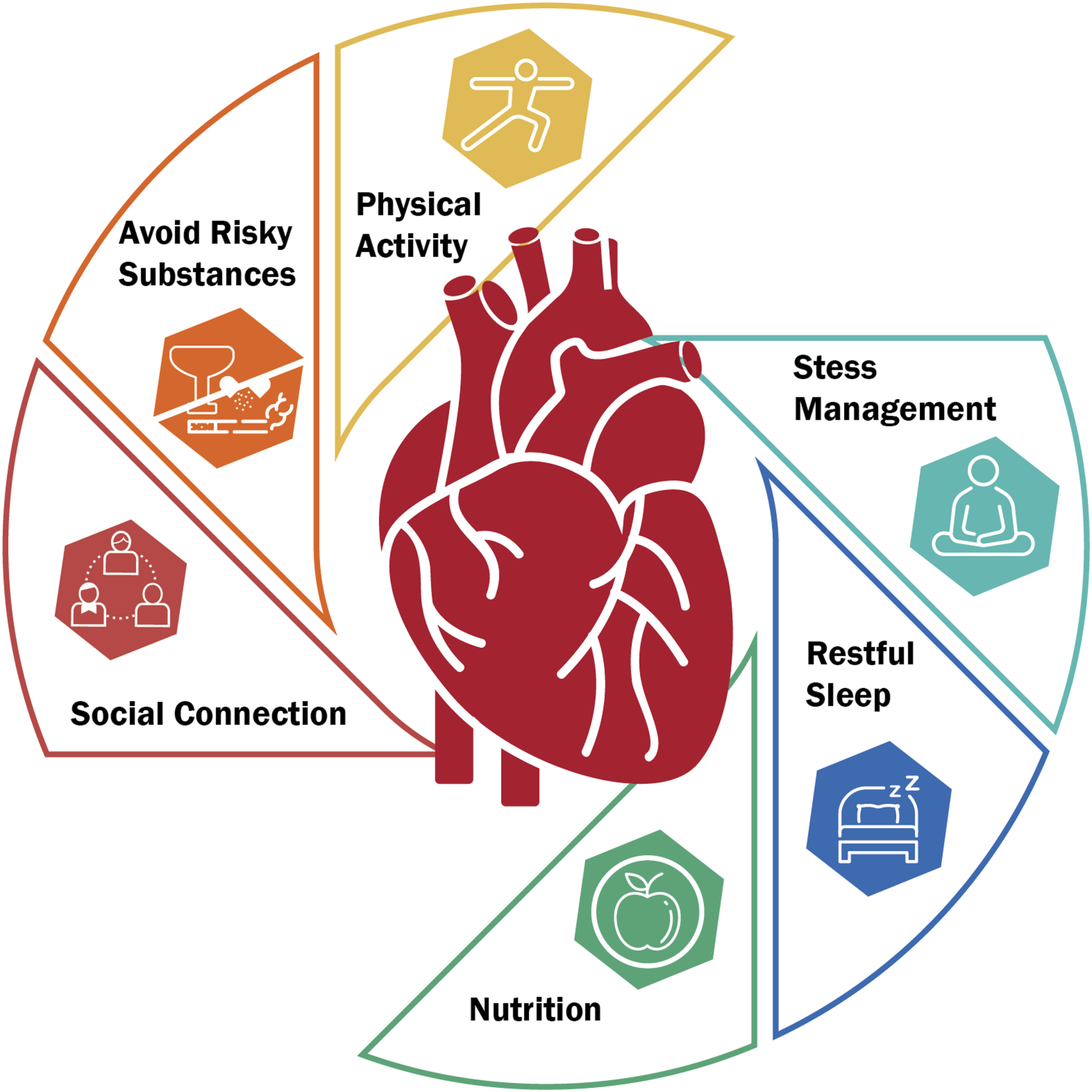
Genetic Risk of Cardiovascular Disease and Lifestyle
“There are no old men in my family. All branches of my family tree have been cut short by cardiovascular disease. I believe the people in this room have the power and even the duty to change that.”—John Warner, MD* (President, AHA 2017)
*After suffering an acute MI, while attending the AHA’s annual meeting.
Not infrequently in clinical practice of cardiovascular medicine, we hear, “Doc, the disease runs in my family.” Single gene disorders are rare causes of CVD and related risk factors. Most of the genetic risk related to CVD is under the influence of complex interplay between multiple genes and their expression. This is quantified by Polygenic Risk Scores (PRS). 221 Among the UK Biobank participants, individuals with high cardiorespiratory fitness showed 43% lower risk of CHD, despite high PRS. 222 From another analysis of the UK Biobank, it was noted that in the setting of high genetic risk, unfavorable lifestyle, compared to favorable lifestyle increased the risk of stroke by 66%. 223 In an analysis of three prospective cohorts including 55 685 participants, it was noted that the 20% with highest PRS had 90% higher risk of cardiac events. Interestingly, among individuals with high PRS, who conformed to healthy lifestyle, the risk of events was lowered by 46%. In a recent analysis of 15 792 predominantly White and Black individuals ranging from ages 45–64, it was noted that adherence to AHA’s Life’s Simple Seven guidelines, significantly lowered the risk and resulted in an average of 20.2 years without cardiovascular events, even in the setting of high PRS. 224 Based on these observations, healthy lifestyle significantly lowers event rate, even in the setting of high genetic risk. Read differently with a more important underscore: genes cannot hold a patient hostage despite a potential for increased risk.
Summary
The American College of Lifestyle Medicine defines Lifestyle Medicine as the use of evidence-based lifestyle therapeutic intervention—including a whole-food, plant-predominant eating pattern, regular physical activity, restorative sleep, stress management, avoidance of risky substances, and positive social connection—as a primary modality, delivered by clinicians trained and certified in this specialty, to prevent, treat, and often reverse chronic disease.
As outlined in this review, the vast majority of the common cardiovascular risk factors, cardiovascular disease, its related morbidity, and mortality are preventable and modifiable by simple and cost-effective strategies supported by the pillars of Lifestyle Medicine. However, there is an urgent unmet need in cardiovascular medicine and all medical specialties to prioritize and practice Lifestyle Medicine. In an effort to bridge this gap, the American Heart Association recently published a Scientific Advisories on Strategies for Promotion of a Healthy Lifestyle in Clinical Settings: Pillars of Cardiovascular Health 225 and Special Considerations for Healthy Lifestyle Promotion across the Life Span in Clinical Settings. 226
With constructive and cooperative partnership between the general public, healthcare professionals, educational institutions, health insurance agencies, and policy makers, we must bring about this paradigm shift. This is an issue that can no longer wait.
Cardiovascular Health Promotion: An Issue That Can Longer Wait. “…we recognize that this is the direction that cardiovascular clinicians need to take to more holistically treat their patients and potentially drive down the global rates of CVD—and its accompanying injurious effects. We welcome this challenge, because we can no longer wait at the expense of our patients.”—Valentin Fuster, MD
227
Footnotes
Declaration of Conflicting Interests
The author(s) declared no potential conflicts of interest with respect to the research, authorship, and/or publication of this article.
Funding
The author(s) received no financial support for the research, authorship, and/or publication of this article.
