




Abstract
All the surgical bandages, extracorporeal devices, and prosthetic implants that we use today are the product of textiles. Because they conform well to the body and feel good against the skin. Woven, non-woven, and knitted are only textile fabric construction methods. Among all, the knitted structures are more breathable and simpler to produce. In the previous two decades, knitting technology has advanced, now it is simple to create customized flexible and cost-effective biomedical devices. Knitted structures are increasingly used in implantable textiles like hernia and heart patches etc. due to their comfort, optimal strength, and ability to ravel from the last loop. The porous structure of knitted fabrics is particularly well suited for the transport of drugs. Since the knitted pattern, yarn effect, and dimensional parameters of fabric are all displayed in the 3D simulation software like Apex-lll and M-1, there is no longer any need to use actual fabric for quality control purposes, which greatly aids in reducing fabric waste. This article offers recent research on knitted fabrics including their advantages, disadvantages and future solutions that could be achieved by using advanced knitting manufacturing technologies. In addition, it calls attention to the significance of knitted structure in biomedical applications which may motivate further research into materials of this kind in the future.
Introduction
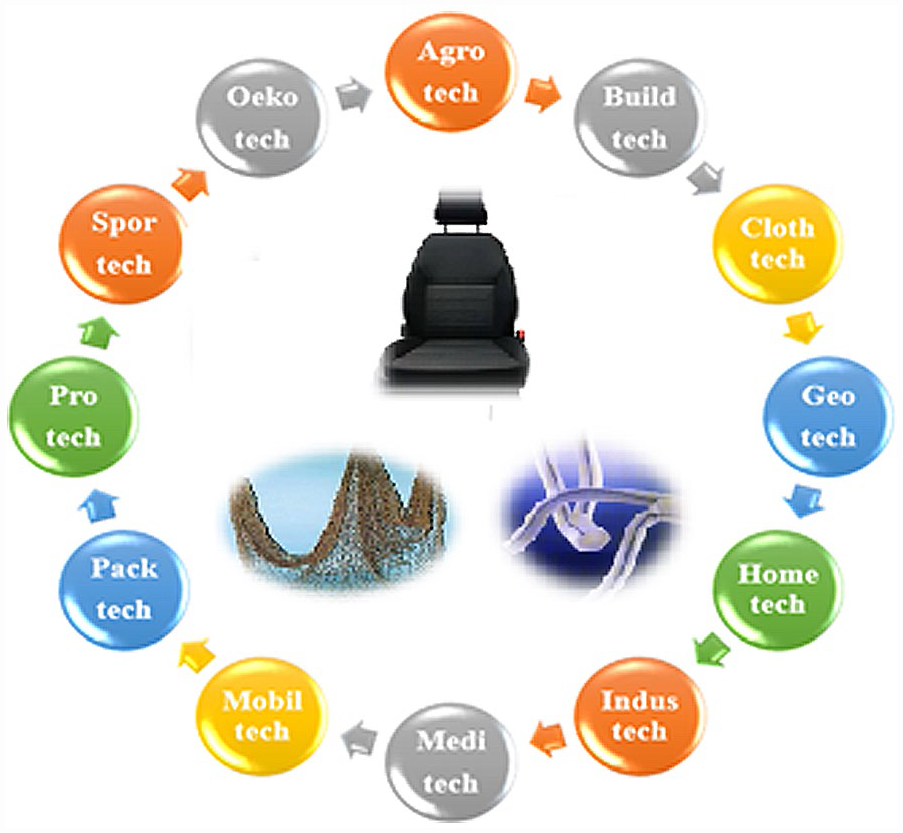
Knitted fabrics are not limited to clothing but have many non-apparels uses, notably in the medical, automotive, and sporting goods sectors. The knitted fabrics used for technical applications are known as technical knitted fabrics. Technical textile is defined as “Textile materials and products manufactured primarily for their technical performance and functional properties rather than their esthetic or decorative characteristics. 1 ” Technical textiles are further divided into 12 main categories, as shown in Figure 1.
Technical textiles are becoming an emerging global market. In 2021, the total technical textile market was 193.9 billion dollars; at the end of 2022, an estimate puts it at $220.37 billion. The Global knitted fabric market is projected to grow at a CAGR of 4.8% from USD 23.16 billion in 2019 to USD 33.63 billion in 2027. 5
The medical industry makes extensive use of fabrics of all kinds, including nonwoven, woven, and knitted. Every construction of fabric has its own advantages and disadvantages. The classification of commonly used knitting machine for medical application is shown in Figure 2. However, for biomedical and health monitoring applications, knitted based materials have been the subject of intense research during the past decade. This is due to the ease with which the best technical yarns can be incorporated into knitting structures with little effort. The knitted loop’s structure has tiny holes in it, which makes the finished product airy and comfortable to wear.6–9 The yarn used to manufacture knitted fabric has less in twist, which increases softness. There are numerous spaces between the loops as well, which causes the cloth to stretch on both the course and wale wise.

Commonly used knitting machine for medical products.
Why knitted materials?
Knitting technology is the cheapest technology among all the fabric manufacturing techniques, and they have a less backup process, which is not labor-intensive. The best thing about knitting is that you can knit a piece of fabric with a small amount of yarn (one cone and one feeder). Moreover, in this way, expensive yarn can be utilized thoroughly, because it is easy to create a range of shapes.
On the other hand, the knitted fabric is a wrinkle-resistant fabric that does not hold a crease. 10 Knitted fabric is not recommended for applications where strength is a top need. It can pill and stretch; it is regarded as a less durable material. However, with the latest technology and advancement it can be used where comfort and strength are main concern, Co-Weave knit is its example Figure 3. The knitting machine used for this purpose is modified flat knitting machine and hybrid warp knitting machine. Co-weave knit has a loop locking mechanism, so, the hybrid warp knitting machines are preferred for commercial use for the production of large size fabrics. It is more efficient to use the flat bed when working with knitted textiles of smaller sizes.
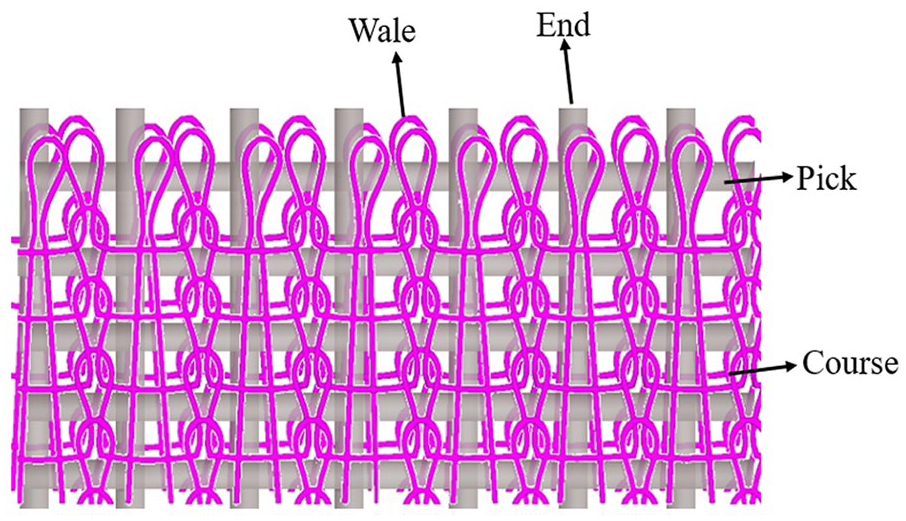
Co-weave knit fabric [Developed on Shima Seiki Apex lll and Wise tex software].
Co-weave knit fabrics combine the advantages of both knitted and woven fabrics, with the added benefits of strength and elongation due to the knitted loops into the fabric.
The market for knitted products
The international market for knitted goods has been on the rise since 2014 with a growth rate of 2.1%. In 2018, the global knitwear market was valued at $55.8 billion. The knitted sector is entirely reliant on the knitted apparel market. The Asia-Pacific region is the largest knitwear market, accounting for 77.6% of the entire market. According to the report, the market is predicted to grow by 5.30% by 2027, as shown in Figure 4.11,12 Ninety-five percent of Chinese respondents to a survey about knitwear preferences favored items with an embroidered design. Particularly in women’s knitwear, there has been a rise in demand for both seamless garments and entirely jacquard fabrics. Now the entire world is moving with innovation. Almost all technical yarns are high in cost. Knitting is considered the only technology where manufacturers save cost. Because no sizing, winding and denting process involved that helps to reduce wastage of yarn.
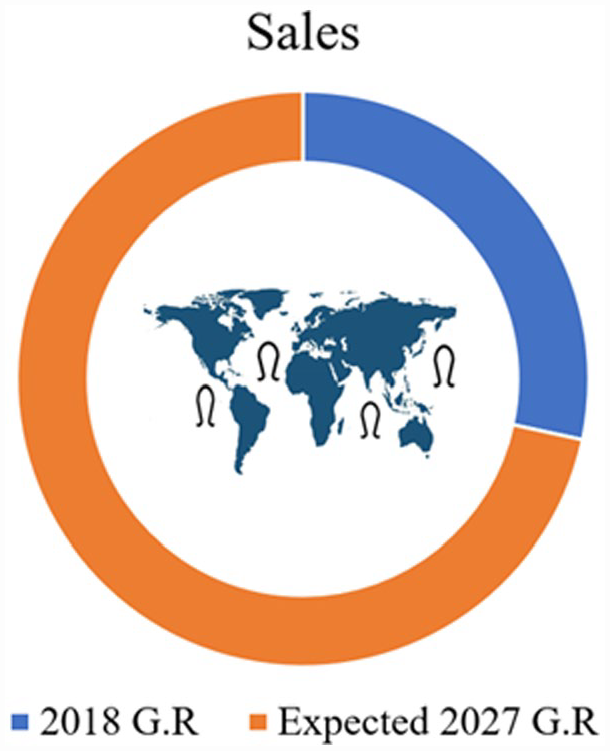
Global market of knitted materials [Developed on weft tex software and paint].
Knitted medical applications
Medical textiles are a rapidly expanding subset of technical textiles. There is a wide variety of medical related items made from knitted fabric. Medical knitwear for treating burns and other wounds use both natural and synthetic materials. 13 Advanced medical textile products are also available, including artificial ligaments, vascular grafts, artificial arm levers, and hernia repair, as shown in Figure 5.14–16 Cotton, wool, medicinal yarn, rubber yarn, elastane, and silk are just a few of the many yarns that can be used for knitting. Knitting technology is becoming more popular in the medical industry because of its simple technique and ease of shaping. Fabrics of varying forms and sizes can be mass-produced with little input. A fully functional Shima Seiki flat knitting machine can be utilized in the production of knitted seamless and shaped items. That led to the creation of pattern fabrics without waste. For designing APEX-lll software is recommended (Figure 6). Below figure shows shaped products that can be formed on above mention machines.

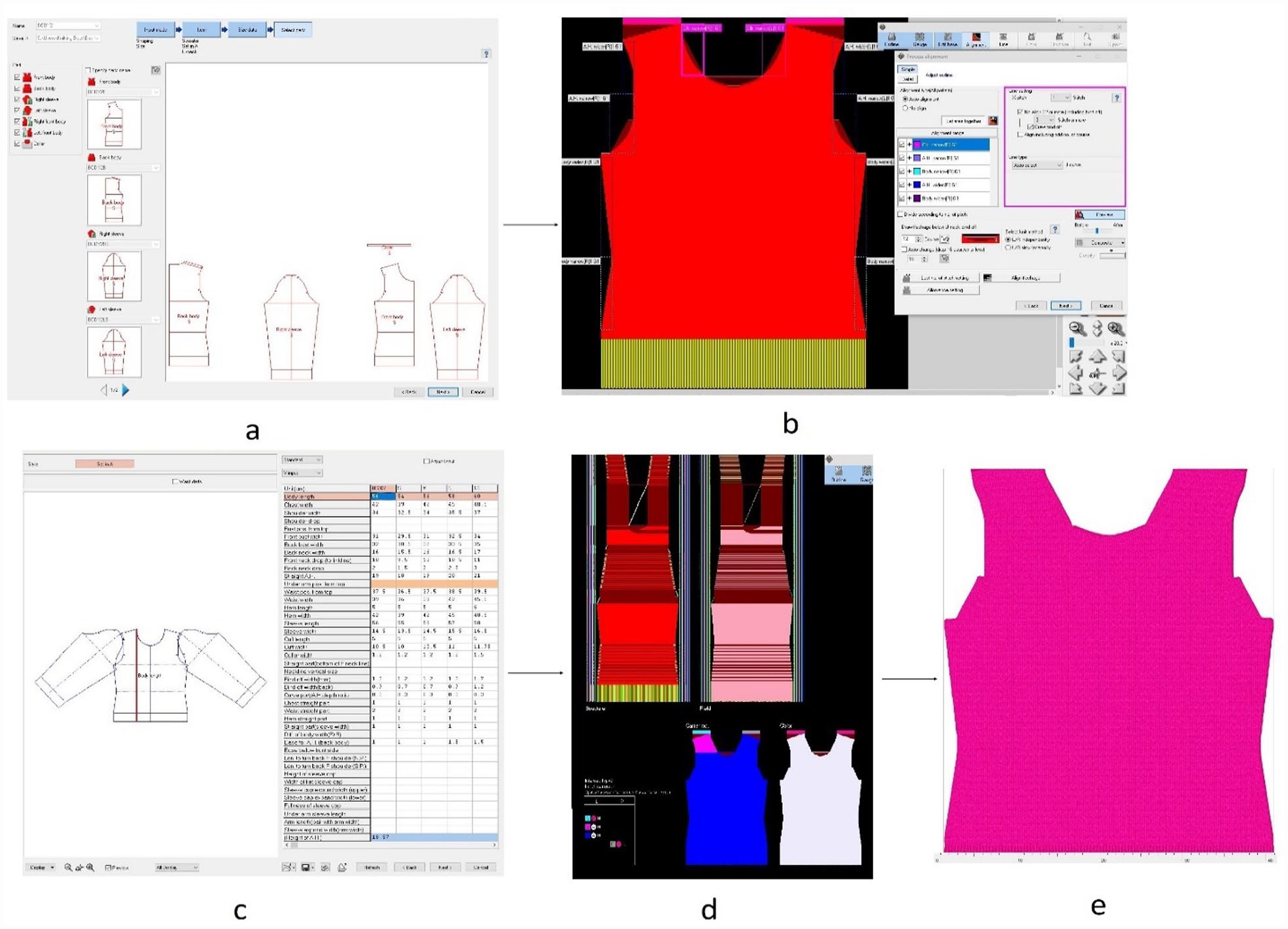
(a) Pattern selection, (b) pattern and machine setting, (c) size selection, (d) machine operation setting, and (e) actual shape of fabric [Developed on Shima Seiki Apex lll and Wise tex software].
Non-implantable knitted medical textile
The most common examples of knitted non-implantable textiles are bandages, dressings, and gauzes. Many items serve just as patches to protect wounds from the external environment. They offer a high degree of hygroscopicity, comfort, breathability, elasticity, and extensibility.
Weft knitting is the predominant method of production for non-implantable medical textiles. Alginate, cotton, bamboo, viscose, and chitosan fibers are excellent fiber choices for end applications. Pillar and atlas stitches are preferable in warp-knitted textiles for medical applications, because these stitches offered large hole size and stretchability. 21 Both a raschel and a tricot warp knitting machine will have no trouble producing these stitches. Most bandages sold in a store are woven products. Woven bandages include a higher ratio of stiffness and non-extensibility than non-woven bandages, that’s why they are stiffer and less flexible. In addition, the cover factor is greater in woven structures, so they are less permeable. Weaving is a more expensive production method than knitting since it requires more time and labor intensive. However, bandages are regularly replaced; they should be inexpensive. Since knitted bandages are less expensive, more comfortable to wear, and more adaptable to the patient’s body, they can be used in the replacement of woven bandages. A product that is both costly and environmentally efficient can be made using recycled yarn.
Knitted bandages
As a means of applying targeted pressure, knitted bandages are applicable to this situation. Now waterproof bandages are also available. Making a 3D model of bandages is possible with the help of design software.
The researcher constructed a warp-knitted medical tube bandage using a computer-aided simulator. As a result, a three-dimensional model of the actual product was created. To create the model, the researchers used different spatial geometries of stitches introduced in the C+ language and JavaScript, and visual Studio 2015 was used to program. On warp knitted constructions, both complex and plain shapes were replicated. This method can imitate various bandages for any type of body part.22–24 The 3D model helped us to see only the final product’s shape, but it did not reveal what yarn was used or what was knitted structure. However, the Apex lll knitting program has this capability that makes it easier to personalize knitted garments. Different stitches can be used into the fabric and their effects can be seen. The graphic diagram of the fabric will show different yarn counts and materials effects. Time, design, and development costs may drop because of the implementation of these technologies. As a result, many knitted structures can be examined before production of actual fabric. Design errors generated by software can prevent harm to the machine and reduce wastage of yarn if an unsuitable design and yarn count are chosen. And knitted loop simulations can be used to illustrate how loops are constructed.
Researchers have compared the tensile strength of bandages (from different producers). Various brands of stockings that were made under the same category yielded different tensile results. As a result, their stretch values also varied. Both woven and knitted techniques were used to create compression stockings. According to the data, knitted compression bandages have a higher stretch than woven ones. The stiffness of the bandage increased as the created structure became tighter, allowing it to hold the person’s body more tightly.25,26 Every machine manufacturer has a unique knitting system. Even if a knitter uses the same material and settings, there is a potential that the fabric quality will vary on different manufacturer machine. However, if someone wants to knit the same quality as the R&D product, they must use identical machine manufacturer equipment, setting and material. Because a machine of the same gage made by a different manufacturer may produce a different loop configuration. To create the knee bandage, a Shima seiki SVR-123 flat knitting machine was used (Figure 7). The marked circle region in the figure was not trimmed instead, it is curved with the use of a flat machine’s loop transfer mechanism.

(a) Yarn notation of plain rib and (b) shape fabric for knee [Developed on Shima Seiki Apex lll and Wise tex software].
Another group of researchers prepared knitted bandages to cover wounds on animals’ skin. The developed bandages feature has an endless tube band with unraveling stitches that offer animals’ size. The several types of stitches have been used to produce various parameters of bandages. Their breathability, elasticity, thermal properties, and yarn feeding combinations were compared. The half cardigan was selected due to its high breathability and un-roving properties. The best combination was achieved with cotton yarn 25 tex + elastane 2.2 tex/PE 8.4 tex or cotton yarn 25 tex + lycra 2.2 tex/PA 7 tex. 27
Only knitted compression bandages can supply the desired level of elasticity and compression. The tubular compression bandage is not only custom made to fit a specific location of the body, but it also contains the patient’s name and other information. However, Merz CC4 lll circular knitting machine company now produces machines that can receive human measuring data on machine panels and make the ideal bandage. Therefore, this manufacturing method can achieve the necessary compression at a specific body part. Knitted structures have different applications in the medical field, and they are available in implanted and non-implantable devices or products, as summarized in Table 1.
A summary of implantable and non-implantable knitted materials.

Gauzes
One prominent purpose for the gauze fabric in medical textiles is to absorb blood/fluid during and after surgery. Woven gauzes are employed for this purpose; however, the absorption performance of innovative knitted gauze is much superior to that of classic woven gauze. So, the researchers prepared the 26/1 and 30/1, 100% cotton yarn gauzes and compared it with commercially available woven gauzes. They concluded that knitted gauze absorption was far better than woven gauze. The holes in knitted structures and the lower twist in the yarn used to make them allow for greater absorption of moisture. Knitted gauzes are shown in Figure 8. 18 Further study would benefit from the use of a double-layered fabric with different material on each layer to increase absorption. This double layer knitted fabric is easily produced on a double cylinder circular and double bed flat knitting machine (Figure 9).

Knitted medical gauze [Reprinted with the prior permission from journal]. 18

Double layer knitted fabric [Developed on Shima Seiki Apex lll and Wise tex software].
Medical dressing
Alginate fibers with high strength and breaking strain were spun using a novel wheel spinning process and then knitted into wound dressing material. Knitted wound-care materials proved superior mechanical properties, high PBS absorbency, a slow rate of degradation, and low cell cytotoxicity (shown in Figure 10). This material, which has a more prolonged breaking strain and stronger strength for the knitted structure than a nonwoven structure, could provide more comfort to injured people. Now serval wound dressing is available in the market that assist wound to heal itself.30,66 Rib structure can undergo irreversible deformation with the passage of time, but interlock double knit fabric made from a variety of medical yarns is something that should be explored further. In interlock knitting, the loops go in opposite directions and reinforce one another so, they are little bit less flexible as compared to rib knit (Figure 11).

Knitted medical dressing [Reprinted with the prior permission from journal]. 67

(a) Yarn notation of plain interlock and (b) loop formation of plain interlock [Developed on Shima Seiki Apex lll and Wise tex software].
Medical mattress
The thickness of an object has a considerable effect on its thermal conductivity and thermal resistance. Spacer fabric was used to form a medical mattress shown in Figure 12. Cotton polyester viscose modal was used as a material in this research. 31 Spacer construction for mattresses was considered helpful because it did not entrap heat; however, the spacer yarn at a different angle could add more benefits. Spacer fabric’s height could be adjustable via machine parameters, while the fabric’s softness and stiffness are determined only by the composition of spacer yarn material. It’s a lot more affordable than normal foam. The manufacturing of spacer fabric can be possible on warp knitting, weft double cylinder circular knitting machine and flat knitting machine. The designing and loop mechanism of spacer fabric prepared on flat knitting machine is below Figure 13.

Medical mattress: (a) spacer fabric, (b) spacer fabric, and (c) complete spacer fabric mattress [Reprinted with the prior permission from journal]. 68

(a) Knitted stitches use for formation of fabric, (b) during knitting loops, (c) presence of spacer yarn, and (d) top view of spacer fabric [Developed on Shima Seiki Apex lll and Wise tex software].
Medical socks
Socks are commodity items for everyone. However, researchers have developed medical socks to supply medical solutions to the needy population. Investigators have recently reported that bio ceramic socks provide better care to the wearer for athletic applications than regular socks, which can diminish the bacterial load caused by sweat. 69 Researchers have also used knitted socks to target periodic limb movement disorders. 70 However, socks machines are available that have a capacity to utilize technical conductive yarn wale wise. So, conductive yarn can run vertical (wale wise), an electronic system attached to the limb of human to collect the data from feet. Information obtained may be used in the treatment of conditions affecting the feet. See the illustration below for a visual of how to run conductive yarn wale-wise. The Lonati DC88X and many other manufacturers made such a double cylinder sock knitting machine. As a result, there is less waste of the costly yarn and less cause for worry about infections or skin irritations due to presence of conductive yarn (Figure 14).

Sock having single wale conductive yarn [Developed on Shima Seiki Apex lll software and paint].
Implantable knitted materials
Implantable gadgets are those that surgically inserted into a human or other living thing. Today’s medical profession requires implanted textiles that are flexible, biocompatible, and simple to produce. It includes prosthetic blood vessels, hernia patches, and ligaments. Because of advancements in drug delivery, implanted textile delivers the required amount of medication to the body.
Polyester, polypropylene, polyethylene, and polytetrafluoroethylene are the most used synthetic materials in knitted medical products. The warp-knitted constructions were used to develop an implanted textile-like artificial blood vessels. These structures are made with a double bar warp knitting machine that can produce tricot and atlas stitches. 71 Additionally, they offer the same qualities that the natural body organs do. However, these products can also use PLA and other medical yarns. Numerous implanted items could use knitted structures.
Hernia patch
Knitted hernia patches are another example of an implantable textile (Figure 15). They were manufactured by using warp knitting construction techniques including the use of pillars, tricot, and atlas stitches. And jacquard flatbed machine also used for the development of hernia patch. These stitches have higher strength and excellent stability. Both absorbed (polyglycolic acid, Polylactic acid, Polycaprolactone, and others) and non-absorbed (polyester, polypropylene, etc.) materials can be used to form a patch. A hernia repair patch was made using a warp knitted tricot machine with an 18 -gauge. This hernia meshes were constructed using a wide variety of stitches and have 18–20 courses per centimeter. Polypropylene monofilament yarn was used. Patients reported greater comfort with mesh that had wider pores. In addition, the large exposure of heat reduced the fabric length.

(a) Patient with hernia disease and (b) knitted fabric for hernia patch [Reprinted with the prior permission from journal]. 72
The mechanical properties of a hernia mesh with varying pull densities were affected. The effectiveness of the patch was measured using a variety of pull strengths. Tensile stress in the vertical direction decreased first, then further increased as pull density increased. In the horizontal direction, it increases first, then diminishes. In addition, the vertical tearing properties of hernia patches were more significant than the horizontal tearing capabilities. The bursting strength was proportional to the pull densities.20,73,74
Shape-change materials (materials that change shape in response to internal and external stimuli) would make the patient feel more at ease. If the external environment changes, phase change materials can change their size. However, there is no comprehensive research on phase change materials as implantable textiles. Particular attention needs to be paid to the production of knitted structures using phase change materials for implantable textiles.
Knitted fabric is most prevalent in implantable medical devices due to its lightweight and porous structure. Knitted-based medical textiles have been employed as innovative medical devices for hernia and urogynecology. These devices are biocompatible and leachable; therefore, they had biocompatible materials. The studied implant materials have an extremely high chemical purity. As a result, larger pores knitted structures with a medium and low surface density provided the optimum chemical purity. Medical grade polypropylene was used to make the knitted implants. 75
The implanted devices were inside the body and deliver the targeted medicine to a specific location. To implant these devices, a patient must undergo surgery. The surgery, however, it was lifesaving. Researchers have recently reported using chemical vapor deposition and plasma treatment to reduce the post-surgical complications in hernia mesh. 76 Investigators have also shown that the final hernia patch could show different results due to the process variables. 51 Therefore, it requires proper considerations for knitting fabric structure. The author produces the fabric on Stoll flat knitting machine (530 HP TT med). The design was created using the M-1 design program. The yarn was plain medicated polyester, and the structure was like a mesh. Below figure purpose is to only show the structure Figure 16.

Hernia patch design on flat knitting machine [Developed on Shima Seiki Apex lll software].
Cruciate ligament
Knee injuries are painful and take a long time to heal. Because of the fluid environment, ACL (anterior cruciate ligament) injuries are complicated to mend. A knitted silk collagen sponge scaffold was placed in a rabbit as part of an experiment shown in Figure 17.

Knitted PET artificial ligament 77 [Reprinted with the prior permission from journal].
The experiment took 18 months to complete. During the first 2 months, researchers found that the knitted scaffold promoted the migration and adhesion of spindle-shaped cells. The 6-month results revealed increased expression of ligament genes and enhanced microstructural morphology. The rabbits treated with knitted silk collagen sponge have more mature ligaments at 18 months. The silk scaffolds were prepared using a warp knitting machine, with 21 stitches per centimeter on the fabric. In the future, medical polyester with parallel longitudinal fibers and pre-twisted at 90 degrees could be employed.23,77–79 However, the warp-knitted structures provide greater strength, but they will be difficult to ravel. So, using the weft-knitted structure, fabric raveling will be easy. The recommended structure are single jersey fabrics and their derivatives. The degradation of silk will vary depending on the gross morphology, structure, treatment media, and mechanical environment. So, using other medicated synthetic yarn rather than silk will be better.
The knitted structures, either the weft or warp knitted, have flexibility, elongation, and medium strength needed to prepare implanted medical textile products. Many wefts and warp knitted derivatives could be studied for scaffold for early development of the ligament. Their structural behavior will impact the healing process because it can handle the extra fluid. Below is the single jersey fabric that is produced on 12 -gauge single bed hand flat knitting to produced similar fabric to ligament. It is like an actual ligament but needs some twist after washing Figure 18.

Knitted ligament structure on 3D software [Developed on Shima Seiki Apex lll and Wise tex software].
Heart patch
People with a weak heart or advanced cardiac disease may experience various issues with their heart’s ability to function correctly. Due to a shortage of donors, fewer transplants may be possible. The knitting textile technique was used to create biomimetic heart patches. These patches may help heart function by mending and regenerating naturally anisotropic myocardium and knitting a vascular graft that also serves as a template in an electrospinning technique created by the 3D scaffold. Multifilament texturized Dacron yarn was used to make vascular graft. A polyester and poly (ethylene terephthalate) mesh were wrapped around the dilated heart to provide mechanical support. Thus, the knitted patches were used for different cardiovascular studies.34,80–83 Because the inherited property of knitted fabric is for elongation and elasticity.
In the case of the heart, soft tissues like cartilage may be repaired and regrow with the help of scaffolds made of silk and fibrin. This scaffold gave mechanical support to the cell seeded PCU, akin to a healthy heart. Poly(lactic-co-glycolic) acid (PLGA) and thermoplastic polycarbonate-urethane (PCU, Bionate®) were the three components employed in the electrospinning procedure. The results showed that the most cost-effective material for cardiac patching was the elastomeric PCU scaffold, which produced better results than other materials. 84 Making structured constructions in a variety of sizes and shapes is possible with knitting. However, advanced materials like phase transition materials can create a complete organ. Because organ development remains under cyclic stress and might unravel if not supported by a warp-knitted structure, this type of knitting is strongly suggested.
Warp knitted elastic meshes available on the market can be used as a cardiac support device, as shown in Figure 19. It comes in an open width that may be cut and sewed to fit the shape of the heart. The high strength and fatigue resistance qualities were achieved using a multifilament yarn. It supplies the heart with acute wall support.17,85

Knitted cardiac patch [Reprinted with the prior permission from journal]. 17
The heart muscles of a diabetic patient weaken with age, causing the muscles to operate slowly. 86 Support is needed to keep the heart working correctly and enhance blood circulation. Knitted scaffolds were chosen over other scaffold forms because they give elongation, elasticity, and strength. They were easy to develop, and material handling is more straightforward in knitting than weaving. However, a waffle knitted construction could improve the patient’s comfort level. Each heart is distinct in size but stitching ahead of time improves stitch accuracy and minimizes the time restriction throughout the operation. Researchers have used a knitted PTFE patch in a swine model to test its cardiovascular surgery potential. The developed knitted PTFE patch showed a less inflammatory response and provided up-to-the-mark results. 87 However, the PTFE is not a biocompatible material. The below knitted design was prepared on 20 -gauge single jersey machine with knit and miss stitches alternate. The design was the same as the heart patch available in local market Figure 20.
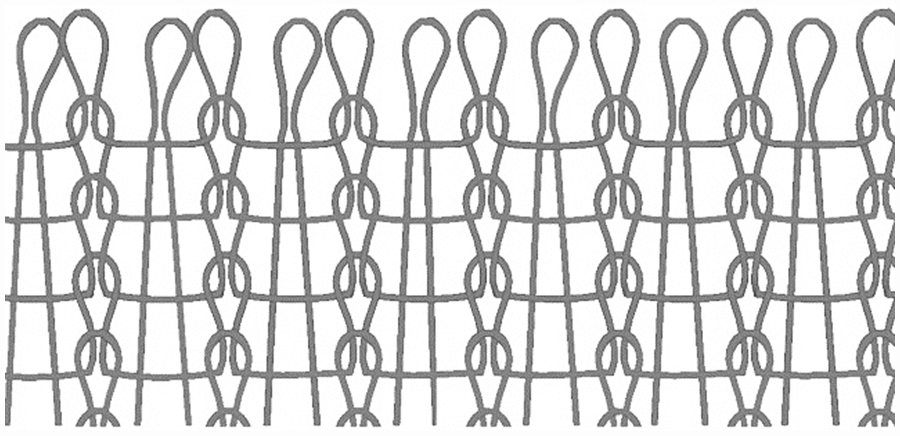
Loop formation of knitted cardiac patch [Developed on Shima Seiki Apex lll and Wise tex software].
Stents
The occlusion of a cardiac vein owing to blood clotting might result in mortality. A stent is utilized to open the venous passage. Stents can be made of various materials, including metal, fabric, and polymers. Stents are mostly used to open cardiac veins. The clogged vein opens after the stent was placed, allowing blood to flow freely. Stents made of drug delivery fibers are currently available in the market. Knitting is the recommended method for constructing stents because it has a large porous and may be easily removed by unraveling one loop. The mesh design of the knitted loops also serves to avoid subsequent clogging.
Stents are tracheal tubes used to alleviate major airway obstructions by expanding to fit the patient’s anatomy (Figure 21). Ultra-flex stents are knitted mesh with a single strand of nitinol wire currently available on the market. Nitinol has 55% nickel and 45% titanium thermal memory capability. It is entered with a supple guide with the help of coiled thread as it enters the human body. The stent will expand to its ultimate diameter when a thread is pulled. It is available in various diameters on the market. 88 These stents are risky because they can harm a patient’s body if they lift a considerable weight or receive an electric shock. However, on the other hand, fully fabric-based stents do not have these issues.
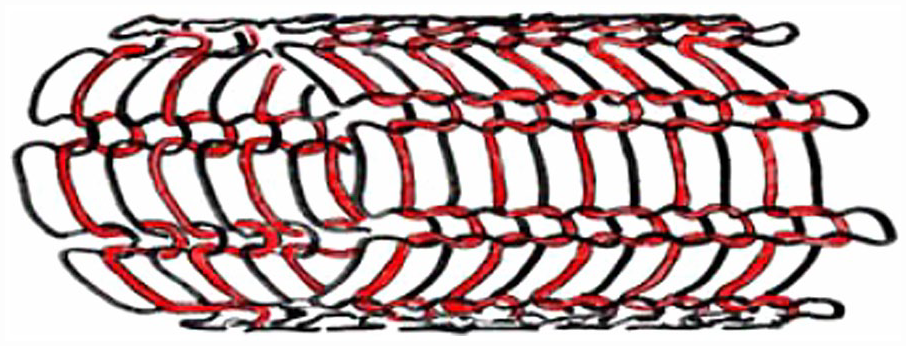
Raw form of knitted stent fabric [Reprinted with the prior permission from journal]. 62
The properties of the knitted airway stent, made from polylactic acid, were compared to those of a silicone stent. The rabbits used in the experiment had stents inserted in them. With the silicon airways stent rabbits died after 3 weeks, while the knitted PLA stent rabbits lived until the 40th week. Knitted airways stents are preferred because they are simple to remove. 59 PLA-based stents’ shape will alter if used in a location where the PH will change. However, employing a composite stent (one made up of two polymers) could assist in overcoming these issues.
A composite knitted manufactured stent was constructed employing nitinol wire and polyparaphenylene-benzobisoxazole multifilament fiber. These stents were also compared to knitted metallic stents with the same design. Various experiments were carried out to assess the performance of these newly designed stents. The composite stent compression test revealed the highest load values and shortest loop length. The more vents there are, the more extensibility there will be. Because composite fibers have a bending tolerance, radial compression was reduced in composite stents. 62 Because the author did not evaluate the PBO compatibility with the human body, the above experiment has limitations. However, In-vivo testing is recommended before bringing this product to market, first on animals and subsequently on humans.
Textile based knitted stent can be manufactured easily on jacquard flat knitting machine, tricot warp knitting machine. Author developed the stent type tubular fabric with large loop length that provides the more gap between the loops, it was mesh structure. The produced fabric knitted design and loop formation is shown below Figure 22.

(a) Design and (b) loop formation of design [Developed on Shima Seiki Apex lll and Wise tex software].
Artificial muscles are now made from various biocompatible polymers thanks to advancements in the medical industry. These formed muscles’ performance was like skeletal muscles regarding softness and flexibility. Textile and electroactive polymers were used to create artificial muscles. Using weaving and knitting techniques, this was accomplished utilizing cellulose yarn with conductive polymers (metal-free deposition). The knitted structure added much stretchability and increased the strain by about 53-folds compared to weaving. The muscles gained mechanical stability because of the creation of these actuators. The 4/4 twill weave and 2:1 rib-knitted structure was created with Lyocell yarn. Electrical stimulation was tested using the polypyrene conductive polymer. The safe and effective use of these synthetic muscles in humans was still in the experimental stages. 14 Rib knitted has high extensibility; this structure may lose its original shape with time. However, the preference for a warp-knitted structure helps to improve these problems. A comparison of implantable and non-implantable devices with knitted structures was mentioned in Table 1.
Vascular grafts
Vascular grafts are an important category of medical textile materials. Damaged arteries can be replaced using these vascular transplants. The knitted vascular grafts have been in use since 1955, and a commercially available knitted graft named Dacron® grafts became a standard vascular graft in 1958. 89 In 2014, researchers reported designing a new knitted vascular graft that overcame the stiffness issues. 90 However, a knitted vascular graft can also be made on four bed seamless jacquard flat knitting machine like (Shima seiki swg154-xr). In which one graft with multiple branches can be achieved easily. Karl Mayer’s RJ 5/1 raschel warp knitting machine is also used when producing extremely fine Vascular graft.
Extracorporeal devices
Following renal failure, blood purification must be performed, hence extracorporeal devices are used. As a result, it is regarded as a lifesaving procedure that restores the ability to undertake organ transplantation. Various extracorporeal devices are being made from knitted textile materials, including the following.
Artificial kidney
The kidneys have the function of filtering waste from human blood. Dialysis is required if a person’s kidneys are damaged. The dialysis method does not eliminate all the waste from the blood. As a result, the patient requires dialysis daily. A permanent organ replacement is required to fulfill the normal function of blood cleaning. Artificial kidneys were created using hollow viscose, polyester, and cuprammonium hollow fibers. Mechanical strength, air permeability, blood compatibility, and other qualities are necessary to produce artificial kidneys. 91 Rachel warp knitting machine has the ability to produce such products. After the warp-knitted structure has been created, it must be purified to get rid of any contaminants or germs that may have gotten inside.
Artificial lung
The lungs deliver fresh oxygen to the bloodstream while also eliminating carbon dioxide. A microporous membrane was created capable of passing gases but low permeable to liquids. This membrane was used in the lungs; its working principle is like normal lungs (allowing oxygen into the body while releasing carbon dioxide). A polypropylene fiber, hollow silicon, and hollow silicon membrane created an artificial lung. The gas exchange effect, blood compatibility, and suppression of blood plasma leak are significant features of artificial lungs.92,93 People working in the textile spinning department suffer lung problems and may require a lung replacement to save their lives. Artificial lungs may be a viable solution for them. The lungs deliver fresh oxygen to the bloodstream while also eliminating carbon dioxide. However, biomaterials may be the best option for artificial lungs production in textiles, on raschel warp knitted this construction is possible.
Artificial heart valve
The heart must be repaired and replaced when it becomes too weak to function correctly. Sometimes it is necessary to replace heart valves. In most cases, pyrolytic carbon was employed to create a mechanical heart. Disks of ultra-high molecular-weight polyethylene were also used to create mechanical hearts. It has low wear and tear factor, minimum leakage, a transvascular pressure gradient, is not anti-coagulant, and has minimal leakage. A warp knitted cloth with textured yarn was used to create the value ring shown in Figure 23. 33 Because the knitted structure provides the necessary strength and flexibility, the properties required for the heart values are filled with knitted structures. However, investigations on knitted structures extending heart valves’ life are required. The proposed machine for the manufacturing heart valve is Shima seiki swg154-xr flat knitting machine. Its four beds support the manufacturing of fully jacquard weft knitted complex structure.

Knitted heart valve [Reprinted with the prior permission from journal]. 36
Healthcare/hygiene products
Textiles are crucial in the development of healthcare goods. This article focused on knitted products and the materials used to make them. Surgical hosiery is mainly created using a knitted technique, with cotton, polyester, polyamide, and elastomeric fibers as the primary fibers. Cotton and polyester yarns are used to make the blankets.94,95 Knitted items are less expensive than other structures due to streamlined manufacturing. Disposable hygiene and healthcare products should be cheap. As a result, low-cost, often utilized products capture the market. However, ultra-fine gage knitting machines can take the place of nonwoven materials. Researchers have used knitted structures for various healthcare and hygiene applications; like cyclodextrins. 96 Below Figure 24 is the knitted fabric formed on Stoll medicated knitting machine (530 HP TT med), it is specially designed machine to assist medicated yarns. It has a system for control feeding of lycra, with technical yarn insertion.

(a) Knitted fabric and (b) parts involve in loop formation [Developed on Shima Seiki Apex lll and Wise tex software].
Knitting in drug delivery
Medical textile is a broad phrase that encompasses materials used in medicine directly or indirectly and has a sector such as cosmetology, doctor’s cloth, medical linen, and extreme sports. Drug delivery delivers pharmacological compounds to animals and humans to achieve therapeutic effects. A fundamental component in drug delivery is to treat diseases to reach their ground channels. Parental medication administration methods are less popular and influential than nasal and pulmonary drug delivery systems.
Knitted structures are preferable in drug delivery due to the comfort, breathability, easily ravel, and formation of complex shape with single cone. Medicated yarns are highly costly and difficult to produce, their proper utilization in terms of fabric construction is only possible with knitting technology. On flatbed machine 3D shapes and smallest size of patch, even 1× 1 inch size is possible to manufacture. Knitted structure has many derivatives, each one is famous for their unique properties, like for elasticity rib knitted is used and for rigid structure interlock prefer. So, the drug delivery product with knitted structures may enhance the properties of final medical products.
Natural and artificial polymers can be employed to make drug delivery knitted materials. Natural polymers are preferred in various fields, including tissue engineering food manufacturing, and pharmaceutical manufacturing, due to their biodegradability, biocompatibility, and low cost.81,97 For in-vitro and in-vivo drug testing, knitted, woven, and nonwoven materials were utilized. The drug release rate was determined by patch size, shape, morphology, material qualities, and host swelling or degradation values. For drug release, many mechanisms were used, including immediate, extended, triggered, and delayed release. Various mechanisms for drug transportation could be exploited, including mass transfer, erosion, diffusion, swelling, dissolution, and a combination of both.98–100 The smart drug delivery system carries the medicine and releases it once it is stimulated by temperature, pH, electromagnetic fibers, and mechanical forces in the surrounding environment. When heat is given from the outside, the temperature of the drug-containing fabric can constitute an external stimulation. As a result, temperature-responsive nanocarriers could be used, and the drug easily move from gap present between the loops. 101
Conclusions
Medical textile advancements resolve a wide range of human health issues. The main challenge in modern times is creating a effective fabric structure with advanced yarns. For the simple reason that working with these yarns on a every knitting machine is difficult. Since high-tech yarns are both costly and having unique morphologically, creates challenge for weavers. However, knitting process adds ease in the formation of medical fabrication. Because of their porous structure, flexibility, reasonable strength, breathable nature, ease of manufacture, and feasible to knit advance materials. Warp knitted structures have more strength than weft knitted structures, they can be utilized as a substitute for woven fabric in situations where strength and elasticity are required.
Critical analysis and future directions
From the literature, it was worth noting that most knitted materials have been made from woven and non-woven lacking in comfort properties. Researchers have completely ignored the behavior of fabrics while formation of medical products. Furthermore, the human body is complex, and the patient’s history and lifestyle are important considerations for these materials to provide 21 service without failure for a long time. However, no such study has been found in the literature which has compared the same knitted medical textile formation techniques.
The author suggested using newly developed knitting equipment to produce medical textile-related items in the future. The utilization of medicated yarn without any loss is achievable thanks to new technologies in the knitting fabric manufacturing process. Applying design tools like Apex, M-1, and Starfish really aids in comprehending knitted goods and the finished output. In shaped fabrics and garments, the control percentage of rubber and lycra yarn is also feasible, allowing the consumer to receive almost calculated elastane. There are also products made from ultra-fine gages that are so thin that the loops on the fabrics are invisible to the human eye.
The use of conductive yarn makes the development of electronic fabrics conceivable. Since the conductive yarn can be rough, its use at a precise spot with links is also possible on socks, flat knitting, and the recently designed circular knitting machine with controlled settings. So a data of human body can be gathered at one point to use for monitor human health and for scientist analysis.
Footnotes

Declaration of conflicting interests
The author(s) declared no potential conflicts of interest with respect to the research, authorship, and/or publication of this article.
Funding
The author(s) received no financial support for the research, authorship, and/or publication of this article.