



Abstract
The exploration of policy network has consistently gained popularity for its use in various contemporary public administration and policy reports. Therefore, this research aims to identify and analyze the extent of research developments regarding Policy Network in the past 37 years, from 1985 to 2022 using bibliometric data. The procedure comprised collecting data from the SCOPUS database with the keyword “Policy Network,” followed by bibliometric analysis using VOSviewer software. The results showed that several studies related to the keyword have been carried out on various important issues in society, including environmental, health, economic, poverty, national security, and tourism management. The term policy network occupied a central position and was widely discussed in previous reports. Furthermore, the majority of these reports were influenced by leading authors and published in top-tier journals in the field of public administration.
Introduction
The conventional steering perspective has faced several criticisms in recent years, leading to the emergence of the process approach in policy studies (Tomlinson, 2010). An important facet of this approach is policy network approach, drawing its theoretical foundation from policy, political, and organizational sciences. According to Zheng et al. (2010), this approach is characterized by its pluralistic nature, diverse actor sets, actor interdependence, and complicated linkages. Furthermore, network between organizations are based on limited resources and shared interests in achieving goals. Based on this result, public organizations must build network with other parties to effectively address problems and public affairs, leading to the realization of shared goals. This phenomenon is considered an outcome of plurality between actors and their diverse interests in network (de Leon & Varda, 2009).
The concept of policy network is part of a set of ideas that prioritize interactions among government and community actors, underscoring their mutual interdependence (Rhodes, 2015). In line with previous studies, the concept is firmly entrenched in the understanding of governance and public policy-making (Blanco et al., 2011), and its importance has long been emphasized in the field of policy analysis (Sandström & Carlsson, 2008). Furthermore, it serves as a framework to delineate relationships among diverse participants during decision-making processes, including institutions, individuals, and groups. A previous report stated that it emerged in the 1980s as a response to changes in the structure of public policy. These changes were marked by the increasing complexity of the problems faced by the government, necessitating an integrated approach in collaboration with various stakeholders (Coleman, 2015).
The inception of the network concept in public policy studies can be traced back to the early 1980s (Coleman, 2015; Coleman & Perl, 1999; A. D. Henry et al., 2012; Marsh & Rhodes, 1992; Menahem, 1998). Kickert et al. (1997) stated that the policy process, including both formulation and implementation, arises from inevitable interactions among several actors with diverse interests, objectives, and strategies within an inter-organizational network dedicated to addressing a specific public issue or problem. Policy network prioritizes the development of cooperative and collaborative relationships among the various parties in the policy-making process (de Leon & Varda, 2009). Furthermore, the concept recognizes that public policy can be determined by the government, as well as other social and political forces (Falkner, 2000). According to a previous research, it also emphasizes the importance of considering the social and political context, and carefully considering the implications on the diverse groups of individuals (Rhodes, 2015).
Studies on policy network are often carried out on several strategic issues, such as environmental, health, education, economic development, and water management. Despite the exploration of these domains, investigations on this subject remain limited. Policy network serves as an important tool in facilitating the government in policy-making process as well as reducing conflict and eliminating the possibility of politicization in public matters. The use of this concept also fosters legitimacy, sustainability, and policy quality that are useful for showing strength, level of integrity, ability to manage network, stability of members, as well as resources and relationships between actors. Several studies have shown that it can increase the degree of predictability of policy direction and connect government organizations with actors outside the bureaucracy in several processes (Tomlinson, 2010; Wagner et al., 2021). Therefore, this research aims to identify and analyze the extent of research developments on Policy Network through the bibliometric analysis approach.
Bibliometric analysis is widely recognized as a statistical tool that effectively and comprehensively describes the structure of knowledge, developments, and trends in a particular field (Aziz et al., 2023; Donthu et al., 2021). The structure of this article is as follows, the first section is the presentation of the background. The second section contains the discussion on the review of pertinent literature and reports, while the third provides a detailed account of the approach used to analyze the proposed objectives before presenting the scientific information and concept mapping. The discussion section elaborates on the conceptual mapping, including the most prominent authors, institutions, countries, recent issues, prolific sources, and network analysis. This research then concludes by summarizing the primary results of the experts, underscoring the limitations and providing recommendations for future investigations.
Literature review of policy network in concept and practice
Policy network reports, which emerged primarily from the disciplines of public administration and policy studies, focused on actors, their motivations, the available resources, and the institutions determining the array of actions available (Raynor & Whitzman, 2021; Weare et al., 2014). The dynamics of public policy often comprised several actors and often had a multidimensional nature (Schuster et al., 2021; Viseu & Carvalho, 2021). Furthermore, this had significant implications for the formation of network that had internalization with each other, commonly referred to as policy network. According to Kim (2021), there were two types, namely the first regarding the existence and frequency of communication between policy actors, and the second regarding associations formed by cooperation and conflict. Several studies had shown that tracking played an important role in determining the success or failure of public policy. Sandström and Carlsson (2008) stated that policy network is often used to analyze and evaluate policy processes. The formation of policy network was also due to ideological similarities, showing that academics must pay attention to discussions related to important issues in society (Da Rimini et al., 2021; Kim, 2021; Raynor & Whitzman, 2021).
Howe et al. (2021) stated that policy network referred to the interconnected relationships and interactions among various actors, including government agencies, interest groups, non-governmental organizations, and other stakeholders, who collaborated to shape and influence public policy. The concept of policy network had gained prominence in the field of policy studies as it offered insights into how policy was formulated, implemented, and evaluated in complex political and social environments (Blanco et al., 2011; Zheng et al., 2010). Setting actors and institutions into identifiable sets of policy-relevant interactions had aided analysis by supporting in transcending the limitations of purely behavioral or institutional modes of analysis that focused solely on structure or agency in their presuppositions and appraoches. Practically, analysis of this concept offered a model of the structure and operation of processes that governments and other policy actors could use to better design and influence results.
The foundational works in the field of policy network often dated back to the 1980s. Scholars, such as Marsh and Rhodes (1992) introduced the concept as an alternative to traditional hierarchical models of policy-making. These individuals argued that policy-making comprised a dynamic process of negotiation, cooperation, and conflict among various actors and that understanding network was crucial for comprehending outcomes. Furthermore, the concept was often used to describe patterns of interdependence relationships between actors in the formulation of public regulations (Raynor & Whitzman, 2021; Weare et al., 2014). The dependency between actors was caused by their inability to fulfill or achieve personal goals, leading to the need for resources from external parties (Kickert et al., 1997). Interdependence based on the distribution of resources between parties or actors that was sustainable also created interactions that encouraged the exchange of goals owned by each party. As explained by Kwak et al. (2016), based on resource dependency theory, actors rarely had enough resources to pursue all their actions to achieve goals, leading to interdependence.
Policy network had several characteristics, including a focus on relations and communication within the concept. Given that the policy process comprised multiple actors with diverse interests, the likelihood of ambiguity was substantially high. Therefore, communication and relations were needed to contextualize the differences in interests, perceptions, preferences, and strategies among participants (Adelle et al., 2015). According to Peters et al. (2017), actors must have the same trust and strategic management. This endeavor was perceived as an attempt to attain the objectives or interests of diverse parties, ultimately enabling collective action to overcome shared challenges and achieve common goals.
The theory of policy network was relatively new, and only a limited number of studies had directed their attention to its development. Burt (1982) in Kenis and Schneider (1991) stated that “there is a loose federation of various approaches classified as network analysis.” However, this approach was subjected to different development. This was evidenced by various articles and books published based on network perspective and there was also a journal that published related theoretic papers. A notable attribute of network theory was its concentration on examining micro-to-macro structures (Voets et al., 2008). This theory recognized that actors could include individuals, groups, companies, and communities (Damgaard, 2006). Relationships could occur at the level of social structure on a large scale or at a more microscopic level. This was based on the idea that each actor had different access to valuable resources, such as wealth, power, and information (Ylä-Anttila et al., 2018). Consequently, structured systems often exhibited stratification, where certain components depended on others to operate effectively.
The Advocacy Coalition Framework (ACF) was a dominant viewpoint in policy network literature (Dela Santa, 2013; Howe et al., 2023; Kim, 2021). Advocacy coalitions were relatively stable groups of policy actors who formed alliances based on common policy-related opinions and then advocated or pushed for policy that reflected those shared beliefs. The practice of policy network in various countries had also been developed as an approach to addressing the complexities of crucial problems in society. These included environmental issues and climate change in the European Union (EU) region (Adelle et al., 2015; Da Rimini et al., 2021; Kammerer et al., 2021; Wagner et al., 2021; Ylä-Anttila et al., 2018), as well as other crucial issues. This showed that the research of policy network had a contribution in the context of public management, policy, and public administration to help achieve goals on certain issues.
Research methods
This research was conducted using bibliometric analysis to carry out a rigorous and systematic search for the formal nature of the scientific domain, which used both quantitative and qualitative data from previous publications (Donthu et al., 2021; Kumar et al., 2020). These approaches could be grouped into two categories, namely science mapping and performance analysis. Therefore, bibliometric analysis was compiled based on indicators, such as the number of authors, articles, citations, institutions, and countries used to evaluate the data (Roziqin et al., 2022; Suban et al., 2023). This analysis was used for various purposes, such as identifying journal performance and new trends in an article, creating collaboration patterns and report mechanisms, and investigating the intellectual structure of certain topics in the existing literature (Alon et al., 2021; Azizatun et al., 2021; Osei-Kyei et al., 2020; Robertson et al., 2020; Yin et al., 2020). The approach had also widely been used to support the research on the development of topics, and it was often used by academic administrators and policymakers as criteria for assessing the productivity and scientific impact of scientific work.
The bibliometric approach had long been used in information inquiry and reporting across diverse fields, including economics, business (Batmunkh et al., 2022; Giraldo et al., 2022), tourism, and hospitality (Knani et al., 2022; Sánchez et al., 2017; Singh & Bashar, 2023). However, in the field of management and public administration, the approach was confined to certain topics, such as patent policy (Habiburrahman et al., 2022), public sector innovation (Pradana et al., 2022), smart public governance (Vujković et al., 2022), public administration in general (Abdolhamid et al., 2023), and public administration journals (Azizatun et al., 2021; Kumar et al., 2020). The use of bibliometric analysis approches and research mapping could help identify relationships between various concepts and ideas in public policy reports and facilitated the exploration of optimal approaches to developing and implementing effective policy.
An initial research was conducted in the database using the keyword “policy network” which was depicted in the use of systematic search data, as shown in Figure 1. The report was conducted on February 18th, 2023, and analysis was limited to documents published between 1985 and 2022. Subsequently, the criteria were refined, and relevant investigations were identified, where inclusion was based on peer-reviewed articles published in English Language, while reports that were not specific to policy network were eliminated. Based on this process, a total number of 393 articles were extracted from the Scopus database in Comma-Separated Value (CSV) format for further processing. This database was selected because it covered various forms of scientific documents that had gone through a rigorous peer-review process by experts in their fields. Scopus provided relevant and authoritative research databases, identified experts, and supplied access to reliable data, metrics, and analytical tools. The data obtained were analyzed using both manual approaches, such as reading, analysis, and recording in a Microsoft Excel file, as well as software-assisted approaches (VOSviewer (van Eck & Waltman, 2010)).
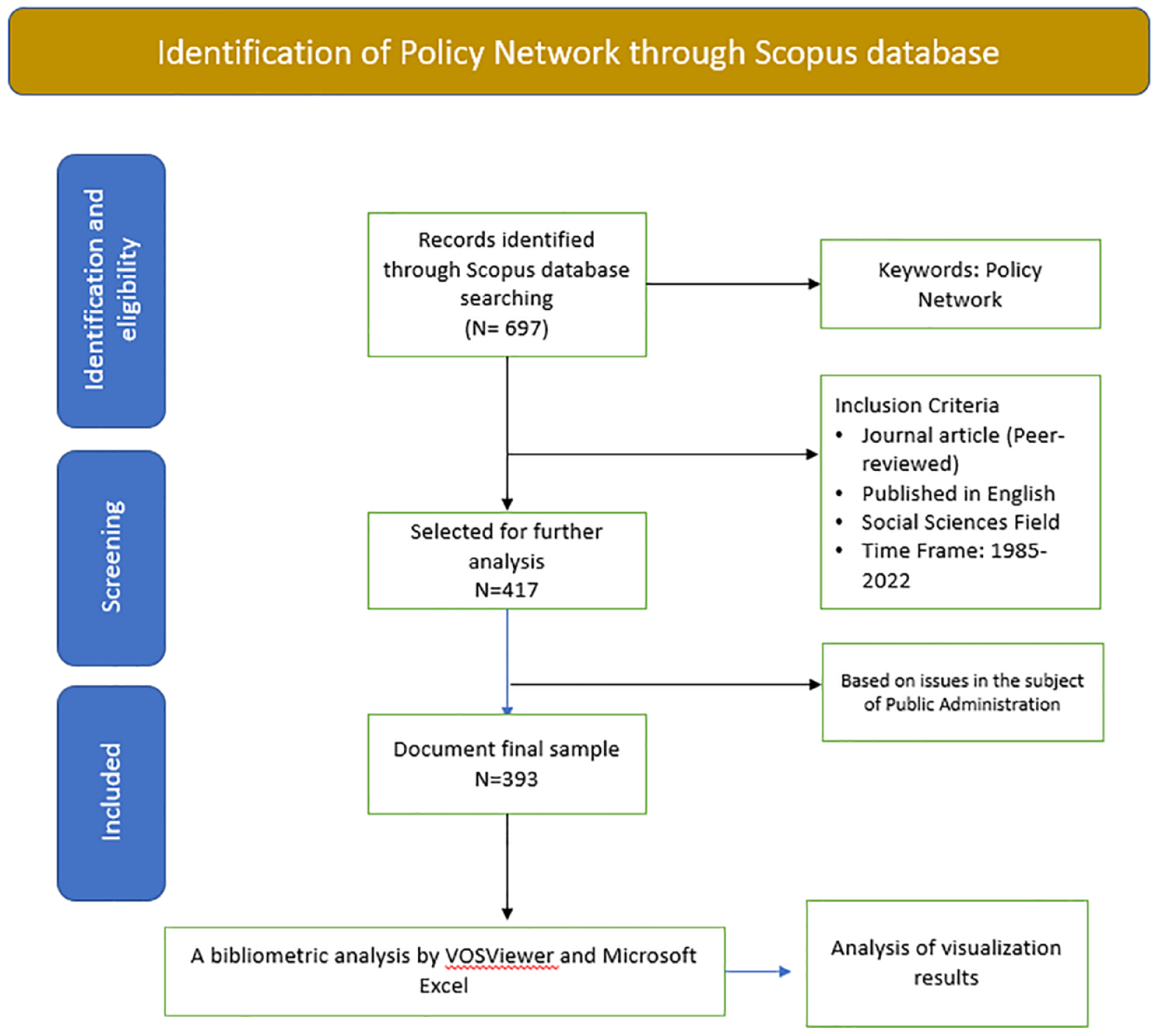
Research design.
Results and discussion
Issues of policy network research
Policy network facilitated the identification of relationships between interrelated public concerns and provided a framework to develop and implement effective policy to address these issues.
Table 1 showed that policy network studies had been used extensively as an approach to crucial issues with a broad influence on the life of the wider community. This contextualization certainly comprised various actors, including the government and other interested actors. Therefore, the research of policy network created a pattern to achieve the goals of policy.
Issues of policy network research.
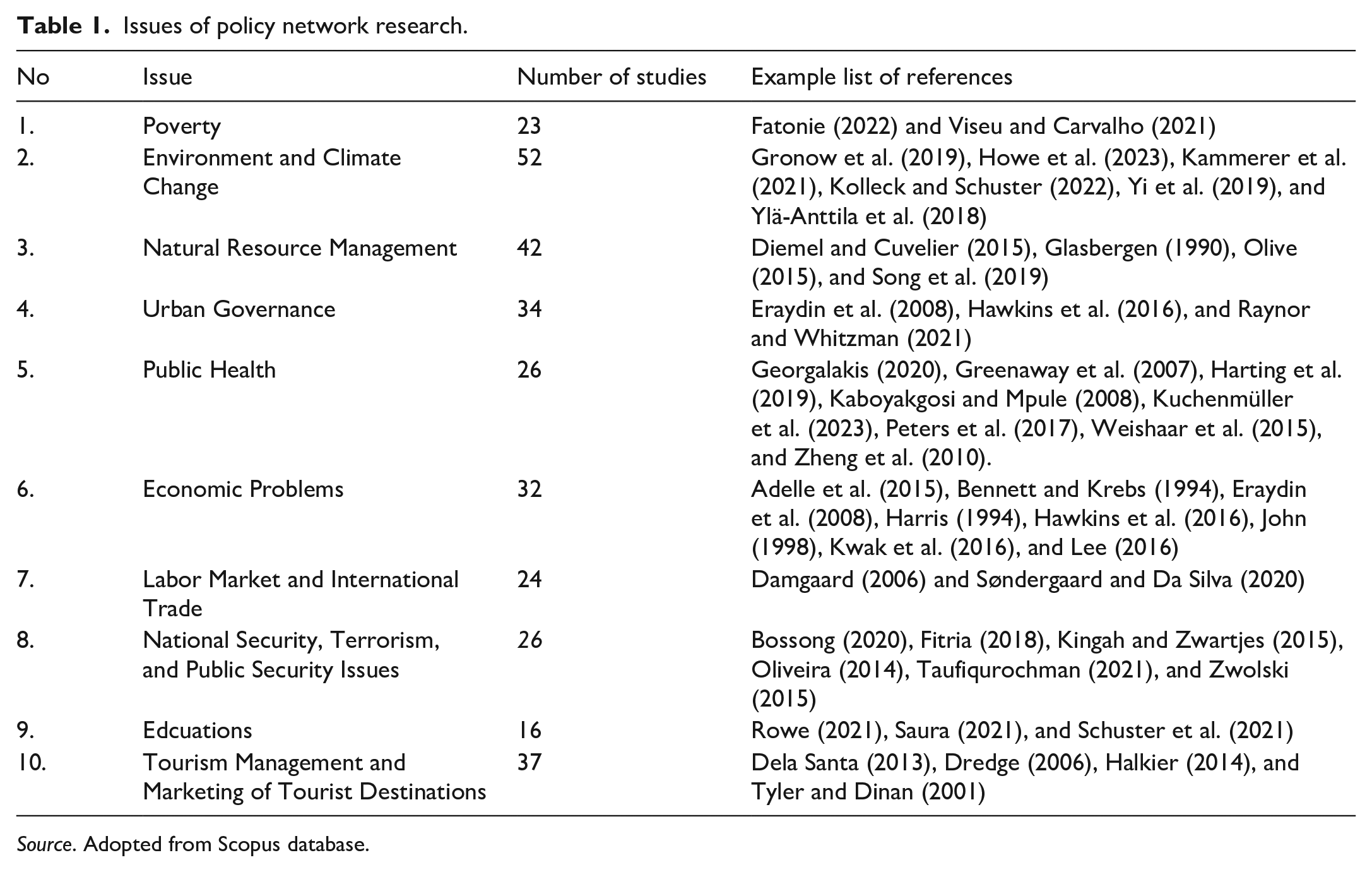
Source. Adopted from Scopus database.
Annual publication of policy network
Policy network concept was initially introduced in 1985, with a primary focus on defining terms and highlighting the need to achieve a balance among mutually dependent sub-network in the decision-making process (Van Vught, 1985). The importance of social communication between these sub-network for making rational decisions was addressed, as cited in the article. Subsequent articles published from the same year placed greater emphasis on the role of coordinating capacity between central and local governments in delivering public services (Sharpe, 1985).
Based on Figure 2, policy network had extensively been studied in 2021, with a total number of 24 articles. The results showed that the majority of these publications were focused on the education sector (Araujo & Lopes, 2021; Ferrare et al., 2021; Rowe, 2021; Saura, 2021; Schuster et al., 2021; Viseu & Carvalho, 2021). Furthermore, topics, such as climate change (Da Rimini et al., 2021; Howe et al., 2023; Kammerer et al., 2021; Wagner et al., 2021), public housing policy (Akashi, 2021; Raynor & Whitzman, 2021), local politics (Möck, 2021; Seippel & Belbo, 2021), environmental governance (Baulenas et al., 2021; Lutz-Ley et al., 2021), and transnational policy (Crowley-Vigneau et al., 2021; Henriksen & Seabrooke, 2021; Kim, 2021; Saguin & Howlett, 2021) were also discussed.
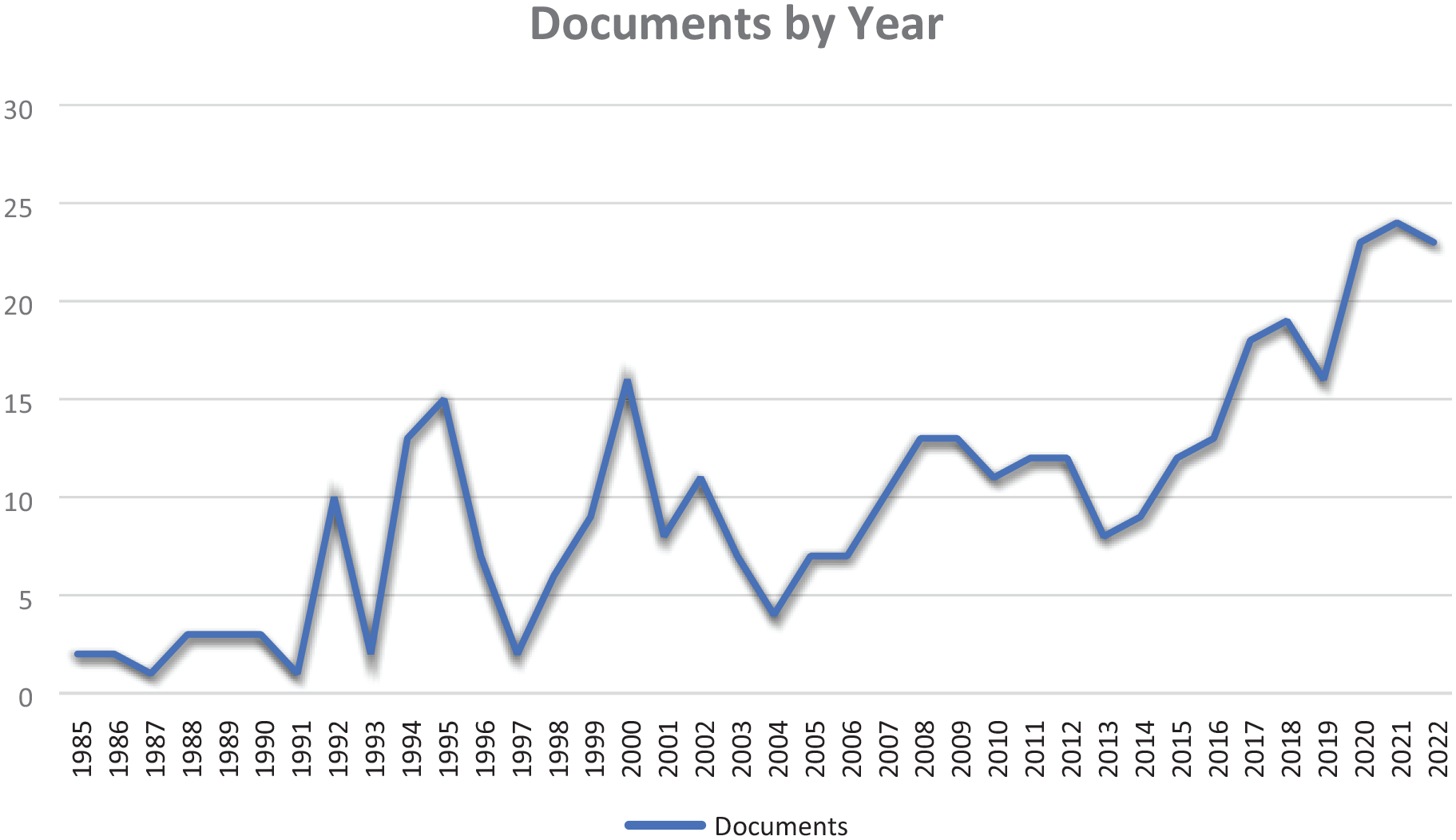
Annual documents between 1985 and 2022 in the Scopus database.
The result depicted in Figure 3 showed the outcome for the keyword “Policy Network” across various international journals. Public Administration, published by Wiley, claimed the top position with 29 articles related to the keyword. Following closely, Policy Studies Journal, published by Wiley-Blackwell on behalf of the Organization and the American Political Science Association, secured the second position with 12 articles. In the third spot was Political Studies, published quarterly by SAGE Publications on behalf of the Association, with 10 articles. Subsequently, Environment and Planning Government and Policy, issued by SAGE Publications, recorded nine articles. The International Journal of Educational Research by Elsevier, Journal of Education Policy by Taylor & Francis, and Journal of Public Administration Report and Theory by Oxford University Pressed on behalf of the Public Management Report Association, contributed 9, 9, and 8 articles related to the keyword, respectively.
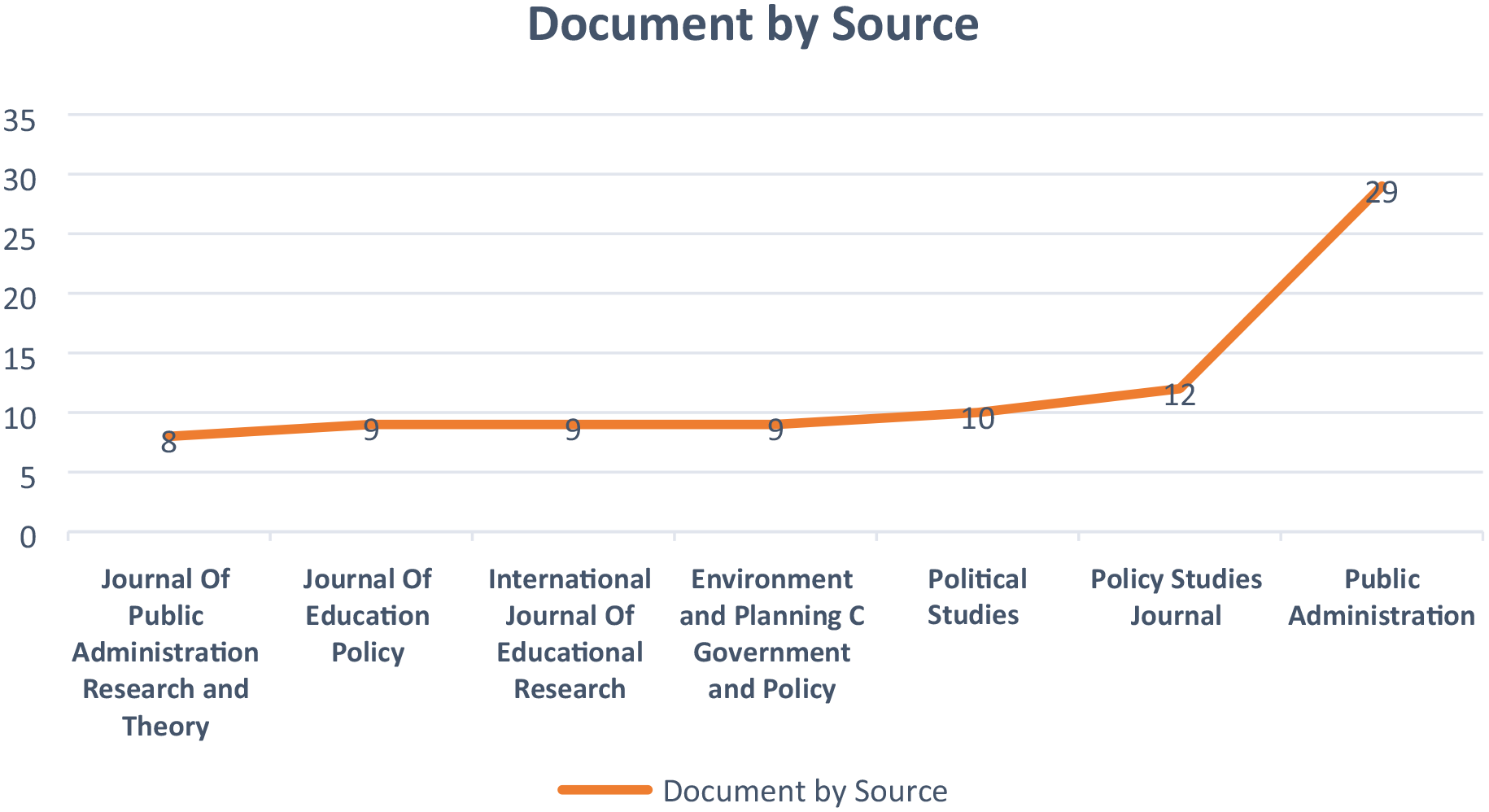
Document by source.
The most contributing authors affiliation and country
For 37 years (1985–2022), investigators from diverse institutions and countries contributed to the research of policy network. Figure 4 illustrated the top 10 authors with the highest number of published articles on the topic. Ylä-Anttila led with the most articles, namely seven, followed by Henry. A.D (6), Howlett, M. (6), Coleman, W.D. (5), Daugbjerg C. (5), Ferrare, J.J. (5), Gronow, A. (5), Klijn, E.H. (5), Lubell, M. (5), and Schneider, V. (5). Yia-Antilla authored several articles that focused on policy network in the context of Environmental Governance and Climate Change in developed countries, including Finland and Australia (Ylä-Anttila et al., 2018, 2020). Furthermore, Henry et al. (2012) made significant contributions to the field, and discussed network measurement approaches and the role of ideology (Henry, 2011).
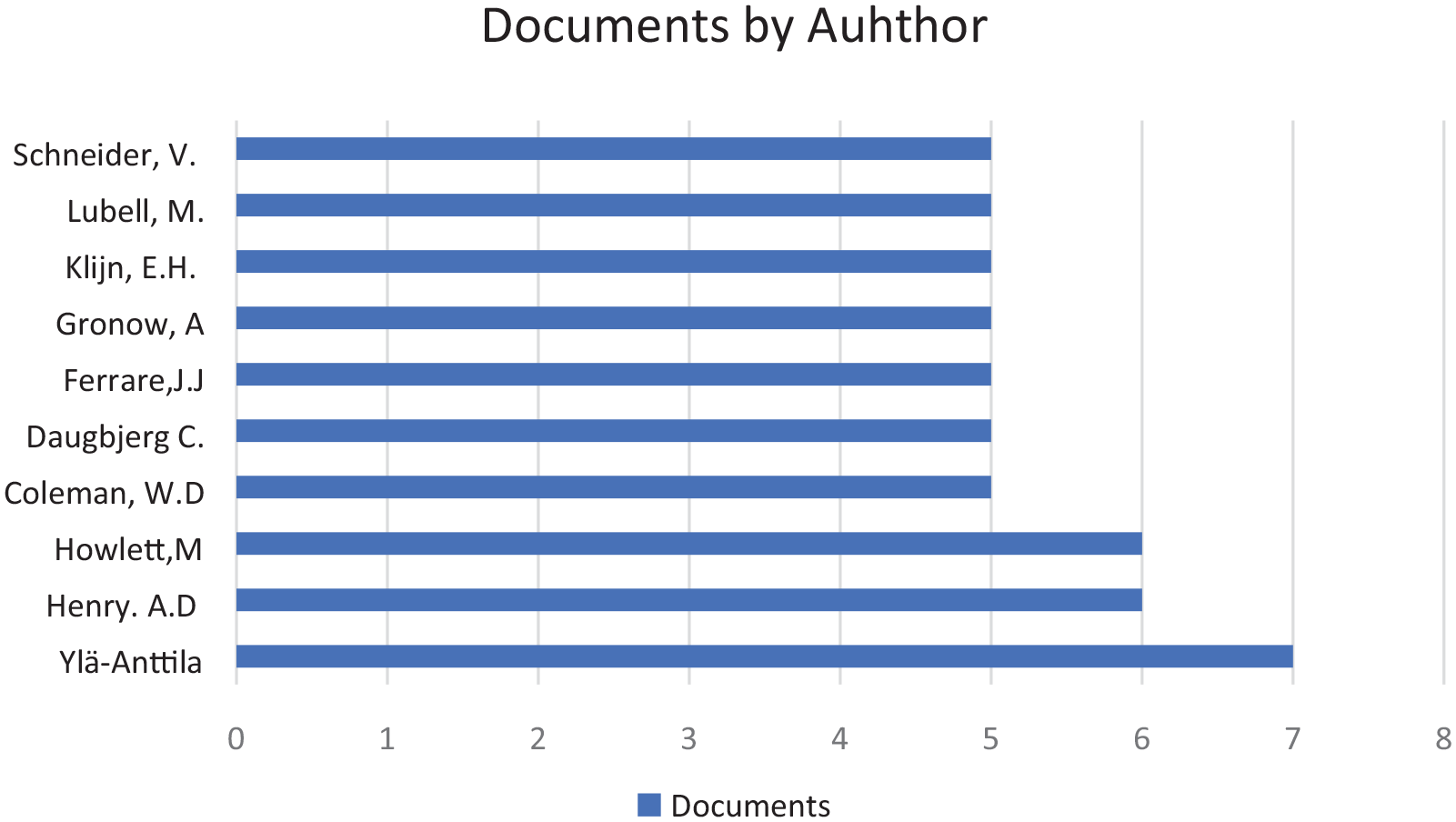
Top 10 policy network research authors.
Figure 5 illustrated the total number of universities that had established successful affiliations with top authors in their publications. The results revealed that articles discussing policy network featured various affiliations, and the London School of Economics and Political Science, located in England, secured first place with 15% (12) affiliations, followed by Universitat Konstanz (10) with 12% in Germany. The University of Edinburgh (10) had 12% in Scotland, the University of Birmingham (9) had 11% in London, England, Helsingin Yliopisto (8) had 10% in one of the campuses that originated from Finland, Delf University of Technology (7) had 9% in the Netherlands, State University of New York Albany (7) had 9% in the United States, and UCL Institute of Education (6) had 8% in New York England. The research published by the London School of Economics and Political Science comprised an approach taken regarding policy network in Europe, specifically in Greece, where policy-making was influenced by social capital, learning, and regional policy network (Paraskevopoulos, 2001).
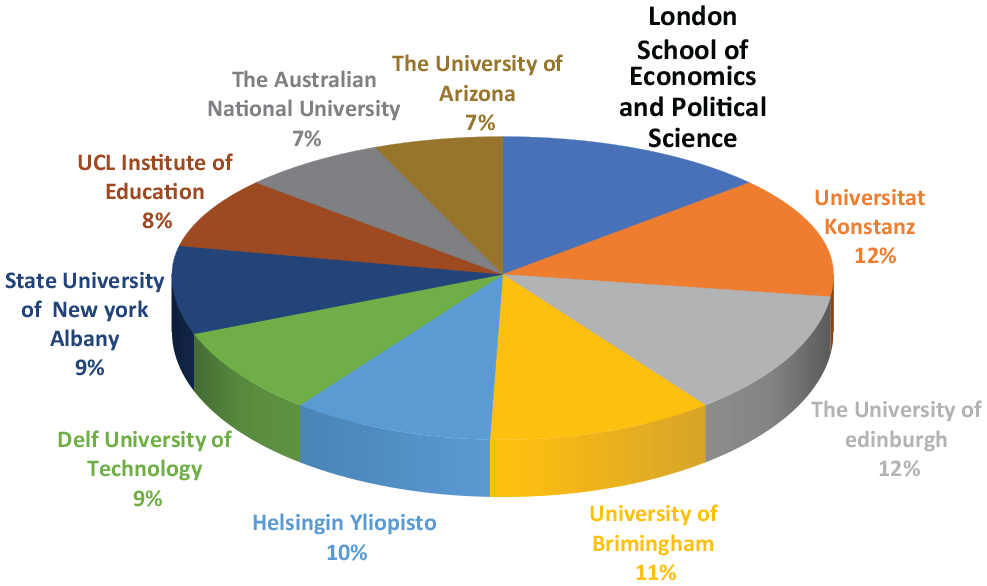
Documents by affiliation.
In Figure 6, the authors of policy network articles were predominantly from developed countries, such as the United Kingdom (126), United States (117), Germany (41), Canada (40), Australia (33), Netherlands (33), Denmark ( 16), Switzerland (16), Brazil (14), and Spain (14). An article by UK scholars underscored the disconnect between social scientists and the biomedical community in the UK’s inadequate response to the Sierra Leone Ebola epidemic in public network (Georgalakis, 2020).
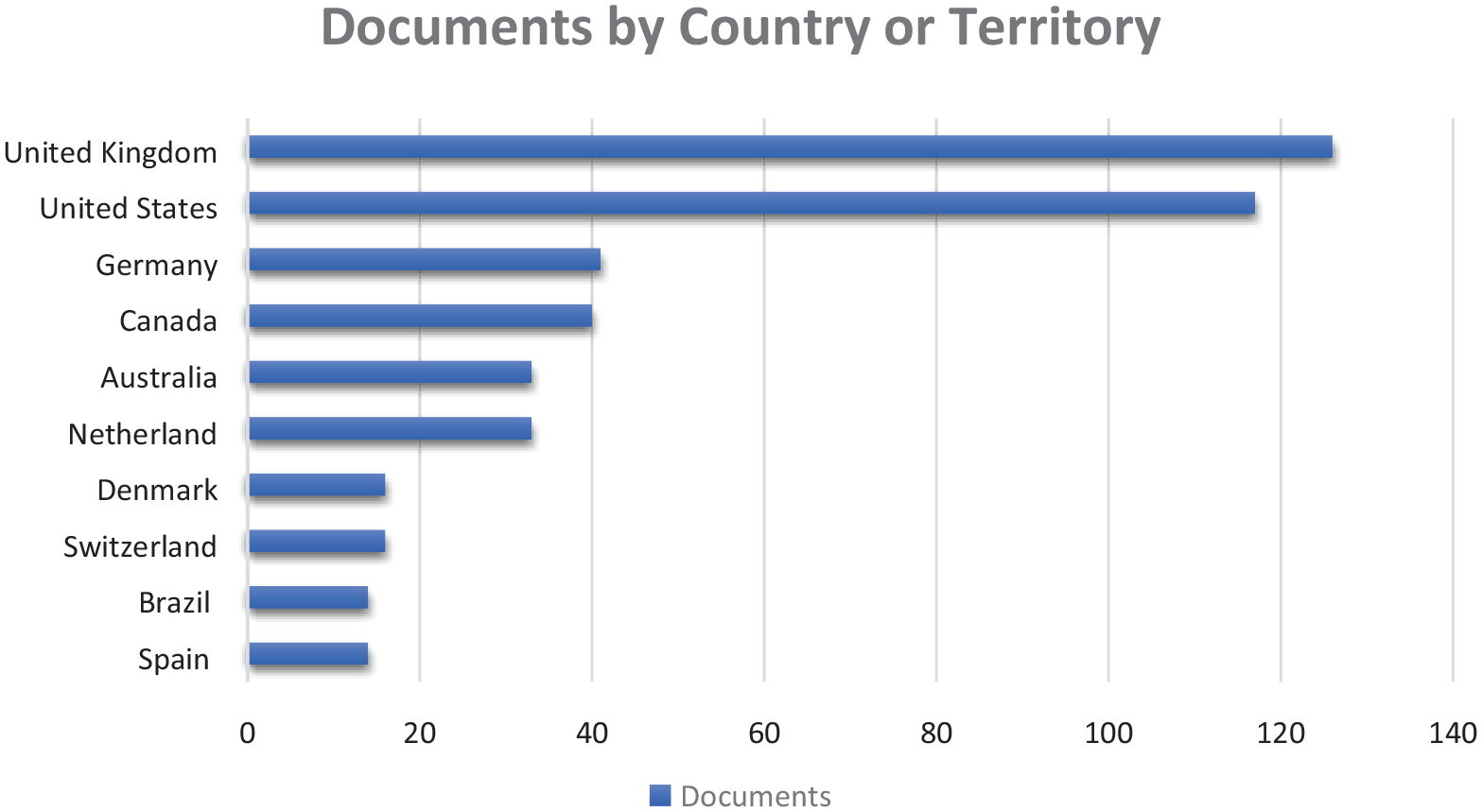
Documents by country.
The research of policy network theory was dominated by authors from developed countries, particularly the United Kingdom and the United States (Nicklin, 2015), with 126 and 117 articles, respectively, underscoring their substantial influence in the field. Possible reasons for this dominance included:
Historical development: The roots of policy network theory was traced back to the works of distinguished scholars from developing countries, who made significant contributions to both the theory and its application across diverse policy domain (Galey & Youngs, 2014; Young et al., 2010). This historical foundation had contributed to a notable presence of developed countries in the field.
Research focus: Developed countries often possessed greater resources and infrastructure for reports, which enabled authors from these nations to concentrate on the theory (Stone et al., 2020; Ylä-Anttila et al., 2018) and its applications in various policy areas. Consequently, this emphasis had led to a higher volume of articles within the Scopus database.
International collaboration: Scholars from developed countries often collaborated with colleagues from other countries, including those in the development process (Kyvik & Reymert, 2017). This could lead to the inclusion of authors from developing countries in policy network theory studies.
Policy relevance: Policy network theory had become increasingly relevant in developing countries due to their pursuit of understanding and addressing policy-making processes and outcomes. This relevance had attracted scholars from these countries to the field, which led to increased articles on policy network theory.
The research of policy network in the UK reflected the complex dynamics in policy-making process of the country. Furthermore, a multilevel policy system comprising central government, regional government, and local authorities was identified (Kleider & Toubeau, 2022). In the case of Britain’s response to the Ebola epidemic in Sierra Leone, a gap between social scientists and the biomedical community within policy network contributed to the failure. Various actors, both public and private, including community participation, strengthened comprehension of interactions in policy process on specific issues (Yi et al., 2019). The review also delved into policy adaptation and evolution over time, taking into account political influence, cross-sector collaboration, and impact of policy on UK Societies, including the UK Industrial Pollution Policy Network and Advocacy Coalition (Howe et al., 2023; Howlett, 2019). The examination contributed to a nuanced understanding of the evolution and complexity of policy in the UK.
The examination of policy network in the United States comprised various crucial issues that reflected the dynamics of policy system. The studies focused on the interactions between political actors, political parties, and policymakers within the framework of public policy and the political system (Metz & Brandenberger, 2022). Explored issues included public health, environment and energy, education, and social welfare, national security, economics and finance, technology and innovation, and food and agricultural security (Adelle et al., 2015; Ylä-Anttila et al., 2018; Young et al., 2010). This report provided an in-depth insight into how government, the private sector, and advocacy groups collaborated or clashed in formulating and implementing policy across critical sectors in the United States.
A German-published article delved into resource management within the context of cross-sectoral policy integration. This was because the contemporary breadth of environmental and sustainability issues extended beyond conventional sectoral confines. In essence, both actors and their relationships must be viewed as intermediary variables to comprehend and steer policy integration among natural resource sectors (Baulenas et al., 2021). This concern resonated with writers from developing countries, emphasizing that policy network research had not been a focal point in these regions. Moreover, policy network was pivotal and were a delicate aspect linked to the economic sector and public policy.
Main keyword analysis
Network analysis of policy network
Figure 7 showed the clusterization of issues related to the topic of network policy, where one color showed the same cluster related to several or similar topics. Based on this result, policy network was examined in several strategic issues, such as environmental, health, and education policy, as well as economic development and local government.
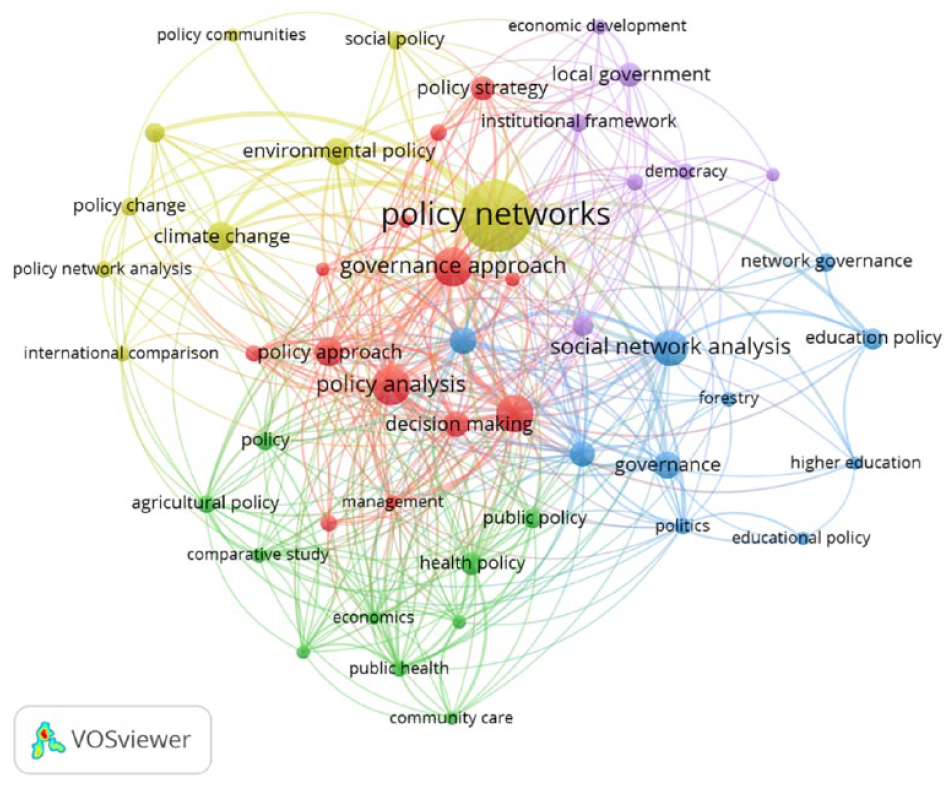
Strategies issues of policy network.
In social issues, heightened conflict levels triggered the emergence of beliefs and influence that shaped cooperative patterns. This ensured that the formulation and implementation of public policies extended beyond superior actors or institutions (Kammerer et al., 2021; Yi et al., 2019). Figure 7 illustrated a pattern, where policy network were frequently intertwined with health and environmental policies. Furthermore, it was extensively examined in various scientific works on epidemics, such as AIDS, and other public health integration (Colbrook, 2022; Peters et al., 2017). Discussions that surrounded the field in relation to the transformation of environmental and sanitation policies presented an intriguing issue. These network was notably influenced by the direct political intervention authorities and citizens’ demonstrative capacity in shaping instruments, regulations, and natural resource management. This dynamic was evident in Germany, where policy network represented governance arrangements and structures of power.
Post-democratic environmental and energy policy-making was characterized by a higher degree of pluralism and differentiation (Schneider, 2015). This trend was driven by the need for sustainability within policy network, which contributed to enhancing regulatory capabilities (Albuja-Echeverría & Albornoz, 2020; Wingfield et al., 2021). Brazil, a nation endowed with diverse environmental resources, exemplified this approach by uisng a strategy in the multilateral arena. An extensive research was conducted to analyze institutional frameworks, and this led to the formulation of an engagement agenda in ocean governance and Antarctic negotiations. The focus was on ensuring equitable distribution of network resources, particularly in the Amazon region, within the Blue policy network (Barros-Platiau et al., 2019).
Citation analysis and bibliographic coupling
Numerous scholars across public administration and various scientific disciplines had delved into network policy theme, forming interconnected statements, or citations (Velez-Estevez et al., 2022). A citation network emerged as authors quoted and referenced each other’s important statements, as depicted in Figure 8. For instance, Coleman’s (2015) conceptual explanation had been widely cited in discussions. Similarly, the work by Henry (2011) had garnered citations from other investigators. Most of these interconnected articles discussed the conceptual aspects of policy network and engaged in debate surrounding current issues.
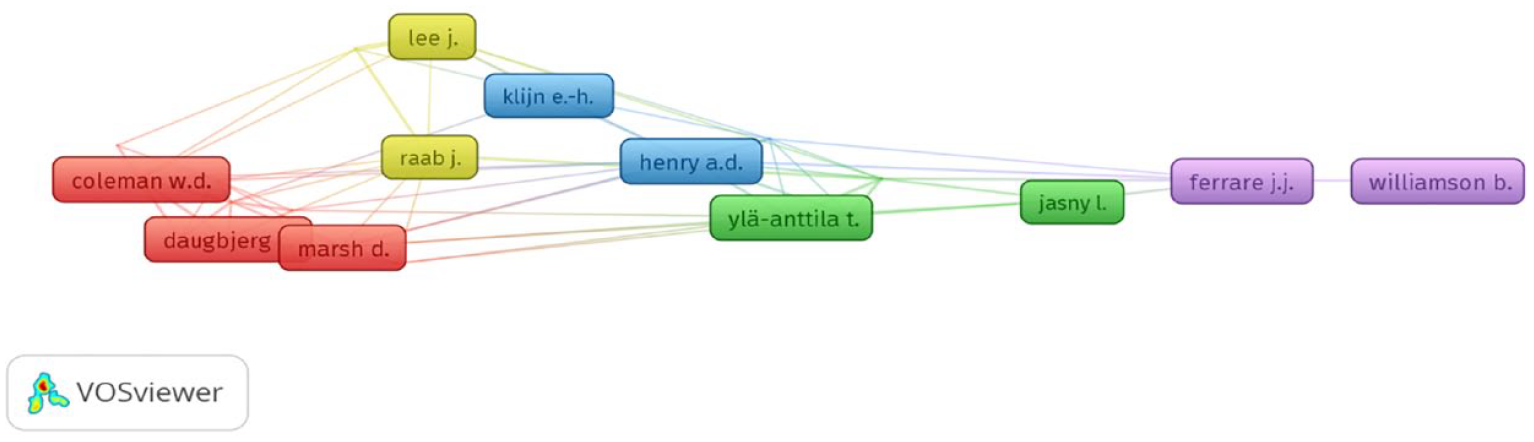
Citation analysis by VOSviewer.
As a fundamental research, Figure 9 showed that the topic of policy network had mostly been discussed in journals, in the field of public administration and policy. Several articles were also published in the field of politics, including Political Studies and West European Politics.
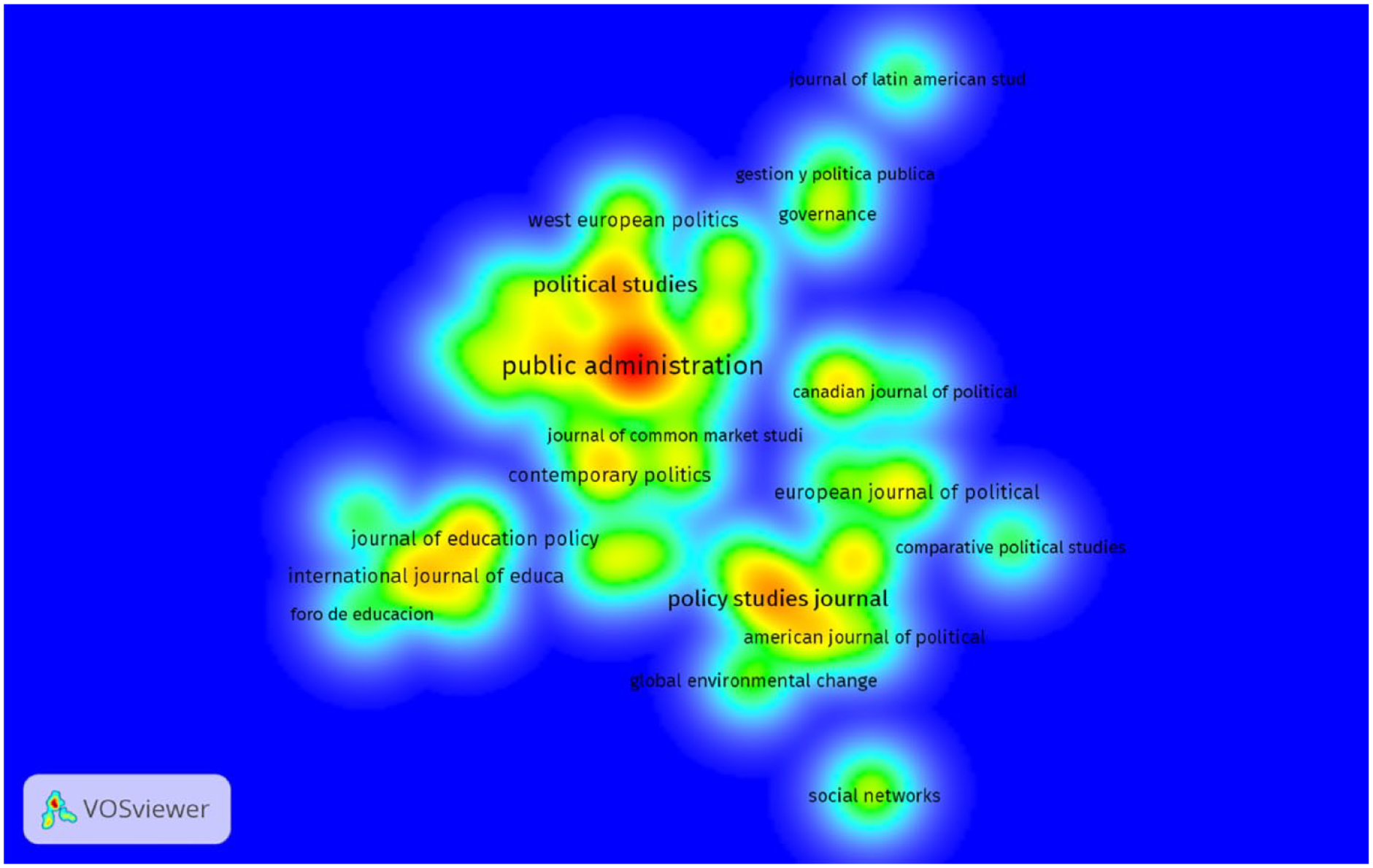
Bibliographic coupling based on journal sources by VOS viewer.
Topic frequently discussed of policy network in developed countries
Figure 10 showed that policy network was a topic frequently discussed in developed countries, such as the United States, United Kingdom, Canada, and the Netherlands. In Canada, the significance was often linked to its economic dimension to ensure that national and regional political arenas and actors received equitable attention within policy network (Howe et al., 2023). Furthermore, policy network in this country was divided based on promotion and regulation management to minimize permissive policy and overlapping (Tomlinson, 2010), such as the United States (Montpetit, 2005).
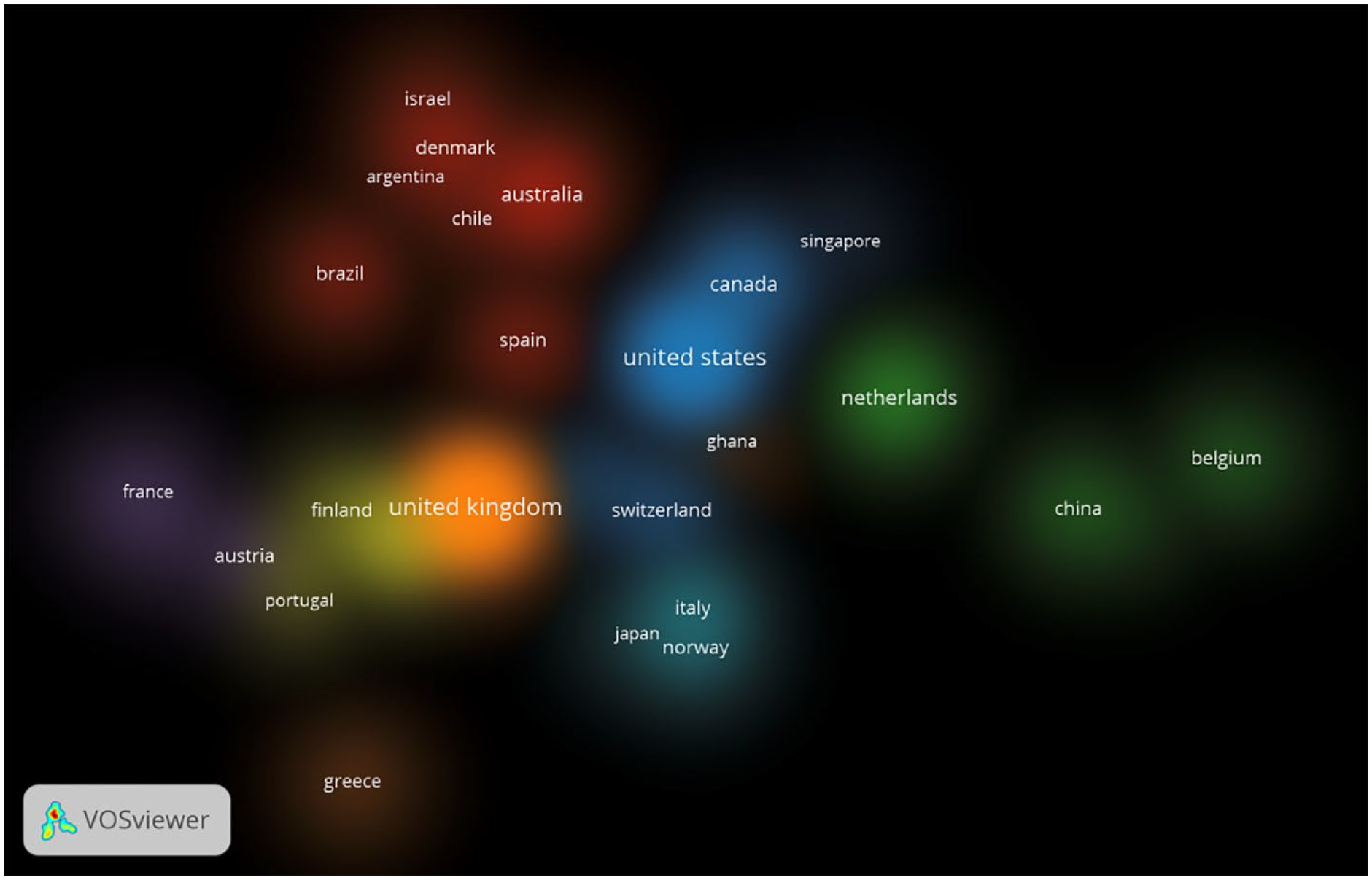
Topic frequently discussed of policy network in developed countries.
The United Kingdom also used policy network to act and react based on their beliefs and tried to discursively reconstruct agricultural policy on food security (Tomlinson, 2010). In analyzing network and developing long-term policy, the government also considered expertise and strategies at the micro level to achieve a change (Wilkinson et al., 2010).
Conclusion
In conclusion, policy network had emerged as a prominent subject in scientific research and development. Over the past 37 years, it witnessed numerous developments and innovations, that served as a crucial tool for transforming policy and reshaping governments operations. Therefore, this report used bibliometric data processed through VOSviewer and extracted from the SCOPUS database to identify and analyze the evolution of research intensity in the field from 1985 to 2022. The bibliometric approach assessed the historical usage of policy network and explored future report opportunities. While hundreds of articles were published in the last 37 years, a meticulous selection process yielded 393 relevant publications. Furthermore, the review highlighted the widespread interest in the field among authors from diverse institutions and countries, with Yia-Antilla, Henry T. AD, and Howlett, M ranking as the top 3 contributors.
After analysis, three predominant cases frequently examined in policy network were education, environment, and climate change. Furthermore, VOSviewer data showed that the majority of publications were authored by developed countries, including Germany, the Netherlands, Canada, the United States, and the United Kingdom, with notable contributions from institutions, such as the London School of Economics and Political Science. This bibliometric analysis provided a critical and comprehensive depiction of the scope and intensity of the development, along with mapping of the concepts from 1985 to 2022.
This research contributed to the understanding of the evolution of publications on policy network over different timelines by offering scientific insights. However, it possessed certain limitations, as it solely relied on scientific information retrieved from the Scopus database, which covered a range of topics related to public policy. Although Scopus was a substantial database for abstracts and peer-viewed citations, its dataset could be limited, necessitating the incorporation of comparative indexation datasets, such as the Web of Science and Dimensions. Future studies must leverage internationally indexed databases and diverse approaches to attain more comprehensive knowledge. Subsequent investigators were encouraged to explore new perspectives and temporal dimensions. Moreover, to facilitate further reports, the inclusion of additional databases was recommended to uncover insights not addressed in this research. Aside from that, scholars can delve deeper into important future topics such as environmental policy and climate change, health policy, and education issues. The results of this current research were expected to contribute to the understanding of policy network through alternative approaches in future publications.
Footnotes
Declaration of conflicting interests
The author(s) declared no potential conflicts of interest with respect to the research, authorship, and/or publication of this article.
Funding
The author(s) received no financial support for the research, authorship, and/or publication of this article.