



Abstract
For LGBTQ+ people, religion can be a source of oppression as well as a source of healing and inspiration. Within three socially conservative religious traditions, the authors uncover LGBTQ+ adherents’ efforts to make their faiths more inclusive.
In the 2021 documentary Pray Away, Julie Rodgers, an advocate for LGBTQ+ inclusion within Evangelical Christian communities, sits with others in a circle in the brightly lit sanctuary of a traditional church.
She says:
Christian communities are where we have experienced so much pain and trauma in our lives. At the same time, this faith has also been a huge source of our healing. When I interact with Jesus, and see who Jesus was and how Jesus lived, I’m like, “Oh my gosh, that’s amazing.” And so, it’s been really important for me to sort of separate… Jesus from the Christians who hurt me.
She then discusses her experience attending a recent service at an LGBTQ+-affirming church that brought together many members of the community:
I have absolutely never seen so many queer people in a church. All these people who have carried so much shame and so much humiliation and physical abuse… got to hear, “You, gay person, you, bisexual person, you, transgender person, you are welcome here. And you are wanted here, and you are welcome here, and we honor your lives, and this is a safe place for you.” Having the grace to find this kind of place… is the deepest source of healing we could ever receive.
Religion can be a source of oppression for LGBTQ+ people, and researchers must acknowledge the tremendous harm that some religious communities have caused to these populations. But religion can also be a source of healing and inspiration for LGBTQ+ people. Our work with several socially conservative religious traditions—Evangelical and historically “Black Church” Protestants in the United States, Muslims in Canada, and Orthodox Jews in Israel—documents how LGBTQ+ people of faith are coming together to assert their identities and claim ownership of their religious traditions. Our research shows that forms of LGBTQ+ religious activism can encourage faith communities to reconsider assumptions about gender and sexuality and become more inclusive and welcoming.
Attitudes toward LGBTQ+ people differ among the three countries. In the 2019 Pew Global Attitudes Survey, 85% of those surveyed in Canada, 72% in the United States, and 47% in Israel said that “Homosexuality should be accepted by society.” Still, the same survey showed that Evangelical Protestants, Black Protestants, and Muslims tend to lag behind groups such as Mainline Protestants and Catholics in terms of their acceptance of homosexuality in many countries, and 2020 data from the Pew Research Center shows that Orthodox Jews are far more opposed to LGBTQ+ rights, such as same-sex marriage, as compared to Reform and Conservative Jews. Thus, LGBTQ+ persons of faith face similar obstacles to full acceptance in the religious traditions we studied.
Zooming in from this bird’s-eye view, three insights emerge from our collective, ethnographic work. First, important changes are occurring even in socially conservative religious traditions and spaces—ones that have historically condemned same-sex relationships as sinful and rejected transgender and nonbinary identities. Second, across different religions, LGBTQ+ people are using similar strategies to promote inclusion, including carving out safe spaces, cultivating multidimensional collective identities, engaging in dialogue with the religious organizations and groups they belong to, writing about their experiences, and participating in protests. Finally, LGBTQ+ people of faith commonly invoke their own faiths’ teachings and engage in religious rituals to make their religions more inclusive, intersectional, and pluralistic.
Faith Communities in Motion
Avishai’s book, Queer Judaism: LGBT Activism and the Remaking of Jewish Orthodoxy in Israel, recounts how in June 2017, two Orthodox Jewish presenting men stood underneath the huppa, or Jewish wedding canopy. Kippas and tassles, head-dresses and skirts, worn, respectively, by Orthodox men and women were abundant in the crowd of friends and family. A yeshiva-trained trans woman officiated the wedding, and both grooms broke a glass and recited the traditional Psalm 137:5-6, “If I forget you, O Jerusalem, let my right hand forget its skill!” Guests who shared videos and photos of the wedding said that they witnessed history being made: an authentic Orthodox same-sex wedding.
iStockPhoto.com // FOTOKITA
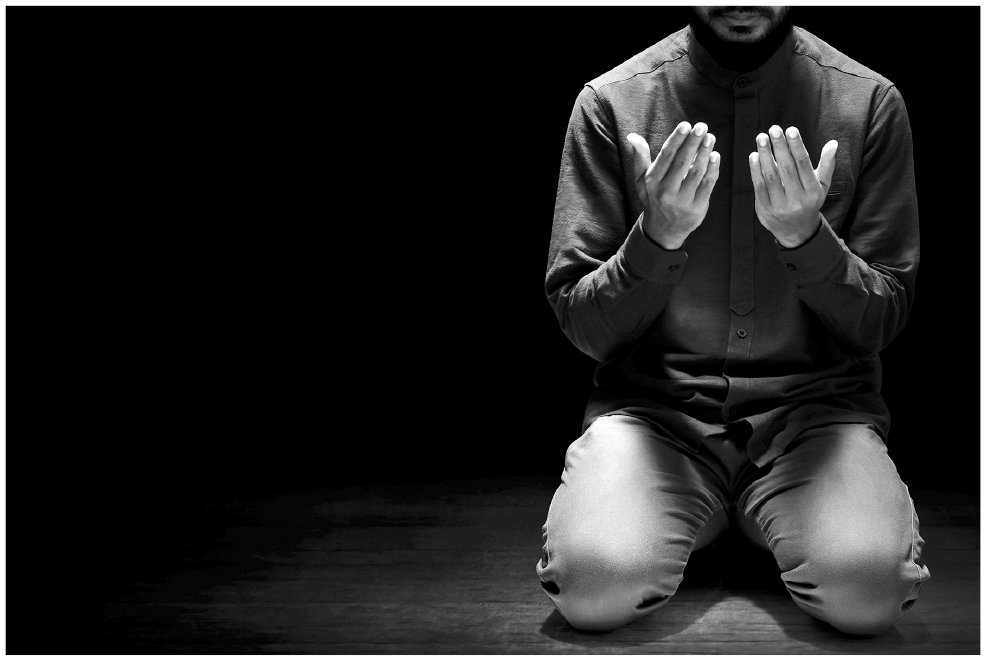
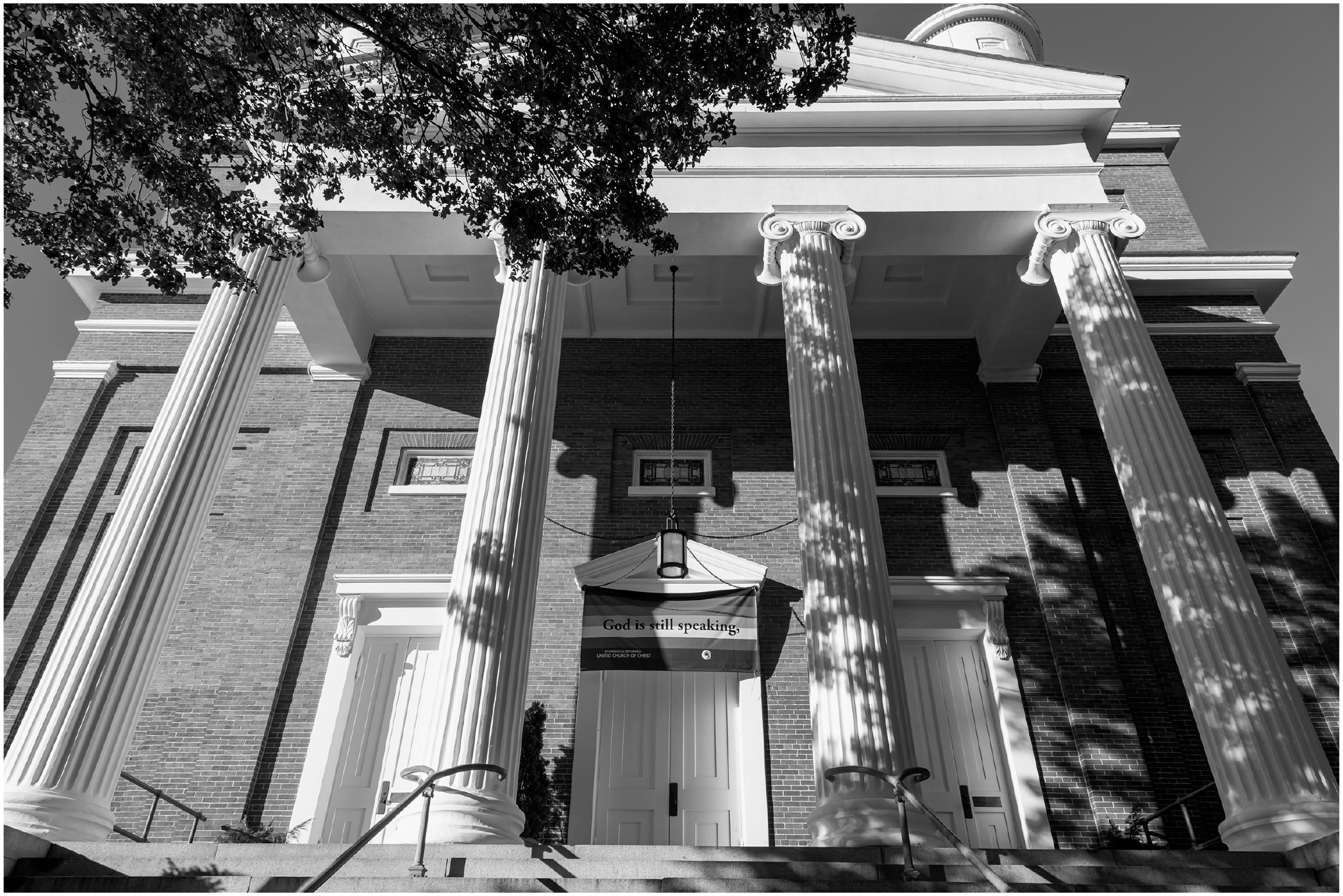
A rainbow flag reading “God is still speaking” hangs outside Frederick, MD’s Evangelical Reformed United Church of Christ.
iStockPhoto.com // Grandbrothers
In research conducted by Moon and philosopher Theresa Tobin, Evangelical pastors often spoke of how their love for church members who came out as LGBTQ+ led them to rethink and change their churches’ policies, even in the face of sometimes severe consequences. An Arab-American Christian megachurch pastor told the story of how he determined his church had to publicly affirm same-sex marriage and LGBTQ+ people in ministry. He recalled a Saturday night dinner when a close friend, his church’s worship leader, came out to him, in tears, terrified that he would sever their friendship and fire her from her job:
[T]hat just wrecked me. It was over from there…. When one of your best friends who is like, like as close to the inner circle, whatever that means, as you can be, is still afraid [of you]…. I just—we couldn’t go another day with that, you know?
He brought his concerns to his co-pastors, and they changed their church’s policies—and a lot of members left the church as a result. Moon and Tobin heard similar stories from heterosexual/cisgender parents, friends, and pastors of LGBTQ+ people, whose love and faith inspired them to critically examine their religious assumptions and actions, bravely facing social consequences.
In her ethnography with LGBTQ+ Muslim groups in Canada, Golriz found that some dominant Isma’ili organizations adopted inclusive practices at the urging of LGBTQ+ members. One interviewee recounted examples where an Isma’ili group performed a Bay’ah ceremony (the equivalent of baptism) for a same-sex couple and changed an online form to be inclusive of common law gay couples.
Many LGBTQ+ students in the United States enroll in Christian colleges and universities so that they can grow in their faith at the same time as they pursue a college degree. In the course of his ongoing ethnographic work with LGBTQ+ students at Christian colleges and universities, Coley observed a conservative Christian university that is allowing LGBTQ+ students to run their own weekly chapel service. The service regularly attracts over 100 LGBTQ+ and allied students each week, providing a space where LGBTQ+ students can worship alongside one another and hear messages of affirmation. The existence of such chapel services is remarkable given that, just a few years ago, the school maintained policies banning students from identifying as LGBTQ+.
Challenging Communities of Faith
Although our studies focus on different religious traditions and different national contexts, we have found that LGBTQ+ persons of faith use a similar set of strategies, tactics, and rhetoric to create affirming religious spaces, validate their lived experiences, and bring about changes.
“…In the midst of all these violent systems that want to see us disappear, we’re carving out real joy for each other and for ourselves.”
One common strategy is to create alternatives to religious spaces that actively dehumanize, stigmatize, or harm LGBTQ+ people. In 1968, Troy Perry started the Metropolitan Community Churches in the United States by holding a Bible study in his West Hollywood living room for gay men who had been excluded from their own churches. Since then, safe spaces for LGBTQ+ people of faith have spread: in their research, Moon and Tobin encountered LGBTQ+-affirming Evangelical and historically Black congregations, Bible studies, community gatherings, and prayer groups that provide conservative Protestant LGBTQ+ people with a sense of belonging and contact with the divine.
Such safe spaces also help foster collective identities as LGBTQ+ persons of faith. In her research in Canada, Golriz found that the oppositional identities cultivated in LGBTQ+ Muslim spaces were intersectional rather than dichotomous. Becoming members of these safe spaces and articulating such identities helped LGBTQ+ Muslims challenge the racial, gender, and sexual marginalization they encountered in dominant communities and cultures. One interviewee told Golriz that his organization allows members to resist “violent systems” that seek to erase LGBTQ+ Muslims:
I think there’s always something really beautiful about having specific spaces for your communities. I love the fact that we have our own space, free from the misunderstandings of our lives or our experiences. …In the midst of all of these violent systems that want to see us disappear, we’re carving out real joy for each other and for ourselves.
Across religious groups and contexts, we also found that dialogue with community members and religious leaders helps LGBTQ+ religious people to dispel some of the stereotypes that have made people treat them as if they didn’t belong. By building relations of trust, LGBTQ+ people educate others about the challenges they face. A gay Evangelical man Moon and Tobin call Aaron told them that putting a gay person into leadership in his church involved a slow process of relationship-building within his congregation. To cultivate patience and trust with those who opposed him, he remembered how hard it had been to overcome his own certainty that God would never love him just as he was.
iStockPhoto.com // kjekol
Dialogue commonly takes place through formal groups within religious settings or through interventions that seek to educate faith communities about LGBTQ+ issues. In Coley’s research, LGBTQ+ students at several Christian colleges and universities spoke of forming dedicated organizations designed to bring straight and cisgender students together with LGBTQ+ students to discuss the intersections of faith, gender, and sexuality. Such groups met regularly to share their beliefs and also organize lectures, movie showings, and special trainings that educated their broader communities about LGBTQ+ religious issues. Similarly, Avishai documented how the outreach Orthodox LGBT organization Shoval sought to inform Orthodox communities—especially religious, educational, and therapeutic authorities—by training volunteers to tell their Orthodox LGBT stories.
Still other LGBTQ+ religious people write books, articles, pamphlets, and social media posts that challenge people of faith’s views on LGBTQ+ issues within their religion and provide alternative perspectives. Moon and Tobin spoke with LGBTQ+ Evangelical organizers and theologians who have written books that combine Biblical interpretation and personal narratives to counter the hostile myths and assumptions LGBTQ+ Evangelicals face in their churches and families. Both Golriz and Avishai found that activists had worked with allied religious leaders to author a series of informational pamphlets intended for parents of Muslim and Orthodox Jewish LGBT persons. The pamphlets offered a combination of digestibly worded concepts drawn from queer, gender, and sexuality studies, psychological research, and Muslim/Jewish ethics and philosophy.
Finally, when dialogue doesn’t work, religious LGBTQ+ activists sometimes engage in protests. For example, in 2010, students at Belmont University, an Evangelical institution in Nashville, TN, engaged in a series of outdoor rallies, sit-ins at the president’s office, and prayer walks across campus to protest the apparent firing of a lesbian soccer coach from the school. The students convinced the school not only to add “sexual orientation” to its nondiscrimination policy, but also to approve an affirming LGBTQ+ religious student group that is officially sponsored by the university chaplain’s office.
Religion as a Transformative Force
Forming safe spaces, engaging in interpersonal dialogues, writing books, blogs, pamphlets, and social media posts, and engaging in protests are all important ways that LGBTQ+ people create change in their faith communities. Yet all of these methods might be ineffective if LGBTQ+ people didn’t draw on religious texts, sensibilities, stories, and practices in appealing for LGBTQ+ inclusion. Through our collective research, we have found that LGBTQ+ people of faith draw on their religions’ own teachings and practices to argue for acceptance and promote social change in their faith traditions.
We have found that LGBTQ+ people of faith draw on their religions’ own teachings and practices to argue for acceptance and promote social change in their faith traditions.
One example of how LGBTQ+ persons use religious sources comes from Avishai’s research with Orthodox Jews in Israel. The Gemara, a compilation which offers rabbinic analyses and commentary on earlier Jewish sources, tells a well-known story of a learned rabbi who derided an ugly man he met. The ugly man responded: “Go to the artist who made me [i.e., God] and tell him: ‘What an ugly vessel you created.’” The story is understood to be a meditation on the idea that humanity was made in the image of God, but Orthodox Jewish LGBT activists playfully draw on this story to claim a “God made me this way” Jewish theory of sexuality and acceptance. A common sign in Pride parades and demonstrations in Israel reads, “Go tell the artist who made me: ‘What a fabulous outcome.’”
iStockPhoto.com // gorodenkoff
The LGBTQ+ Muslim activists in Golriz’s research similarly promoted messages such as “Allah Loves Equality” or “Allah is My Ally” and drew from Islamic scripture to support LGBTQ+ lives. One LGBTQ+ mosque also accommodated rituals such as same-sex Nikahs (marriage ceremonies) by using gender neutral Quranic passages such as “[Allah] has created mates for you from your own kind so that you may find peace with them” (Quran 30: 21). The imam of this mosque told Golriz:
Allah in the Quran says I’m closer to you than your own jugular vein and that relationship is with everybody. It’s not male or female or straight versus gay. God’s relationship is closer to you than your jugular vein.
Likewise, Moon and Tobin found that conservative Protestant LGBTQ+ people are making the case that God doesn’t hold people accountable to a binary and hierarchical construction of gender. Evangelicals draw from such Biblical stories as the creation of the original ungendered human, Philip’s baptism of the Ethiopian eunuch, and the apostle Paul’s claim that “there is no male and female in the Kingdom of Heaven” to argue that God’s thinking may be bigger than human constructions of gender.
And in his ethnographic observations of LGBTQ+ protests at Christian colleges and universities, Coley has found that students commonly include religious language and arguments on protest signs. For example, at Belmont, where students protested the school’s religiously motivated decision to dismiss a lesbian soccer coach, students held up signs saying, “Jesus Had 2 Dads and He Turned Out Just Fine,” “Christ=Love,” “All are One in Christ’s Love (Galatians 3:28),” and “Jesus Was Born to a Nontraditional Mother, Would Belmont Fire Her Too?”
Using religious arguments can be effective, but so can engaging in alternative, inclusive religious rituals, which appeal to people’s minds as well as their hearts. Golriz found that LGBTQ+ Muslims often endorsed the mantra that “Islam is not a monolith” and promoted intersectionality and Islamic pluralism through religious rituals and practices. They initiated woman-led prayers, alternated between pronouns to refer to Allah, delivered Khutbas (sermons) that addressed transphobia and (anti-Black) racism, and generally accommodated the different layers of their members’ identities.
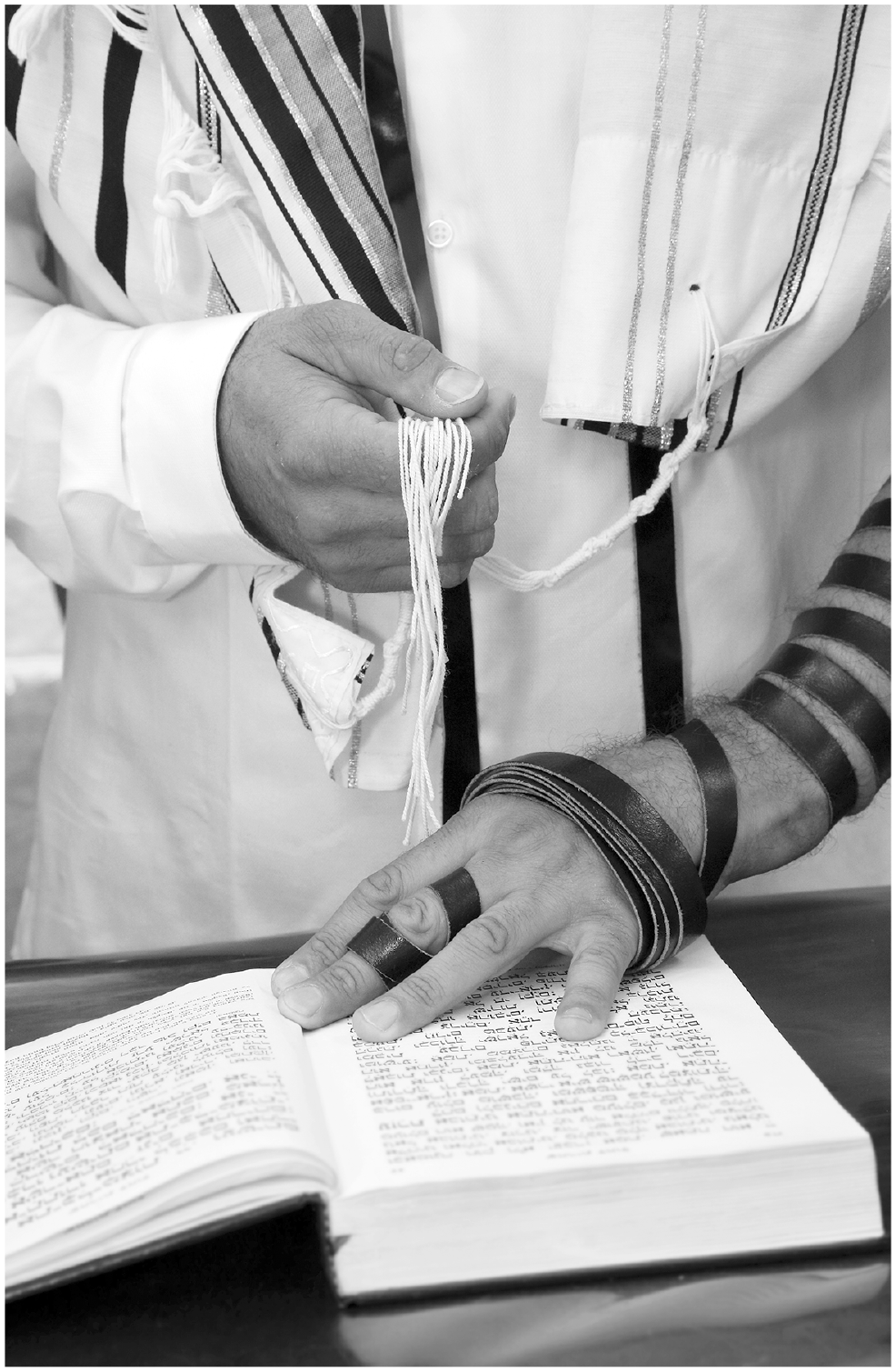
Avishai has found that many LGBTQ+ Orthodox Jews feel excluded from synagogue; this is particularly noticeable on Judaism’s holiest day of the year, Yom Kippur, when the designated Torah reading, Leviticus 18:22, instructs, “You shall not lie with a male as with a woman, it is an abomination.” In 2008, a group of Orthodox Israeli LGBT activists founded their own minyan (a prayer community). Finding a group of people to pray with changed the meaning of the prayer in a way that made formerly excluded Jews feel closer to God. A man who previously left the synagogue during prayer wrote that in this minyan he is “surrounded by brothers and sisters, partners in the complexity and the spiritual journey. The prayer is beautiful and pure, and there’s room for me.”
Through his research on Christian colleges and universities, Coley learned that LGBTQ+ Mennonites commonly drew on their religion’s proud tradition of a cappella singing to bring their communities together. At Goshen College, a small Mennonite Church USA college in Indiana, LGBTQ+ students commonly organized impromptu “sing-ins” at chapel services, forming a circle to sing hymns that emphasized love, peace, and acceptance.
Conclusion
LGBTQ+ people continue to face many challenges, obstacles, and hostilities in conservative faith communities. Nevertheless, our work demonstrates the ways that LGBTQ+ religious people are challenging, rather than avoiding or enduring, the obstacles they face in dominant religious settings. Often, they do this by drawing on their religious traditions and demonstrating that religion can be a positive source of personal strength and social change for LGBTQ+ people. Activism by LGBTQ+ people of faith is also leading to institutional changes, as some faith communities are increasingly making room for the diverse and intersectional needs of LGBTQ+ religious people.