Abstract
Seeing the social side of the sex trade.
When most of us hear “red-light district,” we associate the idea with disorganized and dangerous urban areas. Some social scientists do so as well. Esteemed Chicago School criminologist Walter Reckless wrote in 1933 that “vice districts” are “concentrated in those tracts of the city which show the highest rate of community disorganization,” as measured by rates of poverty, disease, divorce, and crime. Whether in the form of a single erotic business (e.g., a strip club), a cluster of such businesses, or a street prostitution stroll, some contemporary scholars assume that any red-light district (RLD) will exhibit physical deterioration, social disorder, and predatory crime.
My research in Asia and Europe has identified far more variation in the physical order and social ecology of RLDs. This essay focuses on clusters of indoor businesses that facilitate erotic commerce, mostly those centered around window prostitution (in Europe) or bar prostitution (in Asia). Window prostitution districts, which exist in Belgium, the Netherlands, Switzerland, and South Korea, feature sex workers who rent window rooms and set their own prices and working hours, bargaining with prospective customers through open doors.
Bar prostitution is more widespread globally. In some instances, sex workers solicit clients without the knowledge of bar staff. They buy a drink, make eye contact, and assume the persona of someone available for a regular pickup. In other cases, bars consciously tolerate or actively foster sexual commerce. Bar prostitution also varies when it comes to whether sex workers live at the bar; how staff members facilitate sexual transactions; the routine practices of bar workers (e.g., dancing, sitting with customers, performing shows, physical contact); the interactional dynamics among workers (collegial, competitive, indifferent) and between workers and patrons; and whether sex takes place on the premises.
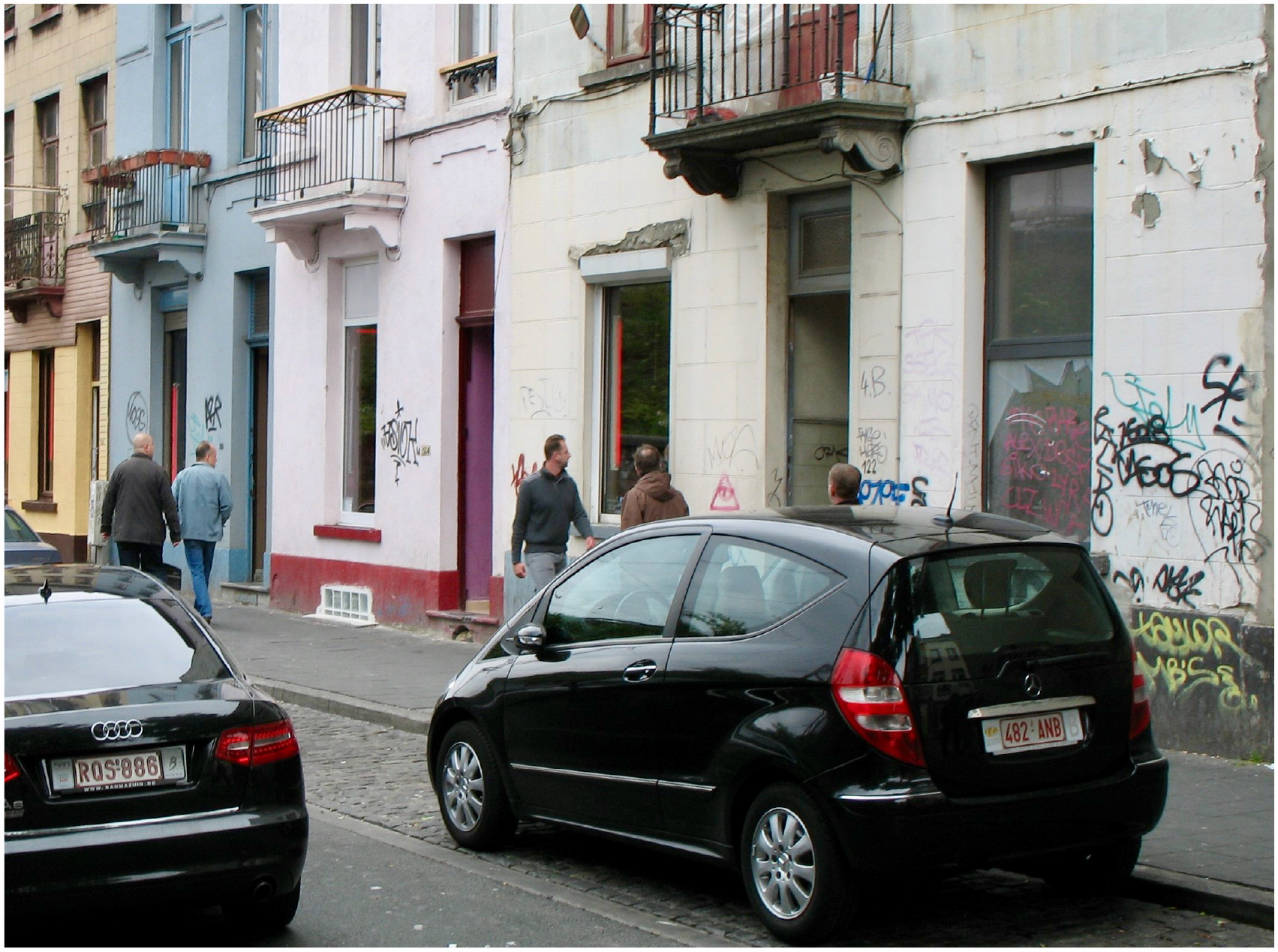
The areas hosting RLDs differ in ways that shape the experiences of workers, visitors, and local residents. Research shows—and the photos here illustrate—that such zones differ substantially in configuration, appearance, and amenities. In some cities, the zone is full of garbage and graffiti, is poorly lit, hosts decaying buildings and infrastructure, attracts pickpockets or other criminals, and is largely neglected by the authorities. Many cities in the developing world contain RLDs that fit this profile. In the West, Brussels stands out. Its RLD is adjacent to a poor neighborhood populated by marginalized working-class Middle Eastern immigrants and is thus easy for local authorities to ignore. Next to a major train station (Brussels Nord), the zone is filled with graffiti, litter, panhandlers, drunk visitors, and disruptive car traffic punctuated by occasional acts of microaggression toward the sex workers. Most of the owners of these window rooms have allowed their buildings to fall into disrepair.
Of my European research sites, Amsterdam’s RLD is the most crowded with tourists. It is located in the historic city center and, partly because of the availability of both alcohol and cannabis, it features more incidents of rowdiness and incivility than any of the other zones I studied. Over the past two decades, local residents have tried unsuccessfully to convince the authorities to move the RLD out of the area. To date, they have succeeded only in getting the number of window rooms reduced significantly.
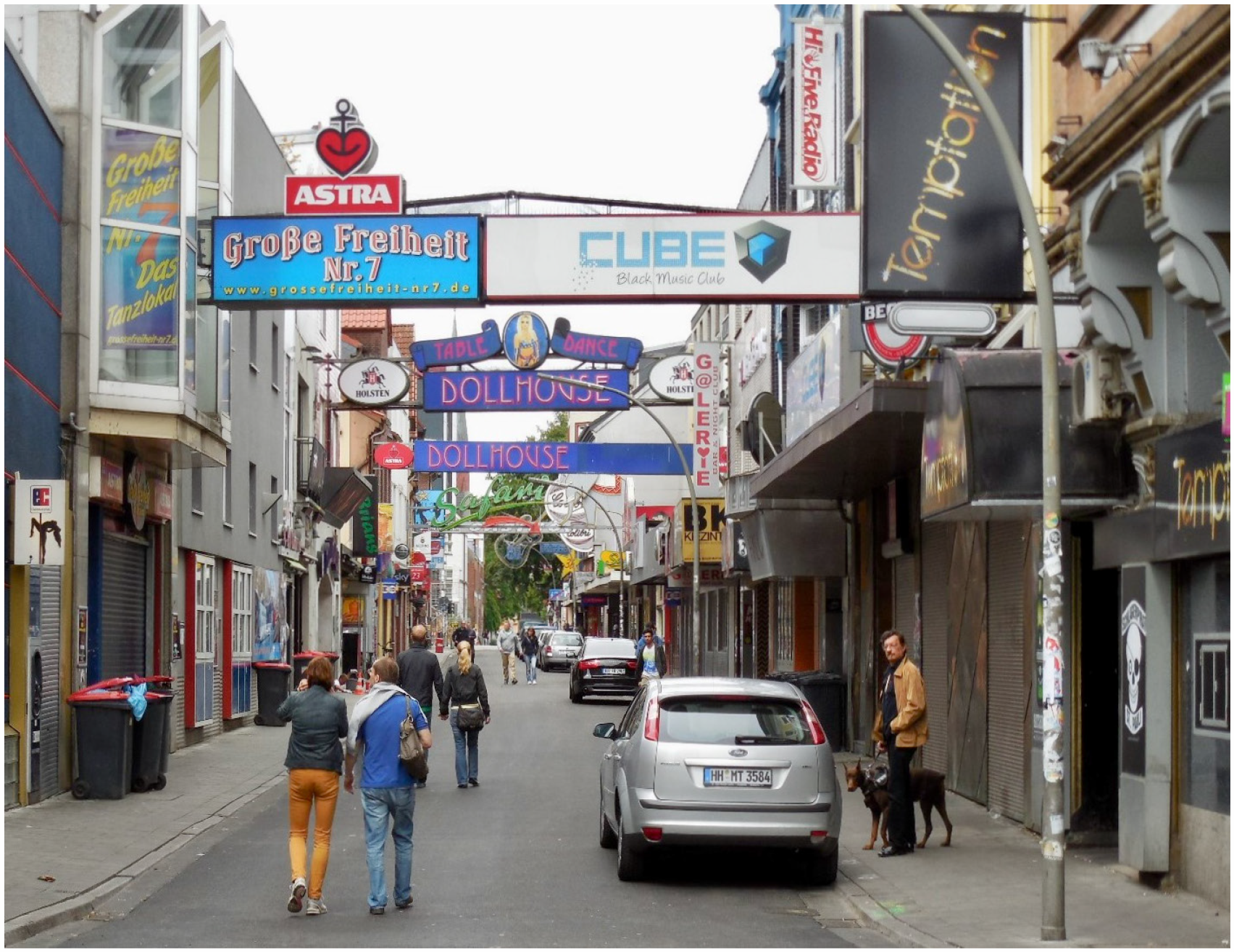
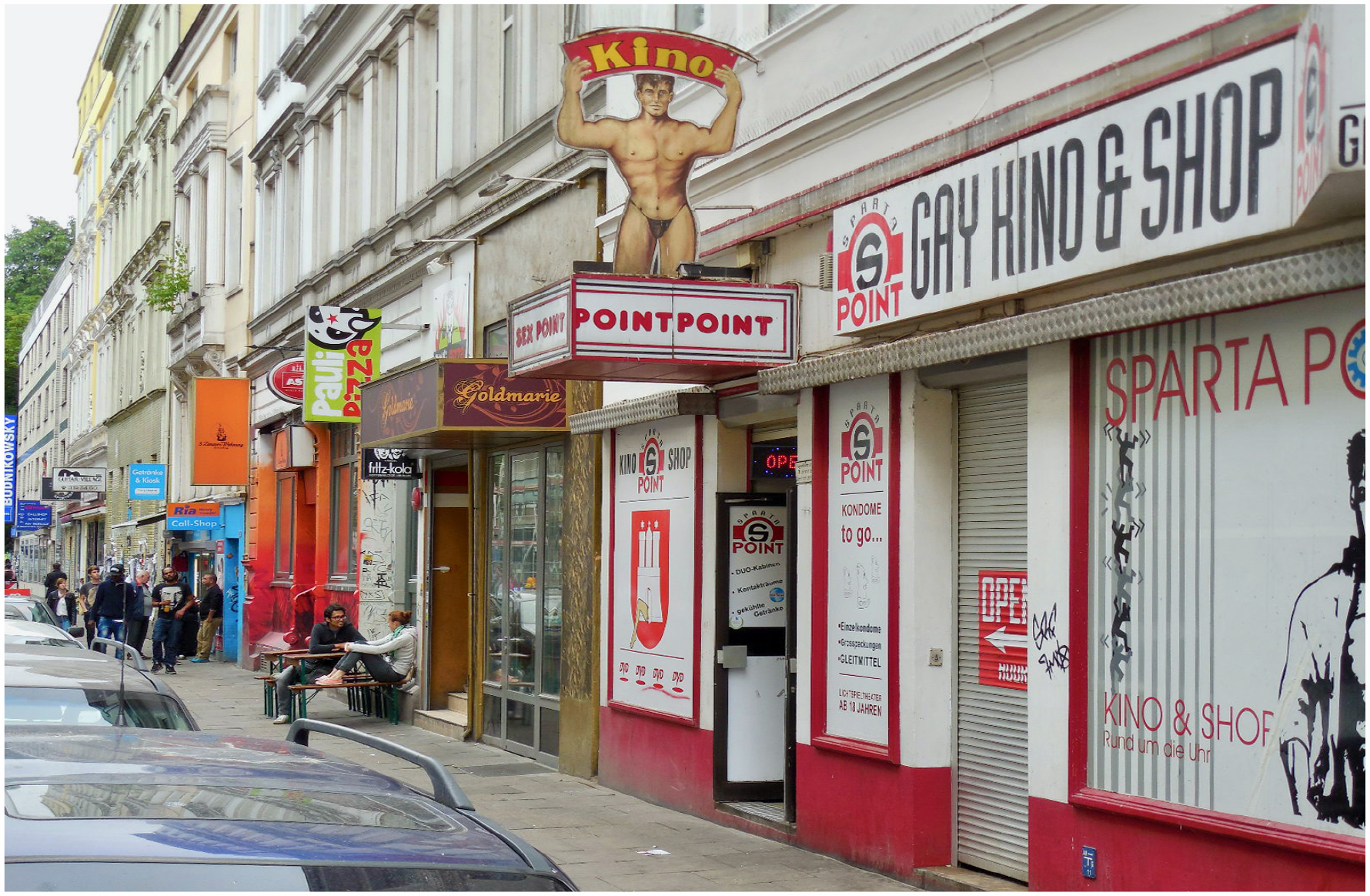
Other RLDs are in good condition, quiet, safe, well-regulated, and even aesthetically pleasing, such as those in Antwerp, Belgium, Hamburg, Germany, The Hague, Netherlands, and Tokyo, Japan. Most of the photos included here reflect this end of the continuum—not to suggest that they are the norm, but to serve as a counterpoint to the conventional wisdom about RLDs.
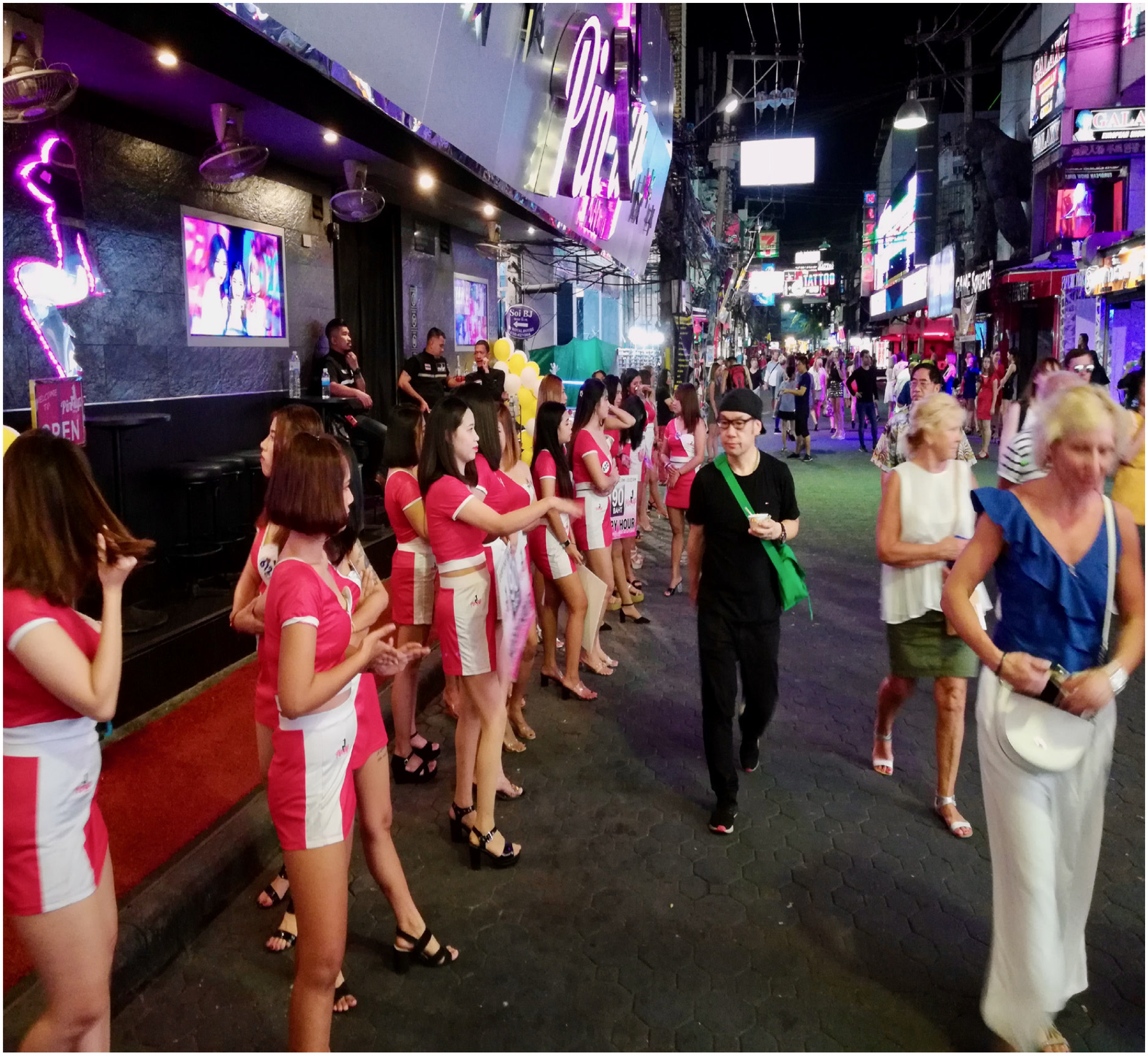
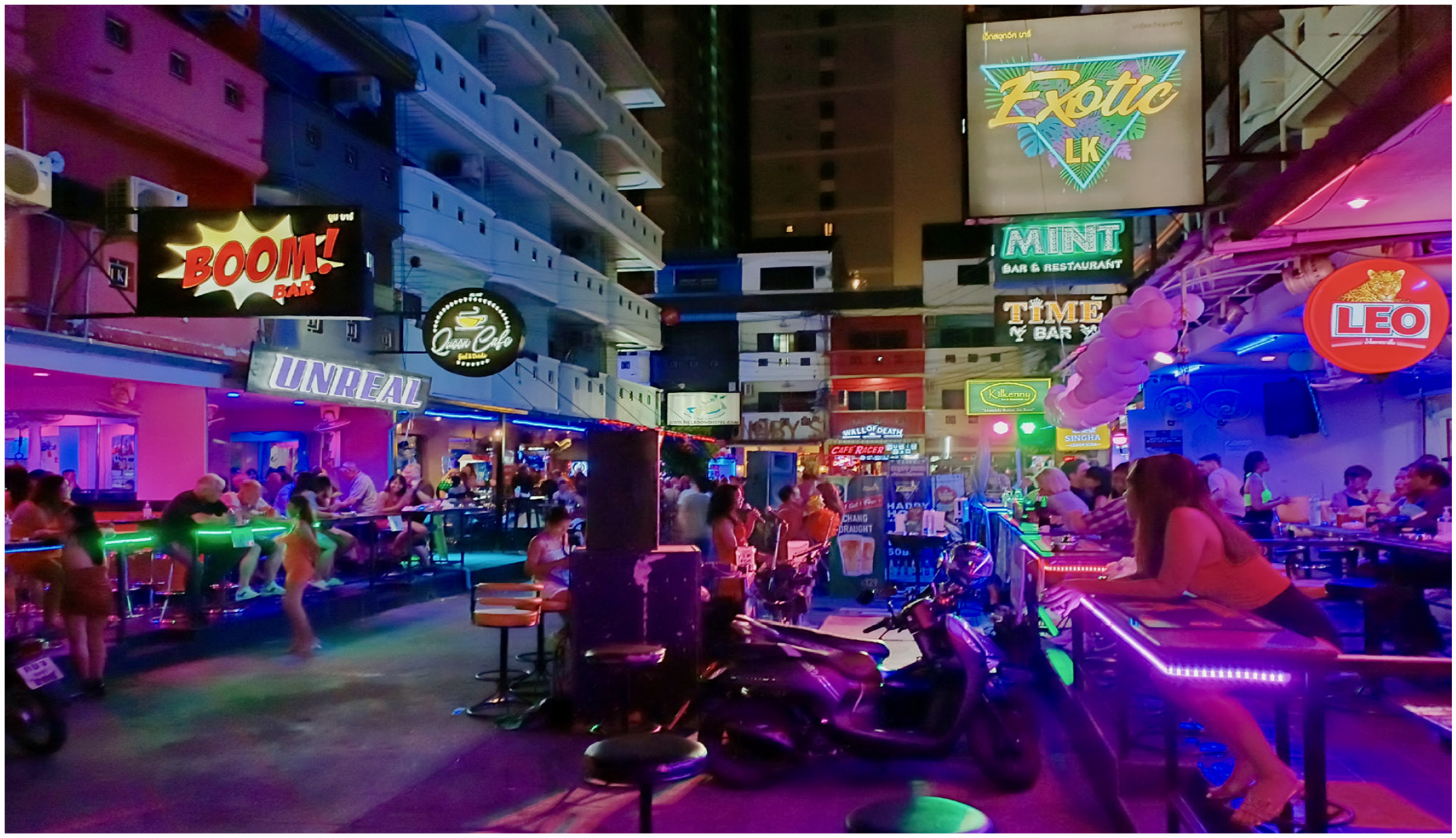
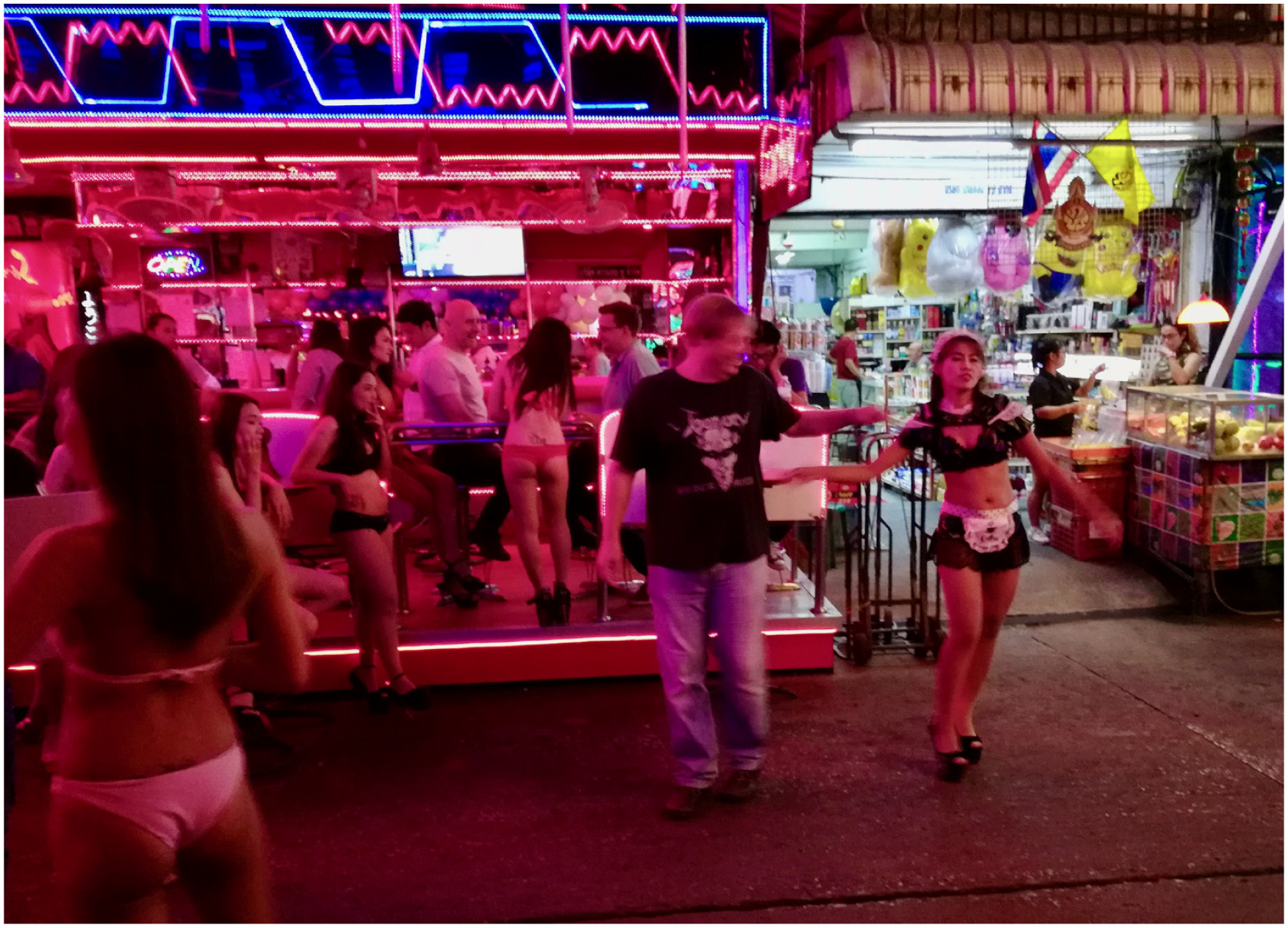
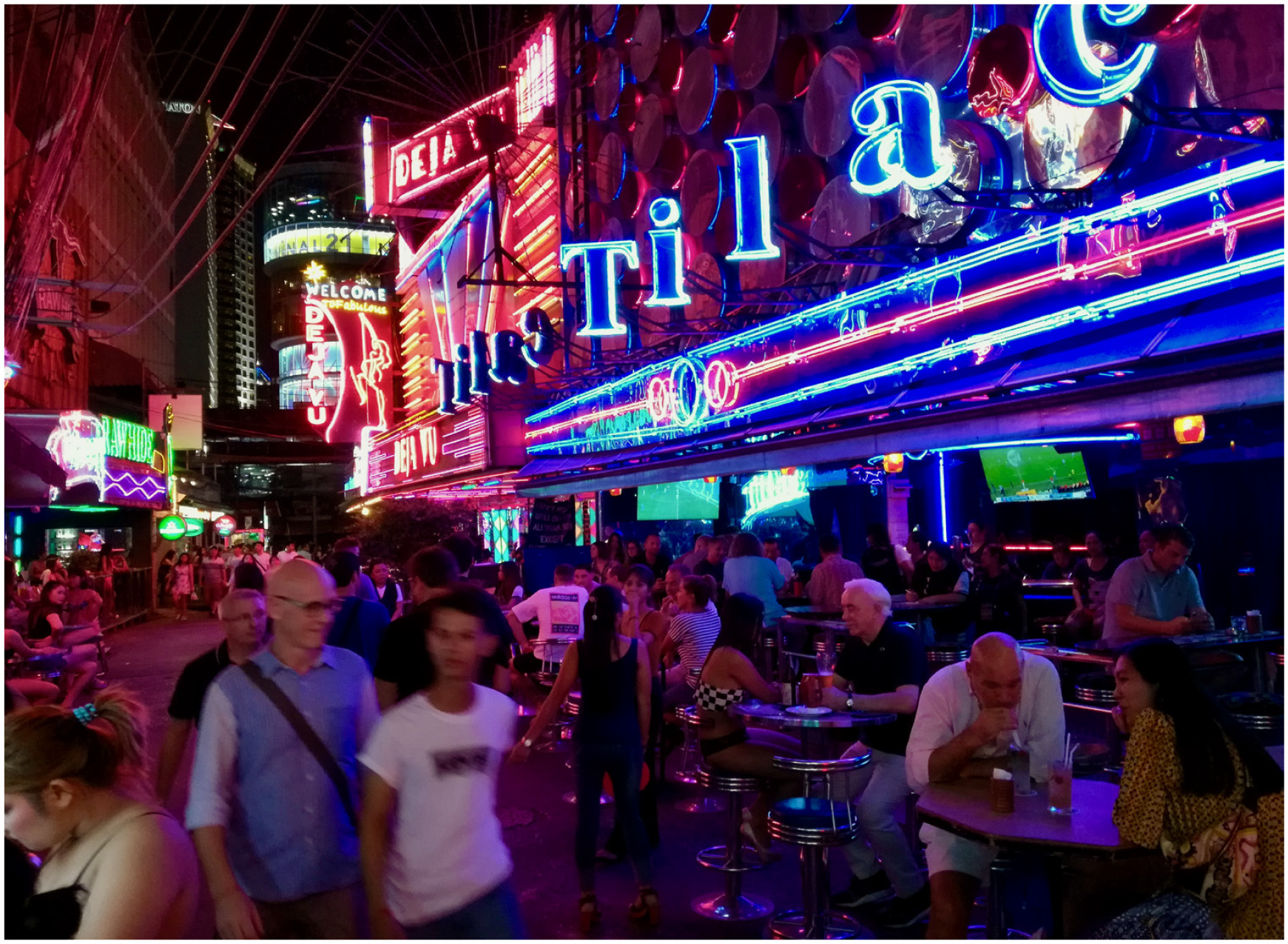
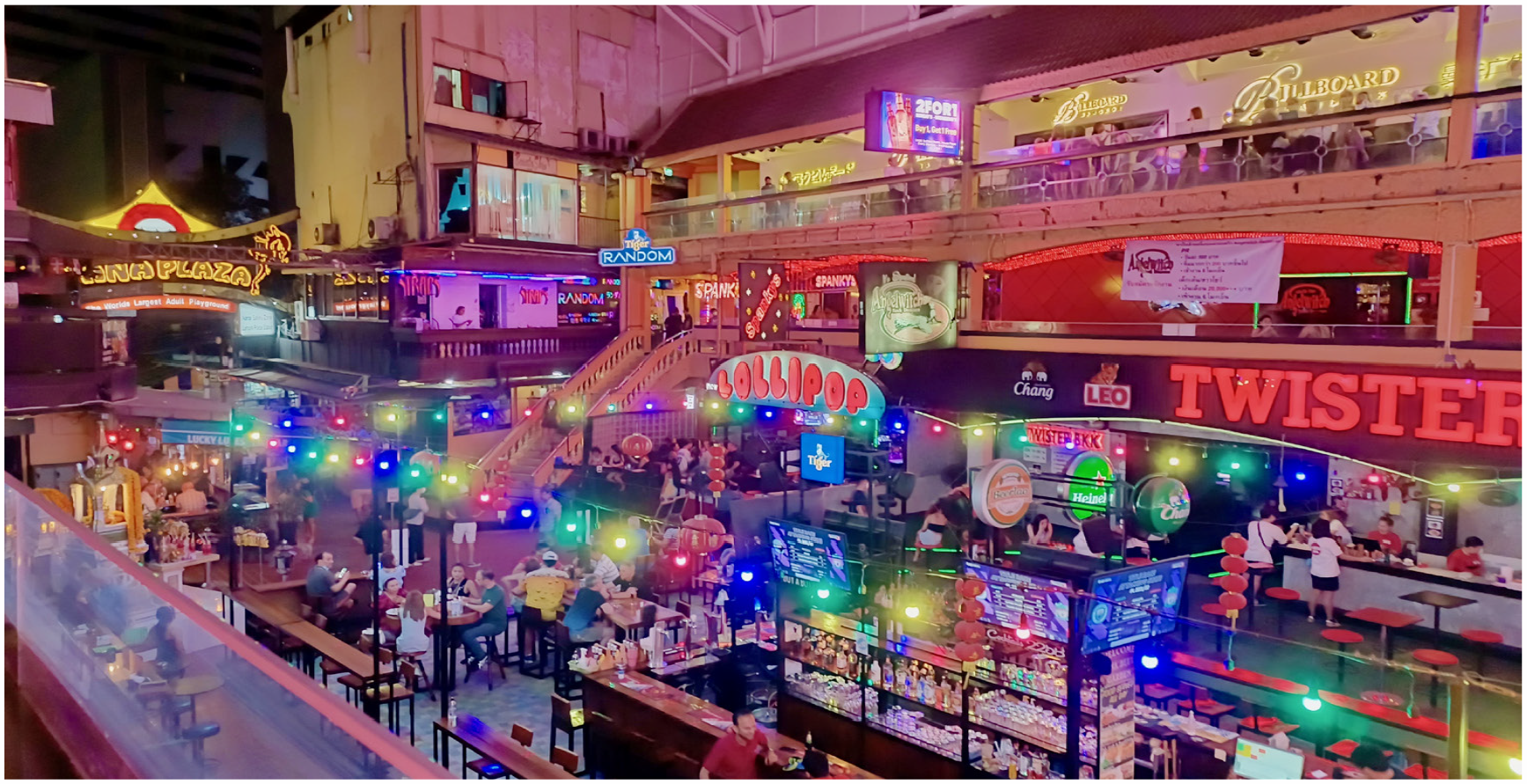
The Thai cities of Bangkok and Pattaya each have three major bar-filled districts. The photos of these areas show that they are clean, well-organized, and amusing places to visit. In addition to fancy signage, they are kept tidy by bar owners and rank low on the social-disorder scale. Physical altercations among visitors or between visitors and bar staff are extremely rare. For the most part, visitors simply walk through the zones, chat with bar workers outside, and decide whether to enter a bar. All but one of the zones (Nana Plaza) offers amenities such as cafes, convenience stores, mobile food carts, hotels, tattoo parlors, pharmacies, and (in some of the RLDs) street entertainment in the form of magic shows or live music. Here, visitors are not limited to men; in three of the Thai RLDs, spectators include tourist couples, families, and groups of women looking for visual amusement, if not in the market for erotic performances or services.
Red-light districts have existed since medieval times. Taking a new, comprehensive look at them yields a far fuller picture of these often-vibrant spaces, as well as the tourism and trade they support.
Brussels, Belgium, has a down-market window-prostitution area. The street contains 58 windowed buildings, occupied by about 270-320 sex workers, depending on the time of day.
Entrance to St. Pauli district in Hamburg, Germany.
Gay section of Hamburg’s St. Pauli district.
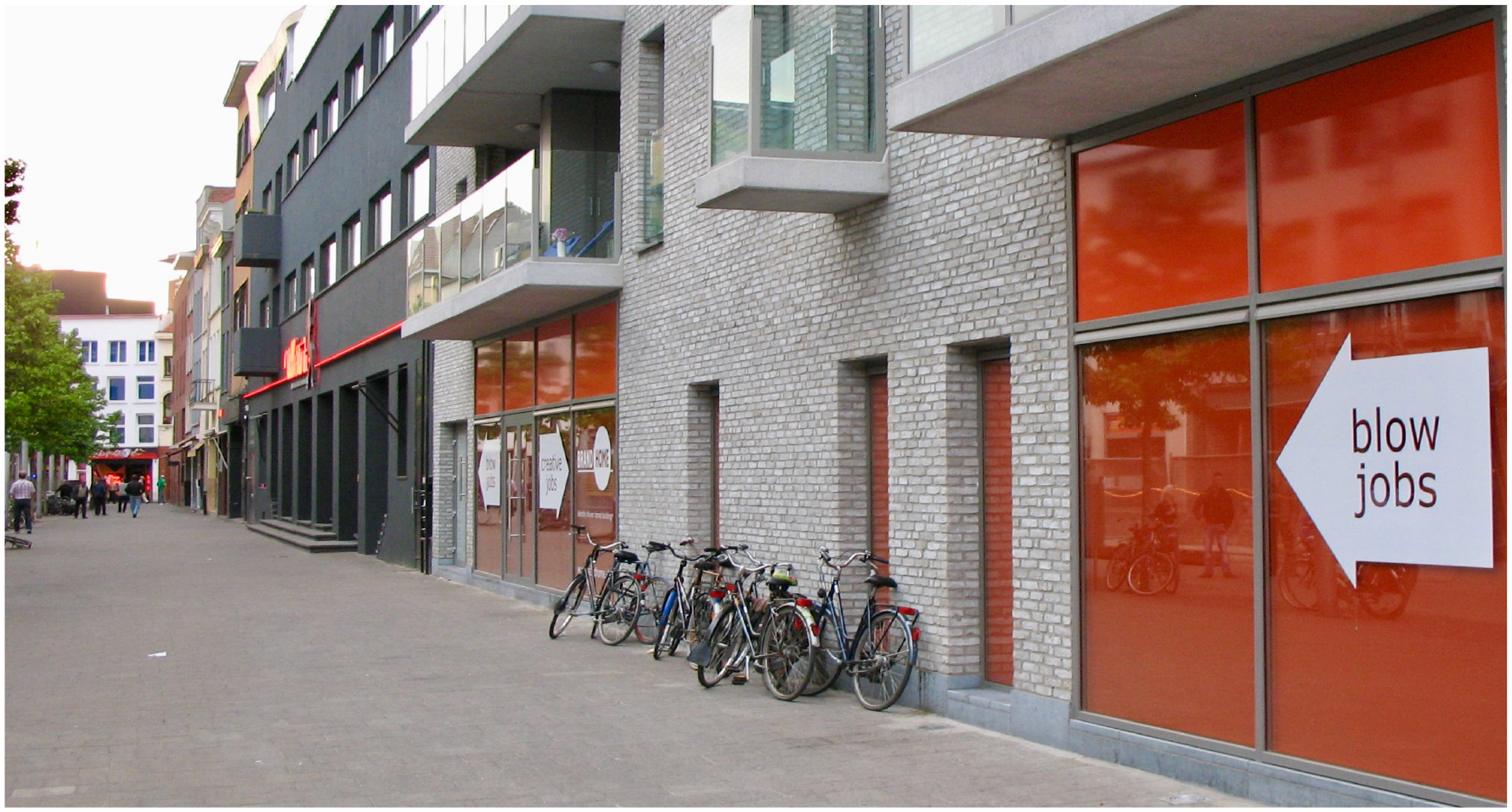
One entrance to Antwerp’s RLD, in Belgium. The “blow jobs” sign is intended as a joke, created by the temp-job business on the right. Sign in center points the opposite direction and says “creative jobs,” suggesting that the former are not creative.
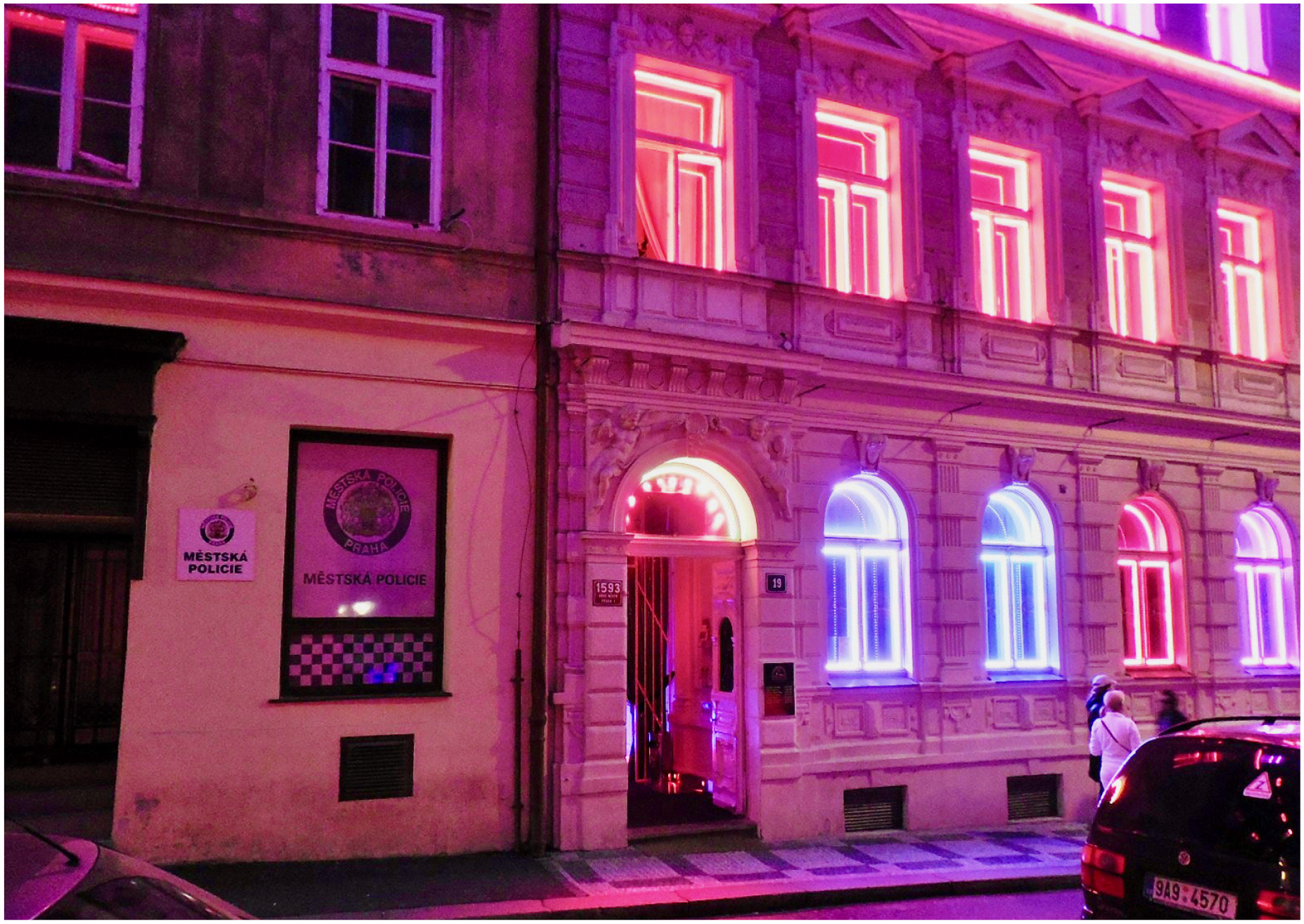
A small RLD in the center of Prague, Czech Republic. The photo shows a hotel brothel (right) next to the local police station. Sex workers are independent operators who rent rooms in the hotel.
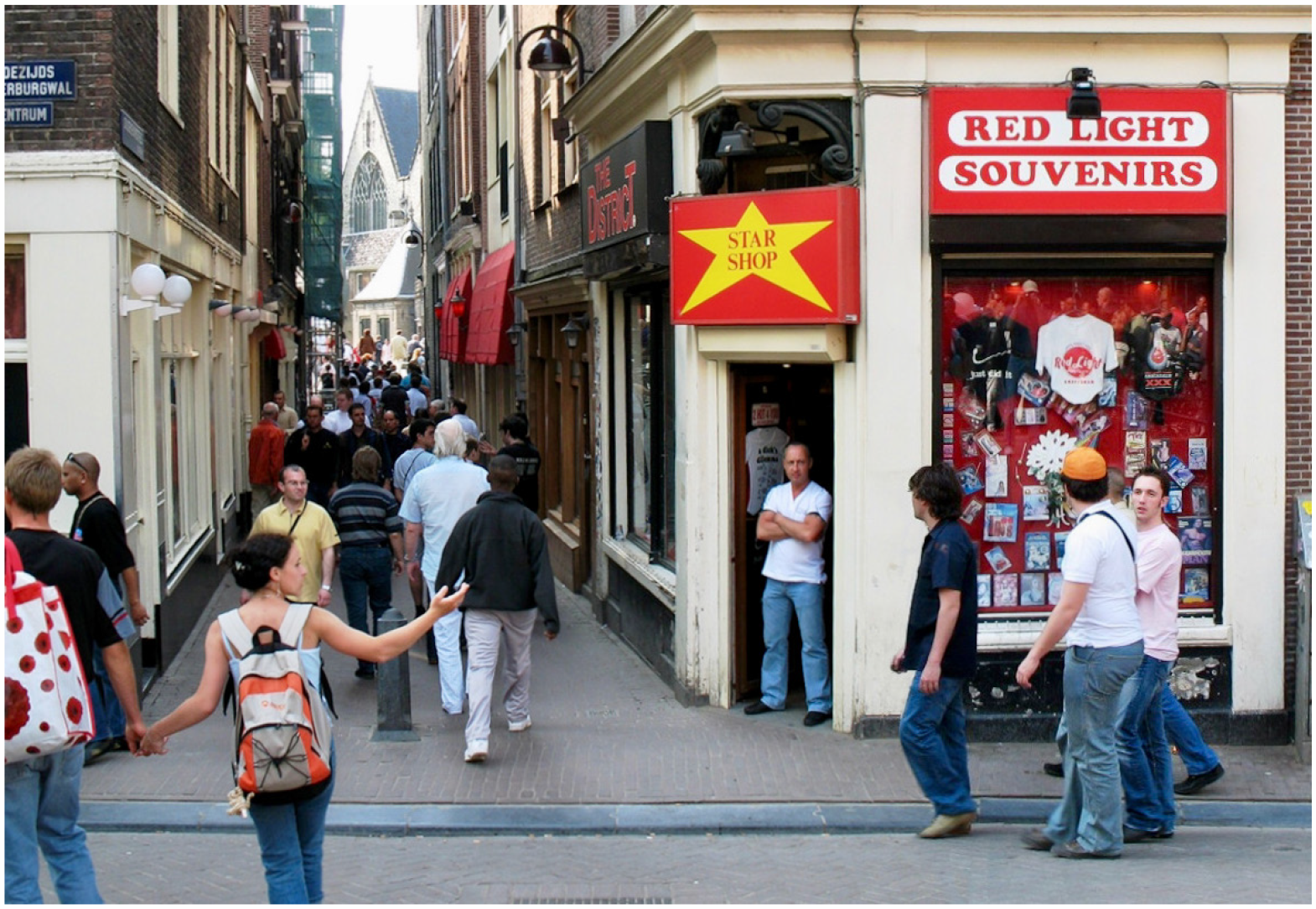
Amsterdam, Netherlands, has window rooms down an alley leading to the city’s oldest church (Oude Kerk).
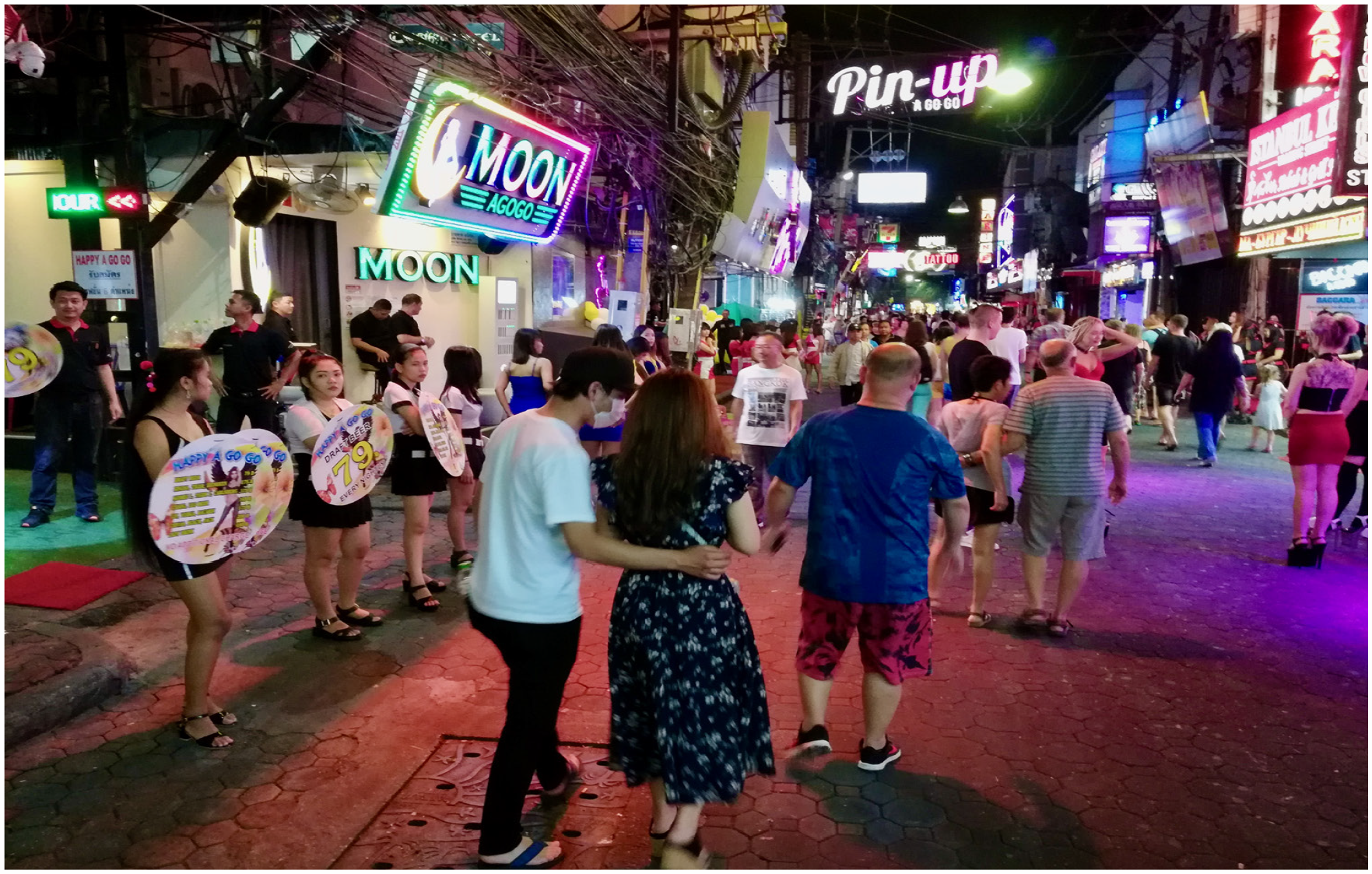
Walking Street, Pattaya, Thailand. The photo shows Thai promo girls on the left and Russian promo girls on the far right. Promo girls seek to convince passersby to enter their go-go bar. Walking Street contains 48 go-go bars and 2 open-air beer bars.
LK Metro, Pattaya, Thailand, showing a live band in front of a beer bar. This zone has 20 small open-air beer bars and 13 go-go bars.
Bar girl pulling a prospective customer toward her bar, in the Soi Cowboy RLD of Bangkok, Thailand.
Soi Cowboy RLD, Bangkok, Thailand features two beer bars and 30 go-go bars.
Nana Plaza, Bangkok, Thailand. There are three floors containing 30 go-go bars and a single beer bar on the ground floor.
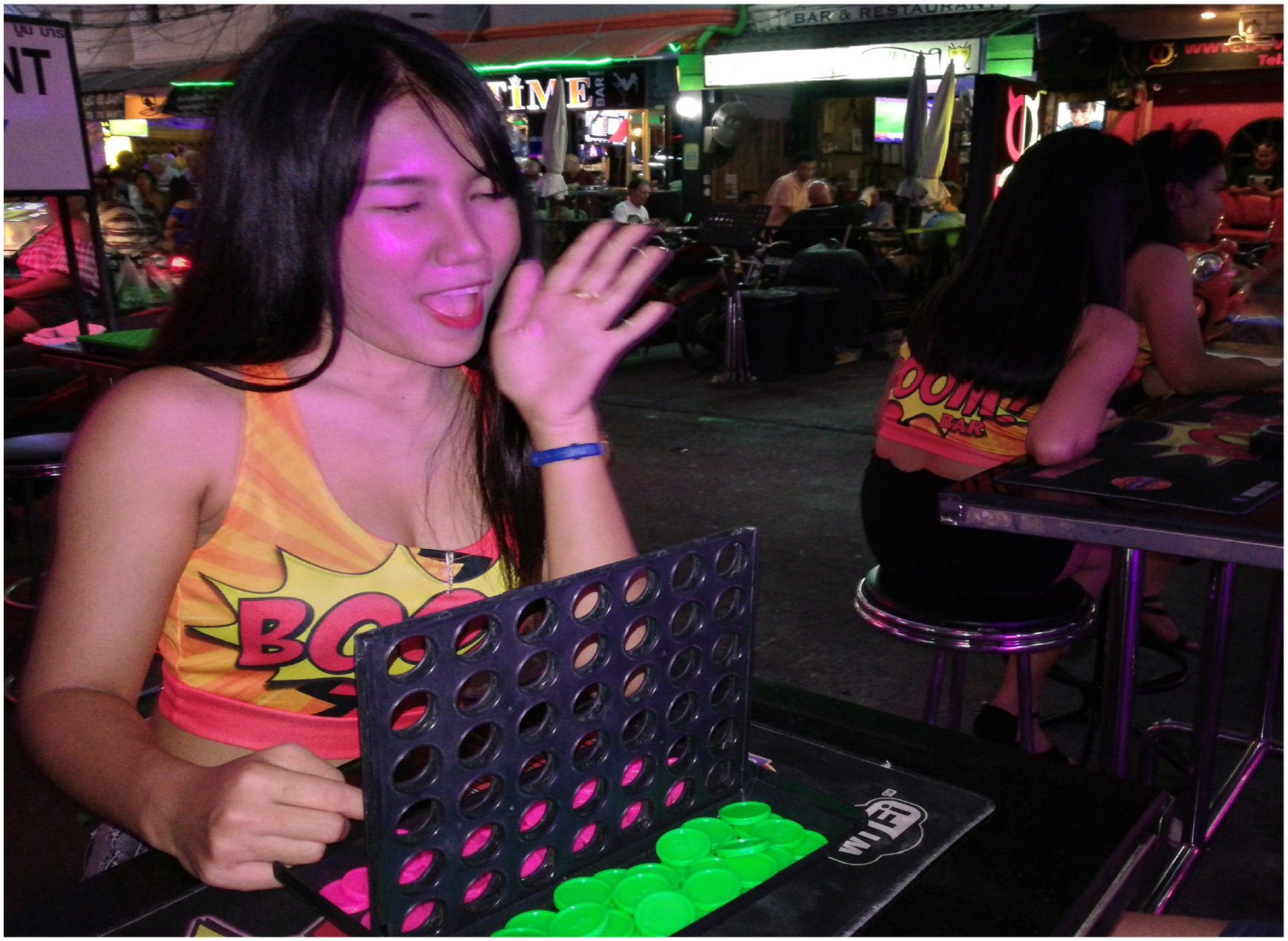
A bar worker playing Connect 4 with a customer at an open-air beer bar. In addition to board games, Thai beer bars often have dart boards and pool tables for games between sex workers and bar customers.
Walking Street, Pattaya, Thailand.