



Abstract
The combination of English letters that spells "cancel culture" is common and divisive. More people now say they are aware of this phrase, but its meaning, implication, and impact are still heavily debated. In this paper, I revisit cancel culture and discuss its impacts. I end this paper by urging application of cancel culture that reflect its root meaning and function, critical self-reflection, and restorative conversations if we are to make meaningful progress with cancel culture.
It seems like every day we read somewhere in the media that a new or returning name has been “canceled.” Someone, somewhere, is being publicly called out for an act done recently or in the past. Reading about a canceling, we may feel comfort in ’justice being served,’ or that powerful people are finally being held accountable. Alternatively, we may feel anxious and fearful that something we said in the past, widely considered acceptable at the time, can now be used (purposefully and/or out-of-context) against us. There might also be a rush to anger that censorship has infringed upon our “God-given” freedom of speech. Each of these feelings hints at different narratives of cancel culture. So, what is cancel culture?
By and large, cancel culture is the phenomenon of publicly ostracizing someone (or something) who was accused of acting controversially and/or making questionable remarks. The consequence of being canceled—the potential loss of social and financial status—is often hard to recover from. However, this general, and somewhat neutral, definition cannot fully reflect its working definition among the public. The public’s definitions differ vastly, as alluded by the previous reaction examples. Despite these contrasting reactions, more US adults see cancel culture as something desirable (e.g., actions that create accountability) than undesirable (e.g., mean-spirited actions). Regardless of how people respond to cancel culture, it isn’t technically or entirely a new phenomenon. Elements of cancel culture can be seen throughout history.
Before the Term “Cancel Culture”
As in any society, we try to distinguish between “good” and “bad,” and we discourage certain acts by penalizing performers of acts we deemed “bad.” Dr. Jill McCorkel, a Professor of Sociology and Criminology at Villanova University, told the New York Post that “[c]ancel culture is an extension of or a contemporary evolution of a much bolder set of social processes that we can see in the form of banishment… [that] are designed to reinforce the set of norms.” Put simply, people have been punished for saying or doing the “wrong thing” at a “wrong time” and/or in a “wrong place.” And through these punishments, we establish socially enforced rules and expectations. Cancel culture, then, is an updated punishment for such a social process.
So, is this it? Is the current debate about cancel culture just another example of Republicans trying to divert the public’s attention and engage in their ’fear’ tactic to critique the left? Not exactly. Cancel culture, as a toolkit for actions against the ’inappropriate’, does not hold allegiance to any political party or ideology. Cancel culture (along with “woke” and “political correctness”) can and has been used to sincerely debate the best way for a society to be inclusive, but it can also be easily weaponized as Danielle Kurtzleben shows in a 2021 NPR report about the Republican party. When done right, cancel culture can be a strong champion for social justice and social progress. However, it can also be used to cause harm. In the following paragraphs, I will examine the positive functions and potential problems of cancel culture, and ways to minimize the potential harms of cancel culture by returning to its root meaning and function.
By and large, cancel culture is the phenomenon of publicly ostracizing someone (or something) who was accused of acting controversially and/or making questionable remarks.
Jeffrey Czum via Pexels
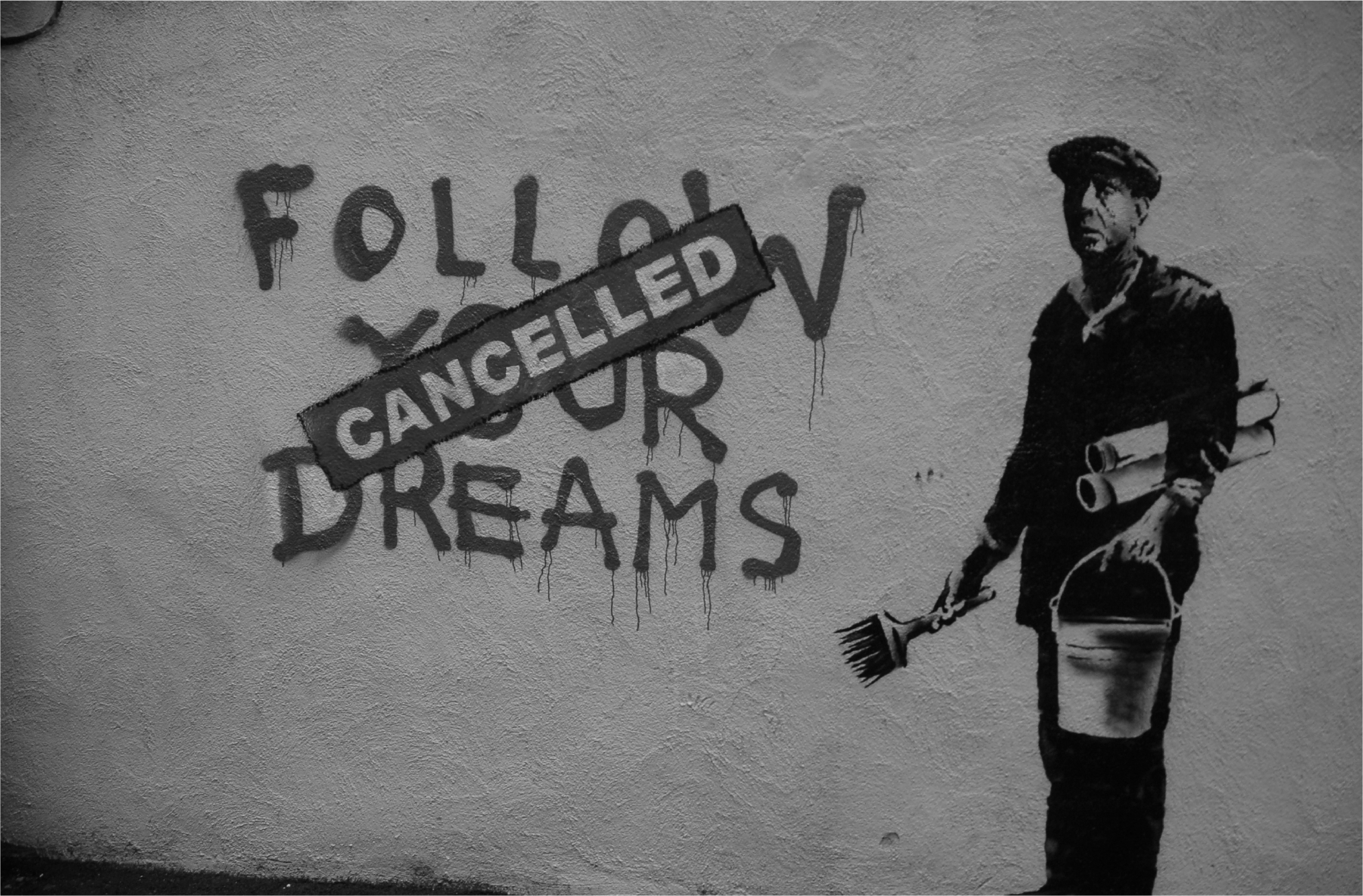
Cancel culture should be understood as a way to keep people accountable for their actions and push for social progress.
Chris Devers via Flickr
Benefits of Cancel Culture
By examining the history of cancel culture and how it influenced social changes, it is easy to make an argument that the positive functions of cancel culture out weight its potential problems. The #MeToo movement (evidenced by abusers being called out and punished for sexual assaults, even if they are high-profile public figures like Harvey Weinstein and Larry Nassar) and #OscarsSoWhite (which challenges the lack of positive representations of racial minorities in the movie industry) are clear examples of how cancel culture can help protect minorities. At the risk of oversimplification, the strength of cancel culture lies in its effectiveness to impact corporations, challenge implicit and structural discrimination, and give voice to the historically voiceless. Successful and correct usage of cancel culture (to promote accountability and progress, as opposed to being an entertainment spectacle) can provide powerful support to combating sexism, racism, and other types of discrimination.
Perhaps the most obvious benefit of cancel culture is its success in combating sexism, racism, and the overall unjust, usually committed by people with power against people without power. I am not claiming that cancel culture has solved discrimination, inequalities, and the injustice of the world, but that it provides a practical way for the oppressed to resist and retaliate. From predators being punished because sexual abuse victims braved the internet and shared their experiences, to celebrities being outed for their questionable remarks and behaviors (like Shane Dawson and Marilyn Manson), we see that socially powerful people can be held accountable as well. Cancel culture represents a social climate where victims can gather strength in protecting themselves and potential victims by calling out abusers and gathering strength from the public. The call for accountability can also generate hope for people in similar situations, as seen in the longevity of the #MeToo movement that spread across different industries, and restore faith in the system as we begin to address structural issues that prevent desirable changes, internally and externally. The strength of cancel culture here in its mobilization is clearly demonstrated in its ability to influence the entertainment industry, to challenge the safety net of the powerful, and to allow the voiceless to tell their stories and their demands.
Cancel culture can change behavior and create a culture and environment that better protects victims by pushing for accountability. As such, a successful application of cancel culture often helps us keep corporate entities accountable. This is exceptionally important since the decisions of corporations can and often do affect society socially and politically; corporations often do donate to organizations and politicians, some of which operate with a set of agendas that are harmful to minorities. For example, using the framework of cancel culture, people have called for a boycott of Target because, despite the fact that it sells merchandise that seemingly supports the LGBTQ+ community, it has donated to a group that actively disregards the fundamental rights of the LGBTQ+ community. A simple act of purchasing can have severe implications on your human rights. Cancel culture, in a sense, calls for more conscious consumption, where consumers can demand for investment on selected issues, or consume at a location that support a cause of their choice, capitalizing on the influence of corporations on the political and social sphere of our society.
Besides holding the system, people, and corporates accountable, cancel culture also allows us to challenge implicit bias. When done correctly, it can allow individuals to be self-critical and unlearn racism and biases taught to us by our culture. Stories are great teachers; listening to others’ stories and lived experience of racism and sexism, for example, presents an opportunity for us to reflect on ourselves, our beliefs, and our actions. Which leads to another point of strength for cancel culture; by giving voice to people historically without voices, it gives power to the powerless. Solidarity can be formed, narratives can be corrected, systems can be fixed, and it all started with people realizing their power through voices and stories. Lastly, cancel culture gives voice to people historically without voices; it gives power to the powerless. As Aja Romano reveals in a 2021 article for Vox, “When you see people canceling Kanye, canceling other people, it’s a collective way of saying, ’We elevated your social status, your economic prowess, [and] we’re not going to pay attention to you in the way that we once did… ’I may have no power, but the power I have is to [ignore] you.’” It is a peaceful way of protesting the power differential and holding people accountable. Cancel culture is a display of empowerment, where people realize they have power and actively choose not to empower entities that engage in deviant acts (which, of course, is subjective to individuals and social groups).
As shown above, cancel culture is overwhelmingly positive; it offers a way for minorities to push for changes that reflect equity and social justice. However, unintended uses of cancel culture can present potential dangers to society and our egalitarian goal. Unsurprisingly, as a tool, people ‘cancel’ each other for different reasons, and some reasons could be troubling and counterintuitive to the dominant understanding of cancel culture’s potential in holding people accountable and creating a more inclusive society.
Solidarity can be formed, narratives can be corrected, systems can be fixed, and it all starts with people realizing their power through voices and stories.
Potential Issues with Cancel Culture
As Natalie Wynn explained in her video titled “Canceling” on the ContraPoints YouTube channel, cancel culture is, “in a way, the 21st-century version of the guillotine—the bringer of justice, the people’s avenger. But, also like the guillotine, it can become a sadistic entertainment spectacle. And.we do have, well, a teensy bit of a Reign of Terror situation on our hands.” In the hour-long video, she has identified seven “cancel culture tropes”: a “presumption of guilt,” “abstraction,” “essentialism,” “pseudo-moralism or pseudo-intellectualism,” “no forgiveness,” “the transitive property of cancellation,” and “dualism.” This is where cancel culture can become dangerous. This is where we see anger and action generated not from the injustice per se, but from the fear of being ’canceled.’ People are rushing to conclusion and passing sentences based on abstract and unverified evidence, providing no chance for the accused to defend themselves, or to learn from mistakes and mend if guilty Slow in reactions, like condemnation of the canceled and suspension of relation, could lead to similar result and similar treatment. Such atmosphere nurture performative allyship, where people are only acting as an ally for rewards and to avoid perceived punishments. Performative ally-ship is solidarity with hidden agenda, performed by people with privileges, which can be reflected in many forms and ways, like race, gender, and socioeconomic status. Wrongful engagement with “cancel culture,” like the disregard of critical self-reflection, can have a side effect of encouraging performative allyship.
In our “endless” crusade for “justice,” the victim has the right to decide in what ways will justice be delivered. What we think of as just and appropriate might be different from what the affected desire. Pushing a possibly undesirable sense of justice does not empower the powerless, it only exercise hidden agendas at the expense of the powerless.
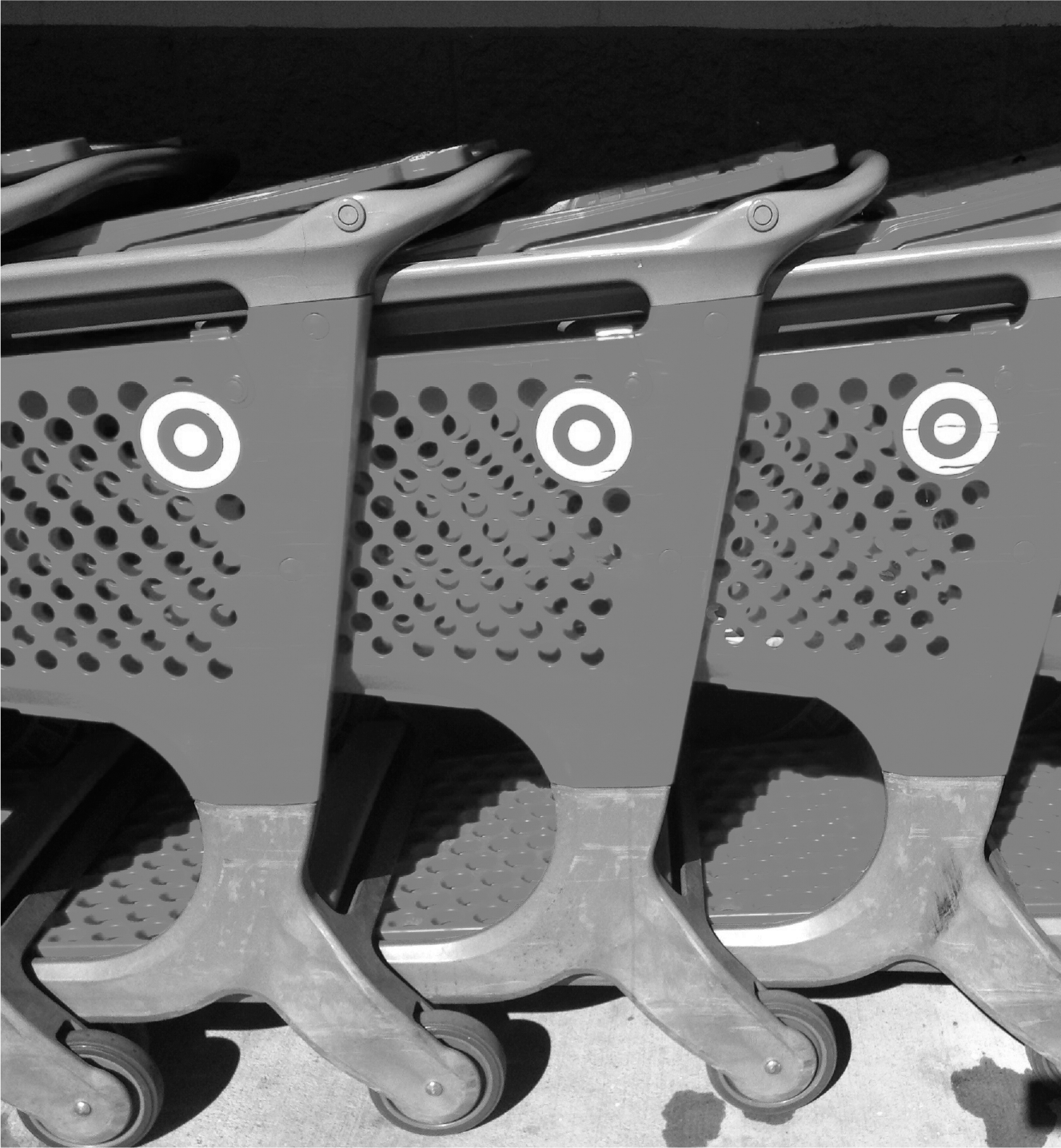
Using the framework of cancel culture, people have called for a boycott of Target because, despite the fact that it sells merchandise that seemingly supports the LGBTQ+ community, it has donated to a group that actively disregards the fundamental rights of the LGBTQ+ community.
Mike Mozart via Flickr
Performative allyship is a problem because it effectively takes spaces away from those who genuinely support the cause and it “supports the reinforcement of attitudes and [behaviors] that maintain discriminatory practices.” The performative allies support the discriminatory system by “sharing the knowledge about inequity with others, but don’t use their privilege and resources to make real change,” says Xochitl Ledesma, Catalyst’s Director of Leading for Equity & Inclusion, to a blog writer from Catalyst (see “Beware Performative Allyship” 2021). It “hurts the people it’s meant to support and maintains the status quo by appearing to promote change without producing change” which, I believe readers would agree, is highly demoralizing. Performative allyship is also chaotic and unpredictable. This is where we see people operating on the surface, even distracting the public from making meaningful progress. Because these people act on the surface (without being critical, especially toward themselves), we can expect a certain level of herd mentality, where people conform to their peers and adopt certain behaviors on a largely emotional basis. This is clearly captured in the first trope “presumption of guilt” and the second trope “abstraction” as described by Wynn. While this isn’t the case for everyone, the presumption of innocence is our legal principle. In the United States, people are legally “innocent until proven guilty.” But we see people skipping the investigation and jumping right into the conclusion, that someone is required to be canceled. These decisions can be generated from abstraction, according to Wynn, where the internet replaces “specific, concrete details of a claim with a more generic statement.” We skip investigations and cancel someone based on abstract accusation. We largely pass our judgement because of our peer’s decision, and the fear that, if we do otherwise, we will be seen as problematic. People are performative allies if the main motive behind their acts is their fear of being canceled. In other words, they are not worried about the cause, they are worried about themselves and their reputation. This generates blind conformity and fear, not progress. To any interested reader, I highly enourage you watch the aforementioned Wynn’s video and/or read her transcript. Her assessment of the current demonstration of cancel culture is grounded on well-documented observations of online engagement, reflection of cancellation, and personal experience. It presents a wealth of accessible information. Although I cannot varify the accuracy of presented data, due to my infamiliarity of the mentioned situations and affected individuals, but the logic and reasoning are sound.
It is essential for us to understand that the exhibitionist and sadistic entertainment aspects of cancel culture deviate from the root meaning and function of cancel culture. Cancel culture is meant to support accountability and change, not crucify people for their behaviors as a spectacle. We should not fear the purposeful and constructive use of cancel culture.
Moving Forward
For us to make meaningful progress with cancel culture, we have to: 1) understand and practice cancel culture as a means to accountability and progress, and recognize the danger of discrediting cancel culture, which includes improper engagement/display of cancel culture; 2) accept that all of us can be wrong and understand we shouldn’t be afraid to make mistakes; and 3) recognize the importance of restorative conversation.
First, as mentioned in earlier passages, cancel culture should be understood as a way to keep people accountable for their actions and push for social progress. Through examining the cases where cancel culture has made positive impact to the society, we learned that cancel culture is effective in fighting discrimination and injustice, by ensuring that people and corporate are being held accountable for their acts. It should not be, however, a personal theratrical play of ’justice,’ and one must always be intentional and reflective in their engagement. Why are you doing what you are doing? Is this what the victim want? Or is this more what you think you should do to present yourself in a desirable manner and to avoid perceived consequences of inaction or silence? In our ’endless’ crusade for ’justice,’ the victim has the right to decide in what ways will justice be delivered. What we think of as just and appropriate might be different from what the affected desire. Pushing a possibly undesirable sense of justice does not empower the powerless, it only exercise hidden agendas at the expense of the powerless. That said, cancel culture is proven to be capable of making a positive impact; it empowers minorities because it presents a way for them to combat the oppressors. Furthermore, cancel culture empowers minorities because it presents a way for them to combat the oppressors. With these positive functions, we must also realize that discrediting cancel culture can cause harm to minorities it protects. By ’canceling’ cancel culture, we are effectively removing an empowering tool and platform where minorities can challenge the dominant and protect themselves. What we need then, is to practice cancel culture in a way that reflects the root meaning and function of cancel culture in supporting accountability and change.
Second, we need to recognize that we all can make mistakes. We can all contribute, albeit consciously or subconsciously, to an exclusive environment. We are the product of our society and culture; we learned to be discriminatory because we grow up in a racist, sexist, and overall discriminative society. This includes people of diverse backgrounds as well; a victim in one story can be a villain in another. Without such reflection and understanding, we as individuals and communities cannot make meaningful progress because we know only how to blame and critique others. We are experienced at pointing fingers but are novice and defensive when we are on the other side. Without self-reflection, we are sustaining the setting and culture that taught us discrimination through socializing as carrier of these biases; we are recreating scenarios where we learned to be discriminatory. We need to understand we can be wrong, identify what taught us to be discriminatory, and discuss how we can better ourselves if we want to break this cycle. Similarly, we shouldn’t be afraid of making mistakes. Do not be discouraged from making mistakes and admitting that you are wrong, because making mistake is a good way to unlearn our biases and errors. It is always better to make mistakes and learn from them, then to hide and ignore your mistakes and the hidden cause.
Finally, we need to recognize the importance of restorative conversation—conversations that address the root cause of the issues and focus on repairing the damaged relationships within the community. Restorative conversation is important for two reasons: 1) it is a conversation where people can address the root cause and 2) it focuses on repairing damaged relationship within the community. If we want to make changes and solve a problem, we must first know what’s causing the problem. The fear of being canceled stopped us from having these conversations, as we became too afraid to make mistakes, to admit that we have made mistakes, and to be critical of ourselves. This approach of purposeful and constructive conversation also allows us to focus on repairing damaged relationships and fixing social unity in the broken community.
These are all easier said than done. As the writer, I am uncomfortable writing vague suggestions, especially about the need for restorative conversation. I understand a lot of us are frustrated with conversations, as it hasn’t worked well for Black Americans in their long struggles with racism. However, we need to have these conversations, even among allies, to fully understand the problem, to approach the problem from different perspectives, and to critically examine our approach; like how the Black Panther Party overlooked sexism within its party, or how early feminist movements were largely operating under white leadership that did not incorporate intersectionality. Having conversations about social justice issues can and often are uncomfortable experiences, but we have to do this so our society can be a better place for us all.