



Abstract
Public sociology has typically focused on translating sociological research into op-eds, for example, or deep engagement with community organizations. In contrast, public science represents research conducted not for scientific discourse but for public benefit. Instead of beginning as an academic exercise and then seeking an interested audience elsewhere, public science begins outside the academy. From March 2020 until April 2022, I ran a COVID-19 tracking website for Missouri. This work was not just the most meaningful of my academic career but a concrete example of research not for academic consumption but for my neighbors’ benefit.
Public sociology, like the discipline of sociology itself, takes many forms. Often, it includes taking sociological insights derived from our research and making them accessible to one or more audiences who we think may benefit from our expertise. A far less common approach is engaging in research to fill a descriptive void and not because it makes a novel theoretical or empirical contribution. Like what we might call “professional” sociology, this work relies on empirical data analysis. However, it sits apart from teaching, writing op-eds, and what some have called “organic public sociology”—deep, visible work with community organizations. Instead, such projects represent careful descriptive, empirical work designed to reveal something hidden about our social world. I argue that this work is not just public sociology but also public science—empirical work conducted, first and foremost, to benefit the public.
This specific vein of public sociology is part of a larger body of work we can trace back to W.E.B. Du Bois and Jane Addams. Despite this long history, debates about public sociology raise strong feelings from proponents of public engagement and others who question its merits or deride it as “arrogant.” Much of this discussion centers on what I call “translational” work. Translation involves taking sociological insights, often derived from our research, and making them accessible to students, policymakers, or the general public. This understanding focuses on perhaps the best-known articulation of public sociology, Michael Burawoy’s 2004 American Sociological Association presidential address.
For the first two years of the pandemic, I curated and published data about COVID-19 in Missouri. The goal was not to create a discrete academic project but to help my neighbors in St. Louis and around the state understand what was happening around them. When I began the project, few resources sought to gather data about testing, illness, and mortality in Missouri. I focused on cutting across traditional jurisdictional boundaries and highlighting racial, ethnic, gender, and socioeconomic disparities in COVID-19 infections, mortality, and vaccinations. This project highlights a role sociologists can play above and beyond translational work. Public science—pursuing and accessibly reporting descriptive work as an essential end unto itself—also provides a concrete way for sociologists to, in David Brady’s words, “improve the public’s well-being.”
Markus Spiske via Pexels
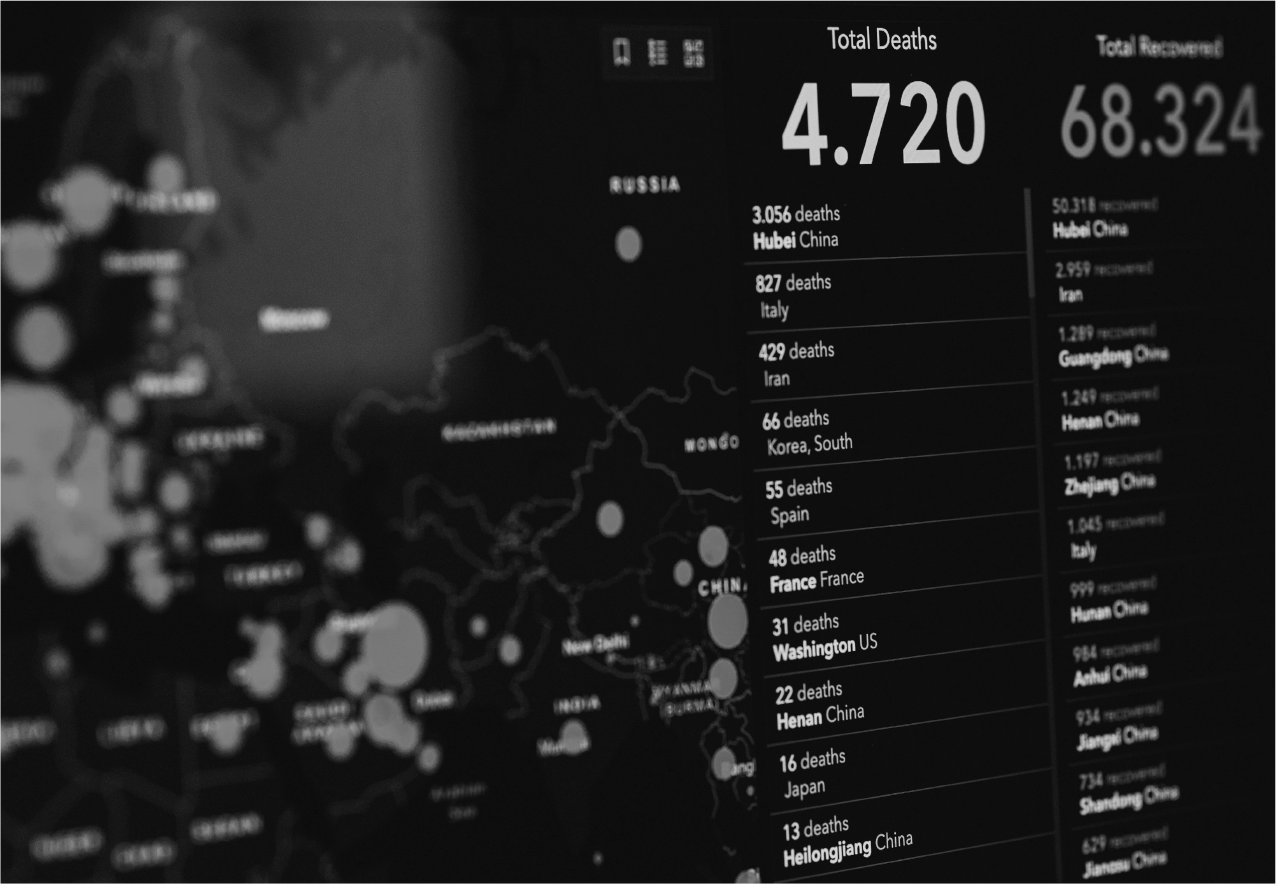
The COVID-19 pandemic revealed the need for more comprehensive and interdisciplinary approaches to public science.
Anna Shvets via Pexels
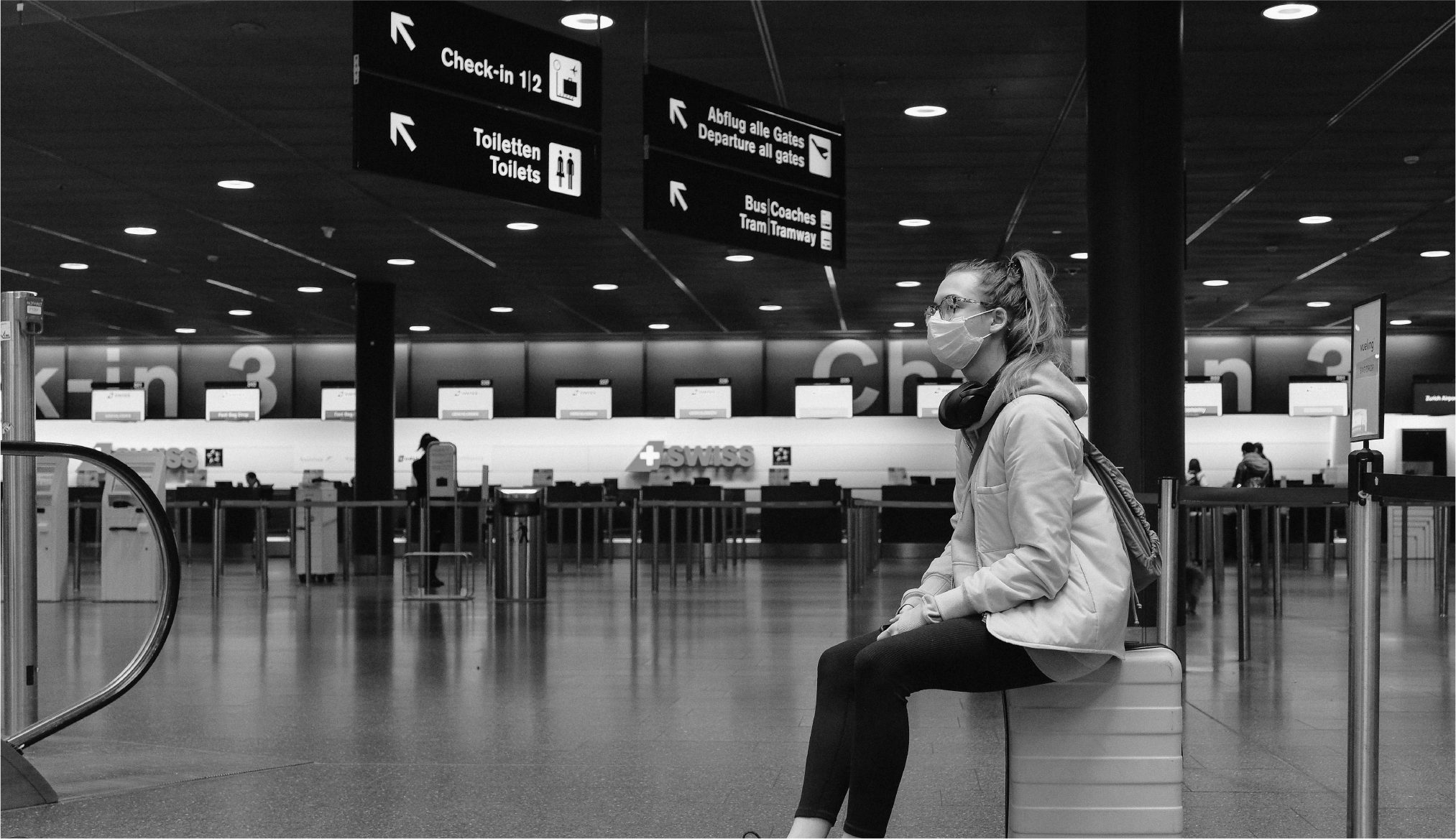
Situating Public Science
Within sociology, there is a long tradition of public science. Alongside The Philadelphia Negro, W.E.B. Du Bois published a series of New York Times articles describing research on conditions in three Northern Black communities. Likewise, Jane Addams led a groundbreaking collaboration with residents of Hull House to produce Hull House Maps and Papers. Today, we would characterize this as participatory research with members of a community included in the research process. Beyond being some of the earliest empirical sociology in America, these projects share a commitment to research, first and foremost, for the public and not solely for academic consumption. Both Hull House Maps and Papers and Du Bois’s maps represent descriptive social science that is valuable in its own right. The audience for their work was broad, and their goal was to move public conversations about poverty, urban inequality, and Black life forward, however haltingly.
Public science—pursuing and accessibly reporting descriptive work as an essential end unto itself—provides a concrete way for sociologists to, in David Brady’s words, “improve the public’s well-being.”
Fast forward to the present, and a few examples of public science within contemporary sociology exist. Matthew Desmond’s work on “The Eviction Lab” is perhaps the most ambitious and far-reaching example of this. While Desmond and his colleagues have produced academic articles on eviction, the Lab’s website stands alone as a potent tool for engaging with this research. Similarly, Mark Rank and Tom Hirschl have developed an interactive poverty risk calculator predicting the risk of experiencing poverty over a range of time horizons. Finally, in my career, I have contributed to the St. Louis Vacancy Collaborative. Together, we have built an interactive dashboard identifying the location of vacant properties (nearly 25,000 as of this writing). This site also highlights the material costs to the City of St. Louis with lost revenue and the added expenses of maintaining these buildings and lots.
Four salient points are worth drawing out from these current projects. First, building and maintaining dedicated web platforms to host these sites is critical. In part, public science can be shared because the internet provides an outlet outside the control of academic publishers or news media organizations. Second, public science does not unfold in a vacuum and is not divorced from science. Instead, each of these projects I have described has produced scientific knowledge alongside public-facing digital products. What is essential is that the public-facing components are themselves standalone research projects.
Next, there is an element of interdisciplinarity with these projects. Computer science skills are needed to produce these tools. The projects often touch on overlapping substantive areas, such as legal processes in Desmond’s eviction work. Another example, the “Mapping Inequality” project at the University of Richmond, confronts a key topic for urban sociologists but using urban history and geography as starting places. These legal practices shaped segregation during the early 20th century. Though it sits outside the discipline, it provides an excellent set of resources for the public to understand the US government’s role in furthering racial residential segregation.
Moreover, access to data has enabled sociologists, researchers, journalists, and others to deepen our collective understanding of how redlining remains embedded in American cities. This impact highlights the final point I want to make about public sociology. Putting work into the public can help shape discourse around our topics of interest in unique and impactful ways.
Public Sociology and Public Science
Public science’s work differs from other forms of what we call “public sociology.” Michael Burawoy’s presidential address provides an essential framework for understanding how sociologists view public work. Burawoy lays out four distinct types of sociological practice in his keynote address and the accompanying paper. First, there is the prototypical professional sociology, accomplished through academic research. Then there is “policy sociology,” which includes guiding lawmakers, and “critical sociology,” which involves engagement in intradisciplinary debates.
Finally, there is “public sociology,” which Burawoy describes as “concern for the public image of sociology, presenting findings in an accessible manner, [and] teaching basics of sociology and writing textbooks.” This notion of making sociological research “accessible” is critical for understanding what form public sociology can take. Writing op-eds or other forms of popular press materials represents a common way to pursue this act of “translation.”
It is essential to recognize that sociologists are not roundly onboard with the idea of “public sociology.” Burawoy’s four sociologies do not have equal standing within the discipline. When Burawoy gave his keynote address to the American Sociological Association and used his platform to highlight public sociology, other sociologists raised strident concerns. A 2004 Social Forces symposium on public sociology included an article presenting fears that public sociology was Marxist sociology in disguise. The same paper characterized public sociologists as researchers who wanted to “wallow in values” instead of holding them at arm’s length. While considering objectivity is critical for any researcher, it is too often used to dismiss public sociological efforts. Others, like Herbert Gans and David Brady, have raised more nuanced concerns. For example, Gans has raised crucial questions about who the public or publics are when we conceive of a “public sociology.” Brady likewise raised skepticism at Burwaoy’s idea that civil society was open to sociological knowledge and input. Brady’s critiques also touched on issues, including the suspicion professional sociology has for public work and the lack of clarity about what it means to practice public sociology.
Both Hull House Maps and Papers and Du Bois’s maps represent descriptive social science that is valuable in its own right. The audience for their work was broad, and their goal was to move public conversations about poverty, urban inequality, and Black life forward, however haltingly.
Beyond these critiques, I want to underscore that public sociology and public science are also not synonyms. Public sociology’s “translational” orientation is distinct from producing work that is first and foremost for academics but where there may also be a shared interest. While public sociology and public science may be public-facing, their origin points are on opposite sides of the spectrum. As it currently is practiced, public sociology begins within the academy, while public science starts for the public. Public science is by no means the only way or the right way to engage in public sociology. However, I see public science as an example of the “concrete set of proposals” Brady calls for to enact public-facing research.
Knowledge Gaps
In March 2020, Missouri reported its first COVID-19 case. It was immediately apparent that we faced several challenges to understanding the scope of what was unfolding around us. Our state public health department (known as “DHSS”) initially posted counts of cases as a list on their website. This list was updated daily and contained no record of how counts changed over successive days. Some counties quickly stood up dashboards powered by commercial software, while others used social media tools. One rural Missouri county took photos of a handout with case information and posted them to their Facebook page
Putting scientific work into the public can help shape discourse in unique and impactful ways.
Jess Loiterton via Pexels

As local health departments established more complex dashboards in April 2020, a few trends became apparent. First, there was no effort to provide a regional perspective. As a result, someone working in one county but living in another would need to check multiple websites. In some areas, they might find that one jurisdiction had no public communication at all.
Second, when these dashboards did exist despite balkanization, they did not always contain the same metrics, or there were differences in how metrics were defined or measured. Specifically, these values were not always correctly measured. Some jurisdictions do not foreground per capita rates or clarify the effect of missing data on the numbers they present to the public. DHSS, for example, shows morbidity and mortality data as a pie chart not normalized by population. This presentation dramatically overstates the effect of COVID-19 on white Missou-rians. It obscures the risk that other groups, particularly African Americans, face here.
Third, this focus on cases by race was one of the few attempts to articulate disparities, and its presentation failed to accomplish that. Finally, the data available to the public, especially early in the pandemic, were rarely available for download. Posting a dashboard and curating open, machine-readable data are two fundamentally related but different acts. Therefore, attempting to restate disparity data in per capita terms was a challenging task, but one where computationally inclined sociologists could make a difference.
Tracking a Pandemic
From late March 2020 through early April 2022, I curated COVID-19 data about Missouri. My goal was threefold: to provide clear context about the state of infections and other outcomes; to bring together multiple data sources; and to focus on regional perspectives.
Integrating data sources was challenging and time-consuming because jurisdictions reported metrics differently and did not make their data available for download. I compare this work to creating a quilt from a similar material but with panels that do not quite fit together because they are not cut in uniform ways. The data cleaning process felt like I was regularly stitching jagged data panels to create a seamless presentation. This work is not a unique activity in tracking COVID-19 data. Yet, the constantly changing landscape of dashboard updates, upgrades, and rebuilds, especially during 2020, presented a different set of challenges from a typical research project.
My toolkit for navigating these challenges relied heavily on the programming language R. I had two motivations for using an open-source programming language. First, it offered the technical flexibility to pull data from websites and dashboards that did not provide straightforward ways to download these tables. Second, and more importantly, it allowed others to build on and iterate from my work because there were no licensing costs. The entirety of my data set construction and data visualization pipelines described below were public-facing and published on the GitHub website. Others used this code as a basis for their exploration of COVID-19 data. To me, this is a crucial facet of public science—work that not only happens in full public view but allows for public participation in science.
Creating these data was an end in itself. Hospital systems, local health departments, and school districts used portions of my data at different stages. I see this as a second fork of public science—curating data sets precisely because of their utility to non-academic audiences. Much of our discussion around open data is rooted in the “reproducibility crisis”—our ability to ensure that research indings are reliable and valid. For public science, however, providing open data allows others to take data sets and make them relevant in their institutional contexts.
At the same time, my goal has always been to ensure that my public science does not end with posting data. Debates about who the “public” is in public sociology are essential, and I am mindful that folks who can download and utilize spreadsheets are just one “public.” Therefore, I created a range of static maps and plots that I updated daily after my workflow ingested and processed new data. These plots were made available on a website that was also automatically created. Both steps, visualization and website generation, were enabled by R. These plots were ready-made for sharing on Twitter several times per week and once a week in a Substack newsletter that provided a “roundup” of COVID-19 data for Missouri.
Public science, then, is about having both a concept of the relevant publics and creating products that invite those publics to engage with sociological work. The website included interactive maps and data tables; the ability to download static plots; and a FAQ explaining data sources and challenges associated with the project.
Both Twitter and the newsletter provided platforms to communicate changes in patterns and provide analysis to the publics, who may not have visited the website on their own regularly to check trends. Likewise, newsletters and Twitter may have reached different communities of individuals with varying engagement levels with social media.
Like the data, these different platforms provided local academic medical centers, universities, public health departments, local churches, school districts, and individuals with a degree of awareness about the progression of the COVID-19 pandemic in Missouri. This impact is the third element of public science— curating findings that resonate with various non-academic communities’ needs. Rather than that academic engagement serving as the starting point, my Missouri COVID-19 tracking project has, from the outset, been about public communication first.
After months of COVID-19 data tracking, I began to build off these data to inform academic publications. With co-authors from other disciplines who already provided regular advice and guidance on my presentation and interpretation of data, these publications sometimes grew out of the site itself. For example, a recent paper on excess mortality reflected an analysis that initially appeared as an interactive data visualization for the tracking site. These collaborations with various colleagues, including in public health and law, highlighted the project’s interdisciplinary nature. Likewise, computational social science work involving web scraping data management also drew heavily on computer science. To that end, computer science and data science students contributed to this project by expanding and automating the data collection process. At the same time, public health colleagues provided crucial feedback on the data presentation. This work, then, required a broad set of skills and collaborations across several disciplines.
Public Sociology in the Age of Covid-19
The positioning of academic work as a byproduct of my Missouri COVID-19 tracking work is a fundamental part of where I see public science and public sociology’s contributions. Public sociology does not need to be limited to “translating” academic indings. Instead, we can practice social science in ways that prioritize the public first and academic research later. My experience framed public science as engagement with multiple publics, some through open science, some through open data, and some through open dissemination spaces. It created openings to engage people outside of the academy in topics of critical sociological concern, such as the power relations and fundamental causes that fueld disparities in Missouri’s COVID-19 outcomes. At the same time, it provided an opportunity to teach essential data literacy skills to communities confronted with many new ideas, concepts, and ways of thinking about the world around them.
Public science is about having both a concept of who these publics are and creating products that invite those publics to engage with sociological work.
This experience speaks to some of the more general critiques of public sociology. Herbert Gans’ reflections on who the publics are in public sociology feel present. Public engagement in my experience has required identifying the different communities that have benefitted from my COVID-19 data and considering how best to reach them. Likewise, it touches on Brady’s critiques of what public sociology could be. Practicing public science feels like a concrete way to engage in public sociology. While civil society may be skeptical of sociology, the pandemic offers a tangible space where academic input has been needed and welcomed.
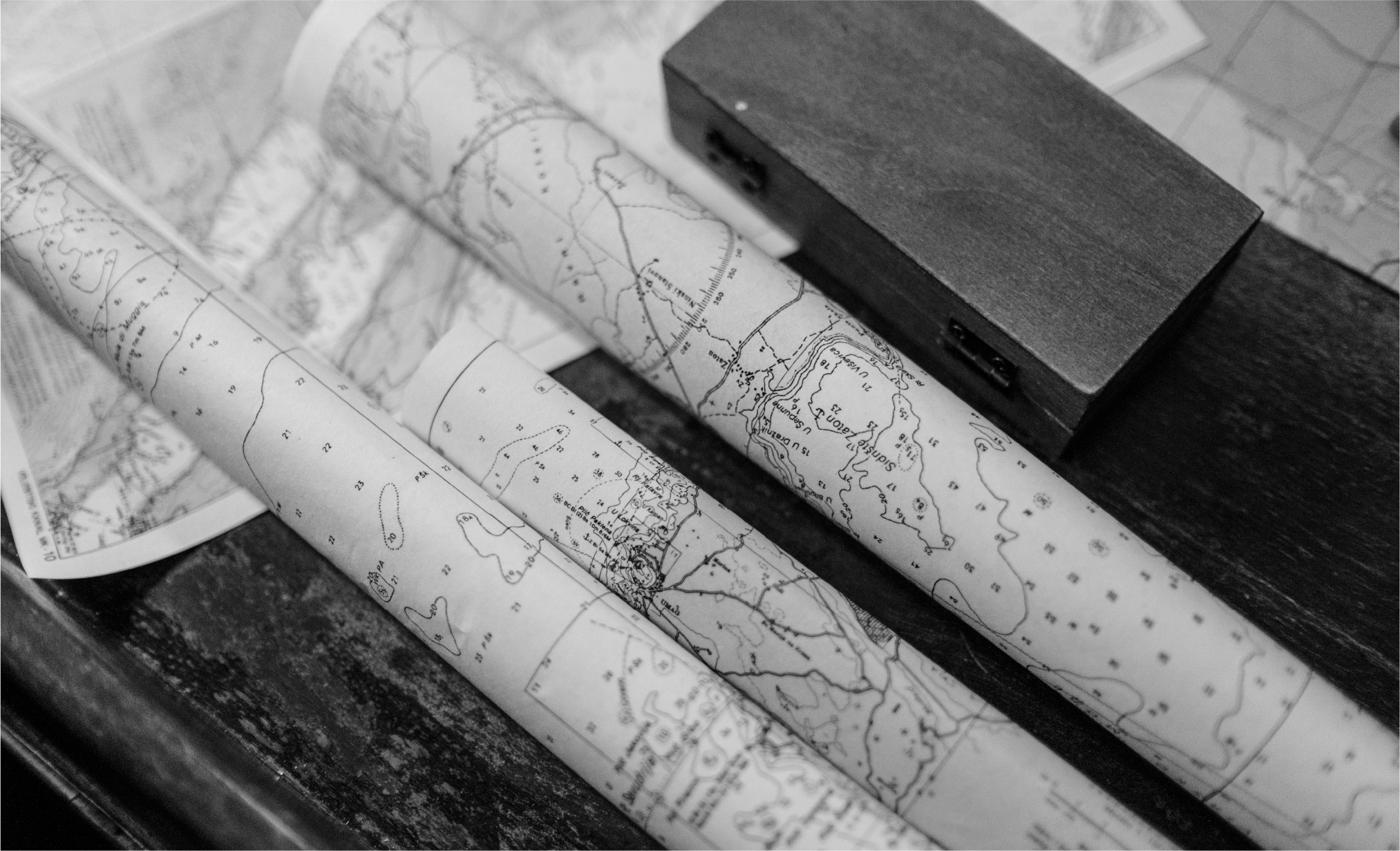
Mapping is a starting point to understand how phenomena impact differnt populations can help facilitate public science across disciplines.
Cottonbro via Pexels
It is essential to recognize that public science still faces barriers For instance, the drive to quantify scholarly efforts raises questions about measuring the “impact” of public efforts. There is no one-size-fits-all answer, and metrics here will certainly look different from traditional scholarly tools like citation counts. However, relying on web-based formats has a stable of possibilities, including tracking trends in page visits over time, social media engagement, and newsletter subscriptions. These may be vague, but they do illustrate some aspects of reach for public science efforts.
There also remains a lurking sense of whether this type of work is “real sociology,” a point Brady touches on in his review of the field. Public sociology has always had a certain stigma. Wrapping it in the guise of computational social science does not remove the fundamental question about what counts in our discipline. My work and other projects that fall under the heading of public science also rely heavily on the internet as a means of communication. However, we must recognize that not all the public has access to this. Ironically, the most marginalized Americans are those who might benefit the most from public sociology. Yet, they are the least likely to have the internet connection necessary to consume these products. Not only do weneed to think about creative ways to reach our publics via the internet, but challenges remain in connecting with our disconnected publics as well.
