




Abstract
This interview with Disclosure director Sam Feder and producer Amy Scholder takes a deep dive into the development of the critically acclaimed film highlighting transgender representation in Hollywood.
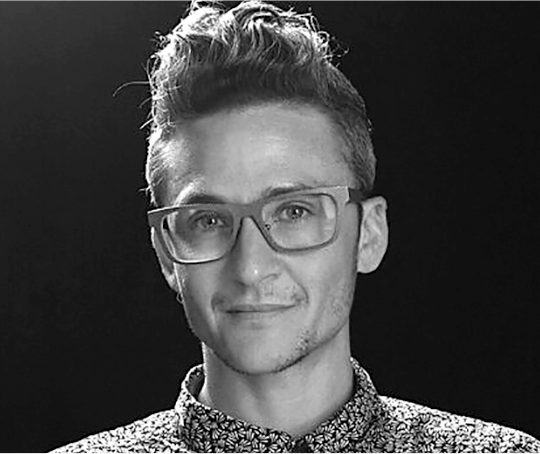
Sam Feder, Director of Disclosure.
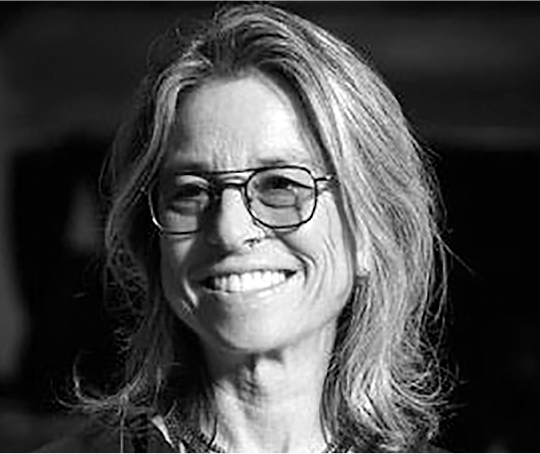
Amy Scholder, Producer of Disclosure.
Disclosure the movie
Sam Feder directed, and Amy Scholder produced the critically acclaimed Disclosure, a Netflix original documentary. The film is, “an unprecedented, eye-opening look at transgender depictions in film and television, revealing how Hollywood simultaneously reflects and manufactures our deepest anxieties about gender.” In this interview, Feder and Scholder share insight into the development of the film.
Please tell us a little bit about the process of coming up with the project for Disclosure. What inspired you to make a full feature documentary about trans representation in Hollywood?
When I decided I wanted to make this film, I quickly realized that there was no other documentation on trans history in Hollywood. When I realized that I would have to be creating the primary document, I was nervous. We set out to do research interviews with as many trans people that I knew in the industry, and I spent around 6-8 months doing that. That’s how we created the document to tell the story you see in the film.
I come from a publishing background. This is the first film I’ve produced, and really, my calling has been to work with underrepresented storytellers and bring their worldview into focus. I immediately understood what Sam was talking about when he described this project to me. I could see the value in bringing a sense of how stereotype and stigma works to the public, to show where it comes from. I felt, by focusing on Hollywood, we could really begin to undo some of that harm. I could see in our conversations that this topic could reach a much, much wider audience than just our community, and that was exciting to me.
What were your non-negotiables in this film? What was most essential to stay in no matter what, and what were the things that you wanted to include but didn’t make it in the final version of the film?
Everything had to be inspired by a memory of our cast or their lived experience, and everything would have nuance. For every representation that we critique in the film, there’s someone who says that they loved that representation, that it provided an opportunity for them to see themselves in the world. The sanitized version of a stereotype is not going to create the space that people need to see themselves and to see trans people. We also wanted to be rigorous around inter-sectionality. People think it’s easier to tell stories when you separate out the intersections of our lived experiences and not only is it harder to separate these things, it’s also erasure. Talking about anti-trans sentiment should happen in conversation with race and class. All these things must be addressed at the same time.
There were so many ways that we contemplated telling the story. Ultimately given the vast amount of footage we had, the story centered around personal experience. The content of the film was filtered through a trans experience, so that contributed to why the film was so powerful. I think that [the] intimacy we achieved is the best possible outcome for a film like this. We’re not in the business of telling people how to think and feel but inviting people to think and feel in new ways for themselves.
Can you discuss staffing for the film? In particular, the fellowship program and how, for when you could not find trans talent, you trained trans talent.
We knew it had to prioritize hiring trans people. When I was on sets early on in my career, I left a lot of projects because it was too distracting to be mis-gendered, to hear some offensive joke, to not know which bathroom you’re going to use. It just is. You’re not learning, and you feel alienated; resentment builds. I chose to not be on those sets, but for other people, they don’t even get access to jobs to learn. So, I did a national search, spent months and months interviewing people, but when we couldn’t hire a trans person for a certain role, we knew that that role still needed to be influenced by a trans person. There are certain things about living a life that you cannot teach someone else. So there had to be a trans person fellow not only to pave the way for the next project so that there are more skilled trans people with experience available, but also so that the non-trans person who is lighting the set has a trans person in their ear like telling them what to be sensitive about. The fellowship was to train this group of trans, emerging filmmakers, but it was equally as important for the non-trans people on set to learn about our life experiences. It was a privilege working with these fellows and sharing the experience they brought to set.
Absolutely. When I was raising money, we had a high budget because we believe in paying people. It was important to us to pay well, and people would say, that it was a worthy model but that we didn’t have to pay everybody and that we did not need trans people at every level. It was just so condescending because this crew had the best people for this job and the environment we wanted on set. Our cast was being asked vulnerable questions and being taken out of their lives, so we were compensating them for their time. We were sensitive to them wanting to look their best, so we hired good hair and makeup. We created an atmosphere that was safe and because of that, we had a crew of people who were stakeholders. I think there was a sense of safety and comfort and trust, which is why those interviews in the film feel so immediate and real.
In the movie, people are talking about moments that are traumatic, hard to process, and may be damaging. Could you reflect on this and tell us a little bit about how you helped the crew get through that?
There’s not much you can do, except acknowledge and hold the space for it and check in on people. That was just part of our practice. But we did one interview with a woman who had been on a television show in 2001 and was traumatized by her experience. But she wanted to be in this film, and we had very lively conversations over the phone. When she showed up on set, she just shut down. The camera would roll, and we could see her glaze over. We all saw what was happening: she was getting triggered. She hadn’t been on a set since this traumatic experience 20 years ago. When the camera was off, she was able to talk about what she was feeling and experiencing. The energy in the room was palpable. Everyone had so much compassion for her. When I walked her outside, she was back to her old self, and she seemed fine. We talked for a while and then she drove off. I got back to set and everyone was horrified. Not only just so upset about what we felt, witnessed and the compassion we had for her, but also wondering if we retraumatized her. We had to talk about it, and we talked about it for days.
There are certain things about living a life that you cannot teach someone else.
For me, there were times when it was clear that certain conversations during production should be spaces reserved for trans people. There were times when it was right for me to step aside and for other people who were not trans on set to just recede and let there be space and time where we weren’t present, and I was happy to do that.
How was the reception for Disclosure? Have there been unanticipated critiques the film?
As the film was rolling out it was just incredible to see the kind of massive excitement and support and interest in the film. Five years ago, Sam and I weren’t thinking that Taylor Swift was going to tweet about our screening on Netflix. There was this kind of widespread love from celebrities that was unexpected and helped grow the audience. I personally expected there to be more pushback at the critique of so many beloved shows and films, but we didn’t get that, I think because of the nuances that we achieved. For me, having always worked in independent media, to have this kind of audience to reach millions of viewers was, and is, remarkable. Critiques of what wasn’t in the film I think are valid and often came from people closer and within our community. But by and large the reception has been beautiful.
Like Amy said, none of the critiques are surprising. We understood our limitations, and we also understood if another person made the film, other things would be included. There was a student in a small San Francisco State zoom class that I was invited to who said that, as a Gay Asian man he was really hurt, that there wasn’t more representation of Asian trans people. How do I engage in that conversation without being defensive? That is certainly not modeled in our culture, right? Because everyone around me said, “You did the best you could. You included so much no film can do everything.” But this student was right, too. We did not include much representation of Asian trans people. There’s still a lot to learn.