Abstract
In November 2014, the government of Peru enacted a law declaring the resettlement emergency of the community of Bajo Belen due to constant flooding. In this photo essay, the author attempts to document life inside Bajo Belen during the relocation process.
Keywords
In November 2014, the government of Peru enacted a law declaring the resettlement emergency of the communities of Bajo Belen due to constant flooding, and in April 2015, the Ministry of Housing, Construction, and Sanitation (MVCS) financed the first project of resettlement. According to the government, the purpose, was to give the inhabitants of Belen safer living conditions in a space with solid ground. The law states that the project was supposed to inform Beleninos and give them the freedom to choose whether or not to be resettled as individual households. According to Beleninos, the government not only failed to inform them about the real purposes of the project, but also used intimidation strategies to influence their decision-making. Additionally, for Beleninos, the concept of flooding used by the government misinterprets the natural river fluctuations that cause no danger. By applying its own definition of risk, the government designed a relocation project as a risk assessment policy that aims to gain and maintain legitimacy and power in the eyes of the public. Instead of leveraging the local know-how as the basis for public policies, the government delegitimized the Beleninos worldview of the river fluctuations as a resource.
Belen is a district located on the riverside of the Itaya River, at the east and the northeast of the city of Iquitos, in the province of Maynas, in the region of Loreto. It has 68,806 inhabitants distributed over 56 caserios [small villages] and 19 neighborhoods in the urban area. The main means of transportation are peque peques [canoes] and motocars [motorcycles with extra seats in the back]. The port of Belen is the principal trade source, and it has the highest rate of criminality in the whole district. In general, Belen is the most extreme example of Loreto’s poor standing as a region in terms of health, education, and violence.
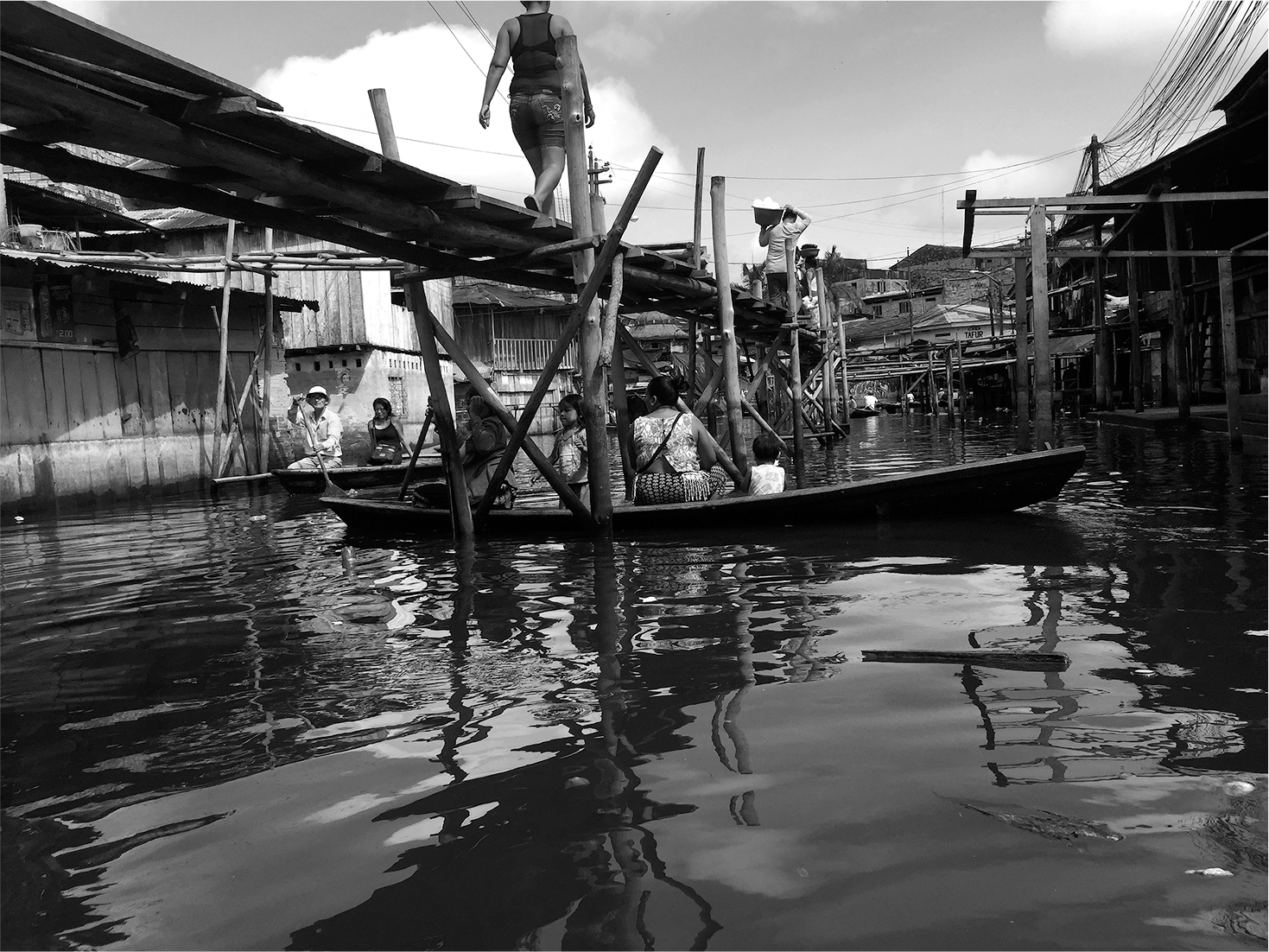
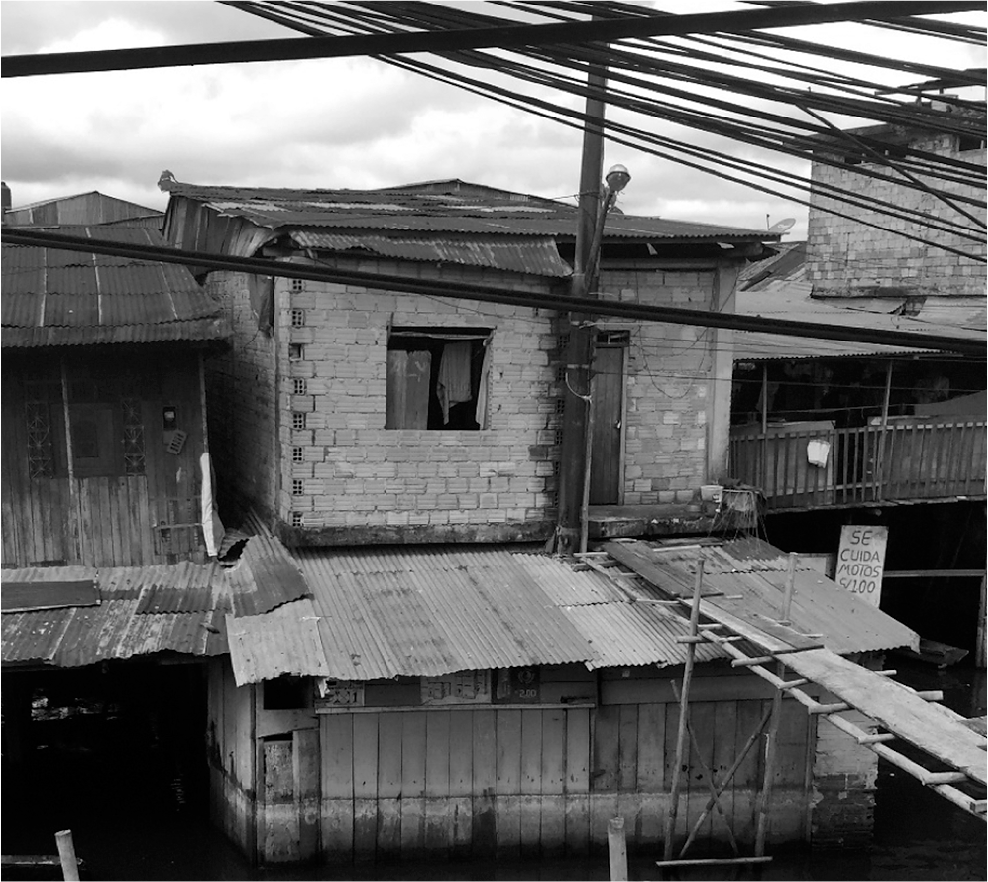
Beleninos live in stilt houses with wood or concrete pillars and stories used depending on the season. The houses have wood and palm frond roofs, which result in a woody almost moldy smell when mixed with hot air. While rustic, these households usually have electric and water systems. Rainfall shapes the social and urban structure of Belen. For example, during the rainy season, between January and March, Beleninos add stories to their houses to prevent flooding, and use wood board bridges functioning as aerial sidewalks. Canoes transit under the houses, children play in the polluted water, and turkey buzzards fly in circles overhead. As Iquitos is essentially in a riverbed, it is a movable territory or floating city that has incorporated flexible urban-architectural systems including, residential complexes, commercial areas, and places of leisure.
Between 2016 and 2018, through a 10-month ethnographic study concurrent with the resettlement project, I came to understand the Beleninos river communities’ reality as something inaccessible to a development planner. I was also able to access documentation that allowed me to understand more clearly the testimonies of the residents of the lower area of Belen. I realized that the government’s approach to the river, and water in general, it is not just a different understanding of risk and economic means; to Beleninos, not having the resources of Bajo Belen available threatens their survival as well as their culture and social and economic development. On the contrary, Beleninos have lived in Bajo Belen their whole lives and have learned to live with river fluctuations. For them, the idea of “flood” is a foreign concept. “Because of the huaycos [mudslides/landslides], that’s why they have started talking about flooding. Here we have the creciente and vaciante [higher and lower river levels]. Here there is no risk; we have learned to live with nature, we have a belenino identity.”
This ethnographic study highlights different understandings in three dimensions that explain the stark contrast between the Beleninos perception of risk and the state’s. The first dimension is in regard to the normalcy and safety of living on and with the river. The government’s risk perception stems from the principles of developmental programs, but fails to acknowledge essential features of the local culture. On the contrary, for Beleninos, the government’s concept of risk regarding the flooding misinterprets the natural river fluctuations. Second, Bajo Belen does not fit into the state’s institutionalized perspective of development; Beleninos are considered undeveloped because of their traditional life context as a river community. Finally, there is a remarkable difference in the government’s and the Beleninos’ concept of the Beleninos identity. For government agents, Beleninos are trapped in a “vicious lifecycle” that prevents them from achieving the state’s institutionalized concept of development, from recognizing their plight, and from embracing the resettlement project. Beleninos, on the other hand, see their co-existence with nature and life on the river as an essential part of their identity.
Stilt house with wood pillars in San Andres, a small village during the creciente, the rainy season between January and March.
Sharon Gorenstein
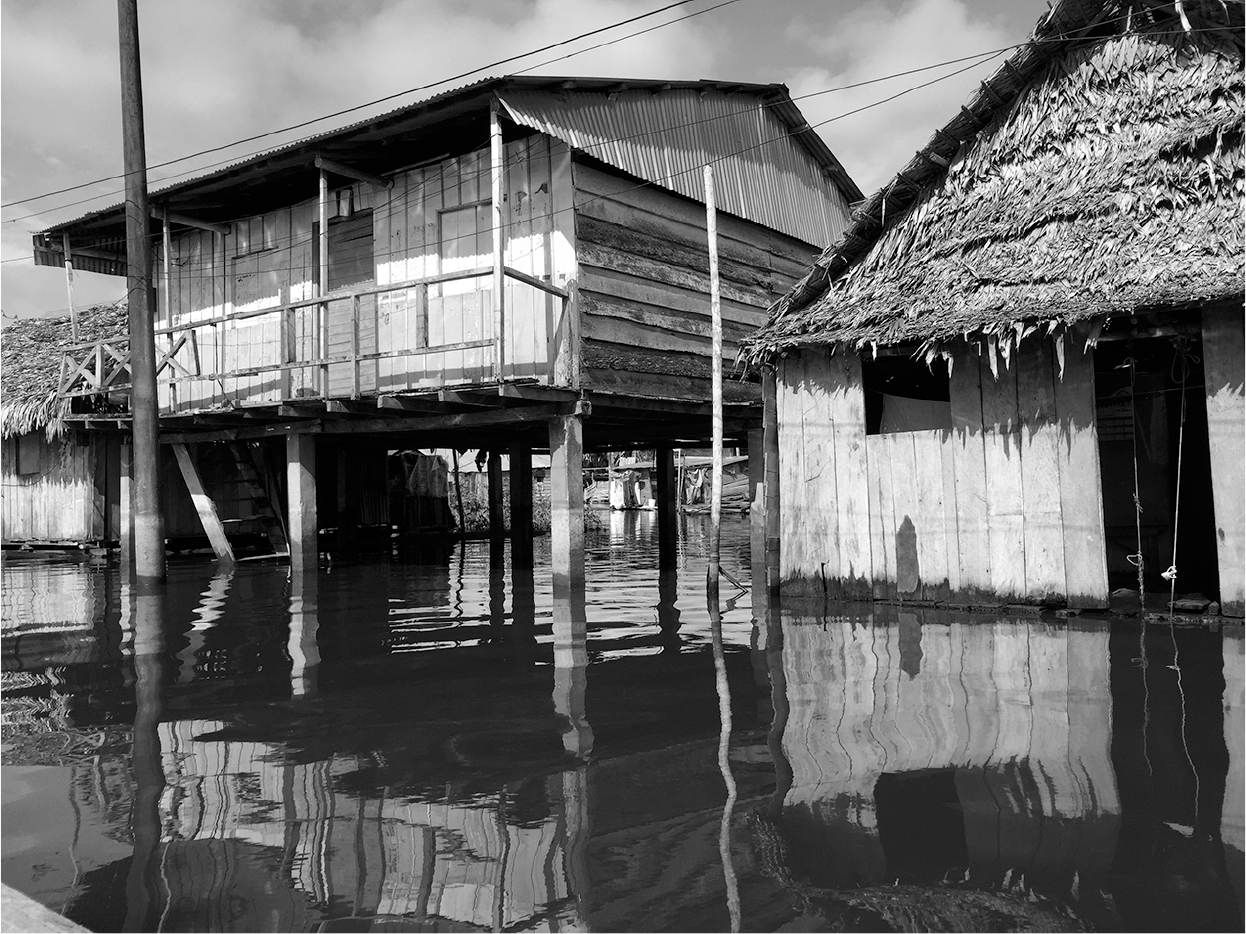
During the rainy season, Beleninos add stories to their houses to prevent flooding, and use wood board bridges functioning as aerial sidewalks.
Sharon Gorenstein
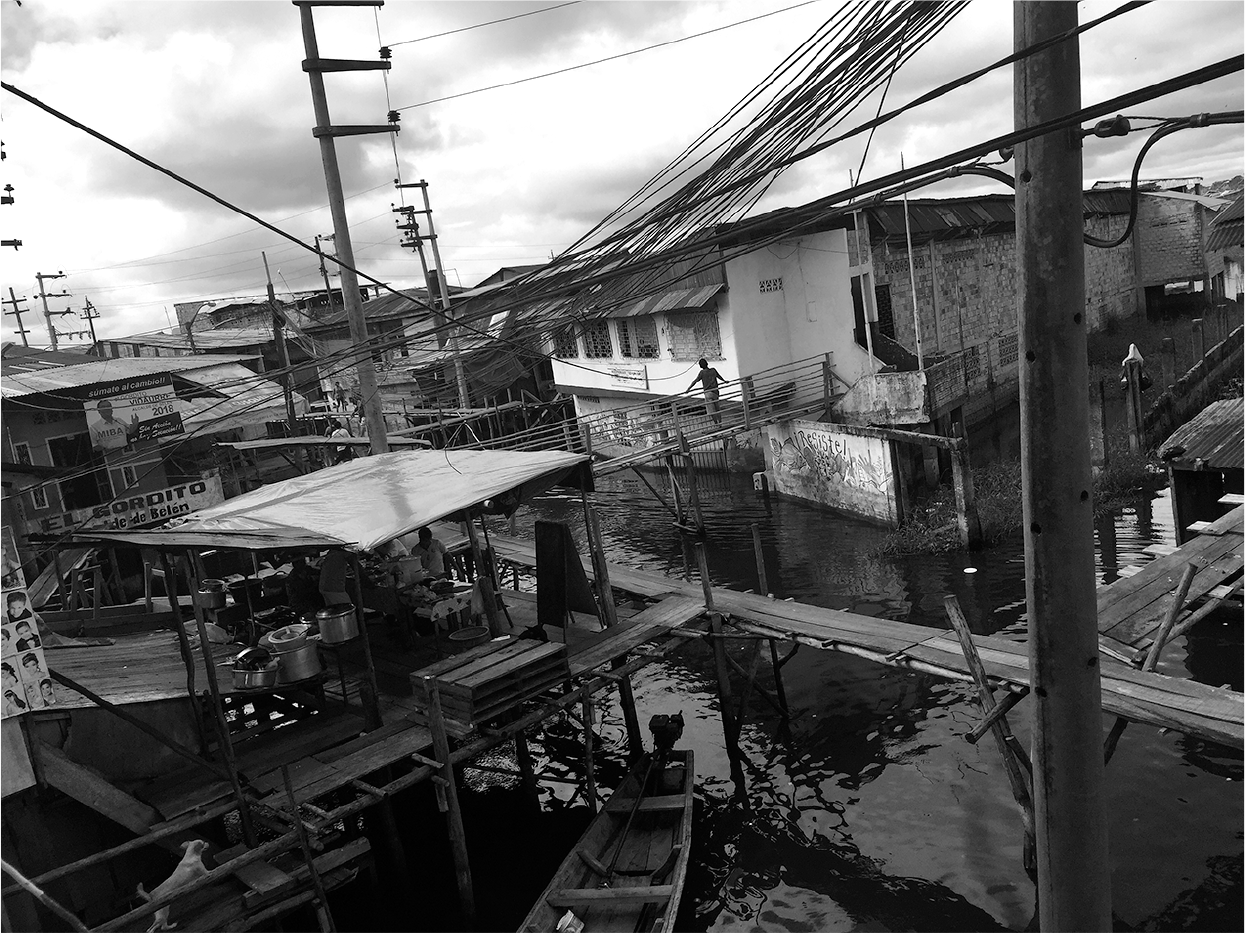
In these photographs, I attempt to document life inside Bajo Belen during the relocation project.
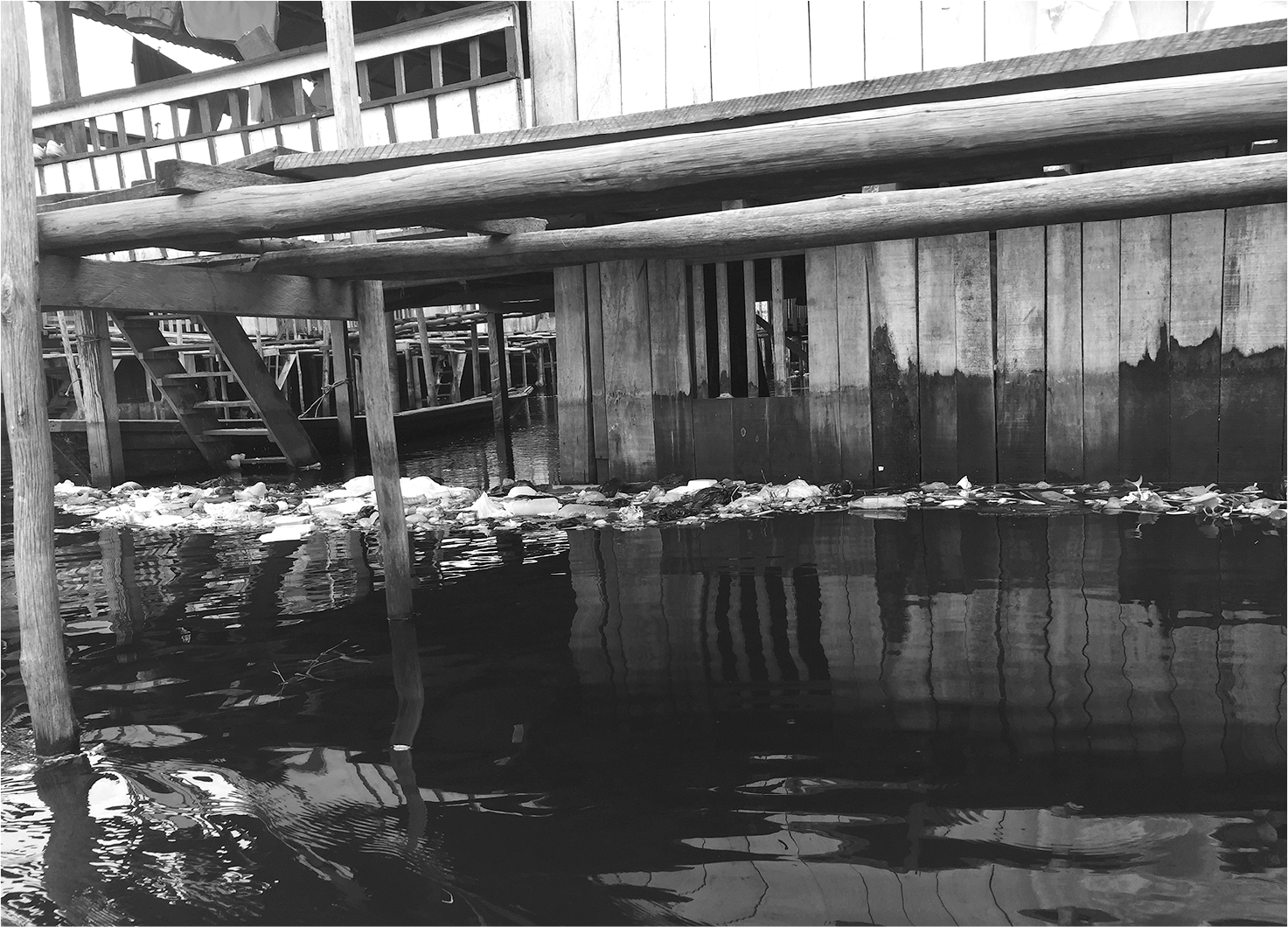
The Beleninos recognize and share the government’s view of Belen as dirty to some degree. They claim that the state should have more involvement regarding garbage collection and provide more police officers. From their perspective, there is a lack of municipality participation in the district, a place that has many resources for social and economic development.
Sharon Gorenstein
Stilt house during the dry season, vaciante, between July and August, characterized by less precipitation of the rain.
Sharon Gorenstein
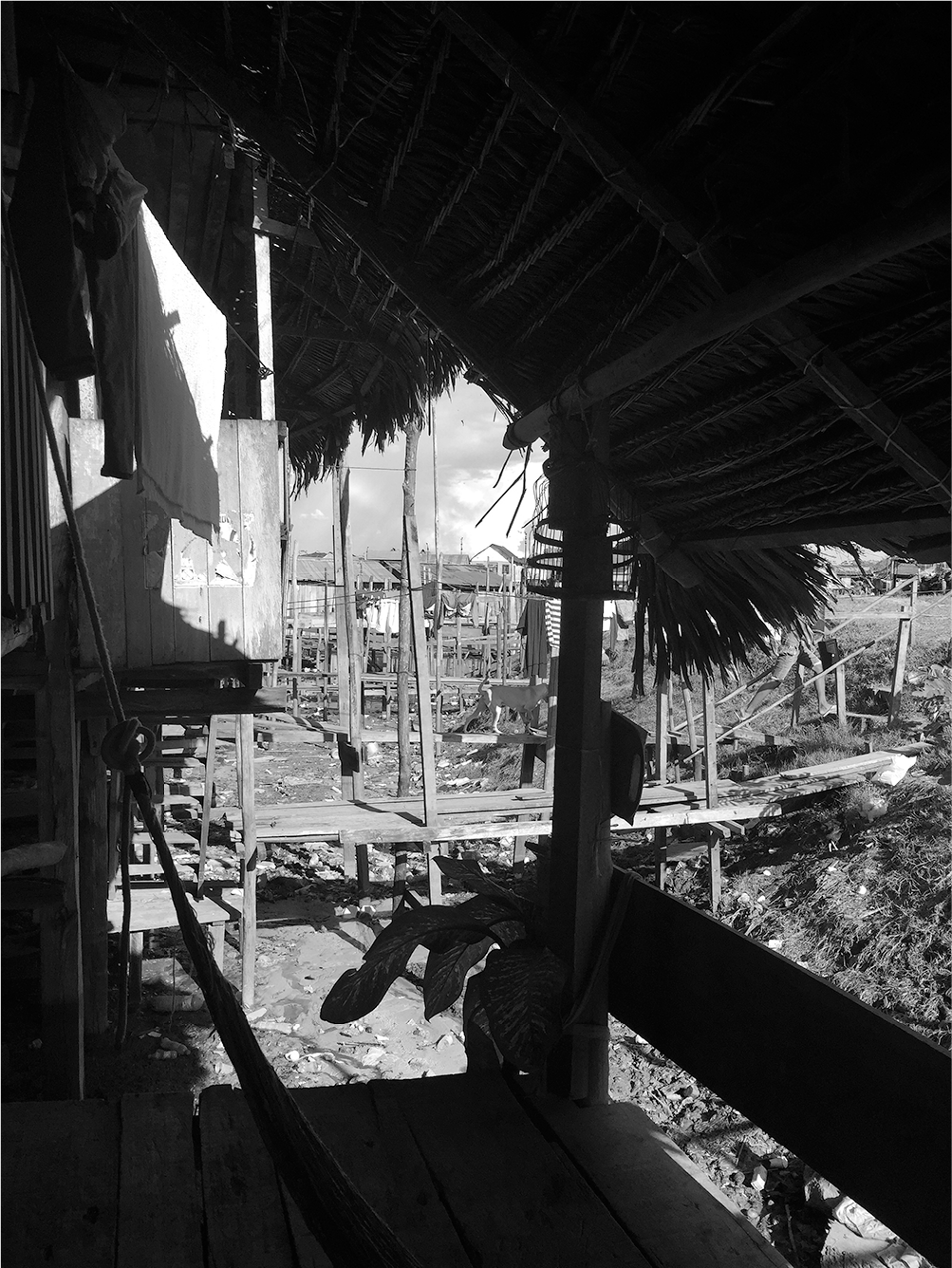
Marta: “They enacted a law based on a study conducted by the Navy of Peru that says that this area will disappear; we have another report that says the contrary. Every year there is flooding, but that is natural, that does not mean that we are in danger or at risk. The government should improve the life quality of the population here, instead of wanting to get us out.”
Sharon Gorenstein
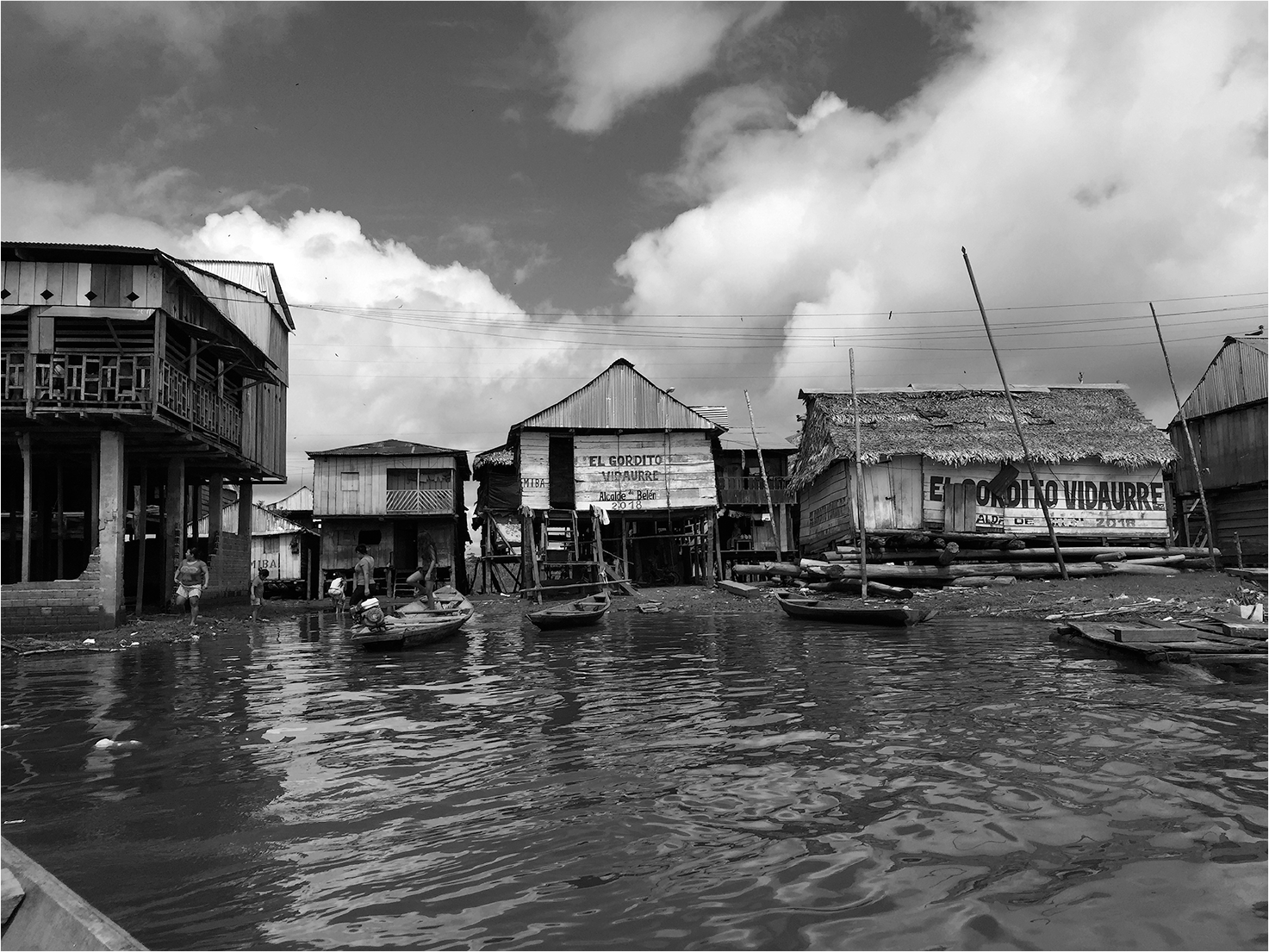
Jose: “We know how we live; we know how to live (...) Enacting a law against a population in a habitable place?... how is Belen uninhabitable? So I’m an animal? I am a Belenino. I was born here; my father and my mother raised me here.”
Sharon Gorenstein
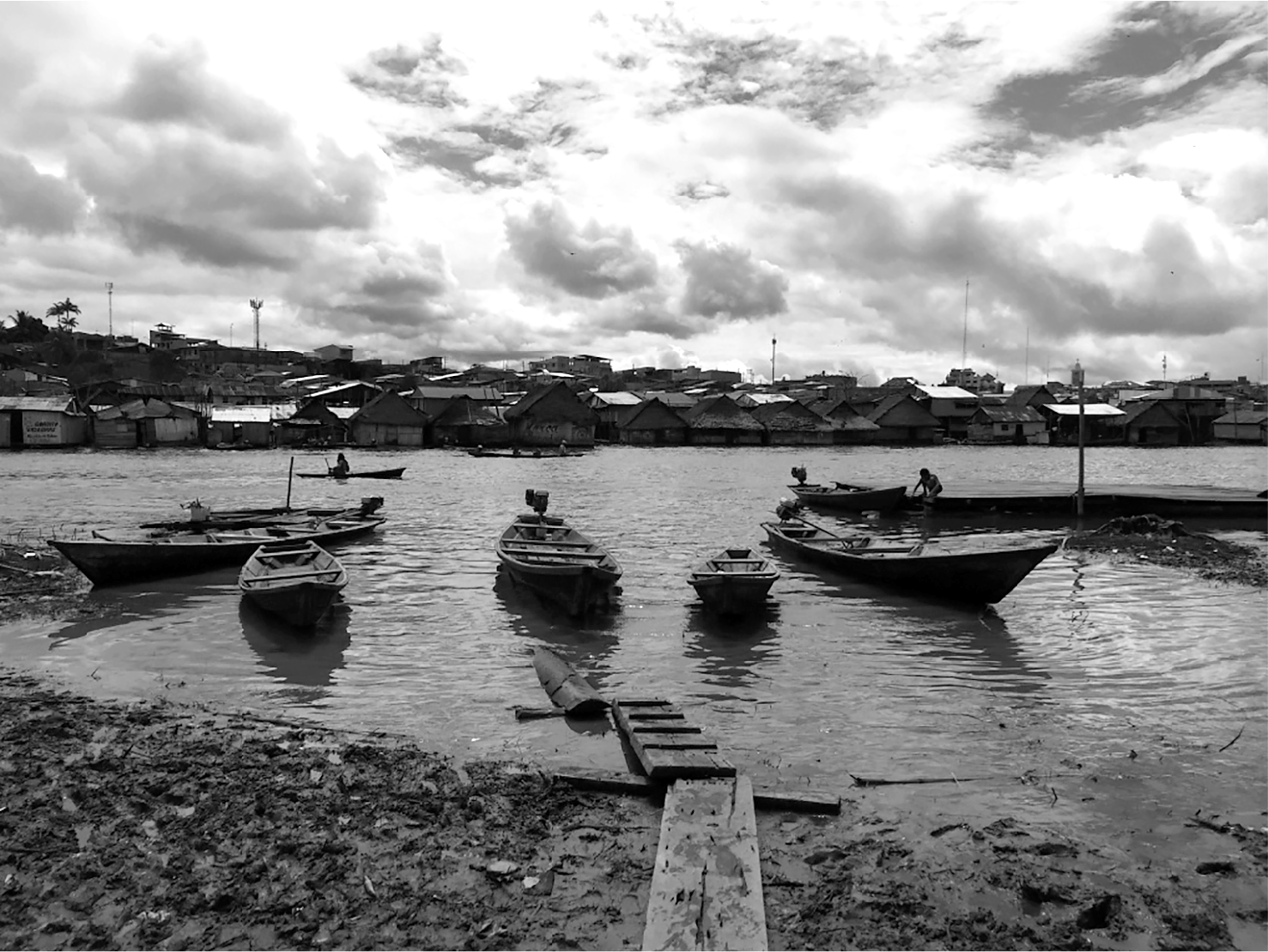
The waste in the water includes diverse garbage from households, fecal matter, and syringes from the medical center. This waste attracts rats, dogs, and turkey buzzards that carry more organic waste.
Sharon Gorenstein
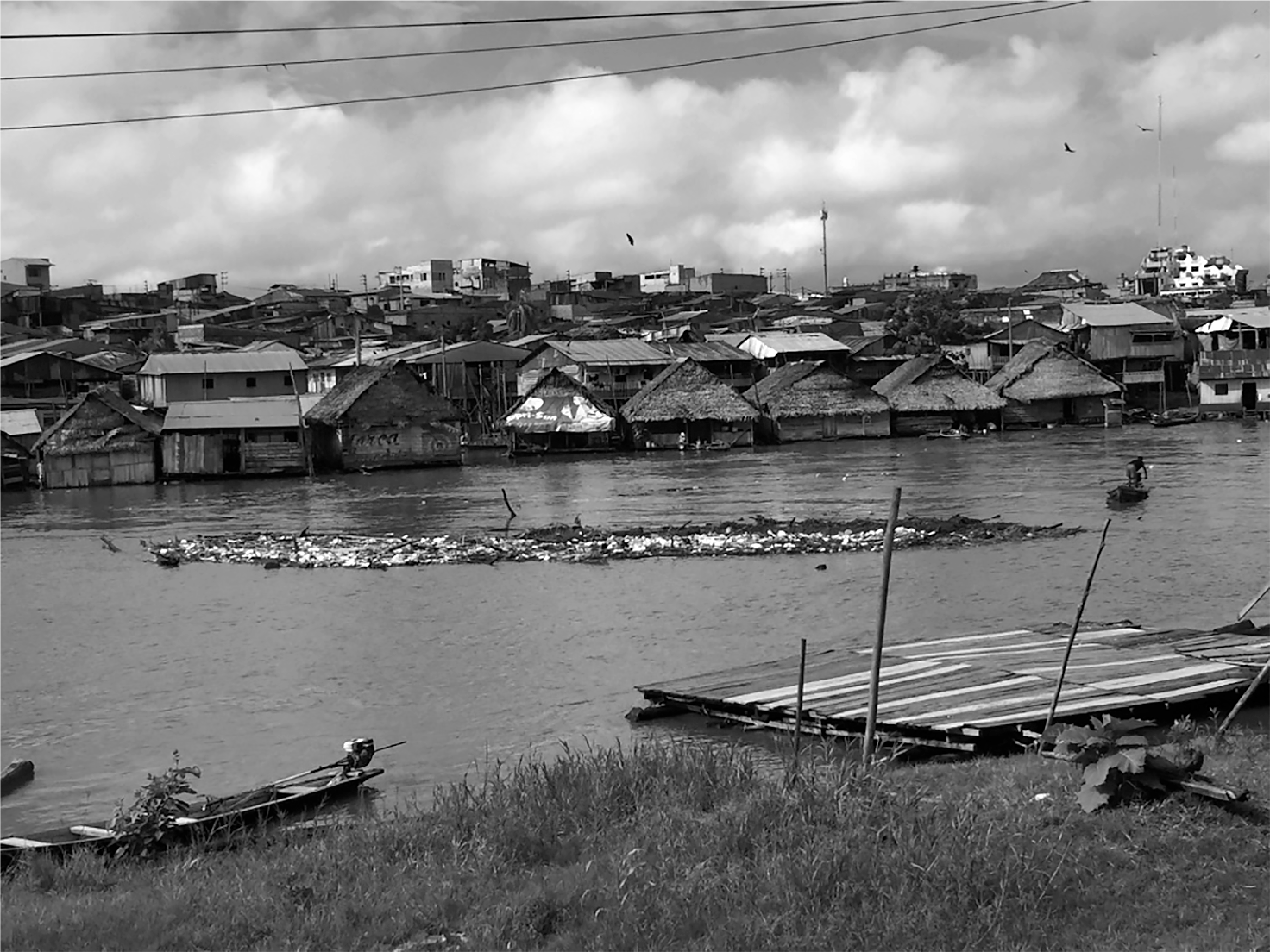
For Beleninos, Belen is a place in which nobody starves. There are always resources to survive: the river, the chacra, the market, and their social networks. Belen’s inhabitants form strong bonds.
Sharon Gorenstein
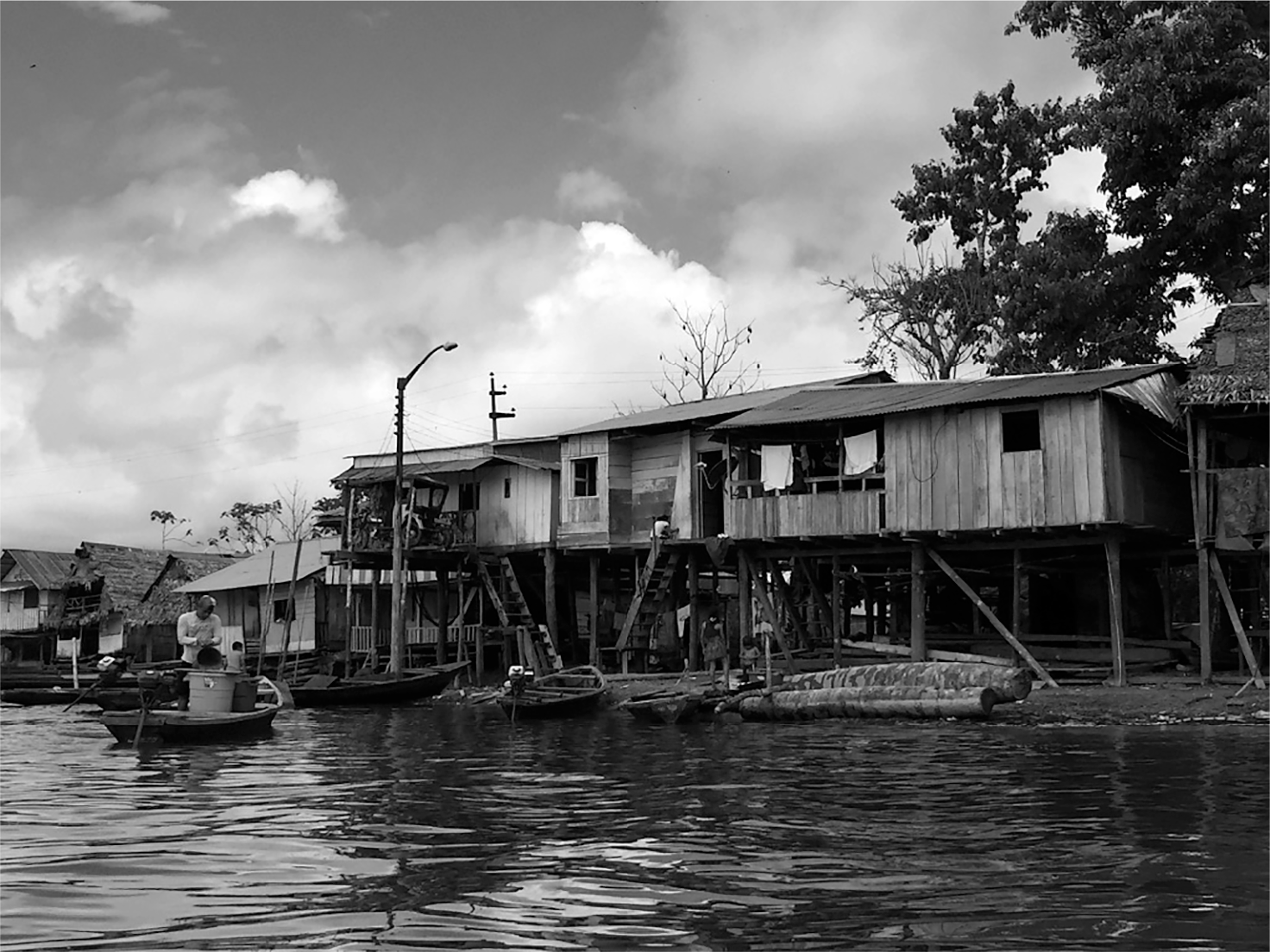
According to the government, the natural fluctuations of the river and the rain are variables that present an obstacle to the government’s ability to give Beleninos insurance and development. Public servants say that Bajo Belen is uninhabitable because the flooding prevents building concrete structures, and installing drains and lighting. In their view, resettlement is easier for risk management.
Sharon Gorenstein
Regular day, going to the market.
Sharon Gorenstein