Abstract
For the author and photographer of this photo essay—a well-rounded southern woman who has traveled to more than 17 countries—there was something different yet very familiar about South Africa. This essay follows a group on a cultural immersion trip from Cincinnati, Ohio, throughout several cities in South Africa over five weeks.
In the Spring of 2015, the Department of History at the University of Cincinnati offered its first study abroad program in South Africa with a course entitled “The Sites, Sounds, and Stories of the ‘New’ South Africa: Historical, Cultural, and Linguistic Immersion.” The course was, in effect, an international mobile classroom that offered a unique study abroad opportunity for students interested in integrating their academic knowledge with linguistic and highly personalized living experiences. Students had the opportunity to live, learn, and work in one of the most diverse nations on the continent of Africa, and study first-hand the multiple concerns facing South Africa as it becomes one of the world’s most progressive democracies.
This experience included the unique opportunity to live with traditional South African families—specifically isiZulu speaking families—in supportive homestays designed to augment their language learning experiences. The course endeavored to provide a solid foundation for students through lectures that introduced an overview of South African history, segregation versus Apartheid, politics in the “new” South Africa, geographical racism, and race/class/youth in contemporary society. The visits included several areas in South Africa, such as Cape Town, Johannesburg, Durban, and Magqongqo.
It is impossible to travel to South Africa and not notice a drastically different demographic makeup than that of the United States. Participants constantly considered the ways in which race shaped their experience in South Africa and opportunities in America. One student stated:
“Studying abroad in South Africa as a Black student at a predominantly white institution was transformative for my academic and my personal development. The general geographic parameters of the Middle Passage indicate that it is unlikely that most Black Americans have roots tracing back to South Africa, but the experience of my time there still presented an undeniable connection and shared experiences. By the third week of the study tour, I felt like I had created bonds with my host families and our study group of Black women—who felt more like sisters and an auntie, than fellow travel companions and our professor. That unexpected relationship made it easier to openly question the remnants of the Apartheid era and colonial rule that still affects the lives of many Black South Africans. The clear socioeconomic and racial divides that still exist in South Africa was a stark reminder that anti-Blackness is a global experience.”
The experience was transformative in many ways, it was not without its challenges. While the vast majority of participants adapted to the new social and cultural strictures of our month in South Africa, some did not. In many ways, the experience was simply too different from their lives in the United States, and issues such as the inconvenient nature of international travel, the language barrier, American expectations versus South African realities, and security concerns became regular points of conversation and consternation. For students who lived near or below the poverty line in the United States, many of the inconveniences of life in South Africa—over-crowded host family homes, curfews, lack of access to public spaces or technology—were simply that: slight setbacks that could be navigated easily. One student stated:
“Being a single mother, first-generation college student, and part-time worker, I did not think it was possible for me. Studying abroad in South Africa changed my life. Even coming from an economically disadvantaged background in the United States, I was humbled throughout my experiences. This is where my character was built.”
For others from families with a more solid socioeconomic standing, however, the lack of material comforts—easy access to technology, and even the standard of host family homes—was often too problematic to bear. It is crucial that Black students acquire more experience with, knowledge of, and sensitivity to global issues. The opportunities for personal growth, exploration, and educational advancement, are truly limitless with study abroad experiences.
Down the street from the Cape Town Hollow Boutique Hotel on Queens Victoria Street, a group gathered in the marketplace in the center of Cape Town, South Africa.
Shameka Y. Fairbanks
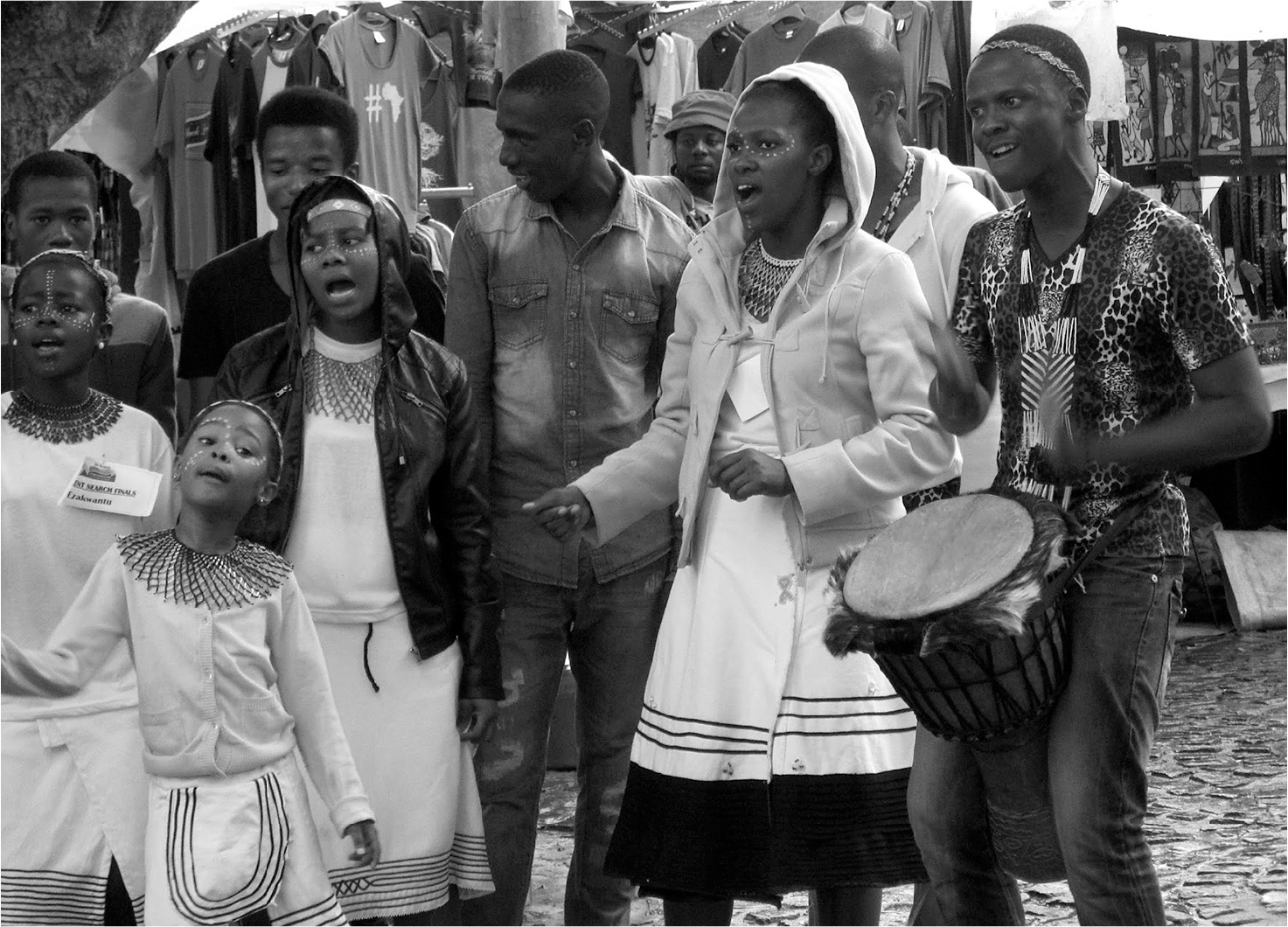
“This experience to the Motherland opened my eyes to African culture in a way that I’ve never seen. Interestingly South African values of education, family, religion, and culture are at the heart of everything they do—and there were incredible similarities between the values I encountered in South Africa, and experience within Black America. Just like us, our South African brothers and sisters take pride in their heritage and work hard to tell the story so that people never forget. Throughout the journey, I regularly realized the ways in which Black Americans have become complacent with the (relative) privileges associated with Western culture and living. Truly, I learned the meaning of selflessness in South Africa. One evening for dinner, a particularly poor host family did its best to present me, their guest, with the best they had to offer. I can vividly remember my family and I sitting at the table for dinner. My mother prepared a single, medium-sized plate with a single serving of food, put three spoons on the plate, and handed it to my three host sisters to share for dinner. When I realized three growing girls were going to split the same amount of food prepared for me, a guest, it made it difficult for me to eat. In fact, there were many days after that when I was, ‘extremely full and couldn’t eat another bite’ so that my sisters would have more. I feel grateful for the experience, humbled by it, and am forever changed by my time in South Africa.”
This international instruction offered enhanced curricular coherence, collaborative knowledge-construction, and skills and knowledge relevant to living in a complex and diverse world. Most importantly, these living-learning communities meant that participants were directly connected to individuals from a myriad of backgrounds. This particular course was designed to facilitate a greater understanding of South Africa’s complicated past while contributing to its vibrant, hopeful future.
Down the street from the Cape Town Hollow Boutique Hotel on Queens Victoria Street, a group gathered in the marketplace in the center of Cape Town, South Africa.
Shameka Y. Fairbanks
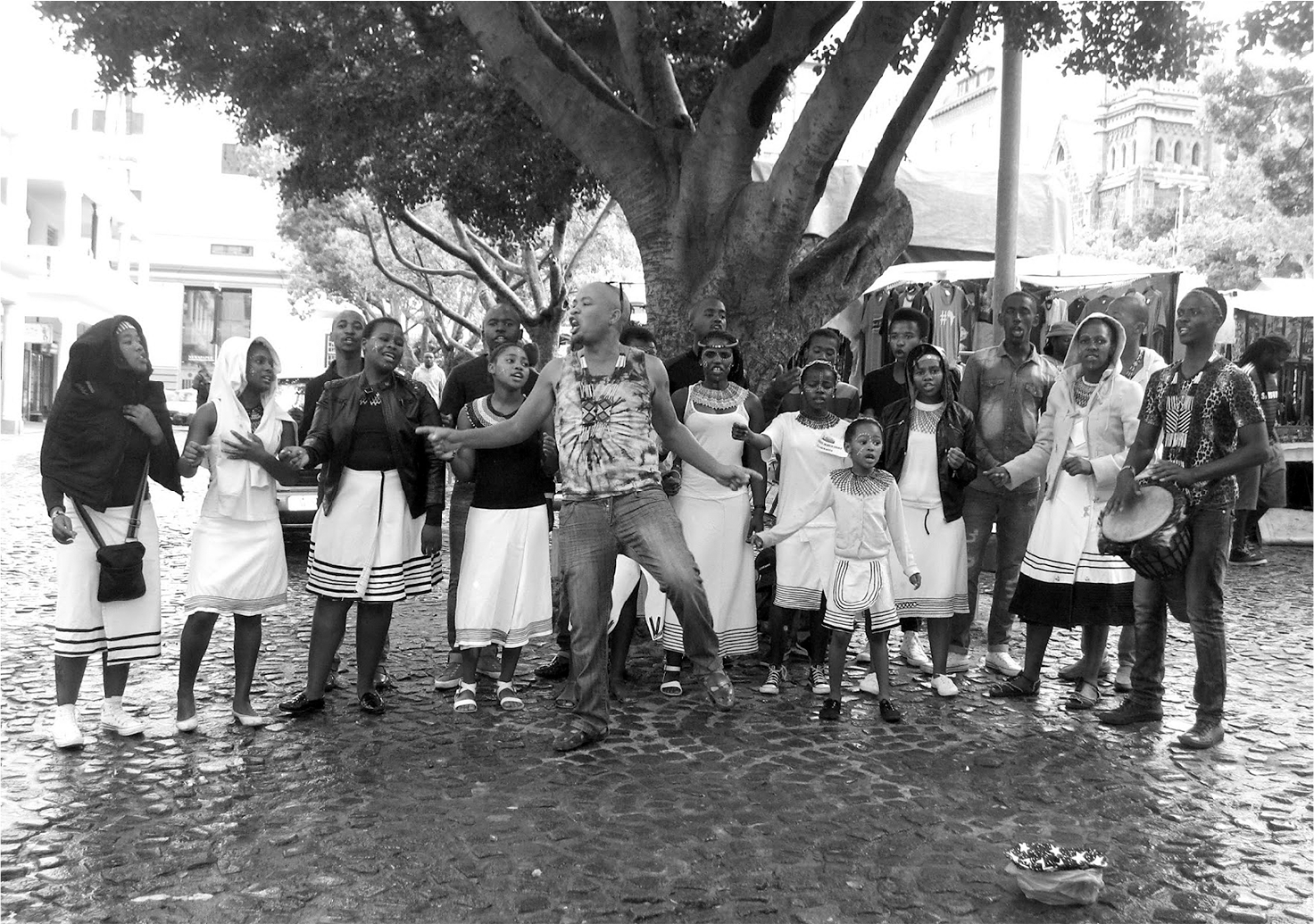
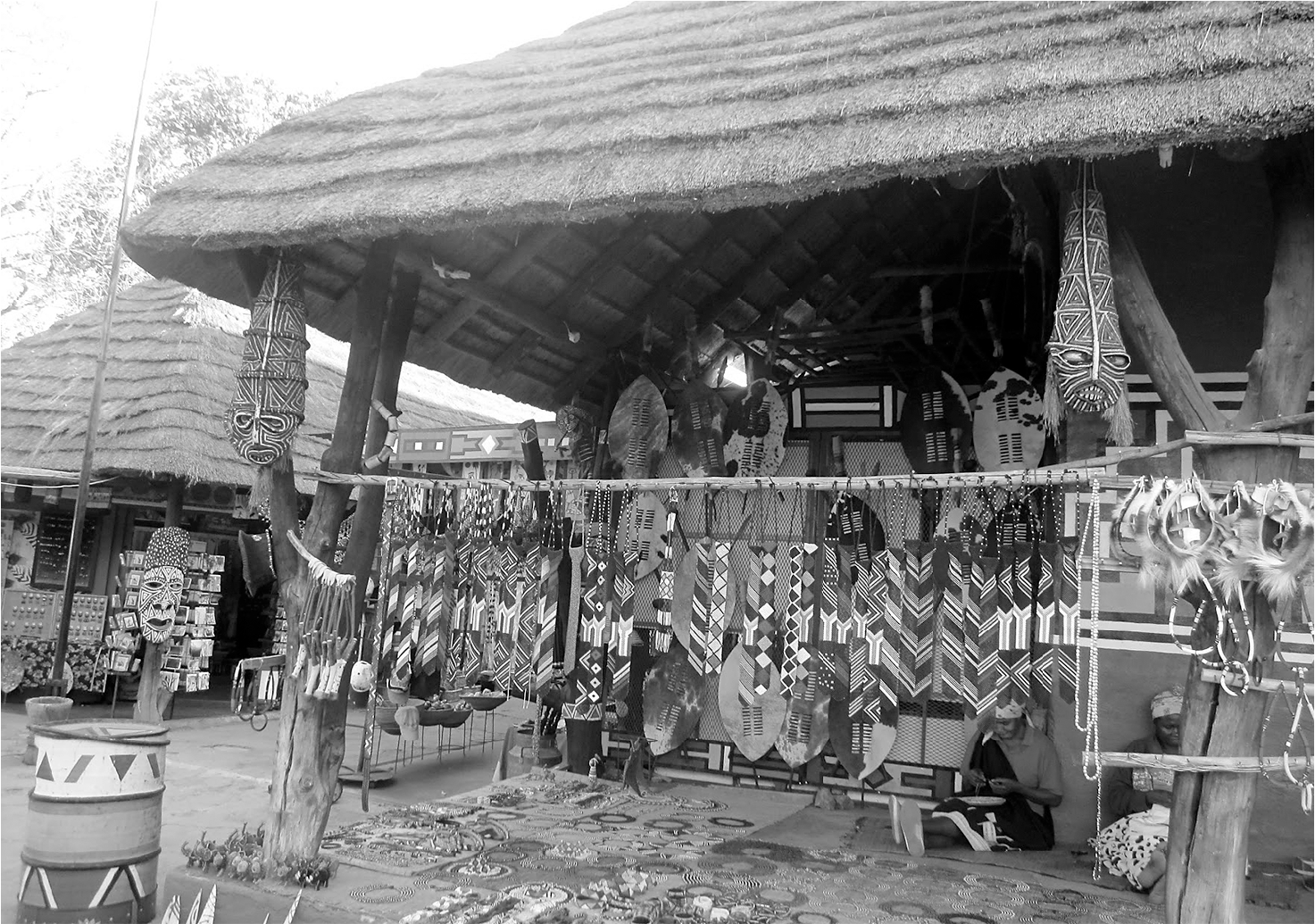
In Lesedi cultural village, women work very diligently with their hands to make goods that they will later sell.
Shameka Y. Fairbanks
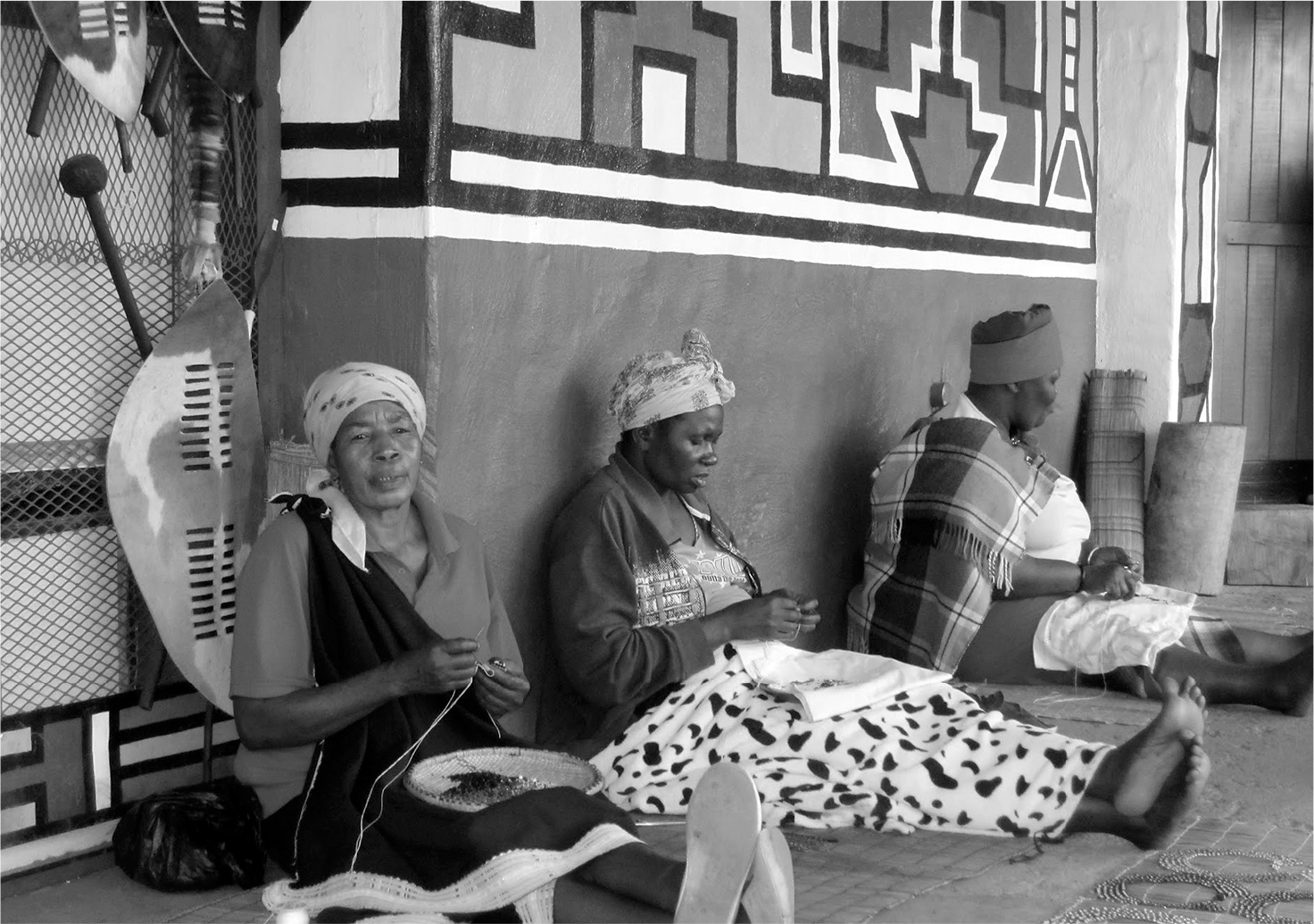
Lesedi Cultural Village: Examples of the beadwork include belts, elephants, beaded attire, ties, and much more.
Shameka Y. Fairbanks
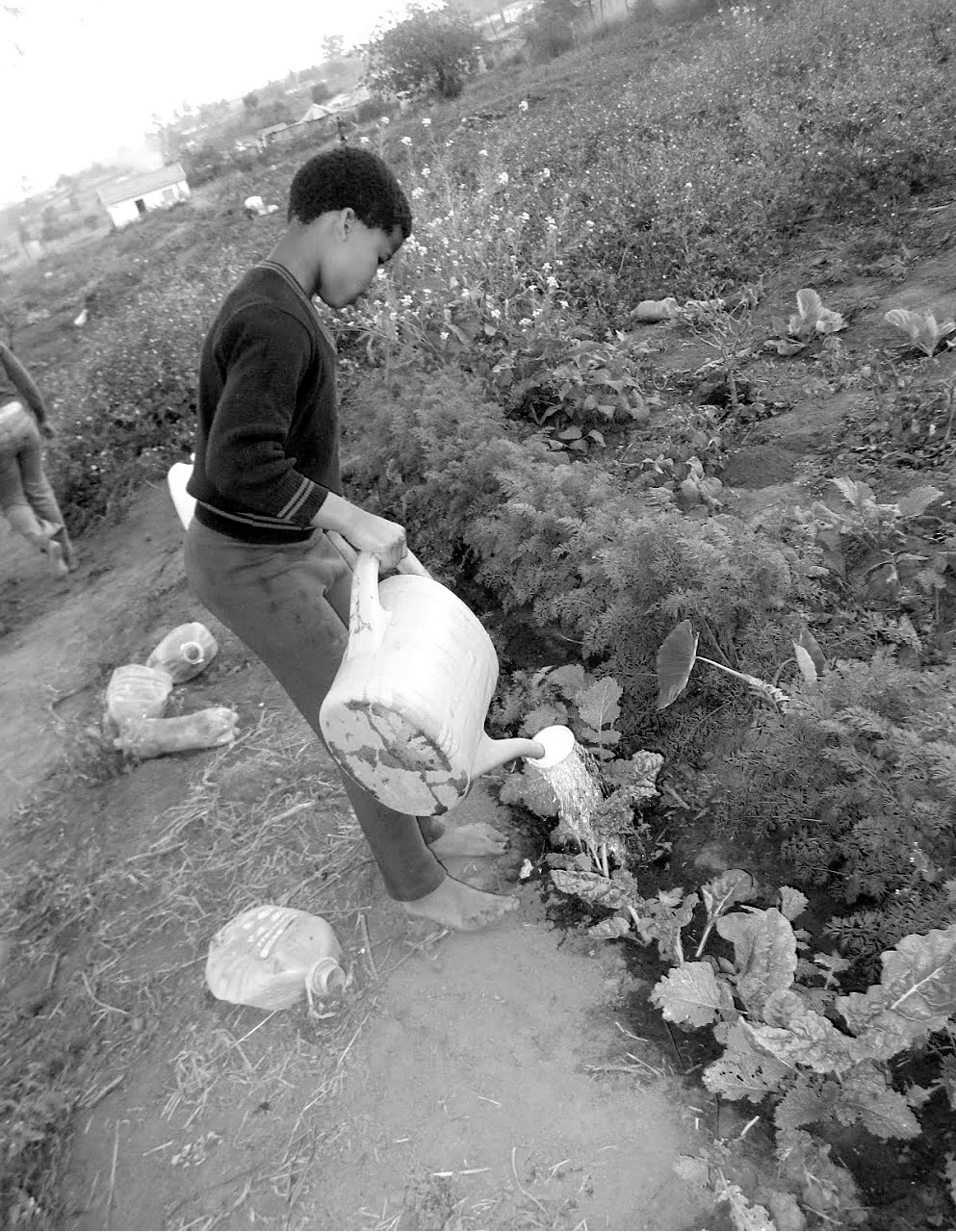
A young girl waters the plants in her family’s garden in the foothills of Magqongqo an extremely rural location roughly 30 minutes outside of Durban.
Shameka Y. Fairbanks
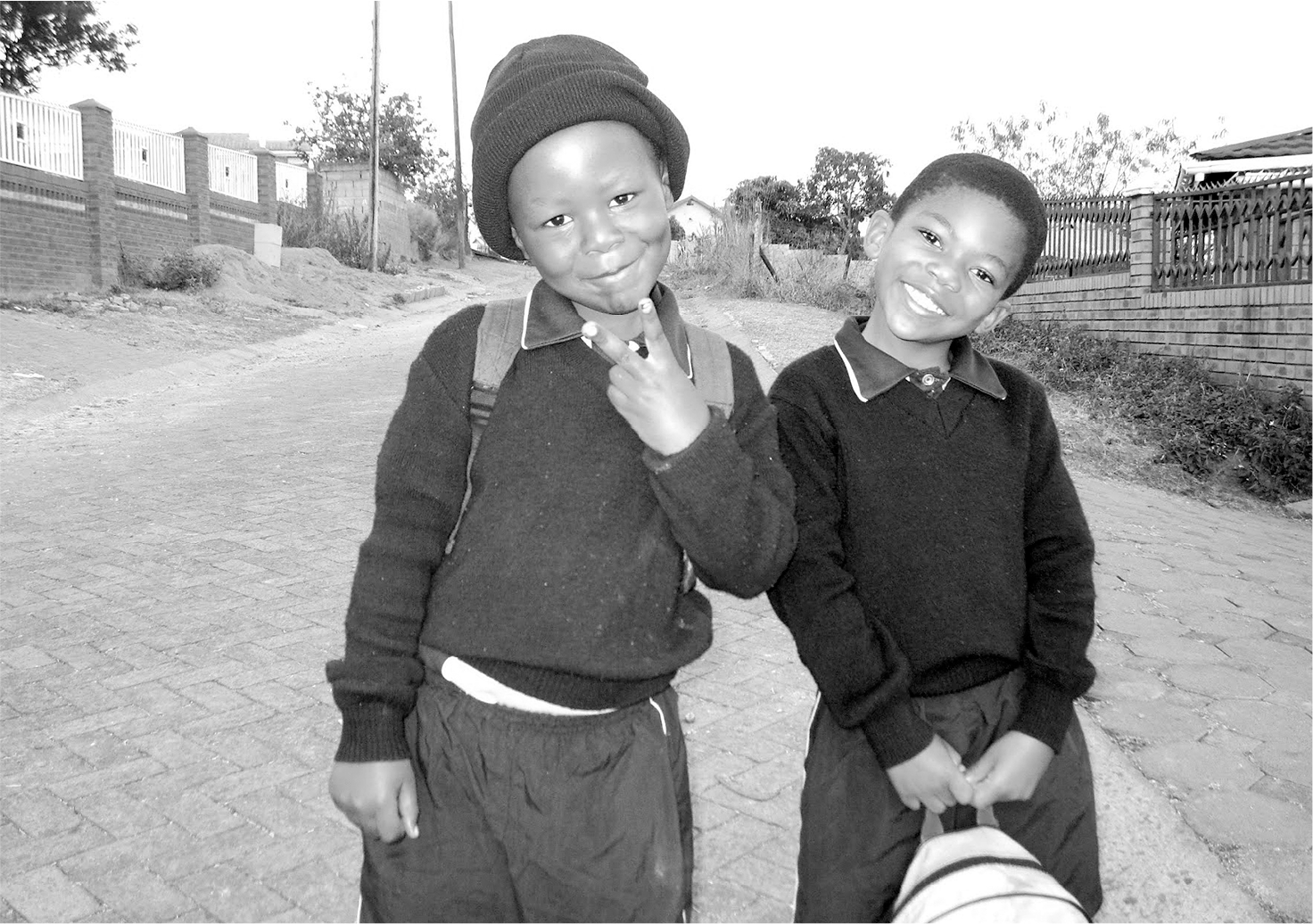
A neighborhood in Imbali, a suburb of Pietermaritzburg, which is just outside of Durban. Two young boys get ready to begin their school day. Imbali is a suburb formerly referred to as a “township.”
Shameka Y. Fairbanks
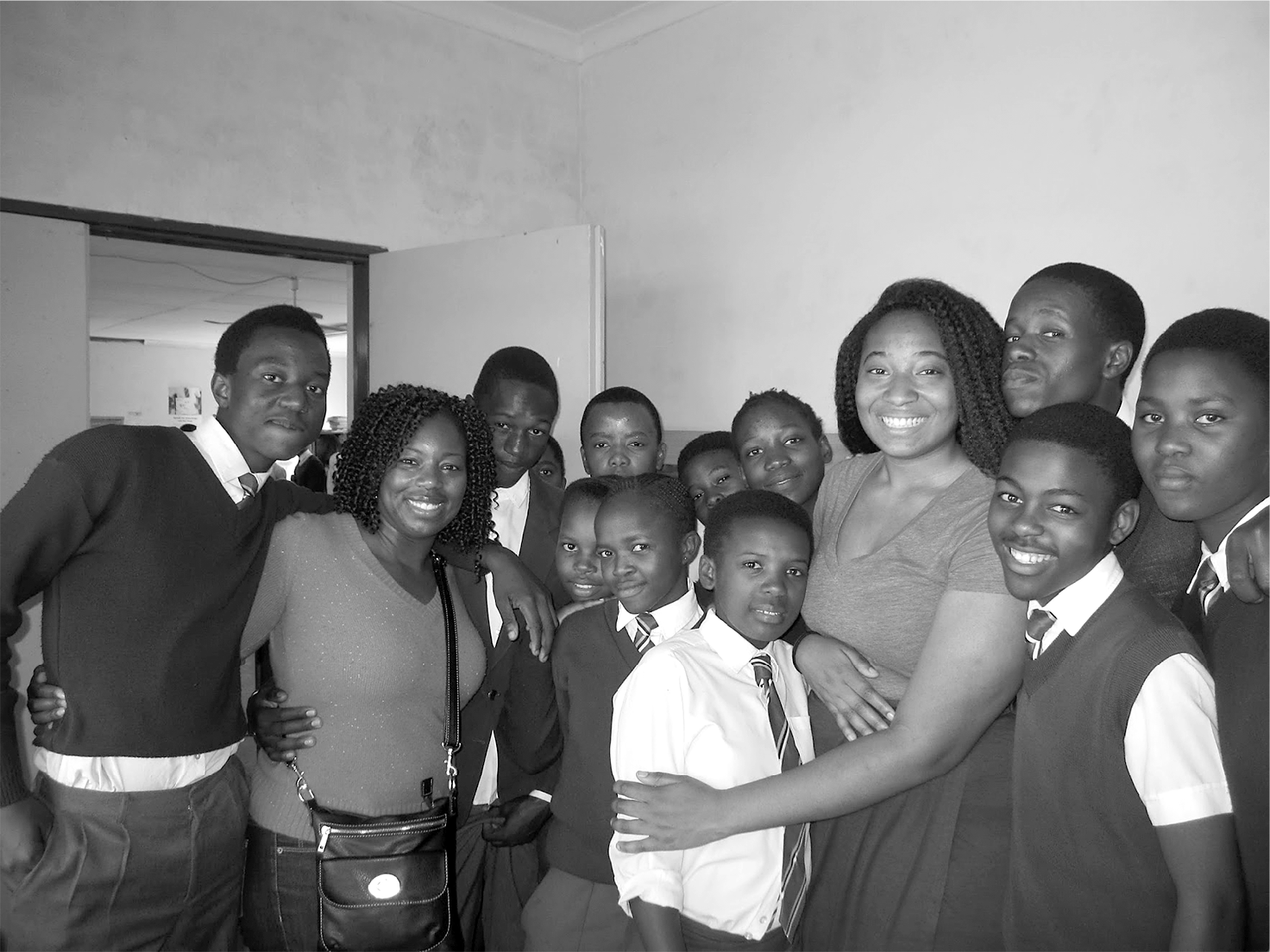
Dr. Fairbanks visits KwaPata Highschool in Pietermaritzburg with a group of university students.
Shameka Y. Fairbanks
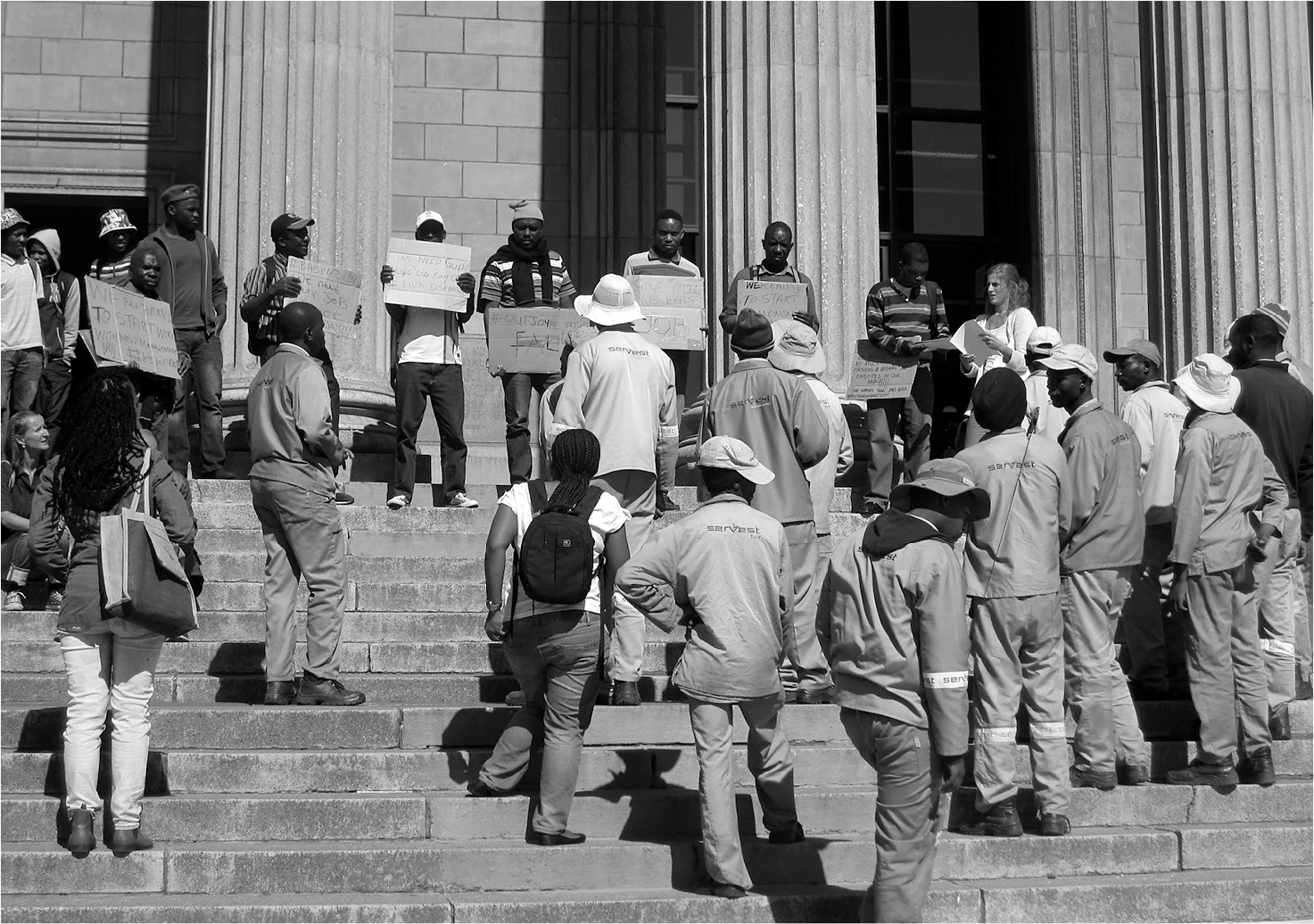
Workers protest on the campus of the University of Kwazulu Natal in Durban.
Shameka Y. Fairbanks
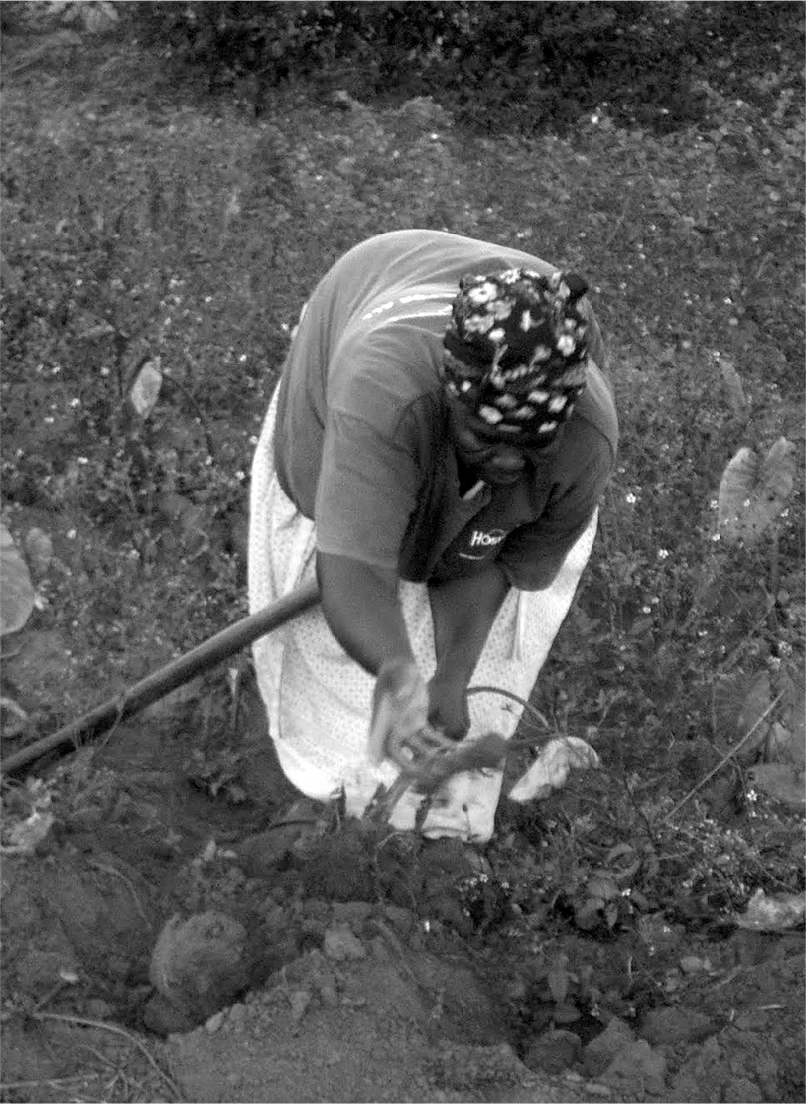
Ugogo (Grandmother) works to prepare the soil for planting in the garden in Magqongqo.
Shameka Y. Fairbanks
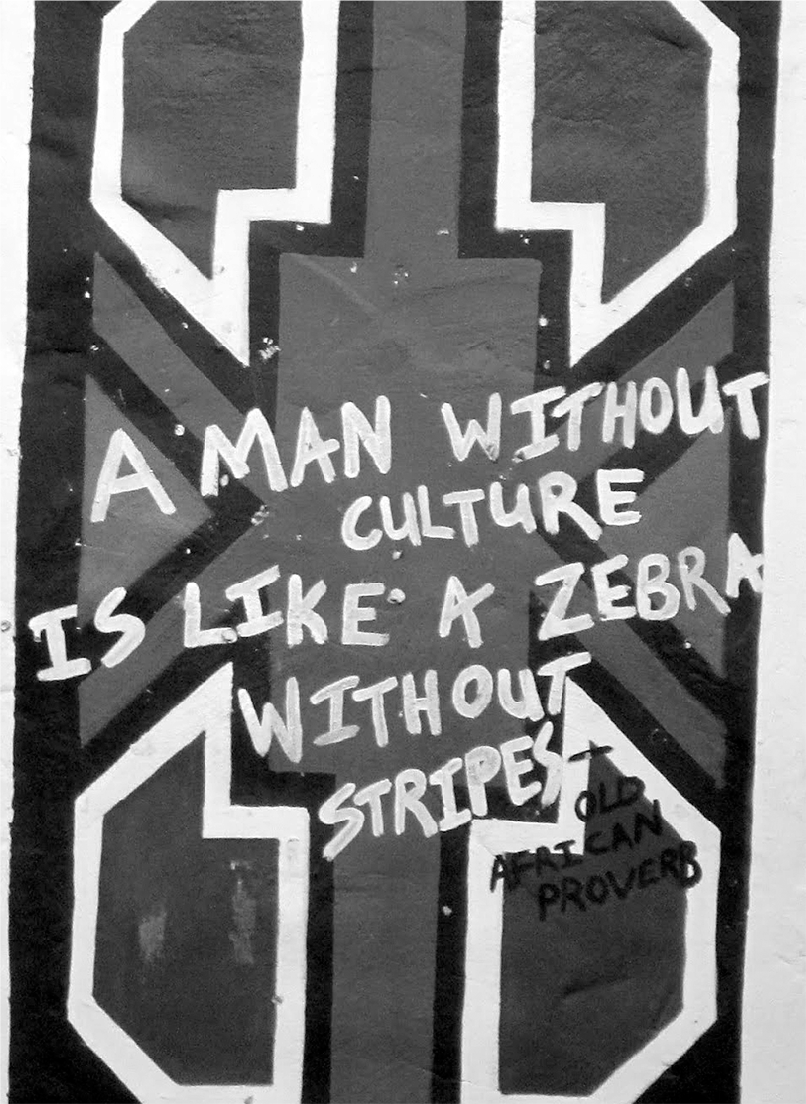
Old African proverb
Shameka Y. Fairbanks