Abstract
Derek Jennings on preparing meals based on ancestral diets.
Keywords
During the current COVID-19 pandemic, Indigenous peoples across the globe have been declared especially vulnerable due to their existing health disparities and lack of access to support systems. Yet, traditional foods, medicines, and practices have kept Indigenous peoples well for centuries. The need to feed ourselves from the land is ever-pressing.
Through my work as an Indigenous health scientist, I have had the privilege to witness Indigenous people reclaiming and revitalizing their Indigenous food practices for healing. These ancestral food practices share common features across Indigenous groups in Aotearoa (New Zealand), the United States, and Canada. By returning to the land, I believe that we can reconnect to our ancestral food practices and further nurture our spirits, our bellies, and our hearts. Being Indigenous, I am one of many who have hunted for family during COVID-19; I have enjoyed preparing meals based on our ancestral diets. At the same time, I purposively place a modern spin on ancestral recipes while cooking my game.
Because my Indigenous hunting practices are living, I actively attempt to create new “traditions” to pass onto my descendants who can tell tales of pandemic recipes that brought healing to their ancestors. I have been thrilled to see communities and individuals on social media also practice hunting and gathering while continuing to promote wellbeing through such. Within an Indigenous worldview, food serves as medicine with the ability to heal the mind, body, spirit, and emotions, which is certainly needed now. In fact, ancestral hunting practices may help Indigenous groups thrive and continue coping through these very bewildering times of the COVID-19 pandemic.
Hunting for healing has arisen as a theme within some of my recent community research. Throughout the ages, Indigenous groups have readily maintained and practiced traditional hunting, gathering of plants (such as Manoomin, or wild rice), and fishing.
In reviewing these practices, I have found that many Indigenous groups view animals and plant beings as our relations. We further rely on one another in a symbolic and practical manner. Animals and plants form the basis of many Indigenous clans, or social groupings. They provide teachings in stories and songs and undergird many of our ceremonies for healing while also providing nutritious food sources.
Today, we often hunt and gather within a grocery store or vending machine, reducing our connections to our non-human relatives, ancestors, and our health. For instance, our society recently saw extreme hunting tactics at grocery stores while many stockpiled items during COVID-19. However, as we hunt—both in the store and outdoors—there remains a need to do this in ways that best benefits us, the land, and the animals. Indigenous teachings instruct us to honor, create, and maintain our relationships as we hunt. When one enters a grocery store and views food wrapped in plastic, Indigenous people drawing upon ancestral teachings may question, “how was this food harvested? In a good way?” “What spirits and intentions have touched this food?” “Was this animal, plant, or being shown proper respect and thanks?” Through this perspective, our food represents our relationships, and we must maintain balance between such.
Duck ramen
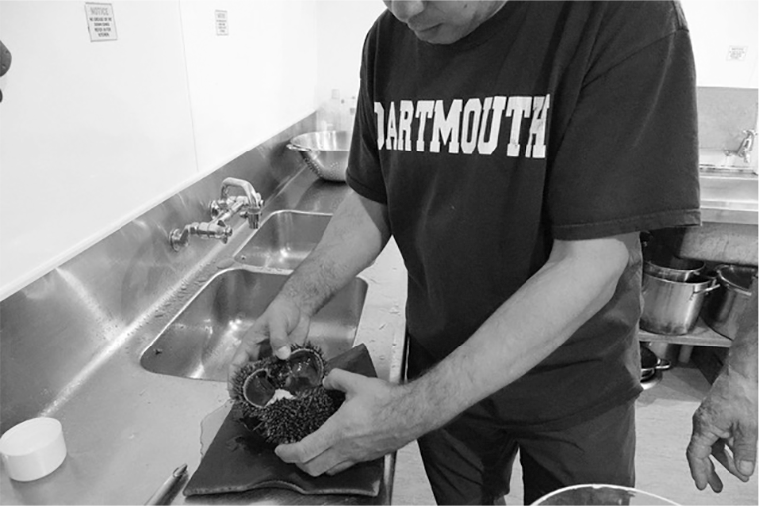
This balance was ever-present as I collected kina, or sea urchin with Maori relatives a few years ago.
I was taught the proper gathering protocol through stories. Prayers revealed ancestral knowledge, and families continued to share these practices with subsequent generations. This is no different from Indigenous groups in the Americas who use prayers, cleansing, and gratitude for the spirits for both animals and plants, whose lives are equivalent to one another.
Poached eggs wild rice

As I reflect more on hunting during the pandemic, I believe it holds large promise for health and healing among Indigenous people. I have identified several elements related to hunting that can be used to maintain, or increase, health. First, mindfulness. Mindfulness often occurs as Indigenous hunters wait for game. Being in nature immediately reconnects one to the present and increases awareness of your surroundings and sounds. If you let external thoughts distract you, you may miss seeing an animal, or even a berry. This reconnection with nature facilitates a healthy state of mind; many report positive emotions after being outside for a sustained time, thereby increasing mental health.
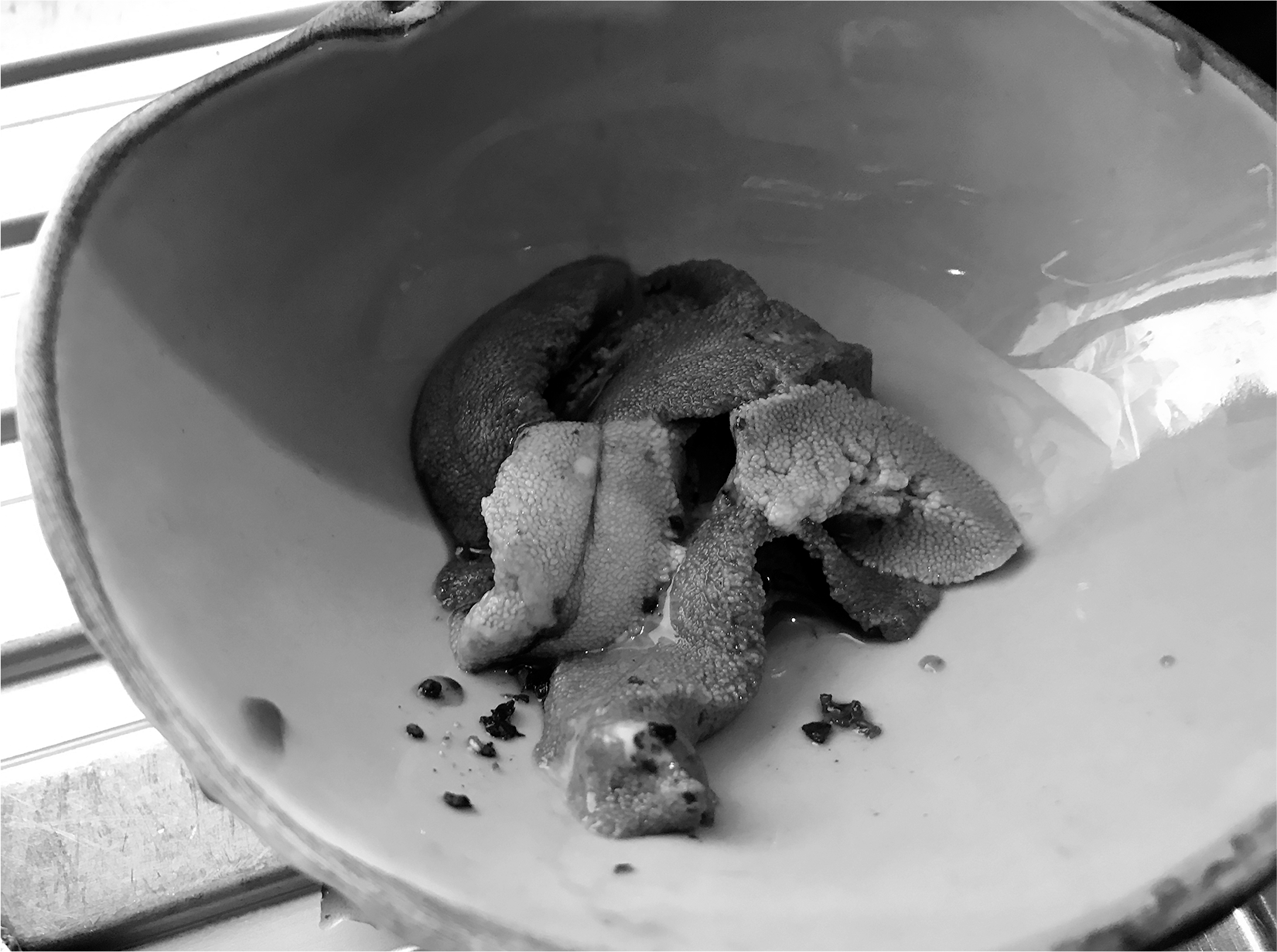
Sea urchin
Urchin-kina in a bowl
Additionally, witnessing the sacrifice of another being (i.e., plant or animal) encourages one to slow down, reflect, and hold deep gratitude for this life. It kindles a desire to maintain a relationship and positive balance, reminding us not to waste such precious food (or skin, hide, bones, rice, etc.). For instance, I attempt to show gratitude by creating the most healthy and fitting recipes to induce thankfulness and mindfulness while my family eats. In doing so, we are fulfilling our responsibility to the animal or plant and giving it much honor. This is very different than eating fast food, rapidly disposing of the packaging without giving any thought to what was just ingested.
Secondly, the act of hunting causes one to exercise and to consider fitness levels. I, like others, find myself walking and hiking to prepare for hunting. To track game, row a fishing canoe, or climb a mountain scouring for berries, a person must consider if they have balance between their physical and mental health.
Third, I believe that hunting generates not only respect for the animal, but also promotes cultural continuity through recalling and maintaining our ancestral practices. We must remain respectful of our sacred relationships with the animals and focus on how we will pass these teachings onto our descendants for the future generations. These hunting teachings may be key to coping during this pandemic.
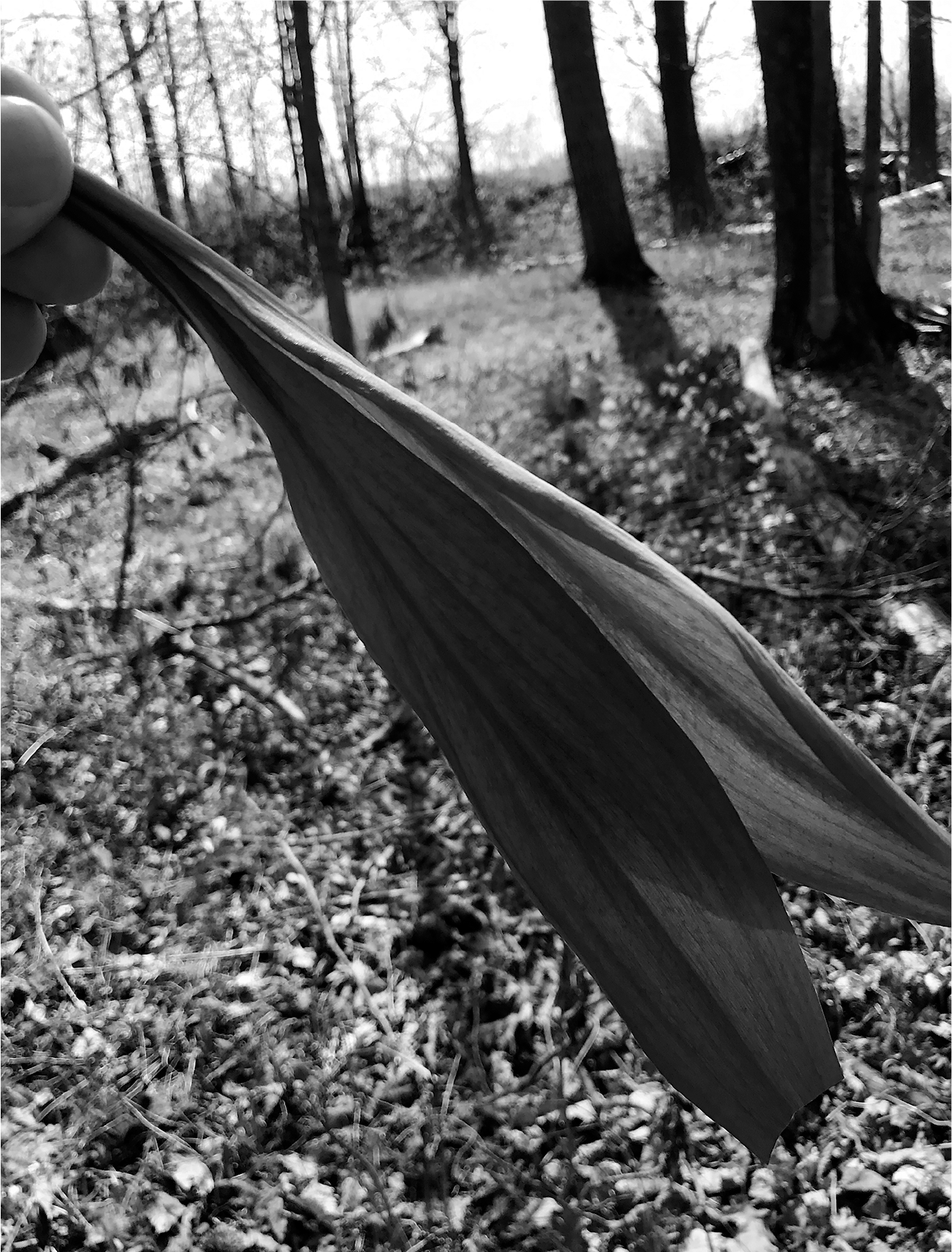
Wild Ramps
Overall, I see hunting as a way to sustain my personal health, as well as the health of my family during COVID-19. Perhaps hunting will promote the same healthy behavior among my children and their children, as they weave the tale of how their family ate during COVID-19 isolation. By honoring our ancestral food practices, we, as Indigenous peoples, can continue to reconnect with our ancestors to increase our health.
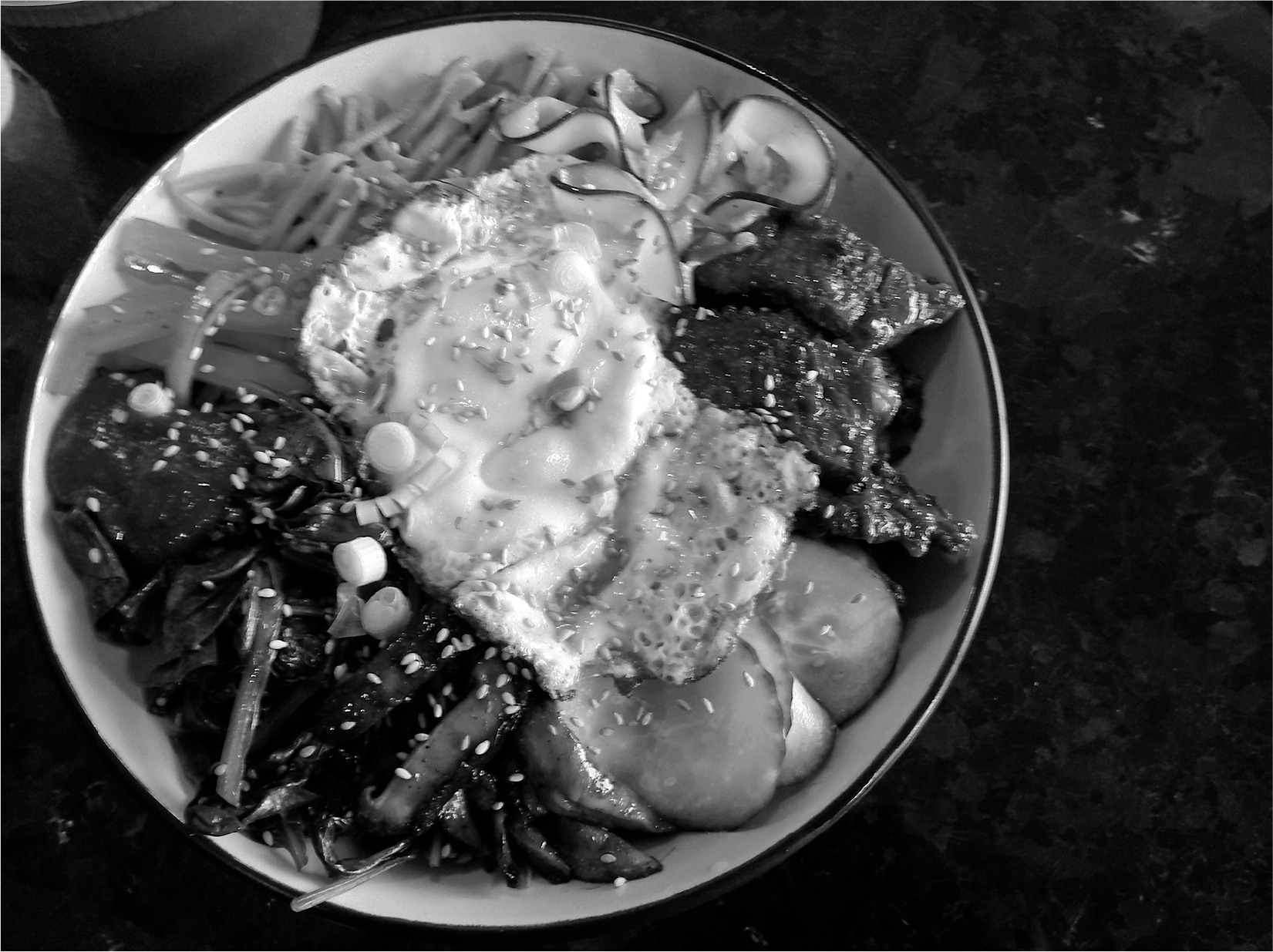
Bimbimbop deer
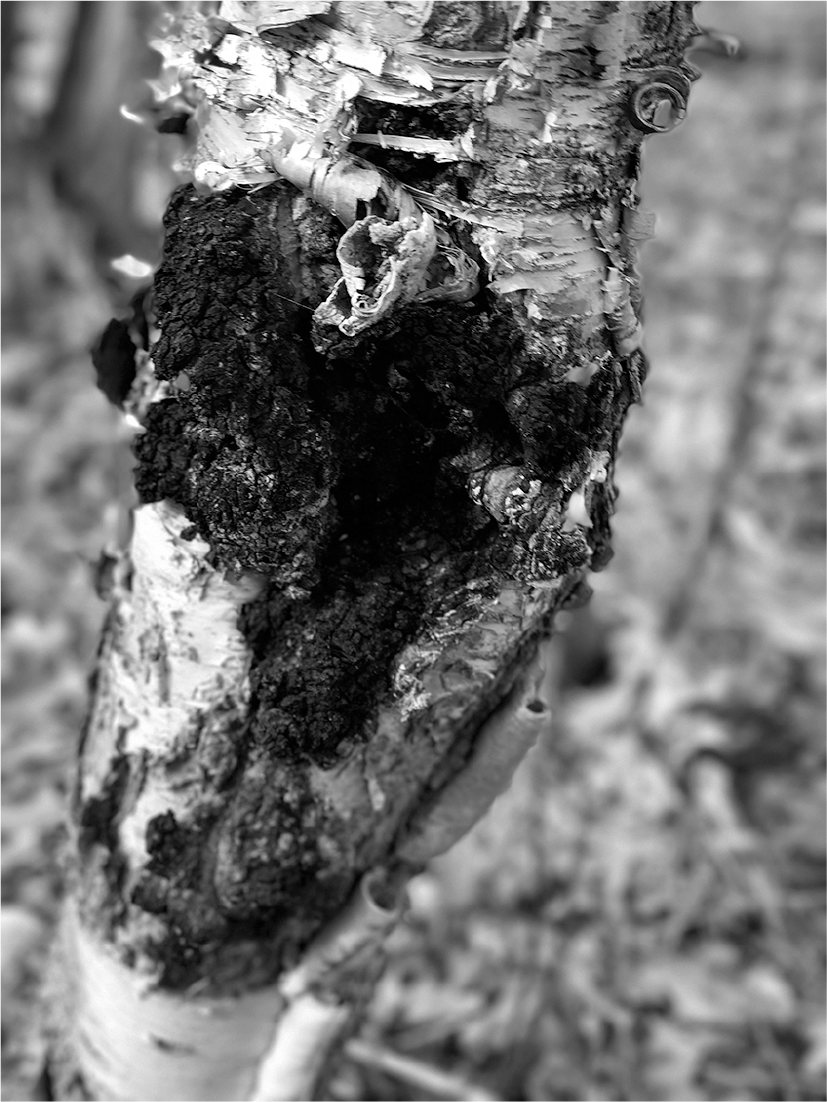
Shkitaagin chaga