



Abstract
Racial disparities and discrimination in the job market, why white women vote for trump, and are present day rap artists speaking to and about their communities?
Racial Disparities in Job Seeking
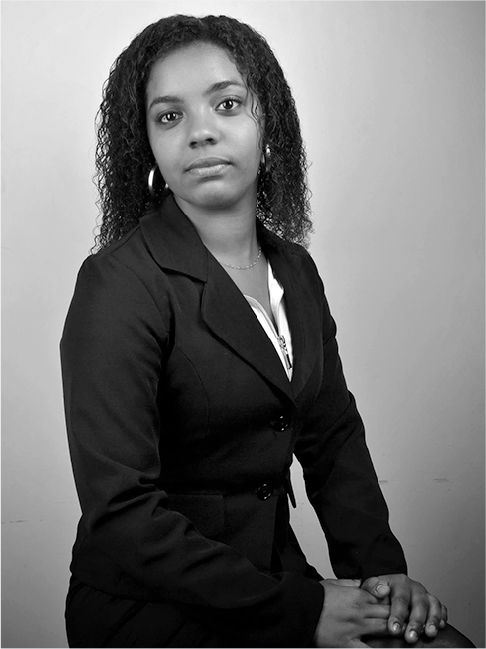
Research has shown that half of all jobs in the U.S. are found through networks of individuals or informal channels, i.e., friends, relatives, and acquaintances. Nevertheless, racial disparities and discrimination in the job market continue. If the people we know can help us get jobs, what makes these disparities persist? According to David Pedulla and the late Devah Pager in the American Sociological Review, the ability (or lack thereof) of individuals to leverage networks in the job-market presents a new way of understanding this question.
Using the National Longitudinal Study of Job Search (NLSJS) data, a nationally representative dataset of over 2,060 job seekers over an 18-month period, the authors study this question from a job-seeker’s perspective. The authors find that both Black and White job seekers hear about openings in the job market through informal channels at an equal rate (network access). The difference arises in how much these networks help the applicants in securing a job (network returns).
Pedulla and Pager test two ways that returns are different for Black and White job applicants. The first is if people in your network are employed at the company you’ve applied to work at (network placement). The second is what the people you know can do for you, such as contacting an employer on behalf of the jobseeker (network mobilization). Together, these two factors explain one-fifth of the disparity between Black and White job applicants in getting a job through informal channels. While these new findings present us with a framework to think about racial inequality in the job market, it is still not clear what other processes are at work to exacerbate racial disparities.
Wikimedia Commons cc, Daniela Carvalho Dani
Gender Sucks for You and Me
Flickr cc, Beverly Yuen Thompson
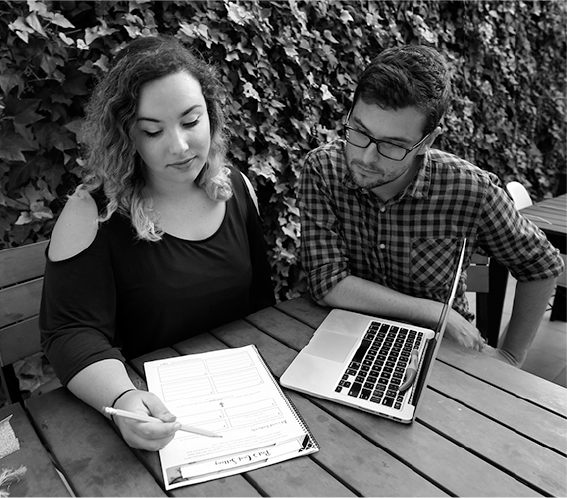
When women enter into an occupation that has previously been male dominated, it can be described as becoming “feminized.” While individual women may benefit from joining a male-dominated field, it is unclear how this affects women in all male-dominated fields. In Socius, Tamar Kricheli-Katz explores how the feminization of one field affects perceptions of women in other high-status fields. This nationally representative sample of U.S. adults also includes a large number of people who identify as managers, which is useful for understanding hiring practices.
Participants began by reading a short passage about a high-status occupation—management consulting. The gender composition was intentionally varied, informing some participants that the occupation predominantly included men, with women making up only 25 percent. In contrast, another group of participants was informed that the occupation was predominantly made up of women (55 percent). Then, participants were asked to evaluate application materials of a woman candidate for another high-status occupation—a marketing executive.
Kricheli-Katz found that when participants believed that management consulting was woman-dominated, the woman marketing executive candidate was less often recommended for hire, recommended lower pay, and was perceived as less competent by managers who were men. Alternatively, women managers rated the marketing executive applicant as more competent when management consulting was predominantly made up of women.
Kricheli-Katz argues the feminization of high-status occupations can be a threat to men managers’ identity as they have historically held more powerful positions in these occupations compared to women. Overall, this research shows that women merely entering into a male-dominated occupation does not result in gender equality. Rather, perceptions of women in these occupations may depend on the relative positions and power of women in all fields.
Discrimination Affects Generations
Disparate rates of morbidity and mortality among racial groups are both a cause and a consequence of racial inequality. Previous research has shown that children whose mothers are exposed to discrimination while pregnant have poorer health than other children, demonstrating the intergenerational transmission of health. However, does health transmission also flow the other way? In the Journal of Health and Social Behavior, Cynthia G. Colen and colleagues investigate how the health of mothers is affected by children’s experiences of unfair treatment.
In order to answer this question, the authors combine data from two cohorts in the National Longitudinal Survey of Youth: the 1979 cohort and the children of the 1979 cohort. They measure how changes in a mothers’ self-rated health between age 40 and age 50 is associated with acute and chronic discrimination. Mothers of children who reported moderate or high levels of acute and chronic discrimination reported larger declines in health than mothers of children who reported low levels of discrimination.
Mother and daughter.
Pixabay, Katrena
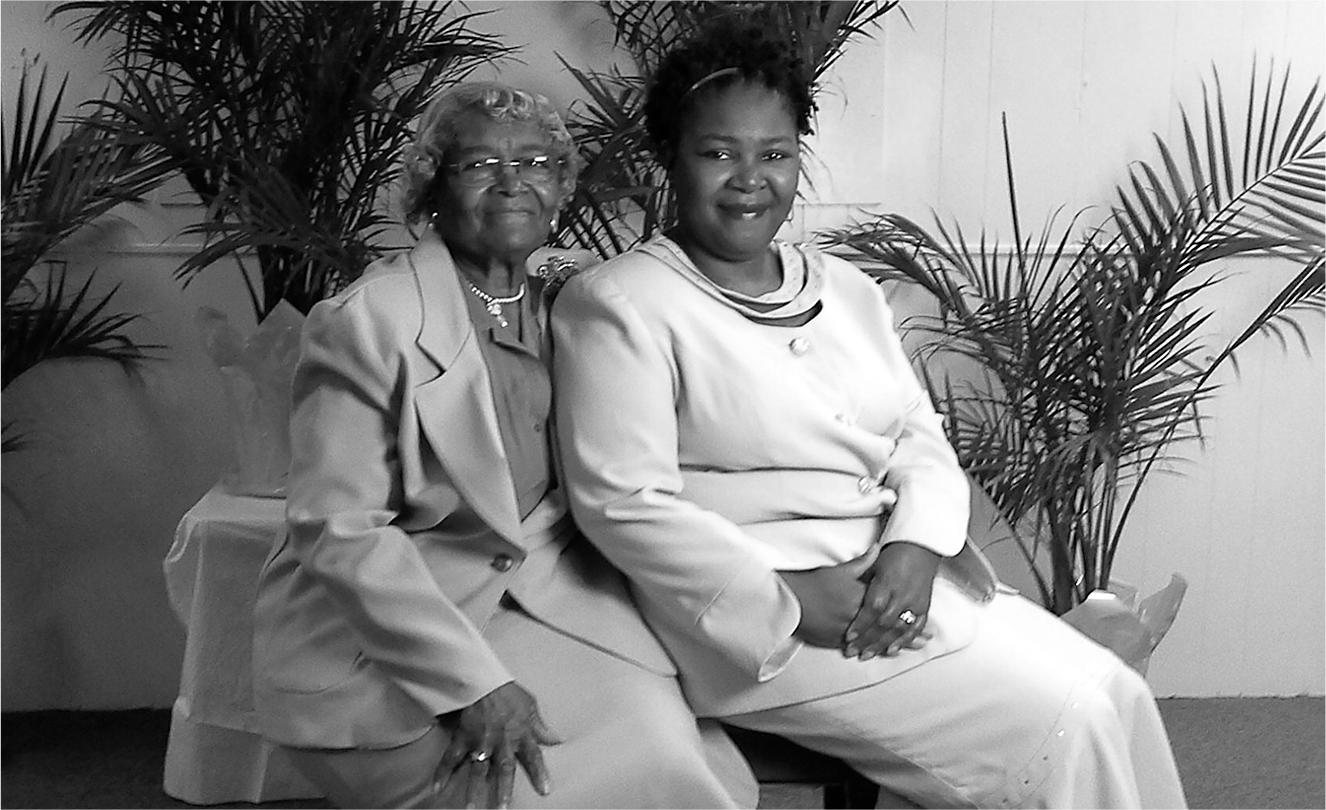
African American mothers showed the greatest decline in health compared to white mothers. Hispanic mothers also show declines in health, but to a much smaller degree than African American mothers.
The authors argue that understanding how health is transmitted between generations is crucial to expanding our understanding of racial health disparities. We can not assume that this relationship is unidirectional, and we could consider how relationships between family members transmit stress caused by discriminatory experiences. Without this, health disparities will continue to be reinforced by experiences of unfair treatment as both mothers and children navigate the entrenched racial structure of American society.
Why White Women Vote for Trump
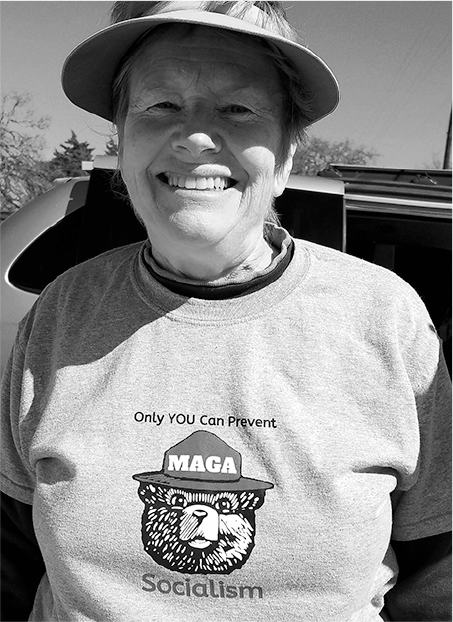
In 2016, 53 percent of White women voted for Donald Trump despite his poor record on women’s issues. This caused many people to ask why some women would vote against their own gendered interests. In Sociological Theory, Laura T. Hamilton and colleagues compare two theories to understand the role of femininity in social domination. Traditional theories of masculinity view gender as an independent source of oppression or privilege and cannot fully respond to the question of why? In their article, “Hegemonic Femininities and Intersectional Domination,” the authors argue that an intersectional perspective allows us to better understand the ways in which femininity is simultaneously raced and classed.
In the intersectional hierarchy of race and gender, White women are in “intermediate positions,” showing deference to White men while also maintaining dominance over everyone else. In order to maintain this position, White women perform femininity in ways that align with the politics that support the dominance of White men. White women who perform these dominant forms of femininity accrue a set of benefits called the “femininity premium.” At the individual level, women benefit more from the femininity premium than from subverting the existing system of oppression. In this way, dominance is maintained not through violence or coercion but through culture and institutions providing gendered narratives that push people towards conformity.
Simply put, White women vote against their own interests because they have invested in a system of racial oppression. Using an intersectional perspective on gender and domination allows for a stronger analysis of race and femininity. Also, theorizing gender in isolation normalizes whiteness, heterosexuality, and middle-class status.
This Trump supporter designs and prints pro-Trump T-shirts which she sells at county fairs.
Flickr cc, Gilbert Mercier
Hip-Hop and Community Responsibility
The origins of Hip-Hop can be traced back to 1970s New York and the rise of the New Black Power movement, Puerto Rican nationalism, and to the decline of the manufacturing industry in the United States. Rap artists in Hip-Hop have a long tradition of speaking to the systems and structures of oppression. Often, this is based on their own experiences living in places with high levels of disadvantage. Decades later, Hip-Hop is now one of the world's most popular music genres. Do present day rap artists share the same thoughts around speaking to and about their communities? In an article published in the Sociology of Race and Ethnicity, Sarah Becker and Castle Sweet answer this question.
The authors conducted 25 interviews with Southern rap artists. Twenty of their participants were Black men followed by three Black women, one white man, and one white woman. In their study, they asked artists about their community attachment, community involvement, connections between music and community, and definitions of who their community was to themselves. They were interested in knowing how and where they grew up and how their living circumstances shaped their understandings of these topics. The authors find support for the idea of Black "place-making." This suggests that amid racial and economic disadvantages found in many Black neighborhoods, Black people find unique ways of building community among themselves.
The authors find that how present-day rap artists talk about community is determined by the level of disadvantage they experienced growing up. Artists that grew up in more middle-class areas defined community socially or emotionally. Serving as a role model to others, including youth, was seen as their responsibility to their community. Artists from lower middle-class, working-class, or mixed-income similarly defined community socially or emotionally. However, this group saw their responsibility as being a messenger to the community through their music. Lastly, artists that grew up in areas with high disadvantage specifically referenced their childhood neighborhoods as their communities. No matter the content or style of rap (conscious or not), many in this group also felt a sense of obligation to their communities. The results of this study highlight how many of the original pillars of hip-hop, such as community responsibility, are still key to many rap artists' music and purpose.
1520 Sedgwick Avenue, The Bronx. Site of the legendary party given by Kool Herc on August 11, 1973. Now officially recognized by the New York State Office of Parks, Recreation and Historic Preservation as the “Birthplace of Hip-Hop.”
Flickr cc, Andrew

Is the Hispanic Health Paradox True?
There has been much research addressing the racial-ethnic and immigrant-native health disparities; however, how these disparities form are still unclear. In the Journal of Health and Social Behavior, Courtney E. Boen and Robert A. Hummer explore this by highlighting the advantage of the Hispanic health paradox. Their research shows that Hispanic mortality for those aged 50 and above is lower than that of the non-Hispanic White (native) population. Drawing a sample of adults age 50 and older from the Health and Retirement Study, the authors seek to address this gap while informing whether this paradox extends to older age health.
Boen and Hummer show that previous research indicates Hispanics live longer lives when compared to non-Hispanic Whites, yet they are more likely to experience socioeconomic stressors and health risks. However, prior studies disagree on whether this longer life expectancy extends to whether this group has overall better health than their non-Hispanic-native peers. The authors find the Hispanic health paradox does not extend to the "pre-disease markers of health risk." Meaning that U.S. domestic and foreign-born Hispanics who are living in the U.S. experience higher levels of disability, depressive risk, and loss of some functions (i.e., walking and bathing). Further, they experience more socioeconomic disadvantages and stress exposure than that of Whites and similar to Blacks.
Hispanics may live longer than Whites and Blacks, but their lives are characterized by a greater chance of health risk than Whites, more similar to that of Blacks. These results improve the collective knowledge of these health disparities across mid to late life. In sum, this piece contributes to an understanding of the health profiles of this diverse aging population. It details the evident racial-ethnic and immigrant-native inconsistencies in socialization and shows how these social factors produce population disparities in disease development at different life stages.
Police Misconduct: Bad Apples or Rotten Apple Trees?
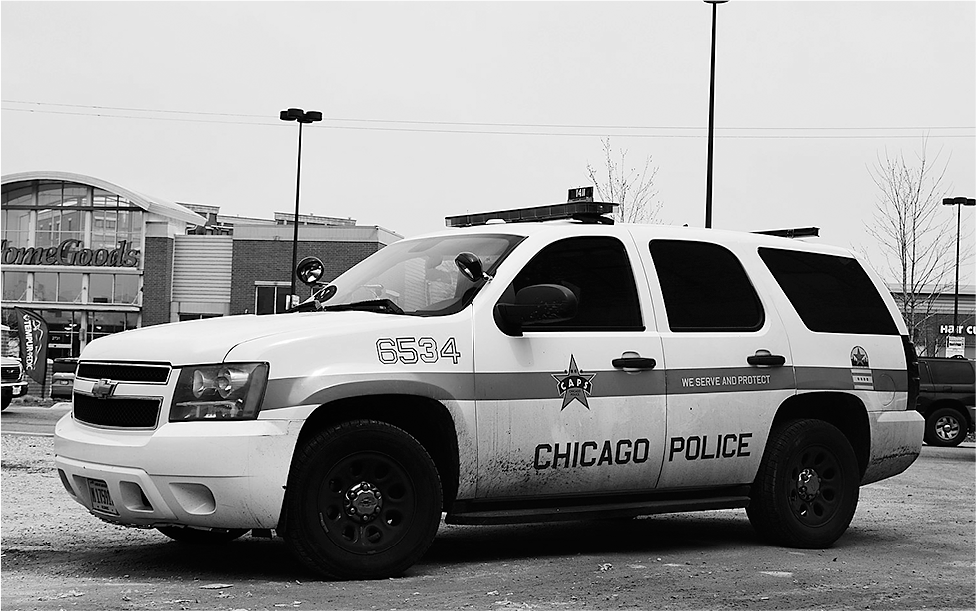
Police misconduct is often attributed to “bad apples” or an underlying culture of misconduct rooted in police networks. However, little is known about officers who receive complaints about wrongdoing or their potential networks. In Socius, George Wood, Daria Roithmayr, and Andrew V. Papachristos attempt to uncover more about these offenders by analyzing civilian and department complaint reports involving more than 15,800 police officers in Chicago.
They begin by looking at individual officer characteristics. The authors find that the race of the officer made no difference when looking at the rate of civilian complaints. However, male officers were more than twice as likely to receive civilian complaints than female officers. Both the age of officer and number of years on the force made a difference in likelihood of receiving complaints, with older and more experienced officers being less likely to receive civilian complaints. In general, the authors found that there were a small number of individual officers who received large numbers of co-complaints. Thus, they moved to examine how individual officers fit into larger networks of police misconduct.
The study finds that misconduct appears to be a networked phenomenon. More than 80 percent of complaints were issued against officers who were not acting alone, and more than half of the civilian complaints named more than one officer. When exploring these networks, they find that officers who are different in terms of their tenure are less likely to engage in misconduct together. Similarly, while Black and White officers receive complaints at the same rate, they are less likely to form co-complaint ties. This could be because Black officers are more likely to receive departmental complaints, indicating that they face more scrutiny or discrimination.
Some characteristics predict individual officer misconduct, such as being male, young, or particularly inexperienced. Yet, when looking deeper into the network ties of officers who co-offend, they find certain factors, especially seniority and race, strongly predict network ties and the incidence of group misconduct. This implies the possibility that some “bad apples” are indeed the product of “rotten apple trees.”
Wikimedia Commons cc, Arvell Dorsey Jr.
We’re All in this Together…Right?
While African Americans have a long history of enduring marginalization, Asian and Asian Americans in the U.S. (AAAUS) are also marginalized on the basis of race and are the fastest growing marginalized racial group in the country. However, AAAUSs are positioned between Blacks and Whites in the American racial hierarchy, making it difficult for them to build a sense of political unity. If this division were addressed, political coalitions between the two may help both groups advance toward racial equality.
In Sociology of Race and Ethnicity, Nicholson Jr., Carter, and Restar investigate what factors may facilitate coalitions. Using nationally representative data from the 2008 National Asian American Survey, the authors examine the roles of group consciousness, or the belief in collectively shared culture, race, and political and economic interests. They also examine linked fate, or the belief that what happens to one’s racial group affects them personally, as well as the experiences of discrimination.
The authors found that AAAUS respondents with higher levels of group consciousness and linked fate have greater perceived political commonality with African Americans. However, experiences of discrimination were not significantly correlated with political commonality with African Americans as expected. This difference could be a result of discrimination between the two groups, which has been demonstrated in other studies. Since African Americans are found to experience group consciousness and feelings of linked fate. Therefore, this research implies that fostering these feelings among AAAUSs will increase the likelihood of collaboration in the struggle to increase minority political power and achieve racial equality in the U.S.