




Abstract
Deportees' reintegration is shaped by the contexts of reception in their countries of origin and the strength of their ties to the United States. For some, the deprivation and isolation of deportation is akin to a death sentence.
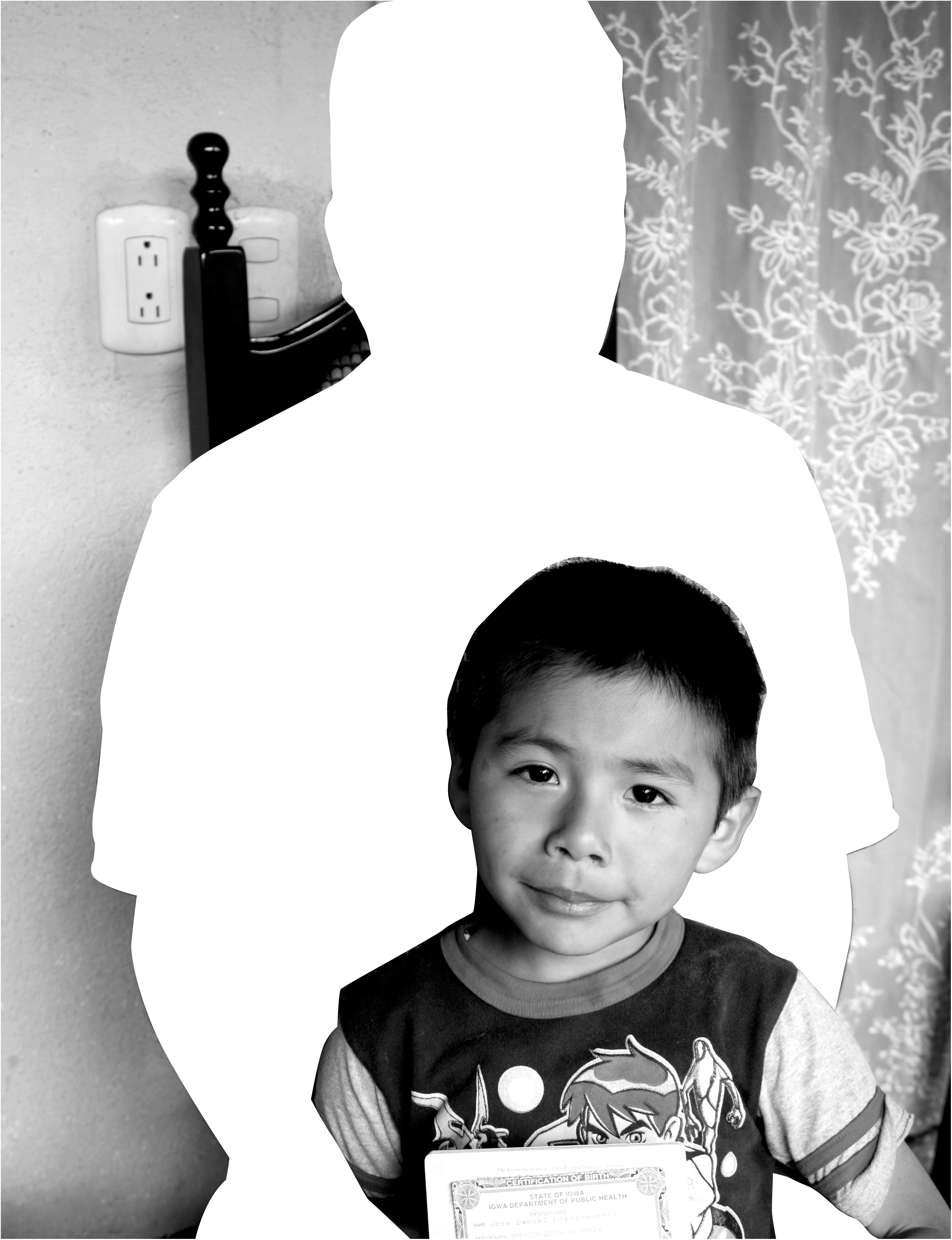
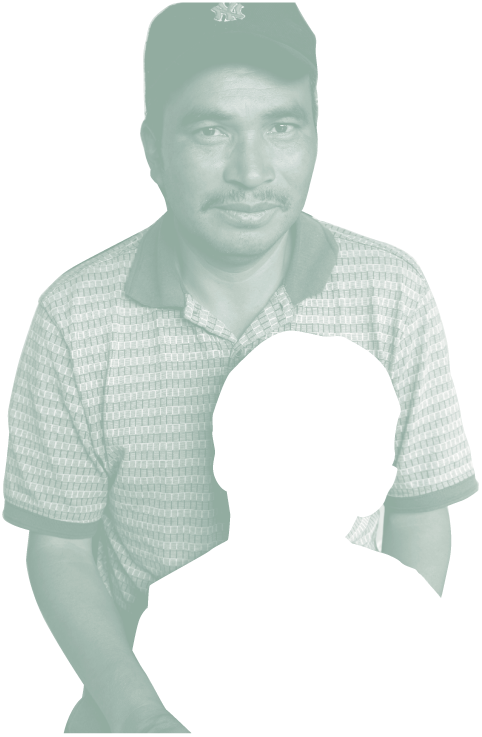
Immigrants have long come to the United States in search of a better life. Some come to improve their financial situation; others are fleeing violence or political crises; and still others come to reunite with family members. Deportation cuts these dreams of safety, security, and family unity short.
Deportations from the United States have been at recordbreaking highs for the past decade. This unprecedented experiment in immigration law enforcement necessarily accumulates consequences.
To learn more about the aftermath of deportation, we interviewed 157 deportees in four countries: Brazil, Guatemala, the Dominican Republic, and Jamaica. Our findings reveal the variety of deportees’ experiences.
Some deportees are people like Emanuel, a United States Army Veteran who lived in the United States for two decades and was deported for illegal possession of a firearm. Others are like Geraldo, who was deported after a harrowing and life-threatening attempt to enter the United States. And then there are deportees like Jay, who was convicted of a drug offense and turned his life around, only to find out he would never live with his wife and two children in the United States again.
Some had lived decades in the United States; others were recent arrivals. Some had committed crimes; others were law-abiding. Some left families behind in the United States; others have very few remaining ties to the United States.
The six million people deported from the United States since 1997 exhibit some striking patterns. Notably, 98% of deportees are sent to Latin America. Over 90% are men. We don’t have systematic data on their average length of stay in the United States, the families they leave behind, or on what happens to them after their deportation. We do know that an undocumented migrant who has lived in the United States for a short period of time will have a distinct deportation experience from a legal permanent resident who came to the United States when he was two years old.
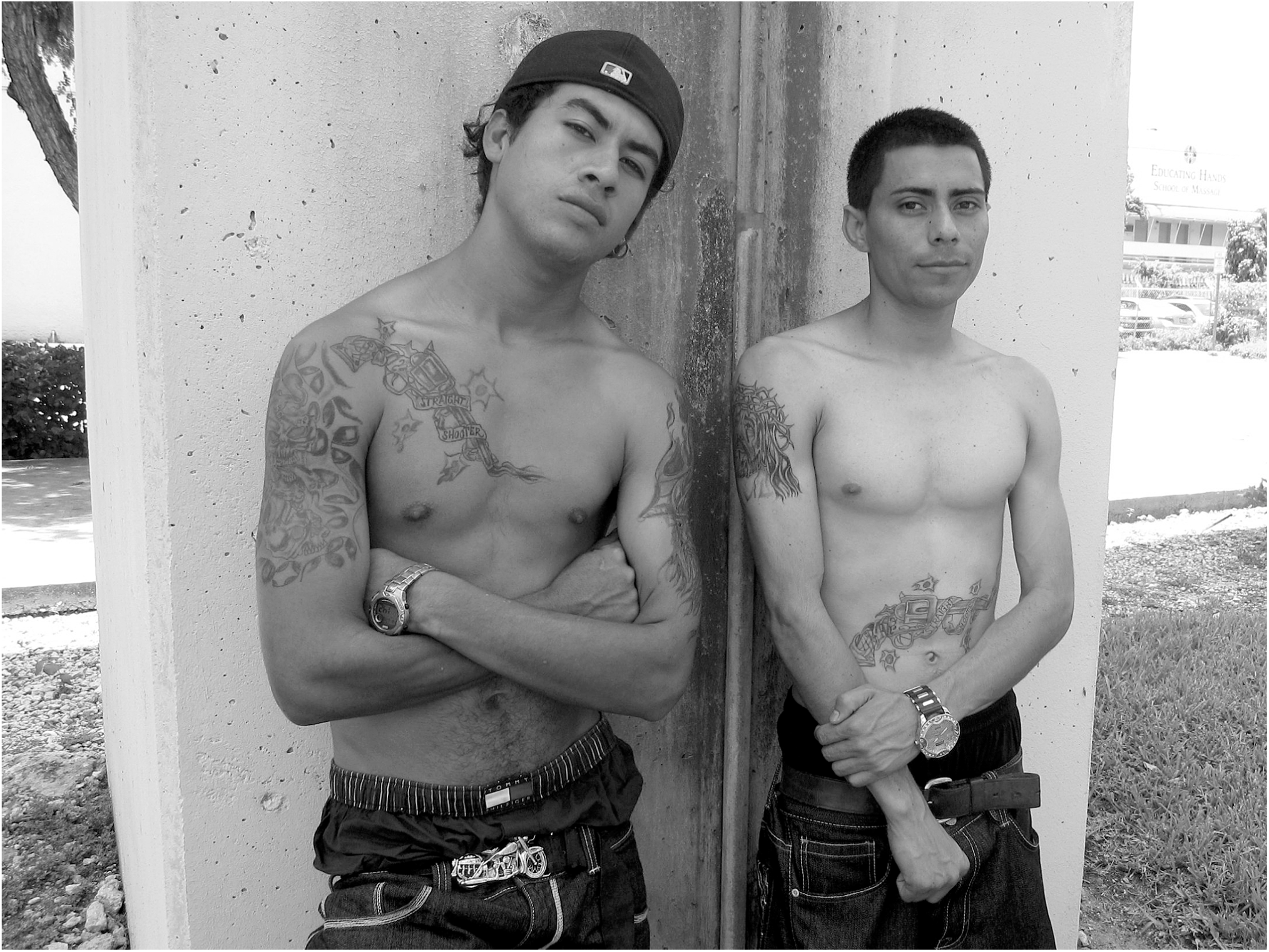
We also know that deportees’ reception into their country of birth varies significantly. In Brazil, there is no stigma associated with deportation, while in Jamaica, a strong social stigma of criminality makes it difficult for deportees to secure employment after their return. In Guatemala, deportees with visible tattoos are associated with gangs and targeted by the police. And, in the Dominican Republic, the government considers deportees confirmed criminals.
Alienation and Isolation
Few deportees are able to seamlessly reintegrate in their country of birth. Their reintegration is made more difficult when they have spent decades in the United States and when they have few ties to their country of birth. Hakim, for example, traveled legally to the United States from Jamaica to live with his mother in 1970, when he was 17 years old. He secured a legal permanent resident card and planned to settle in the United States permanently, yet he was deported in 2005 due to a criminal conviction from the 1990s. He left eight children, aged 12 to 31, in the United States. Having been gone for 34 years and seen all of his family members emigrate to the United States, Hakim had no ties in Jamaica.
“I have not lived in this place for years and really don’t have any connections.”
Hakim described how he felt when he first arrived in Kingston, “The place looked so strange to me. I was hoping this was an opportunity, but to no avail. … I was shell-shocked. I just could not adjust to the place.” He continued, “The place looked so different. The streets that looked like boulevards to me [before I left], now they look like little alleys, I still have not adjusted yet. Honestly, it is a horror story. I have not lived in this place for years and really don’t have any connections.”
When we interviewed Hakim, he was homeless and staying with a friend for a few days. He had recently lost his job as a security guard, because his employer found out he was a deportee. Hakim’s greatest fear was that he would end up without a place to take a shower or iron his clothes.
Even among deportees who did not experience homelessness, poverty, and isolation, the process was still traumatic. Marvin was deported to Guatemala after living in the United States for 20 years. In those decades, Marvin had worked his way up to owning a successful flooring business. He and his wife had two kids, several cars, a large house, and a comfortable life. When he was deported, he was forced to move in with his father in Guatemala City. The house is comfortable, but he misses his wife and kids. Moreover, Marvin has several visible tattoos, which means that he is harassed by police and gang members alike. He told us, “On Father’s Day, we were coming to the house, and actually I got shot [at]. I ran, and he shot at me five, six times and didn’t hit me. My uncle was still in the truck, and he got hit in the shoulder. They shot because they saw my tattoos. They thought I was a different gang member from another gang.” Then he added, “Sometimes I’m afraid more of the cops than the gang members, because they pull you over, they hit you, they want money, …they want to put you in jail. Like, for what? I didn’t do nothing. …All they want is money.” Now, under constant threat of violence and police extortion, Marvin avoids walking outside if at all possible.
Under constant threat of violence and police extortion in Guatemala, Marvin avoids walking outside.
Our sample also included a few exceptional cases of deportees who reintegrated successfully. Cristian, for example, was deported from the United States after having lived there for ten years. When he was deported to the Dominican Republic, he moved in with his mother. He had the financial means to start a small business, and when his mother passed away, she left him a significant inheritance. He is married to a Dominican woman he met after his deportation, has two children, and he and his wife own two successful businesses. Cristian’s access to financial capital was extremely important in the Dominican Republic, because Dominican deportees face significant barriers to joining the formal labor market.
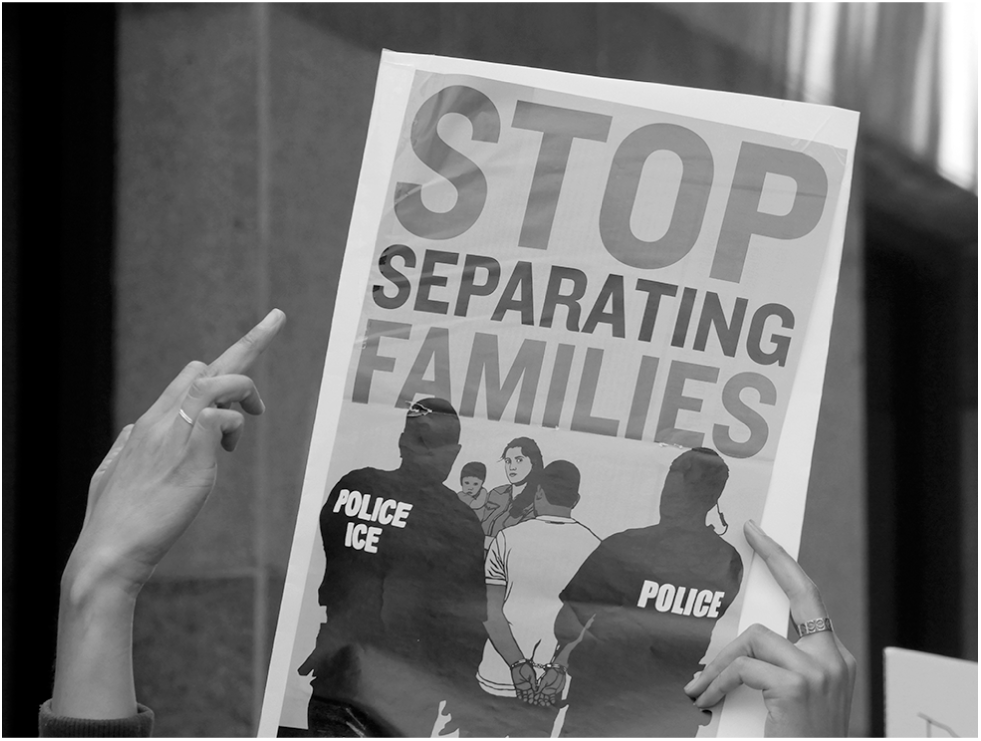
In U.S. immigration policy, family separations happen not only when migrants attempt to come into the country, but also when they are deported. Many deportees leave behind U.S.-born children.
Carwil Bjork-James, Flickr CC
Stigmatization and Job Insecurity
In many countries, the stigma of deportation creates barriers to employment. In Jamaica and the Dominican Republic, the local media portrays deportees as criminals, which makes employers reluctant to hire them.
In the Dominican Republic, the government also maintains records of their deportation and reports it in their “carta de buena conducta.” They must present this carta to obtain employment in the formal labor market. In practice, deportees are, under this system, nearly always restricted to the informal sector or to precarious jobs.
Emanuel, a military veteran, was deported after being convicted of possessing a firearm without a permit. His only family connection in the Dominican Republic was an aunt he had never met. Like other deportees, his carta de buena conducta stated that he had no criminal convictions in the Dominican Republic before or after his deportation, but that one mark put formal employment out of reach: “Your record says ‘deported,’ so even if you have not committed any crimes [in the Dominican Republic], they see that you are deported, I applied for a job because I speak English well. I passed the exams and everything, but they will not give me work anywhere.” Although Emanuel was locked out of the formal labor market, he is able to make a living as an informal taxi driver, because, when he was deported, his father, still living in the United States, loaned him money to purchase a car he could use as a taxi.
Guatemalan deportees experience stigma as well, but those who speak English are able to find employment and social acceptance in call centers. They earn a fraction of what these jobs would have paid in the United States, but they are valued by employers for their knowledge of U.S. language and society. Marvin, introduced earlier, is among this group. In a month, he told us, he barely earns what he made in a day installing floors in the United States.
Marvin reflected on all that he lost through deportation: “Sometimes, I ain’t got money to eat. I ain’t got money for gas.… I’m used to bringing home $15,000 a week. So, if I bring here like… I think every two weeks, they pay here like 13 or 1400 quetzales, which is like $200. That’s all. It’s a big difference.” He seemed buoyed by knowing that he had gone from rags to riches once before, “…What helps me is because when I went over there, I didn’t have anything. I didn’t have nothing. I didn’t have English. I didn’t have nothing. I worked hard. I got what I wanted, you know. I got where I wanted to be: live comfortable… we had a house, we had a pool in the back yard. We had a playground for my kids. We had vehicles. I mean, expensive vehicles. But you know, all that ended. I went back to the same when I left. I left with nothing. I’m here with nothing.” Marvin went from rags to riches back to rags again. Perhaps riches would come again.
Jay is one of the few Dominican deportees who has had a more positive social integration after deportation. Like Cristian, his experience also points the value of access to financial capital. After arriving back in the Dominican Republic, Jay worked in call centers for a period, and then he opened one of his own using start-up funds his sister, who remained in the United States, had saved.
We met Jay in his office at the call center he co-owns on the third floor of a building in the business district of Santo Domingo. The call center consists of a row of ten computers, each equipped with headphones with built-in microphones. When we visited, there were four workers seated at the computers, taking calls for a payday loan program in the United States.
Jay had moved to the United States in 1968, when he was six years old. He was a legal permanent resident and was deported after a lengthy court battle. His deportation separated him from his wife and two school-age children. Jay and his wife tried to maintain their marriage, but the distance strained their relationship, and they eventually divorced. Jay was struggling to make a living in his country of birth, and his wife back in the United States had difficulty staying afloat as a single parent and without Jay’s income. Although Jay eventually figured out a way to survive financially in the Dominican Republic, he expressed great pain at having lost his close relationship to his wife and children.
Jay and Marvin are success stories among deportees in the Dominican Republic and Guatemala, respectively, because they earn enough income to get by. By contrast, in Brazil, most of our deported respondents were able to find work, because there are more labor market opportunities, they spent less time in the United States (and therefore retained social ties in their country of origin), and there is no social or official stigma against them.
Few families are able to withstand the stress of a deportation and remain together.
Geraldo works as an electrician for the local government in his hometown in Goiás, Brazil. None of the deportees in Guatemala, the Dominican Republic, or Jamaica were able to secure this kind of formal employment. Geraldo, nevertheless, has a different set of problems, as he is deeply in debt. Geraldo made a deal with a coyote in 2002 that he would pay $7,000 USD for his trip into the United States—half when he left and half when he arrived. Geraldo traveled by air to Sao Paulo and, from there, to Mexico City. At the U.S.-Mexico border, the coyotes took Geraldo and his two companions to a remote part of the desert, took out pistols, and ordered them to walk away. They did. In the desert, the trio was captured by Border Patrol agents. The coyote called Geraldo’s father, telling him Geraldo had arrived in the United States and demanding another $1,000. Geraldo’s father paid this, as well as $7,000 in fees to an immigration lawyer, but still, Geraldo was deported. Now, though Geraldo works as an electrician, it will take years to pay his father back the thousands of dollars spent on his failed migration attempt.
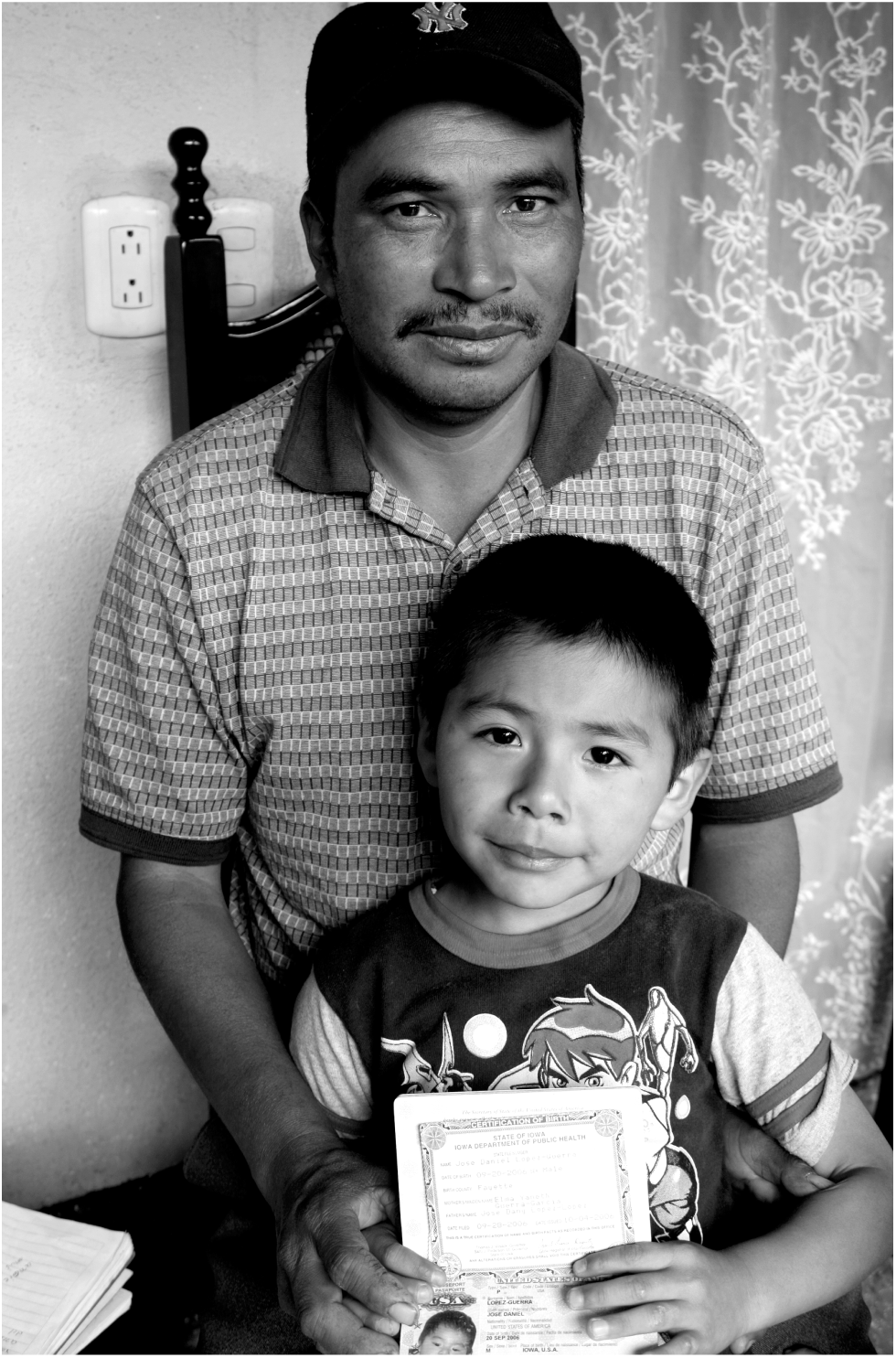
In San Jose Calderas, a Guatemalan father who has been returned holds his U.S.-born son.
longislandwins, Flickr CC
The contexts of reception matter for deportees’ chances. Upon deportation, these young men’s tattoos might mark them for police targeting as they attempt to rebuild their lives locked out of the United States.
Philip Pessar, Flickr CC
Brazilian deportees were often able to secure employment and even to purchase cattle and other assets to supplement their income. Guatemalan deportees who were fluent in English were able to secure work in call centers, which provided them with a means of survival. Dominican and Jamaican deportees, however, were usually locked out of the labor market due to the stigma attached to deportees. They had to rely on remittances from the United States to survive.
Assault on Family Ties
Deportation involves many challenges, not only for the deportee, but also for their family and community. After deportation, families struggle to maintain ties. Often, their efforts are unsuccessful.
Hakim, Marvin, Jay, Cristian, and Emanuel all left children in the United States, and all of their relationships with their children have suffered due to their deportation. Few deportees’ families have the resources to visit the home country of the deportee. Hakim’s children’s mother has been unable, for instance, to keep her promise to bring the children to visit their father in Jamaica. She has not been able to save enough money for the trip. Hakim, who was prosecuted and deported for a marijuana offense, lamented, “I think I should be punished, but I do not think I should be punished for a plant until I die.” He will never be able to return to the United States, and that means Hakim may never see his children again.
Even families that relocate may end up fractured. A few months after he was deported, following his conviction for a hit and run accident in which no one was injured, Marvin’s family decided they would relocate to Guatemala. They sold their house, and the family moved to Guatemala with $200,000 in their bank account. Unfortunately, the life changes put stress on their marriage. After about a year and a half, Marvin and his wife decided to divorce. Marvin’s wife, who is a U.S. citizen and had been a stay-at-home mom, went back to the United States with the kids. They live with her mother now, while she works for minimum wage in a gas station.
It has been difficult for Marvin to cope with this separation. “My kids say, ‘Daddy, come back, come back.’ If I go back and I get caught, they will put me in jail. My oldest daughter, she’s 22. She has a little baby. You know, I missed her graduation. I missed her wedding. A lot of things I missed because of what happened. And it makes me mad, because it shouldn’t be like that. They should pick out the people that actually get in trouble and do bad things, not the people who got in the trouble one time and never again got in trouble, you know.” Ruefully, he said, “But, life is rough, and we have to deal with it.”
Jay and his wife decided that his family would not relocate to the Dominican Republic, as the public schools were inadequate, and they knew they would not be able to afford private school for their children. For the first five years after Jay’s deportation, his wife and two children came every summer for vacation. But with no prospect of living in the same country again, the couple divorced. The kids’ visits have become much less frequent.
Cristian and Emanuel have both formed new families in the Dominican Republic, and their ties with their children in the United States have weakened. Few families are able to withstand the stress of a deportation and remain together.
Our research reveals that the two primary factors that shape deportees’ reintegration are the context of reception in their country of origin and the strength of their ties to their homeland and to the United States.
Brazil is the only country we studied where deportees are not stigmatized. This lack of stigma makes it easier for deportees to reintegrate. Another key factor is that the interviews for this study took place in 2011 in Goias, Brazil, which at that time had favorable economic conditions. At the same time, Brazilians in this study were more likely to be saddled with debt due to the relative recency of their migration attempts and the high cost of illegal migration from South America.
Deportees’ ties to their homeland and to the United States also shaped their reintegration. Cristian, for example, was able to move in with his mother in the Dominican Republic. Her ready access to significant financial capital made Cristian’s reintegration much easier than others’. In contrast, Hakim has strong ties in the United States, but none in Jamaica. He doesn’t even have family members who can, for instance, provide him with a place to stay. It is in the United States where Hakim has strong family ties—and that makes it all the more painful to deal with the reality that he may never see his mother and children again.
For Hakim and others like him, the deprivation and isolation of deportation is akin to a death sentence.