



Abstract
The tangled web of race, policing, and justice in America.
Keywords
Elvert Xavier Barnes Protest Photography, Flickr Creative Commons
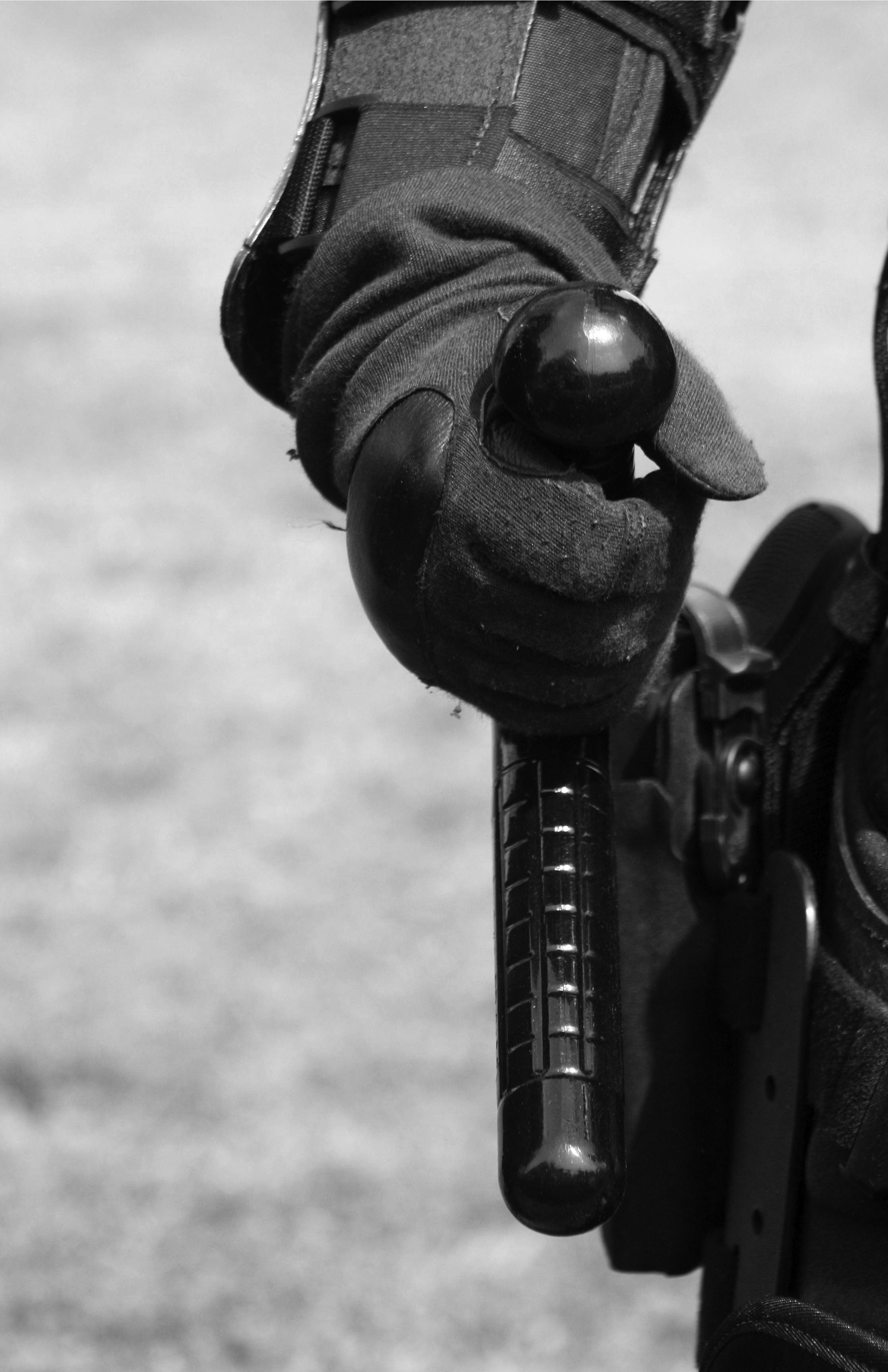
Chicago, once pejoratively described as America’s Second City, became the first city to offer monetary reparations to victims of police torture. The brutality, which took place between 1972 and 1991, was macabre: beatings, electric shocks, suffocation, mock executions, and other abuses. Under the direction of Jon Burge, a former detective, police officers exacted false confessions that resulted in long prison sentences, even placing some on death row. The hundred-plus victims were mainly African American, and the violence was baldly racial. A cranked device used to electrocute victims was painted black and called the “n—– box.” Nooses dangled from the South side building’s basement ceiling. The City Council’s use of the word “reparations” thus held a particular meaning.
In announcing the agreement, Mayor Rahm Emmanuel spoke of righting wrongs and of bringing “a dark chapter of Chicago’s history to a close.” But it was a belated and reluctant reckoning, a poorly kept secret that the city had spent close to $100 million investigating and settling. “We are gratified, that after so many years of denial and cover-up by the prior administration, the city has acknowledged the harm inflicted by the torture and recognized the needs of the Burge torture survivors and their families by negotiating this historic reparations agreement,” Joey Mogul, an attorney representing many of Burge’s victims, told USA Today. “This legislation is the first of its kind in this country, and its passage and implementation will go a long way to remove the longstanding stain of police torture from the conscience of the city.”
The reparations ordinance provides a fund of $5.5 million for torture victims as well as psychological counseling and job assistance. A memorial will be constructed, and the sordid episode will be included in the high school history curriculum.
Chicago is hardly alone in its struggles. Police violence is a grotesquely routine feature of American life, as one city after another is roiled by protests following the killing of yet another unarmed black citizen. There is pressure on Cleveland and Ferguson to put their policing houses in order following the killings of 12-year-old Tamar Rice and 18-year-old Michael Brown. In New York City, the chokehold death of Eric Garner and the shooting of Akai Gurley revive memories of Amadou Diallo and Sean Bell, among others. After killing Walter Scott, who fled a traffic stop in North Charleston, South Carolina, Patrolman Michael Slager laughed about the adrenaline rush he felt.
Deaths are only the beginning. Each botched investigation, each farcial grand jury, each indictment not handed down is more than salt poured onto an already festering wound. It is to open a fresher, deeper gash. By comparison, Baltimore’s decision to indict four officers over the death of 25-year-old Freddie Gray, who sustained fatal spinal injuries while in police custody, seems positively revolutionary.
The pieces that follow explore the tangled web of race, policing, and justice in America, with a view toward healing. Elliott Currie examines the societal devaluation of Black lives. This is revealed not only in the racial focus of police violence—Black men make up about 6.5% of the U.S. population but 29% of the police deaths so far this year—but also in the collective refusal to address longstanding patterns of discrimination and institutional racism. Katherine Beckett reports on commonsense reforms by the Seattle Police Department, itself under a Justice Department consent decree for the use of excessive force. Sudhir Venkatesh suggests we discard simple oppositions like “us and them” in understanding police-community interaction, foregrounding the role of community “brokers” who mediate relations between citizens and institutions of power. And lastly, Laurence Ralph considers Chicago’s blue light system and its connection to other forms of police surveillance, violence, and control. He suggests the police’s panoptic gaze be turned on itself as an initial step in repairing the broken contract between police and those they are sworn to protect and serve.