



Abstract
Sharing, caring, and profit with Juliet B. Schor, Edward T. Walker, Caroline W. Lee, and Paolo Parigi and Karen Cook.
< Andrew Nash, Flickr Creative Commons
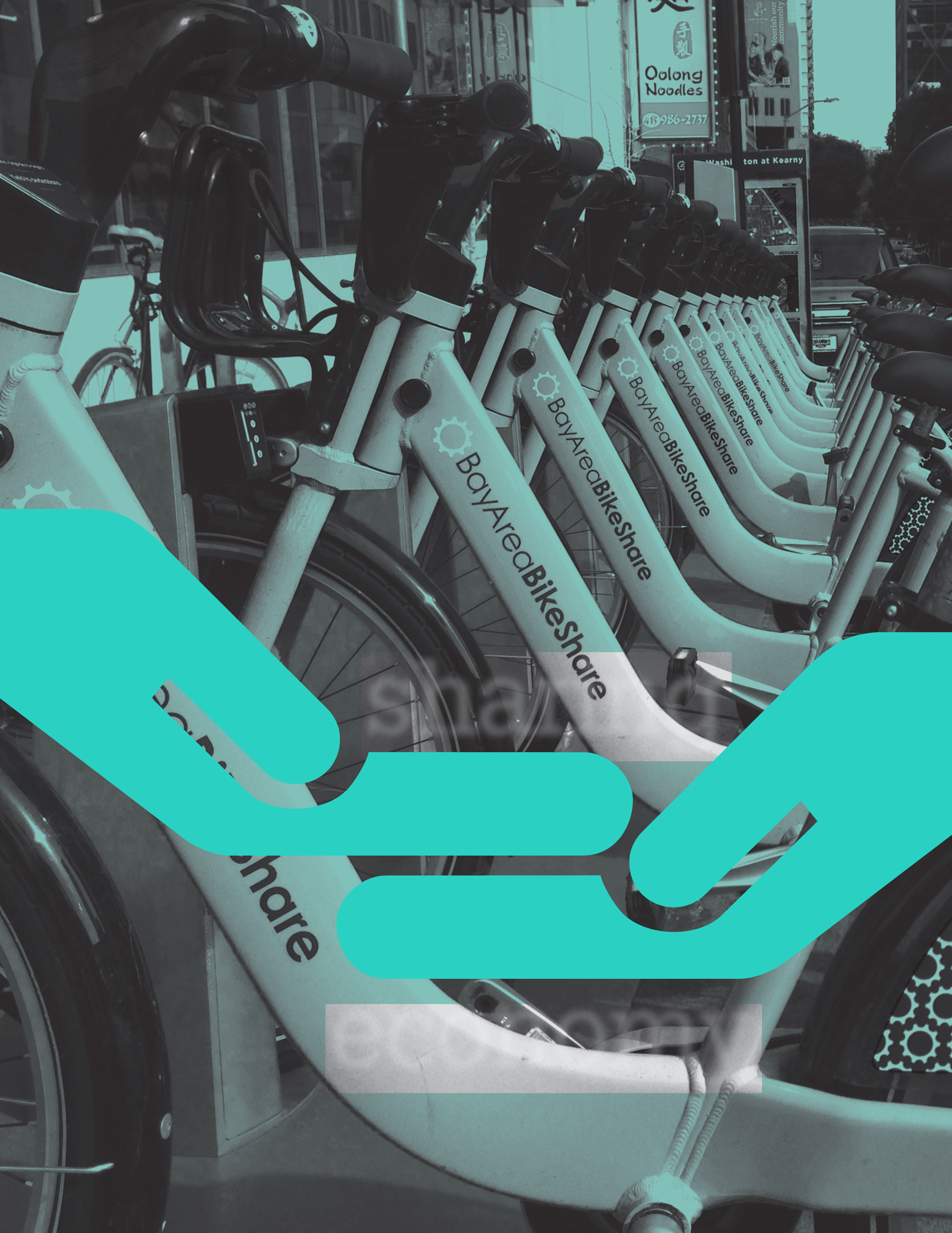
Sharing comes easily to us. We share particulars like names and lineages, ideas and experiences, kisses and embraces, as well as vital generalities like air and water, land and space. Sharing is a kindly and generous impulse and a critical aspect of what Marx would call our “species-being,” our basic nature. Indigenous people even made sharing the basis of economic exchange through great gift-giving feasts called potlatches. Too little of this spirit stunts social relations, and we might wonder if culture could exist without it. But what happens when sharing is put to profit? Can it be the pivot on which economic activity turns?
Advocates of the “sharing economy” say yes. By privileging “access over ownership” and renting out underutilized assets—your apartment, your couch, your car, your appliances, your spare time—this new sector promises to deliver us of our possessiveness. The clearinghouse Shareable, for instance, claims “disownership” is “the new normal.” Online profiles and accumulated user ratings mean that actual strangers become virtual friends you can eventually trust with your real stuff. All for a price, of course. The sharing economy is sharing made mercantile. It is goodwill with an instrumental purpose, occupying the rarest of places: where self-interest and public good happily coincide.
Or so we are led to believe. The truth of the matter is that the sharing economy is a floating signifier for a diverse range of activities. Some are genuinely collaborative and communal, while others are hotly competitive and profit-driven. A good many others are suspended somewhere in between. As such, studying the “industry” tells us much about a culture dominated by economic imperatives but yearning for more cooperative ways of doing things. The following essays help separate rhetoric from reality in an emerging economic sector.
Juliet Schor provides a neat précis of the industry as it stands, disaggregating the vague notion of the sharing economy into discrete components. She points to the growing power of industry giants crowding out the sector’s more egalitarian and democratic experiments. Edward Walker looks beyond the sharing economy’s progressive and participatory posturing, drawing attention to labor practices that have more in common with temporary and precarious work than with anything empowering. Caroline Lee considers the paradox of an industry that sees itself as a social movement, but has generated as much goodwill as resentment and created a risky business model by presuming trust. Finally, Paolo Parigi and Karen Cook look closely at the building of such trust. They argue that the “strangeness” of strangers is stamped out by technology—namely online profiles and ratings—that makes sharing less threatening, but also less surprising. Relationships multiply in such social networks, but they lack depth (consider, for instance, how many of your Facebook friends you could actually call on the phone).
Taken together, these four pieces describe a novel, evolving economic sector that makes use of what is best and worst in our social natures.