



Abstract
Sociologist James M. Thomas (JT) examines how public and scientific accounts of racism draw upon medical and psychological models, and how this contributes to our understandings of racism as a medical, rather than social, problem.

In June of 2013, Riley Cooper, a wide receiver for the NFL’s Philadelphia Eagles, was caught on video at a Kenny Chesney concert shouting, “I will jump that fence and fight every nigger in here, bro!” After a massive public uproar about the scene, Cooper, who is white, released a statement announcing that he would speak with “a variety of professionals” in order to ”help me better understand how I could have done something that was so offensive, and how I can start the healing process for everyone.” His team excused Cooper from activities so that he could get expert help to “understand how his words hurt so many.”
It was hardly the first time a high-profile figure sought professional counseling after being associated with an act of public racism. In 2006, while performing at a West Hollywood comedy club, Michael Richards, best known as Kramer from the hit television series Seinfeld, lashed out at hecklers, referring to them as “niggers.” Afterward, Richards’ publicist quickly issued a statement announcing that his client would seek psychiatric help. Paula Deen, Mel Gibson, and John Rocker also pledged publicly to seek treatment for their racism—reflecting a growing tendency to frame racist acts as a mental health issue.
How did racism come to be seen as psychopathological, and how might that understanding influence efforts to combat racism? With that question in mind, I examined mainstream print media, and conference proceedings, presidential addresses, and debates within the American Psychiatric Association from the period immediately following World War II through the present. I also analyzed public speeches by civil rights activists from the late 1950s through the early 1970s.
Over time, this research shows, experts expressed growing concern about the psychopathological consequences of racism on victims, and the effects of being racist—a mental health discourse that is transforming our understanding of the nature and causes of racism. In this medicalized model, new protocols focus on treating those who suffer from the condition of racism. It is an understanding that reflects the “new racism” of the post-civil rights era.
Authoritarian Personalities
Modern social science is often seen as having displaced nineteenth century scientific racism. But while scientific racism was collapsing due to a growing body of social scientific research, the simultaneous redefinition of racism as a pathological condition was emerging.
In 1944, the American Jewish Committee held a two-day conference on religion and racial prejudice whose purpose was to examine the origins of extreme bigotry that led to the Holocaust. Following this conference, the AJC commissioned the Studies in Prejudice Series, a five volume set, with three volumes centered on examining the following question: What is it about the psychology of individuals that may render them prejudiced? The first volume of the study, which is perhaps the best known, was The Authoritarian Personality, written by Theodor Adorno and three colleagues at the University of California, Berkeley.
Published in 1950, The Authoritarian Personality initiated a major public debate. It argued that anti-Semitism and other forms of extreme bigotry entail more than simply negative attitudes. They consist of “nuclear ideas”; central beliefs that have primary significance, such as the belief that Jews are conniving, blacks are lazy, or homosexuals are perverse. Once these nuclear ideas are formed, they draw in other opinions and attitudes to form a broader system of beliefs, an “authoritarian personality” that produces extreme hatred, including racism, according to Adorno and his co-authors.
The framework provided by The Authoritarian Personality proved quite useful for several notable civil rights activists and organizations at the time. Following the murder of Emmett Till in 1955, then-NAACP Executive Secretary Roy Wilkins drew inspiration from Adorno’s work to suggest the hatred responsible for Till’s lynching was a “virus, it’s in the blood of the Mississippian.”
In September 1958, Alfred J. Marrow, then-Chairman of the New York City Commission on Intergroup Relations, addressed the Annual Conference of the National Urban League in Omaha, Nebraska. In his address, Marrow claimed that racism created “emotional havoc” for both its victims and perpetrators, and called for social scientists and policymakers to consider not only the “mental health effects of segregation on its victims,” but also “the health impact on the segregators.”
As a student, Marrow had studied under the German-American psychologist Kurt Lewin, one of the most prominent pioneers of social and applied psychology in the modern era. Prior to Hitler’s ascension to power in 1933, Lewin worked in Germany, and had strong ties to Frankfurt University’s Institute for Social Research, where Theodor Adorno was an affiliate. Like Adorno, Lewin fled Germany when Hitler ascended to power in 1933, taking a director position with the Commission on Community Interrelations. Under Lewin’s directorship, the CCI collaborated with the American Jewish Committee. At an AJC 1944 conference on religion and racial prejudice, Lewin and Adorno were key contributors.
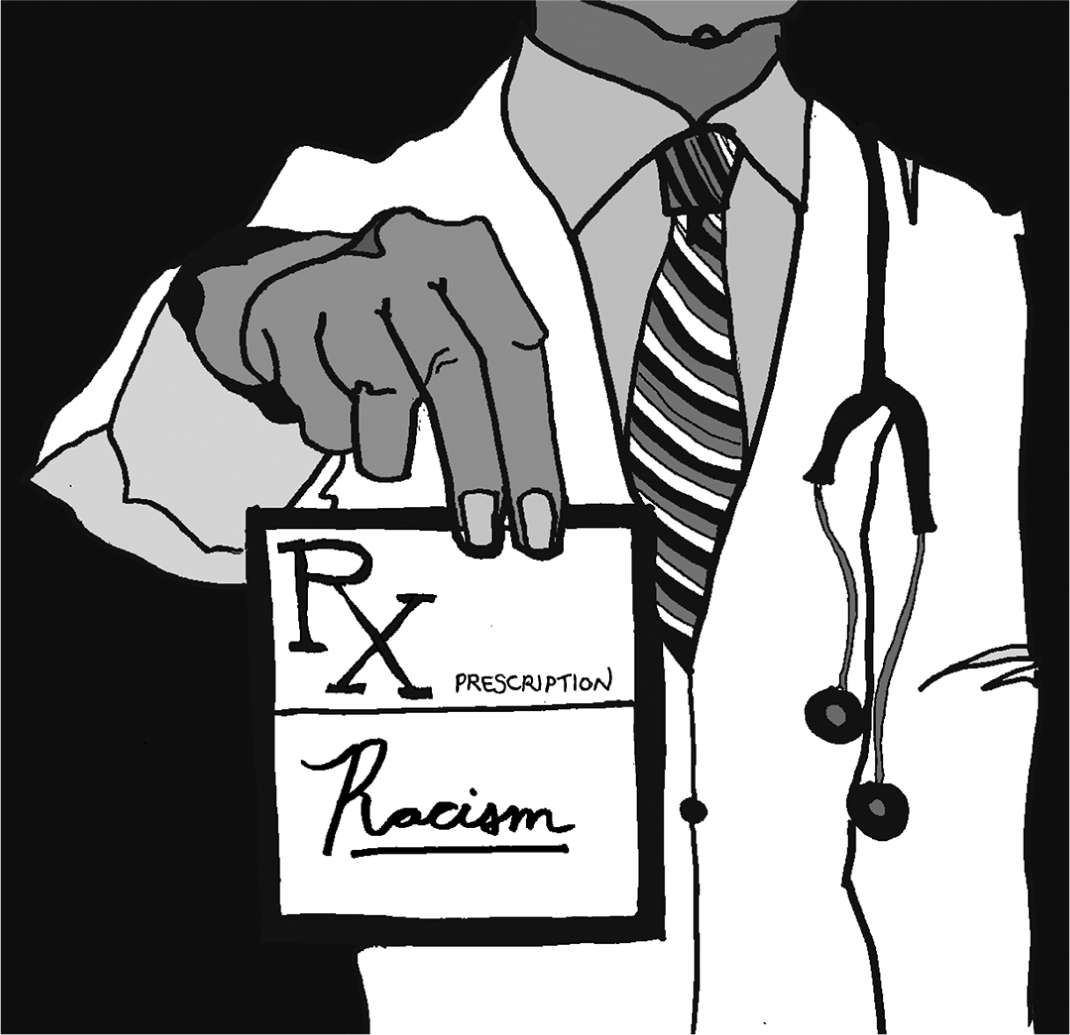
Is racism a mental illness? Some psychologists would like us to believe that it is.
Lewin and Adorno’s relationship, and Lewin’s mentorship of Alfred Marrow, help contextualize Marrow’s comments on the relationship between racism and mental health. Marrow’s position as the chair of what would later become the New York City Commission on Human Rights, and Wilkins’ position with the most influential civil rights organization in the country, provided them with broad platform for promoting the claim that racism is a mental health issue.
A Sick Society?
By the late 1950s a significant number of mental health researchers drew upon the framework offered by The Authoritarian Personality to situate racism within a “sick society” model of psychiatric epidemiology. White and black mental health workers active in the civil rights movement also declared that racism was responsible for creating and sustaining many of these social ills.
These claims reached a tipping point with the passage of the 1963 Community Mental Health Act, which was based on the notion that victims of racism experienced psychological stress for which community-based mental health centers could provide treatment. A year later, during the Freedom Summer of 1964, over one hundred physicians, nurses, and psychiatrists formed the Medical Committee for Human Rights (MCHR), whose mission included providing mental health-care to blacks in segregated communities.
Psychiatrist Alvin Poussaint served as field director for the Southern branch of MCHR from 1965-1966. In the pages of Ebony Magazine, The New York Times, and The Boston Globe, Poussaint argued that racism was both a product of a sick society—and that it produced social sickness. Writing in The New York Times in 1967, Poussaint declared that racism had rendered African Americans unable to express appropriate rage for fear of the threat of violence. Because they repressed their anger, he argued, black Americans had developed a core form of psychological self-hatred.
Poussaint was not the only scholar-activist making these claims. In 1965, Kenneth B. Clark, well-known for his doll studies of the 1930s and 1940s, wrote an editorial for Ebony Magazine declaring that racism produces paranoia, and is itself a type of paranoia. That year Assistant Secretary of Labor Daniel Patrick Moynihan published his infamous The Negro Family, which later became known as the Moynihan Report. He claimed that the legacy of racist social and economic policies had created a “tangled pathology” within black families. Moynihan concluded the “broken family structure” of black America would eventually produce “immature, criminal, and neurotic behavior” among black children.
Although the Moynihan Report came under heavy criticism, many civil rights leaders at the time echoed its claim that social pathologies were leading to the psychosocial alienation of black youth. In his 1967 speech at the annual meeting of the American Psychiatric Association, Dr. Martin Luther King, Jr., declared that alienation among blacks was responsible for the recent wave of urban riots. Declaring that white Americans valued property over their fellow citizens, King argued that urban rioting was a form of “emotional catharsis” for blacks, and was meant to shock white society. By the end of the 1960s, the “sick society” model, popular among scholars and activists alike, had laid the foundation for a psychopathological framework within which to situate the “new racism.”
Illustrations by Cassandra Conlin
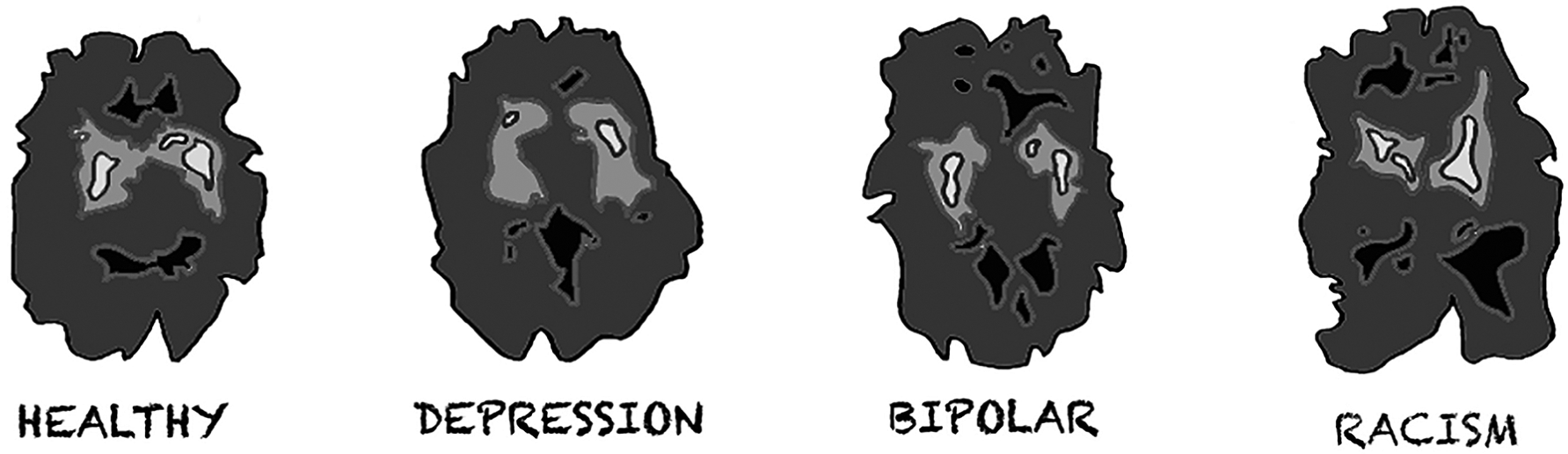
As social scientific research displaced scientific racism, racism became a pathological condition.
Racism as Diagnosis
In 1969, a group of black psychiatrists, Poussaint among them, presented a list of demands to the American Psychiatric Association at their annual meeting. They urged the APA to acknowledge that racism is the “major mental health problem of this country,” and to include extreme bigotry as a recognized mental illness within the Diagnostics and Statistics Manual (DSM).
The APA endorsed this “general spirit of reform and redress of racial inequities in American psychiatry.” However, they rejected the black psychiatrists’ desire to classify extreme bigotry as a mental illness. In order for racism to be considered a mental illness, the APA decreed, racism must deviate from normative behavior.
In explaining why they rejected the psychiatrists’ request, the APA cited a series of studies conducted by Harvard social psychologist Thomas Pettigrew. Interviewing residents of eight small towns in the North and South in the late 1950s, Pettigrew had tested, among other things, whether Southerners exhibited stronger authoritarian personalities than Northerners. He concluded that Southerners exhibited a higher level of prejudice toward blacks than their Northern counterparts, but that levels of authoritarianism among these groups was virtually identical. In sum, because racism was normal behavior, it does not constitute a mental illness.
Despite the APA’s refusal to consider racism to be pathological, many clinical workers began to develop treatment models for the effects of racism. One of the more infamous examples occurred in the aftermath of the 1967 deadly shoot out between Houston police officers and students at all-black Texas Southern University. Mayor Louie Welch called upon Blair Justice, a Rice University psychologist, to try to alleviate tensions between Houston police officers and Houston’s black community. By 1969, teams of psychologists encouraged heated exchanges among participants that were designed to move deep-seated prejudices into the open. One year later, based upon tests of police attitudes that demonstrated a small decrease in identifiable prejudices, Welch declared the program to be a success.
Meanwhile, within the ranks of the APA, the organization’s official position on racism remained highly contentious. In 1971, Vice President Charles Prudhomme editorialized in The American Journal of Psychiatry that racism “parallels and is an analog of psychosocial development.” At the APA’s 1979 annual meeting, Carl Bell gave a hotly debated paper that was inspired by The Authoritarian Personality, claiming that racists suffer from narcissistic personality disorder, and seek constant praise from authority figures in order to bolster their self-esteem.
Finally, in a presidential address at the 1980 annual meeting, Alan Stone discussed the APA’s internal debate over whether to recognize racism as a psychiatric problem, a social problem, or both. It is the APA’s professional obligation “to confront this conflict openly,” he declared. While Stone’s remarks did little to resolve the debate, several scholars, including Poussaint and Bell, remained critical of the APA’s decision to keep racism out of the DSM III and IV, published in 1980 and 1994.
Yet by the early 1990s, clinical practitioners had proposed several diagnostic tools that were designed to identify and treat racism. In a 1991 article, “Racism as a Disease,” Judith Skillings and James Dobbins proposed a clinical diagnosis that identified four symptoms: a belief one’s heritage is superior to another; when racism becomes infectious without any conscious sense of antipathy by its host; when’s one’s perceptions are distorted or confused; and when racism robs its hosts and targets of their mental and emotional well-being. The access to power which racism affords, they argued, makes racists dependent upon that source of power. In other words, they argued, racism is addictive.
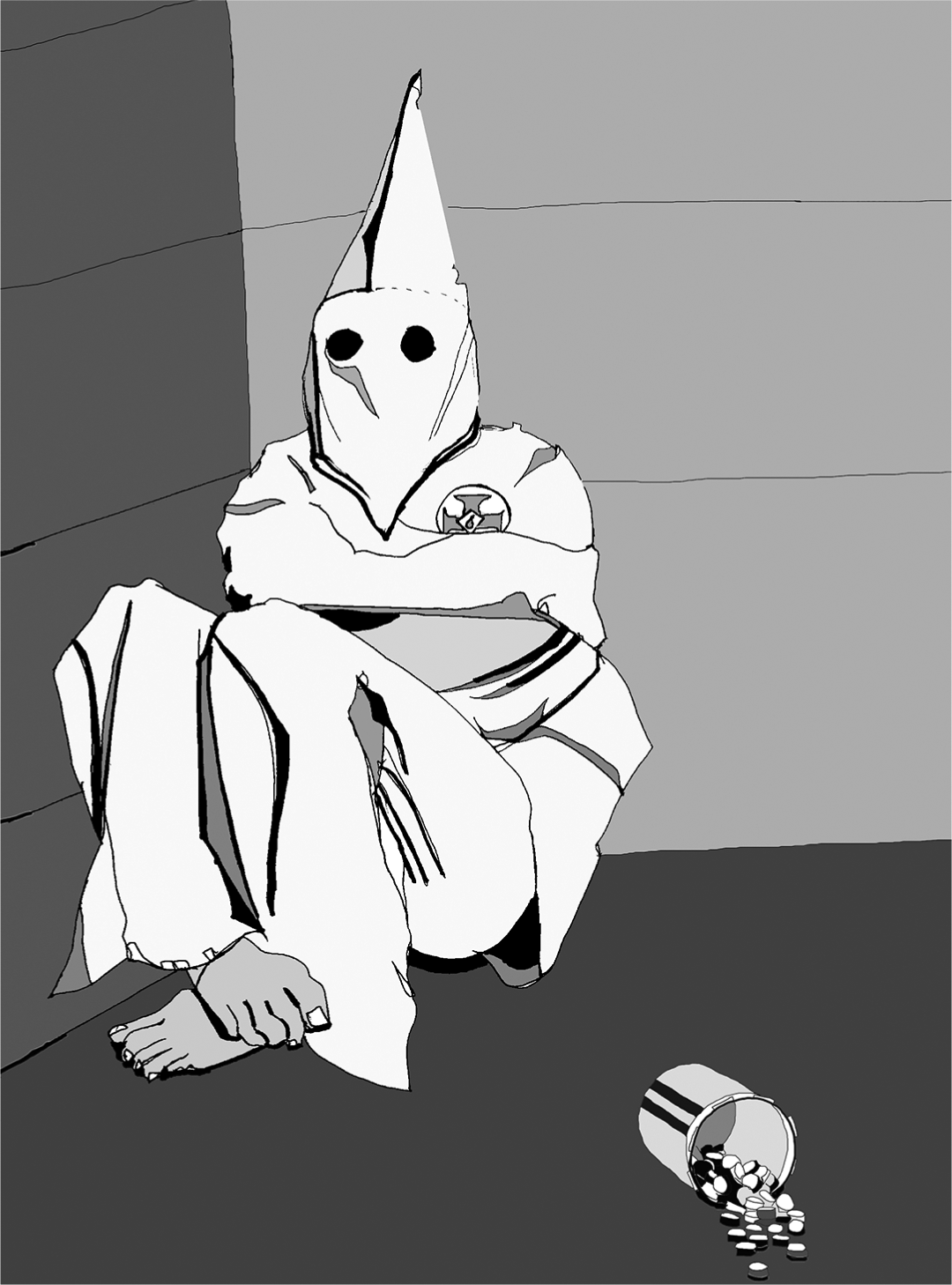
Dobbins and Skillings described four signs of this addiction: rationalization (“I know we need to increase diversity, in general, but why do I have to play a part?”); selective comparison (“I can’t be racist, because I’ve never called any Mexican a wetback”); protecting the source of addiction (“I know I have White privilege, but what do you want me to, give it up?”); and minimization (“I’m not being racist, I’m just telling it like it is”). Meanwhile, UCLA psychologist Edward Dunbar had begun developing a “prejudice scale” to measure what he termed “prejudiced personality.” The highest scoring individuals distrusted financial advice from racial and ethnic minorities, experienced job loss due to inappropriate interactions with customers of color, and even expressed support for the Oklahoma City bombing.
By the early 2000s, racism had several clinical names, including “prejudice personality” and “intolerant personality disorder” and pathological bias, but no official diagnosis in the DSM. The APA considered adding “pathological bias” to the 2013 DSM V under a rubric that would have included racism, sexism, and heterosexism, though it finally decided against doing so. Nonetheless, the 2012 Oxford Handbook of Personality Disorders included an entire chapter on it.
By the early 2000s, racism had several clinical names, including “prejudice personality” and “intolerant personality disorder.”
Anti-Racism in the Era of “Pathological Racism”
The increasing authority given to medicine and psychology since World War II led to the rise of medical and psychological explanations for human behavior. Developments within medicine and science not only produced new understandings of human behavior, but also new insights into how to treat these behaviors.
The number of licensed psychiatrists in the United States increased by over 30 percent, the number of licensed clinical psychologists nearly tripled, and the number of clinical social workers increased from 25,000 to 80,000 between 1975 and 1990, according to Stuart Kirk and Herb Kutchins’ 1992 book, The Selling of DSM. Furthermore, according to the Bureau of U.S. Labor Statistics, job growth for clinical psychologists and psychiatrists is estimated between 20-28 percent through 2020.
Along with the expansion of mental health professions, the DSM itself has also grown. The first edition, which was released in 1952, was 130 pages in length, and included 106 mental disorders. The second edition, released 16 years later, recognized 182 mental disorders. The DSM V, published last year, proposes over 300 mental disorders. When considered alongside the growth of the global pharmaceutical industry ($500 billion in 2011), the context of the pathologization of racism is clearer. There is a great deal of profit to be made from individualized medicalized understandings of this social phenomenon.
The search for a “cure” for racism was revealed in a 2012 experiment by researchers at Oxford University that generated a great deal of public attention. In the experiment, scientists gave half of their subjects the drug propranolol, a common beta-blocker used to treat heart disease, while the other half received a placebo. They were then administered the Implicit Attitude Test, which measures unconscious racism. Participants taking propranolol scored significantly lower on the Implicit Attitude Test than did those taking the placebo. “Such research raises the tantalizing possibility that our unconscious racial attitudes could be modulated using drugs,” wrote the lead researcher. The California Department of Corrections has in fact treated inmates with antipsychotics in an effort to reduce racism and homophobia.
After racist gaffes, celebrities such as Paula Deen often publicly declare that they’re seeking therapy.
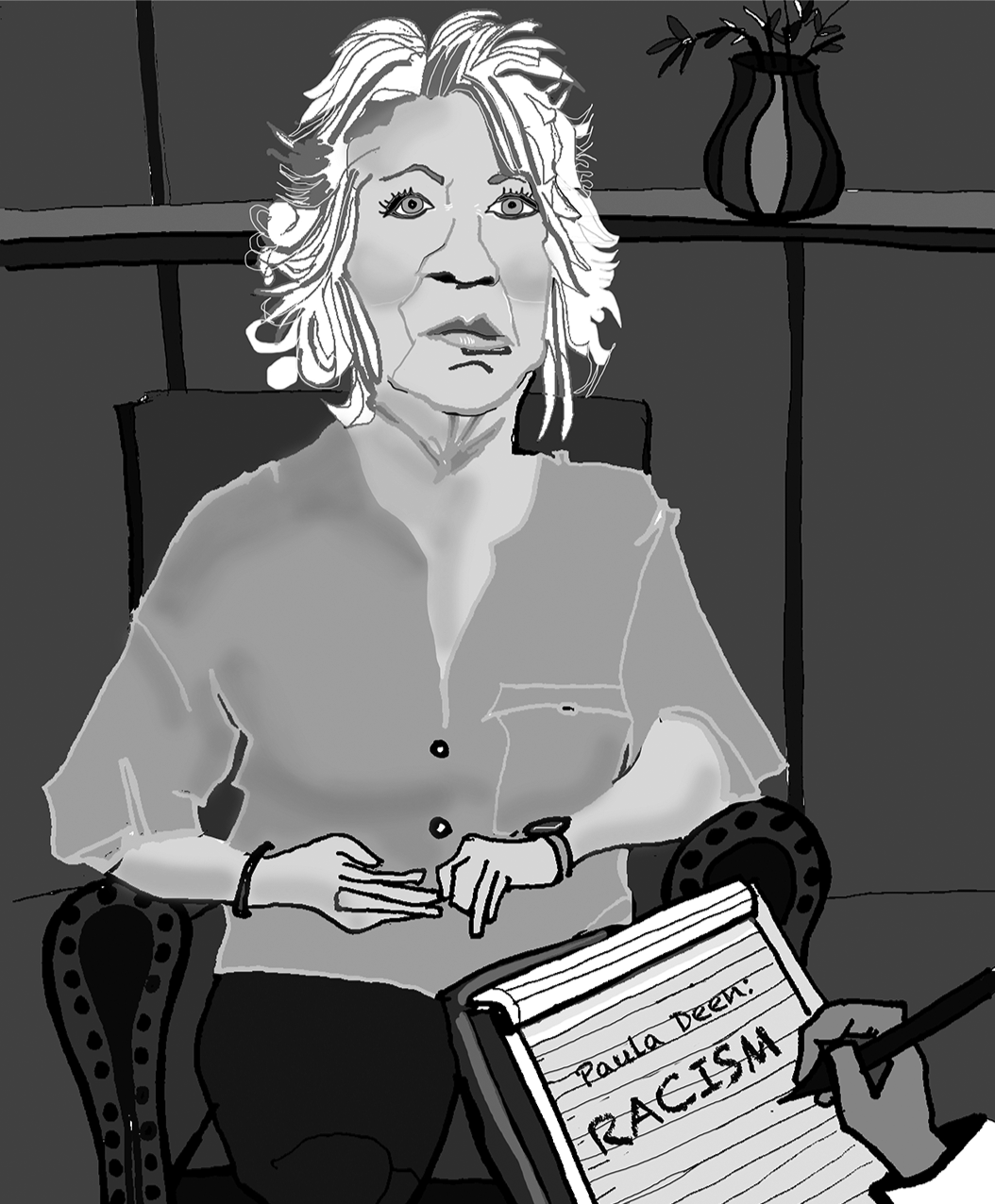
In the “new racism” of the new millennium, racism is often classified as “abnormal behavior” which deserves psychological treatment.
The ongoing efforts to diagnose and treat racism as a psychopathological condition should trouble anti-racist activists. In her 2012 book On Being Included, Sarah Ahmed cautions anti-racist efforts to remain focused on systemic and structural causes. While individuals with “bad attitudes” certain exist, she argues, focusing on the “bad apples” underestimates racism’s scope and scale, and leaves us with a weak account of how racism is reproduced over time and across cultural and social contexts. As Ahmed writes, “The very identification of racism with individuals becomes a technology for the reproduction of racism of institutions.”
There is no denying the psychological effects of racism on minority populations, or racism’s impact on how members of dominant racial groups perceive and interact with minority populations. This does not prove that racism is a psychopathological condition, however, that can be treated with behavioral and drug therapies.
Recent controversies surrounding overt racist remarks and action, including those by Donald Sterling, former owner of the Los Angeles Clippers, demonstrate that many Americans see racism as an individualized phenomenon, and believe that what counts as racism are the negative attitudes, beliefs, and expressions of lone racists—rather than systemic and structural explanations. The increasingly popular belief that we now live in a “post-racial” society makes this even more prevalent.
In the “new racism” of the new millennium, identifiable racism is often classified as “abnormal behavior” which deserves psychological treatment—which makes the continued significance of covert and structural racism even more invisible. But in truth, the United States, along with most of industrialized West, has been shaped by an enduring pattern of racial rule. Racial minorities have been subordinated, and whites have benefited from that subordination.
The controversy over former Los Angeles Clippers’ owner Donald Sterling’s racist remarks is an example of how Americans see racism as an “individual’s” problem.
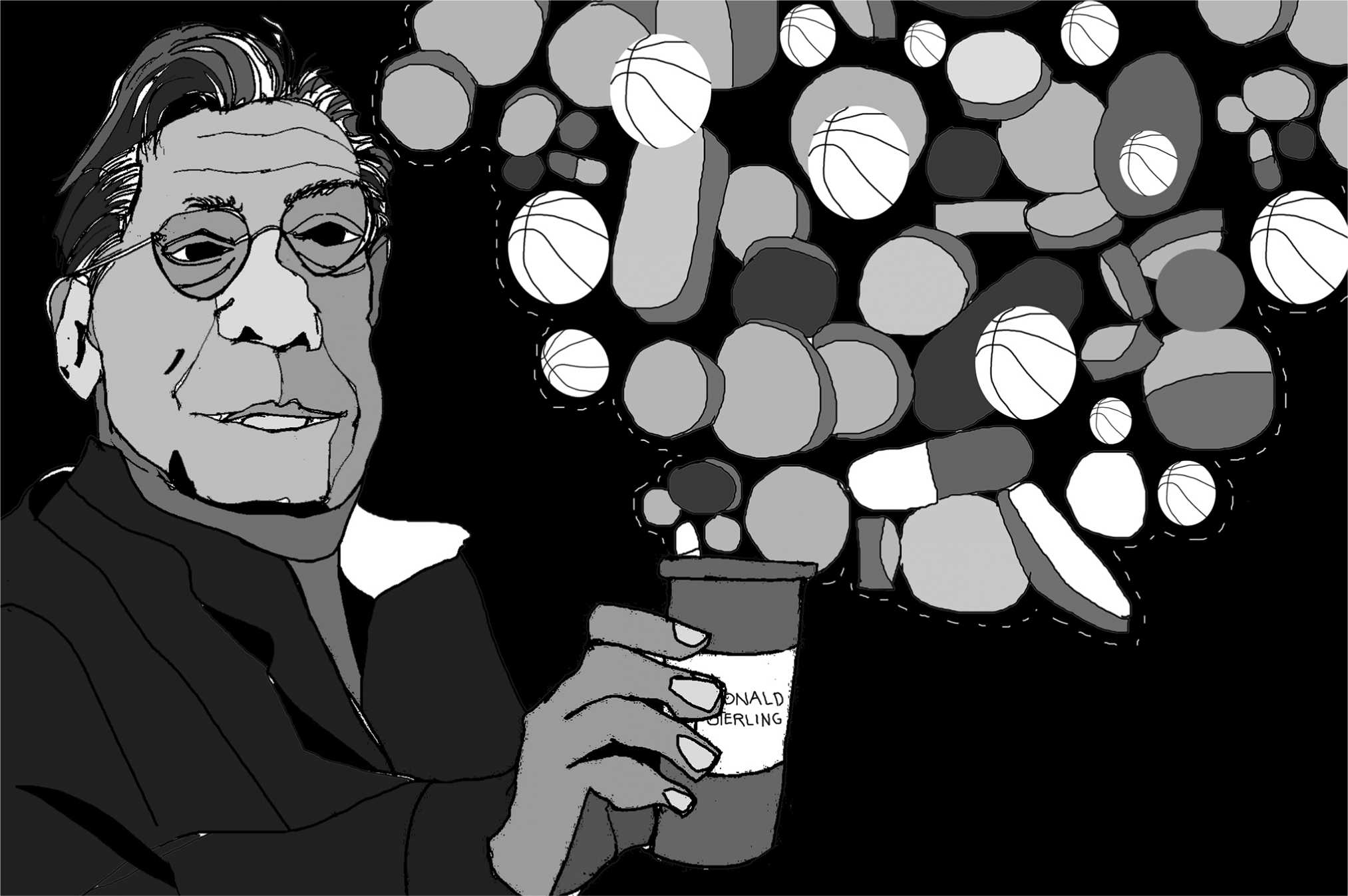
Individual treatment protocols, including behavioral and drug therapies, target the symptoms of institutional racism rather than its causes. In order to truly understand the origins and reproduction of contemporary racial hierarchies, we need models that are historically grounded, culturally informed, and politically attuned.