



Abstract
The presidency of Barack Obama, the first African American president of the United States, is not going to be judged by its symbolic significance and healthcare reform alone. Sociologists, Ho-fung Hung, Fred Block, Alejandro Portes, Beverly J. Silver, and Richard Lachmann assess Obama’s first term from the perspectives of green economy, immigration reform, foreign policy, and social movements.
Keywords
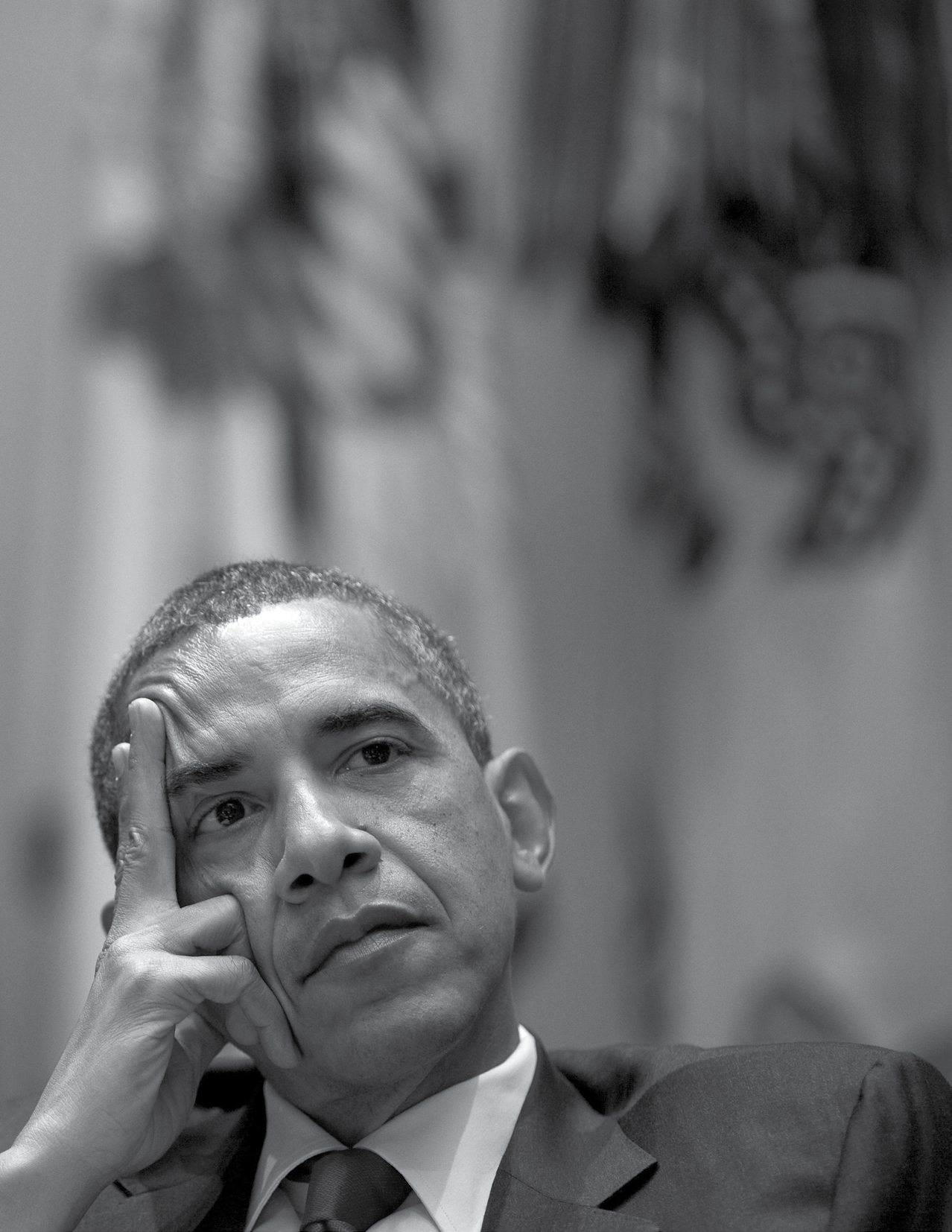
In 2008, the media hailed the coming of an “Obama Revolution.” Four years later, commentators on both the left and right are disappointed, to say the least. Viewed from a longer historical perspective, however, the significance of the Obama presidency is difficult to deny. The rise of an African American with a humble background to become the President in a landslide victory, winning even many traditionally Republican areas, is no small thing.
The Obama presidency symbolically reinstated American meritocratic ideals. This is particularly remarkable as it happened just four years after the 2004 election, during which the Skulls and Bones memberships of George W. Bush and John Kerry, as well as that of many other senior political, military, and corporate leaders, led to a public outcry over the transition to aristocracy in America. C. Wright Mills’ The Power Elite celebrated its 50th anniversary in 2006. The revival of Mills’ dark view of American politics alarmed the power elite at the time, so much so that Playboy ran an unusually serious commentary “Who Rules America?” by long-time political insider Arthur Schlesinger Jr., accusing Mills of conspiracy-mongering.
The symbolism of Obama is not without real consequence. For example, criminologist Randolph Roth noted an “Obama effect” that reinvigorated African Americans’ trust in the political process and helped explain the puzzlingly sharp drop in urban violence in early 2009. The Obama presidency also brought real reform, most notably in healthcare—“one of the most equality-promoting pieces of social legislation ever enacted in the U.S.,” according to sociologist Theda Skocpol.
To be sure, the Obama presidency is not going to be evaluated by its symbolic significance and by healthcare reform alone. In 2008, candidate Obama promised to retool the U.S. economy into a green, productive one freed from dependency on financial speculation and foreign oil, to reform the dysfunctional immigration regime, and to mend America’s relationship with the world which had been strained by his predecessor’s militarist approach to world affairs.
This symposium places Obama’s first term in context, assesses its outcomes, and explores the road forward. In what follows, Fred Block deciphers the forgotten achievements of Obama’s administration in “greening” the U.S. economy, Alejandro Portes diagnoses the impasse of immigration reform, Beverly J. Silver discusses Obama’s dilemma in repositioning the United States in the world, and Richard Lachmann explores how Obama could overcome structural constraints and advance his
reforms. These commentaries add invaluable perspectives to the public discourse about the Obama presidency, which is set to intensify during this election year.