Abstract
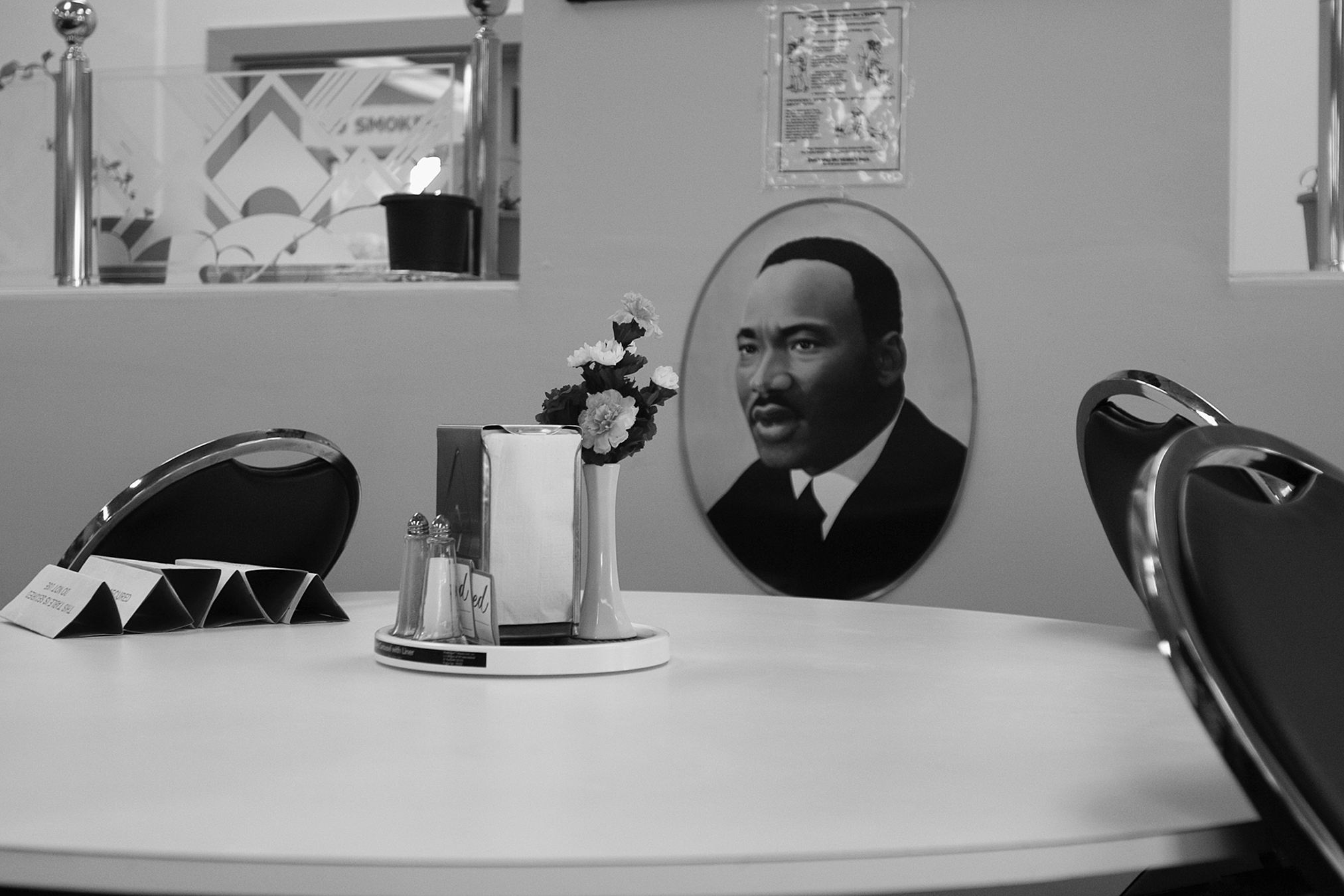
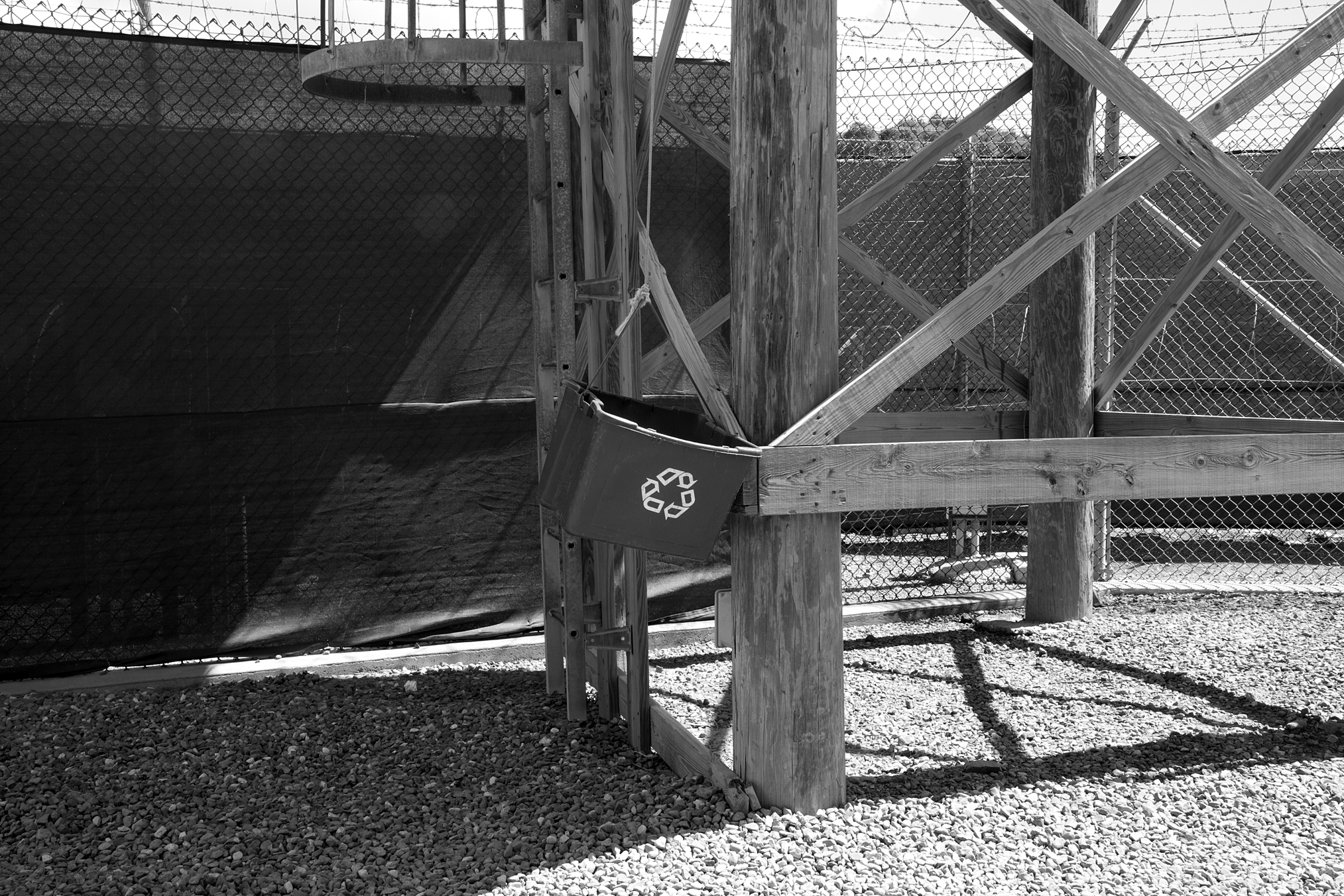
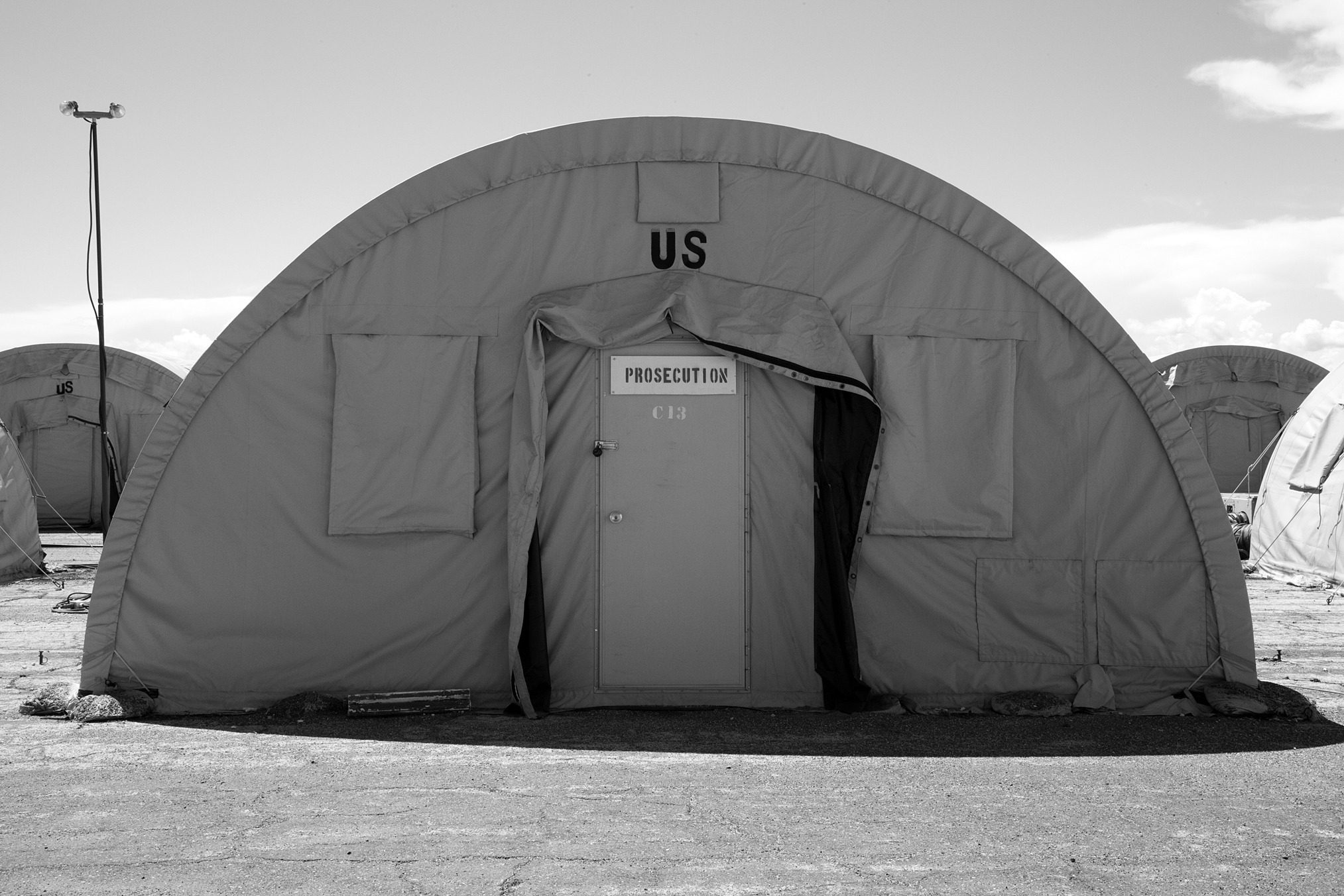
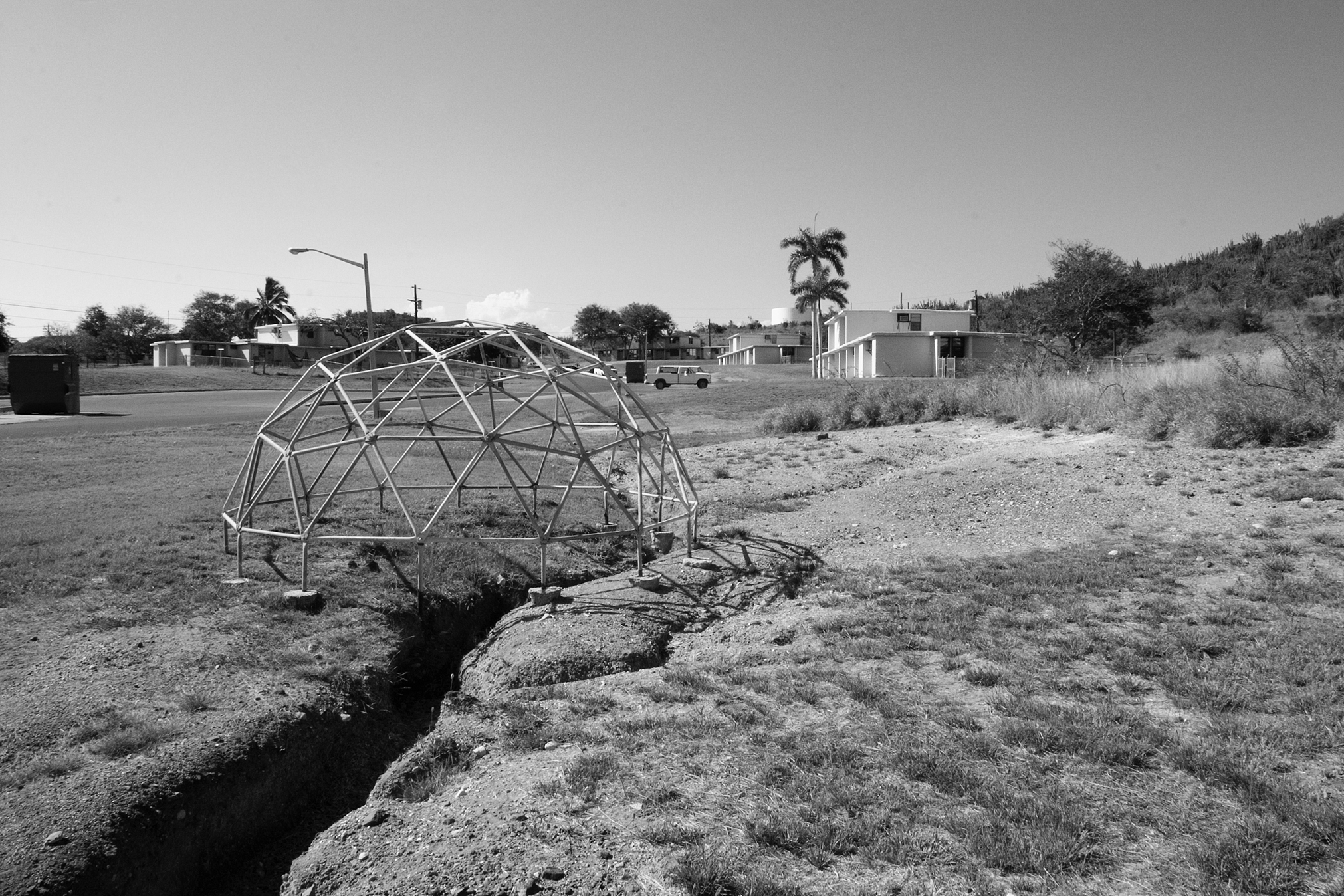
Photographer Christopher Sims documents the everyday spaces at Guantanamo Bay. He writes, “I went with the intention of photographing beyond the prison, and capturing a sense of daily life on the military base.”
I first heard about the prison at Guantanamo Bay in January 2002. I didn’t pursue it as a documentary subject for a couple more years, but meanwhile I wondered who was making photographs of the place, and if it would even be possible to photograph there. For more than two years I communicated with military public affairs officers, seeking access and permission to travel to the detention camp. During that time, some images appeared, all very similar to one another. Some revealed prisoners, but never their faces. You’d see fences, and barbed wire, but you wouldn’t see the place; you didn’t really have a sense of what the place looked like. Finally in 2006 and then again in 2010, after receiving clearance for a four-day visit each time, I flew to the naval station and joint detention facility in Cuba.
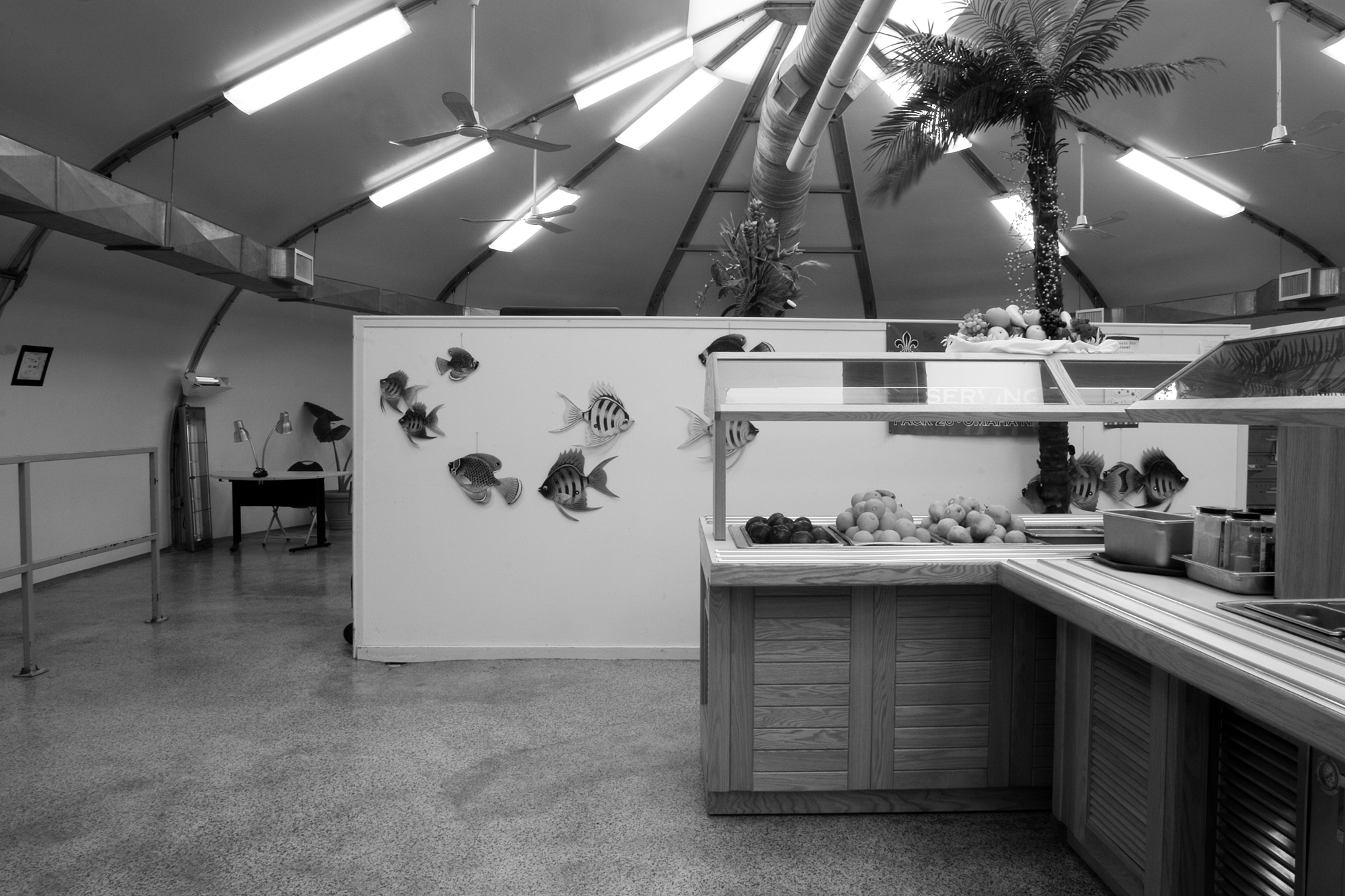
I learned that this small spit of land, on approximately 45 square miles held in perpetual lease by the U.S. military, once served as a way station for Haitian and Cuban refugees in the 1990s. Jamaican and Filipino guest workers now serve food, cut hair at the barbershop, and do the laundry. There’s also a McDonald’s and a Starbucks on this corner of the communist island. The question of what the place looks like came to intrigue me more and more. I went with the intention of photographing beyond the prison, and capturing a sense of daily life on the military base. I wondered what the life of a spouse of a military officer based at Guantanamo Bay might look like, where a janitor would do his or her work, where people go after hours.
I went with the intention of photographing beyond the prison, and capturing a sense of daily life on the military base.
I didn’t know exactly what I was looking for, but there were things I wanted to see. Yet I only had limited time there. There’s something exciting about the challenge of trying to photograph things you don’t yet know exist. I remember opening a door to find the game room for the guards of Camp Delta. There were a few video games, and a Ping Pong table in the ramshackle rec room. It felt, at times, like a ghost town; for hours, it was just me, my public affairs minder (who accompanied me at all times), and a driver.
In thinking about this work, I am interested in the idea of making war photographs that don’t seem like war photographs, that aren’t about seeing violence, or spectacle, or the things that make people turn away from most war photographs. I want to show details at Guantanamo Bay that somehow reveal something about ourselves as Americans, or about our wars overseas. Conceptually, I also think about this work as building an archive—or rather, filling in the gaps of an archive that doesn’t yet exist.
Club Survivor, Camp America. 2006.
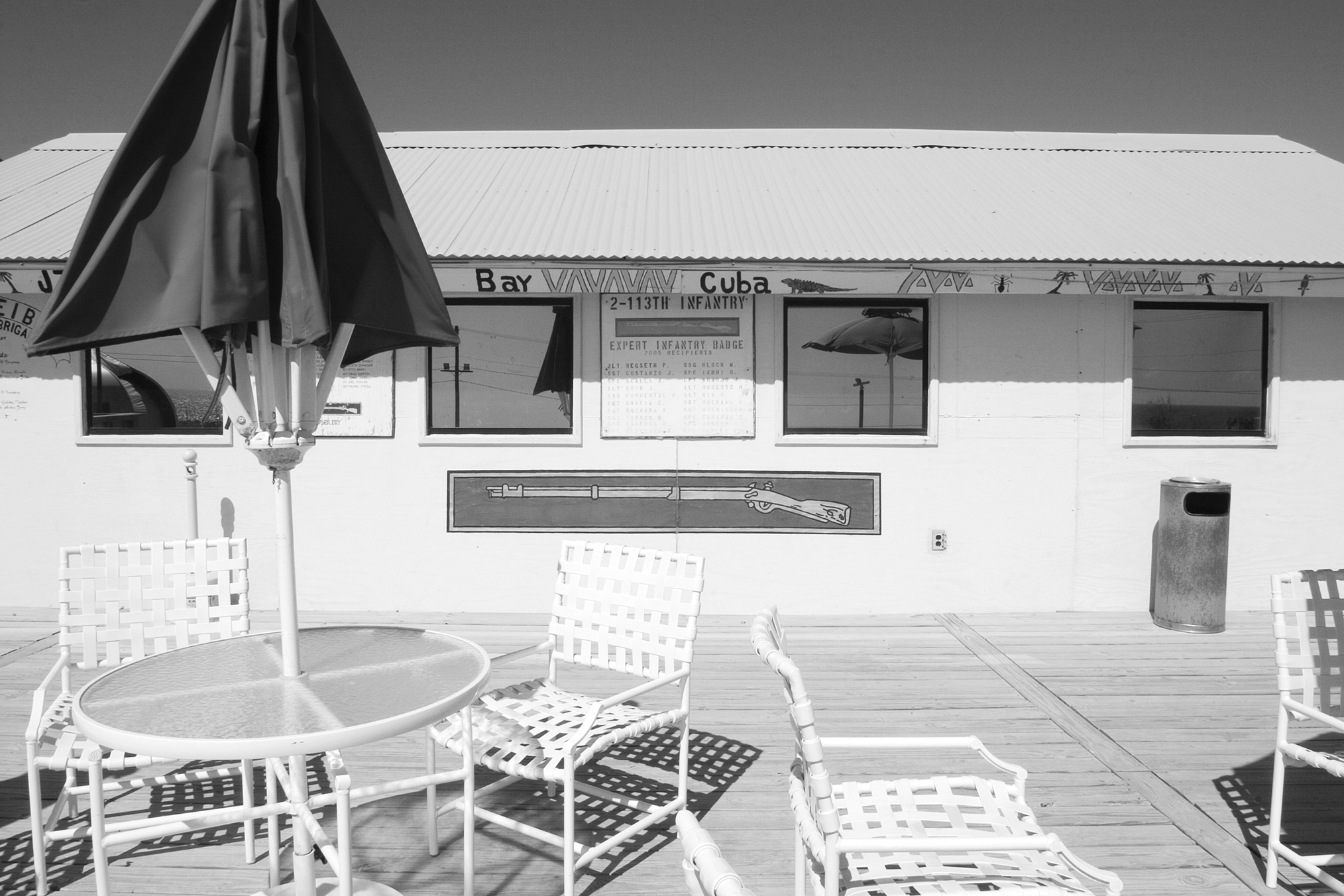
Suggestion Box, Camp America. 2006.

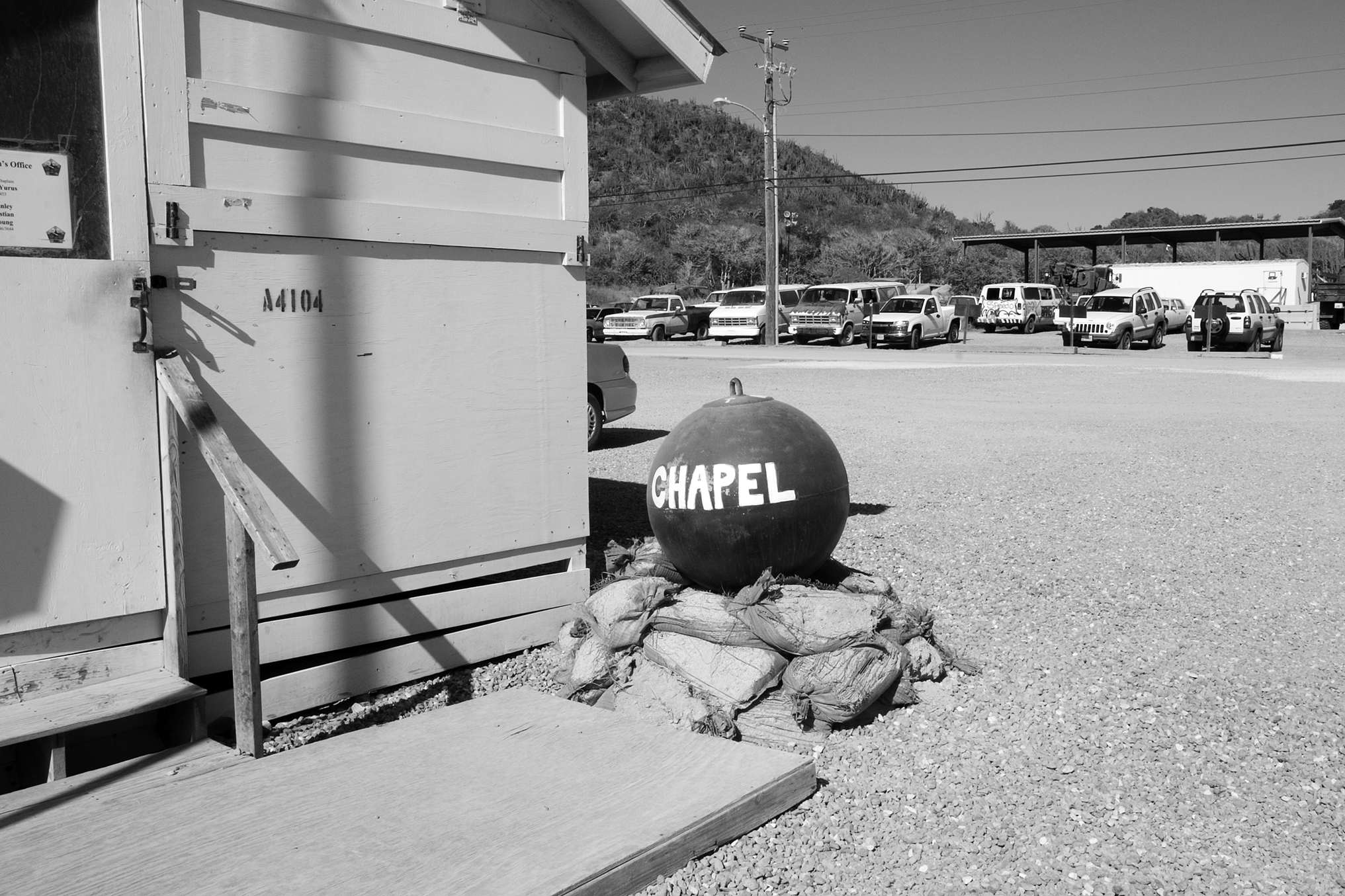
Chapel, Camp America. 2006.
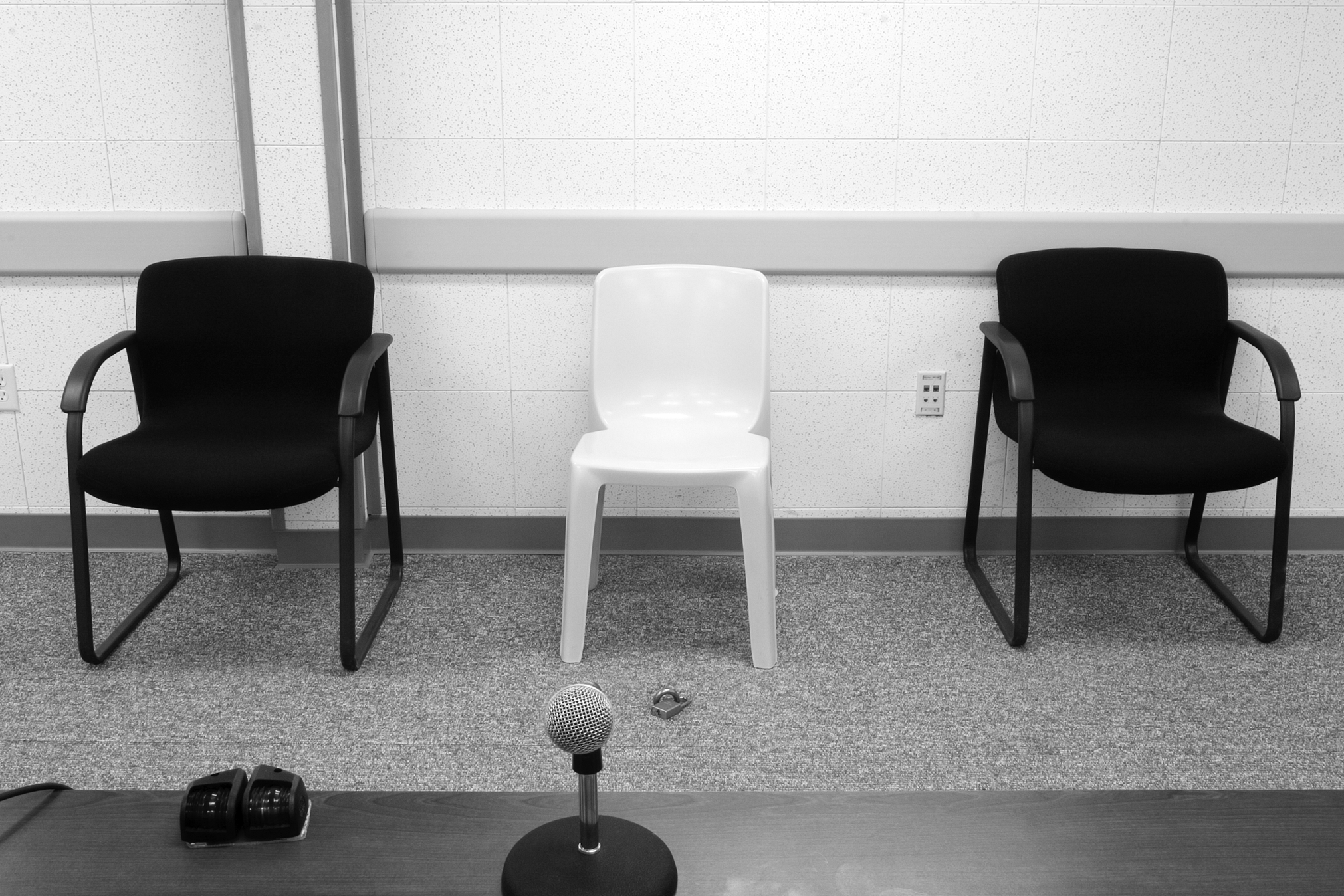
Administrative Review Board Meeting Room #2, Camp Delta, 2006.
Leeward Mess Hall, Naval Station. 2006.
Recycling Bin, Camp Delta. 2010.
Prosecution Tent, Camp Justice. 2010.
Jungle Gym, Naval Station. 2006.
Game Room, Camp America. 2006.

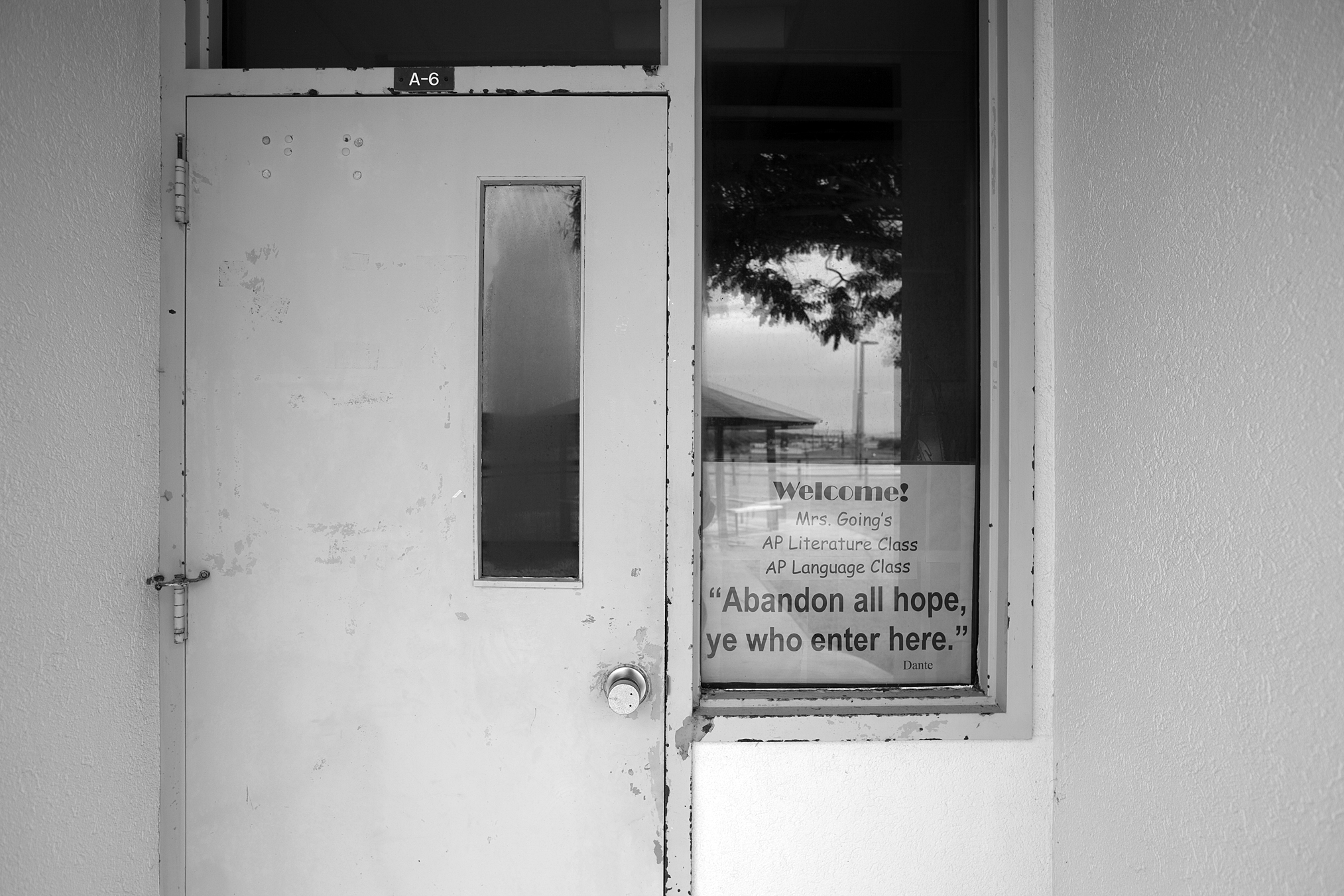
Classroom Door, Sampson High School, Naval Station. 2010.
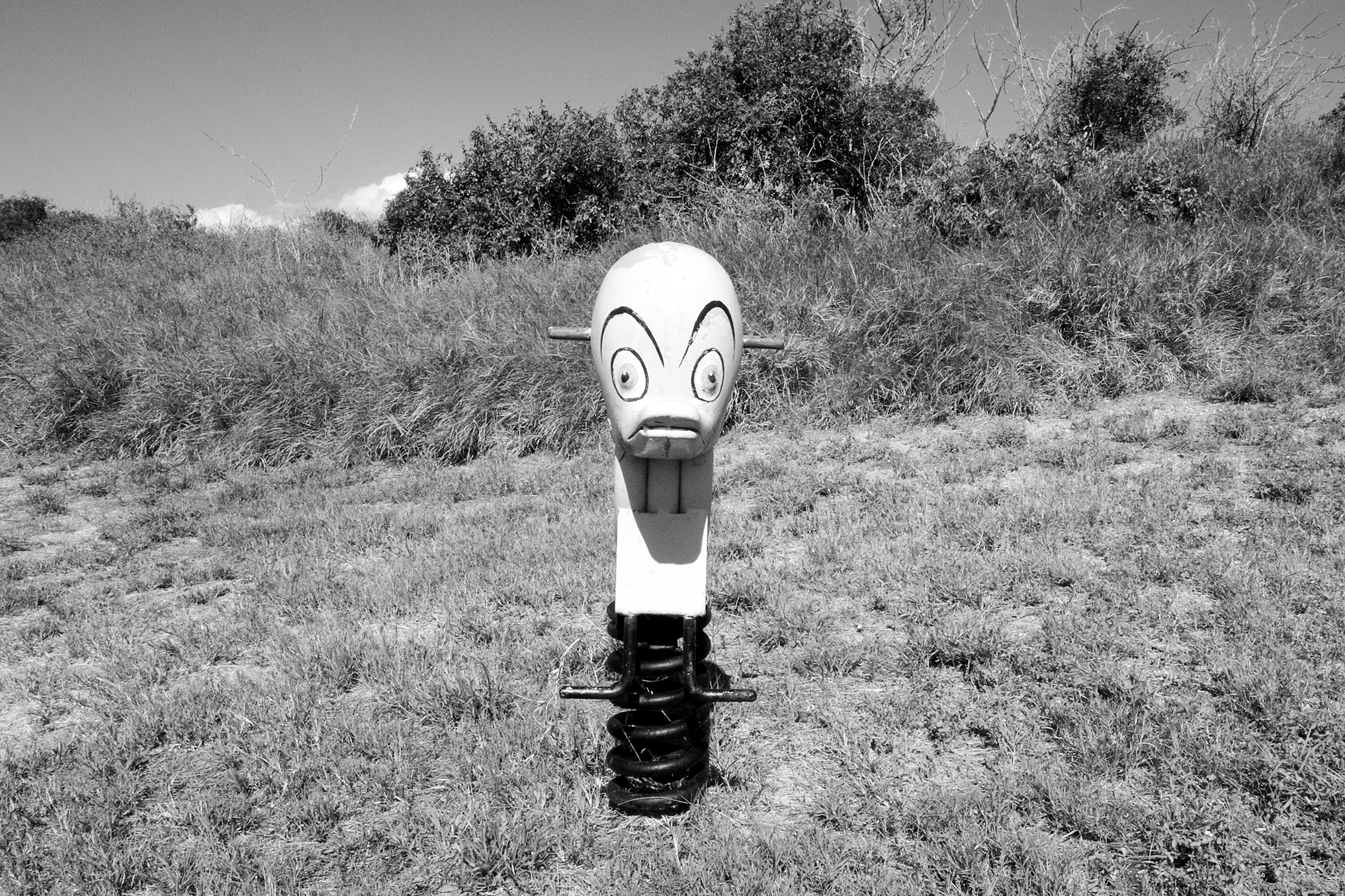
Playground, Naval Station. 2006.
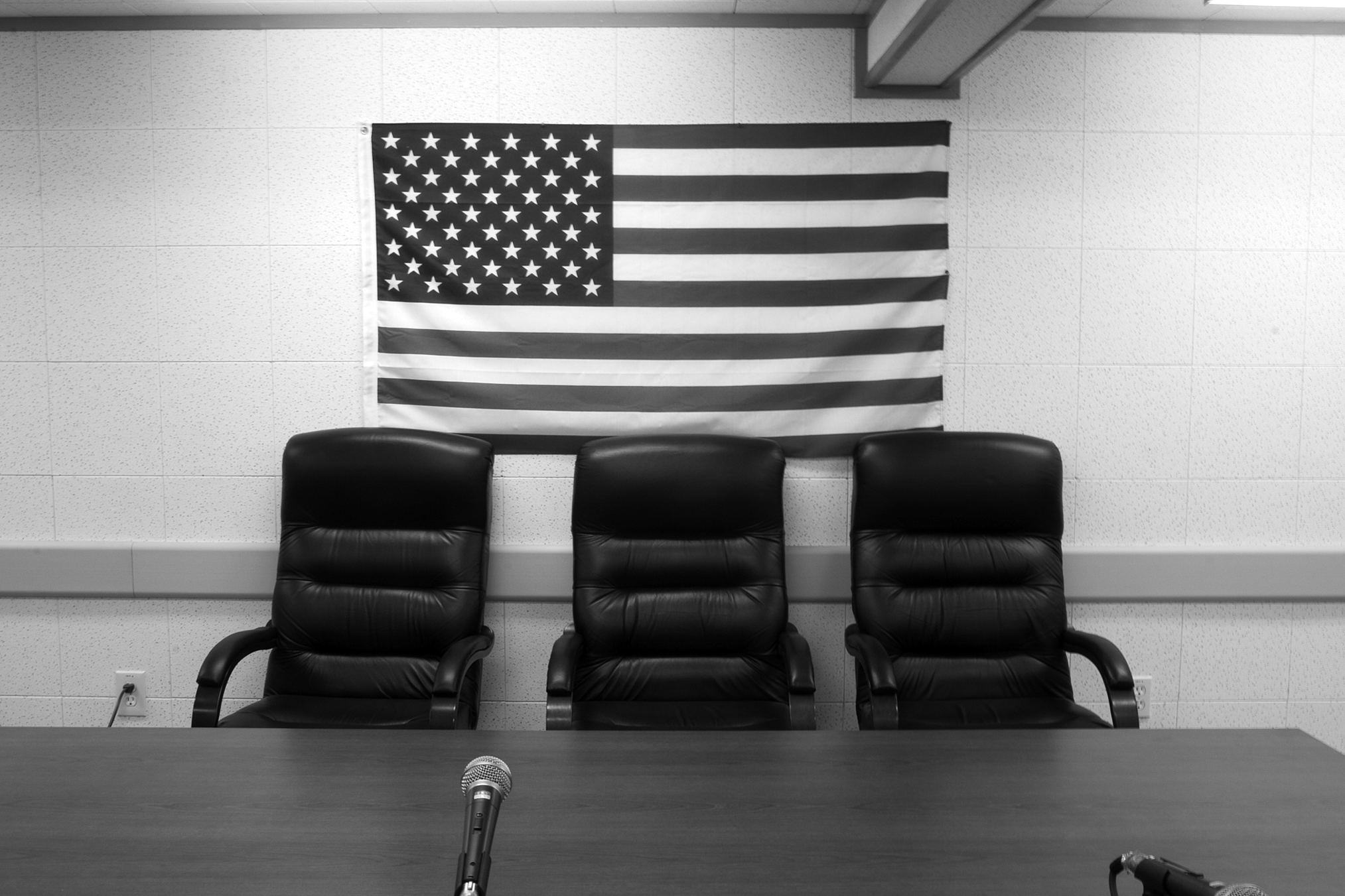
Administrative Review Board Meeting Room, Camp Delta. 2006. Playground, Naval Station. 2006.
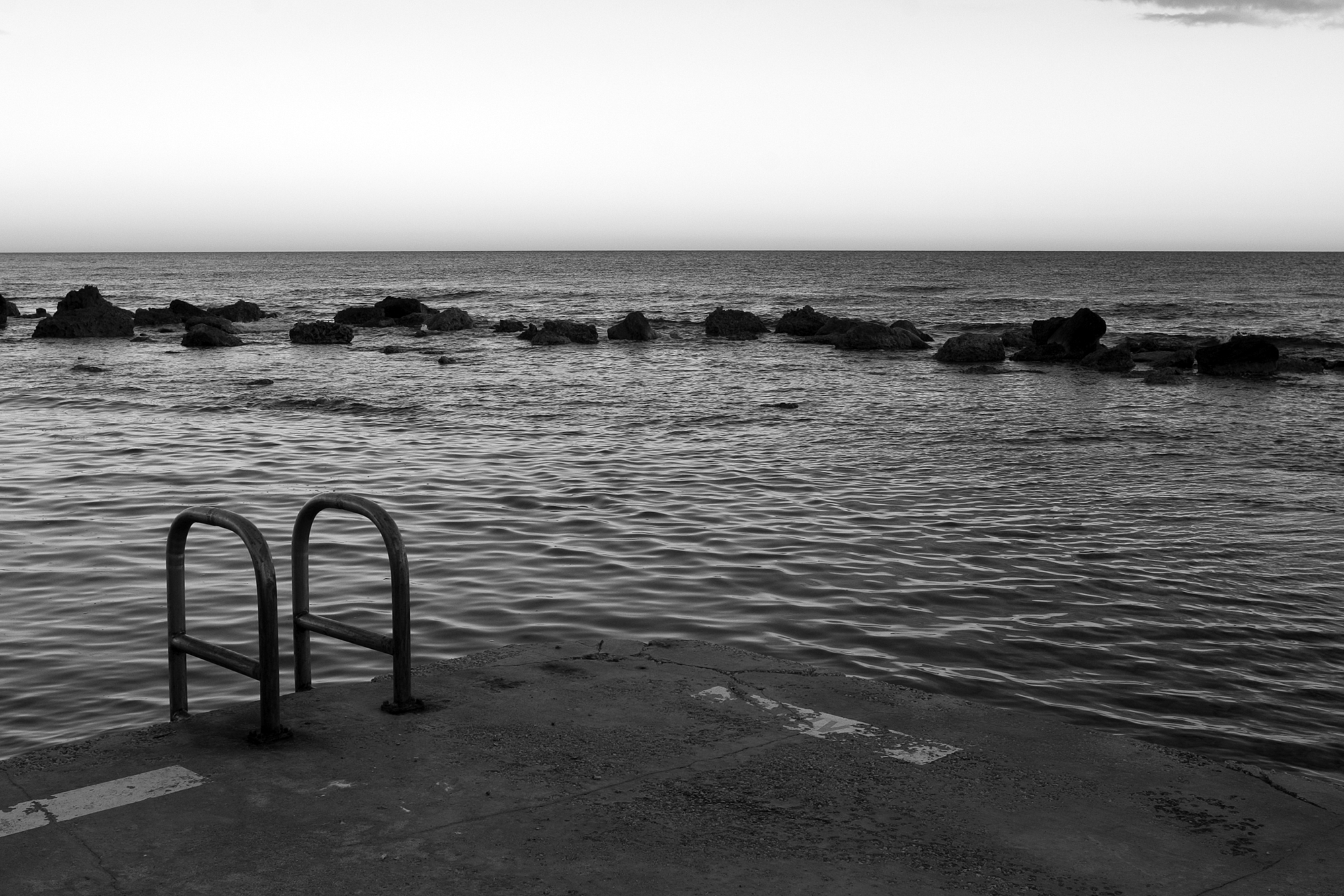
Diving Platform, Naval Station. 2006.
Cafeteria, Camp America. 2006.