




Abstract
The 50th anniversary of two pathbreaking books—Rachel Carson’s Silent Spring and Michael Harrington’s The Other America—that helped change public opinion and public policy about the environment and poverty is discussed. Peter Dreier looks into what contemporary academics, including sociologists, can learn from the lives and careers of these two influential public intellectuals.
Keywords
Stanley Freeman/Courtesy of the Freeman Family Collection
©2007 Jonathan S. Marion
Bernard Gotfryd/Getty Images
©2007 Jonathan S. Marion
Fifty years ago, Rachel Carson and Michael Harrington authored books that powerfully challenged the conventional wisdom about the environment and poverty, issues that had been ignored by most opinion-shapers and policy-makers at the time.
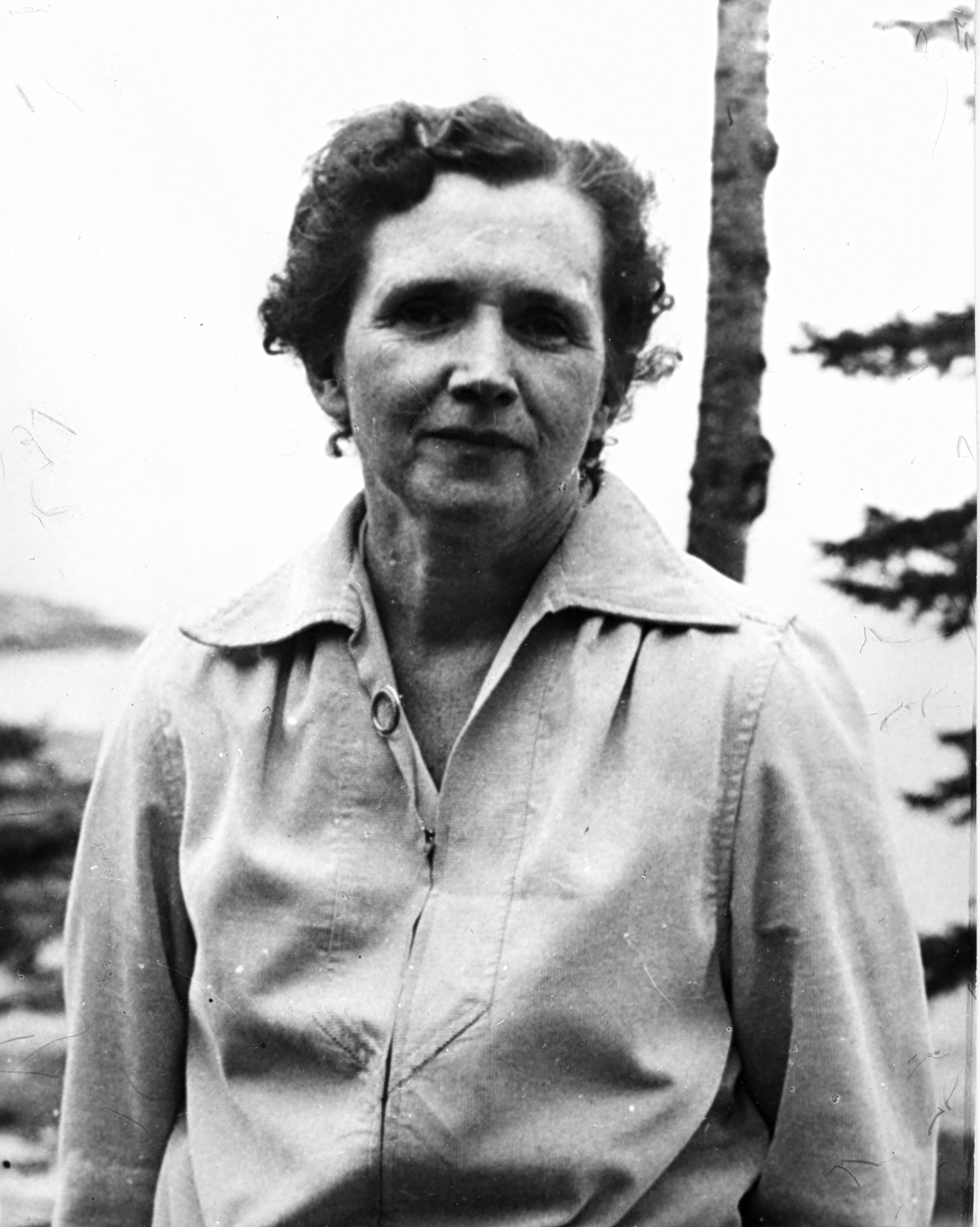
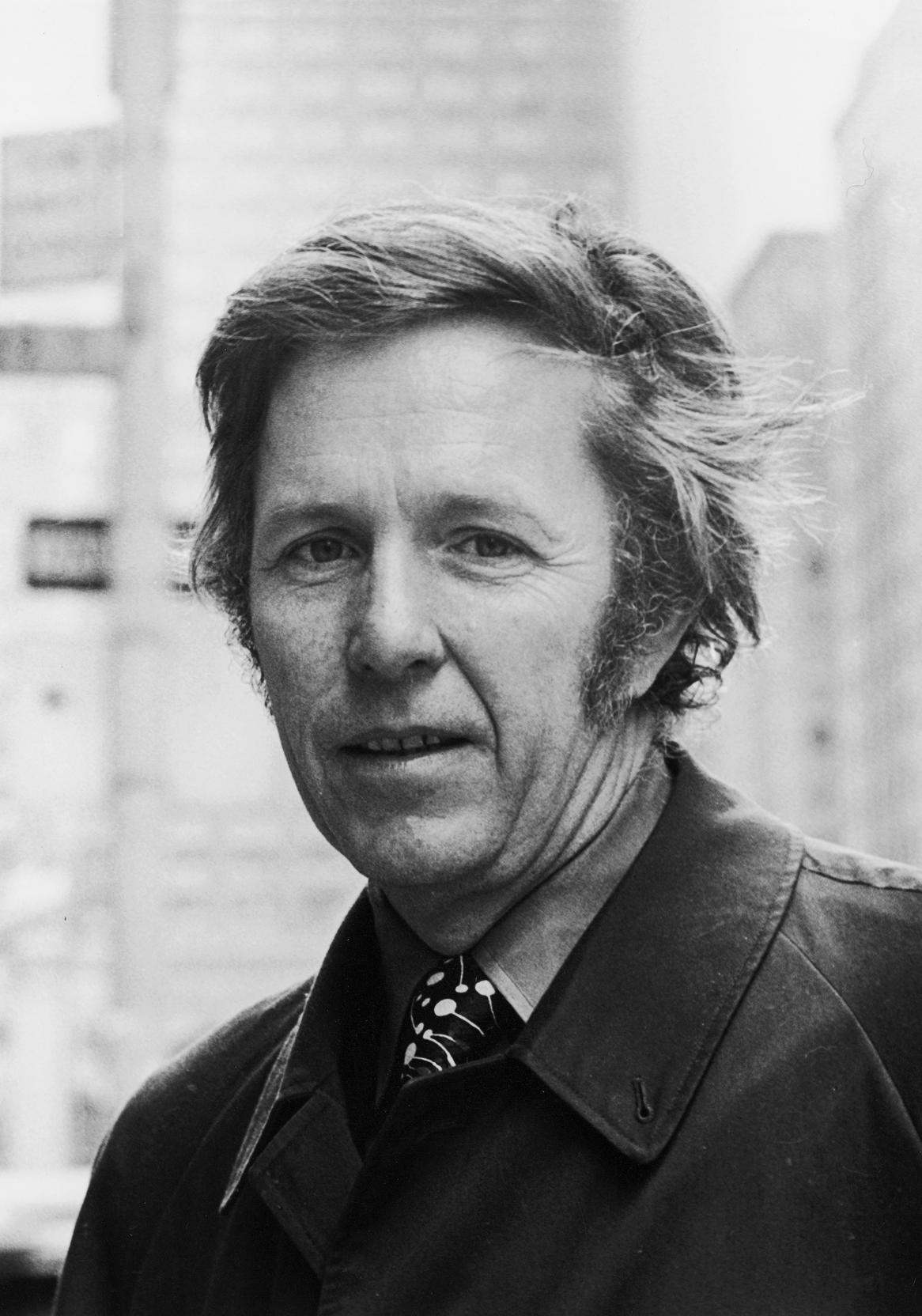
Carson (1907-1964) became a household name when her book Silent Spring alerted the public to the dangers of pesticides, such as DDT. Her work questioned the chemical industry’s political influence and scientists’ faith in technology as an easy solution to most problems. Harrington (1928-1989) wrote The Other America, a book that offered a haunting tour of deprivation in America’s urban ghettos and rural areas that inspired Presidents Kennedy and Johnson to wage a war on poverty.
Both books became bestsellers, were reviewed and debated in mainstream newspapers and magazines, and led to invitations to speak at college campuses, religious congregations, and policy conferences. Kennedy’s high-level aides, and perhaps he himself, read them and committed the administration to addressing the concerns they raised. Silent Spring and The Other America became manifestos for grassroots movements that changed American history.
Neither Carson, a well-established nature writer, nor Harrington, a writer and organizer with marginal left-wing groups, was employed by an academic institution. They were not seeking tenure or acclaim from fellow academics. Unable to claim expertise by virtue of having a Ph.D. and the title “professor,” they had to earn their legitimacy.
What can sociologists learn from the lives of these two public intellectuals? Carson and Harrington achieved what many academics aspire to—they wrote books that reached a wide audience, shaped public opinion, and had a big influence on public policy. Well-versed in the literature in their respective fields, they popularized ideas that academics had been unable to inject into the public debate. How did they do it?
Exposing Pesticides
Carson translated her understanding of scientific facts into works that raised public awareness about the natural world. “The pleasures, the values of contact with the natural world, are not reserved for the scientist,” she wrote. “They are available to anyone who will place himself under the influence of a lonely mountain top—or the sea—or the stillness of a forest; or who will stop to think about so small a thing as the mystery of a growing seed.”
During the Depression, lacking funds to finish her doctorate, Carson took a temporary position with the U.S. Bureau of Fisheries (now the U.S. Fish and Wildlife Service) as a writer for the “Romance under the Seas” radio show. In 1936 the bureau hired her as a full-time biologist, and she became the chief editor of its publications, including scientific articles and pamphlets about natural resources and conservation.
Carson supplemented her government income by writing for the Baltimore Sun, Atlantic Monthly, and other publications. She wrote three books about oceans and seas that made her reputation as a popular naturalist, science writer, and speaker, and gave her the financial independence to quit her government job and devote herself to writing.
Silent Spring marked a major shift in Carson’s career—to a social critic who challenged industry, government, and many scientists. She departed from the tradition of conservationists like John Muir and Theodore Roosevelt, whose environmentalism was primarily about preserving the wilderness, not protecting public health or challenging the prerogatives of big business. If Carson has a precursor, it is Alice Hamilton (1869-1970), the brilliant scientist, physician, and reformer who founded the field of occupational medicine that has helped save millions of workers from unnecessary workplace injuries, diseases, and deaths.
During World War II, the U.S. military used the insecticide DDT to kill lice and mosquitoes and protect against outbreaks of malaria and typhus. After the war, chemical companies produced over 200 pesticides for use by farmers, foresters, and suburbanites determined to keep insects off their lawns. Though pesticide use grew from 125 million pounds in 1945 to 600 million pounds a decade later, the public was generally unaware of the dangers.
Carson and Harrington popularized ideas that academics were unable to inject into the public debate.
At the same time, American business embarked on a crusade to persuade Americans that science and technology could save humankind from the threats of disease, war, and hunger, and could make society more efficient and productive, and life easier. DuPont, for example, promoted its products through the popular slogan “Better living through chemistry.”
Silent Spring carefully documented the dangers of pesticides and herbicides. Carson revealed the long-term presence of toxic chemicals in water and on land and its threat to animals, the habitat, and humans, including DDT in breast milk.
Carson called for a ban on the more harmful, long-lasting chemicals like DDT and for tighter regulations on the manufacture and sale of other chemicals. She urged scientists to find other ways to fight pests to reduce the deadly poisons in the environment. Carson accused the chemical industry of intentionally spreading misinformation and government officials of uncritically accepting industry’s claims. “The control of nature is a phrase conceived in arrogance,” Carson wrote, “born of the Neanderthal age of biology and philosophy, when it was supposed that nature exists for the convenience of man.”
The chemical industry attacked Silent Spring as “sinister” and “hysterical.” A key industry spokesperson said that the book’s claims were “gross distortions of the actual facts, completely unsupported by scientific, experimental evidence, and general practical experience in the field.” He labeled Carson “a fanatic defender of the cult of the balance of nature.” DuPont, Monsanto, and other corporations, including baby food companies and the pesticide industry trade group, spent hundreds of thousands of dollars to produce brochures and articles attacking Carson’s credentials and to promote and defend pesticides.
Anticipating these attacks, Carson and her publisher sent advanced chapters to many noted scientists so they would be able to defend its findings in the media and among fellow researchers. The strategy worked. The media was generally sympathetic to Carson. “Silent Spring Is Now Noisy Summer: Pesticide Industry up in Arms over a New Book,” wrote the New York Times. “The $300,000,000 pesticides industry has been highly irritated by a quiet woman author whose previous works on science have been praised for the beauty and precision of the writing,” it said.
The chemical industry’s campaign against Silent Spring backfired. It increased public awareness and sales. The book became a best seller. CBS broadcast an hour-long television program about it, even after two major corporate sponsors withdrew their support. The industry attacks strengthened Carson’s warnings about the misuse of science. “Such a liaison between science and industry is a growing phenomenon, seen in other areas as well,” Carson said. She noted that the American Medical Association referred physicians to a pesticide trade association for information.
Kennedy discussed Silent Spring at a press conference and appointed a science advisory committee to look into the problem of pesticides. Carson testified before that committee, as well as Congress. In 1963 the task force issued a report supporting Carson’s claims. Committee chairman Jerome Wiesner said the uncontrolled use of poisonous chemicals, including pesticides, was “potentially a much greater hazard” than radioactive fallout.
Perhaps Carson’s biggest influence was in encouraging popular skepticism toward claims that chemicals in our food, water, air, toys, clothes, and other aspects of the environment and daily life were safe. Her work helped spark the modern environmental movement, which pushed Congress to establish the Environmental Protection Agency in 1970. Two years later, the federal government banned the use of DDT. But Carson died before she could see the changes that her work had inspired.
After her death, scientists and journalists such as Barry Commoner and Bill Moyers, and advocacy groups such as the Sierra Club and Pesticide Watch, followed in Carson’s footsteps. Largely due to her inspiration, public understanding of the dangers of toxic chemicals, and doubts about the claims of chemical and other industries, has increased profoundly.
Shirley Briggs/Courtesy of the Linda Lear Center for Special Collections & Archives, Connecticut College
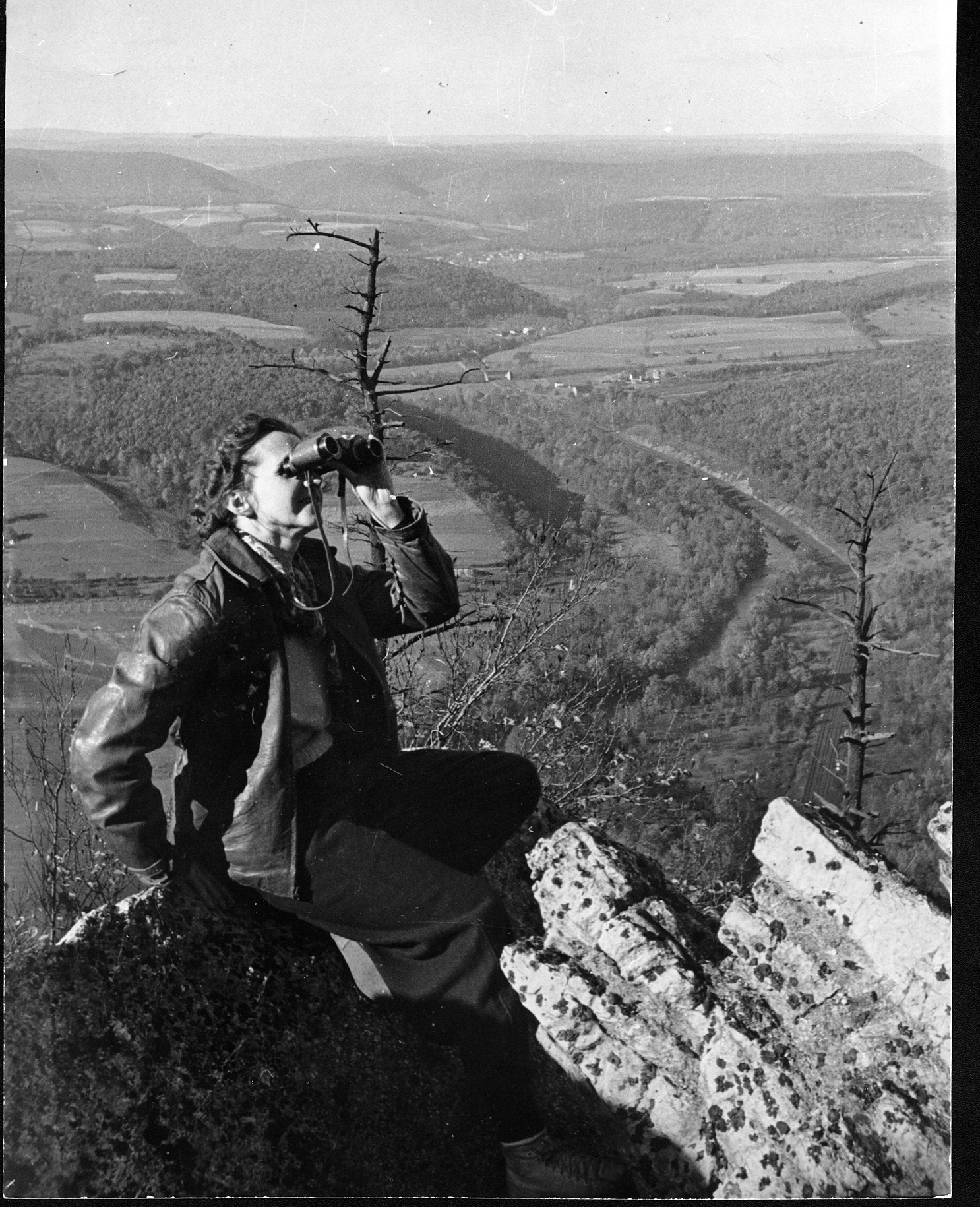
Rachel Carson at Hawk Mountain, Pennsylvania, 1946.
©2007 Jonathan S. Marion
Making the Poor Visible
Michael Harrington, the son of a middle-class Catholic family from St. Louis, lived in voluntary poverty in New York City in the 1950s as a member of the Catholic Worker movement. He shared living space with homeless men and winos in the Bowery district, and wrote for the Catholic Worker’s newspaper. With his mentor, radical pacifist Dorothy Day, and others, he helped organize protests against the Korean War and nuclear arms, and for civil rights.
After several years, Harrington left the Catholic Worker. Instead of ministering to the poor, he wanted to abolish the system that produced so much misery. Recognizing that his Midwestern, boyish charm, and his fiery speaking style made him a natural leader, several Old Left socialists groomed him for a public role.
Working for the Young People’s Socialist League, a group with no more than a few hundred members, Harrington traveled by bus and thumb across the country, speaking to small groups of students on college campuses about the emerging civil rights movement and the crusade against nuclear weapons, while talent-scouting for budding activists. In New York, he spent many evenings at the White Horse Tavern in Greenwich Village, hanging out with poets, writers, bohemians, folksingers, and radicals. He began writing for small-circulation magazines like Dissent, New Leader, and Commonweal about war and politics, as well as about movies and novels.
Harrington would have been content with being America’s “oldest young socialist,” as he often called himself, and a somewhat marginal figure in American politics and culture. But after he had written several articles about poverty for Commentary, an editor at Macmillan suggested that he expand the articles into a book.
The Other America struck a nerve, and America was ready to hear its message. Others had set the stage for Harrington. Economist John Kenneth Galbraith’s The Affluent Society, published in 1958, argued that many Americans were left out of the nation’s prosperity. That year, economist Leon Keyserling wrote a New Republic essay noting that more than a quarter of American families reported annual incomes below $4,000, arguing for a bold New Deal-style employment program. Edward R. Murrow’s CBS television documentary Harvest of Shame, broadcast in 1960, drew attention to the plight of migrant farm laborers.
Edwin Gray/Courtesy of the Linda Lear Center for Special Collections & Archives, Connecticut College
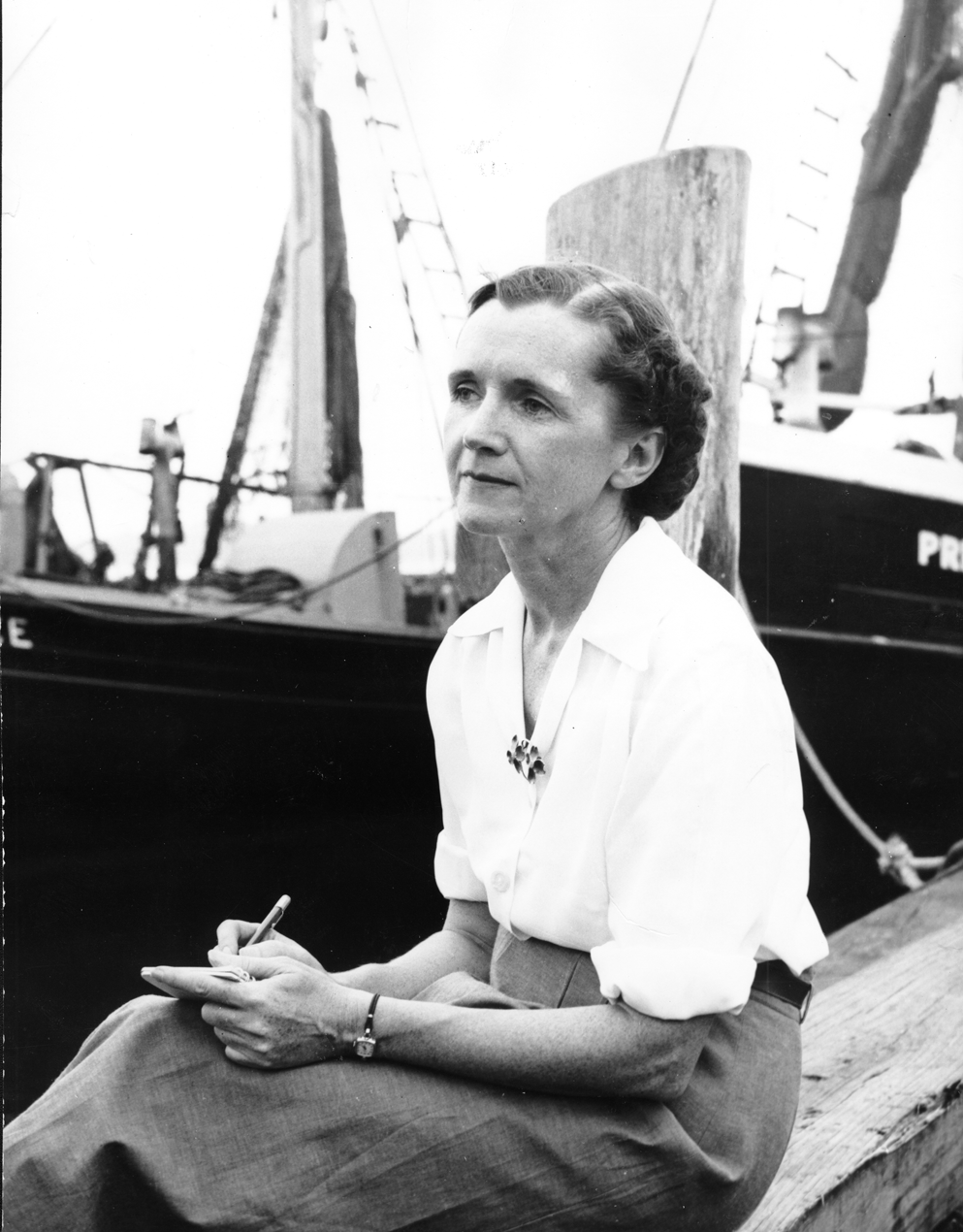
Rachel Carson at the Marine Biological Laboratory in Woods Hole, 1950.
Harrington challenged the conventional wisdom that America had become an overwhelmingly middle-class society as a result of postwar prosperity. He reported that almost one-third of all Americans—between 40 million and 50 million people—lived “below those standards which we have been taught to regard as the decent minimums for food, housing, clothing and health.”
Harrington’s writing style—informal, accessible, and morally outraged but not self-righteous—appealed to readers. Rather than rely primarily on statistics, he told stories, humanizing the poor as real people trapped in difficult conditions not of their own making. He described people living in slum housing, who got sick and lived with chronic pain because they could not afford to see a doctor, who did not have enough food for themselves or their children and lived with constant hunger.
Neither author hid behind a pretense of neutrality.
Harrington wrote that the poor were invisible to most Americans because they lived in rural isolation or urban slums. Once they become aware of the situation, Americans should be ashamed to live in a rich society with so much poverty. “The fate of the poor,” he concluded, “hangs upon the decision of the better-off. If this anger and shame are not forthcoming, someone can write a book about the other America a generation from now and it will be the same or worse.” He added, “Until these facts shame us, until they stir us to action, the other America will continue to exist, a monstrous example of needless suffering in the most advanced society in the world.”
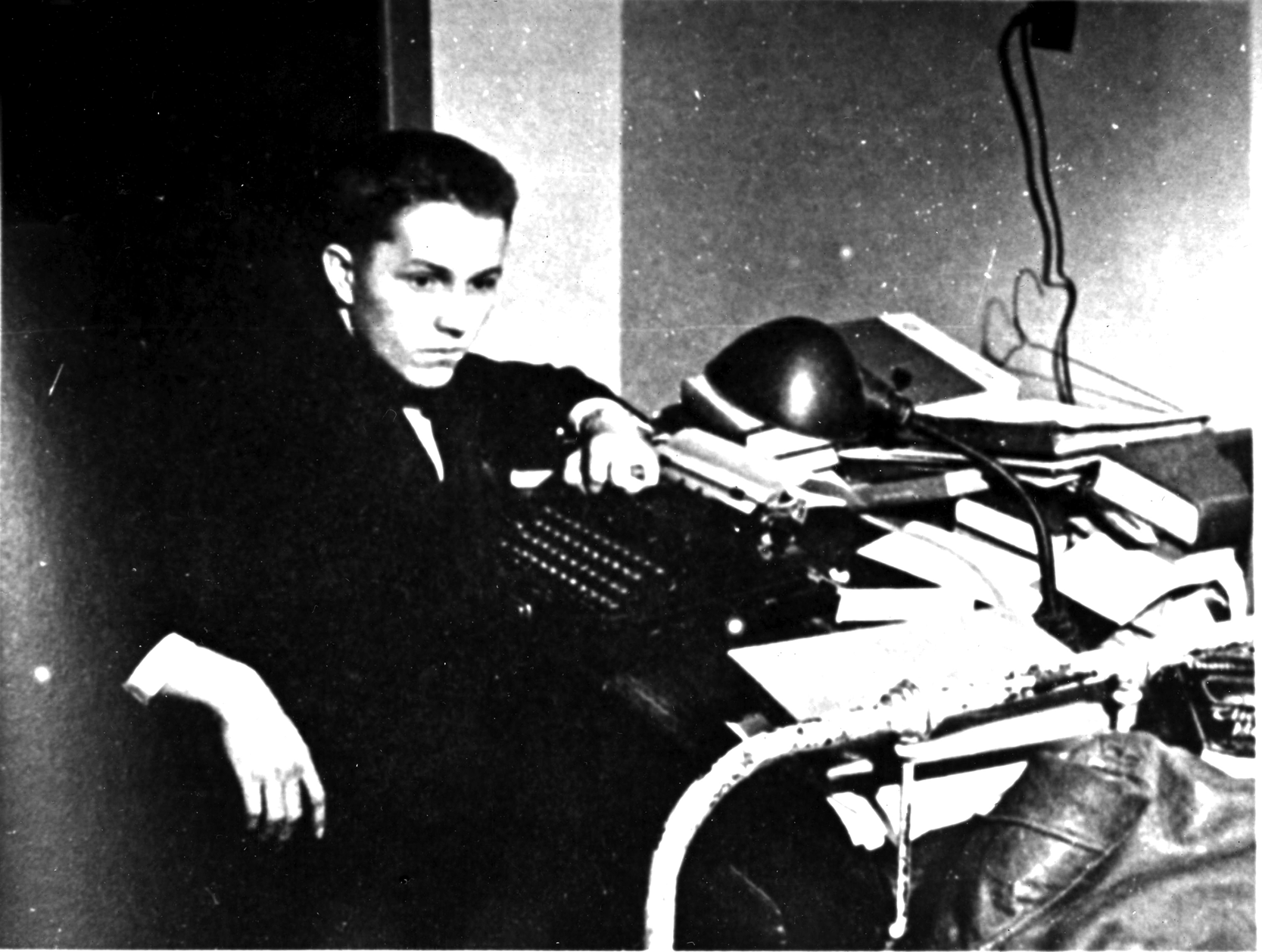
Courtesy of The College of the Holy Cross Archives
Michael Harrington in his dormitory at Holy Cross, 1947.
Harrington wanted the book to tug at people’s consciences, outrage them, and push them to action. But he did not argue that it was caused by capitalism or that the solution was socialism. The solution, he wrote, was full employment, more funding for housing and health care, and better schools and job training.
When Kennedy campaigned for president in 1960, he was shocked at the suffering he saw in West Virginia, where the poor were mostly rural whites. The southern sit-in movement, which began in February 1960, put a spotlight on the intertwined realities of racism and poverty. The president was concerned that the exposure of widespread poverty and racism would embarrass the country in the Cold War race with the Soviet Union for the hearts and minds of the world’s people.
The Other America came out in March 1962. Kennedy’s economic adviser Walter Heller gave the president the book, or possibly a 50-page review of the book by Dwight Macdonald, called “Our Invisible Poor,” in the January 19, 1963 issue of The New Yorker. (Historians tell both versions.) Three days before he was assassinated, he told aides that he wanted to do something about poverty.
On taking office after Kennedy’s death, Lyndon Johnson wanted to build on JFK’s unfinished agenda. He told Heller that abolishing poverty was the kind of big, bold program he could get behind. He appointed Peace Corps director Sargent Shriver (Kennedy’s brother-in-law) to head the new Office of Economic Opportunity. Shriver invited Harrington to join its War on Poverty planning committee.
In 1964, Harrington, writer and labor activist Paul Jacobs, and Labor Department official Daniel Patrick Moynihan (who later became a U.S. senator from New York), wrote a background paper for the committee. The memo urged, “If there is any single dominant problem of poverty in the U.S., it is that of unemployment.” The remedy, it said, was a massive public works initiative similar to the New Deal’s Works Progress Administration and Civilian Conservation Corps programs.
It was on this point that Harrington parted company from Johnson’s aides. Jobs programs were expensive; the WPA had cost $5 billion in 1936. Johnson insisted that the “unconditional war on poverty” had to cost less than a billion dollars a year. His strategy was to help the poor improve themselves—a “hand up, not a handout.” War on Poverty legislation, passed in August 1964, included funds for preschool education, social services through community action agencies, and legal services, but no major jobs programs and no major direct cash grants to the poor.
Harrington complained to Shriver that America could not abolish poverty by spending “nickels and dimes.” Shriver responded, “Oh really, Mr. Harrington. I don’t know about you, but this is the first time I’ve spent a billion dollars.”
These policies (including Medicaid, subsidized housing, Head Start, legal services, and, later, food stamps)—in combination with a strong economy—significantly reduced poverty. The nation’s poverty rate was cut in half—from 22.4 percent in 1959 to 11.1 percent in 1973.
Harrington lamented that spending for antipoverty programs (less than 1 percent of the federal budget) was never sufficient to make a larger dent in the problem. Since the 1970s, the poverty rate has fluctuated, but has persistently been two or three times higher than in most European societies. In 2010, 46 million Americans—over 15 percent of the population—lived in poverty.
Though Harrington’s stint as an adviser to the Johnson administration lasted only one month, it gave him a platform as America’s leading poverty expert. Not since Jacob Riis’s How the Other Half Lives (1890)—which inspired Progressive Era activism to clean up slums and sweatshops—had a book drawn so much attention to the plight of the poor. Harrington’s book became required reading for social scientists, elected officials and their staffs, college students, church and synagogue groups, union leaders, reporters and intellectuals, the new wave of community organizers, and student activists who traveled to the South to join the civil rights crusade.
Harrington mesmerized audiences with his eloquent, funny, and morally uplifting lectures. He recruited young activists and plugged them into movement activities. He made democratic socialism sound like common sense—rational, practical, and moral at the same time.
Harrington challenged the conventional wisdom that America had become an overwhelmingly middle-class society.
While a typical Harrington speech was tailored to specific events and circumstances, it never failed to include the “big picture” of what was happening in America and around the world. With a great sense of moral urgency, he reported that today’s strike, tomorrow’s demonstration, next week’s teach-in, and the upcoming election, was a critical part of that movement and that you—the audience—should find a way to get involved. But, he warned, these issue campaigns—civil rights, union drives, calls to withdraw troops from Vietnam—weren’t enough. They were necessary stepping-stones toward a better world, but more was needed to end poverty, expand happiness, or stop imperialism.
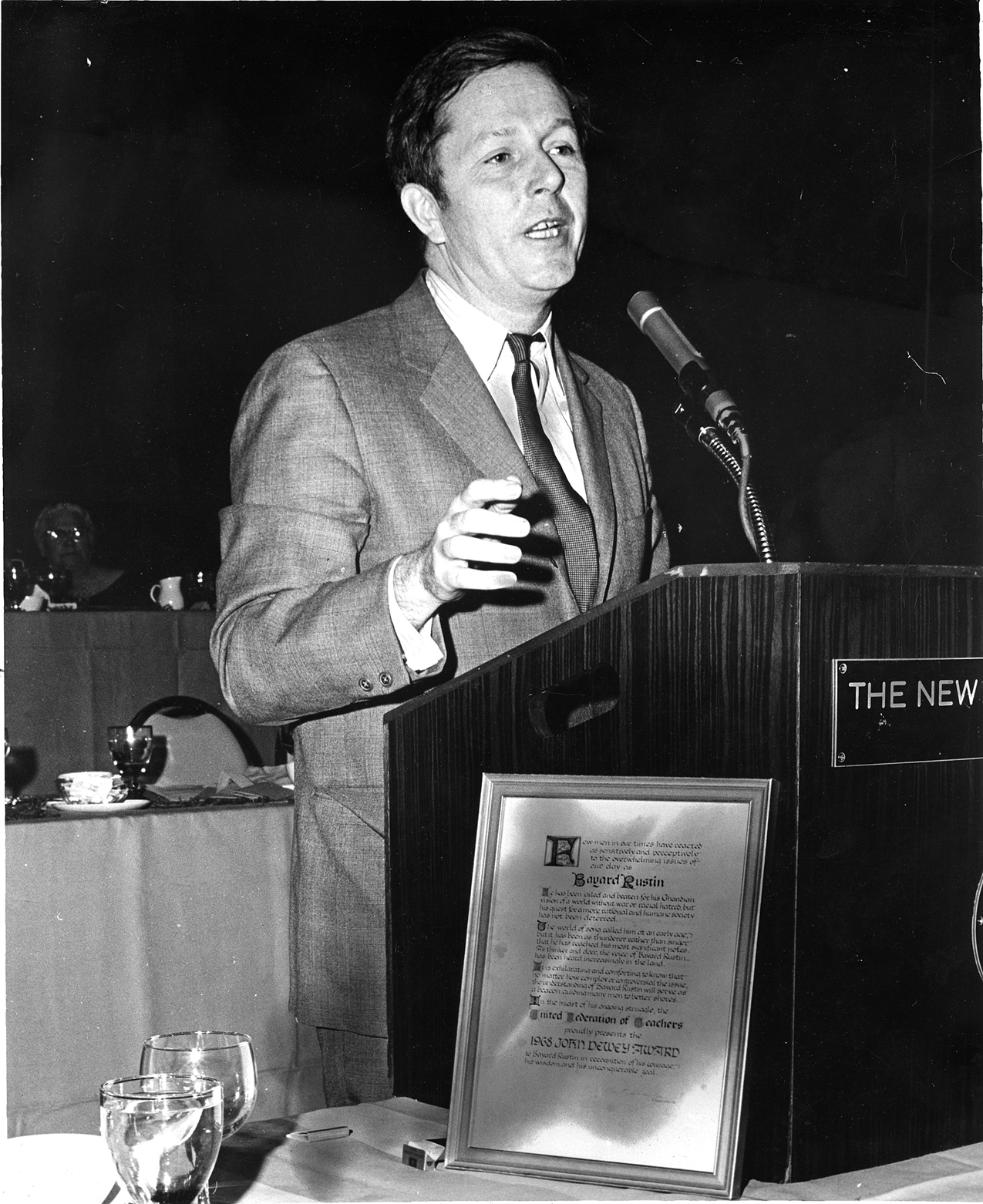
Robert F. Wagner Labor Archives, New York University, United Federation of Teachers Photographs Collection
Michael Harrington substituting for civil rights leader Bayard Rustin at the UFT’s John Dewey Award ceremony, New York City, 1968.
Harrington wrote 11 more books, none of them as successful as The Other America. He was always introduced as “the author of The Other America,” “the man who discovered poverty,” or “America’s leading socialist.” But unlike Eugene Debs and Norman Thomas, two of his predecessors on the left, he never believed it was possible to create a radical third party that could succeed in electing candidates and gaining power. He believed in building coalitions among labor, civil rights, religious, and intellectual liberals within the Democratic Party.
With his friends Bayard Rustin and A. Philip Randolph, he flew to Alabama to join Dr. King’s march from Montgomery to Selma in 1965. He worked closely with union leaders, wrote speeches for Ted Kennedy and Martin Luther King, drafted a Poor People’s Manifesto for King in 1968, and influenced King’s growing radicalism. He also helped found the New Democratic Coalition to unite the anti-war and anti-poverty forces within Democratic Party, and in 1973, the Democratic Socialist Organizing Committee— later called Democratic Socialists of America.
Unlike Carson, Harrington is almost a forgotten figure today. Contemporary historians and sociologists still cite Harrington in their studies of poverty, but few Americans under 50, including most union, community organizing, and civil rights activists, have heard of him. Still, his legacy endures. Fifty years after The Other America, poverty is no longer invisible, although the moral urgency required to address it has ebbed and flowed. Journalist Barbara Ehrenreich’s best-selling 2001 book about the working poor, Nickel and Dimed, was close in spirit, style and influence to Harrington’s book. And the past decade has witnessed successful campaigns for “living wage” laws in more than 150 cities and widespread opposition to Wal-Mart’s employment practices.
Polls reveal that most Americans think that people who work full-time shouldn’t live in poverty. Two months after the Occupy Wall Street movement emerged in September 2011, a Pew Research Center survey found that most Americans (77 percent)—including a majority (53 percent) of Republicans—agreed that “there is too much power in the hands of a few rich people and corporations.” Pew also discovered that 61 percent of Americans believed that “the economic system in this country unfairly favors the wealthy.” A significant majority (57 percent) though that wealthy people don’t pay their fair share of taxes.
If Harrington were alive today, he would have injected himself into the public debate. He’d urge liberals and progressives, to push the Democrats to be bolder, give Obama more room to maneuver, and fight hard for what he called the “left wing of the possible.”
Engaging the Public
Professional academics, including sociologists, can learn much from the examples of Carson and Harrington. Graduate training, and the routines and incentives of teaching, research, and publishing books and journal articles, generally do not provide them with the training, opportunity, or encouragement to engage with the worlds of politics, policy, and opinion-shaping. Only a relative handful of academics collaborate with advocacy groups and elected officials, write articles and columns for magazines and newspapers, cultivate relationships with journalists, or testify before public bodies.
Silent Spring and The Other America were intended to appeal to general readers, and they became staples in college courses. Compared with most academic writing at the time—and today—both books were written in clear, straightforward language without jargon. Their authors were elegant writers and excellent storytellers. They described the dangers of pollution and poverty in ways that evoked sympathy for the victims.
Neither author hid behind a pretense of neutrality. Instead they followed sociologist C. Wright Mills’ dictum that “I try to be objective, I do not claim to be detached.” They knew what side they were on and expressed it in their books and speeches. With a strong sense of outrage and urgency, they challenged conventional wisdom, and the nation’s political and business establishment, by appealing to core American values of fairness and decency.