



Abstract
Leading social analysts Ruth Milkman, Mohammed A. Bamyeh, Benjamin Barber, William Julius Wilson, Dana Williams, and Deborah B. Gould offer their views of the Occupy Wall Street movement—and its offshoots.
Keywords
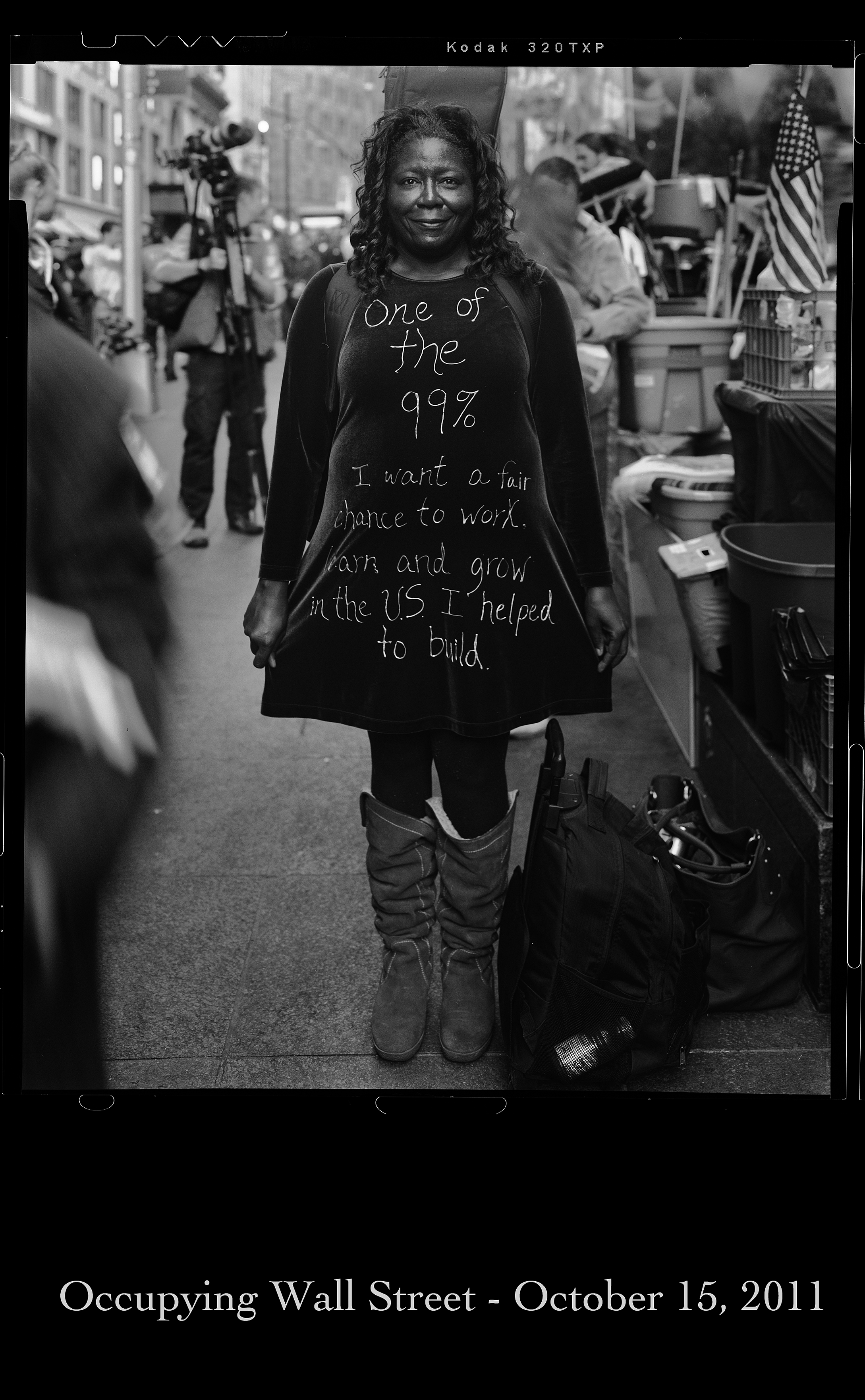
Last fall, an extraordinary upsurge of protest burst onto the streets of lower Manhattan, and quickly rippled across the nation. In Zuccotti Park, ground zero for the movement—which lay in close proximity to the “other” ground zero—an oppositional community comprised of hundreds of activists (and a library, kitchen, theater, and medical and legal teams) formed practically overnight.
The neighborhood where financial traders ply their trade became the stage for dissidence of a sort that we have not seen in this country for a very long time. There one could witness—and quickly become a part of—dozens of simultaneous small group conversations about student debt, veterans’ post-traumatic stress, or the complexities of credit-default swaps, “fracking,” and more. Nightly meetings, called general assemblies, were like New England town meetings with an anarchist edge, marked by youthful exuberance and the sense that here was history-in-the-making.
The protests went into hibernation, thanks to the efforts of city governments from New York to Oakland to break them up. But, at this writing, efforts to regroup are now underway.
We asked experts, representing a range of perspectives, to comment on the “Occupy” movement and its significance. How can we account for its sudden emergence? What are its distinctive characteristics, its intellectual and social roots, and its likely future? Together, they offer a lively set of commentaries that help us to make sense of this moment of rage and hope.