



Abstract
In this study, we developed and assessed band-embedded laterally wedged insoles designed to correct genu varum, a condition characterized by outwardly bent knees. The product was specifically developed to improve usability and wearability in both indoor and outdoor conditions, addressing the key limitations of existing correction products. The wedged insoles were integrated so the band could promote proper alignment by redistributing the body weight toward the medial side of the legs, thereby reducing knee strain. Through detailed testing, the band demonstrated an average reduction of 14.76% in the gap between the knees, indicating significant corrective efficacy. Among the three developed designs, the hooks-and-loop-based band appeared to be the most effective, achieving a 15.94% reduction in the gap between the knees and receiving the highest scores in user satisfaction regarding design, functionality, comfort, and ease of use. The use of breathable lightweight materials and a design that accommodates both barefoot and shod conditions ensures long-term comfort and practicality. This product provides a practical, versatile, and user-friendly solution for genu varum correction and a foundation for further advancements in corrective orthopedic design.
Introduction
Genu varum is defined as a leg with knees that are not attached and bent outward, also known as an “O-shaped leg.” Previous studies have reported a 2.53%–16.33% global prevalence of genu varum, depending on the population group.1,2 Furthermore, studies have revealed a 15%–20% prevalence of genu varum among the total population.3,4 Vitamin D deficiency, resulting in rickets, osteochondrosis dissecans, and endocrine abnormalities, can cause genu varum. However, weakness of the muscles that support the knee, caused by poor lifestyle habits, poor posture, lower limb muscle weakness, and decreased bone density, is the primary cause of genu varum.5,6 The presence of genu varum in the legs causes a range of musculoskeletal disorders and degenerative arthritis that affect the pelvis, lower back, and spine. Moreover, it contributes to irregular shoe heel wear, which is a significant concern because that causes severe pain and gait disorders over time.5,7
Reportedly, women are ten times more prone to genu varum than men, primarily due to the prolonged use of high heels or other uncomfortable footwear, as well as the reduction in bone density that predominantly accompanies childbirth or menopause.6,8
The number of patients who develop genu varum-related problems is constantly increasing, whereas research on genu varum correction products is limited.4,7 Long-term use of corrective products is a crucial factor for genu varum correction; however, no existing product can be worn consistently for long periods, with or without shoes.
This study aimed to develop a product that can be worn both outdoors and indoors, regardless of whether the individual is wearing shoes. This study also aimed to verify the potential corrective effect using a band-design-centered approach. The product uses wedged insoles to correct genu varum. The results of this study will help a significant number of individuals with genu varum problems requiring a new correction product and is intended to contribute to the development of a body of relevant research data.
Literature review
Status and features of products for genu varum correction
Overview of products for correcting genu varum.
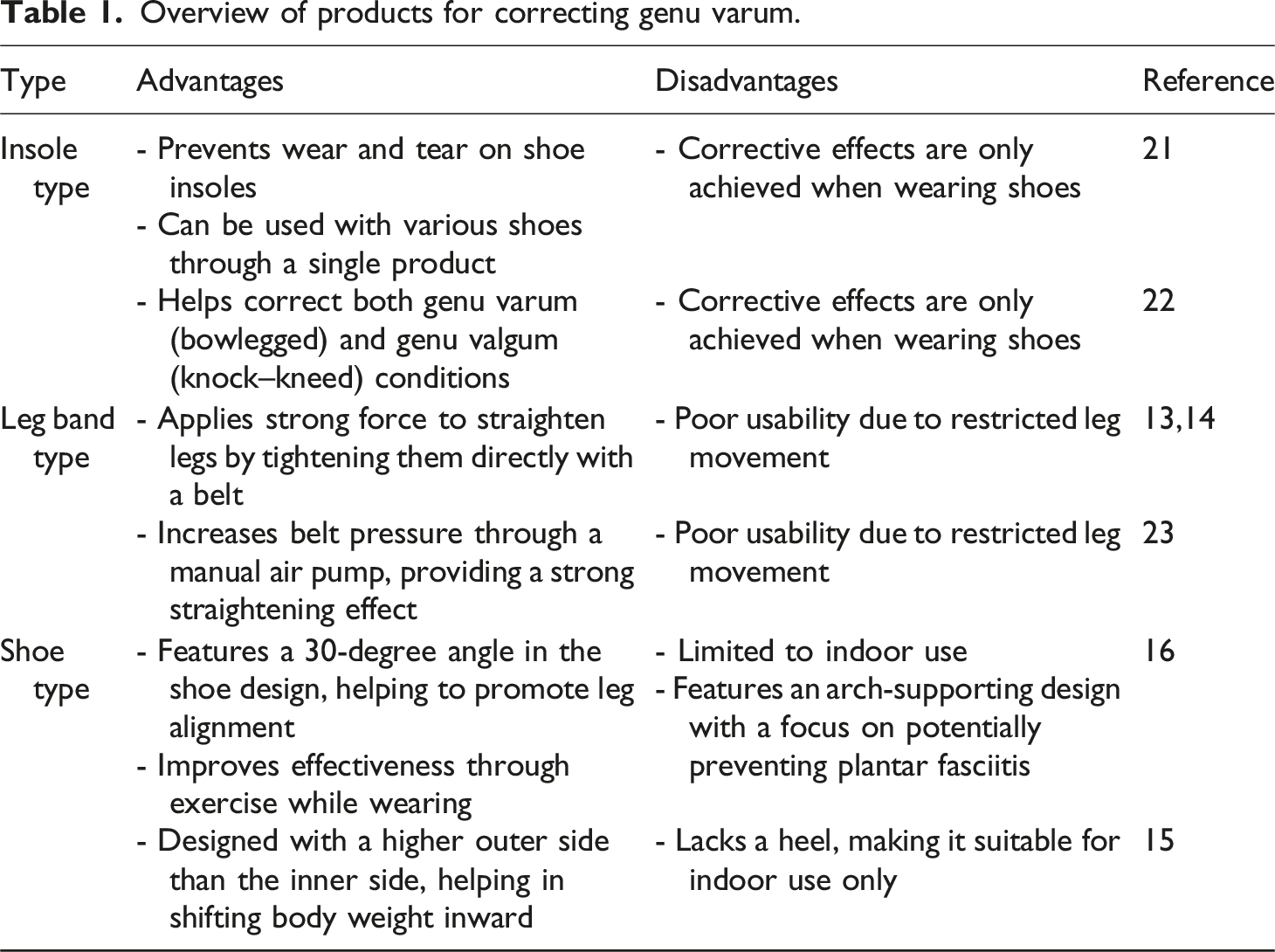
Second is the leg-band product, which functions by directly extending the leg; this is caused by the tightness of the band that binds the entire leg. However, concerns have been raised about restricted leg movements and reduced usability and comfort owing to strong compression. Furthermore, this product can cause skin pressure based on the fabric used, and lack of ventilation is also an issue, making their use in people with sensitive skin difficult.13,14
Third is when the shoe design incorporates a C-curve slipper type that does not fully contact the ground. It features a 30-degree angle interior that aims to correct genu varum by bringing the leg inward.15,16 A notable benefit of this product is its compatibility with exercise regimens, which augments the efficacy of the corrective effect. However, without incorporating footlifting exercises, the design can only elevate the arch of the foot. Consequently, the product primarily functions to prevent plantar fasciitis rather than correct genu varum.
A review of currently marketed products indicates that genu varum correction products must be designed considering the wearer’s perspective. Lateral wedged insoles, in which the lateral side is higher than the medial side, are proven to reduce medial knee loading.12,17,18 These insoles are affordable and easily accessible treatments for genu varum. Further, lateral wedged insoles have been efficacious in reducing pain in patients with medial compartment knee osteoarthritis. 19 These insoles are recommended in 13 out of 14 international guidelines for knee osteoarthritis. 20
Consequently, this study aimed to contribute to the development of genu varum correction products by presenting a design that applies the effective height difference principle of wedged insole-type designs. This design addresses the limitations of existing products that can only be worn outdoors or indoors and improves their wearability.
Comparative study on the design of insoles and foot support bands
Analysis of related product designs.

First, sock-type insoles are products made of silicone material, worn in socks to elevate height even indoors without shoes, and can be worn both indoors and outdoors.24,25 All these designs are perforated for breathability; however, the thick silicone material makes them unsuitable for prolonged wear on sweaty feet.
Second, the foot support for fixing and the support band, which is made of nylon material, is a compression band designed to immobilize and support the ball of the foot and instep and provide stability to the foot to facilitate walking and movement.26,27
Third, the foot support for the arch correction band, with a design that combines a stretchy elastic band with a drop-shaped cushion, supports the arch of the foot.28,29 This design helps reduce foot fatigue during walking by supporting collapsed arches with cushioning. It uses a highly elastic band for better skin contact; however, overly elastic bands may impede circulation in the foot. Furthermore, the cushioning is wrapped in toweling fabric, which is easily damaged by friction between the foot and shoe or between the sock and shoe.
Based on related product design analysis results, this study designed a band that wraps around the insole with a soft fabric material that can be worn both indoors and outdoors. The band was designed to insert wedged insoles into fabric. In the present study, we developed a new product for genu varum correction.
Evaluation methods for improvement effects
Improvements in genu varum are evaluated using several methods. The three most common methods used in many studies are as follows. The first method involves the measurements of the gap between the knees.5,7,30 The Global Postural System (GPS) device, which is a postural alignment analyzer, was used to assess the gap between the knees before and after elastic band exercise in participants with a 5–7 cm gap between the knees among women in their 20s and 30s 7 Changes in the gap between the knees were measured through stretching and corrective exercises using bands. 5 In this study, the gap between the knees was measured on a measuring board with graduated markings without equipment. A ruler, measuring board, and GPS were used to measure the gap between the most protruding parts of the patella. 30
The second method involves the assessment through interosseous angulation.5,31,32 The intertrochanteric angle was measured in pediatric patients with rickets to evaluate its usefulness in diagnosing rickets. 31 The genu varum effect was measured after radiography of the hip joint angle, the Q-angle, and the intertrochanteric angle. 5 The hip joint angle is the angle between the femoral neck and the femur. The normal angle is 125°, and less than this angle is diagnosed as genu varum, whereas greater than this angle is diagnosed as genu valgum. 5 The Q-angle is the angle formed by the line connecting the center of the patella and the anterior superior iliac spine and the line connecting the center of the patella in the tibial plane. 5 The magnitude of the Q-angle varies depending on sex, as women (15°–23°) generally have a wider pelvis than men (10°–13°). 33 In genu varum, the Q-angle is reduced, which places unstable loads and forces on the joint, causing wear on the medial aspect of the knee. 34 The effectiveness of genu varum correction before and after training was compared by measuring the Q-angle using a tape measure and protractor. 32
The third method involves the measurement of the pressure distribution in the foot using plantar pressure measurement systems.7,35,36 The plantar pressure characteristics of women in their 20s and 30s with genu varum were compared with those of the general population, revealing differences between the two groups. 35 A plantar pressure test was conducted to assess lower extremity imbalance caused by pronation in women with genu varum. 7 Additionally, if the Q-angle is smaller than normal, there is increased pressure on the lateral plantar aspect of the foot, which causes varus of the foot and further elevates the pressure in this region.36,37
Moreover, although not as much as the three methods, a study measured the effectiveness of genu varum improvement using electromyography (EMG), experimented with lateral insoles, and revealed no significant difference.
38
Other methods included measuring the cartilage volume, adduction moment of the knee joint, and body weight, as well as assessment of pain reduction through questionnaires. The difference between normal leg alignment and genu varum is illustrated in Figure 1. (a) Comparison of the gap between the knees in normal legs and genu varum. (b) Comparison of Q-angles between normal legs and genu varum (Left: normal alignment, right: genu varum).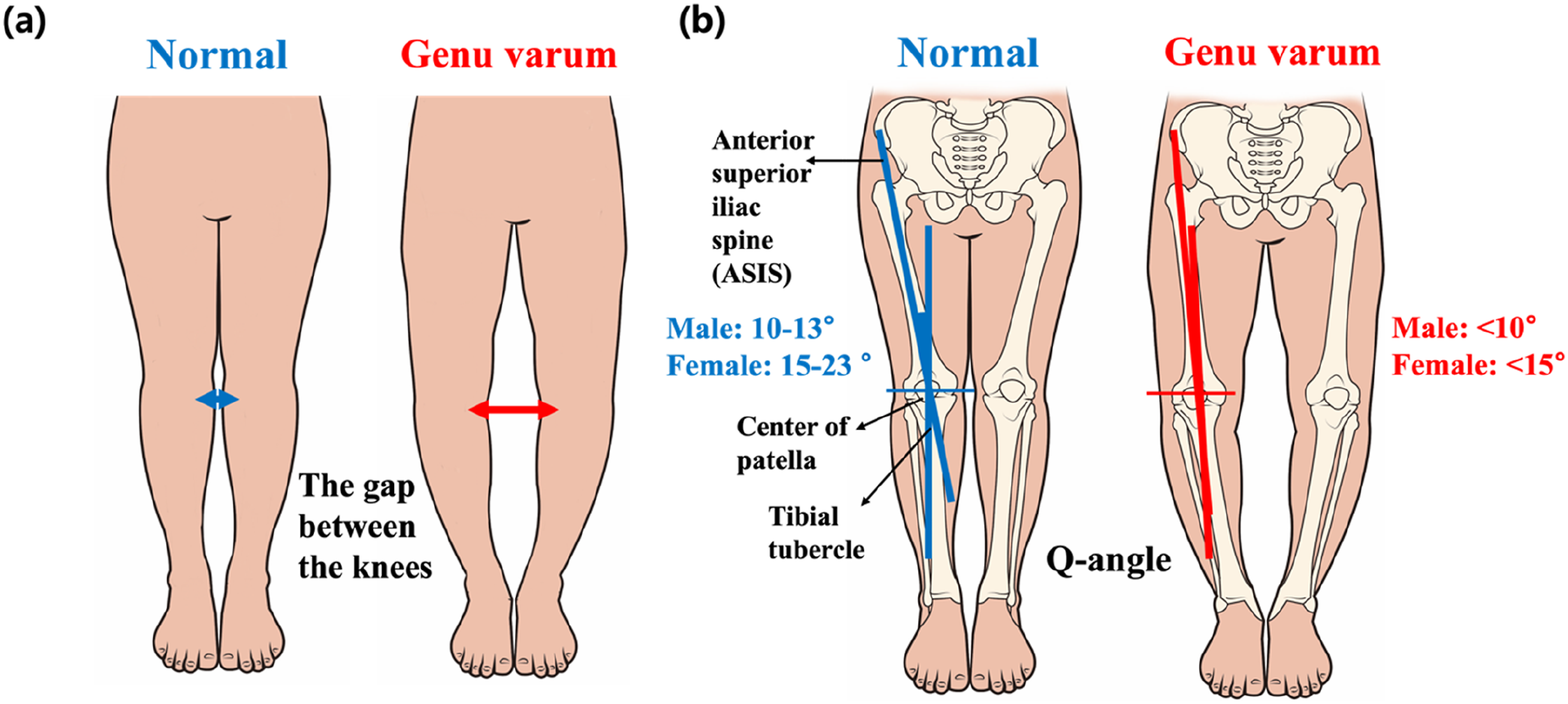
Methods
After obtaining institutional review board approval (no. 7001988-202402-HR-2184-03), this study was conducted to assess the effectiveness of the developed genu varum correction band by measuring and comparing the gap between the knees. A satisfaction survey was conducted to evaluate the comfort and ease of use of the bands.
This study sought to evaluate the genu varum correction effect through a band design that prioritizes wearability and usability. All three insoles used in this study incorporated a 10° lateral wedge design, distinguished based on their band attachment methods (hook-and-loop, zipper, and elastic band). Furthermore, each insole was constructed using a stretch PU combined with velvet, providing a soft yet stable fit for optimal corrective function. The insole was manufactured from open-cell polyurethane foam (density 0.16 g cm-3; hardness 35 ± 2 Asker C ≈ Shore A 30 ± 2, ASTM D2240; compression set < 5 %, ASTM D3574). A 0.05 mm velvet textile layer was thermally laminated to the foam surface to enhance tactile comfort and wear resistance. When placed on a flat surface, the lateral thickness of the insole is approximately 13 mm, whereas its medial thickness is approximately 5 mm, creating a 10° lateral wedge angle. In this study, the fabric selected for the band was tested for air permeability, elastic recovery, and abrasion resistance according to international standards (Table 4). These properties are essential for reducing the discomfort caused by perspiration and friction during prolonged wear and for ensuring durability.
The stage of genu varum is identified based on the gap between the knees: stage 1 (≤2.5 cm), which does not require treatment; stage 2 (2.5–5 cm), which requires exercise and bracing; and stages 3 (5–7.5 cm) and 4 (>7.5 cm), which require surgery as needed. 5 The gap between the knees is the distance between the knees while standing foot with the feet together at the medial malleolus of the ankles.
Demographic and anthropometric characteristics of participants.

All participants were women living in South Korea. The testing room temperature was 23 ± 2°C, and the relative humidity was 45 ± 5%. The mean age of the participants was 25.4 years (range: 22–38 years) with a mean body mass index of 18.6 kg/m2, which is within the normal weight range. For this study, women in their 20s and 30s were selected based on previous research showing that patients with medial knee osteoarthritis who were younger and weighed less were more likely to be satisfied with treatment with lateral wedge insoles.39,40 Participants were recruited by posting an announcement on an offline bulletin board at a university and snowball sampling through personal networks. Women aged 20–30 years with stage 2 genu varum were included in the study.
To participate in the experiment, the participants’ gap between the knees (cm) was first measured while wearing socks before wearing the band. The participants checked the design of the band and wore it themselves to determine the performance of genu varum correction and their satisfaction with its use. The band was worn while wearing socks, and the participants took approximately 20 in-place steps, followed by a 3-m indoor flat walk. 41 The participants’ gaps between the knees were measured again after in-place steps and indoor walking. The participants were then instructed to wear the shoes while still wearing the socks and bands. The same 20 in-place steps were performed with shoes on, followed by a 3-m indoor flat walk.
This process aimed to verify whether the participants could comfortably wear the band outdoors while wearing shoes, and the gap between their knees was measured again while wearing shoes. The participants repeated this process for all three designs, and the three band designs were assessed.
The experiment involved measuring the knee joint spacing (cm) before and after wearing the band.
36
The researchers directly measured the gap between the knees before and after wearing the band using a ruler. The gap measurement method and the overall experimental protocol are illustrated in Figure 2. (a) Measurement of the gap between the knees. (b) Experimental protocol.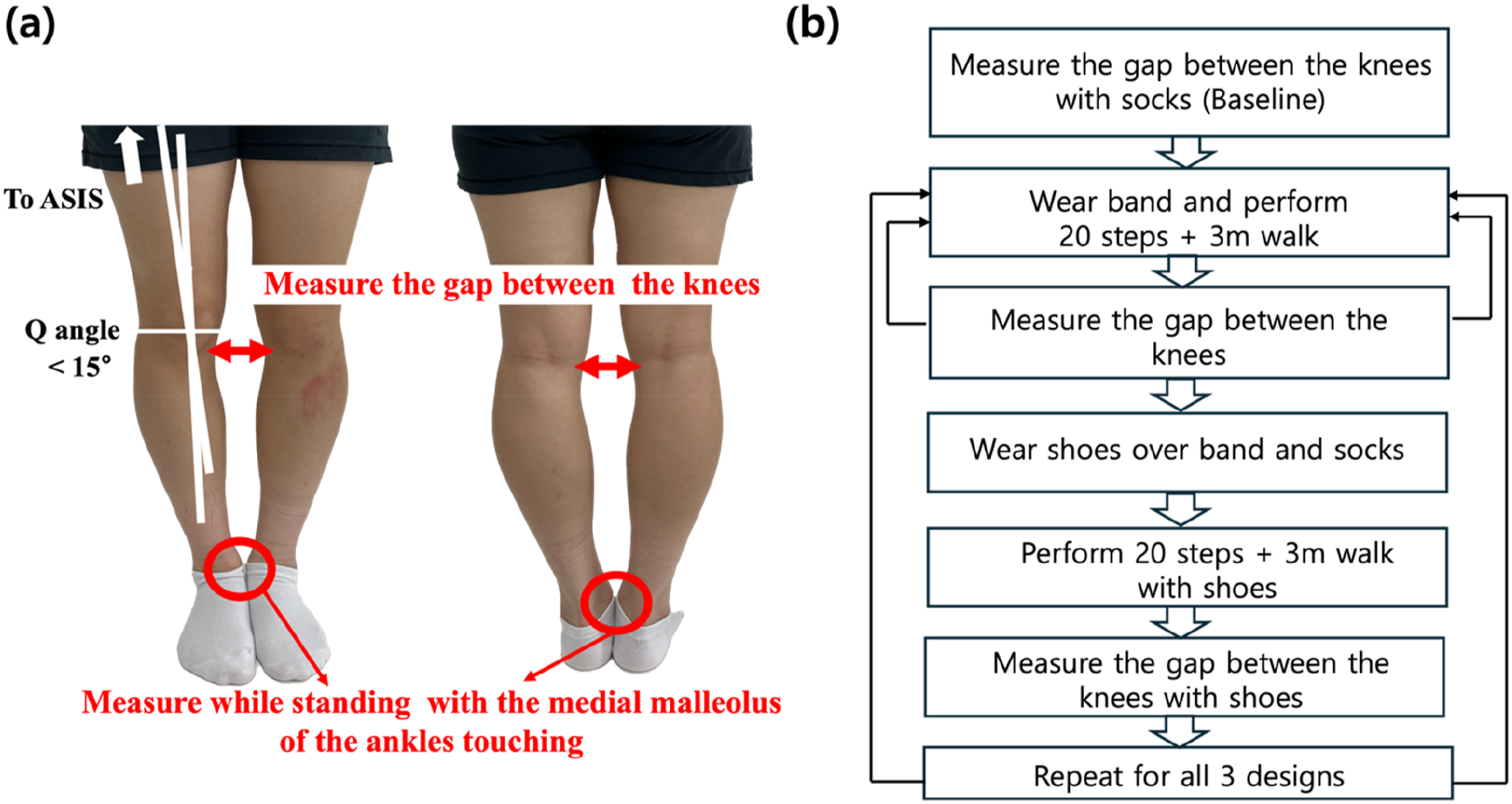
A questionnaire was then administered to evaluate user satisfaction, which included 12 questions on design,42,43 4 questions on function,43–45 6 questions on comfort,45,46 6 questions on safety,42,45,47 6 items on perceived usability, 48 4 items on perceived usefulness, 48 3 items on purchase and usage intention,43,45,48 10 items on demographic background, and two open-ended items on recommendations.
Participants were instructed to respond using a 7-point Likert scale (1 = strongly disagree, 7 = strongly agree). To measure the effectiveness of the program using the data obtained, descriptive analysis was conducted using Excel to obtain the mean, standard deviation, and percentage, and the analysis of variance was applied using the Statistical Package for the Social Sciences version 27.0.
Results and discussion
Developed design
This study developed a genu varum correction band combined with a wedged insole for genu varum correction. This design aimed to prevent the progression of genu varum in women with genu varum problems by allowing them to walk on the medial side of their feet and legs using the product. The principle was to use a wedged insole that was 10° higher on the outside than on the inside of the shoe to shift the weight of the body, including the feet, to the inside of the body. 49
Three band designs were developed that varied in terms of band attachment, band tightening, and insole removal methods. Hence, each band differs in terms of comfort, usability, washability, and durability. All three designs can be worn indoors and outdoors, with or without shoes, over the long term. The layered structure and versatile usage scenarios are illustrated in Figure 3. (a) Layered structure of the developed band. (b) Side view of the developed band in use (suitable for barefoot, socked, and shod conditions).
Design 1 is an oval shape with an E-band attached to an X-shaped cross to securely wrap the foot. The E-band used in this study is an elastic band with high elasticity and recovery properties. This material was selected because the e-band is elastic and can be stretched to fit various foot sizes while holding the foot firmly in place. Furthermore, the band is connected to the back to increase durability, and a double-row wrapping method was employed to increase friction with the ground to provide anti-slip protection without attaching a separate antislip fabric. Furthermore, this improves the durability by increasing the strength of the e-band and fabric. An opening is added to the center of the back for easy placement and removal of the insoles. This feature makes the bands washable for long-term hygiene use.
Design 2 has a long rectangular shape with rounded corners that can be easily adjusted to fit a wide range of foot widths and instep heights using a tri-glide buckle. Furthermore, the insole is placed at the bottom of the band, and a zipper is added to prevent the insole from separating during walking and to facilitate insole removal. The same fabric and e-band are utilized as in design 1.
Design 3 is a long rectangular shape with angled corners and can be adjusted to fit individual foot sizes by attaching hooks and loops to the bottom of the e-band. Similar to design 2, the insole is placed at the bottom of the band, and hooks and loops are used to prevent the insole from detaching and to easily put on and take off the insole. Design 3 uses the same fabric and e-band as design 1.
The crucial consideration in designing a genu varum correction product is its comfort when worn on the foot, which moves and sweats significantly, with the ability to be worn both indoors and with shoes for the product to be effective over a long period.
Test analysis of fabrics used.

Performance evaluation results of materials.

Polyester = PET, Polyurethane = PU, Polypropylene = PP.
Warp = wp, Weft = wt, Wale = w, Course = c.
Further, the e-band on the foot was selected because of its excellent tensile strength and elongation recovery rate, which enabled a stable and comfortable fit (Table 5). The e-band is 38 mm in width for comfort and fabric fixation.
The correction bands were designed to cut the length of the wedged insole so that it only touched the midfoot, based on previous research that indicated that providing an unstable support surface improves postural alignment compared to training on a stable support surface.7,55 The band was developed and tested using a practical uncut insole, but the effect of helping to correct genu varum was felt to be weak because of the overly stable feeling; therefore, the overall length of the insole was modified, and the band with a shorter insole length may be used in different shoe types. Therefore, a genu varum correction band with increased usability was developed that could be worn for a long time in all situations, both indoors and outdoors, regardless of shoe wear. Figure 4 illustrates the schematic and wearing appearance. (a-c) Schematic examples of genu varum correction bands: (a) Design 1, (b) Design 2, (c) Design 3. (d-f) Mannequin wearing appearances: (d) Design 1, (e) Design 2, (f) Design 3.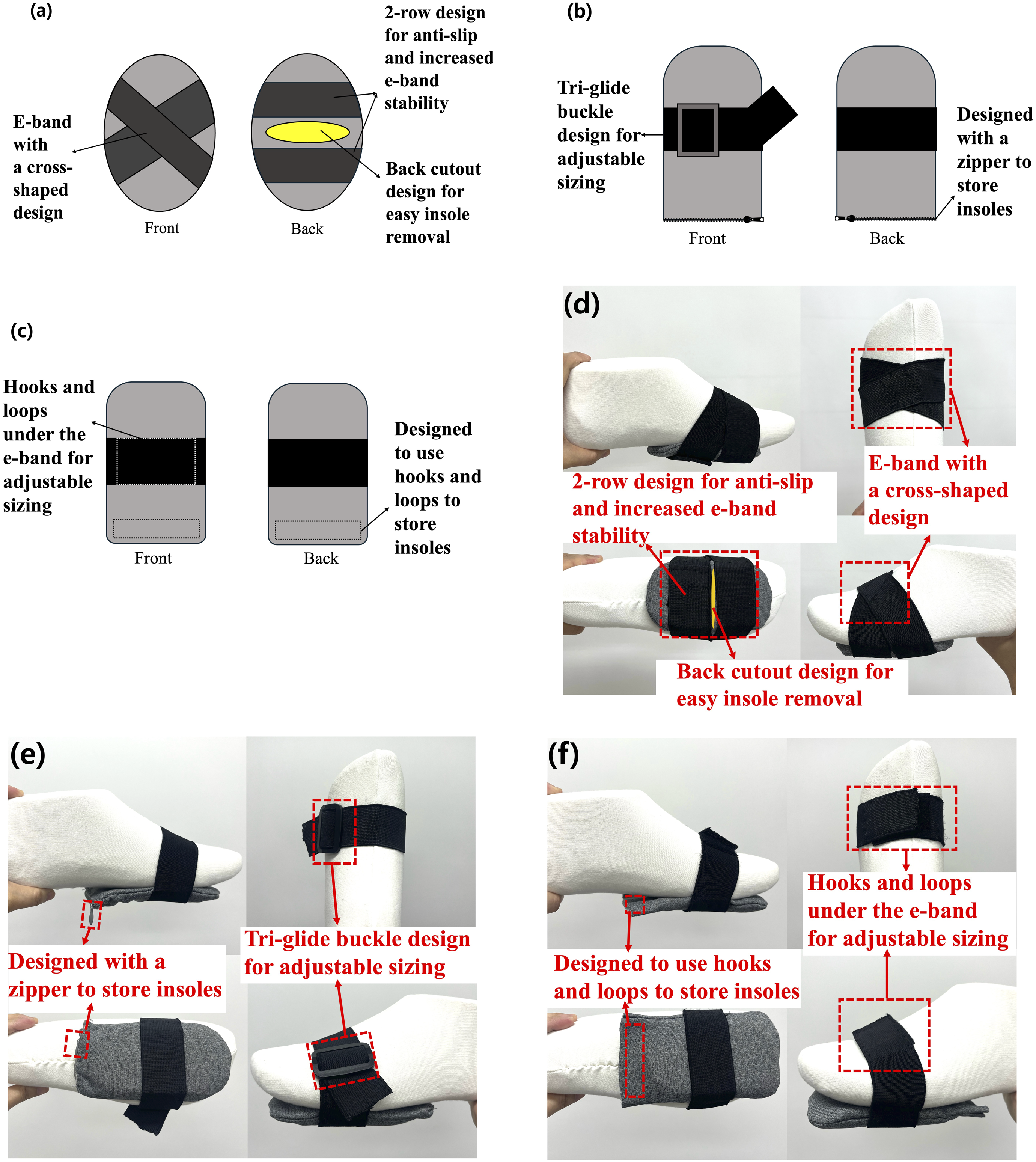
Moreover, the design allows the insole to be inserted by rotating the band by 180°, which has the advantage of being highly versatile as it helps relieve genu valgum symptoms, known as X-shaped legs. This multipurpose design is significant because it makes the corrective band more versatile and enables its use as a customized orthotic.
Gap between the knees measurement results
Comparison of the gap between the knees according to design before and after band application.

*p < .05, **p < .01, ***p < .001
In conclusion, the gap between the knees of all participants decreased by an average of 14.76% when wearing the bands of all three designs. Furthermore, when the band was worn with shoes, the gap between the knees increased compared to the band alone because of the thickness of the shoes around the medial malleolus but decreased compared to the before condition, where no genu varum correction band was worn (Figure 5). These results indicate that wearing a band with a wedged insole decreases the gap between the knees, which helps alleviate genu varum symptoms. Lateral wedge insoles help reduce the external knee adduction moment.
9
This is a variable that affects the genu varum because the knee adduction moment is also related to knee alignment.
56
Patients with genu varum can have a Q-angle that is smaller than the normal range, and a larger Q-angle is generally associated with reduced knee adduction moment.
57
Therefore, wearing a band with a lateral wedge insole may help reduce knee adduction moment, which may explain the decreased gap between the knees. The 14.76% average reduction in the gap between the knees indicates an improved alignment of the lower limbs, which may contribute to enhanced stability during movement and reduced strain on the knee joints. A decrease in the gap between the knees is associated with better biomechanical efficiency and may help prevent musculoskeletal discomfort or injury during prolonged physical activity.12,58 Thus, this reduction is not only statistically meaningful, but also clinically relevant in promoting ergonomic benefits and physical well-being. Graph of the gap between knee measurements according to design.
The findings of this study are consistent with those of similar insole studies. A meta-analysis reported that lateral wedge insoles can improve femorotibial angle. 59 Additionally, foot orthoses with a lateral wedge alleviated pain and reduced the peak knee adduction moment, which is consistent with our observations of the reduced gap between the knees. 60 These comparisons support the accuracy and significance of our study’s findings.
User satisfaction evaluation results
The results of the user satisfaction evaluation revealed that the participants were generally satisfied with the new design of the genu varum correction bands, with an average score of 5.96 1, 5.17, and 6.20 for designs 1, 2, and 3, respectively, on a 7-point Likert scale for the positive survey questions. Design 3 achieved the highest user satisfaction and correction performance. Therefore, among the band designs, the participants preferred the use of hooks and loops to adjust the size to fit their instep and foot widths. Furthermore, the hooks and loops keep the insoles separate.
As shown in Figure 6, Design 3 was the most satisfactory in terms of design, function, comfort, usability, usefulness, and purchase or use intentions. Design 3 was the most satisfactory in all categories, except safety. Design 1 scored slightly higher than design 3 in the safety category, which may be due to the connection design of the e-band among the band designs. However, design 3 scored similarly, indicating a high level of safety and overall satisfaction with the bands. Furthermore, design 2 was much less preferred overall, especially in the comfort category, which was the only one in the 4-point range among all design categories, indicating that the use of a tri-glide buckle and zipper was less preferred. This indicates that the bulkiness of the buckle and zipper may have caused discomfort when wearing shoes and a band. Results of user satisfaction survey.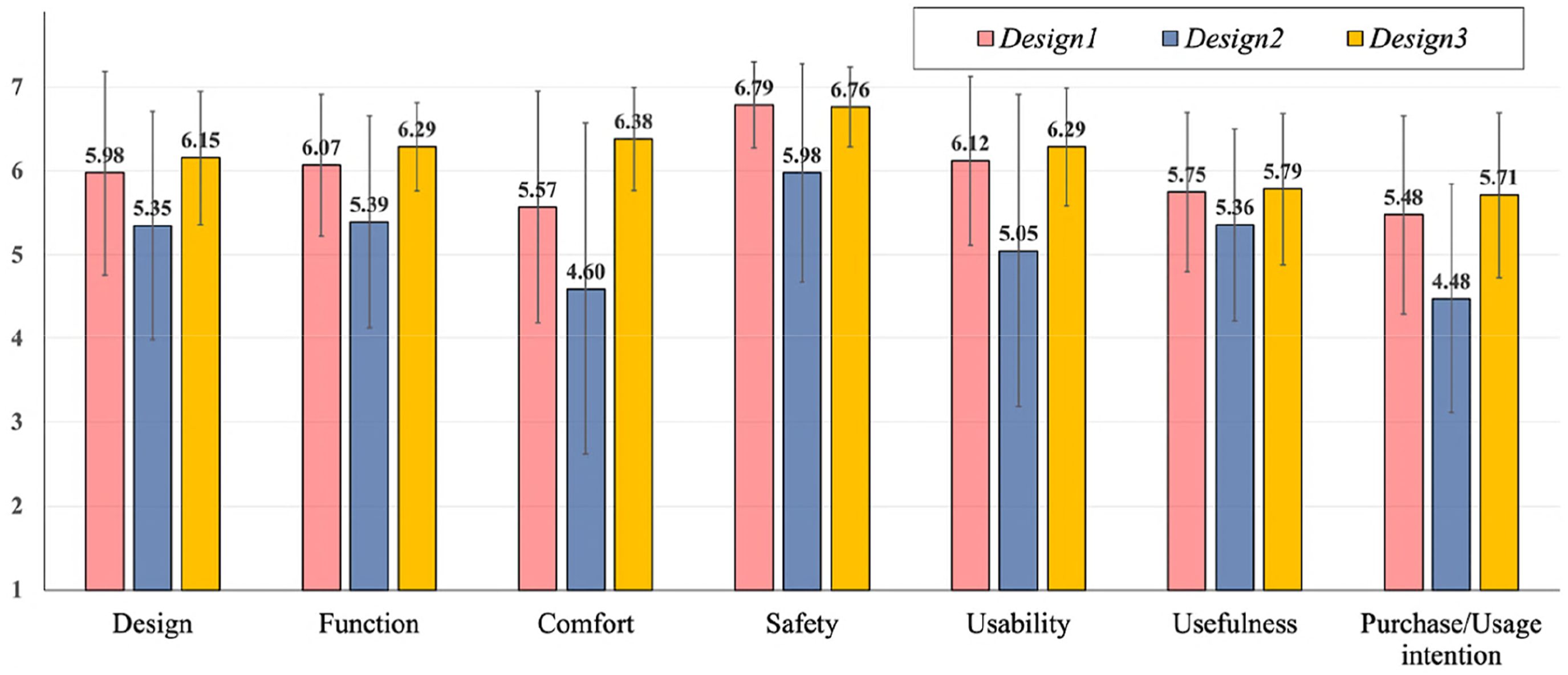
Satisfaction levels were expressed in the following order: safety, usability, function, design, usefulness, comfort, and purchase or use intention for design 1; safety, function, usefulness, design, usability, comfort, and purchase or use intention for design 2; and safety, comfort, function, usability, design, usefulness, and purchase or use intention for design 3.
Conclusion
Genu varum is an aesthetic problem of the legs accompanied by different types of pain and inflammation as people age, thereby requiring efforts to develop new types of corrective products. Various types of corrective products have been developed and sold; however, research is lacking on products that can be worn in both indoor and outdoor environments, as well as on their comfort and ease of use. Therefore, this study introduced a new design and developed a product by systematically considering design, function, wear comfort, and ease of use.
Based on our aims for this study, we applied a wedged insole with a higher height on the outer side than on the inner side to help correct genu varum and developed three different band designs on the fabric wrapped around the wedged insole. The fabric used for the correction bands is lightweight, soft, and breathable, making it suitable for use in foot areas that tend to sweat and become uncomfortable with movement, resulting in comfort when worn barefoot. The socks can be worn with other socks or inside shoes, and their compact design enables their use with existing shoes. Furthermore, insoles can easily be removed for washing, which enables their long-term use.
To assess the corrective performance of the band, objective data were collected by measuring the gap (cm) between the knees during standing and flat walking. This was followed by a questionnaire assessment to evaluate user satisfaction. All three designs achieved an average reduction of 14.76% in the gap between the knees compared to that before wearing the band, and user satisfaction was very high, with an average score of 5.78. In particular, the hook-and-loop design exhibited the best performance and satisfaction with a 15.94% reduction in the gap between the knees and a satisfaction score of 6.20.
This study is significant because it developed a new type of genu varum correction band and investigated its corrective effects and satisfaction. These results support the aim of confirming that a band design-centered approach could result in a statistically significant corrective effect for genu varum. The correction effect of wedged insoles is expected to be verified again through the experiment of wearing the developed band, and various problems caused by genu varum will be reduced by using the medial lower extremity muscles during walking. Genu varum correction can only be proven by long-term band wearing; thus, future studies should be conducted by setting a specific period in which the corrective effect can be confirmed.
In addition, extended wear tests can be performed to evaluate the durability of the bands under repeated use. To enhance the understanding of the functional performance of the product, it is necessary to investigate the characteristics of insole foam in terms of load distribution through both a foam property test and a separate plantar pressure test. Future research involving a larger and more diverse participant group will also help ensure that the findings can be generalized to a broader population.
The findings of this study can offer valuable insights for the development of corrective products targeting genu varum. These results may contribute to the advancement of practical interventions and promote the wider adoption of corrective solutions. As research in this area progresses, it is anticipated that innovative and effective products for the management of genu varum will become increasingly prevalent.
Footnotes

Author contributions
J.C. as the first author executed the research and wrote the manuscript and S.M.K. as the corresponding author executed and supervised the research and edited the manuscript.
Funding
The authors disclosed receipt of the following financial support for the research, authorship, and/or publication of this article: This work was supported by the National Research Foundation of Korea (NRF) Grant funded by the Korea government (MIST) (No. RS-2023-00214474).
Declaration of conflicting interests
The authors declared no potential conflicts of interest with respect to the research, authorship, and/or publication of this article.
Data Availability Statement
The datasets used and/or analyzed during the current study are available from the corresponding author upon reasonable request.