



Abstract
There is an emerging literature on research interviews to inform arts projects, but little on opera. This case study illustrates how research data informed an opera on Veteran recovery. Deidentified interviews were selected from 280 adults with a history of depression at 10-year follow-up to a randomized trial. Interviews were used to inform characters, storyline, and libretto. Ethical strategies included: changing details and merging stories and characters to create two Veterans and one spouse as leads, a storyline, and choral passages, with a focus on recovery from post-traumatic stress and homelessness. To engage a broad audience and address stigma, accessible composition techniques (melody, harmony) were used. We found that qualitative/mixed data can inform libretto and composition for an opera on Veteran recovery, through integrating art and health science.
Keywords
Arts are an important venue for public education and engagement around health, such as stigma of mental illness, and social factors such as homelessness (Mango et al., 2018). Studies of arts impact on mental health stigma suggest short-term effects in quantitative and long-term effects in qualitative studies (Mango et al., 2018). There is an emerging literature on the use of research interviews to inform theatrical projects, for example, illustrating the process and impact of psychotherapy, using ethical principles to construct characters and storylines, developing performances, and describing audience impact as emotionally salient and the creative team’s experience (Rabu et al., 2020). Beck et al. (2011) describe a spectrum of research-based theater framed by the research continuum, from rigorous to informal uses of research data, and the performance continuum from specific audiences (e.g., medical staff) to the public. There is little documented use of such strategies for opera. This case study describes the use of research interviews to create an opera to engage the public. The opera’s development blending personal, clinical, and research experience is described in a commentary (Wells, 2021), but how data informed characters, libretto, and composition has not been described. To do so, this project uses the framework by Rabu et al. (2020) to describe data review, ethical considerations, effects on character selection and storyline. After Beck et al. (2011), this would be considered as systematic research with an aesthetic performance for public and professional audiences. The opera’s primary themes are Veteran, family member, and provider experiences with resilience in recovery from post-traumatic stress and homelessness, both high risks for Veterans (Friedman et al., 1994; Tsai & Rosenheck, 2015).
Research Context
The data are from Partners in Care (PIC), a group-randomized trial of Collaborative Care for depression. Collaborative Care is an evidence-based approach to disease management that includes team support with case management, provider resources for assessment and treatment, and systems improvement (Miranda et al., 2004). PIC found improved outcomes under Collaborative Care compared with enhanced usual care for White, Black/African American, Latinx, Native American, and Asian American populations (overall) with a reduction in outcome disparities by race/ethnicity over 9.5 years, with long-term benefits particularly demonstrated for Black and Latinx participants under a therapy-focused intervention (Miranda et al., 2004; Sherbourne et al., 2008). These findings led to including after 9.5-year follow-up, qualitative interviews (up to 3 monthly) for Black and Latinx participants and a random sample of White participants. There were 280 participants (88% eligible) with any and 879 total interviews (Miranda et al., 2017). Interviews were used to describe experiences of patients with depression and coping strategies. After community stakeholders suggested presenting examples dramatically to further public understanding, the study PI obtained Veterans in the Arts grant from the California Arts Council to use interviews to develop an opera on Veteran recovery.
This opera’s development was supported by a UCLA program for arts to address mental health stigma, Healing and Education through the Arts (HEArts) (Mango et al., 2018) within a health services research center addressing disparities (Miranda et al., 2017, 2004) This program supported previous operas on lived experience, “The First Lady” on complicated grief based on Eleanor Roosevelt and “The Center Cannot Hold Opera” on the memoire by Elyn Saks (Saks, 2007), and plays (Mango et al., 2018). This report builds on that infrastructure to describe the use of PIC interviews to develop “Veteran Journeys.”
Method
Data sources included quantitative demographic data and clinical characteristics of participants from baseline surveys and up to three interviews at 9.5 years, with interviewer notes and audiotapes. Interviewers asked participants to discuss: (a) symptoms of depression and responses to treatments; (b) life stress events, probes of who was involved, what happened, what they were thinking; (c) coping strategies; (d) positive events; and (e) interviewer impressions. For each category, probes included: What else was going on? Who was involved? What were you thinking and feeling? What did you do? How does this compare or contrast with another experience? Each interview lasted about an hour (Miranda et al., 2017).
As described previously (Wells, 2021), the process involved several steps: (a) identifying indicators of Veteran or family status in interviewer notes and baseline data; (b) reviewing notes on Veterans, family members, or other participants with similar stories; (c) highlighting challenges and recovery examples; (d) developing summaries; (e) reviewing recordings for key phrases and emotional meaning; (f) organizing themes and stories into characters (gender and race/ethnicity; Veteran, family member; nonveteran).
Interview Selection
Veteran status was documented in baseline data on insurance/location of services and reference to Veteran status. Given the study’s findings of benefits for Black/African American and Latinx participants (Miranda et al., 2004; Sherbourne et al., 2008), we prioritized these populations. After studying over 200 interviews, 20 with 6 main stories were selected to develop characters and a storyline. Key themes were: (a) resilience in the face of stress; (b) post-Viet Nam depression or anxiety; (c) pathways to recovery; and (d) a “collage” of coping strategies. Data were stored securely online or in locked cabinets without identifiers.
Ethics and Human Participants
The use of data to develop an opera libretto had human participants’ approval by RAND/UCLA. All participants consented for use of data for research and education. Conditions for use of materials included deidentified data with strategies to further protect confidentiality given public viewing including the following:
Blending details for one character across different participants.
Combining narratives: One participant may discuss conflicts with a family member and another a similar theme from the perspective of such a family member.
Changing details: For example, the type of family member may be changed.
Fictionalizing: Some events may be changed to flesh out details, fill gaps or meet the criteria for an inspiring “hero’s journey” (Mango et al., 2018).
The alternative of obtaining written permission for a dramatic presentation was not feasible as identifiers were destroyed.
Potential Risks and Benefits
The main risk was embarrassment if participants felt they were represented and not comfortable, which we handled through de-identification, changing details and blending stories. Another adverse outcome could be people feeling their story was used to bring fame or money to others, similar to the violations to Henrietta Lacks and her family. HEArts productions are free to the public. Any future profit will include acknowledgment contribution of participant interviews. Benefits included the opera potentially bringing public voice to lessons learned by participants, and providing public information on recovery.
Results
Character Development
For three lead characters, different strategies were used following ethical principles to develop characters and stories:
Although multiple participants referred to providers (psychiatrist, therapist, social worker), there were no interviews of providers as described elsewhere (Wells, 2021), so these characters were based on the composer’s personal and family experiences, matching details to issues (outreach, therapy) raised in Veteran and family member interviews. This led to two additional leads (VA psychiatrist and social worker), based on actual stories of family members, with details illustrated in arias (i.e., the psychiatrist growing up with his parents’ experience of WWII, and of social worker supporting families of Navy pilots who were prisoners of war in Viet Nam).
Choral Scenes
Other uses of interviews included identifying themes for choral scenes. For one scene, examples of coping strategies and positive events from multiple participants were offered as coping strategies for Veteran resilience (e.g., losing a job and becoming a comic; man and wife getting therapy) by choral members. In another interview, a Latina Veteran described experiences at VA women’s group, informing a women’s chorus that connected the social worker to the Veteran Wife, after hearing of her dilemma.
Table 1 describes by scene, story narrative, use of interviews and personal history, and compositional techniques to engage through music.
Veteran Journeys Opera Scenes With Research Integration and Composition Strategy
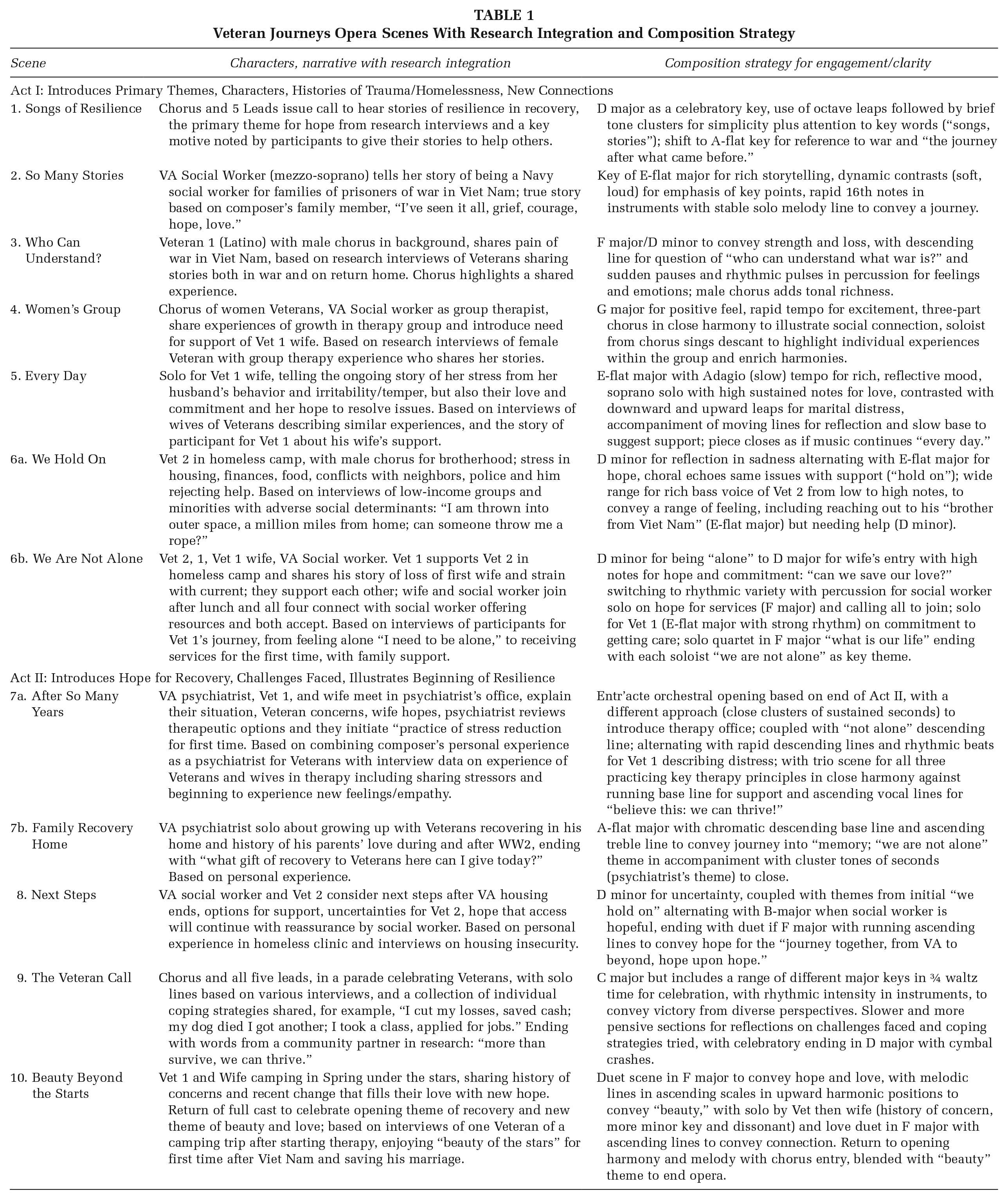
Figure 1 represents an invitation to convey emotional context. Brief comments on components are given.
Veteran Journeys Opera
Storyline
The storyline of the opera was developed from narratives of the participant for Veteran 1 (i.e., marital troubles, initiating therapy, saving the marriage, and camping under the stars), expanded by stories told by the participant selected as his wife, who while suffering is committed to saving the marriage (one solo scene); and narratives on housing instability by Veteran 2. This story was expanded by participants’ description of experiences with psychiatrists and/or social workers, from the composer/librettist’s experience. Phrases from interviews were used to create a “poetic” libretto, such as Veteran 2 stating that the social worker had “thrown him a rope.”
Composition
Articles on qualitative research for creating theater emphasize using narratives to identify emotional meaning and creating empathy (Beck et al., 2011; Rabu et al., 2020). Similarly, musical composition and flow of harmony and melody convey emotional meaning. Given the focus on Veterans and families, the compositional style emphasized accessible (less dissonant) harmonies while capturing emotions through melody (e.g., the wife’s aria of commitment, “Every Day.”) Audio files were listened to iteratively while composing, to capture voices expressing fear, anxiety, anger, love, connection. Compositional approaches are personal, but efforts were made to match themes and meaning from participants’ words and tone to develop melodic and harmonic features under a uniform style. Voices were accompanied by strings, woodwinds, percussion, and piano, to be feasible for most performance halls while providing sonic variety.
Discussion
In this case example, research interviews from follow-up of a randomized trial were used to create characters and storyline and inform composition for an opera on Veteran resilience and recovery from post-traumatic stress disorder and homelessness, highlighting equity in recovery for Black and Latinx Veterans. This example illustrates how strategies identified for blending science and art for theater (Beck et al., 2011; Rabu et al., 2020) can be applied to opera. We highlight how ethical considerations were addressed through deidentification, mixing stories or changing details, and merging participants to create characters illustrating common themes, with quotes in the libretto and the composer’s personal family experience, illustrating how research and personal experience inform narrative and composition style. Other interfaces of art and science include evaluating impact, such as on mental health stigma (Mango et al., 2018). For this opera, an evaluation occurred collaborating with a UCLA National Endowment for the Arts center, to be described in future publications. One reason it was possible to highlight Veteran experience was having a large library including male and female Veterans and family members, with racial/ethnic diversity. We note that experiences could differ for other war eras, as interviews concerned Viet Nam war Veterans. In addition, this project occurred through an art-focused program within a research center, with support for interview analysis, human subjects review, arts development and evaluation. This may reinforce the relevance of art–science infrastructures for innovation at this interface.
Footnotes
Authors’ Note:
Funding was through a California Arts Council grant (VIA-18-5171). Funding for Partners in Care from National Institute of Mental Health grants R01 MH061570, P30 MH068639, P30 MH082760 and R01-HS08349 from the Agency for Healthcare Research and Quality.
