



Abstract
Technology-facilitated gender-based violence (GBV) is a pervasive issue. Yet, most research focuses on high-income countries and few studies comprehensively summarize its prevalence, manifestations, and implications in the Global South. This scoping review sought to examine technology-facilitated GBV in low- and middle-income countries across Asia, specifically focusing on trends, common behaviors, and characteristics of perpetrators and survivors. A comprehensive search of peer-reviewed and gray literature published between 2006 and 2021 yielded 2,042 documents, of which 97 articles were included in the review. Across South and Southeast Asia, findings indicate that technology-facilitated GBV is a widespread phenomenon, with increased incidence during the COVID-19 pandemic. Technology-facilitated GBV comprises various forms of behaviors and prevalence varies by type of violence. Women, girls, and sexual and gender minorities, especially those with other intersecting marginalized identities, are often more vulnerable to experiencing online violence. Alongside these findings, the review revealed gaps in the literature including a lack of evidence from Central Asia and the Pacific Islands. There is also limited data on prevalence which we attribute to underreporting, in part due to disjointed, outdated, or nonexistent legal definitions. Findings from the study can be leveraged by key stakeholders such as researchers, practitioners, governments, and technology companies to develop prevention, response, and mitigation efforts.
Introduction
The proliferation and uptake of information and communication technologies (ICTs) has profoundly impacted global development and enhanced interpersonal communication. Simultaneously, the ubiquity of ICTs has raised human rights and safety concerns as these digital technologies have concurrently evolved to enable technology-facilitated gender-based violence (GBV). As technology develops, it provides a space to broaden the scope of violence, both by exacerbating conventional forms of GBV and perpetrating new forms of violence that were either not possible previously or take on a fundamentally different form online (Barter & Koulu, 2021; Dunn, 2020; Hinson et al., 2019; Lenhart et al., 2016). Researchers at the International Center for Research on Women have defined technology-facilitated GBV as any action carried out using the internet and/or mobile technology that harms others based on their sexual or gender identity or by enforcing harmful gender norms (Hinson et al., 2018). Individuals can experience various forms of technology-facilitated GBV, sometimes experiencing multiple forms at once or even as a continuation of offline violence (Posetti et al., 2021). While there are numerous and constantly evolving manifestations of technology-facilitated GBV, some common behaviors and tactics include cyberbullying, defamation, sexual harassment, image-based abuse, cyberstalking, doxing, impersonation, hate speech, and gendertrolling (Backe et al., 2018; Dunn, 2020; Henry et al., 2020; Hinson et al., 2018).
According to a 2021 study, the overall prevalence of online violence against women is 85%, with a prevalence rate of 88% in the Asia-Pacific region (The Economist Intelligence Unit, 2021). A 2020 survey conducted across 22 countries found that 58% of girls have experienced online abuse, with most girls reporting their first experience of social media harassment between ages 14 and 16 (Plan International, 2020). In 2015, the United Nations Broadband Commission found that almost three-quarters (73%) of women have endured some form of online violence and that women ages 18–24 are particularly vulnerable to severe forms of online harassment, including cyberstalking and online sexual harassment (UN Women, 2015). Described as the first major pandemic of the social media age, COVID-19 prompted greater reliance on digital technologies during lockdowns and stay-at-home measures, which afforded perpetrators with different avenues to commit conventional and novel forms GBV (Dunn, 2020; Henry & Powell, 2015; Plan International, 2020; UN Women, 2020).
Emerging evidence indicates that similar to other forms of GBV, technology-facilitated GBV is a by-product of deeply rooted gender norms and systemic inequalities that often intersect with racism, homophobia, transphobia, ableism, and other discriminatory structural dynamics (Barter & Koulu, 2021; Dunn, 2020; Henry et al., 2020). Consequently, women, youth, people with disabilities, sexual, gender, religious and ethnic minorities, and those with other intersecting marginalized identities are more vulnerable to experiencing online violence (Afrouz, 2021; Duggan, 2014; Dunn, 2020; Lenhart et al., 2016; Plan International, 2020; Powell et al., 2020; UN Women 2020; World Health Organization, 2020).
There is growing interest among researchers and policymakers to address this complex and pervasive phenomenon that, although widespread, has inconsistent definitions, terminologies, and perceptions of what constitutes GBV perpetrated online (Backe et al., 2018; Henry et al., 2020; Kim & Ferraresso, 2022). Despite the seemingly wide prevalence of this issue, particularly in the Asia-Pacific region, there is limited empirical evidence on its prevalence and manifestations. Moreover, extant research primarily focuses on cyberbullying among adolescents or emerges from high-income countries (Afrouz, 2021; Backe et al., 2018; Dunn, 2020; Kim & Ferraresso, 2022), with little evidence on the various manifestations of technology-facilitated GBV in the context of low- and middle-income countries (LMICs).
Given the relatively nascent understanding of this new and complex phenomenon, a scoping review was conducted to capture the breadth of information available on technology-facilitated GBV in LMICs across Asia. This review seeks to summarize commonly perpetrated behaviors and tactics, regional trends and prevalence, and characteristics of perpetrators and survivors of this form of violence. While contextual factors that facilitate technology-facilitated GBV, impacts on survivors, and help-seeking behaviors were also explored as part of a larger scoping review, those findings are not presented as part of this paper. Prompted by the lack of consistency in definitions and terminologies, the review also includes a glossary of commonly perpetrated behaviors to provide definitions to key stakeholders such as governments, civil societies, technology companies, and researchers working at the nexus of technology and GBV.
Methodology
Drawing on the methodological framework outlined by Arksey and O’Malley (2005), and subsequent recommendations made by Levac et al. (2010), the scoping review was conducted in five stages: (i) identifying research questions, (ii) identifying relevant studies, (iii) selecting relevant studies, (iv) charting the data, and (v) collating, summarizing, and reporting the results.
Grounded in the conceptual framework developed by the International Center for Research on Women (Figure 1), a list of search terms was developed to identify articles broadly related to technology-facilitated GBV in peer-reviewed and gray literature. To ensure that the search string was generating relevant articles, query results were scanned for five “test” articles that were pre-determined as relevant to the study, and the search string was iteratively refined. Three academic databases were searched to identify peer-review sources that aligned with the research scope: PubMed, Scopus, and Web of Science.
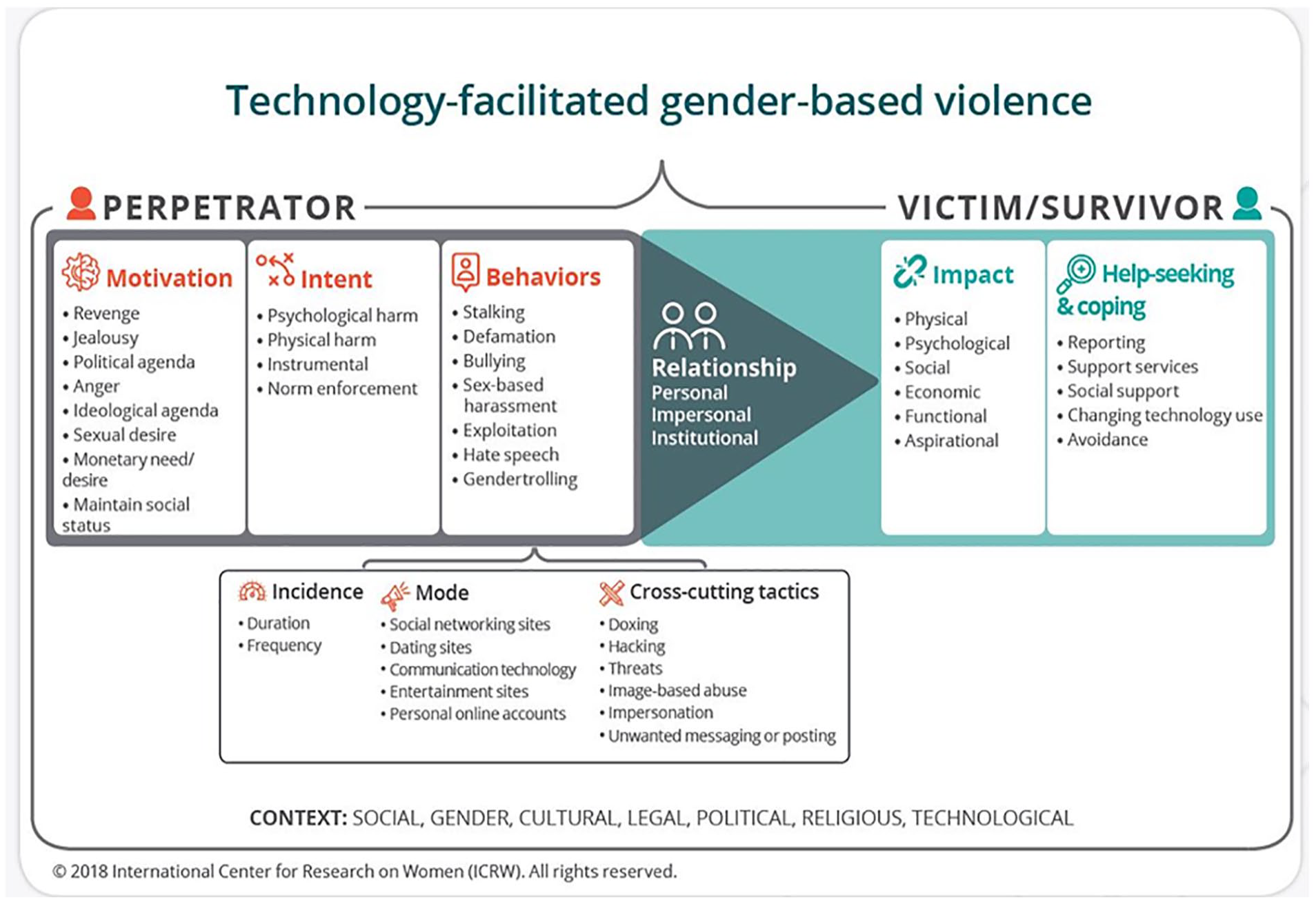
Conceptual framework of technology-facilitated GBV.
Query results were uploaded to Covidence (2014), a systematic review software, where the research team conducted multiple rounds of screening based on pre-determined inclusion and exclusion criteria. Articles were eligible for inclusion in the review if they were published in English between 2006 and 2021, and with an explicit emphasis on technology-facilitated violence, gender, and the countries of interest. Since technology-facilitated GBV is a relatively new and emerging issue, articles published in the last 15 years were reviewed. Countries identified by the World Bank as LMIC across the Asia-Pacific region were included in the review (The World Bank, 2022). 1 For the first level of screening, two team members independently screened each article based on title and abstract, after which a third team member who did not conduct the first round of title–abstract screening resolved all screening conflicts. Peer-reviewed articles that met inclusion criteria during the title–abstract screening stage were procured for review of the full text and the research team collectively resolved any conflicts that arose during the full-text screening stage.
For gray literature, databases, portals, and websites affiliated with organizations invested in GBV prevention were searched and documents were shortlisted using the same inclusion parameters as those for peer-reviewed literature. The search process was designed to be highly iterative and flexible to account for the challenging search functionality of organizational websites. Google searches were used to supplement the gray literature identification process and documents such as reports, research or policy briefs, presentations, dissertations, conference abstracts, white papers, and toolkits were extracted through this process.
Eligible full-text sources were uploaded to Dedoose (version 9.0.46), a qualitative analysis software for data extraction and analysis. Data were extracted using a detailed and iteratively developed thematic codebook, and descriptors were applied to classify sources by country and year of publication. To ensure high inter-rater reliability, one article was independently coded by all team members to determine whether the codebook and data extraction process aligned with the research questions and minimize subjective coding. From relevant articles, information on prevalence of technology-facilitated GBV, the impact of the COVID-19 pandemic on prevalence and manifestations, regional variation in types of violence, and characteristics of targeted individuals and perpetrators was extracted. Through a detailed review, data related to all relevant terms used to describe technology-facilitated GBV behaviors were also extracted. While some of these behaviors were included in the search term list, others were embedded in broad terms or concepts such as “online cyber violence.” Finally, demographic and psychosocial information (e.g., age, gender, sexual orientation, occupation) was also extracted from included articles to better understand perpetrator and survivor profiles.
Of the 2,042 screened and reviewed articles, 97 (65 peer-reviewed articles and 32 gray literature documents) were included in the scoping review (Figure 2). Although the original scope of the review spanned across Asia-Pacific and included Central Asia and Pacific Islands, the research team did not glean any articles from these regions. Therefore, this paper presents findings from South and Southeast Asia.
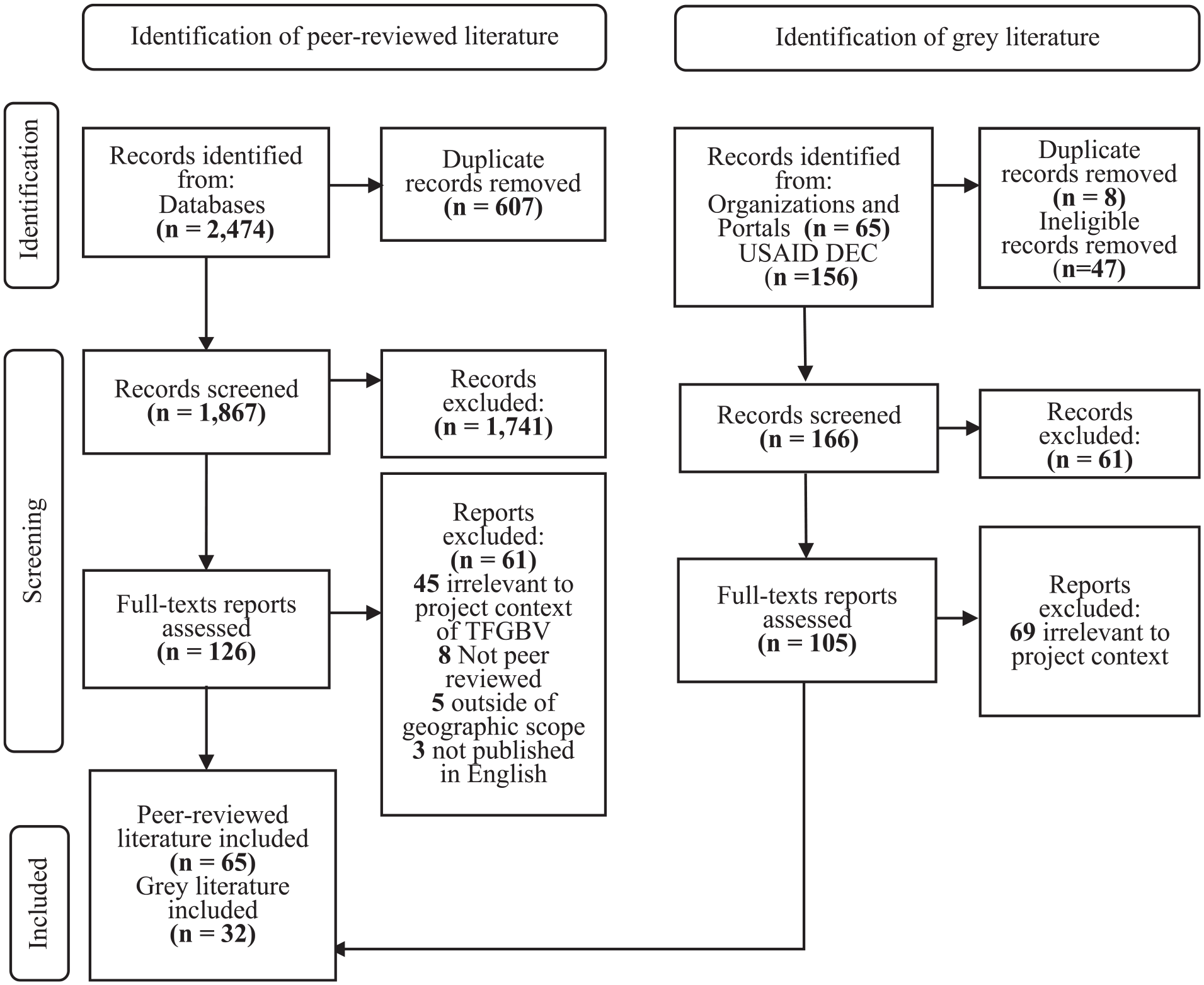
Flowchart of literature review process.
Key Findings
Common Forms of Technology-Facilitated GBV
Technology-facilitated GBV across Asia comprises various forms of abuse, violence, and harassment in the ICT sphere. Across reviewed literature, the most frequently mentioned behaviors were as follows: cyberbullying, sexual harassment, image-based abuse, threatening, and trolling or gendertrolling (Table 1). Detailed below are common definitions, prevalence, motivations, and other nuances of each behavior that emerged from our sources. Since terminology for similar behaviors varies across countries and contexts, we have provided definitions for the most commonly used terms at a global level.
Forms of Violence.
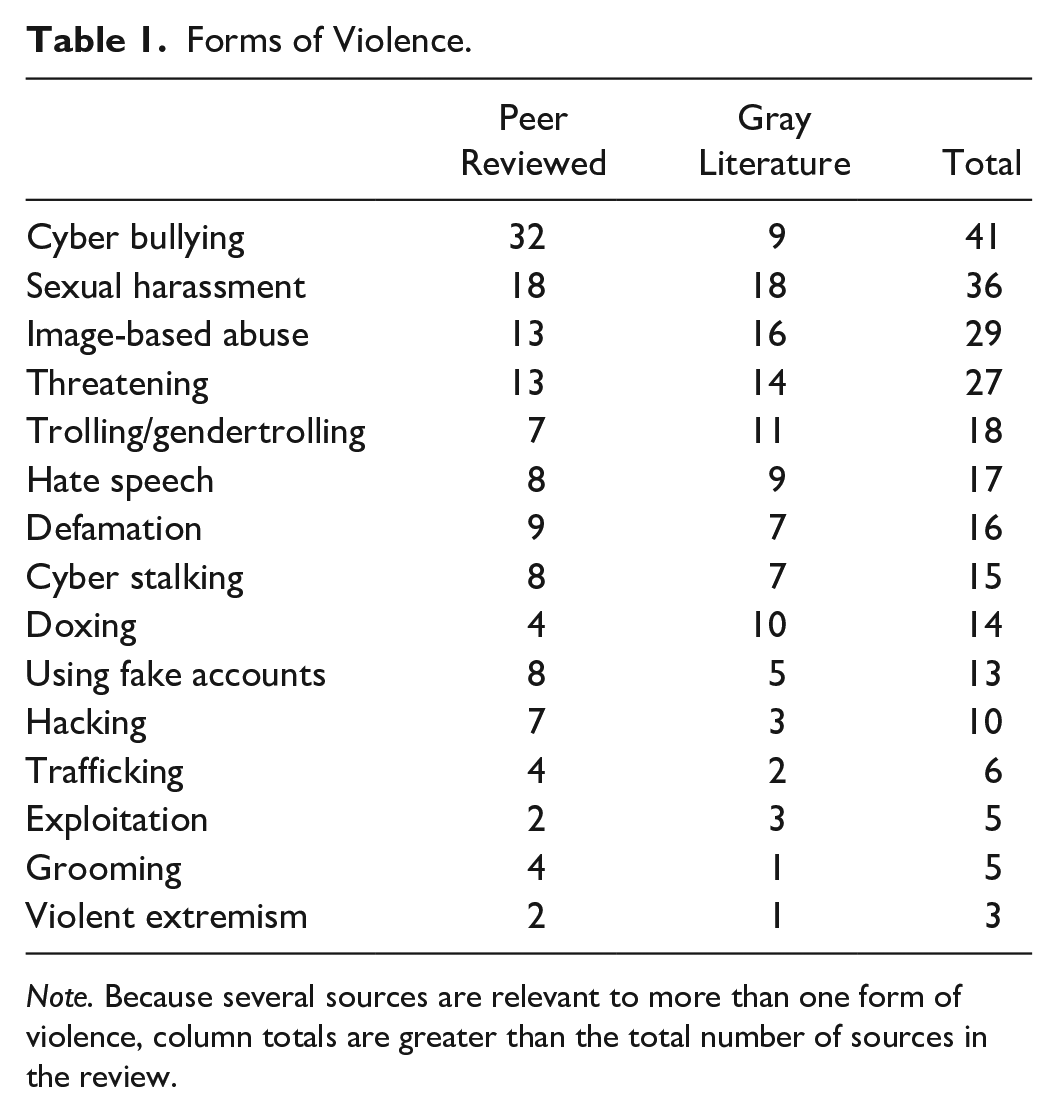
Note. Because several sources are relevant to more than one form of violence, column totals are greater than the total number of sources in the review.
Cyberbullying
Cyberbullying is defined as “an aggressive and intentional act that is carried out using electronic forms of contact by a group or an individual repeatedly and over time against a survivor who cannot easily defend him or herself” (Cassidy et al., 2013). The literature from Asia presents several variations of this definition, all highlighting the repetitive and targeted nature of cyberbullying (Bhat et al., 2017; Haarr, 2013; Khine et al., 2020). In a 2012 study conducted by Microsoft, India ranked third among 25 countries in instances of cyberbullying, with approximately 50% of young and adolescent Indian internet users having experienced cyberbullying (Jain & Agrawal, 2020). Another recent study found that 3 in 10 Malaysian youth have been victims of online violence or bullying (Fitriana et al., 2020). In Vietnam, nearly 31% of junior and senior high school students have been targets of cyberbullying (Le, 2020). Similarly, in Pakistan, cyberbullying and harassment account for 32% of all cybercrimes reported in the country (Saleem et al., 2021).
Sexual harassment
Sexual harassment refers to “a course of conduct that causes harm and distress including (but not limited to) gender and sexuality-based hate speech, rape threats, reputation harming lies, impersonation, false accusations of sexual violence, and virtual rape” (Henry & Powell, 2018). In South Asia, “eve-teasing”—a common euphemism for gender-based sexual harassment of women in public spaces in the form of stalking, passing comments, and inappropriate contact (Talboys et al., 2017)—normalizes online misogyny and sexual harassment where women are subjected to sexist comments about physical attributes and gender, rape threats, nude images, and other forms of online sexual harassment (Koirala, 2020).
Though sexual harassment is a high-incidence crime, it is possible that the true extent of the issue in Asia is hidden due to underreporting. For example, while India’s National Crime Records Bureau recorded that only 10% of cybercrimes reported in 2014–2015 were related to offenses against women or of a sexual nature, Gurumurthy, Vasudevan and Chami (2019) suggest that official statistics may not give a full picture, as the majority of victims of technology-facilitated GBV do not seek legal recourse. Saleem et al. (2021) note similar findings from their study in Pakistan, where 62.2% of women said they never reported receiving threatening messages of a sexual nature. In India, 83% of women report facing online sexual harassment where abusers manipulated their photos to appear sexual, distributed their sexual images without consent, and made relentless unwanted requests for sexual contact (Gurumurthy, Vasudevan & Chami, 2019). A study in Pakistan found that direct messages and phone calls were the most frequent modes of online sexual harassment (Hassan et al., 2018). Similarly, in Bangladesh, Nova et al. (2019) found that the majority of women participants complained about being sexually harassed over social media, receiving messages that were categorized as either sexual prepositions, sexually objectifying contents, romantic messages, or dating inquiries.
Image-based abuse
Image-based abuse is a pervasive form of technology-facilitated GBV in Asia and involves creating, sharing, or threatening to distribute non-consensual, intimate, sexual, or personal images (Henry & Flynn, 2019; McGlynn & Rackley, 2017; Powell et al., 2020). Image-based abuse has various manifestations including non-consensual distribution of intimate images (NCII), sexploitation, sextortion, deepfakes, or coercing an individual to share nude or sexual images via phone, email, social media, or other internet sites (Dunn, 2020; Henry et al., 2020). Researchers speculate that perpetrators can be motivated to engage in such behaviors with the intention of seeking revenge, sexual gratification, attention, pleasure, control, or monetary gain (Henry & Flynn, 2019; Henry et al., 2020; Powell et al., 2020).
NCII refers to the distribution of private or sexually explicit images or videos of individuals without their consent (PEN America, 2021). A highly gendered phenomenon, NCII is usually perpetrated by an ex-partner (often a man) who may have consensually received or taken the images during a previous intimate relationship (often with a woman) after gaining the trust of their partner (Dunn, 2020; McGlynn & Rackley, 2017). A study from Malaysia, Cambodia, Pakistan, and the Philippines highlights that wide dissemination of intimate images through online platforms and the longevity of online content allows perpetrators to blackmail and shame targets with intentions of maintaining romantic relationships with existing or previous intimate partners and humiliating those in the public eye such as actors and politicians (Randhawa, 2010). In Bangladesh, male perpetrators use hidden cameras to film or photograph physical relationships with their female partner and later threaten to distribute non-consensually obtained intimate content (Akter, 2018; Gurumurthy, Vasudevan & Chami, 2019). Similarly, female sex workers in India report encountering clients who attempted to violate their privacy by capturing non-consensual images and videos (Panchanadeswaran et al., 2017).
Image-based abuse in Asia also includes deepfake porn, such as superimposing women’s faces on pornographic images (Sambasivan et al., 2019), or instances where survivors are sent obscene images or videos (Chen et al., 2020). “Deepfakes” are images, audio, and/or video that are created using a form of artificial intelligence to appear real, which can be used to superimpose an individual’s face in videos or images to create fake pornography (Henry et al., 2020).
Threatening communication
Threatening communication in the context of technology-facilitated GBV includes the expression of statements intended to inflict pain, injury, damage, or other hostile action through various means of communication, such as social media, email, phone calls, or SMS (Hinson et al., 2019). It may manifest in several forms, such as physical, sexual, or escalated online violence, and can be targeted toward an individual, their family, or social network. For example, perpetrators can pressure targeted individuals to send sexually explicit text communication, including intimate images or messages (Hassan et al., 2018).
Online threatening behaviors are often associated with undertones of blackmail. Pakistani women active on social media commonly face acts of threatening communication, such as cyber harassment, threats of offline violence, and blackmail of NCII as a result of aggravated patriarchal cultural norms that do not support women’s freedom of expression online (Aksar et al., 2020). Another study from Pakistan indicates that men sexually harass previous intimate partners by threatening them and demanding favors, money, or re-engagement in the romantic relationship (Hassan et al., 2018).
Gendertrolling
Gendertrolling consists of mobilizing a group of individuals or “trolls” across online platforms to target individuals, especially women and sexual minorities who are active on social media and digital platforms (Kumar et al., 2021). This mass-organized act of misogynistic online violence is usually perpetrated by male-identifying strangers who come together to intimidate and overwhelm the targeted individual through insults, slurs, and threats of violence (Gurumurthy, Vasudevan & Chami, 2019). This form of violence is closely linked with sexual harassment, including defamation and public shaming of women for assumed sexual activity or experiences.
According to the literature, there are several factors that play into this form of abuse in Asia, including religion, ethnicity, and profession. Reports from India suggest that trolls from conservative Hindu nationalist parties target women who are considered “corrupted by technologies” and publicly shame them in digital spaces (Arora & Scheiber, 2017; Kumar et al., 2021). Another report in India found that trolling based on caste or religious identity is often accompanied by sexual- and gender-based trolling (Gurumurthy, Vasudevan & Chami, 2019). Individuals in public-facing professions, such as activism, academia, journalism, or politics are also common targets. For example, female journalists in India were subjected to increased trolling after reporting on sensitive issues such as politics or religion (Chen et al., 2020; Gudipaty, 2017).
Regional Trends and Prevalence
Most existing literature on technology-facilitated GBV in Asia-Pacific region emerges from South Asia and Southeast Asia. In particular, there is greater representation of findings from Bangladesh, India, Indonesia, Malaysia, Pakistan, the Philippines, and Thailand (Table 2).
Geographic Distribution of Literature.
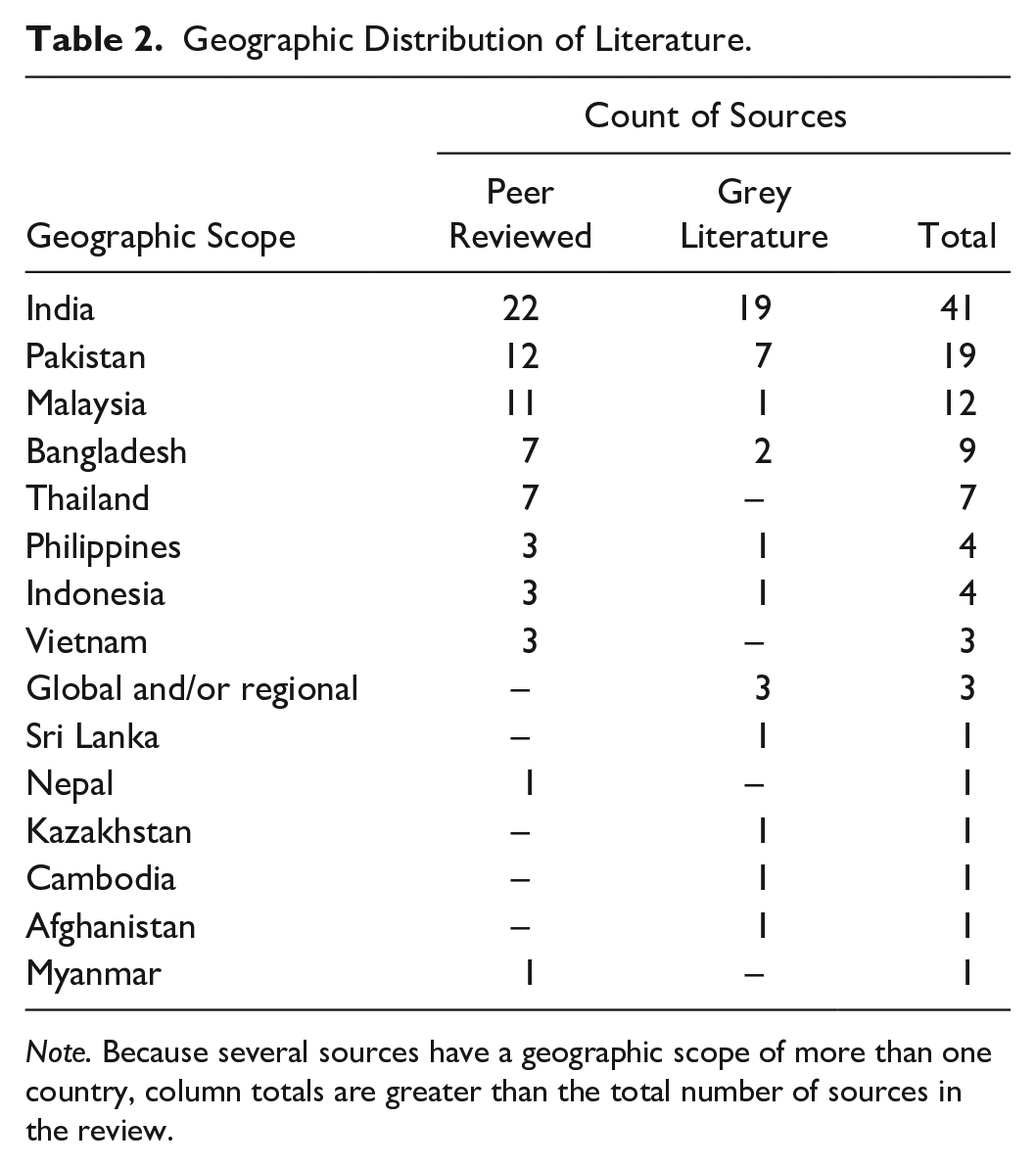
Note. Because several sources have a geographic scope of more than one country, column totals are greater than the total number of sources in the review.
Increasing occurrence of technology-facilitated GBV can be observed across South and Southeast Asia, with regional trends and country contexts influencing how, why, and for whom prevalence and risk is increasing over time. For example, findings from India show that prevalence of technology-facilitated GBV is increasing and women, girls, and LGBTQIA+ individuals are experiencing disproportionately higher impacts. In Indonesia, there has been a rise in anti-LGBTQIA+ rhetoric on social media which is attributed to a range of factors, including the political environment and an increased publicity of events in media (Boellstorff, 2020). In addition, several sources note a common trend across the region where women activists and journalists are facing higher risk of online harassment and gendertrolling (Brazal, 2020; Chahal et al., 2019; Gurumurthy, Vasudevan & Chami, 2019; Pasricha, 2016). In particular, India and Nepal have seen a rise in the number of female journalists who experience widespread gender-based discrimination and online harassment that poses an additional threat to their participation in a male-dominated profession (Koirala, 2020). Moreover, Brazal (2020) indicates that in Southeast Asian countries of Cambodia, Indonesia, and the Philippines, there has been a rise in cyber prostitution of minors, facilitated by factors such as poverty and expanding internet infrastructure (Brazal, 2020).
Mirroring global trends, an increase in risk and prevalence of technology-facilitated GBV was particularly observed across Asia during the COVID-19 pandemic. Given the considerable gender digital divide, users with limited digital skills and information on best practices, who tend to be women and children, were at higher risk of cyberviolence during COVID-19. As schools, workplaces, and social lives transitioned to the digital world during lockdowns and stay-at-home measures, women and children faced heightened exposure to cyberbullying, unsolicited pictures, sexist comments, threats, and sexual exploitation (Cai et al., 2021; Plan International and Save the Children, 2020; UN Women 2020). For example, in Pakistan calls to a digital harassment helpline almost tripled during the pandemic, where the majority of reports were made by women. The Philippines reported four times as many cases of online sexual abuse of children in 2020 relative to 2019 (Cai et al., 2021), as well as higher peer-to-peer online violence against women and girls (UN Women 2020). Children with less technologically savvy parents were at particular risk due to weakened parental oversight and guidance. In addition, pandemic induced stressors, including economic pressure on families, increased the potential for online exploitation of girls for economic gain (Plan International and Save the Children, 2020).
While the review highlights some broad prevalence trends across the region, clear and consistently defined prevalence rates were not commonly reported in the literature, limiting a uniform analysis of prevalence rates across Asia. Several sources note that it is difficult to accurately estimate nationally representative prevalence rates of technology-facilitated GBV due to factors such as underreporting, poor reporting mechanisms, limited understanding of what constitutes reportable forms of technology-facilitated GBV, and inadequate legal and social protections (Hassan et al., 2018; Office for Victims of Crime Training and Technical Assistance Center, 2021). In addition, the findings indicate that prevalence not only varies by characteristics of the survivor and perpetrator, but also by the form of technology-facilitated GBV (International Foundation for Electoral Systems, 2019).
Characteristics of Perpetrators and Survivors
Age
Age-specific differentiation in the experience of technology-facilitated GBV and online victimization varied across countries. For example, in a 2020 study from Nepal, younger female journalists in the 21–25 age group were more likely to have experienced online sexual harassment, compared to those above age 35. Journalists in junior positions were also more likely to face online abuse than their senior counterparts (Koirala, 2020). In Myanmar, researchers found that both men and women have experienced cyberbullying by age 20 or younger (Khine et al., 2020), and similarly in Thailand, male students ages 14–17 years were more vulnerable to cyber victimization than older students (Pradubmook-Sherer & Karansupamas, 2020). In South Asia, particularly India, Bangladesh, and Pakistan, adult women are often survivors of NCII (Halder, 2017).
In the case of cybergrooming, while the majority of respondents from a 2016 study indicated that they were not aware of the perpetrator’s age, the groomer was often older in instances where age was known (Wachs et al., 2016). This trend is consistent with findings from Bangladesh where adults “groom” or build trusting relationships with children since they are able to conceal their true age, giving the child a sense of false security (Chowdhury, 2016).
Gender identity and sexual orientation
The anonymous nature of online spaces enables users to conceal and manipulate identities, making it difficult to accurately discern information about perpetrators, such as their gender, age, location, profession, relationship with targets, and other identifiable details. However, reviewed literature indicates certain trends in perpetrator profiles across countries in Asia. Although both men and women are impacted by technology-facilitated GBV, women and girls in Asia face online gender-based and sexual harassment at disproportionately higher rates compared to their male peers (Cai et al., 2021; Gurumurthy, Vasudevan, Chami & Mahesh, 2019; Koirala, 2020; Kovacs et al., 2013; Plan International and Save the Children, 2020; UN Women, 2020; Xu, 2010). Online acts of violent behaviors are most often conducted by men (Devika et al., 2019; Mardianto et al., 2019; Marret & Choo, 2017), although this trend varies depending on the form of technology-facilitated violence.
Cyberbullying is an increasingly common form of technology-facilitated GBV; however, the gendered nature of this form of violence is not consistent across literature (Balakrishnan, 2018). For instance, in Malaysia, Adebayo et al. (2020) found that among high school and undergraduate students, boys and young men are the primary perpetrators of cyberbullying. Conversely, Fitriana et al. (2020) found that Malaysian men are more likely to be victims of traditional bullying and cyberbullying. Likewise, there is no consistent correlation between gender and cyberbullying perpetration in India: while Bhat et al. (2017) found that boys were more likely to engage in cyberbullying than girls, in another study women were found to be active perpetrators of cyberbullying (Sharma et al., 2017). It is also reported that Indian men are often bullied by fellow young men for promoting feminist and gender non-conforming views, since this is viewed as a deviation from socially defined gender norms (Devika et al., 2019).
Unlike the case with cyberbullying, evidence indicates that cyberstalking is usually perpetrated by males against females and stems from male entitlement (Gurumurthy, Vasudevan & Chami, 2019). In a 2019 study from India, researchers found that in more than 70% of cases, women were cyberstalked by men (Chahal et al., 2019). Similarly, in Pakistan, as men continue to retain control over technology, mobile phones are commonly used to harass and stalk women, either from anonymous callers or as part of ongoing abusive situations (Randhawa, 2010).
Evidence from South Asia overwhelmingly indicates that women are disproportionately affected by online sexual harassment. Several studies report that women are subjected to online sexual harassment in the form of unwanted phone calls, text messages, and content that is often sexual or romantic in nature (Hassan et al., 2018; Nova et al., 2019; Saleem et al., 2021; Sambasivan et al., 2019). With respect to cybergooming, girls report being sexually solicited online more often than boys. When perpetrator’s age and sex is known, they are predominantly older men (Wachs et al., 2016). In instances where boys report cybergrooming, the perpetrator is often an older woman. However, it is possible that gender reporting for this form of violence is biased; researchers posit that male targets may experience shame from being groomed by perpetrators of the same sex and instead report the perpetrator as female (Wachs et al., 2016).
LGBTQIA+ persons face high rates of online harassment in several countries, specifically Bangladesh, India, and Indonesia (Dunn, 2020; Gurumurthy, Vasudevan, Chami & Mahesh, 2019; Kamilia et al., 2015; QUILT.AI and International Center for Research on Women [ICRW], 2021). Their vulnerability is compounded when information about their identity is made available online without their consent, risking exposure of their gender and sexual identities (Chowdhury, 2016). Findings from India indicate that not only are transgender women at heightened risk of experiencing online harassment compared to cisgender women, but people writing about LBGTQIA+ issues are also experiencing higher rates of online harassment (Devika et al., 2019; Pasricha, 2016). In Pakistan, individuals identifying as gender non-binary have faced increased cyber harassment during the COVID-19 pandemic (Digital Rights Foundation, 2020). Moreover, in such countries where LGBTQIA+ rights are condemned by the government, abuse perpetrated online tends to be homophobic and misogynist (Posetti et al., 2021).
Intersectional identities
Findings indicate that those with intersecting identities (e.g., youth, low socioeconomic status, lower caste status, ethnic and religious minority, rural residence, occupation, and disability status) are at higher risk of experiencing online harassment and abuse in South Asia—thus, amplifying their marginalized status (Digital Rights Foundation, 2020; Gurumurthy, 2019; Gurumurthy, Vasudevan & Chami, 2019; Munusamy, 2018; QUILT.AI & ICRW, 2021; Sambasivan et al., 2019; Xu, 2010). Indian women with intersecting marginalities, such as lower caste status (e.g., Dalit), religious minority (e.g., Muslim), non-heteronormative gender identities, and low socioeconomic status were most at risk of experiencing online harassment and abuse (Gurumurthy, 2019; Gurumurthy, Vasudevan & Chami, 2019; Munusamy, 2018; QUILT.AI & ICRW, 2021; Xu, 2020). Likewise, in Pakistan, individuals belonging to ethnic and indigenous minorities are more vulnerable to online violence (Digital Rights Foundation, 2020).
With respect to occupation, female politicians, journalists, activists, and actors have become common targets of online abuse and harassment (Amnesty International, 2020; Gurumurthy, Vasudevan, Chami & Mahesh, 2019; Koirala, 2020; Meco, 2019; Mukherjee et al., 2021; Randhawa 2010). For example, in Nepal, despite recent increase in women’s participation and representation in male-dominated fields of journalism and politics, there continues to be widespread gender-based discrimination and online harassment against women journalists (Koirala, 2020). Adjacently, secular journalists and women’s rights activists in India are increasingly being subjected to online harassment and gendertrolling (Gurumurthy, Vasudevan, Chami & Mahesh, 2019; Pasricha, 2016). Filipino women activists and journalists who question government policies are also facing sexual harassment online (Brazal, 2020; Chahal et al., 2019).
Discussion
This review provides a comprehensive overview of common behaviors, regional trends and prevalence, and characteristics of survivors and perpetrators of technology-facilitated GBV from extant literature. To our knowledge, this is the first scoping review that explores this form of violence across Asia. Despite being a widespread issue globally, we found that research on technology-facilitated GBV in the region is limited to certain countries in South and Southeast Asia. We found little to no literature from Central Asia and the Pacific Islands, with the bulk of evidence emerging from Bangladesh, India, Indonesia, Malaysia, Pakistan, the Philippines, and Thailand. In light of this evidence gap, future investment in scholarly work should prioritize lesser researched regions of the world.
Our review identified various terminologies and manifestations of technology-facilitated GBV in South and Southeast Asia including cyberbullying, sexual harassment, image-based abuse, threatening communication, and gendertrolling. With such a wide variety of constantly evolving behaviors and a lack of definitional, theoretical, and methodological consensus, our understanding of the true prevalence of this issue remains murky. It is also widely speculated that the true prevalence of technology-facilitated GBV is unknown because such incidents are largely unreported. Nascent and academic terms—such as non-cosensual distribution of intimate images—combined with inconsistent and outdated terminologies used by government and civil society actors further obfuscates response efforts. The current use of definitions fails to capture the full spectrum of violent behaviors and creates a sense of ambiguity that compromises reporting, prevalence estimations, and prevention strategies (Backe et al., 2018; Duggan, 2014; Gurumurthy, Vasudevan & Chami, 2019; Hinson et al., 2018; Kim & Ferraresso, 2022; Patel & Roesch, 2020; Saleem et al., 2021).
The proliferation of digital technologies, combined with more time spent online during the COVID-19 pandemic, has led to increased perpetration of online violence. Consistent with global trends, we found that women and girls are disproportionately targeted online—a space where their vulnerability is further amplified by additional layers of intersecting marginalized identities. For instance, girls are often targeted online if they are young and female, but they face heightened abuse if they belong to a racial or religious minority group, identify as LGBTQIA+, have a disability, are politically outspoken, or work in a traditionally male-dominate space (Backe et al., 2018; Dunn, 2020; Lenhart et al., 2016; Plan International, 2020; UN Women, 2020). Growing evidence indicates that South Asian women in particular face repeated and interrelated forms of technology-facilitated GBV, especially online harassment, cyberbullying, cybercrimes, and cyberstalking (Adebayo et al., 2020; Akter, 2018; Amnesty International, 2020; Chahal et al., 2019; Devika et al., 2019; Digital Rights Foundation, 2017; Gurumurthy, Vasudevan, Chami & Mahesh, 2019; Halder, 2017; Hassan et al., 2018; Kovacs et al., 2013; Nova et al., 2018; Quilt.AI & ICRW, 2021; Randhawa, 2010; UN Women, 2020). This is often reflective of deeply embedded social and gender norms, discriminatory beliefs and widespread misogyny, and the gender digital divide which amplifies their vulnerability (Dunn, 2020; Koirala, 2020). Since digital technologies are particularly characteristic of predisposing women and vulnerable populations to elevated risks of GBV, future research should use an intersectional lens to understand how various aspects of an individual’s identity increases vulnerability to and impacts from technology-facilitated GBV.
The urgency to address prevention, mitigation, and response barriers is particularly important considering the dynamic landscape of technology-facilitated GBV, both in light of increasing reliance on digital devices and online platforms and the constant development of new technologies. By building better consensus around definitions and typologies (Backe et al., 2018), as well as sensitizing key stakeholders (e.g., government and legal actors, technology companies, civil societies, academic institutions, and workplaces) we can increase accurate reporting, compare prevalence data, and develop tailored programs and policies to prevent, mitigate, and respond to this violence. As it currently stands, lack of accurate data compromises policy makers’ understanding of the severity and scale of harm, leaving survivors with little recourse for justice or recovery.
Although this analysis sheds light on various aspects and manifestations of technology-facilitated GBV in South and Southeast Asia, there are some limitations. First, given the scope and research objectives of the study, articles that did not have an explicit reference to technology-facilitated violence, gender, sexuality, or country of interest in the title or abstract were screened out. Thus, the review does not integrate literature that may have had relevant information in the body but did not meet this inclusion criteria. Second, we may have missed articles that used colloquial or context-specific terminology, which we were unable to include in our search string given the variety of countries included in the review. Third, content on gender differences in access to technology, use of technologies for sex-selective abortion, or technology-based solutions for GBV prevention were considered beyond the scope of this review. Finally, the scope was limited to LMICs in Asia and studies published in English to match the language abilities of the research team and to keep the review manageable given the multitude of languages across the regions. Future research should include non-English publications for a better representation of all literature produced on this topic from this region.
Conclusion
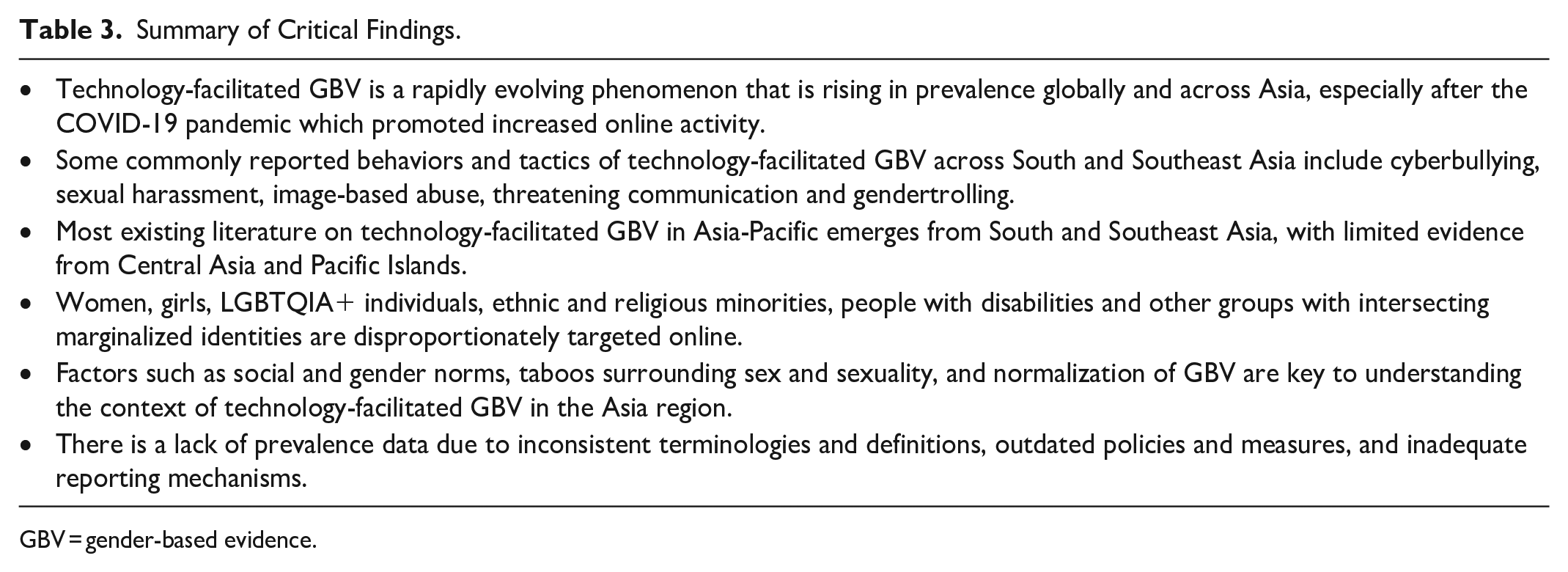
As people become increasingly reliant on digital devices and platforms to fulfil fundamental needs, access information, and build social connections, it is important to acknowledge that the digital environment poses new threats to users’ safety and human rights. Findings across South and Southeast Asia indicate that technology-facilitated GBV is a pervasive and gendered phenomenon, comprising various forms of abuse, violence, and harassment. Women, youth, LGBTQIA+ individuals, ethnic and religious minorities, and those in the public eye are disproportionately subjected to acts of technology-facilitated GBV, specifically cyberbullying, sexual harassment, image-based abuse, threatening communication, and gendertrolling (Table 3).
Summary of Critical Findings.
GBV = gender-based evidence.
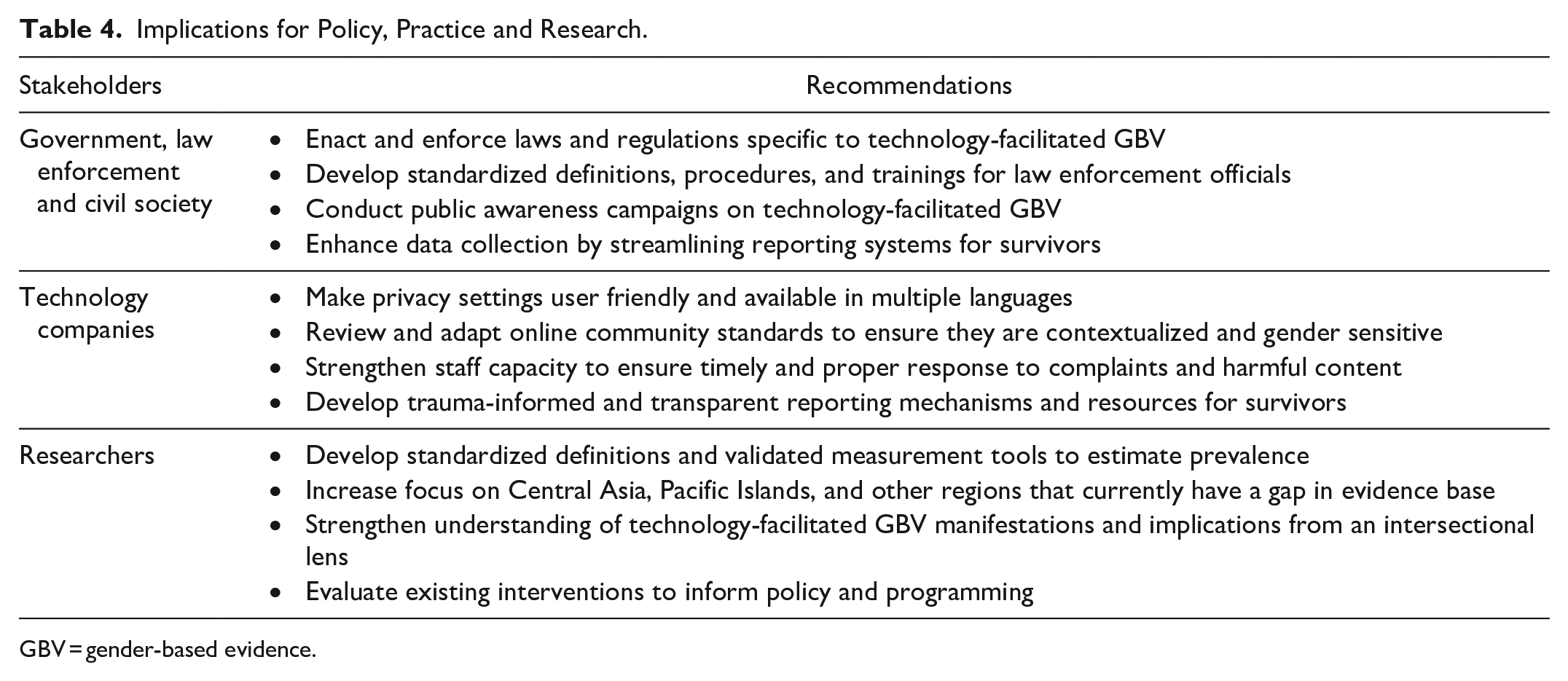
Given the rapid increase in prevalence in the recent years and especially after the COVID-19 pandemic, more rigorous research is needed to understand the prevalence, manifestations, and implications of technology-facilitated GBV in the Asia region, with a particular emphasis on lesser researched regions of Central Asia and Pacific Islands. Addressing technology-facilitated GBV requires collective action from multiple actors, including government authorities, law enforcement officials, NGOs and civil societies, technology companies, and researchers. Armed with a common but contextually nuanced understanding of this complex issue, these actors can work collaboratively to prevent, mitigate, and respond to technology-facilitated GBV in a timely and trauma-informed manner (Table 4).
Implications for Policy, Practice and Research.
GBV = gender-based evidence.
Footnotes
Acknowledgments and Credits
The authors would like to thank Catherine Bollinger, Nicole Goodrich, and Kareem Kysia for their guidance throughout the course of the study.
Declaration of Conflicting Interests
The author(s) declared no potential conflicts of interest with respect to the research, authorship, and/or publication of this article.
Funding
The author(s) disclosed receipt of the following financial support for the research, authorship, and/or publication of this article: This study was funded by the United States Agency for International Development (USAID) under the Democracy, Human Rights, and Governance Learning, Evaluation, and Research (DRG-LER) II Activity. Contract No.: GS-10F-0033M/7200AA18M00016, Tasking N048.
